Hailes Abbey
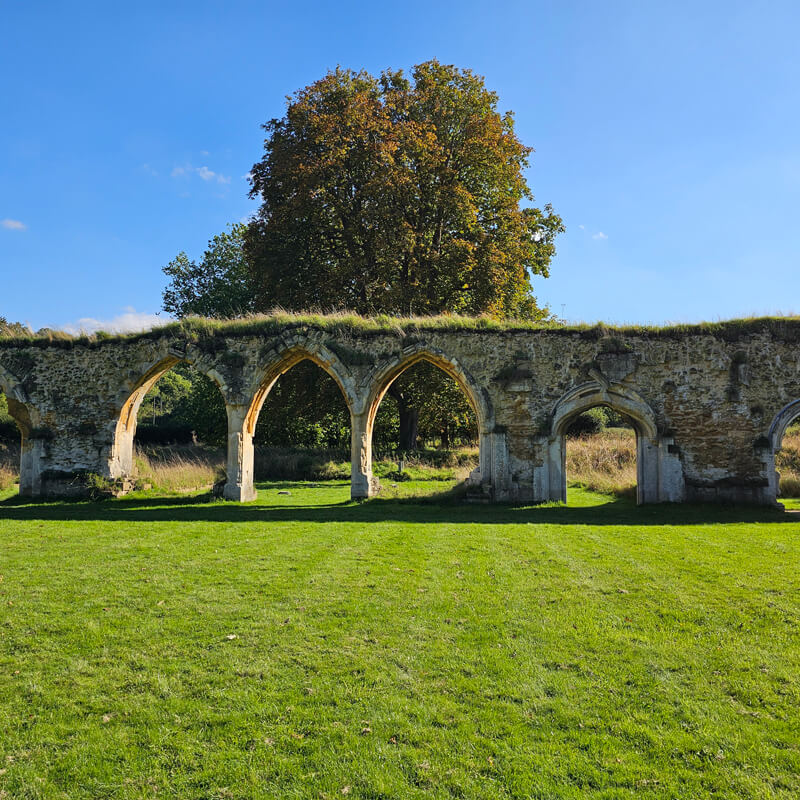
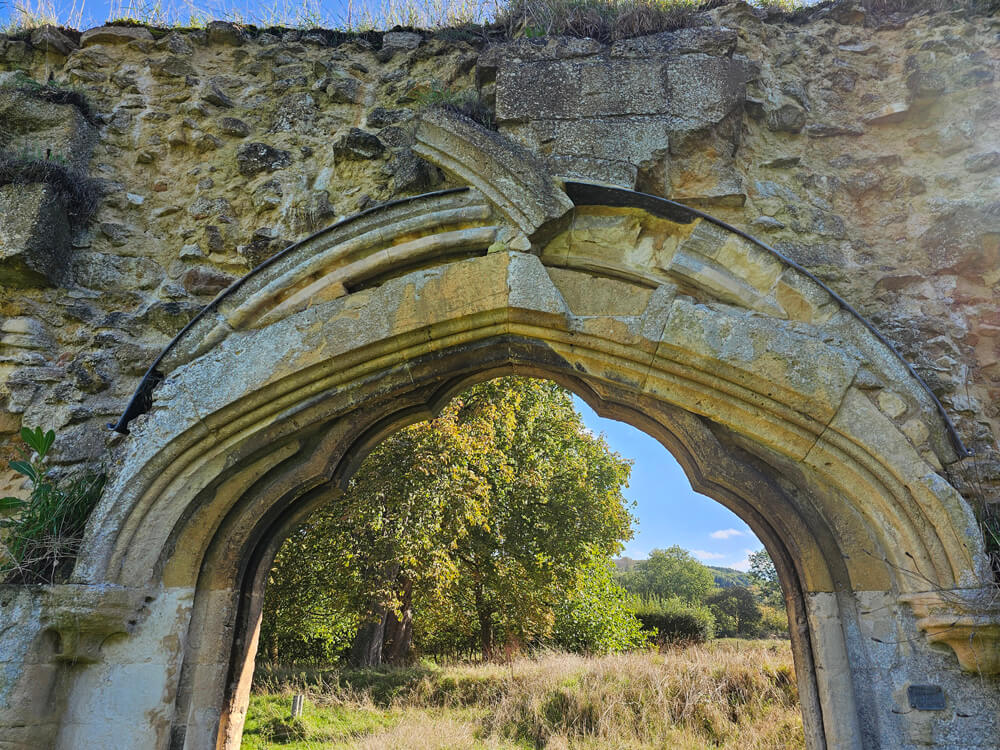
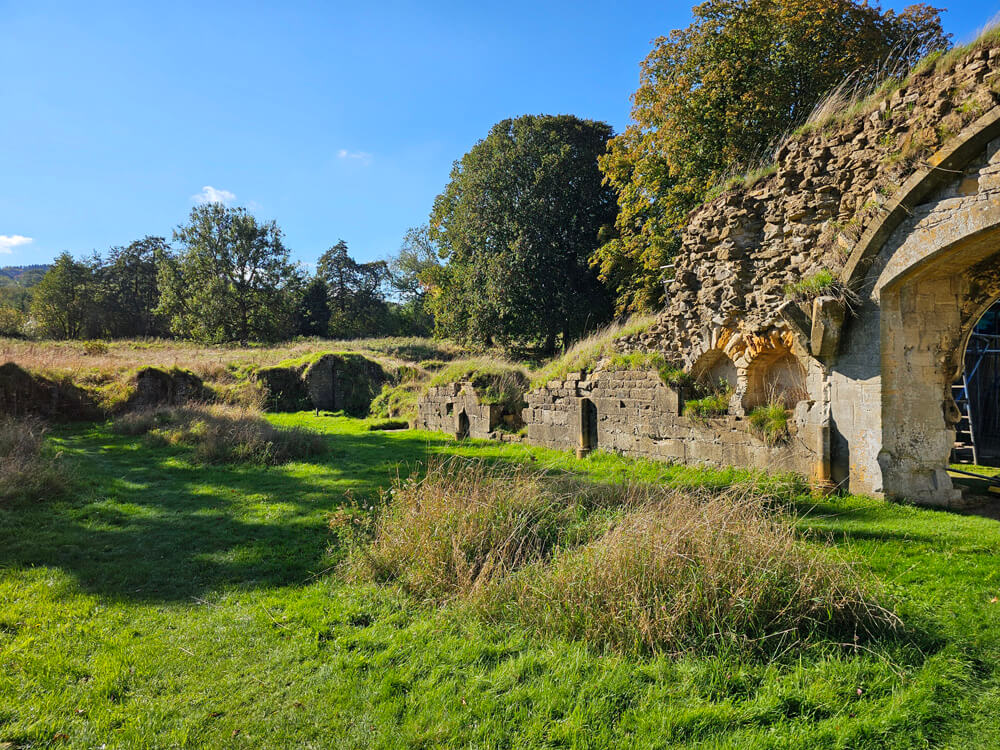
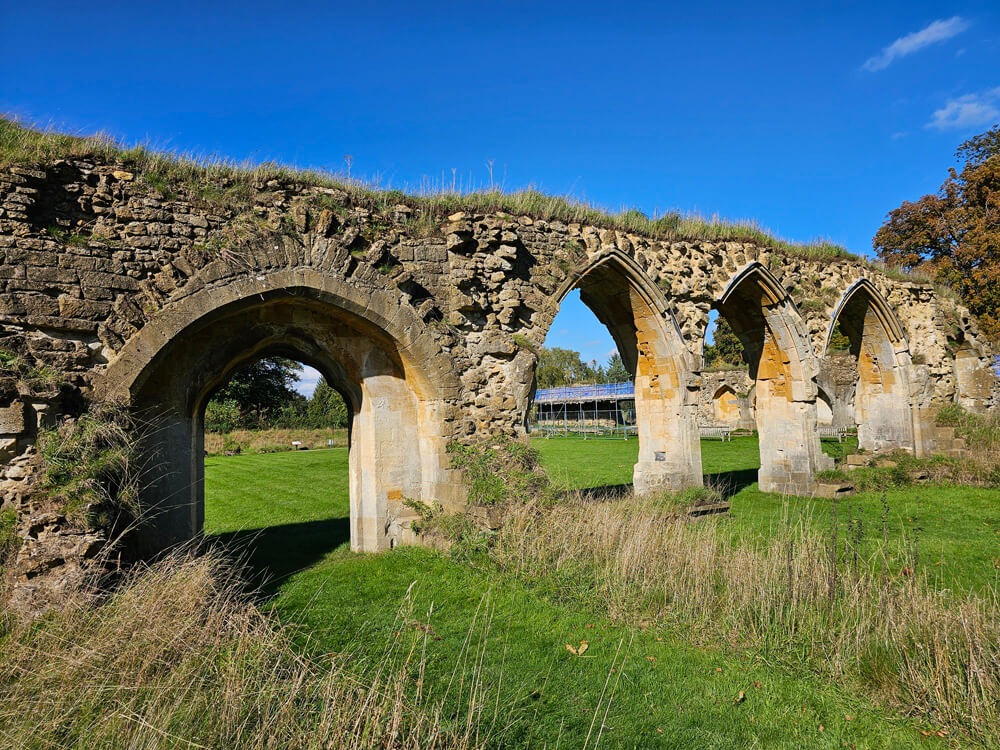
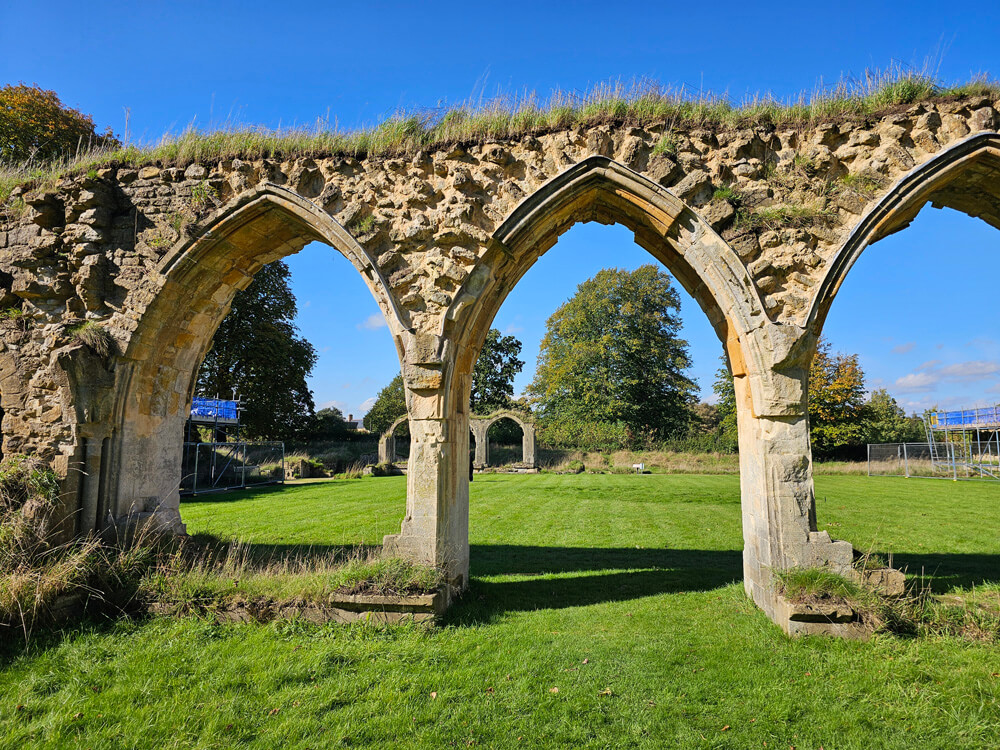
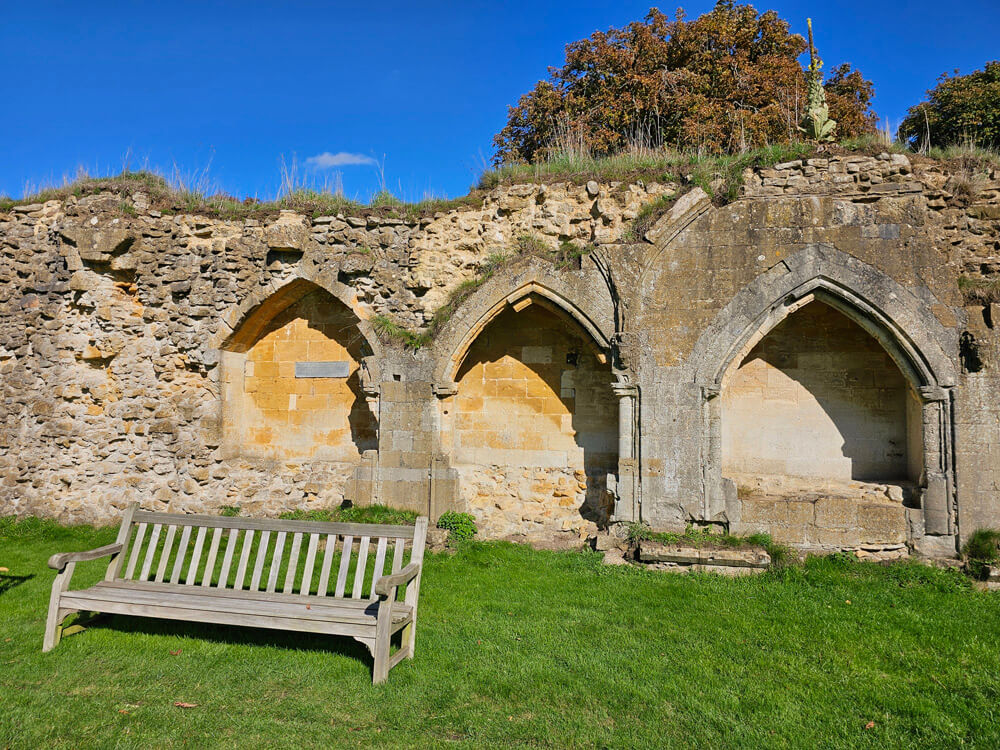
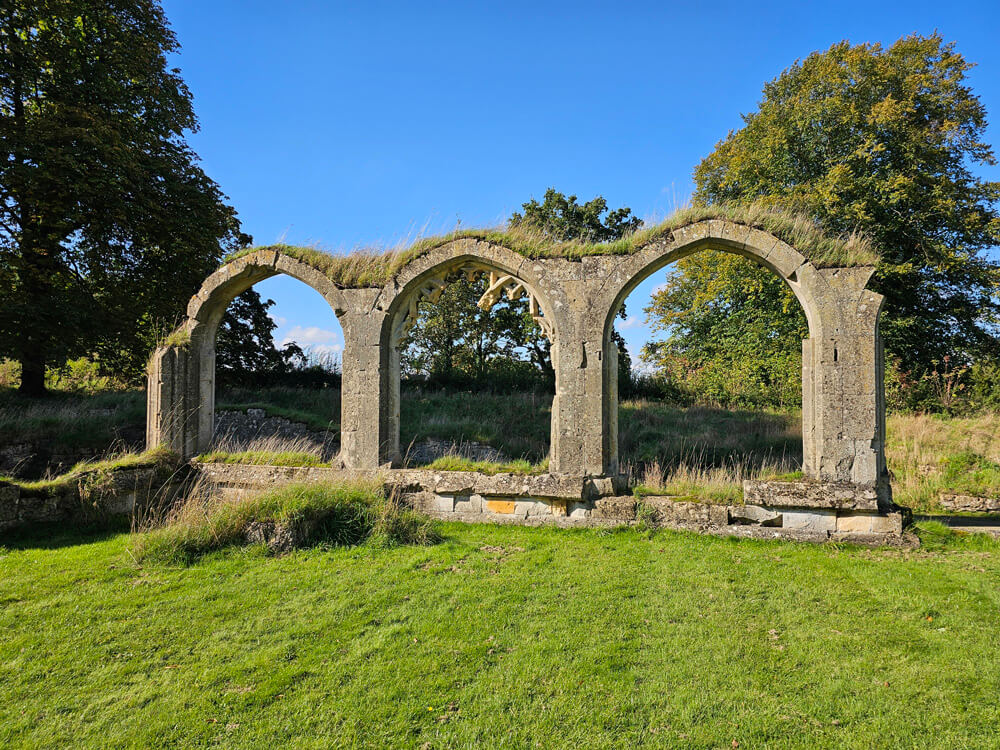
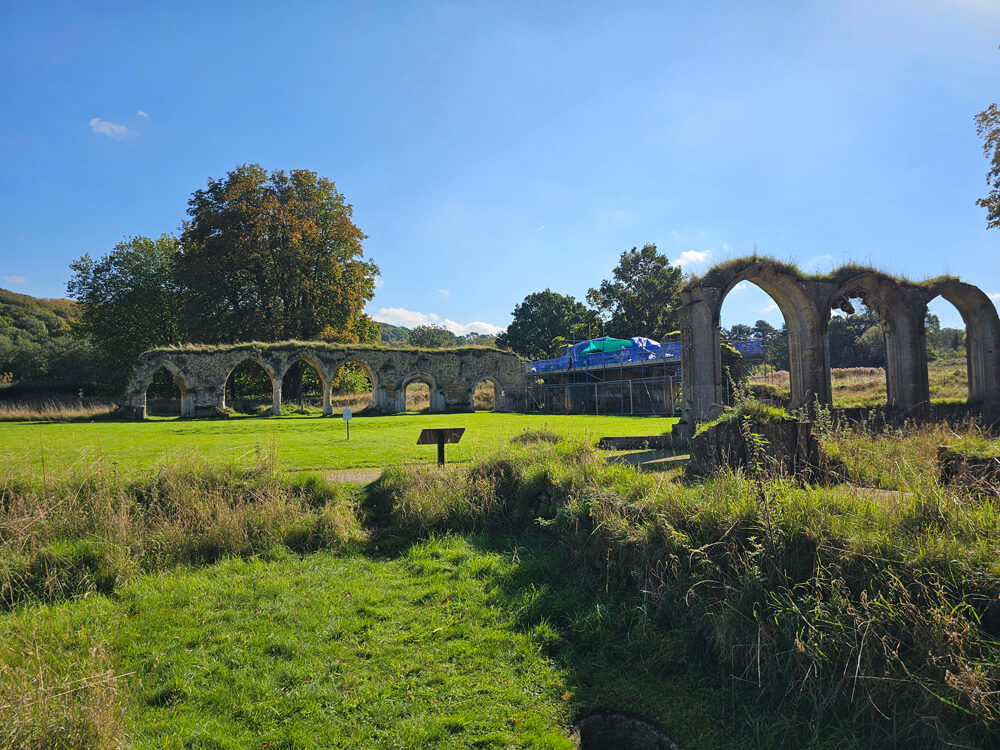
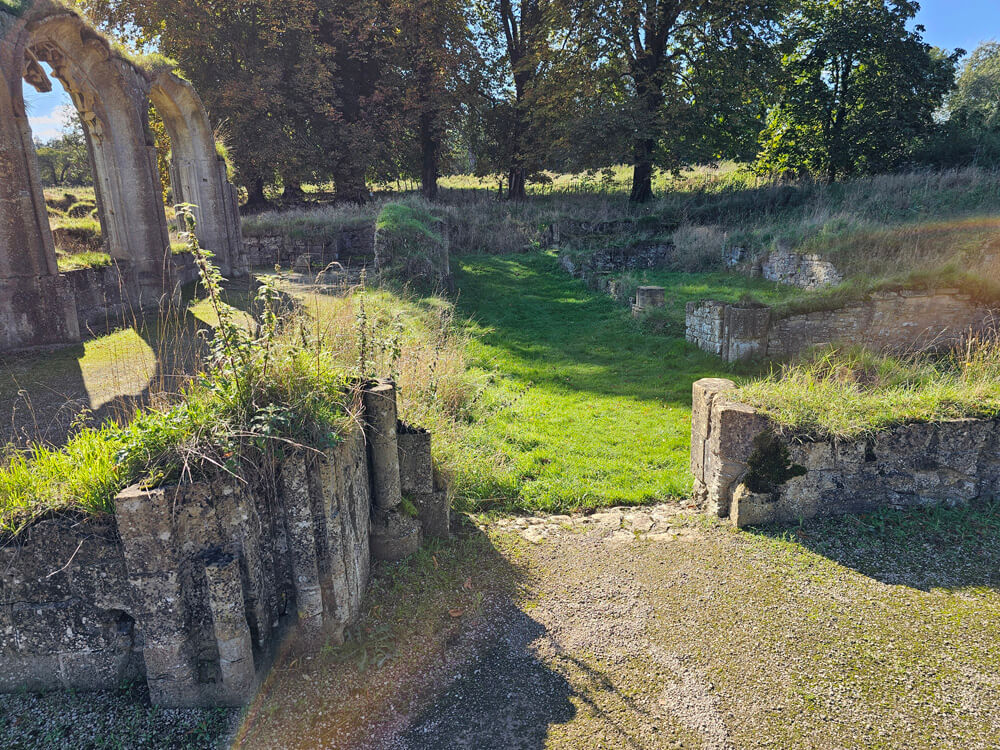
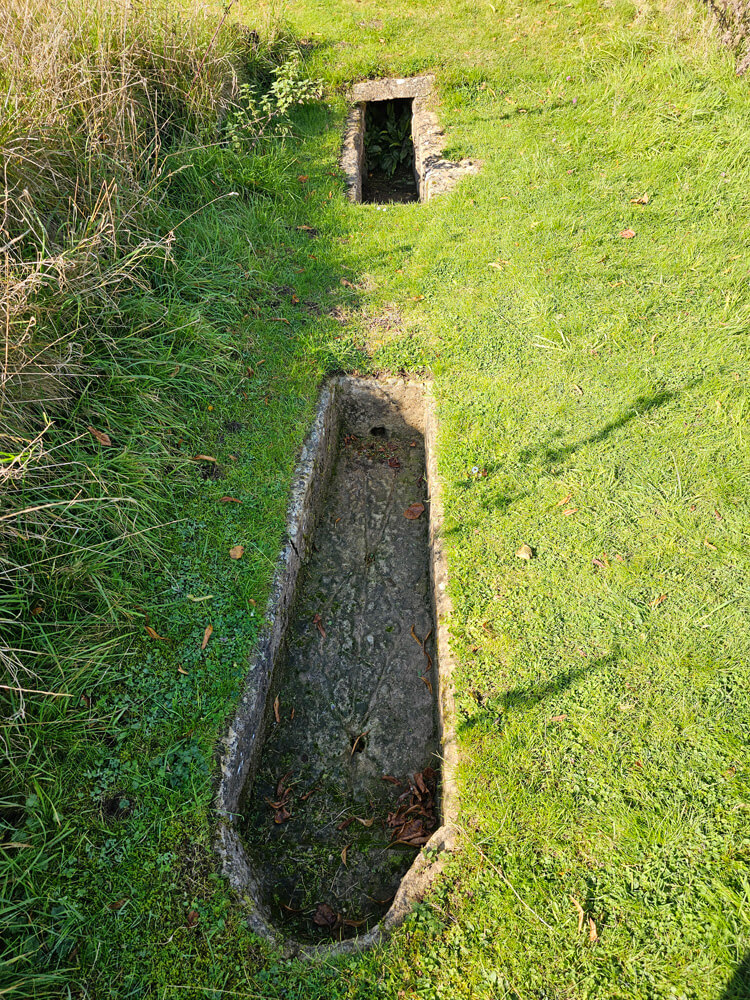
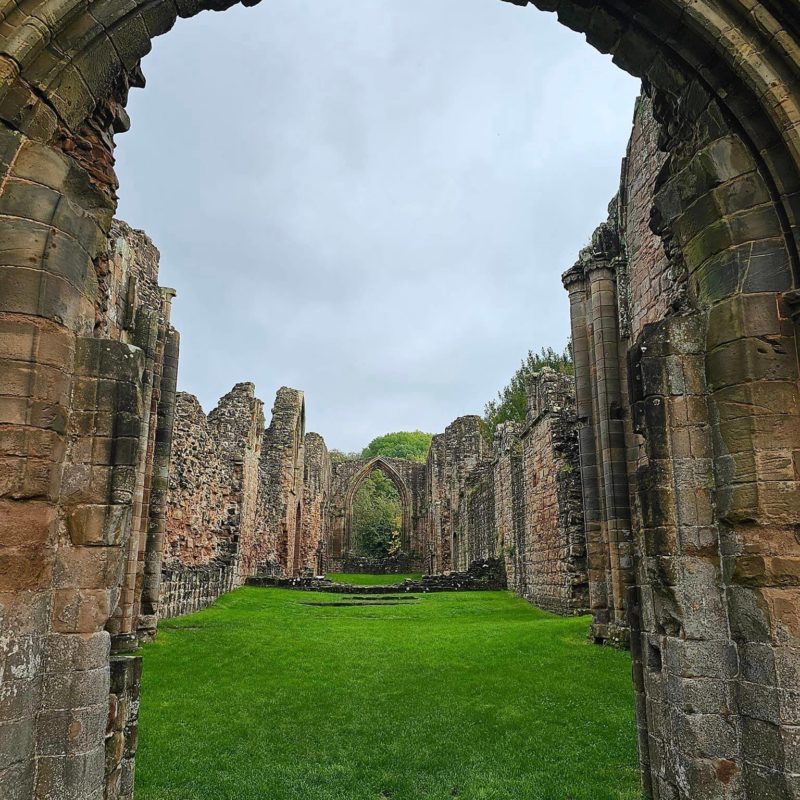
The ruins of Hailes Abbey, a former Cistercian abbey, is set amid delightful Cotswold countryside in the small village of Hailes, about a mile from Winchcombe, Gloucestershire, England. The abbey was founded in 1246 by Richard, Earl of Cornwall, the younger brother of Henry III, and was dissolved by Henry VIII on Christmas Eve in 1539 during the Dissolution of the Monasteries. Very little remains of the abbey, which is now a Grade I listed building and a scheduled monument.
Quick
Facts.
- Location: Hailes, Gloucestershire, England
- Founded: 1246
- Founder: Richard, Earl of Cornwall
- Religious order: Cistercian
- Dissolved: 1539
- Condition: Ruined
A Bit of History…
Richard was the Earl of Cornwall and an English prince who was also King of the Romans from 1257 until his death in 1272. He was the second son of John, King of England, and Isabella, Countess of Angoulême.
Richard founded Hailes Abbey to thank God after surviving a storm at sea, where in pure desperation, he swore a vow to found a religious house if he survived. Richard was granted the manor of Hailes by his older brother, the King, Henry III, and there he established an abbey belonging to the Cistercian order, with the help of Cistercian monks from Beaulieu Abbey in Hampshire. Remarkably, the construction of the abbey was completed in only 5 years, and in 1251 the abbey was consecrated, with Henry III and his wife, Queen Eleanor of Provence in attendance, making it one of the last Cistercian houses to be founded in England.
Hailes Abbey became a site of pilgrimage when in 1270, Richard’s son Edmund presented the monks with a phial said to contain the blood shed by Christ on the Cross. The religious relic of the Crucifixion attracted pilgrims from all over, and the proceeds enabled the monks of Hailes to rebuild the east end of the abbey, adding a dedicated extension to it where the phial was kept in a special shrine behind the high altar. “The Holy Blood of Hailes” brought fame to the abbey, turning it into one of the most important pilgrimage destinations in medieval England. Geoffrey Chaucer even referred to the abbey by name in his famous Canterbury Tales.
The abbey started to experience financial problems from the early 14th century, and struggled to fulfil one of the main obligations of all monasteries; to provide hospitality to guests. The abbey’s problems continued into the 15th century, with some of the abbey buildings falling into ruin and the abbey running up debts.
The abbey finally saw a period of prosperity once again in the early 16th century, but it didn’t last long. Hailes Abbey became a victim of Henry VIII‘s Dissolution of the Monasteries in 1539, the relic was declared a fake and was destroyed, and the abbey was left in ruin.
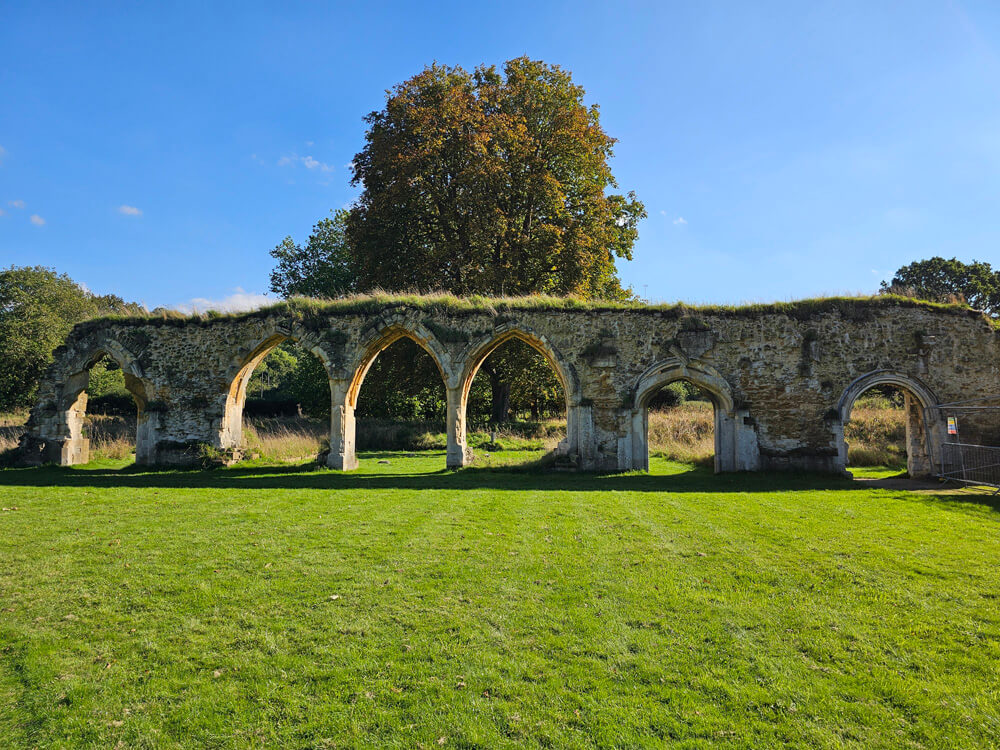
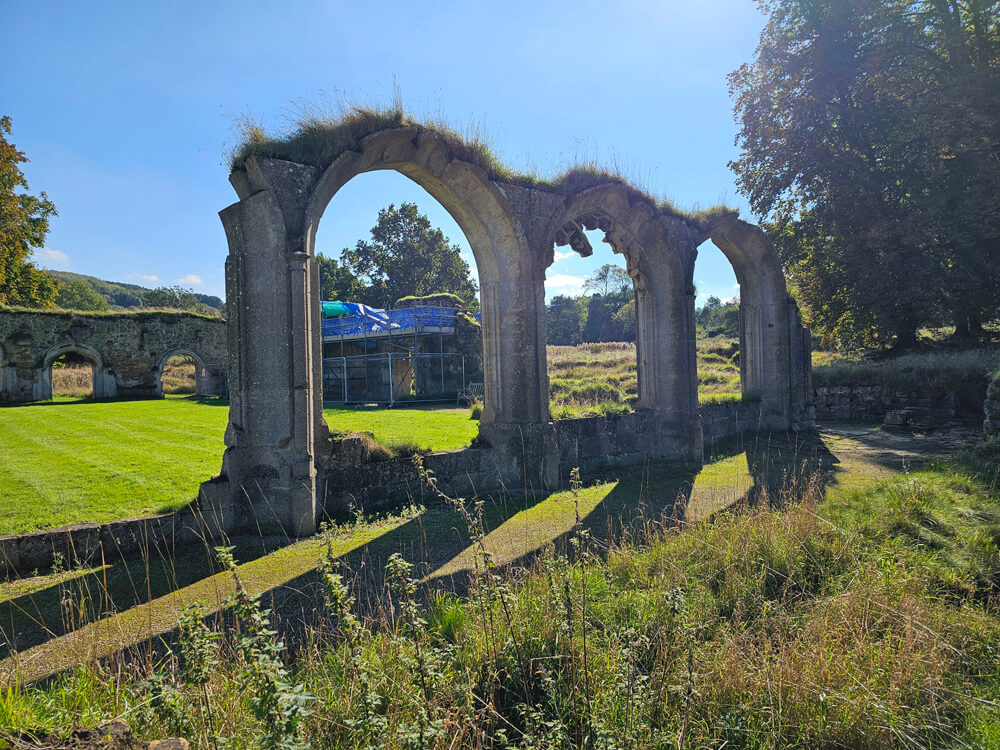
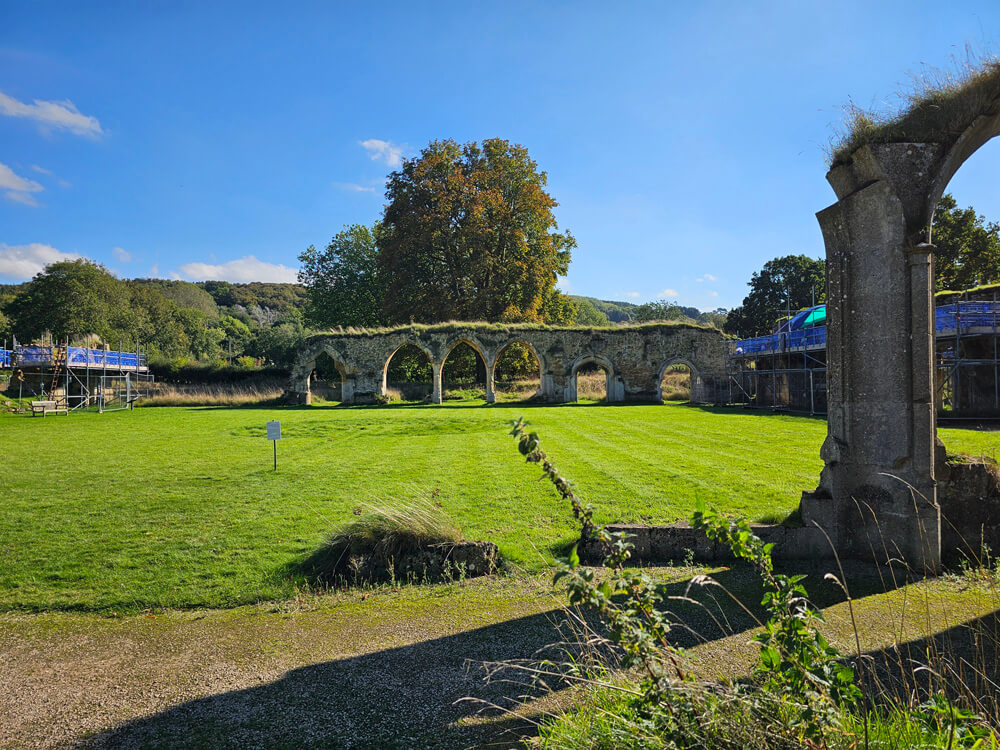
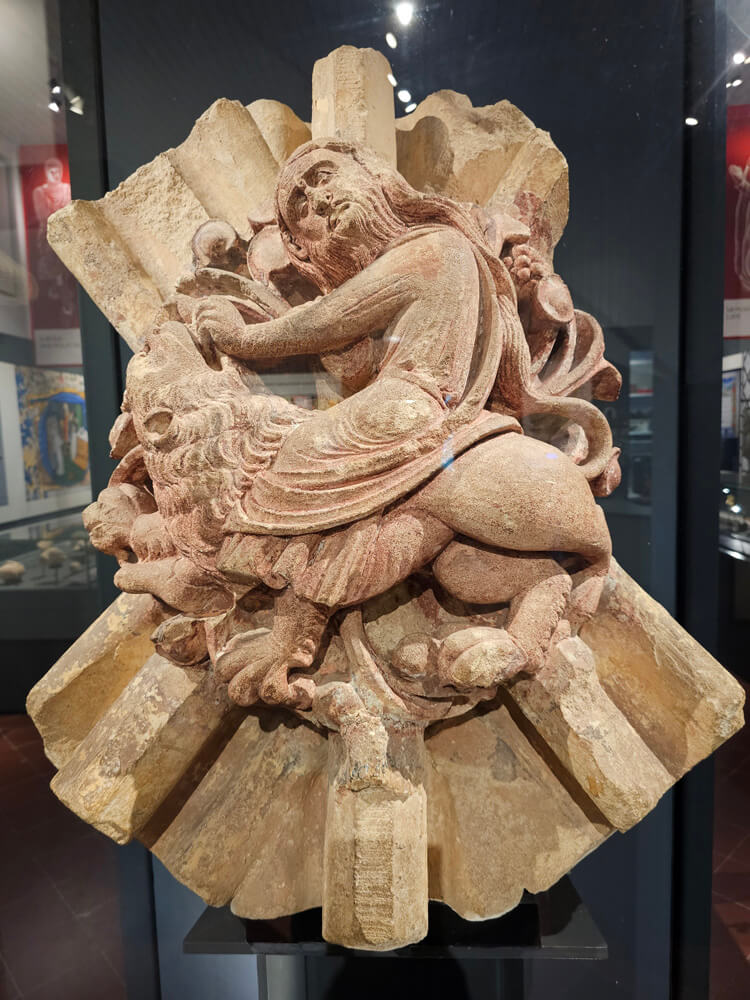
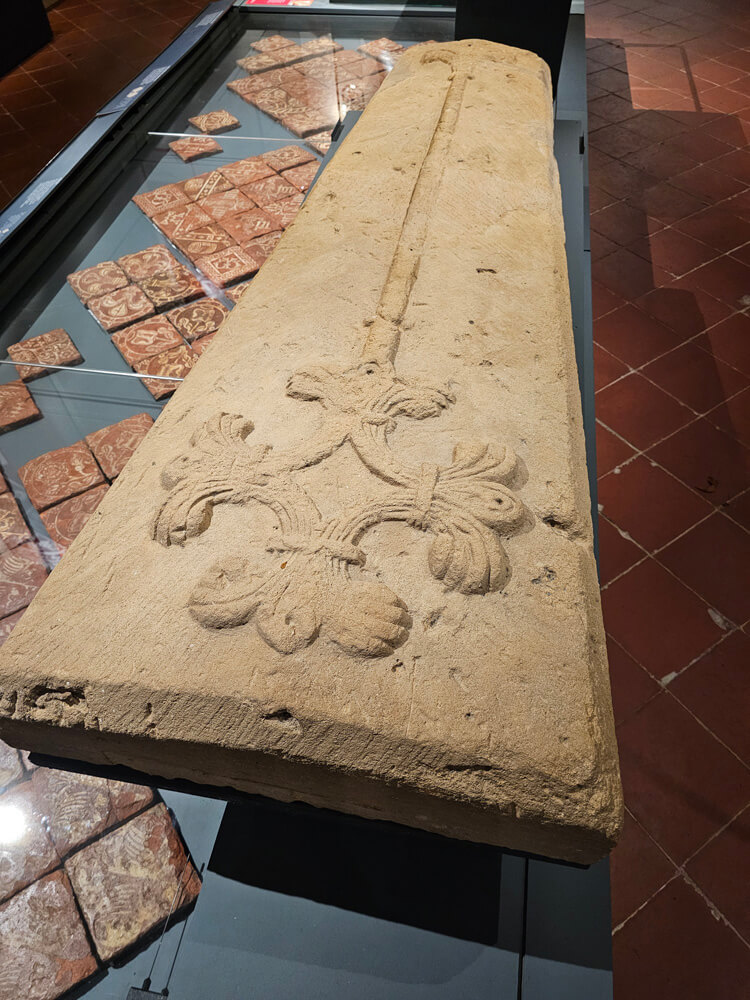
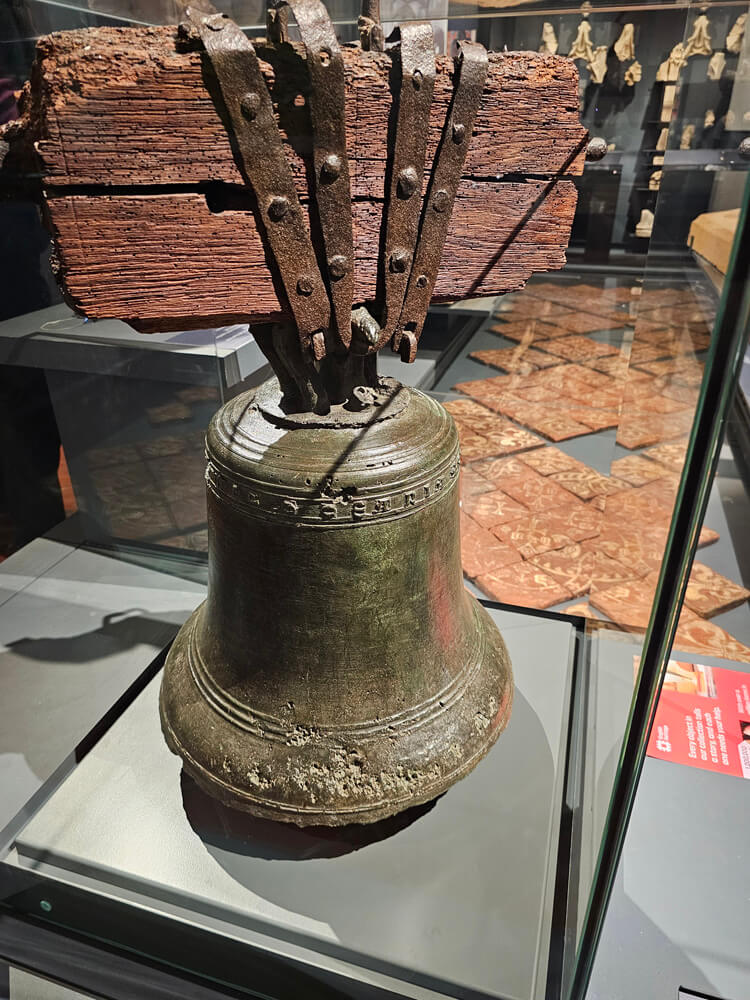
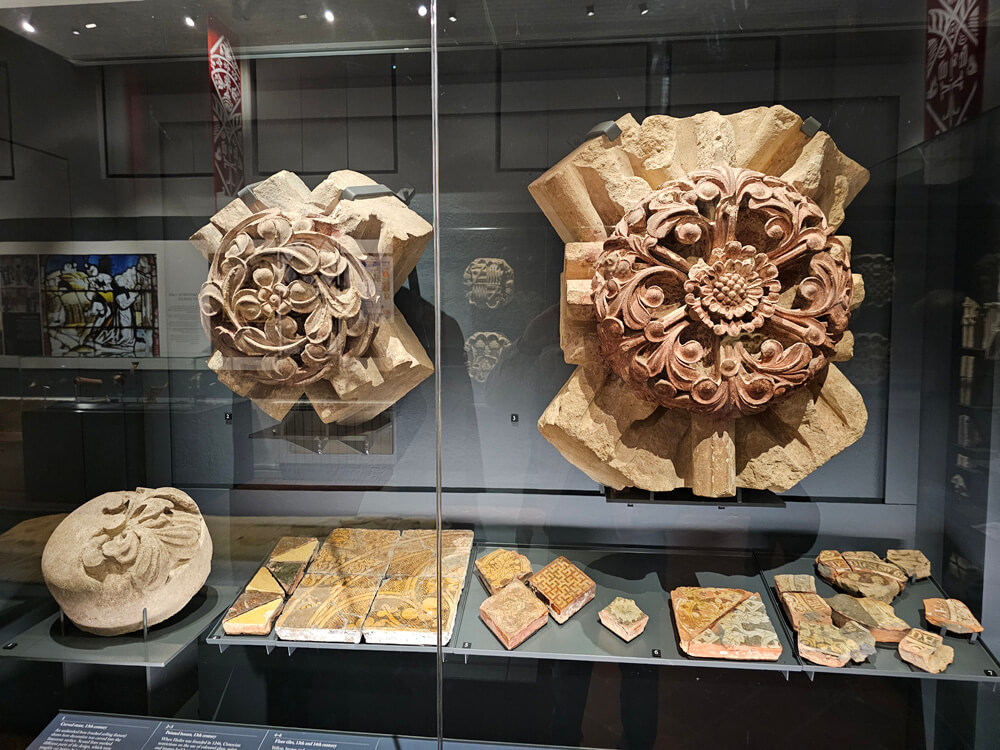
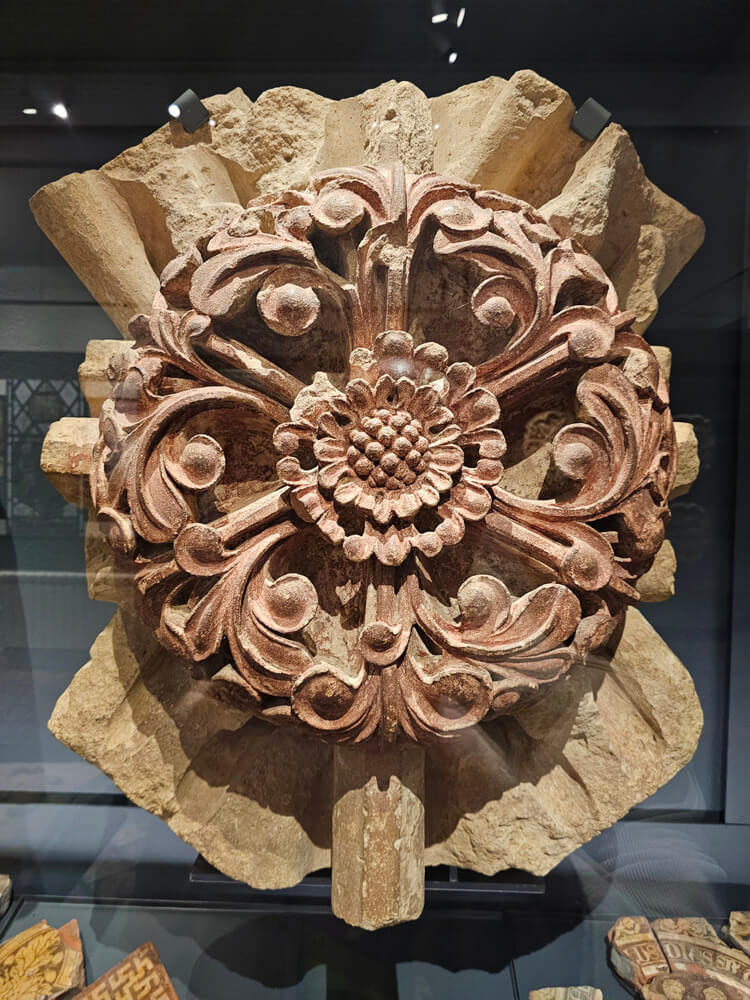
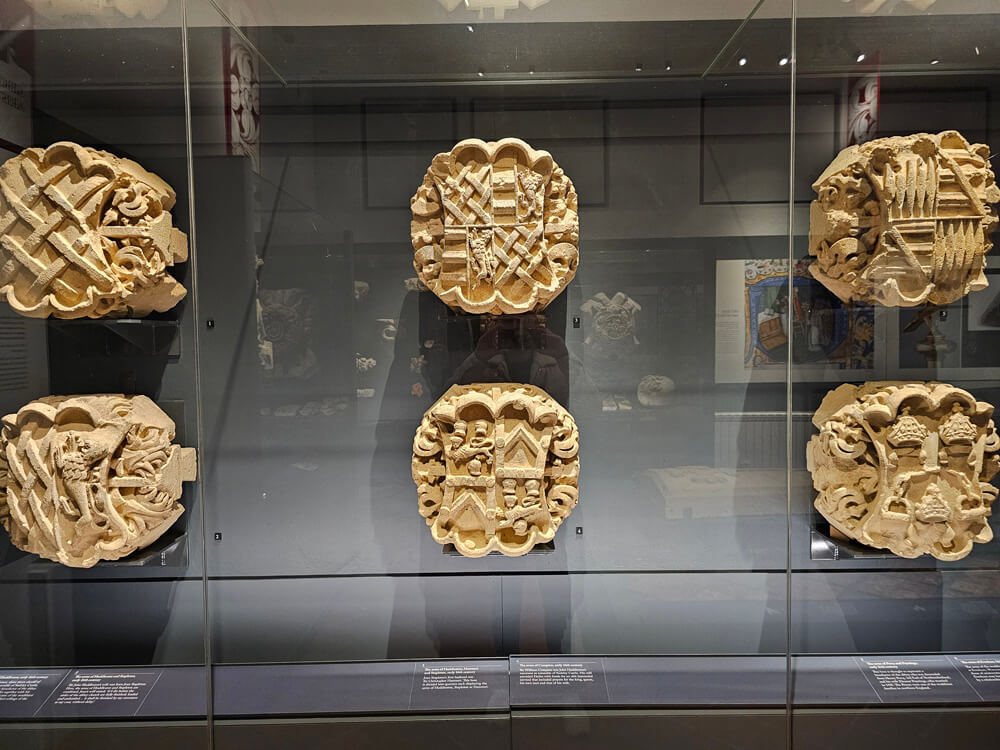
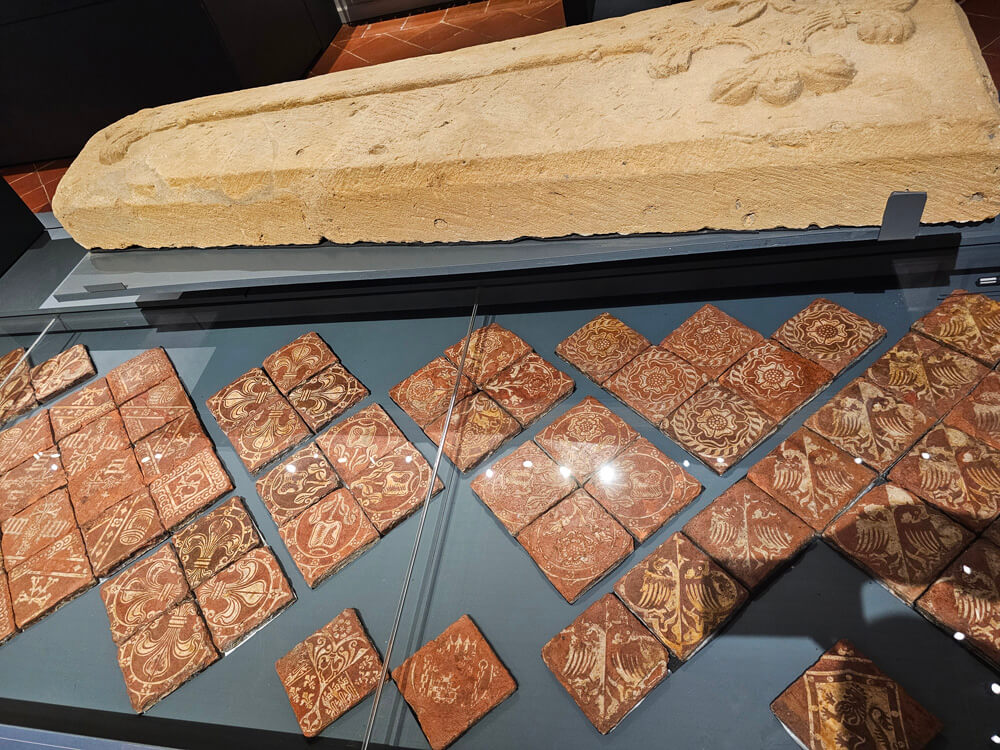
Hailes Abbey never housed large numbers of monks but it had extensive and elaborate buildings. Unfortunately very little of the abbey remains today, but there is a small but fascinating museum on the site, uncovering stories of the monks who lived and worshipped at the abbey. The museum also contains many treasures from Hailes Abbey, including medieval floor tiles, vaulting bosses and other salvaged sculptures and site finds.
Just outside the gates of Hailes Abbey, across the road, is Hailes Church. This small parish church predates the Cistercian abbey by a century, but later came under abbey control until the Dissolution of the Monasteries. Exploring this church for me personally was a much more interesting and fascinating experience, especially with its glorious 12th-century medieval wall paintings.
Photo Gallery.
Did you enjoy this post?
I hope you found this post useful. I put a great deal of time and effort in to building, maintaining and populating the website. If you like, you could say a small thank you by buying me a coffee. You don't have to, but it would be nice :)
Buy me a coffee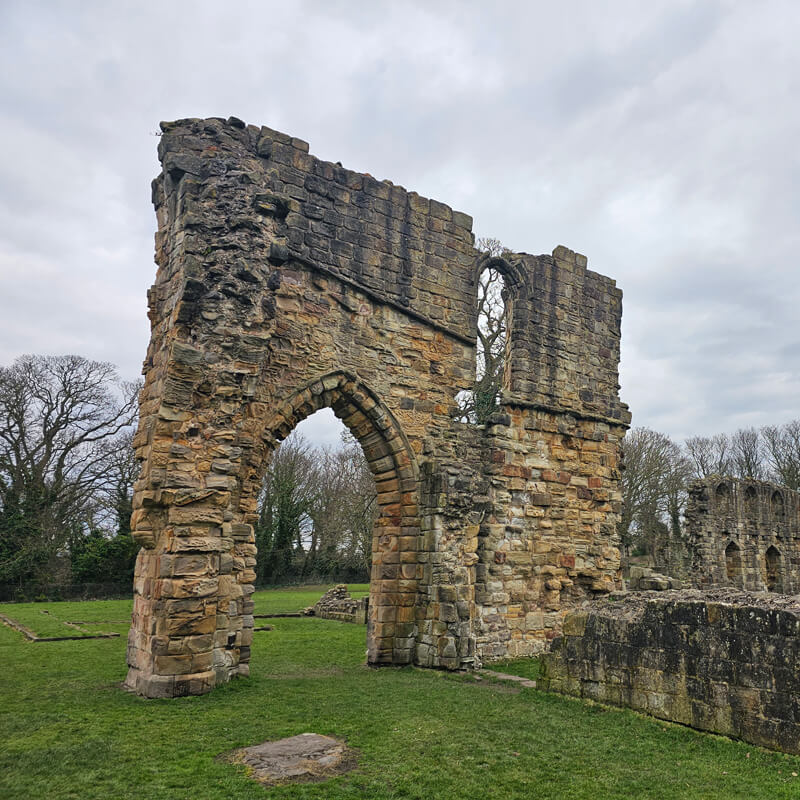
Stay up to Date
Follow me on my journey and get notified whenever a new post is published by following Kings & Castles on Facebook.
Follow MeExplore The Map
Discover the hundreds of castles, churches, monasteries, cathedrals and other historic locations that I've personally visited across England and Wales. Search by location, explore nearby sites and plan your next historical adventure.
Share: