St Cuthbert’s Church, Wells
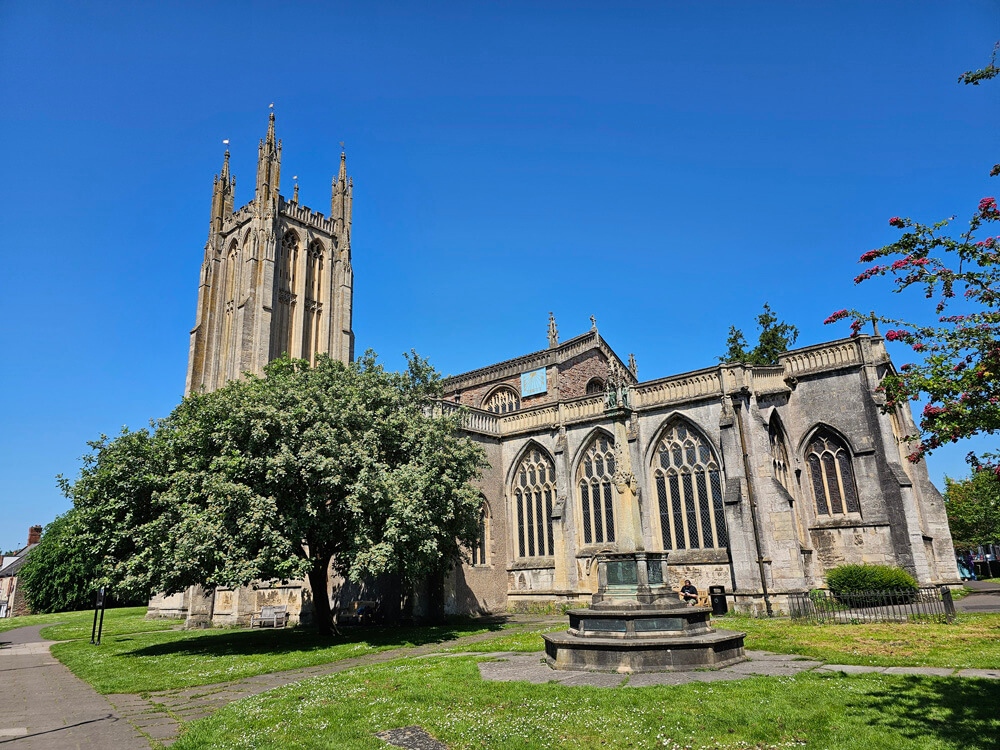
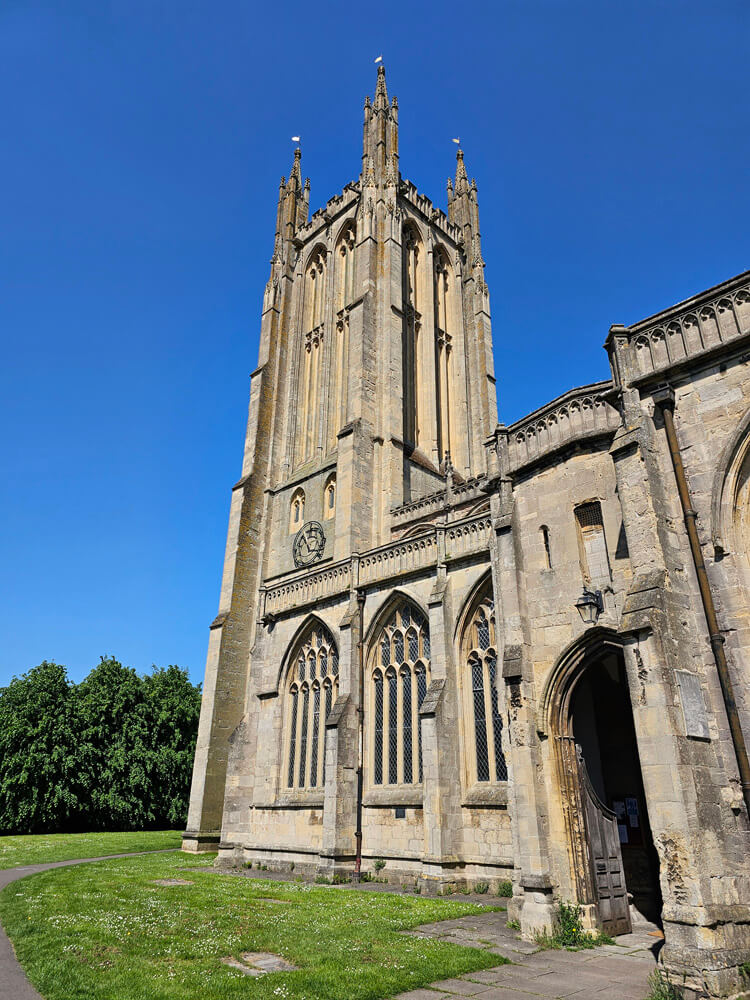
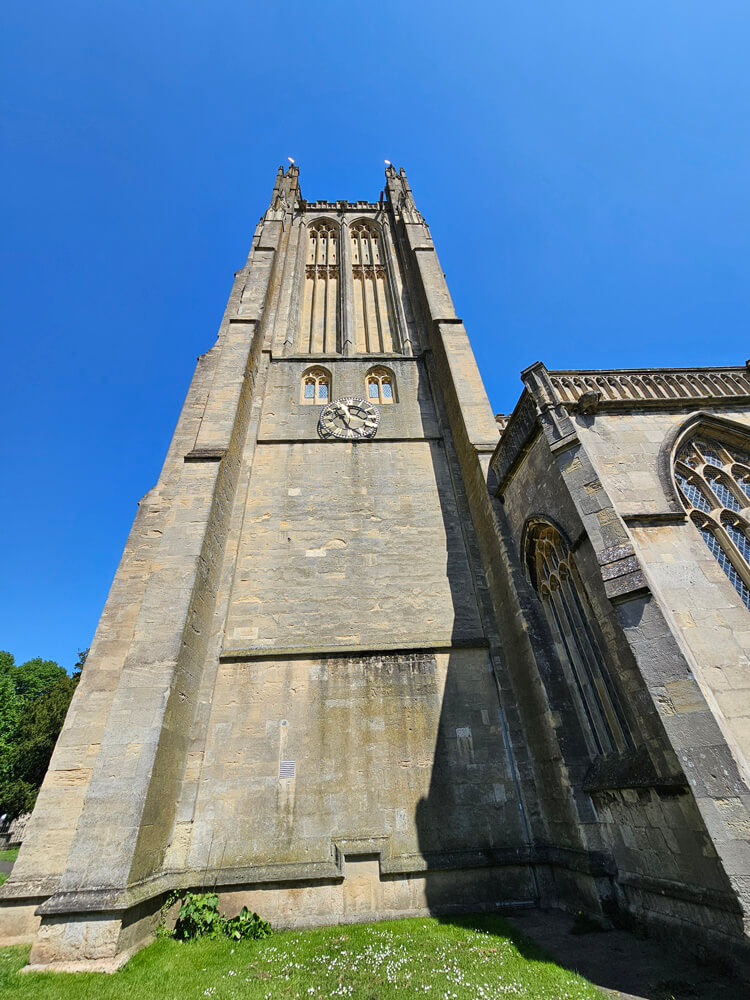
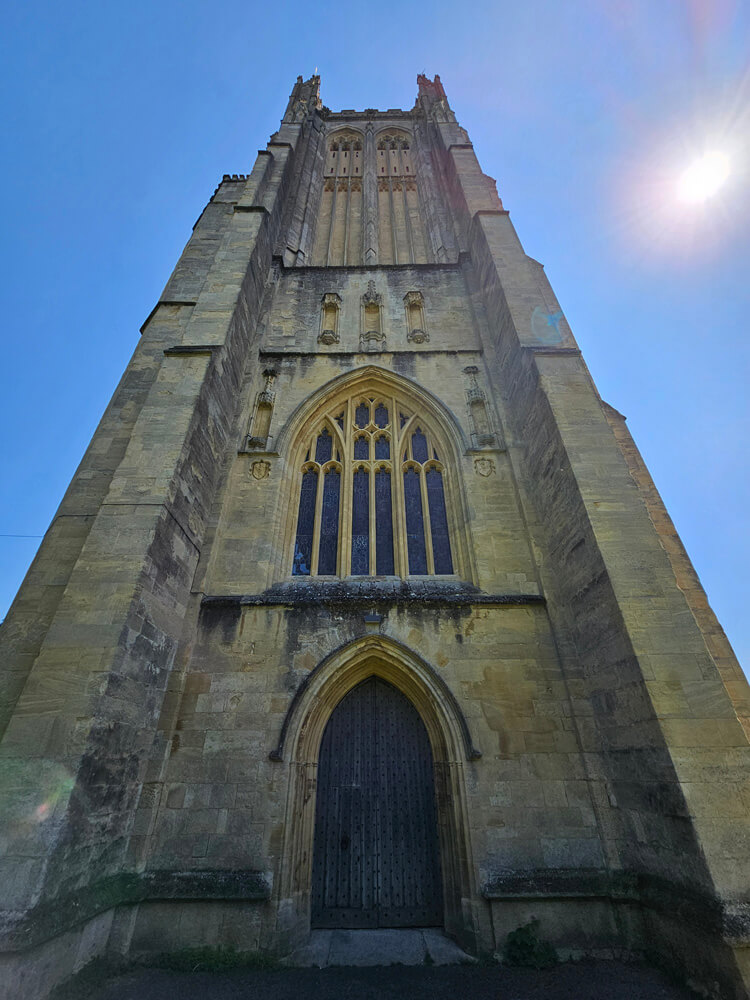
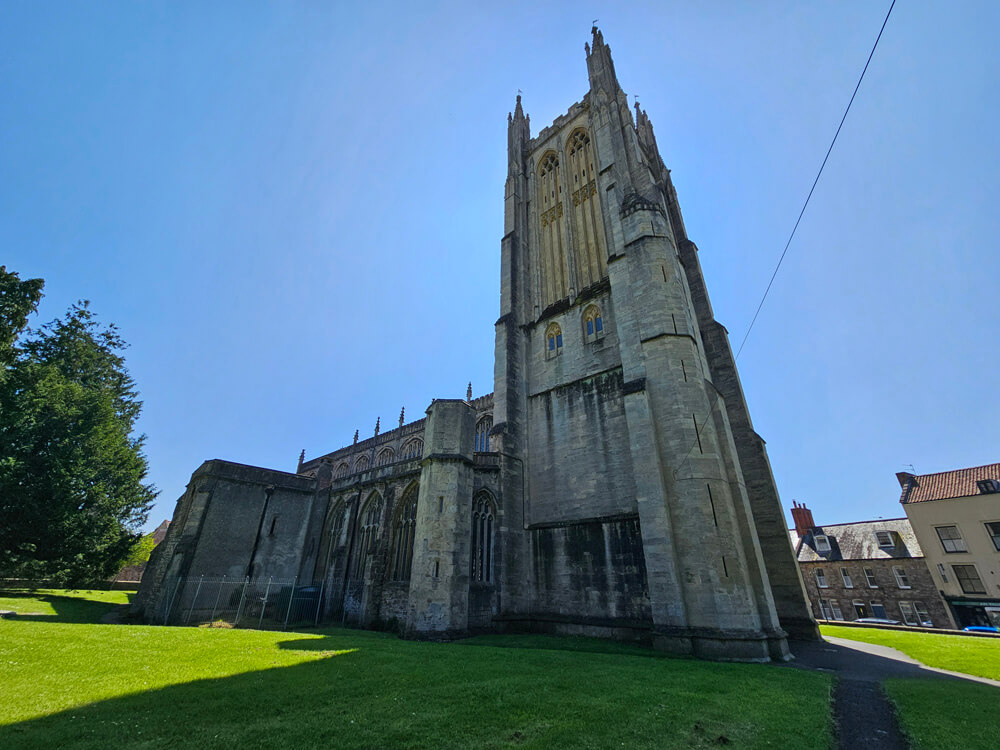
Dating from the 13th century, St Cuthbert’s Church in Wells, having one of the tallest towers in Somerset, is often mistaken for the cathedral. It boasts a selection of unique surviving features including its superb carved roof and splendid 15th-century west tower.
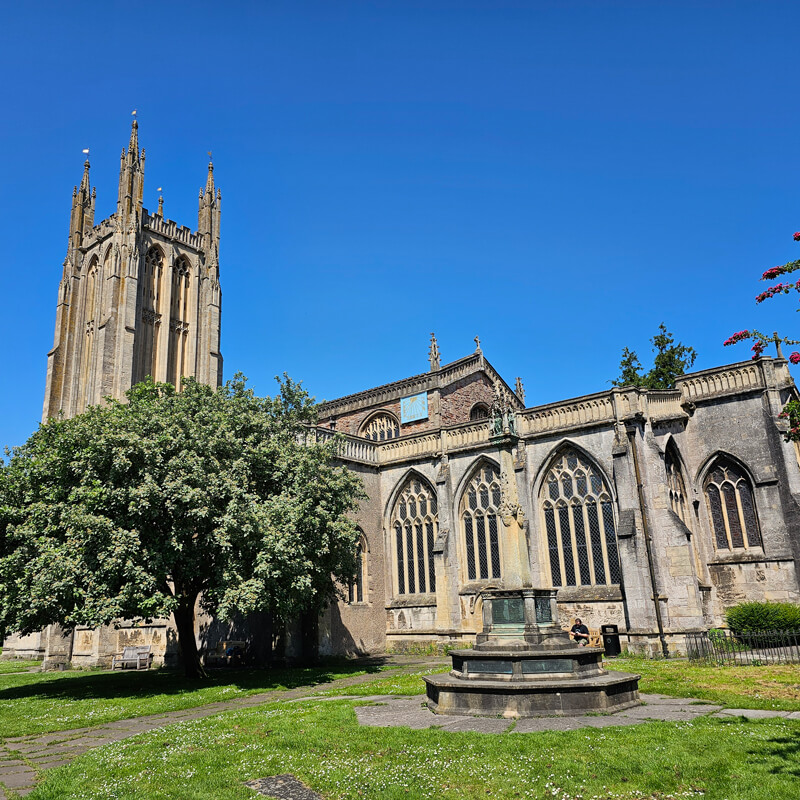
The present church building was begun in the early-13th century, around the same time as the building of the cathedral, replacing an earlier foundation. The dedication of the church to St Cuthbert suggests it has Saxon origins.
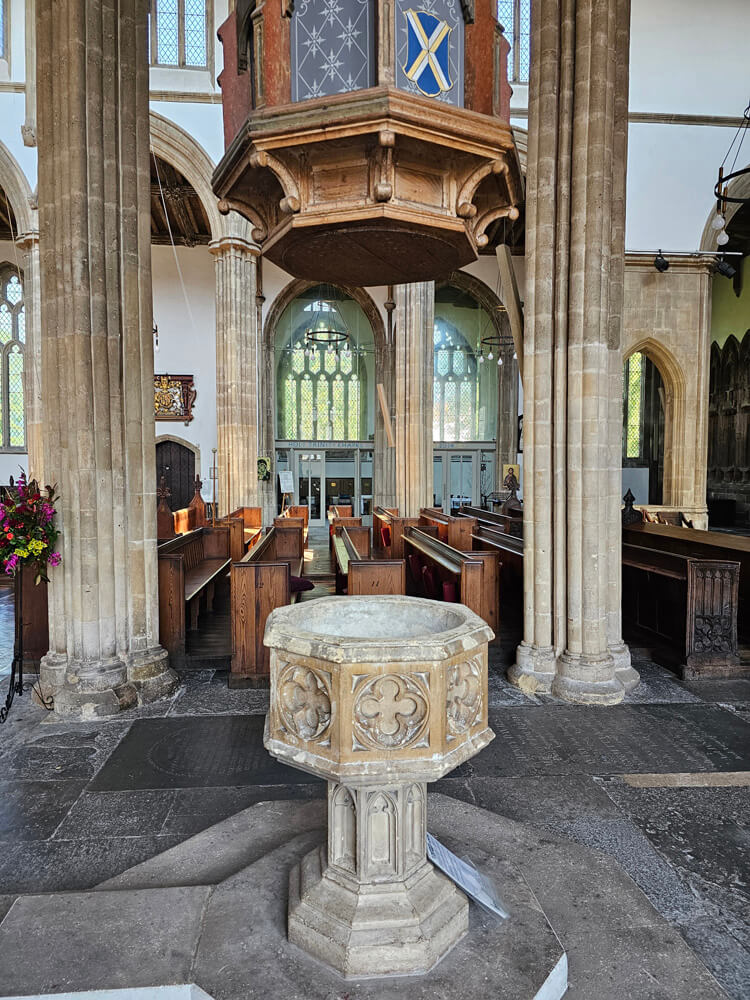
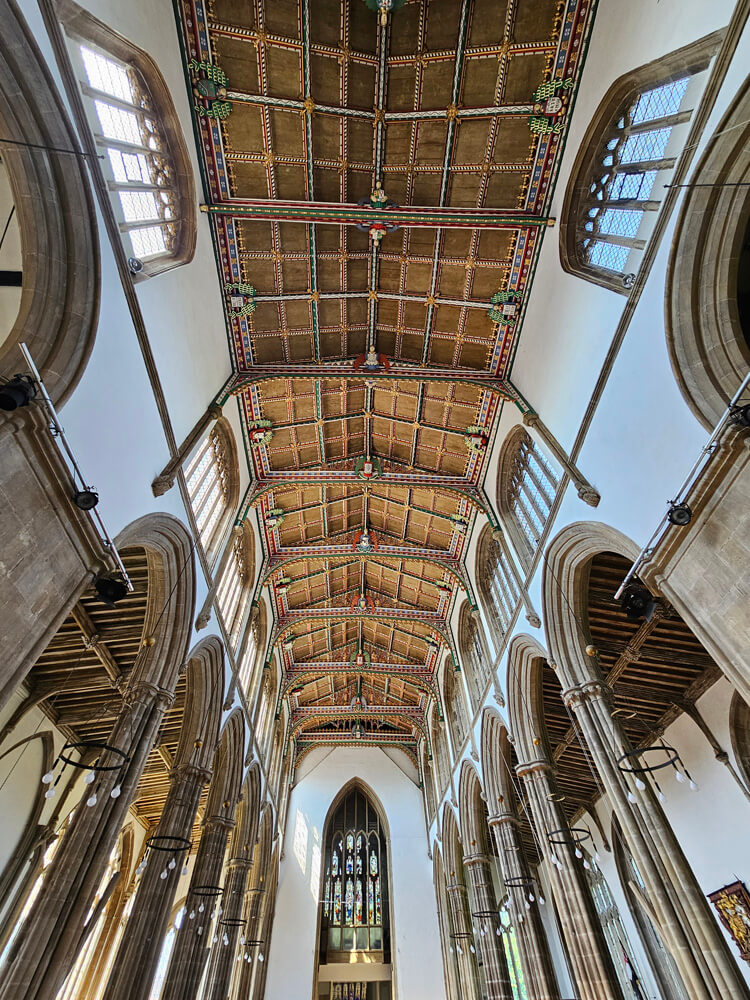
Originally an Early English building (13th century), from which the arcade pillars survive, it was modified in the Perpendicular Period (15th century), especially externally, when the clerestory and angel roof were added to the nave.
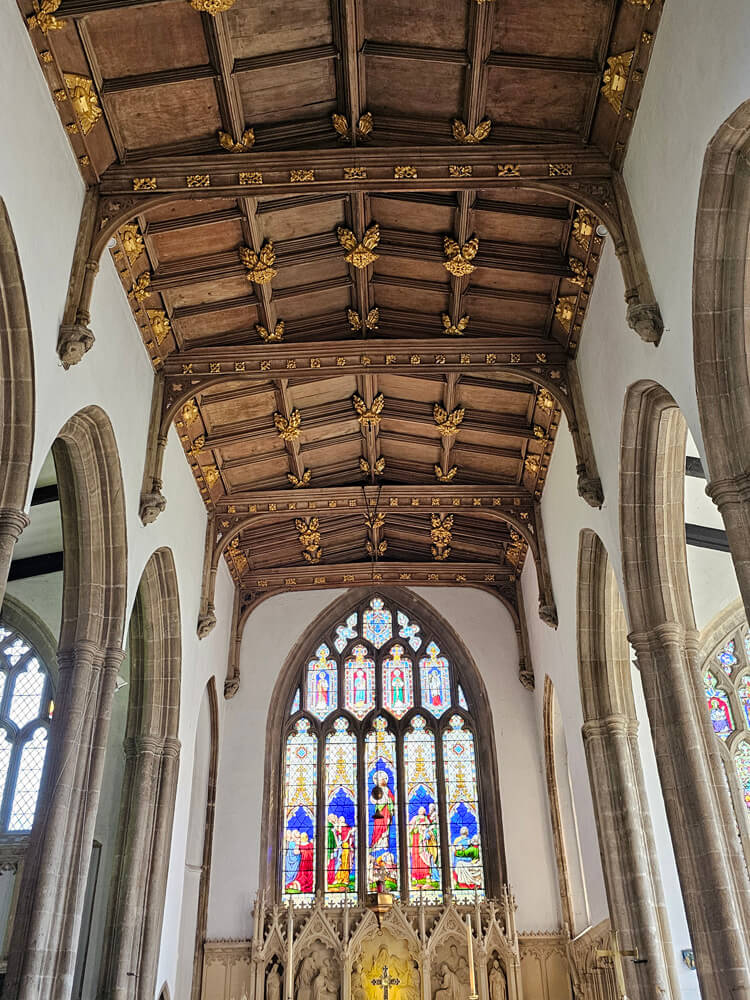
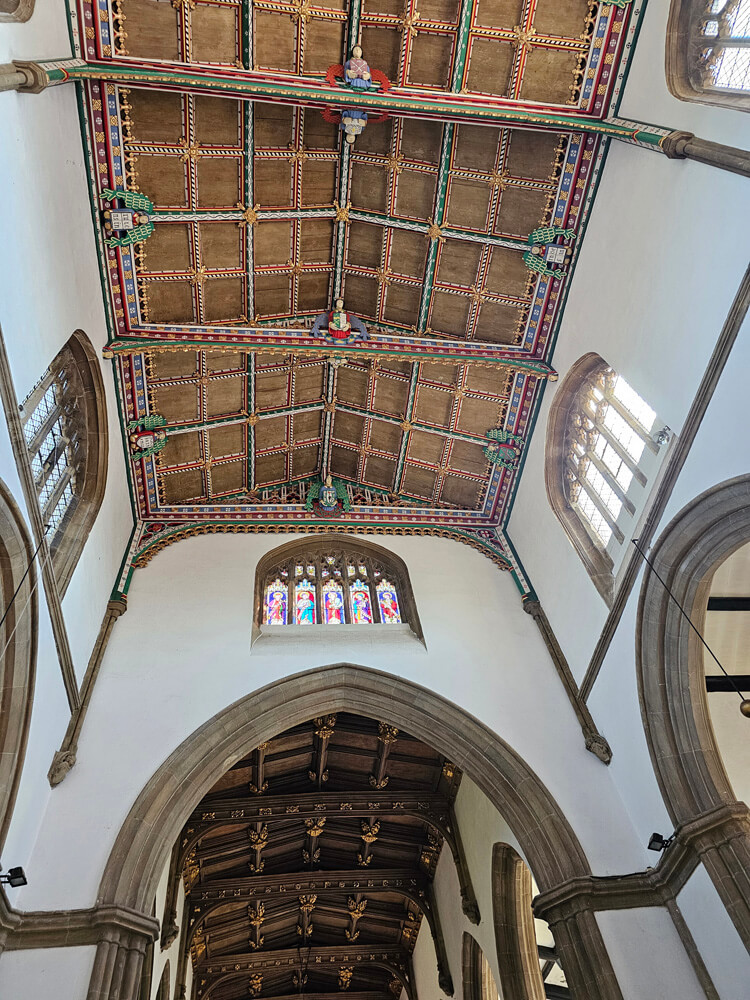
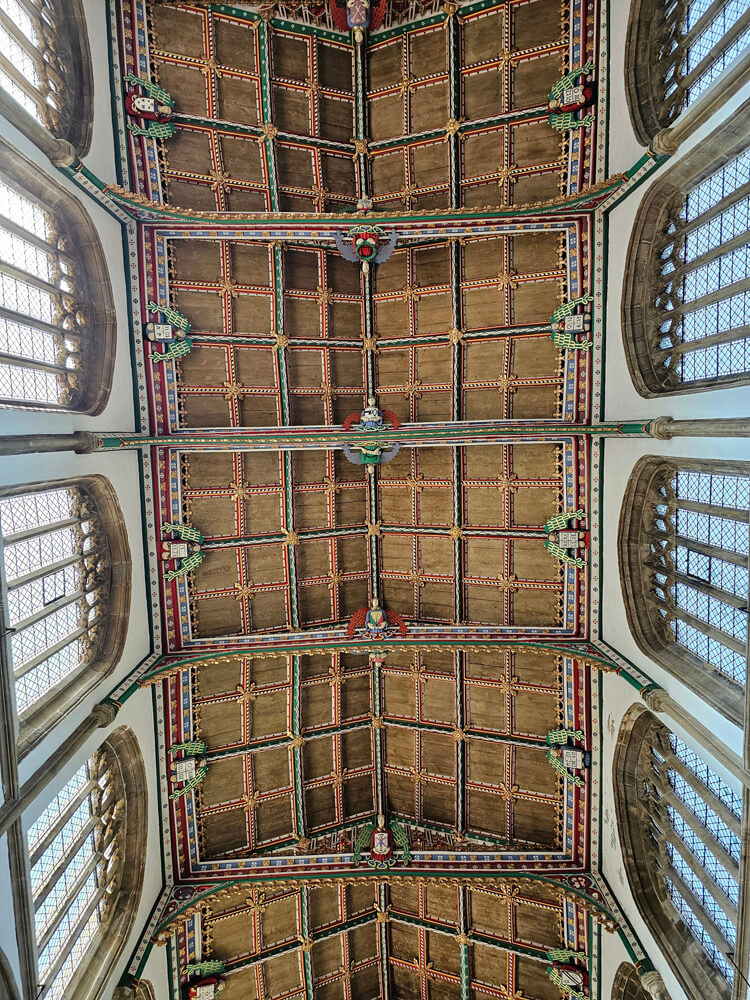
The best feature about this fine church is the extravagantly decorated 16th-century tie beam roof of the nave, which bristles with brightly painted carved angels, shields and rosettes. It was repainted in 1963, but in colours believed to be close to those of the original scheme.
For some 300 years, the race was on to make the church building taller and better, as if it was in a competition with its neighbouring cathedral building. St Cuthbert’s actually had two towers until its central tower had either collapsed or was removed in 1561.
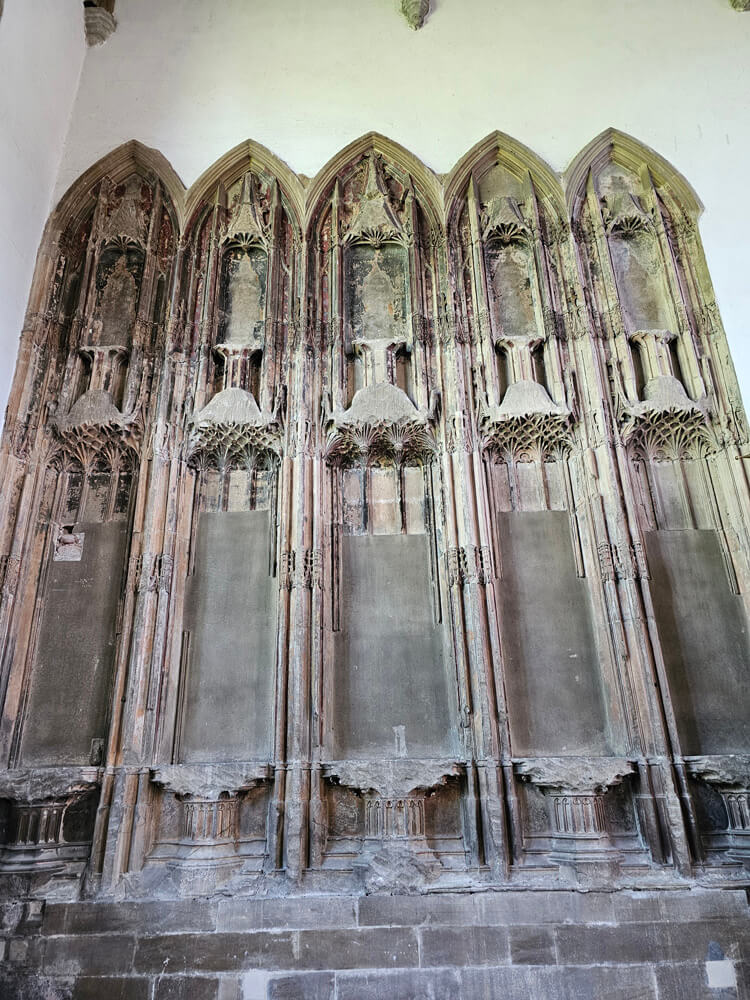
During the Victorian period there was a rediscovery of two stone reredoses, one in each transept of the church. The north transept (St Catherine’s Chapel) has the remains of its 13th-century reredos on the east wall. The south transept (The Lady Chapel) has the other stone reredos, a rare representation in stonework of a Tree of Jesse dating from 1470.
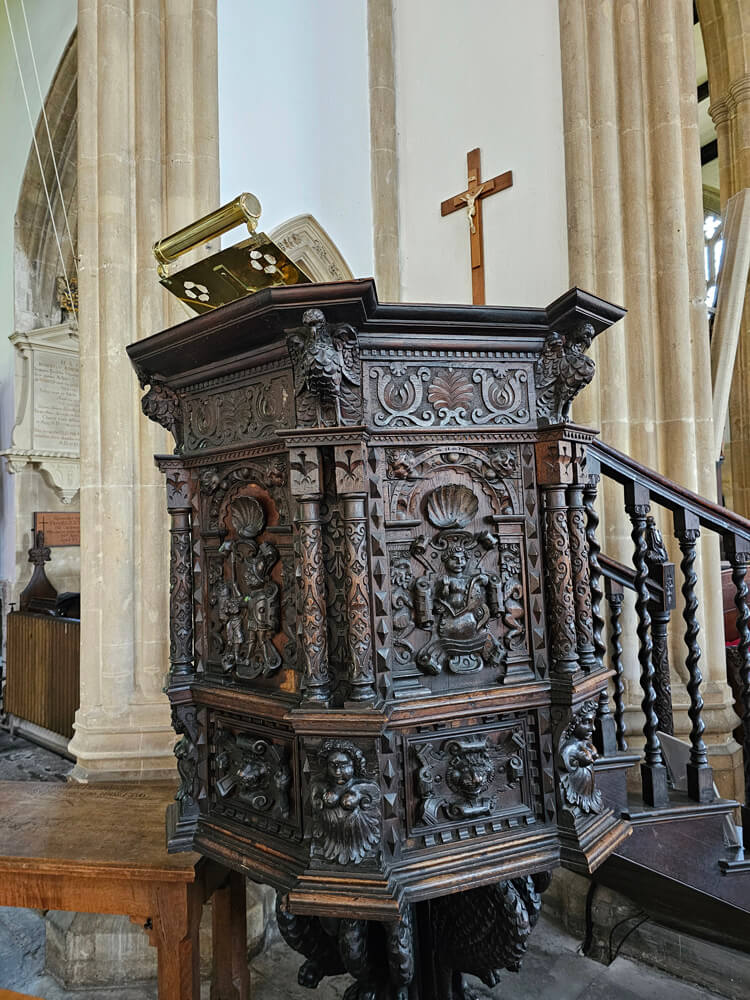
The church also includes a wonderful 17th-century wooden pulpit, with carved depictions of mermaids and stories from the Old Testament.
Externally, many stone gargoyles can be seen high up around the church building.
Photo Gallery.
Did you enjoy this post?
I hope you found this post useful. I put a great deal of time and effort in to building, maintaining and populating the website. If you like, you could say a small thank you by buying me a coffee. You don't have to, but it would be nice :)
Buy me a coffeeMore Historic Churches
View all Historic Churches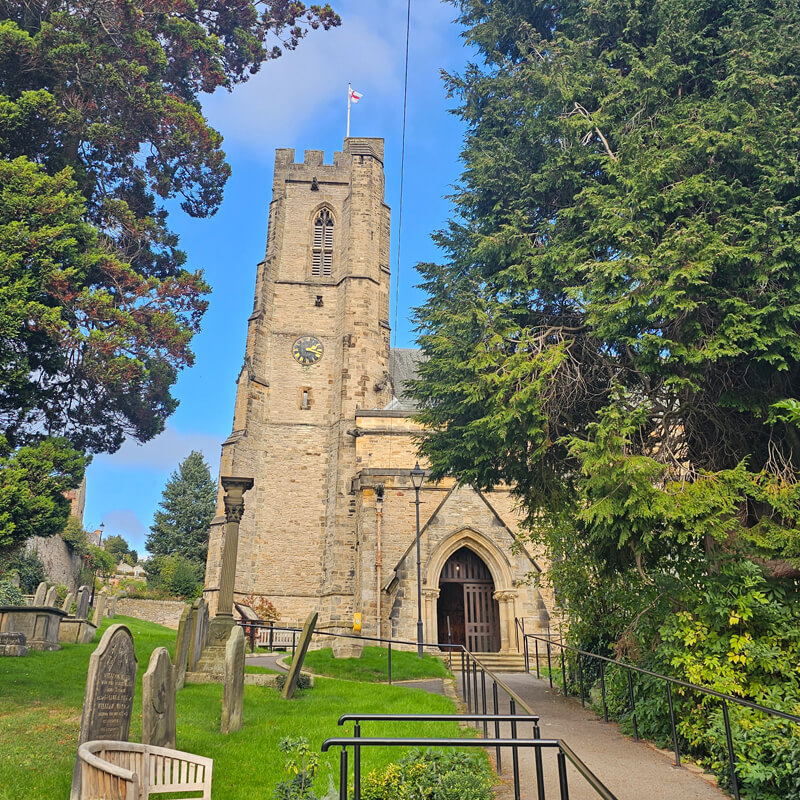
Stay up to Date
Follow me on my journey and get notified whenever a new post is published by following Kings & Castles on Facebook.
Follow MeExplore The Map
Discover the hundreds of castles, churches, monasteries, cathedrals and other historic locations that I've personally visited across England and Wales. Search by location, explore nearby sites and plan your next historical adventure.
Share: