All Saints Church, Earls Barton
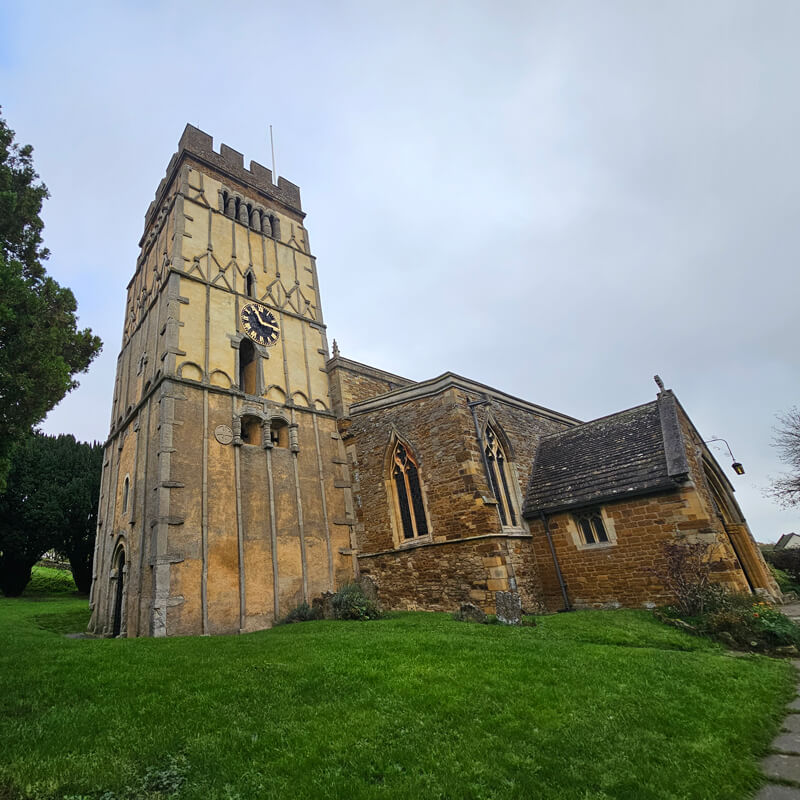
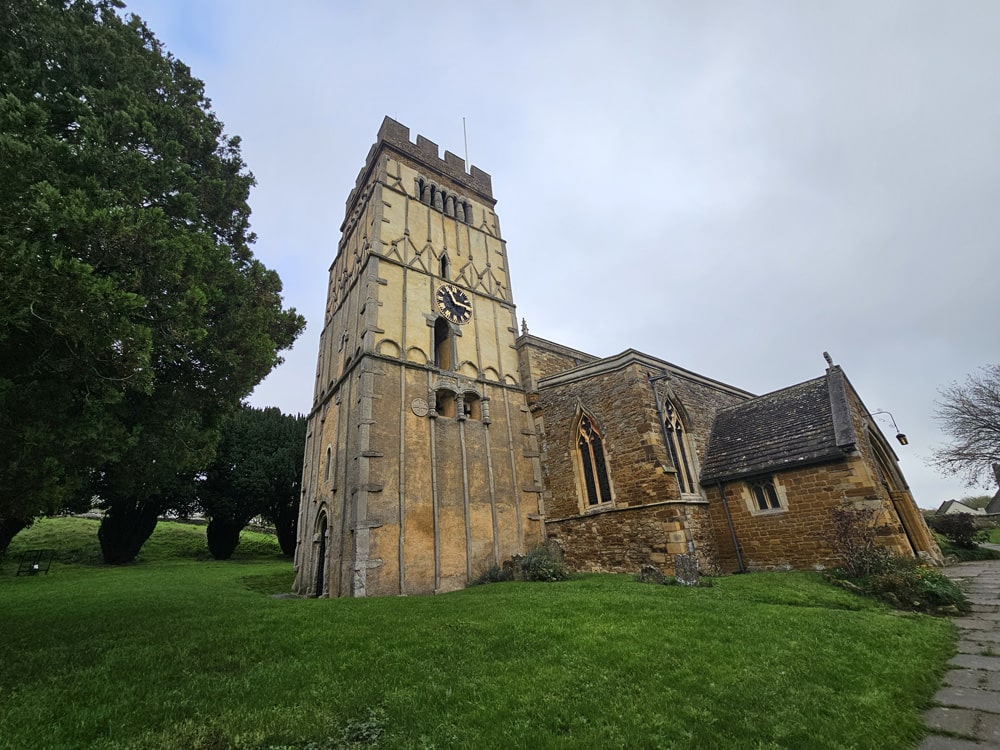
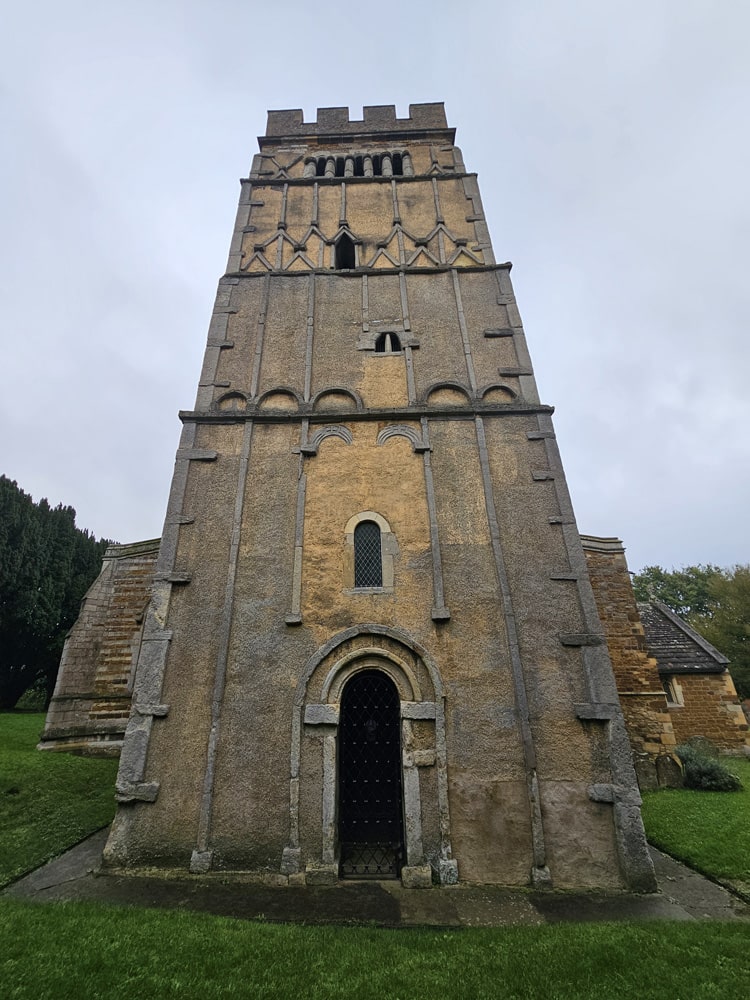
All Saints Church in the Northamptonshire village of Earls Barton is one of the most fascinating and important historic churches in the country, featuring England’s finest Anglo-Saxon tower.
Historic
Highlights.
- England’s finest Anglo-Saxon tower
- Many Norman and early medieval features
- Norman south doorway
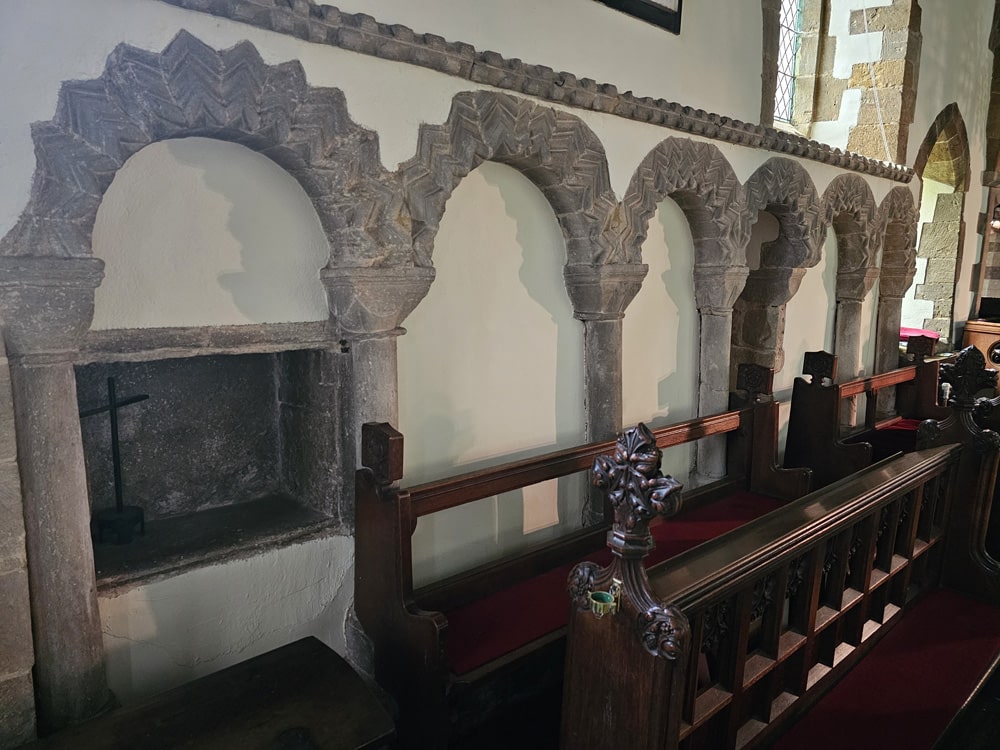
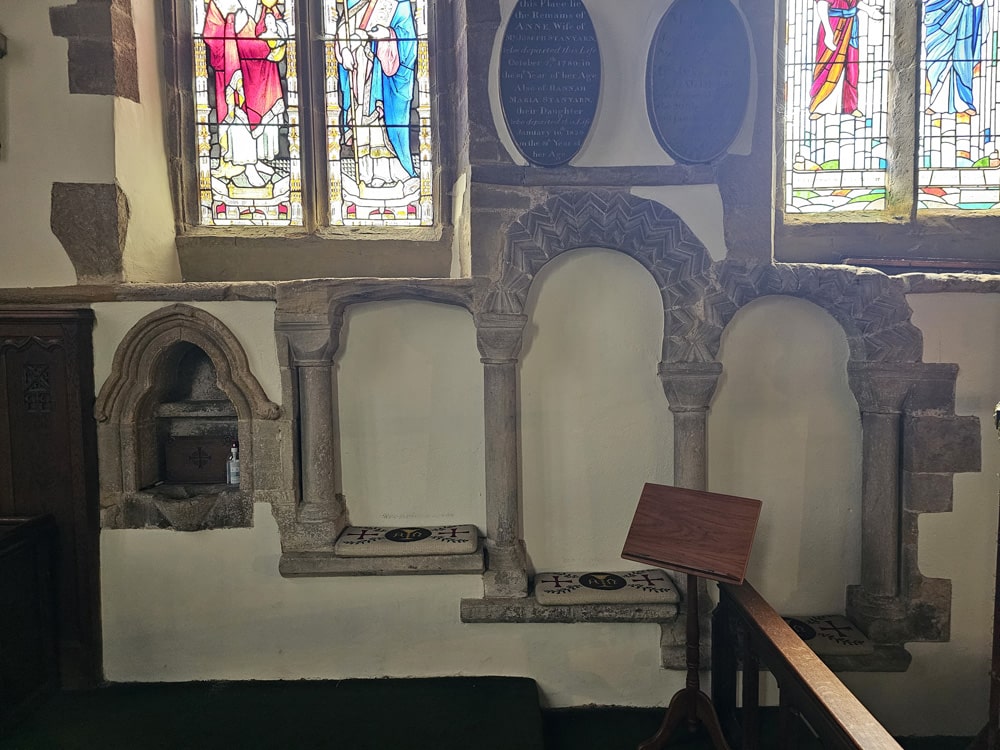
- Norman arcading in the chancel
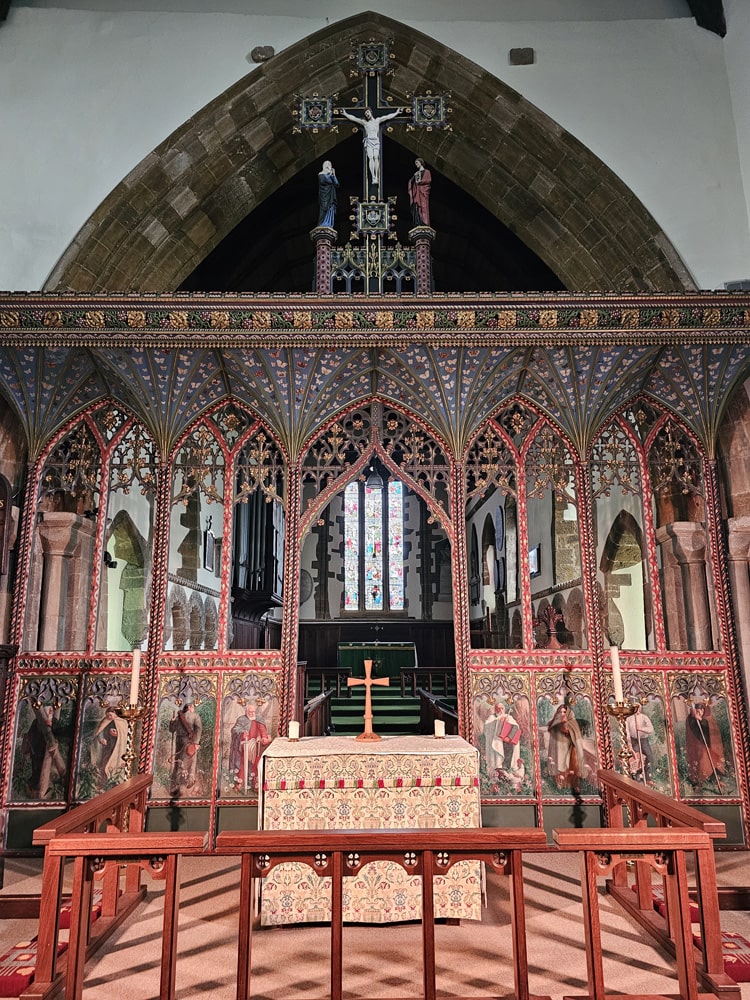
- 15th-century painted rood screen
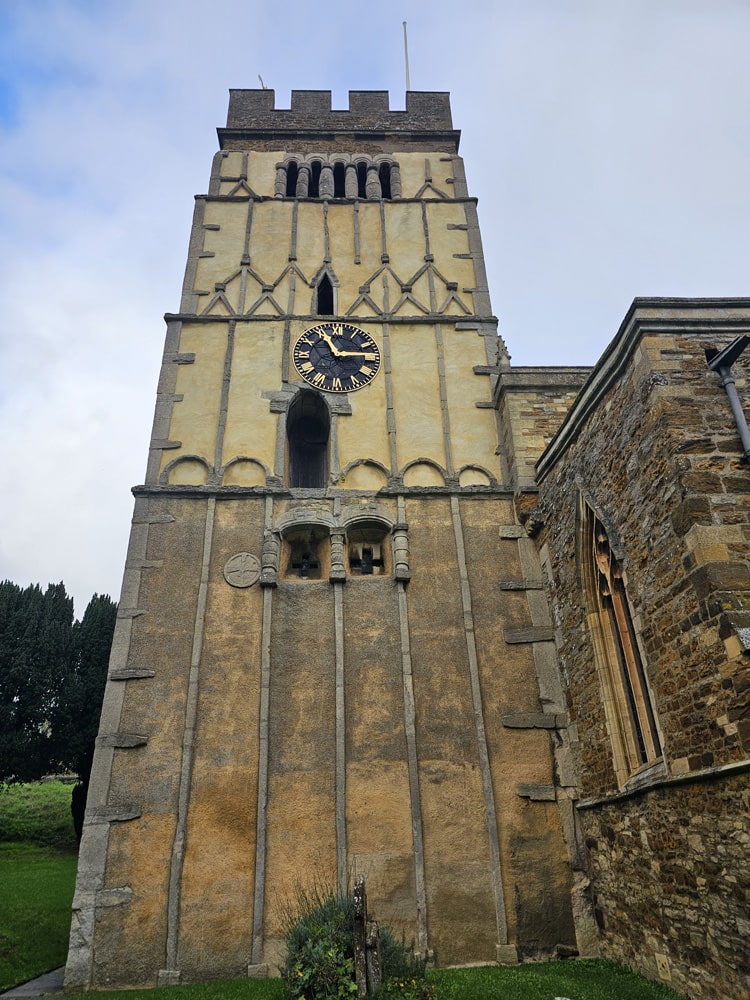
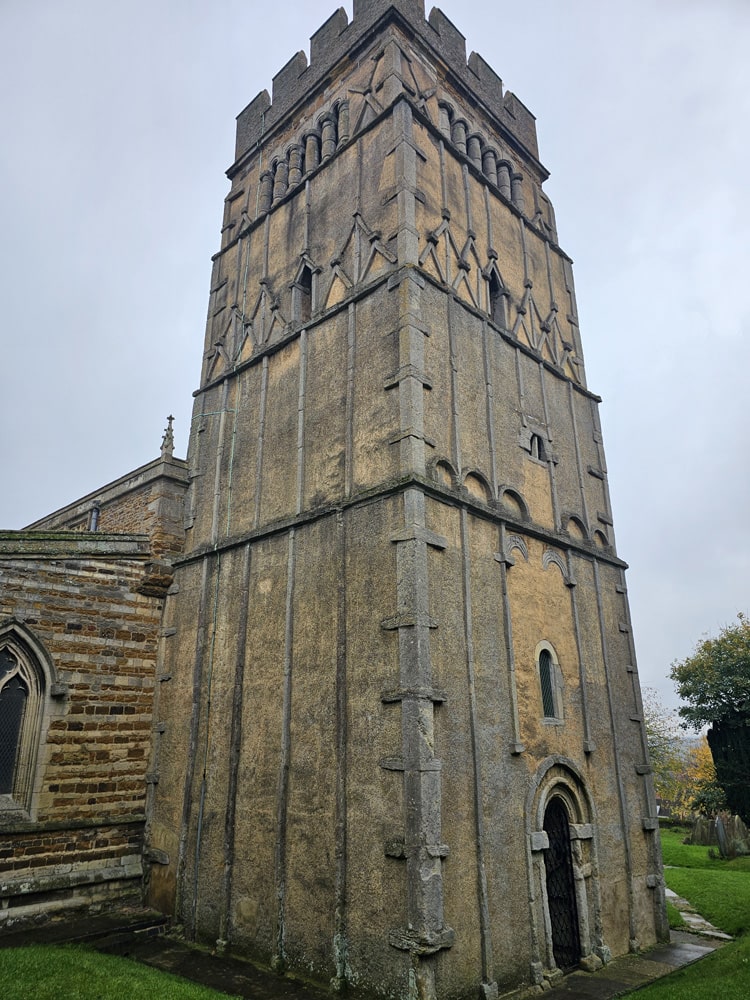
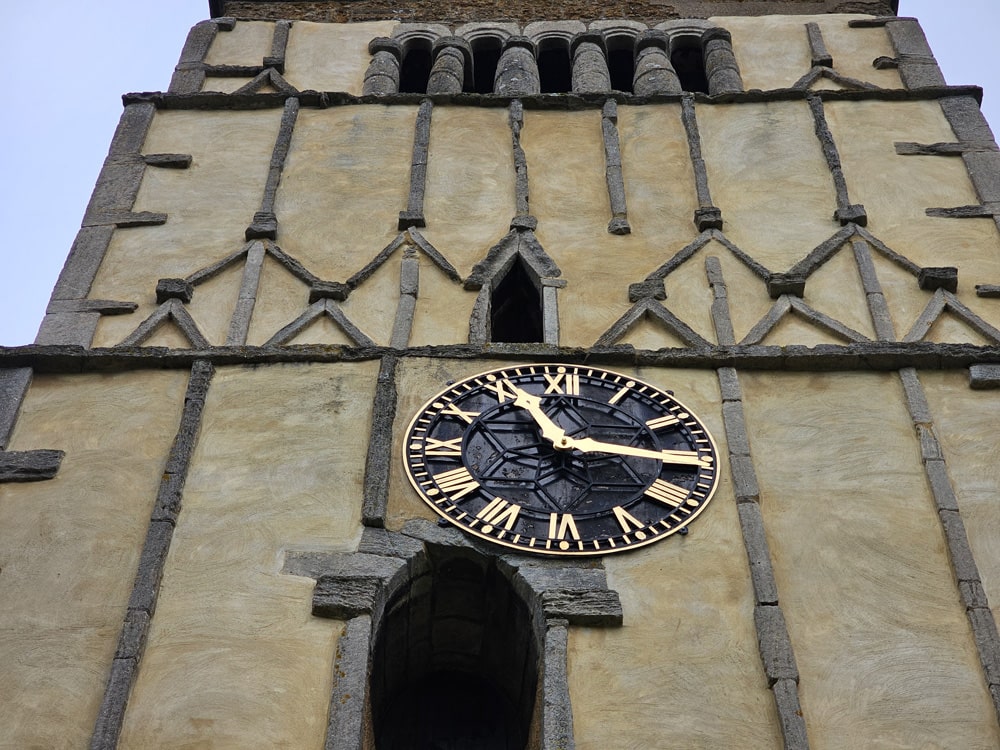
It is estimated that the church dates from the later 10th century, from about 970, shortly after Danish raids on England. All Saints has one of the most celebrated of all Saxon towers, and it is the tower at Earls Barton that draws most visitors here, and it’s easy to see why. It is famous for its age and for its decorative stonework patterns of vertical lines and rounded and diamond shapes that rise up the tower, making it one of the best examples of Saxon architecture in England today.
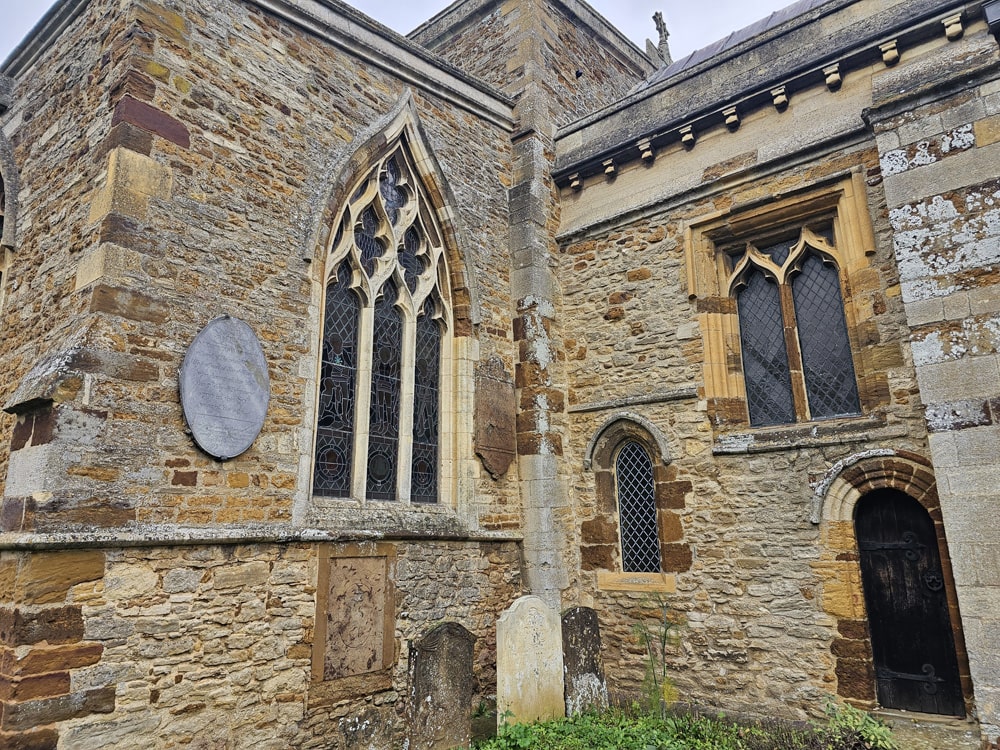
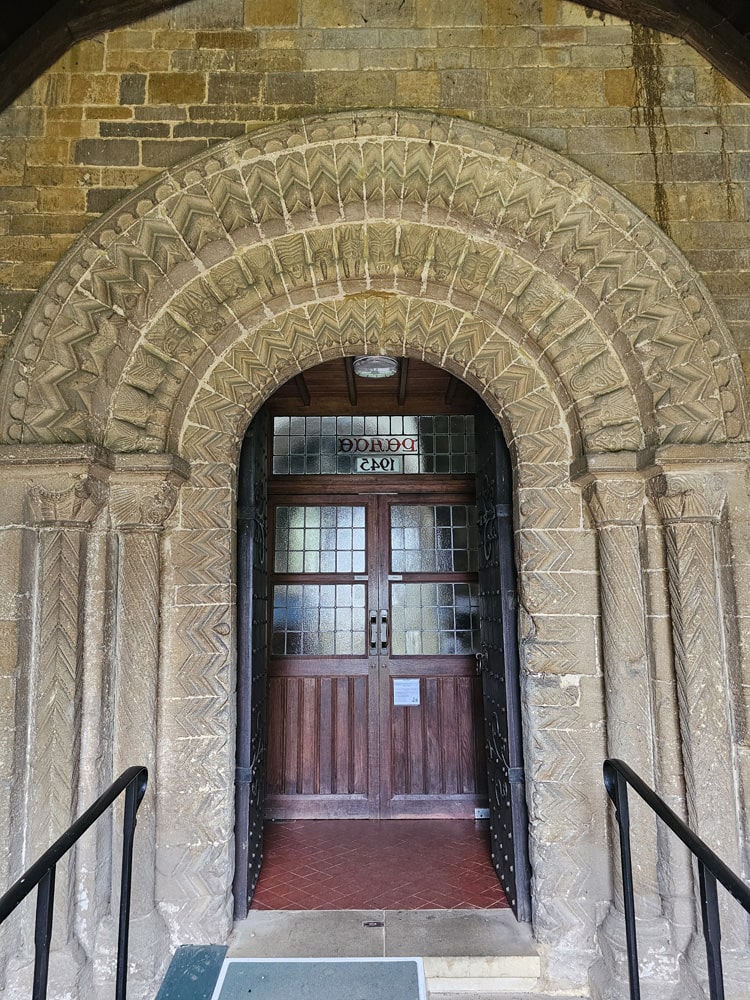
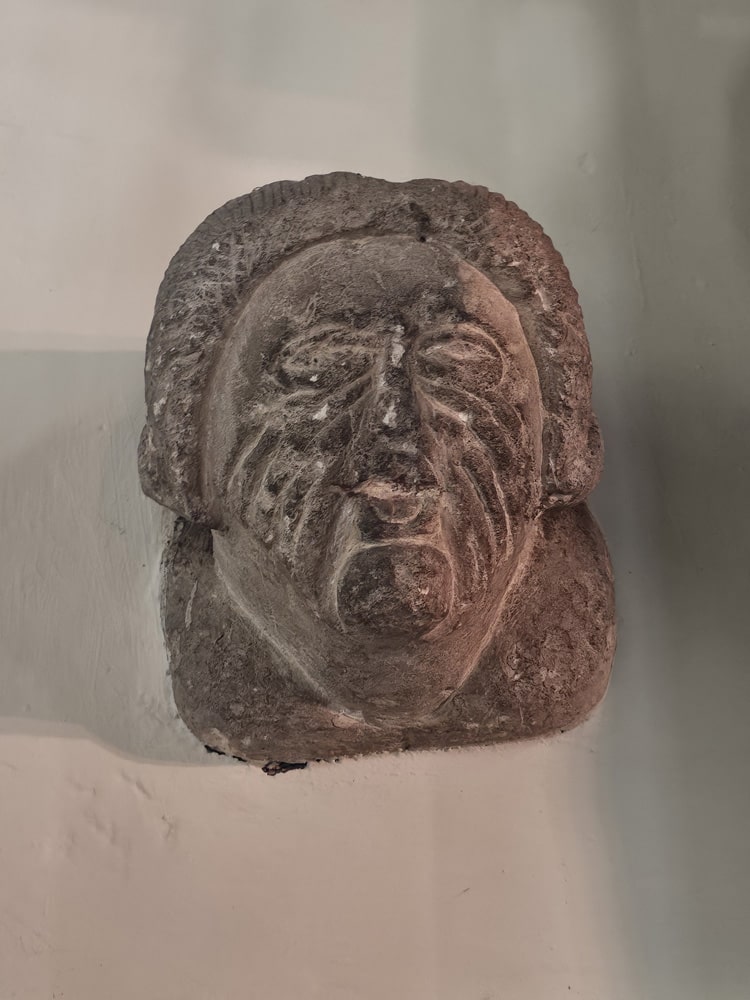
Much of the rest of the church is Norman and early medieval, with features dating from the late 12th century, 13th century and the 14th century, including the superb Norman south doorway, complete with a frieze of strange heads.
The Tower
The tower is the only remaining part of the original Anglo-Saxon church. It is one of the very few remaining English turriform churches, where the tower was a ‘tower-nave’, making it the centrepiece of the church, with an eastern extension serving as a chancel or sanctuary. Turriform churches are rare after the Norman Conquest, and very few have survived unaltered. Although the eastern extension is gone, the original Saxon tower remains.
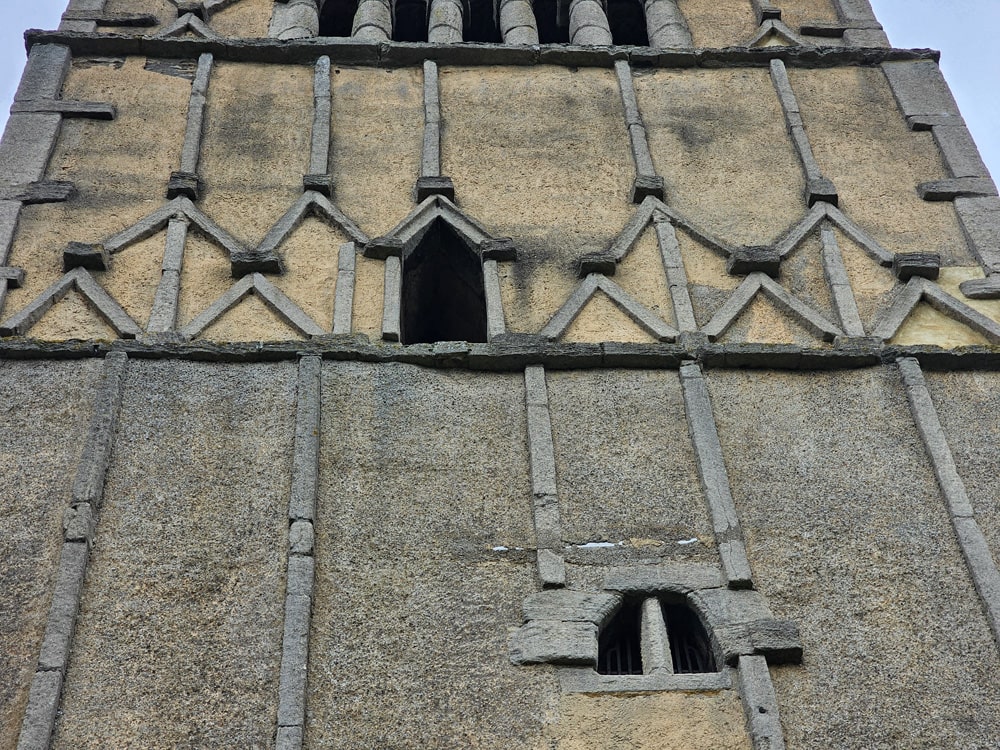
The decorative ‘half-timbered’ look is created by the use of stone pilaster strips (or stripwork) by Anglo-Saxon masons. There is a mix of rounded and pointed Saxon window openings around the tower, and all four sides of the topmost stage of the tower feature an arrangement of five shafted openings. It has been suggested that the triangular-headed openings high up around each side of the tower may have been lookout windows. The west side of the tower features an Anglo-Saxon west door that would have been the only entrance to the original church.
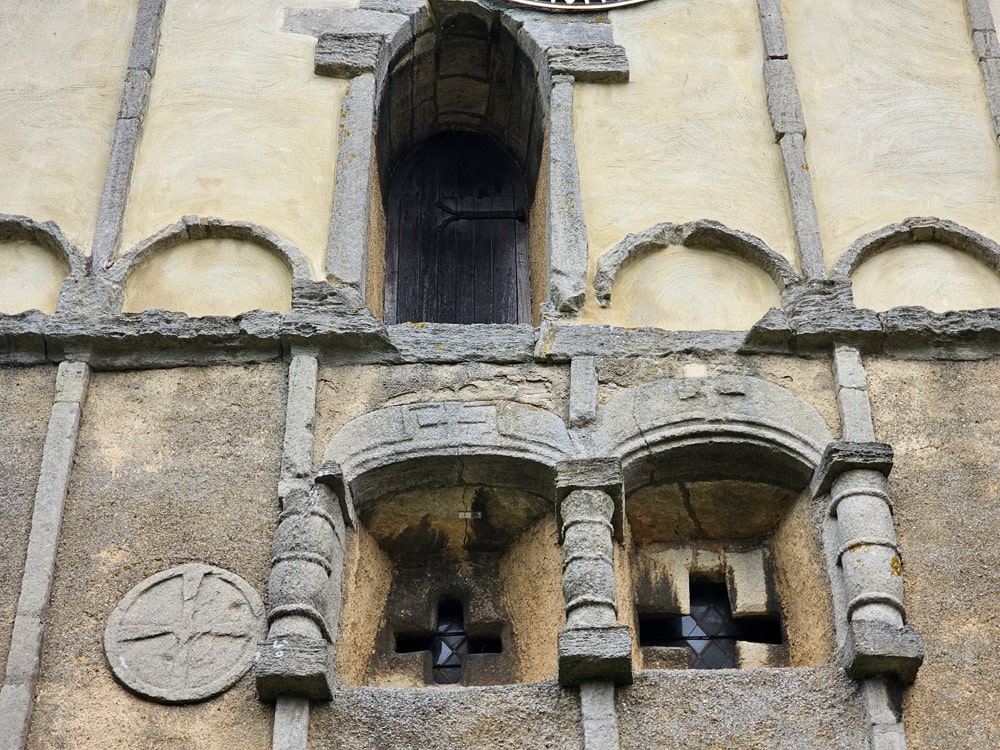
High up on the south side of the tower are a couple of curious doorways. At one time these existed on every side except the north, the doorway on the west side has been partially blocked. It isn’t clear why these doorways existed in such an unusual place high up on the tower, but it could have been so that priests could reveal relics to the congregation below on special days, or possibly that there was once an external wooden walkway around the tower.
The Rest of the Church
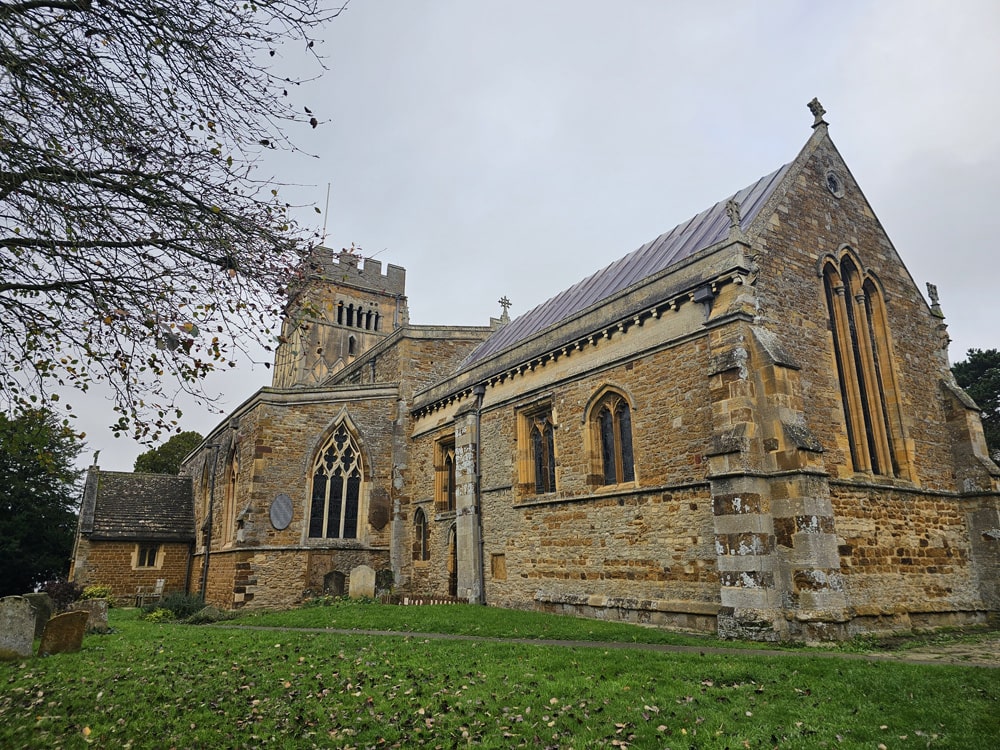
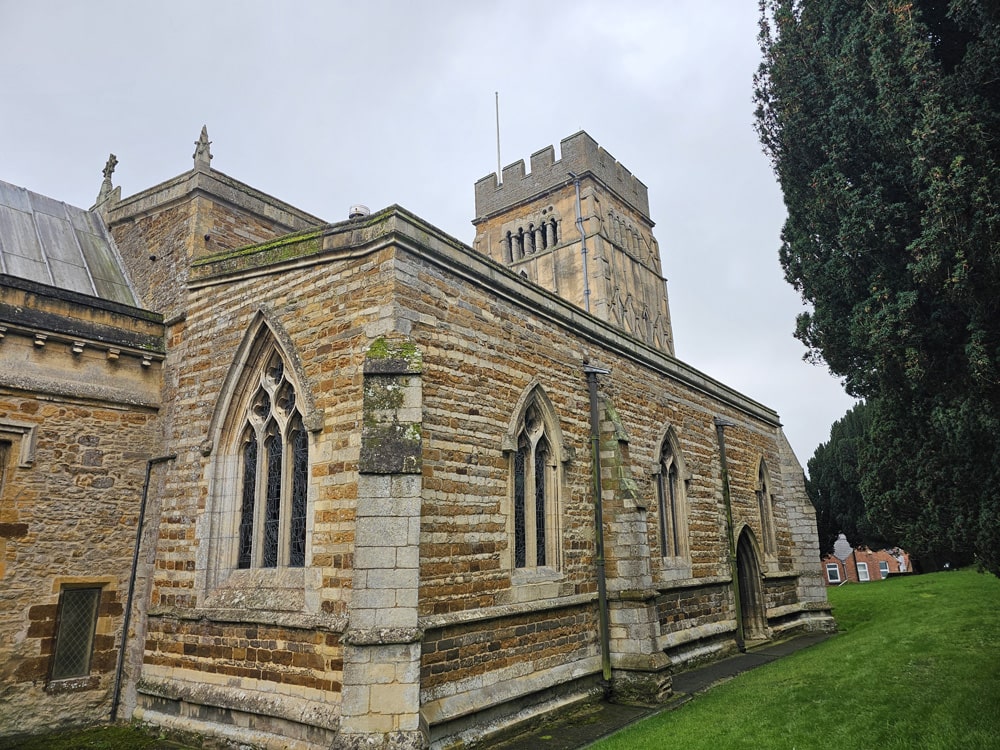
The original Saxon eastern extension / chancel was replaced by the Normans in the 12th century, who built a much longer aisle-less church east of the tower with a nave and new chancel, creating the building that we see today. The nave was enlarged later in the 12th century and then renovated in the 13th and early 14th centuries. The east end of the chancel is 13th century and the west end remains Norman, with lovely blind arcading and a priest’s door.
Inside the Church
You enter the church through a beautifully carved Norman doorway with zigzag and beakhead decoration, which dates to around 1180.
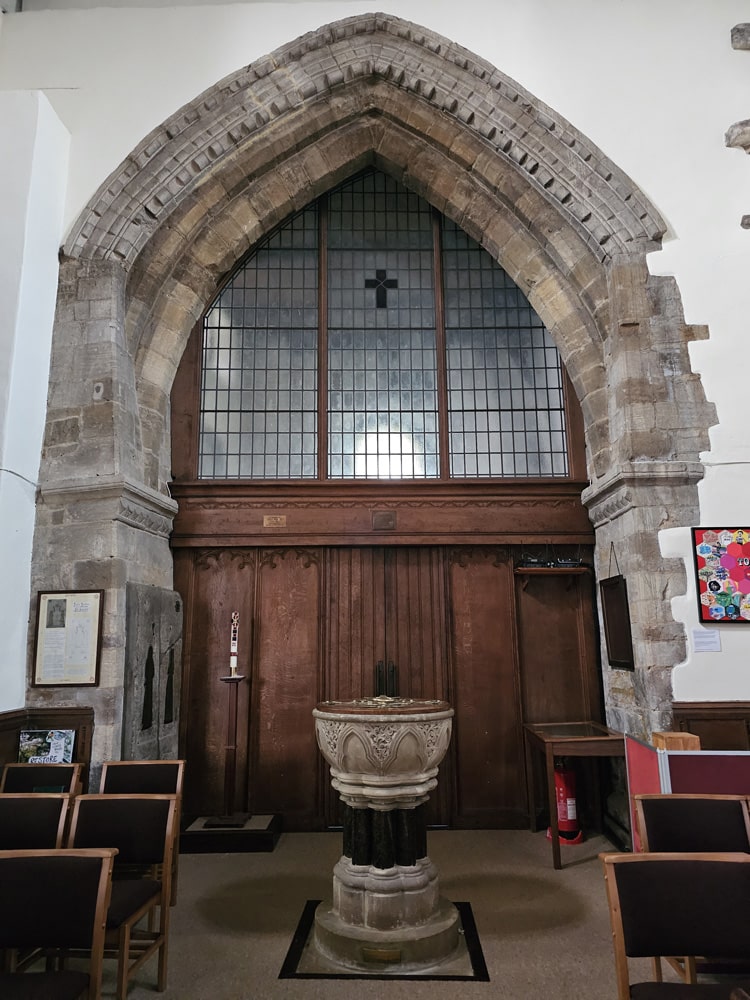
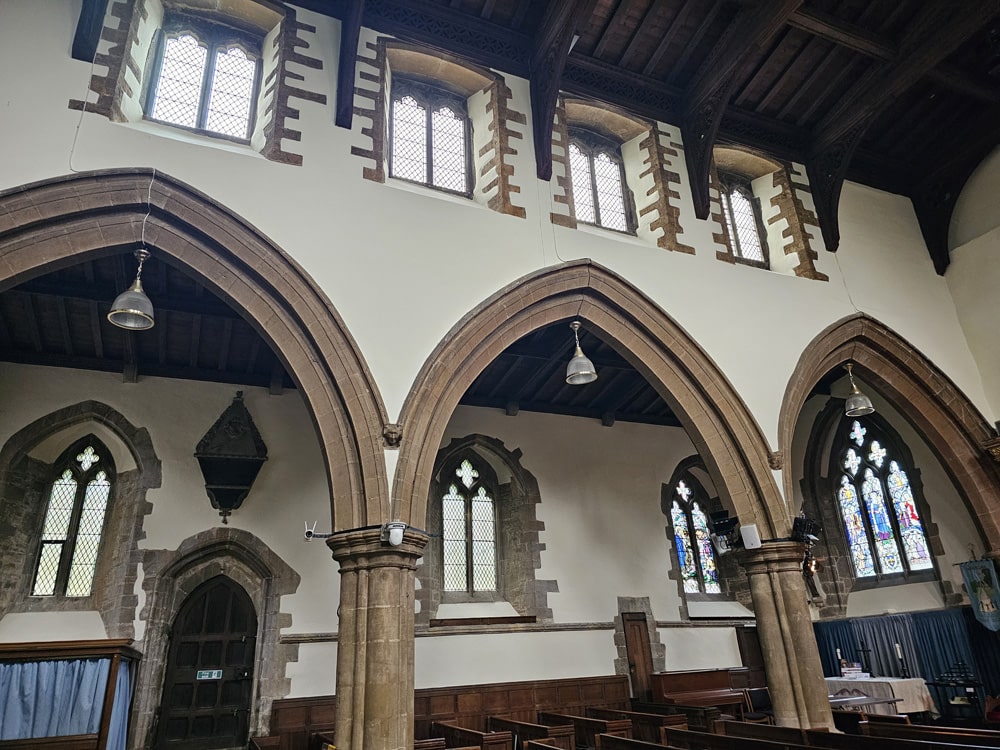
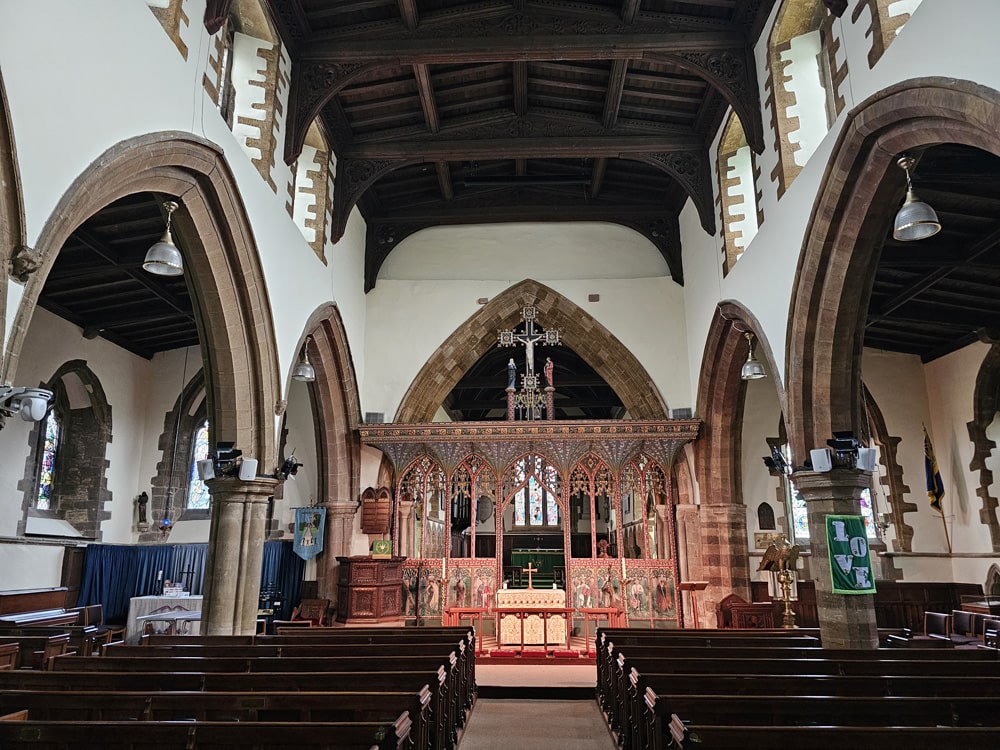
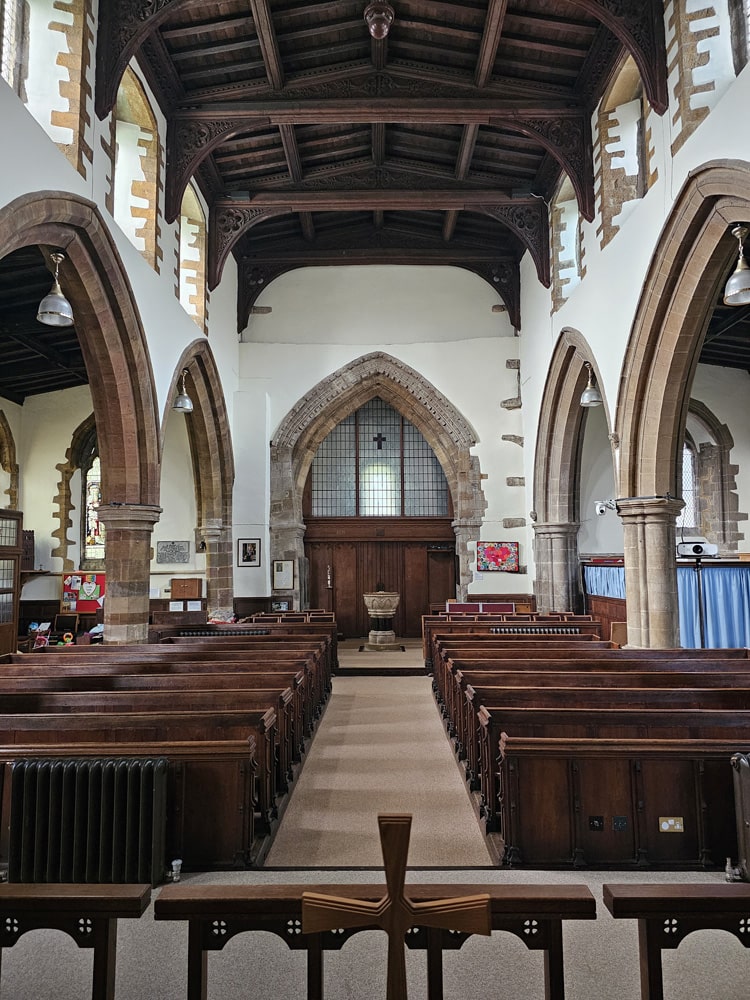
The interior is dominated by a beautifully decorated and restored 15th-century rood screen situated between the east end of the nave and the chancel. Although it was heavily restored in the early 20th century, it is still the original and still striking. The tower arch at the west end of the nave is a strange mix of Saxon, Norman and later stonework. The nave arcading features Early English and Decorated (13th century) arcading, and there are Decorated windows in both the north and south aisles.
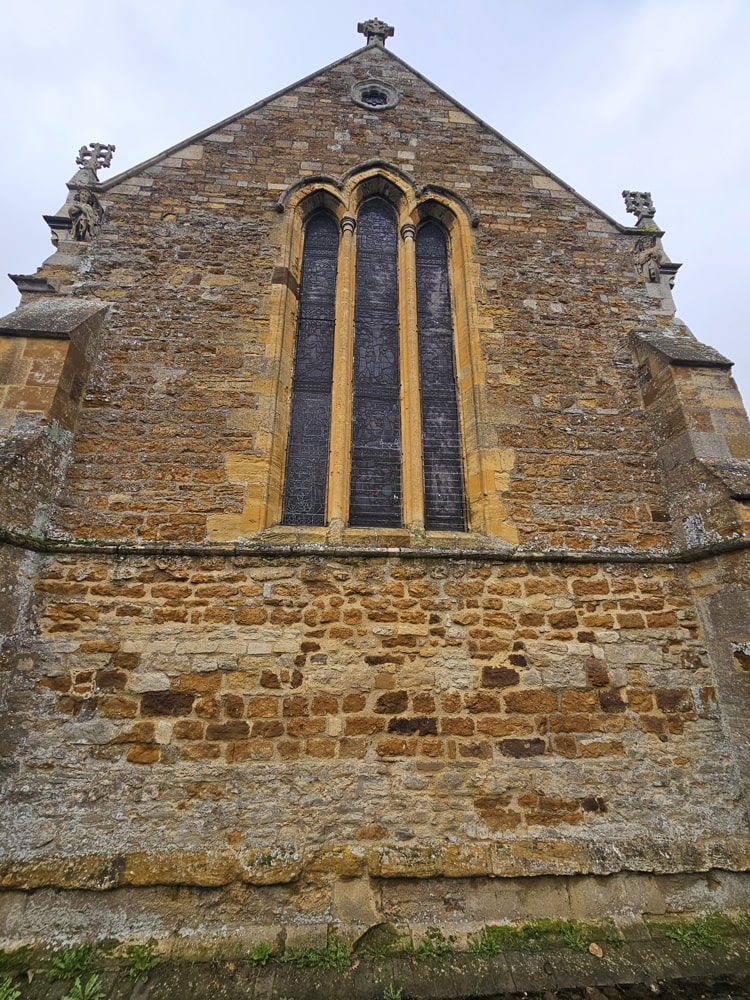
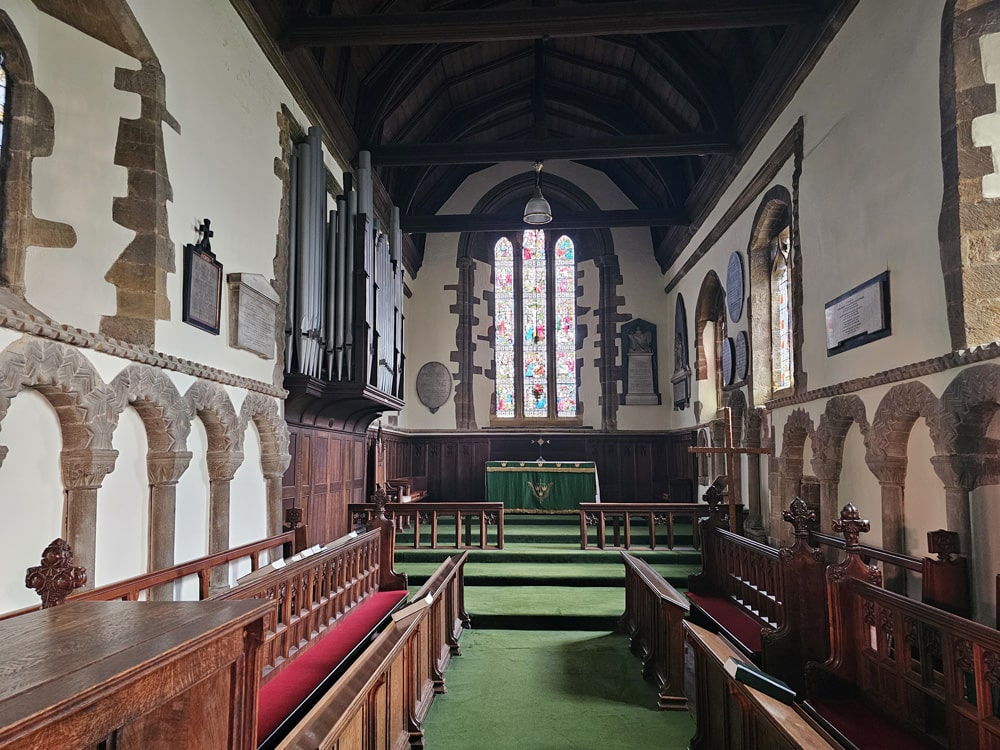
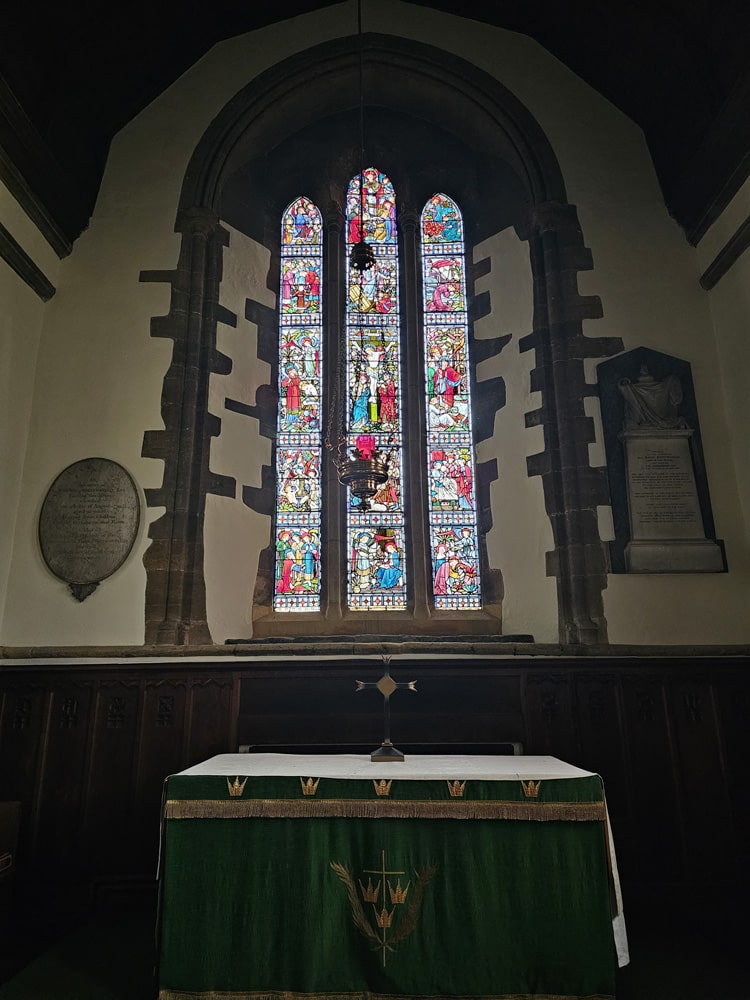
The chancel has a Norman west end and an Early English east end. There is Norman arcading on both the north and south sides of the Norman end of the chancel, with Norman string courses above the heads of the arches. The chancel was extended eastwards in the 13th century and a typical Early English triple lancet east window was installed and still survives. A priests door was also added on the south side within one of the Norman blind arches.
Berry Mount
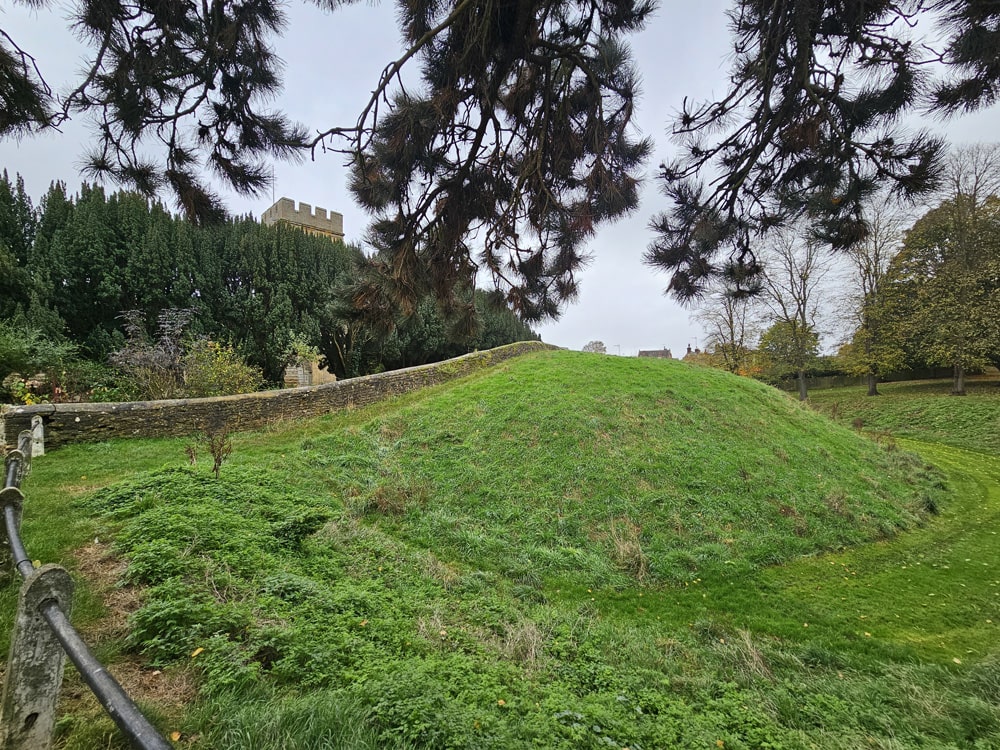
Behind the church to the north is a small mound and ditch named Berry Mount, the date of which is uncertain. The mound is thought to be the motte of a Norman castle, but the defensive ditch of the motte is thought to be of Saxon origin. The name ‘Berry’ may refer to a Saxon burh, or fortified settlement.
Summing Up
All Saints of Earls Barton is a must-see, just for the tower alone. It deserves its reputation as one of the most celebrated Saxon churches in England.
There are no surviving turriform churches in Britain in their original form and it’s not hard to see why. A turriform church was essentially one that was entirely dominated by its tower with the nave in its base and which usually had between one and four very shallow wings. Such churches would have been very impracticable for all but the smallest congregations so today we see only a few traces of them, of which Earls Barton is one of the best examples.
Photo Gallery.
Did you enjoy this post?
I hope you found this post useful. I put a great deal of time and effort in to building, maintaining and populating the website. If you like, you could say a small thank you by buying me a coffee. You don't have to, but it would be nice :)
Buy me a coffee
Stay up to Date
Follow me on my journey and get notified whenever a new post is published by following Kings & Castles on Facebook.
Follow MeExplore The Map
Discover the hundreds of castles, churches, monasteries, cathedrals and other historic locations that I've personally visited across England and Wales. Search by location, explore nearby sites and plan your next historical adventure.
Share: