The Medieval City of Lichfield
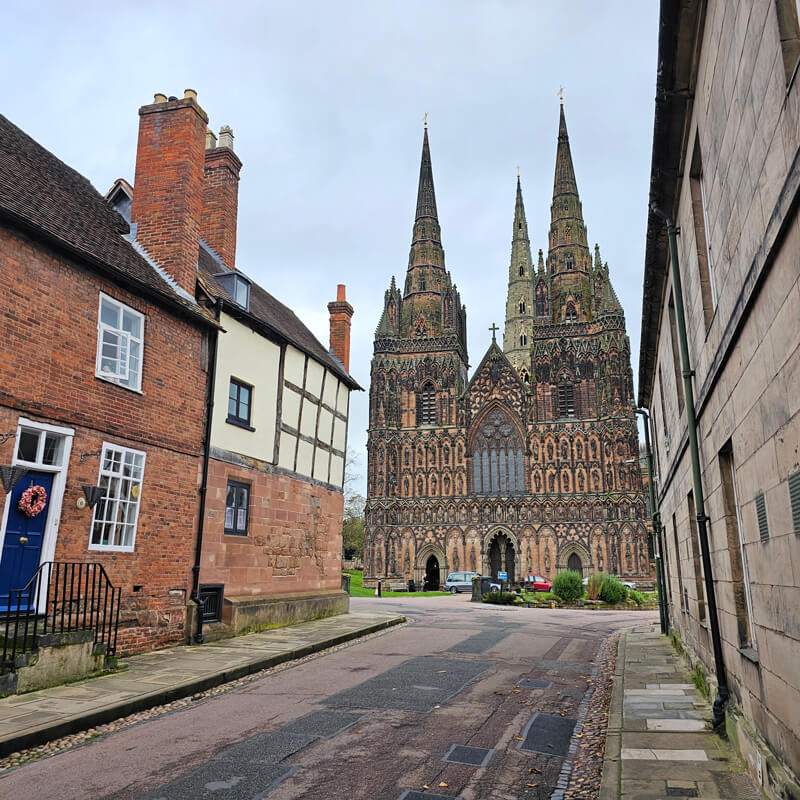
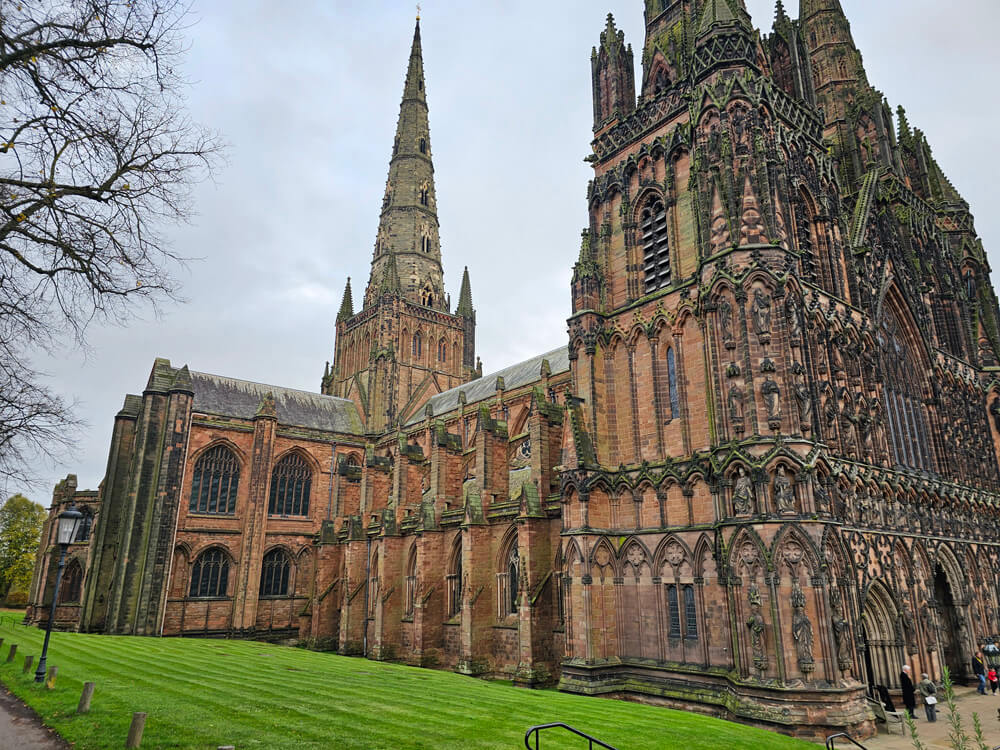
Notable for its three-spired medieval cathedral, the city of Lichfield in Staffordshire may be one of the smallest of the English cathedral cities, but it has a long and rich history.
Early History
In the first century AD a Roman fort called Letocetum was built two miles south of the present city at the strategic crossing of the major Roman roads of Ryknild Street and Watling Street. After the Romans left our shores in the early 5th century Letocetum went into decline and its remnants became the small village of Wall which still exists today. It is likely that Lichfield was settled by the former populace of Letocetum and their Celtic descendants who remained in the area.
There are several theories for the origins of Lichfield’s name, but the most likely theory is that the name is taken from the Roman settlement of Letocetum. In the post-Roman period, the name ‘Letocetum’ developed into Old Welsh ‘Luitcoyt’, then ‘Licid’ in Old English, and later with the appended Old English word ‘feld’ giving us ‘Lyccidfeld’ and ‘Licidfelth’, which then gave us ‘Lichfield’.
Saxon Lichfield
Lichfield was an ecclesiastical centre by the 7th century when Chad of Mercia arrived to establish his Bishopric in 669 and the settlement grew as the ecclesiastical centre of the Kingdom of Mercia, more commonly known today as the Midlands. Bede‘s Ecclesiastical History of the English People, completed in 731, states that Chad acquired ‘Licidfelth’ as his episcopal seat, and this was the first authentic record of Lichfield’s name.
A Saxon cathedral church stood on the site of the present cathedral, which was built by Bishop Headda to house the bones of St Chad (died in 672). The church was consecrated in the year 700 and Lichfield became a popular destination for pilgrims for many centuries. During the 9th century, Mercia was devastated by Danish Vikings. Lichfield was unfortified and unwalled and the Saxon cathedral church was pillaged, so the see was moved to the fortified and wealthier Chester in 1075. The Saxon church was replaced after the Norman Conquest, and the construction of a Norman cathedral took place from around the year 1085.
After the Norman Conquest
The development of the town was consolidated in the 12th century under Bishop Roger de Clinton, who connected and transformed the small scattered settlements which made up the town, and laid out the ladder-shaped street pattern that survives to this day. Market Street, Wade Street, Bore Street and Frog Lane linked Dam Street, Conduit Street and Bakers Lane on one side with Bird Street and St John Street on the other. He also oversaw the construction a new ornate Gothic cathedral which would take 150 years to complete. This third incarnation is, for the most part, the same Lichfield Cathedral which can be seen today. Bishop de Clinton ensured that the cathedral building and its surrounding area known as Cathedral Close was fortified, becoming a stronghold against enemy attack and secured the town with a bank, ditch and entrance gates.
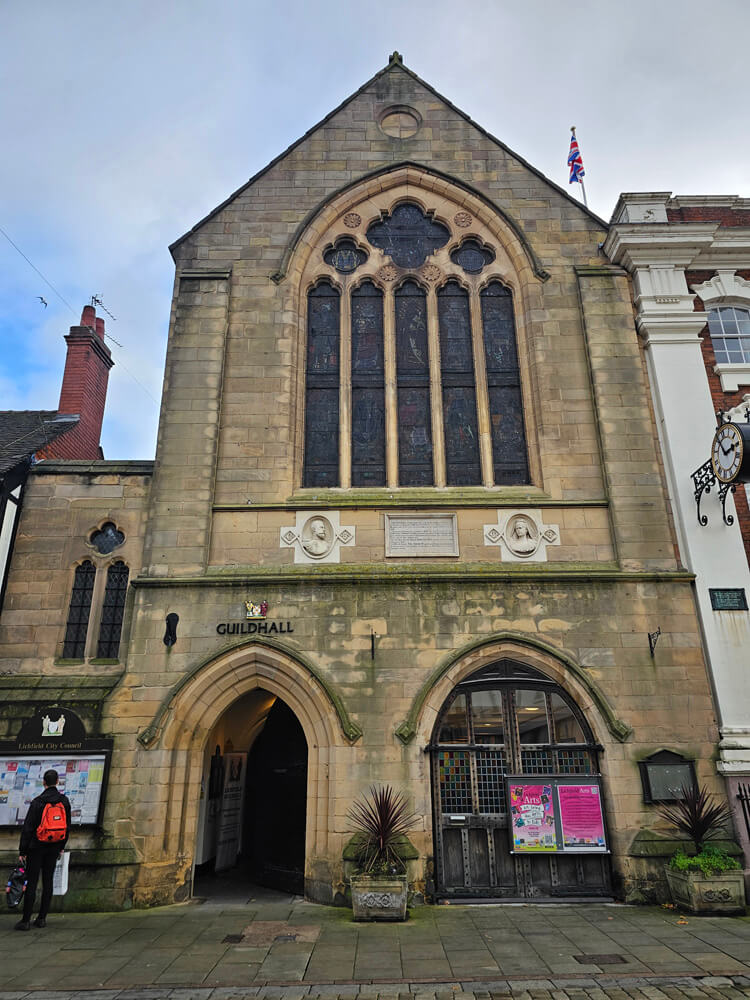
In 1291 Lichfield was severely damaged by a fire which destroyed most of the town, however the cathedral and Cathedral Close survived unscathed. In 1387 Richard II granted a charter for the foundation of the guild of St Mary and St John the Baptist, and around this time a guildhall was established on the present site in Bore Street. The guild functioned as the local government until its dissolution in 1548 when Edward VI incorporated the town.
Tudor Lichfield
In the 16th century, Henry VIII‘s Reformation policies had a dramatic effect on Lichfield. In 1538 the shrine to St Chad was removed from the cathedral, and altars and adornment of any kind were destroyed or removed. This resulted in the disappearance of pilgrim traffic to the town which was a major loss to the town’s economic prosperity. The nearby Franciscan Friary was also dissolved and torn down and the site became a private estate.
In 1553, by Queen Mary‘s Charter, Lichfield separated from Staffordshire and was made a city and a county in its own right, with its own Sheriff and corporation. The office of Sheriff of Lichfield that was created by the charter continues to this day, making Lichfield one of the few towns in England which still appoints this ancient office.
The last person to be burnt at the stake in public in England happened in Lichfield, when Edward Wightman from Burton upon Trent was executed by burning in the Market Place on 11th April 1612 for promoting himself as the divine Paraclete and Saviour of the world.
The English Civil War
During the English Civil War Lichfield was divided, with allegiances split between those loyal to King Charles I and his Royalists, and those supporting the Parliamentarians; the authorities on the side of the King and the townspeople in support of Parliament. The cathedral became a Royalist stronghold with a fortified Close, but the cathedral was desecrated by the Parliamentarians in 1643, and the central spire collapsed under bombardment from Parliamentarian forces in 1646.
Despite the damage wreaked by the English Civil War, Lichfield prospered as a rest stop for travellers in the late 17th and 18th centuries, and it was among the largest and wealthiest towns in Staffordshire until the late 18th century.
Lichfield Today
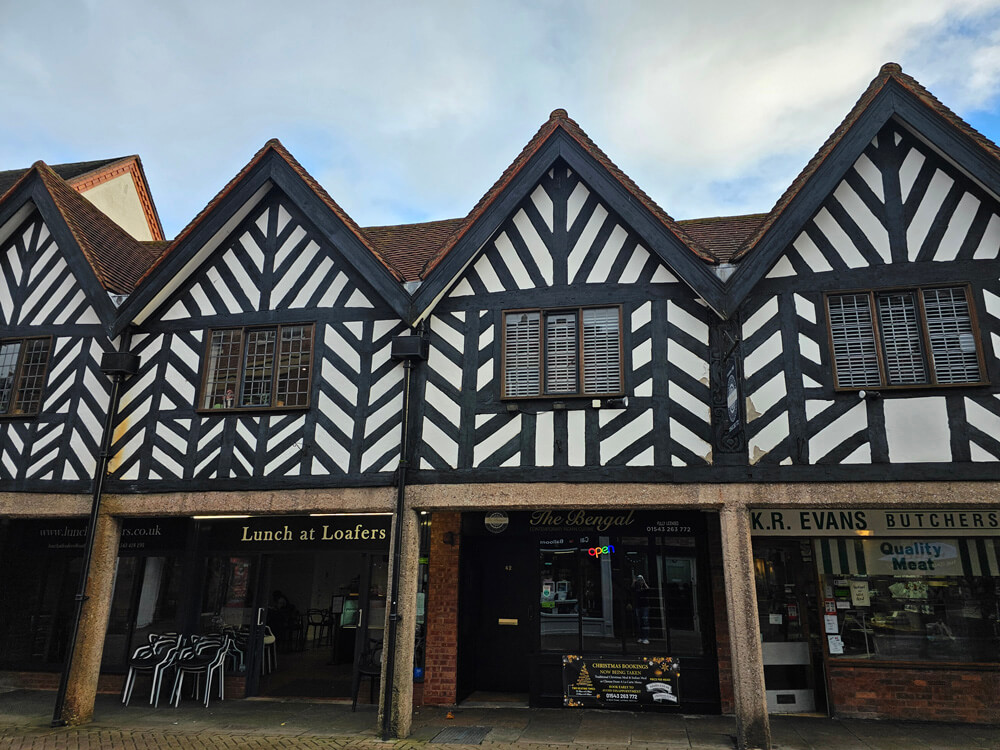
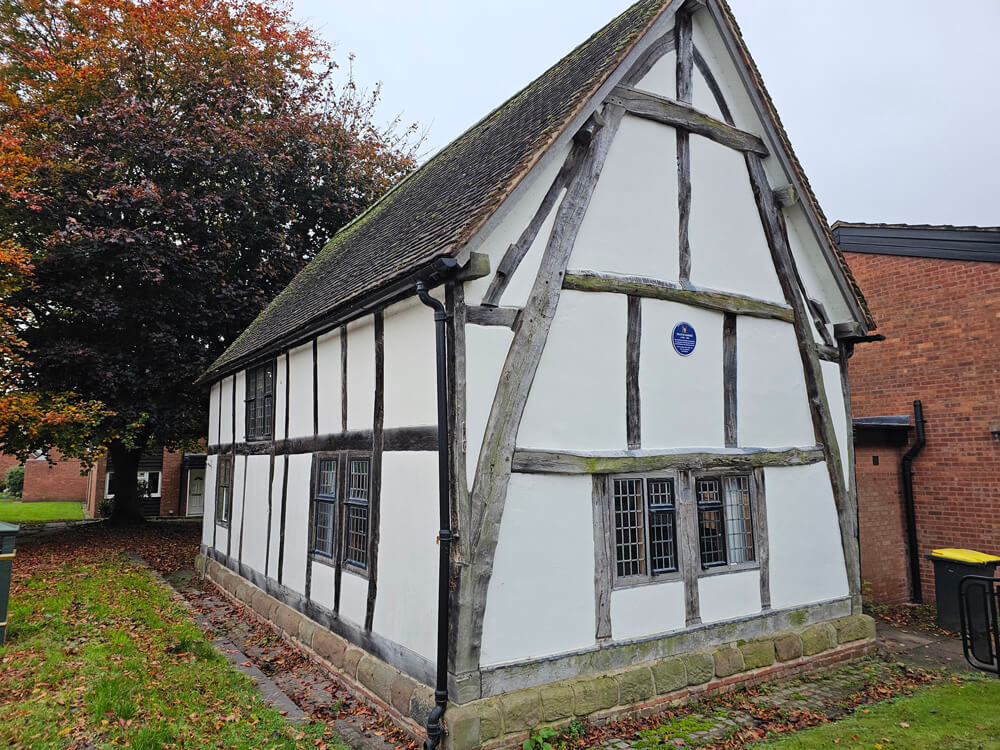
Today, the city still retains its old importance as an ecclesiastical centre and its medieval street plan. Industrial and commercial development has been limited in the city, meaning that the city centre has preserved much of its historic character. Interesting historic sites in the centre of Lichfield include the cathedral and Cathedral Close, St Chad’s Church & Well, Franciscan Friary ruins, St John’s Hospital and Chapel, Dr Milley’s Hospital, and a number of late medieval and Tudor era timber-framed buildings (and lots of Georgian era buildings if you’re into that time period).
In July 2009, the Staffordshire Hoard, the largest collection of Anglo-Saxon gold ever found, was discovered in a field in the nearby village of Hammerwich, 4 miles south-west of Lichfield, which was probably buried in the 7th century.
Lichfield Cathedral
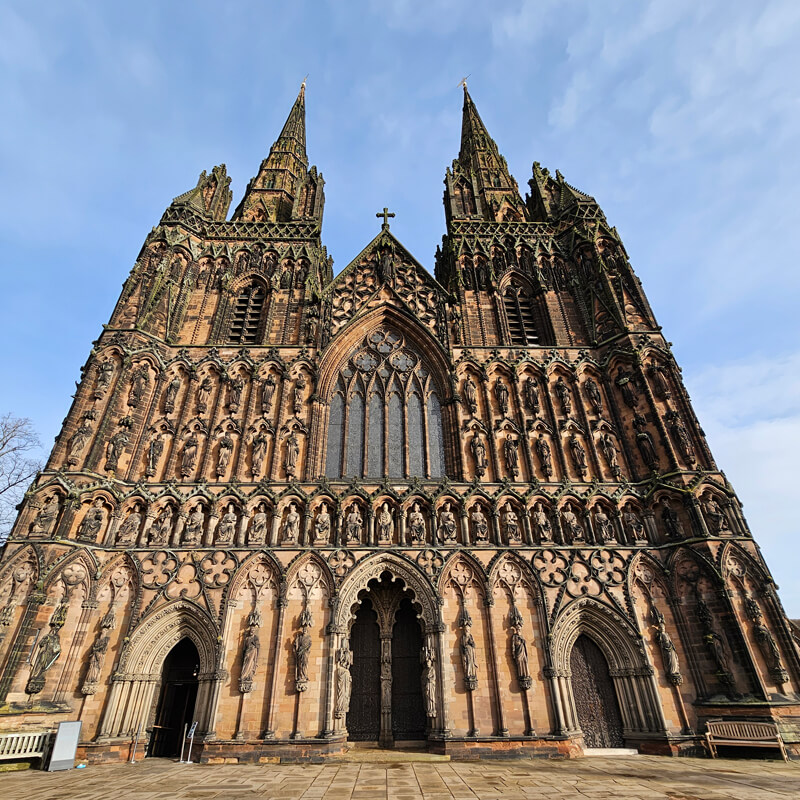
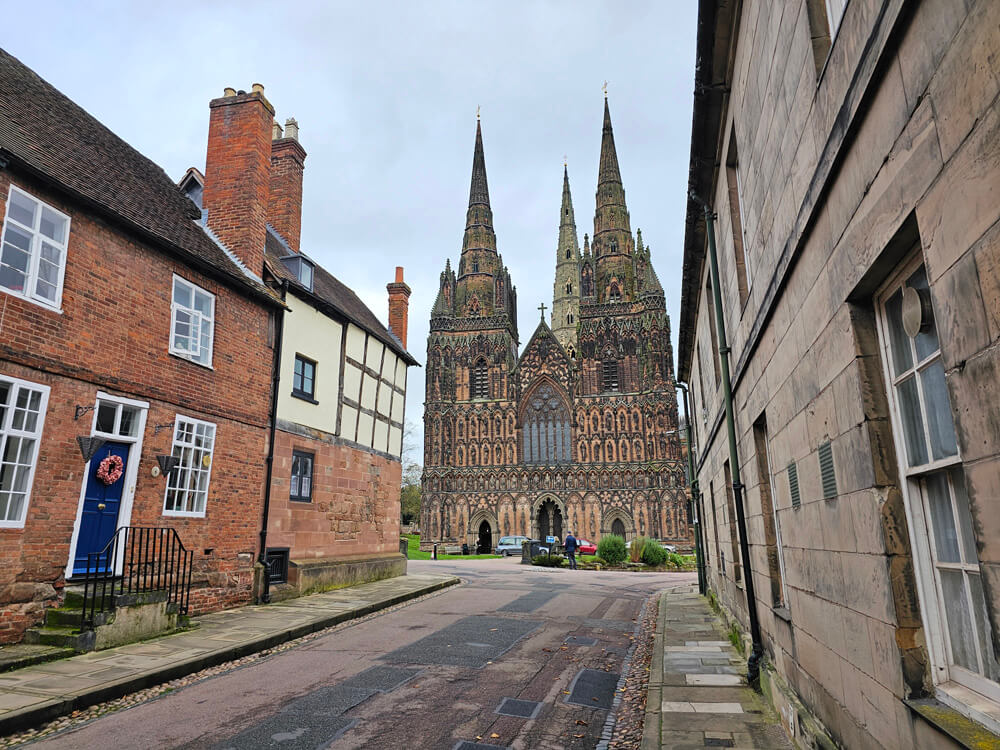
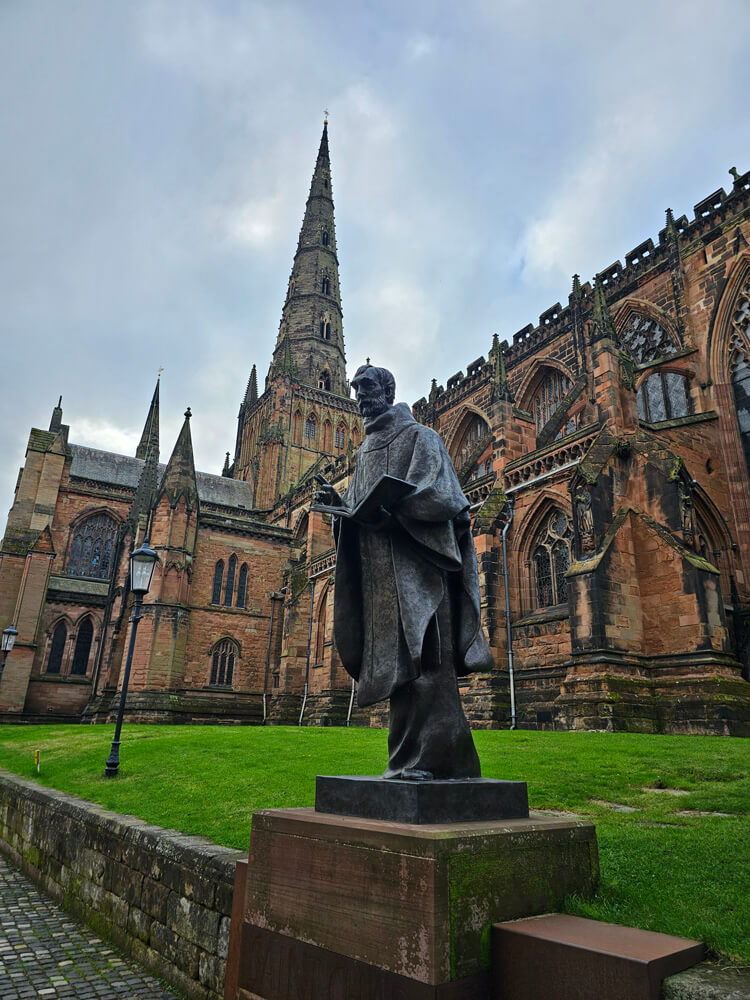
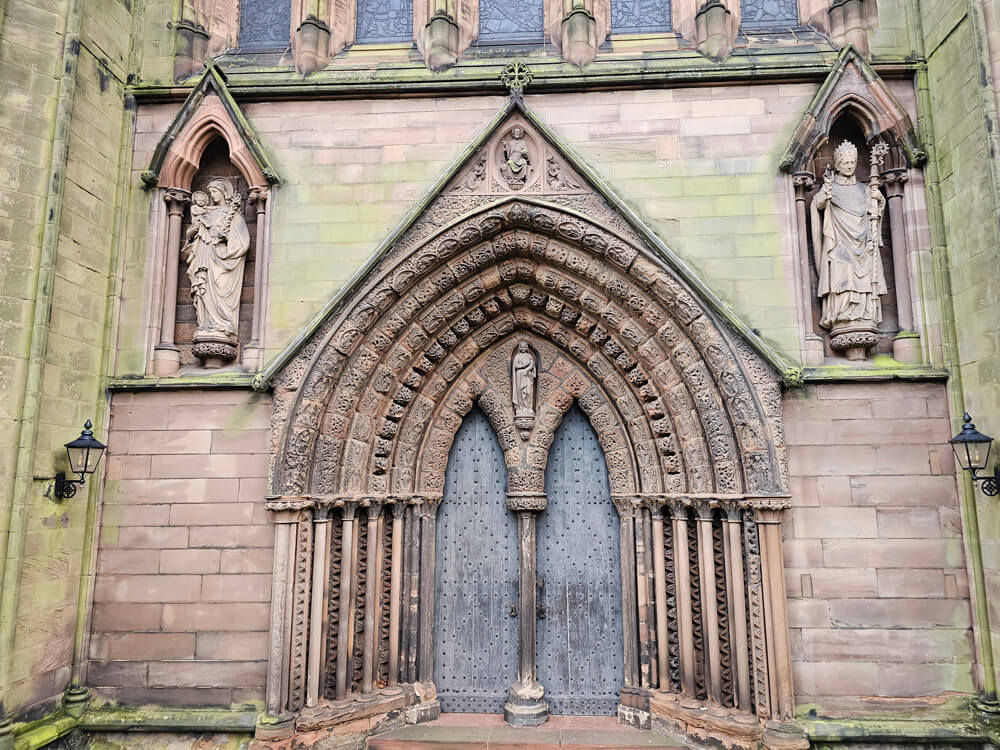
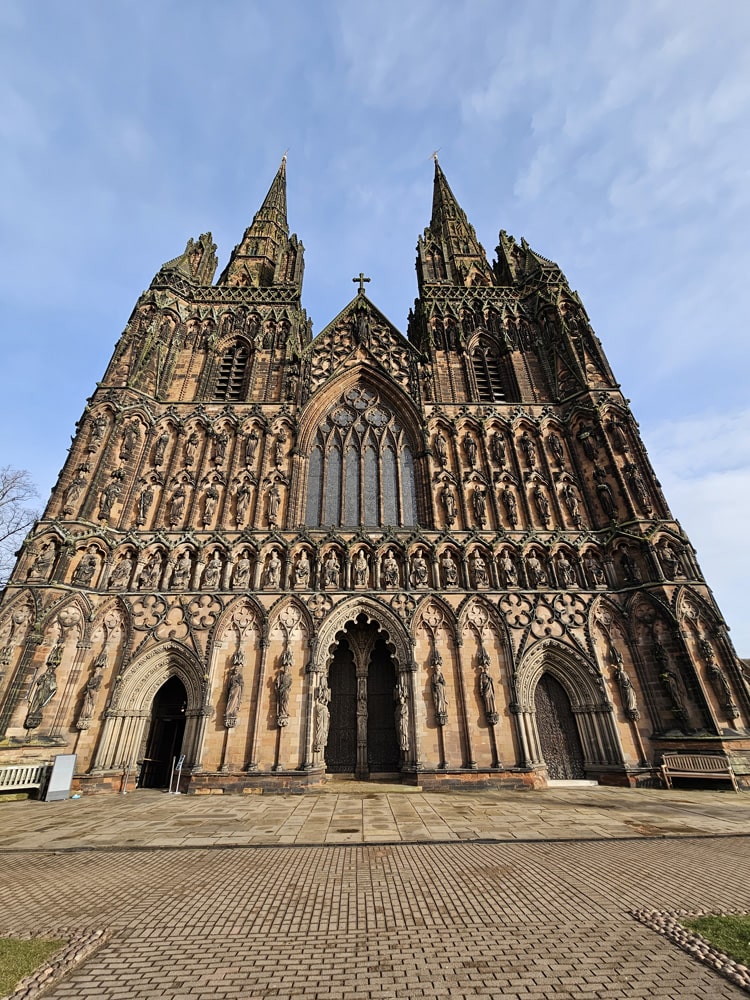
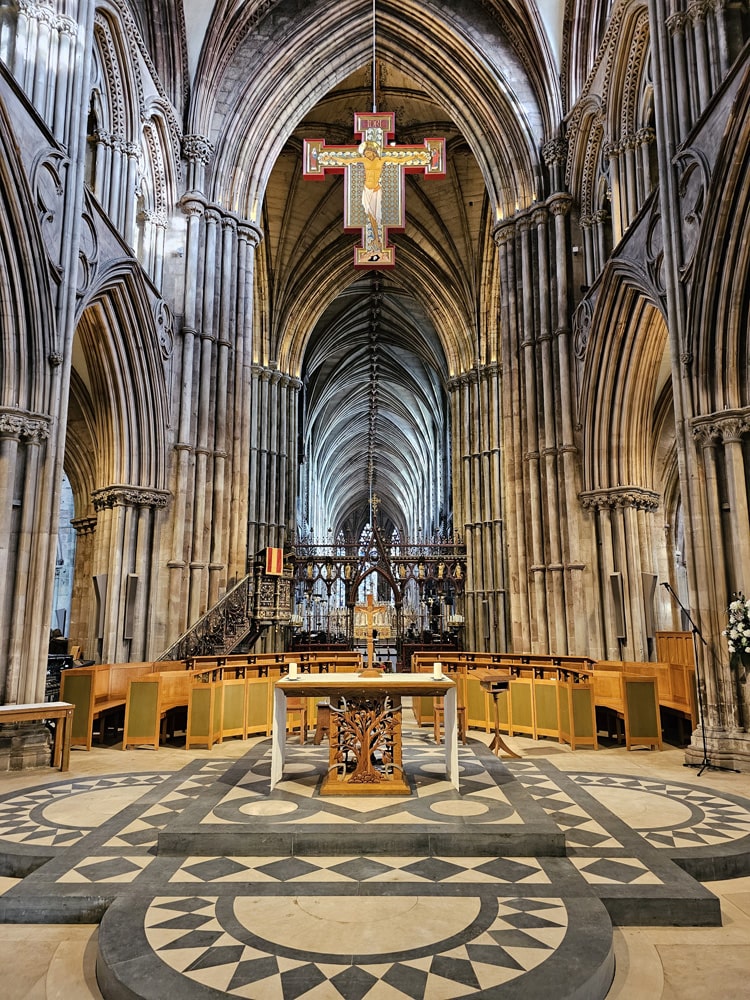
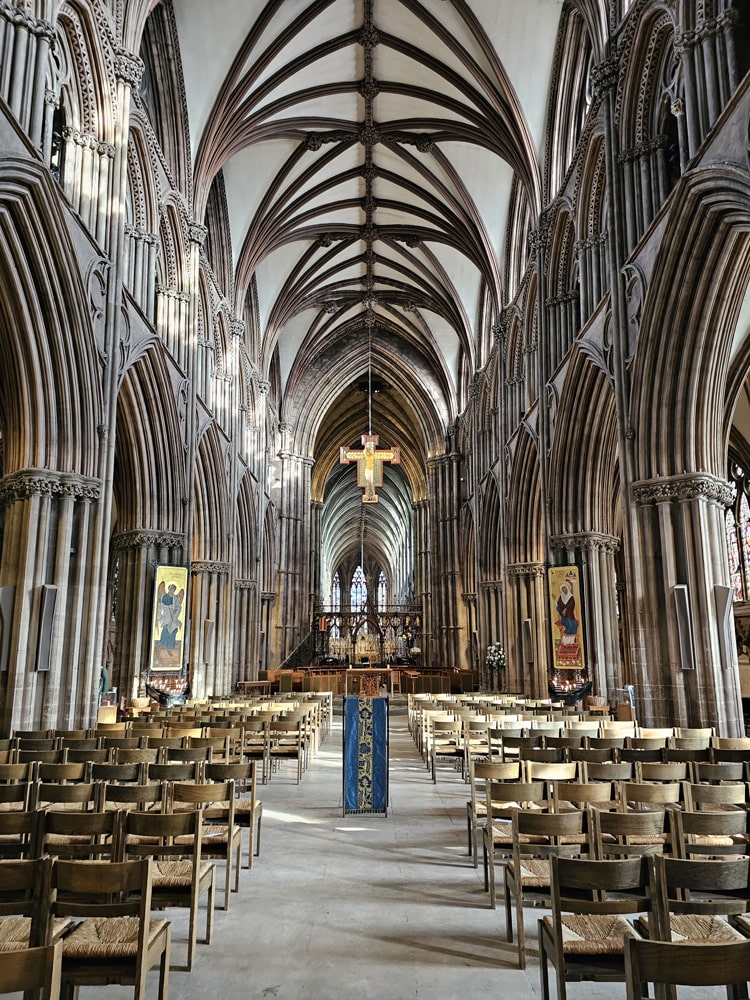
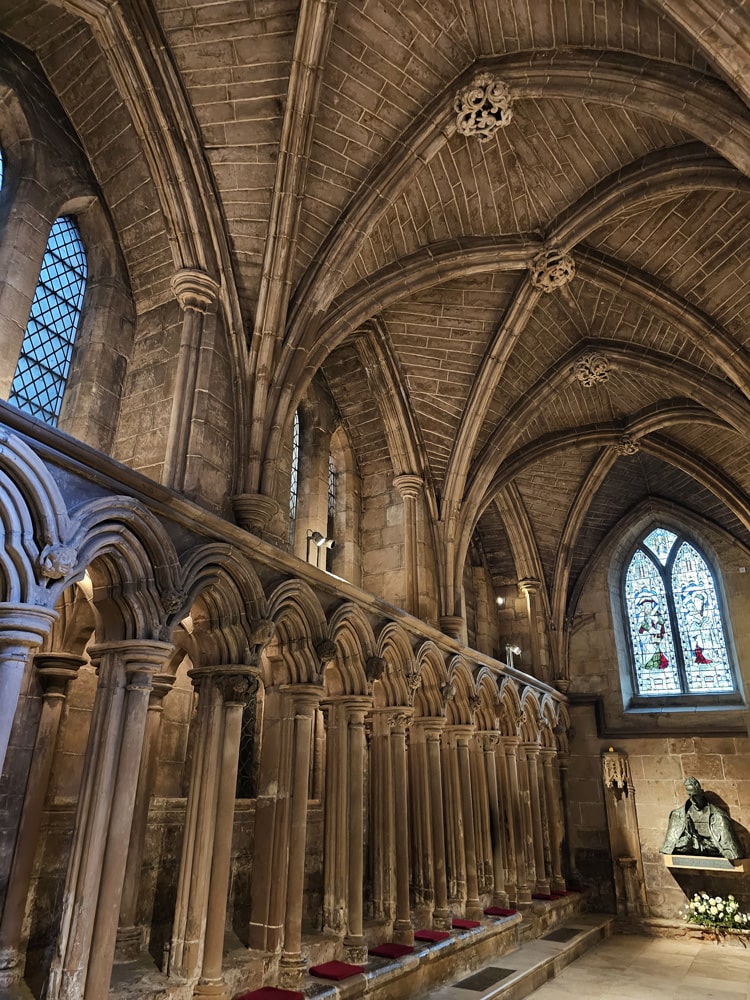
Lichfield Cathedral has been a site of Christian worship since the 700s, but today’s building was begun at the end of the 12th century. It is one of only three cathedrals in the UK with three spires, and the only medieval one of the three. Known locally as the ‘Ladies of the Vale’, it is one of the most elegant in the country, for its Gothic lines, invaluable Flemish stained glass and an 8th-century Saxon carving of an angel.
St Chad’s Church & Well
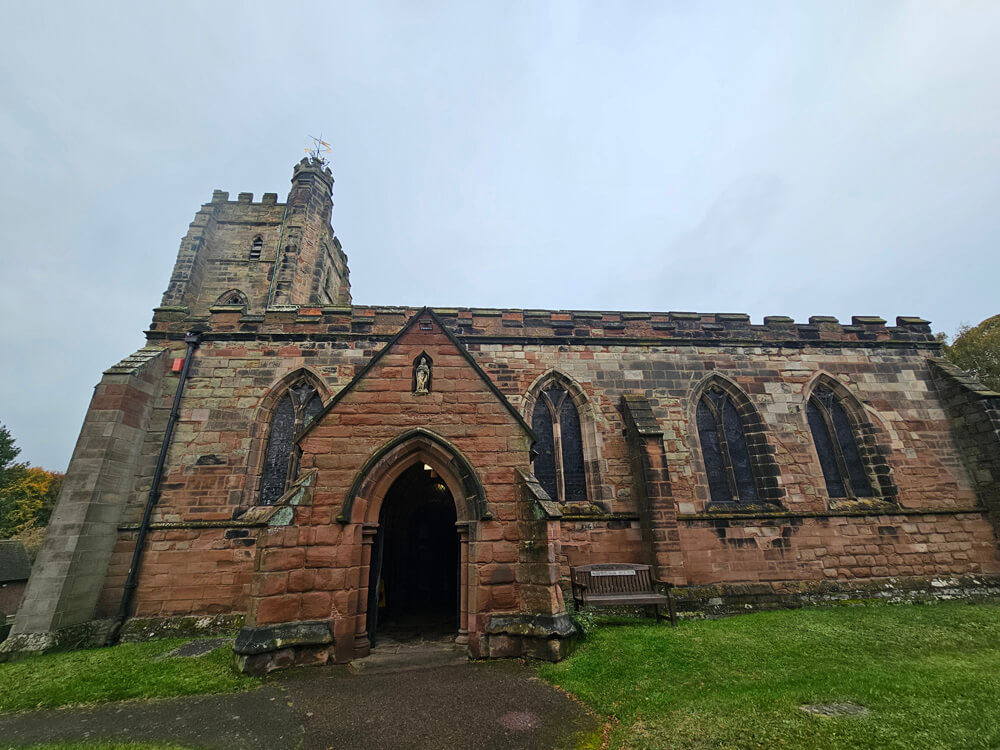
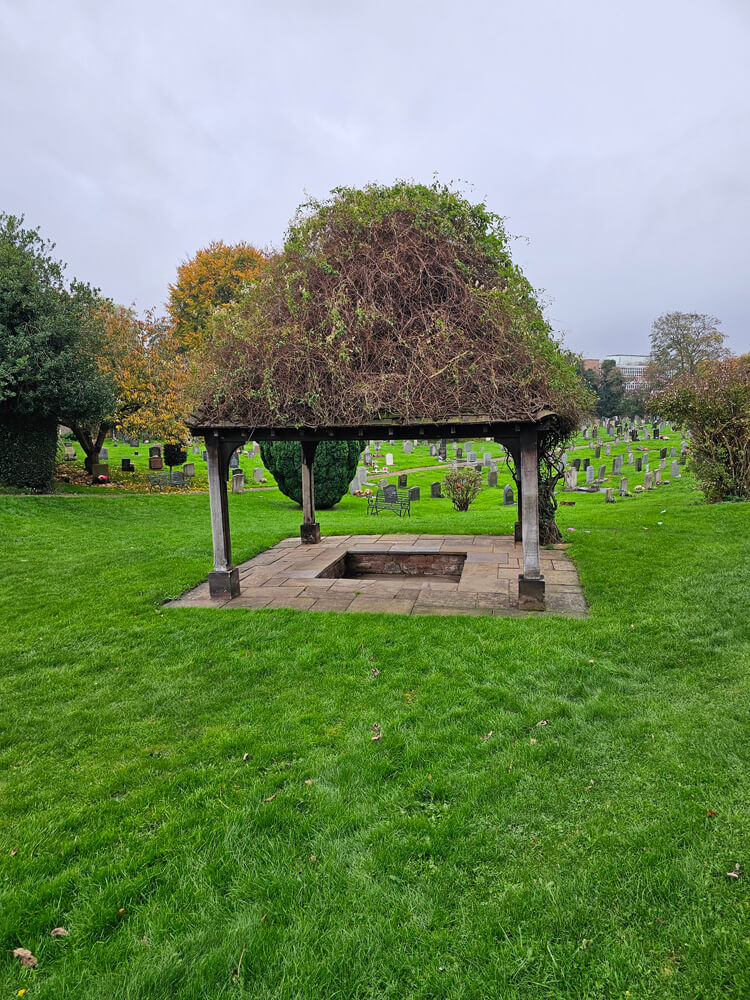
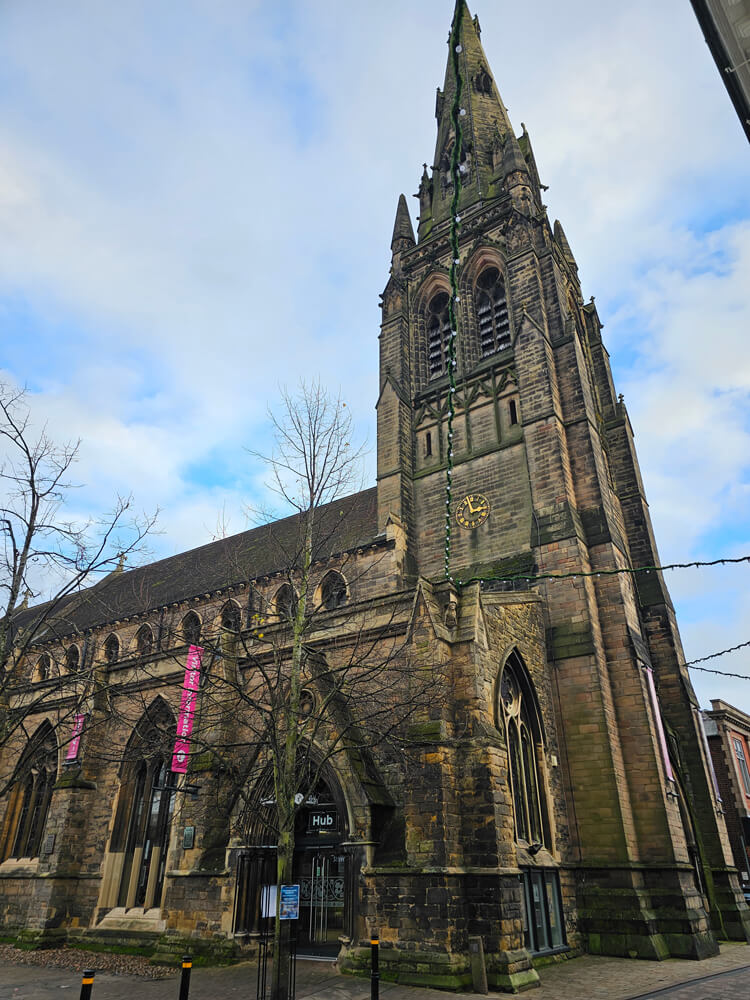
A Saxon monastery was built nearby the spring on the present site of the church around the time of St Chad in the 7th century, of which nothing remains. During the 12th century the monastery was rebuilt as a church dedicated to St Chad; the present church, with additions made in the 13th century. Built over what was a sacred spring, St Chad’s Well is located in the churchyard to the north-west of the church. St Chad is reputed to have prayed at the spring, baptised his converts and healed people. The well became a popular place of pilgrimage after his death.
The Franciscan Friary
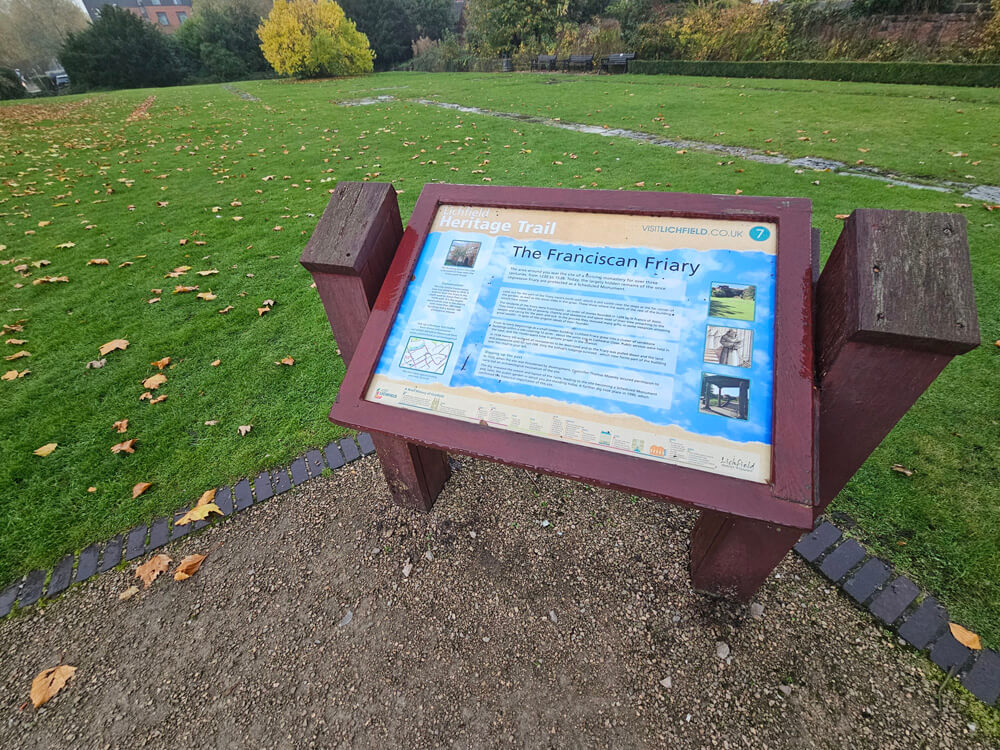
The Franciscan Friary in Lichfield was once a large estate located on the west side of the city centre. The friary was built and inhabited by Franciscan monks from the 1230s until it was suppressed by Henry VIII in 1538 when he ordered the friary to be demolished. Once a thriving monastery for over three centuries it consisted of a large church, cloisters, dormitory lodge, refectory and domestic buildings. The memory of the friary is still present in Lichfield today in names that include The Friary, Friary School, Friary Tennis Club, Friary Gardens and Monks Walk.
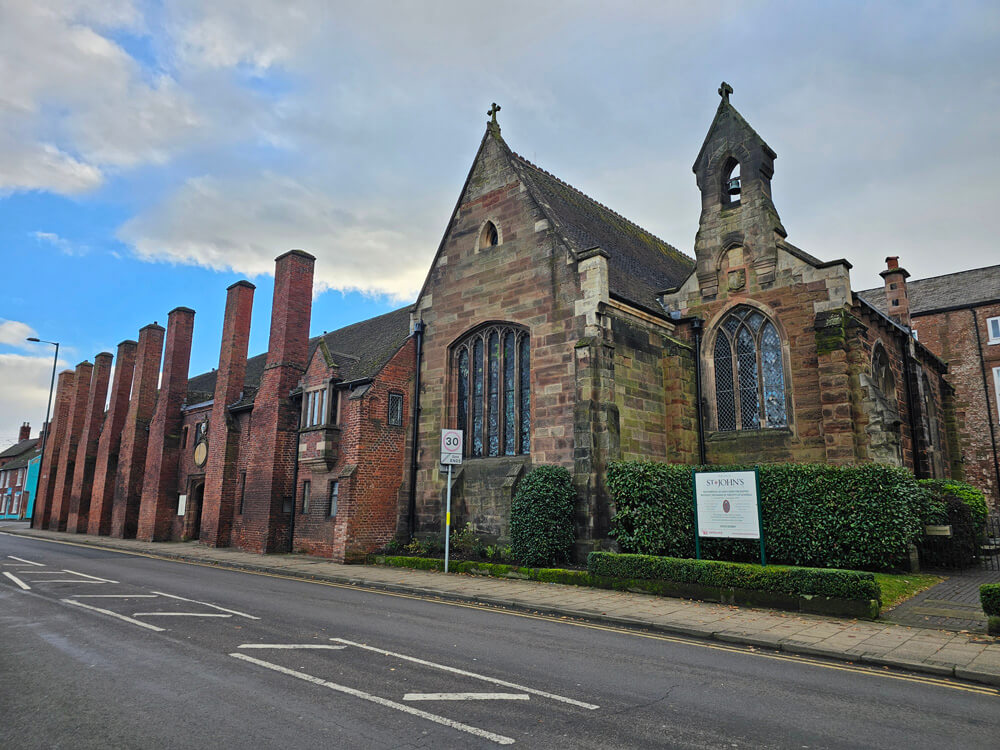
St John’s Hospital
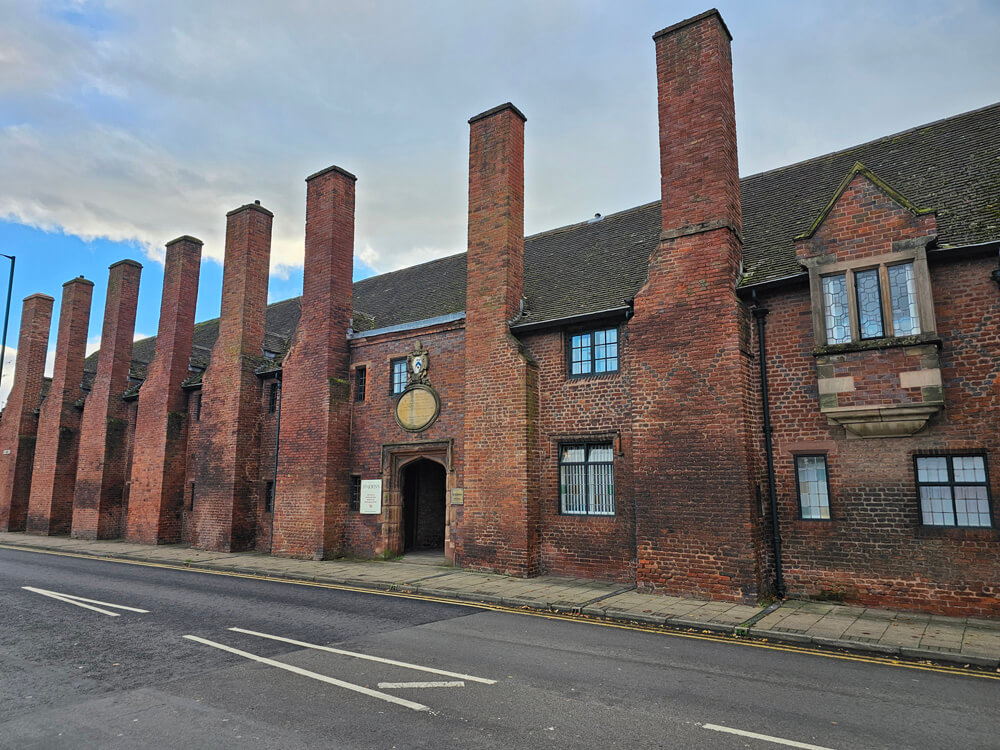
The Hospital of St John Baptist without the Barrs is a building with ancient roots and an adjacent chapel. Founded in the 12th century, it once provided accommodation to travellers outside the city walls who would arrive in Lichfield after the city gates (or barrs) had closed for the night. By the 15th century it was re-founded as an almshouse for poor and elderly men, and the distinctive eight chimneys fronting the building date back to this period.
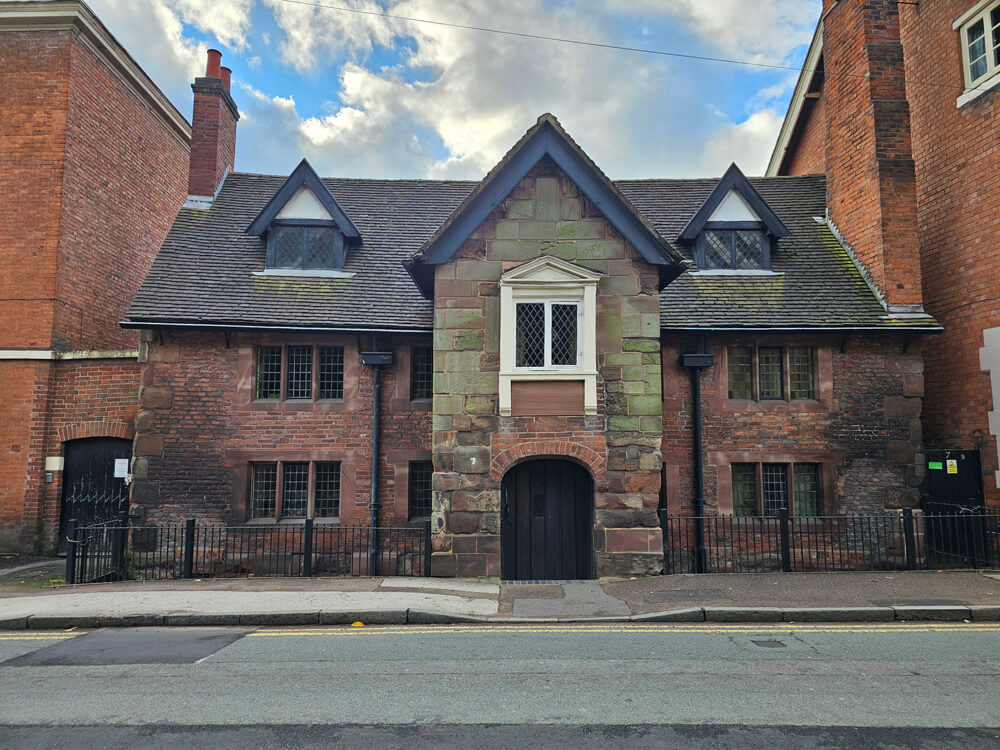
Dr Milley’s Hospital
Dr Milley’s Hospital is an almshouse for women and is still in use today for its original intended purpose. It was founded in 1424 by William Heyworth, Bishop of Lichfield for the use of the poor. The hospital is named after Thomas Milley, a residentiary canon of Lichfield Cathedral, who re-endowed and rebuilt the Hospital in 1504, making it one of the oldest surviving buildings in Lichfield.
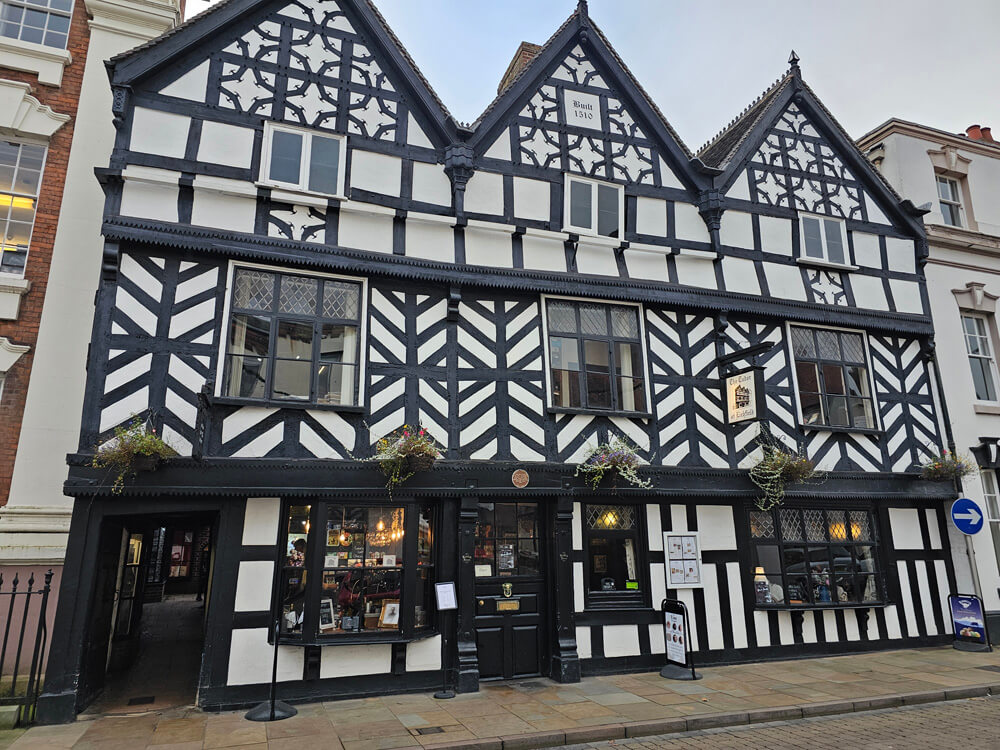
Timber-framed Buildings
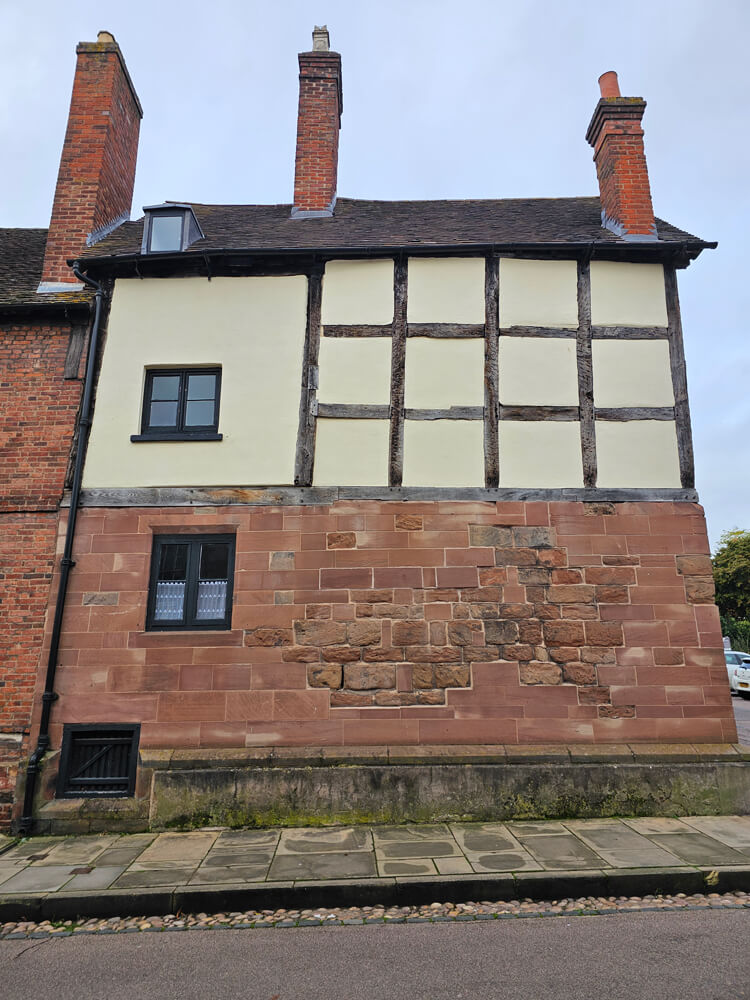
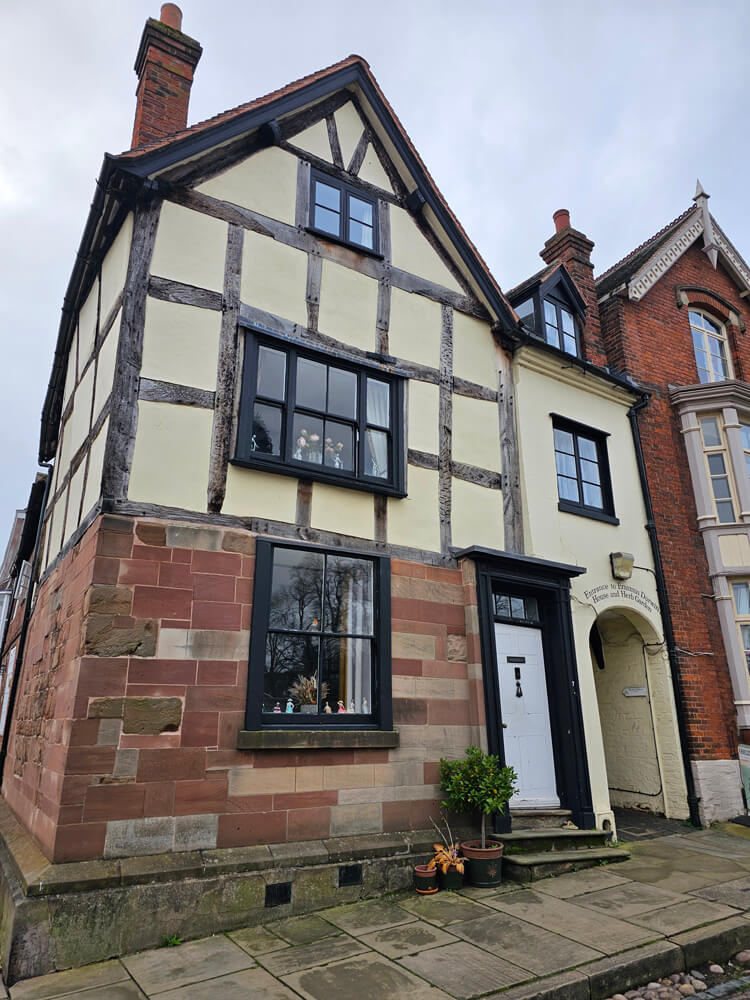
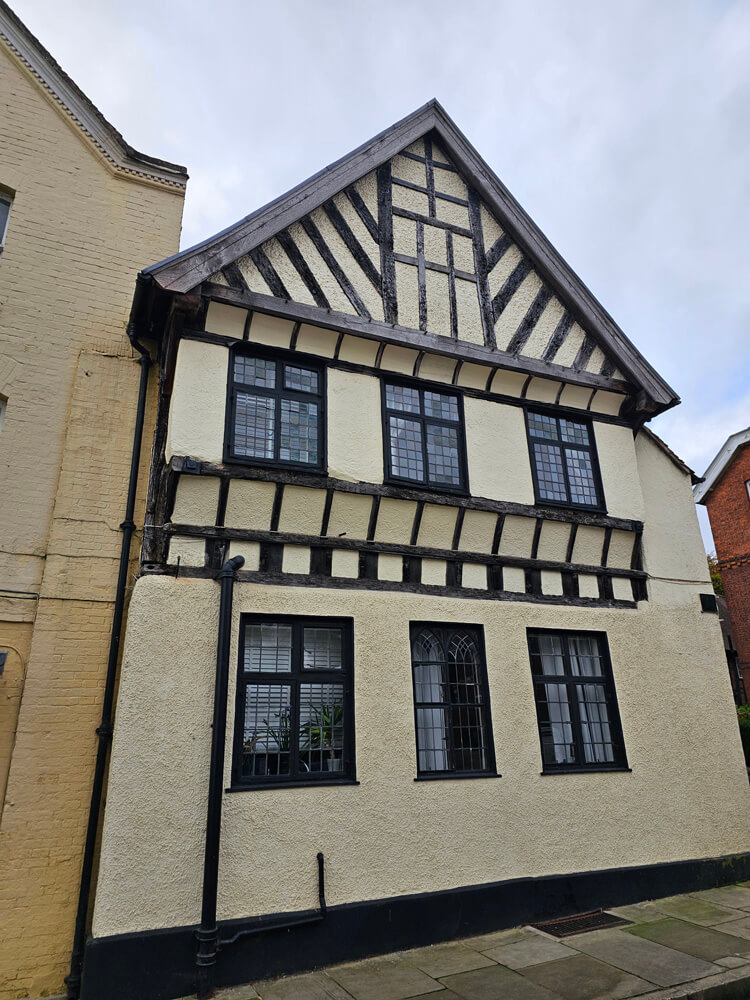
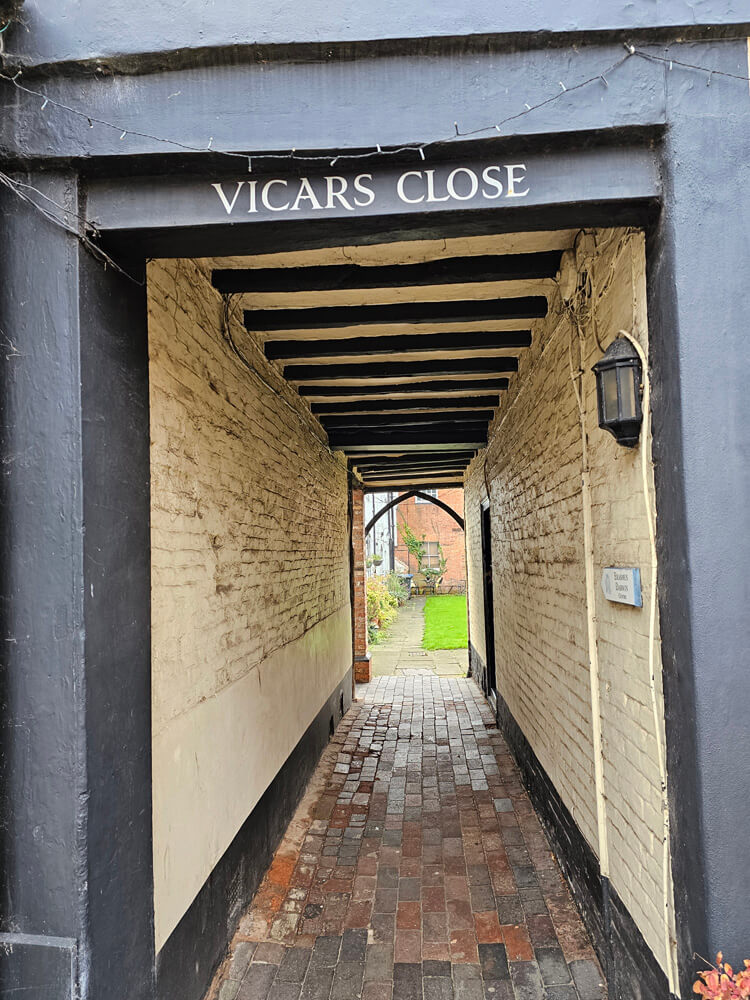
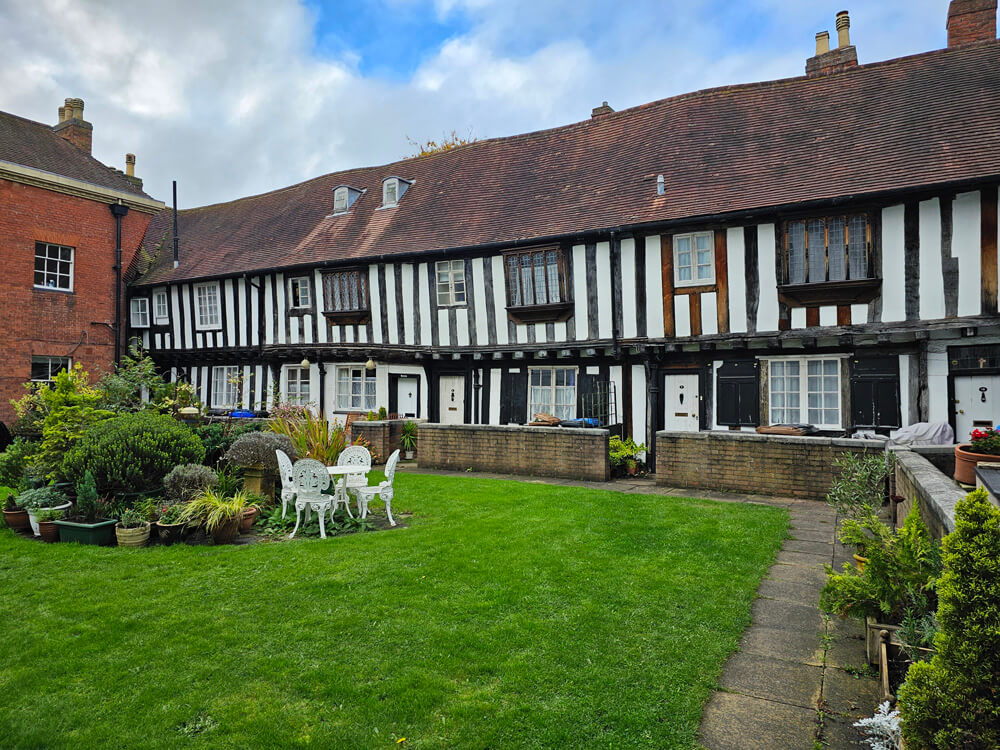
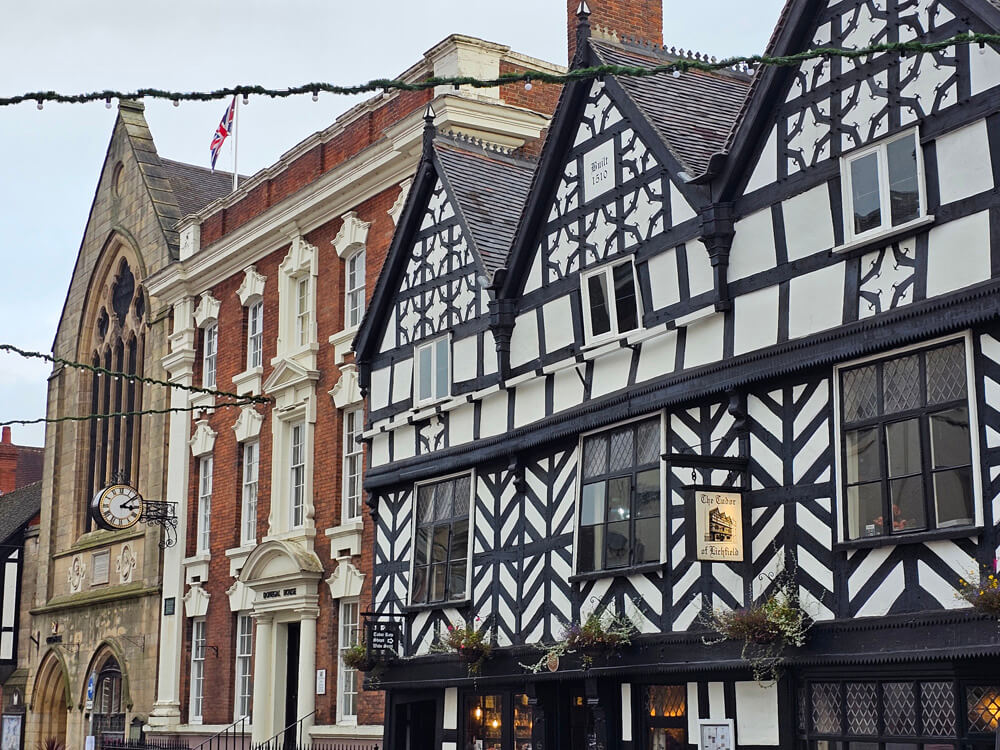
Lichfield has a number of late medieval and Tudor era timber-framed buildings. The most notable of these are the timber-framed houses along the north side of Vicars Close built between 1315 – 1500, and The Tudor of Lichfield; a family-run restaurant since 1936, it is one of Lichfield’s most iconic black and white half-timbered buildings built in 1510, dating back to the time of Henry Tudor.
Photo Gallery.
Did you enjoy this post?
I hope you found this post useful. I put a great deal of time and effort in to building, maintaining and populating the website. If you like, you could say a small thank you by buying me a coffee. You don't have to, but it would be nice :)
Buy me a coffee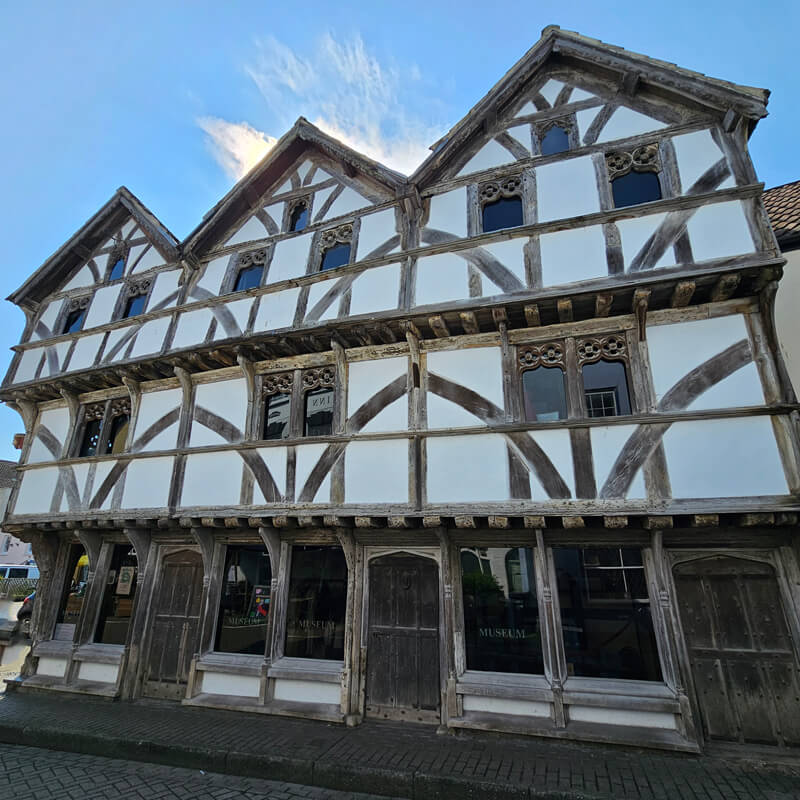
Stay up to Date
Follow me on my journey and get notified whenever a new post is published by following Kings & Castles on Facebook.
Follow MeExplore The Map
Discover the hundreds of castles, churches, monasteries, cathedrals and other historic locations that I've personally visited across England and Wales. Search by location, explore nearby sites and plan your next historical adventure.
Share: