Montgomery Castle
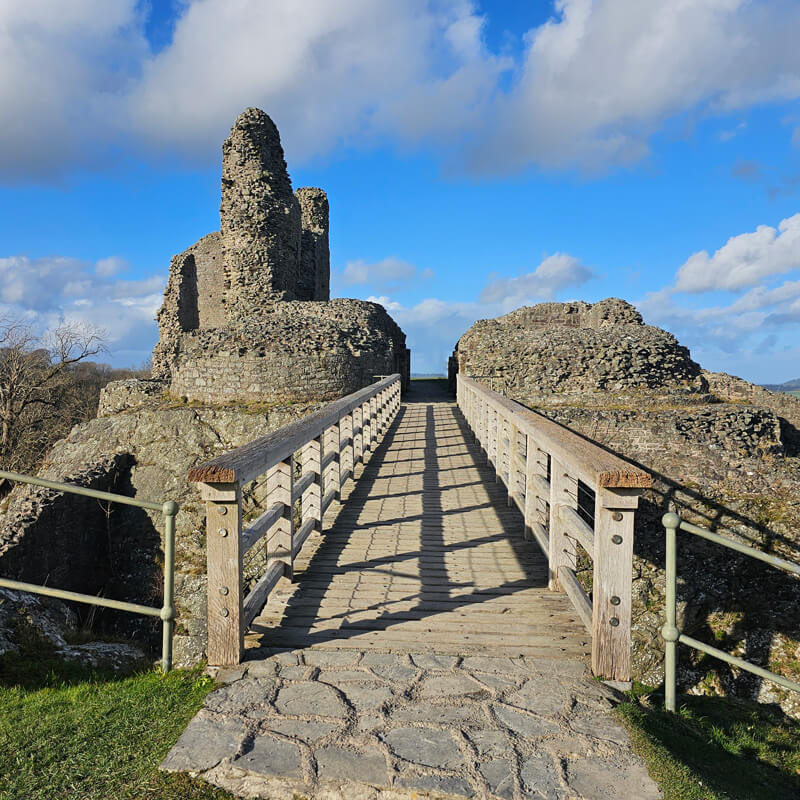
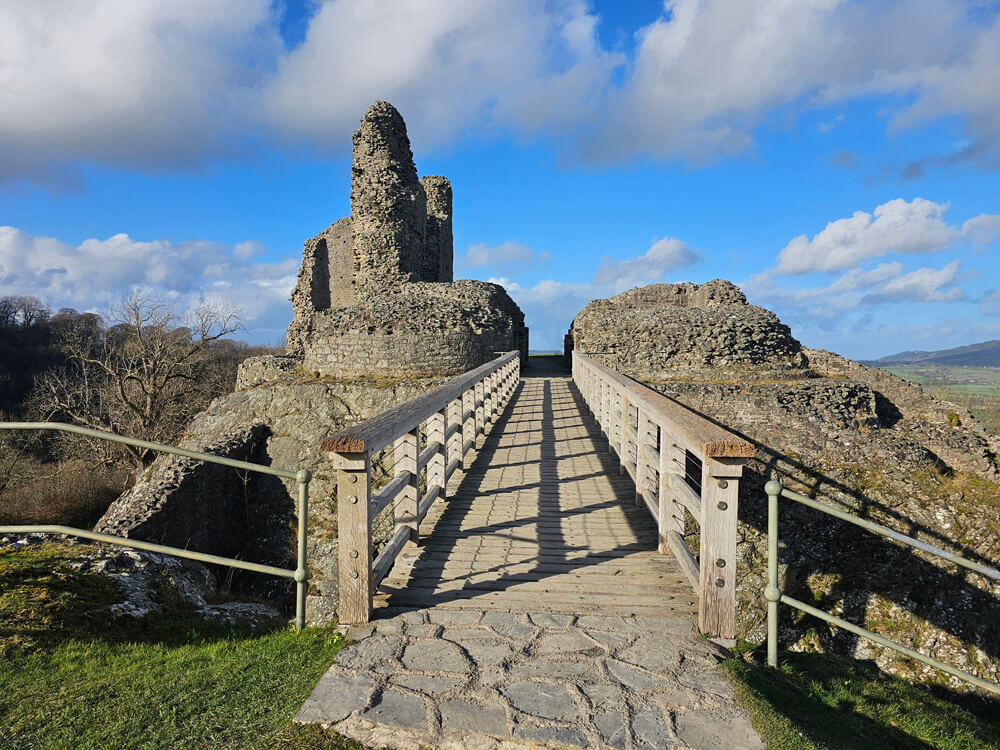
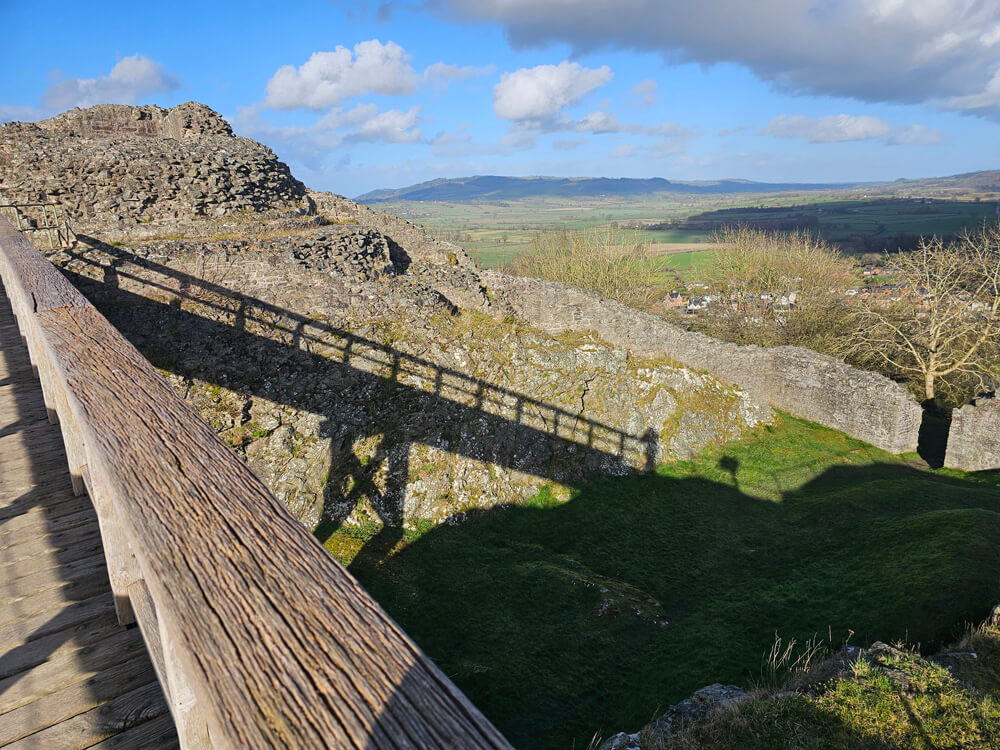
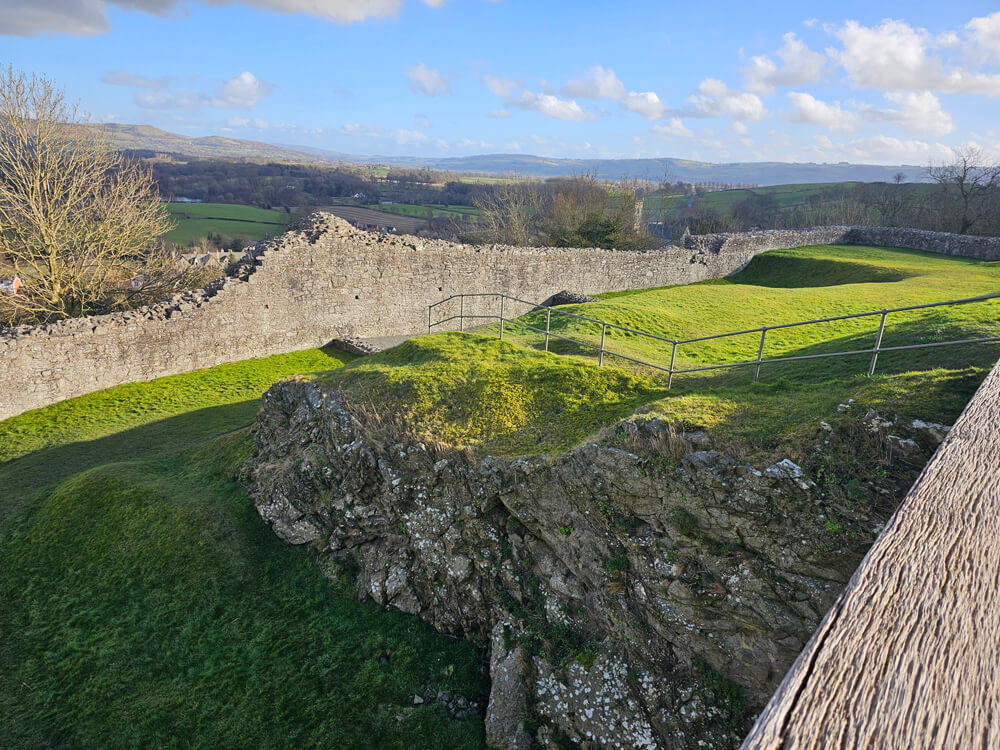
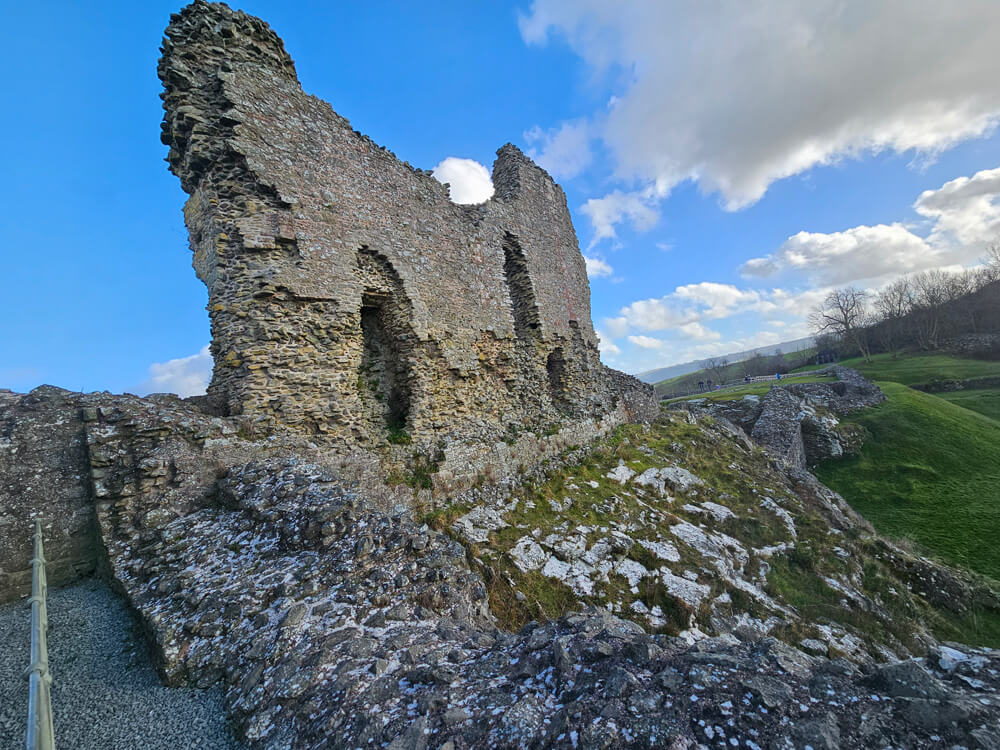
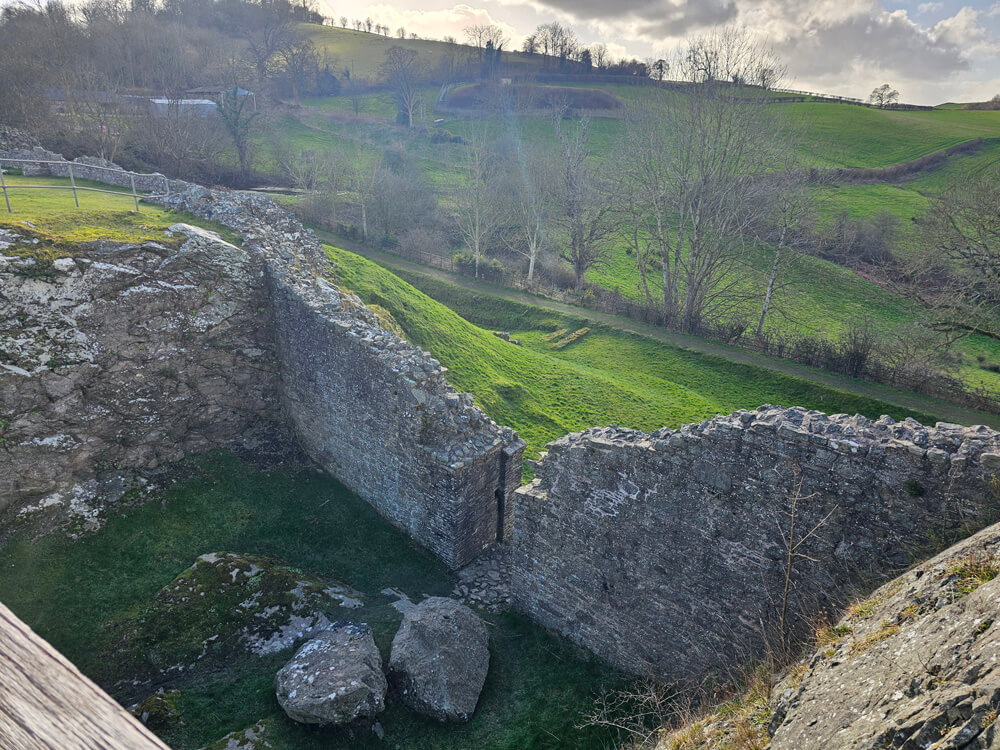
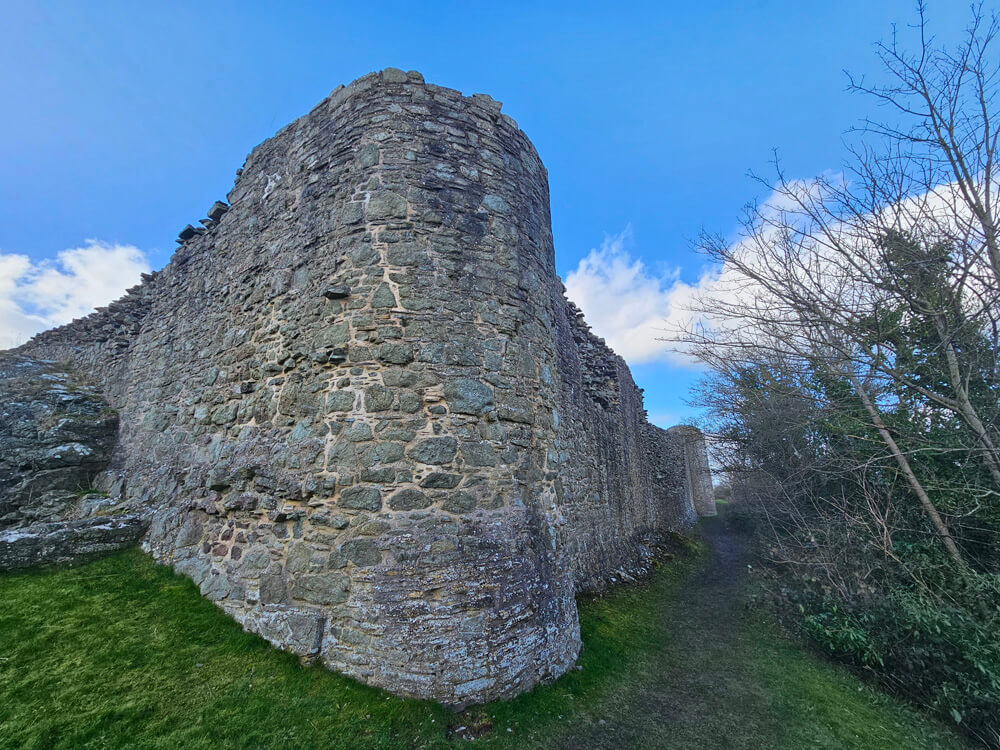
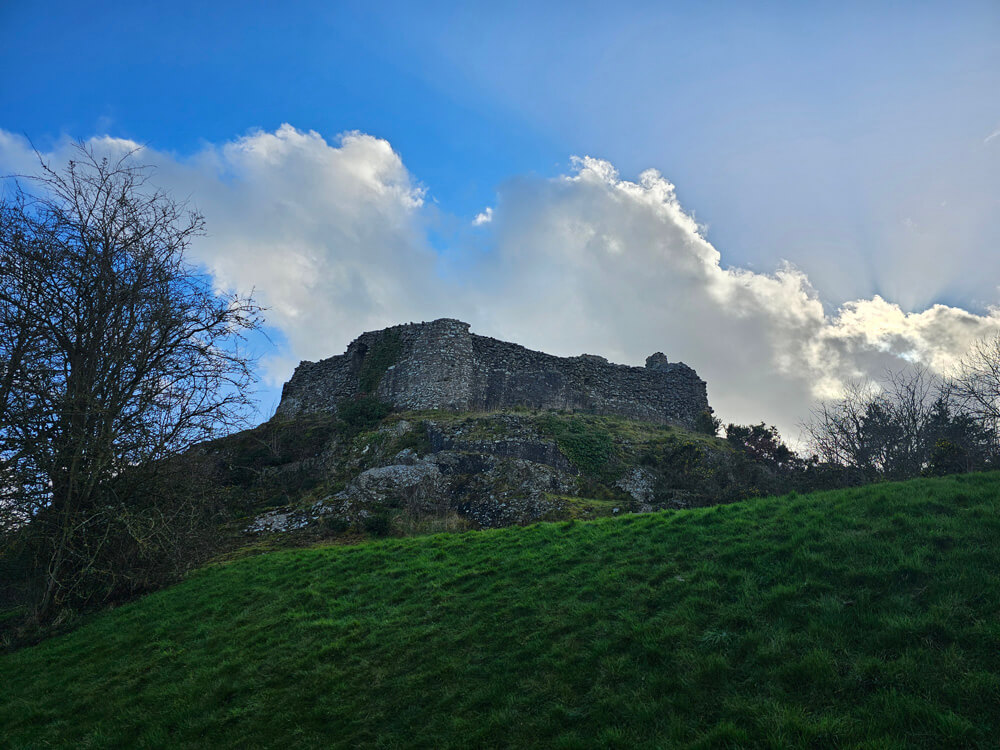
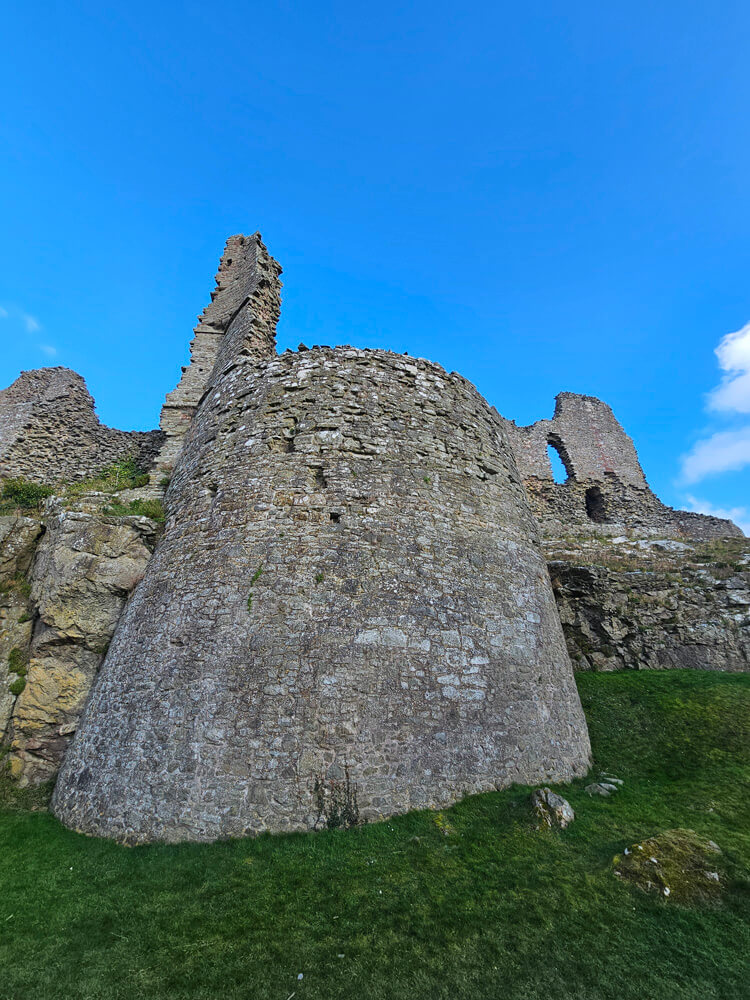
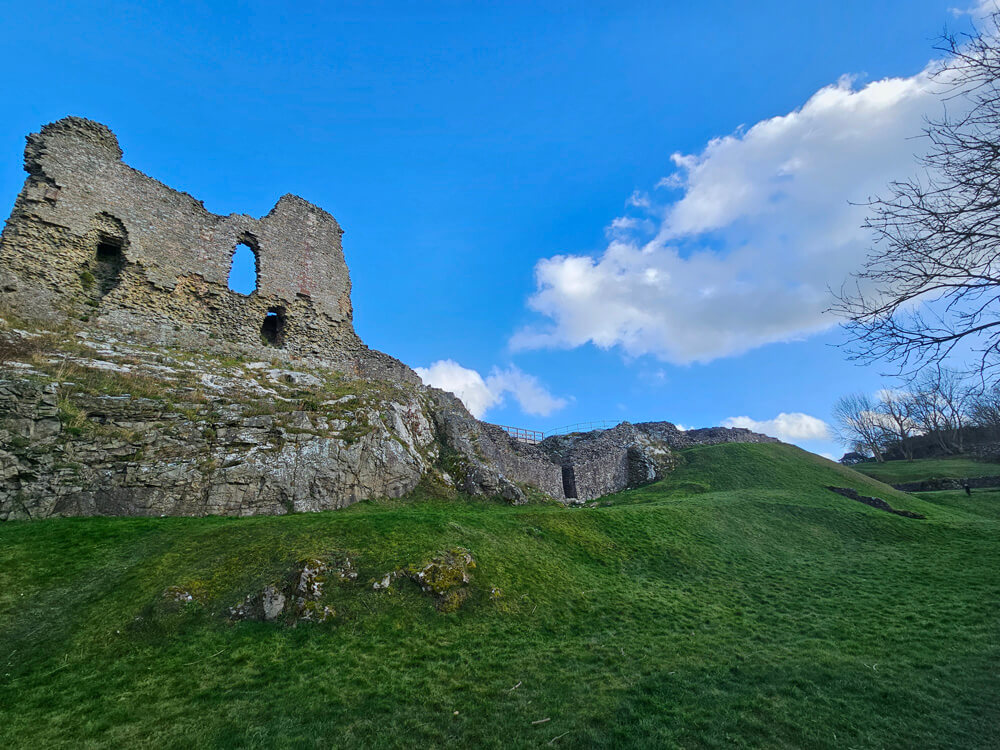
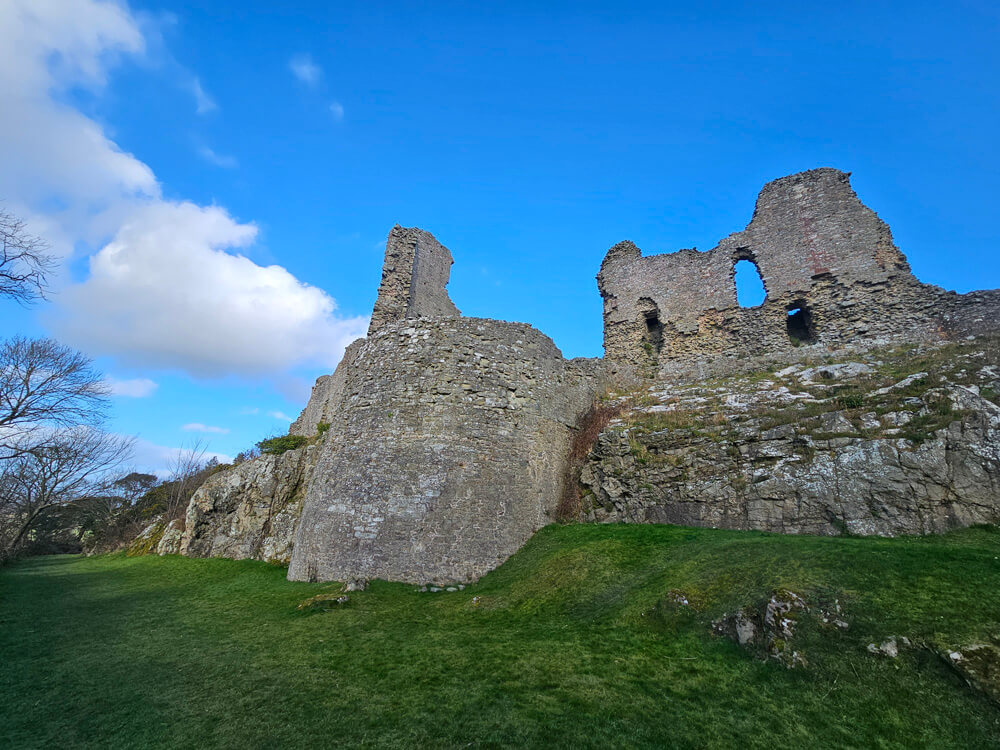
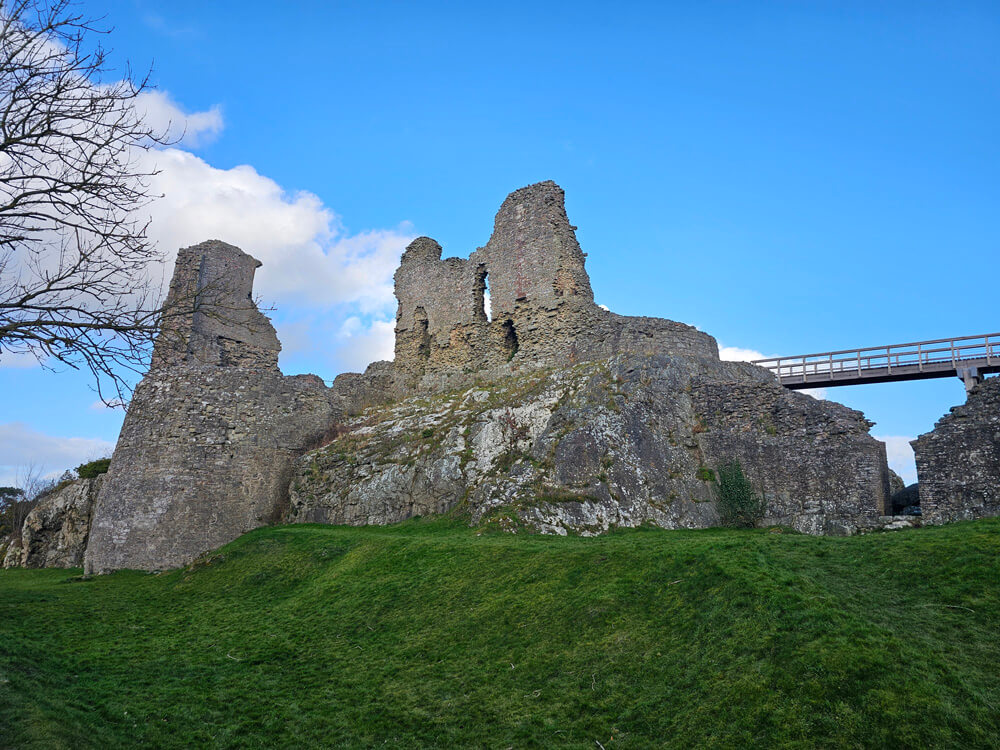
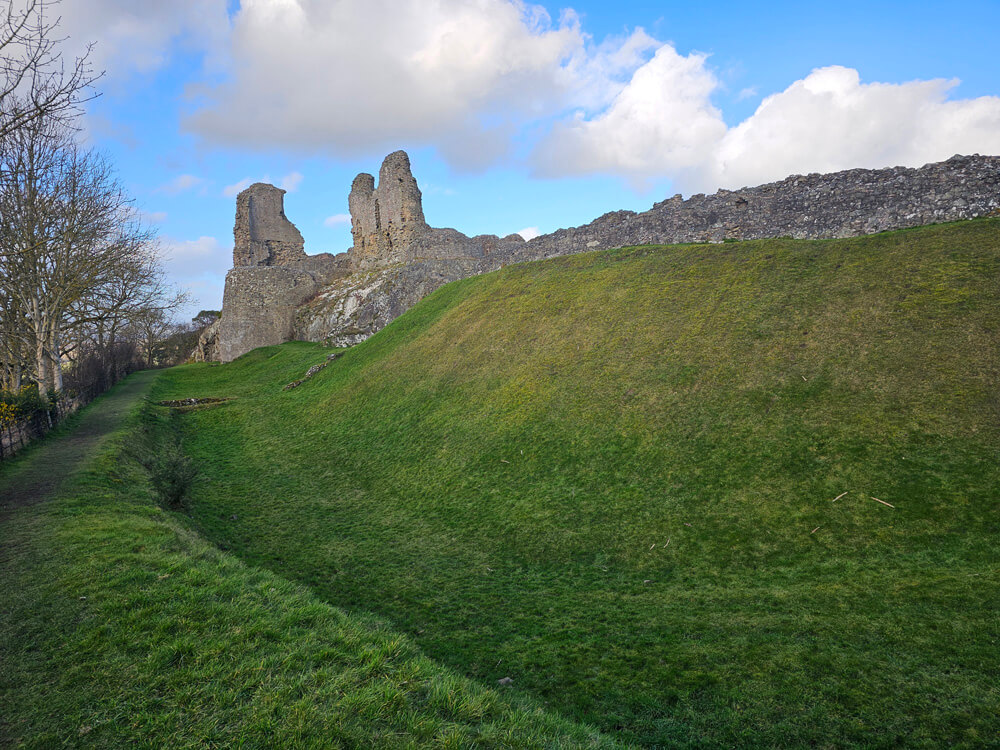
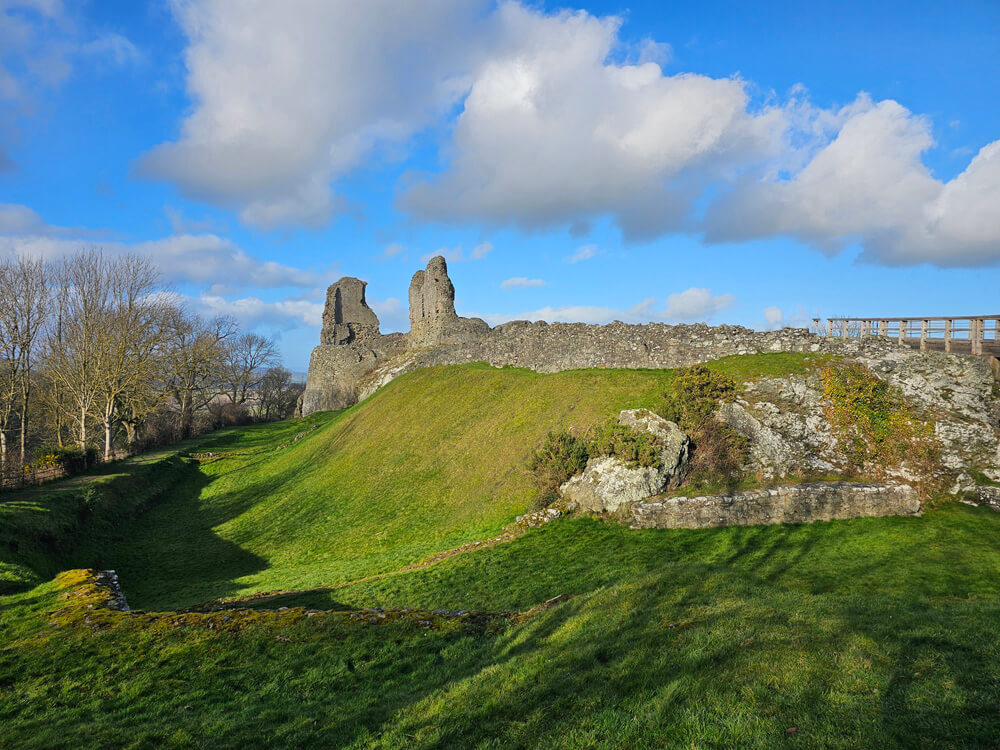
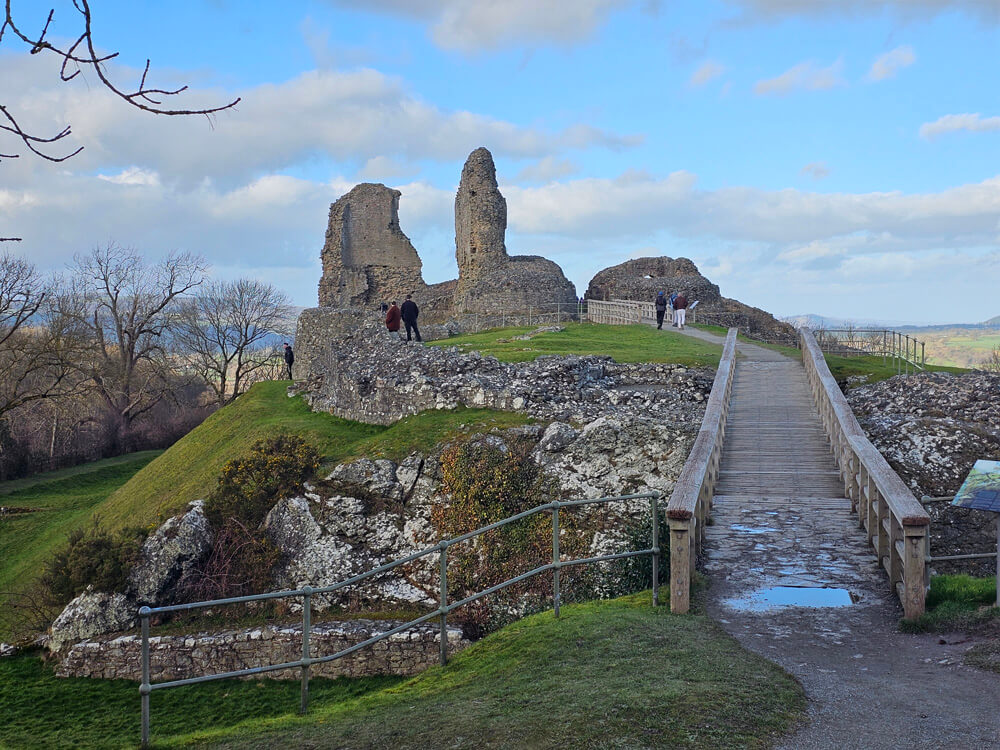
The impressive ruins of Montgomery Castle stand on a steep crag looking over the pretty town of Montgomery in Powys, Mid Wales. It is one of many Norman castles on the border between Wales and England, with amazing views across the Welsh border.
Quick
Facts.
- Location: Montgomery, Powys, Mid Wales
- Built: 1220s
- Condition: Ruined
- Date visited: February 2025
- More info: Visit website
- Rating:
A Bit of History…
Montgomery Castle was built in stone from 1223 which replaced an earlier timber motte-and-bailey fortification called Hen Domen, meaning ‘old mound’.
The new castle was built during Henry III‘s campaign against the Welsh ruler Llywelyn ab Iorwerth (Llywelyn the Great). Its architect was Hubert de Burgh, who also rebuilt Skenfrith Castle, Grosmont Castle and White Castle, also in the Welsh Marches.
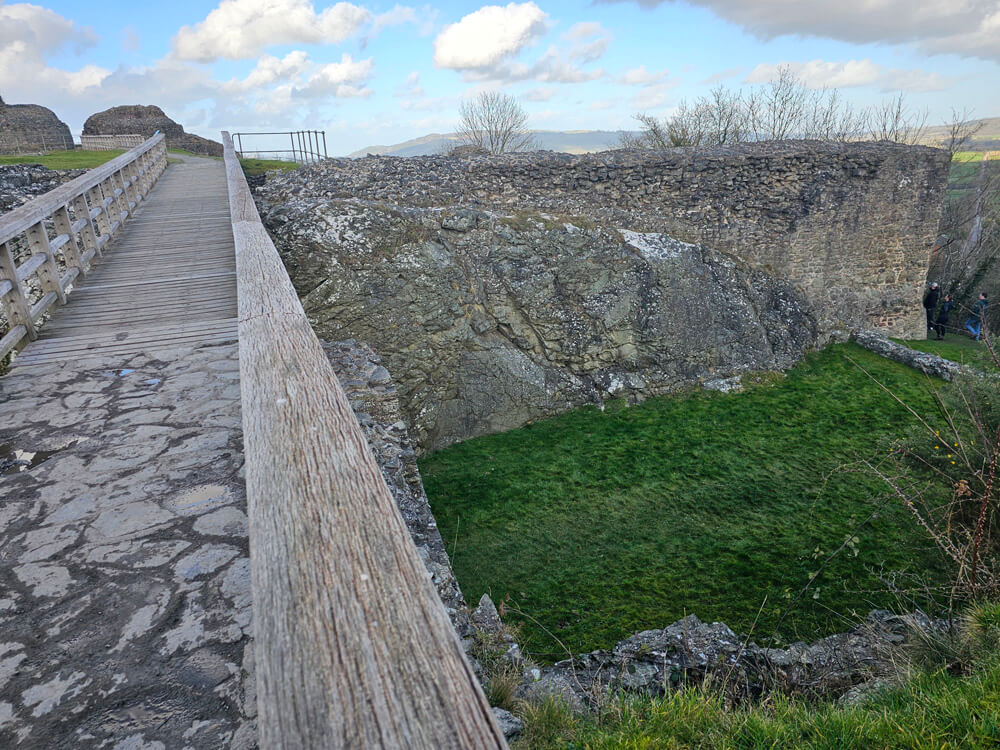
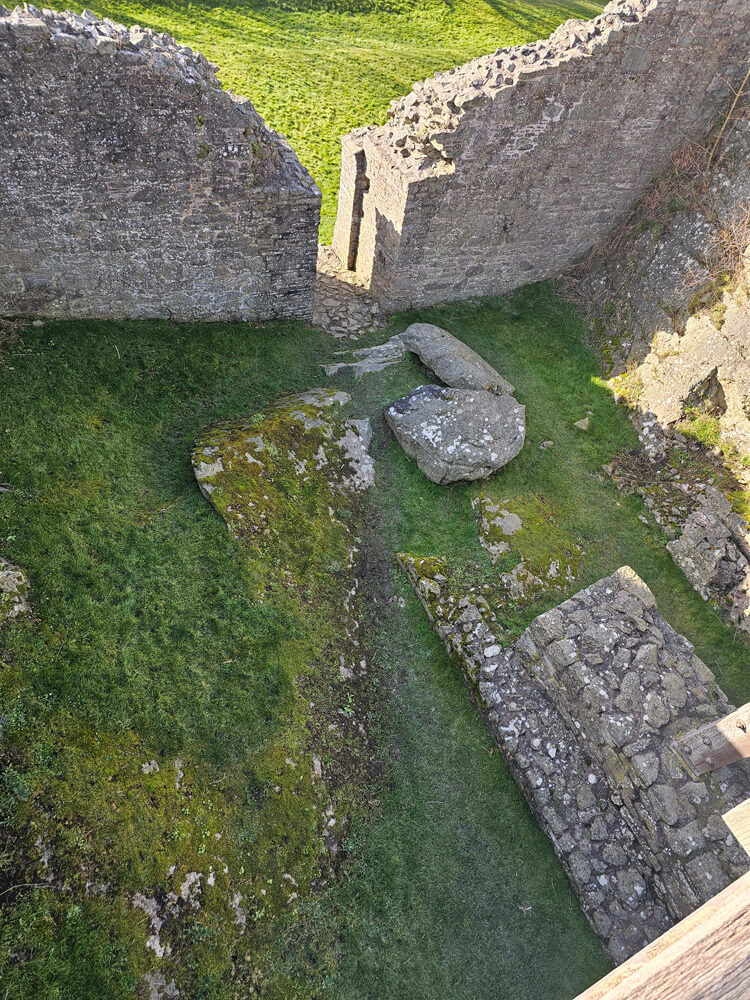
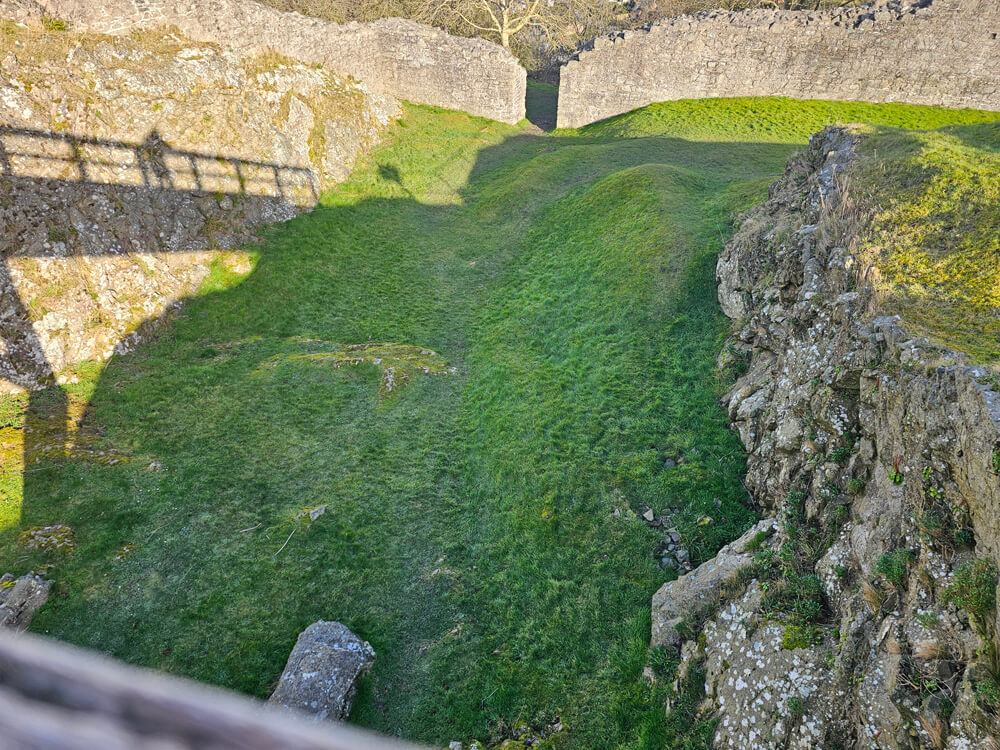
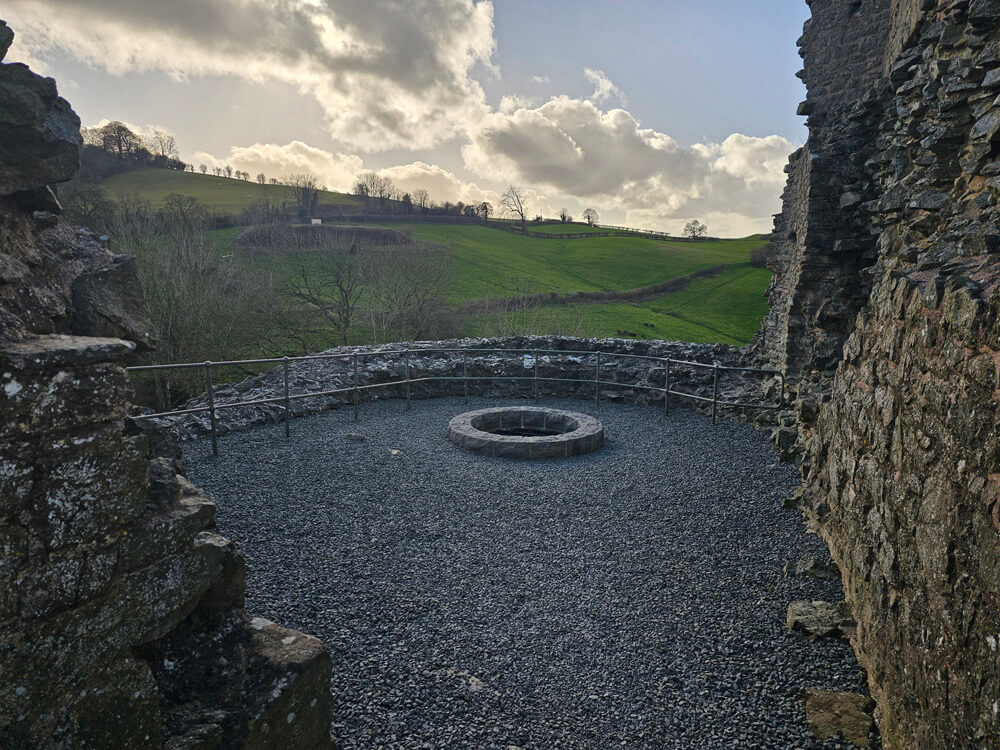
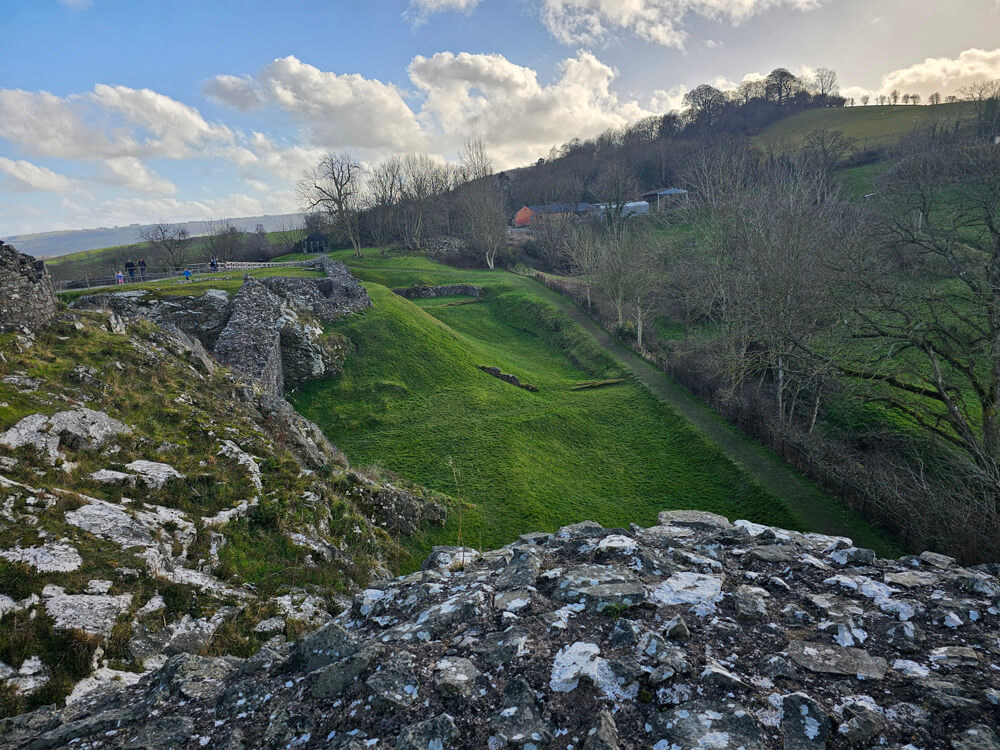
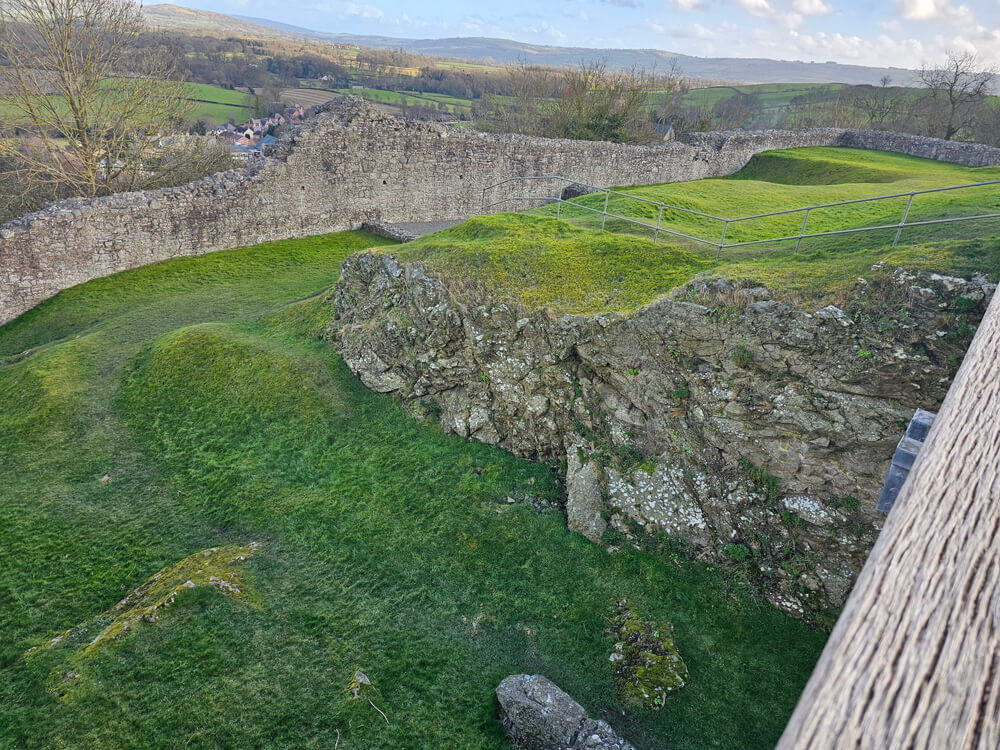
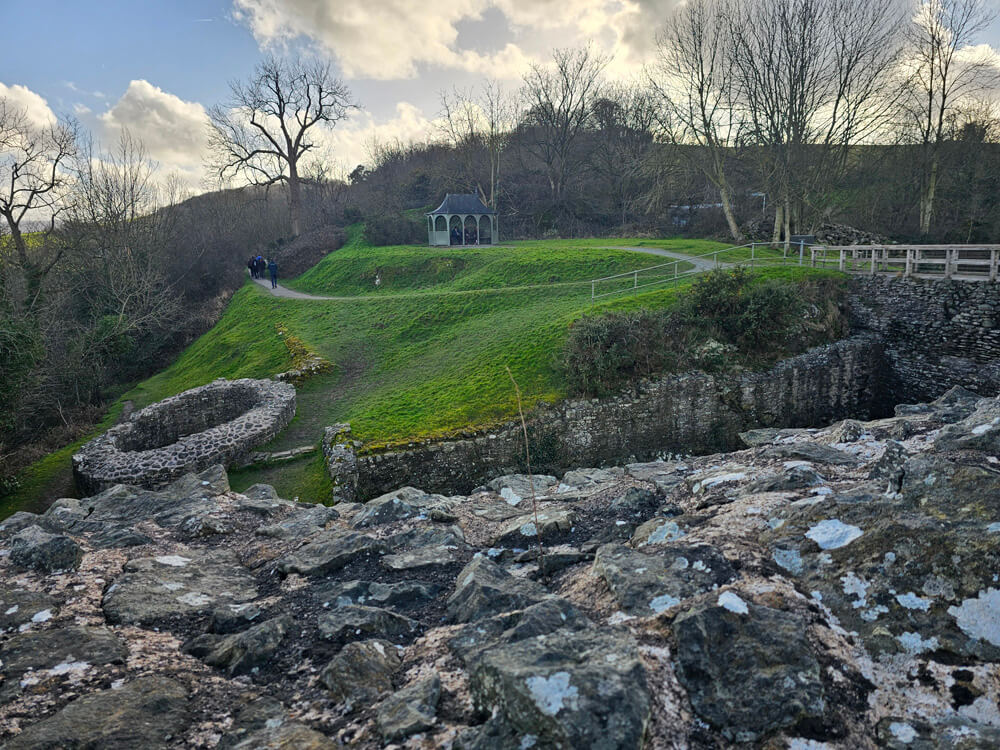
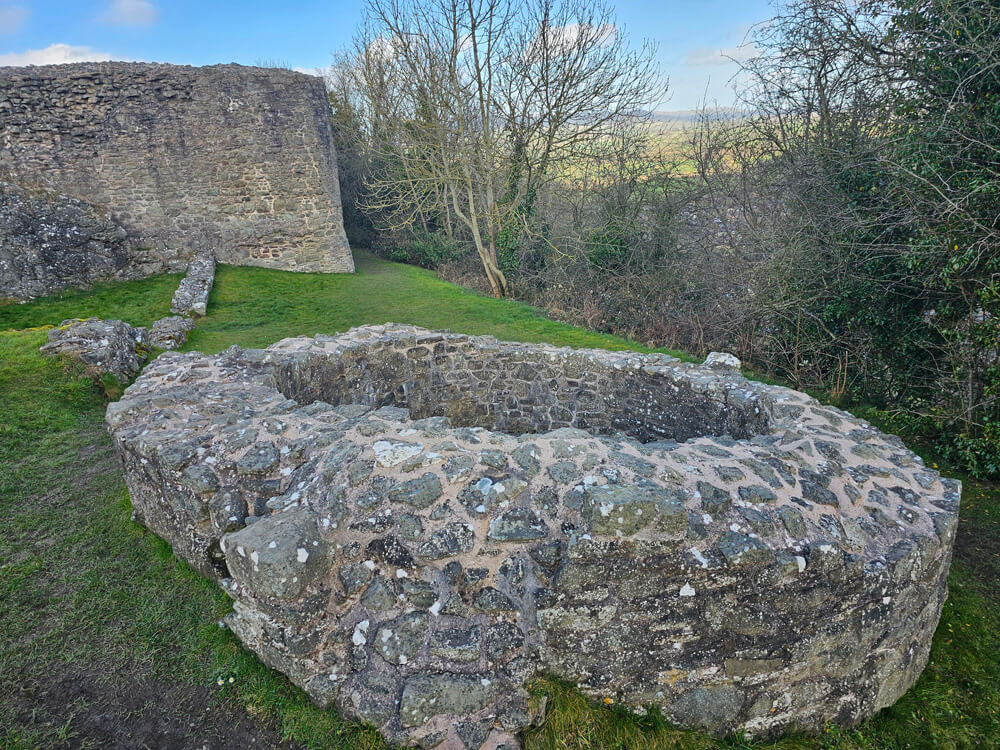
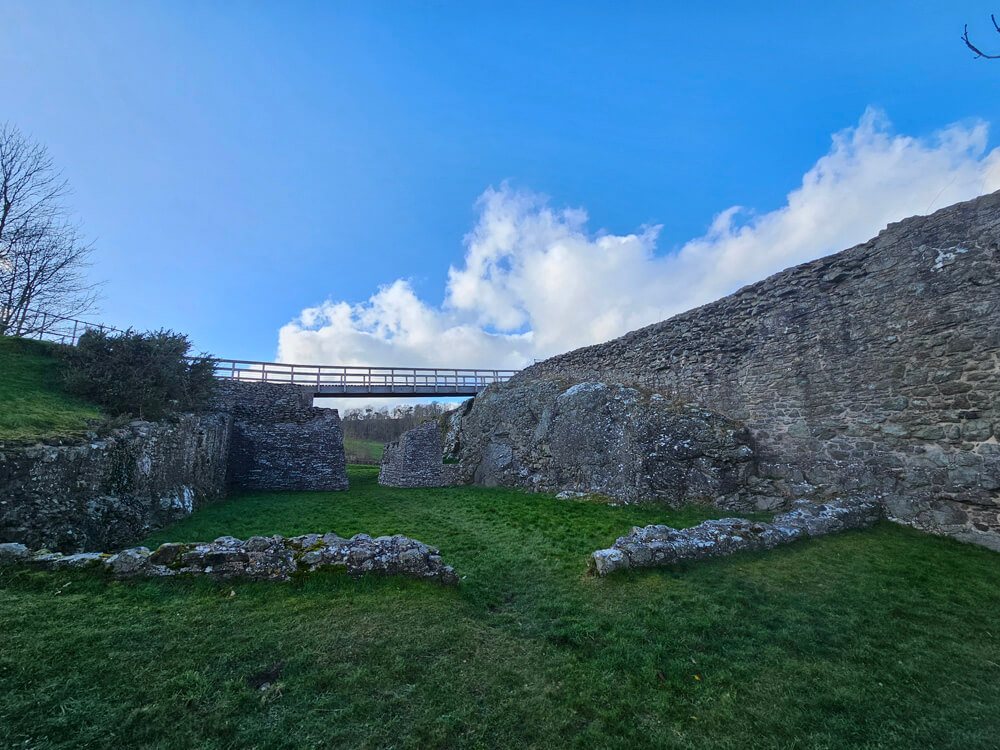
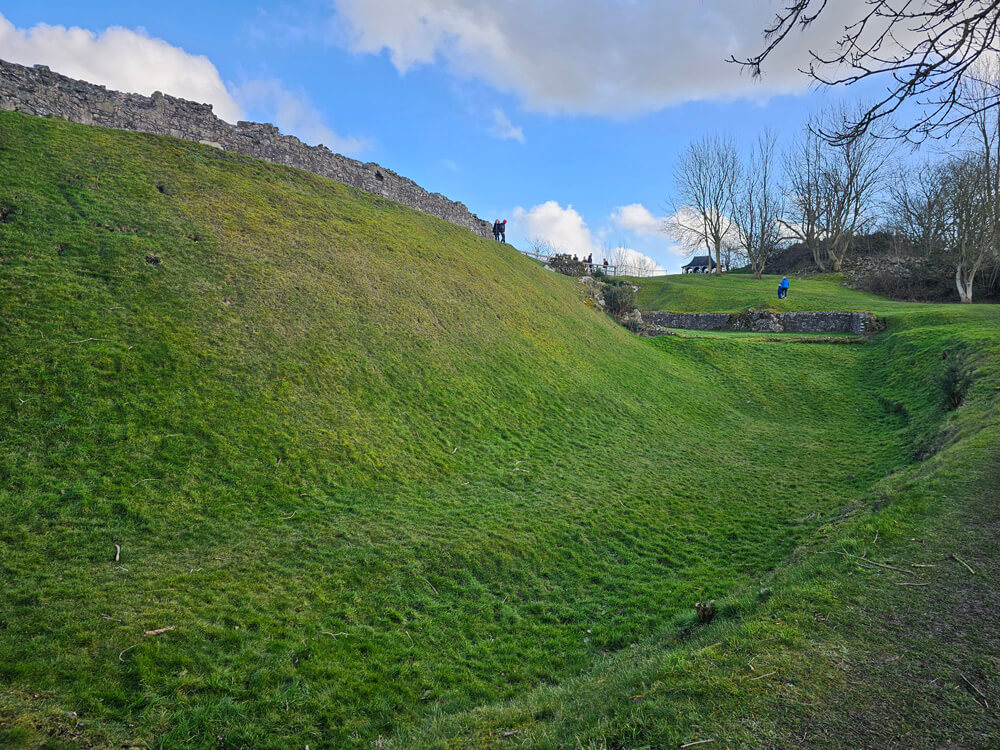
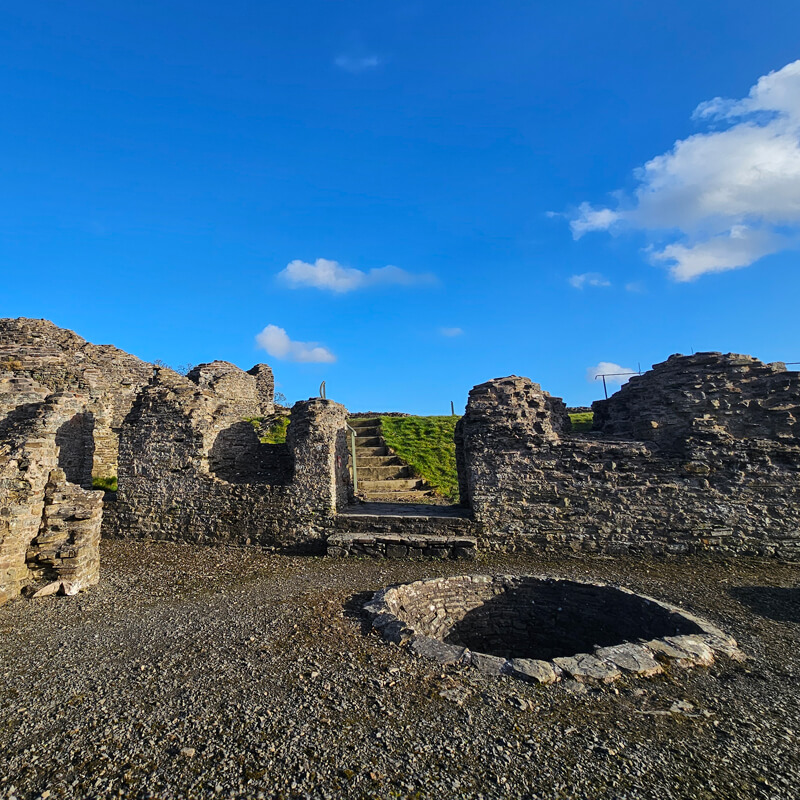
This new fortress was significantly sturdier and more sophisticated than its predecessor, with a stone inner ward and curtain wall, two gatehouses, two D-shaped towers, a well, apartments, and deep defensive ditches crossed by drawbridges. The walled town of Montgomery was then built around the castle.
Its strategic importance in the Welsh Marches meant that it was attacked a number of times until the early 15th century. After an unsuccessful attack by Llywelyn ab Iorwerth in 1228, the middle and outer wards were added for extra protection. The castle then survived a further two attacks in 1231 and 1233, when the town was burnt, and another by Dafydd ap Llywelyn in 1245.
Montgomery was granted a Royal Charter in 1227, making it the oldest borough in Wales, and in 1267 hosted negotiations for the Treaty of Montgomery, where Henry III granted Llywelyn ap Gruffudd (Llywelyn the Last) the title of Prince of Wales. But in 1273, in an act of defiance against English overlordship and to affirm his control of his kingdom, Llywelyn built nearby Dolforwyn Castle. When Henry III died in 1272 he was succeeded by his eldest son, Edward I, who saw the building of Dolforwyn Castle as a direct threat to his lordship and to his English castle at Montgomery.
Edward commanded Llywelyn to cease building his castle, but he refused and carried on with its construction. This was the last straw in a chain of events that brought the last native Prince of Wales into a state of war with Edward I. Edward moved his armies into Wales with the ultimate aim of conquering the entirety of Wales and to eliminate the influence of Llywelyn and his brother Dafydd ap Gruffudd. In December 1282, Montgomery Castle’s garrison formed part of the army that defeated and killed Llywelyn ap Gruffudd at the Battle of Orewin Bridge.
After the battle, Montgomery Castle diminished in its capacity as a military fortification and served as a prison. But in 1402, Owain Glyndŵr, amassed an army and attacked and burned the walled town of Montgomery. The local forces successfully defended the castle but the town walls were never rebuilt and the area remained ruined for almost two centuries.
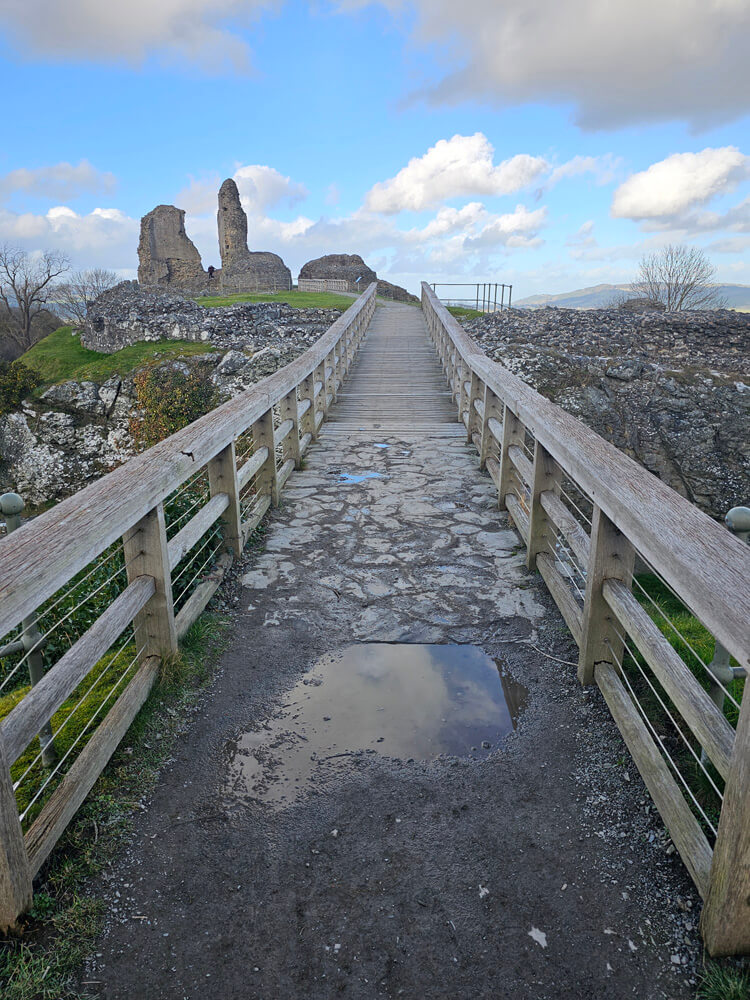
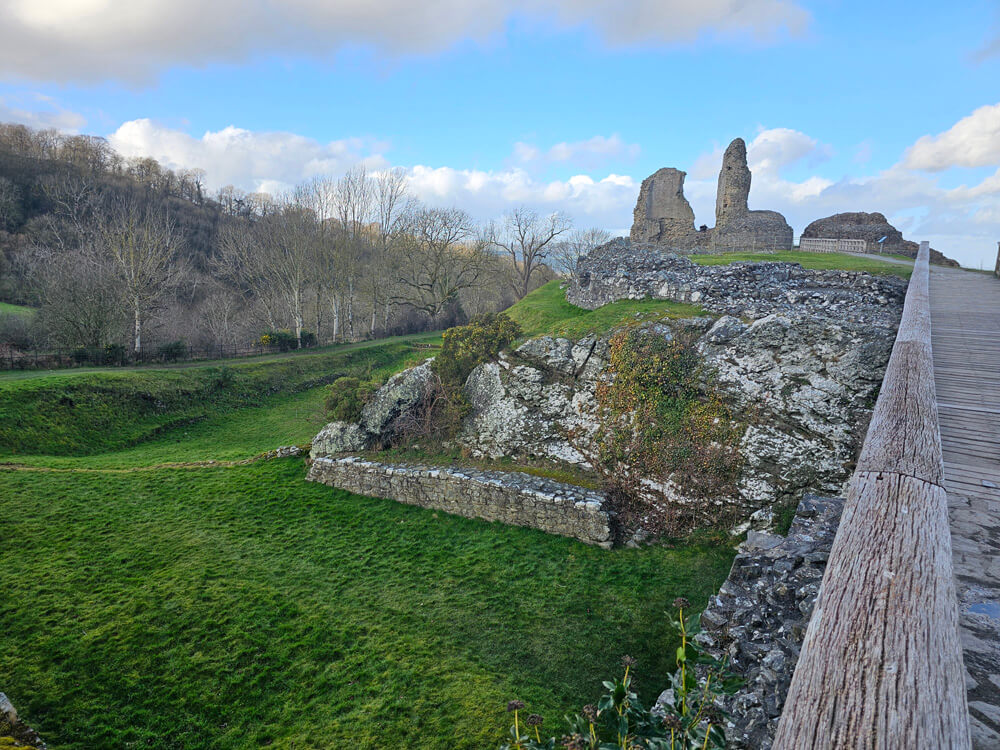
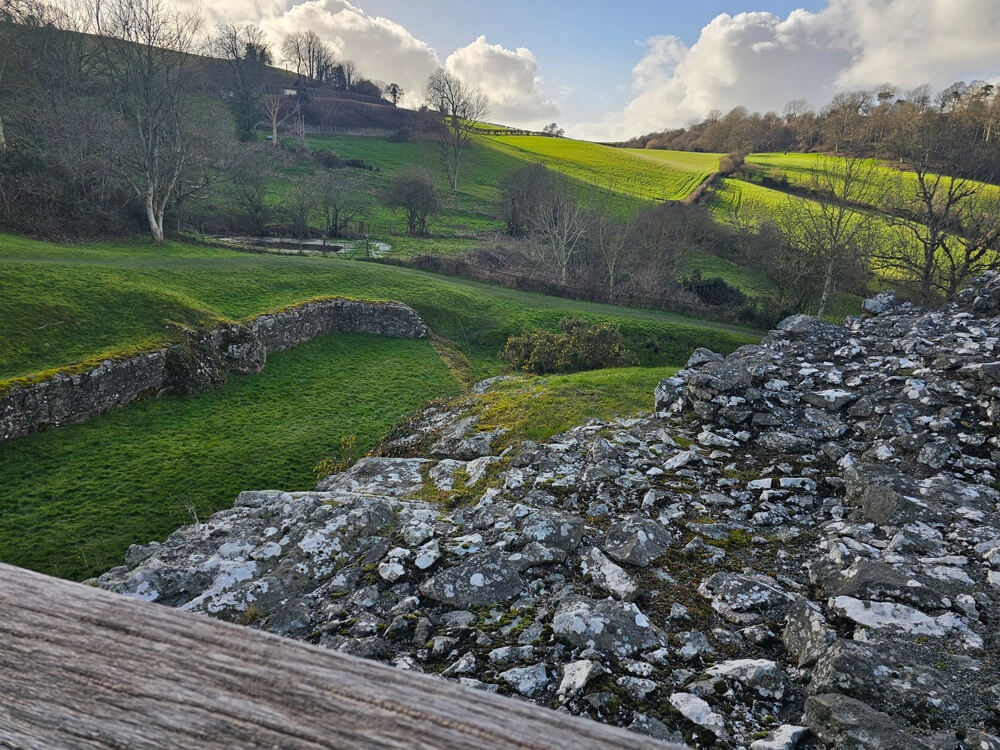
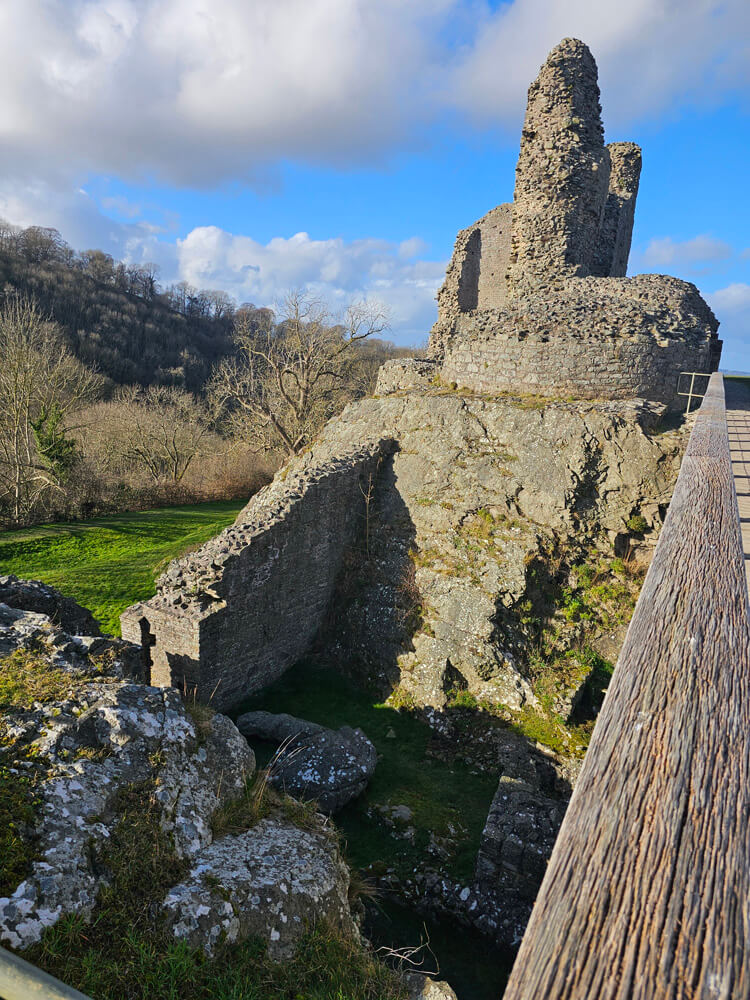
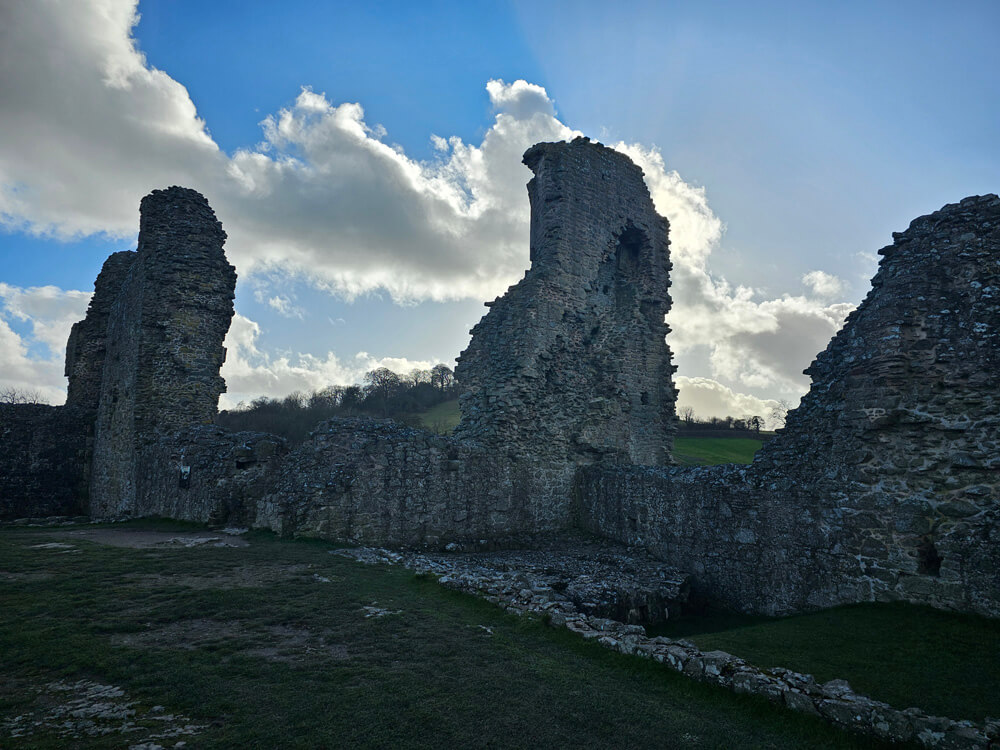
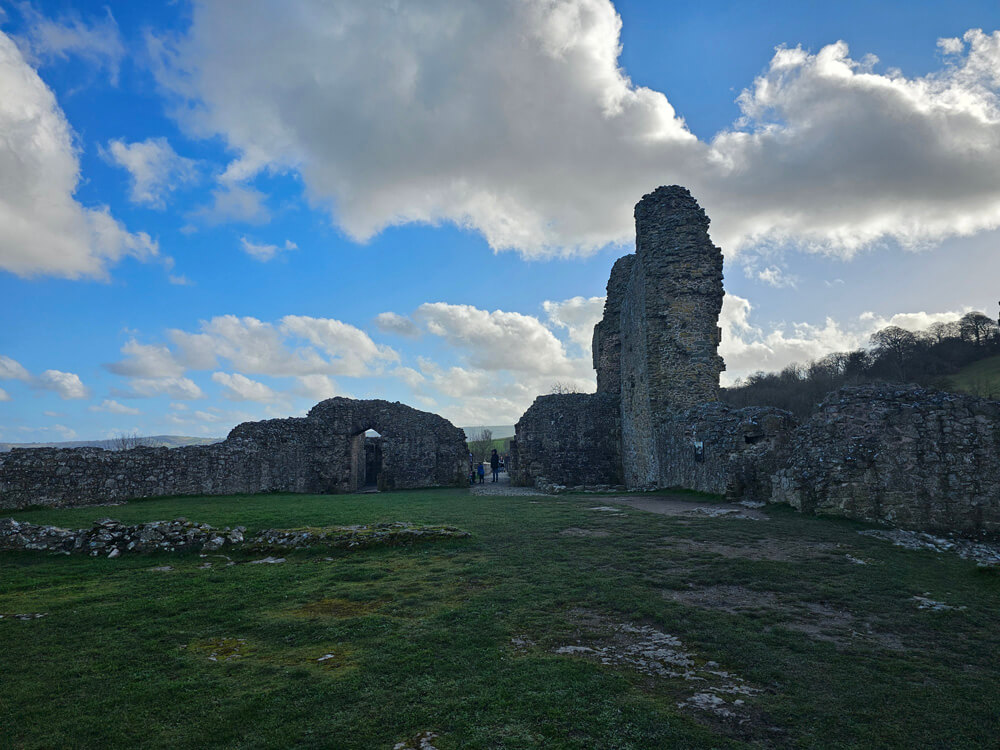
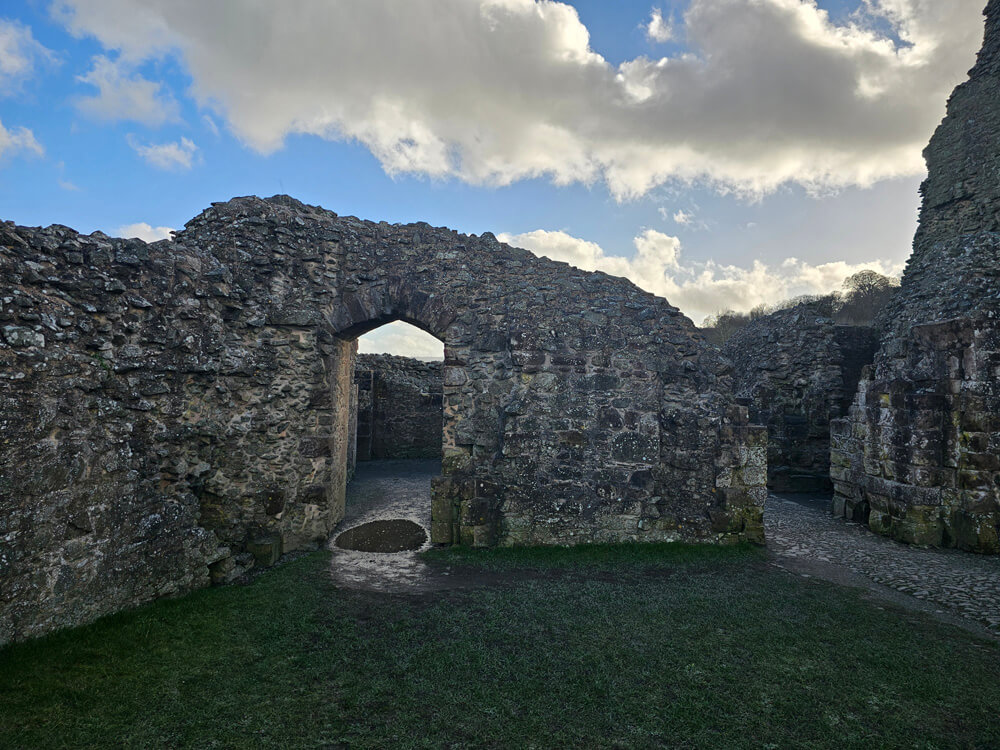
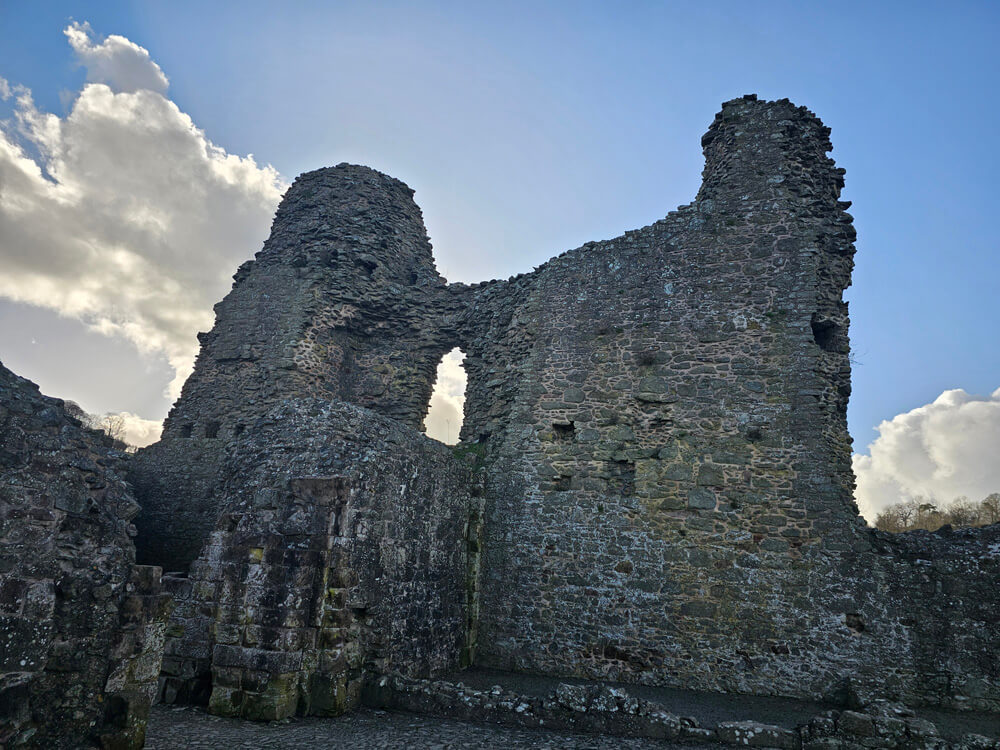
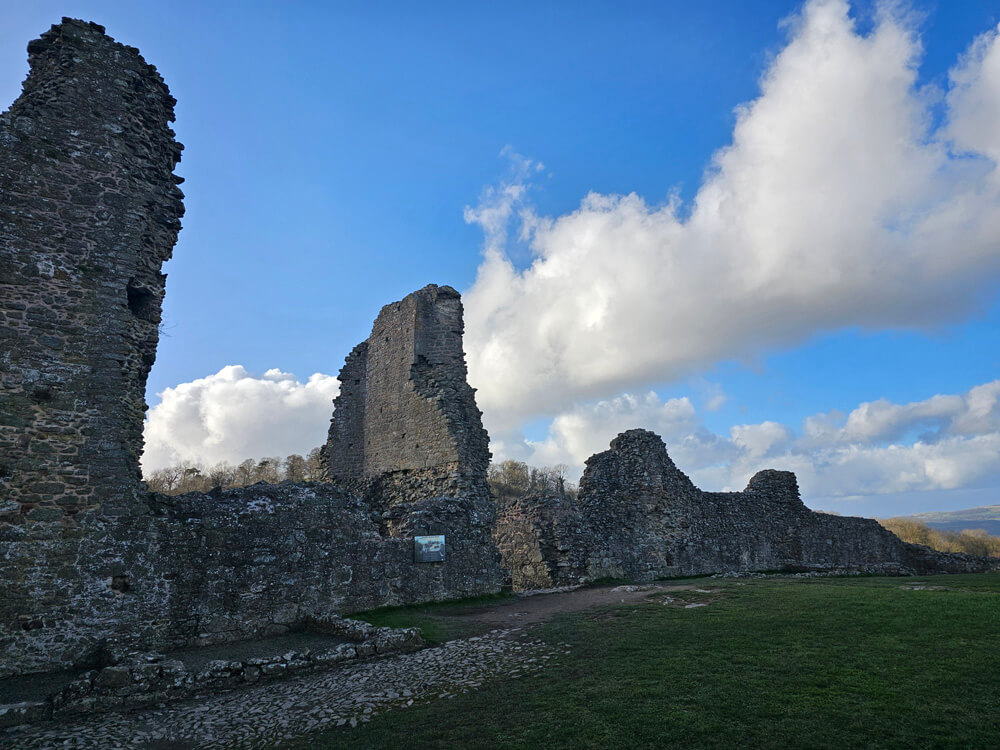
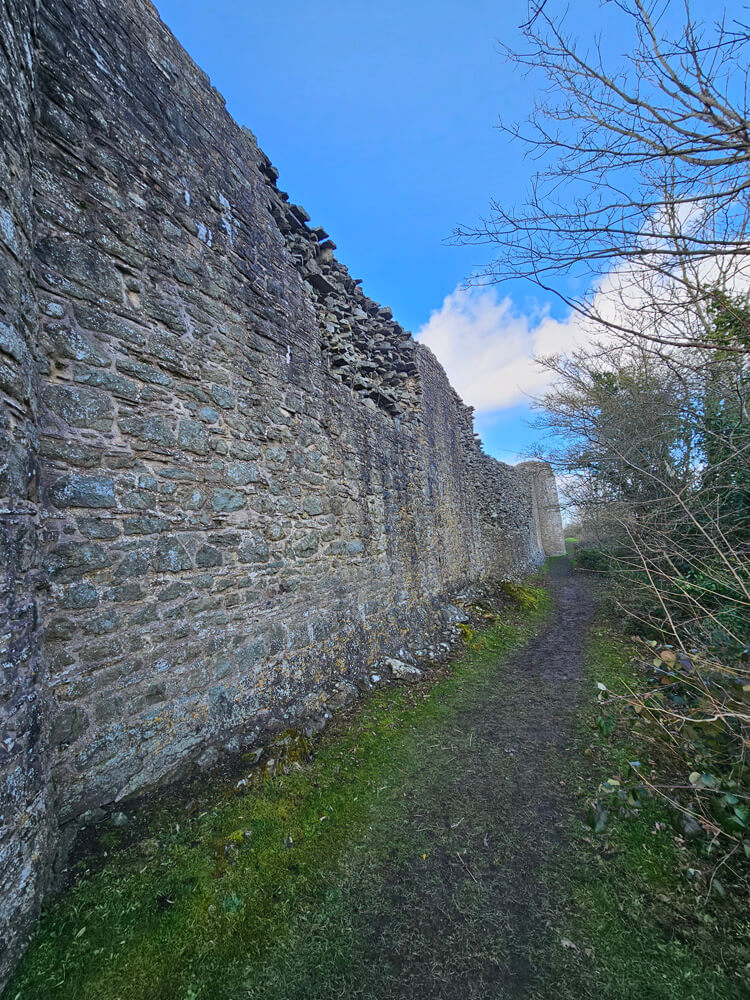
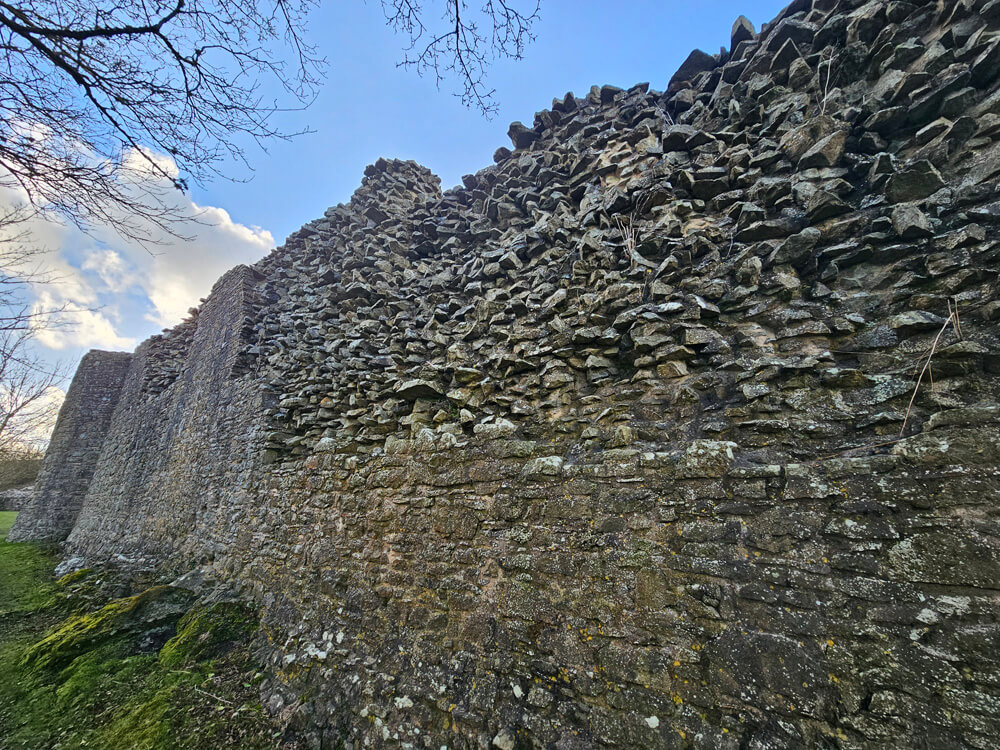
The castle’s ultimate end came during the English Civil War when it was held as a Royalist stronghold for Charles I. It surrendered to the Parliamentarians in 1644 and was demolished in 1649, leaving just the crumbling towers and low walls that stand today. Although the castle is in a ruinous state, the ruins are impressive and imposing, and the site is vast and a joy to explore.
Photo Gallery.
Did you enjoy this post?
I hope you found this post useful. I put a great deal of time and effort in to building, maintaining and populating the website. If you like, you could say a small thank you by buying me a coffee. You don't have to, but it would be nice :)
Buy me a coffee
Stay up to Date
Follow me on my journey and get notified whenever a new post is published by following Kings & Castles on Facebook.
Follow MeExplore The Map
Discover the hundreds of castles, churches, monasteries, cathedrals and other historic locations that I've personally visited across England and Wales. Search by location, explore nearby sites and plan your next historical adventure.
Share: