Conisbrough Castle
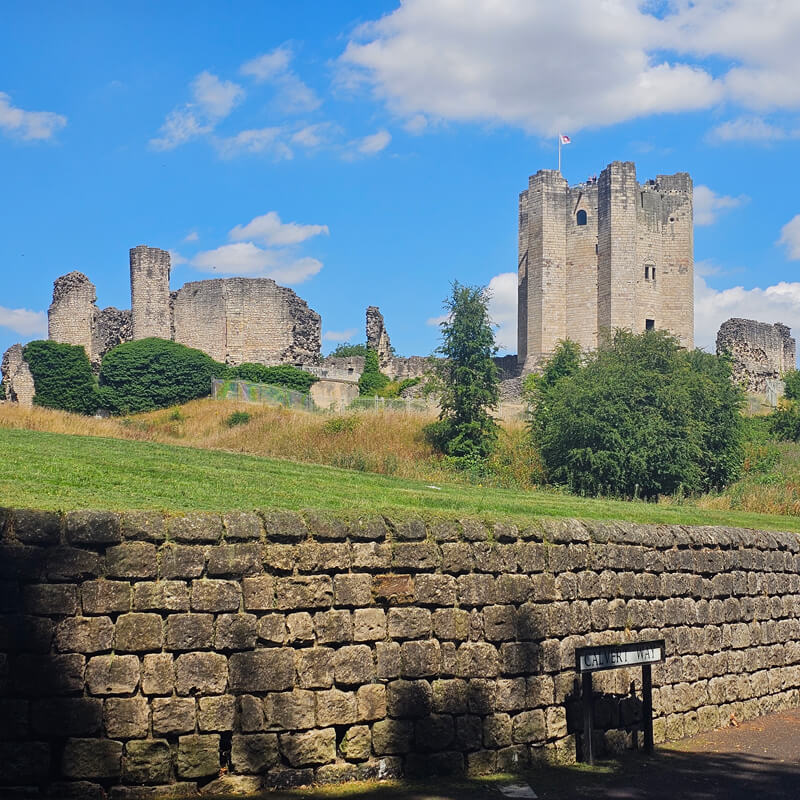
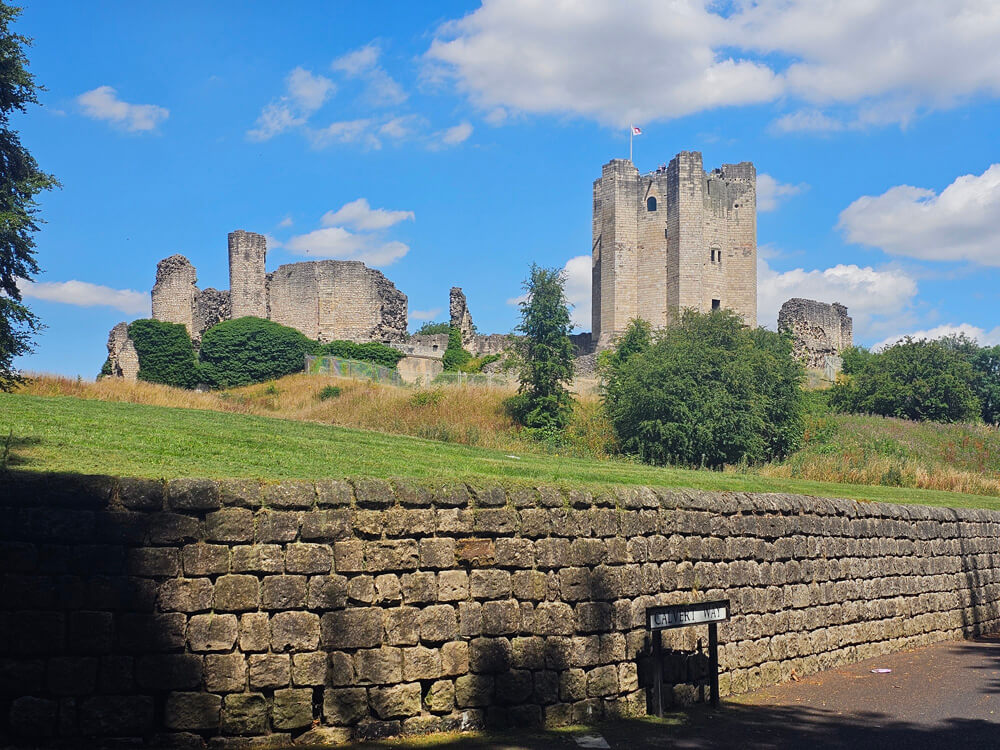
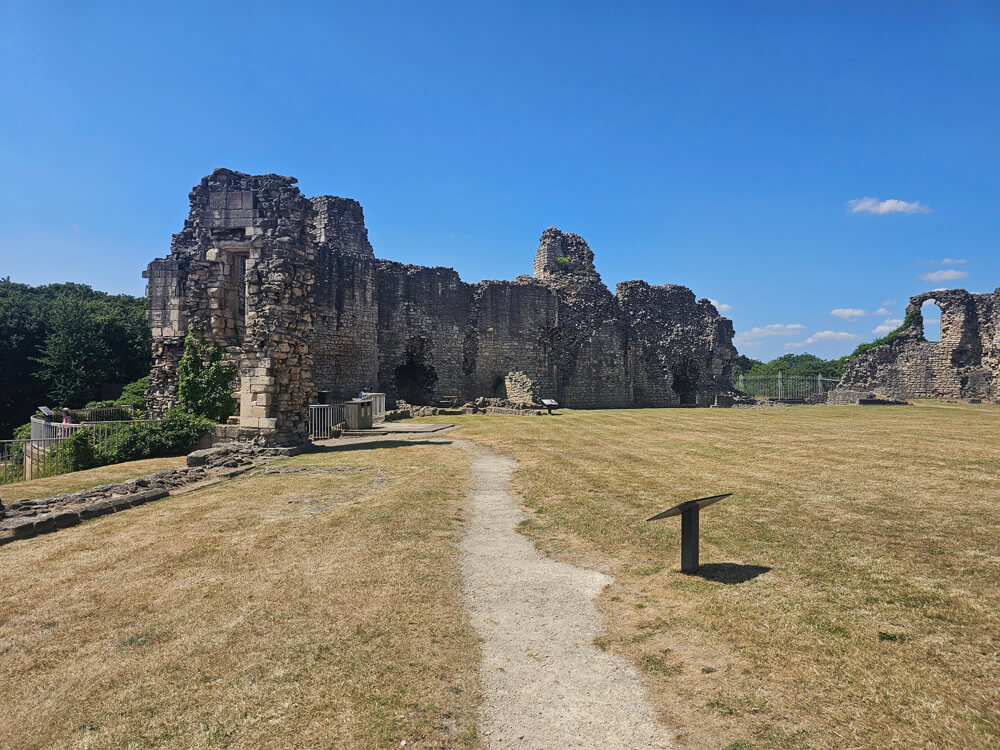
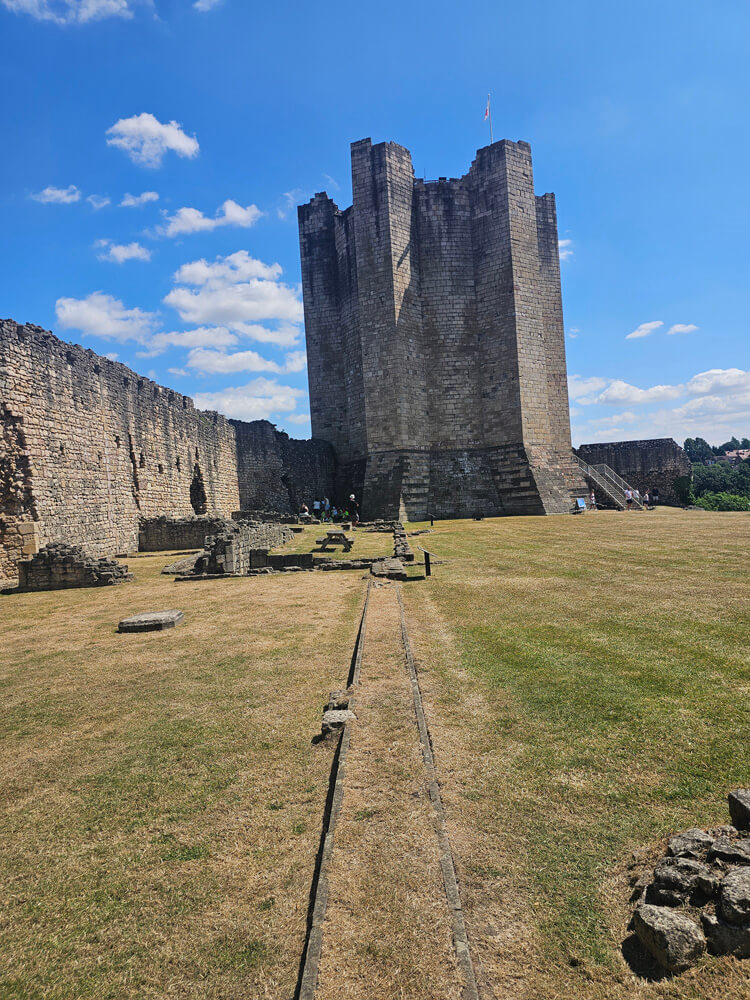
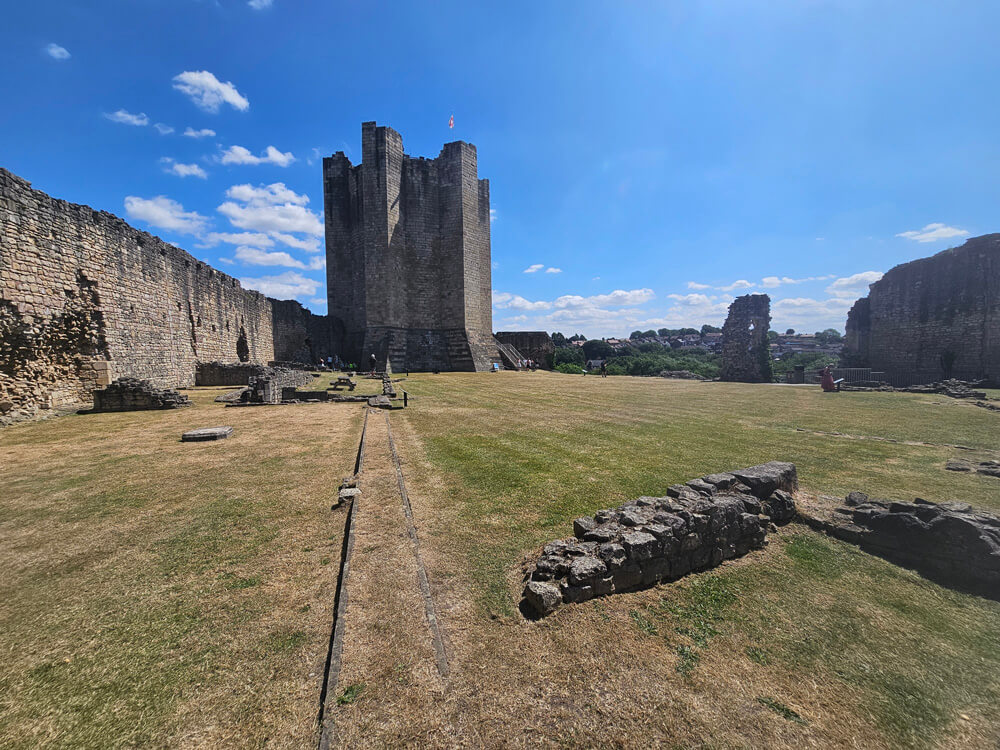
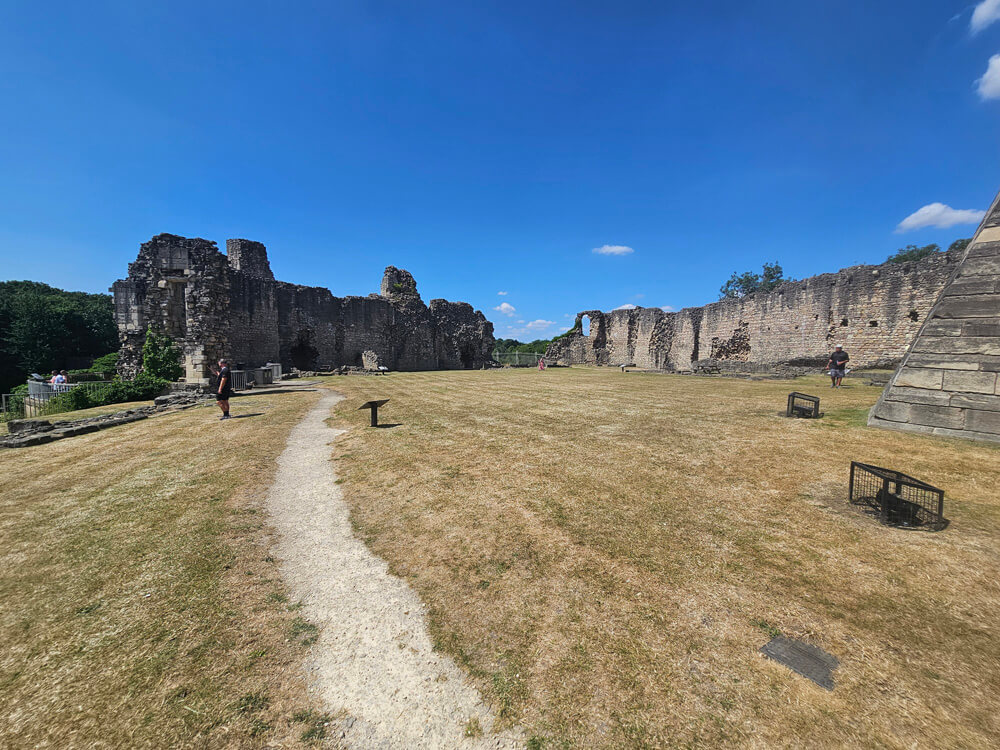
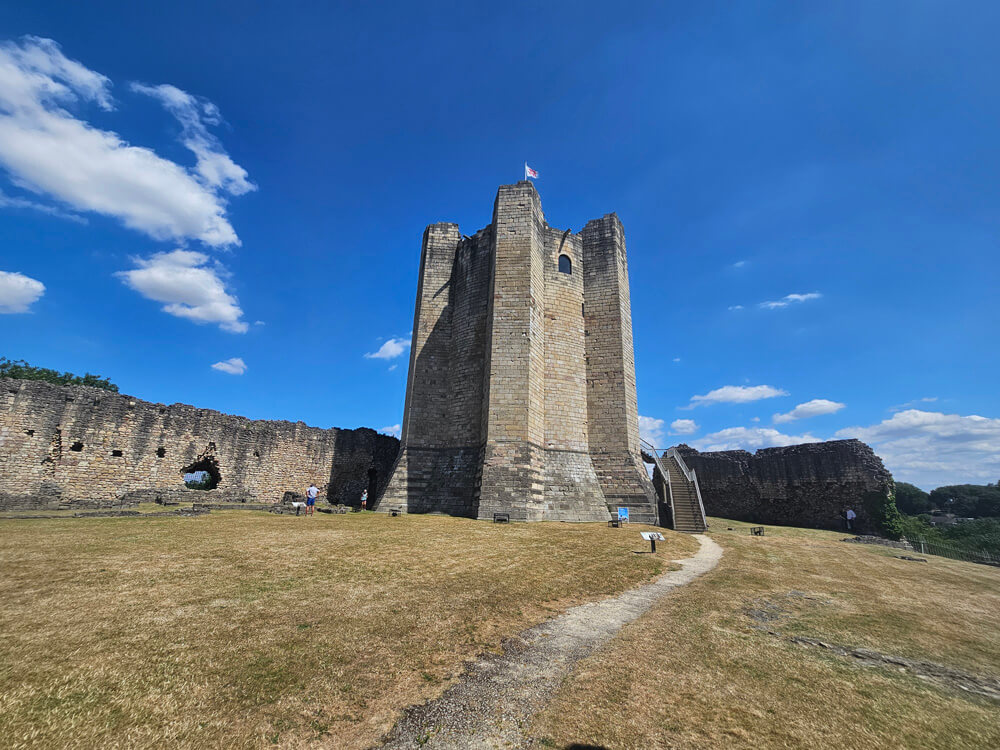
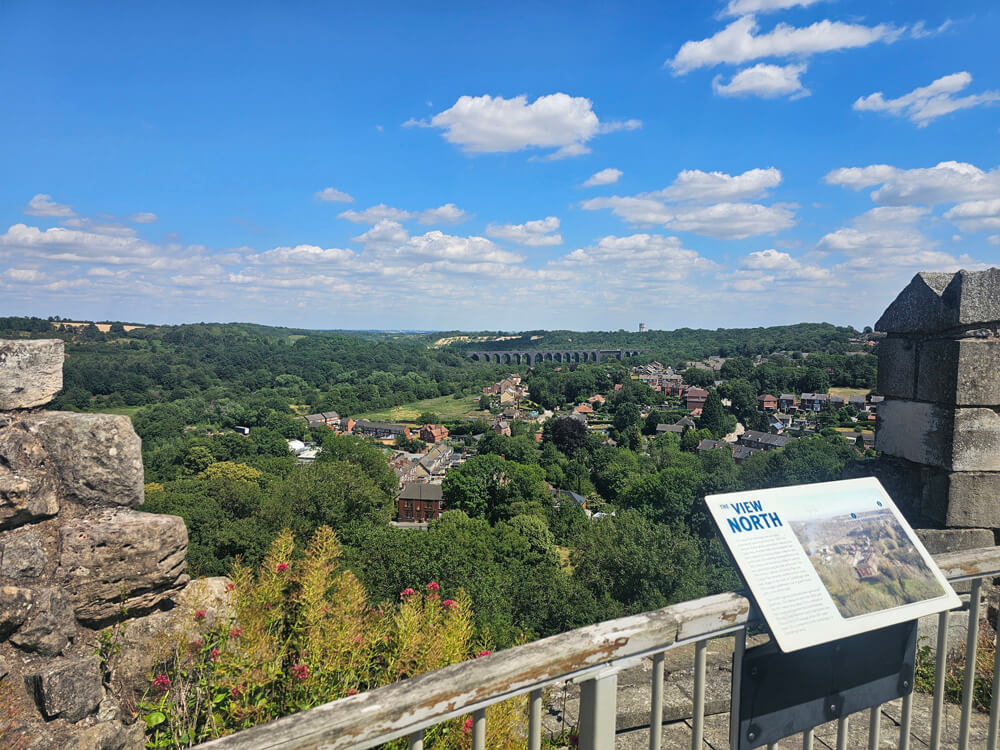
Standing dramatically on a hill overlooking the town in South Yorkshire, Conisbrough Castle’s impressive stone keep has dominated the landscape for more than 800 years. The castle has a long history stretching from the Anglo-Saxon period through the Norman Conquest, the medieval royal dynasties and its eventual transformation into a picturesque ruin.
Quick
Facts.
- Location: Conisbrough, South Yorkshire, England
- Established: 11th century
- Built in stone: Late 12th century
- Condition: Ruined
- Date visited: July 2026
- More info: Visit website
- Rating:
A Bit of History…
The name Conisbrough comes from the Anglo-Saxon “Cyningesburh”, meaning “the king’s borough”. The settlement was important before the Norman Conquest, and an important church stood here as early as the 8th century. After William the Conqueror defeated Harold Godwinson in 1066, the extensive Honour of Conisbrough was given to William de Warenne, one of William’s most trusted followers.
William de Warenne probably established the first castle at Conisbrough around 1070. This early fortification was likely a timber motte-and-bailey castle, designed to help secure Norman control over the area. The castle remained an important possession of the powerful de Warenne family for generations.
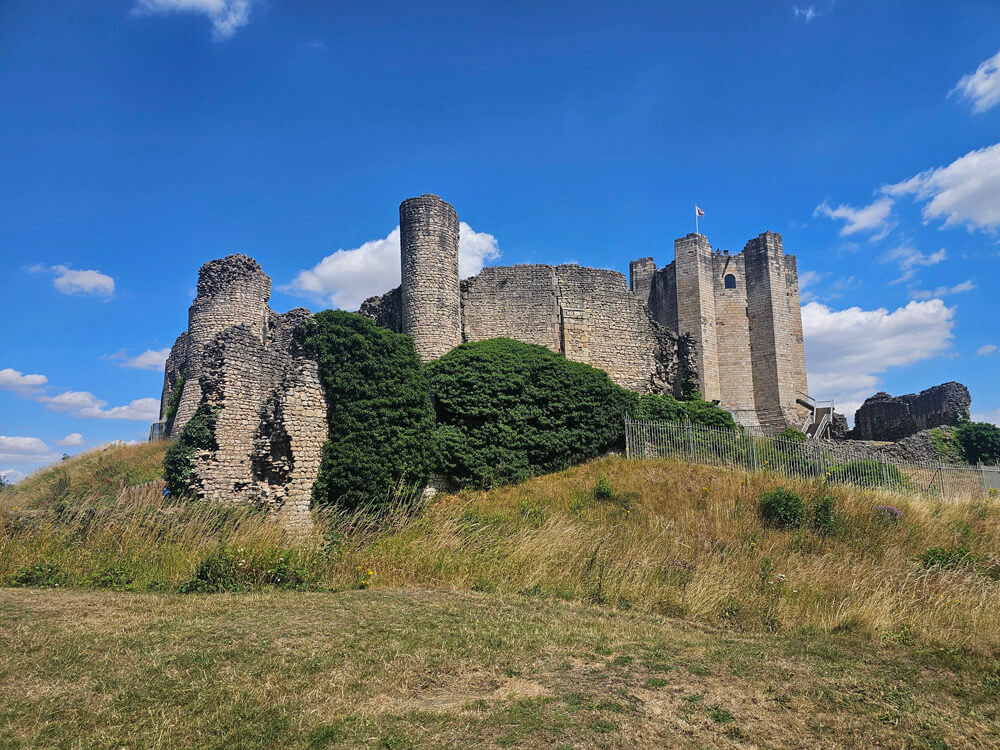
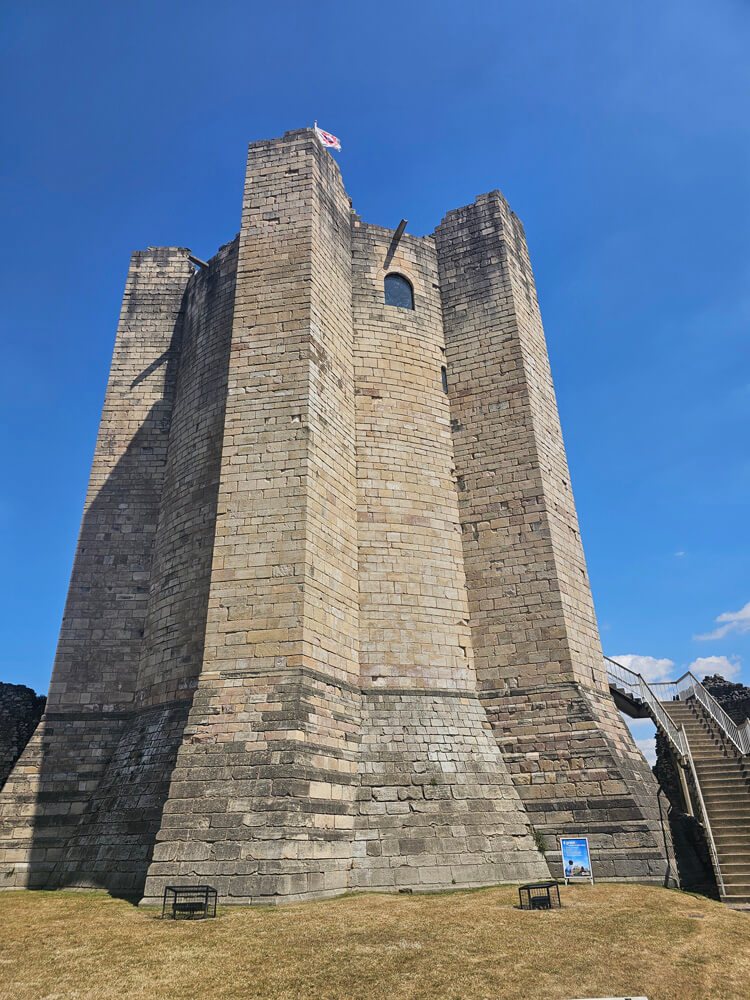
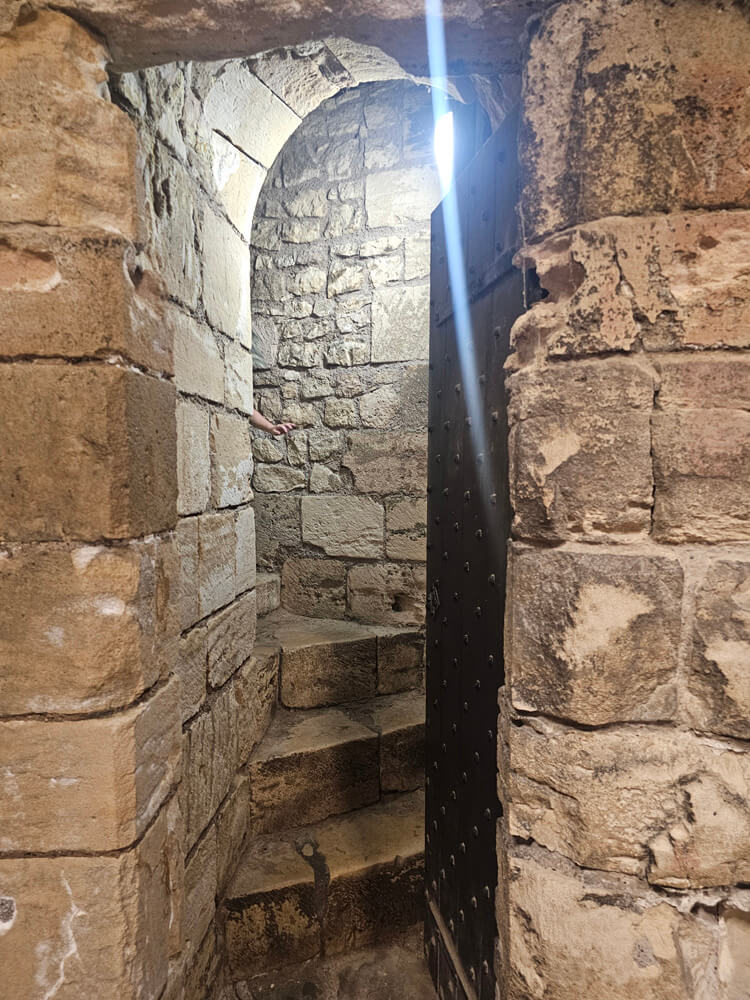
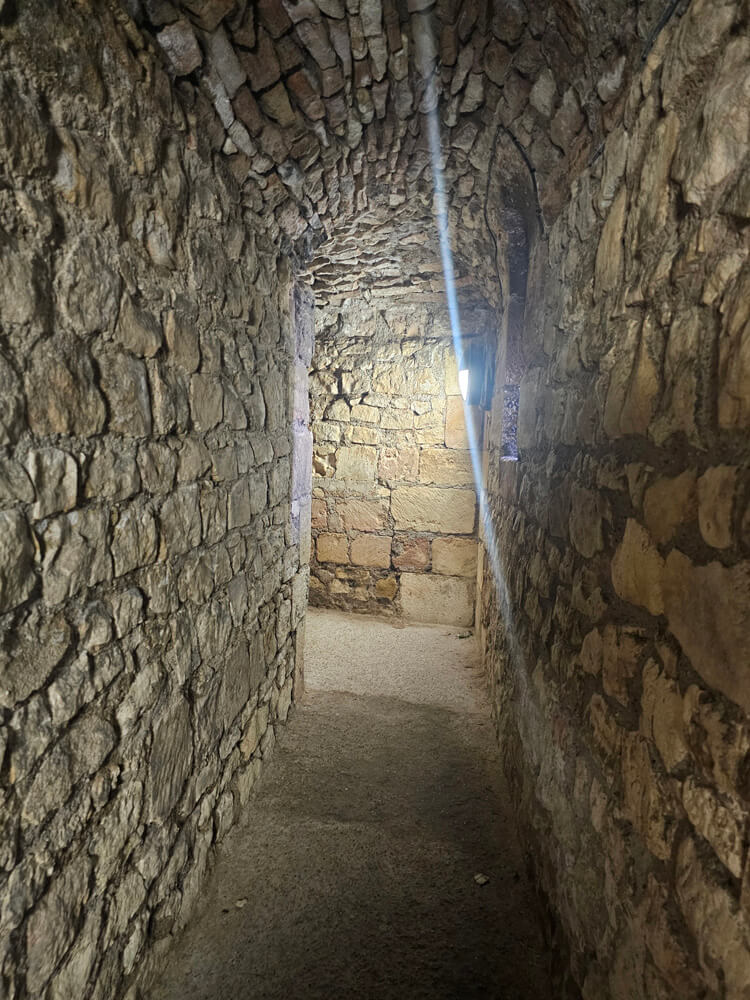
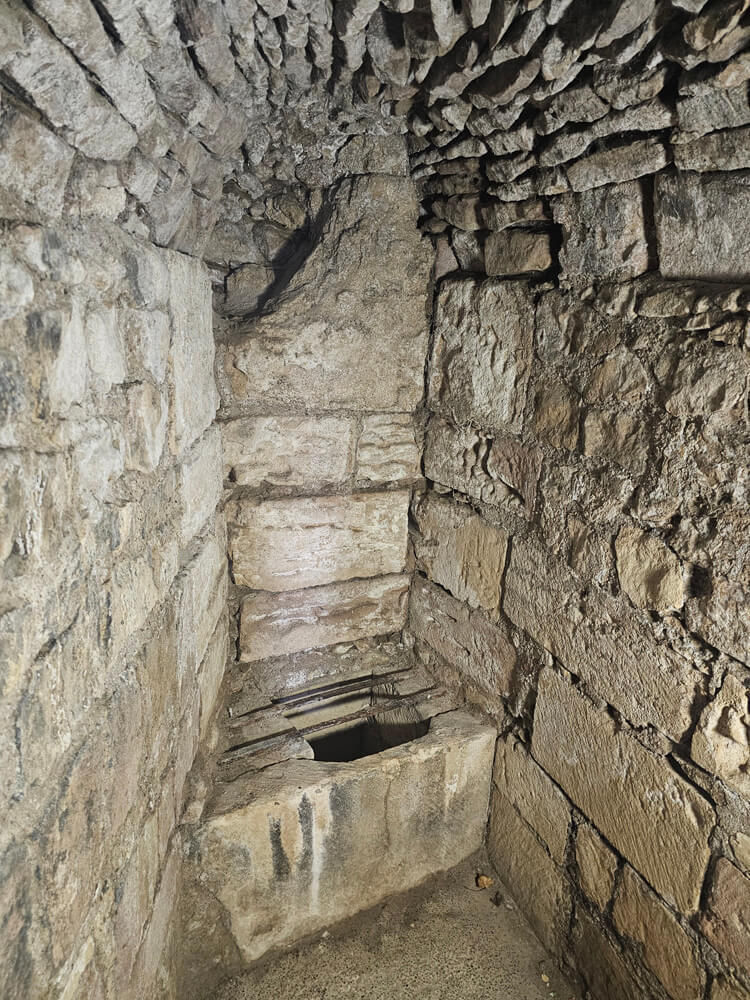
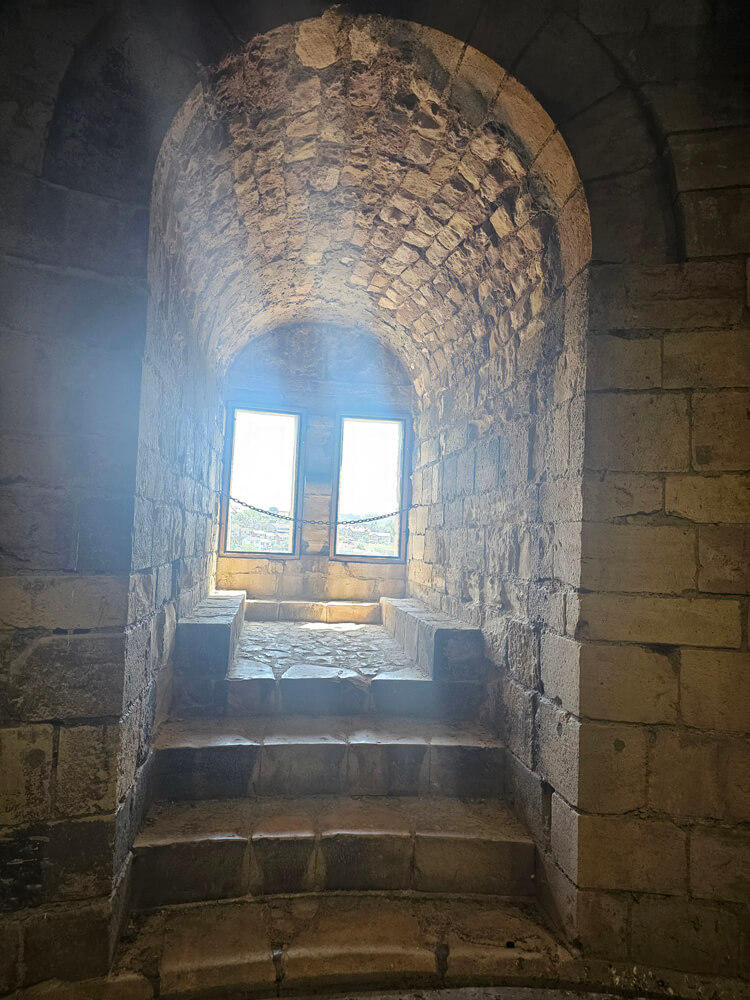
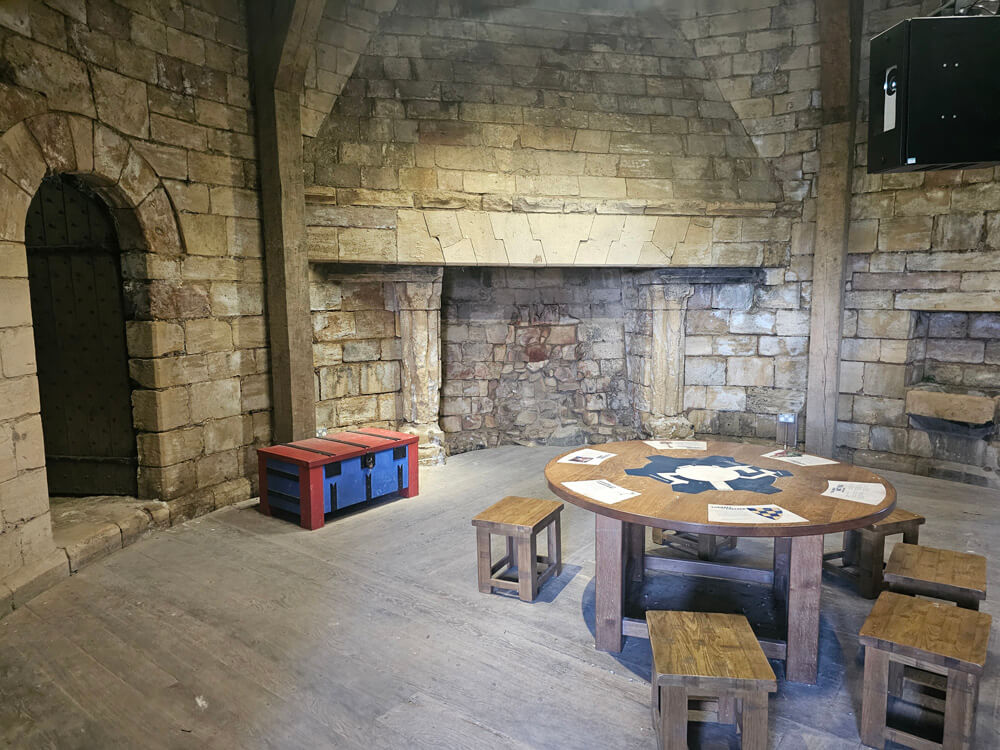
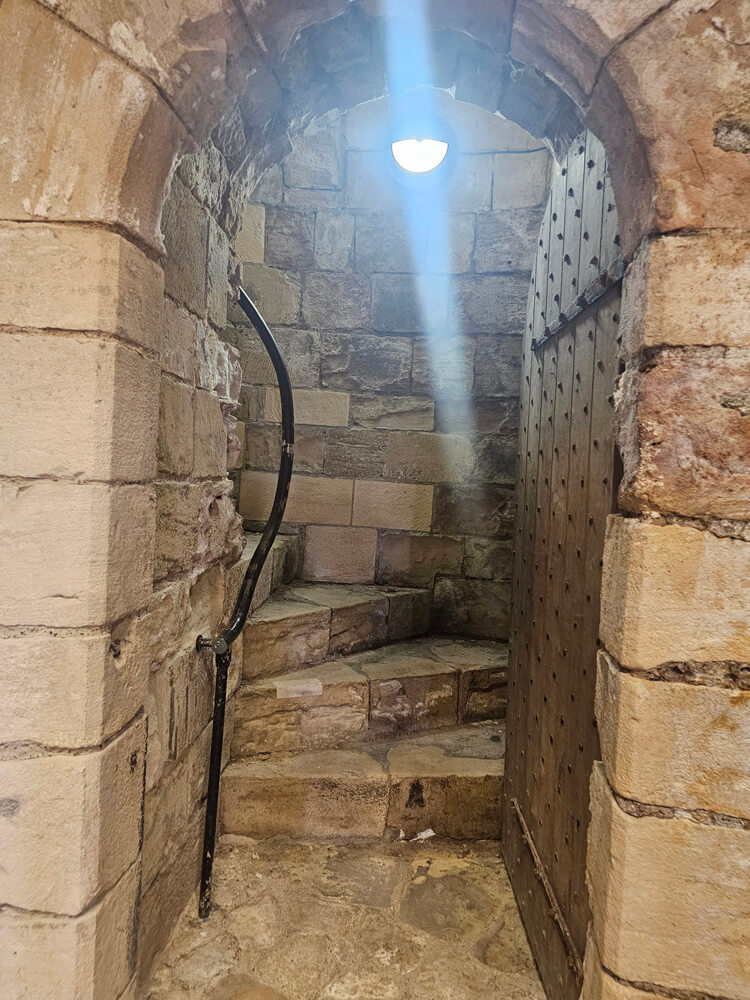
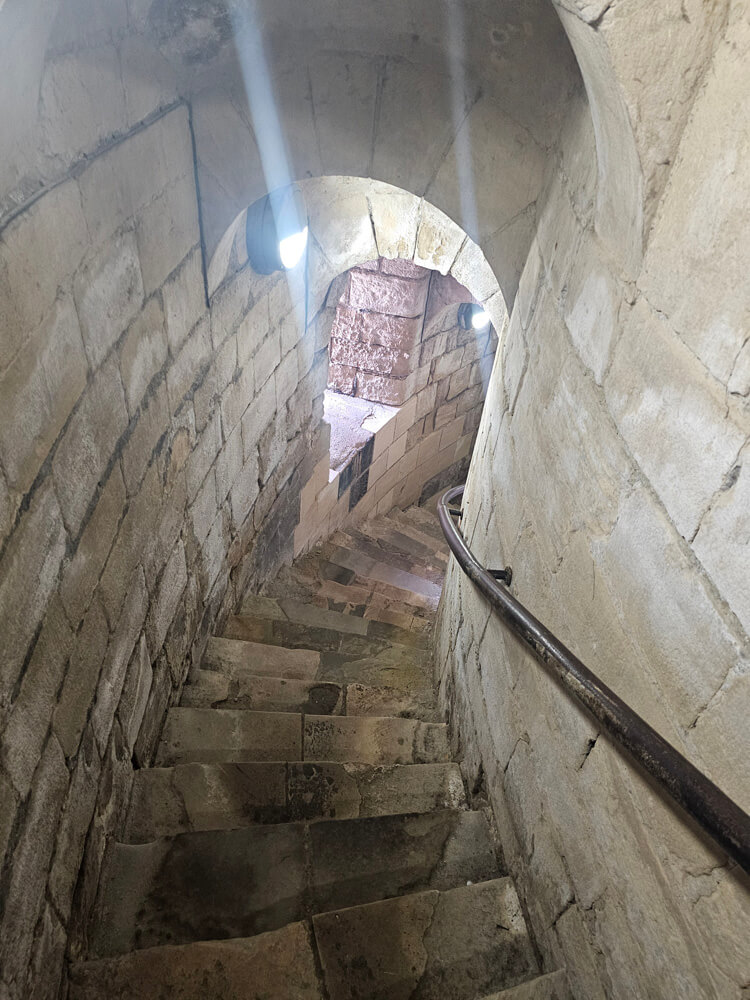
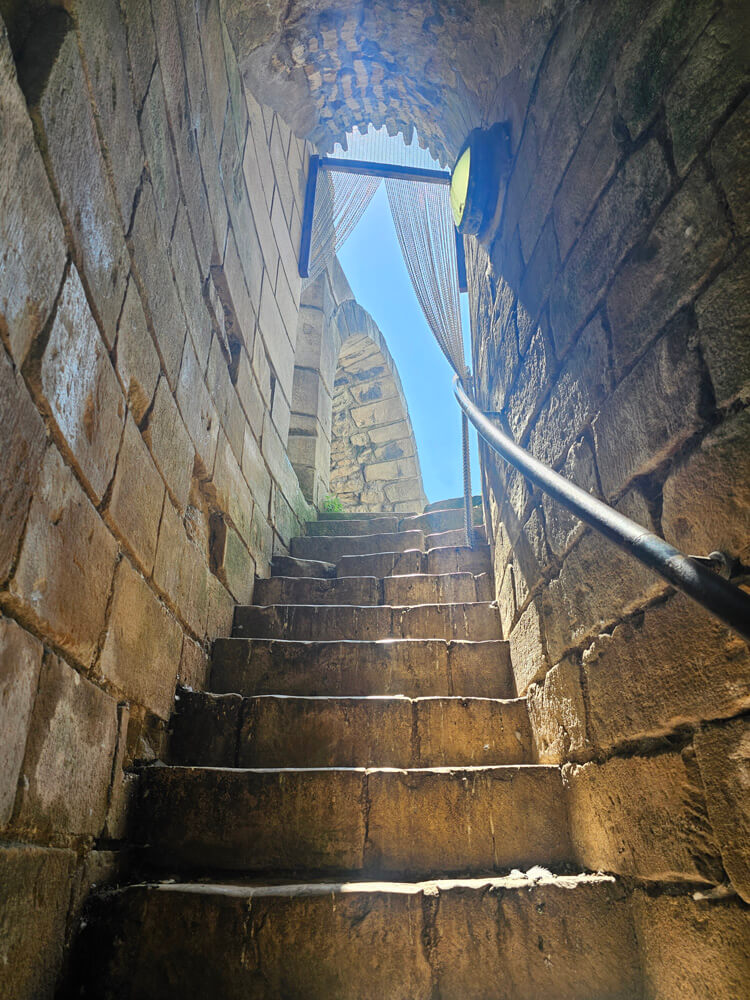
The castle we see today largely dates from the late 12th century. After Isabel de Warenne inherited the estate, she married Hamelin Plantagenet, the half-brother of King Henry II. It was probably Hamelin who built the magnificent stone keep during the 1170s or 1180s. Its unusual circular design, massive projecting buttresses and impressive height make it one of the finest examples of a medieval great tower in England.
Conisbrough remained significant during the later Middle Ages. In 1201, King John stayed at the castle, while Edward II visited in 1322. In 1347, after the death of the last Earl Warenne without an heir, the estate passed to the Crown and was later given to Edmund of Langley, Duke of York. His family became closely associated with the House of York during the turbulent period leading to the Wars of the Roses.
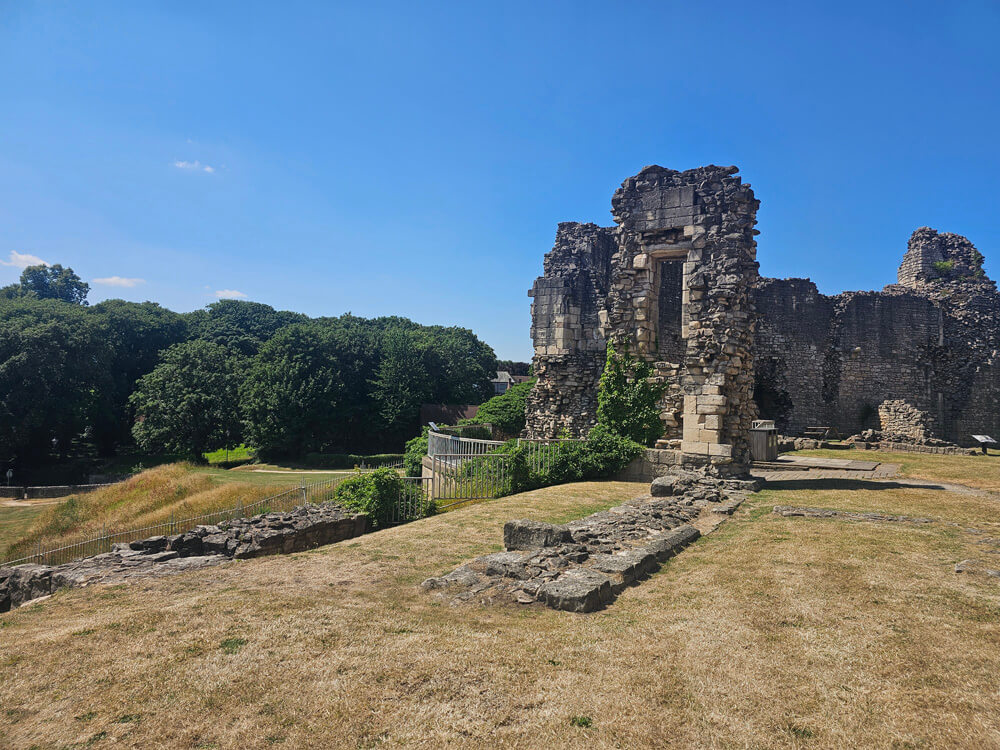
By the late 15th century, Conisbrough Castle was falling out of use. A survey in 1538 found the keep without its roof and floors, with parts of the gatehouse and walls collapsed. Over subsequent centuries, the ruined castle became a popular picturesque landmark.
Conisbrough gained renewed fame in the 19th century when Sir Walter Scott used it as inspiration for Coningsburgh Castle in his famous novel Ivanhoe, published in 1819. Although Scott misunderstood some aspects of its history, the novel helped establish the castle as a romantic medieval ruin.
Conisbrough Castle Today
Today, Conisbrough Castle is cared for by English Heritage. Its remarkably preserved keep provides a fascinating glimpse into medieval architecture, while its long history reflects the changing fortunes of some of England’s most powerful families.
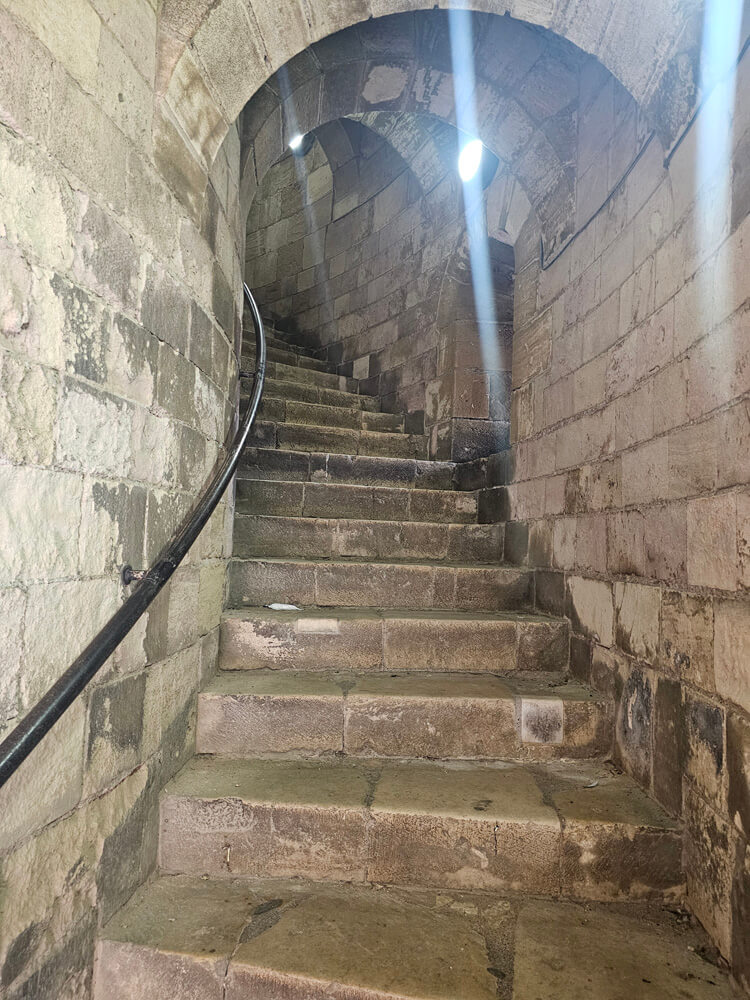
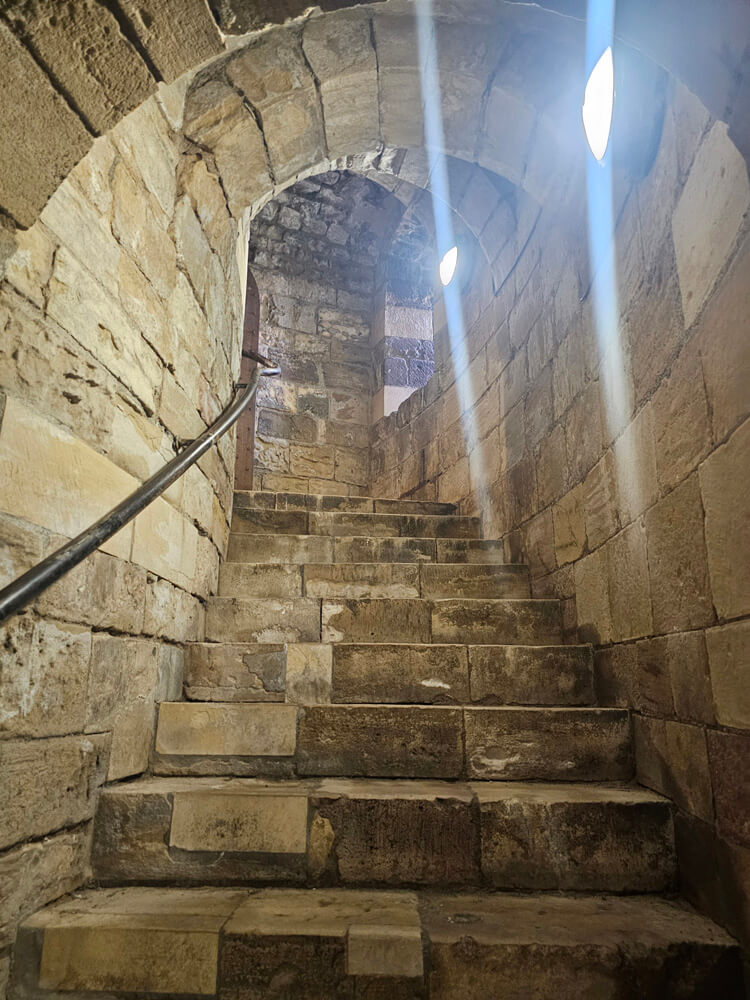
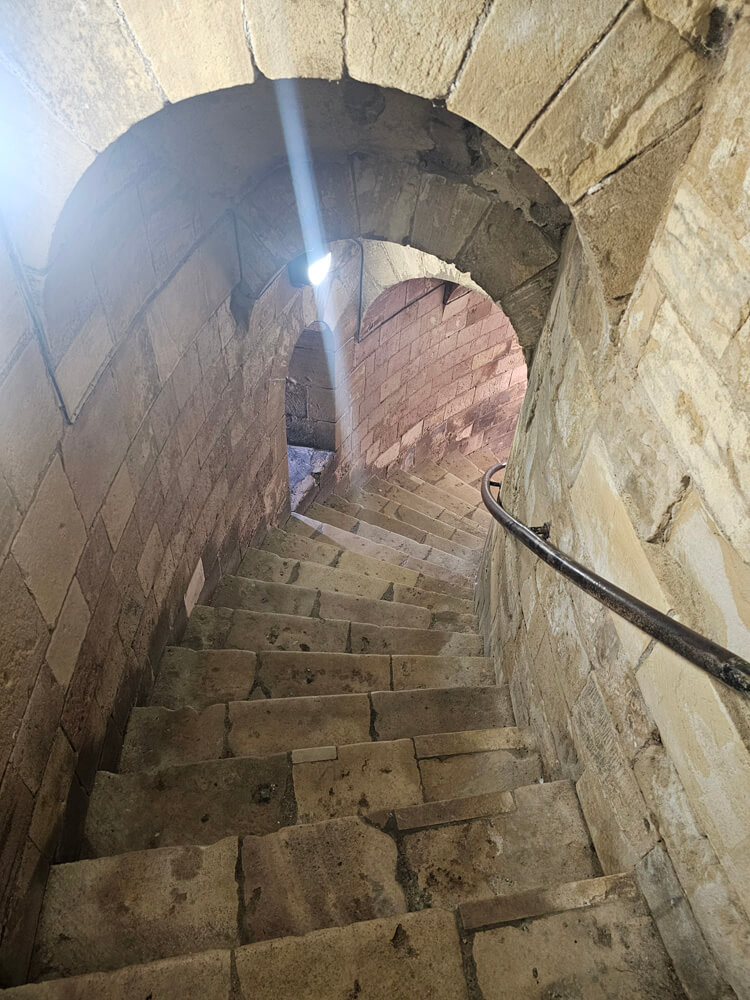
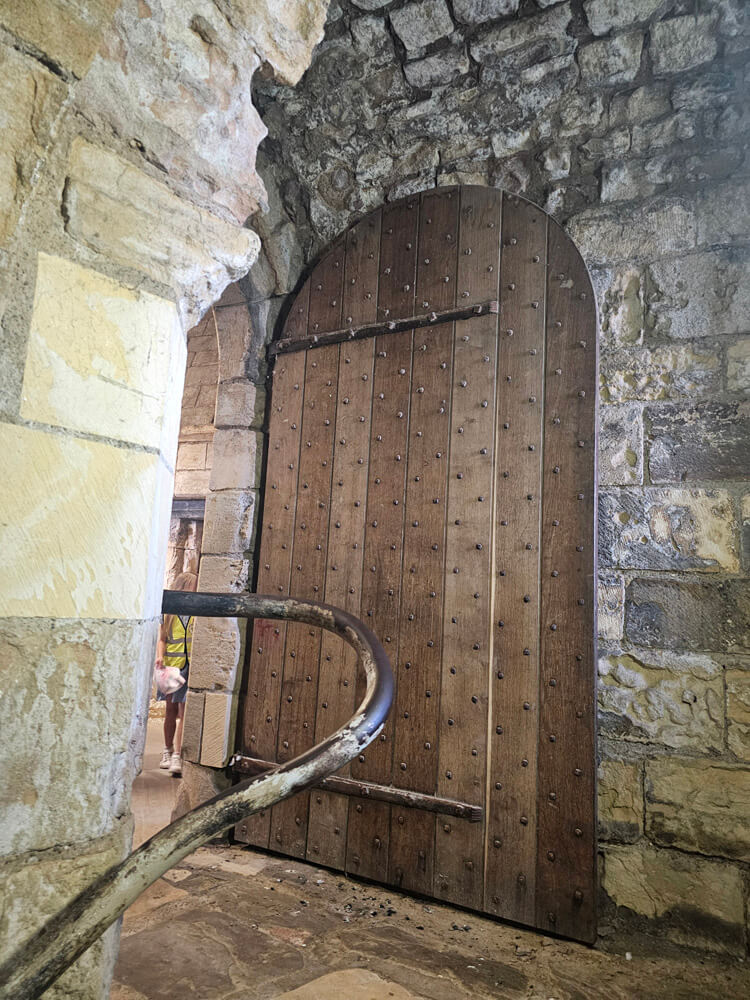
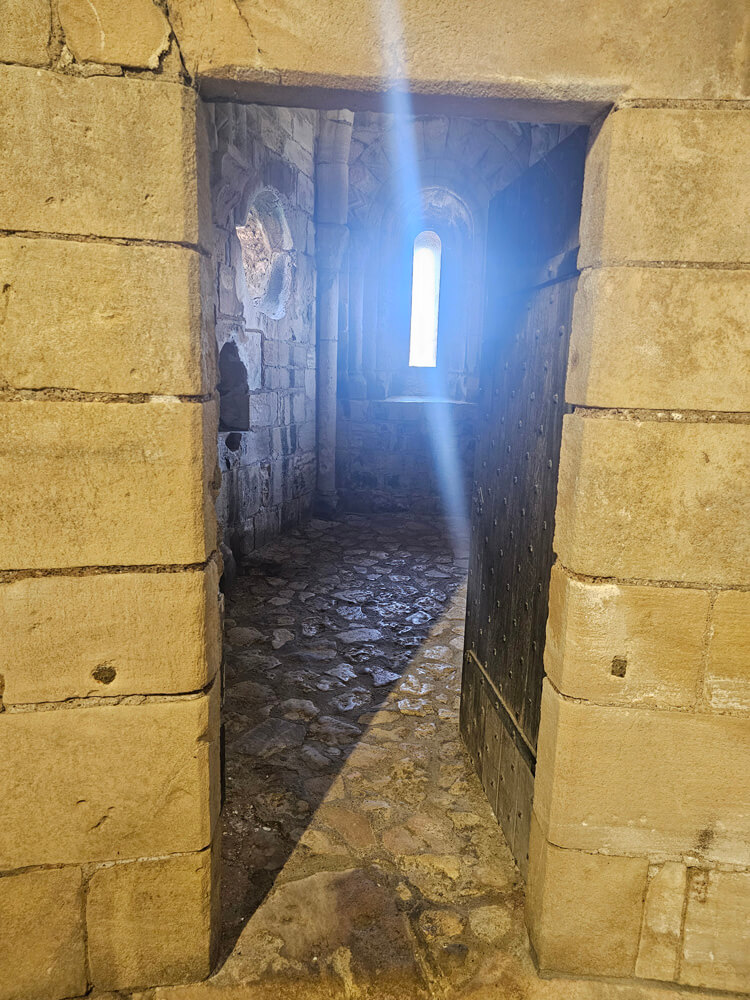
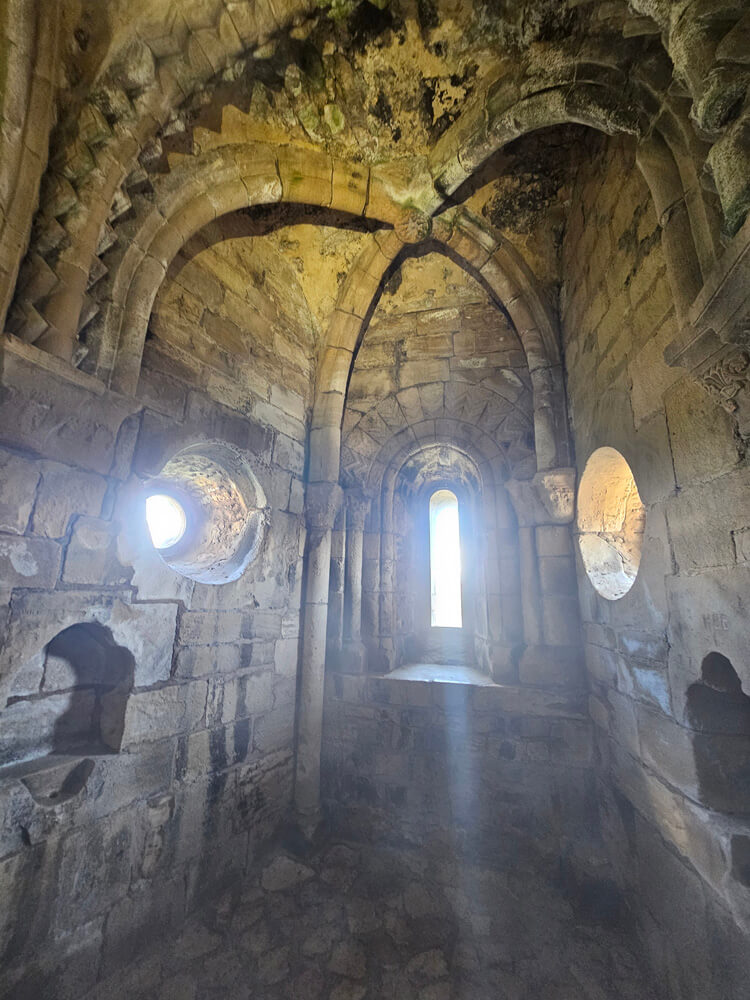
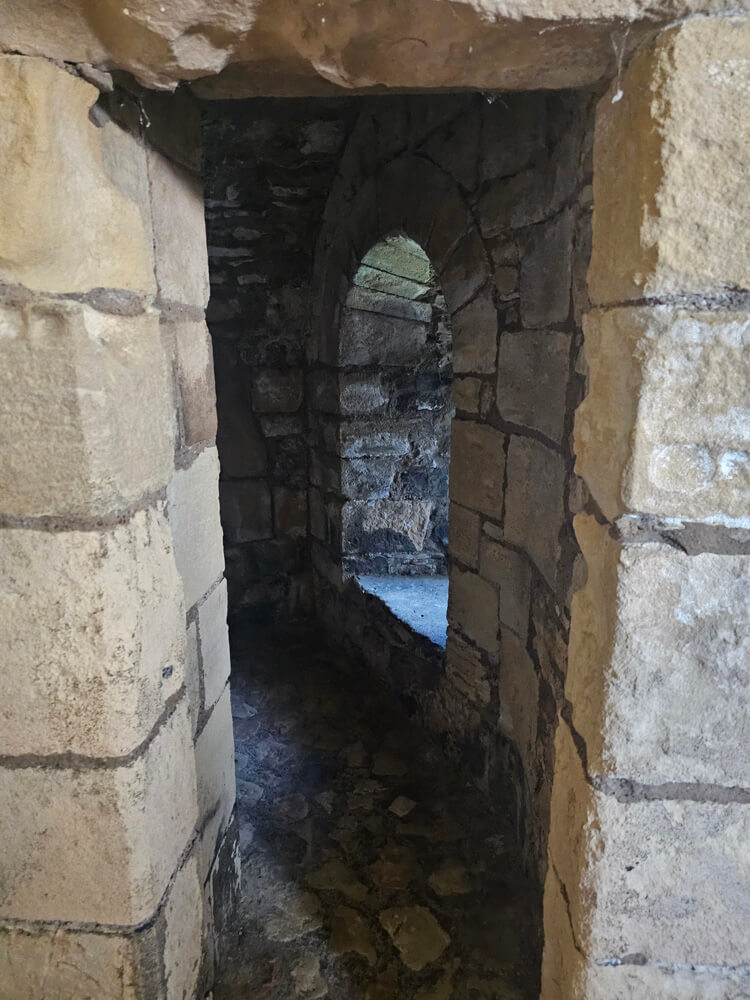
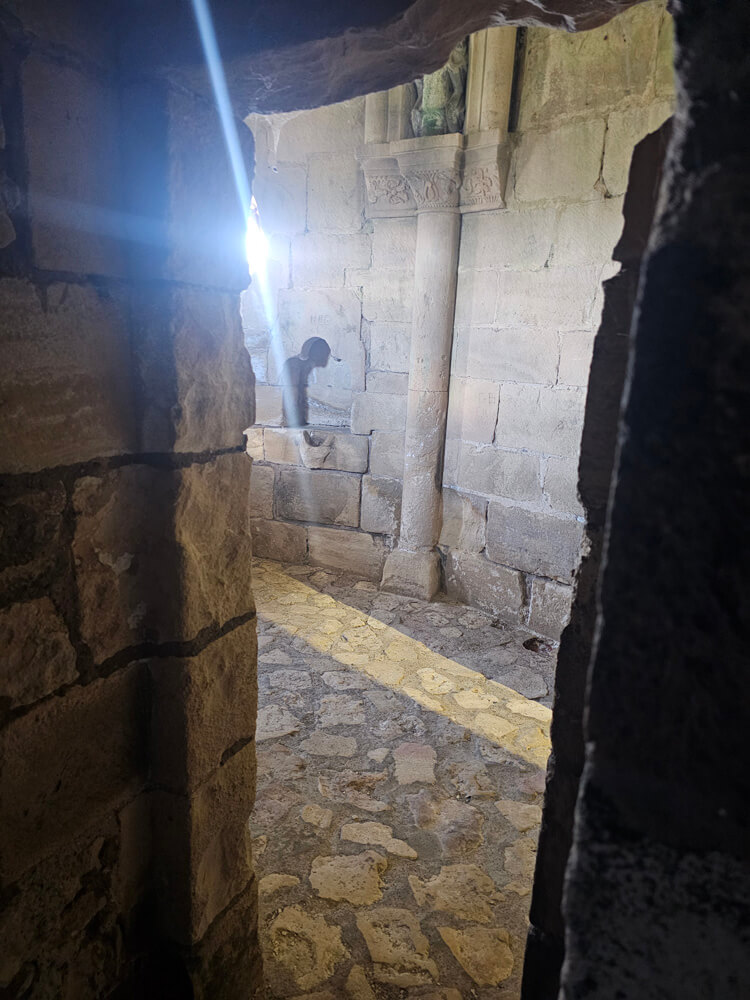
Photo Gallery.
Did you enjoy this post?
I hope you found this post useful. I put a great deal of time and effort in to building, maintaining and populating the website. If you like, you could say a small thank you by buying me a coffee. You don't have to, but it would be nice :)
Buy me a coffee
Stay up to Date
Follow me on my journey and get notified whenever a new post is published by following Kings & Castles on Facebook.
Follow MeExplore The Map
Discover the hundreds of castles, churches, monasteries, cathedrals and other historic locations that I've personally visited across England and Wales. Search by location, explore nearby sites and plan your next historical adventure.
Share: