Ripon Cathedral
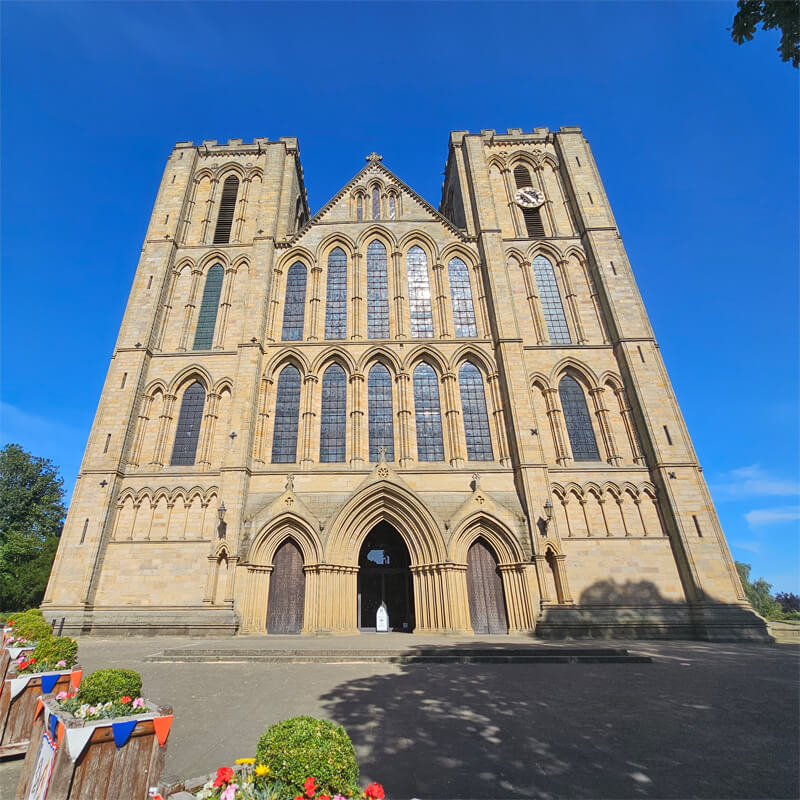
Ripon Cathedral, formally known as the Cathedral Church of St Peter and St Wilfrid, has stood at the heart of Ripon for more than 1,350 years. Its remarkable history stretches back to the 7th century, making it one of the most important surviving centres of Christian worship in northern England.
Historic
Highlights.
- Saxon crypt built by St Wilfrid
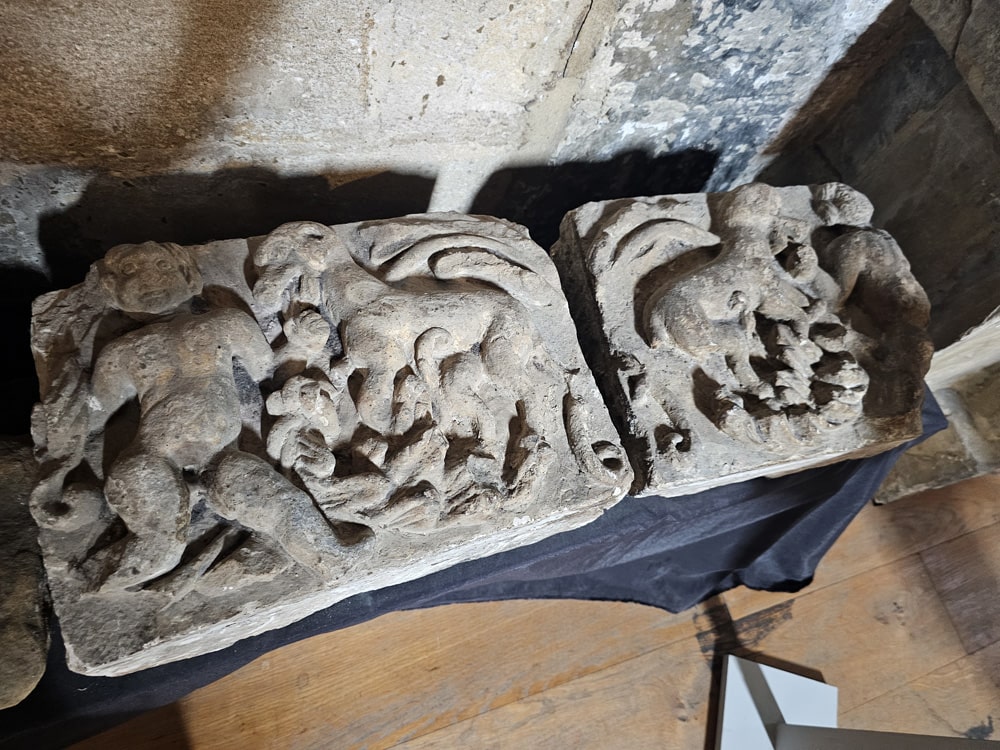
- Numerous Saxon remains
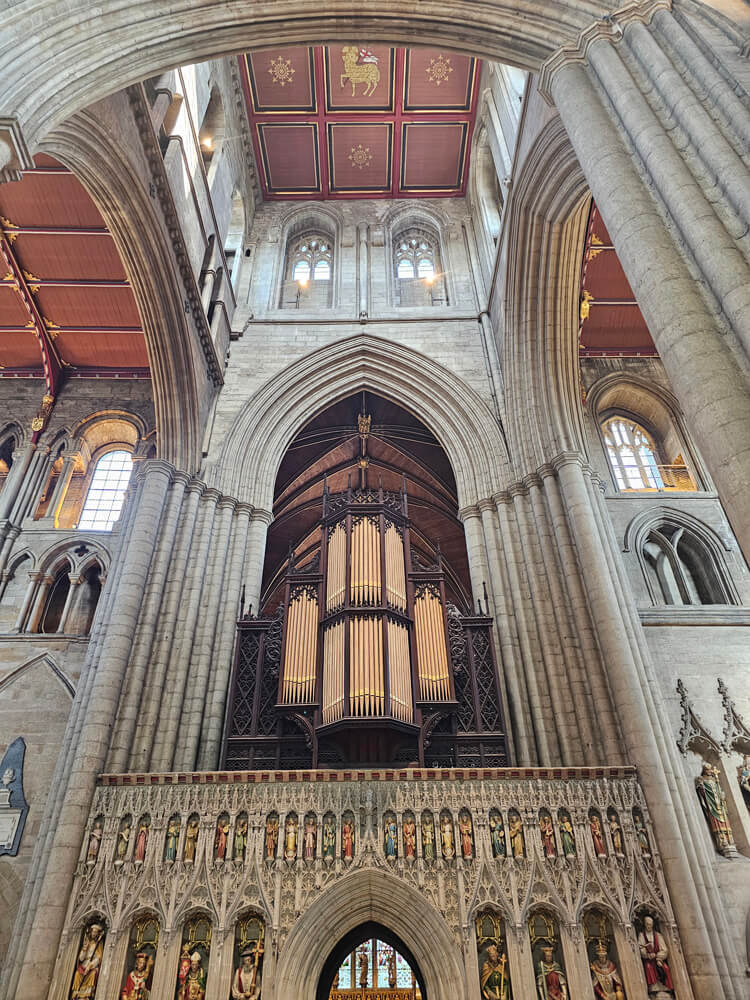
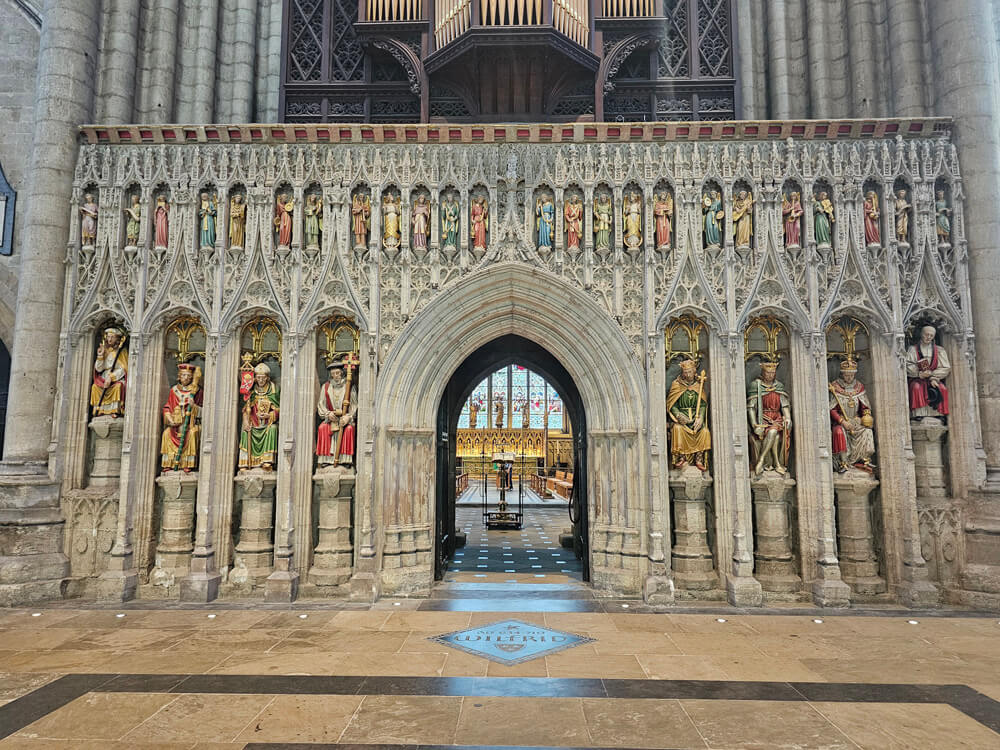
- The choir screen
The History of Ripon Cathedral
The story of the cathedral begins in the 660s, when a monastery was established at Ripon. Around 672, St Wilfrid, one of the most influential churchmen of Anglo-Saxon England, refounded the community and built a magnificent stone basilica. Wilfrid had travelled to Rome and continental Europe, and the architecture of his church was influenced by what he had seen there.
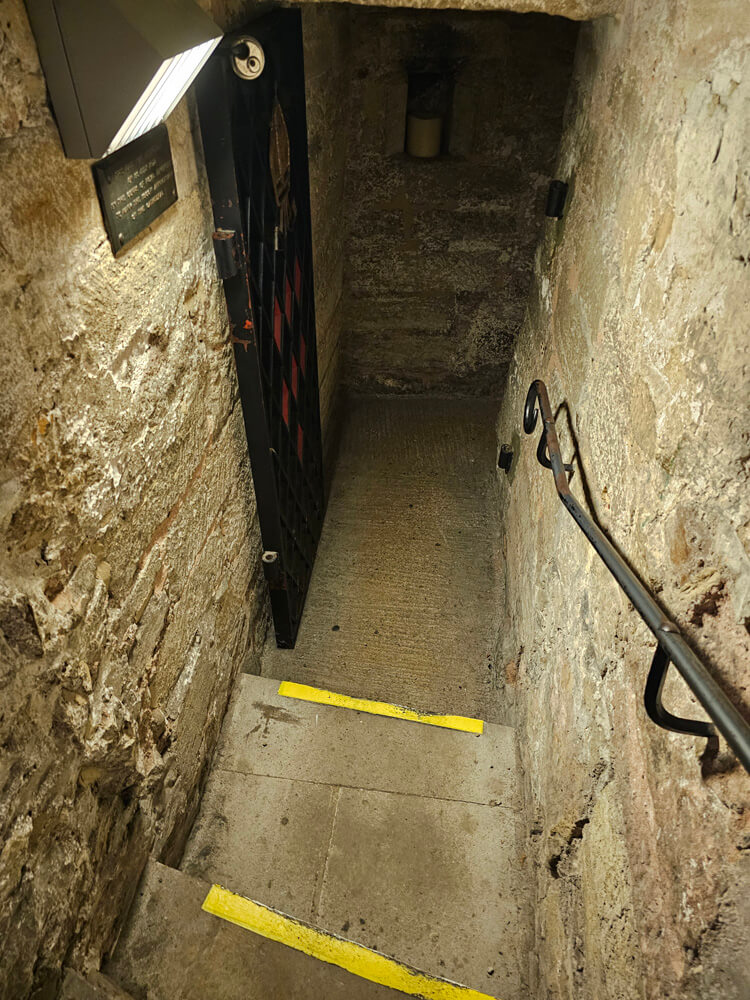
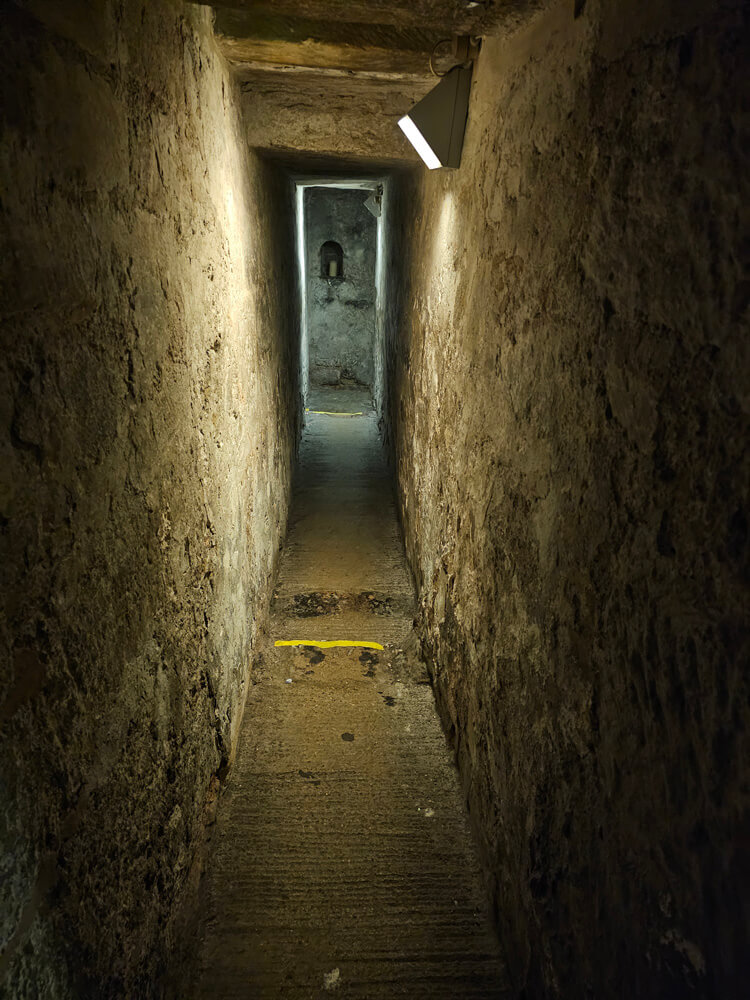
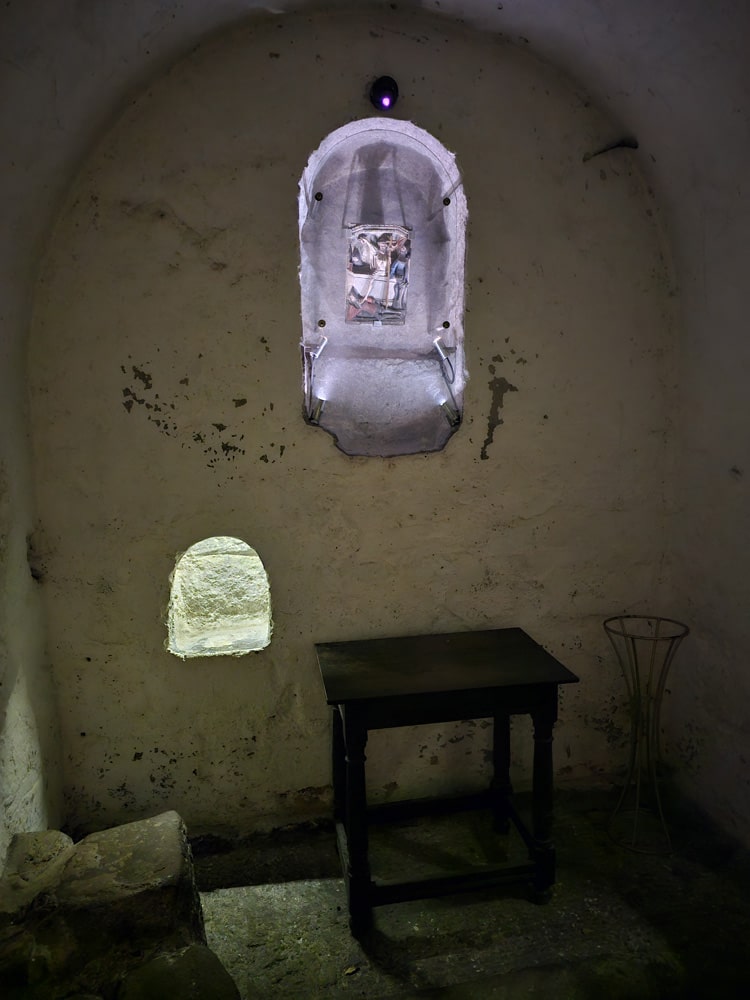
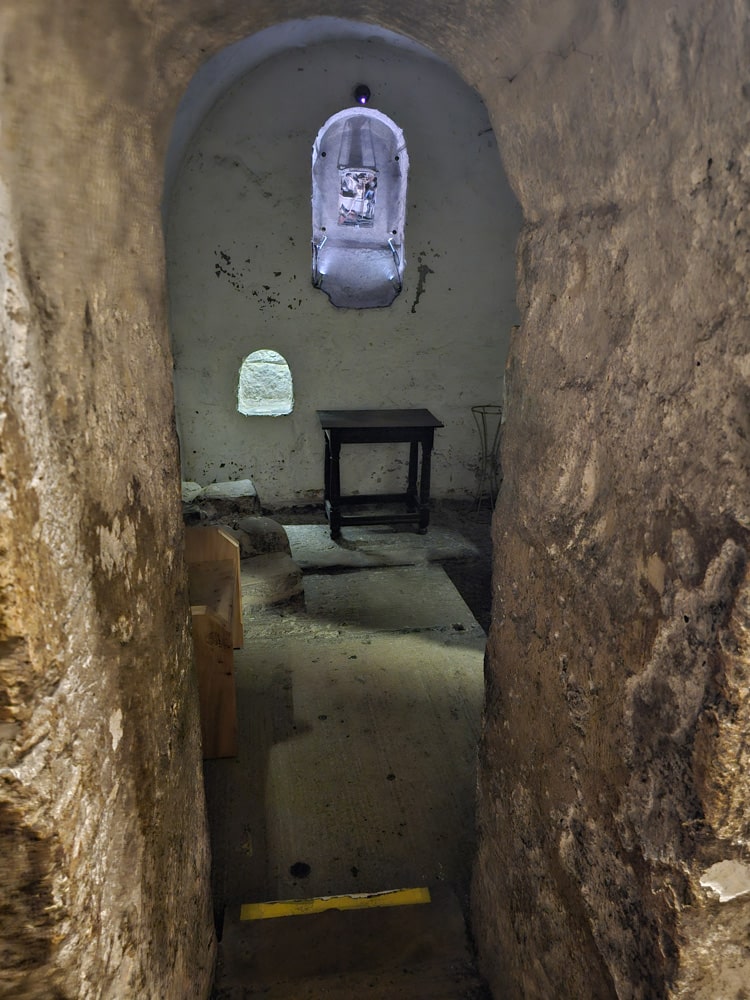
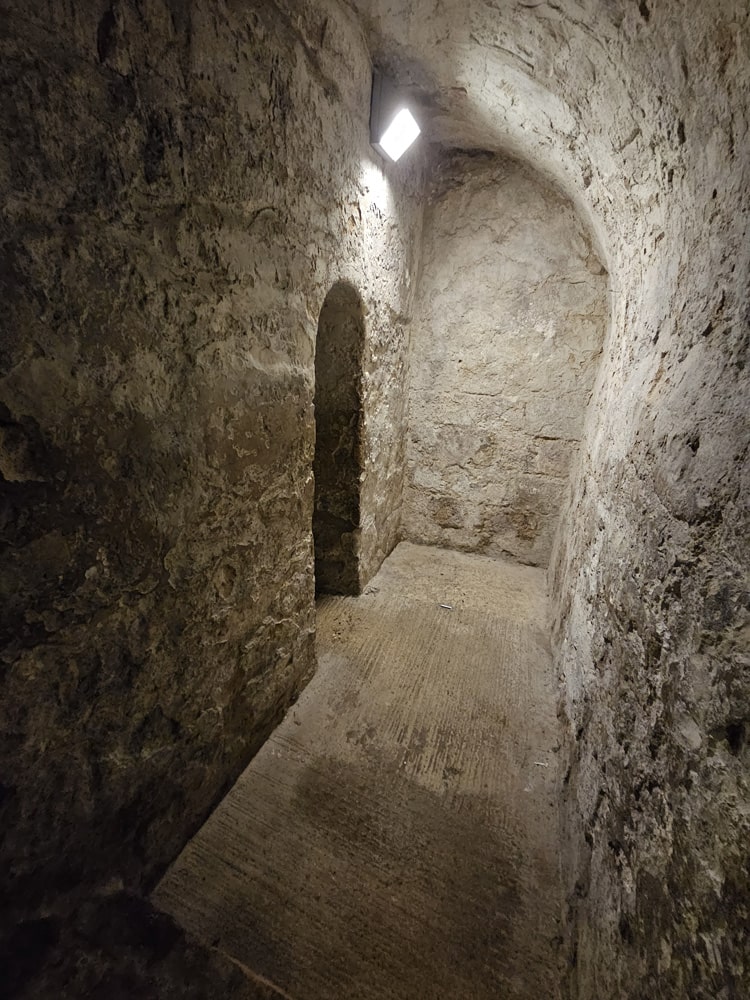
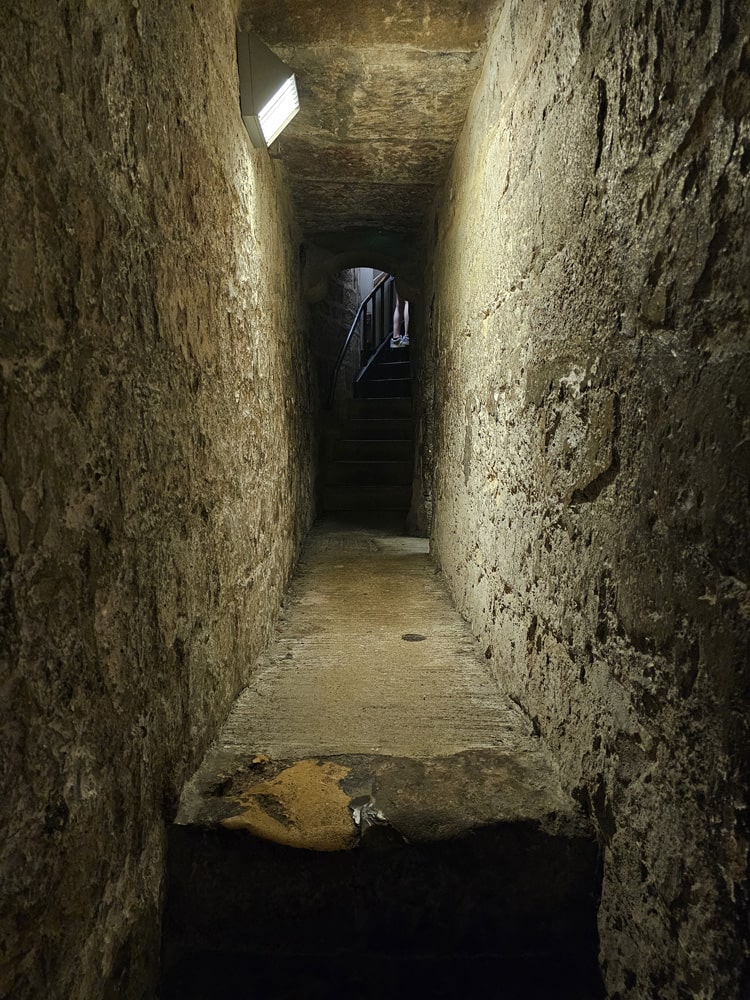
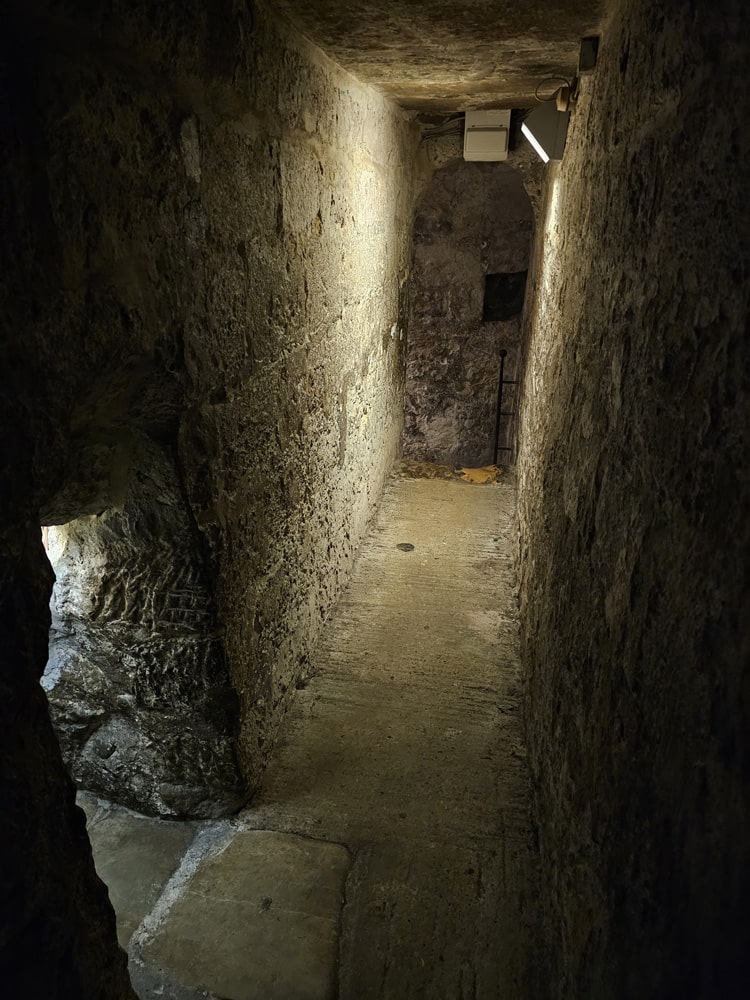
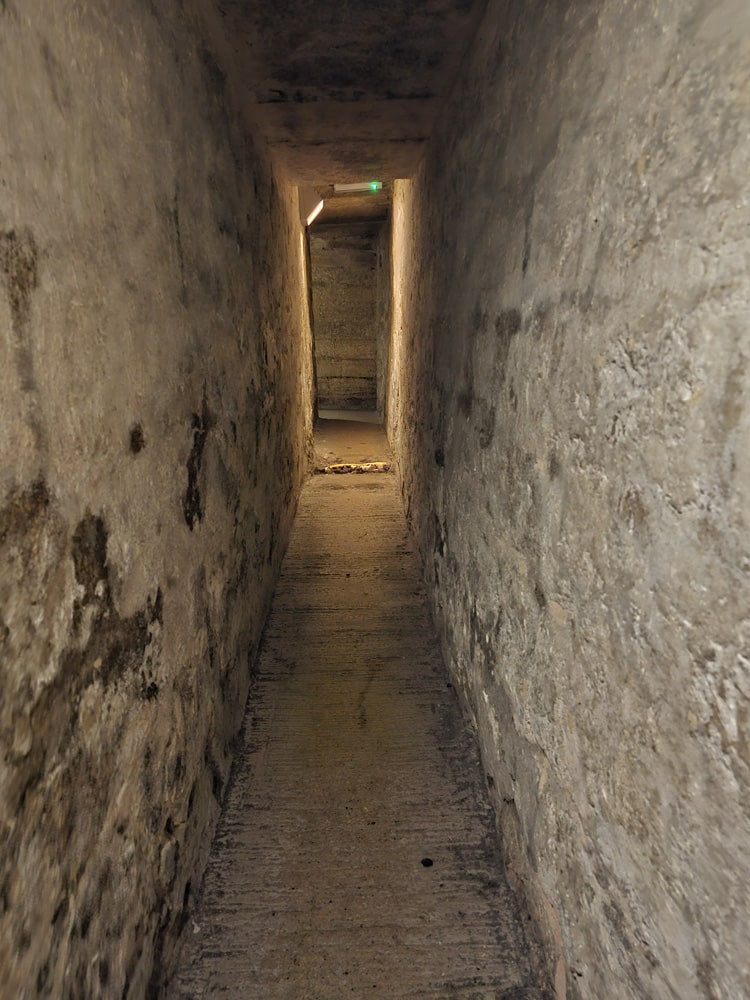
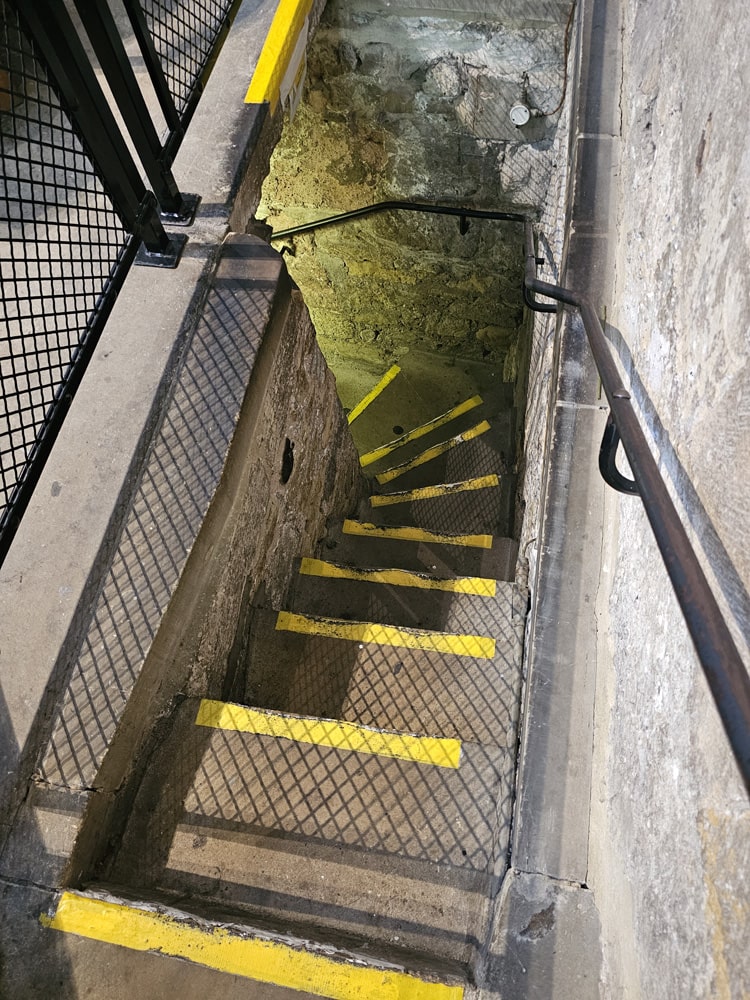
The most extraordinary survivor from Wilfrid’s church is the Anglo-Saxon crypt beneath the cathedral. Dating from 672, it is the oldest surviving built fabric of any English cathedral. The small underground chamber was probably inspired by the catacombs Wilfrid had encountered during his travels and was associated with prayer, burial and the veneration of holy relics. Remarkably, it has remained connected with Christian worship for more than thirteen centuries.
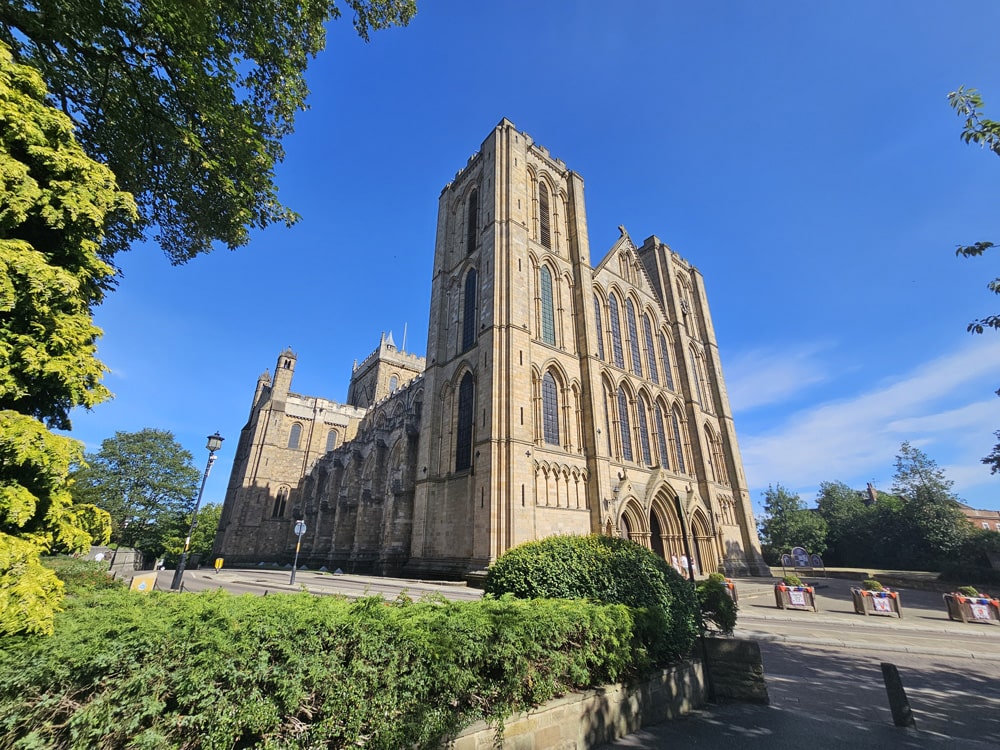
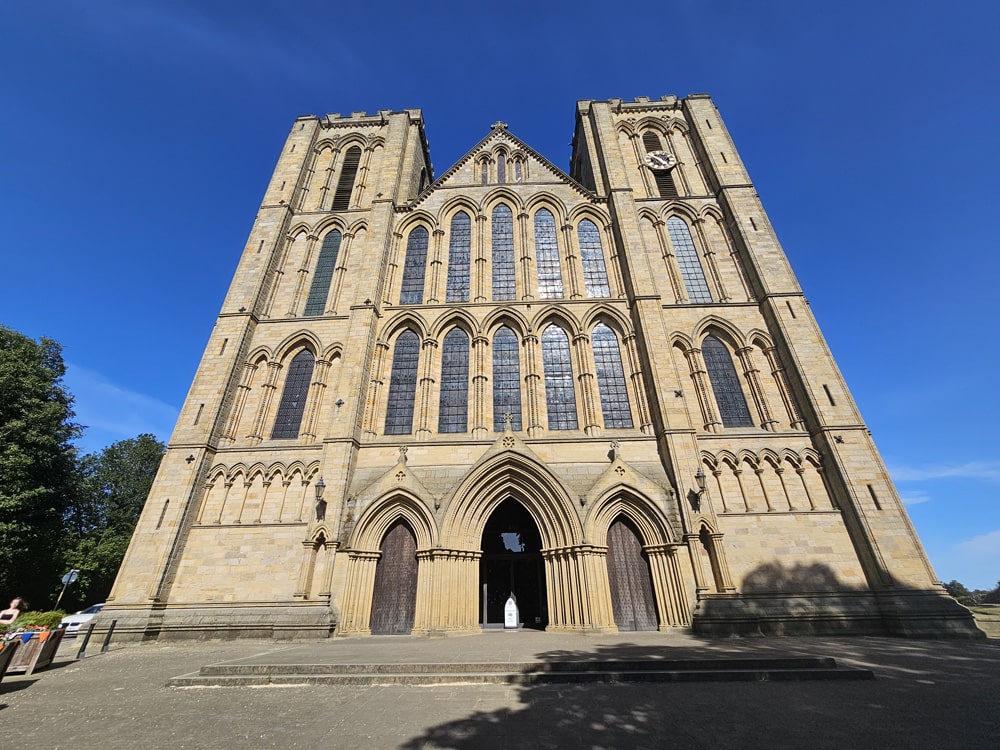
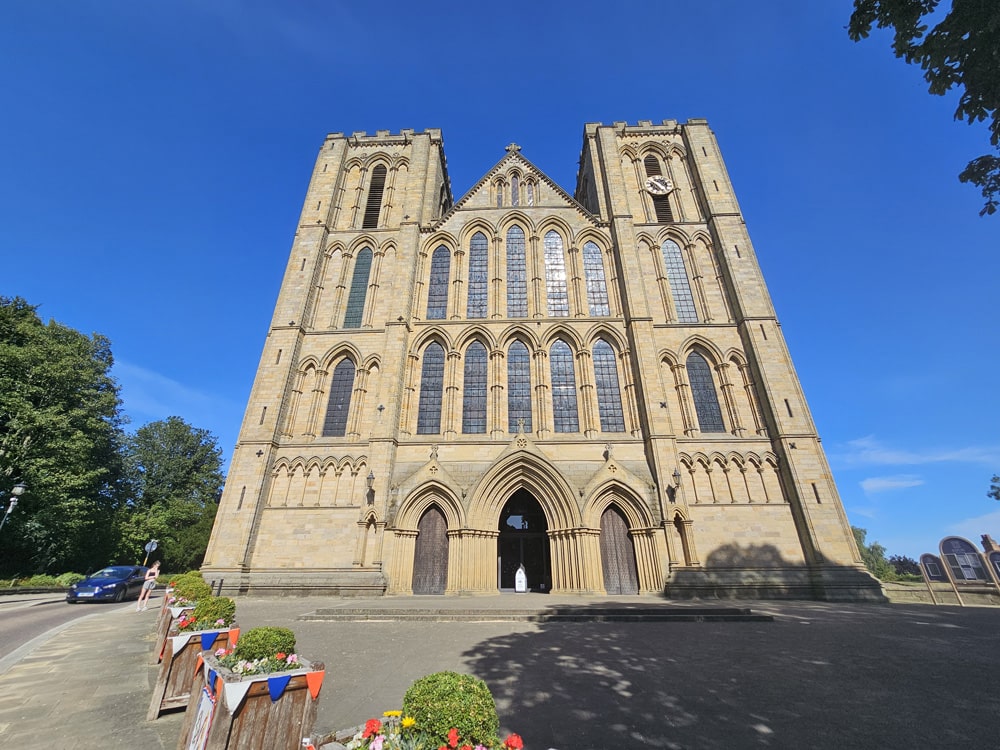
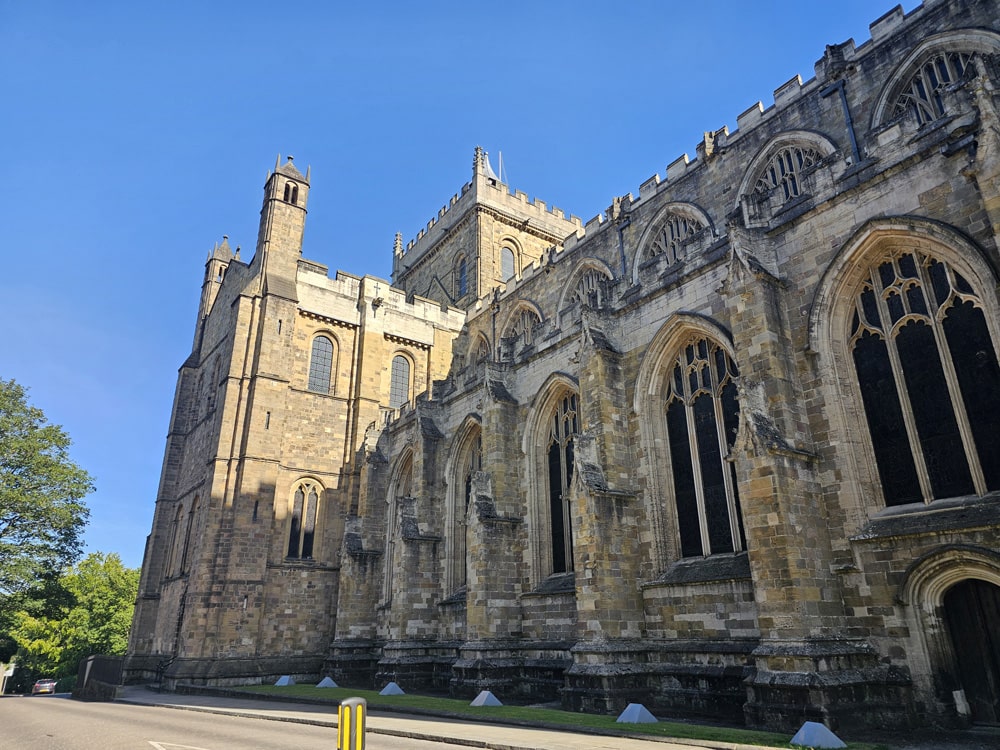
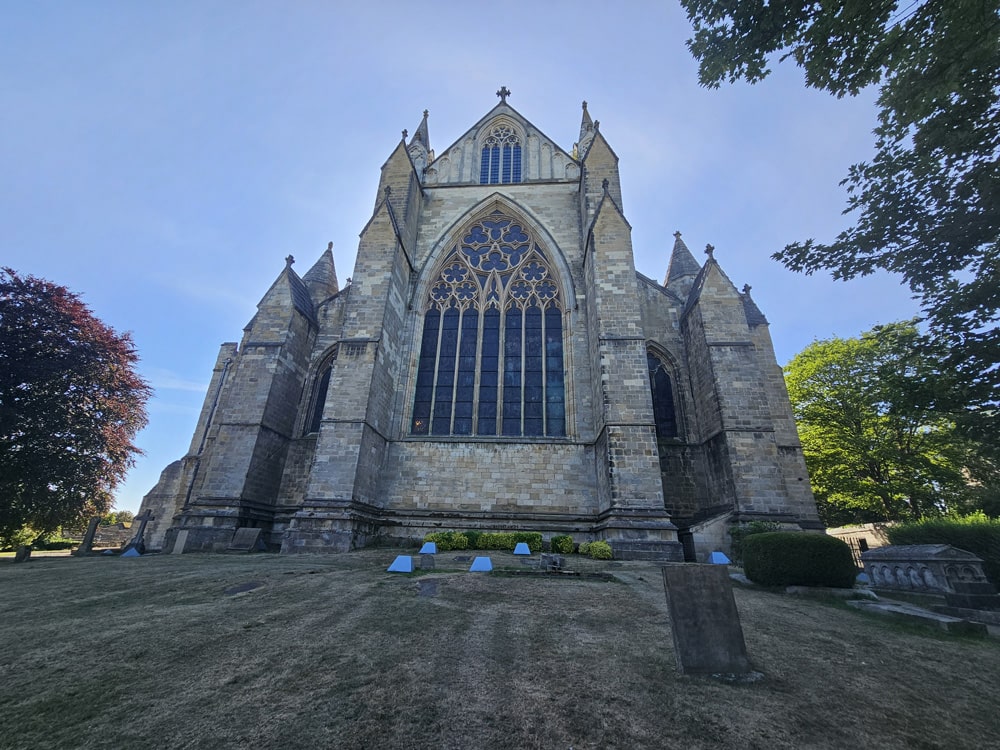
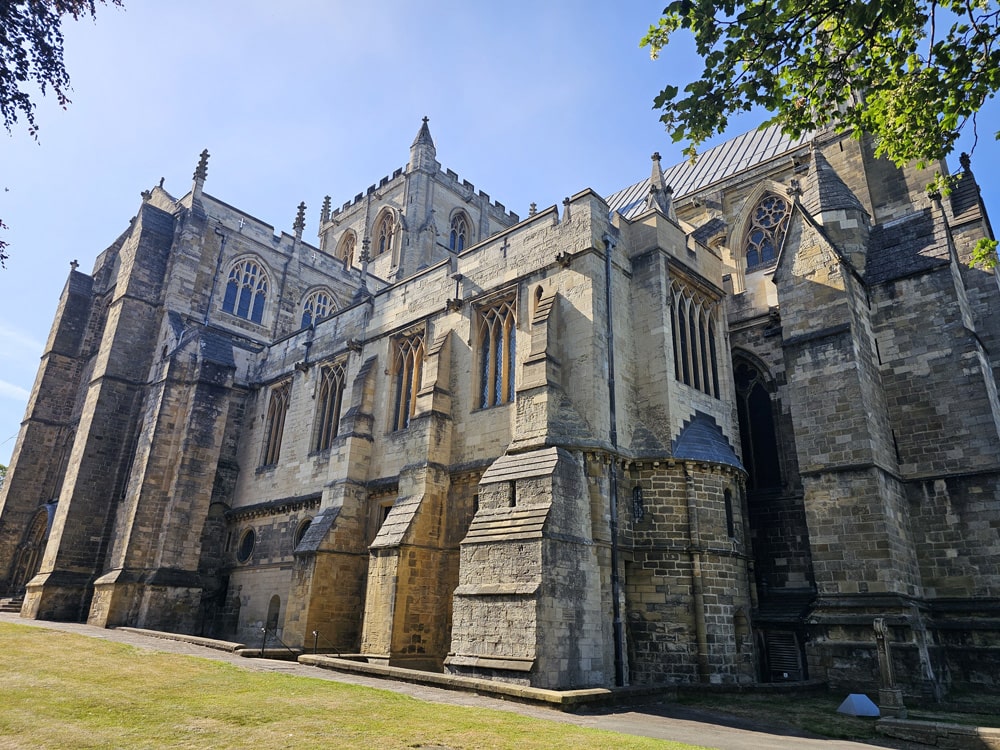
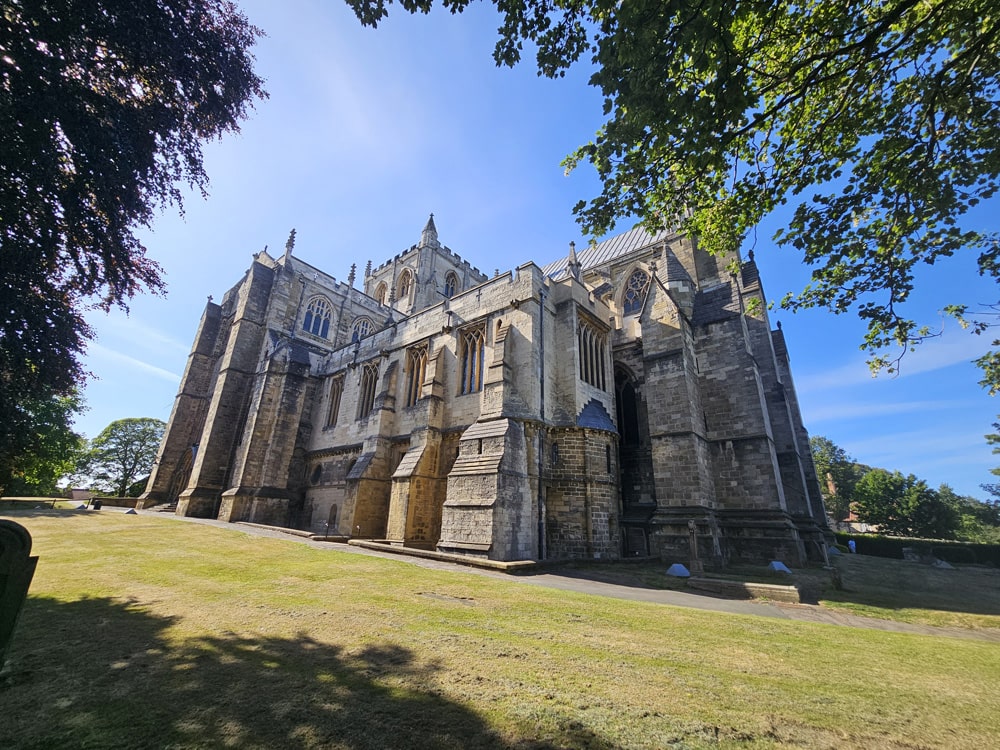
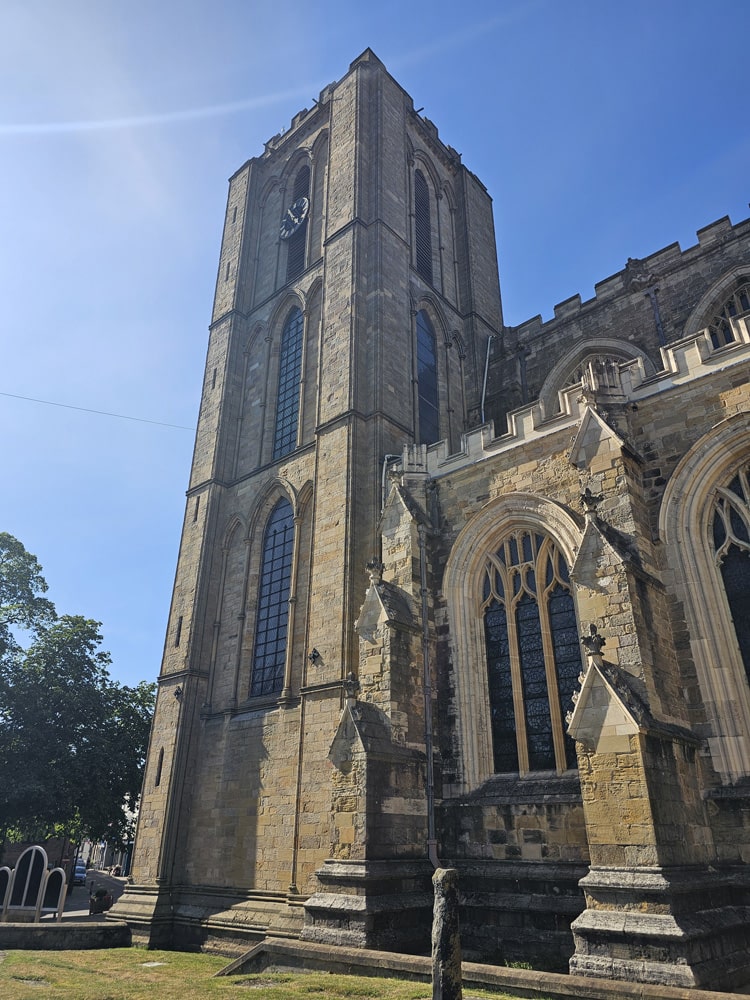
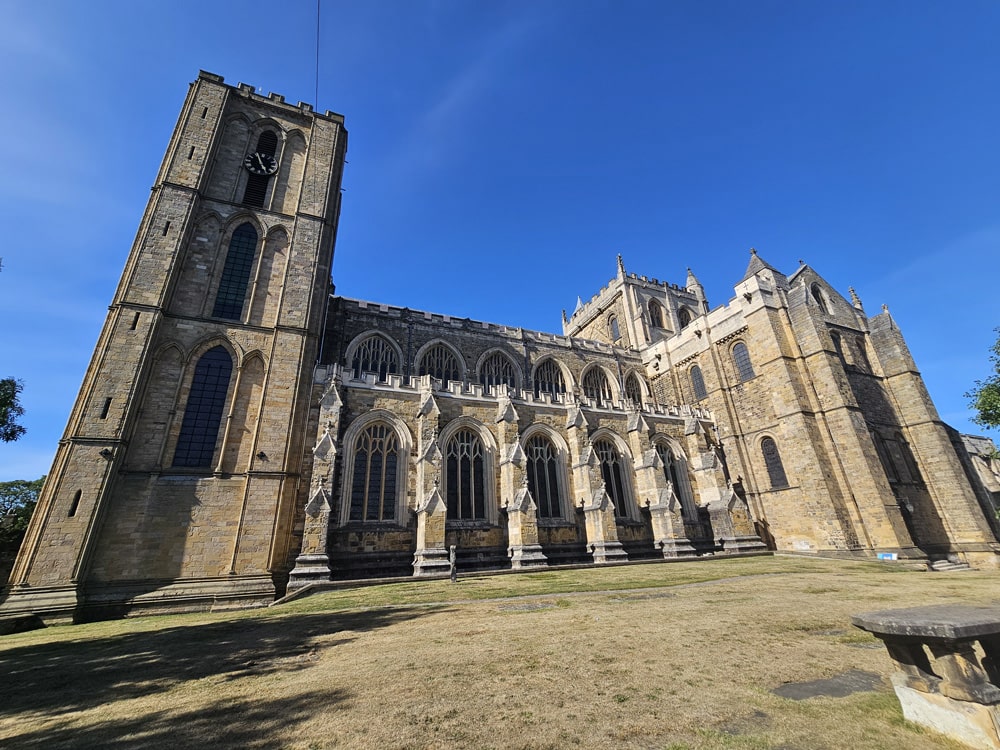
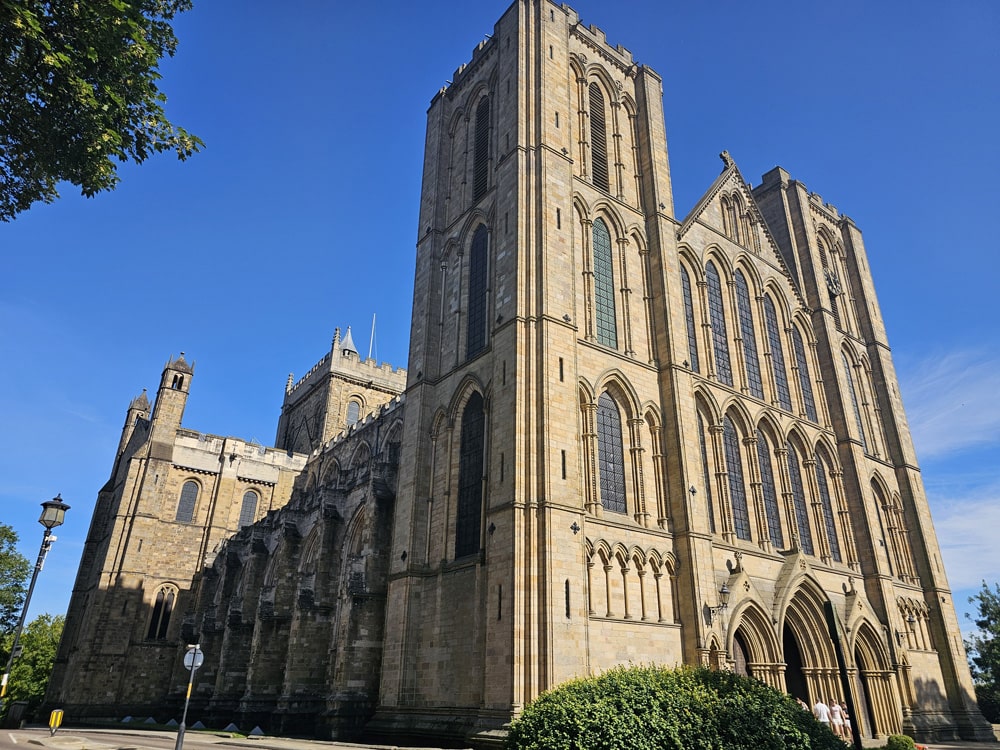
The early church endured a turbulent history. The monastery was eventually replaced by a college of secular canons, under the authority of the Archbishop of York. The medieval church was rebuilt substantially from the 12th century onwards. Major work began under Archbishop Roger of Pont-l’Évêque between 1154 and 1181 and continued under Archbishop Walter Gray during the 13th century. This period produced much of the impressive Early English Gothic architecture visible today.
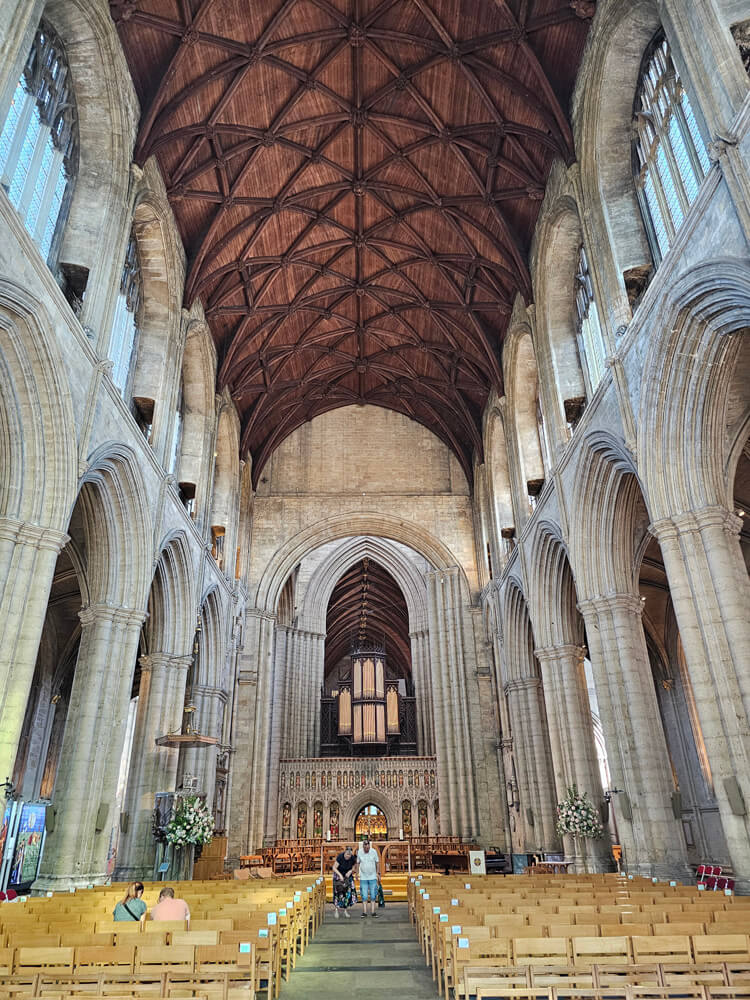
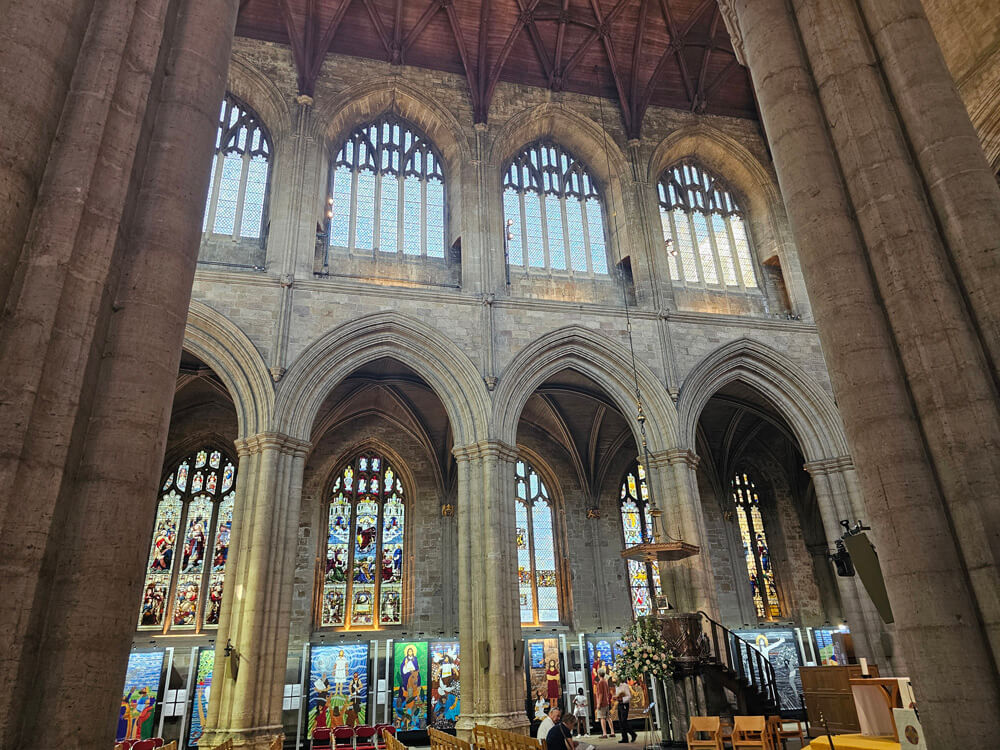
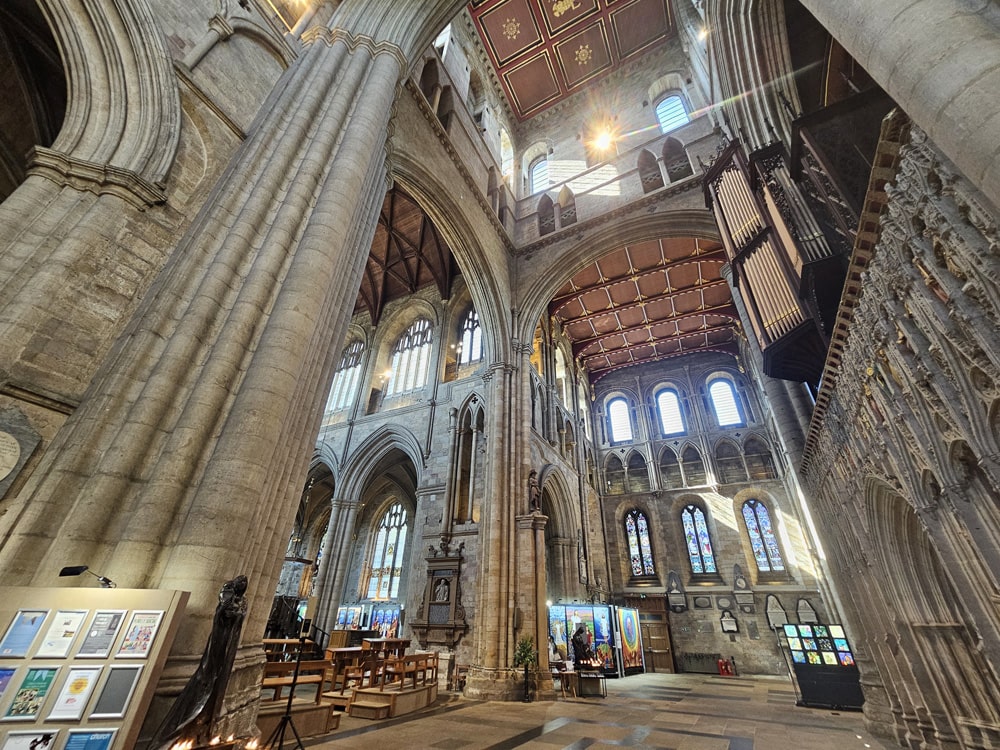
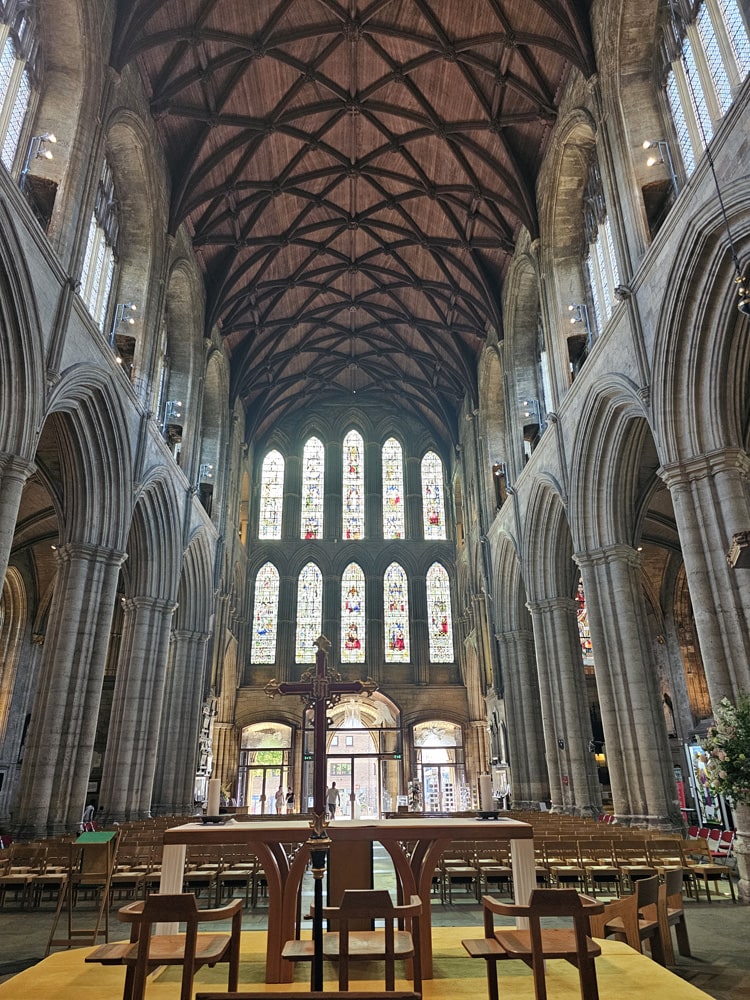
The cathedral continued to evolve during the later Middle Ages. The choir was extended, the chapter house developed and other alterations were made during the 14th and 15th centuries. In 1450, the partial collapse of the central tower revealed serious problems with the older nave. Much of the nave was subsequently rebuilt in the late 15th and early 16th centuries, producing the grand space that visitors see today.
Ripon’s religious community survived the upheavals of the Reformation. The medieval college was dissolved in 1547, although the building continued as a parish church. In 1604, King James I granted a charter that re-established Ripon as a collegiate church. The college was later dissolved during the Commonwealth but restored in 1660 following the Restoration of the monarchy.
A major change came in 1836, when the Diocese of Ripon was created and the church became a cathedral. Further restoration took place during the 19th century, including significant work by architects Edward Blore, William Railton and Sir George Gilbert Scott.
Ripon Cathedral Today
Today, Ripon Cathedral is one of North Yorkshire’s most remarkable historic buildings. Its mixture of Anglo-Saxon, Norman, Gothic and later architecture tells the story of more than thirteen centuries of religious and social change. From St Wilfrid’s tiny 7th-century crypt to the soaring medieval nave, the cathedral remains both an extraordinary monument to England’s past and a living place of worship.
Photo Gallery.
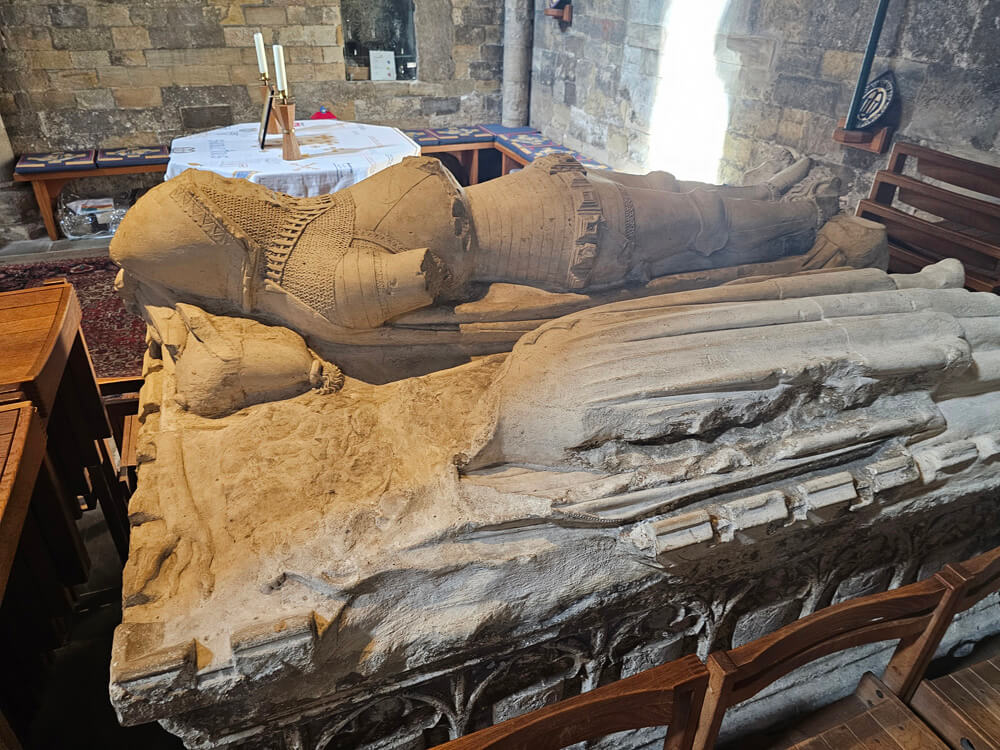
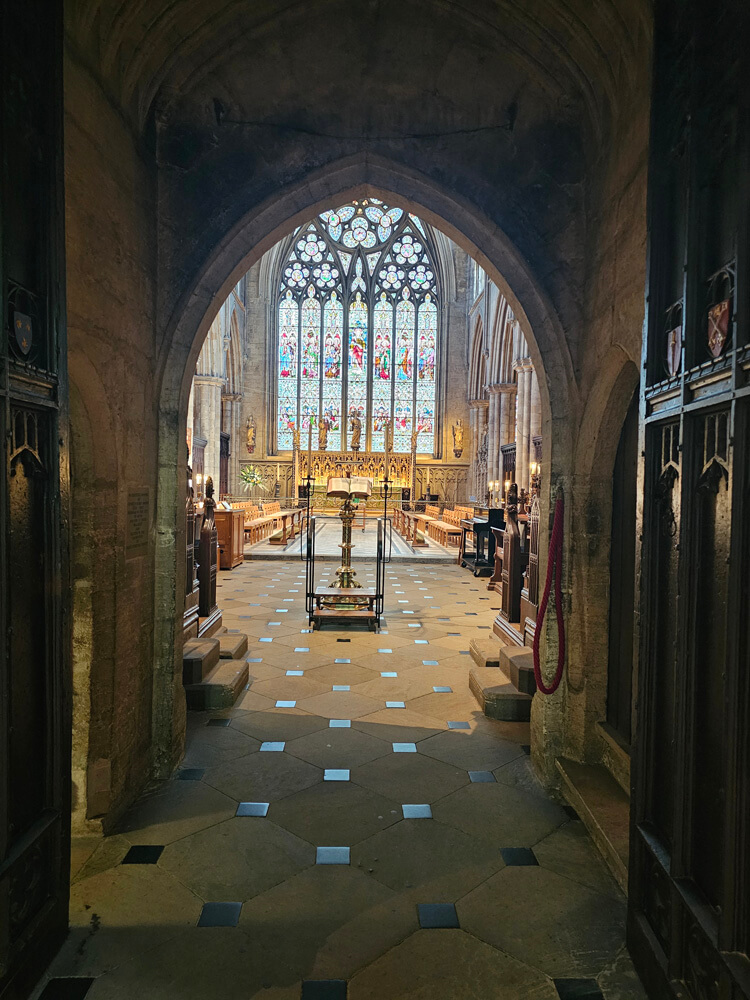
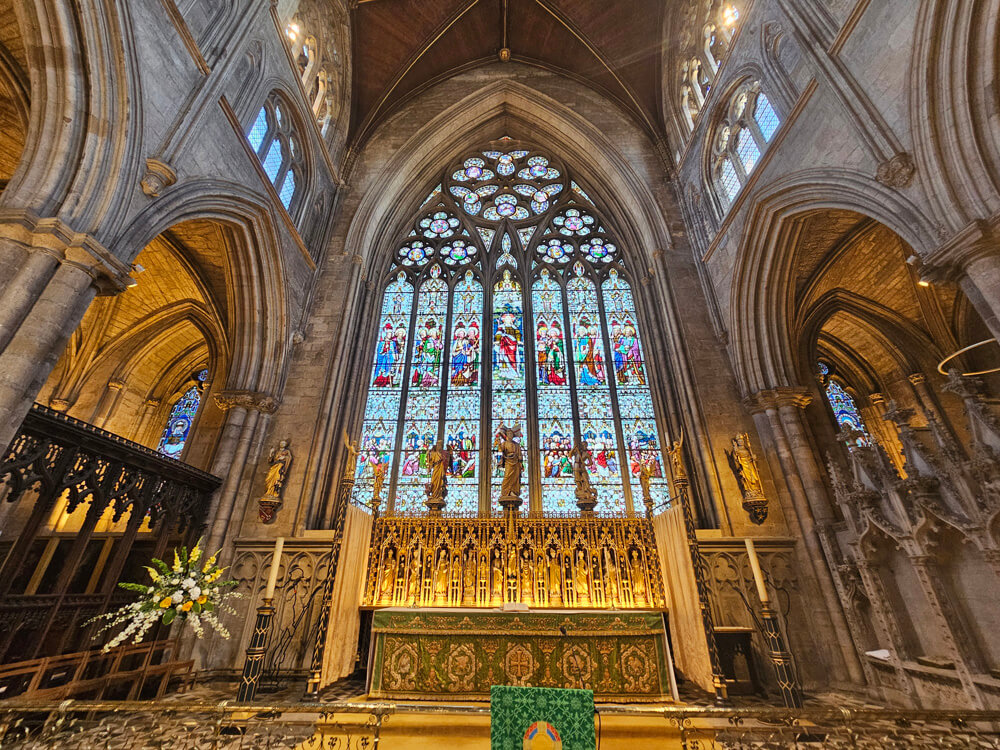
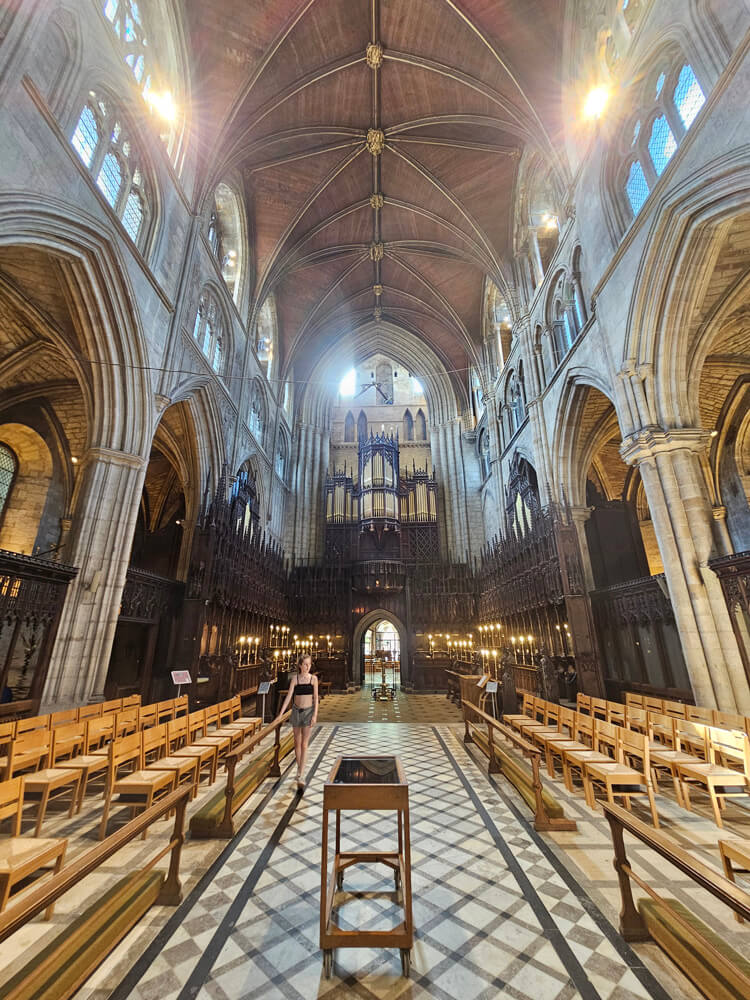
Did you enjoy this post?
I hope you found this post useful. I put a great deal of time and effort in to building, maintaining and populating the website. If you like, you could say a small thank you by buying me a coffee. You don't have to, but it would be nice :)
Buy me a coffee
Stay up to Date
Follow me on my journey and get notified whenever a new post is published by following Kings & Castles on Facebook.
Follow MeExplore The Map
Discover the hundreds of castles, churches, monasteries, cathedrals and other historic locations that I've personally visited across England and Wales. Search by location, explore nearby sites and plan your next historical adventure.
Share: