Coventry Cathedral
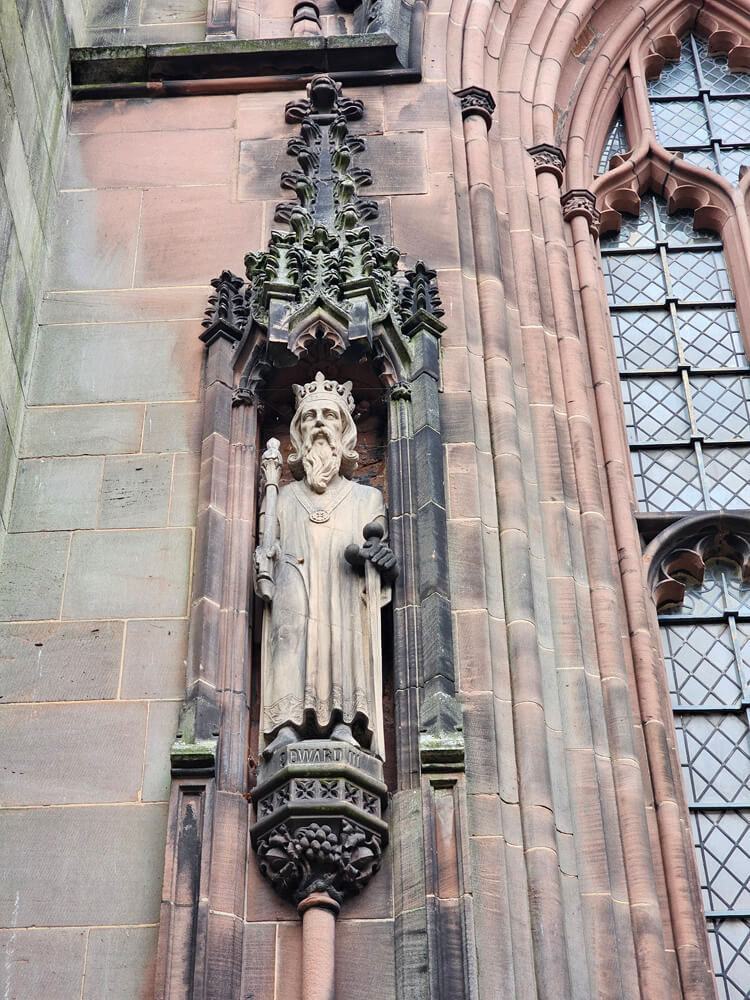
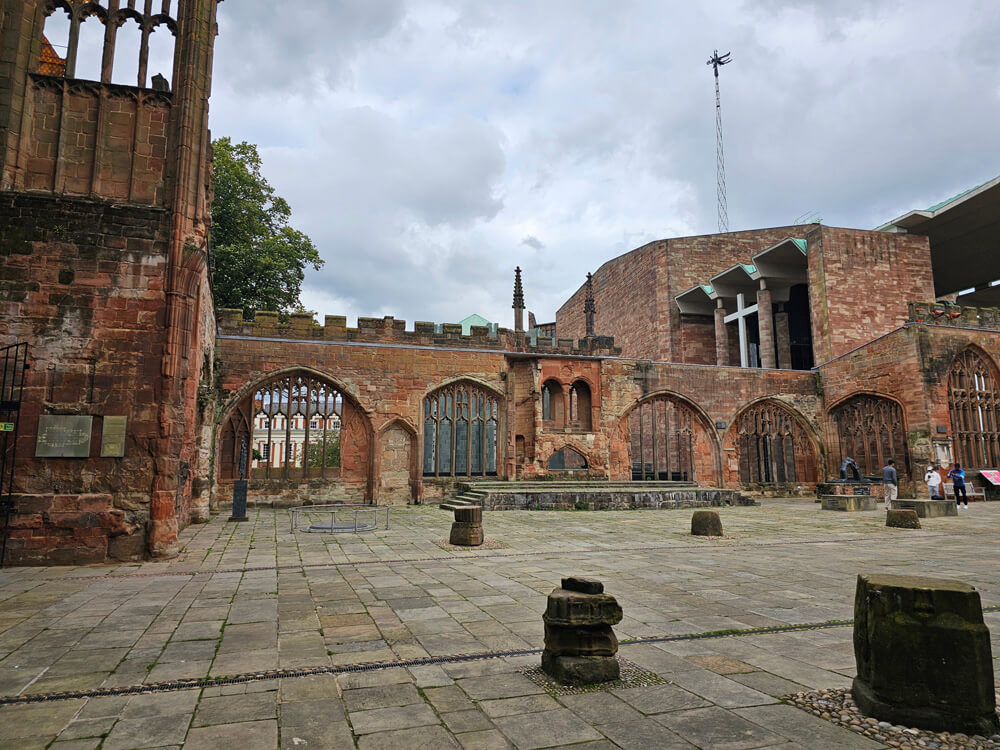
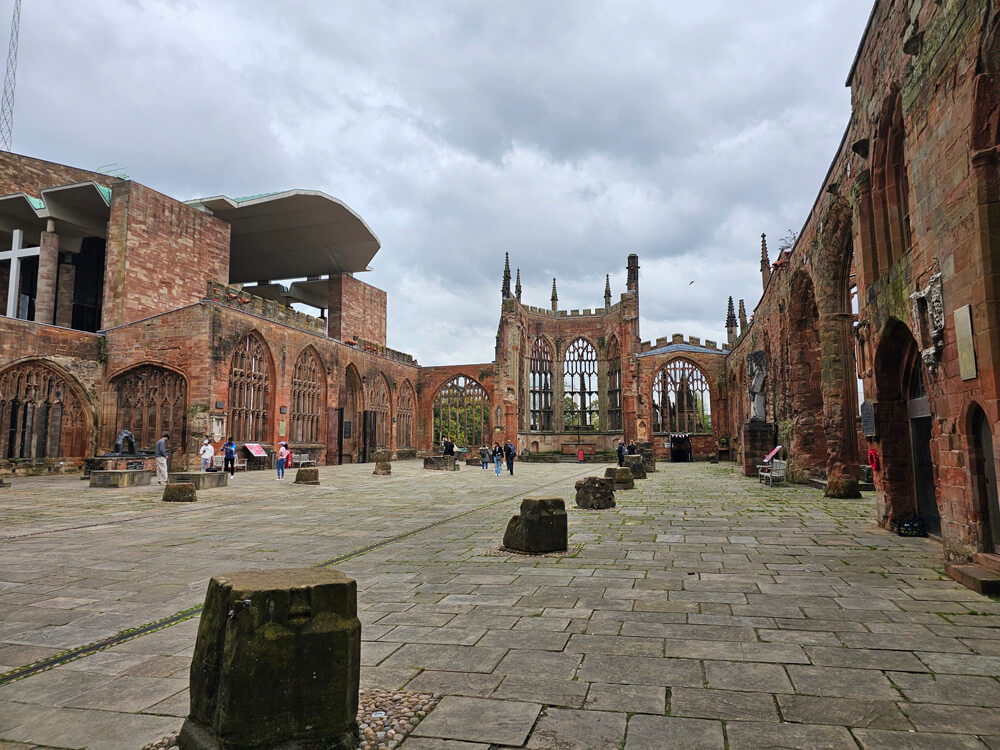
There is not one Coventry Cathedral, but two, standing side by side. The city has had three cathedrals throughout its history, but the current site consists of the new modern cathedral, and the previous cathedral – St Michael’s. The history of Coventry’s three cathedrals go all the way back to the 11th century with the founding of a Benedictine monastery, which would later become Coventry’s first cathedral.
The First Cathedral – St Mary’s (1102 to 1539)
In the year 1016 the Danish King Cnut and his army of Danes laid waste to many English towns and villages in a bid to take control of England, and when they reached the settlement of Coventry, they destroyed a Saxon nunnery said to have been established around the year 700 by St Osburga.
A few decades later in 1043, Earl Leofric of Mercia and his wife, Lady Godiva (or Godgifu), rebuilt on the remains of the destroyed Saxon nunnery and founded a Benedictine monastery and dedicated it to St Mary. After the Norman Conquest of 1066 the Mercian see was moved from Chester to Coventry, and in 1102 the move was authorised by the pope. As a result, St Mary’s Priory became both a monastic church and a cathedral, giving Coventry its first cathedral which was completed by the 13th century.
Unfortunately, because St Mary’s had joint status as both a cathedral and a monastic institution it was destroyed during Henry VIII‘s Dissolution of the Monasteries. In 1539 the monastery was dissolved and the buildings either used for other purposes or pulled down, making St Mary’s Priory Cathedral the only English cathedral destroyed as a result of the Protestant Reformation. The ruins of St Mary’s Priory Cathedral can be seen close to the present cathedral site.
The Second Cathedral – St Michael’s (1918 to 1940)
For the next 379 years Coventry had no cathedral, until a 14th-century Gothic church called St Michael’s was designated as a cathedral in 1918.
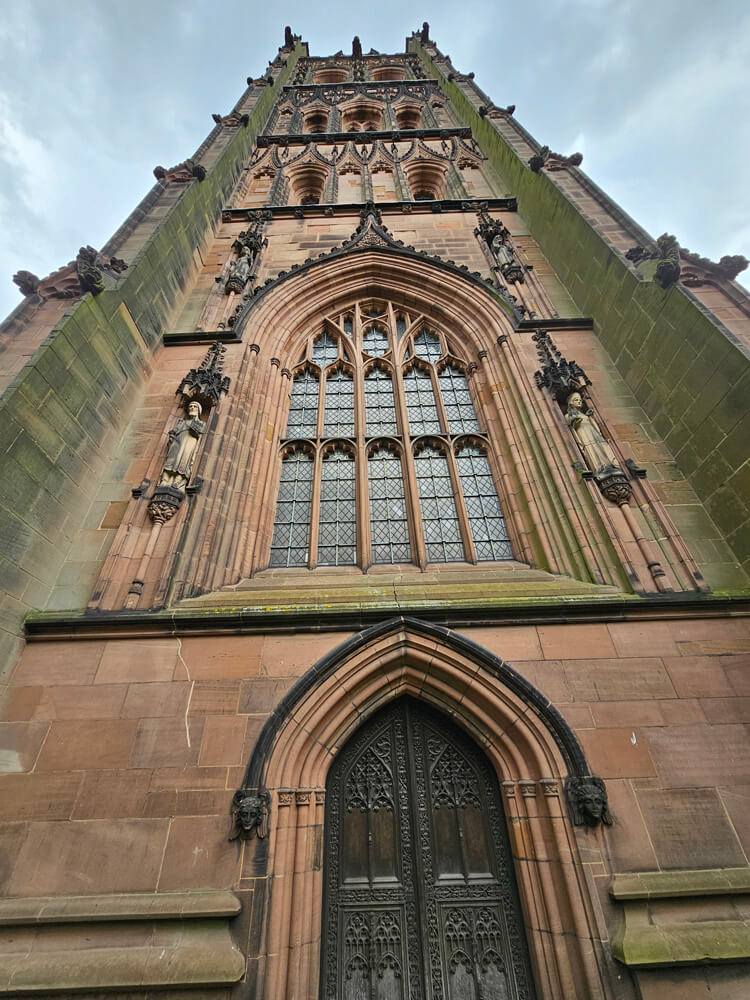
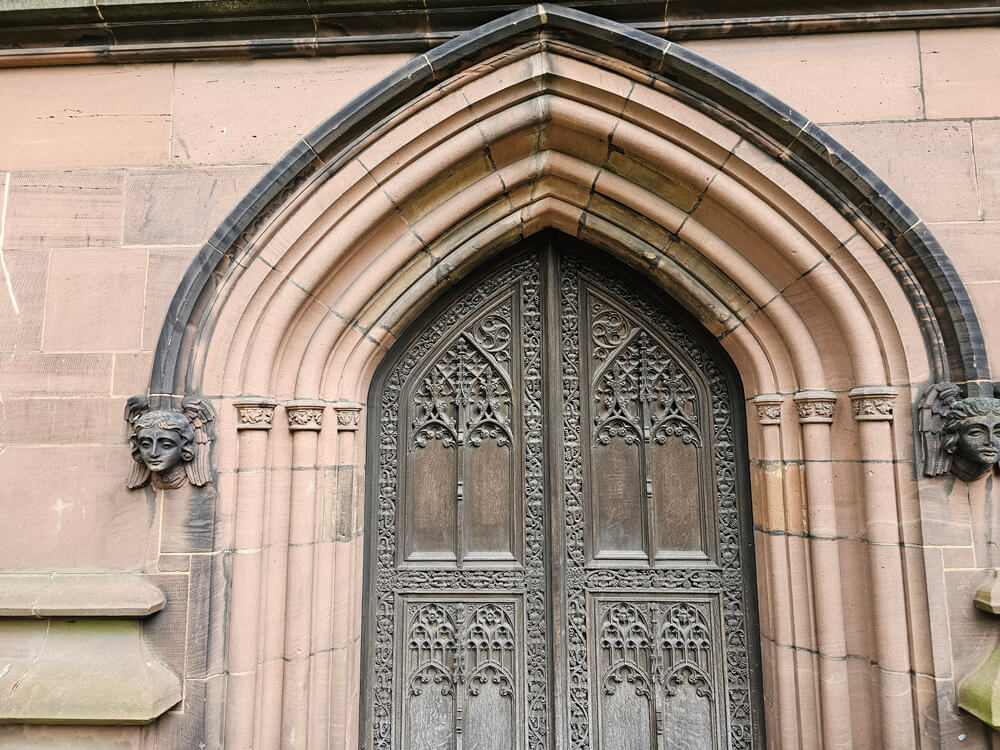
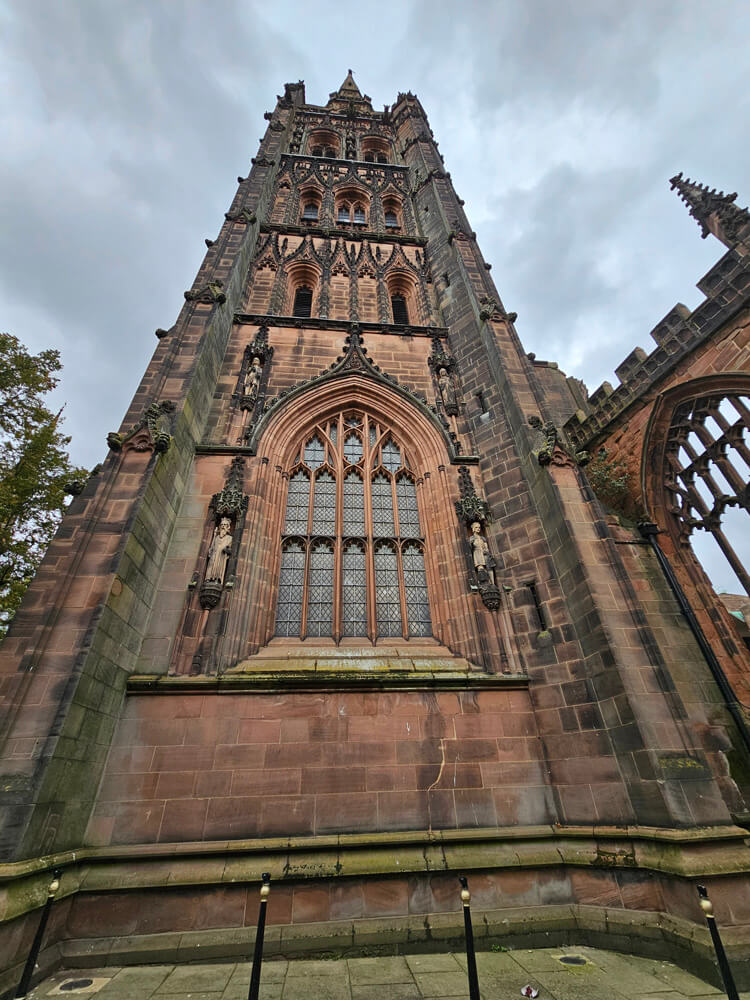
St Michael’s Church was built between the late-14th century and early-15th century. It was considerably smaller than the original St Mary’s cathedral building but it was one of the largest parish churches in England. On the creation of the Diocese of Coventry in 1918 the city needed a cathedral, so St Michael’s was elevated to cathedral status.
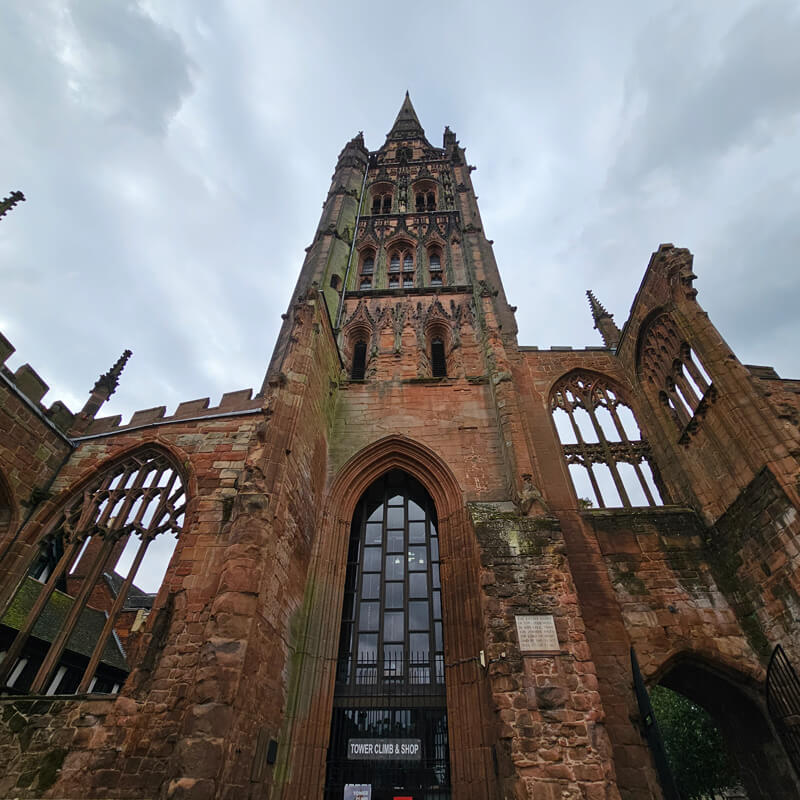
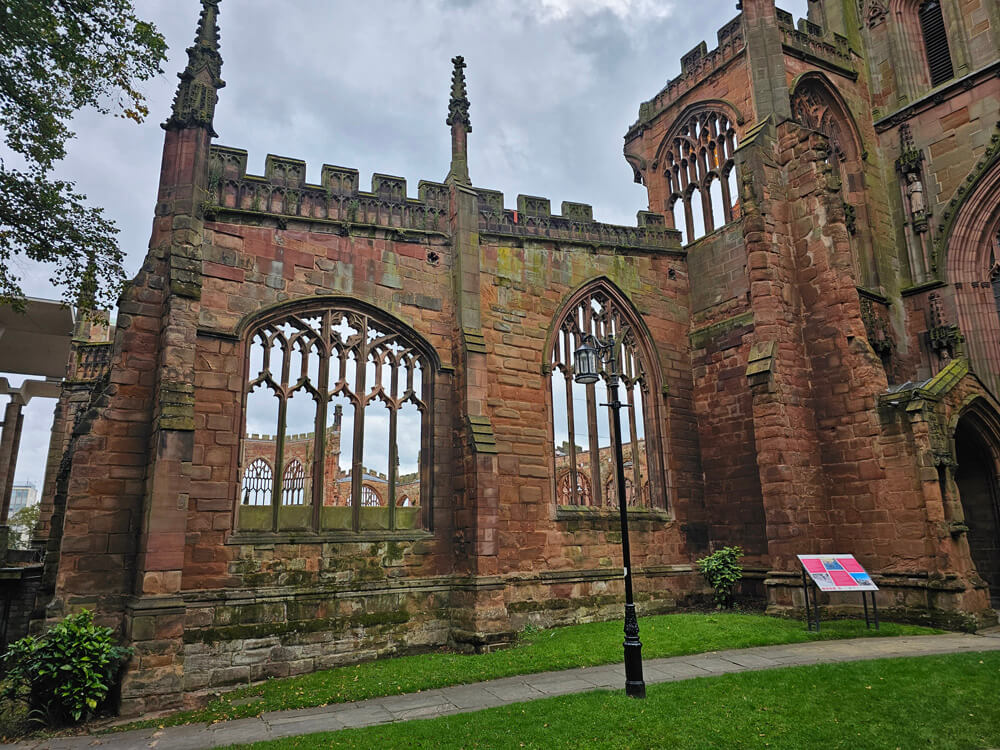
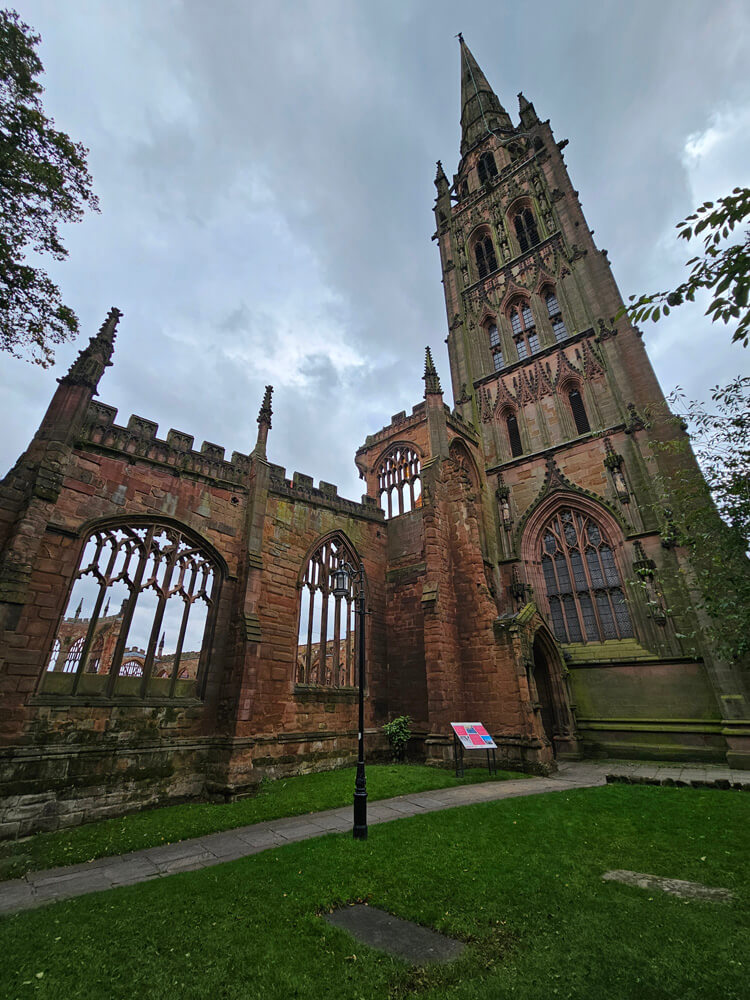
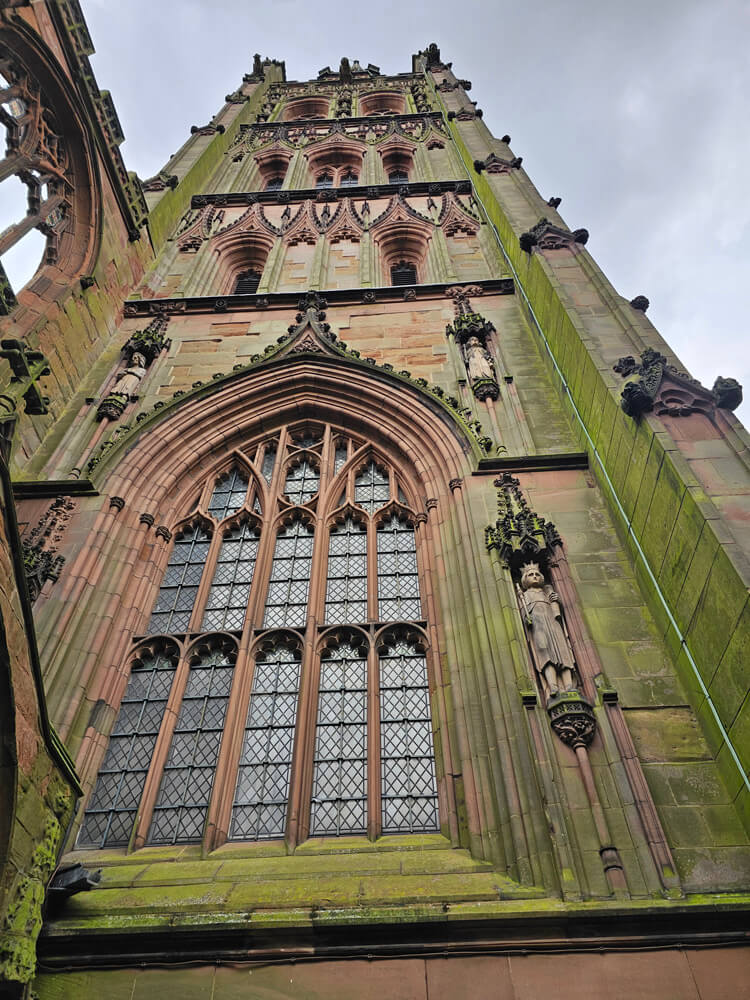
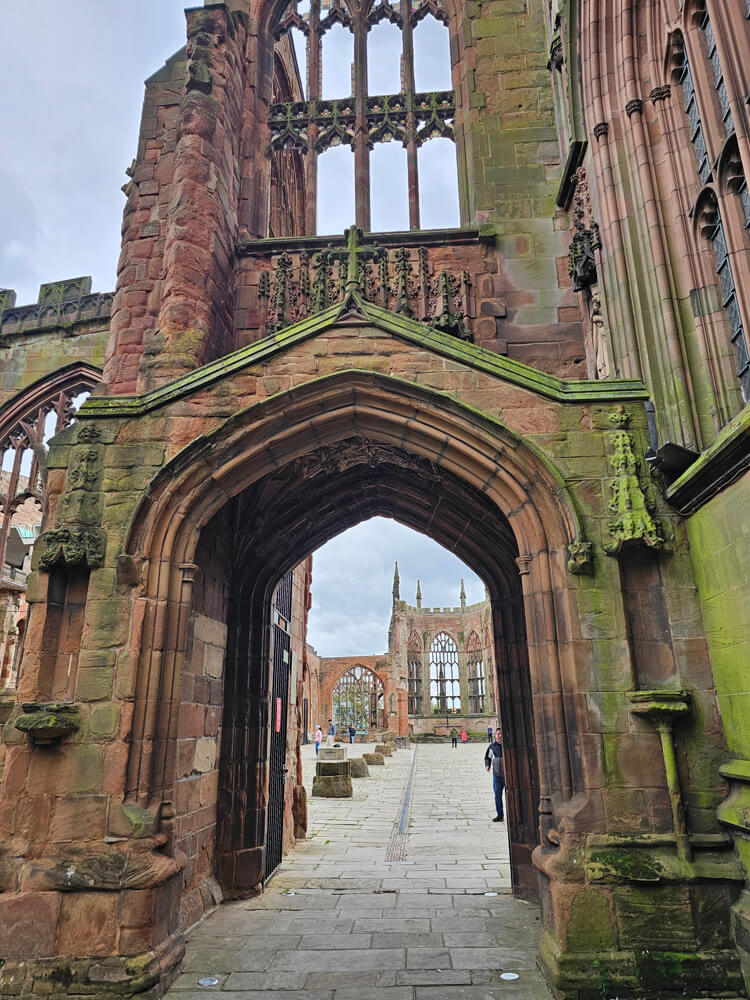
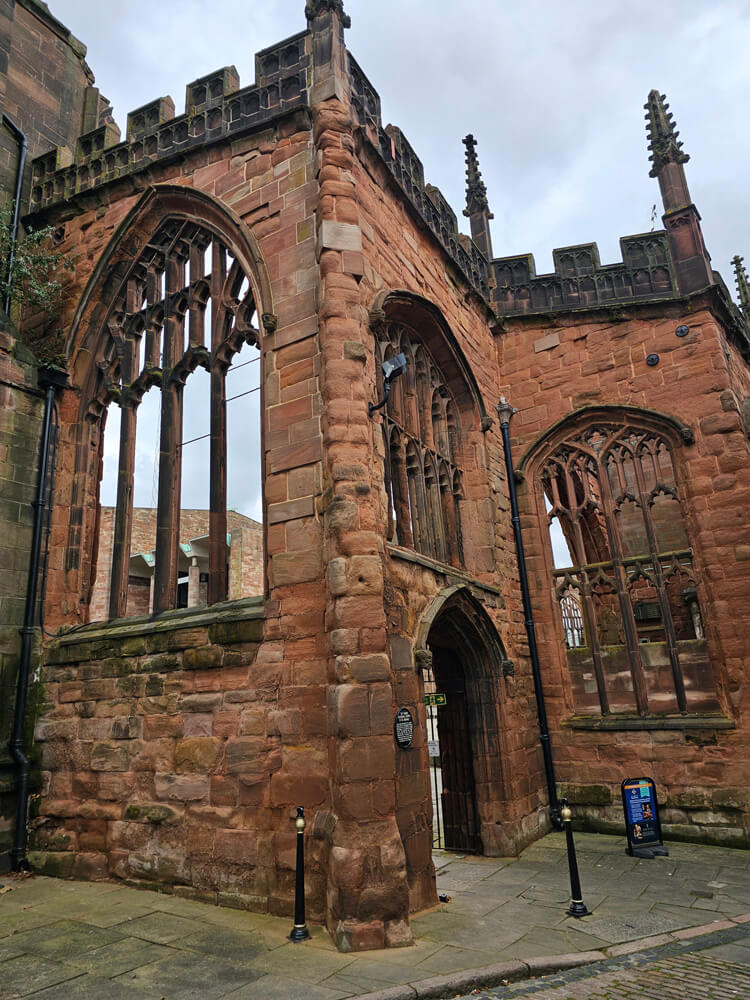
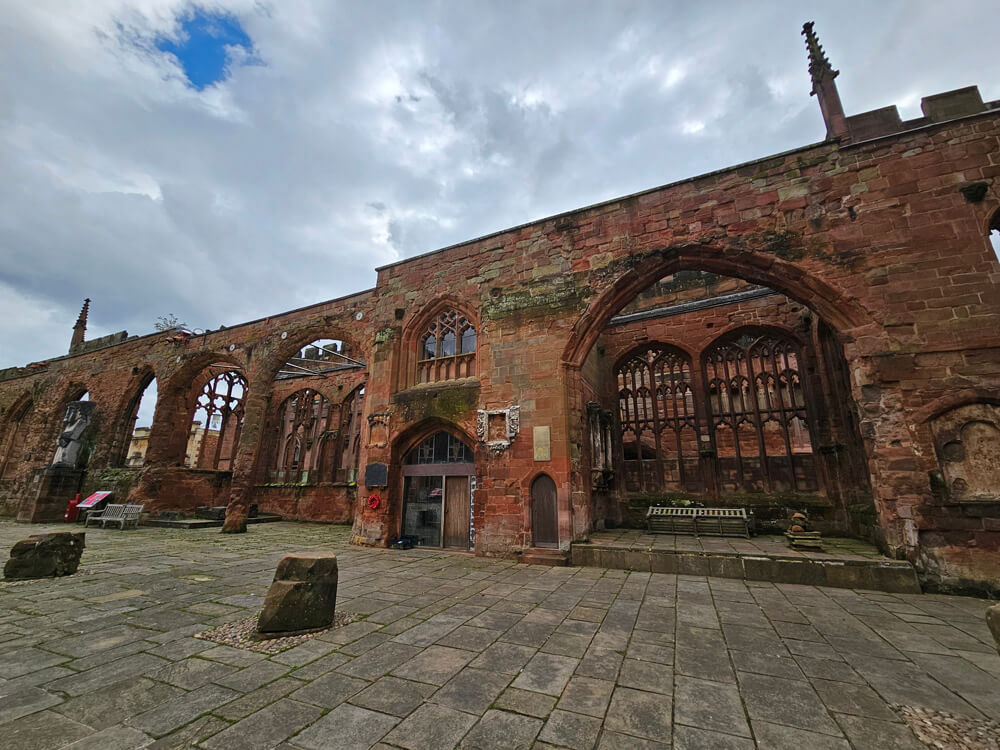
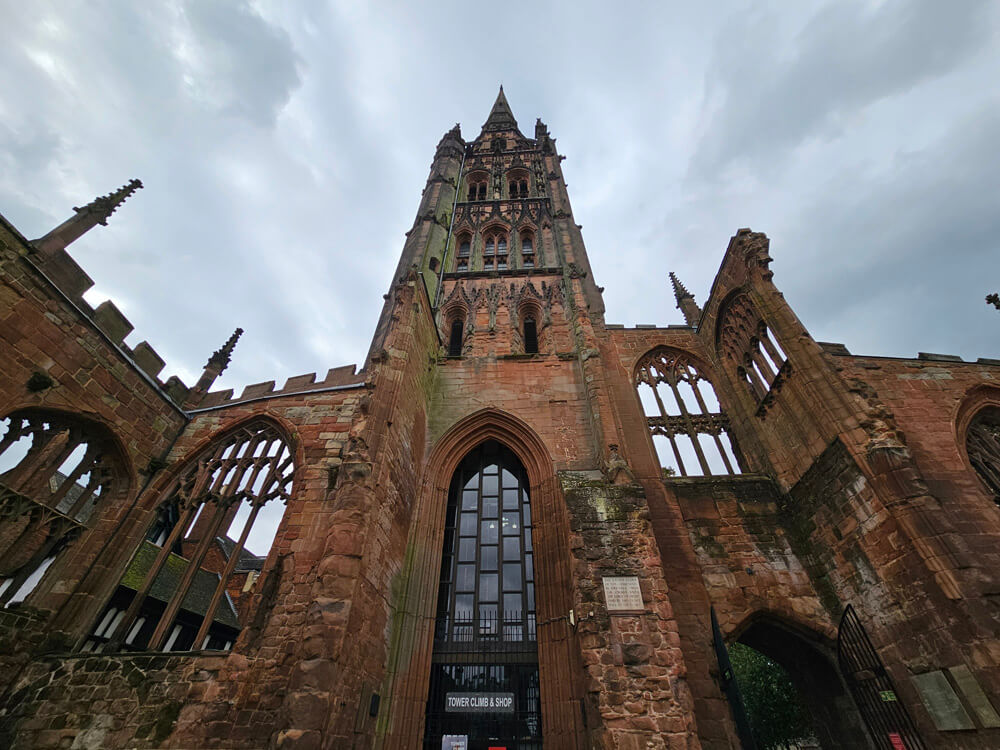
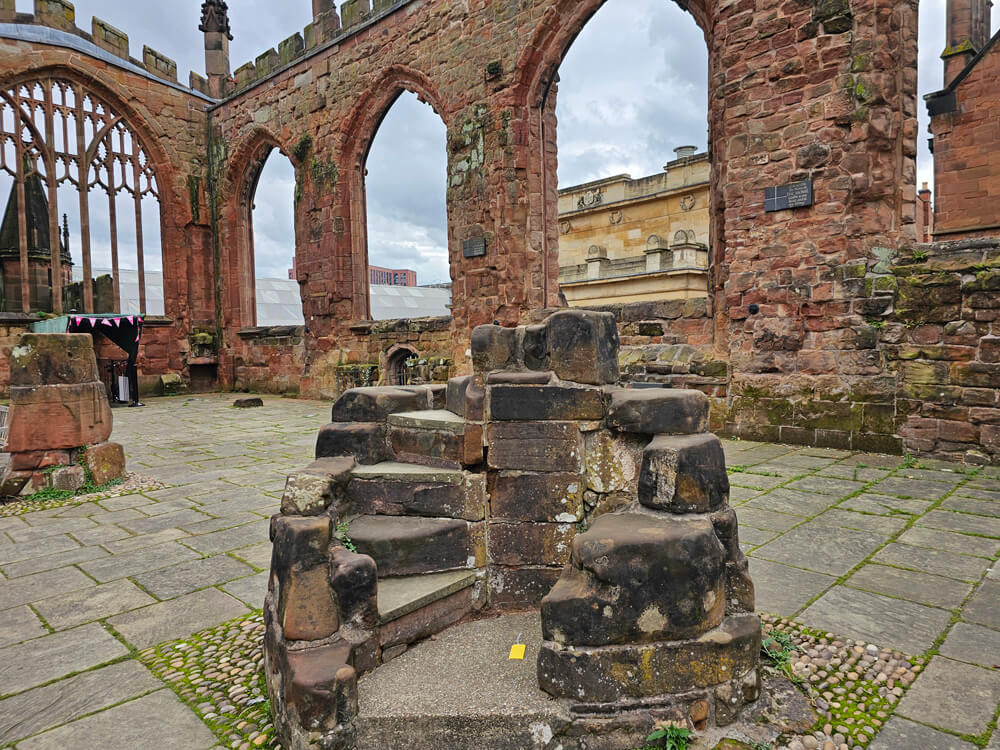
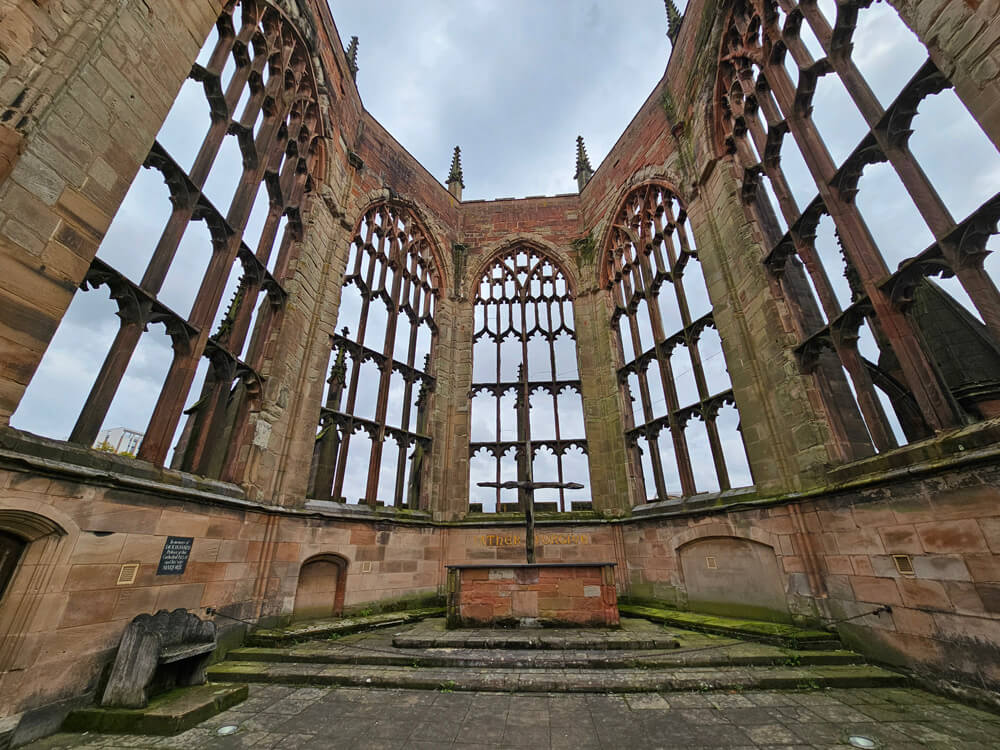
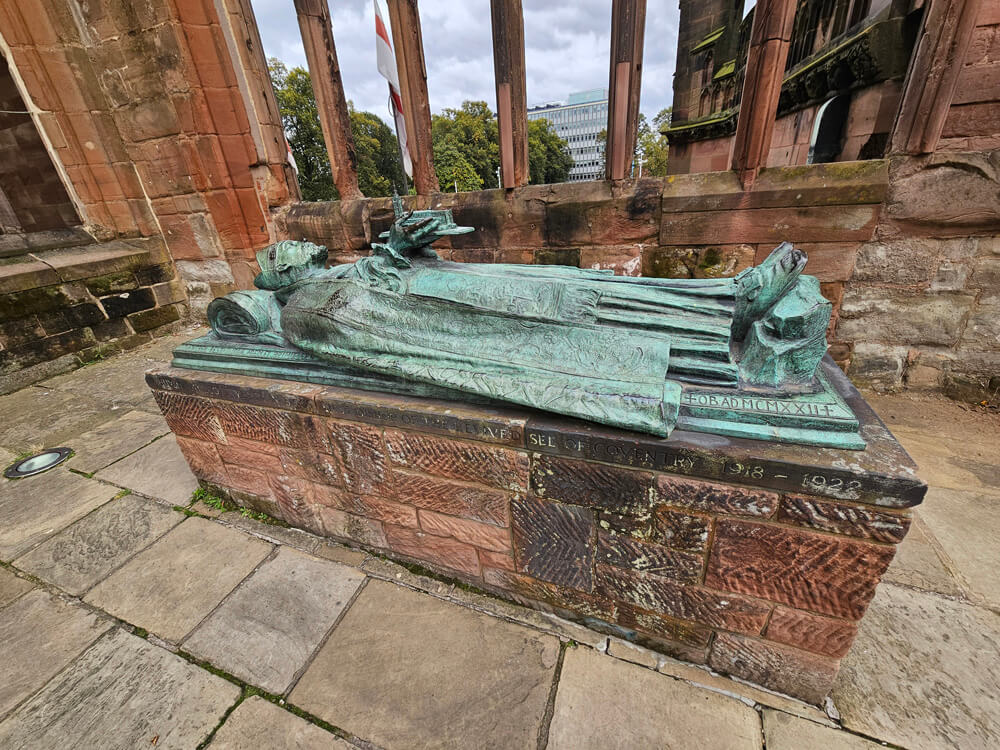
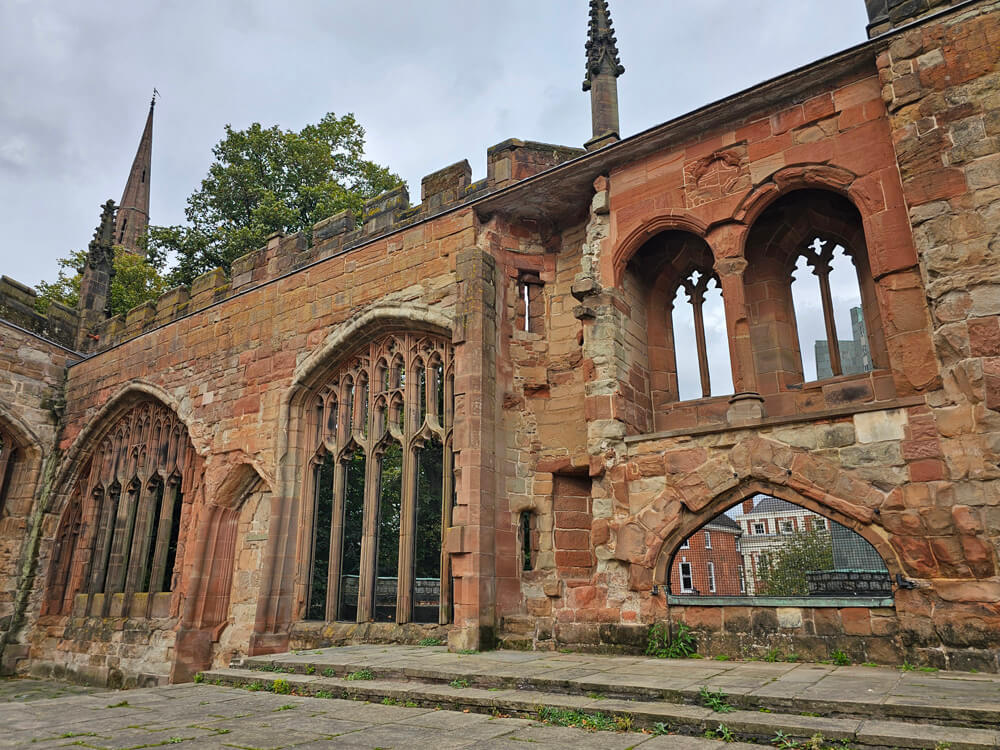
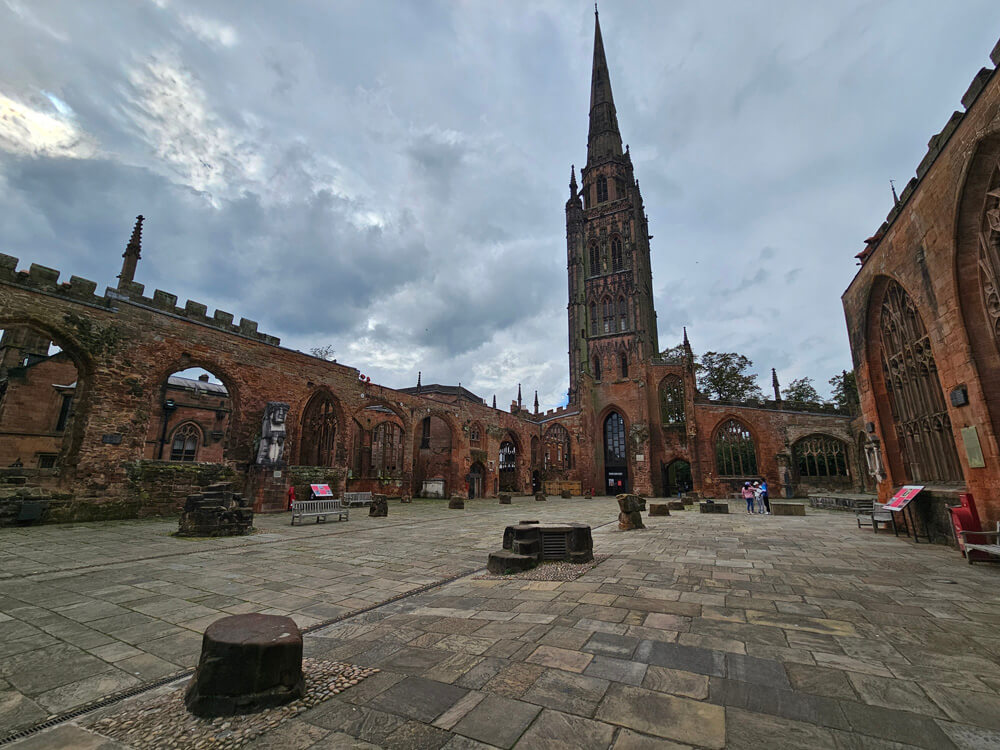
However, just 22 years later Coventry lost its second cathedral, this time by the German Luftwaffe air raids during the Second World War. The air raids levelled most of the city centre and devastated the cathedral building, leaving only the ruined shell, tower, spire, and the bronze effigy and tomb of its first bishop. Despite the destruction, the tower of the cathedral miraculously survived relatively intact, and this is what is now St Michael’s Tower.
The Third Cathedral (1962 – present)
Immediately after the bombing raid, the decision was made to build a new cathedral and the old cathedral was reborn in the building of the present cathedral. The third, consecrated in 1962, is the new St Michael’s Cathedral, built immediately adjacent to the ruins and tower of the former cathedral, as a symbol of war-time destruction, but also as a symbol of renewal, reconciliation and hope – like a phoenix from the flames, great beauty grew out of great destruction. The spire of St Michael’s Cathedral rises to 290 feet and is the tallest structure in the city. It is also the third tallest cathedral spire in England, with only Salisbury and Norwich cathedrals rising higher.
Photo Gallery.
Did you enjoy this post?
I hope you found this post useful. I put a great deal of time and effort in to building, maintaining and populating the website. If you like, you could say a small thank you by buying me a coffee. You don't have to, but it would be nice :)
Buy me a coffee
Stay up to Date
Follow me on my journey and get notified whenever a new post is published by following Kings & Castles on Facebook.
Follow MeExplore The Map
Discover the hundreds of castles, churches, monasteries, cathedrals and other historic locations that I've personally visited across England and Wales. Search by location, explore nearby sites and plan your next historical adventure.
Share: