Chirk Castle
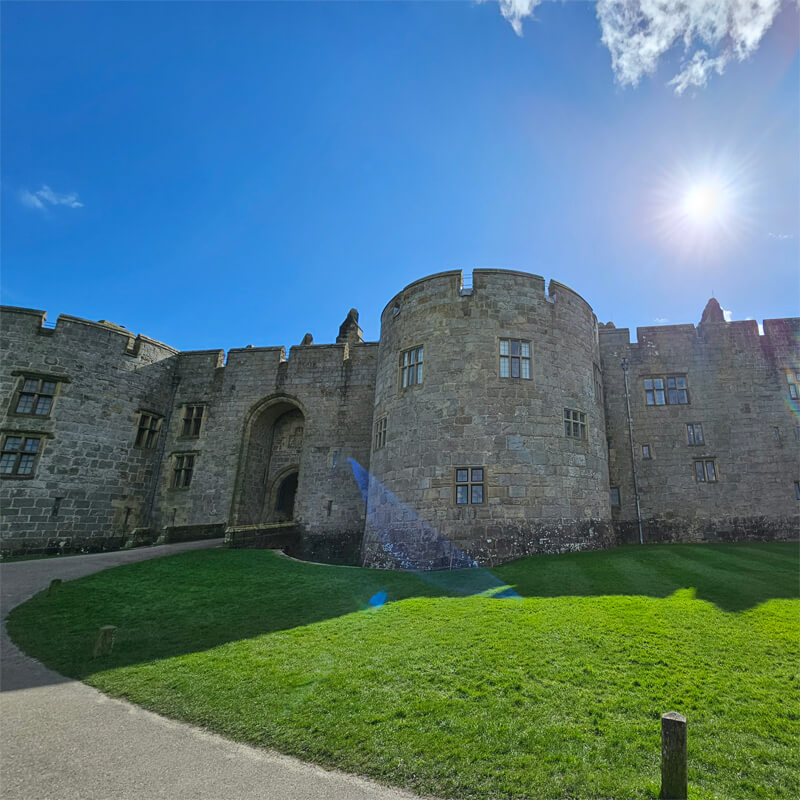
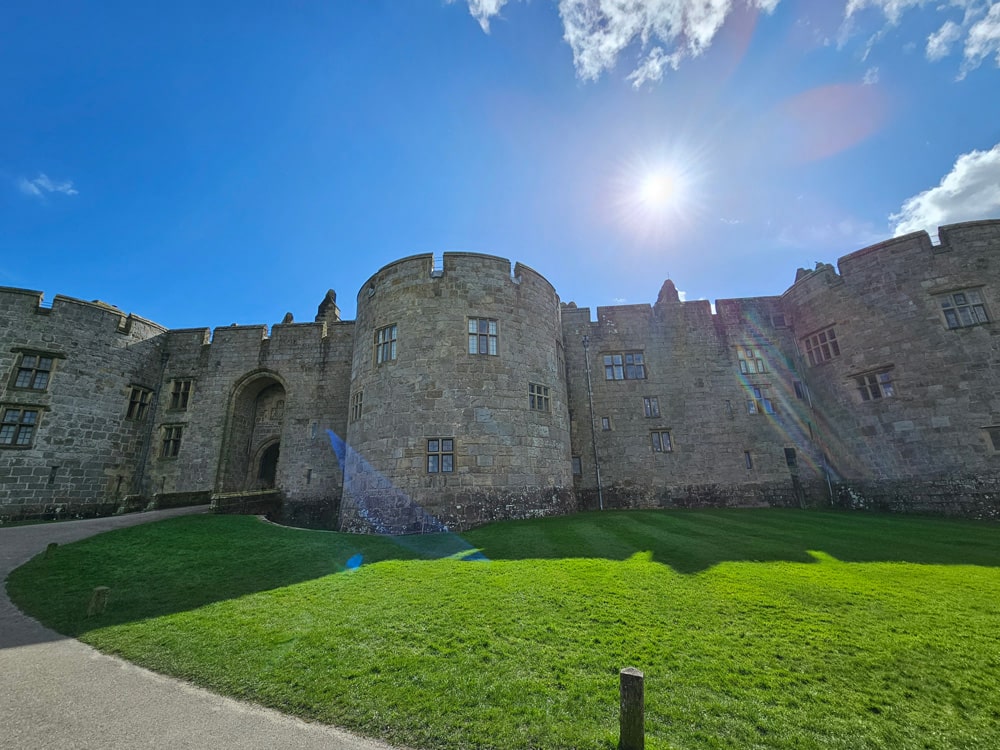
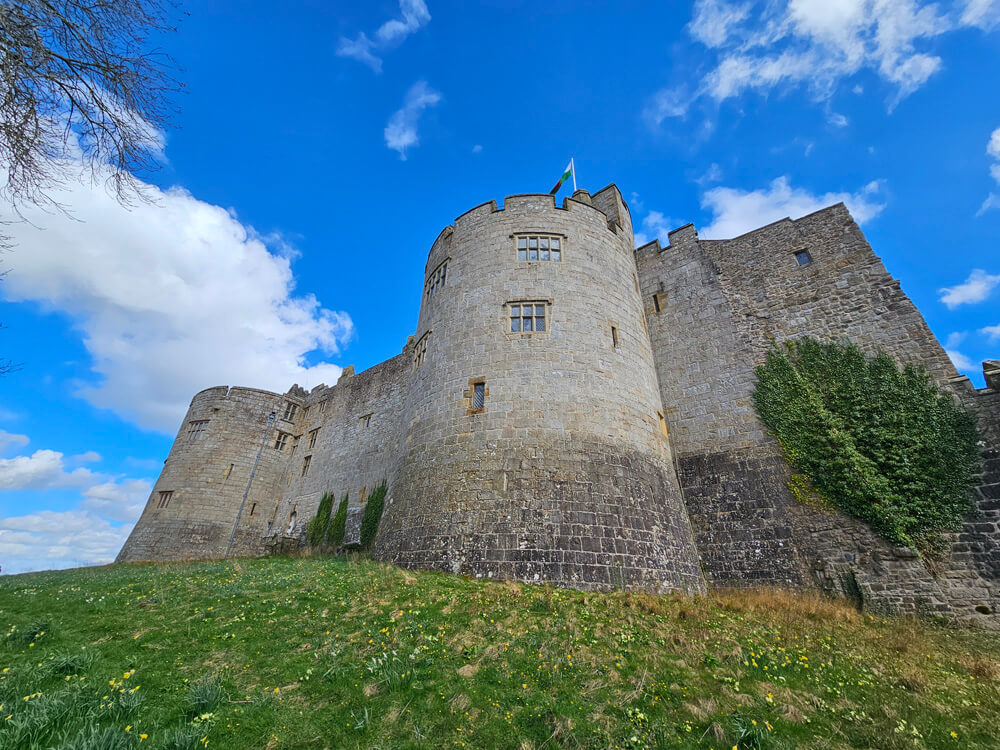
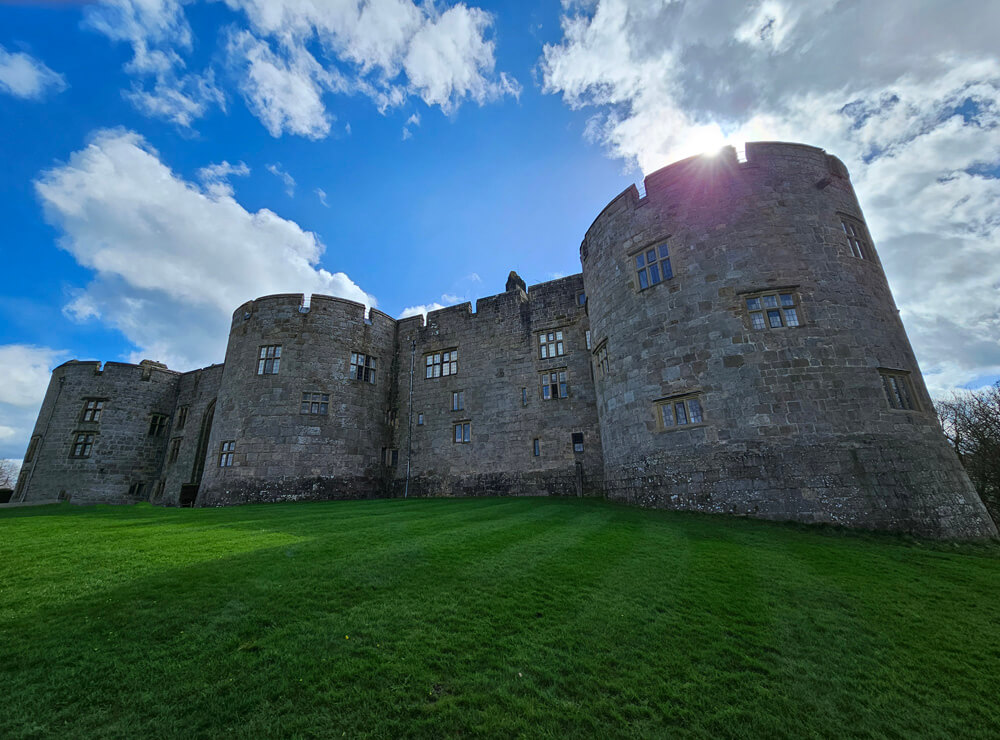
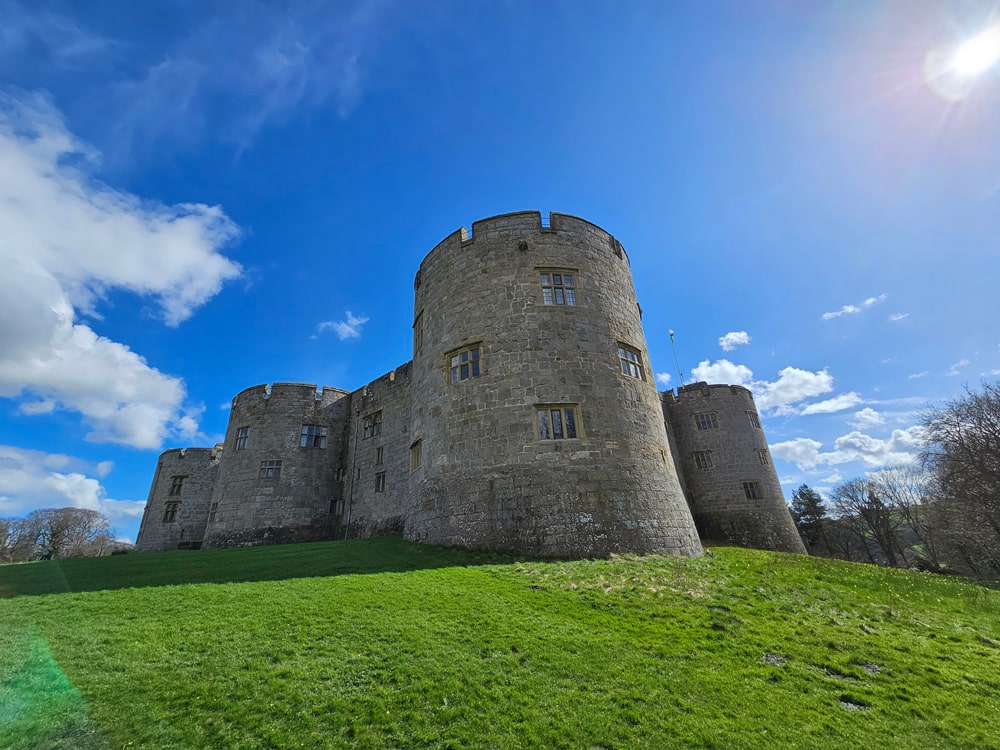
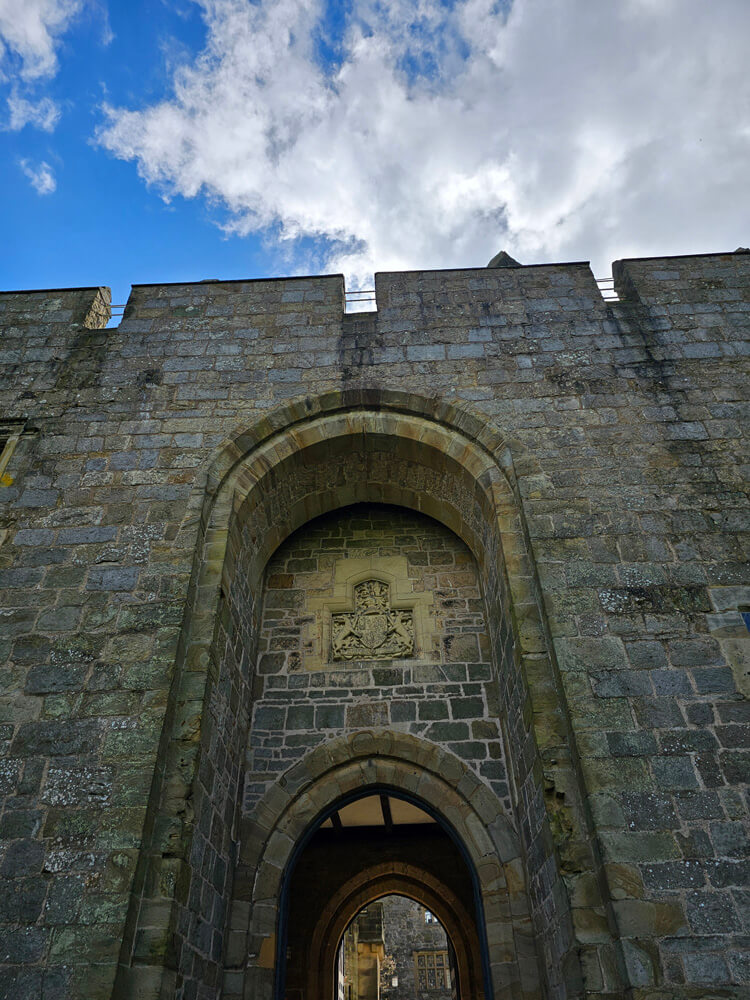
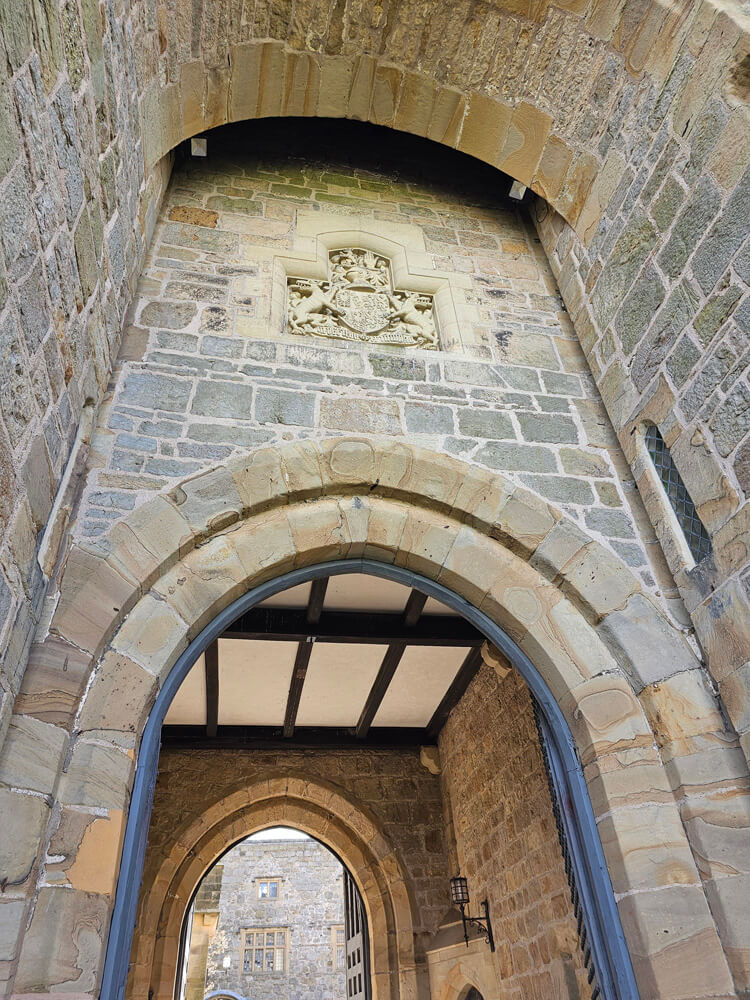
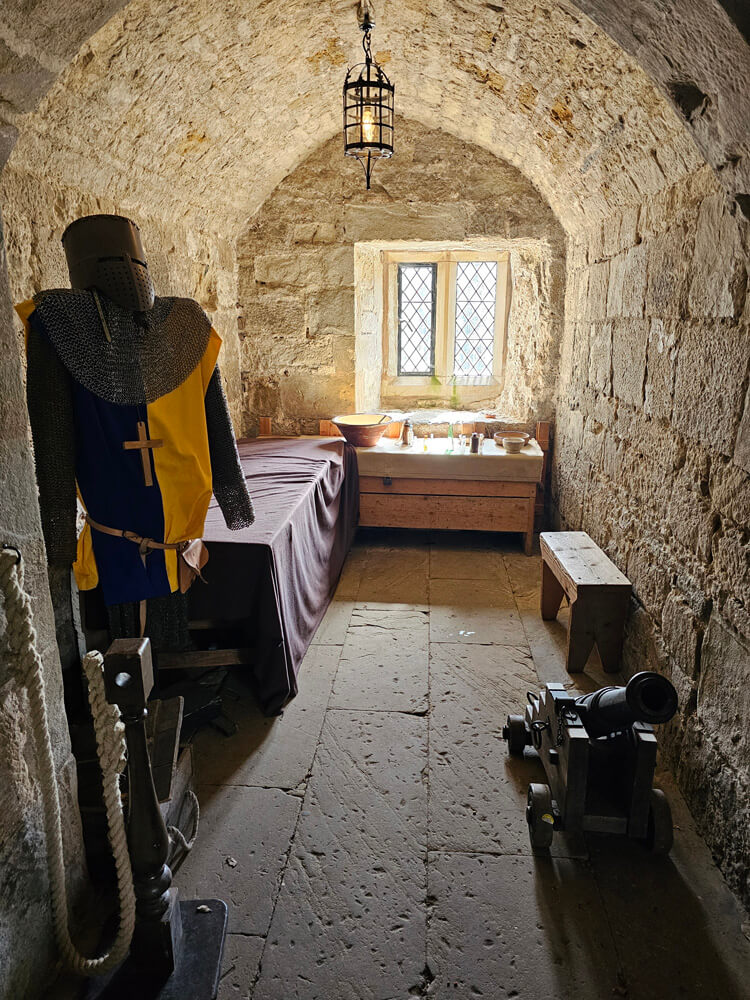
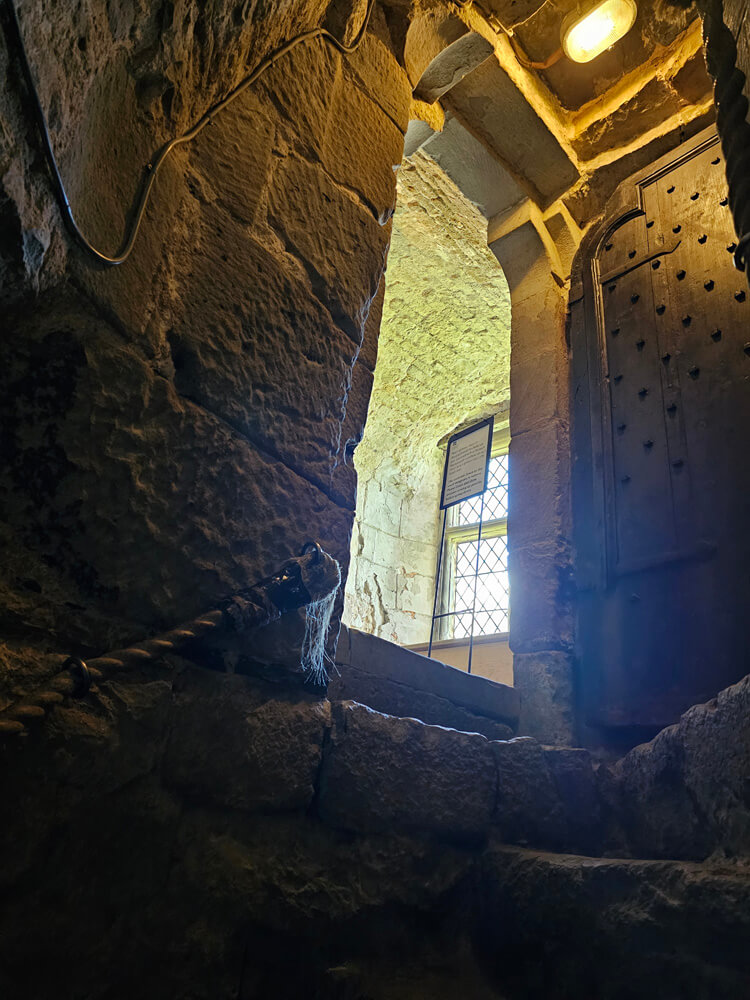
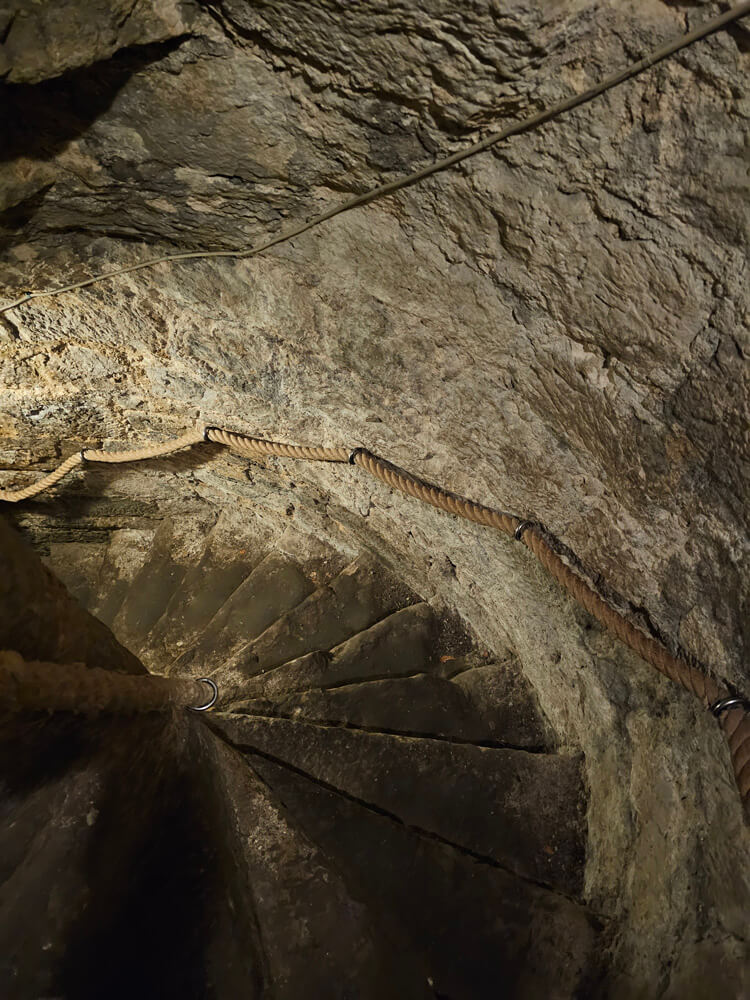
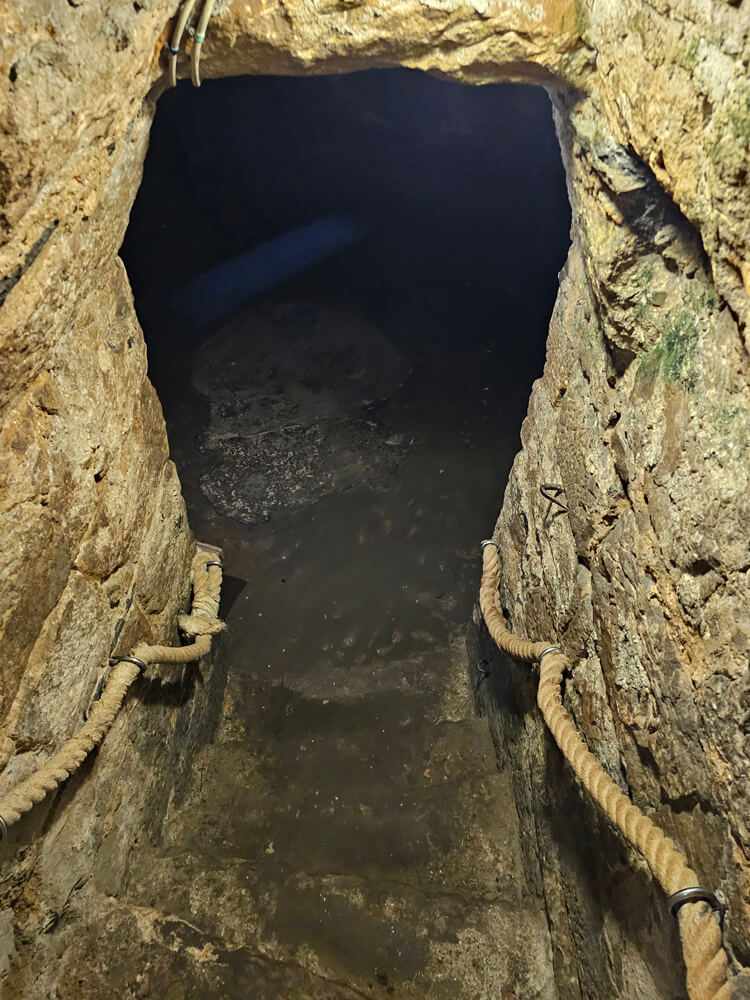
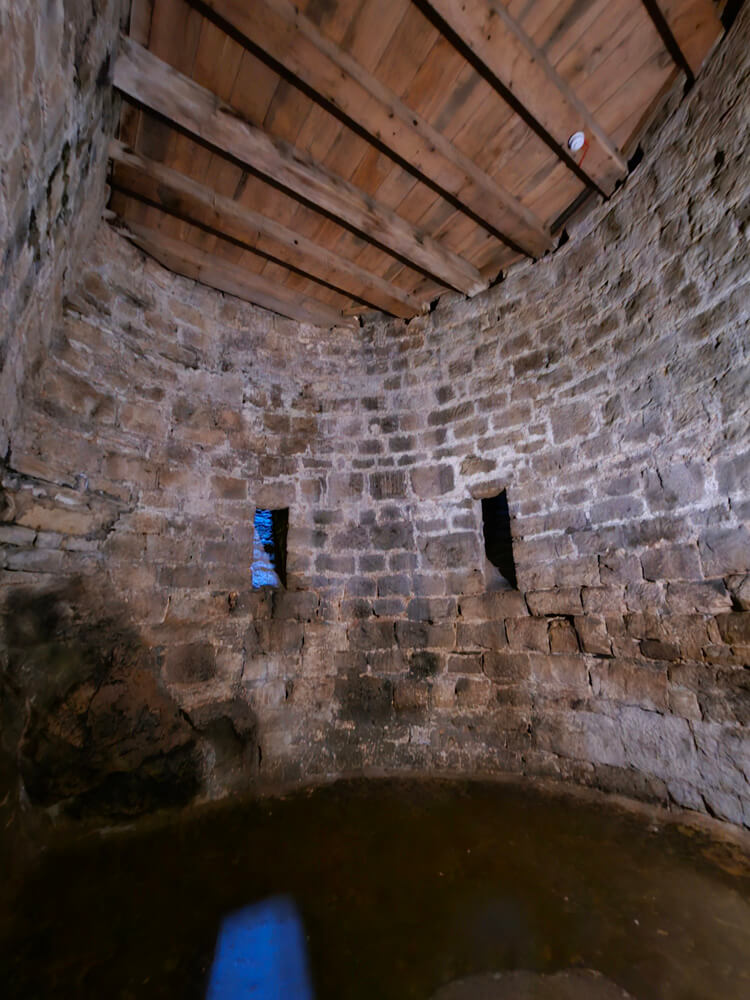
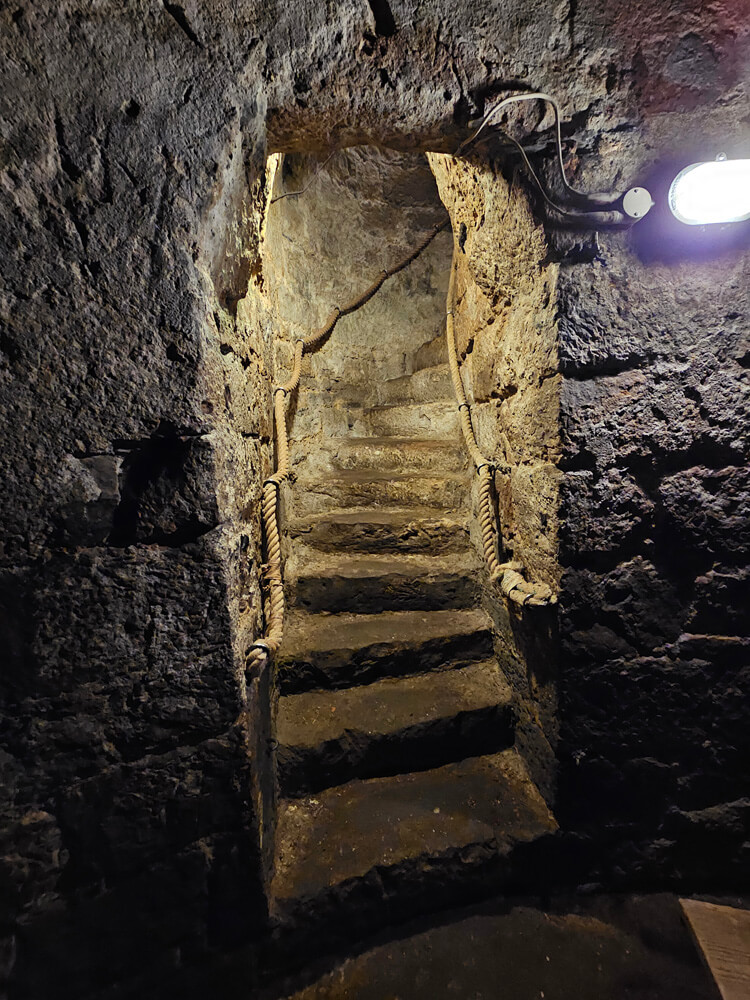
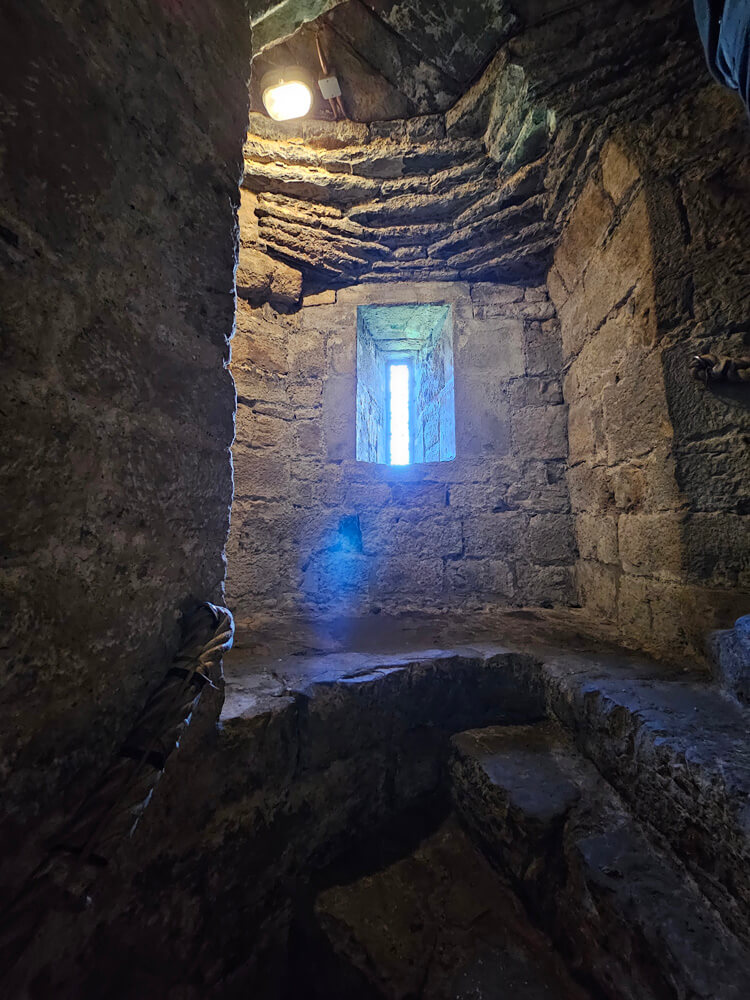
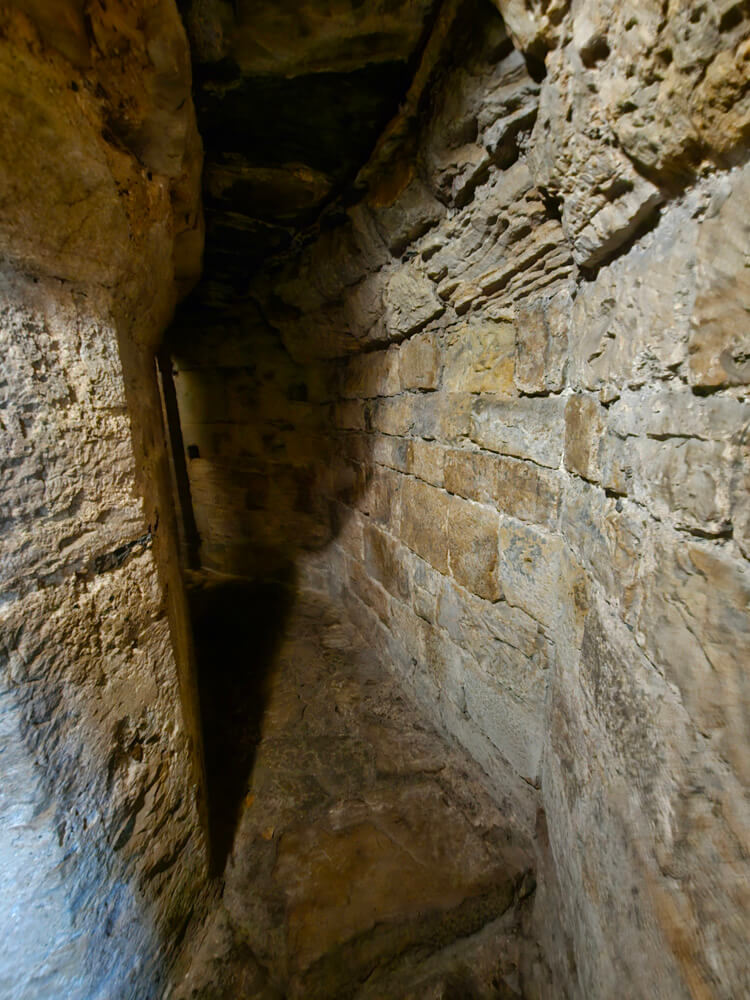
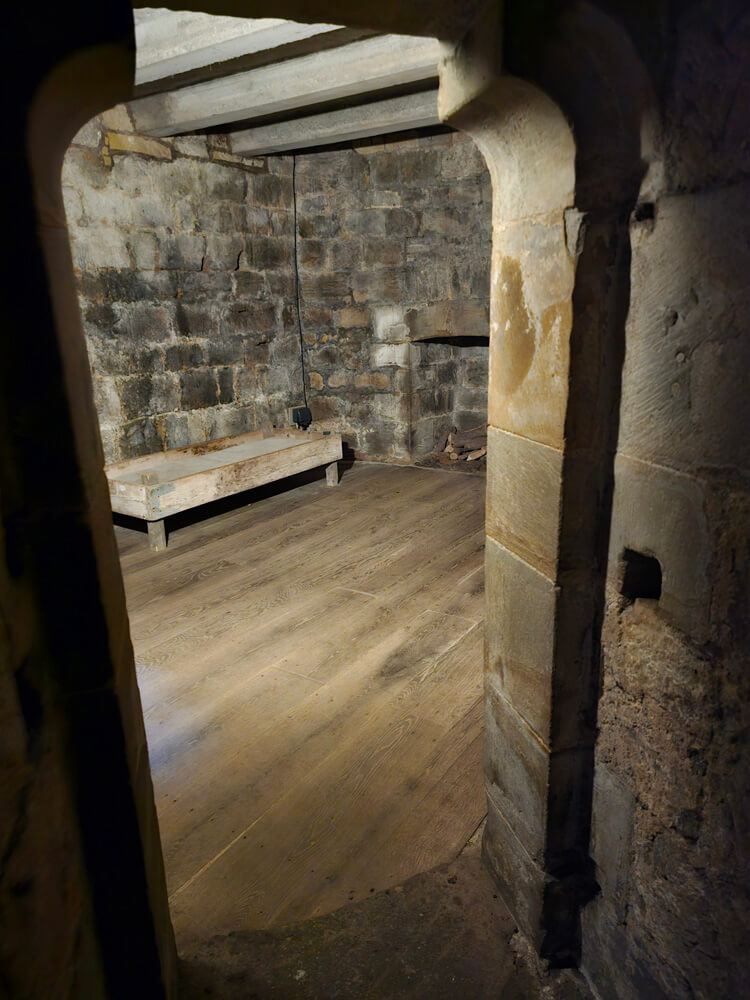
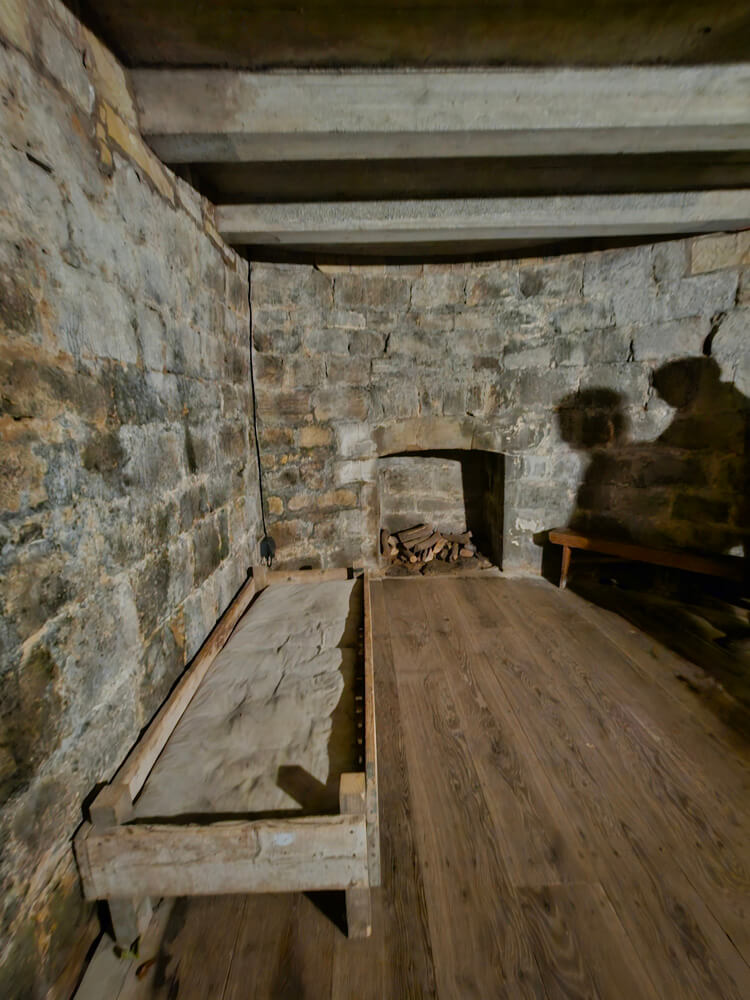
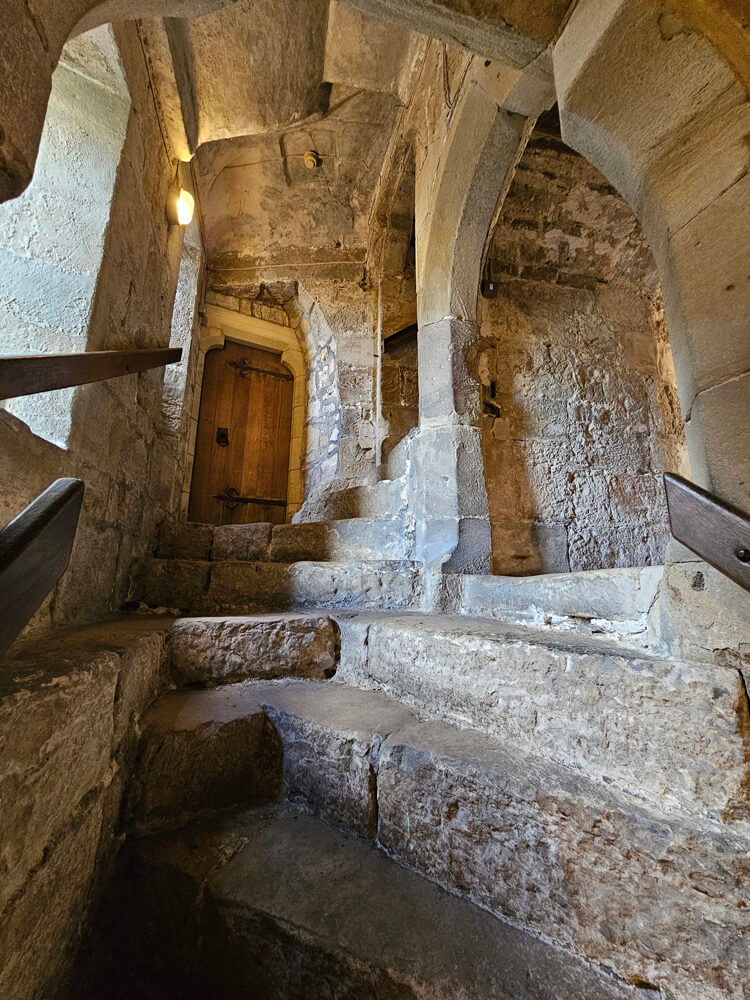
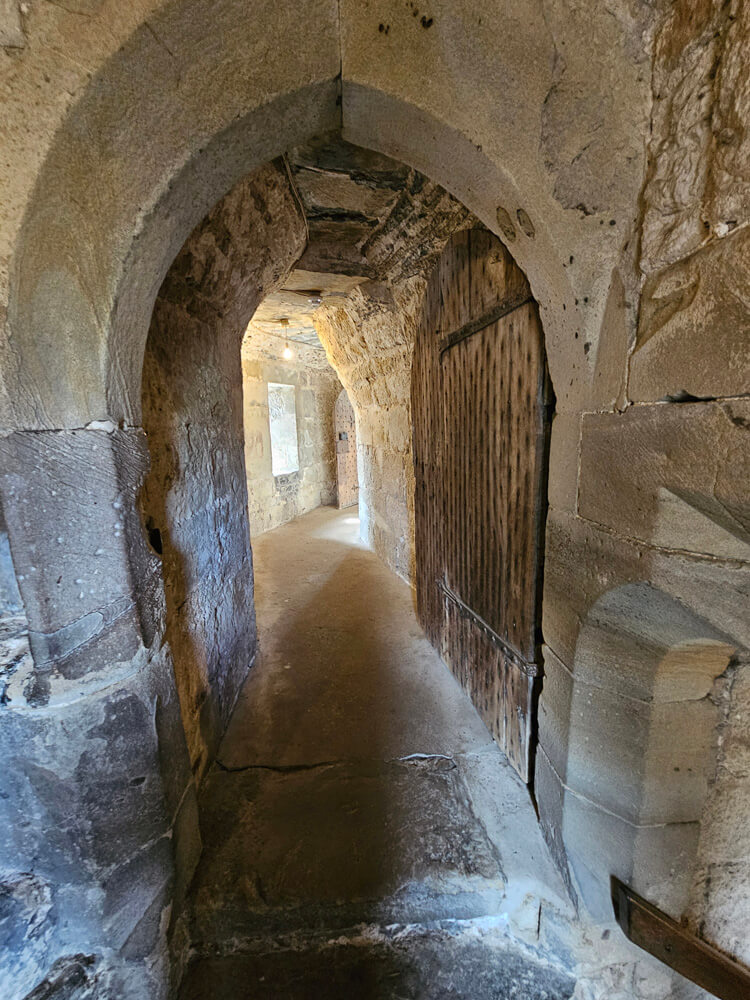
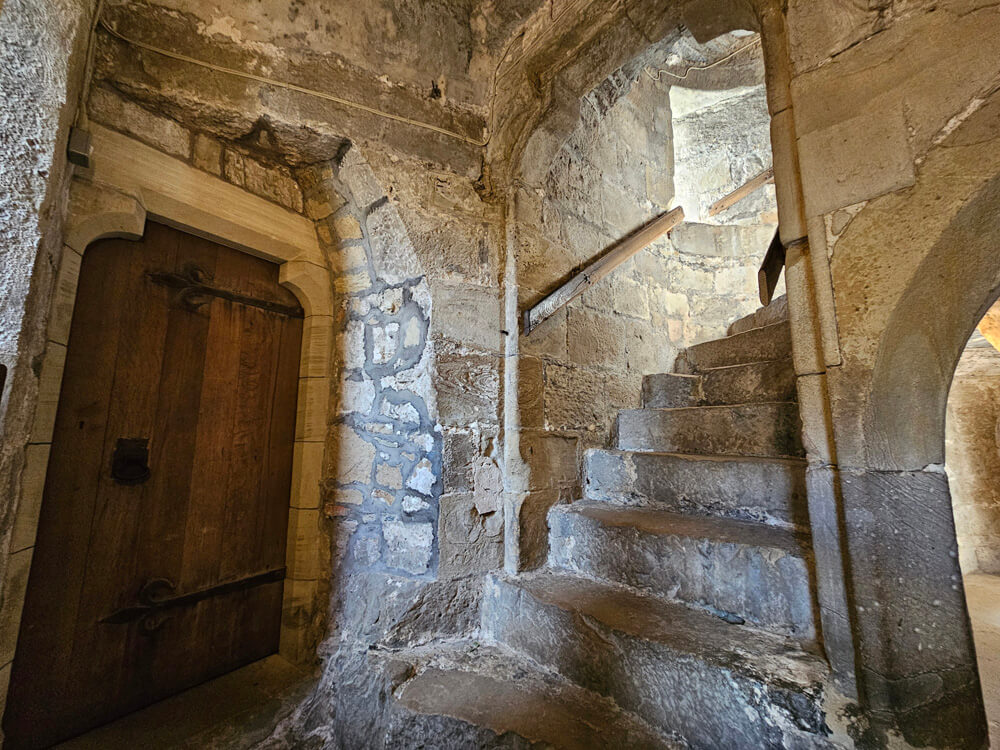
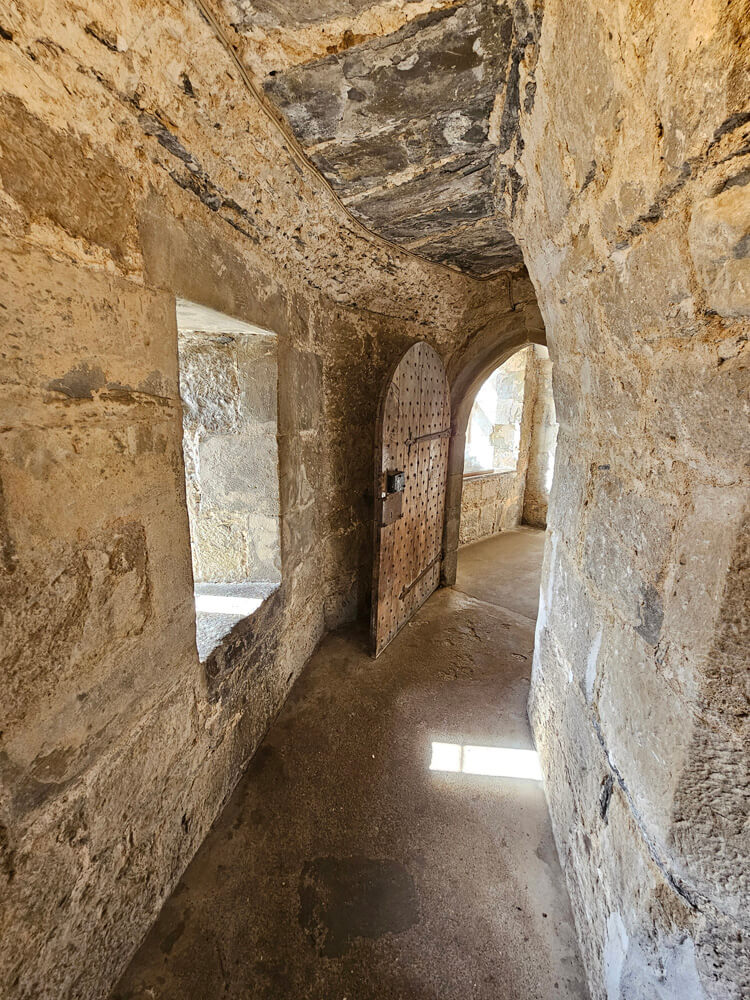
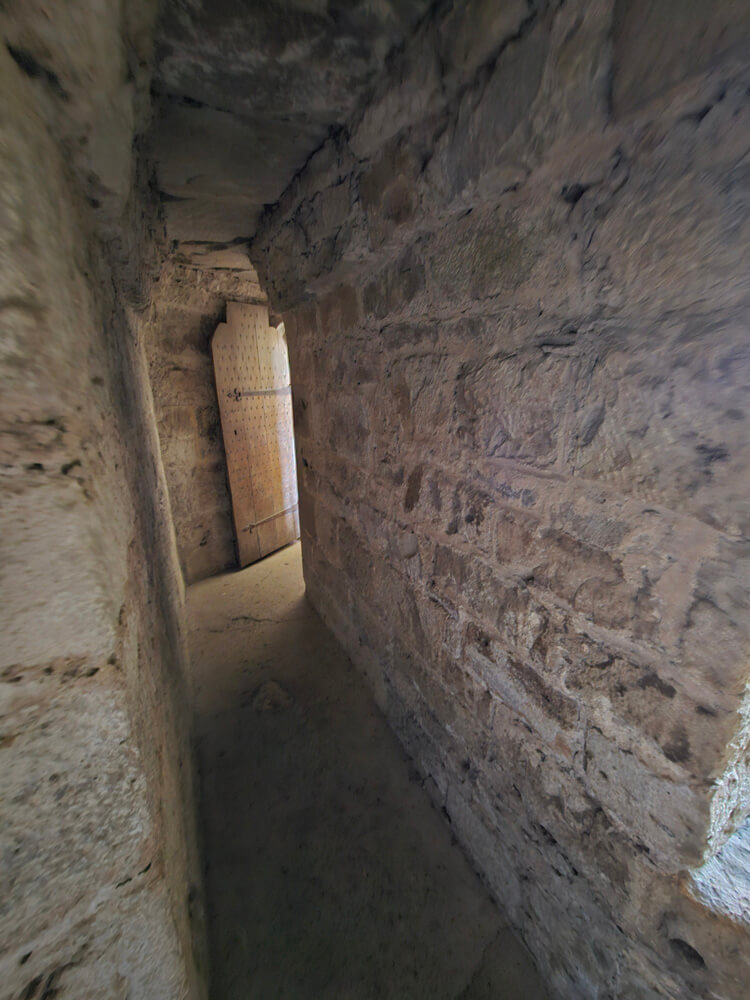
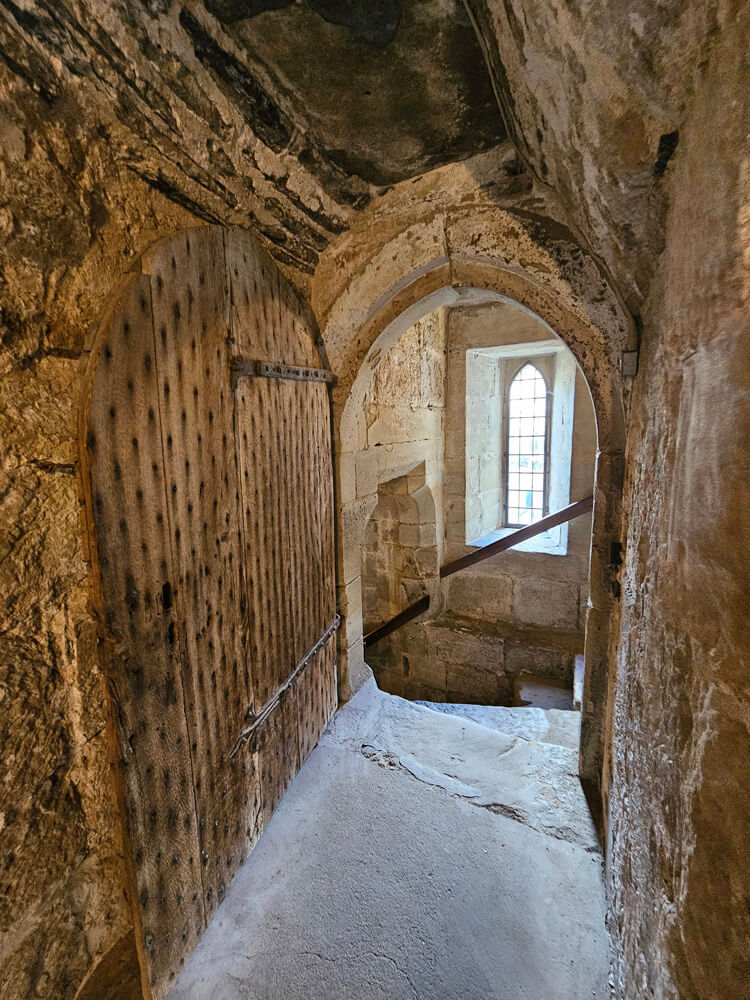
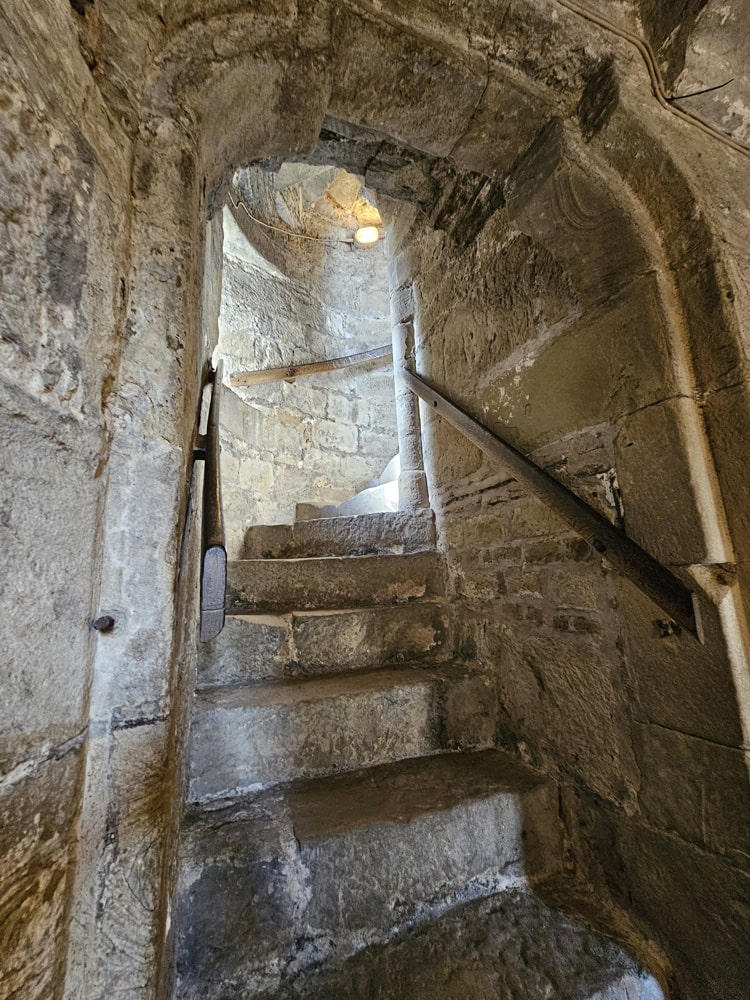
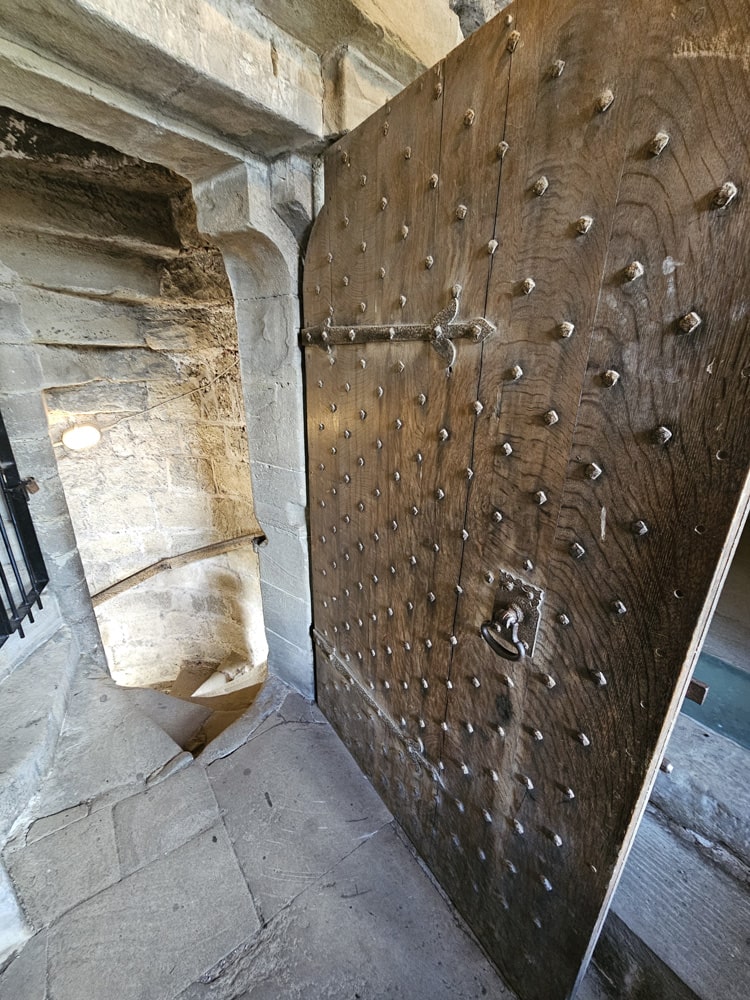
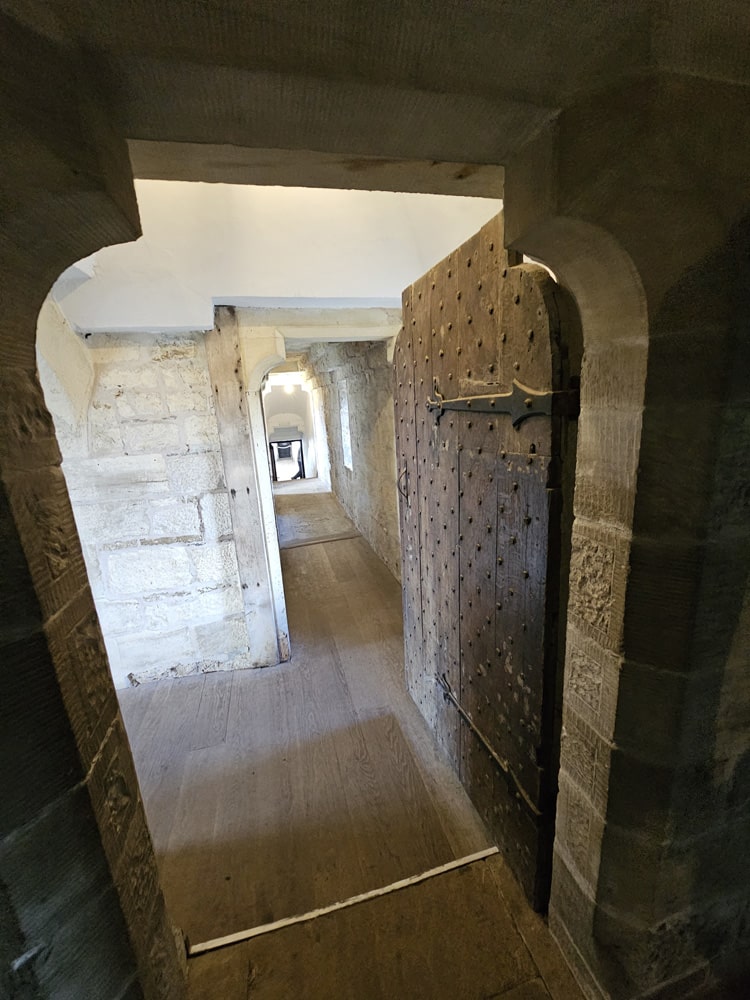
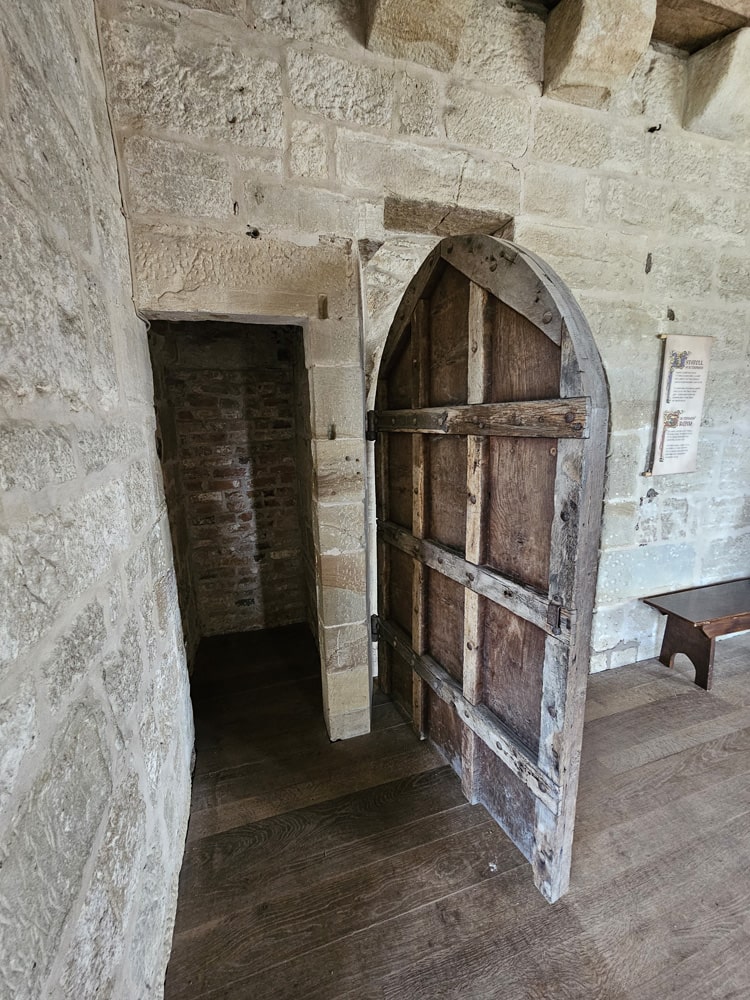
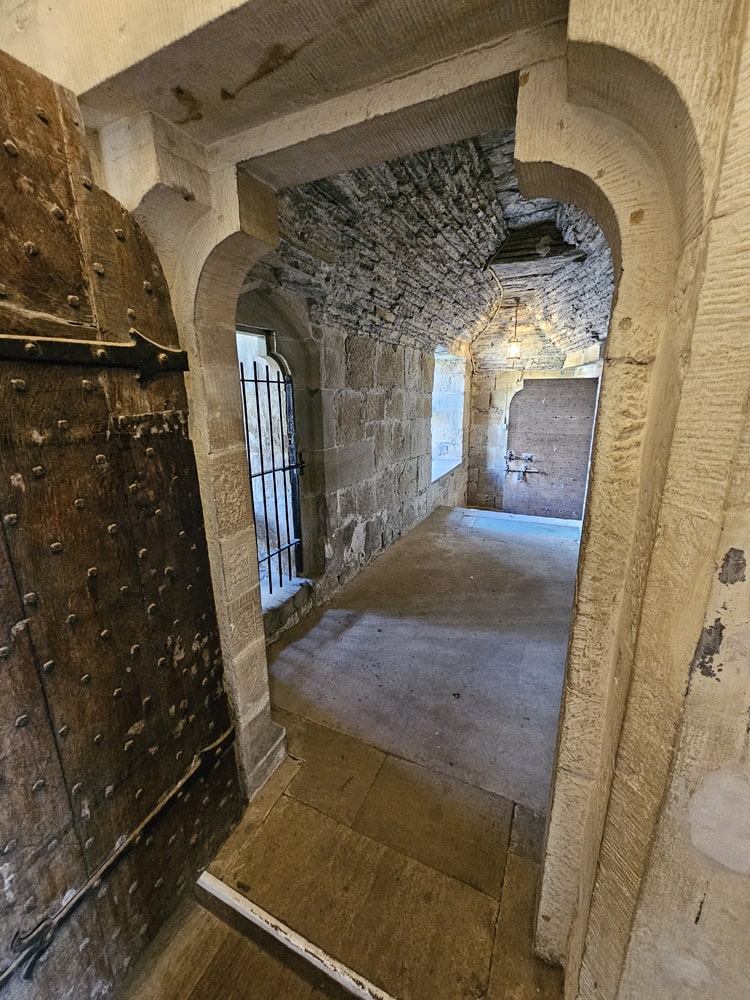
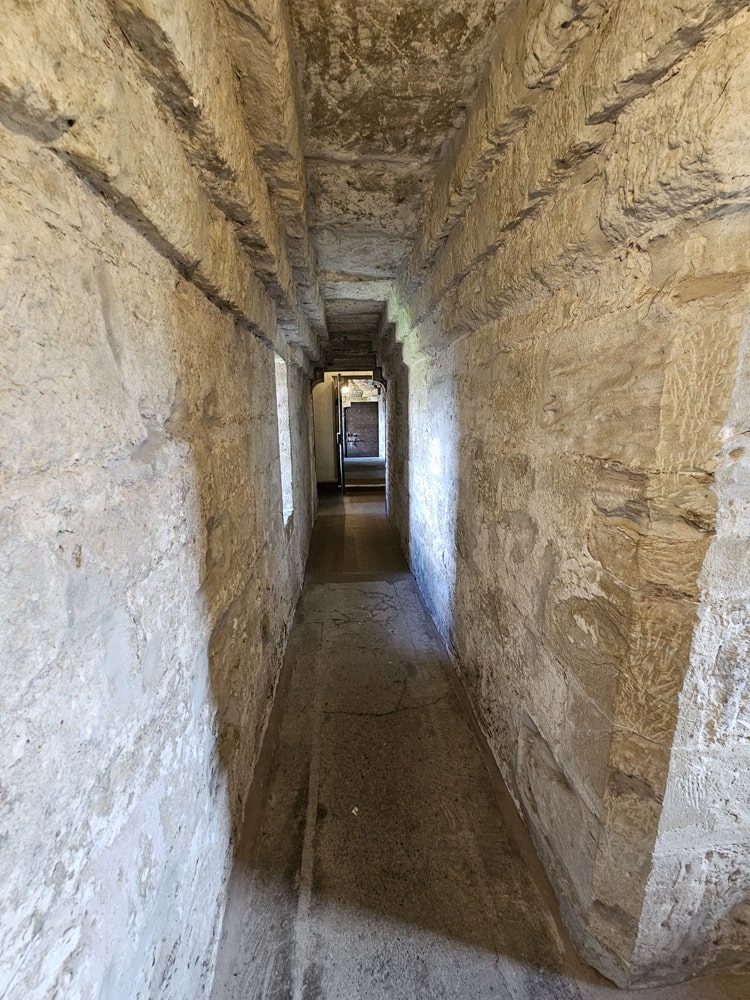
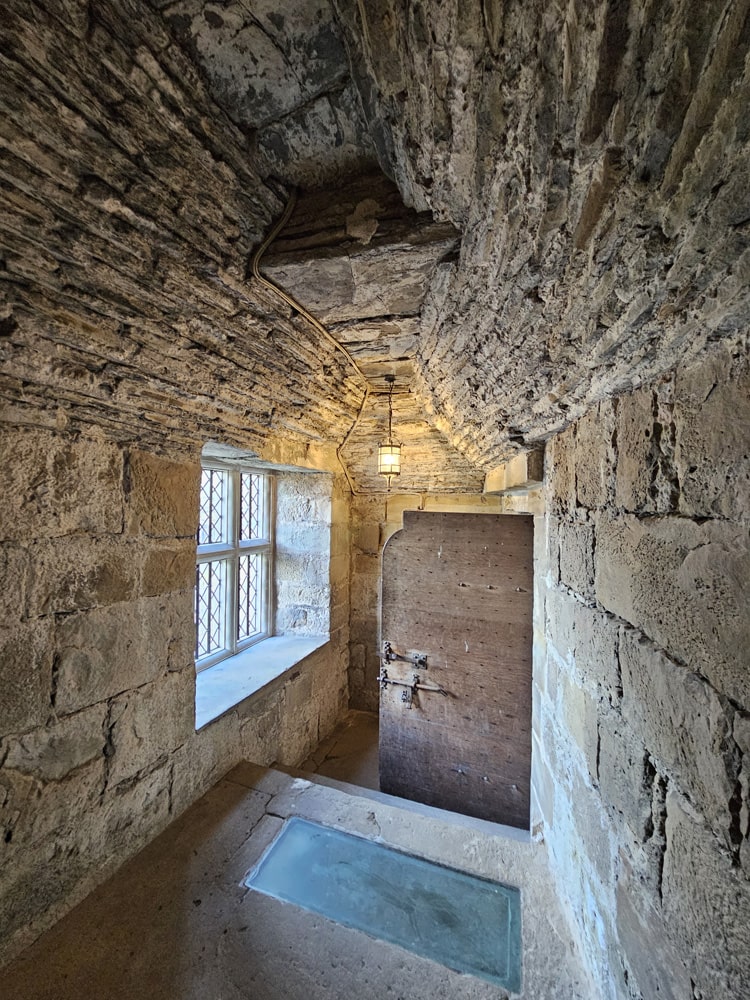
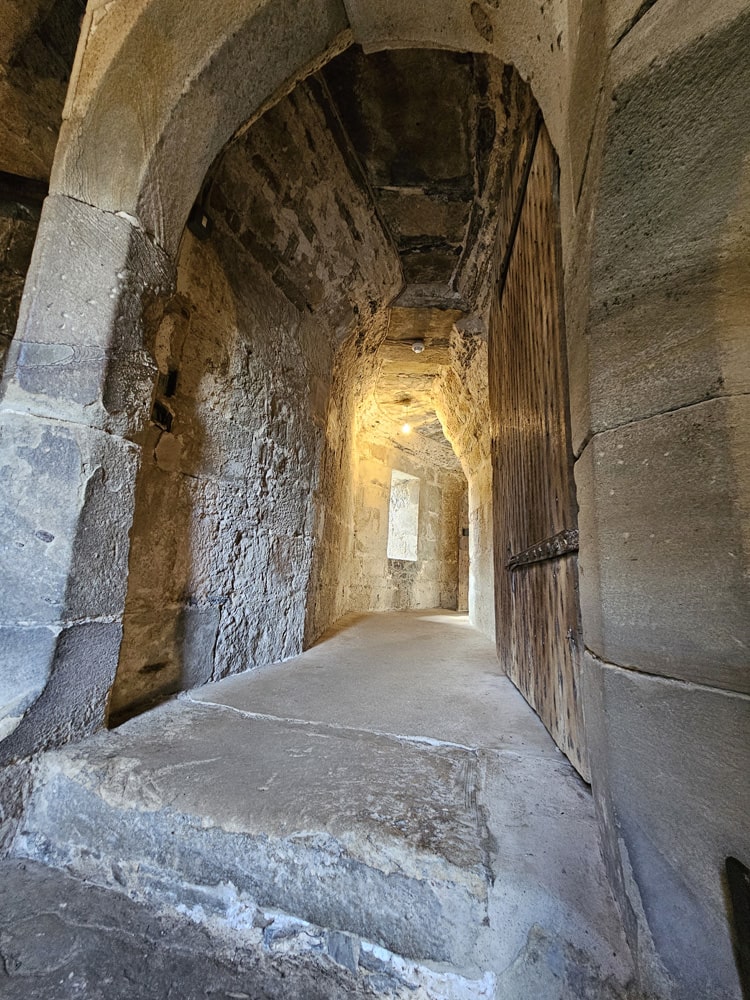
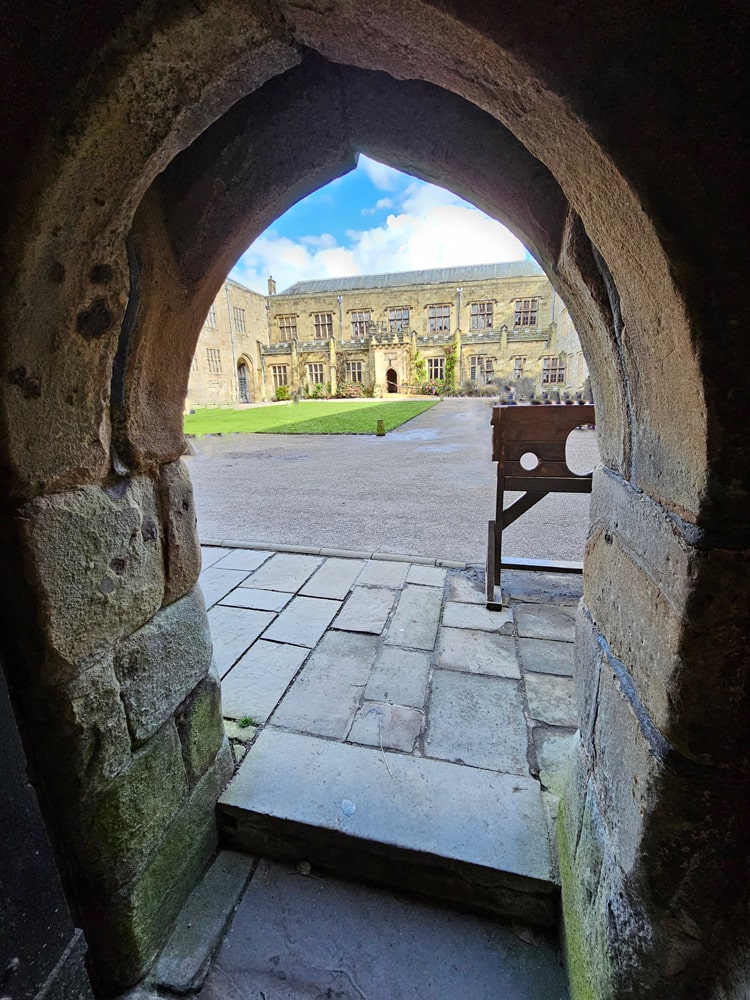
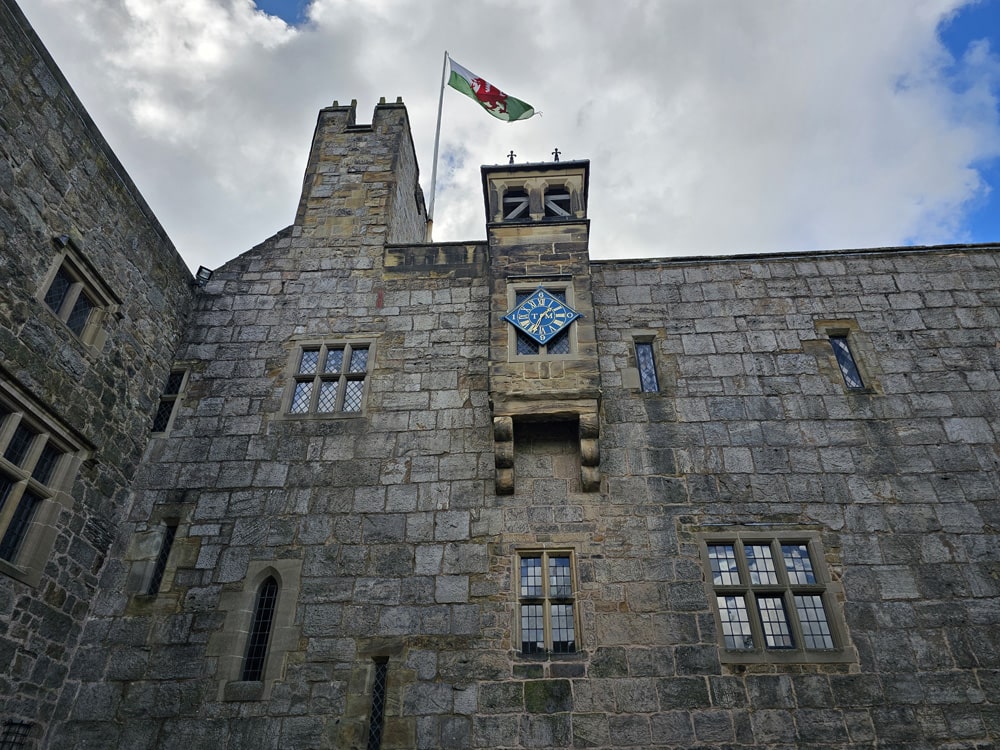
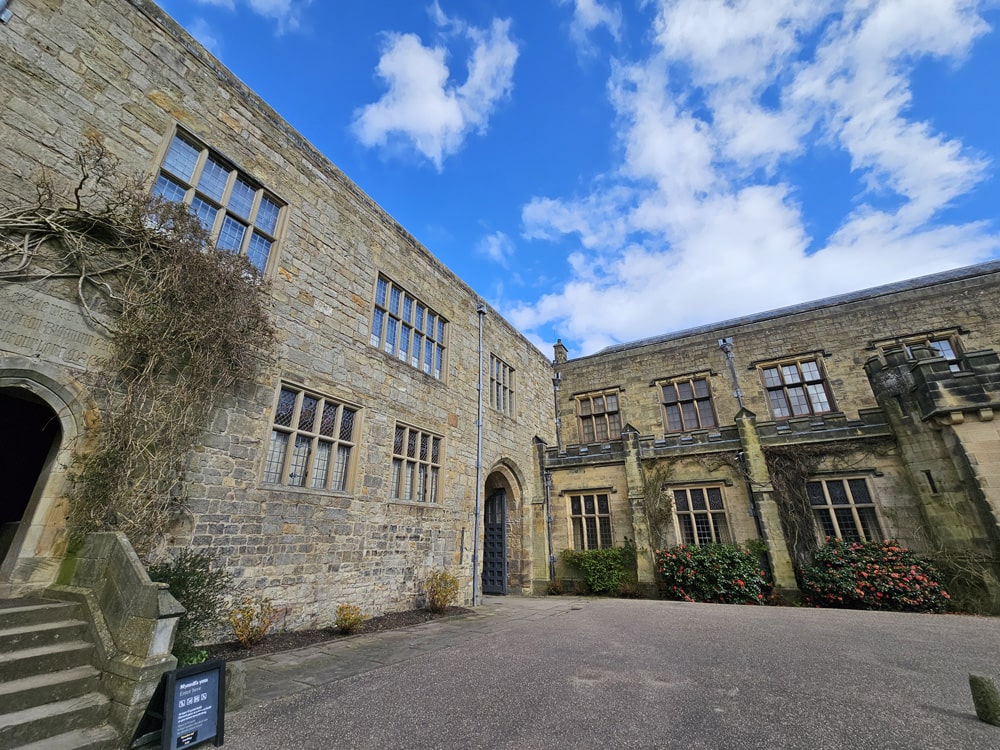
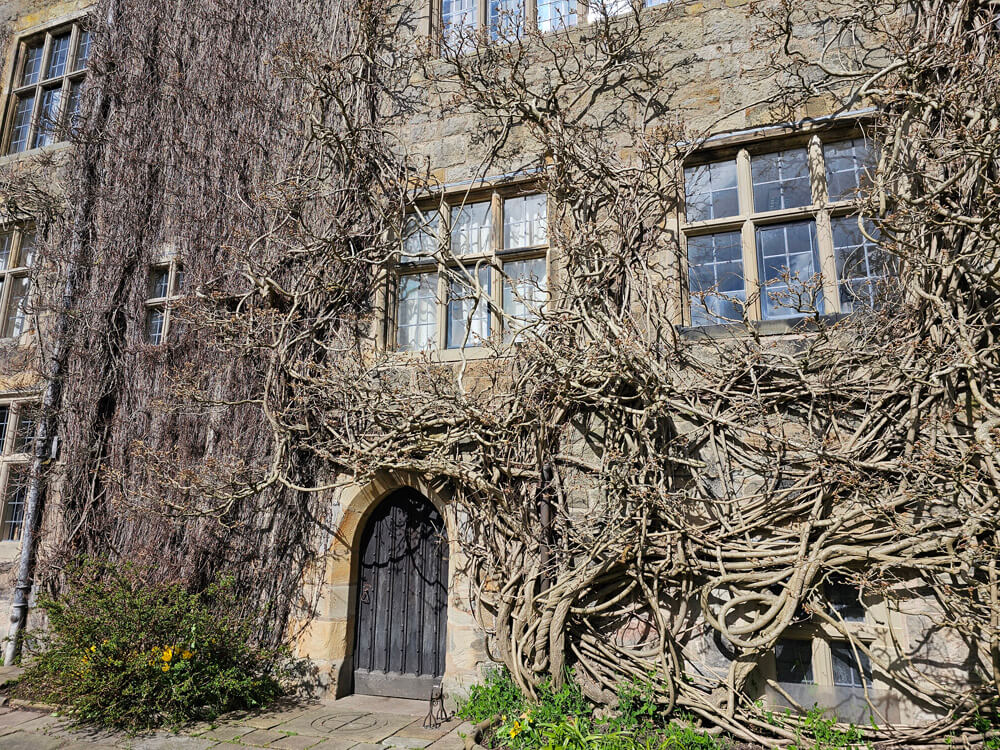
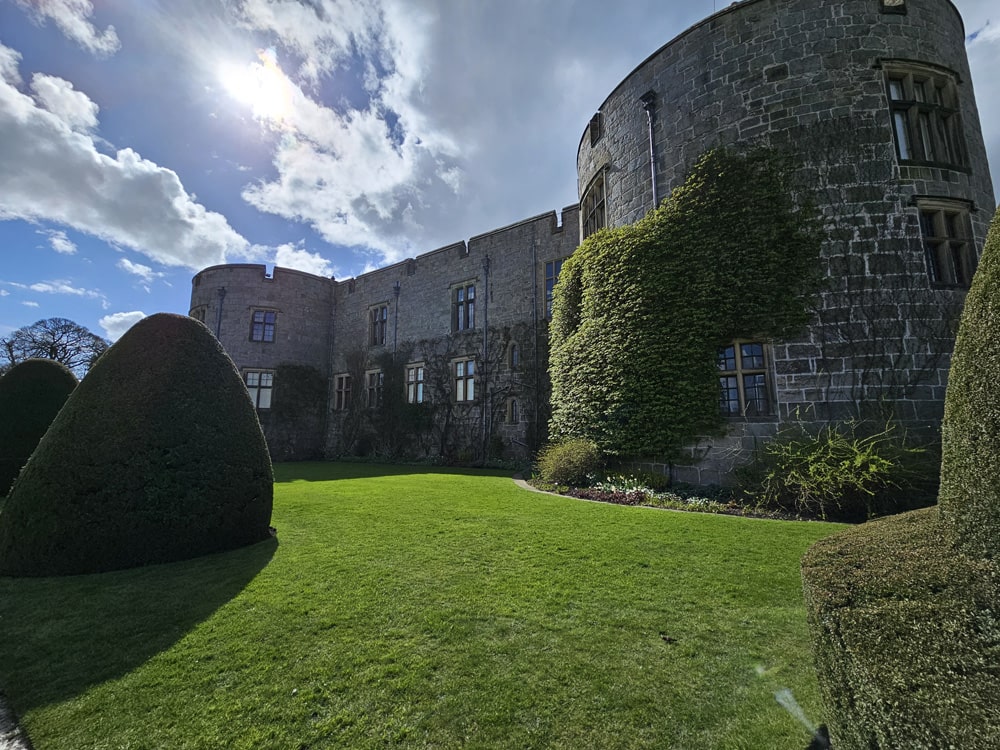
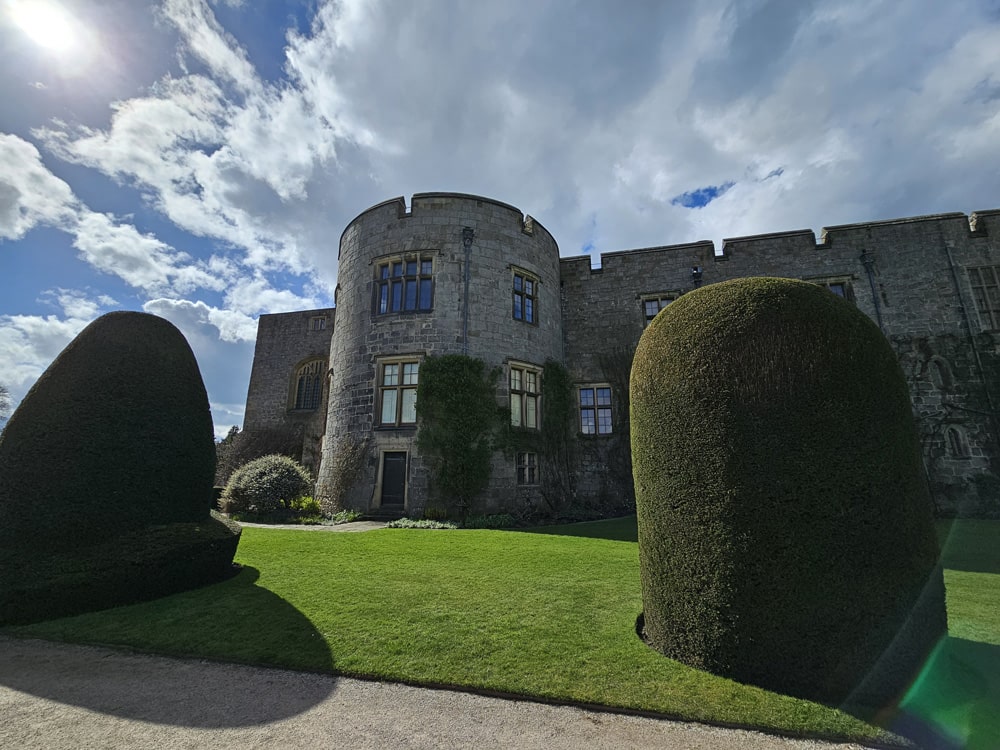
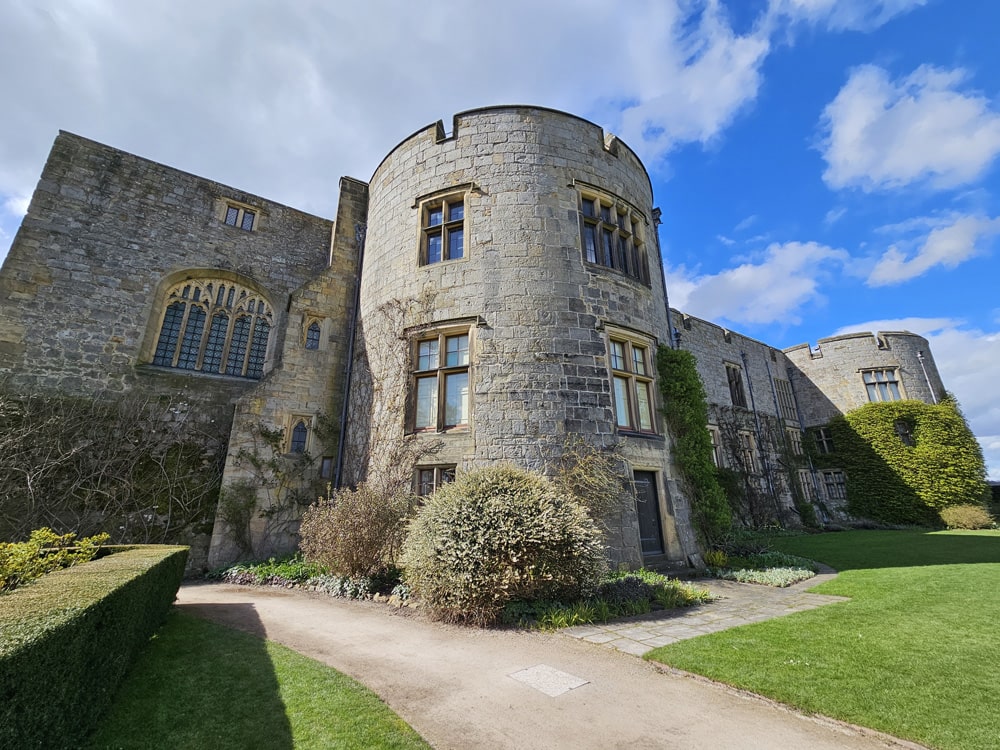
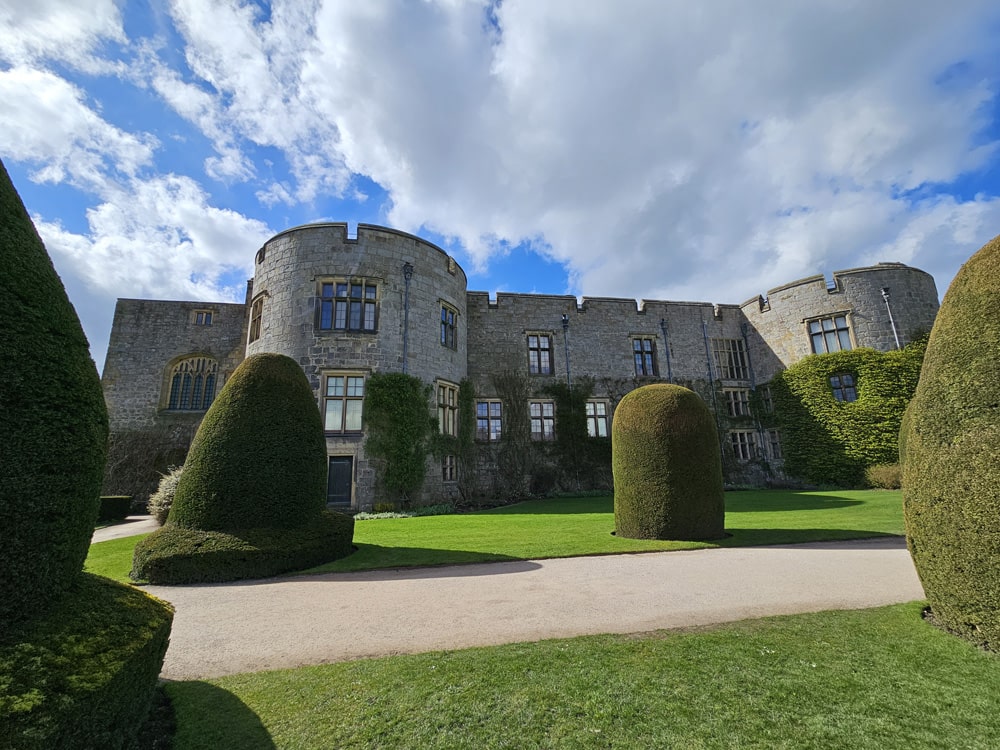
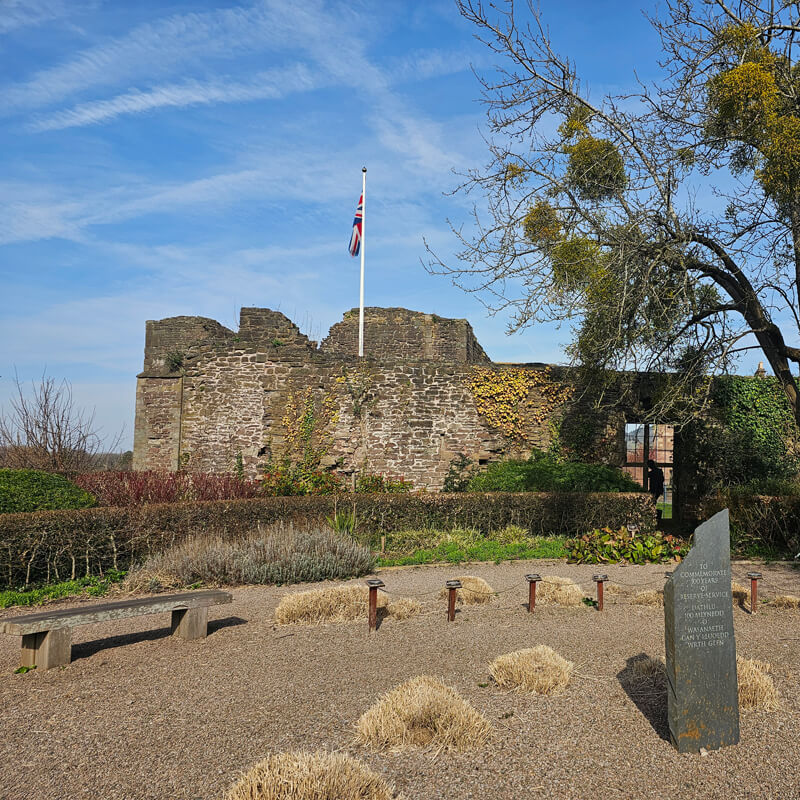
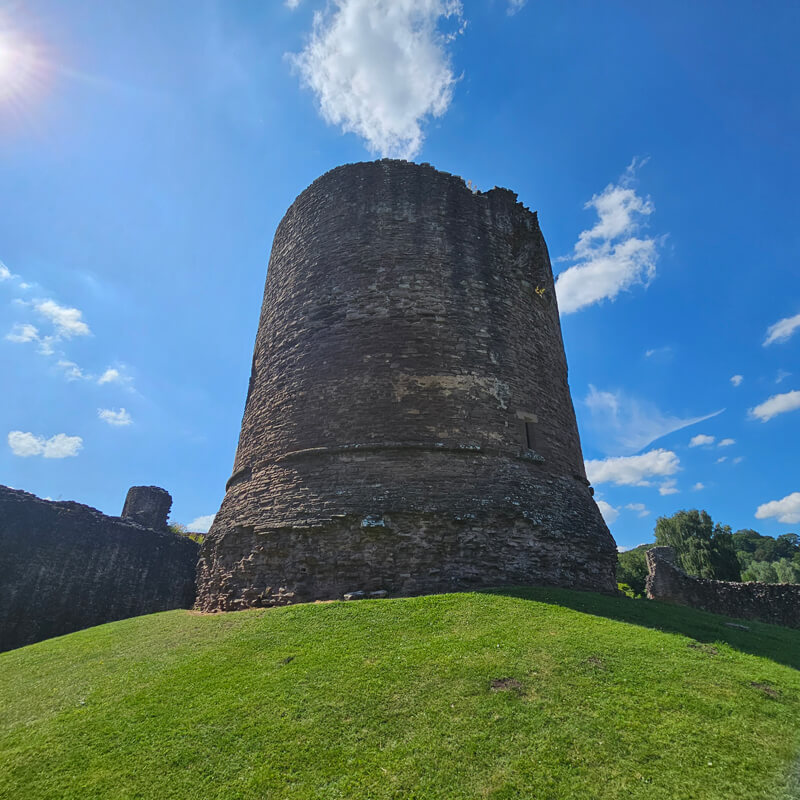
Situated in a commanding position in the Welsh Marches, Chirk Castle is a well preserved 13th-century medieval fortress from the time of Edward I that later became a family home. The castle features a mixture of old and new, including defensive arrow slits, murder holes, a dungeon, elegant state rooms, award-winning gardens and acres of parkland.
Quick
Facts.
- Location: Chirk, Wrexham, Wales
- Built: 13th century
- Condition: Intact / restored
- Date visited: March 2024
- More info: Visit website
- Rating:
A Bit of History…
Work on Chirk Castle commenced in the last decade of the 13th century and was completed in 1310. It was built as a symbol of power as part of King Edward I‘s chain of fortresses across the north of Wales to subdue the last princes of Wales.
Edward I granted the Lordship of Chirkland to Roger Mortimer who built the castle at Chirk, however the castle wasn’t as big as what was originally intended. The original plans for the castle were similar to that of Edward I’s earlier castles such as Harlech and Beaumaris. The inner ward at Chirk is very similar to Beaumaris, consisting of a rectangular layout with huge drum towers in two of the four sides.
In 1321 Roger Mortimer was arrested by King Edward II (son of Edward I) for his opposition to him during the Despenser War. The Despenser War was a baronial revolt against King Edward II led by Roger Mortimer and another Marcher Lord called Humphrey de Bohun. The rebellion was fuelled by opposition to Hugh Despenser the Younger, Edward II’s favourite.
Roger Mortimer was held prisoner in the Tower of London until his death in 1326. His nephew, also named Roger Mortimer, became the lover of Edward II’s queen Isabella, and together they deposed Edward and had him murdered.
The castle passed through several hands and even remained a crown possession for some time during the Tudor period.
Chirk Castle was bought by Sir Thomas Myddelton in 1593 for £5,000, and he began its transformation from a military fortress into a comfortable mansion. The Myddelton family would continue to own the property until it was purchased by the National Trust in 1978.
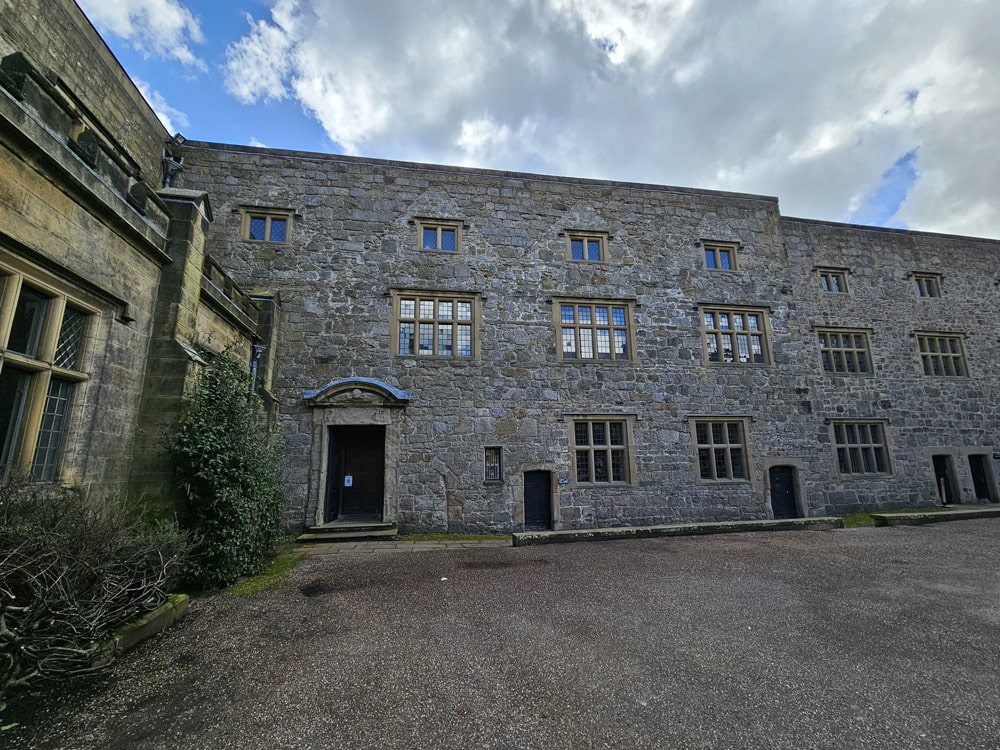
The castle was partly demolished in the 1640s during the English Civil War and again in 1659. After the war, Chirk Castle was extensively restored, with the north wing being rebuilt in 1660. It is from this restoration where the 17th-century additions come from, giving the castle its mix of old and new.
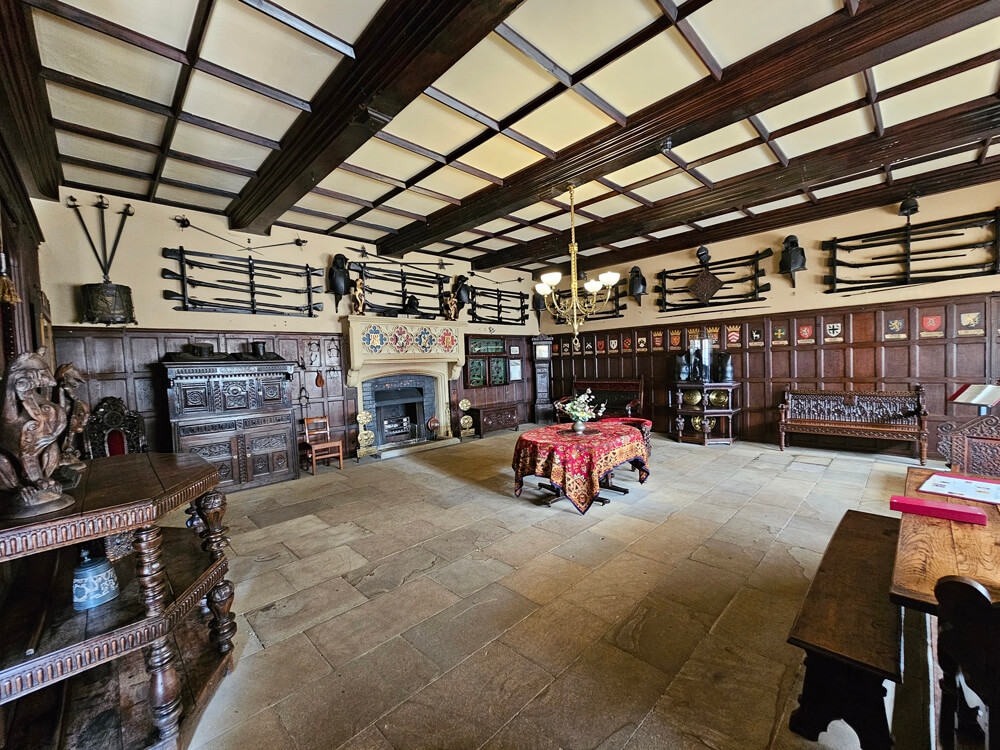
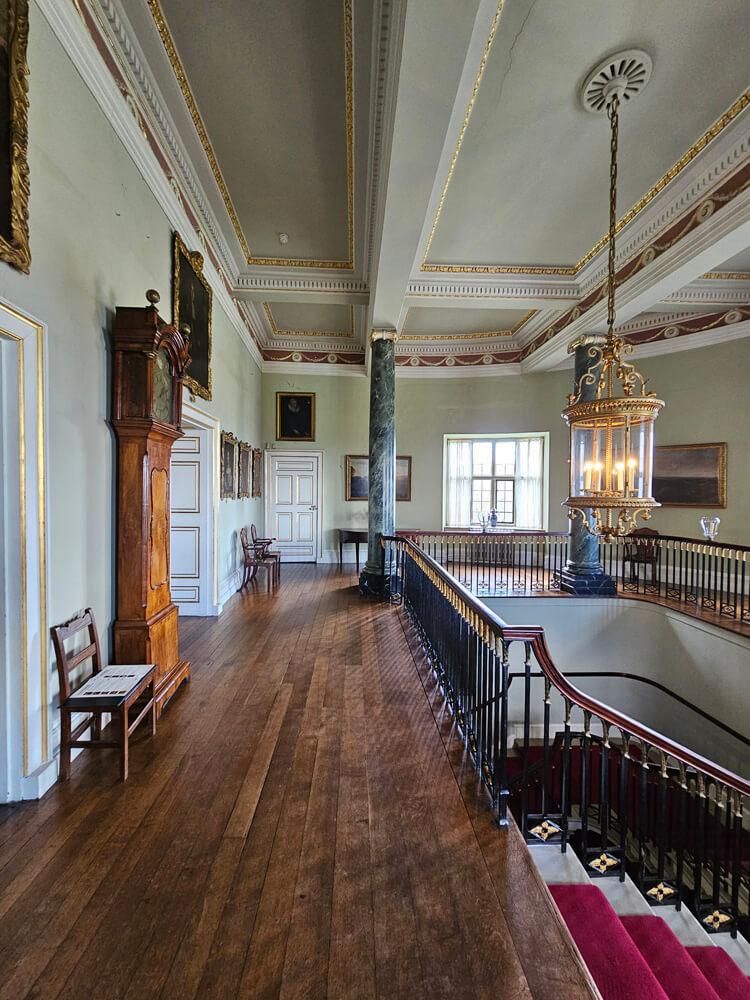
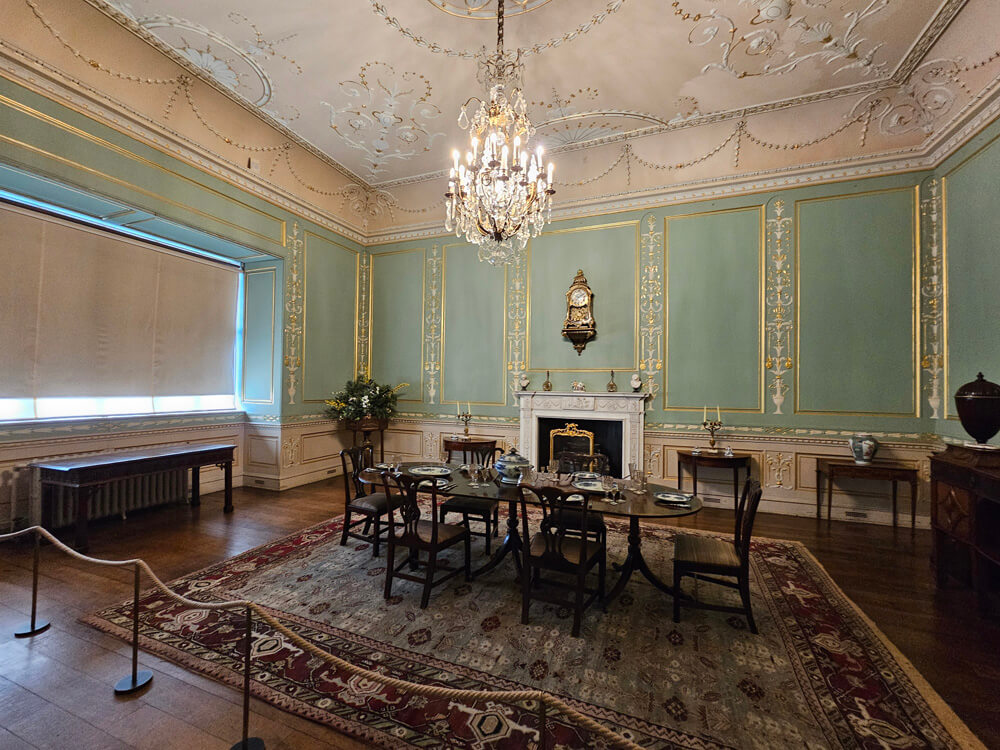
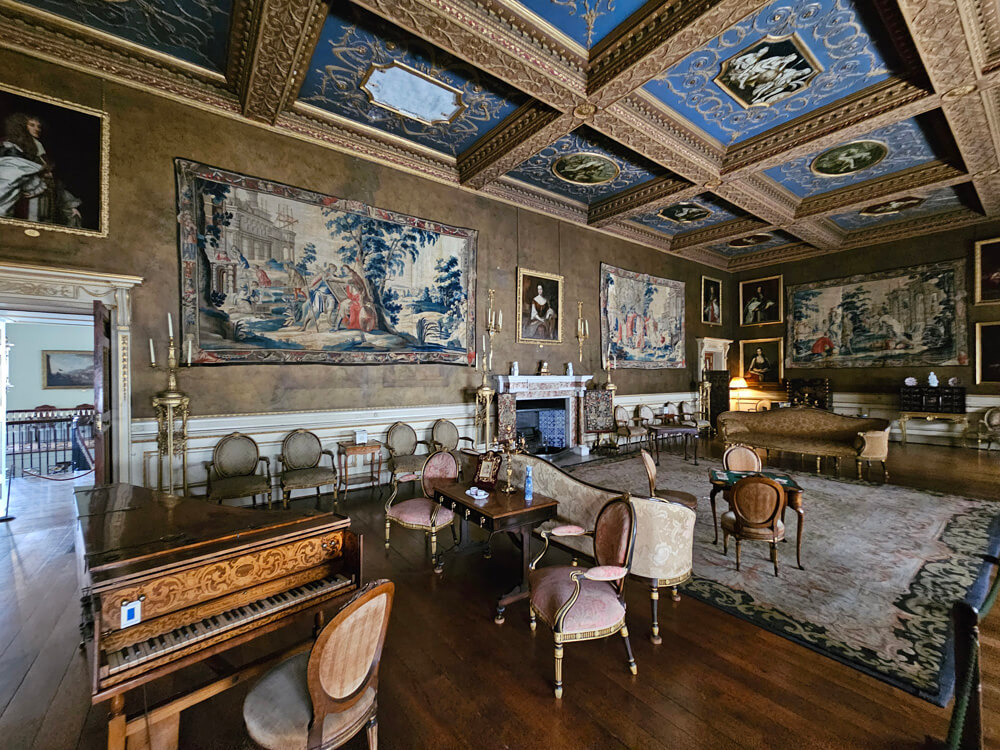
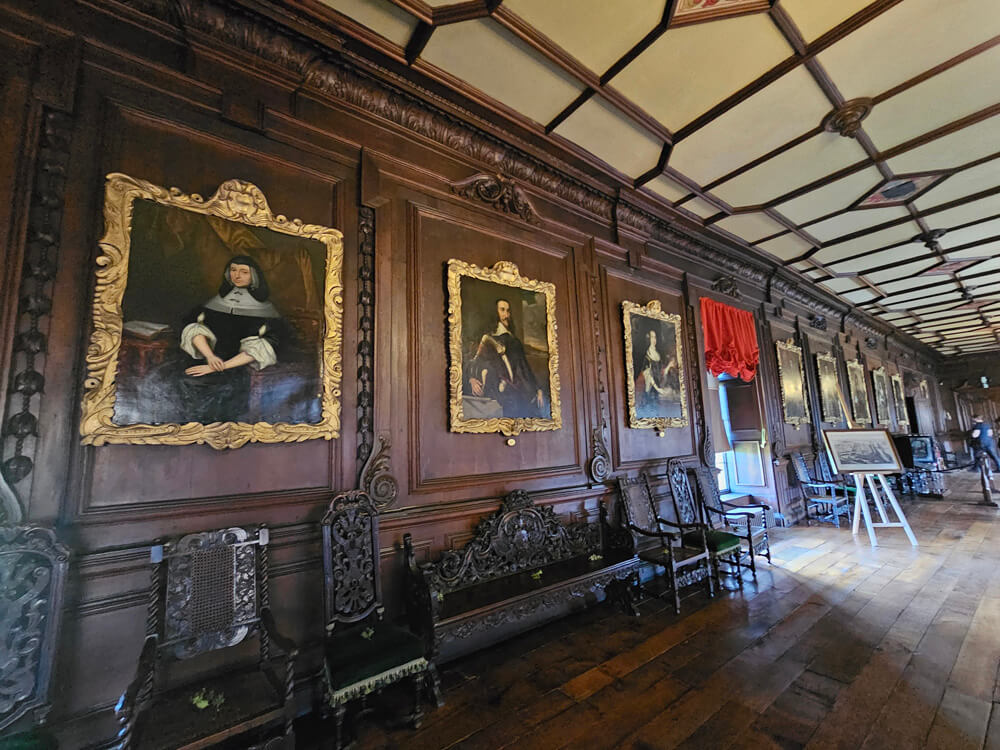
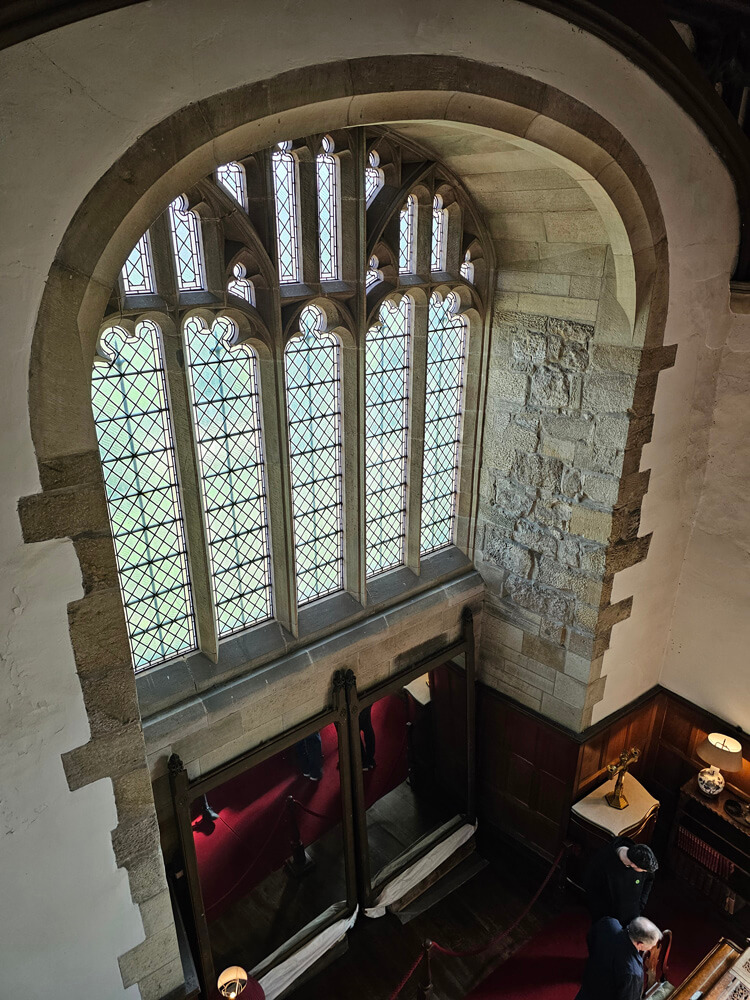
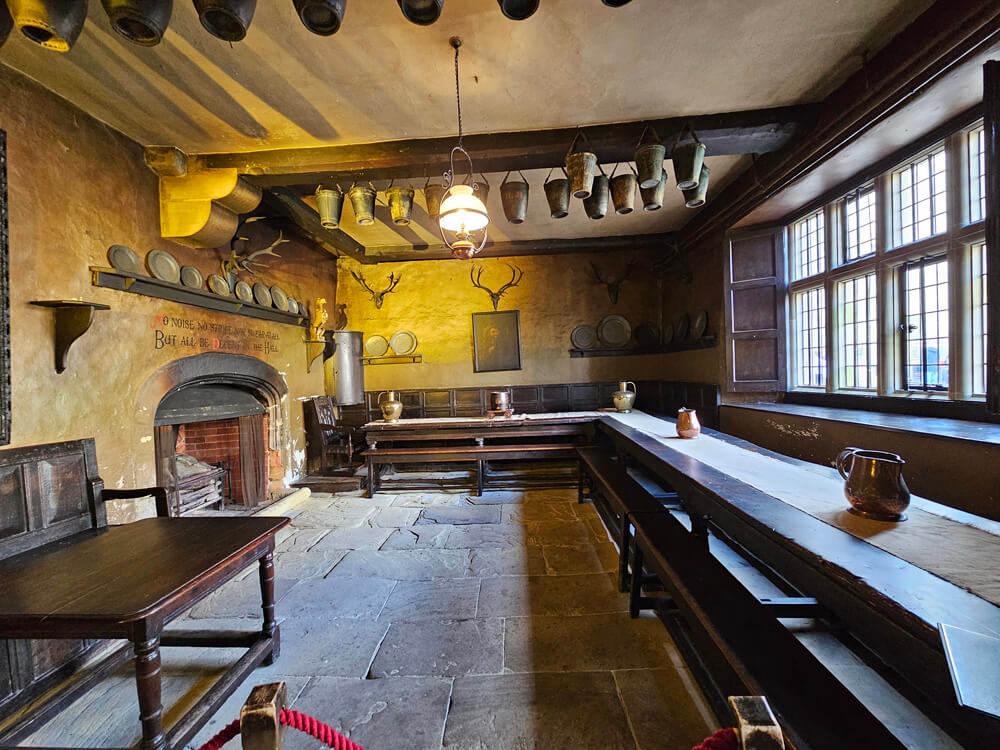
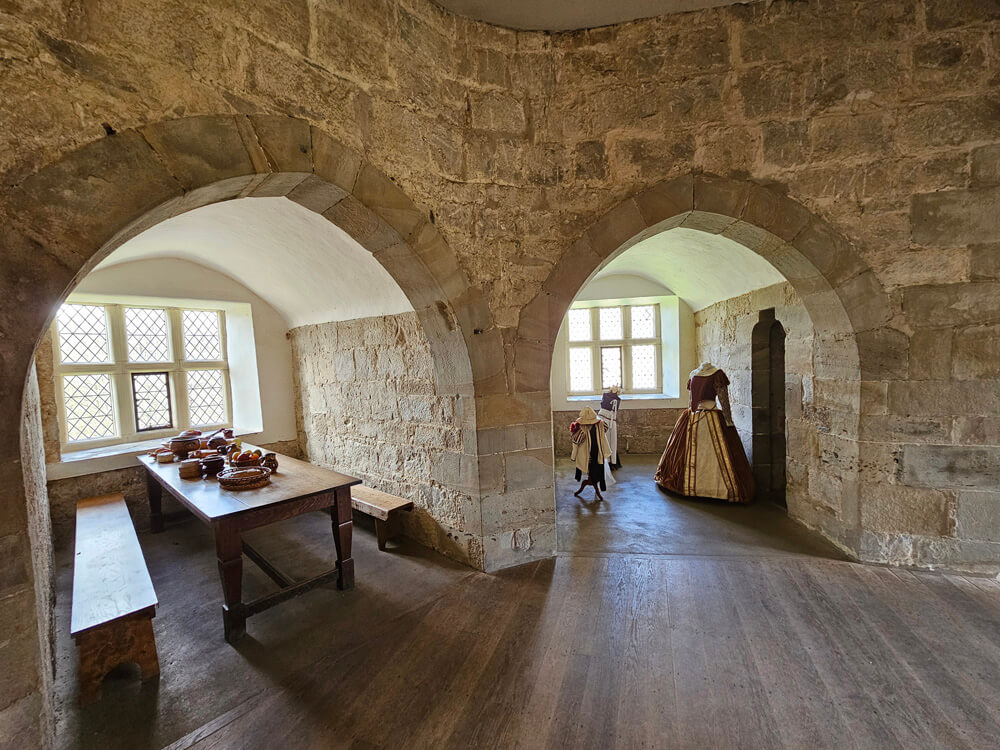
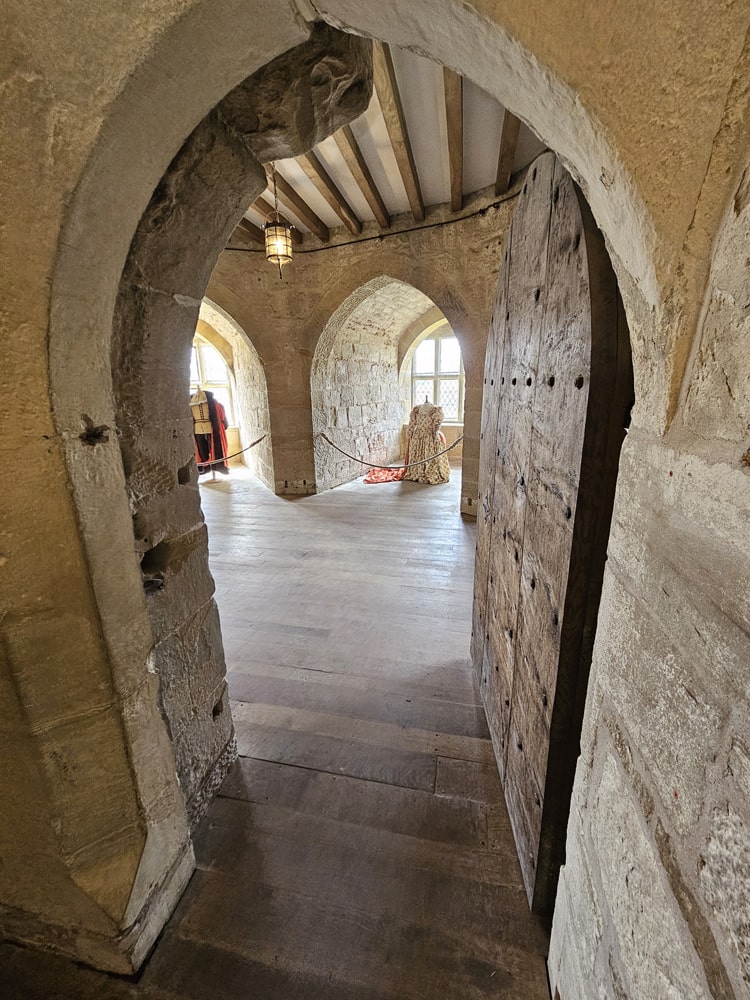
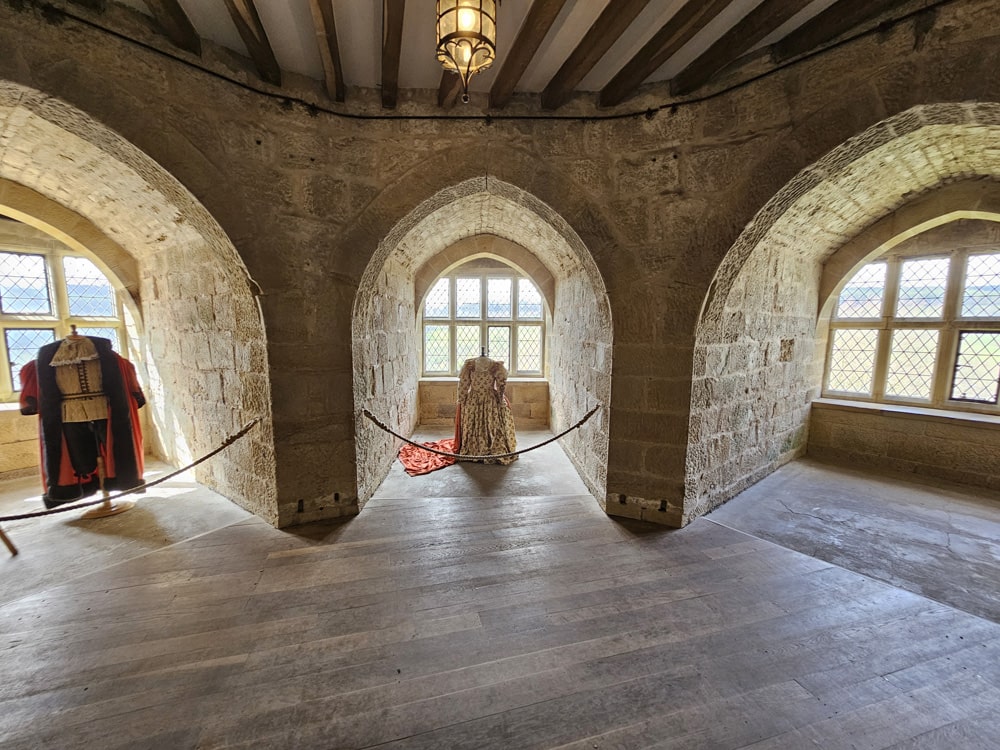
With over 700 years of history, Chirk Castle’s many occupants have left behind some very lavish interiors. The state rooms include a 17th-century Long Gallery, grand 18th-century saloon with rich tapestries, servants’ hall, and the restored East Range.
Photo Gallery.
Did you enjoy this post?
I hope you found this post useful. I put a great deal of time and effort in to building, maintaining and populating the website. If you like, you could say a small thank you by buying me a coffee. You don't have to, but it would be nice :)
Buy me a coffee
Stay up to Date
Follow me on my journey and get notified whenever a new post is published by following Kings & Castles on Facebook.
Follow MeExplore The Map
Discover the hundreds of castles, churches, monasteries, cathedrals and other historic locations that I've personally visited across England and Wales. Search by location, explore nearby sites and plan your next historical adventure.
Share: