Harlech Castle
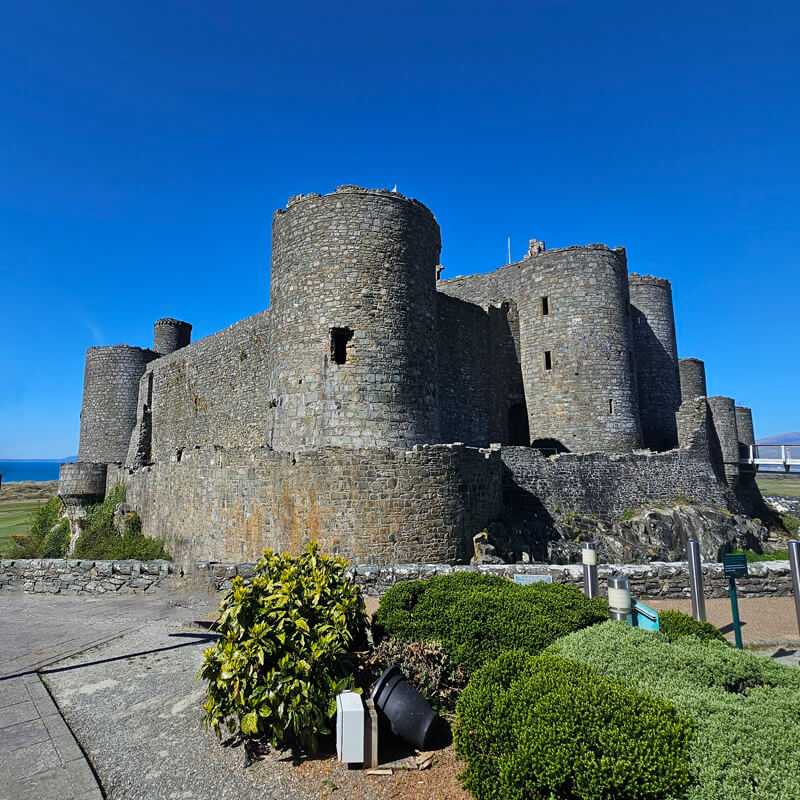
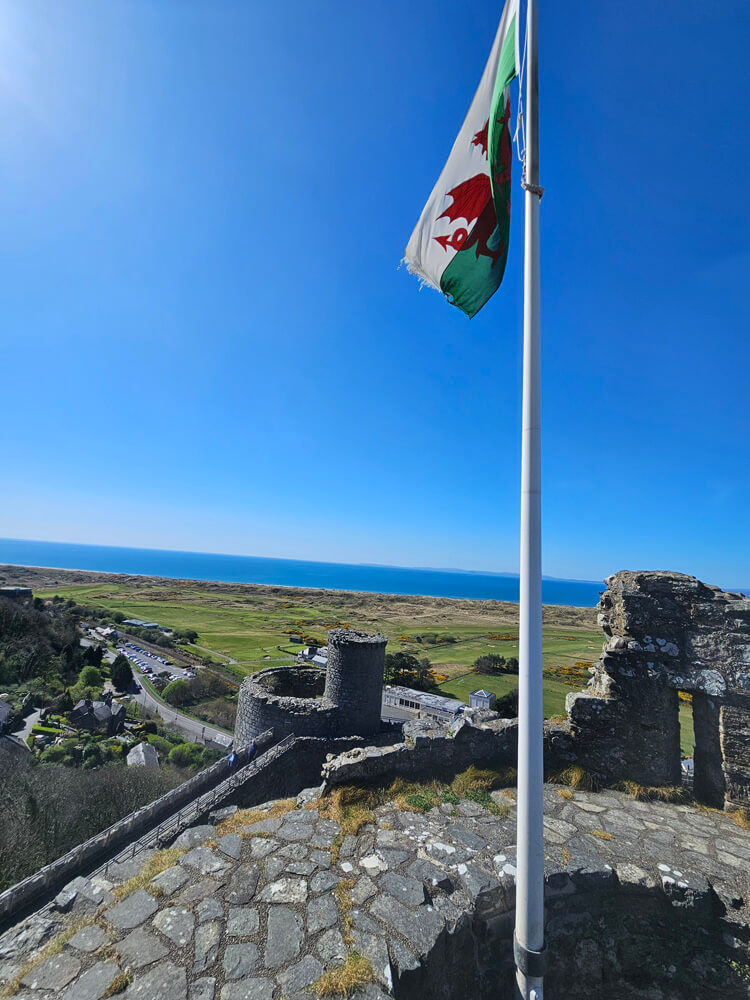
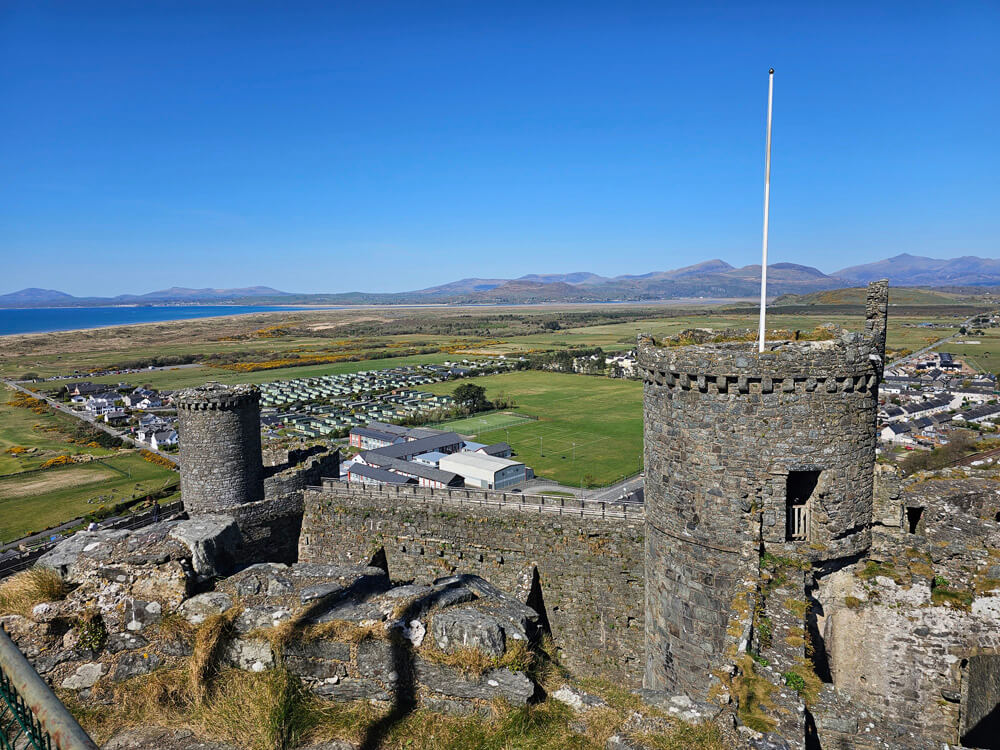
Nestled high upon a rocky crag in Harlech, North Wales, overlooking the Irish Sea, Harlech Castle commands breathtaking views over the surrounding landscape with the rugged peaks of Snowdonia in the background. Harlech is one of several castles built by King Edward I during his campaign against the princes of Wales in the late 13th century.
Quick
Facts.
- Location: Harlech, north-west Wales
- Built: 1283 - 1290
- Condition: Substantial ruins
- Date visited: April 2025
- More info: Visit website
- Rating:
A Bit of History…
Harlech Castle is a magnificent fortress and an architectural marvel. It was built in just seven years from 1283 to 1290 under the guidance of the King’s master castle builder James of St George. It was built during Edward I‘s second campaign in north Wales, as part of Edward’s ‘Iron Ring‘ of castles intended to establish and maintain English dominance over Wales and subdue its rebellious princes, which also included Conwy, Caernarfon and Beaumaris, all of which are now designated as a World Heritage Site.
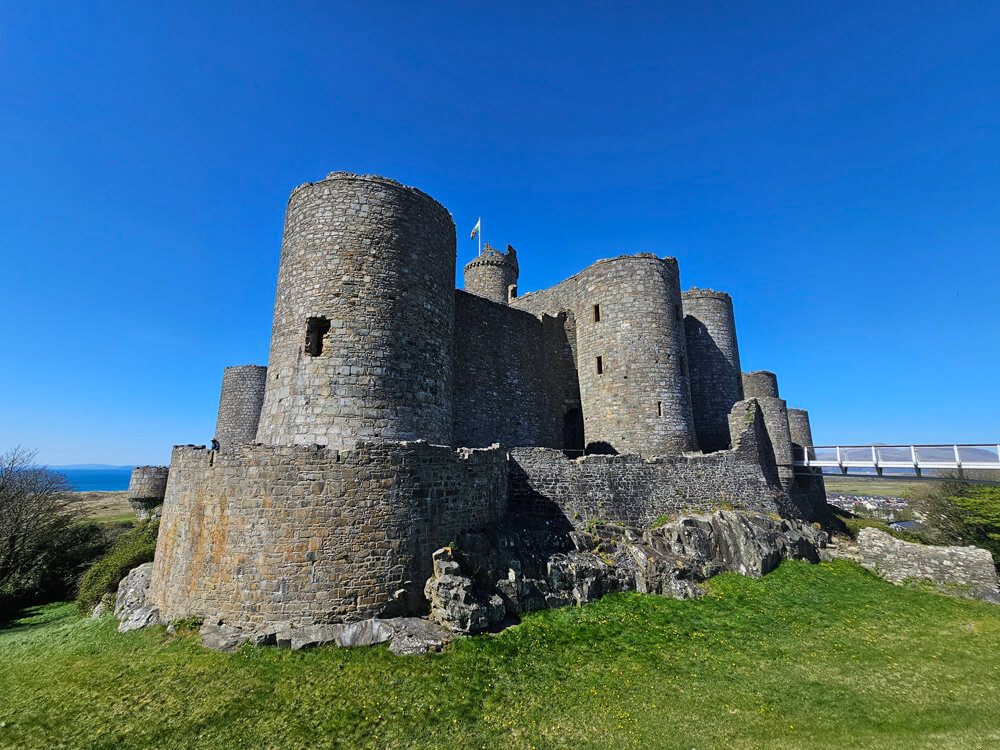
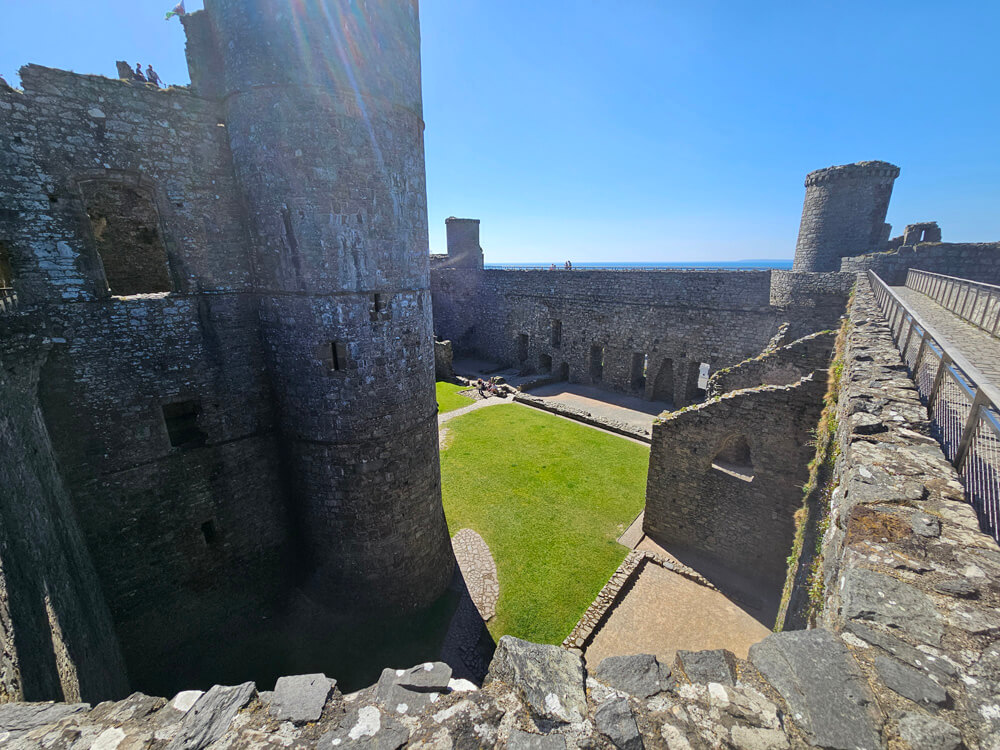
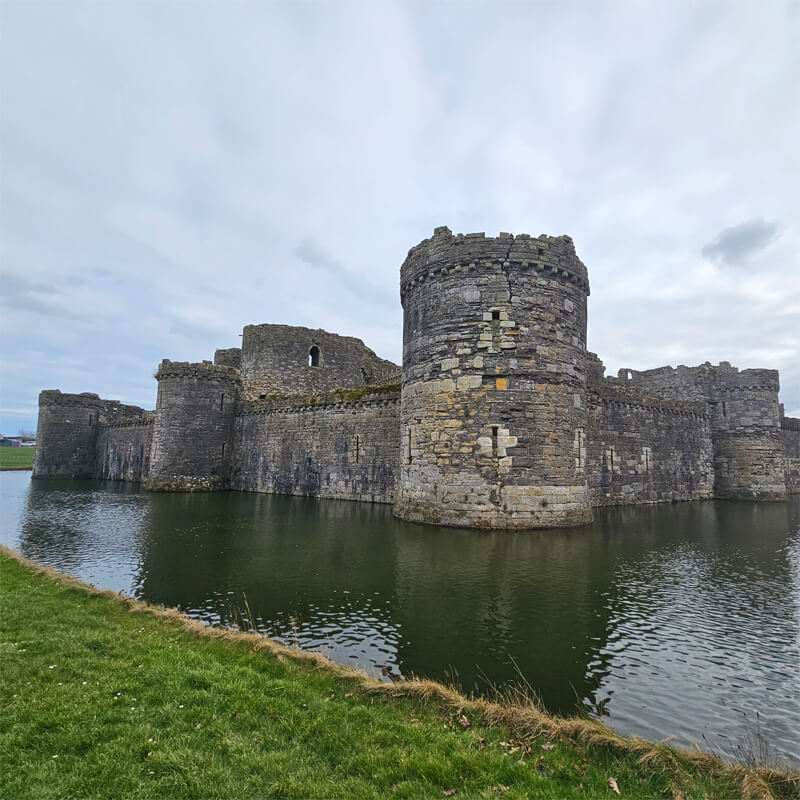
The final result was a perfectly concentric castle, where one line of defences is enclosed by another, the classic ‘walls within walls’ design. Unfortunately, the outer wall is now ruinous and fails to convey the true ‘walls within walls’ effect. The best surviving example of this can be found at Beaumaris.
Having cost an estimated £8,190, around 10 percent of the £80,000 that Edward spent on castle-building in Wales between 1277 and 1304, it was actually one of his lowest cost castles.
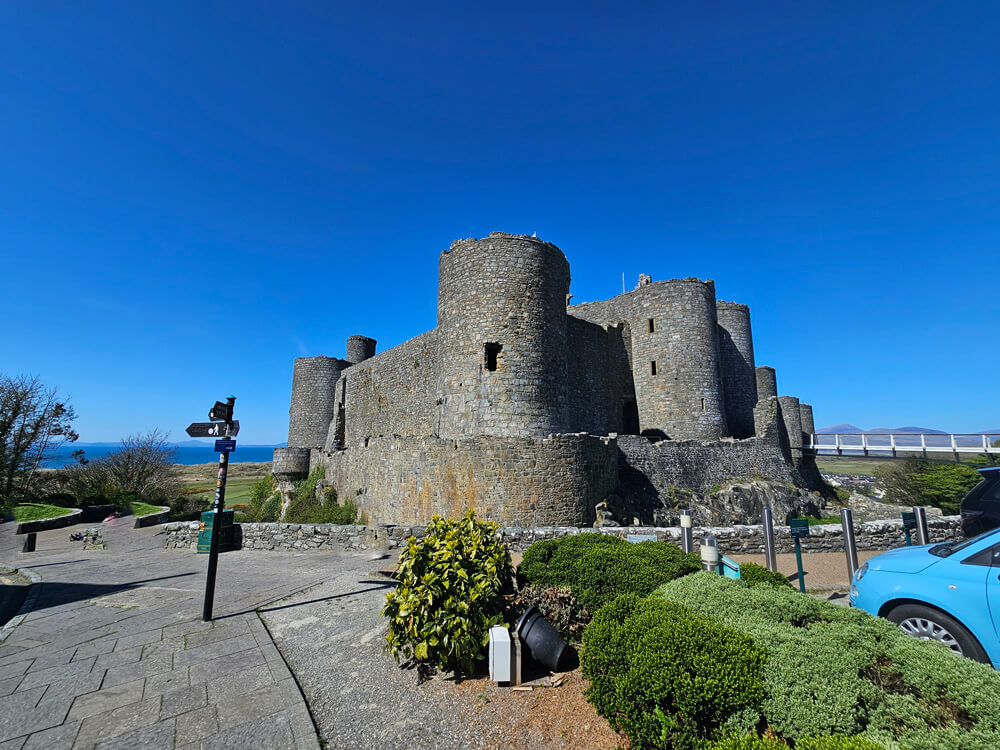
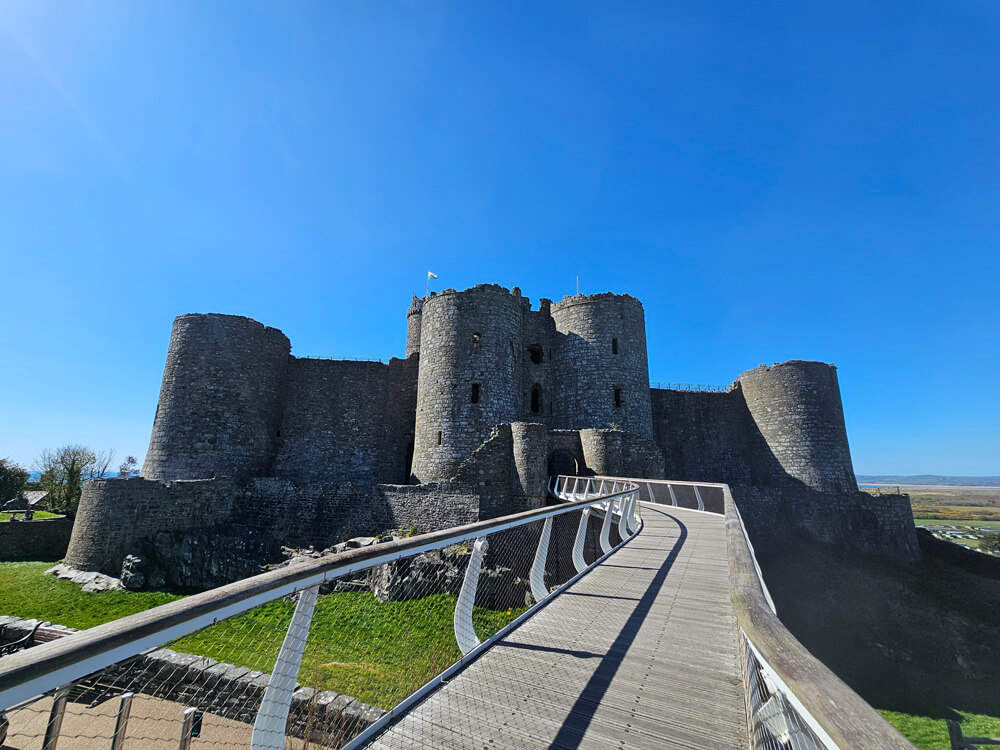
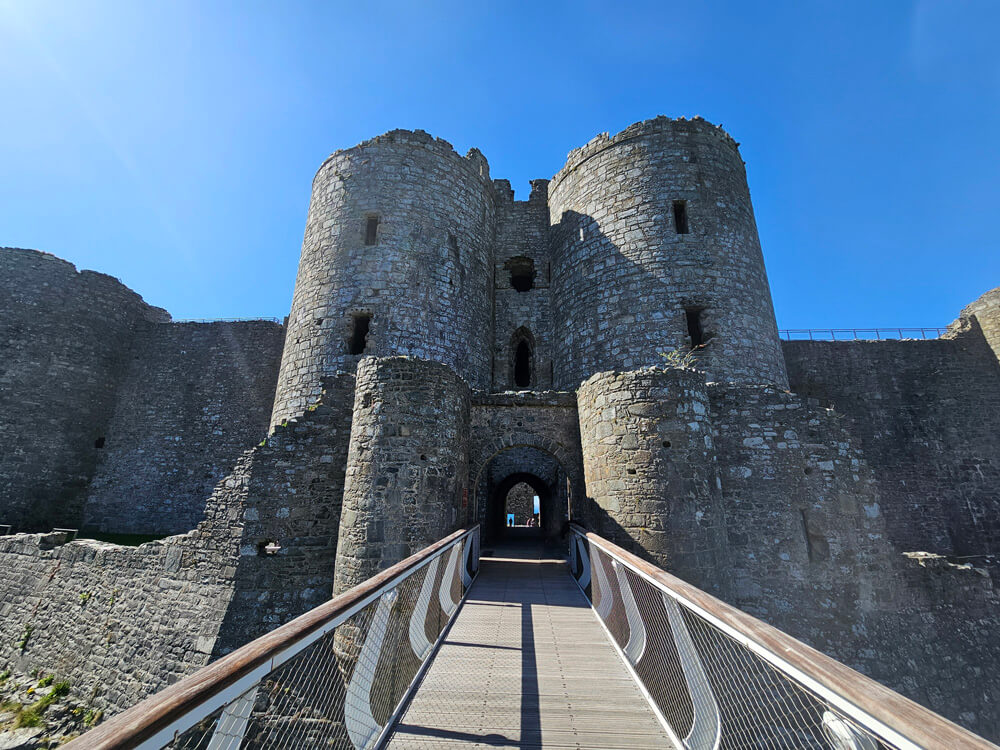
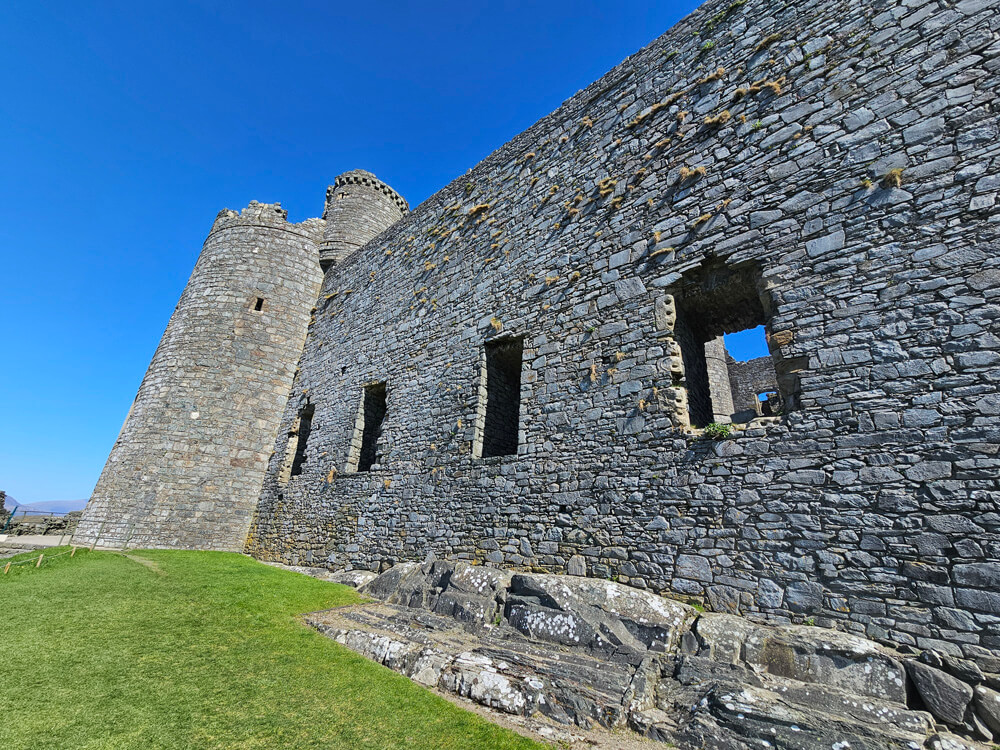
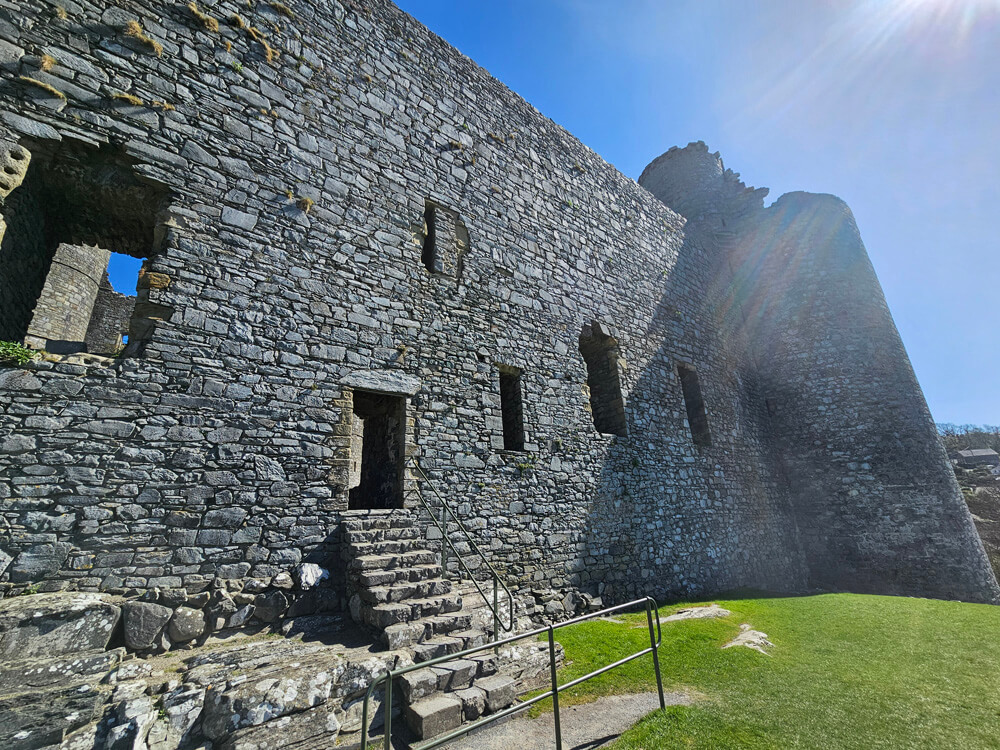
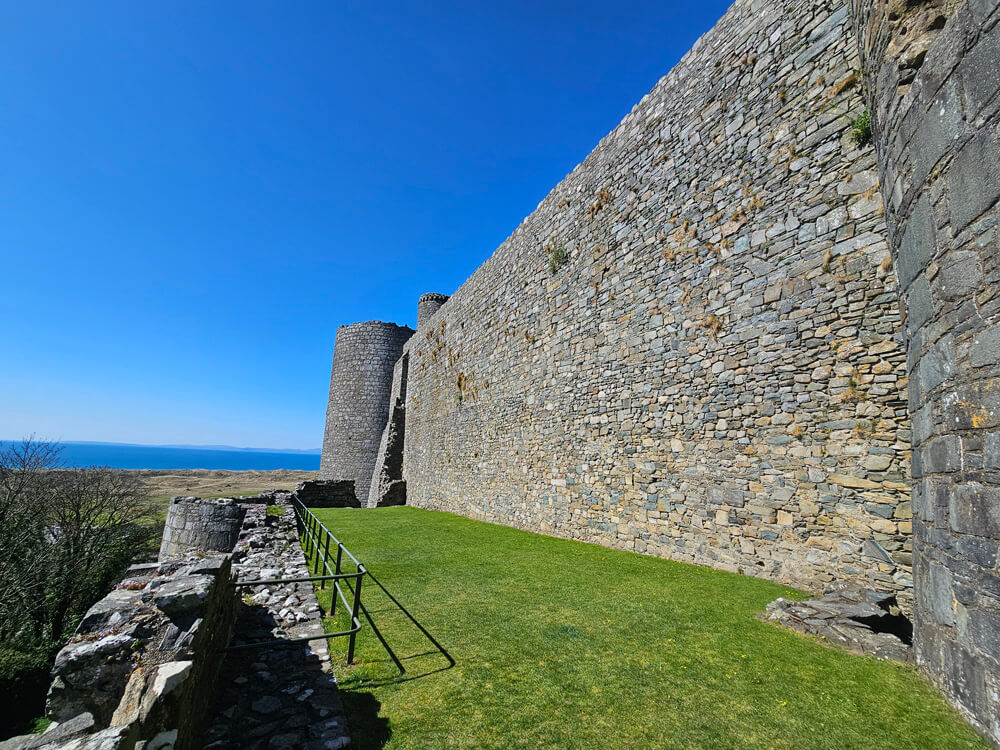
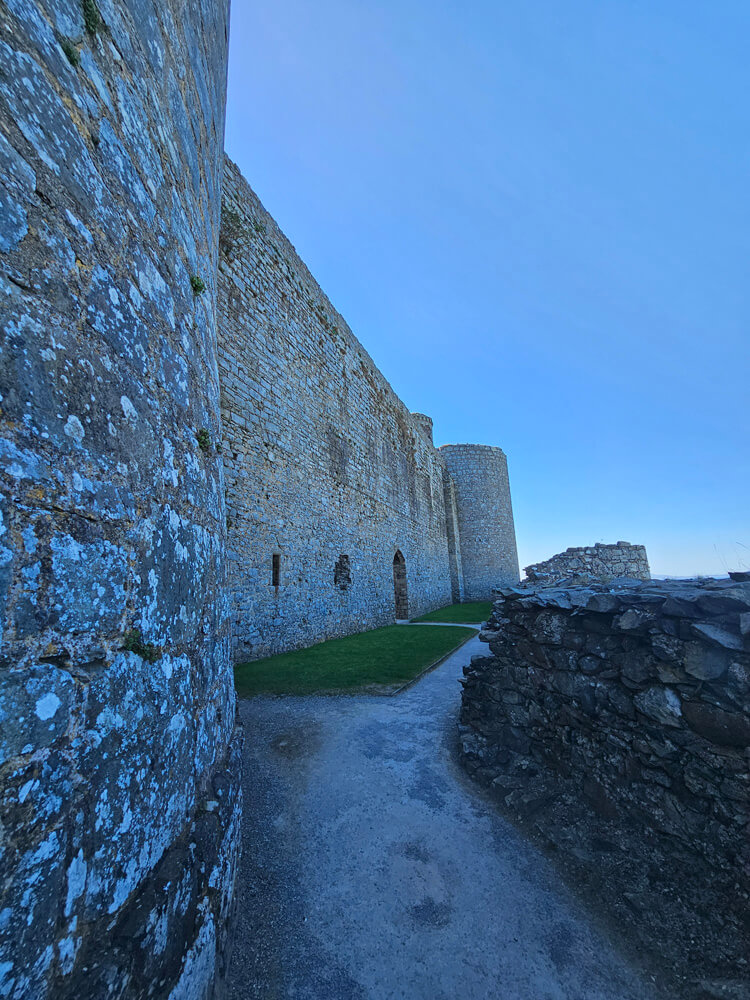
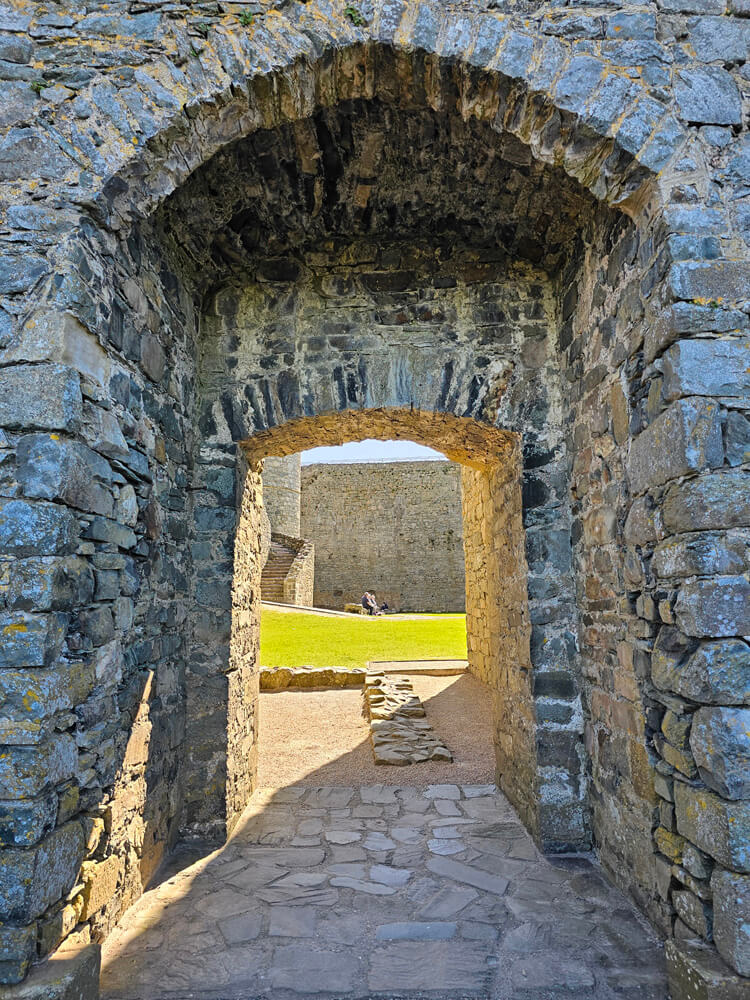
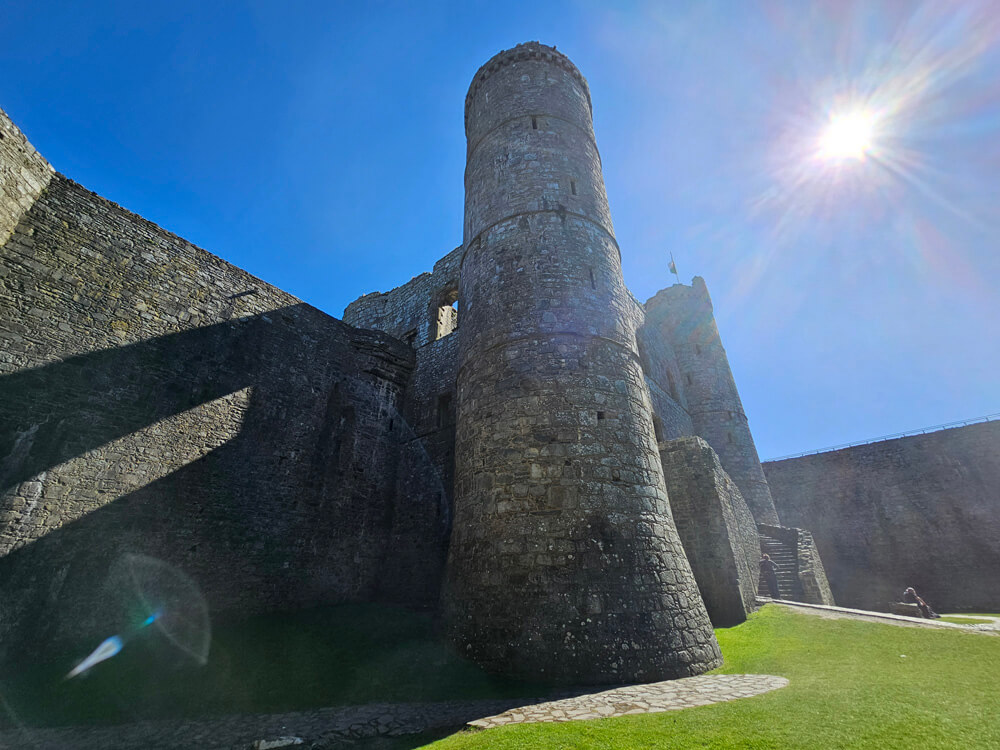
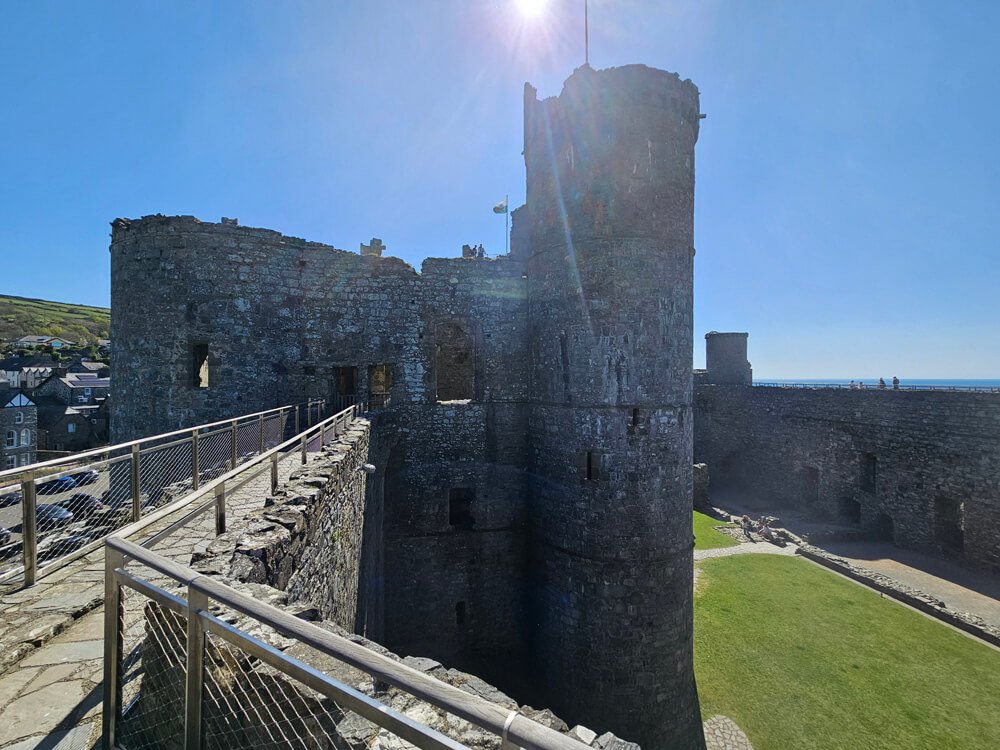
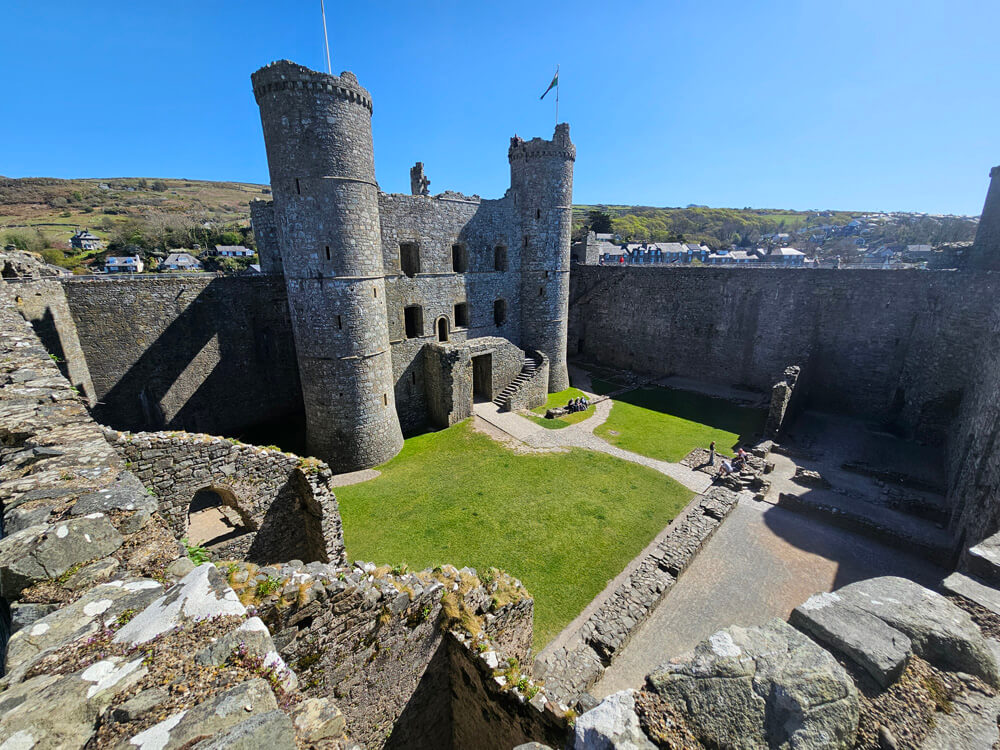
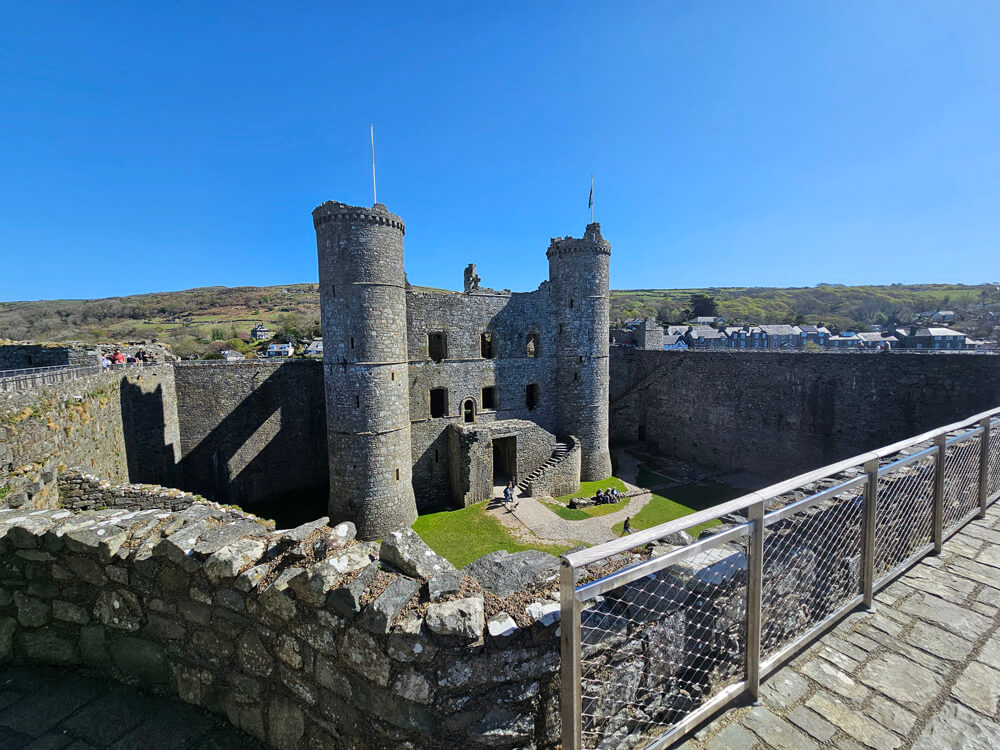
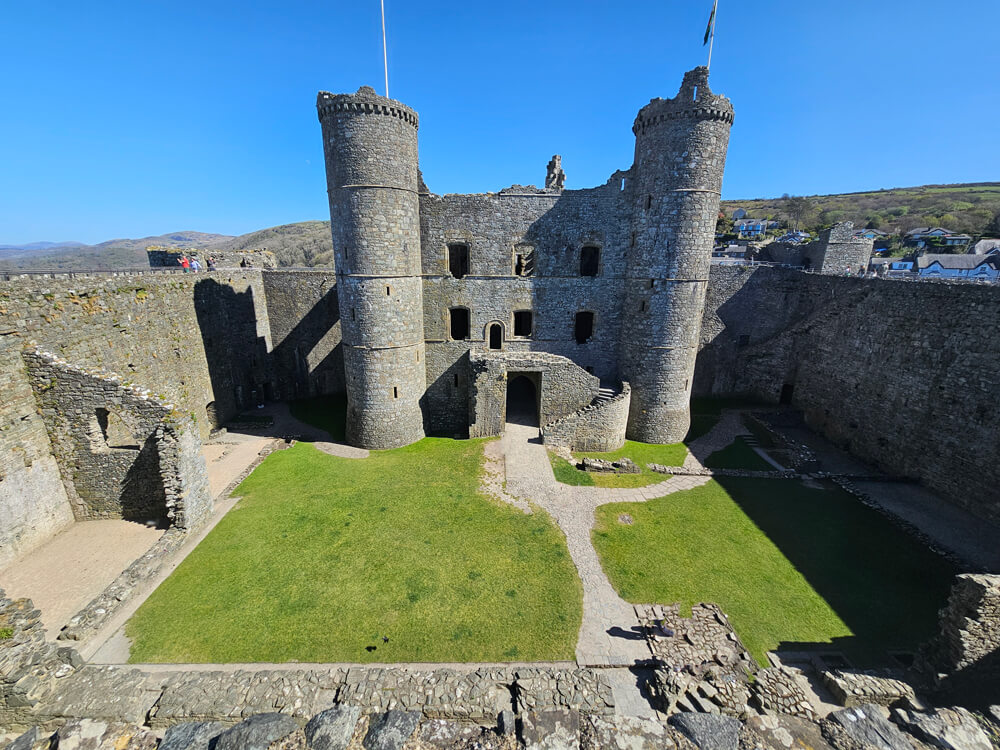
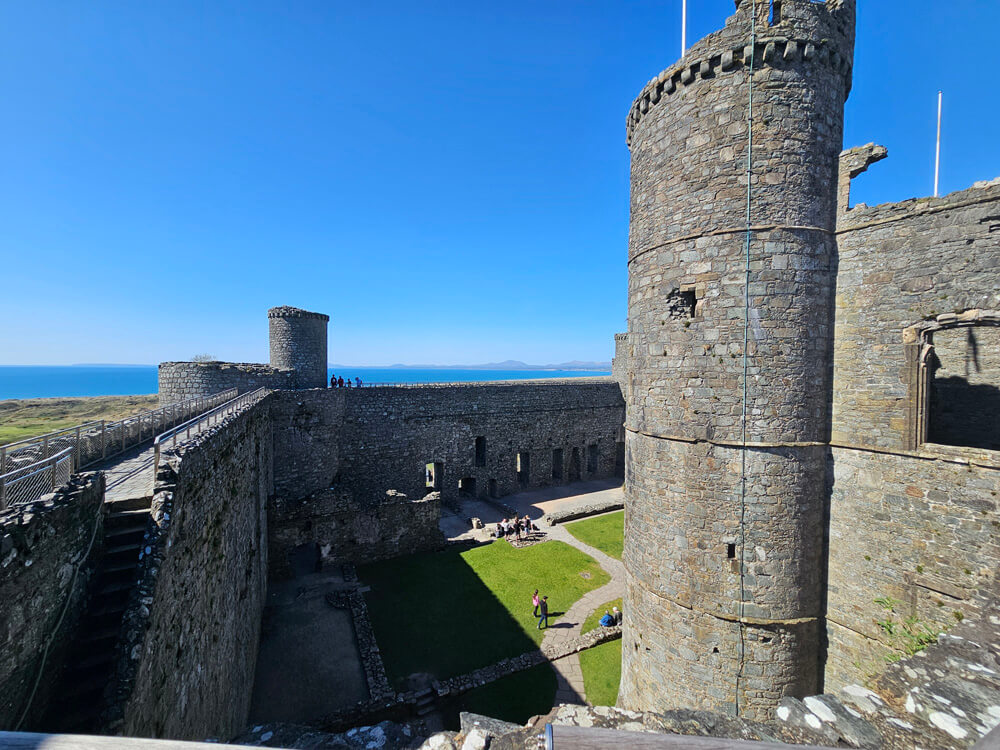
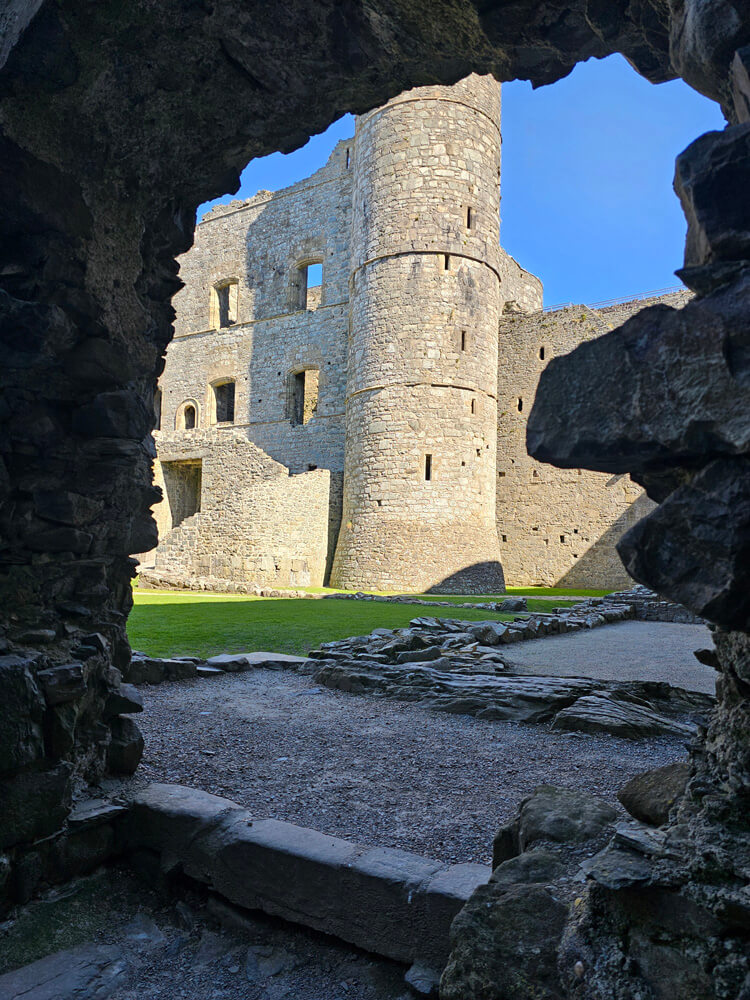
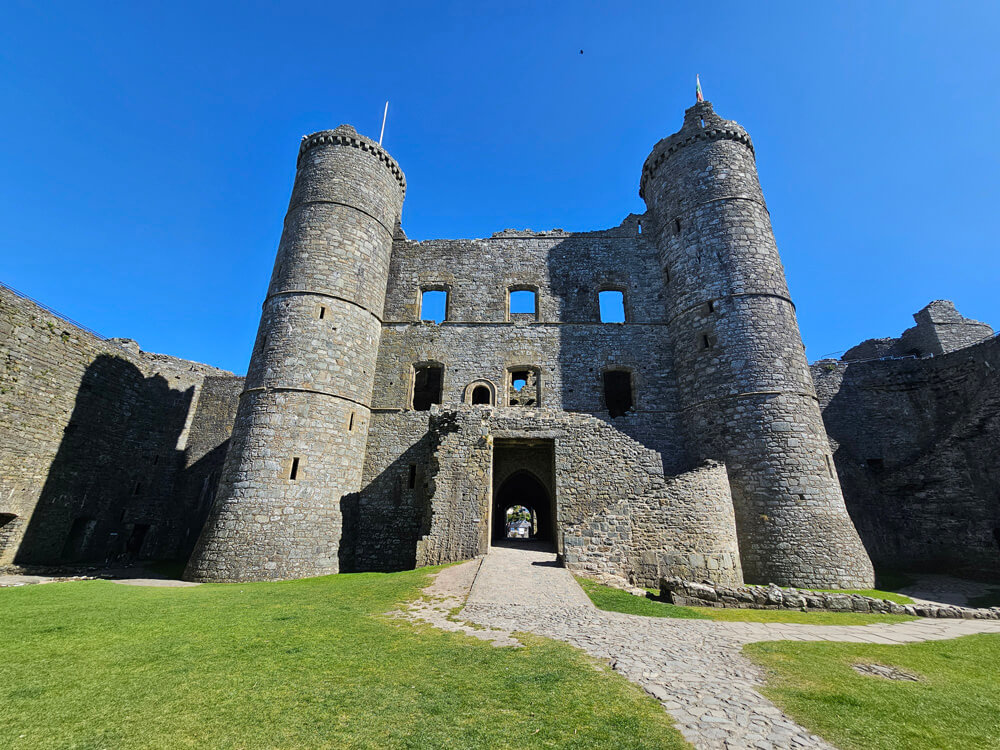
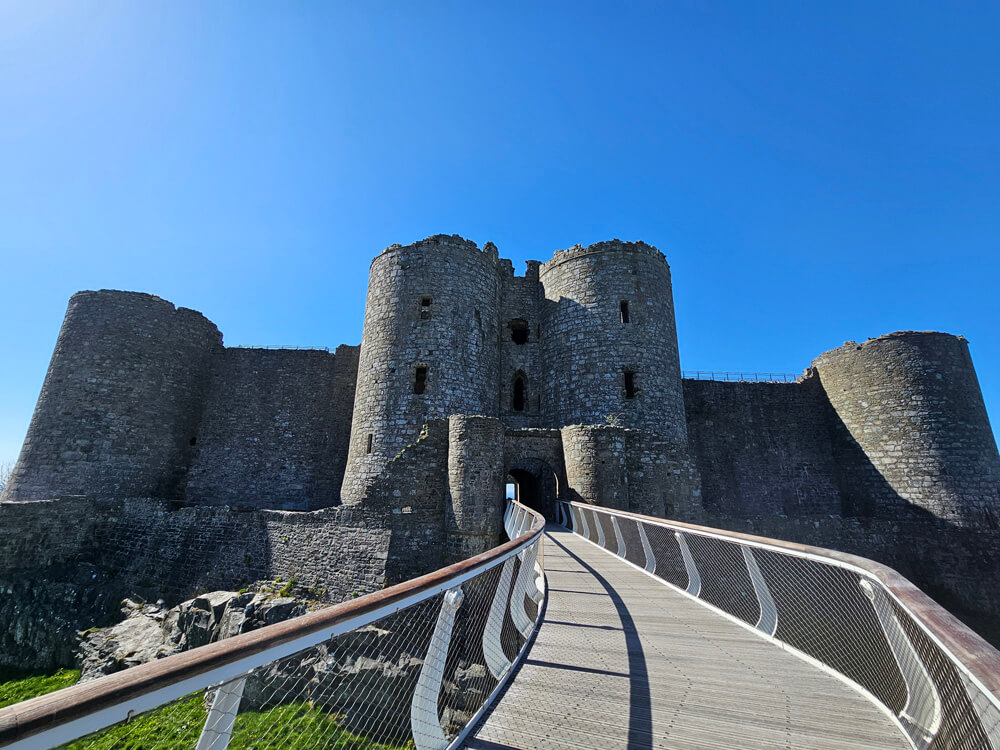
The design of Harlech Castle is a masterpiece of medieval engineering. The castle’s walls are up to 15 feet thick in places and reach a height of over 50 feet. The castle’s gates and towers were designed to protect the castle from all sides, and the massive curtain walls were built to withstand even the most powerful battering rams. The castle boasted two rings of walls and towers; a sturdy inner ward encircled by a formidable outer wall creating multiple layers of defence. Its robust fortifications included a massive and immensely strong east gatehouse, towering battlements, and an ingenious water supply system facilitated by a well that descends deep into the bedrock.
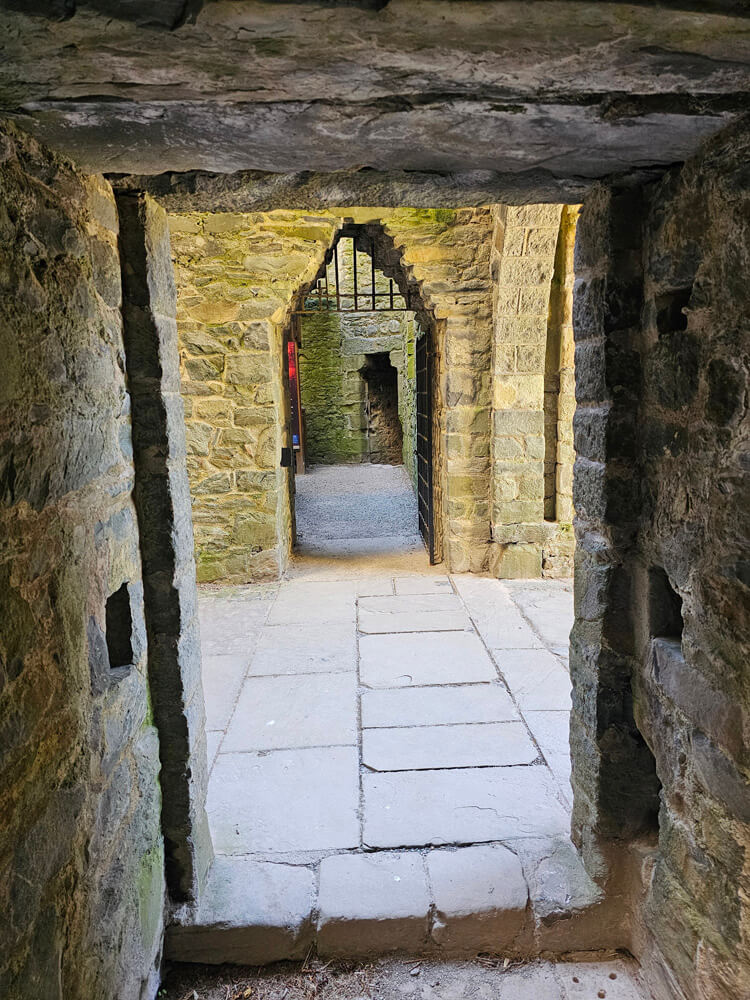
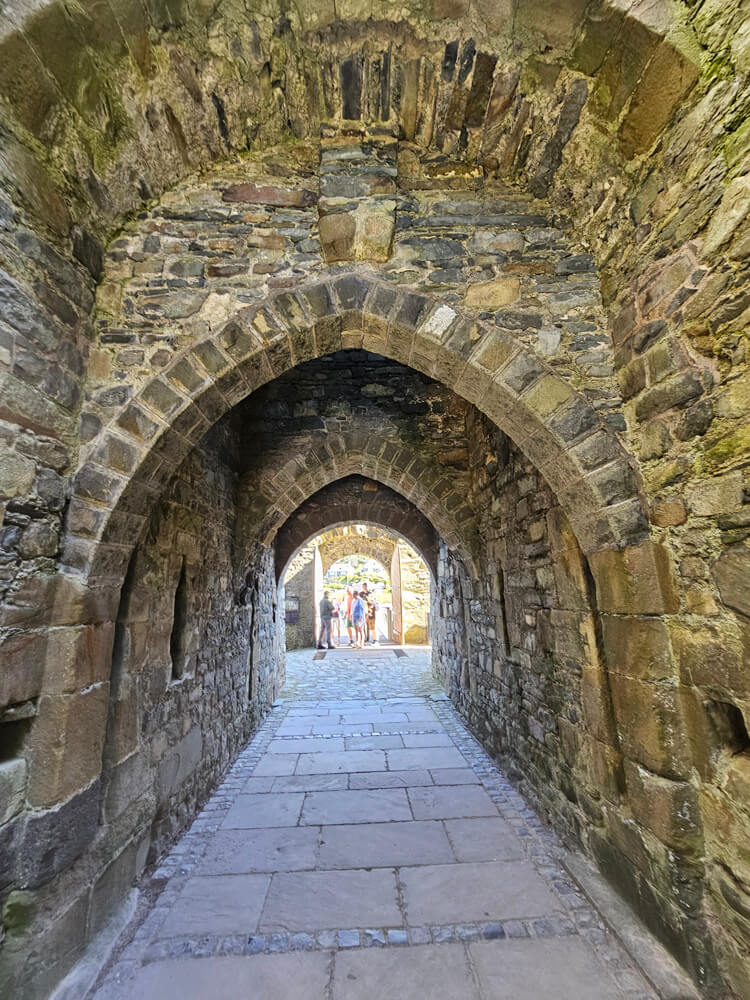
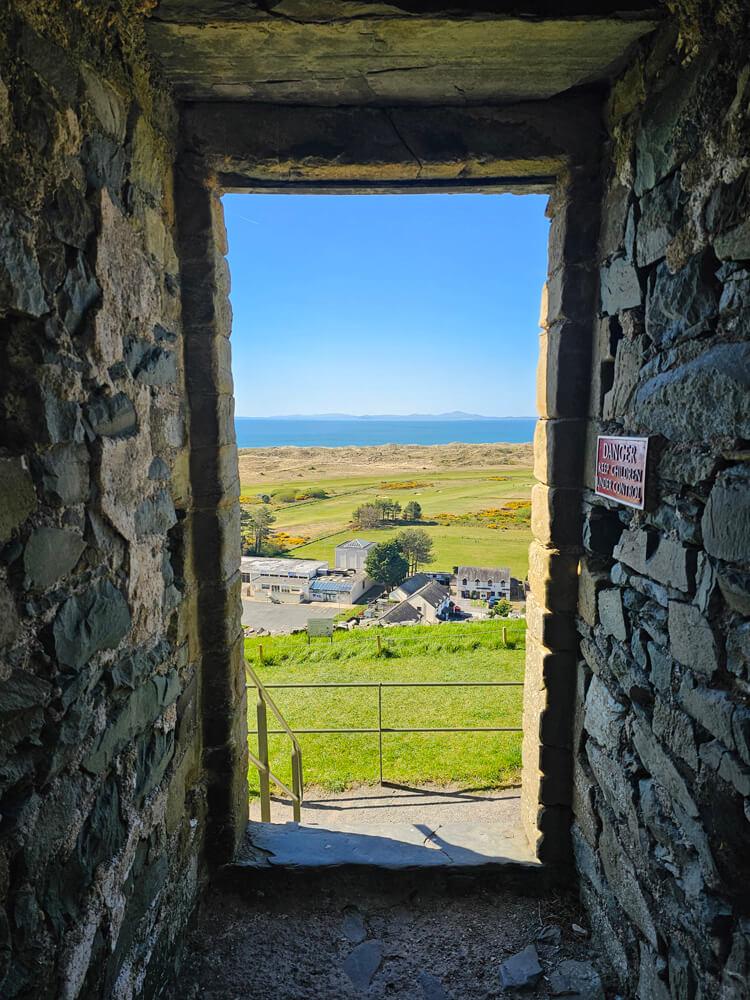
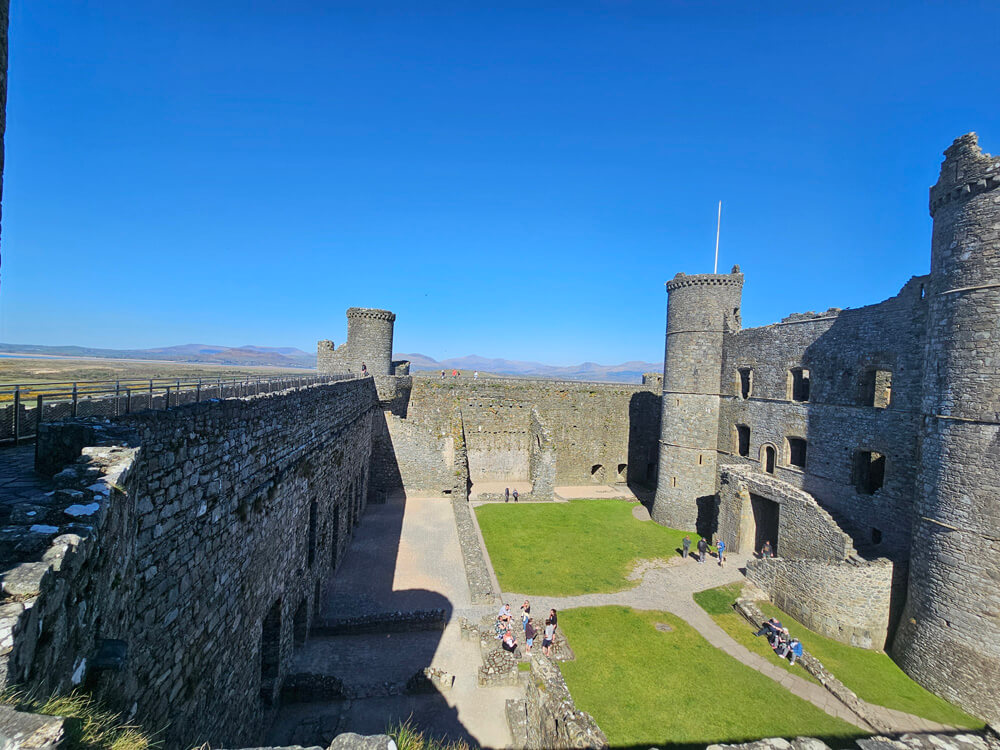
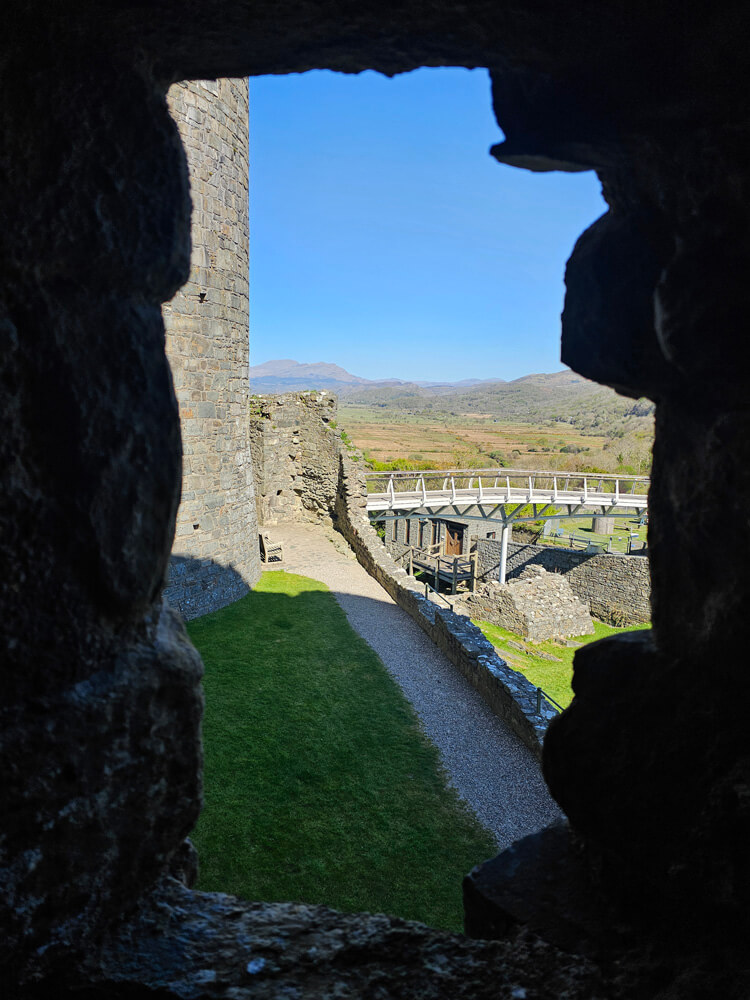
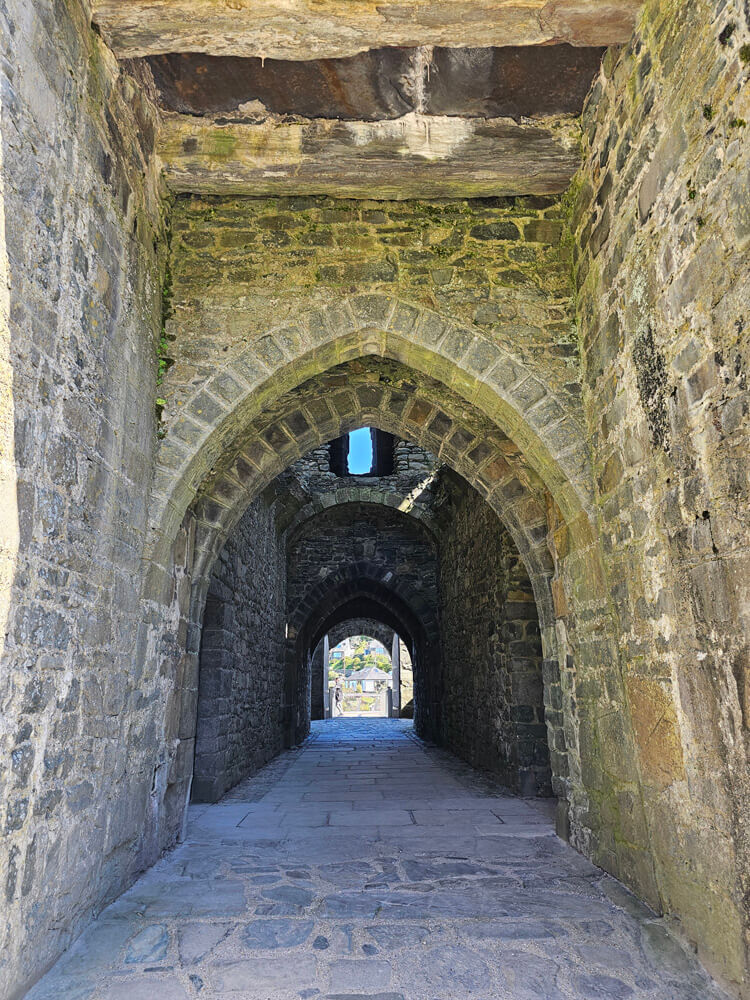
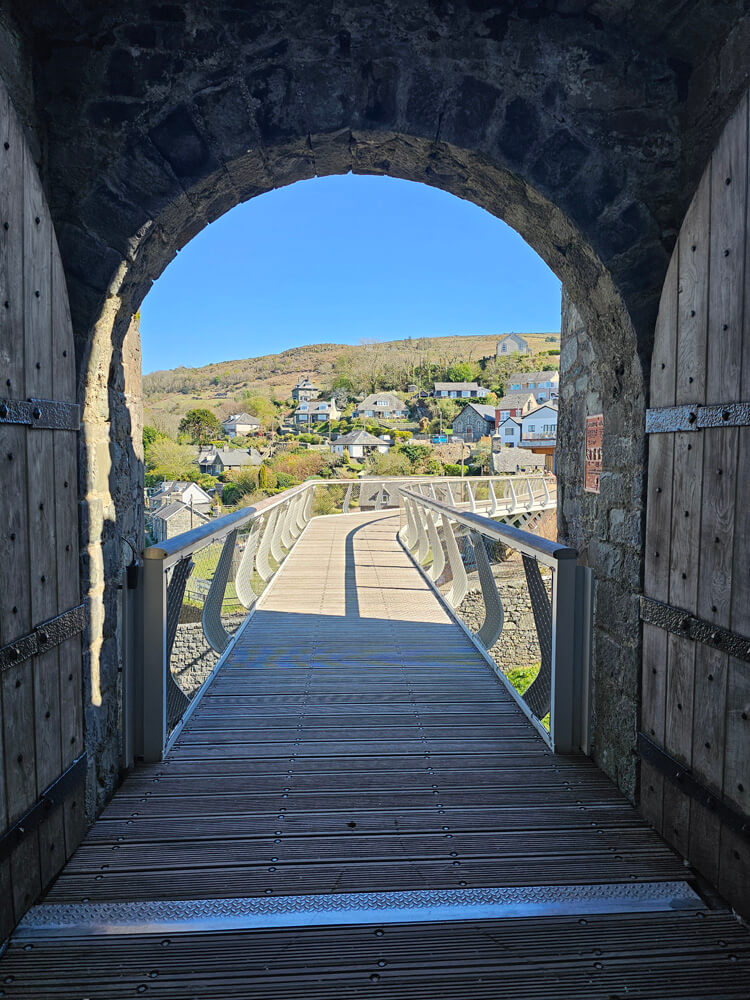
The castle’s strategic position overlooking the sea made it difficult to attack from both land or sea. The steep and rocky slopes surrounding the castle offered excellent and daunting natural protection making it impregnable from almost every angle. The natural strength of the castle rock and cliff face meant that only the east face was open to possible attack. The imposing gatehouse still offers a strong display of power today, which was once protected by a succession of obstacles including three portcullises and guardrooms on either side.
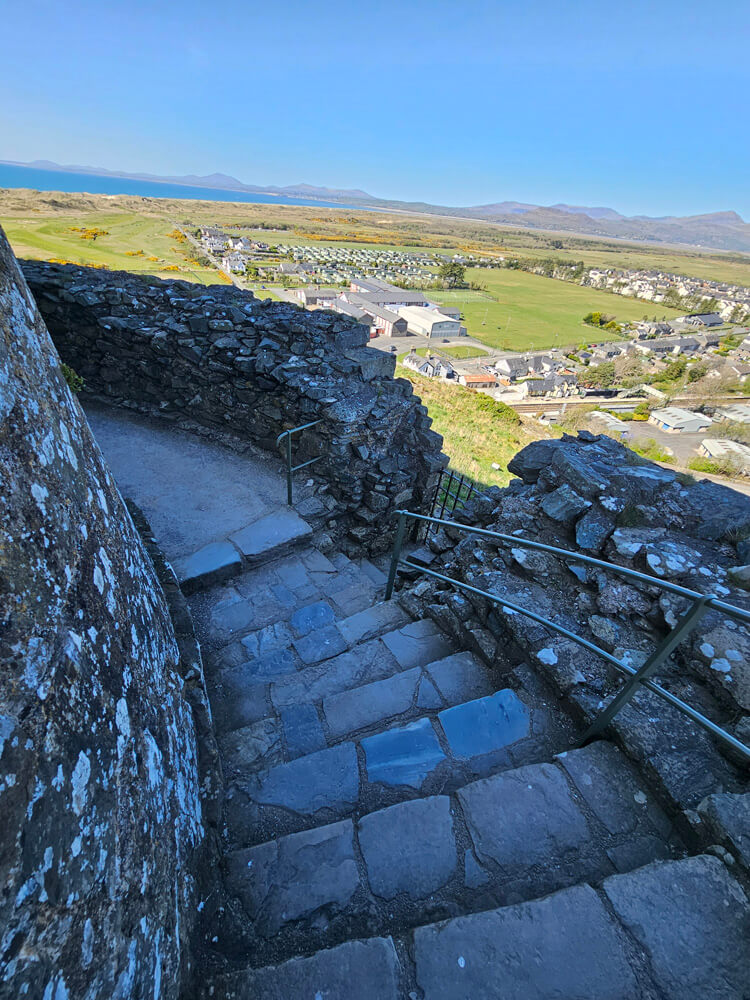
Harlech’s secret weapon was a 200-foot long path of 108 steps known as the “way to the sea”, which still leads from the castle to the cliff base. The sea originally came much closer to Harlech than it does now, with a water gate at its shore. When it was first built, a channel would have connected the castle and the sea, which allowed the castle to be resupplied by sea during sieges.
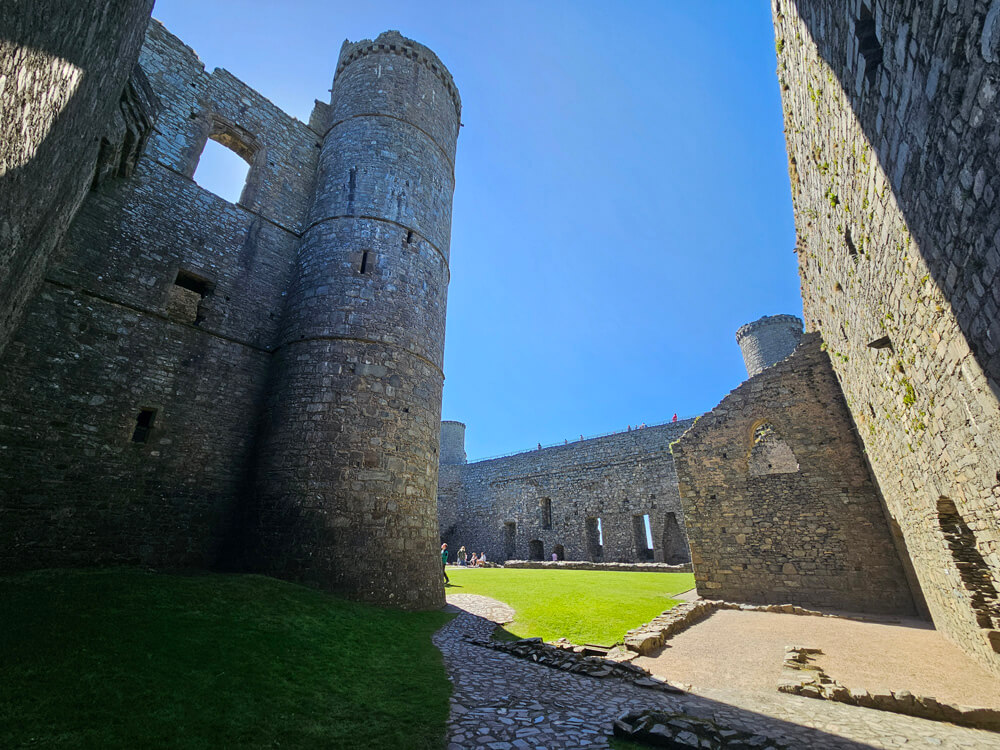
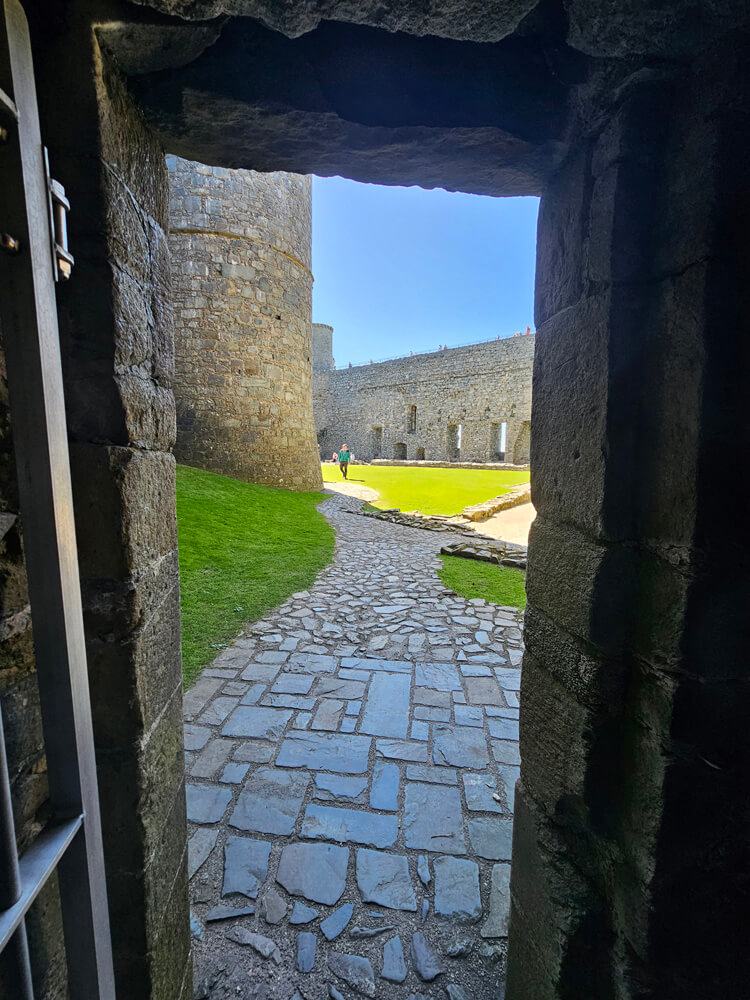
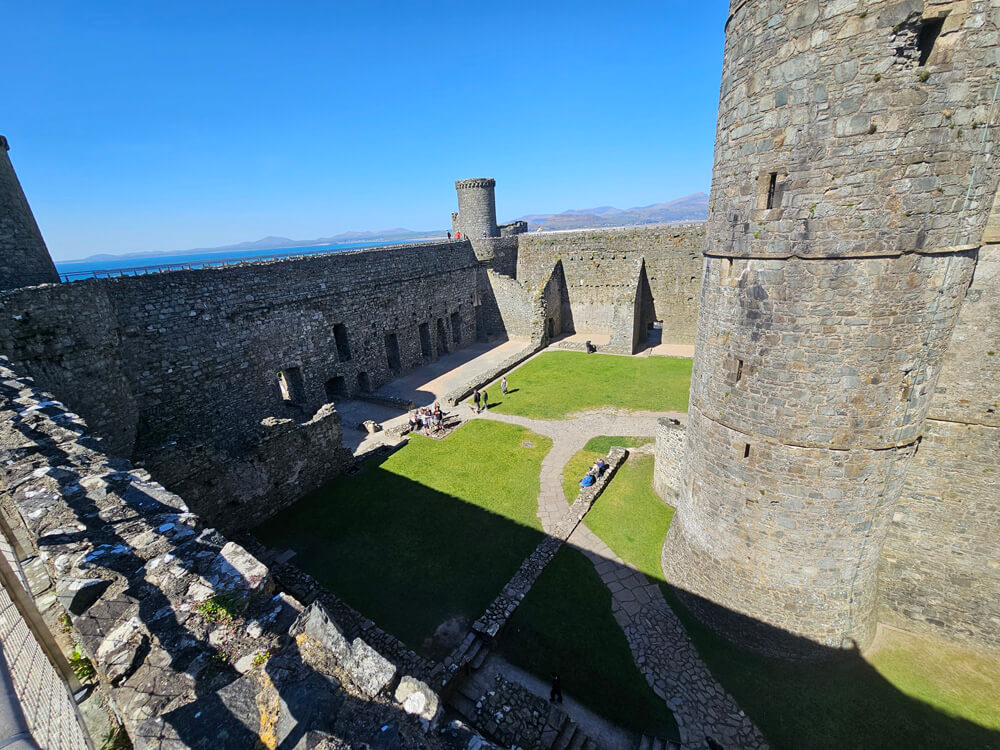
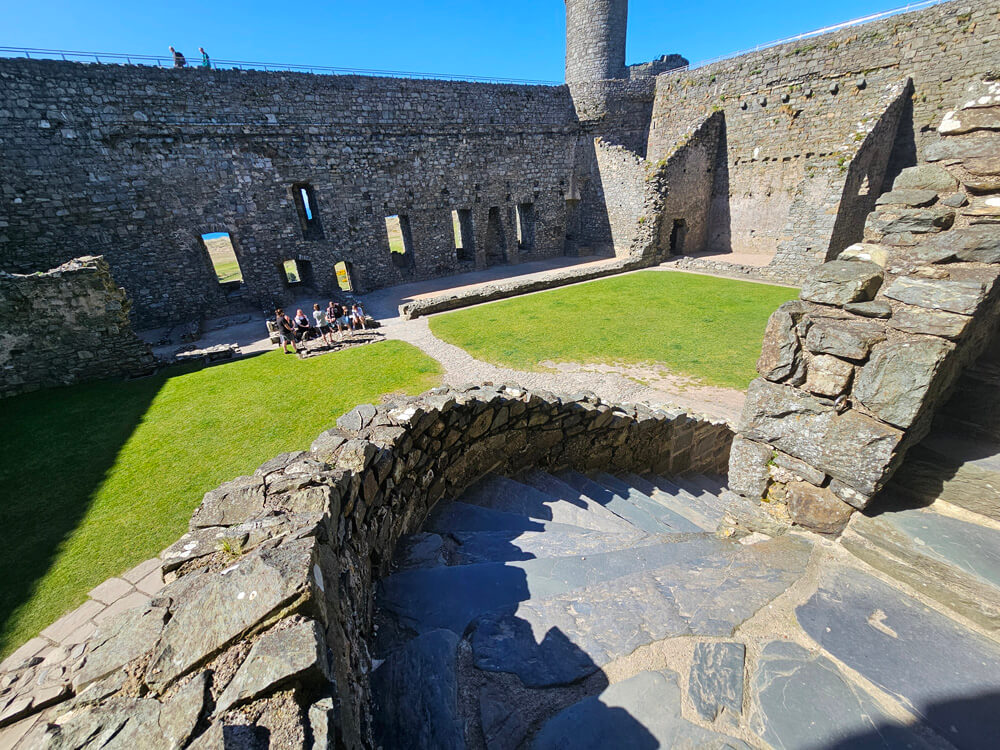
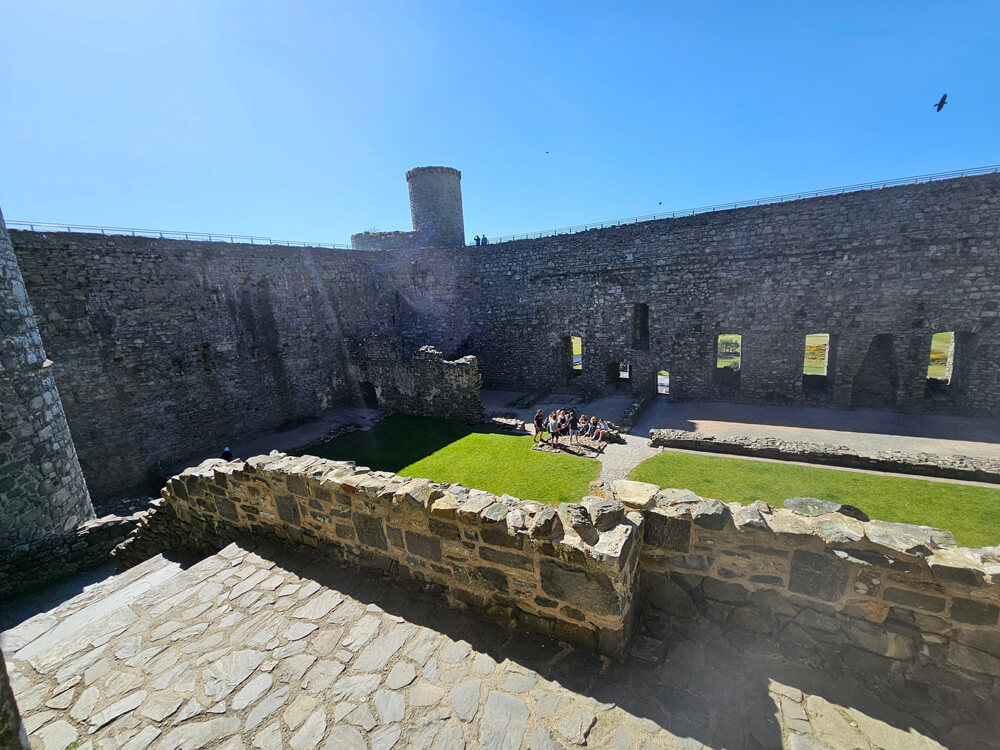
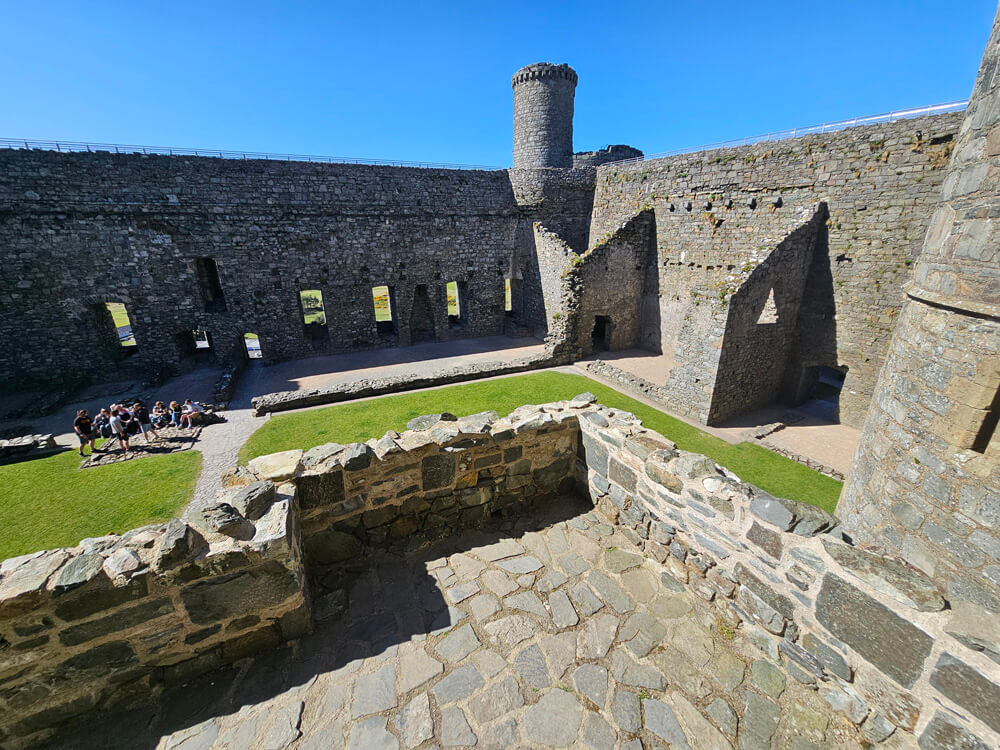
The inner ward is surprisingly small. A lot of space would have been taken up by a range of buildings, including the great hall, kitchen, chapel, bakehouse and granary etc. The corner towers provided further accommodation.
Over the centuries, Harlech sustained several attacks by the princes of Wales, including the unsuccessful siege of Madog ap Llywelyn between 1294-95 when he began an uprising against English rule that spread quickly throughout Wales. The castle played a key role in the national uprising led by Welsh leader Owain Glyndŵr. After a long siege, it fell to Glyndŵr’s forces in 1404, becoming his residence and headquarters until it was finally retaken by English forces under Henry V 1409.
Harlech Castle also endured a seven-year siege during the series of civil wars known as the Wars of the Roses in the 15th century, a bloody conflict between the House of Lancaster and the House of York. Harlech was held by Lancastrian forces loyal to Henry VI against the Yorkist forces loyal to Edward IV and was one of the last strongholds to hold out against the Yorkist army.
During the Siege of Harlech, from 1461 to 1468, the “way to the sea” access route enabled the garrison to hold out against Yorkist forces for seven long years, the longest siege in British history, inspiring the famous song ‘Men of Harlech’. The song, which has become an enduring symbol of Welsh national pride and military valour, commemorates the bravery and tenacity of the defenders of the castle, wherein a handful of men held out against a besieging army of thousands.
Harlech finally surrendered to the Yorkists in 1468 and the castle was apparently never repaired following the siege, leaving it to decay and to fall into ruin.
Harlech Castle Today
Today, Harlech Castle stands as a UNESCO World Heritage site, part of the ‘Castles and Town Walls of King Edward in Gwynedd’, which also include Conwy, Caernarfon and Beaumaris castles. Against fierce competition from Conwy, Caernarfon and Beaumaris, Harlech is probably the most spectacular setting for any of Edward I’s castles in North Wales.
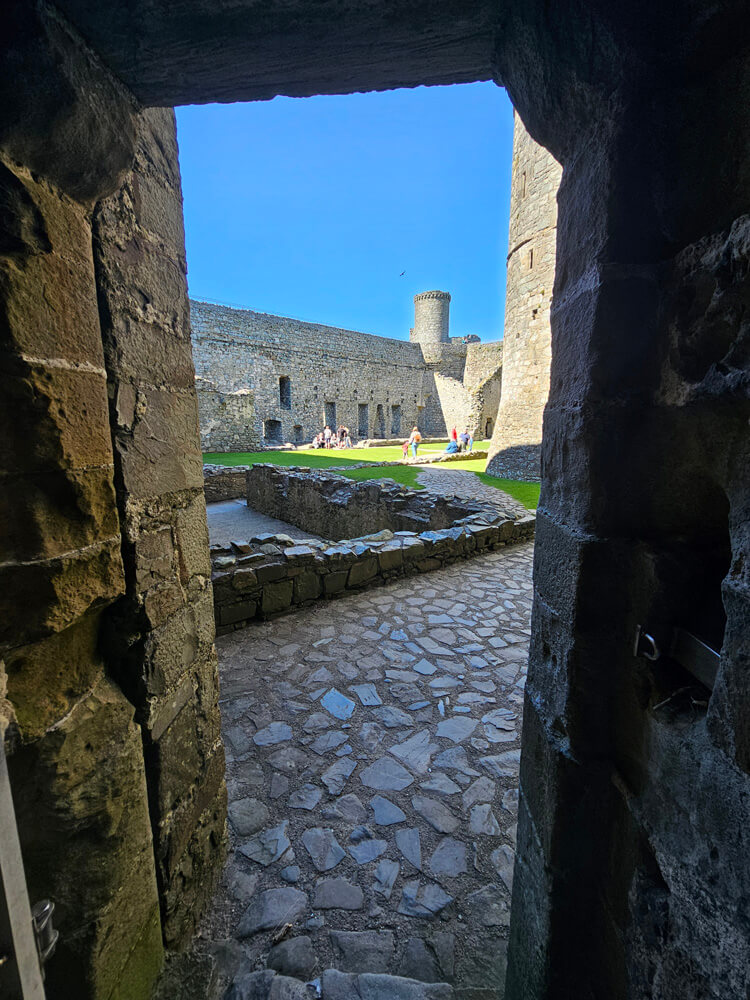
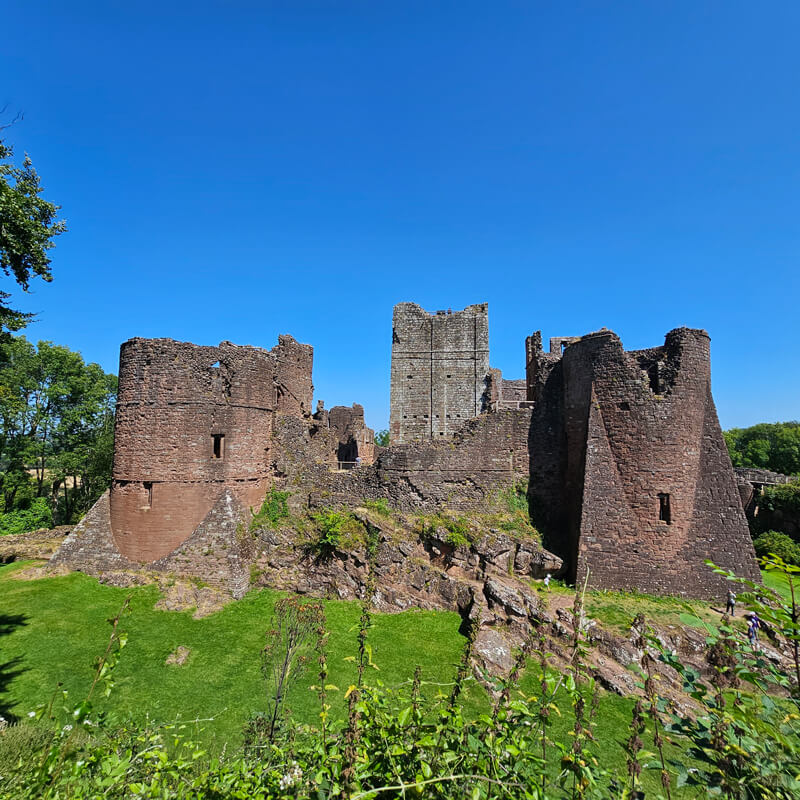
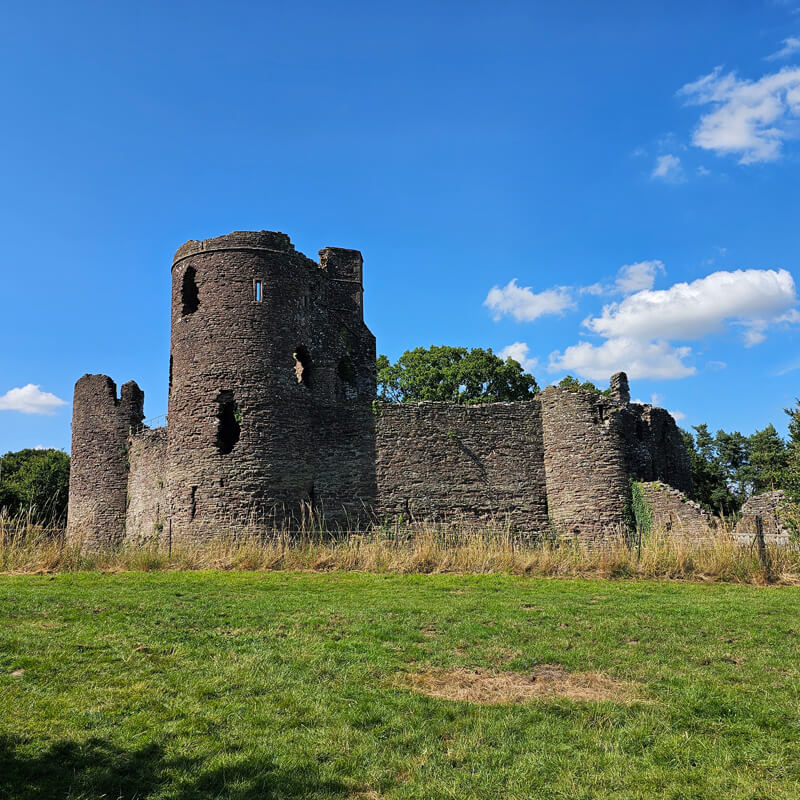
Harlech Castle remains incredibly well preserved and continues to tower over the town of Harlech. Its imposing presence and strategic location have made it a significant fortification throughout history, embodying the medieval might and architectural brilliance of the late 13th century. Even after seven centuries it remains a testament to the genius military architect, Master James of St George.
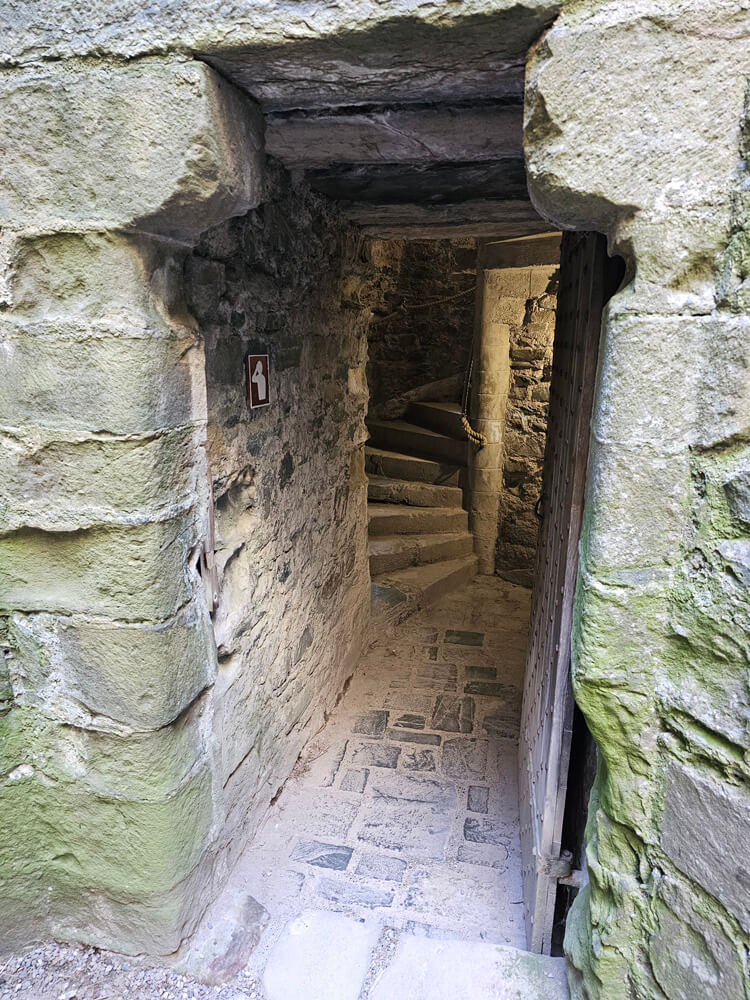
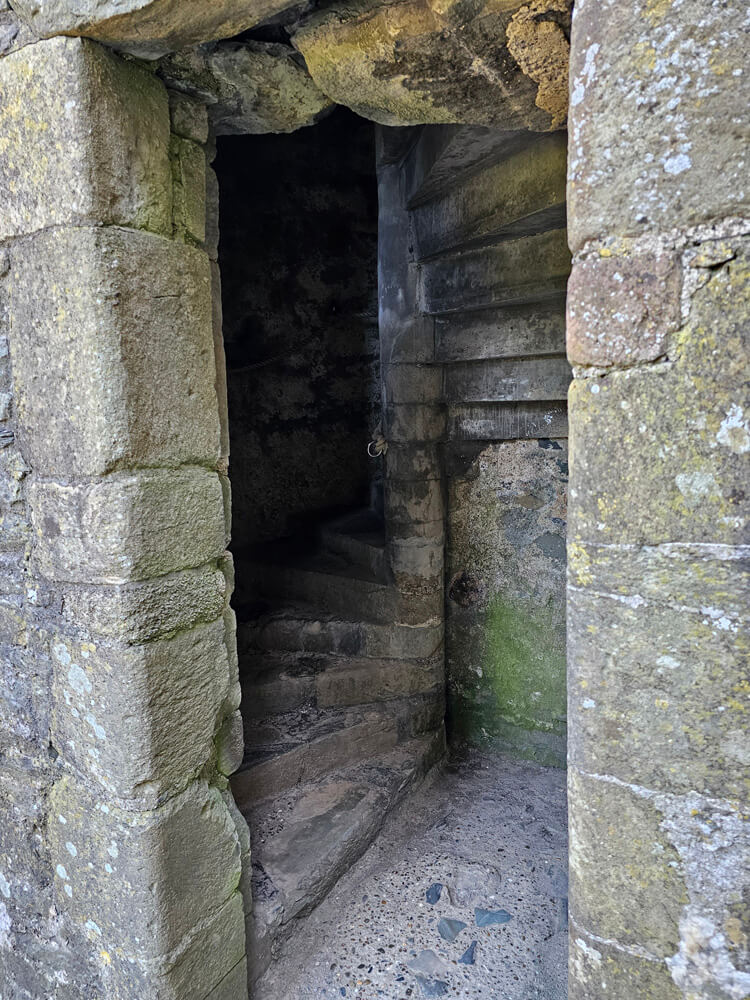
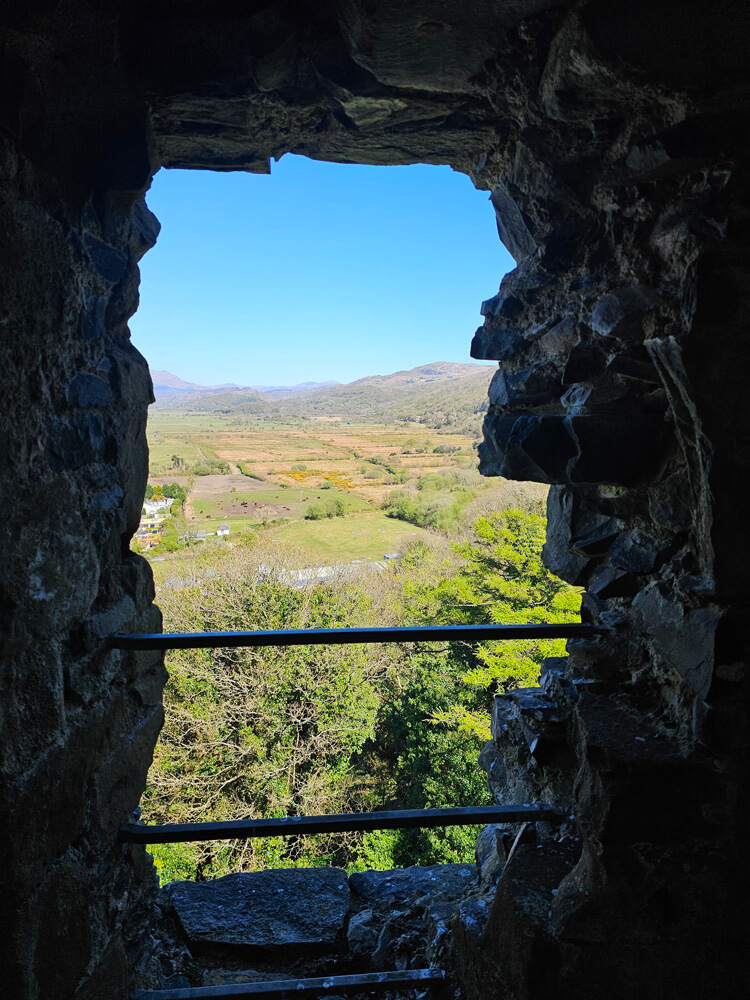
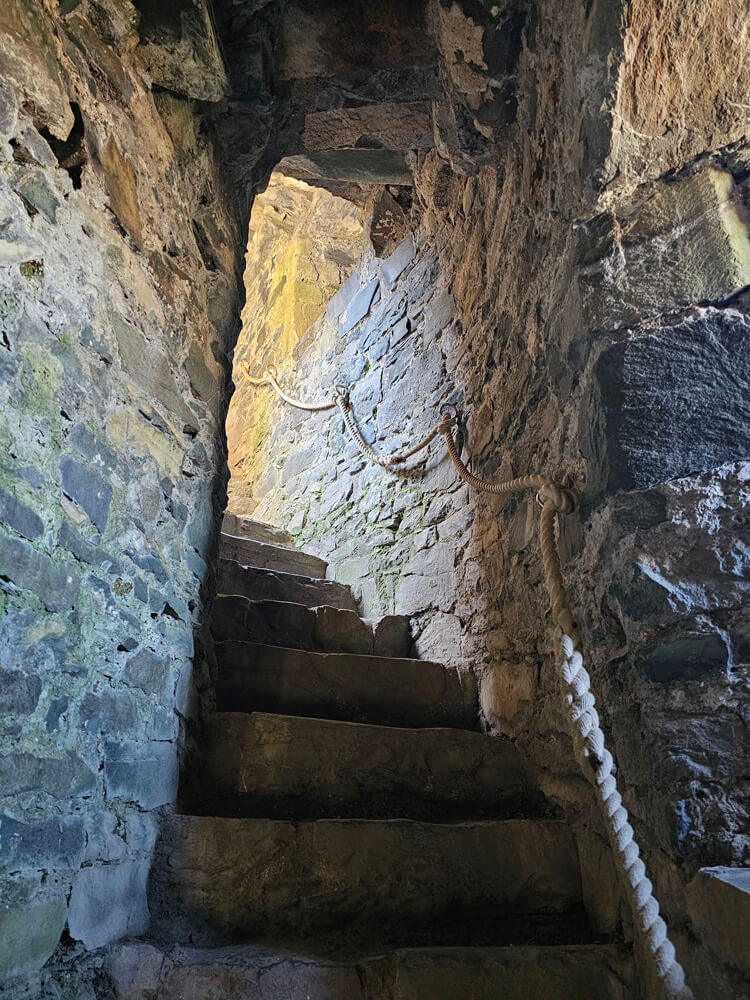
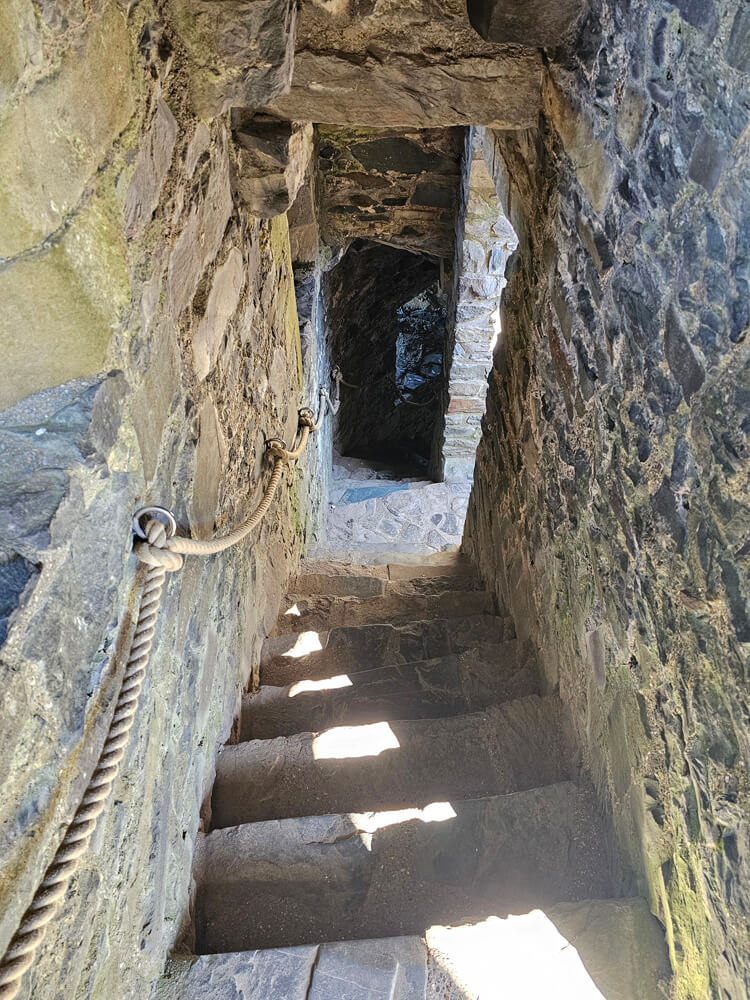
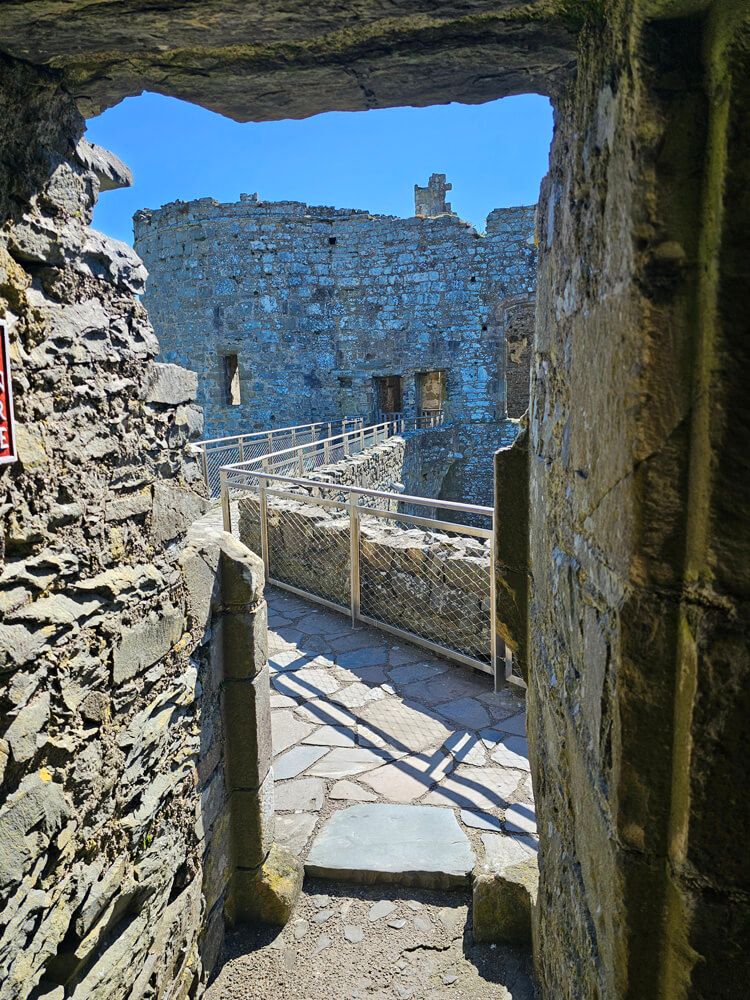
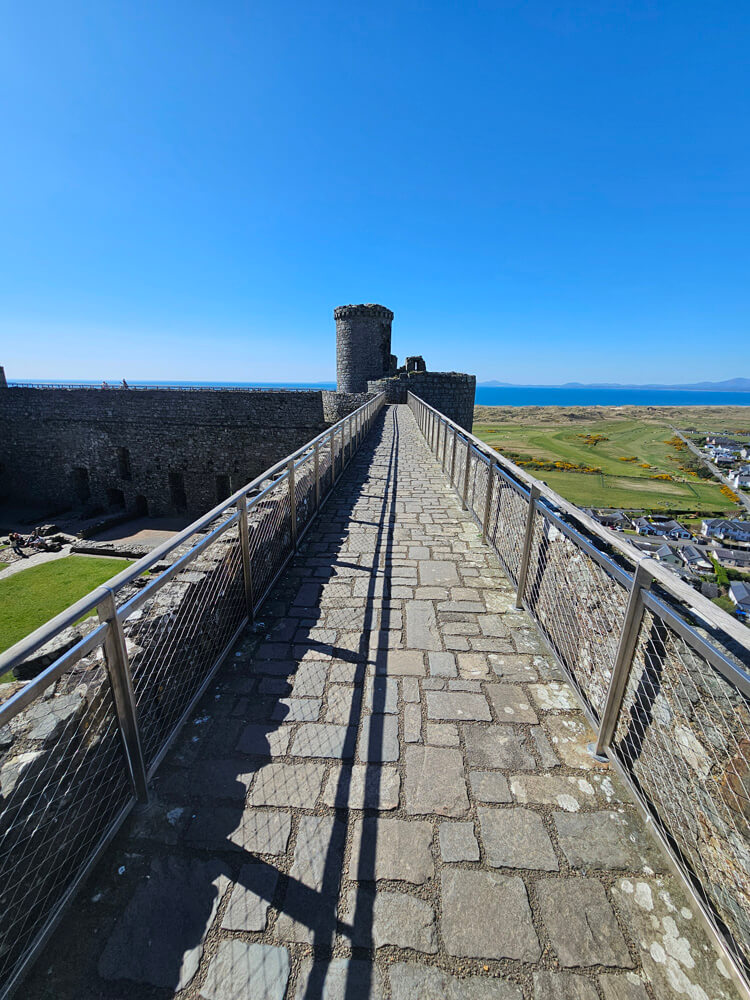
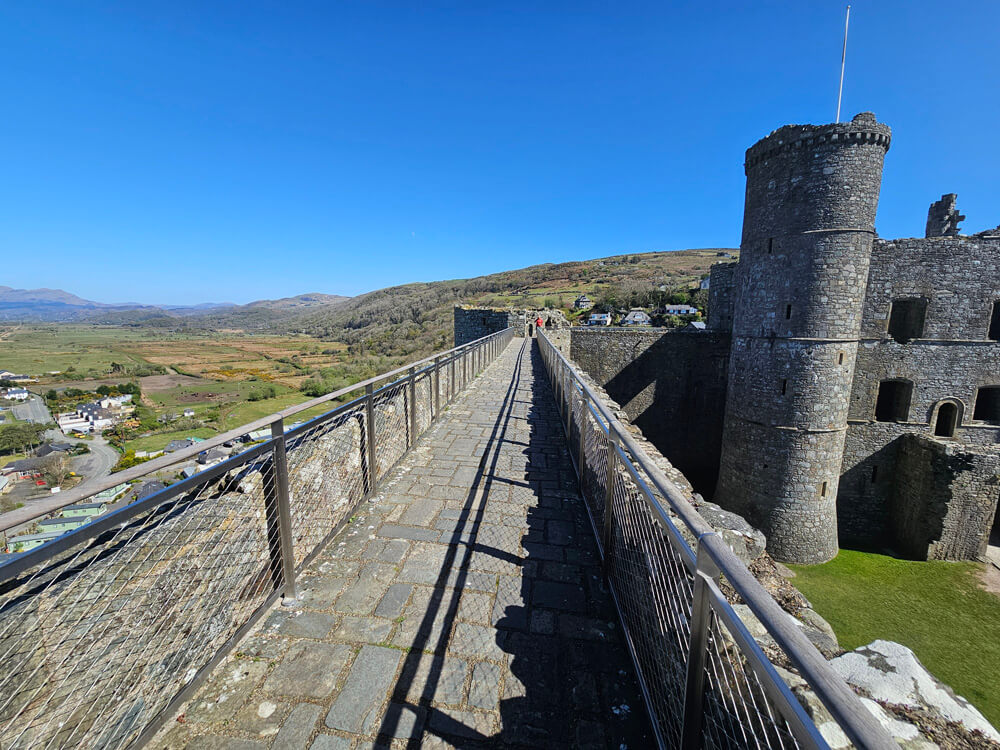
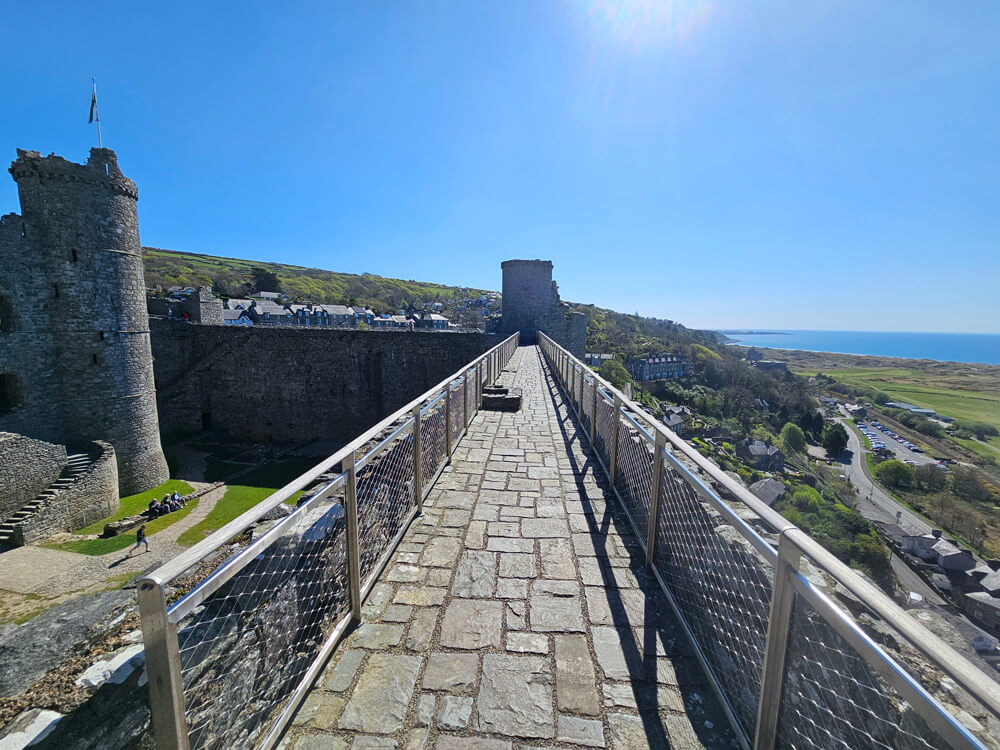
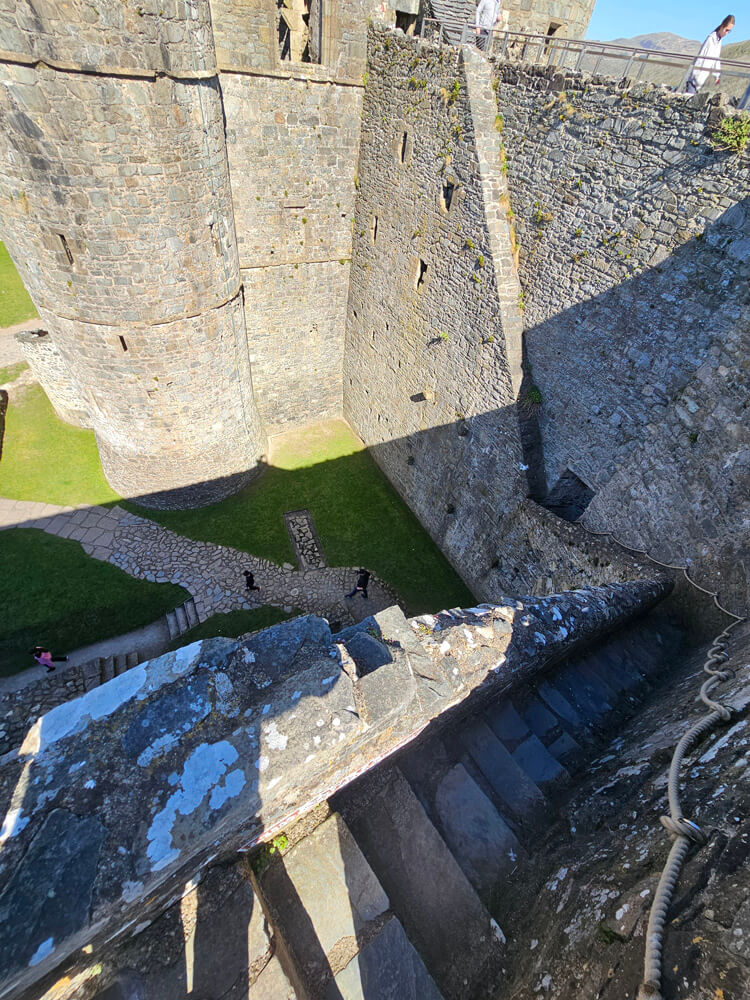
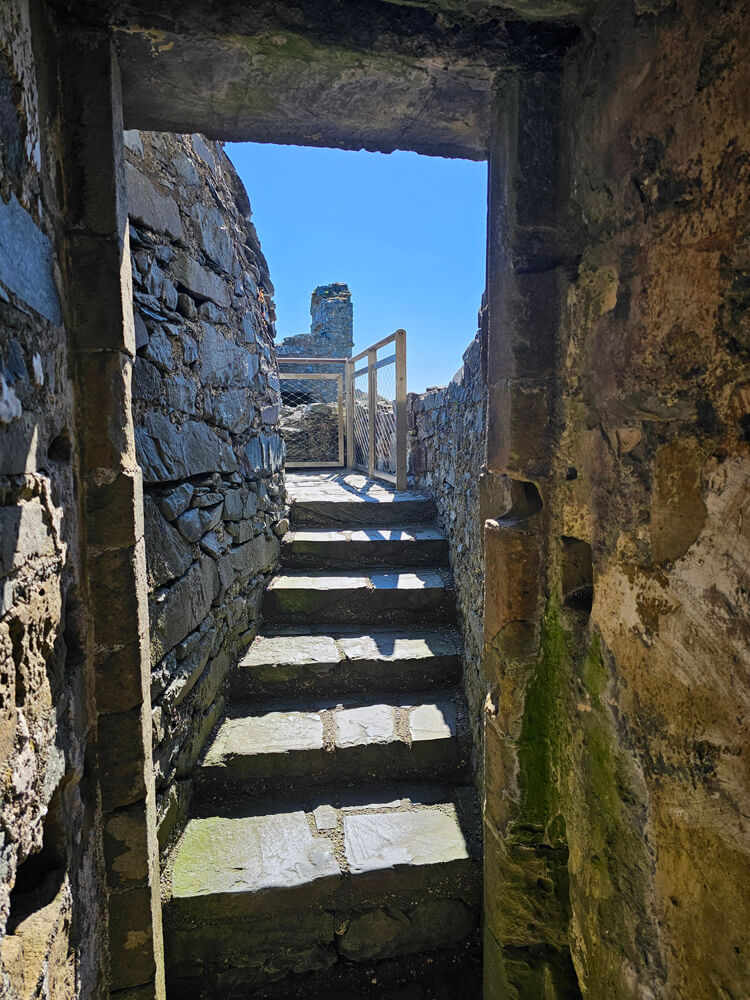
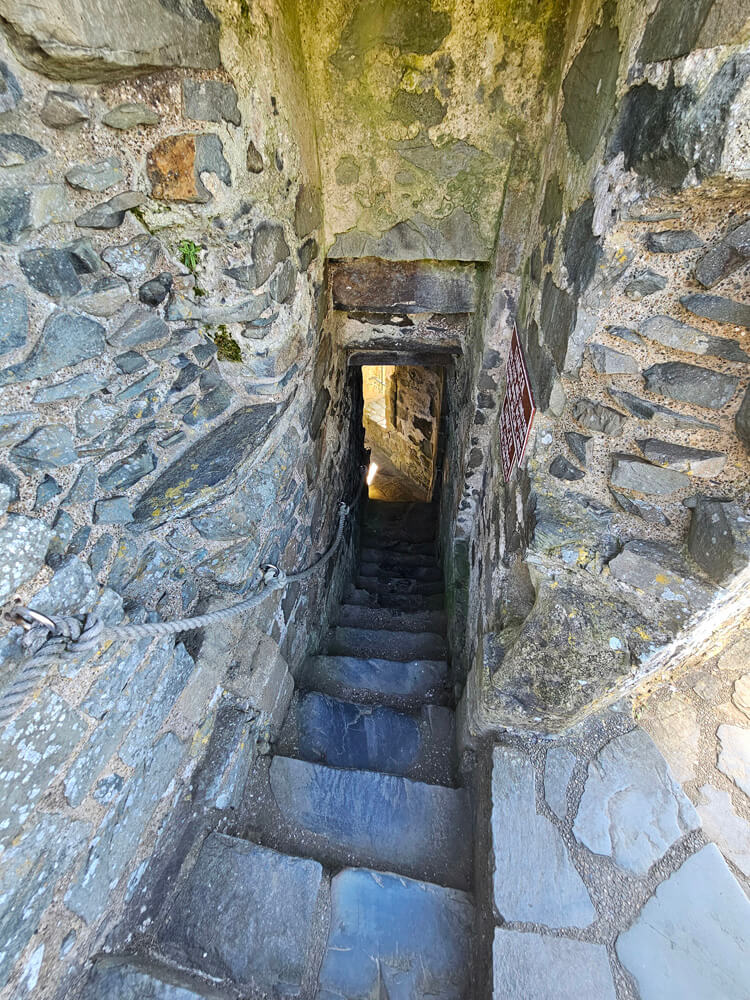
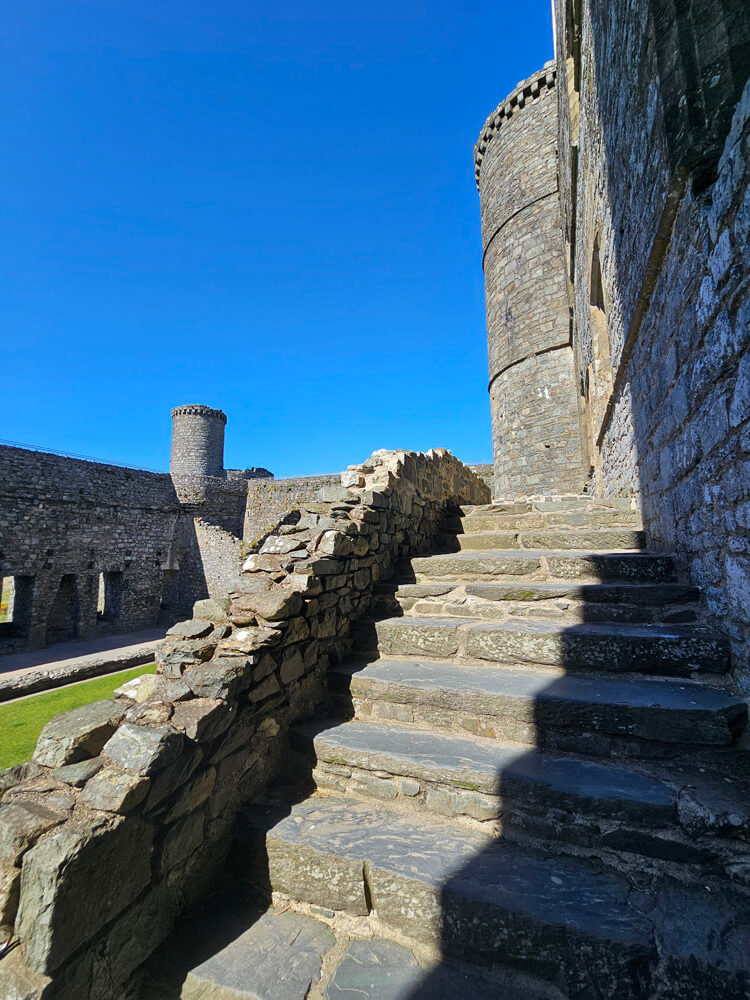
Efforts to preserve and restore Harlech have ensured that its stone walls, mighty towers, and panoramic views remain accessible to the public. You can climb one of the many sets of spiral staircases to the wall-walks from which there are superb views in all directions.
Photo Gallery.
Did you enjoy this post?
I hope you found this post useful. I put a great deal of time and effort in to building, maintaining and populating the website. If you like, you could say a small thank you by buying me a coffee. You don't have to, but it would be nice :)
Buy me a coffee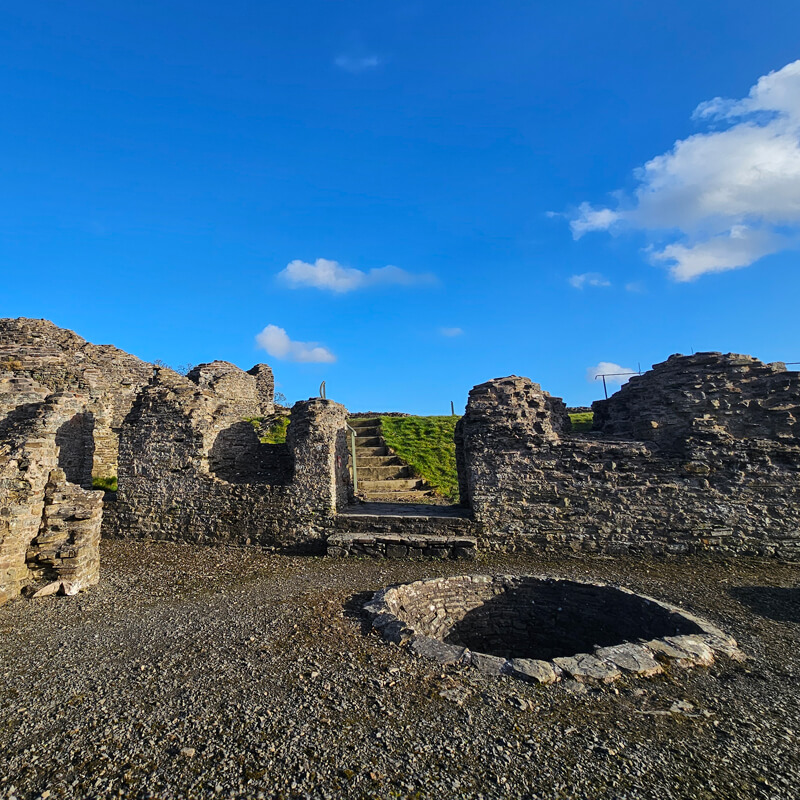
Stay up to Date
Follow me on my journey and get notified whenever a new post is published by following Kings & Castles on Facebook.
Follow MeExplore The Map
Discover the hundreds of castles, churches, monasteries, cathedrals and other historic locations that I've personally visited across England and Wales. Search by location, explore nearby sites and plan your next historical adventure.
Share: