Beaumaris Castle
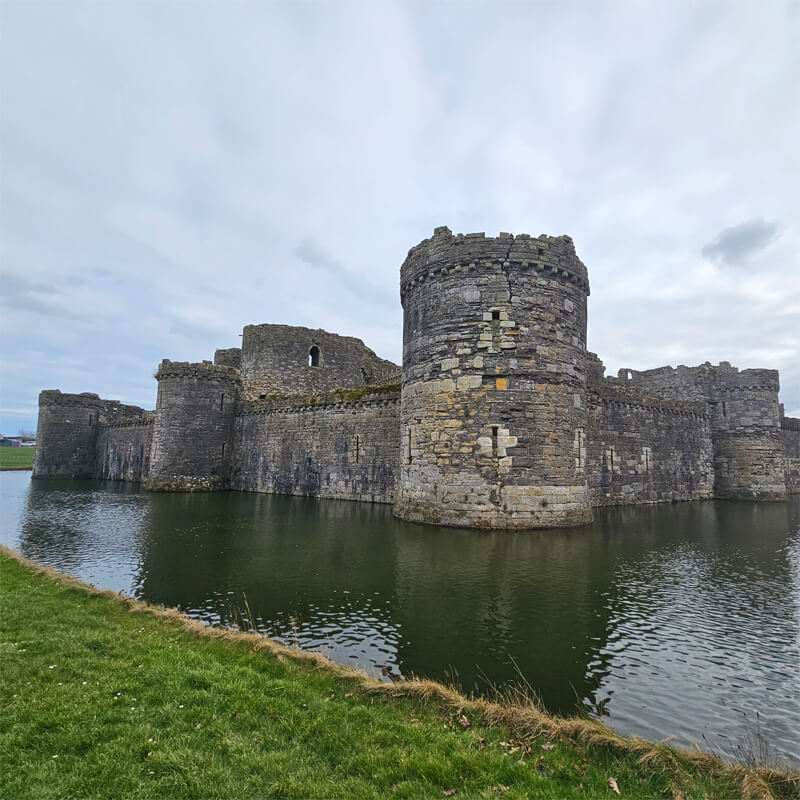
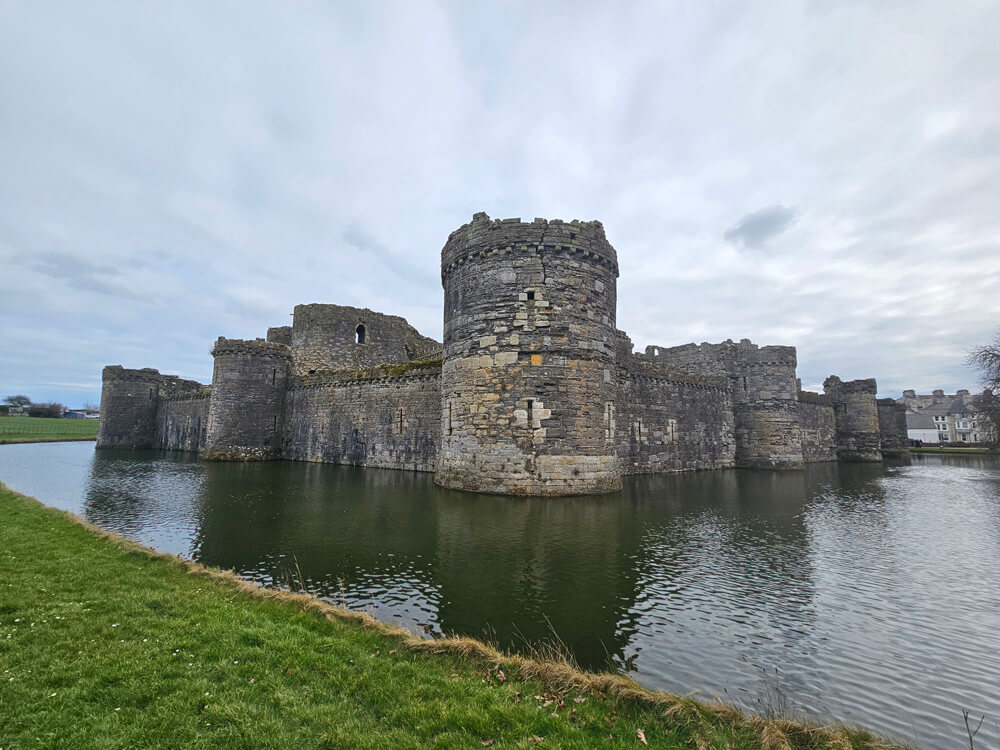
Beaumaris Castle in Anglesey was the last castle built in Wales by King Edward I. It is possibly the most sophisticated example of medieval military architecture in Britain. It is the ultimate concentric castle, a fortress of near-perfect symmetry. An unfinished masterpiece that has been described as the greatest castle never built.
Quick
Facts.
- Location: Beaumaris, Anglesey, Gwynedd, Wales
- Built: 1295 - c. 1330
- Condition: Largely intact
- Date visited: March 2025
- More info: Visit website
- Rating:
A Bit of History…
Beaumaris Castle was built as part of Edward I‘s campaign to conquer north Wales towards the end of the 13th century. Edward and his architect, Master James of St George, who was appointed the “master of the king’s works in Wales”, took full advantage of a blank canvas; the ‘beau mareys’ or ‘beautiful marsh’ beside the Menai Strait, where they decided to build their new castle. This castle was to be the final link in the great chain of Edward I’s castles stretching along the north Wales coast.
With a huge army, Edward I invaded with the sole ambition of conquering and permanently colonising North Wales in the 1280s. Emulating how England was governed, Wales was divided into counties and shires, with three new shires created in the north-west of Wales; those of Caernarfon, Merioneth and Anglesey. New towns with protective castles were established at Caernarfon and Harlech to serve as the administrative centres of the first two shires, with another castle and walled town built at nearby Conwy.
Plans were then made to establish a similar castle and settlement near the town of Llanfaes on the island of Anglesey, where the native population of Llanfaes was forced to move to a second newly established settlement called Newborough. The deportation of the local Welsh opened the way for the building of a prosperous new English town protected by a substantial castle on the ‘beautiful marsh’, which was given the Norman-French name Beau Mareys.
The plan to build Beaumaris Castle was made in around 1283 but it was postponed due to the huge costs of building Edward’s other castles. Then, in 1294-95, the Welsh rose in revolt under Madog ap Llywelyn, and the decision was made to proceed with the building of new castle. Built on an entirely new site, the creative genius James of St George built what is perhaps Edward I’s masterpiece, and the last of Edward’s royal strongholds in Wales. Work on Beaumaris began in 1295 and a substantial workforce was employed under the direction of James of St George. By now they’d already built the great castles of Conwy, Caernarfon and Harlech, but this was to be their crowning glory.
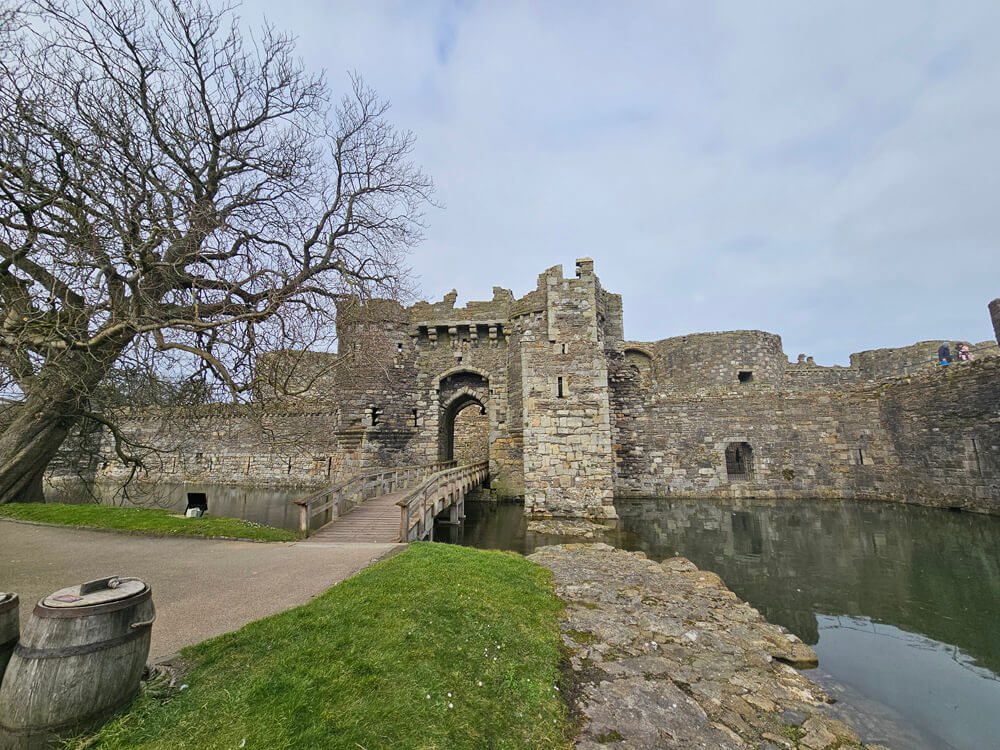
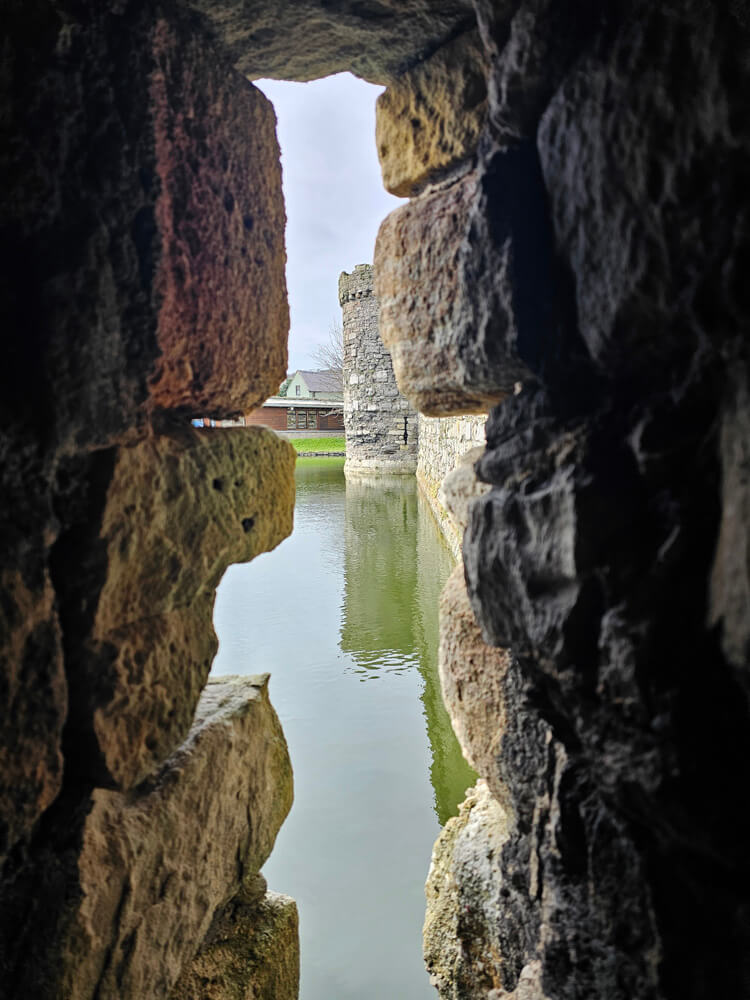
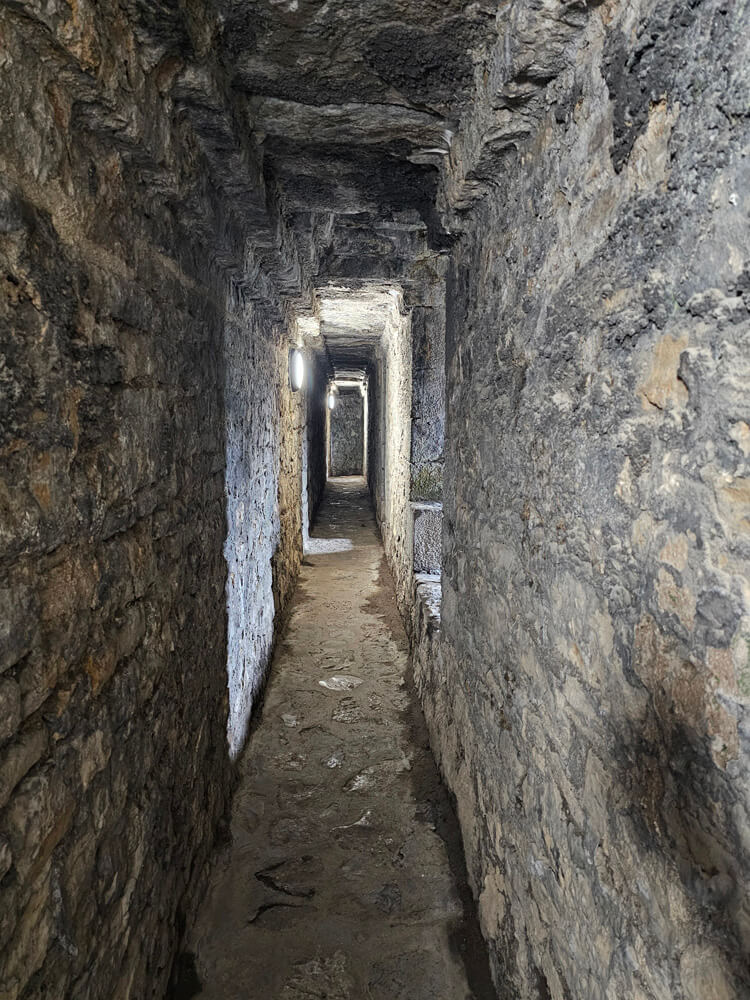
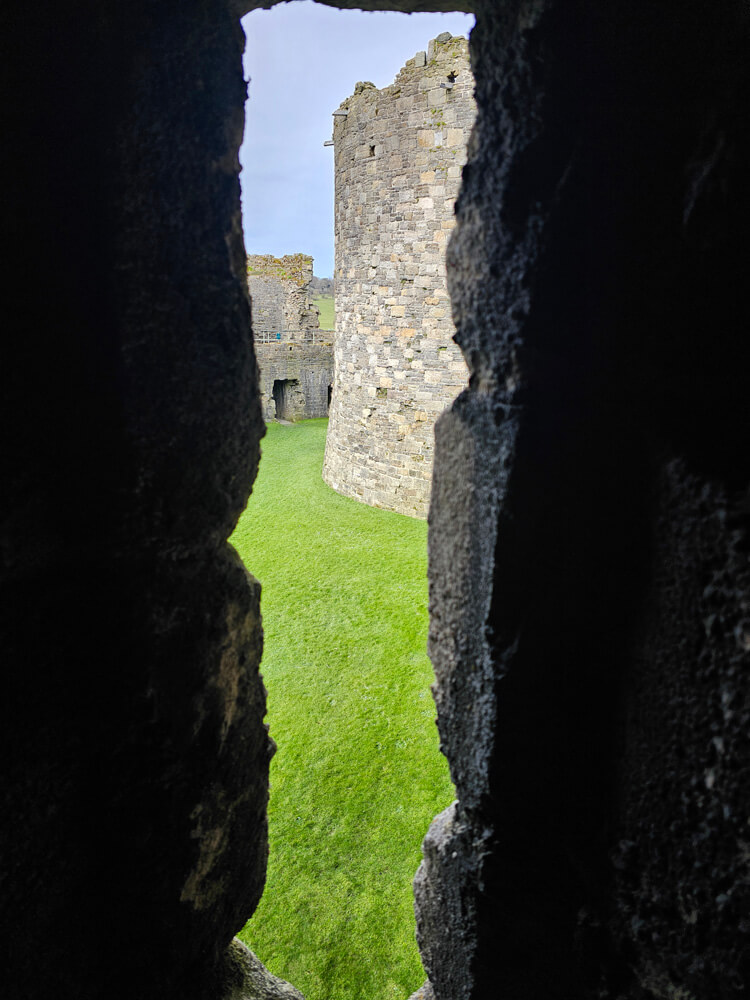
The result was a fortress of immense size and glorious symmetry. It featured a high inner ring of formidable defences surrounded by a lower outer circuit of walls with around 300 arrow loops, and an 18ft wide water-filled moat with its own dock. However, Edward I’s invasion of Scotland diverted funding from the building project and its construction came to a halt. Building work resumed again 1306 after fears of an invasion, however its construction was finally abandoned by 1330 due to lack of money and trouble in Scotland, and the castle remained incomplete.
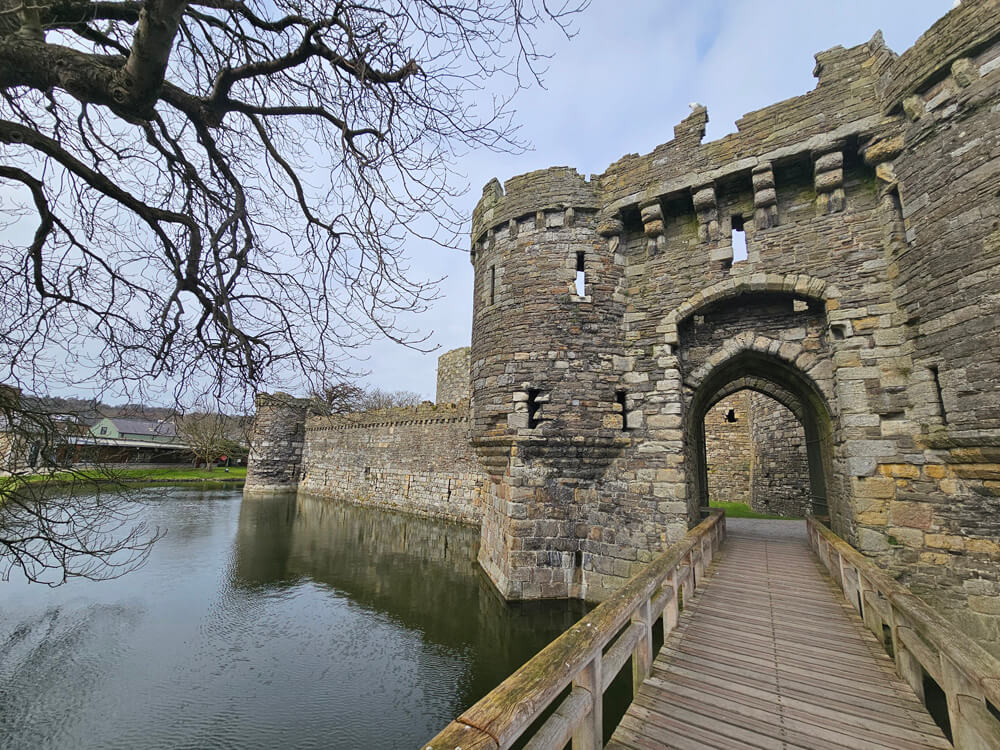
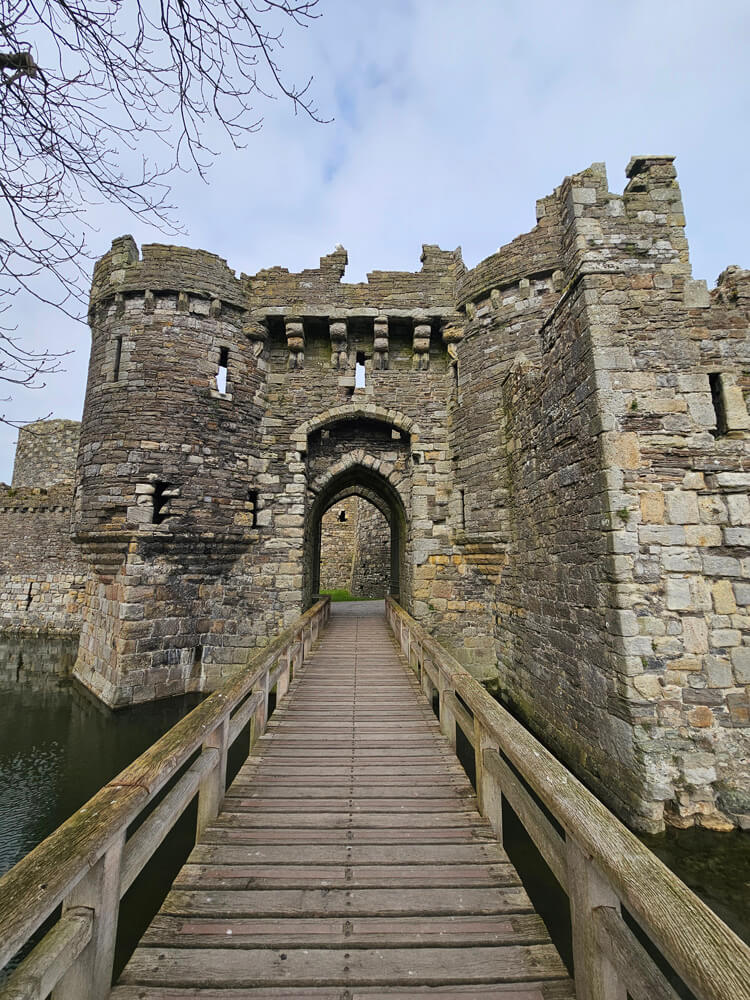
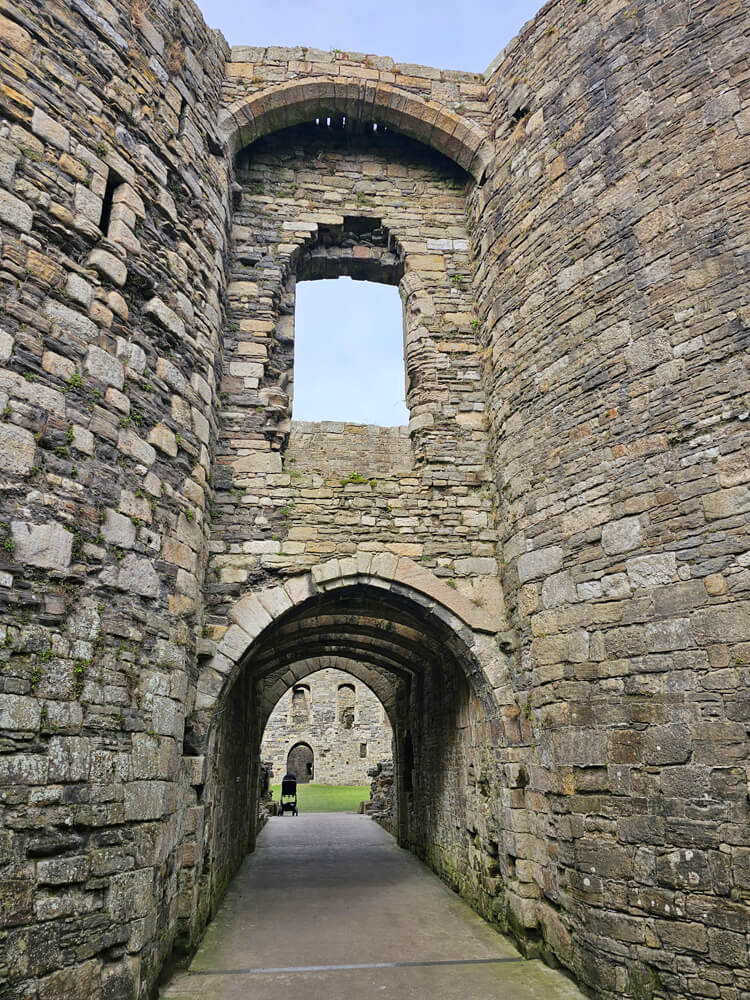
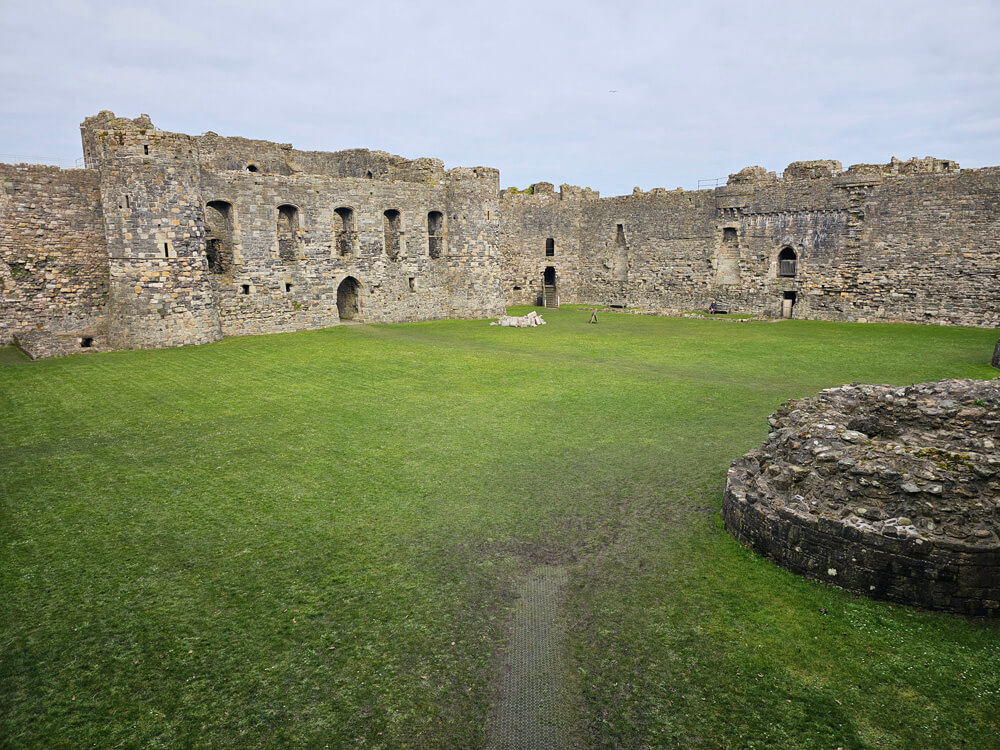
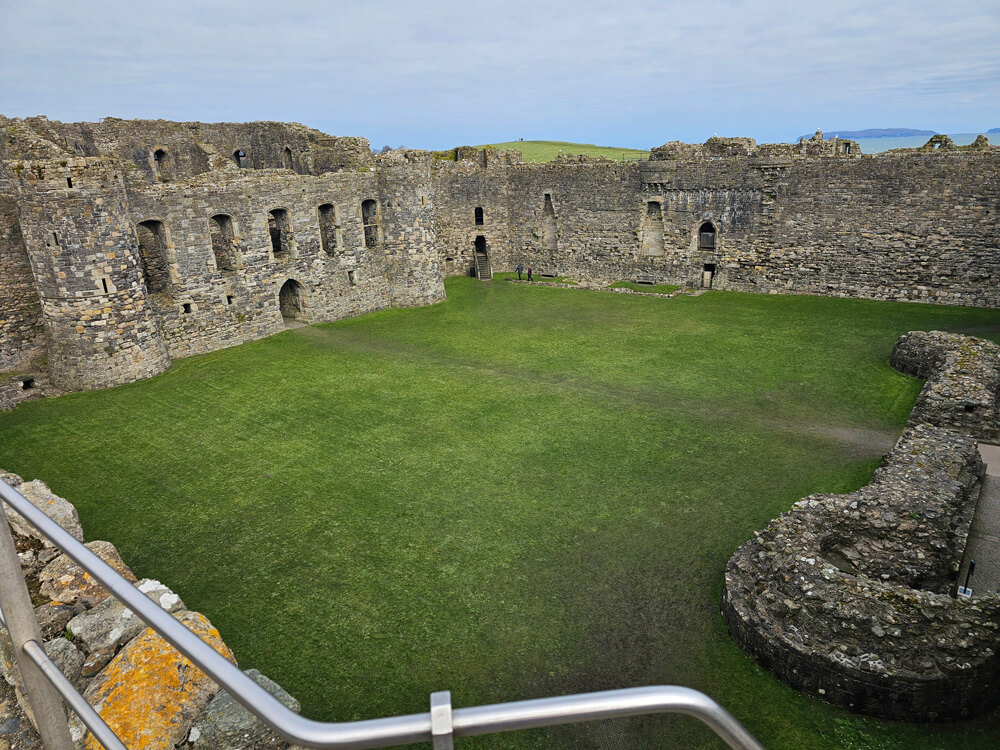
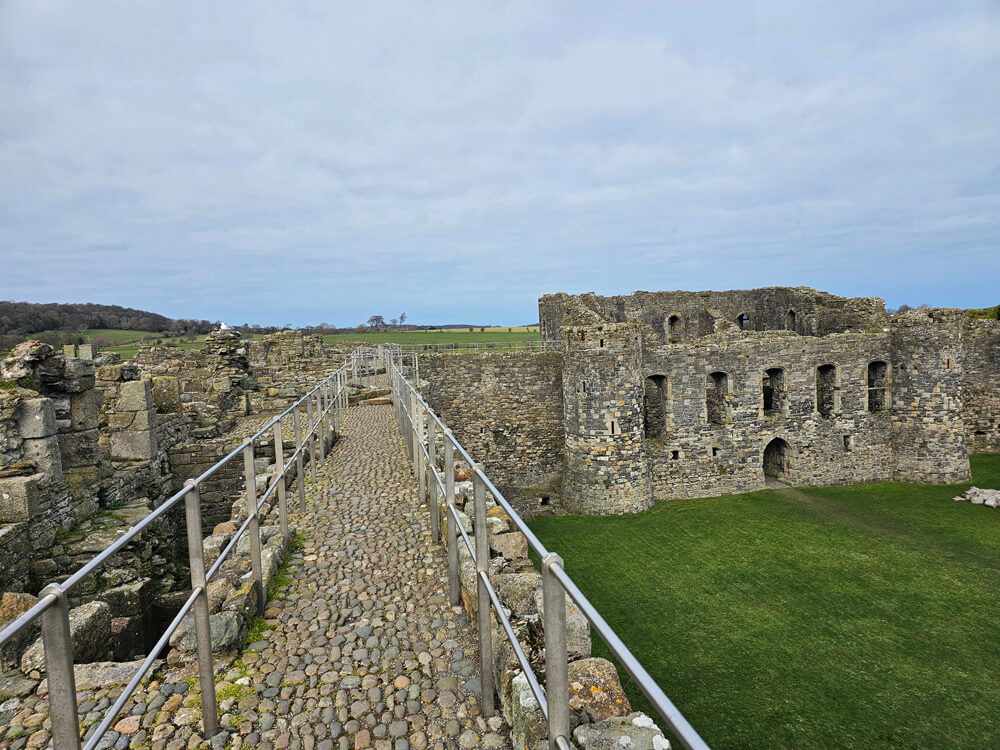
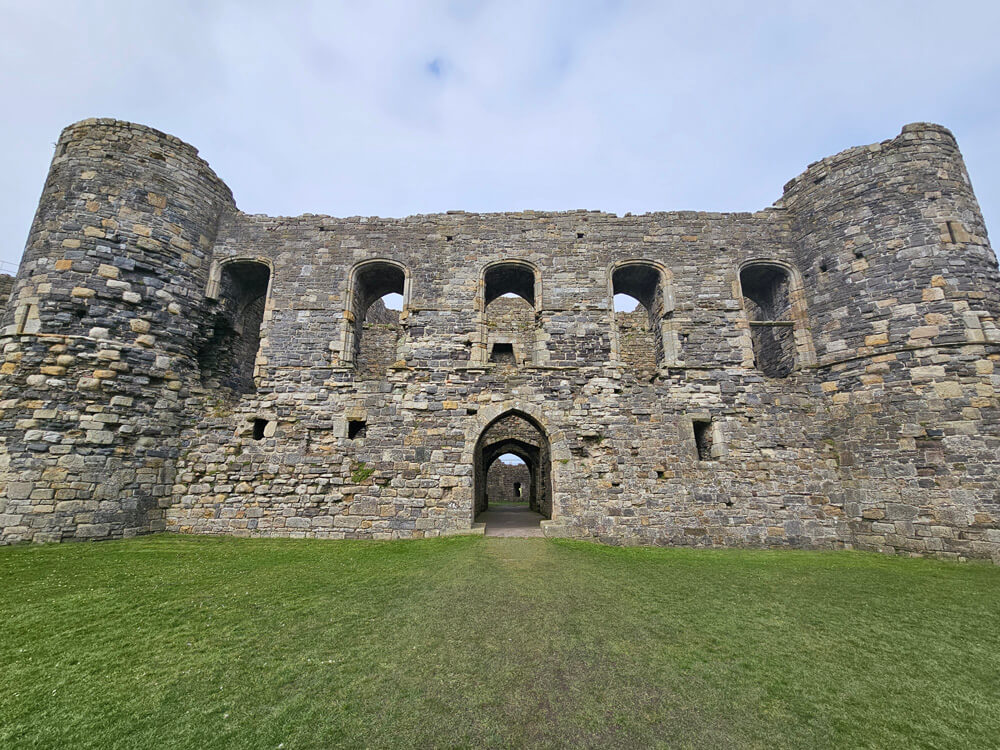
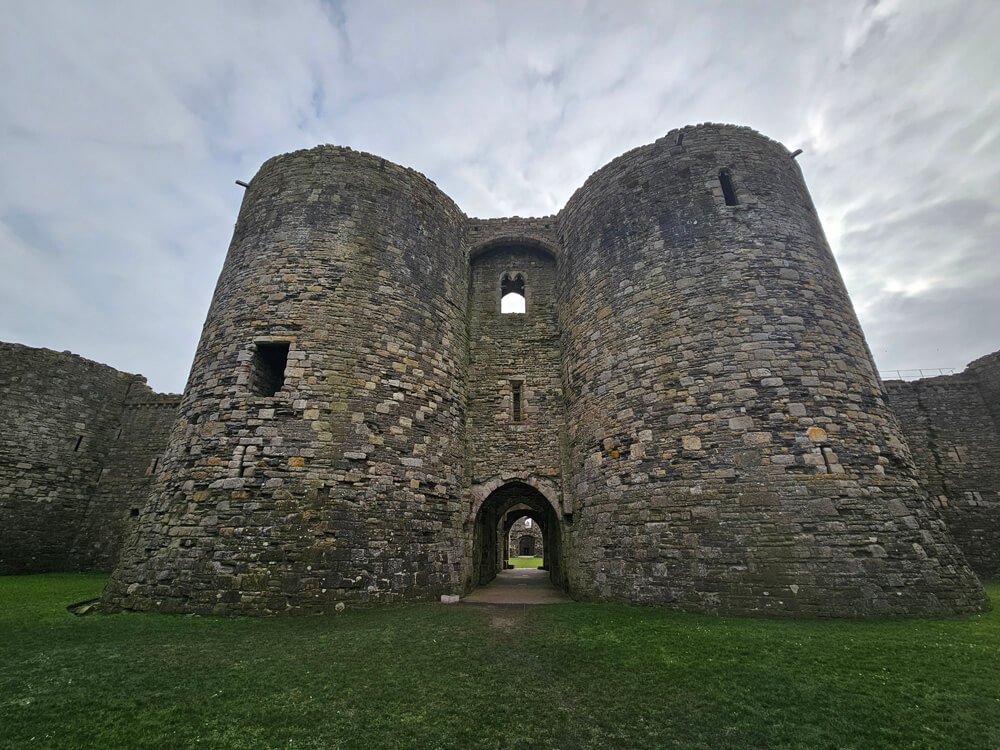
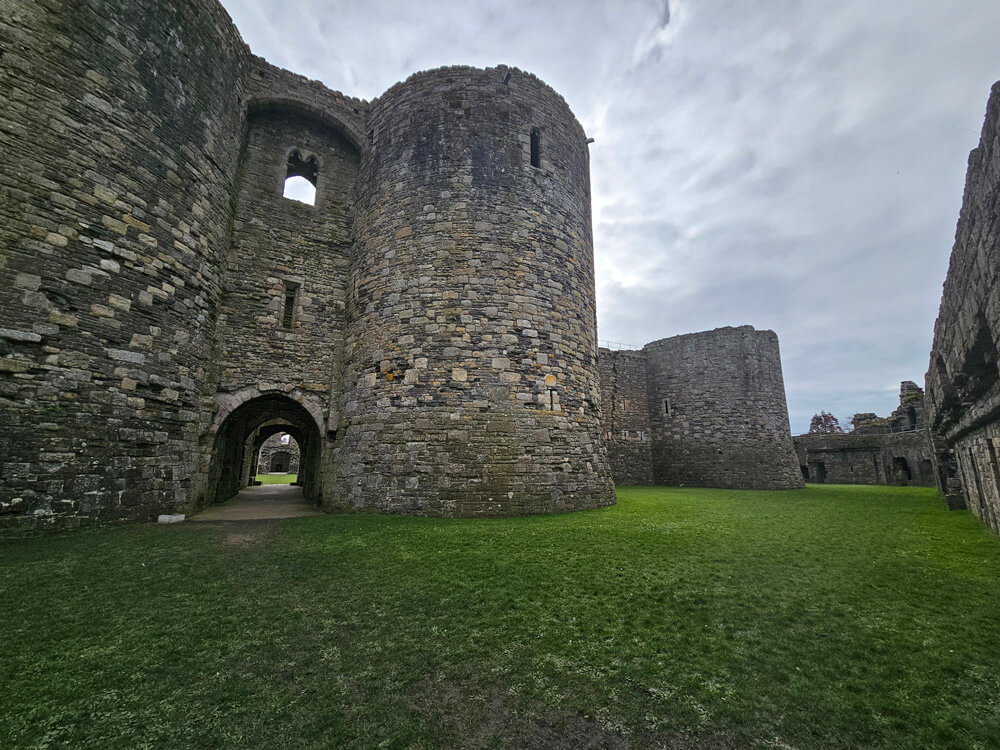
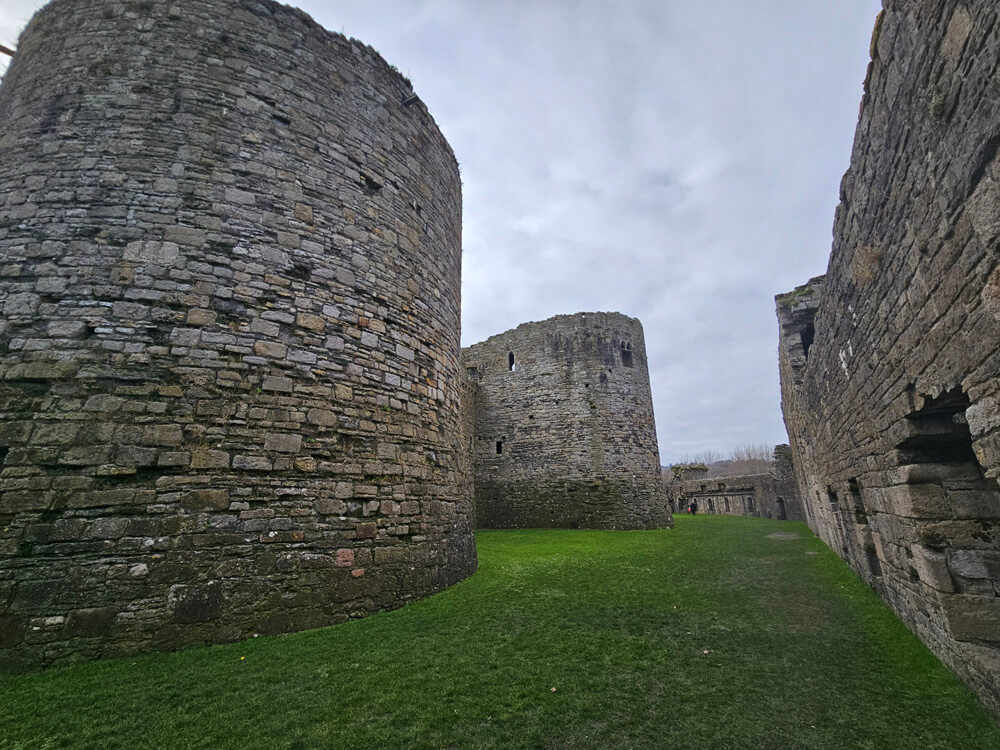
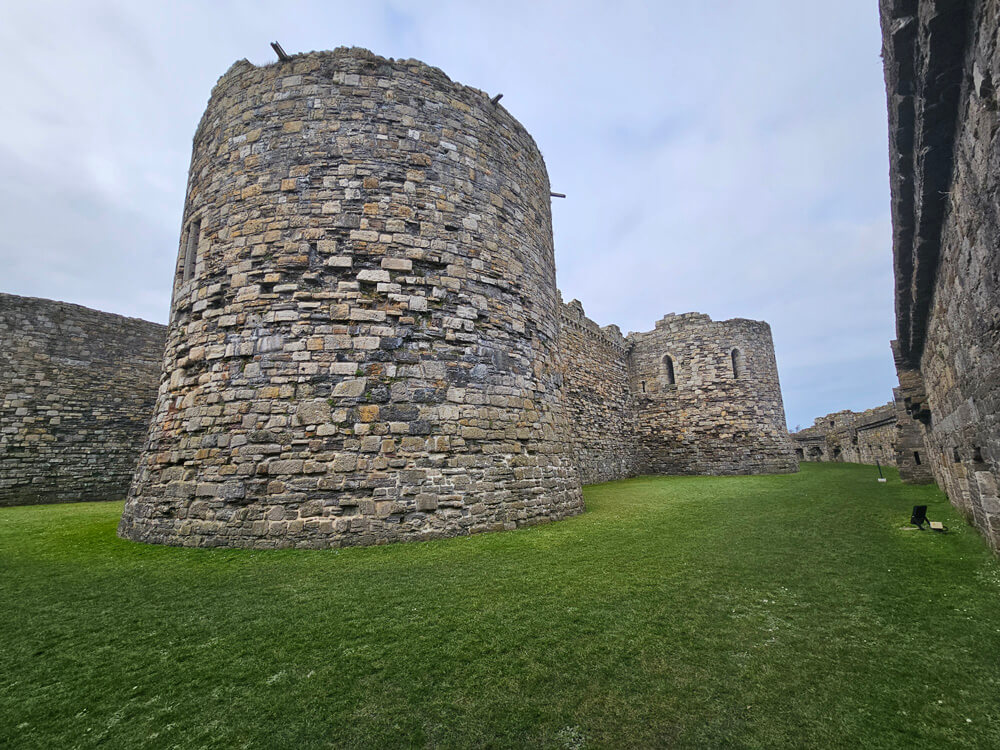
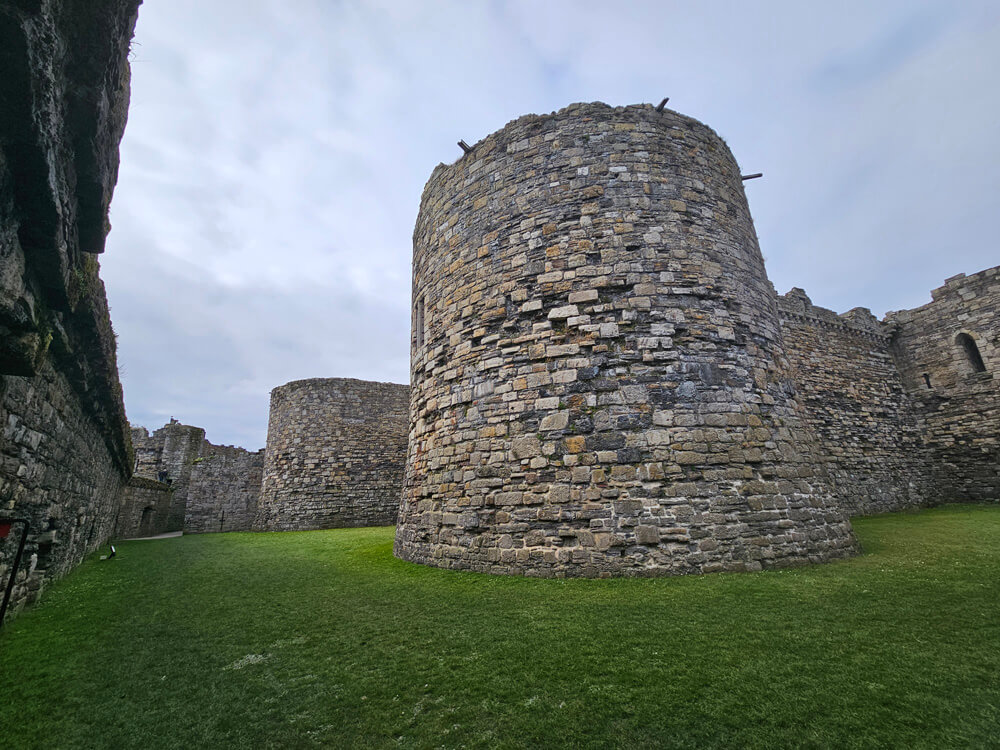
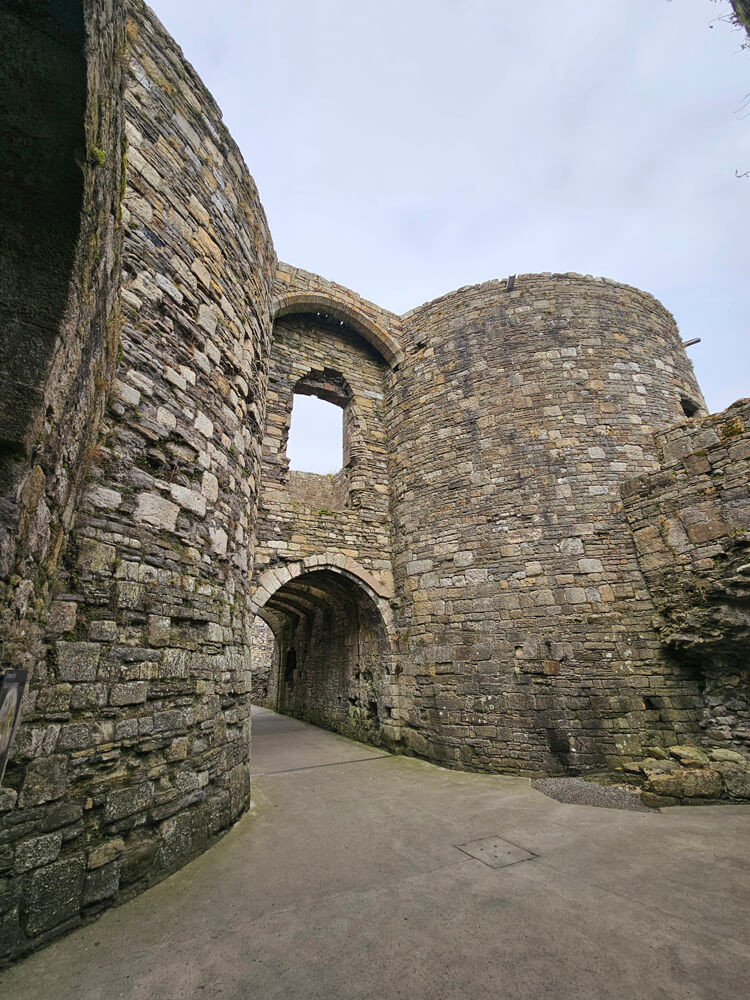
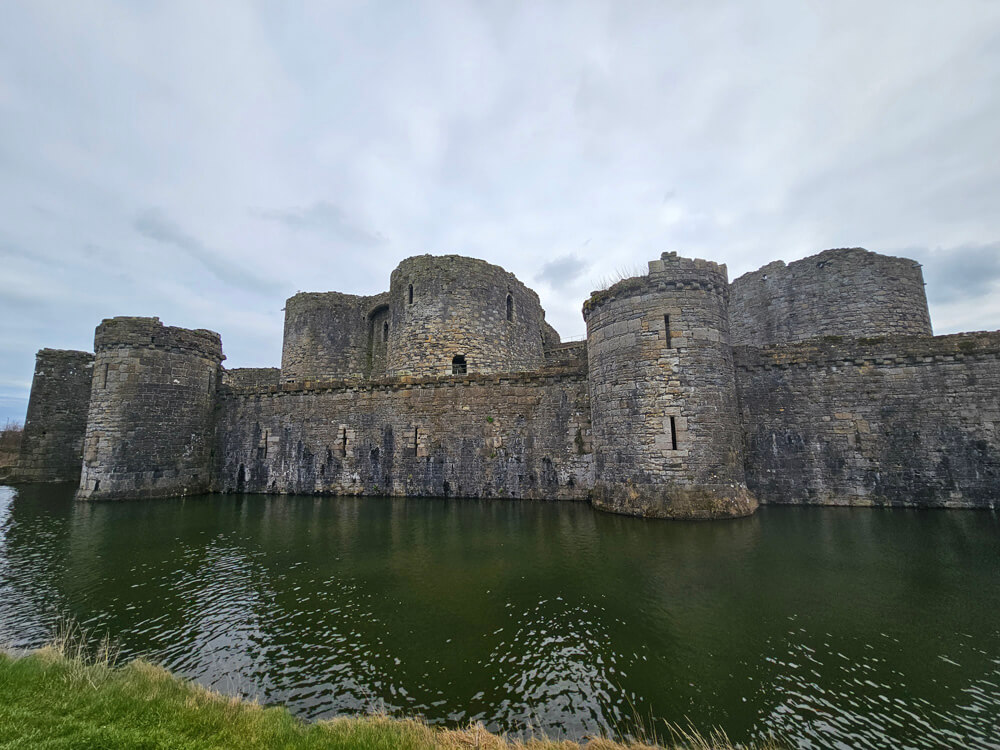
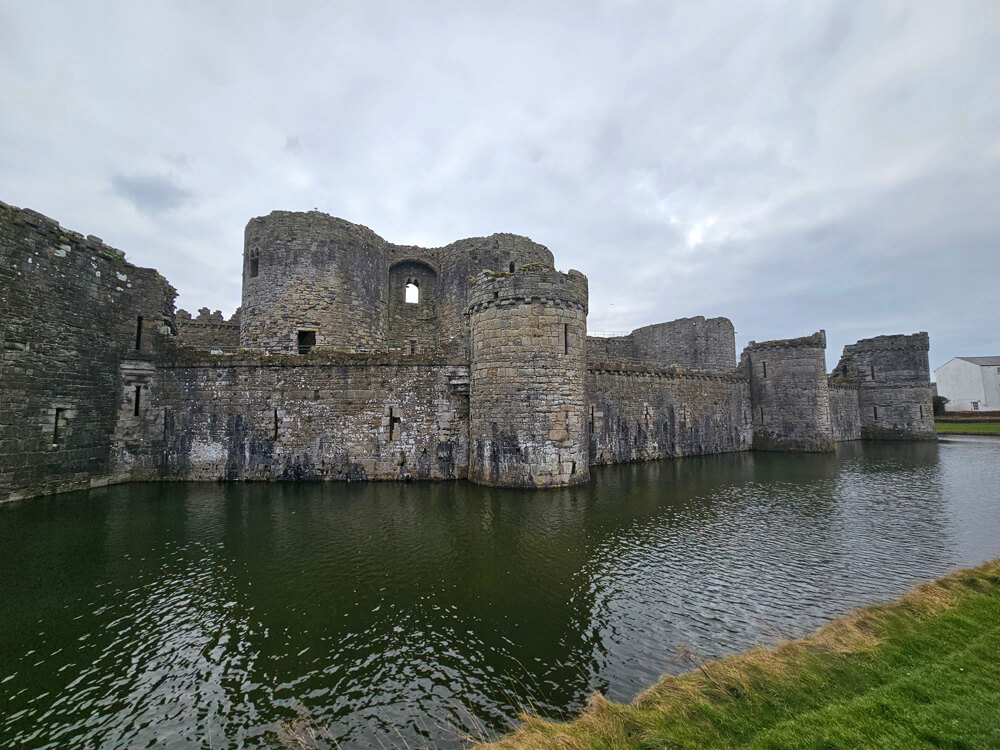
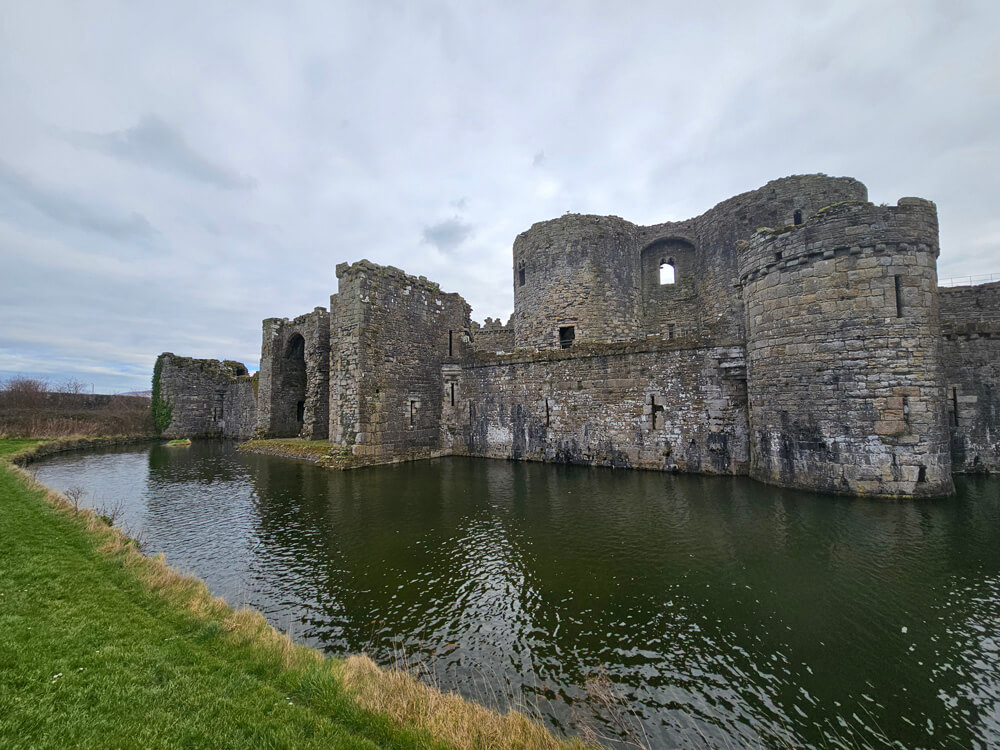
The south gatehouse, inner walls and the six great towers in the inner ward never reached their intended height, giving Beaumaris its distinctive squat shape. The Llanfaes gate on the northern side of the castle was also left incomplete.
Beaumaris Castle saw brief action on just a few occasions. The castle was taken by Welsh forces in 1403 during the rebellion of Owain Glyndŵr, but it was recaptured by royal forces in 1405. During the English Civil War the castle was held by forces loyal to King Charles I, holding out until 1646 when it surrendered to Parliamentarian forces. Then, a local royalist rebellion broke out in 1648 and Beaumaris was briefly reoccupied by royalist forces, before surrendering to Parliament for a second time. After the English Civil War many castles were destroyed so they couldn’t be used for military use again, but fortunately for Beaumaris it was spared.
The Castle Today
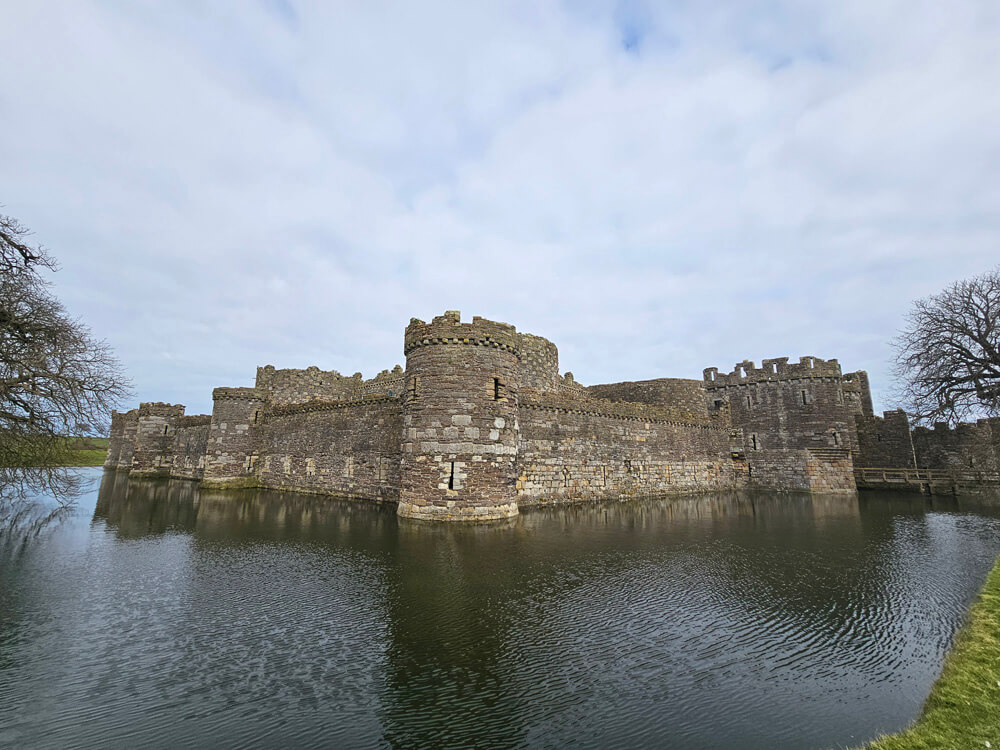
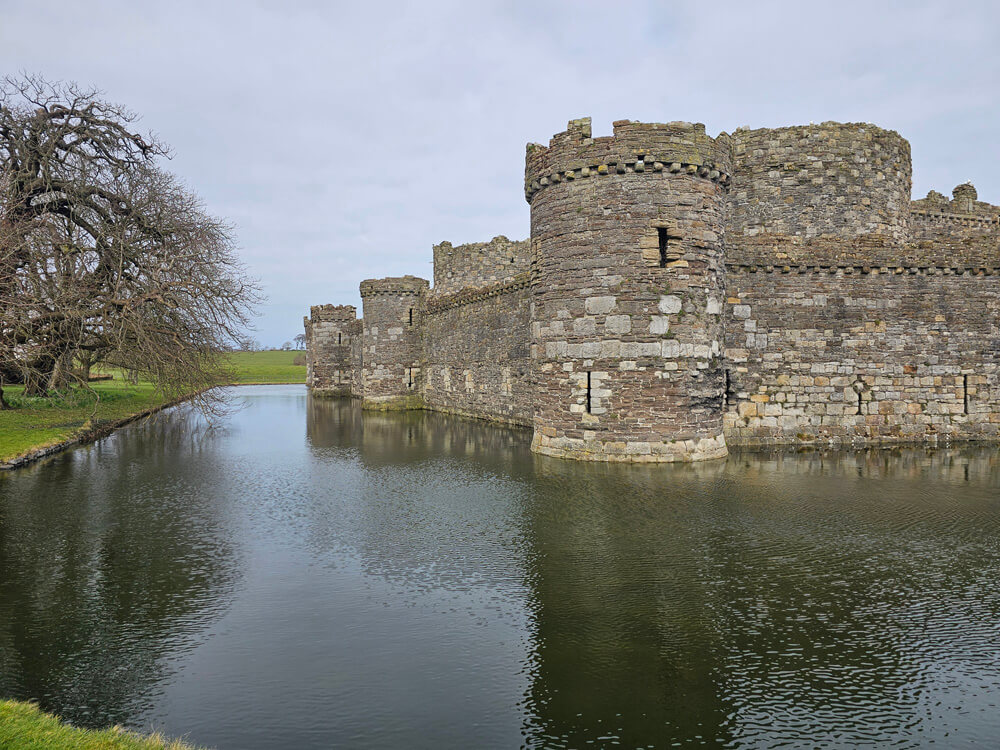
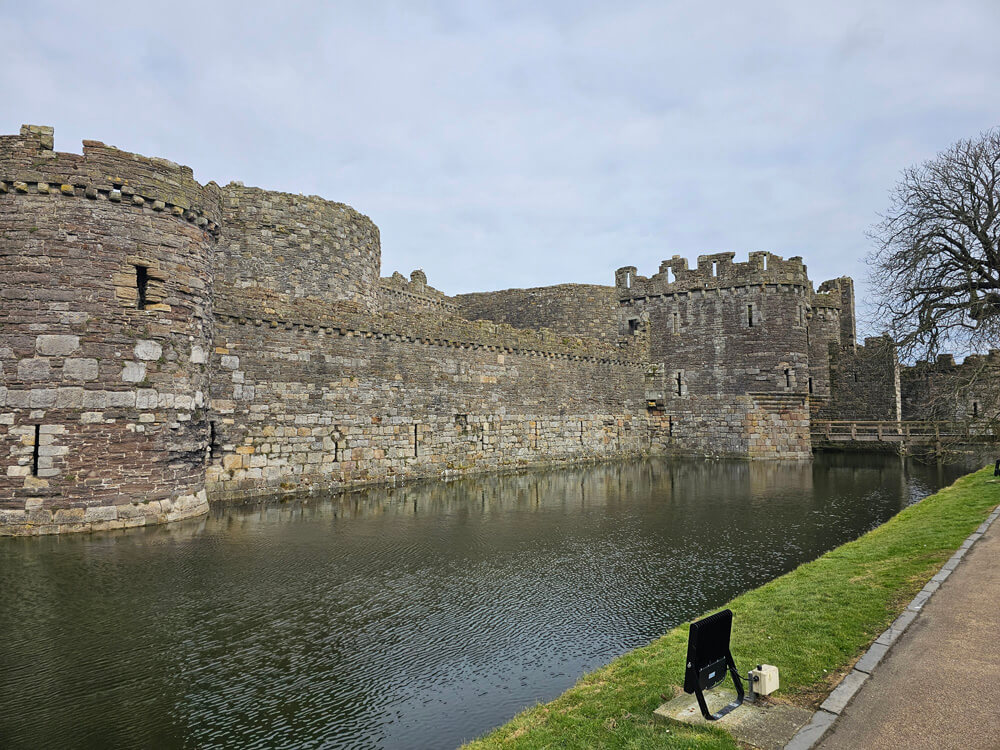
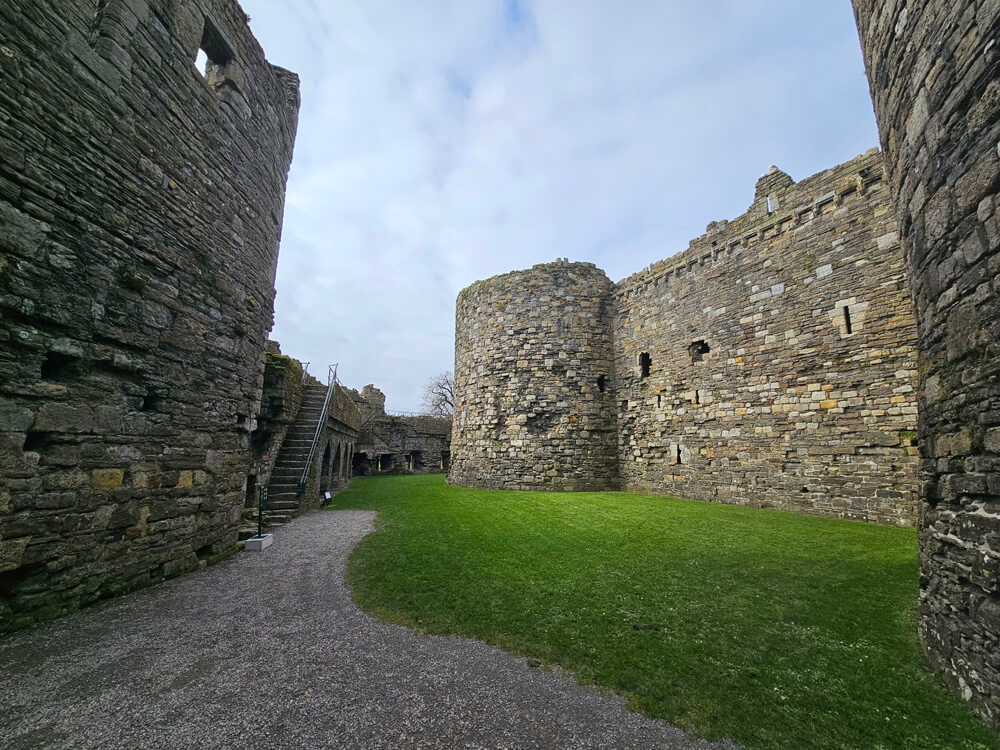
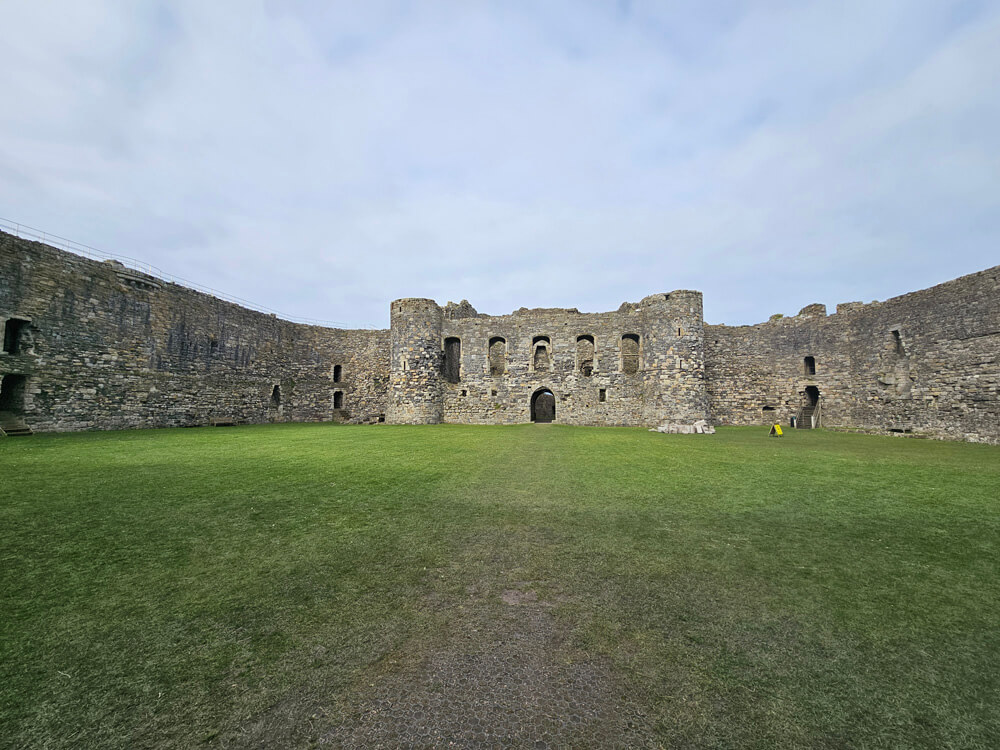
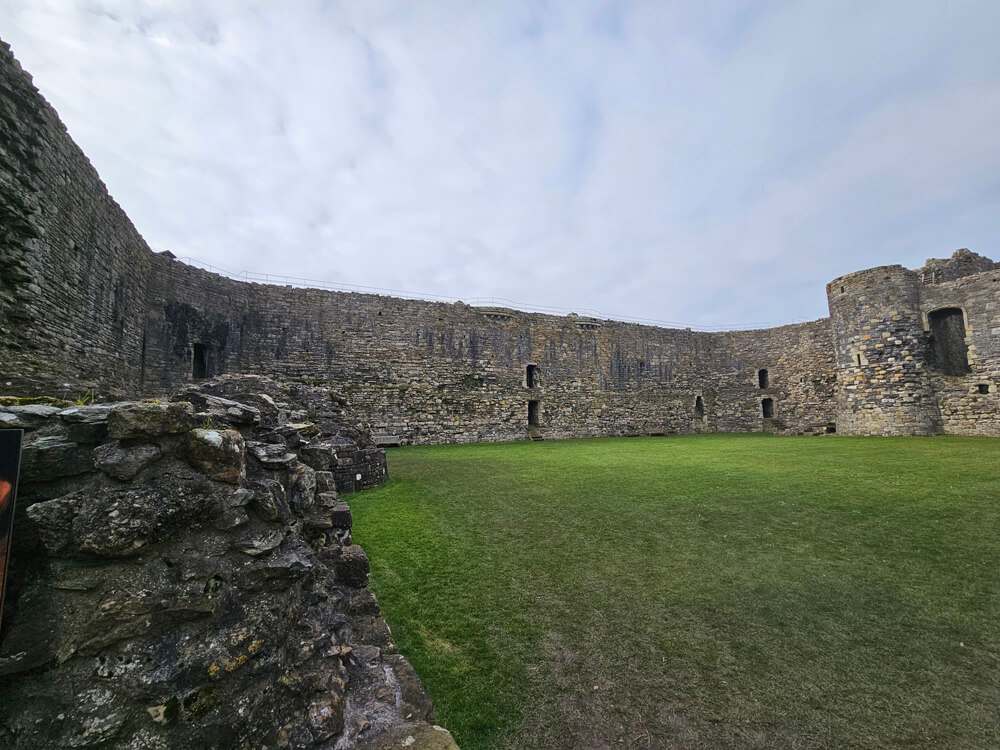
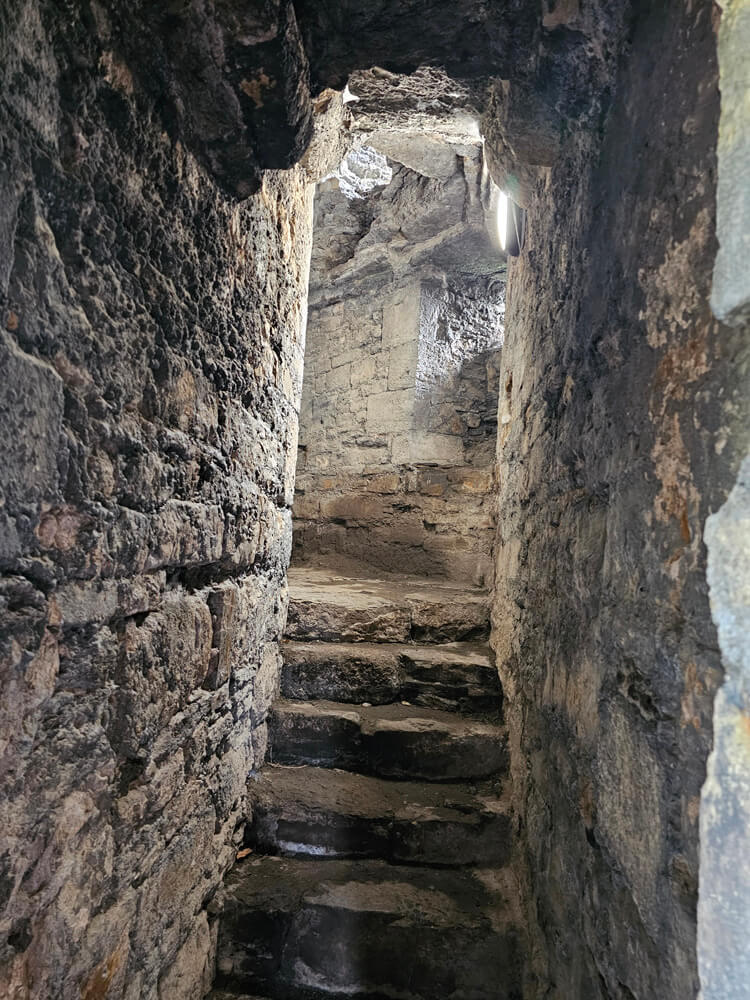
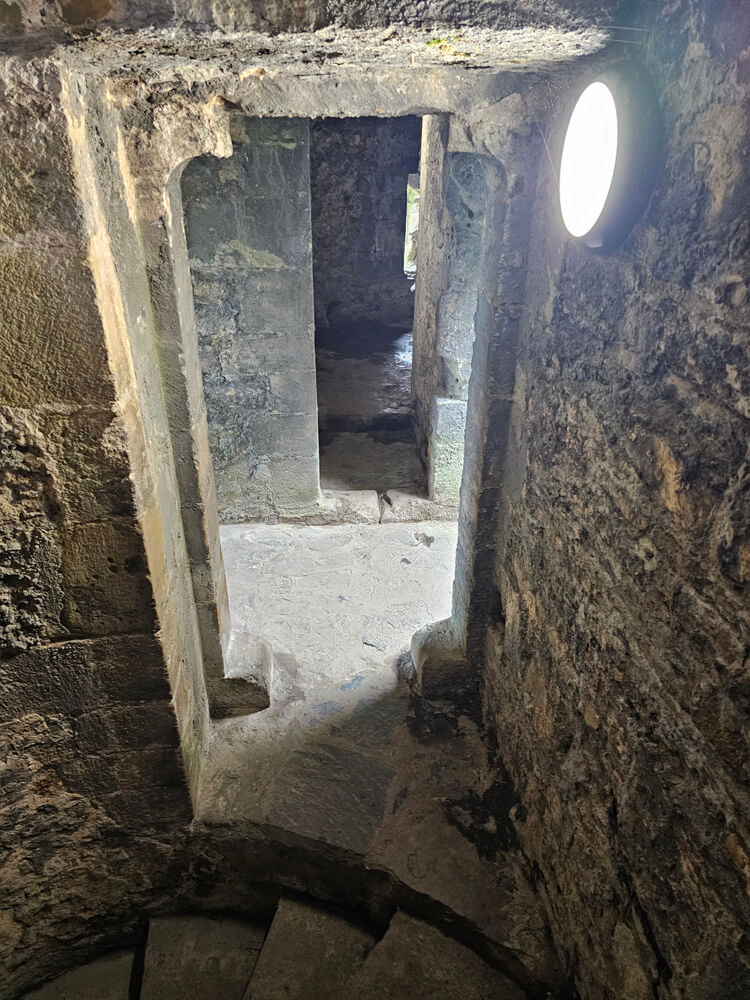
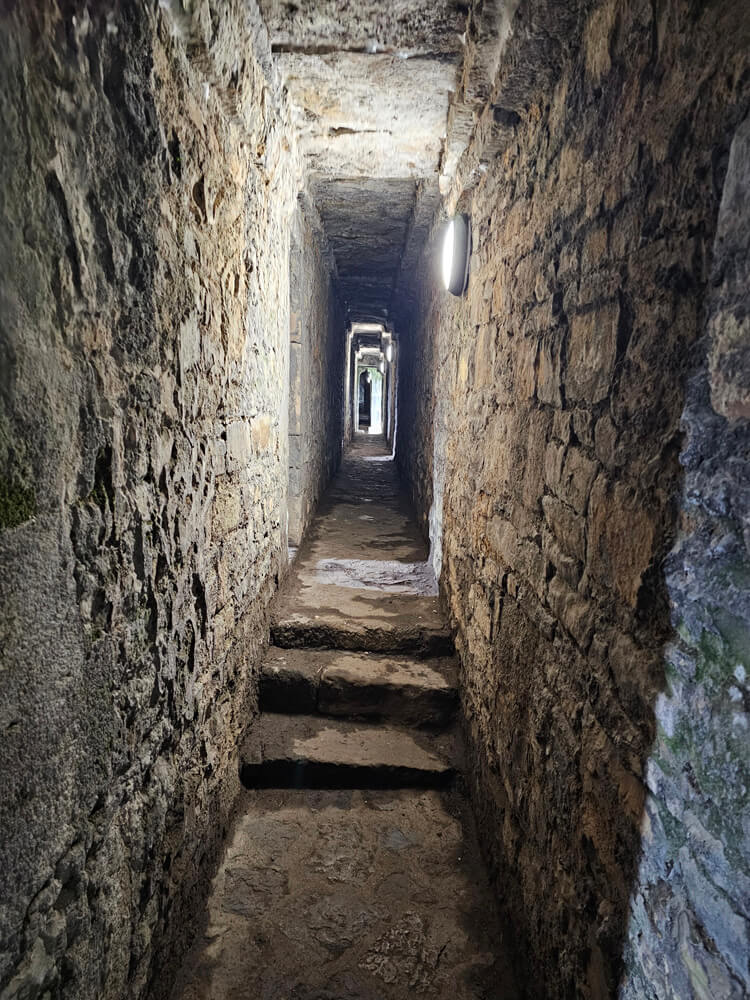
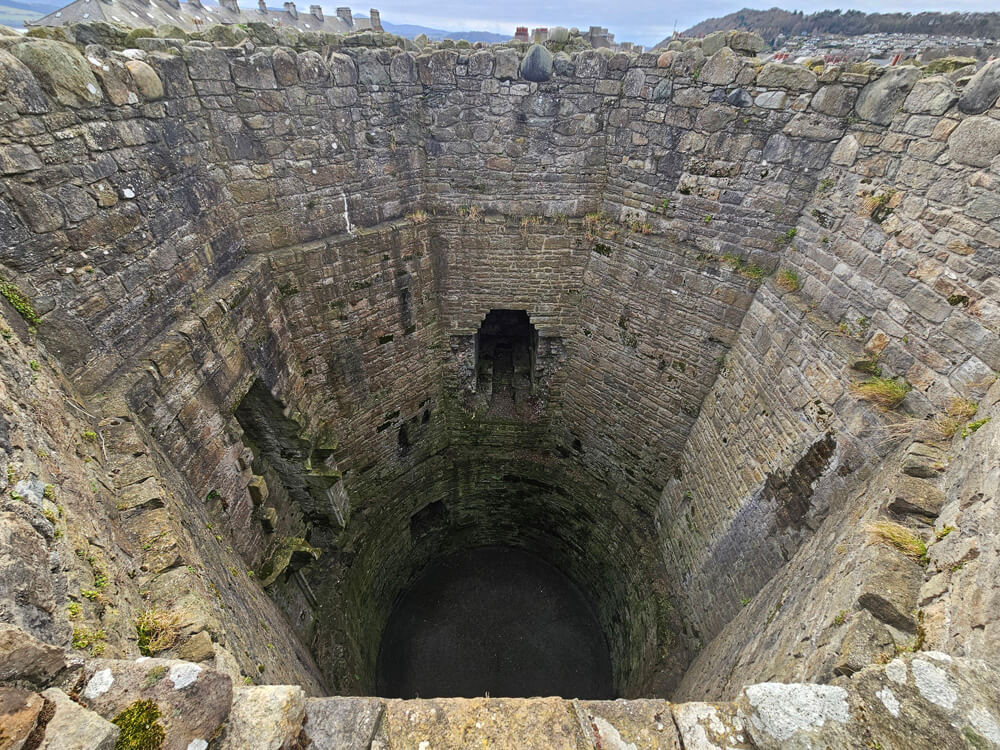
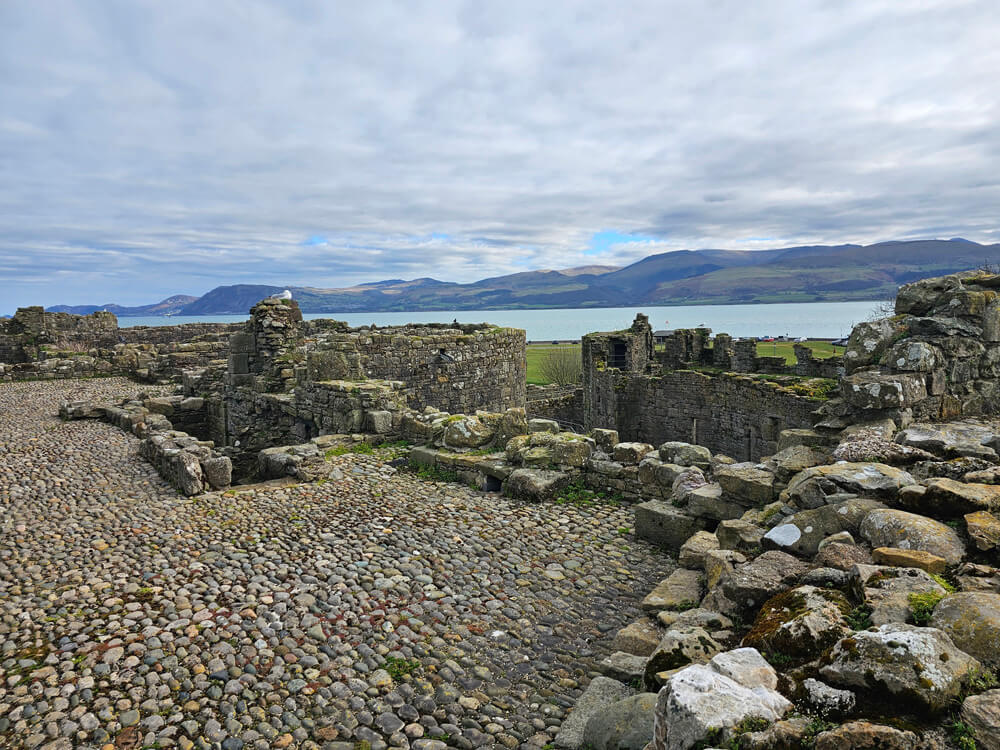
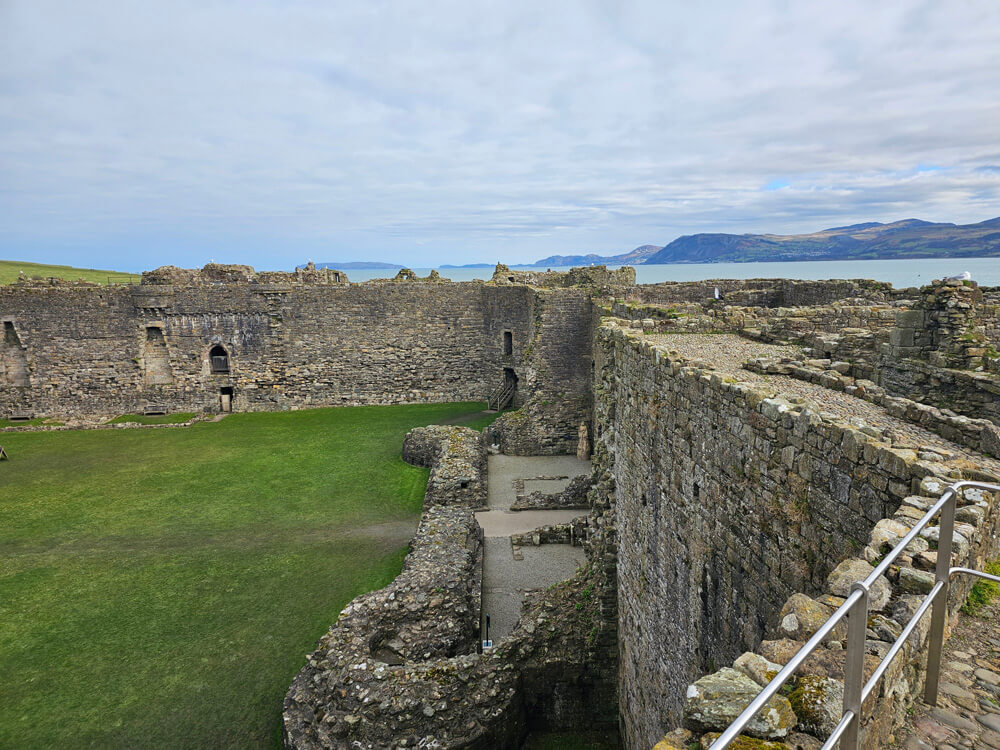
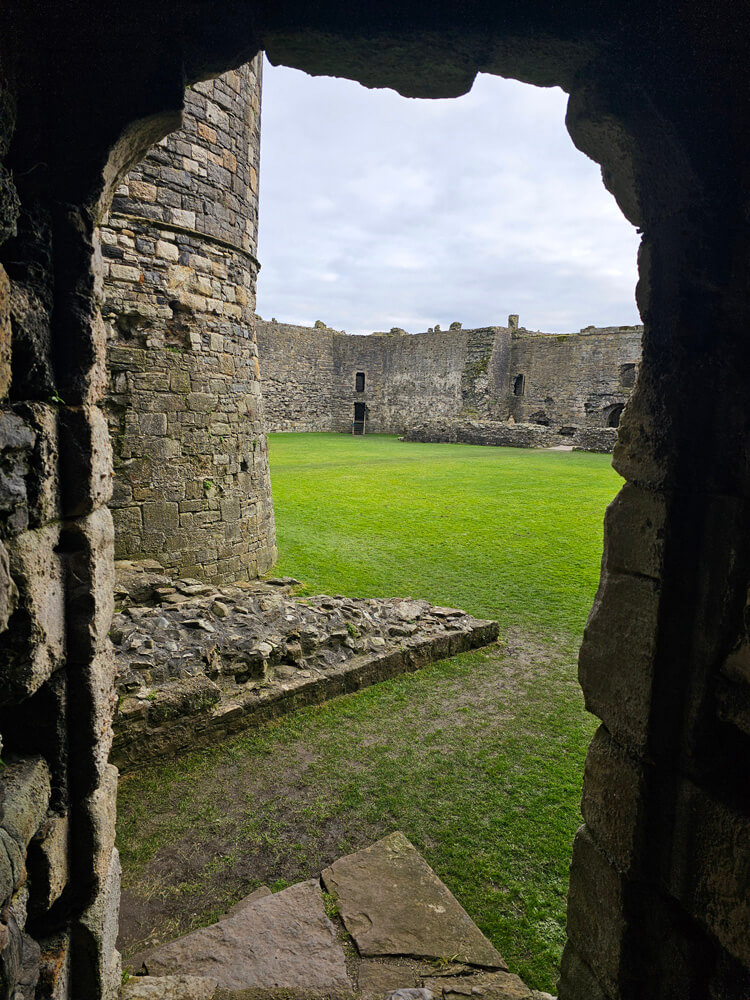
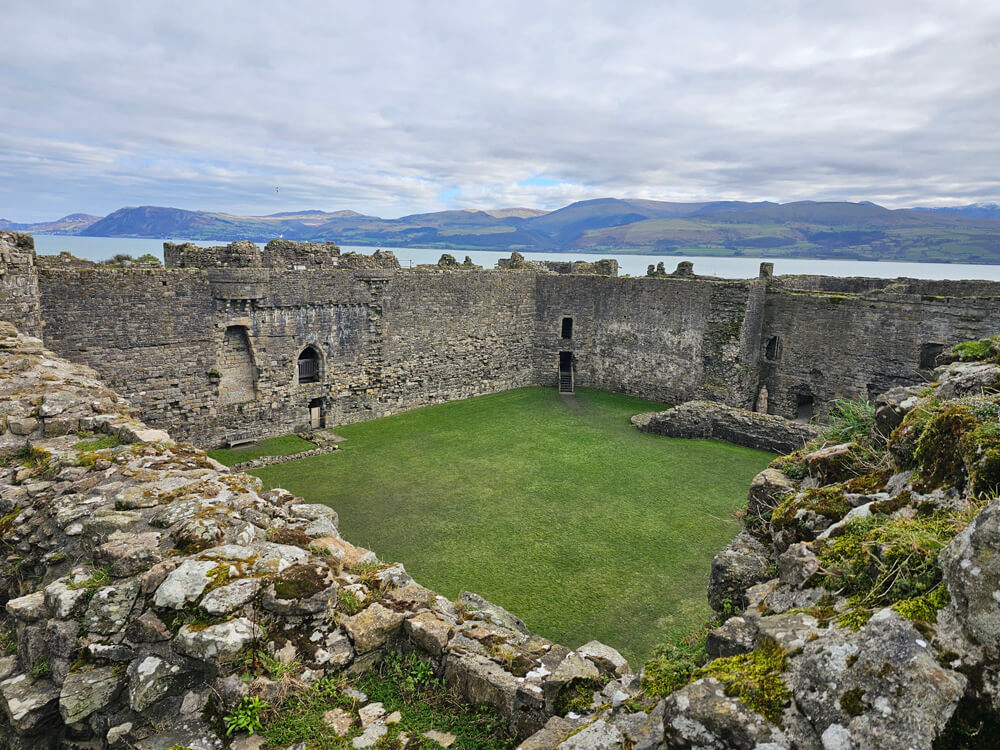
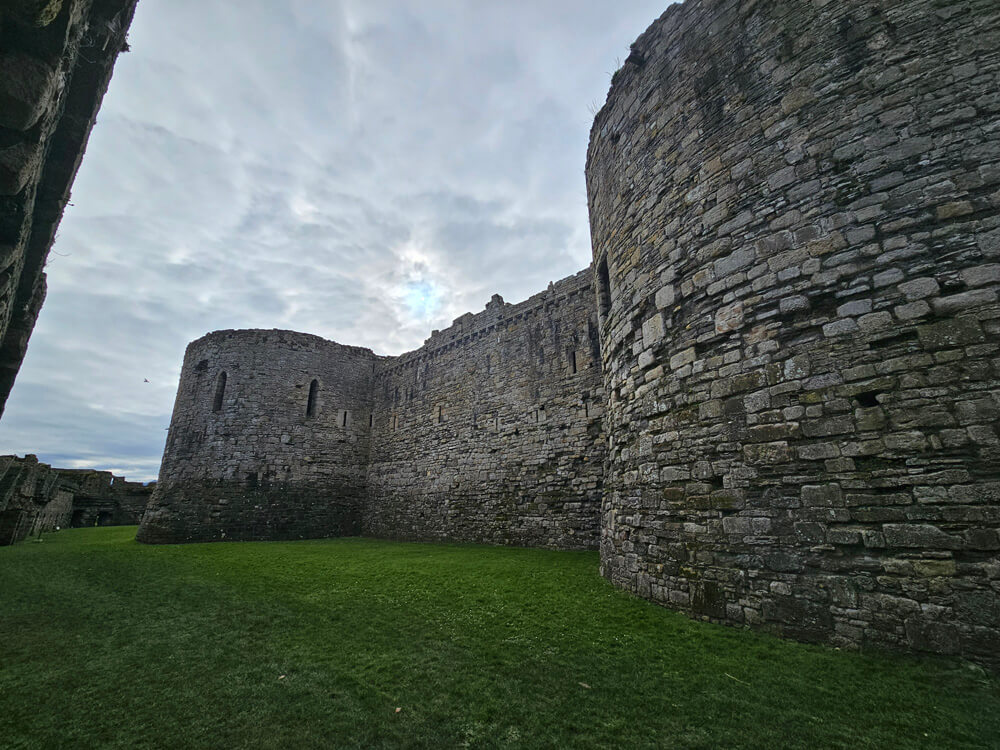
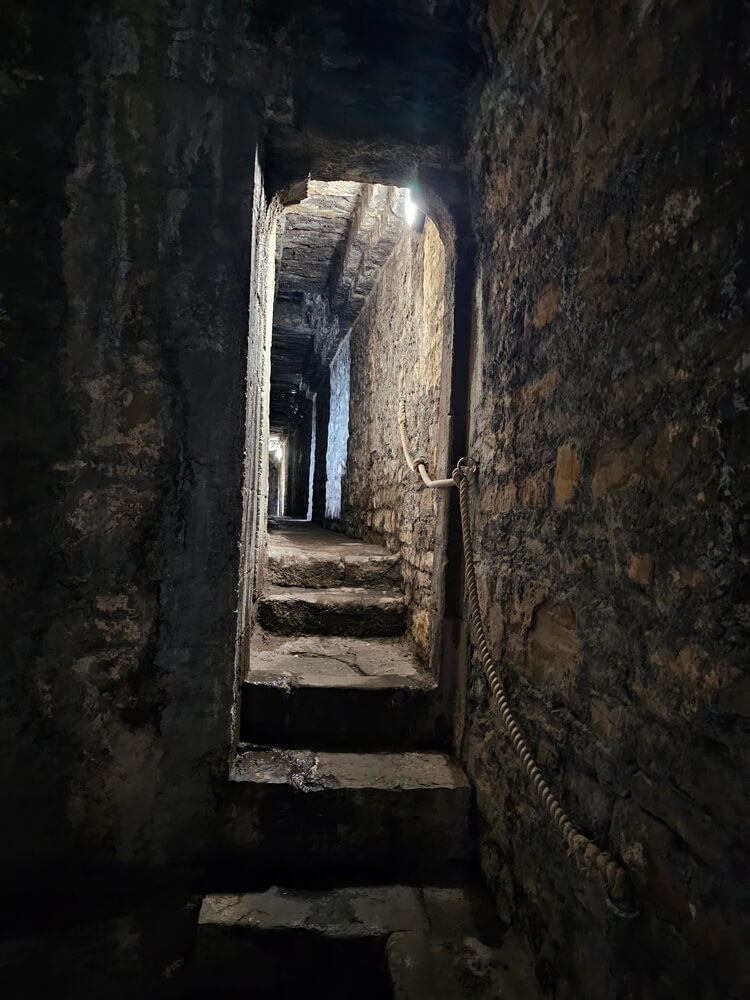
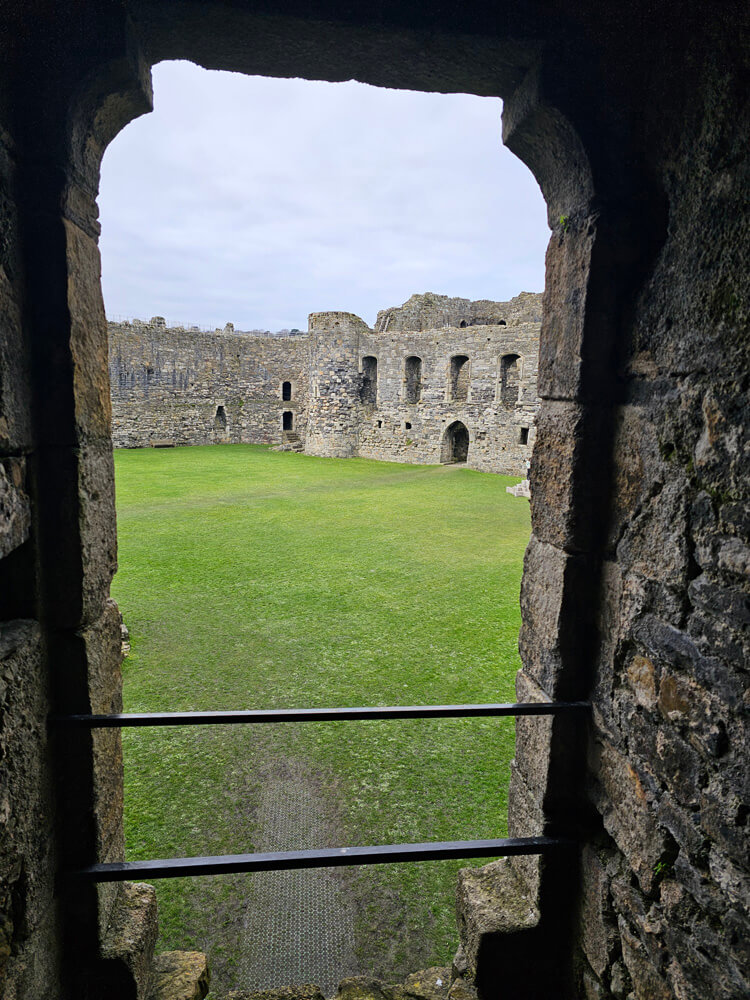
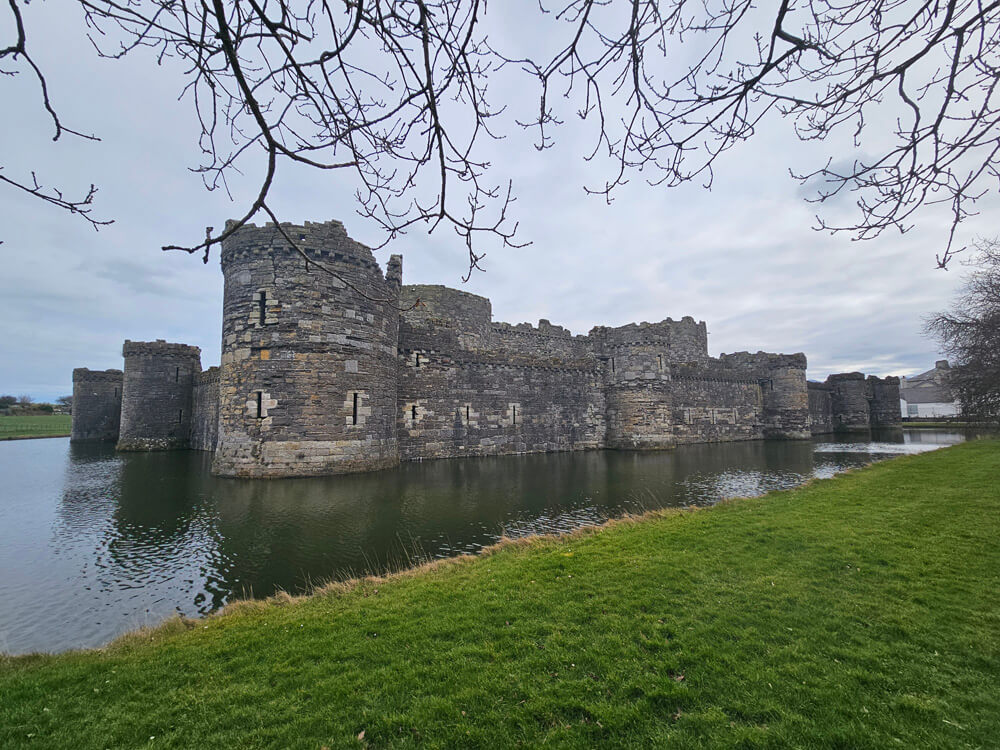
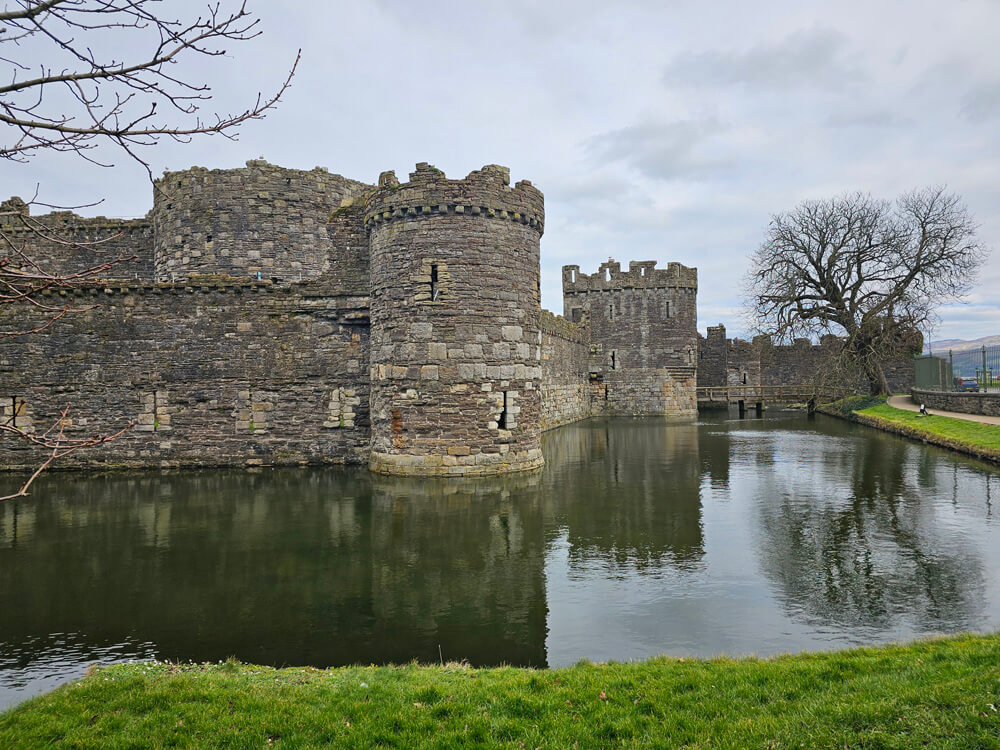
Although left to decay over the centuries, today, Beaumaris Castle is a spectacular ruin that remains largely intact. After 700 years it is still easy to appreciate the tremendous sophistication in its elaborate design. Even in its gloriously incomplete state, Beaumaris combines the beauty of its perfect symmetry and proportions with an overwhelming sense of ruthless power and the scale of its ambition.
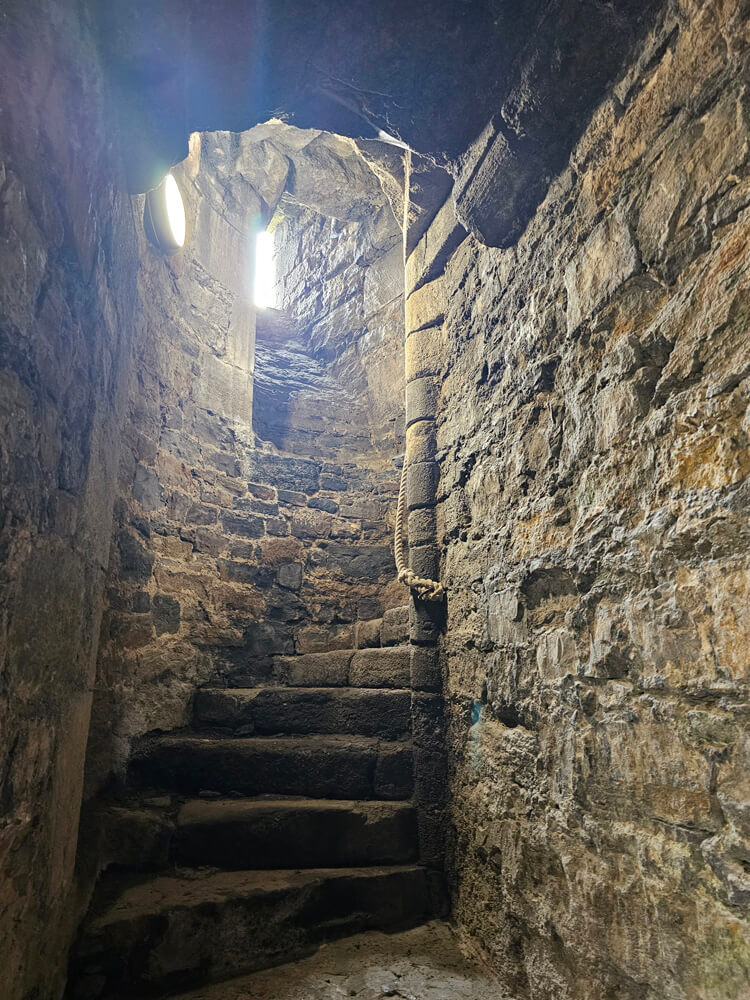
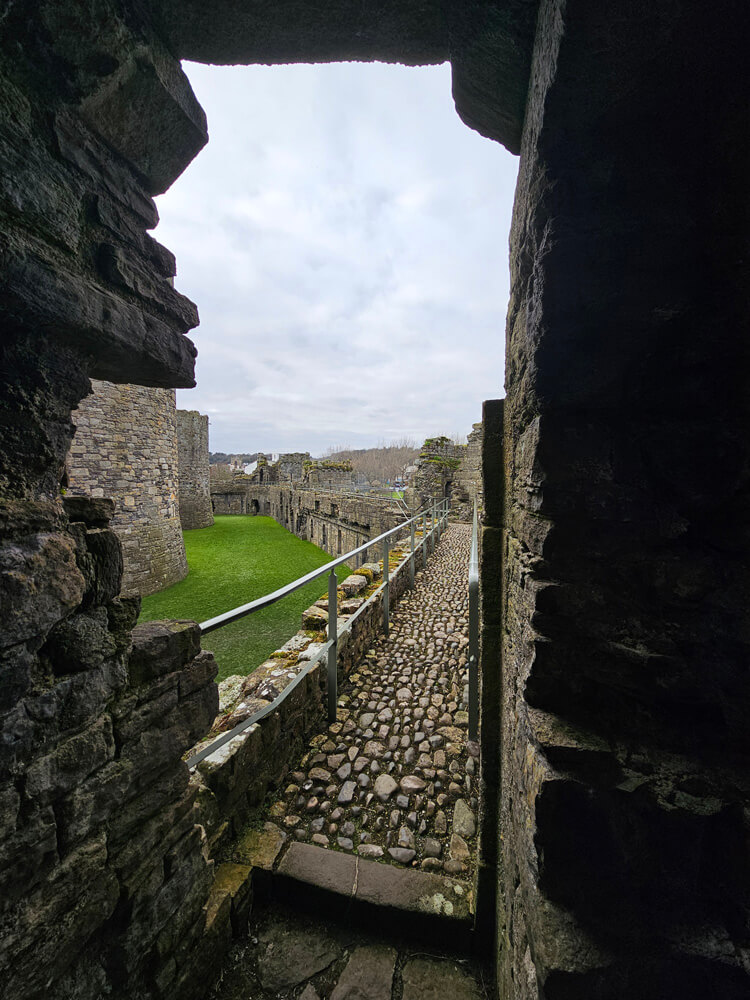
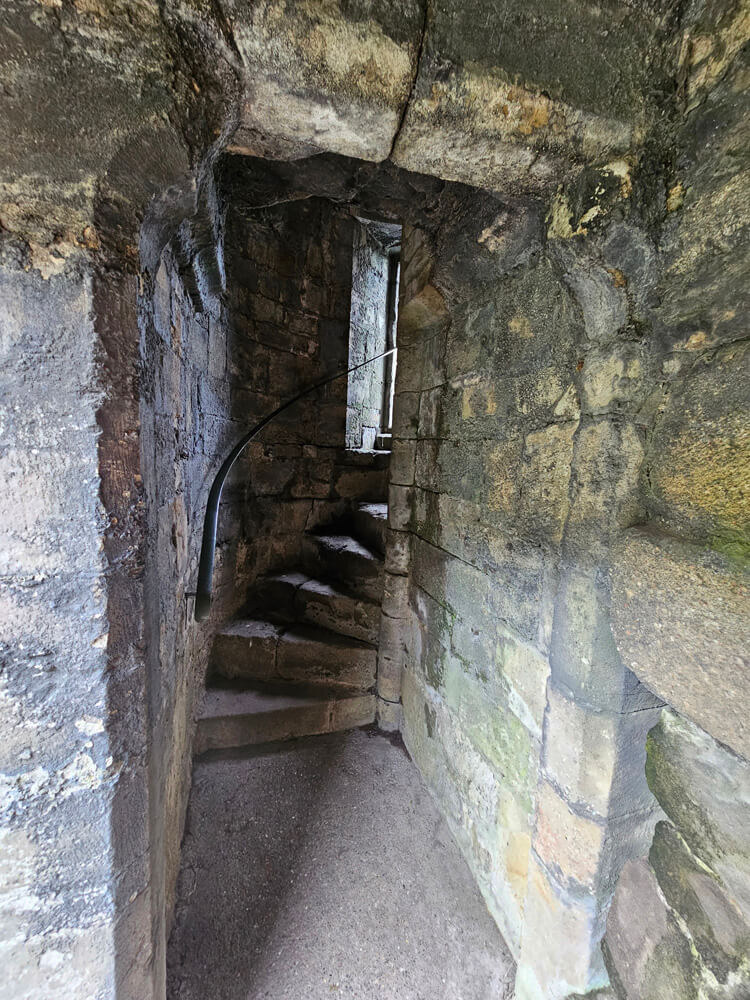
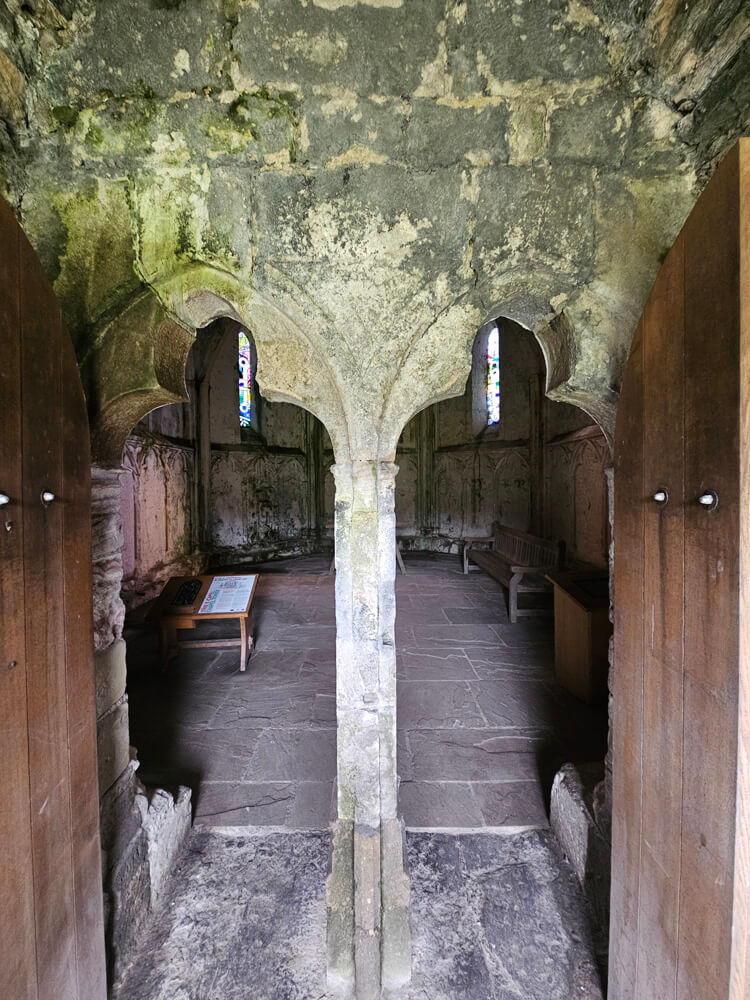
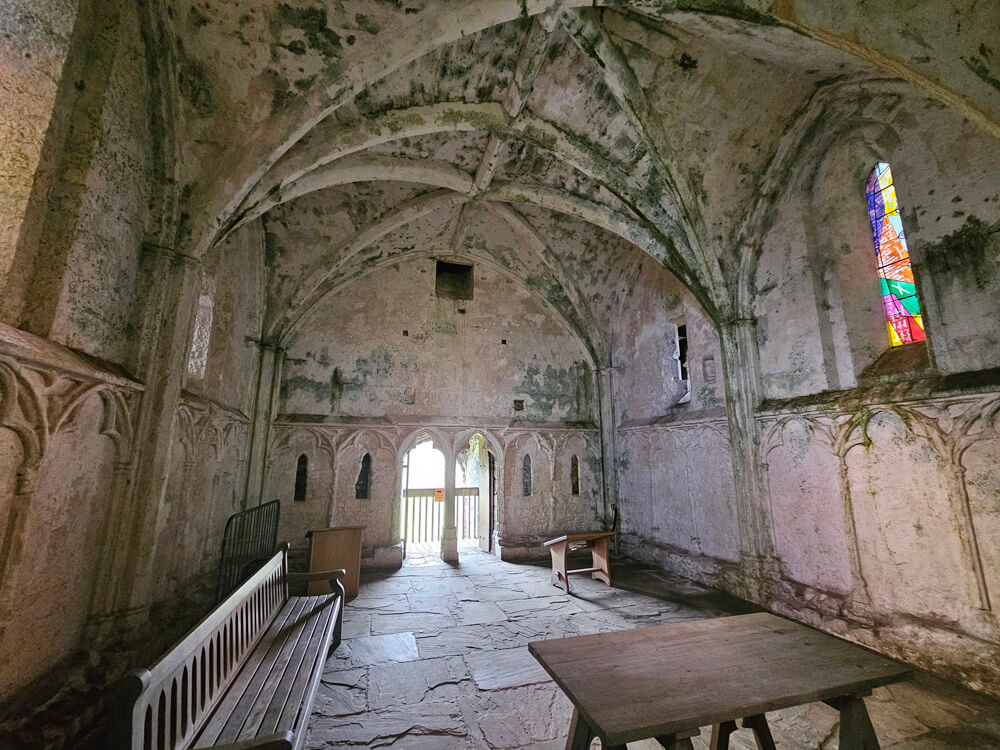
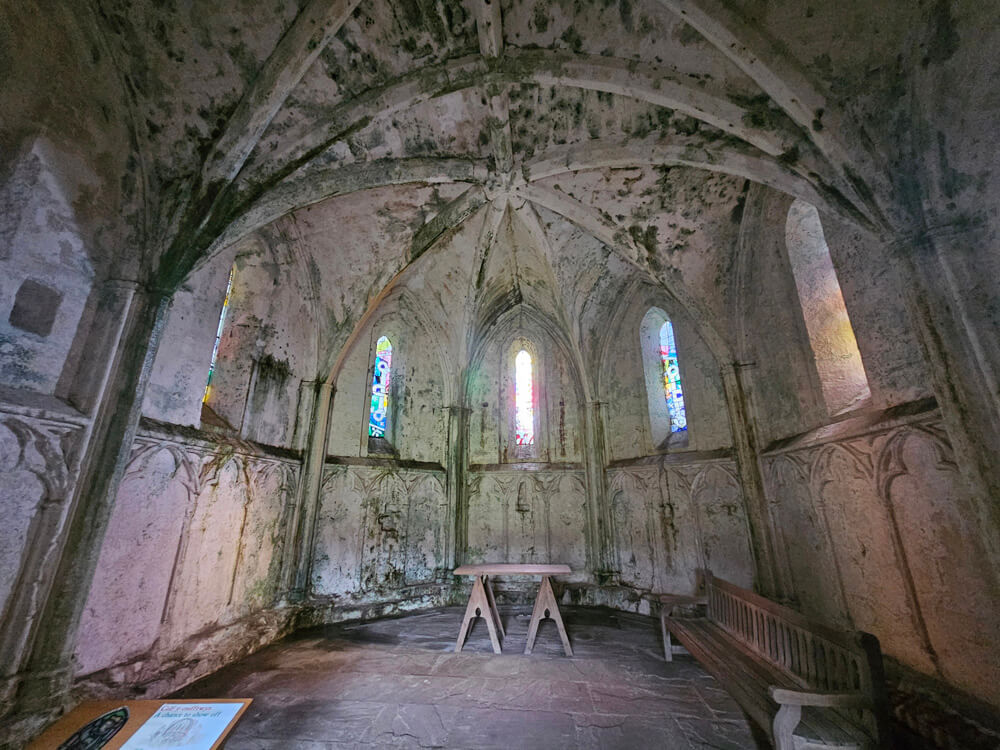
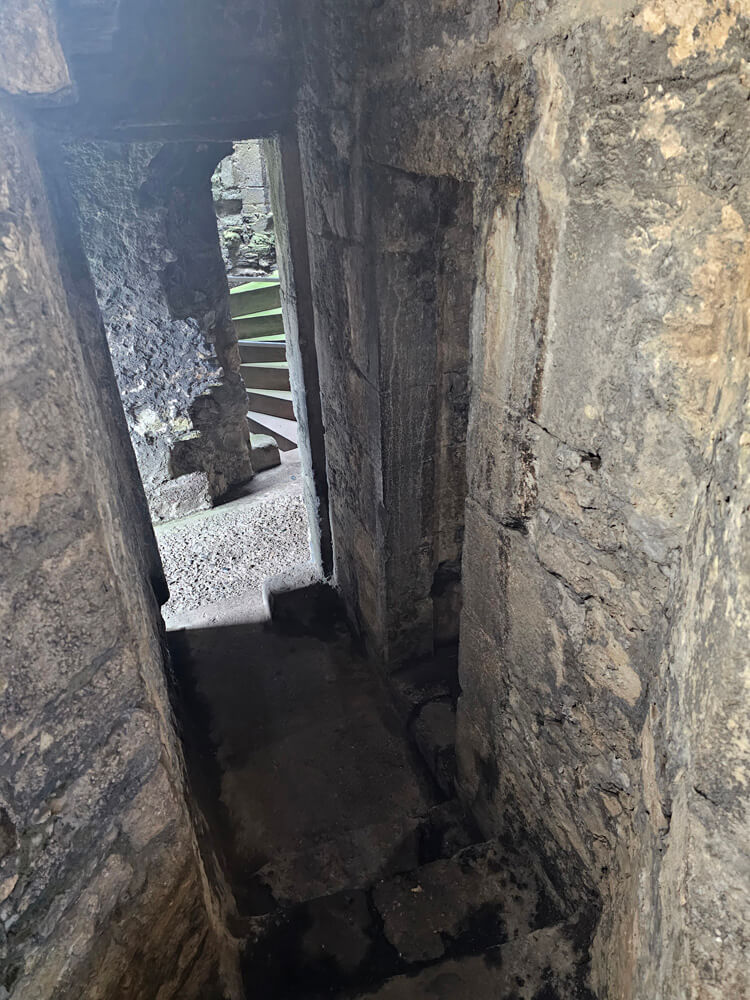
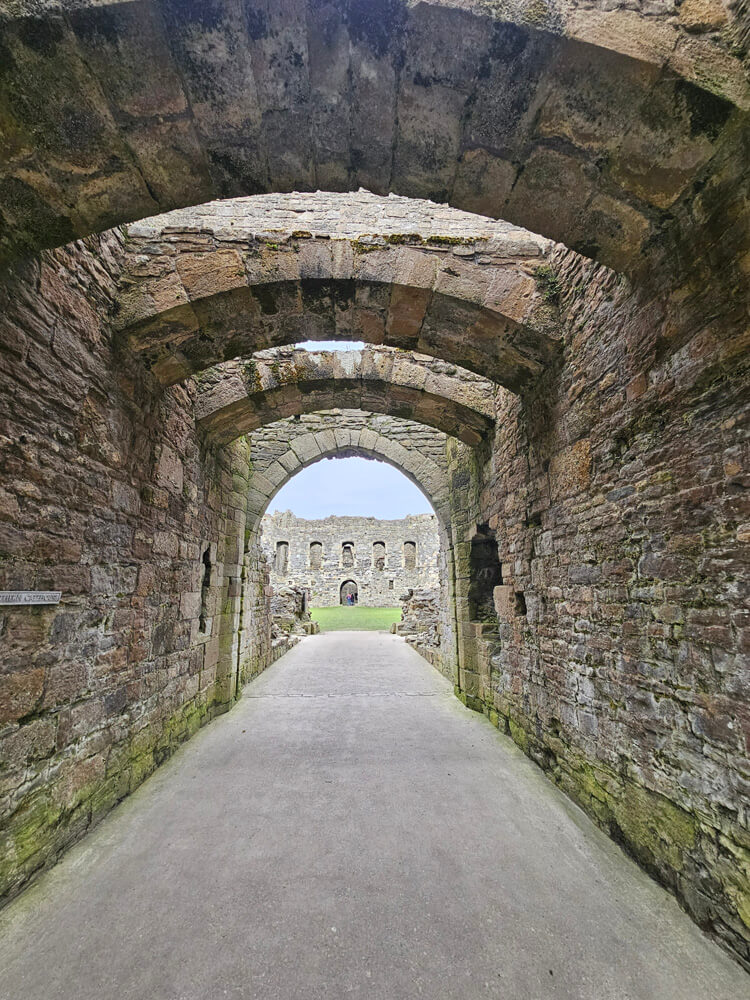
Beaumaris Castle is built with local stone, with a moated outer ward guarded by 12 towers and two gatehouses, surrounding a huge inner ward with two large, D-shaped gatehouses and six massive towers. The inner ward, which covers about 3/4 of an acre, was designed to contain a range of domestic buildings and accommodation able to support two major households. A nice surprise on my visit to Beaumaris Castle was the castle chapel with its vaulted ceiling built into one of the towers, which would have been used by the king and his family.
Photo Gallery.
Did you enjoy this post?
I hope you found this post useful. I put a great deal of time and effort in to building, maintaining and populating the website. If you like, you could say a small thank you by buying me a coffee. You don't have to, but it would be nice :)
Buy me a coffee
Stay up to Date
Follow me on my journey and get notified whenever a new post is published by following Kings & Castles on Facebook.
Follow MeExplore The Map
Discover the hundreds of castles, churches, monasteries, cathedrals and other historic locations that I've personally visited across England and Wales. Search by location, explore nearby sites and plan your next historical adventure.
Share: