Ludlow Castle
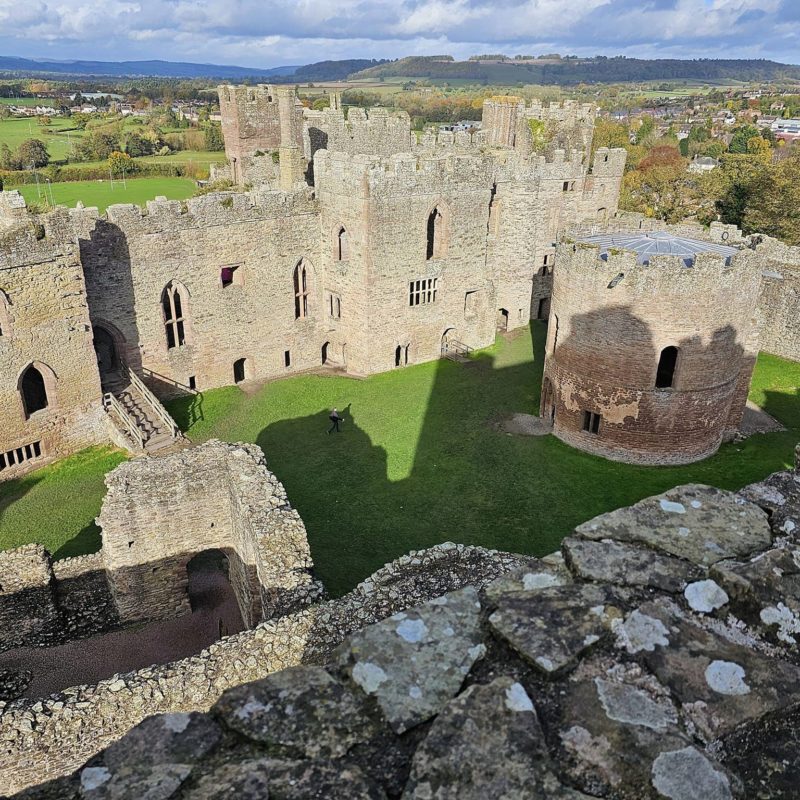
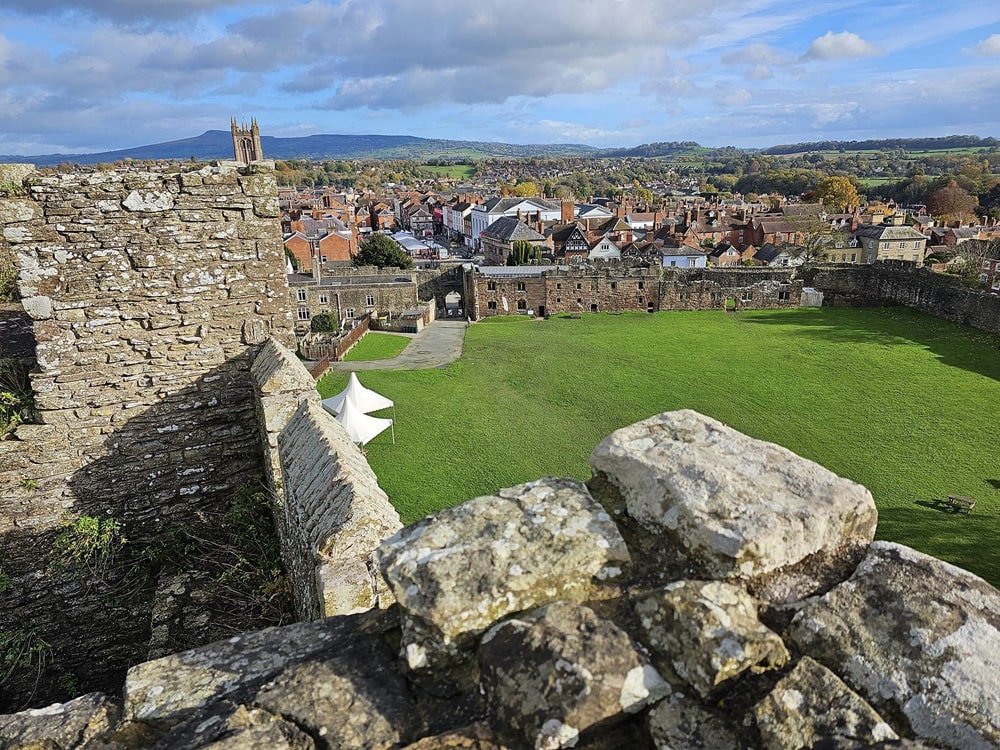
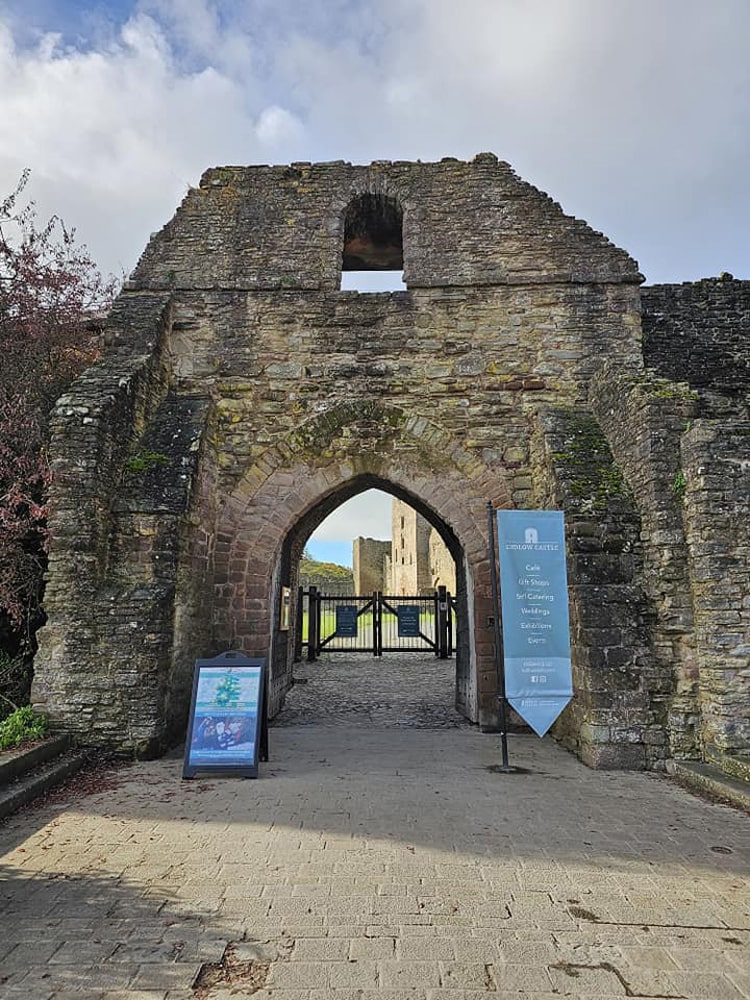
One of the finest medieval ruins in England, Ludlow Castle was one of the first strongholds to be established after the Norman Conquest. It is a large and magnificent partly ruined medieval fortification in the glorious bustling market town of Ludlow, overlooking the River Teme.
Quick
Facts.
- Location: Ludlow, Shropshire, England
- Established: c. 1085 - 1095
- Built in stone: 12th to 14th centuries
- Condition: Partly ruined
- Date visited: November 2023
- More info: Visit website
- Rating:
A Bit of History…
The construction of Ludlow Castle started around the year 1085 as the border stronghold of one of the Marcher Lords, Roger De Lacy. The castle was firstly a timber Norman fortress built to hold back the unconquered Welsh, and then extended with many later additions over the centuries to eventually become a fortified Royal Palace.
In the late-12th and early-13th centuries the castle was rebuilt in stone and extended, and from 1233 onwards the town walls were constructed. It was later enlarged in the early 14th century by Roger Mortimer into a magnificent palace, who was then the most powerful man in England. Roger Mortimer helped his mistress Queen Isabella in the overthrow of her husband King Edward II.
The castle passed through generations of the de Lacy and Mortimer families to Richard Plantagenet, Duke of York, and would play a key role in some of the most turbulent events in English history.
In the 1450s the Wars of the Roses broke out between King Henry VI and his House of Lancaster against Richard Plantagenet and his Yorkist faction, at which time Ludlow Castle was under the ownership of Richard, Duke of York. The castle didn’t find itself in the front-line of most of the conflict, but it did act as a safe retreat away from the main fighting. Richard, Duke of York died in 1460 in the Battle of Wakefield, which was a major battle of the Wars of the Roses. In retaliation, his son Edward overthrew King Henry VI and became King Edward IV in 1461. Ludlow Castle became Crown property in the same year and remained a royal castle for the next 350 years, during which time the Council of the Marches was formed with responsibility for the Government of Wales and the border counties. In 1472 Edward IV sent his two sons; Edward, the Prince of Wales (future King Edward V) and his brother Richard to live at the castle to keep them safe.
In 1501 Prince Arthur (son of Henry VII and brother to Henry VIII) lived at Ludlow Castle for a short time with his bride Catherine of Aragon before his early death six months later, when he died at the castle in 1502. Catherine later married Henry VIII, and their daughter, Mary Tudor (Mary I) spent three winters at the castle from 1525 to 1528.
The Council of the Marches ceased to exist in 1689, and after it was abandoned the castle gradually fell in to decay and disrepair.
In 1811 the ruins were purchased from the crown by the 2nd Earl of Powis, and since then the castle has been owned by the Earls of Powis, who have prevented its further decline and allowed this magnificent historical castle to be open to the public.
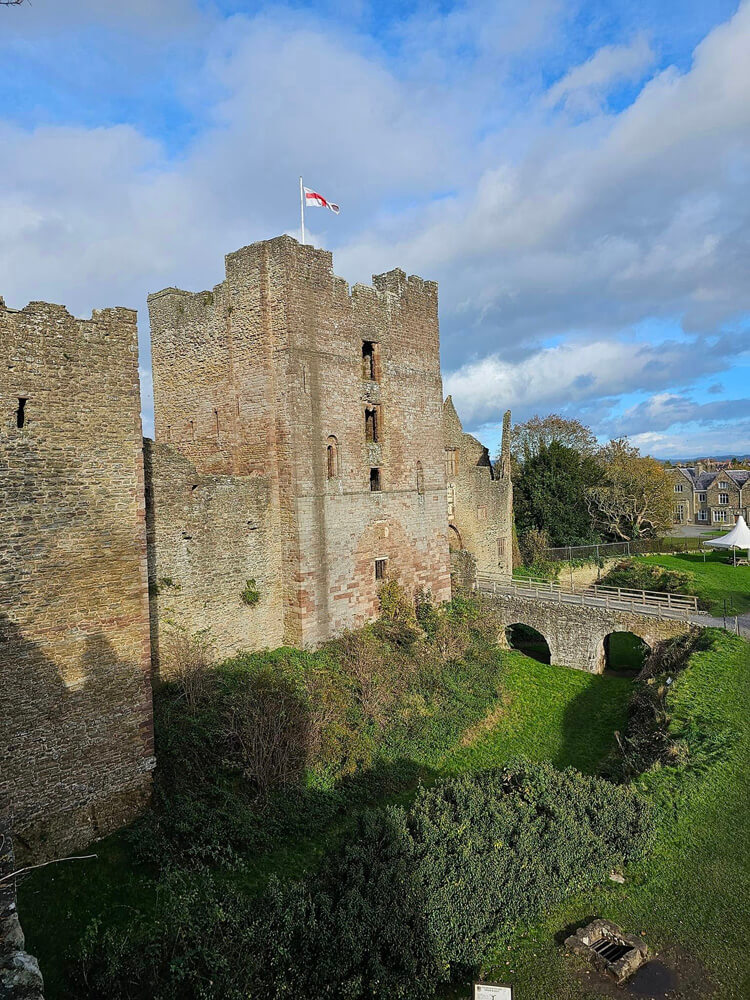
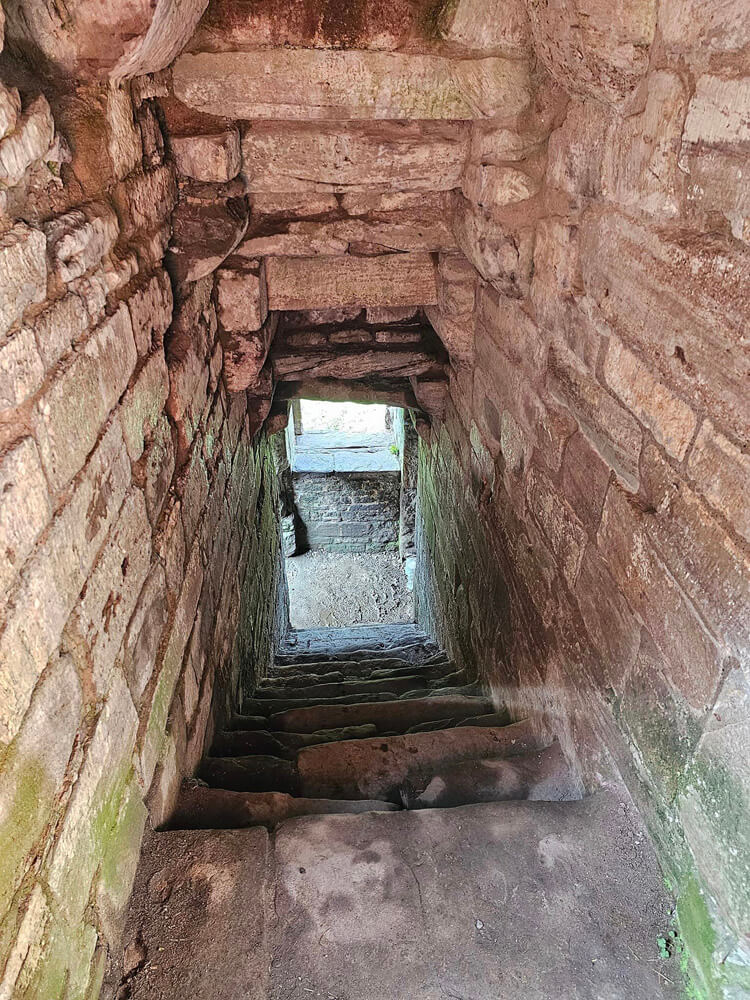
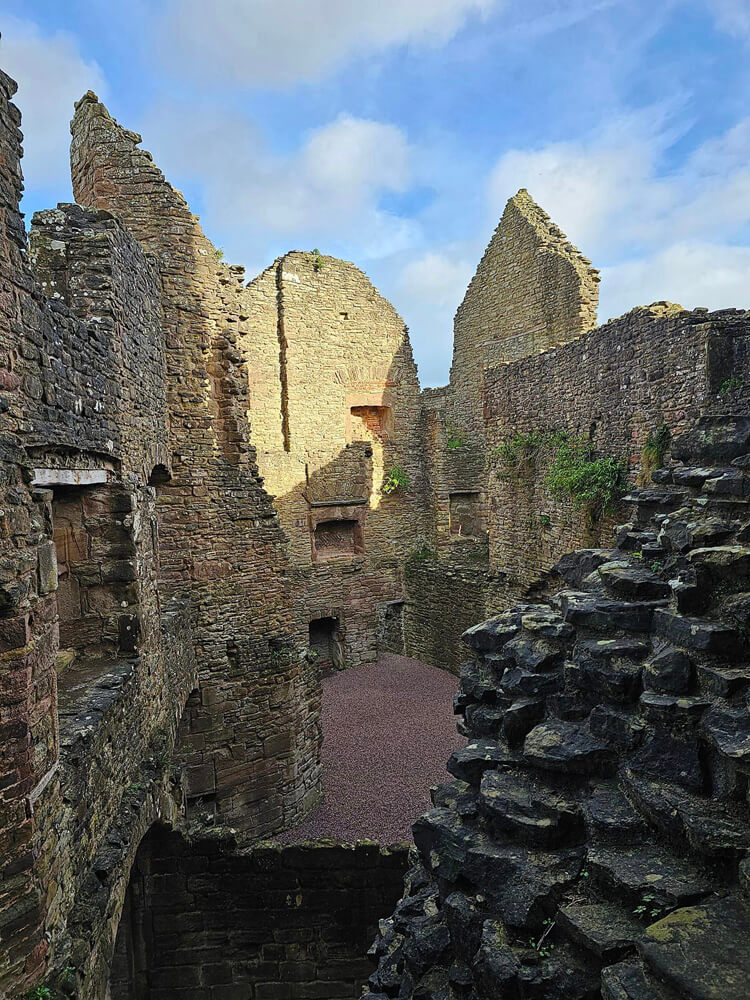
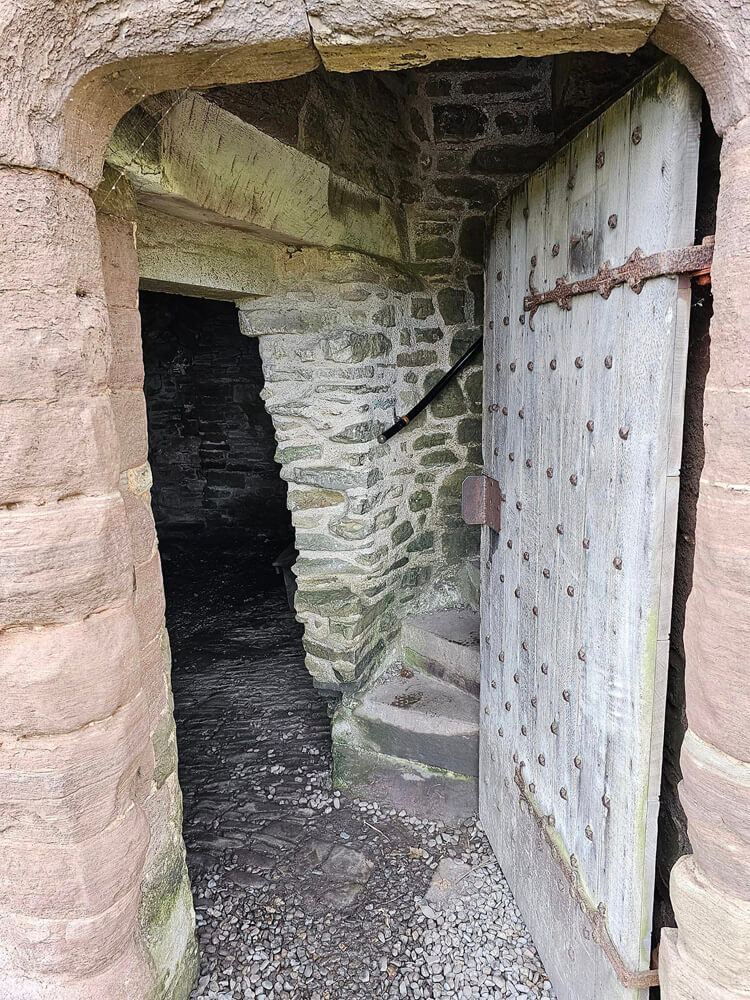
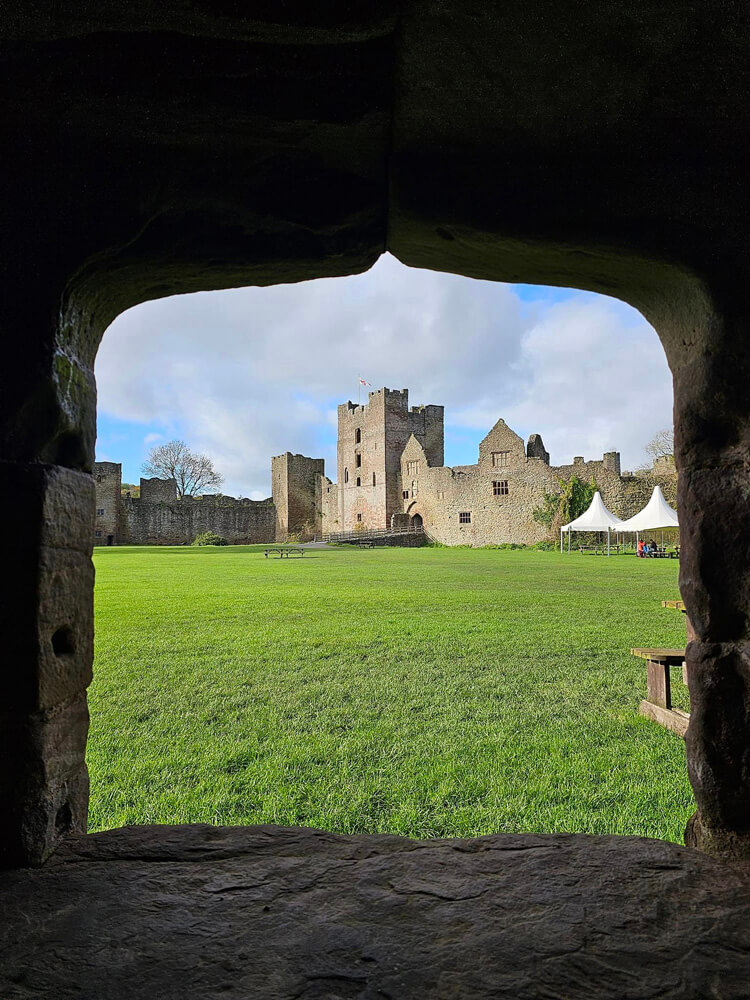
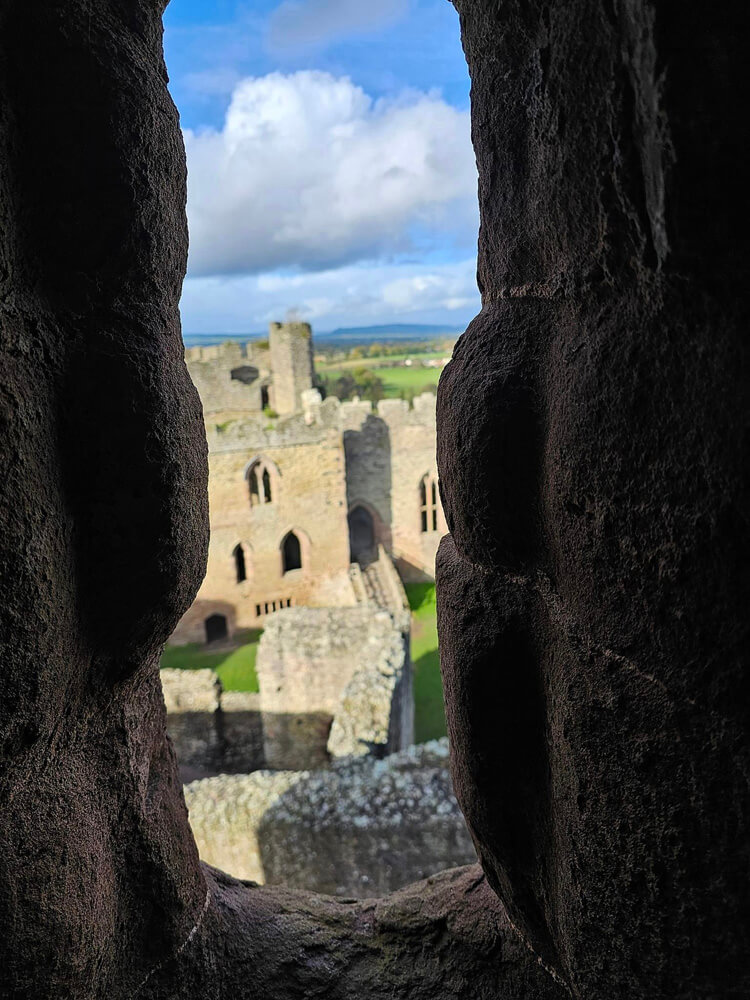
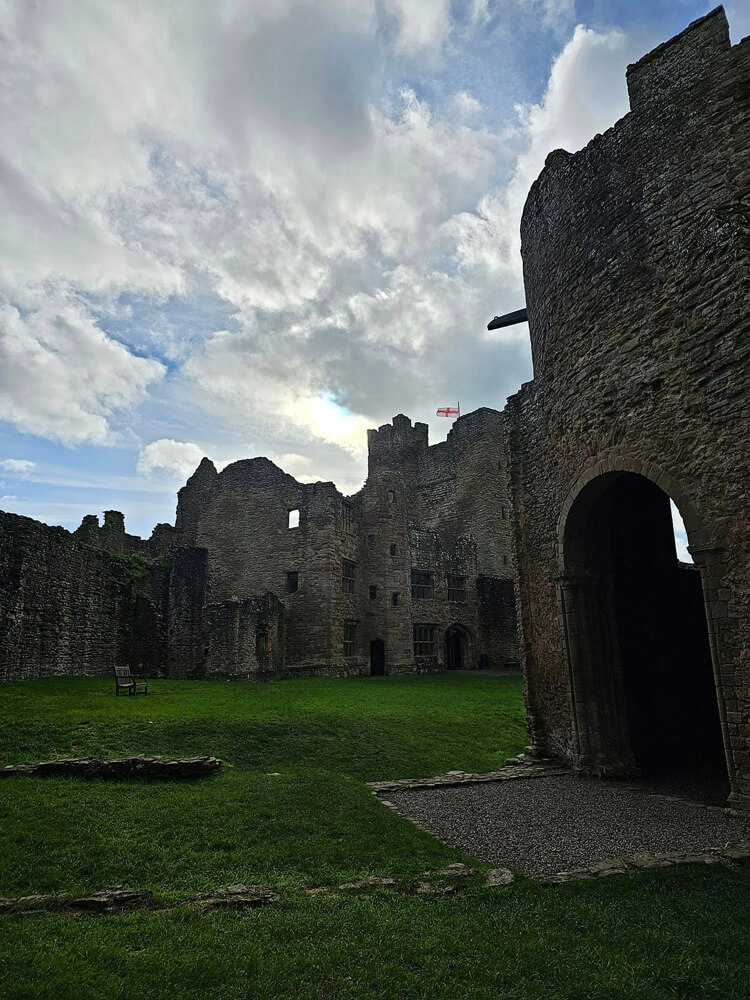
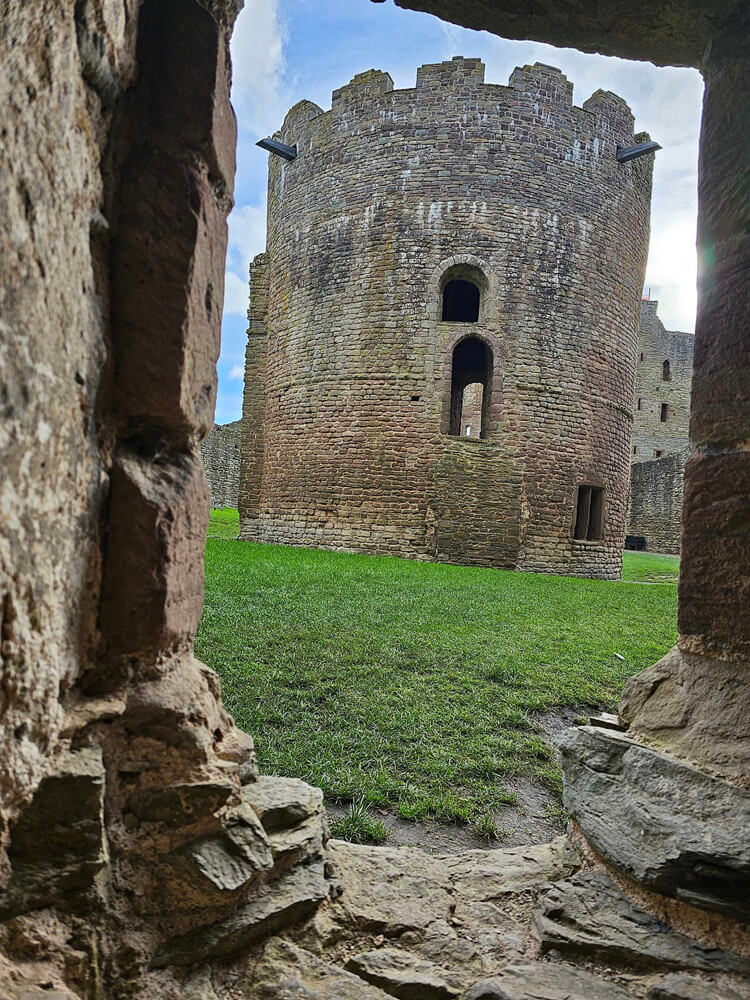
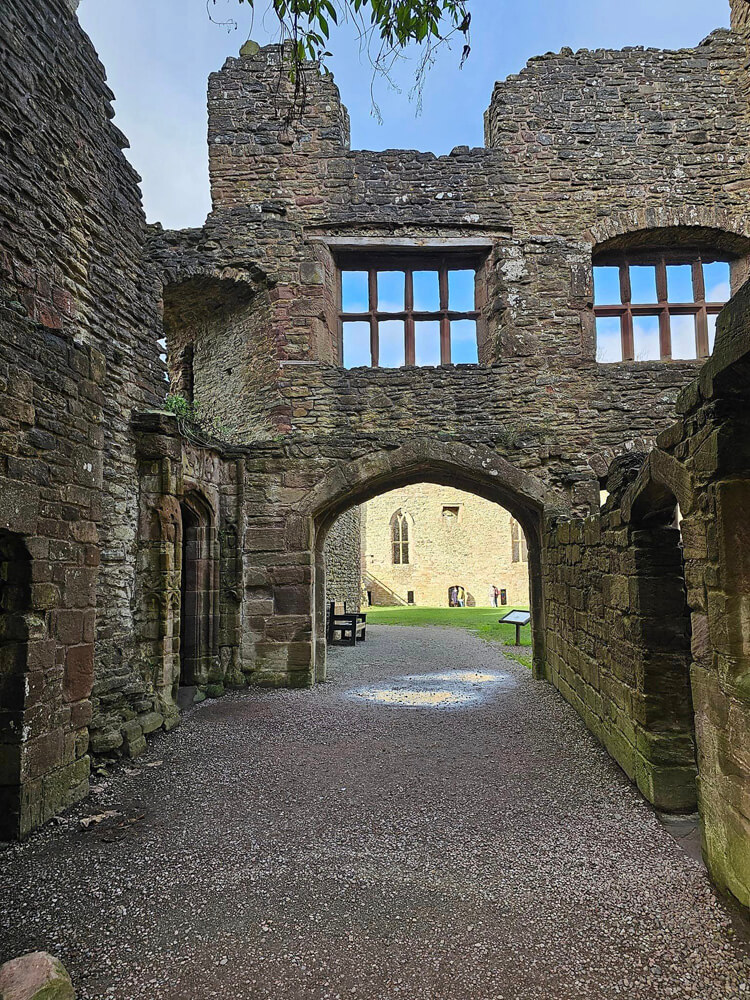
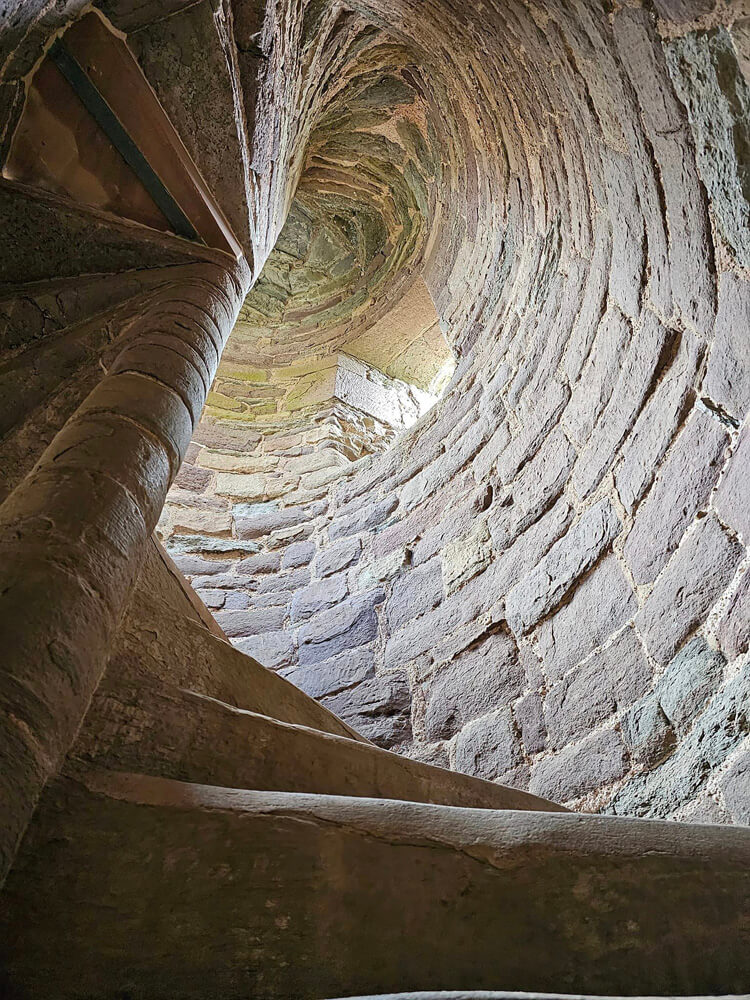
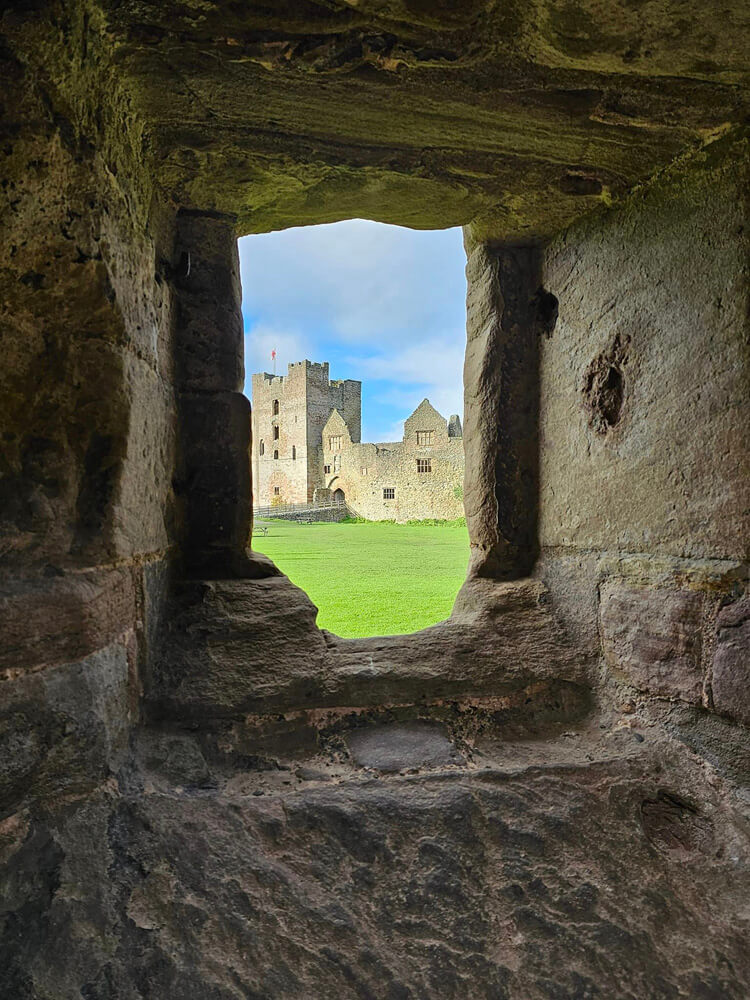
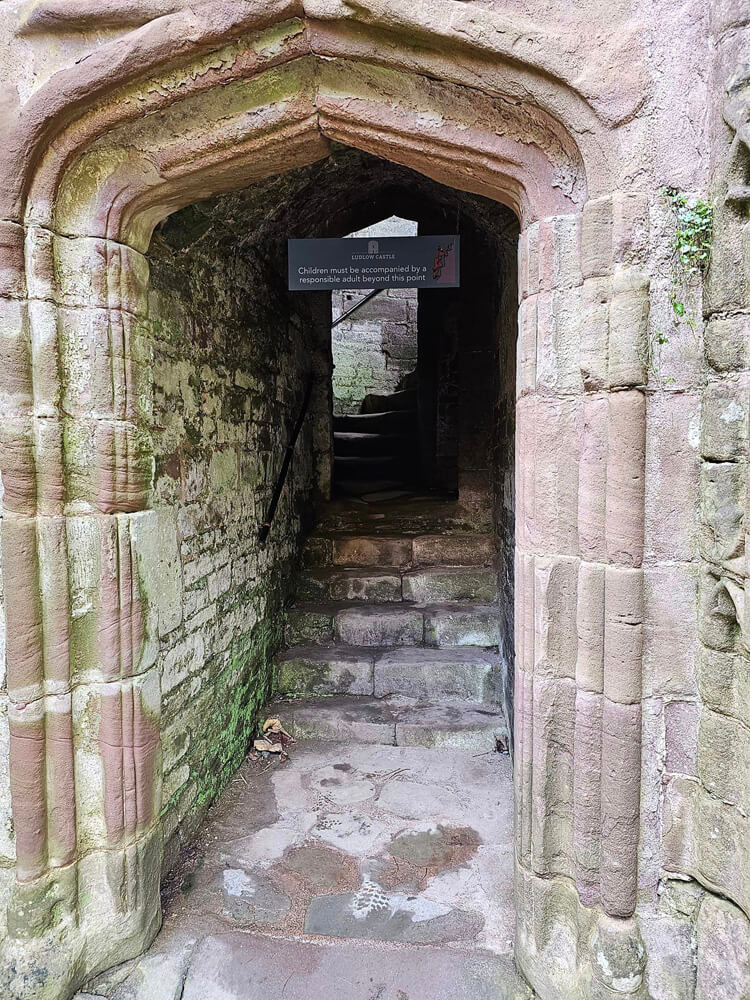
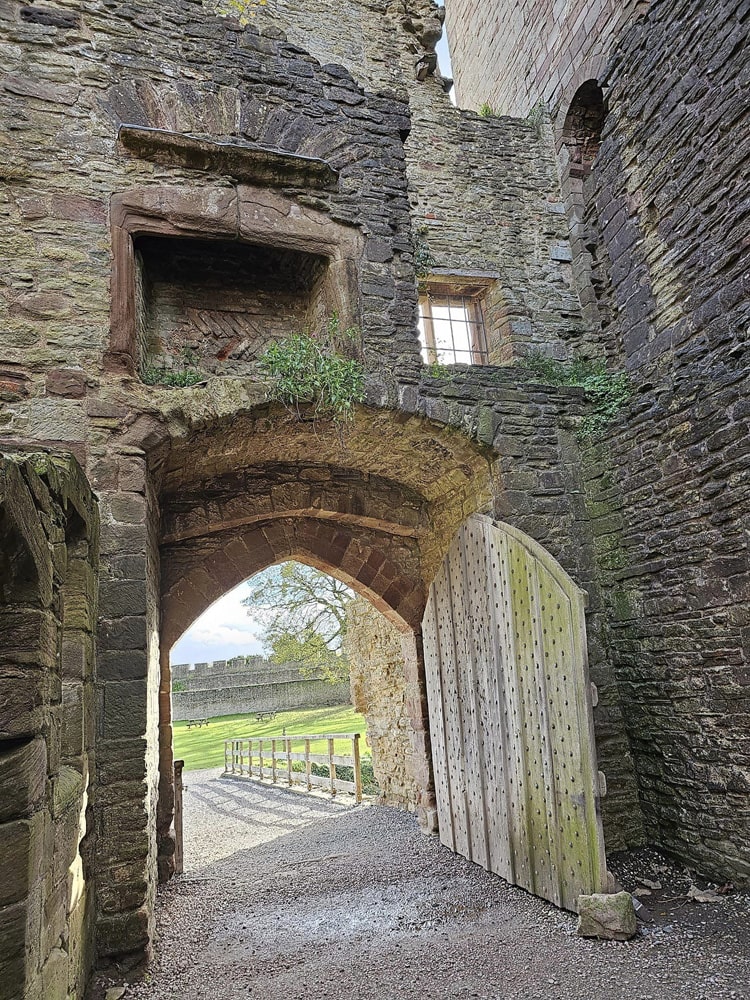
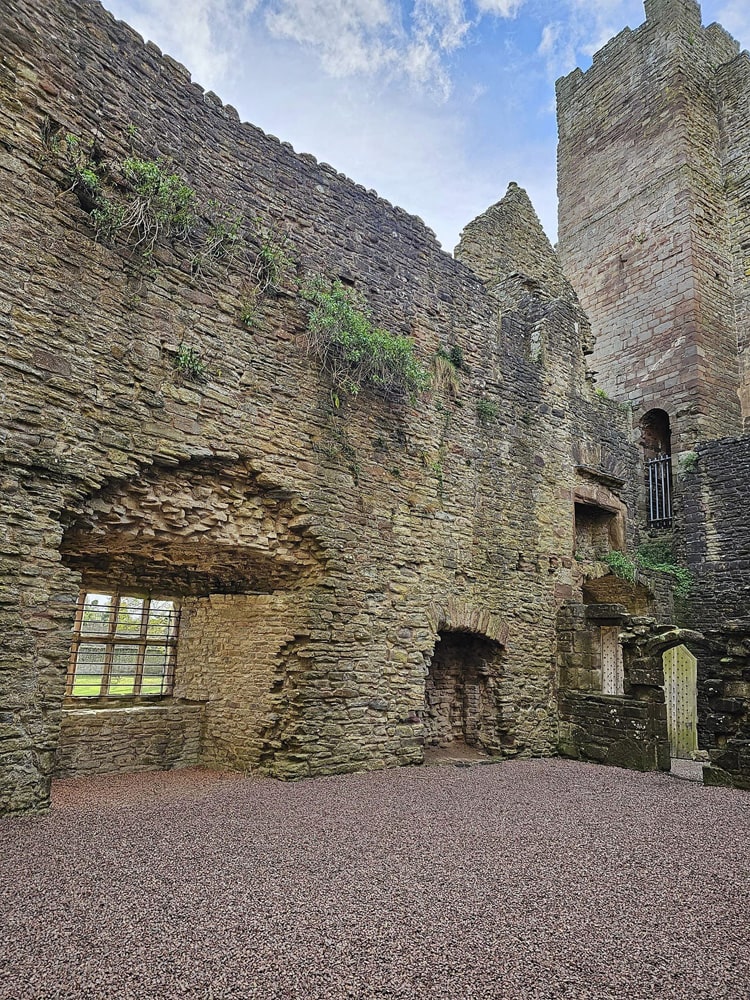
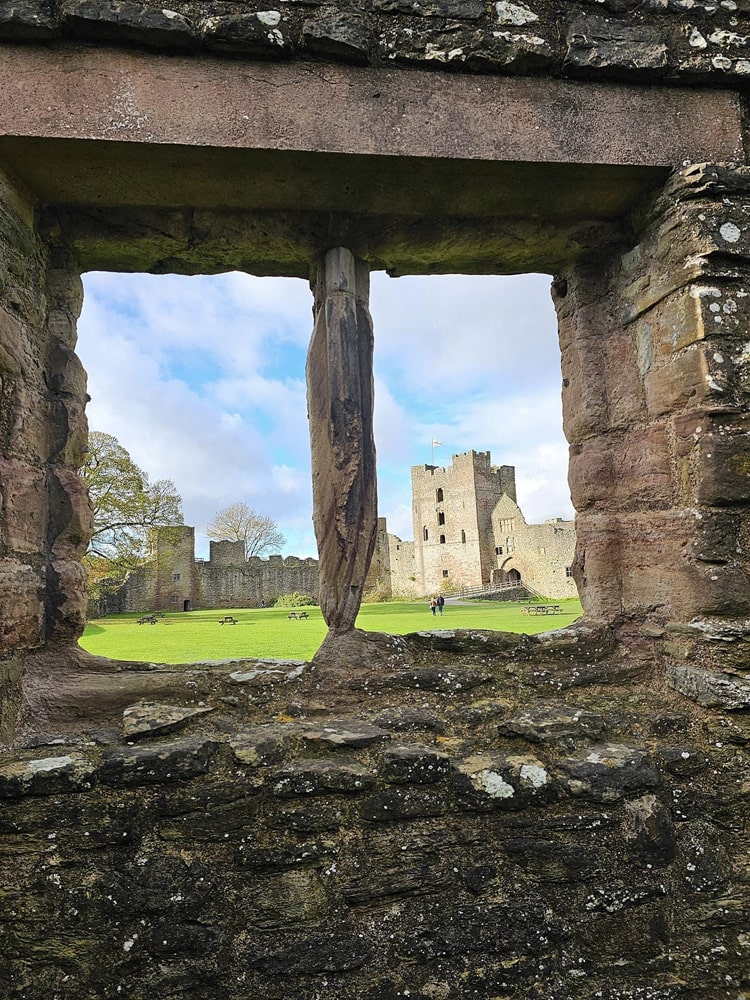
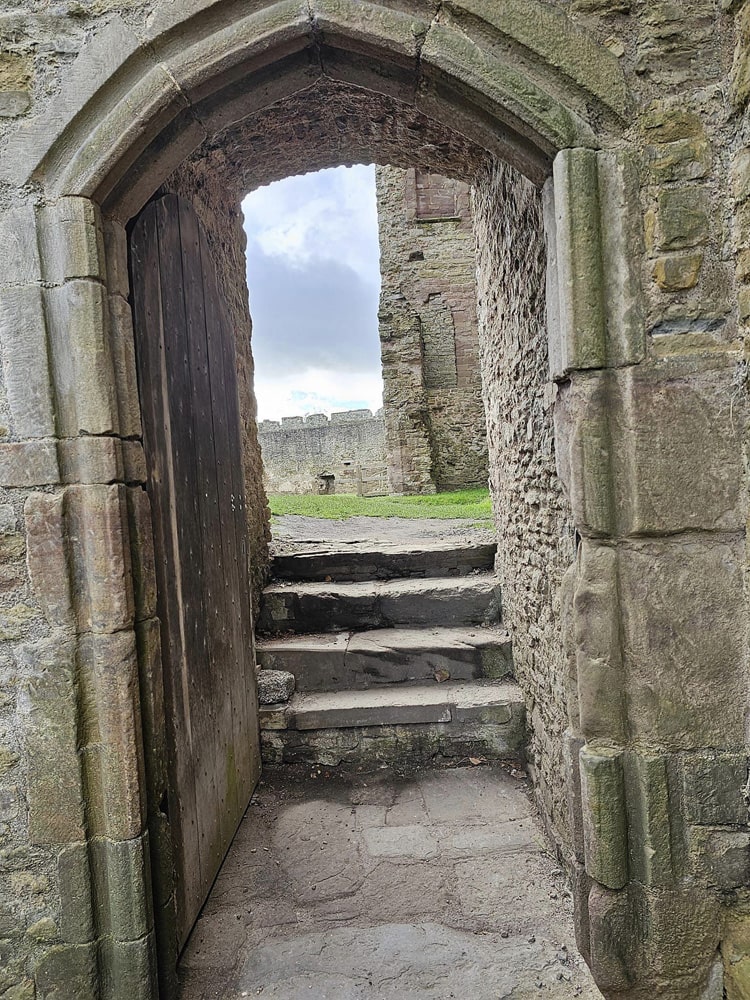
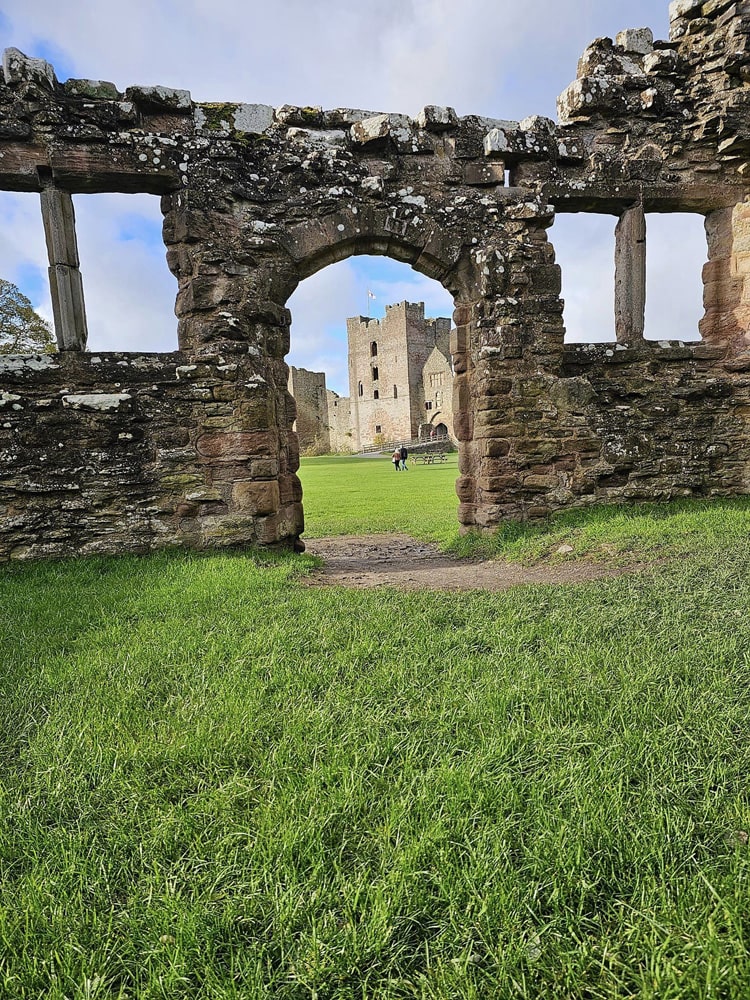
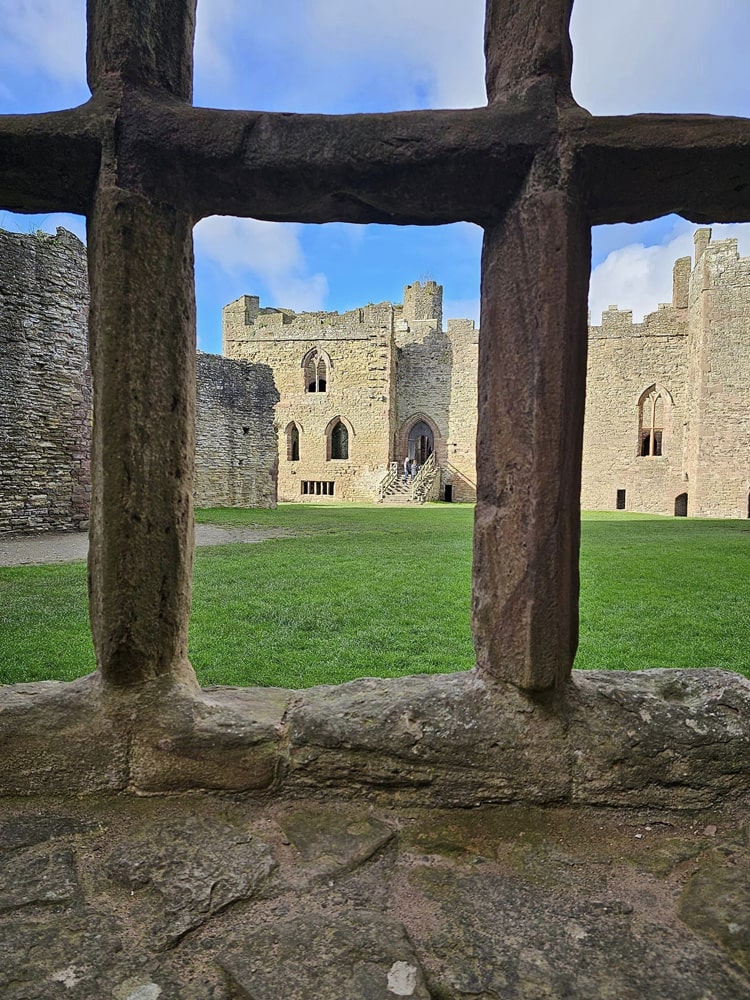
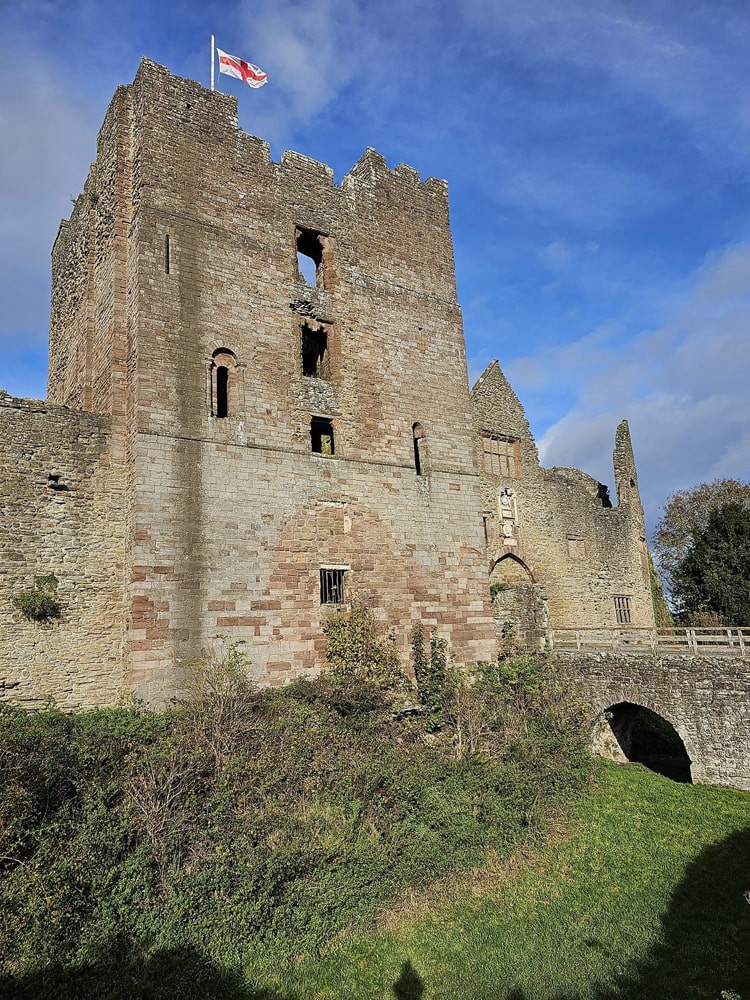
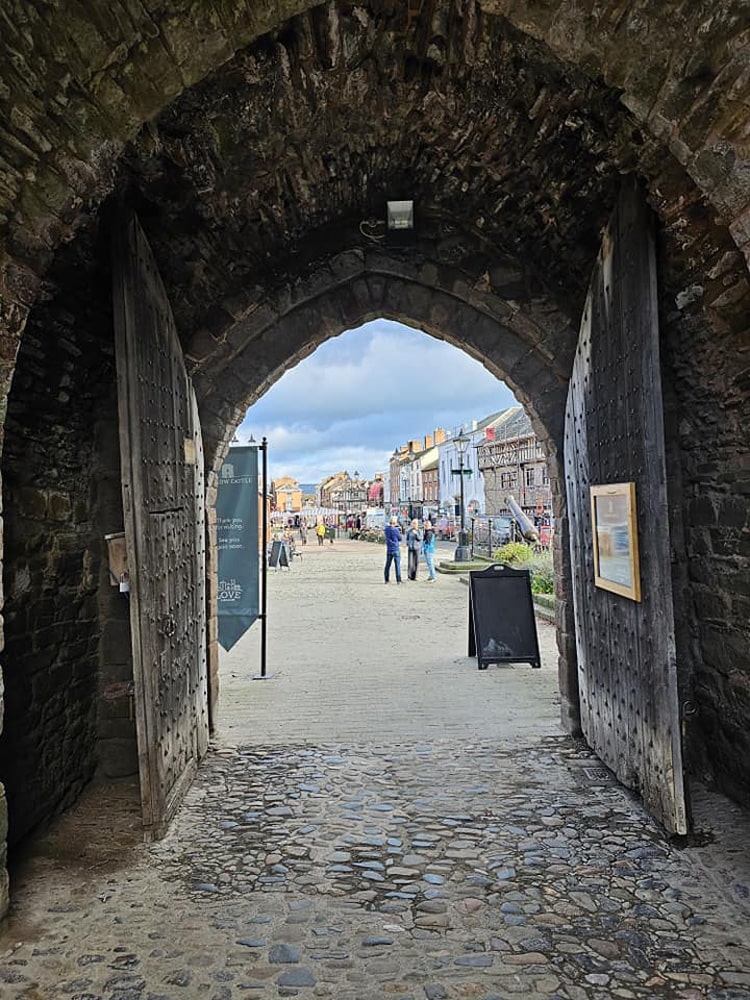
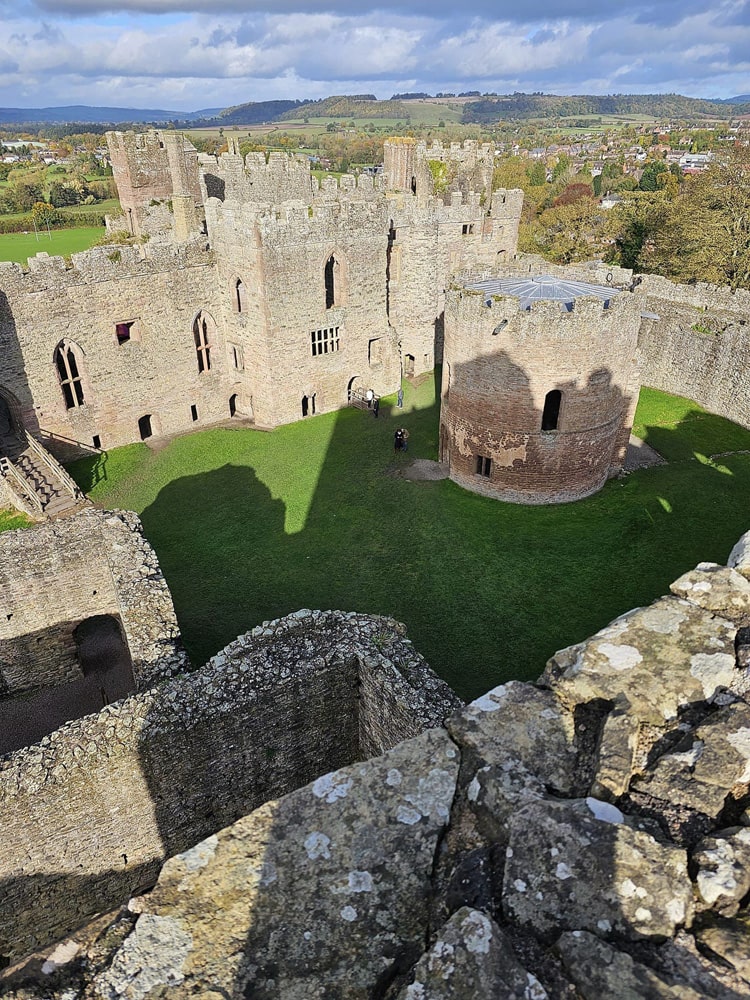
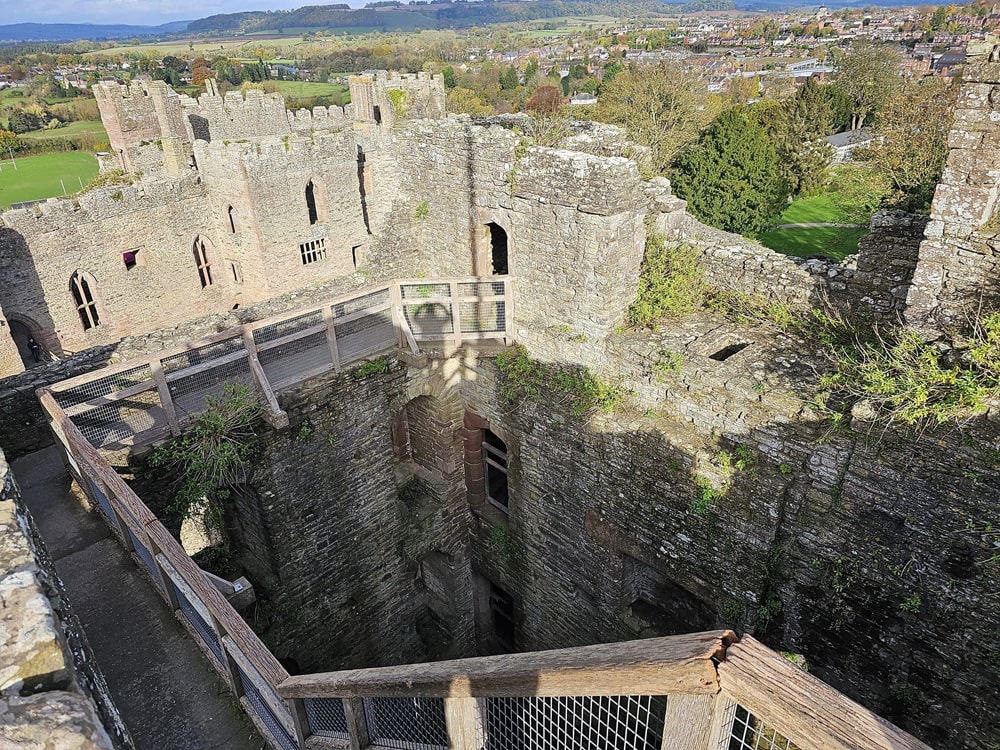
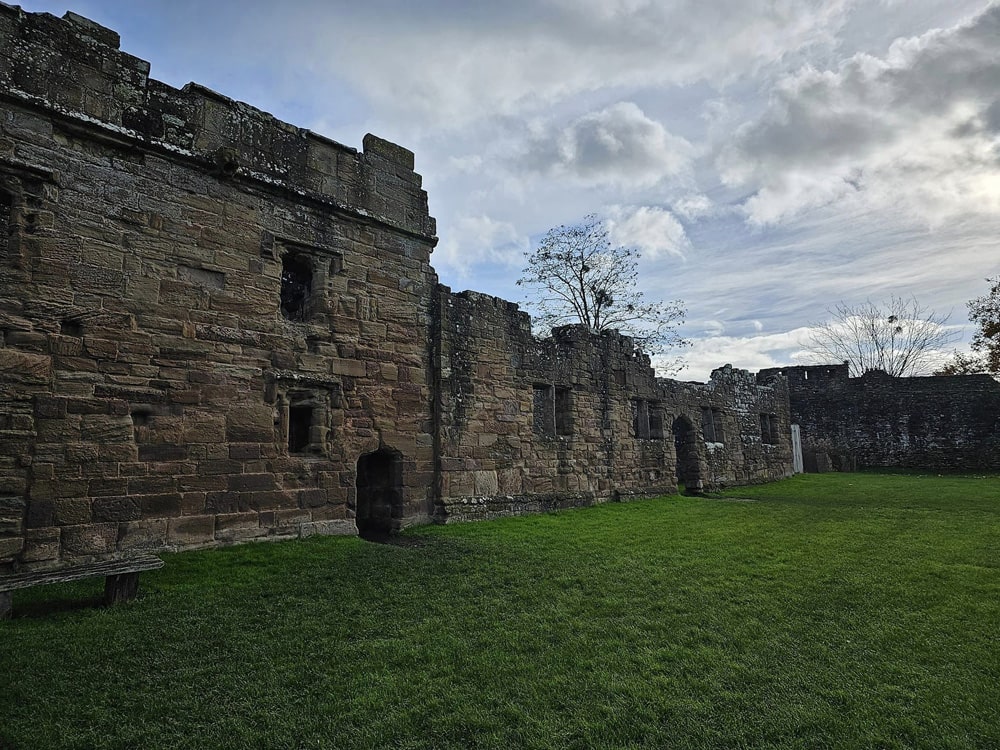
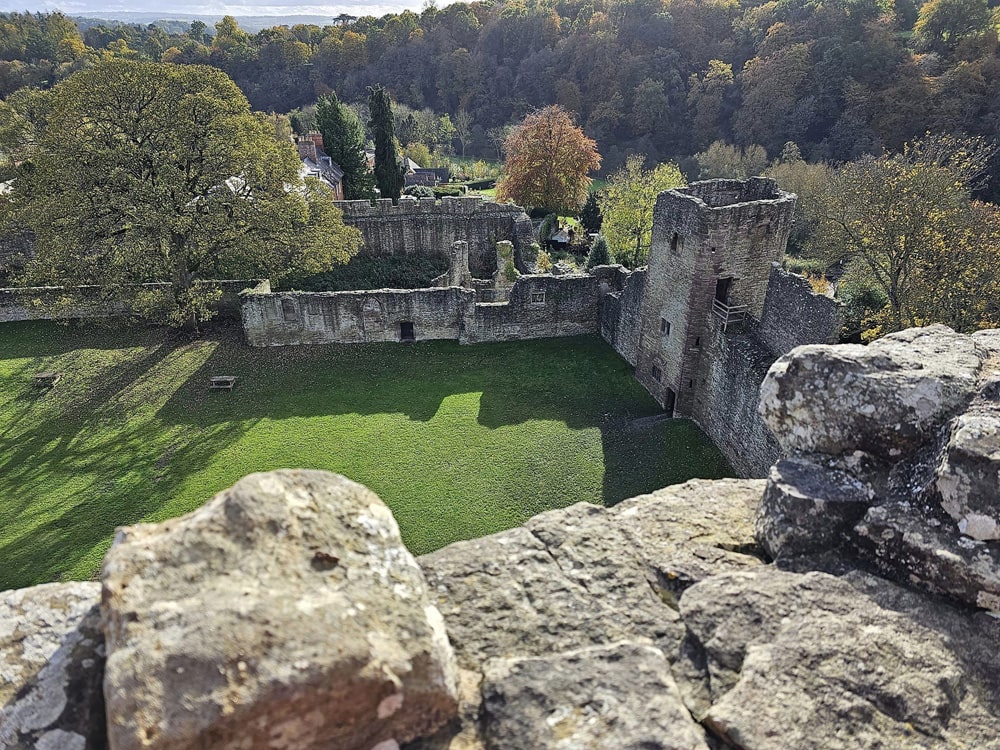
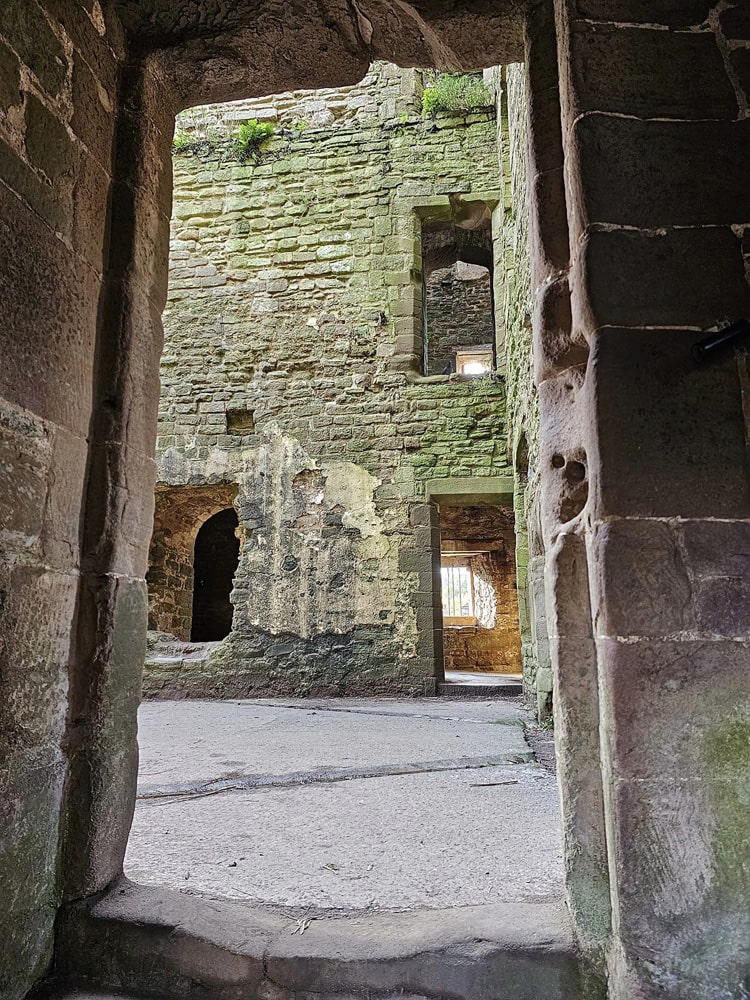
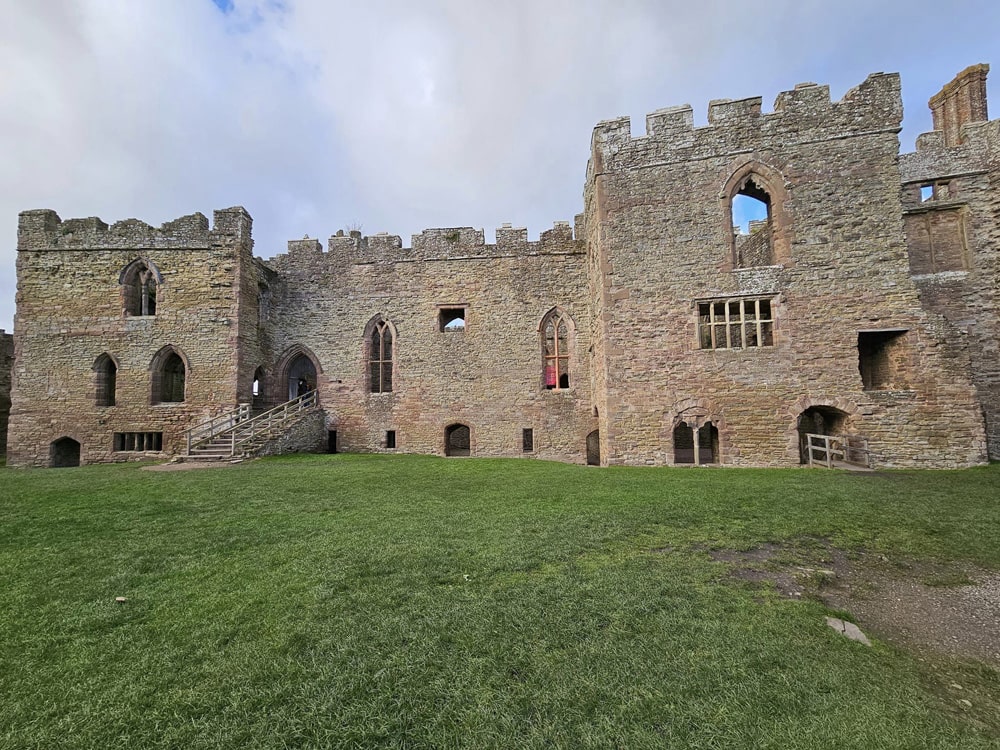
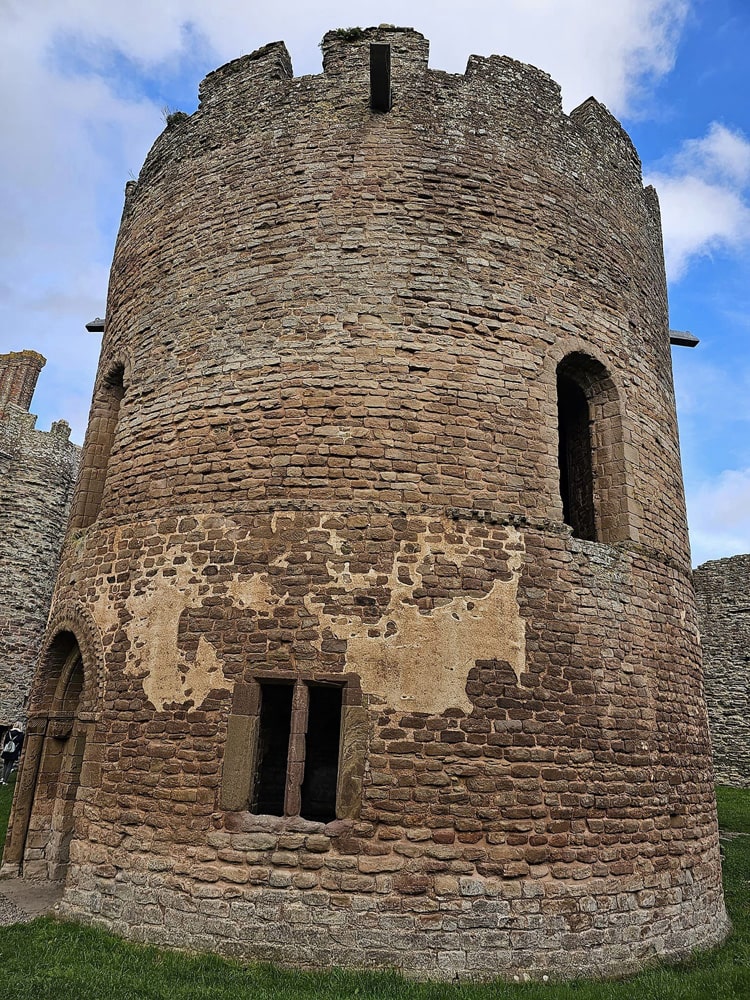
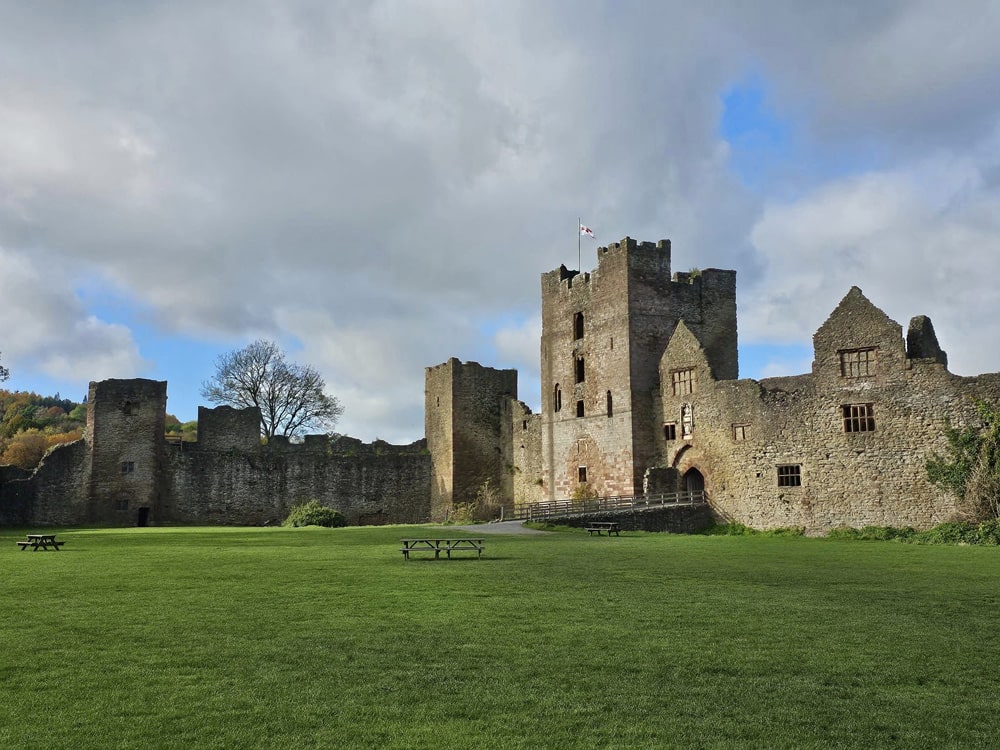
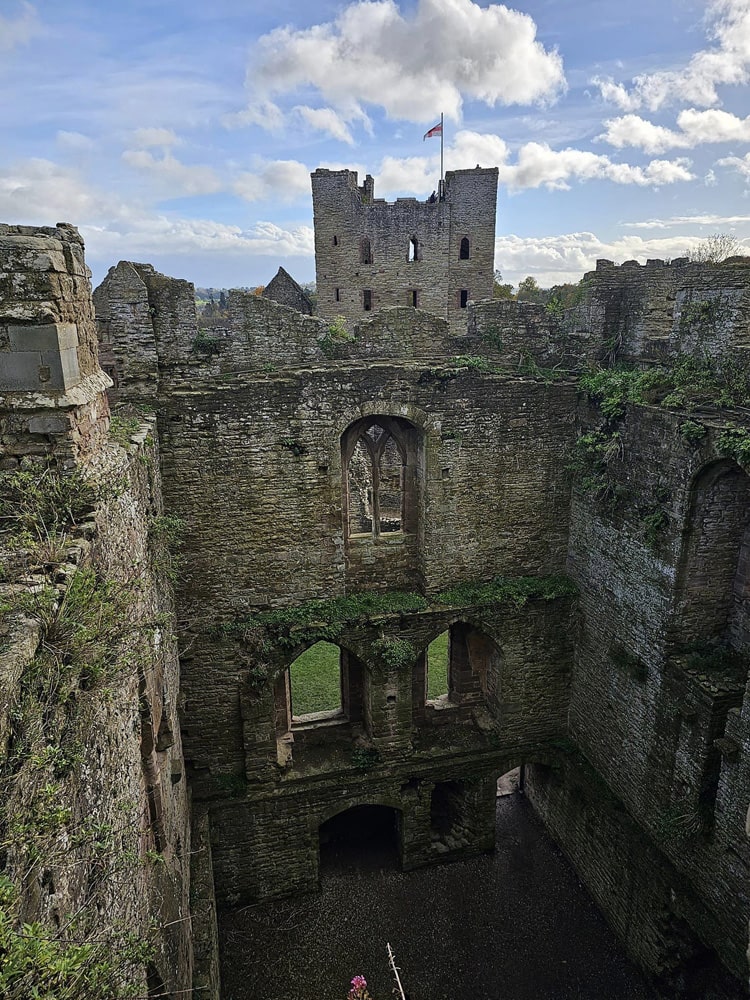
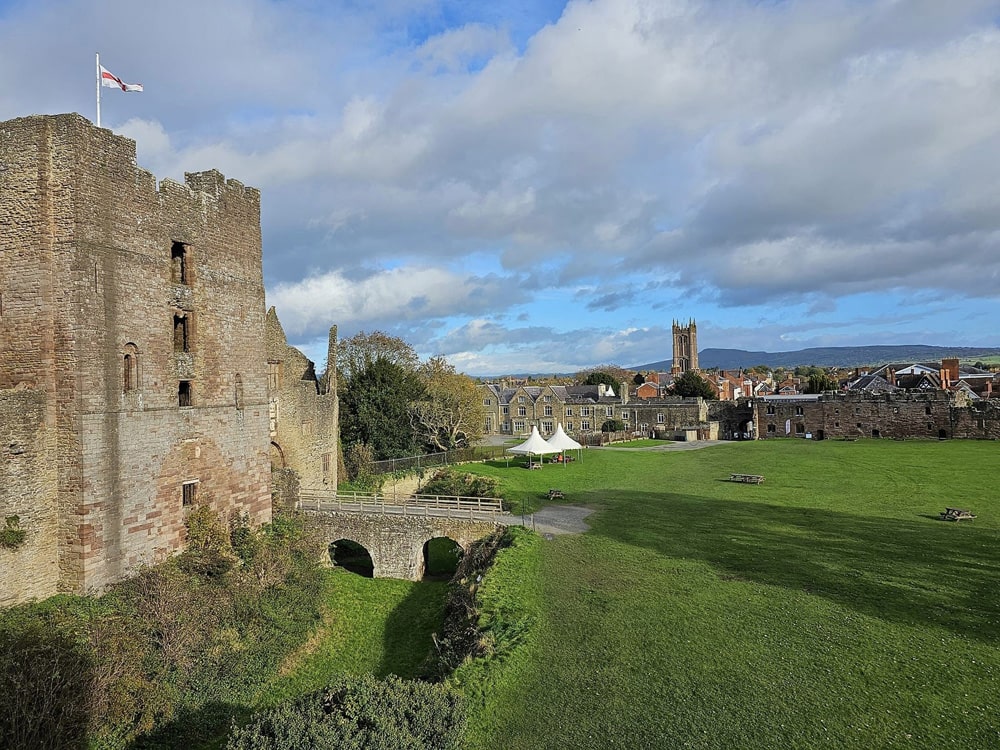
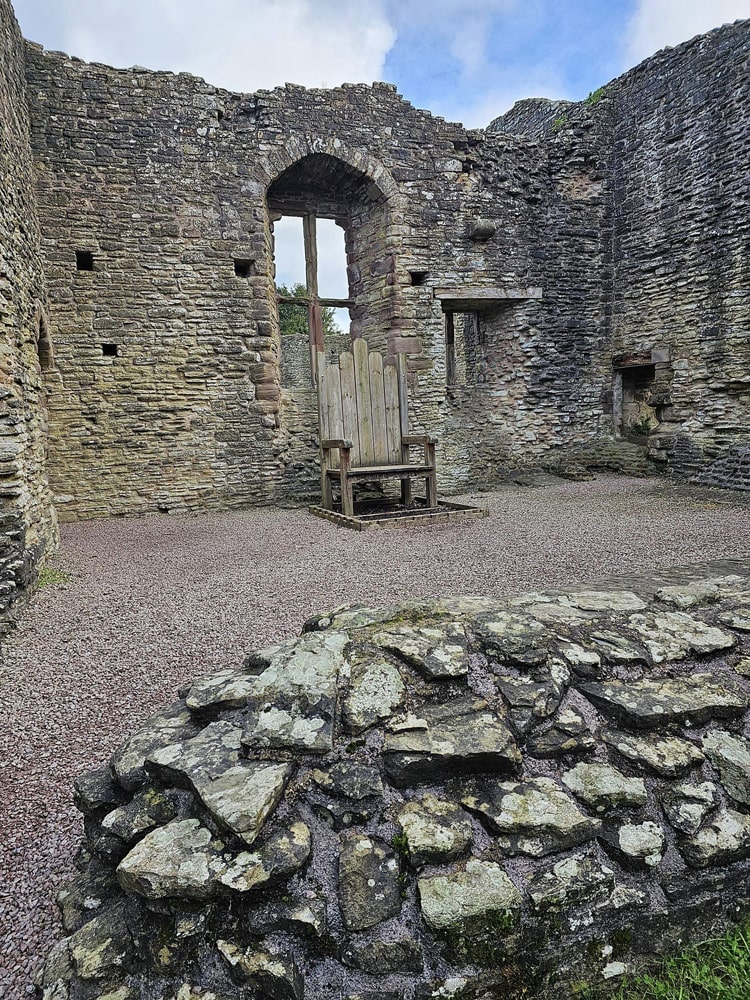
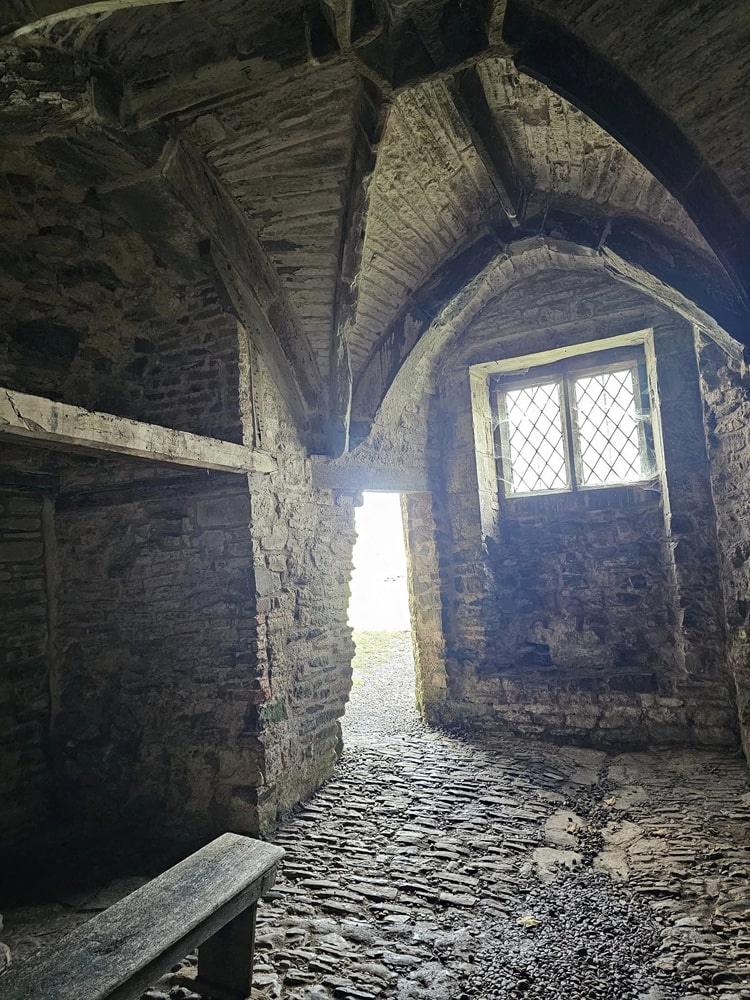
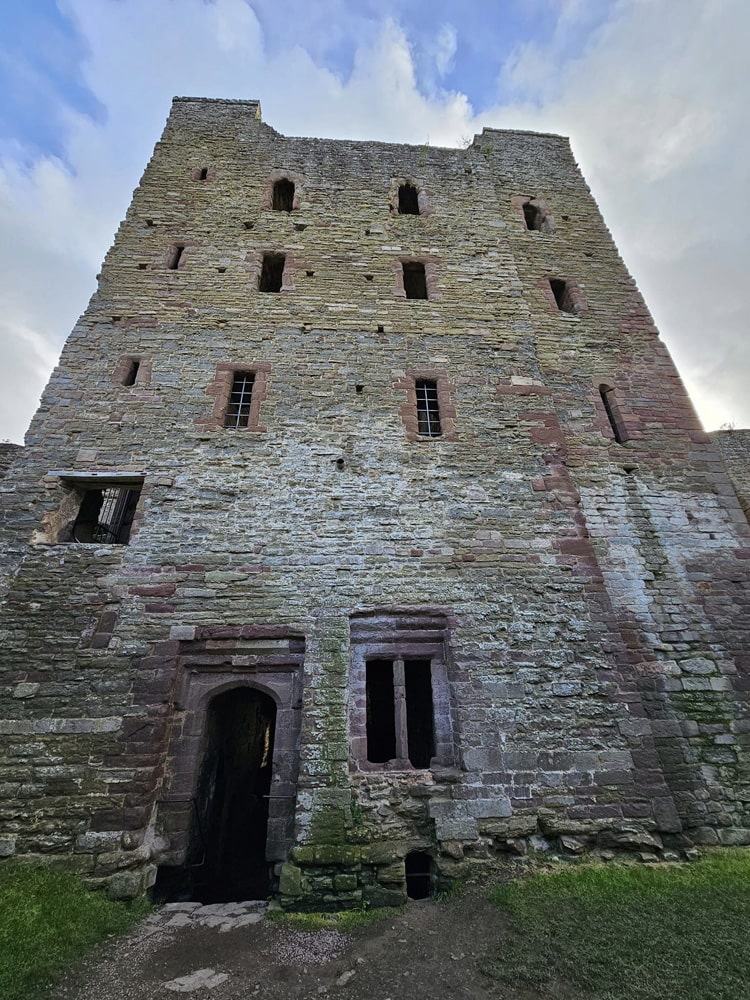
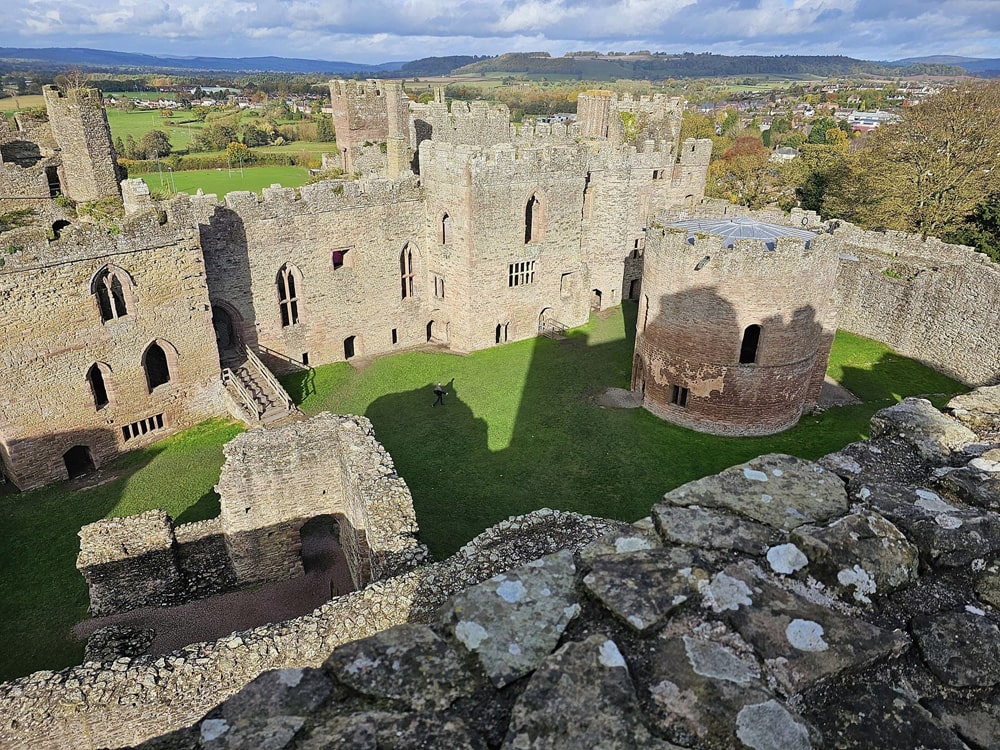
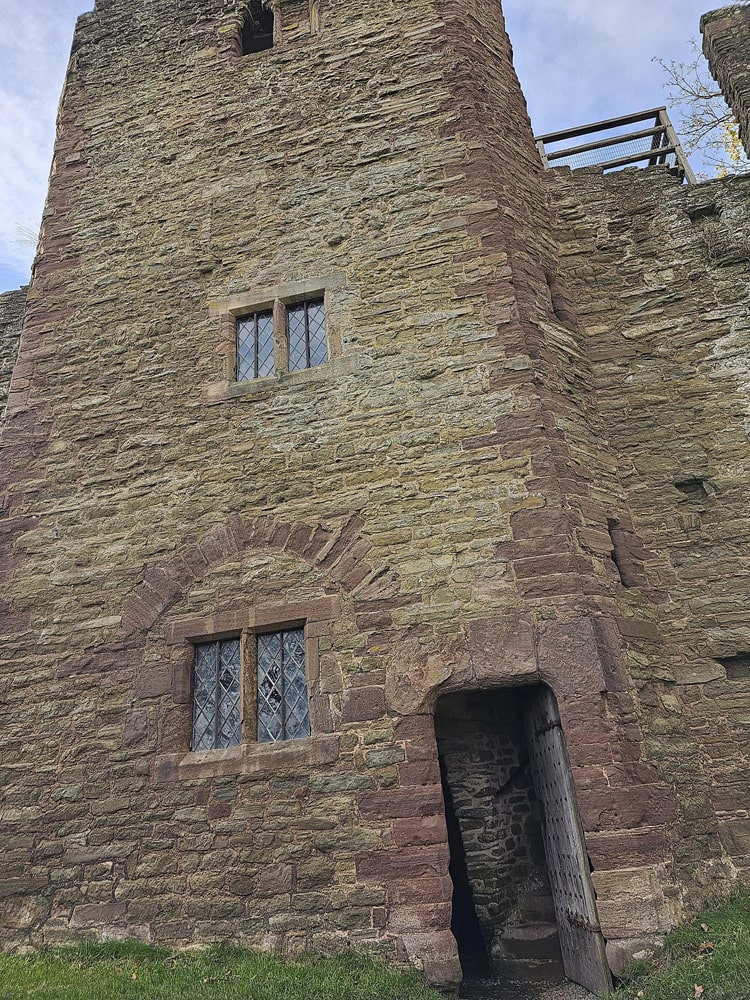
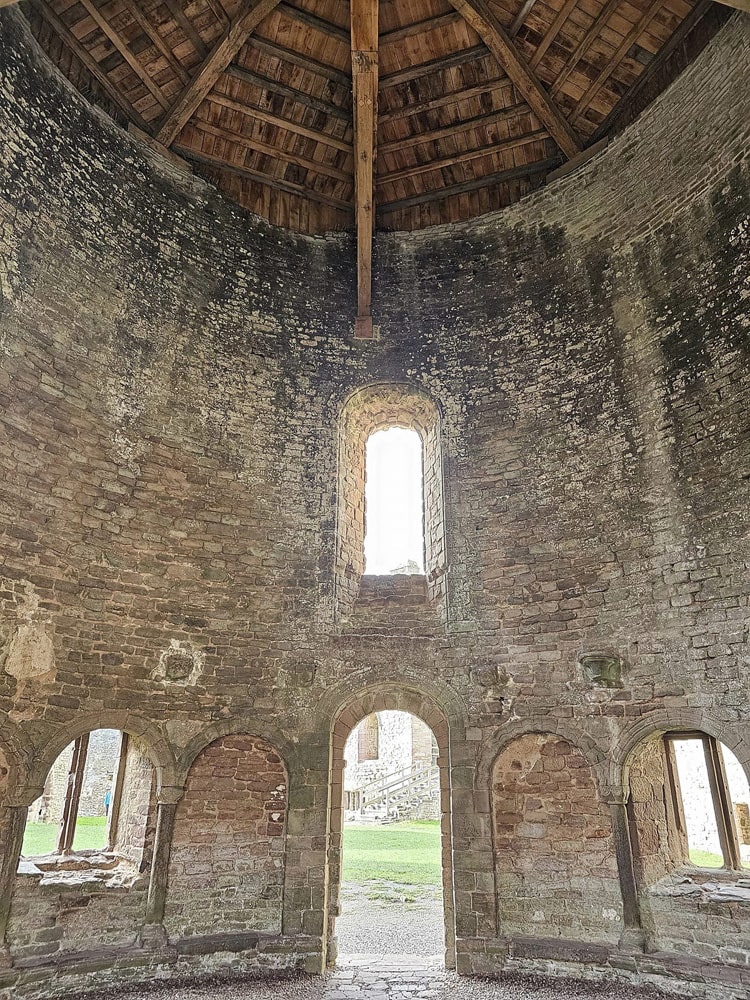
The castle’s long history is reflected in its varied architecture; Norman, Medieval and Tudor, and many of the buildings still stand. From the huge outer bailey, a bridge across the moat leads to the inner bailey with the keep and great chamber, and on the other side of the moat is the Ice House – once used to store explosives.
Photo Gallery.
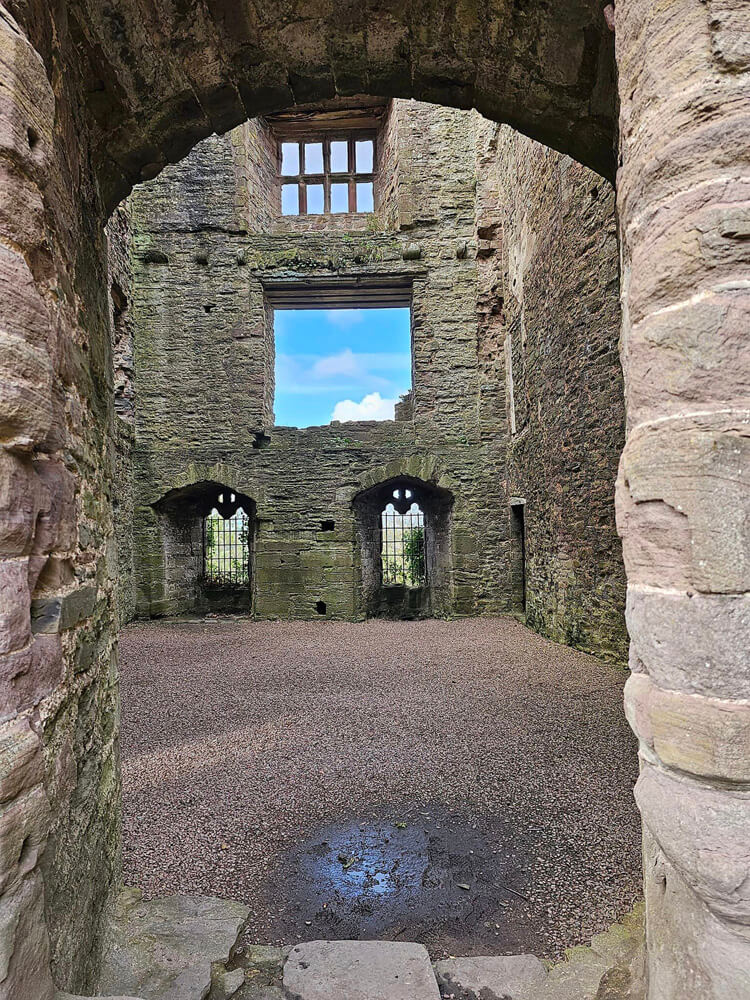
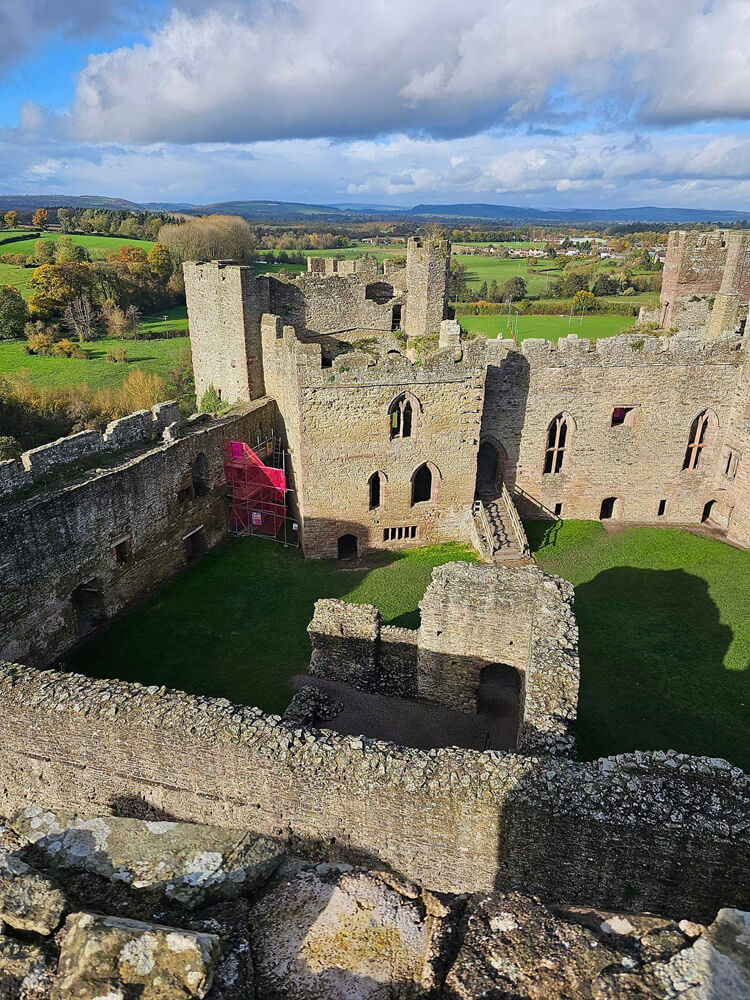
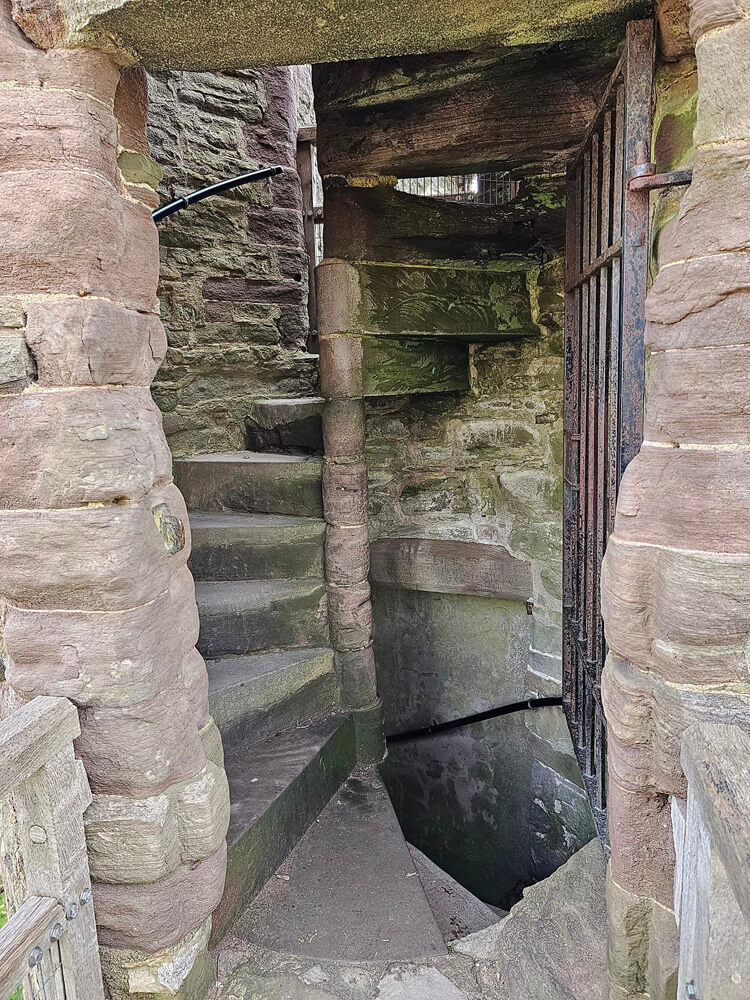
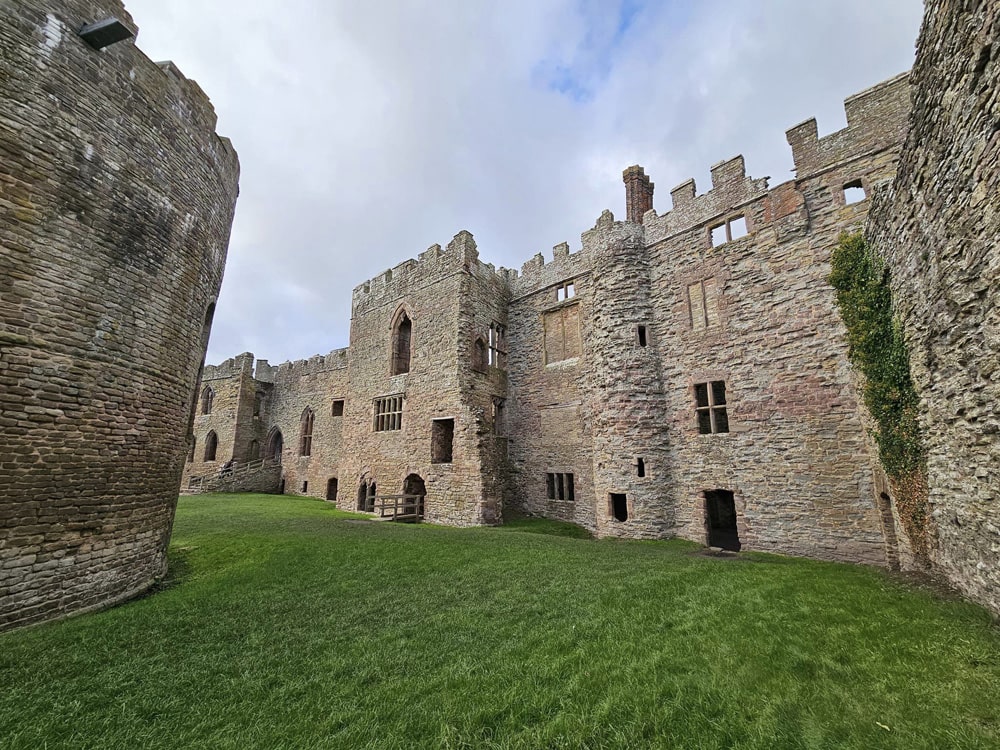
Did you enjoy this post?
I hope you found this post useful. I put a great deal of time and effort in to building, maintaining and populating the website. If you like, you could say a small thank you by buying me a coffee. You don't have to, but it would be nice :)
Buy me a coffee
Stay up to Date
Follow me on my journey and get notified whenever a new post is published by following Kings & Castles on Facebook.
Follow MeExplore The Map
Discover the hundreds of castles, churches, monasteries, cathedrals and other historic locations that I've personally visited across England and Wales. Search by location, explore nearby sites and plan your next historical adventure.
Share: