Flint Castle
Standing on the banks of the Dee Estuary in Flintshire, North East Wales, Flint Castle is a remarkable medieval fortress with a fascinating history. Built by King Edward I in 1277 during his campaign to conquer Wales, it was the first of his Welsh castles and marked the beginning of his ambitious programme of fortifications designed to establish English dominance over the region. With its unusual detached great tower, formidable defensive walls and strategic riverside position, Flint became an important military stronghold.
Quick
Facts.
- Location: Flint, Flintshire, North East Wales
- Built: 1277 - 1284
- Condition: Ruined
- Date visited: October 2026
- More info: Visit website
- Rating:
A Bit of History…
Flint Castle was commissioned by Edward I in 1277, following his first campaign against the Welsh prince Llywelyn ap Gruffudd. Construction began alongside the development of a new fortified town, establishing a permanent English military and administrative presence in north-east Wales.
The castle was initially overseen by Richard L’Engenour, with the renowned military architect James of St George becoming involved in the wider building programme. Work continued into the 1280s, with the castle largely completed by 1284. Flint was the first of Edward’s castles built during his conquest of Wales and helped establish the foundations for his later chain of fortresses, which became known as the ‘Iron Ring’.
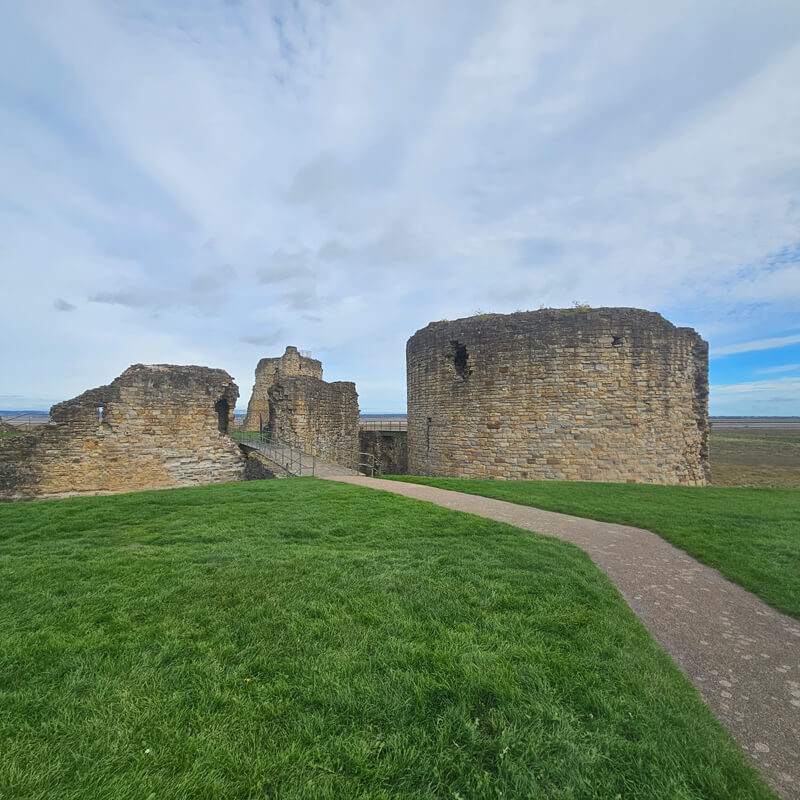
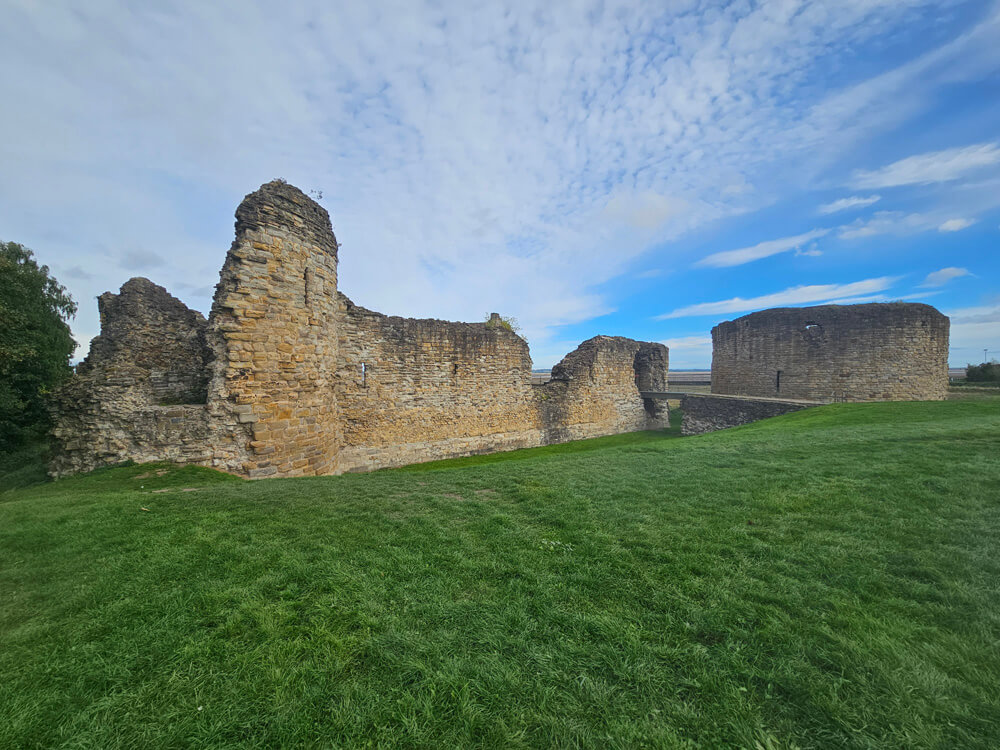
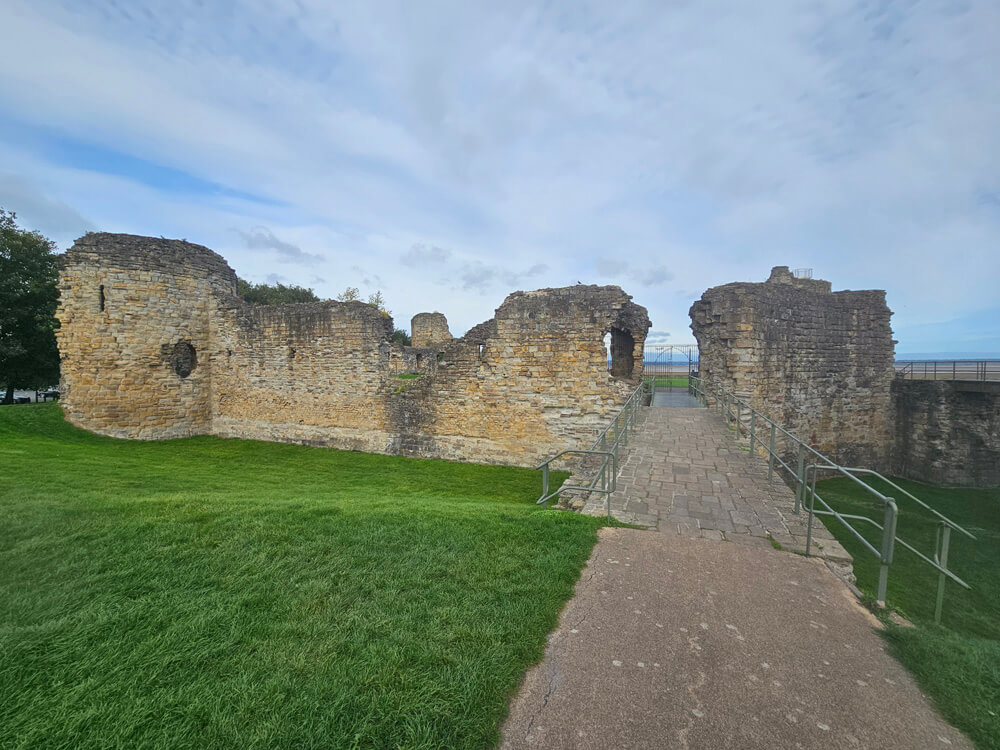
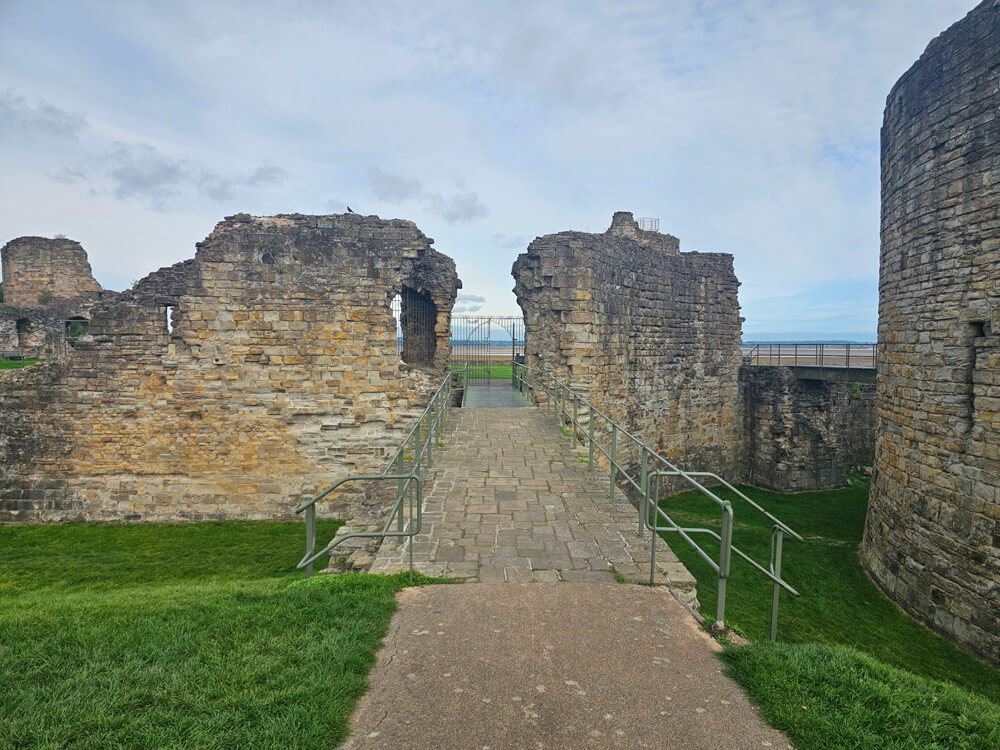
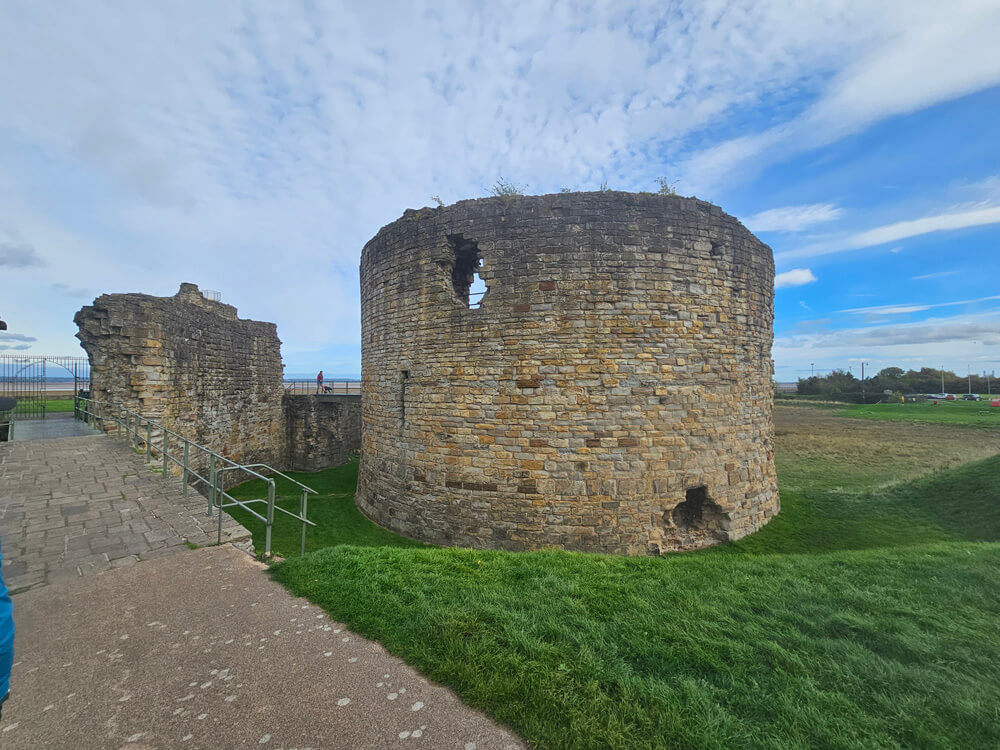
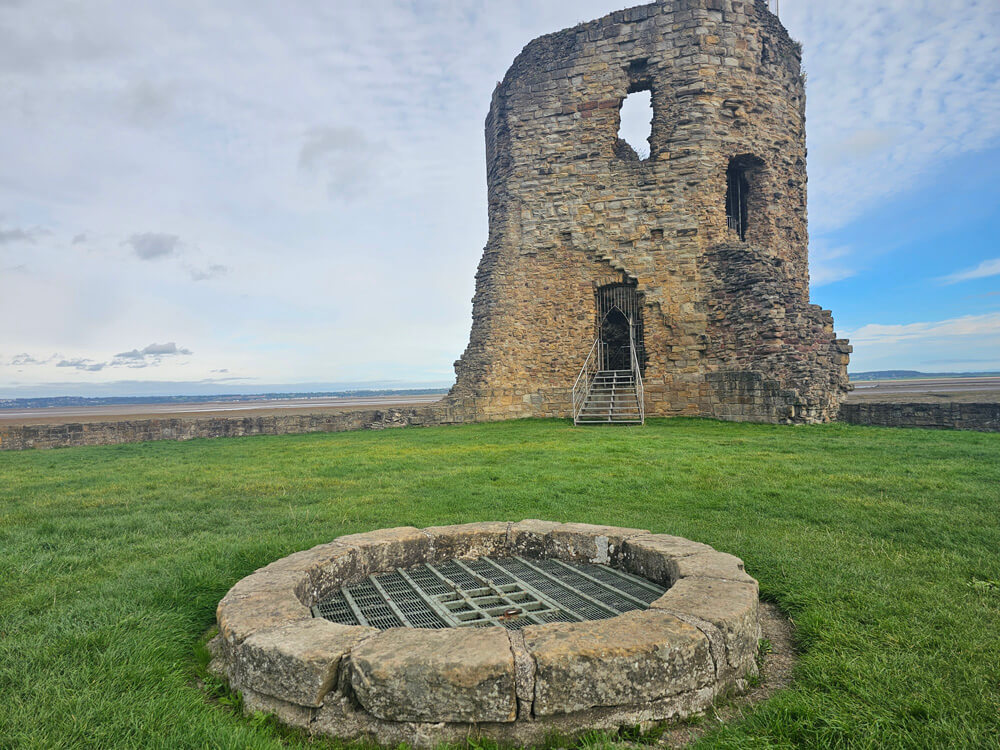
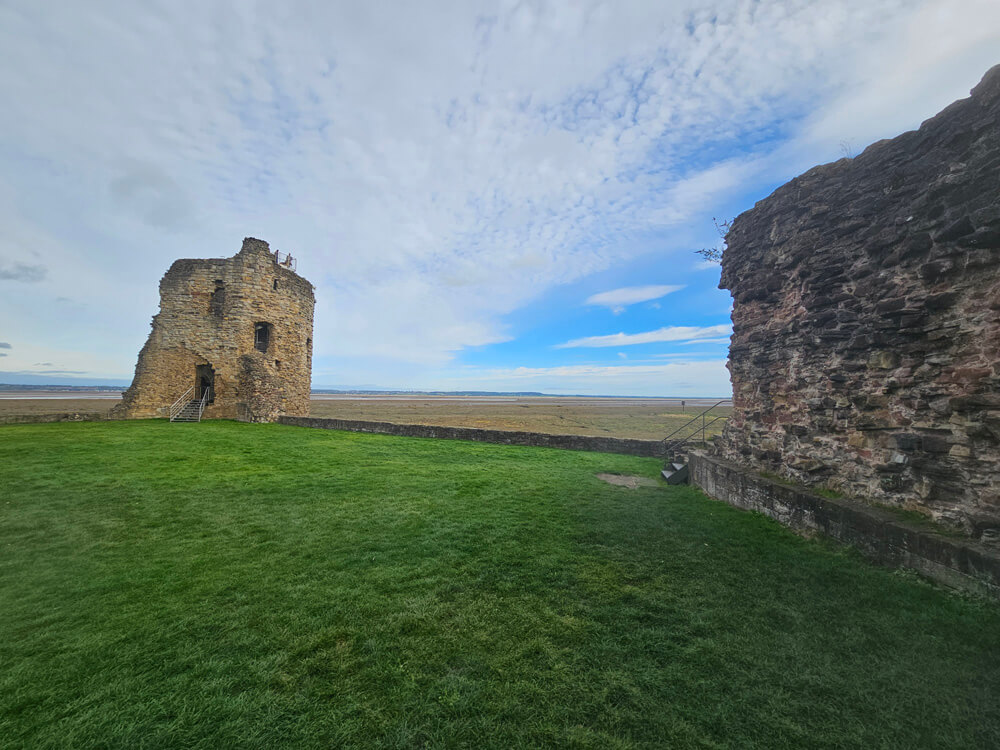
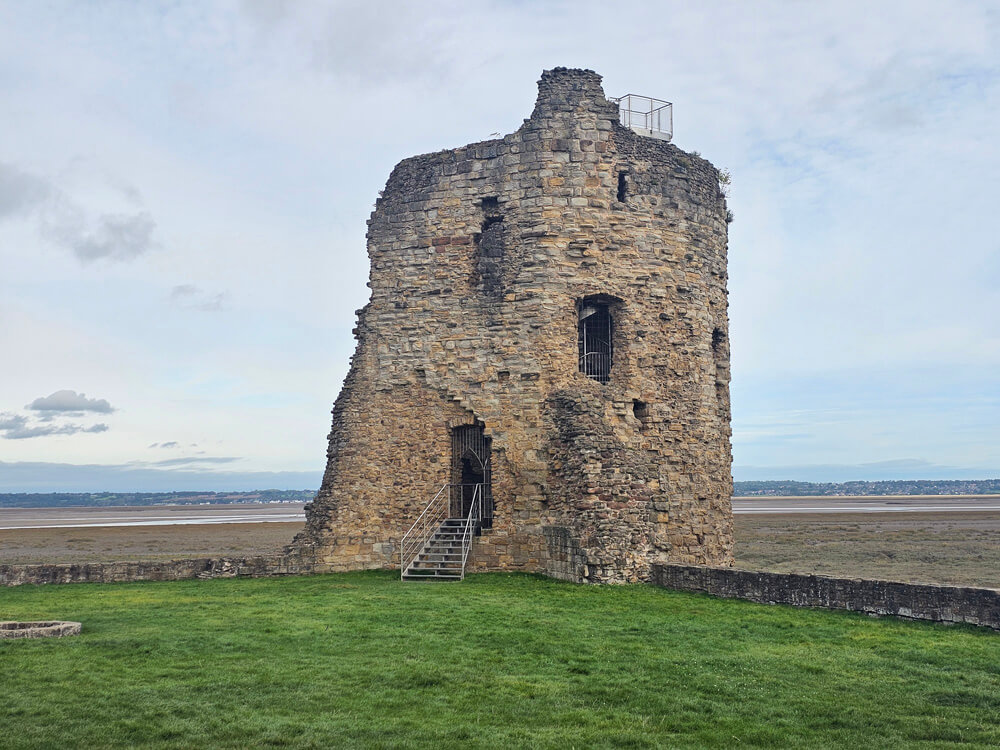
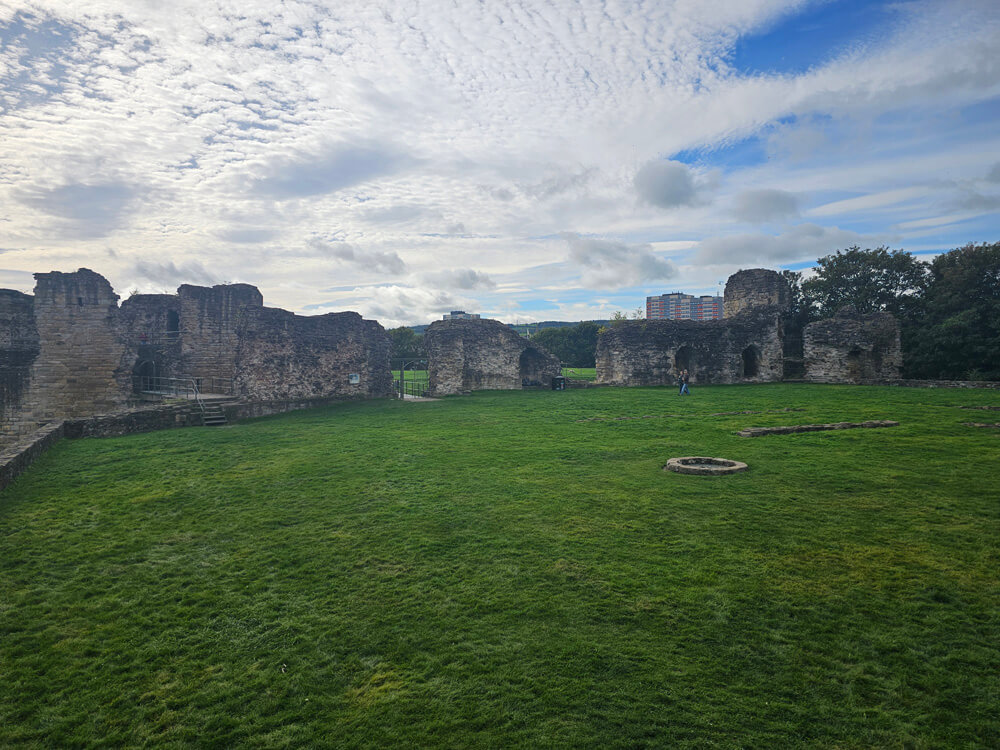
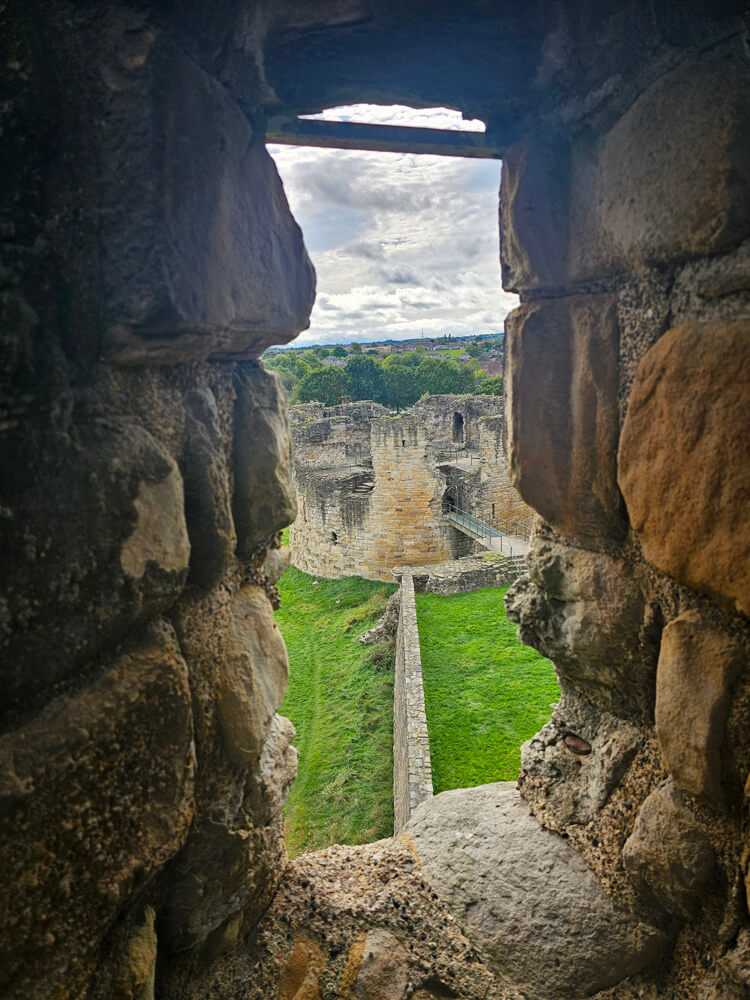
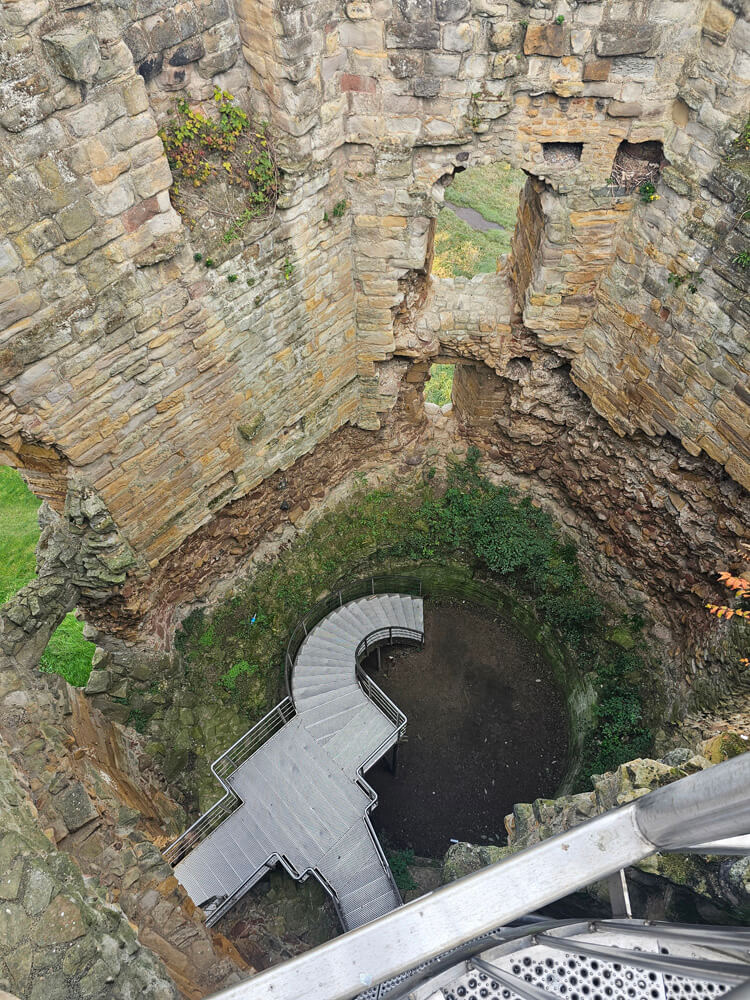
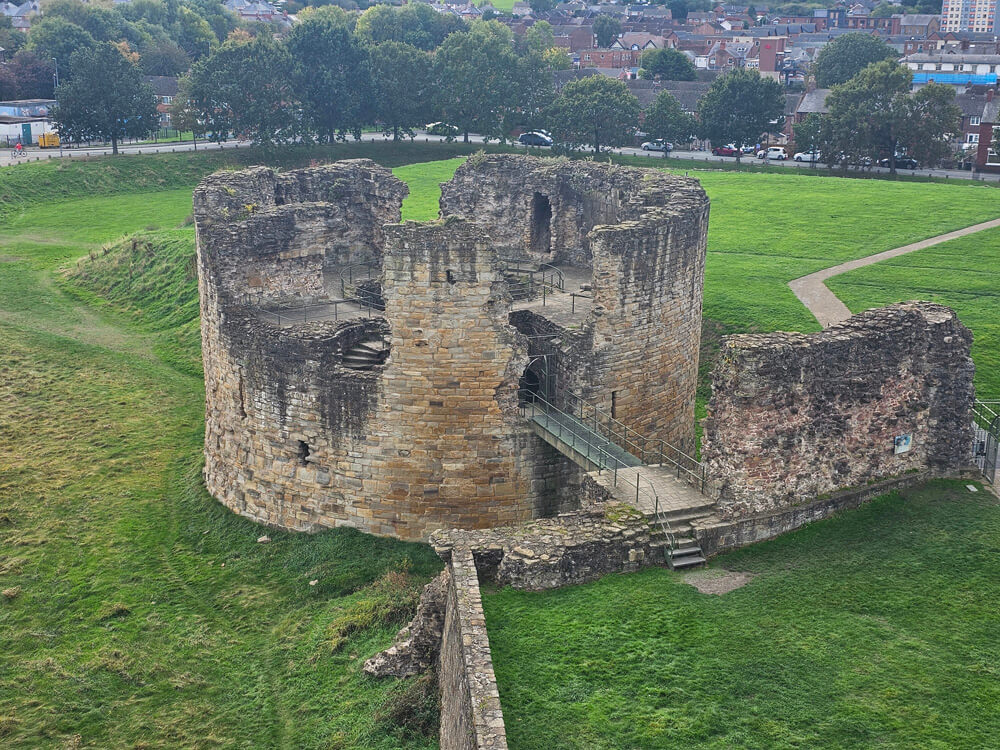
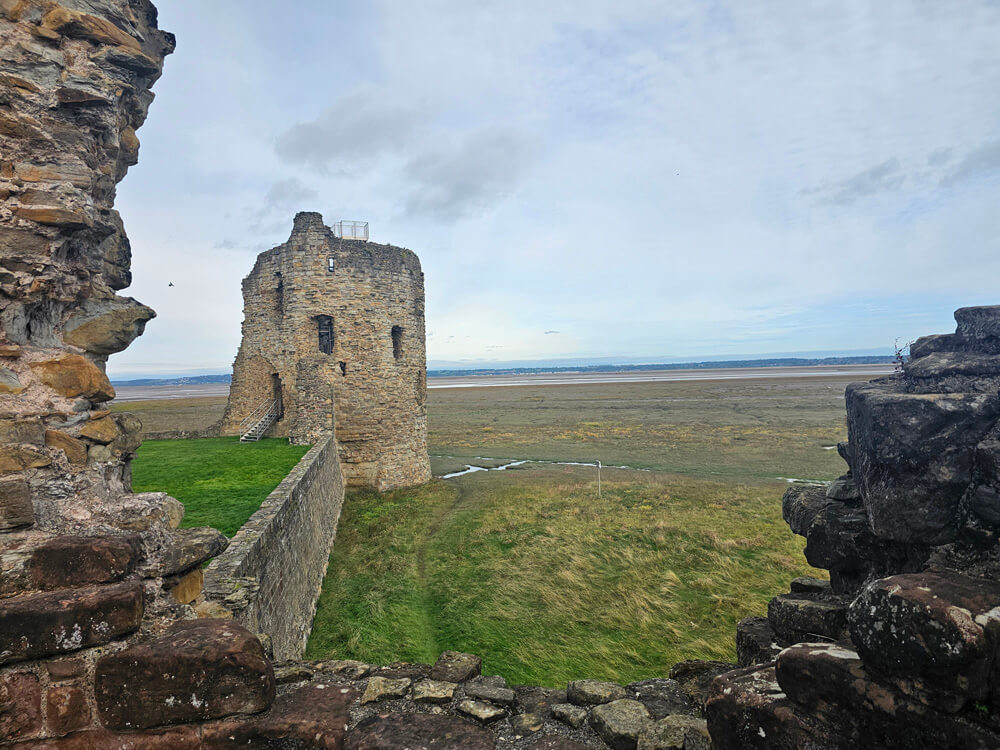
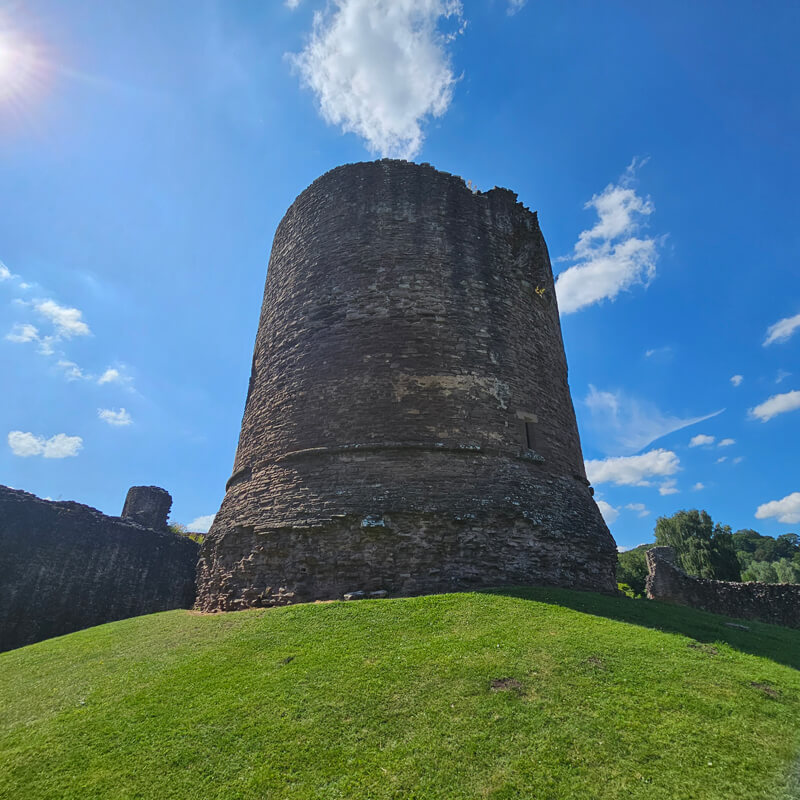
Unlike the later concentric castles at Conwy, Harlech, Beaumaris and Rhuddlan, Flint had a more unusual design. Its roughly square inner ward was protected by thick curtain walls and round towers at three corners. At the south-eastern corner stood its most distinctive feature: a massive, detached round tower known as the donjon or great tower.
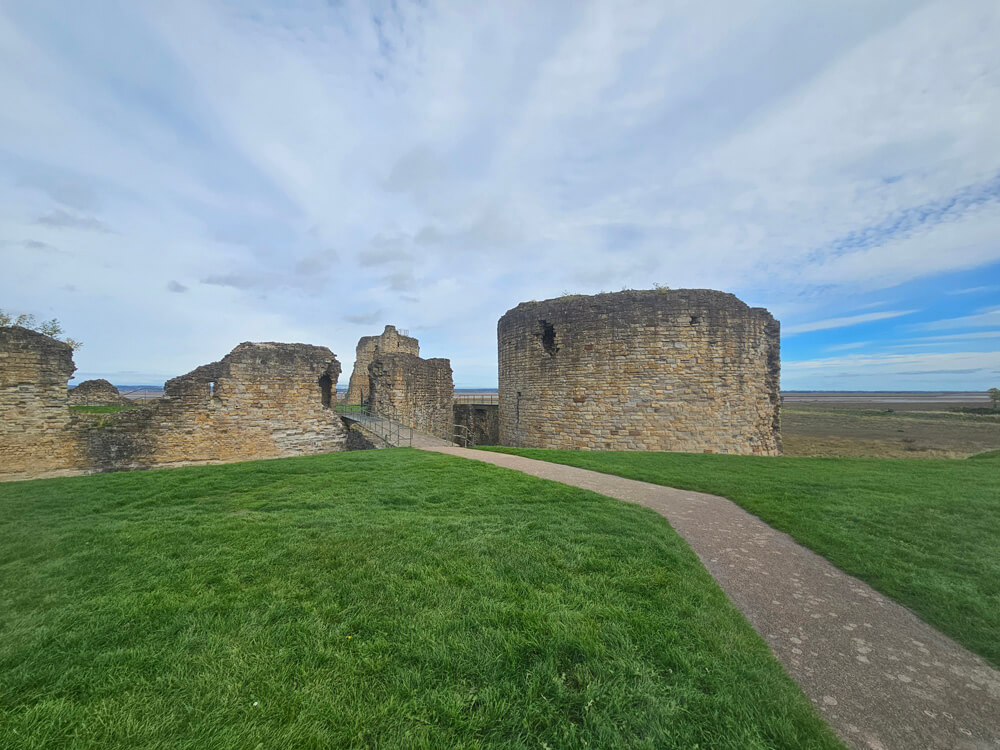
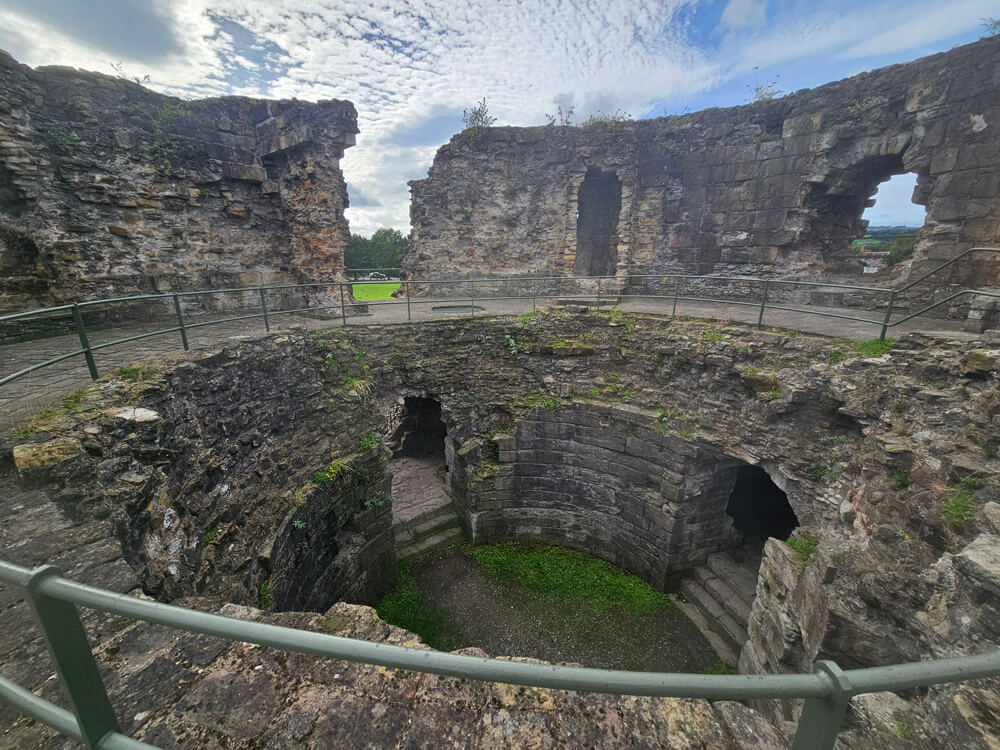
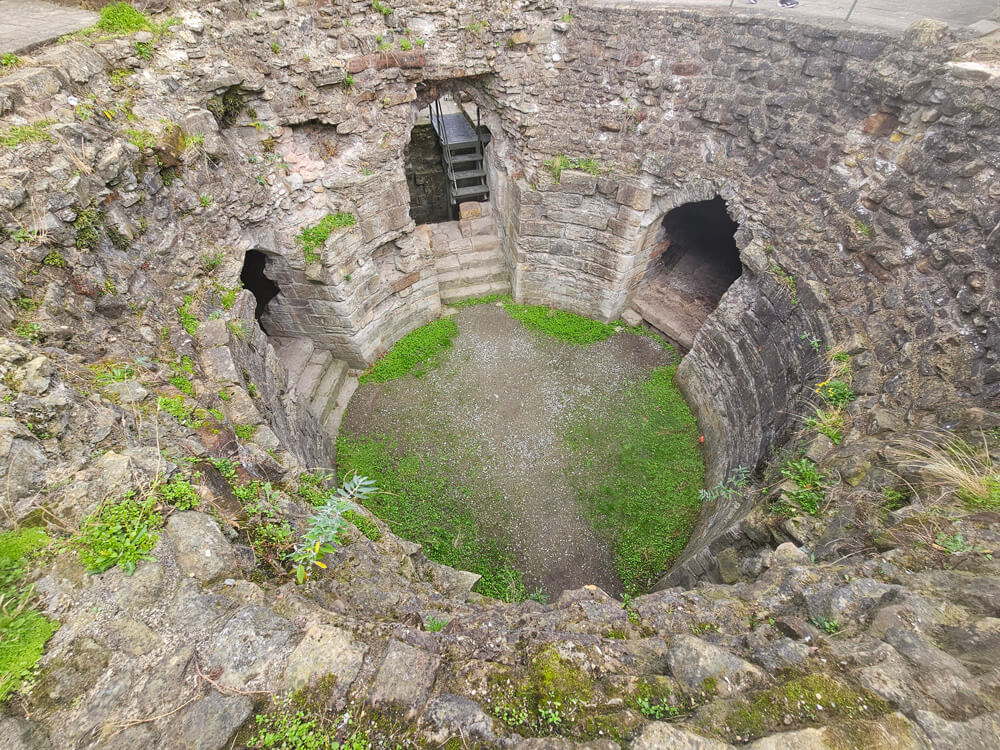
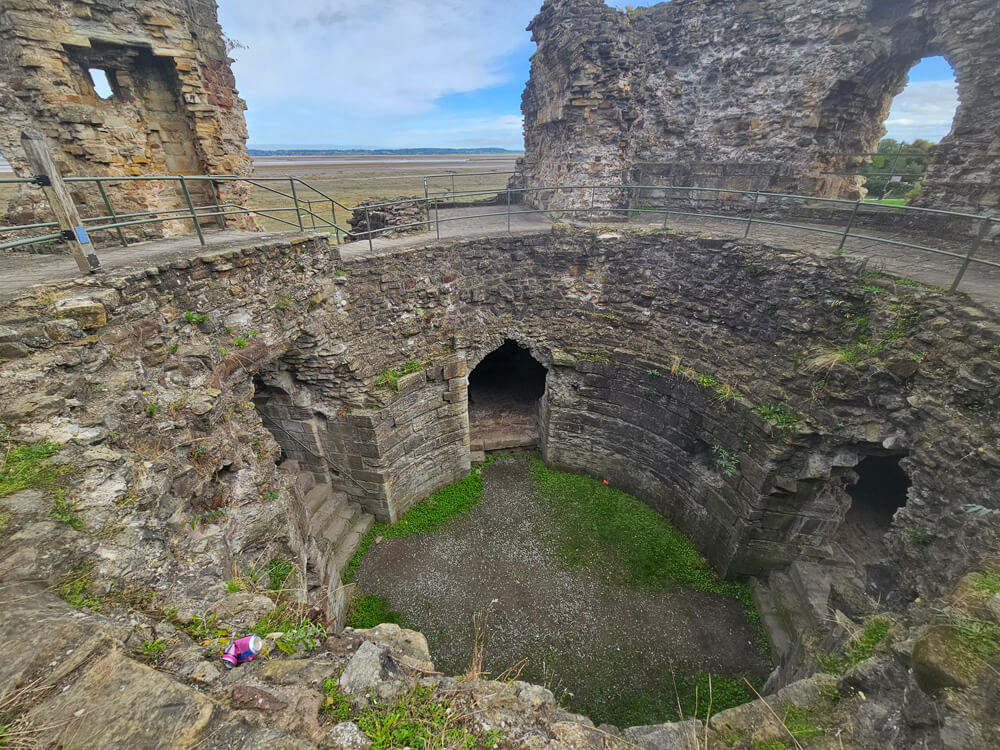
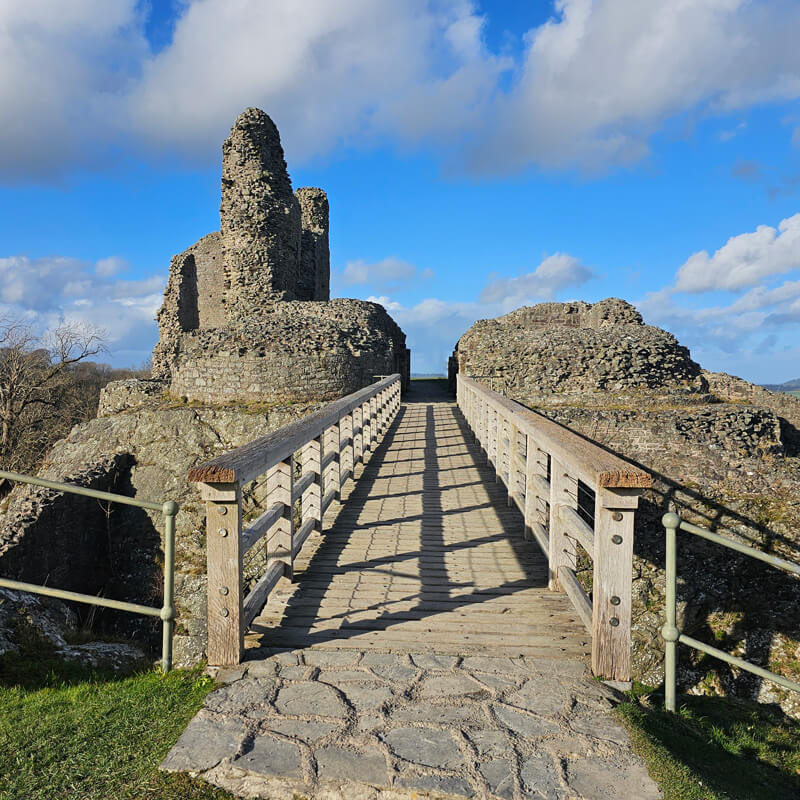
Separated from the inner ward by its own moat and accessed by a drawbridge, the great tower effectively formed a castle within a castle. Its exceptionally thick walls and self-contained defensive arrangements provided a final refuge should the rest of the fortress fall to an enemy. The design was unusual among Edward I’s Welsh castles and demonstrates the innovative thinking behind the king’s military architecture.
Flint’s location was chosen for strategic reasons. Situated on the Dee Estuary, close to the English border and within reach of Chester, the castle could receive supplies by river and sea. Its position also helped control important routes into north Wales, making it an ideal base for Edward’s military operations.
The nearby town was established alongside the castle and laid out according to a planned street pattern. Protected by its own defences, it attracted English settlers and merchants, helping Edward consolidate his control over the surrounding territory.
Flint Castle was soon tested by Welsh resistance. In 1282, forces led by Dafydd ap Gruffudd, the brother of Llywelyn ap Gruffudd, attacked the fortress as rebellion spread across Wales. The uprising ultimately led to Llywelyn’s death and the collapse of organised Welsh resistance to Edward’s rule.
The castle faced further trouble during the revolt of Madog ap Llywelyn in 1294. Welsh forces attacked the town and castle, and the surrounding settlement suffered considerable damage. The fortress survived and was subsequently repaired, continuing to serve as an important centre of English authority in the region.
Perhaps the most famous event in Flint Castle’s history occurred in 1399. King Richard II, returning from Ireland, found himself confronted by his cousin Henry Bolingbroke, who had returned to England and gathered support against him.
Richard was held at Flint Castle before being taken to London, where he was forced to surrender his crown. Henry subsequently became King Henry IV, marking a dramatic change of dynasty. The encounter at Flint was later immortalised in William Shakespeare’s play Richard II, ensuring the castle’s place in English literary and royal history.
During the English Civil War, Flint Castle was occupied by Royalist forces before surrendering to Parliamentarians in 1646. Following the conflict, orders were given to dismantle its defences, leaving the fortress to fall into ruin.
Flint Castle Today
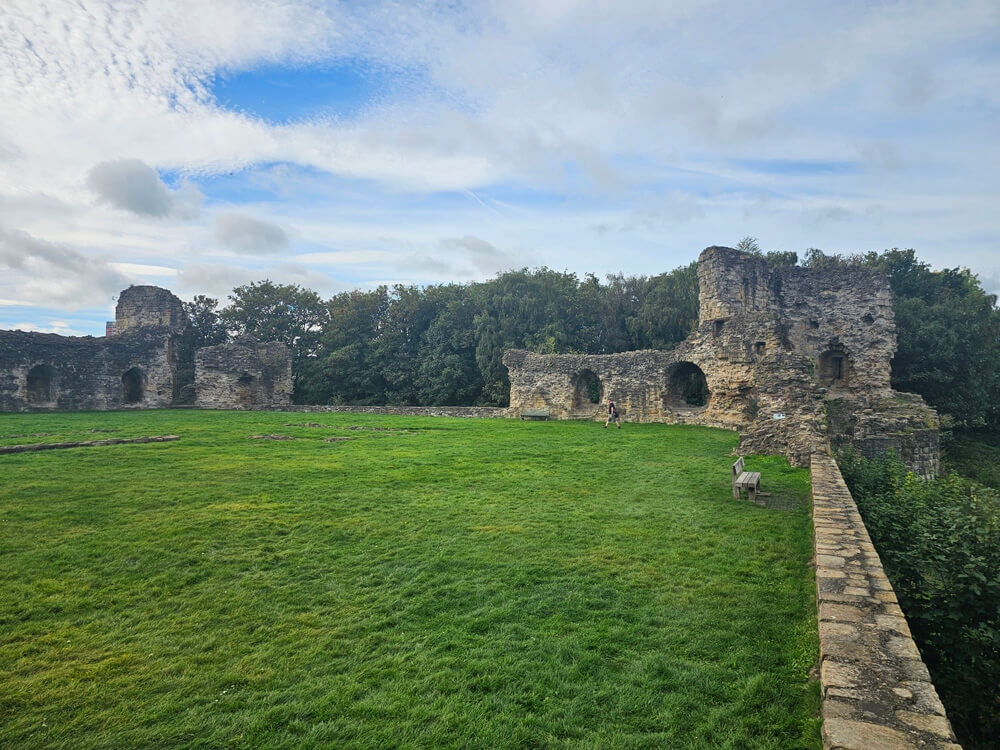
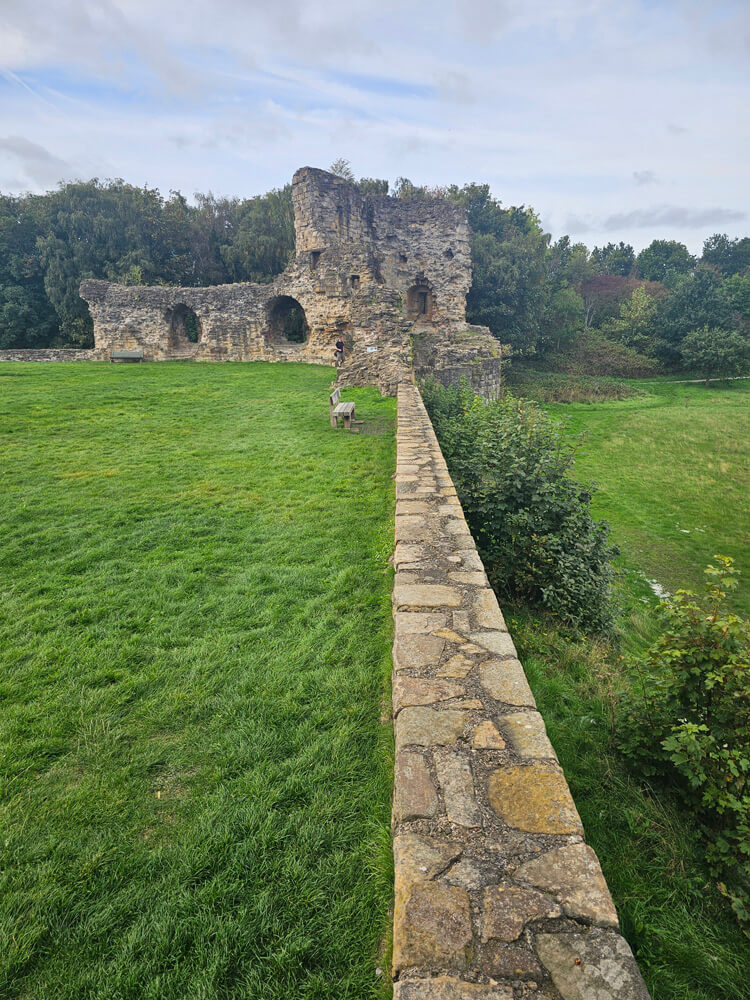
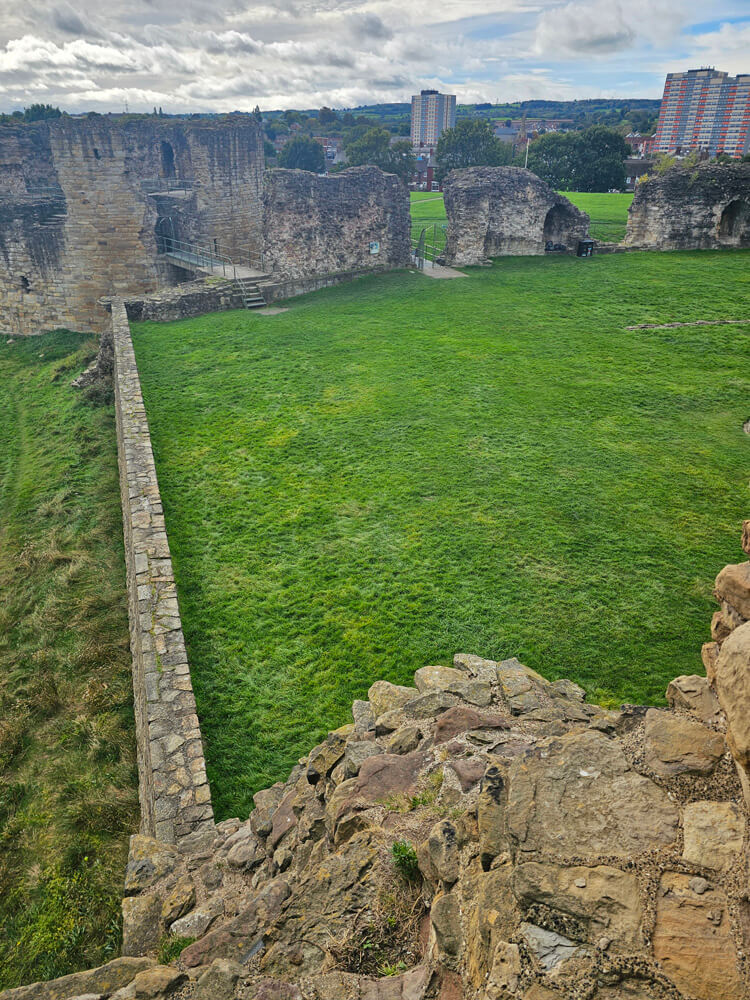
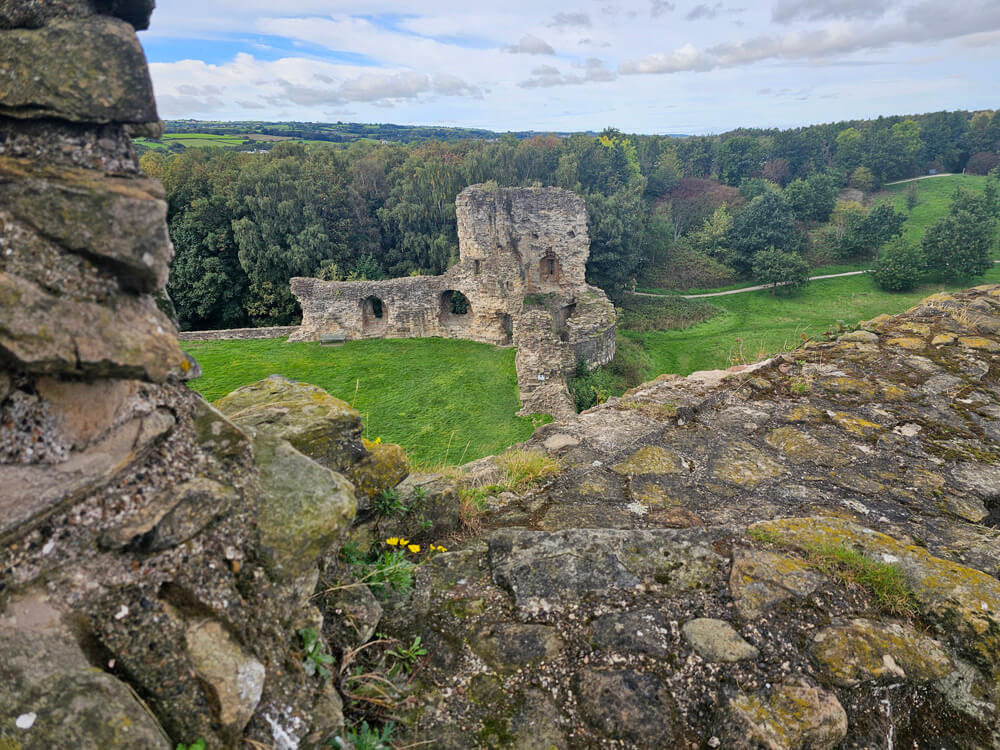
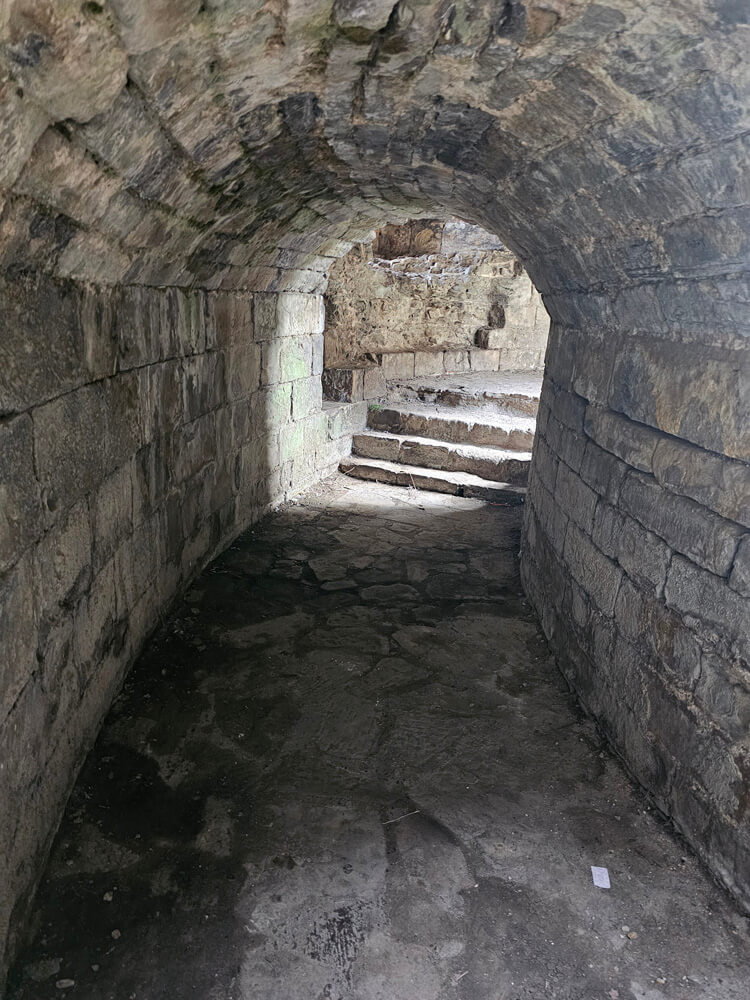
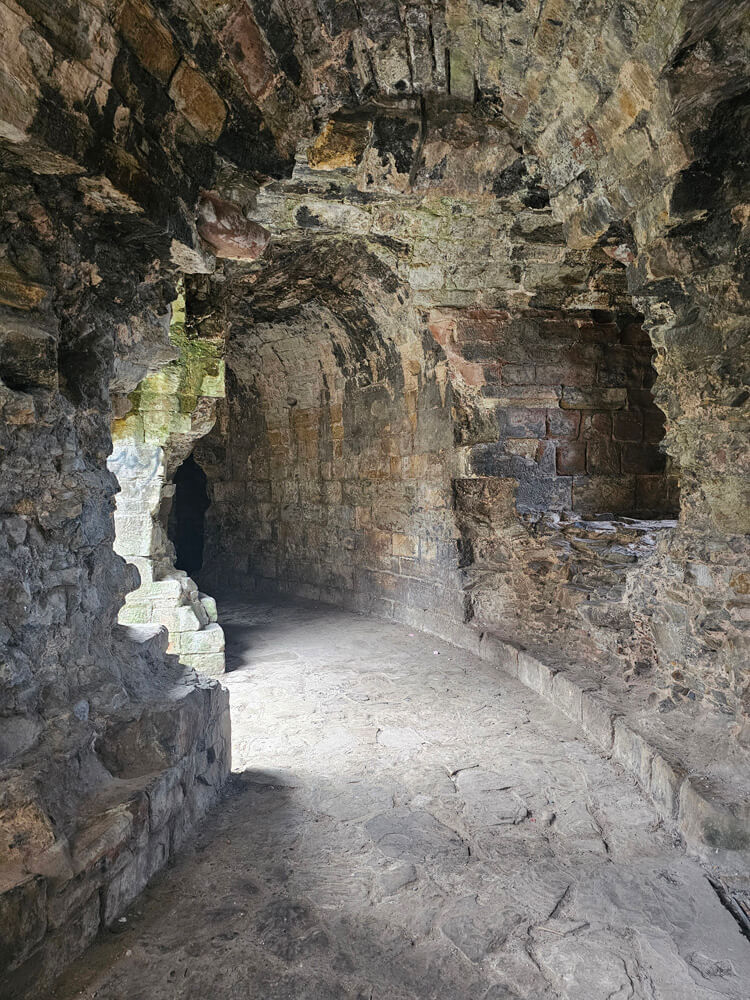
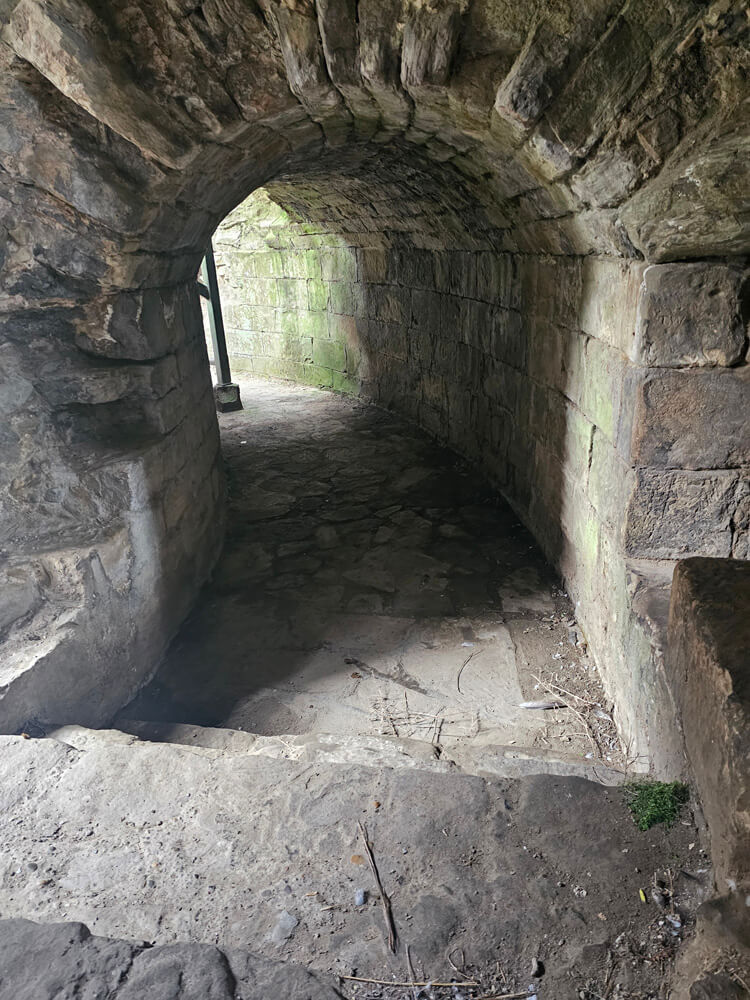
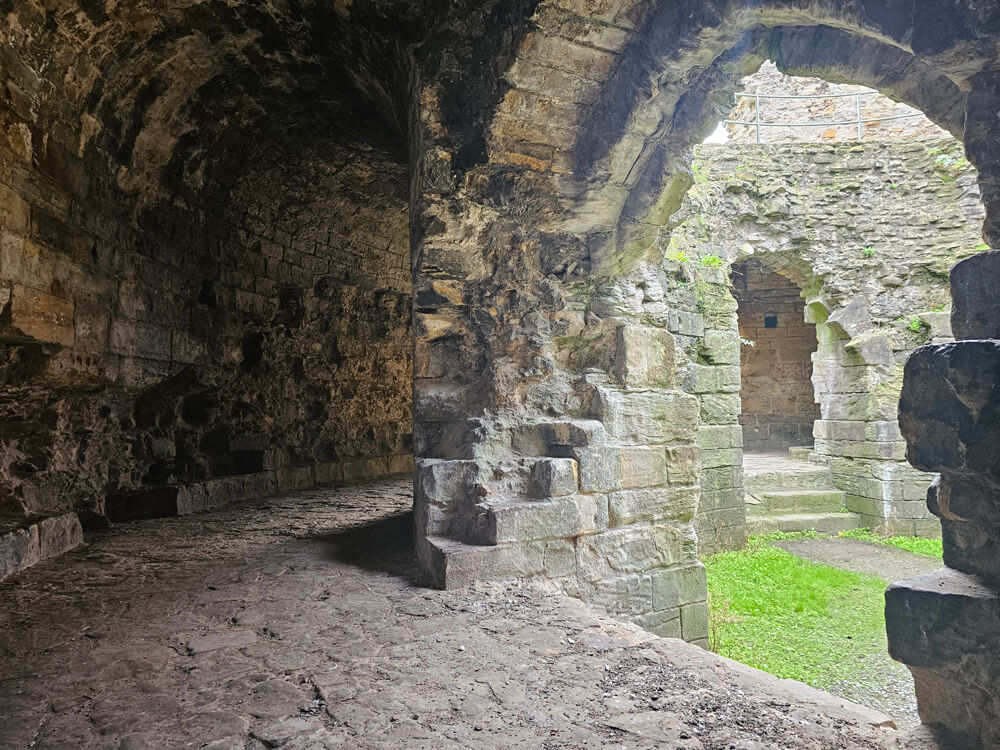
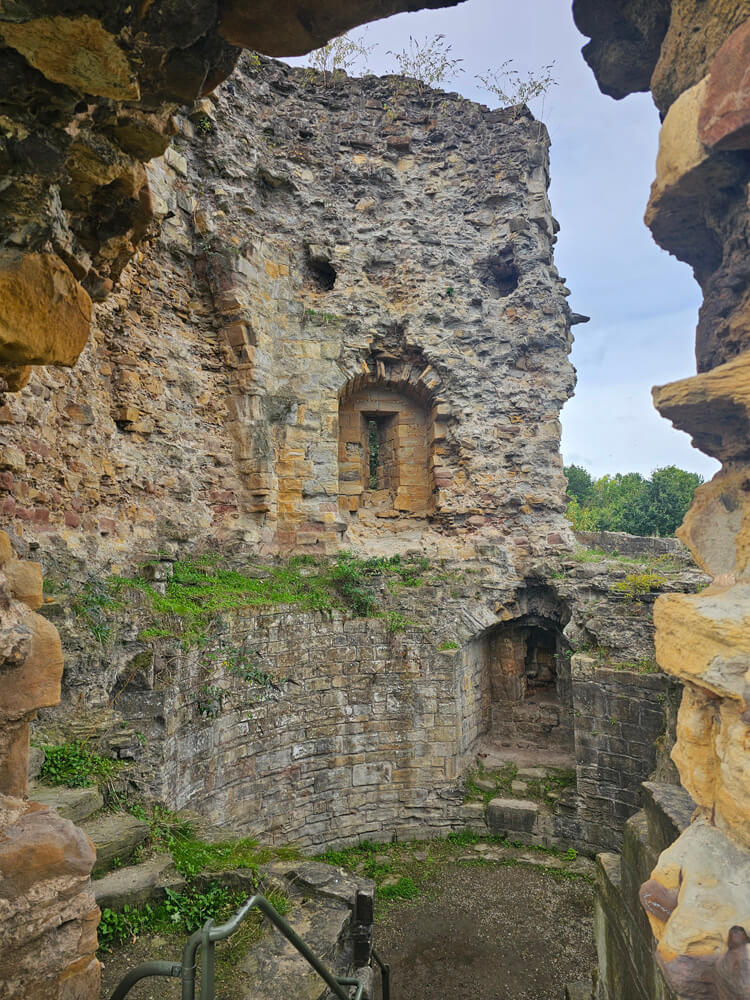
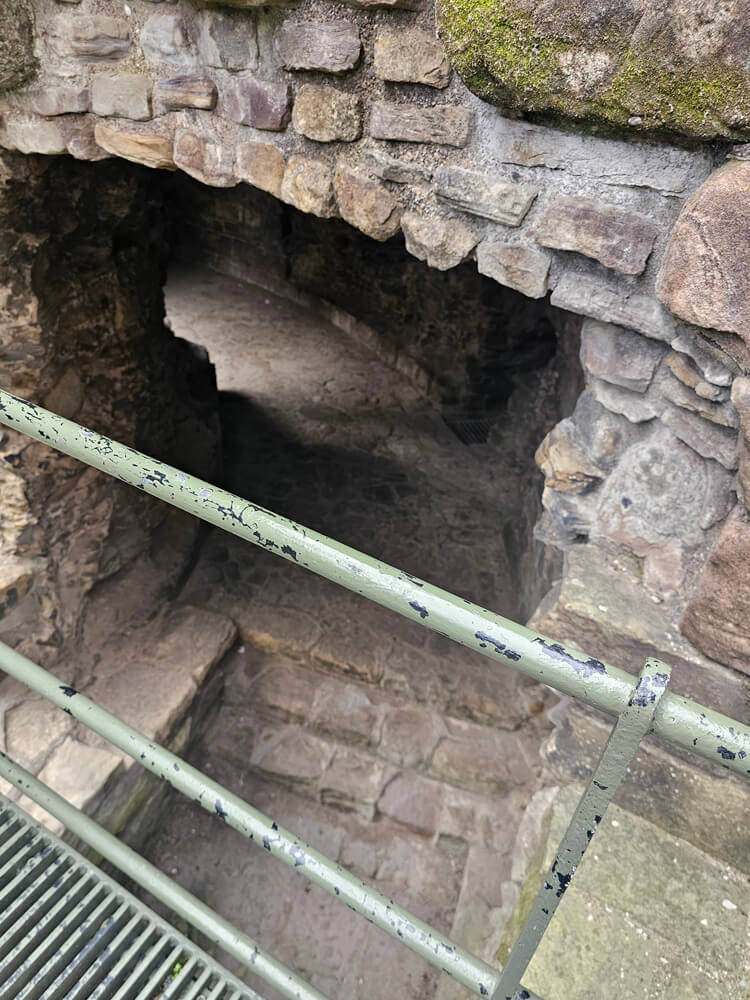
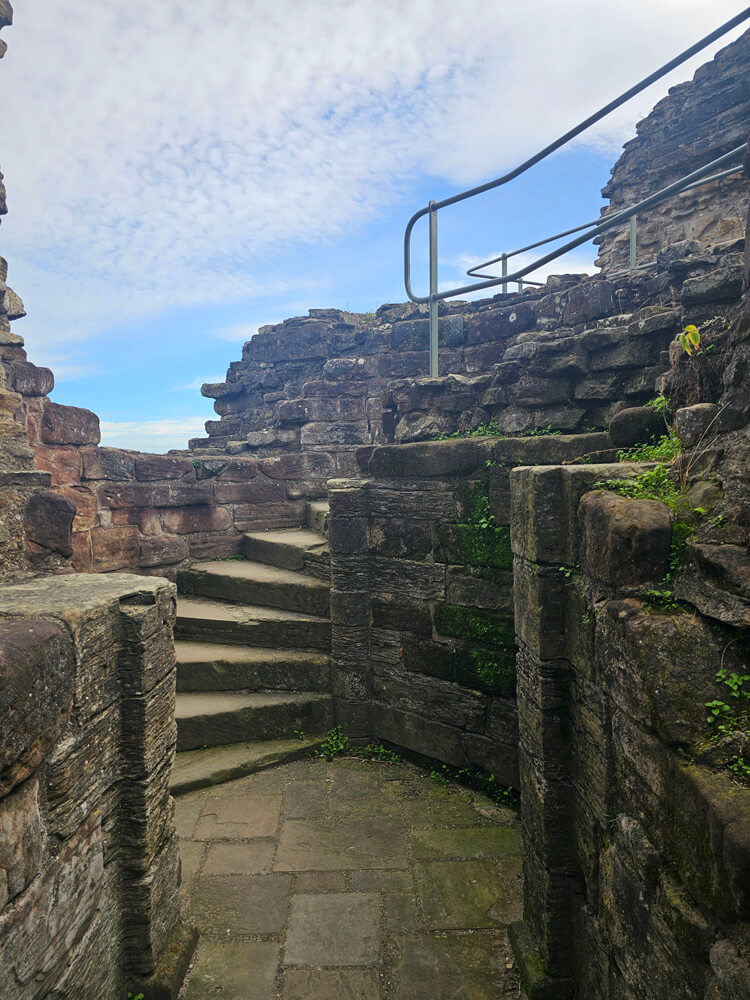
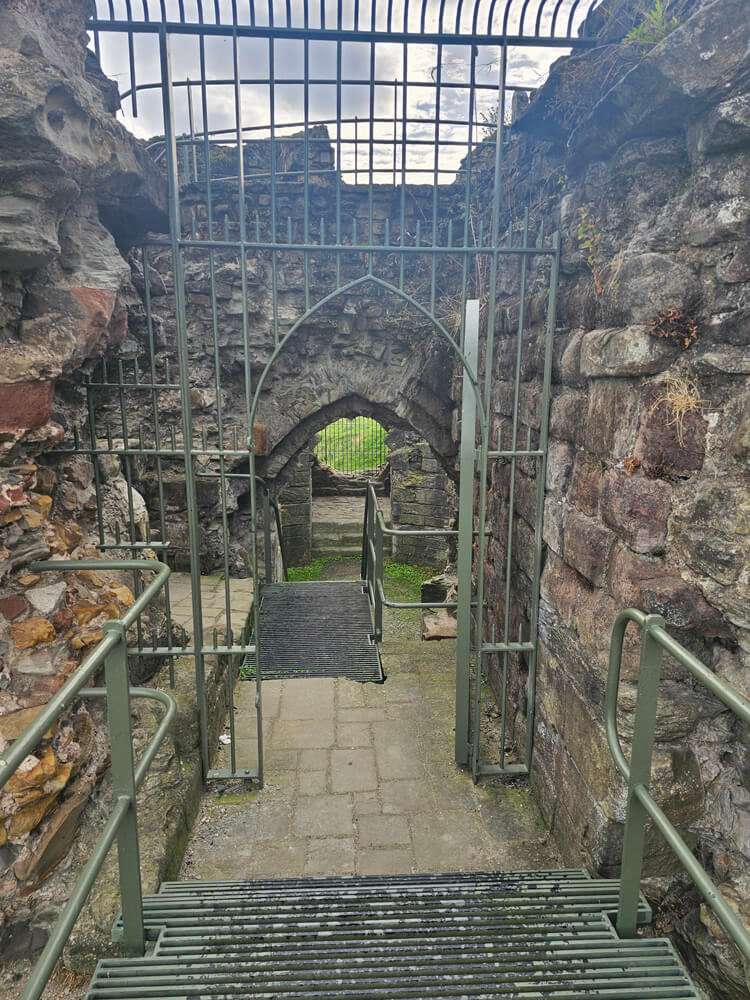
Today, Flint Castle is cared for by Cadw and remains one of the most distinctive medieval fortresses in North Wales. Although much of its original structure has disappeared, substantial sections of the curtain walls, corner towers and great tower survive, allowing visitors to appreciate the ingenuity of its unusual design. The detached great tower remains the castle’s defining feature, standing apart from the main enclosure as a reminder of its sophisticated defensive arrangements.
Flint may not possess the towering grandeur of some of Edward’s later castles, but its historical significance is considerable. As the first castle built during his campaign to conquer Wales, it marked the beginning of a remarkable period of medieval fortification. Its unusual architecture, turbulent history and connection to the downfall of Richard II make Flint Castle an important and fascinating part of Wales’s medieval heritage.
Photo Gallery.
Did you enjoy this post?
I hope you found this post useful. I put a great deal of time and effort in to building, maintaining and populating the website. If you like, you could say a small thank you by buying me a coffee. You don't have to, but it would be nice :)
Buy me a coffee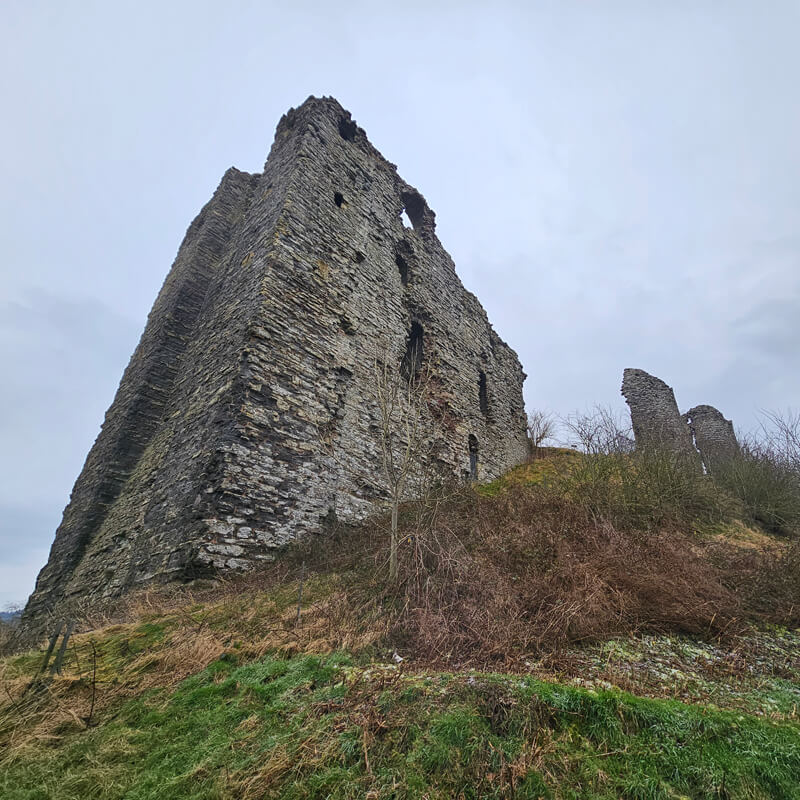

Stay up to Date
Follow me on my journey and get notified whenever a new post is published by following Kings & Castles on Facebook.
Follow MeExplore The Map
Discover the hundreds of castles, churches, monasteries, cathedrals and other historic locations that I've personally visited across England and Wales. Search by location, explore nearby sites and plan your next historical adventure.
Share: