Shrewsbury Castle
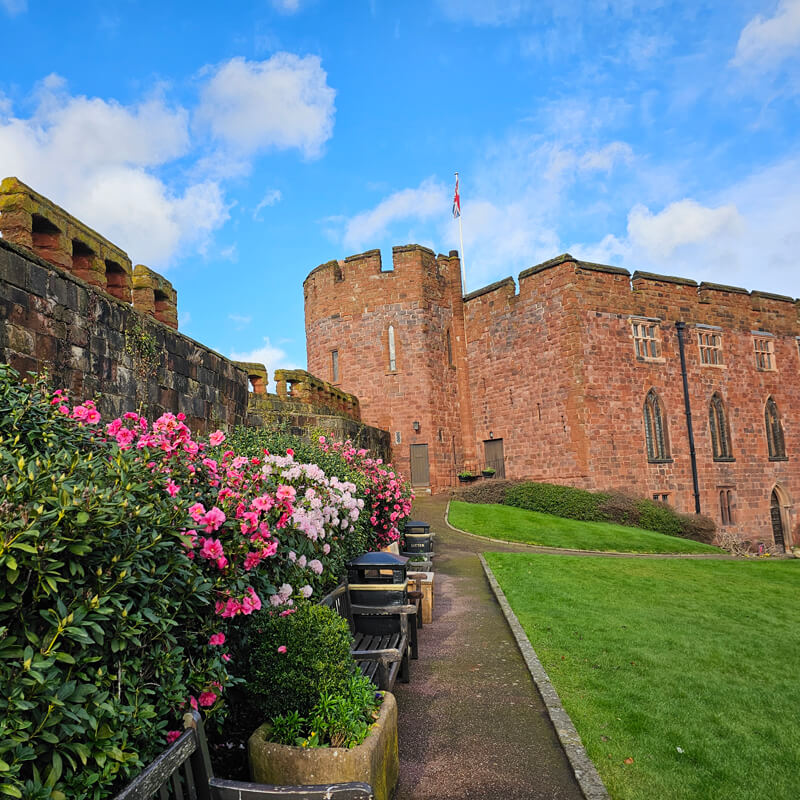
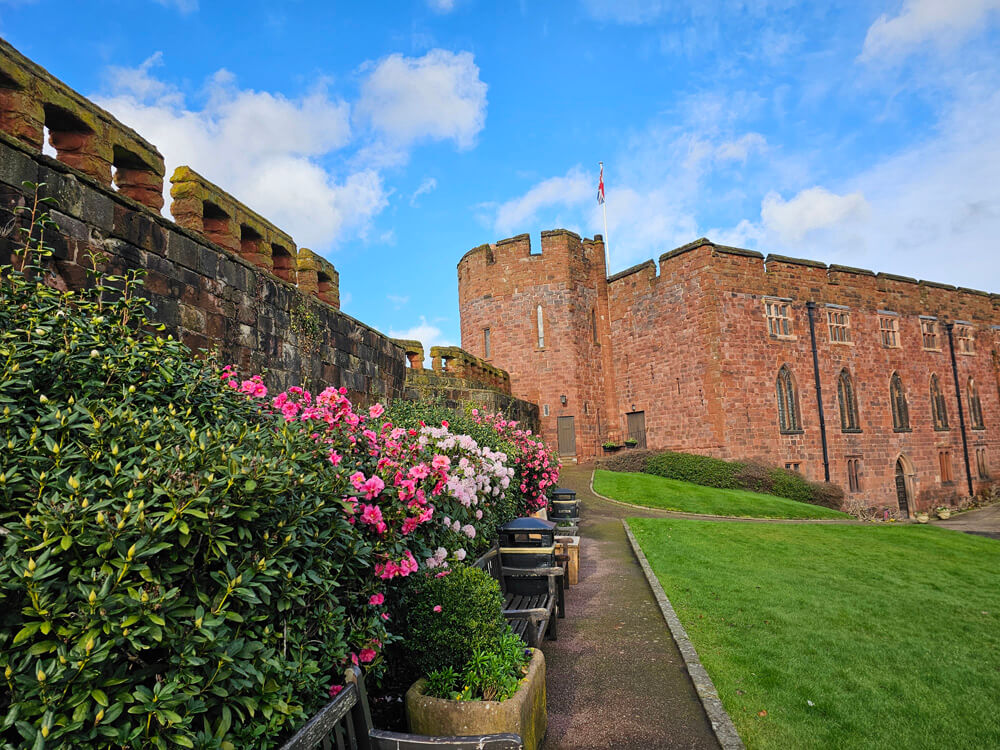
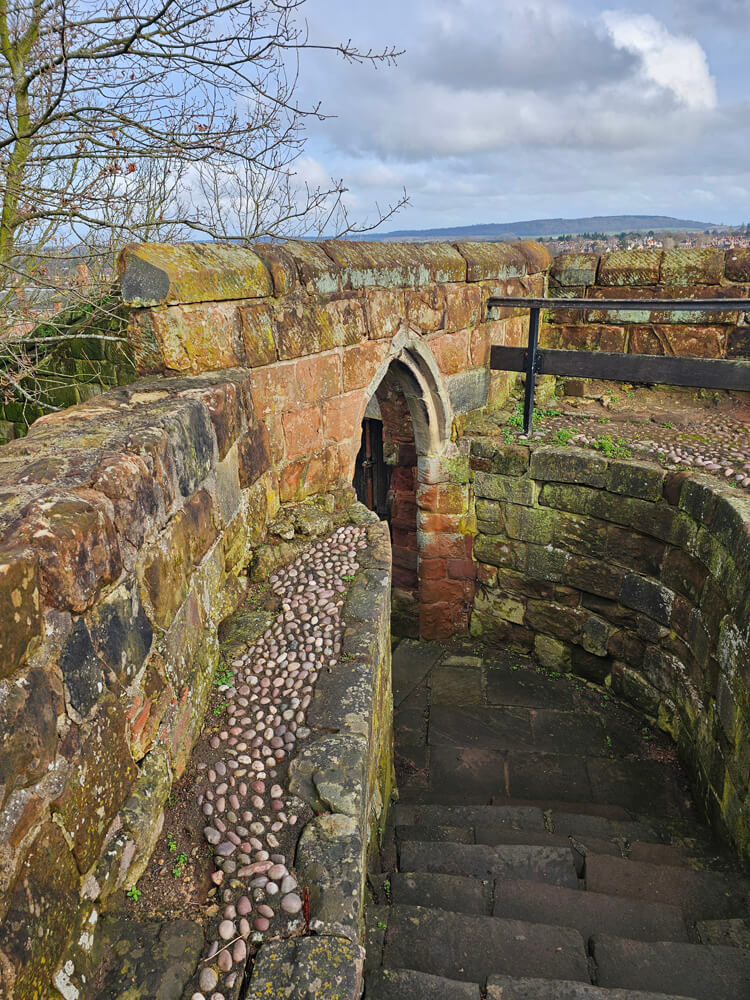
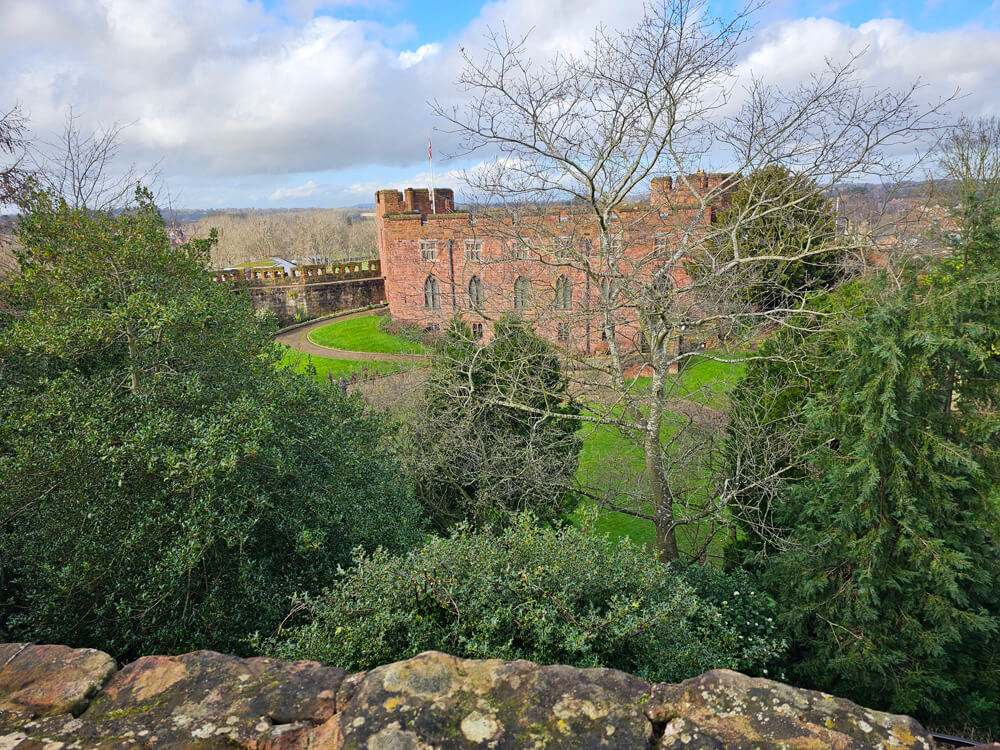
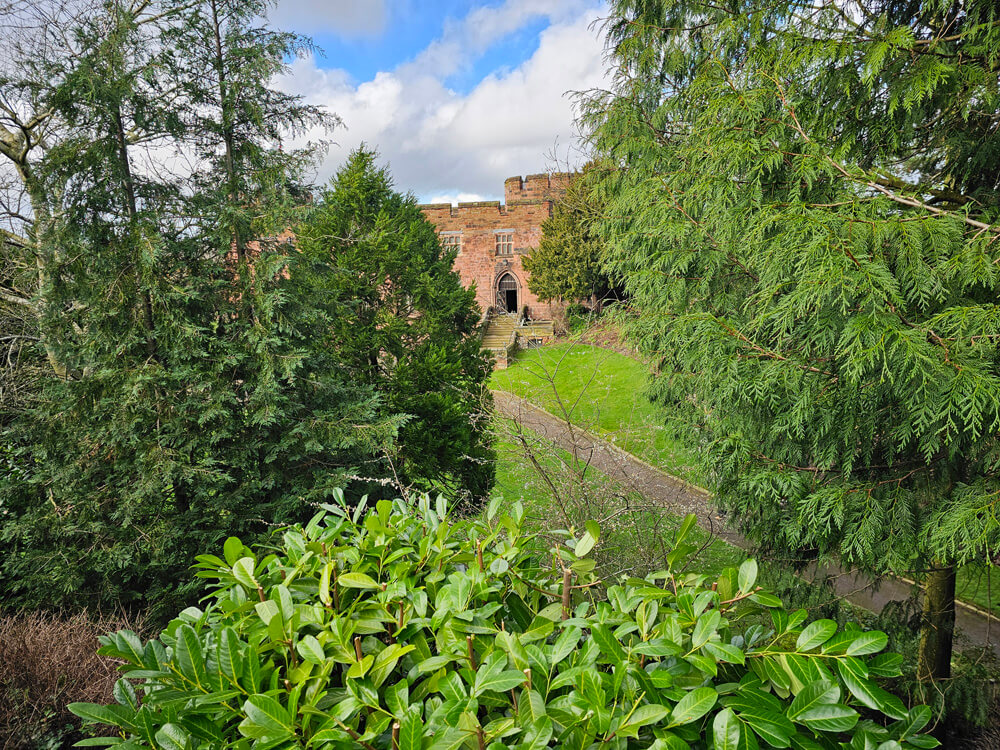
Although Shrewsbury Castle was heavily modernised from the 18th century onwards and is now home to the Shropshire Regimental Museum, it does have a long and eventful history. The fortifications that have been on this site since the 11th century have protected the town from invaders and welcomed dignitaries over the centuries. Today you can walk the ramparts of this elegant sandstone castle to enjoy the fine views across the town and river.
Quick
Facts.
- Location: Shrewsbury, Shropshire, England
- Established: 1067 – 1074
- Built in stone: 12th to 13th centuries
- Condition: Restored
- Date visited: February 2024
- More info: Visit website
- Rating:
A Bit of History…
Shrewsbury Castle as it now stands is the product of many restorations over many centuries.
A castle or fort has stood on the present-day site of Shrewsbury Castle since Anglo-Saxon times. Originally an Anglo-Saxon timber fortification, it was replaced sometime around 1067 – 1074 by William the Conqueror – a very early date and one which reflects the importance of the location on the turbulent border with Wales. The castle motte dates from this time.
The castle was greatly extended under one of King William’s greatest military leaders, Roger de Montgomery in the 1070s as a base for operations into Wales, an administrative centre and as a defensive fortification for the town. Although Shrewsbury Castle has always been comparatively small in many respects, the castle was one of the great border fortresses which bounded the frontier with Wales.
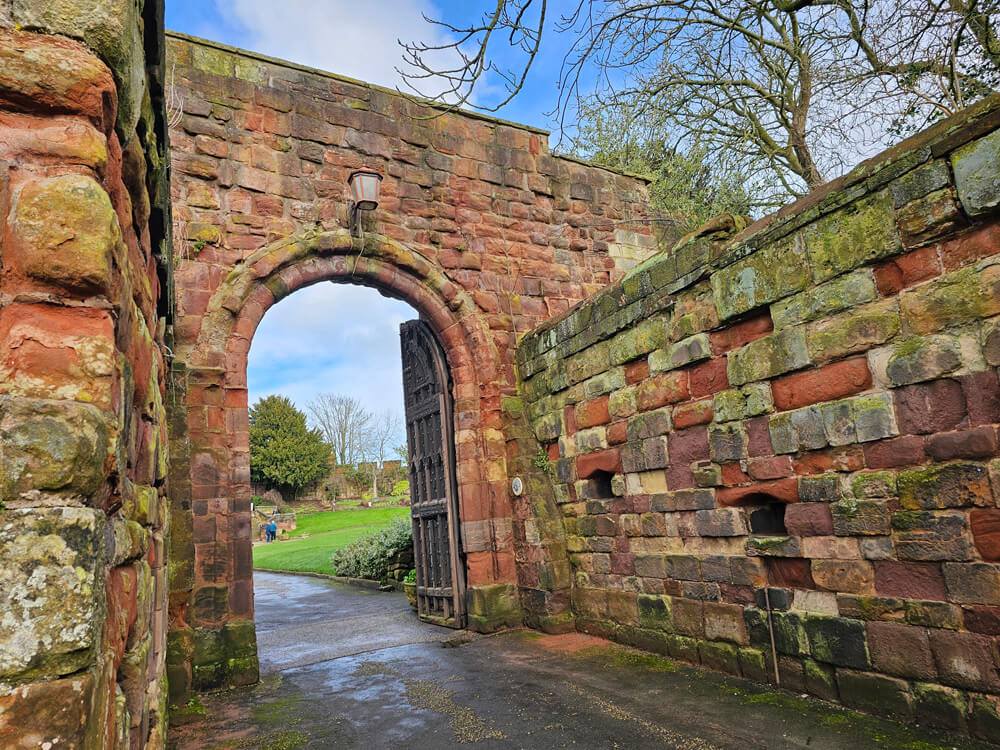
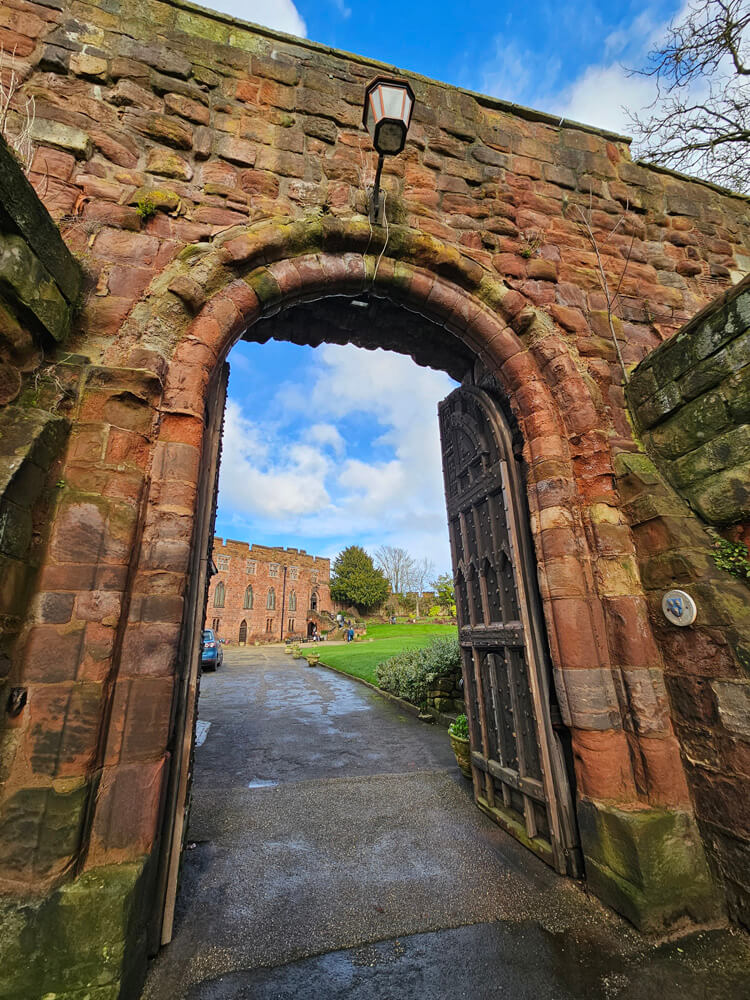
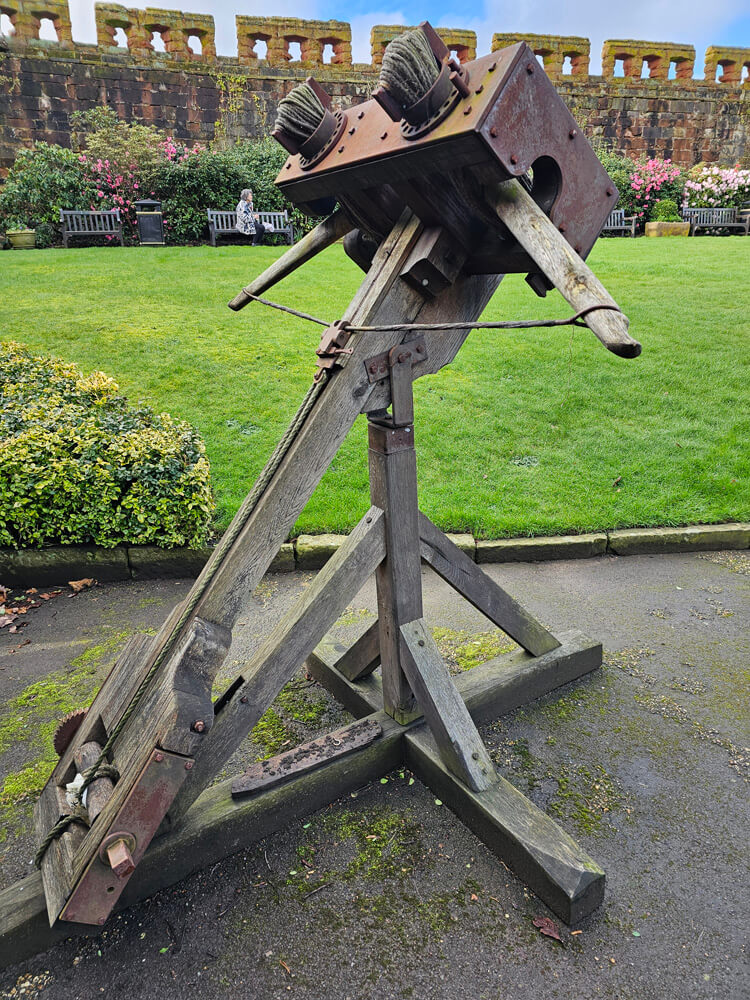
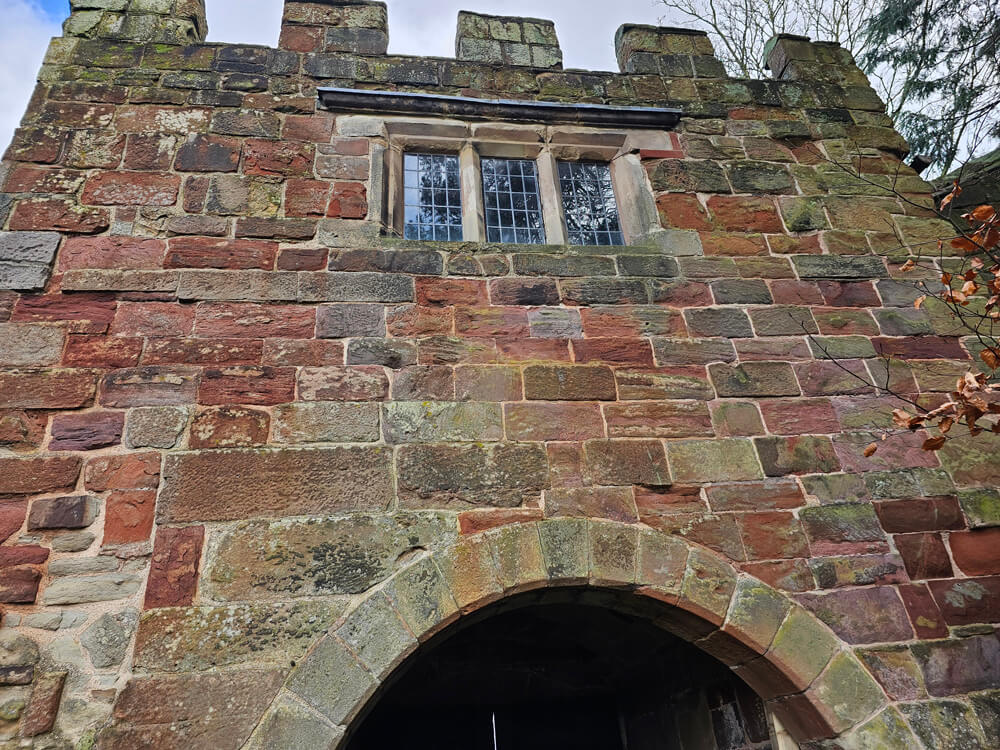
The first real evidence of any reconstruction in stone dates to the 12th century. The main gateway was built in the 12th century, as was the lower floor of the Great Hall, and the inner bailey stone walls date from the 12th to 13th centuries. A small stone watchtower was built on the summit of the castle motte in about 1280.
In 1138, King Stephen successfully besieged the castle during the civil war known as ‘The Anarchy‘, which was held by William FitzAlan for the Empress Matilda.
The castle was the focus of military operations during the various Welsh wars of the 13th century. It was briefly held by Llywelyn the Great, Prince of Wales, in 1215, at which point the town’s defensive stone walls were constructed.
In the 13th century the castle was visited by King John, Henry II and Henry III. It was also involved in Simon de Montfort‘s rebellion against Henry III, known as the Second Barons’ War.
Towards the end of the 13th century, much of the castle was demolished during its rebuilding and strengthening by Edward I at the end of his wars with the Welsh, and an outer bailey was also added. After 1300 the castle was never used as a fortress again, and from the middle of the 14th century it was allowed to fall into disrepair.
By the middle of the 16th century the Great Hall was a roofless shell and the castle’s inner buildings were in ruins. At this time, Elizabeth I gave the castle to a wealthy local wool and cloth merchant who converted it into a private residence, adding a third floor and wooden ceiling to the Great Hall, before is was granted to the Burgesses of Shrewsbury at the end of the century.
The castle was re-fortified during the English Civil War and was briefly besieged by Parliamentary forces in 1645 until it was surrendered to the Crown. In 1663 Charles II gifted the castle to a loyal royalist Lieutenant from the Civil War and it remained a private residence until the first world war.
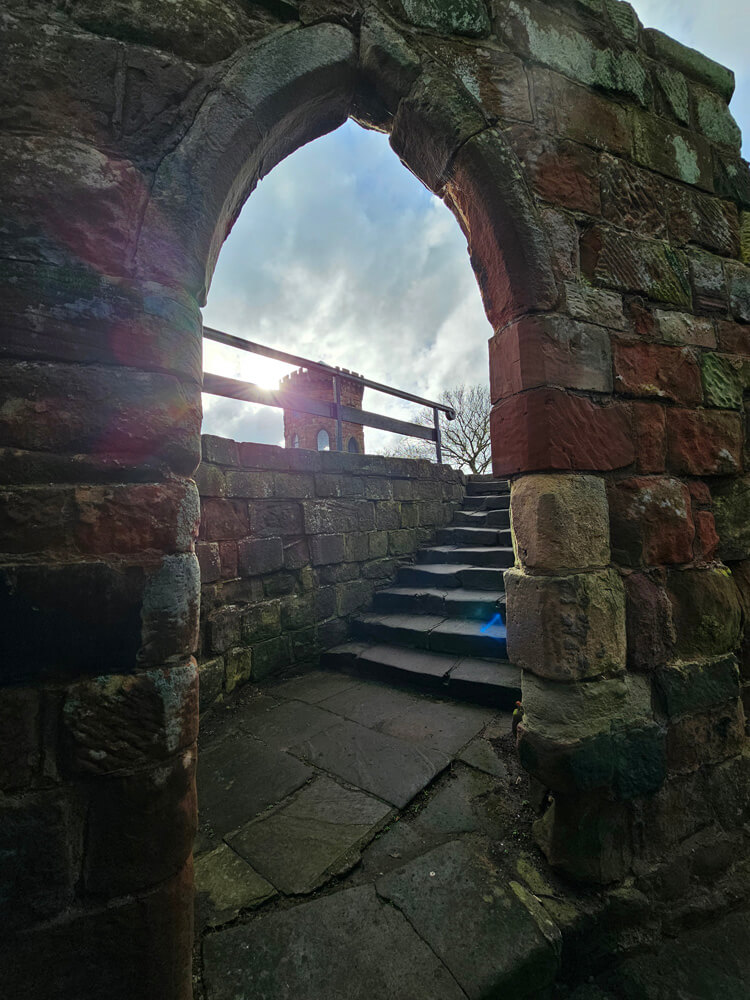
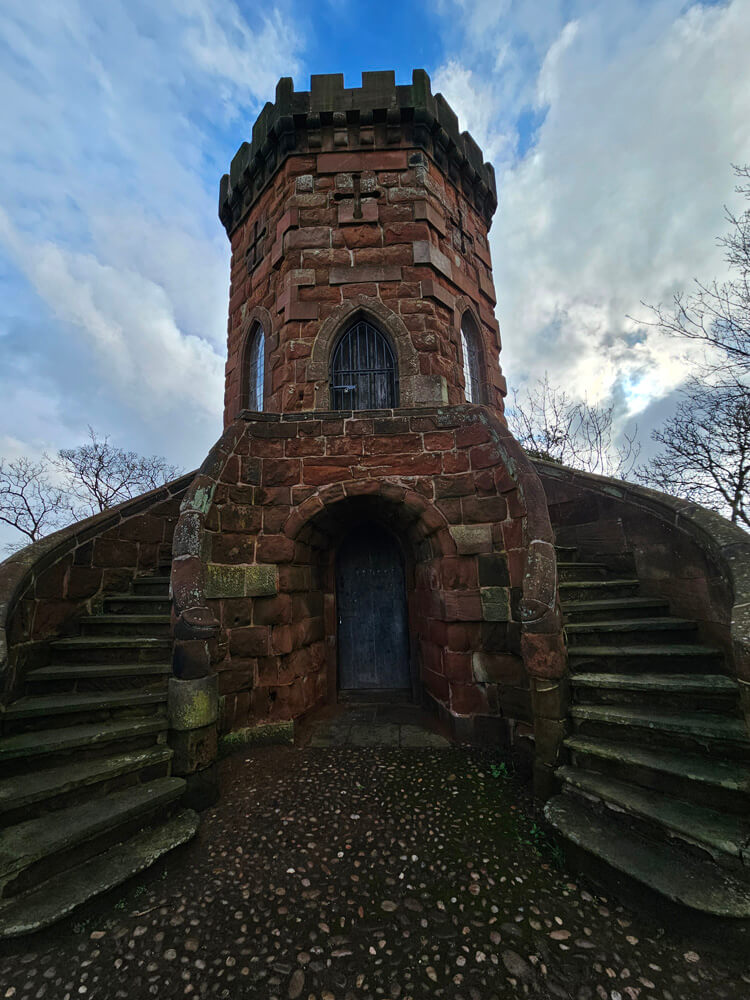
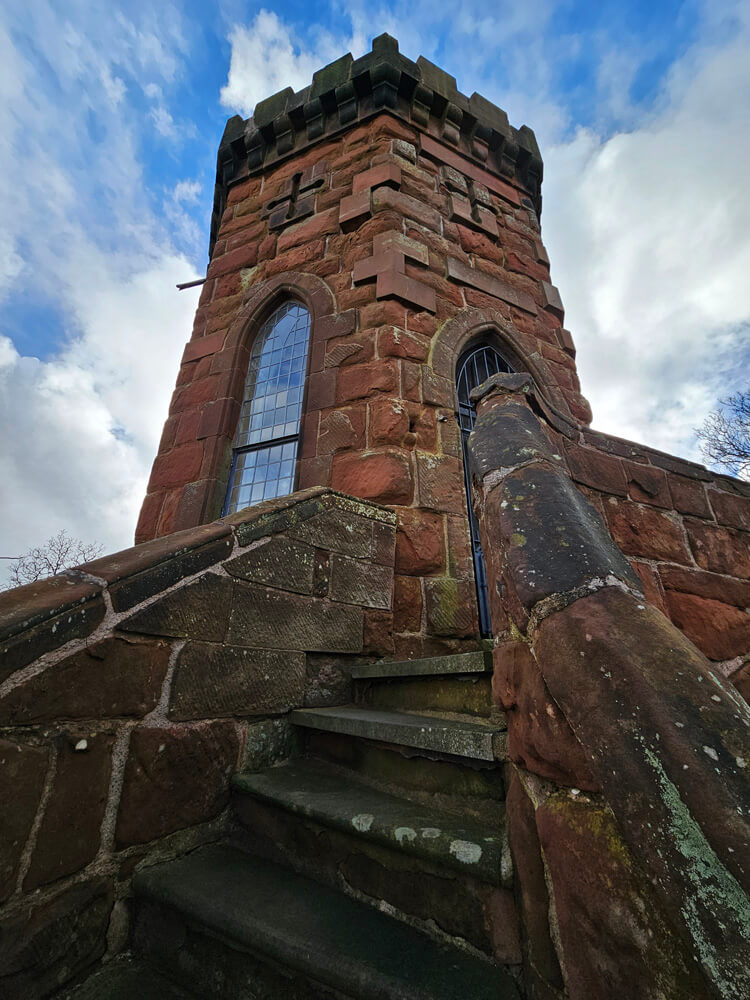
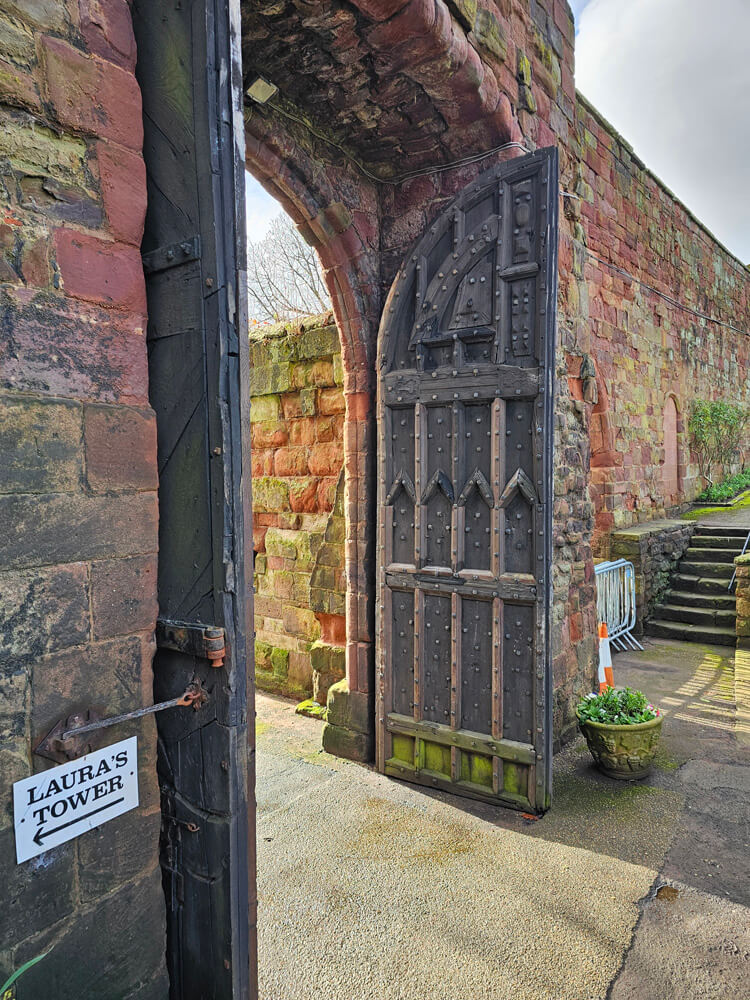
Shrewsbury Castle was restored in the 18th century by the famous Thomas Telford and underwent a full-scale reconstruction and repair project. In 1790, a small sandstone summer-house called Laura’s Tower was built as a birthday present for Laura Pulteney, daughter of the castle’s then owner, which replaced the 13th-century stone watchtower.
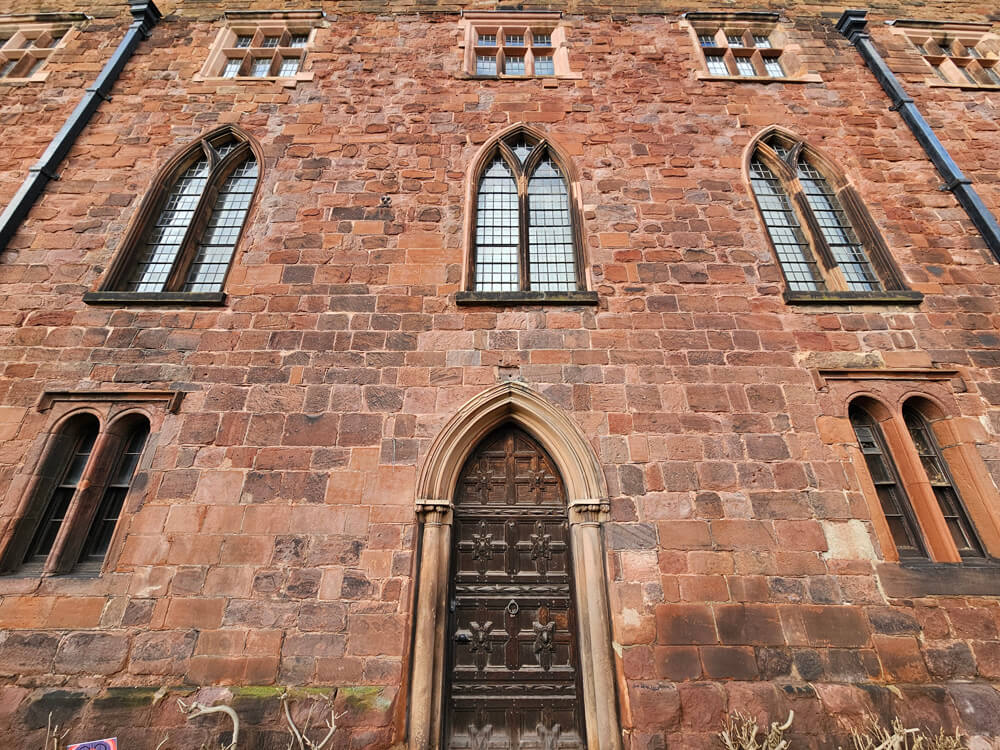
After the first world war, the castle ceased to be inhabited and in 1924 it was acquired by the Corporation of Shrewsbury. It was restored as much as possible with one final restoration to its Edwardian condition and opened to the public in 1926. It now houses the Shropshire Regimental Museum which is located in the main castle building.
Much of the castle as it stands today is the result of the 18th-century reconstruction, 19th-century repairs, and the final 20th-century restoration.
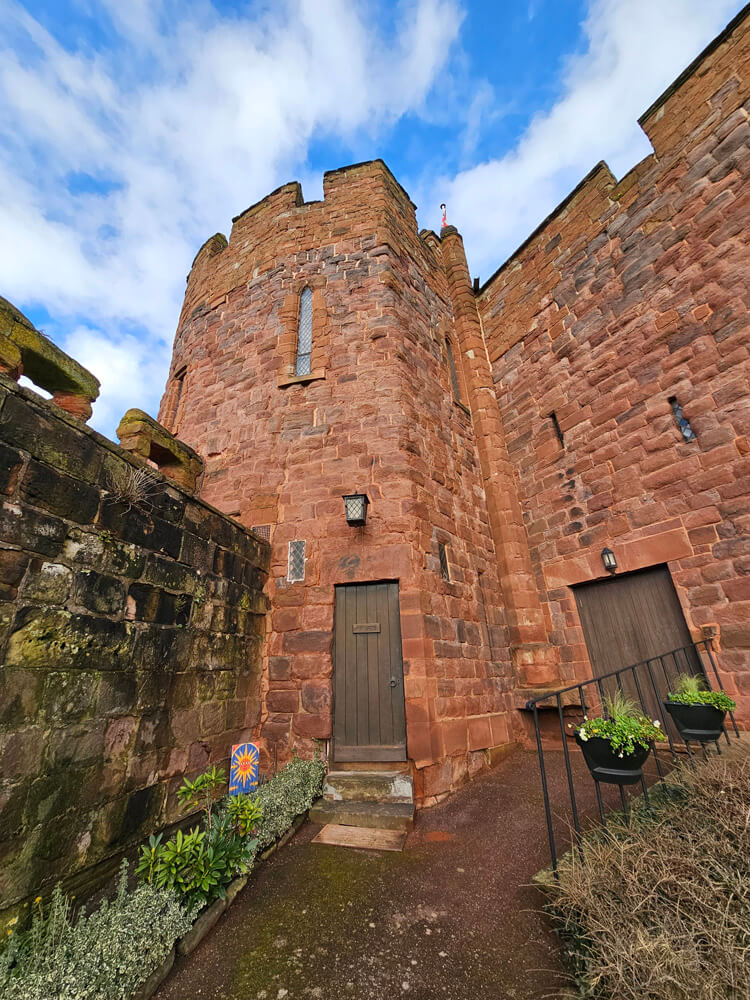
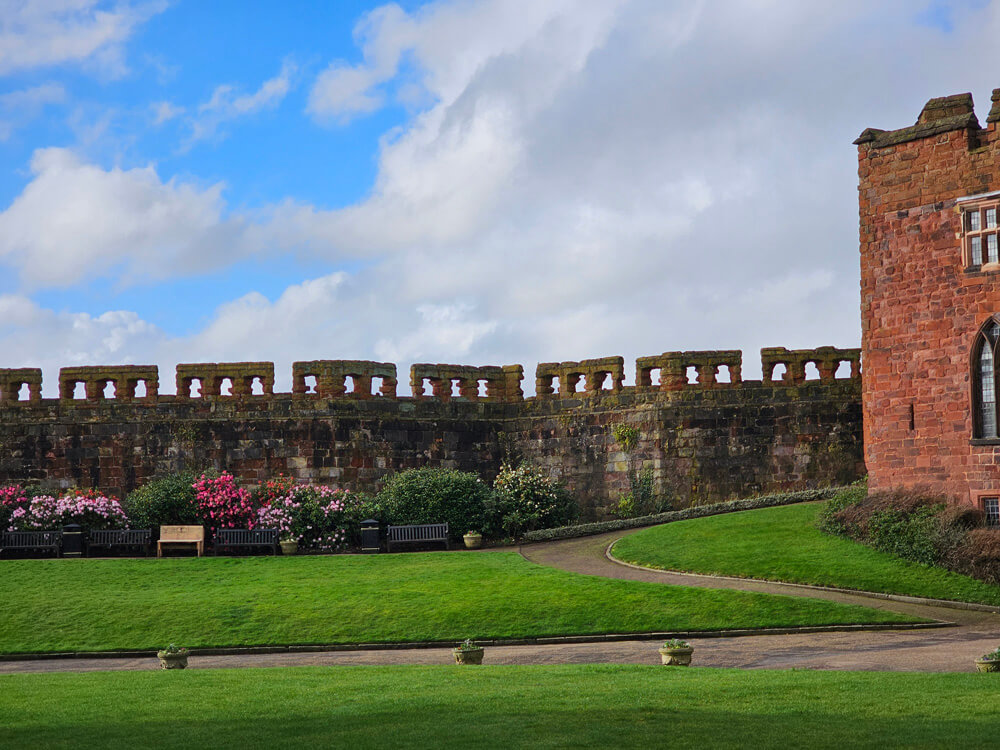
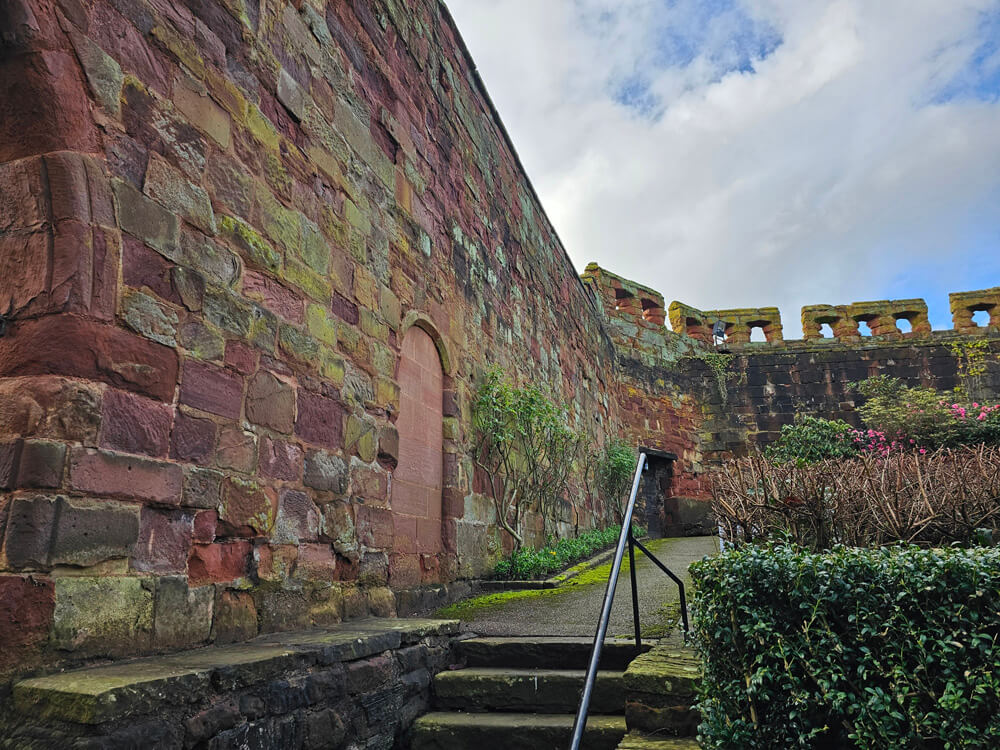
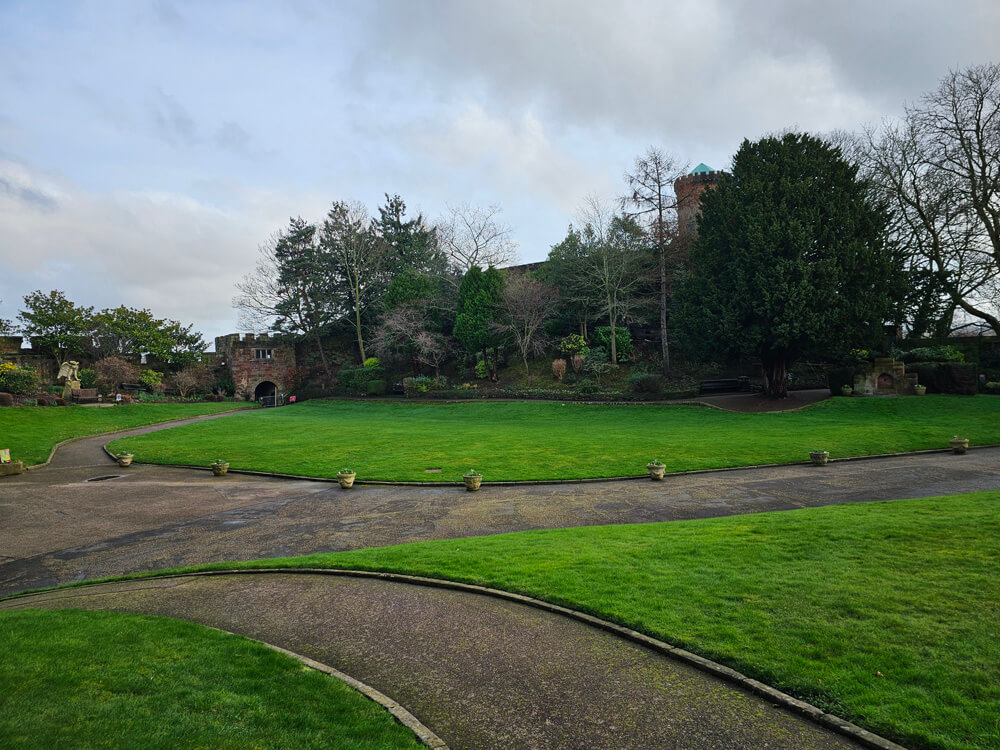
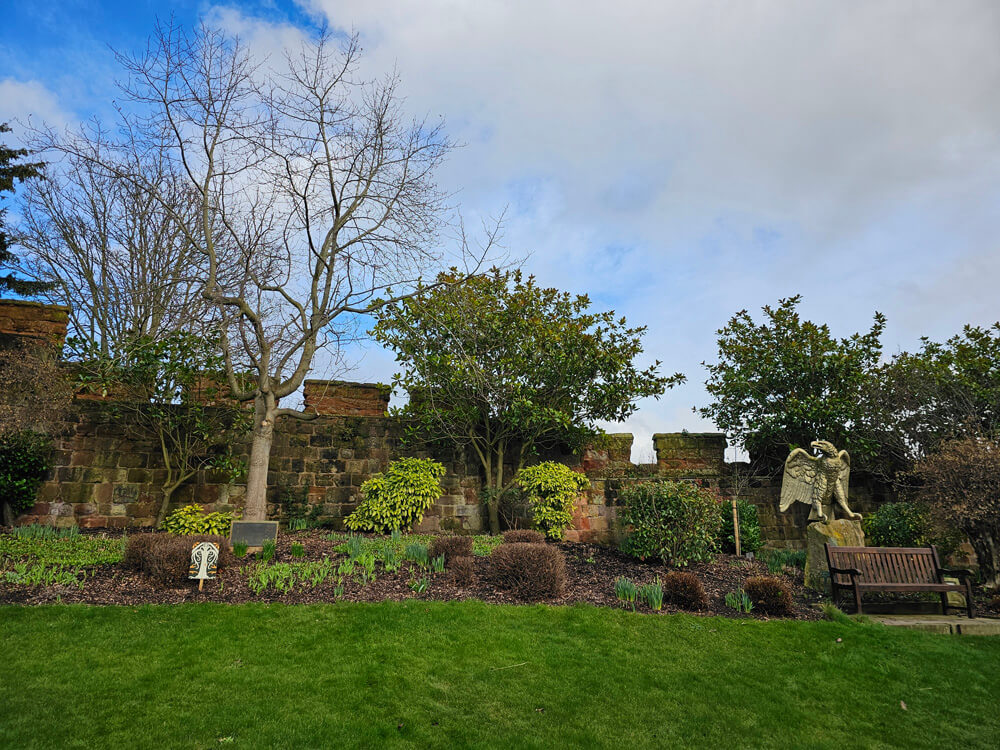
The current structure consists of the rectangular Great Hall with two towers, contained within a curtain wall, and a summer-house atop the Norman motte. Parts of the original medieval structure remain largely incorporating the inner bailey of the castle, including the original 12th-century gateway and 13th-century bailey walls. The outer bailey however, which once extended into the town, has long ago vanished under the encroachment of shops and other buildings.
Photo Gallery.
Did you enjoy this post?
I hope you found this post useful. I put a great deal of time and effort in to building, maintaining and populating the website. If you like, you could say a small thank you by buying me a coffee. You don't have to, but it would be nice :)
Buy me a coffee
Stay up to Date
Follow me on my journey and get notified whenever a new post is published by following Kings & Castles on Facebook.
Follow MeExplore The Map
Discover the hundreds of castles, churches, monasteries, cathedrals and other historic locations that I've personally visited across England and Wales. Search by location, explore nearby sites and plan your next historical adventure.
Share: