Holy Trinity Church, Skipton
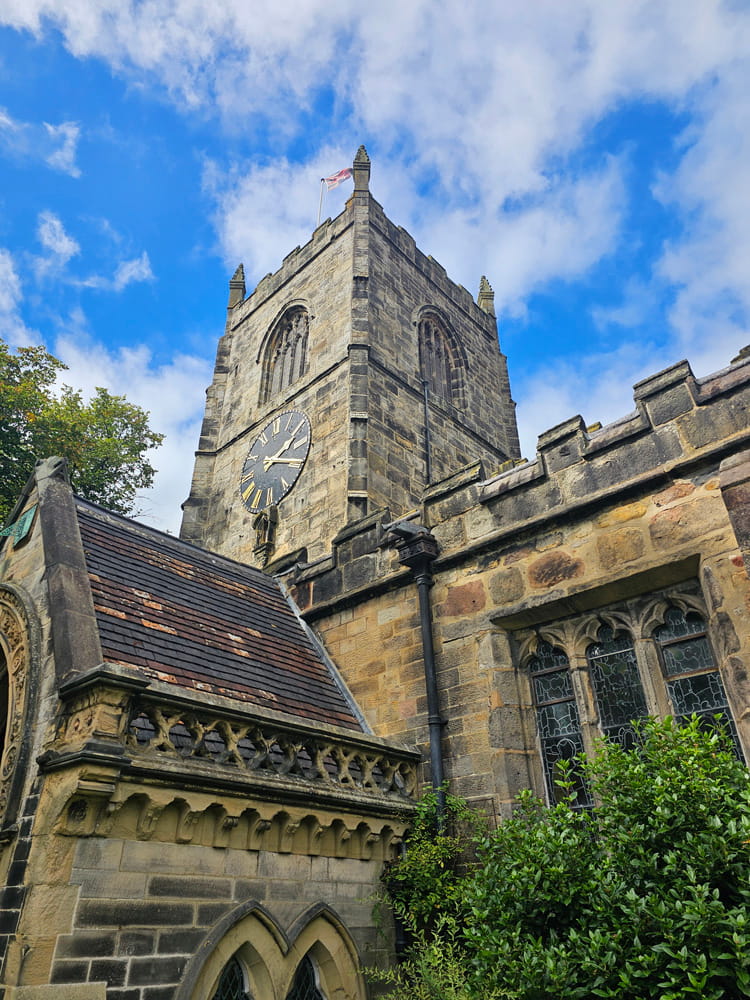
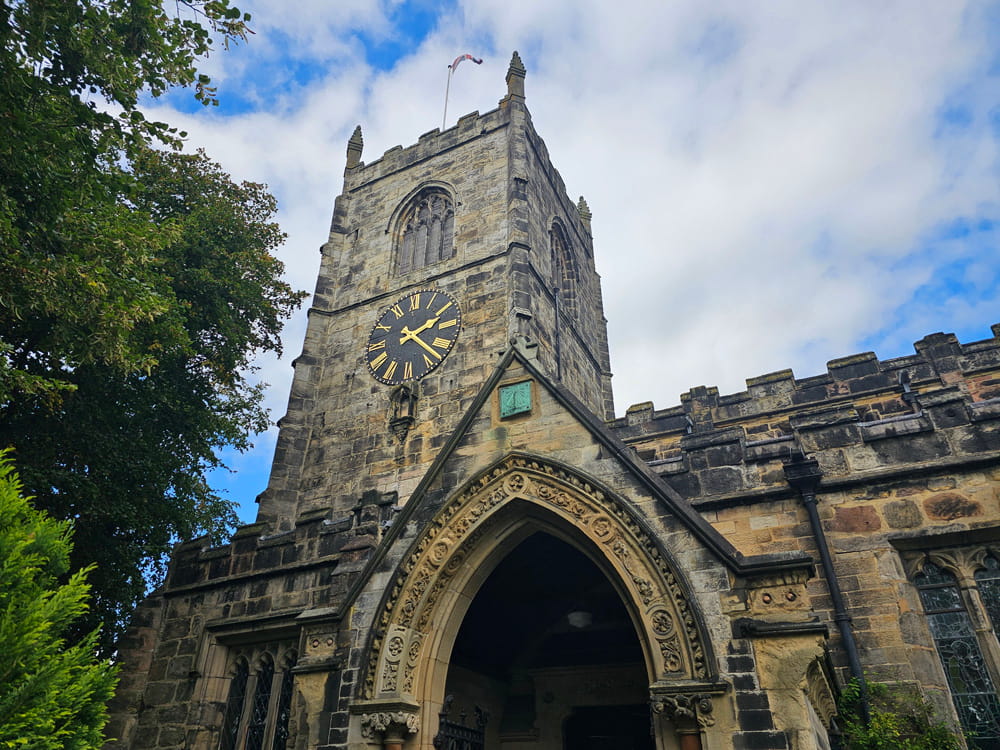
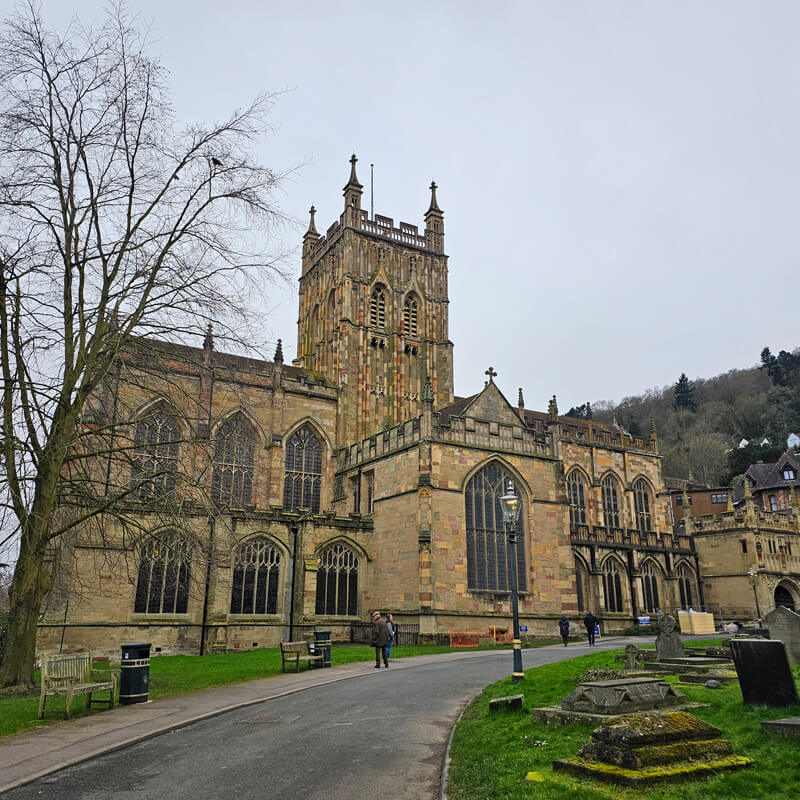
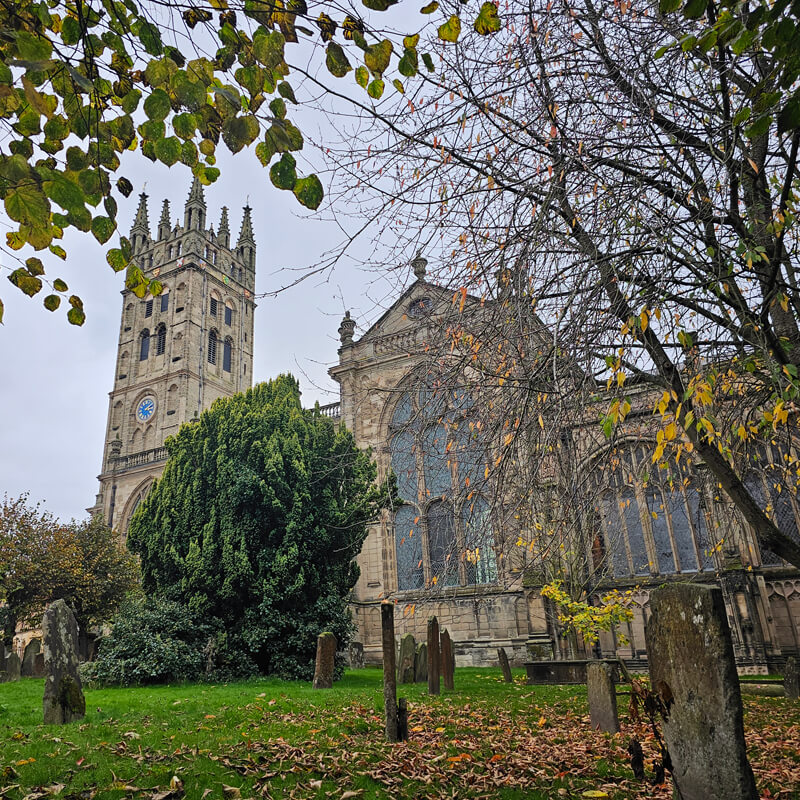
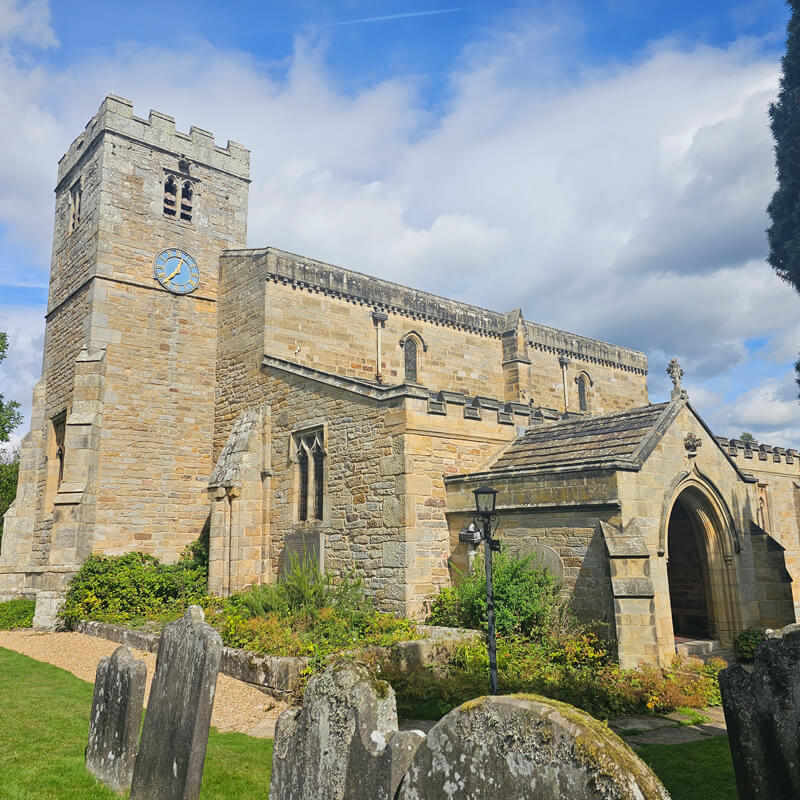
Standing at the head of Skipton’s High Street beneath the walls of Skipton Castle, Holy Trinity Church has been at the heart of the town’s history for more than 700 years.
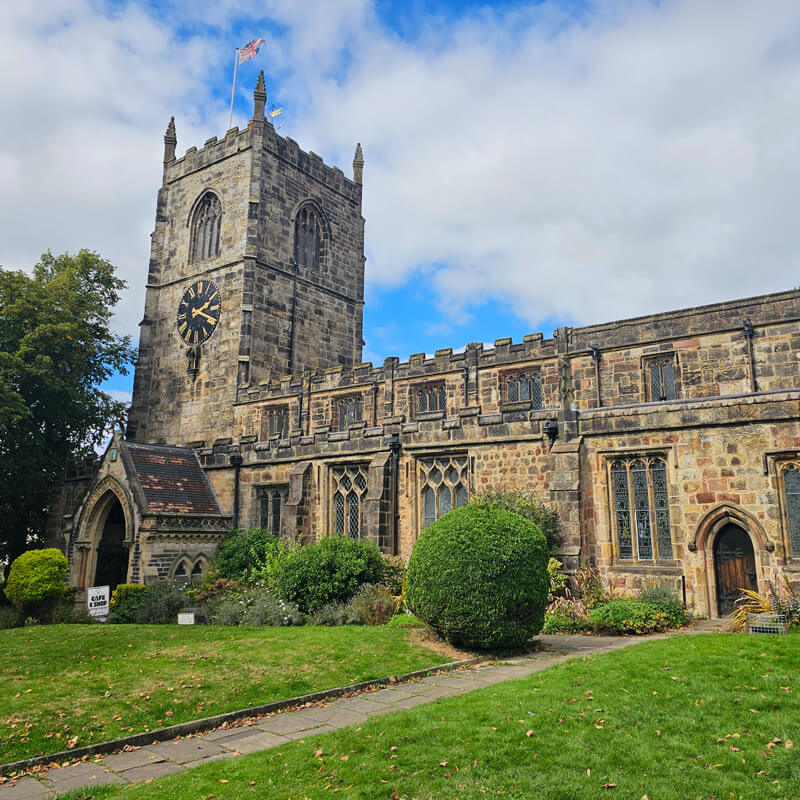
Although a church probably stood on the site as early as the 12th century, perhaps founded soon after Robert de Romille built Skipton Castle, the earliest building was likely a small wooden chapel serving the growing Norman settlement. By the early 14th century, Skipton’s prosperity, fuelled by the wool trade, demanded a much grander place of worship.
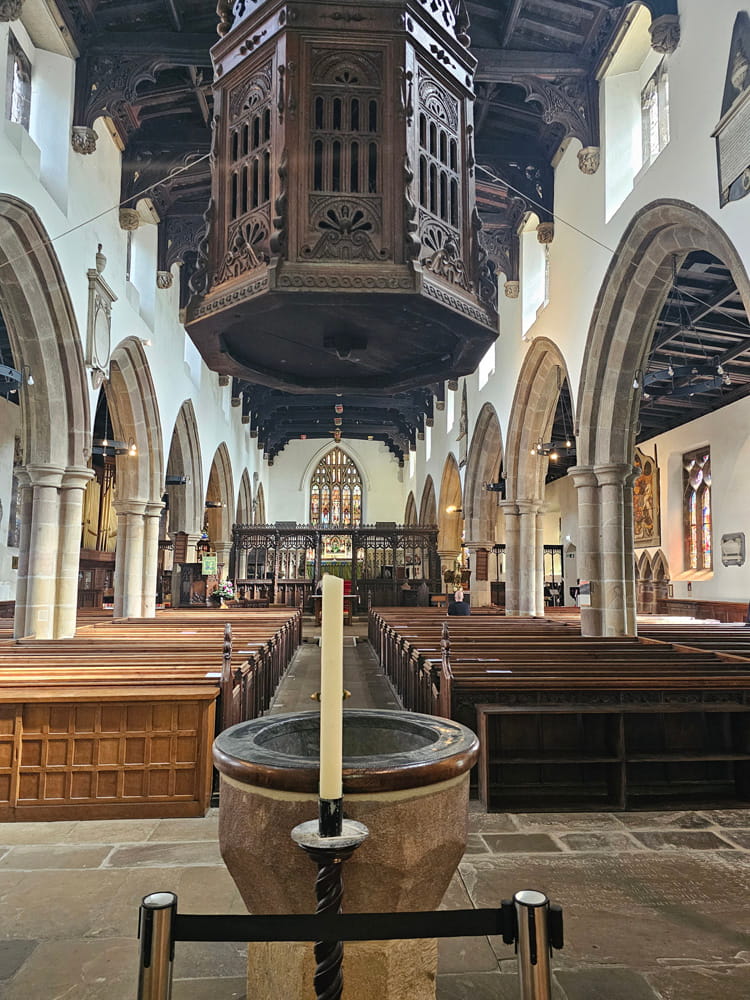
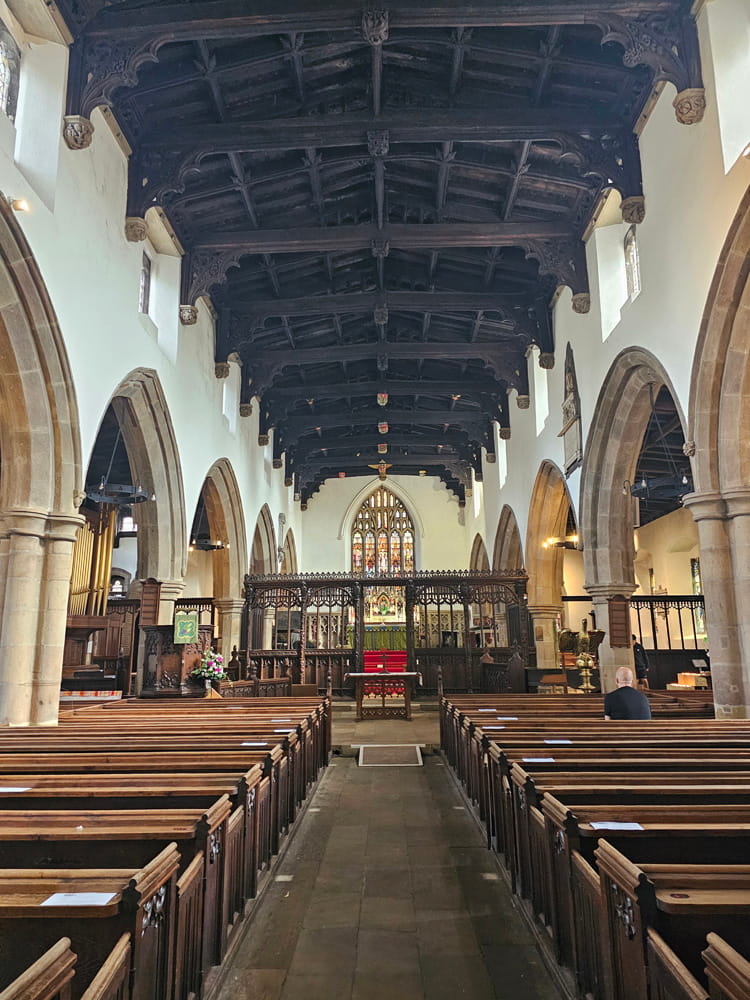
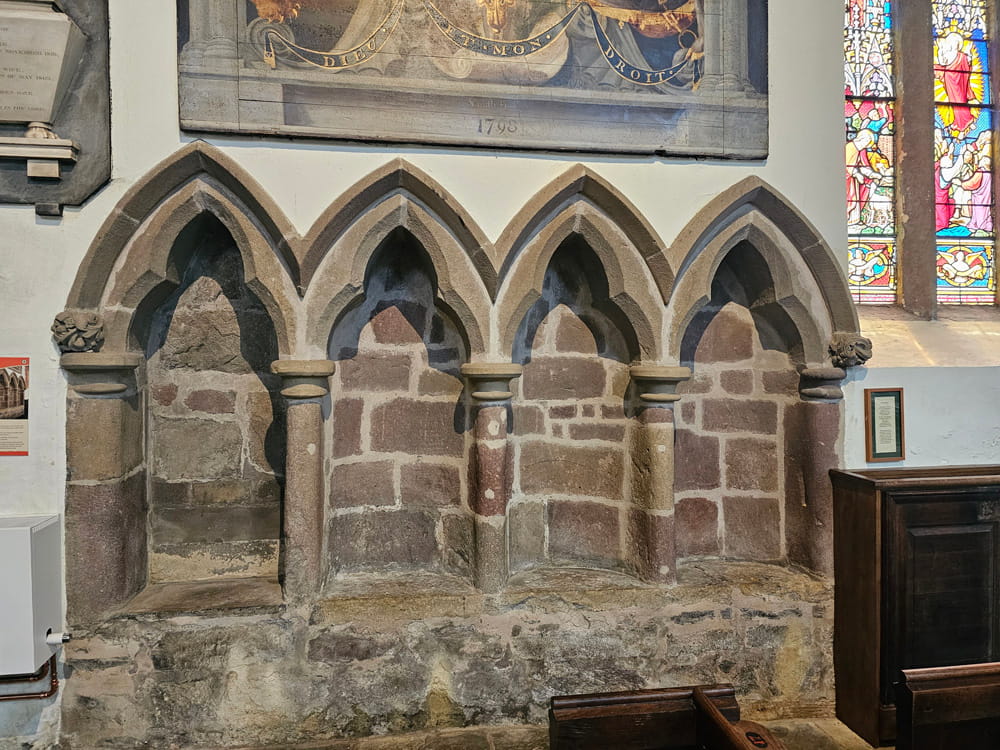
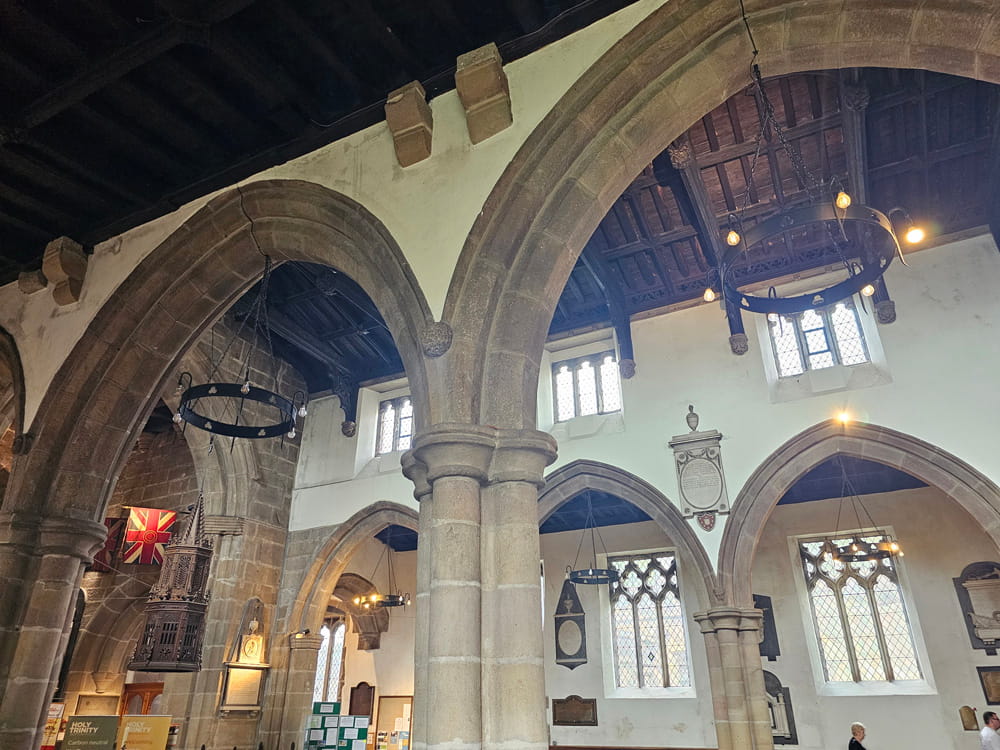
Around 1300, the present stone church began to take shape. Built in the Decorated Gothic style, it featured an aisled nave with elegant arcades and tracery windows that reflected the wealth and confidence of medieval Craven. During the 14th century, a substantial west tower was added, creating the commanding silhouette that still dominates the entrance to the town.
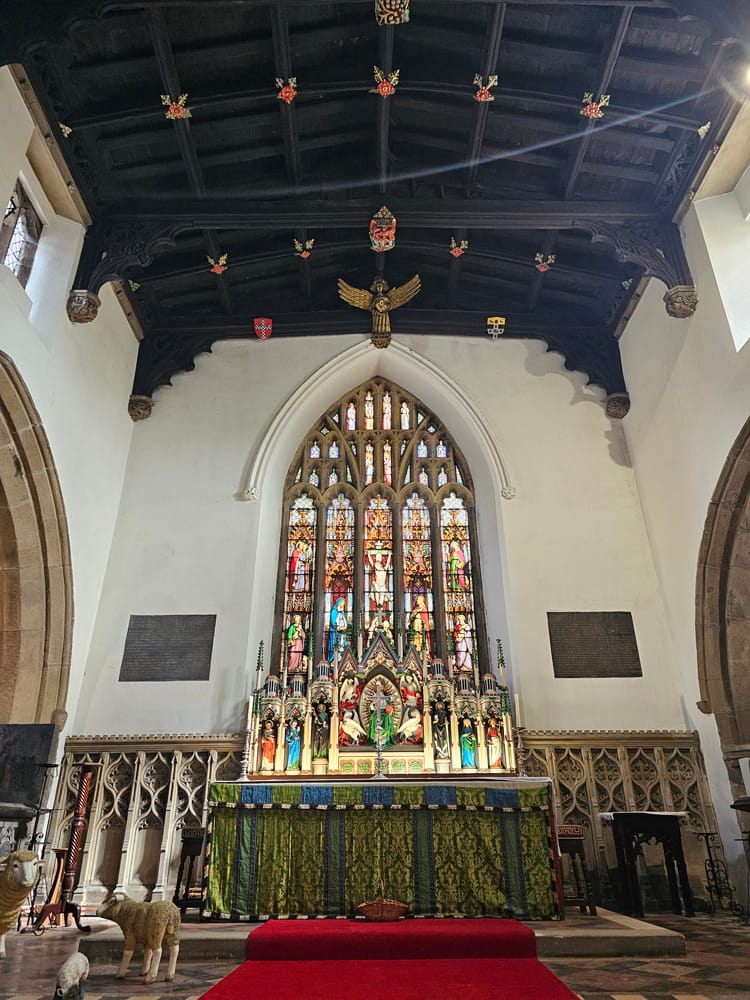
The church reached its greatest medieval transformation in the late 15th century. In 1483, King Richard III, who had become Lord of Skipton before ascending the throne, donated £20 towards enlarging the church. His gift helped fund the extension of the chancel eastwards, creating a more spacious sanctuary and giving the building much of its present Perpendicular Gothic appearance.
Throughout the Middle Ages, Holy Trinity became closely associated with the Clifford family, the powerful Lords of Skipton Castle. Following the Dissolution of the Monasteries in 1539, when nearby Bolton Priory ceased to serve as their burial place, the Cliffords made Holy Trinity their principal family church. Their magnificent monuments, including the tomb of George Clifford, 3rd Earl of Cumberland, remain among its greatest historic treasures.
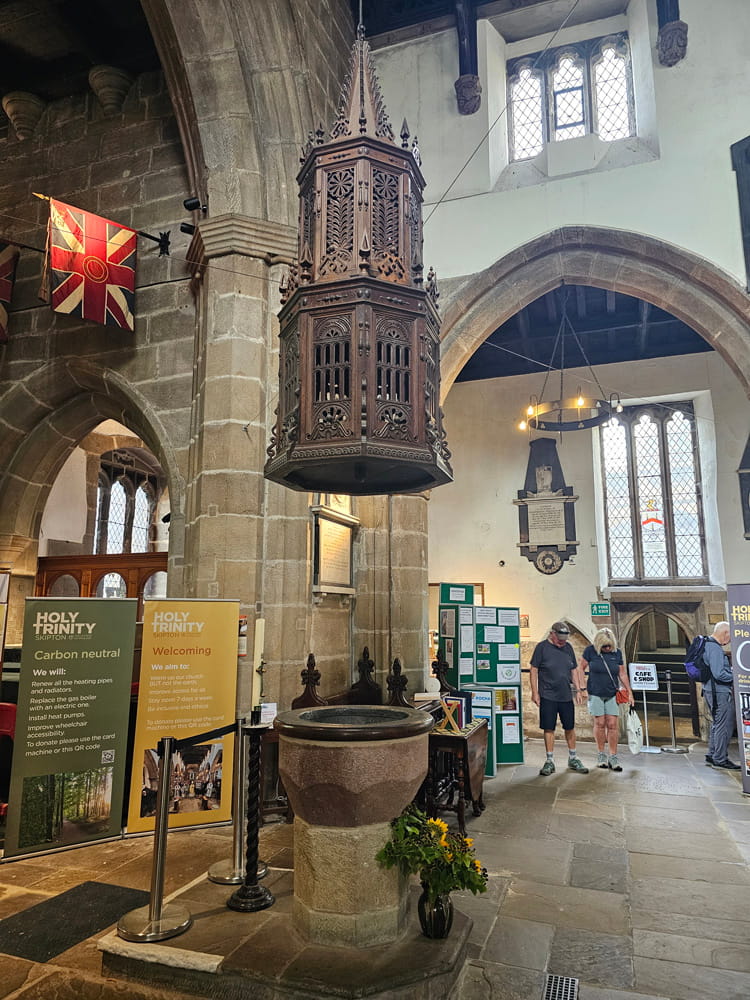
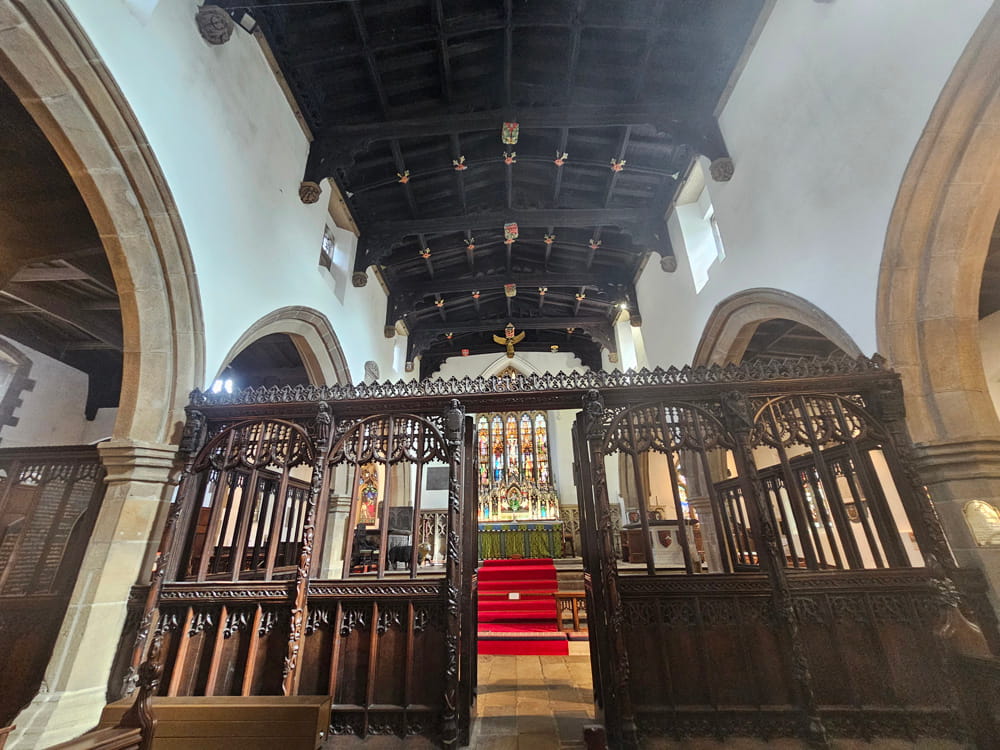
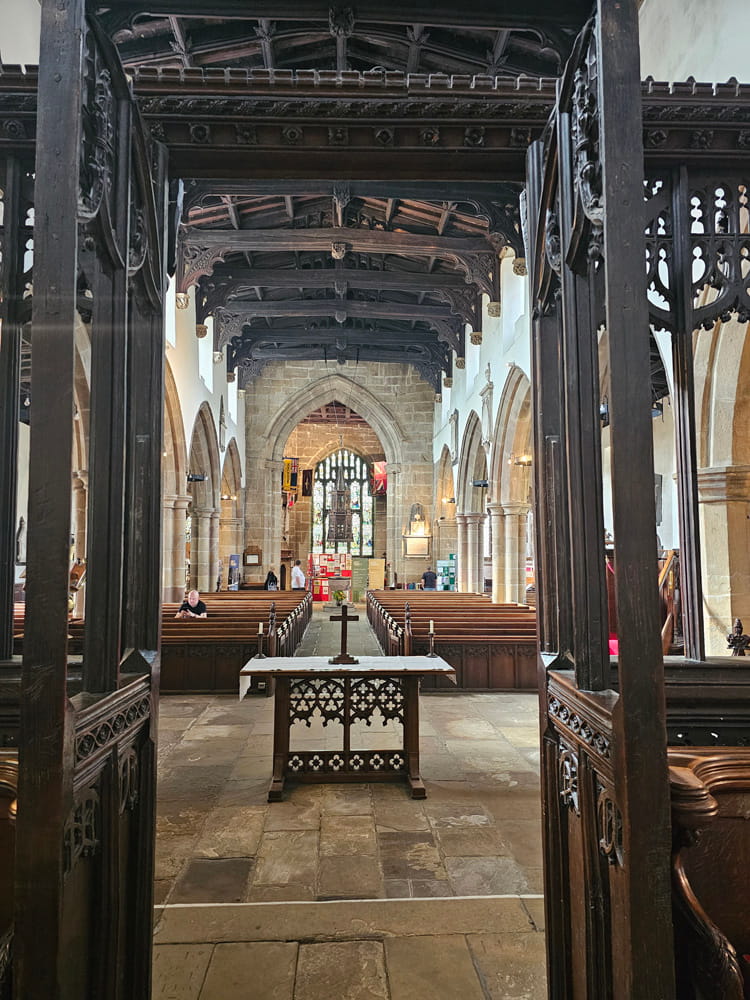
The church also preserves several remarkable medieval features. Its beautifully carved rood screen, dated 1533, is one of Yorkshire’s finest surviving examples of late medieval woodwork, while fragments of medieval wall paintings, including the haunting fresco known as the Hand of Death, offer rare glimpses of the richly decorated interiors familiar to pre-Reformation worshippers.
The medieval church survived turbulent centuries. During the English Civil War, cannon fire aimed at Skipton Castle damaged the church, but Lady Anne Clifford financed major repairs in 1655, rebuilding the tower and restoring the windows before turning her attention to repairing the castle itself.
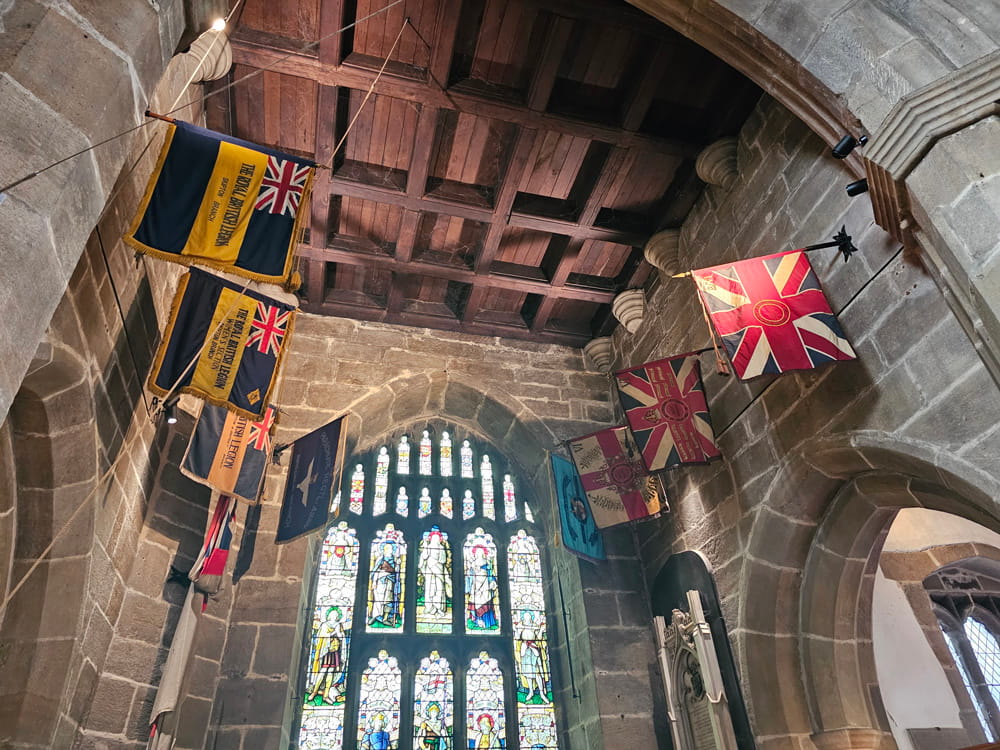
Today, Holy Trinity is recognised as a Grade I listed building, celebrated for its medieval architecture and its enduring connection to the history of Skipton Castle and the Clifford dynasty. Its soaring Gothic interior, ancient stonework and remarkable medieval furnishings make it one of the Yorkshire Dales’ most significant historic churches.
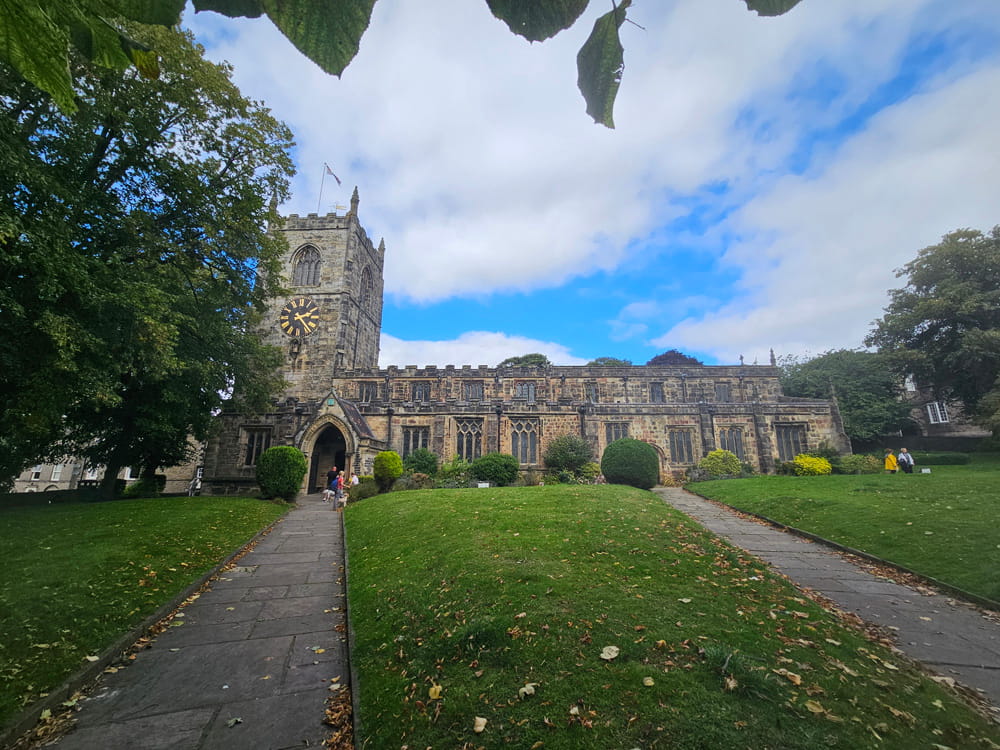
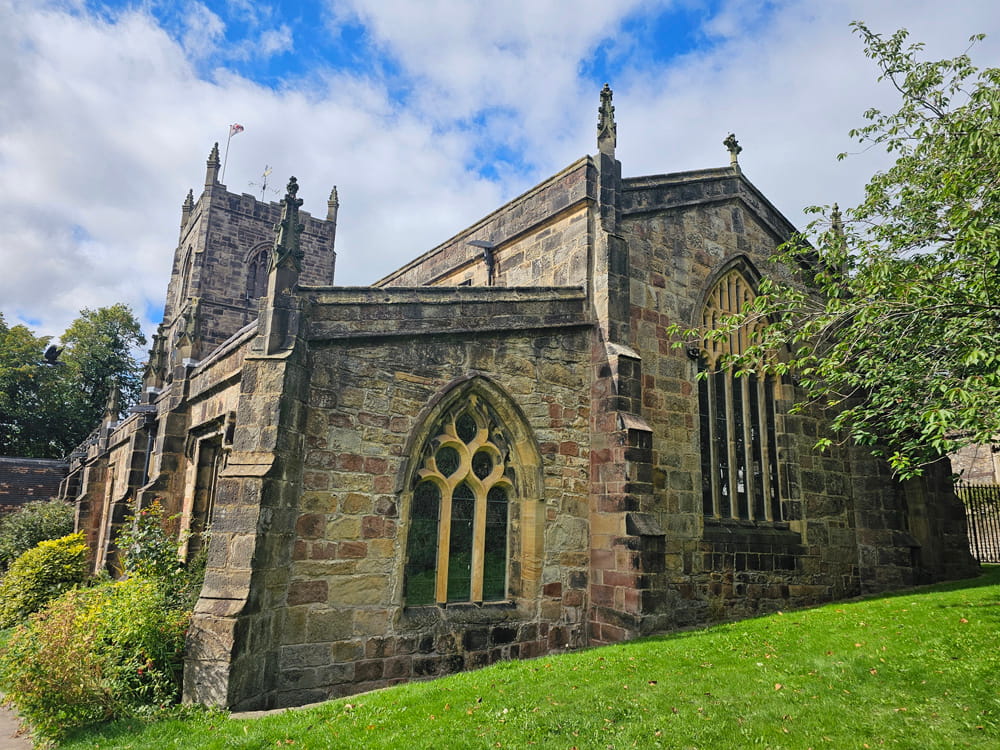
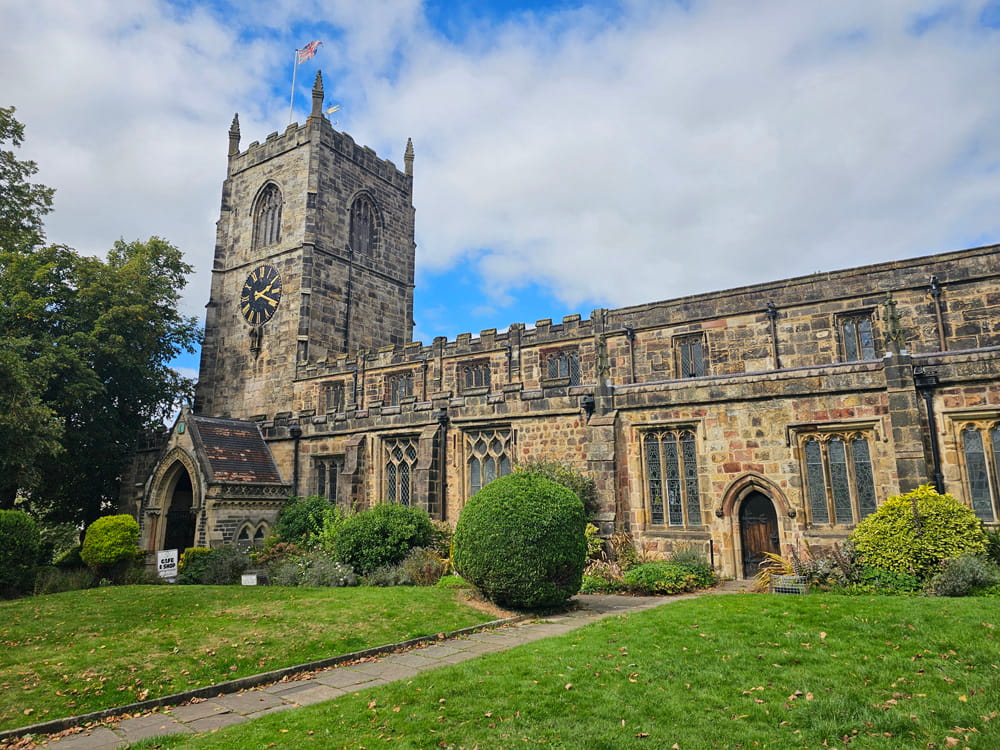
Photo Gallery.
Did you enjoy this post?
I hope you found this post useful. I put a great deal of time and effort in to building, maintaining and populating the website. If you like, you could say a small thank you by buying me a coffee. You don't have to, but it would be nice :)
Buy me a coffee
Stay up to Date
Follow me on my journey and get notified whenever a new post is published by following Kings & Castles on Facebook.
Follow MeExplore The Map
Discover the hundreds of castles, churches, monasteries, cathedrals and other historic locations that I've personally visited across England and Wales. Search by location, explore nearby sites and plan your next historical adventure.
Share: