Skipton Castle
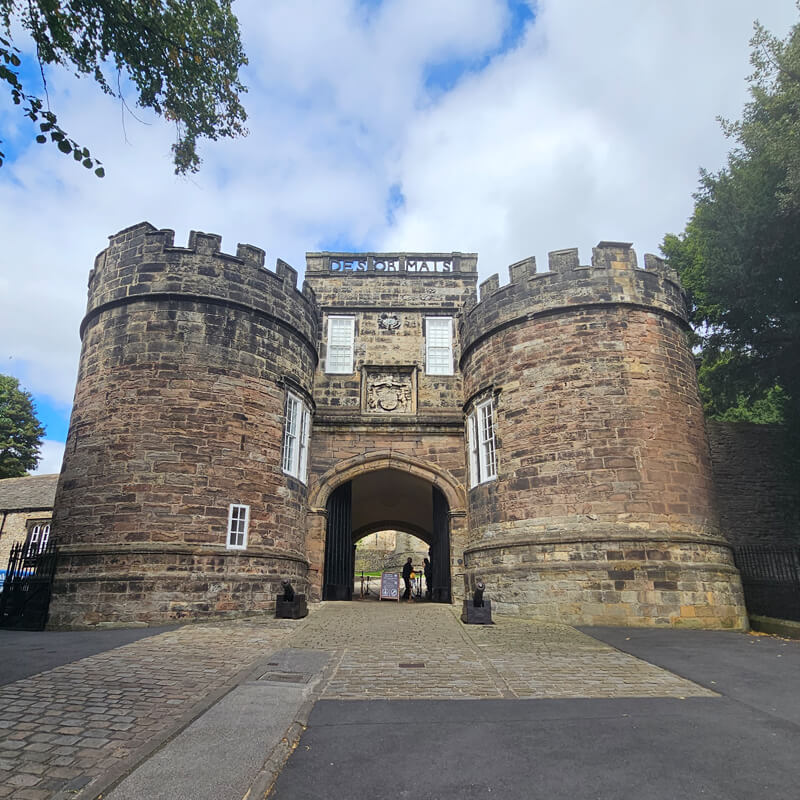
Rising above the northern end of Skipton’s bustling High Street, Skipton Castle is one of the best-preserved medieval castles in England. Unlike many castles that survive only as ruins, its imposing towers, gatehouse and curtain walls remain largely intact, offering a rare glimpse into life inside a powerful medieval stronghold.
Quick
Facts.
- Location: Skipton, North Yorkshire, England
- Established: 1090
- Built in stone: 12th century
- Condition: Complete and well-preserved
- Date visited: September 2026
- More info: Visit website
- Rating:
A Bit of History…
Skipton Castle was founded around 1090 by the Norman baron Robert de Romille, one of William the Conqueror‘s followers. Like many early Norman castles, it began as a timber motte-and-bailey fortress, built to secure newly conquered territory and control the strategic Aire Gap, one of the main routes through the Pennines.
The first castle stood on a rocky outcrop overlooking Eller Beck, with steep cliffs protecting its rear while commanding views across the surrounding countryside. Although its timber defences offered speed of construction, they proved vulnerable during repeated Scottish raids into northern England. By the late 12th century, the wooden fortress had been replaced with a far stronger stone castle, transforming Skipton into one of Yorkshire‘s principal defensive sites.
The castle did more than protect the region — it helped create the town itself. The security provided by its walls encouraged merchants, craftsmen and farmers to settle nearby, allowing Skipton to develop from a small settlement into a thriving medieval borough.
King John granted the town market rights in 1204, and wool from the surrounding sheep farms soon made Skipton one of the most prosperous centres in Craven. The castle’s court administered justice across the region, while its garrison ensured that trade routes remained protected during turbulent times.
The castle entered its greatest medieval chapter in 1310, when Edward II granted it to Robert Clifford, appointing him Lord of Skipton and Guardian of Craven. The Clifford family would shape the castle for more than three centuries, turning it into both a formidable fortress and an aristocratic residence.
Robert Clifford immediately strengthened the castle’s defences, adding massive curtain walls, towers and a heavily fortified gatehouse. His work reflected growing military threats from Scotland during the Wars of Independence.
Tragically, Clifford was killed at the Battle of Bannockburn in 1314, before seeing his ambitious rebuilding completed. Nevertheless, his improvements soon proved their worth. During the Great Raid of 1322, Scottish forces swept through northern England but failed to capture Skipton, whose strengthened walls successfully resisted attack.
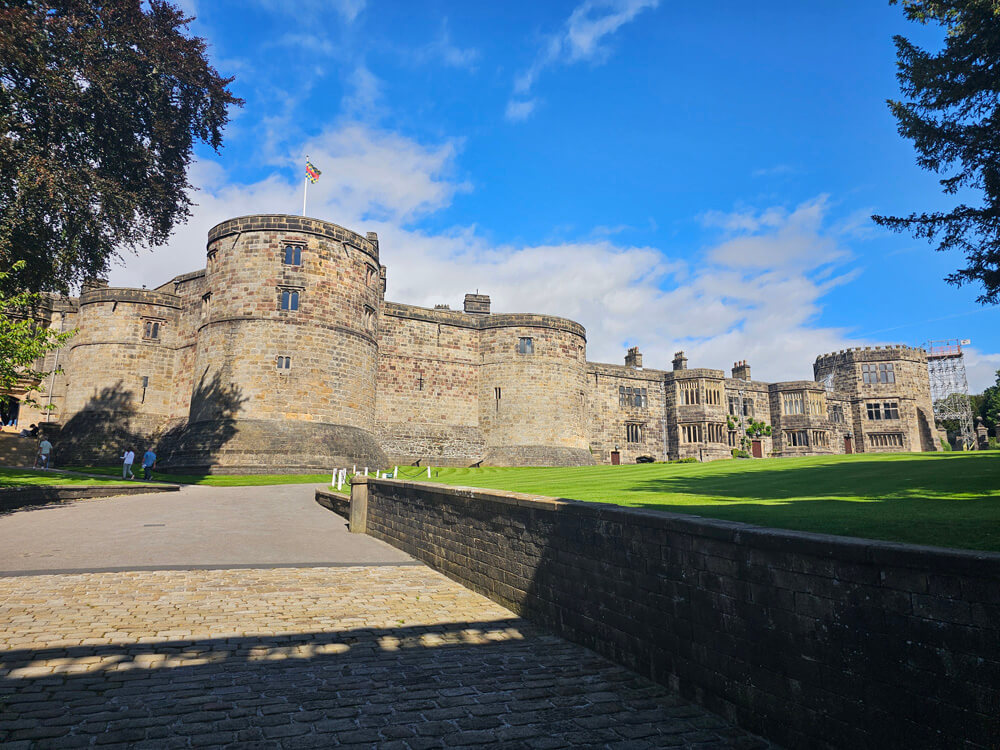
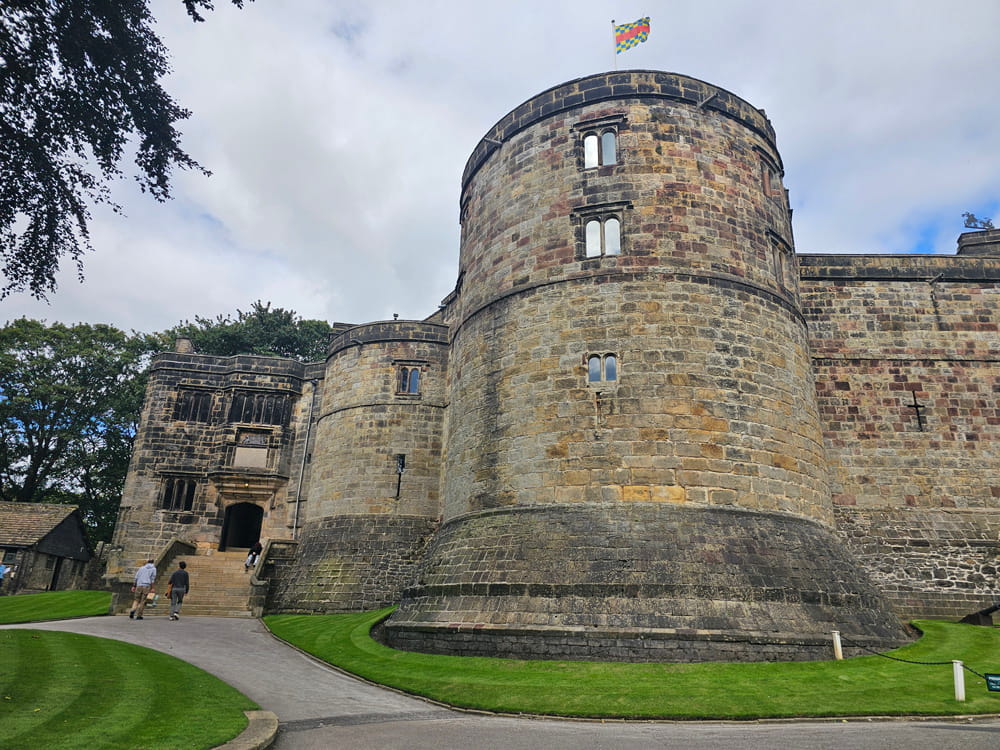
Much of what visitors see today dates from the 13th and early 14th centuries, when the castle became a classic example of an evolved Norman fortress adapted for later medieval warfare.
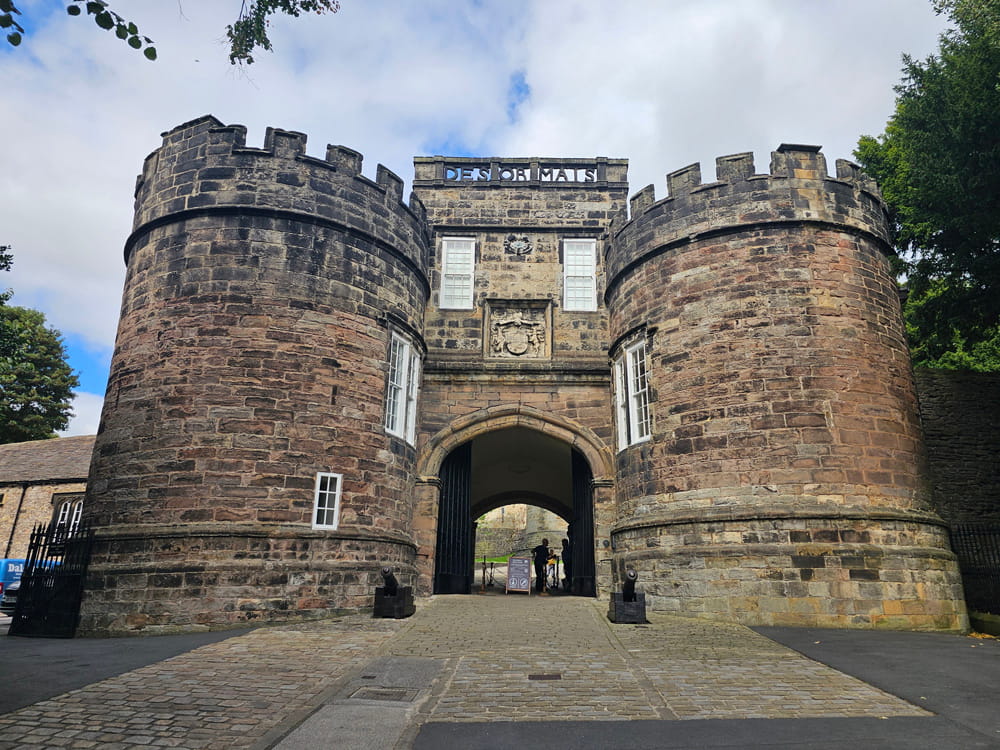
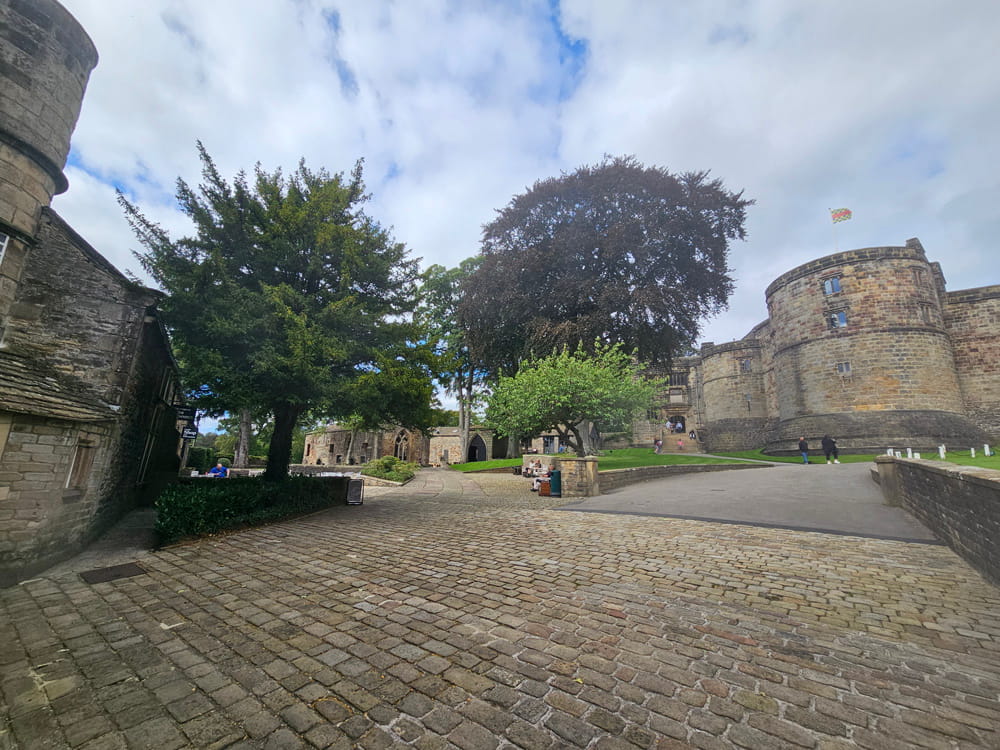
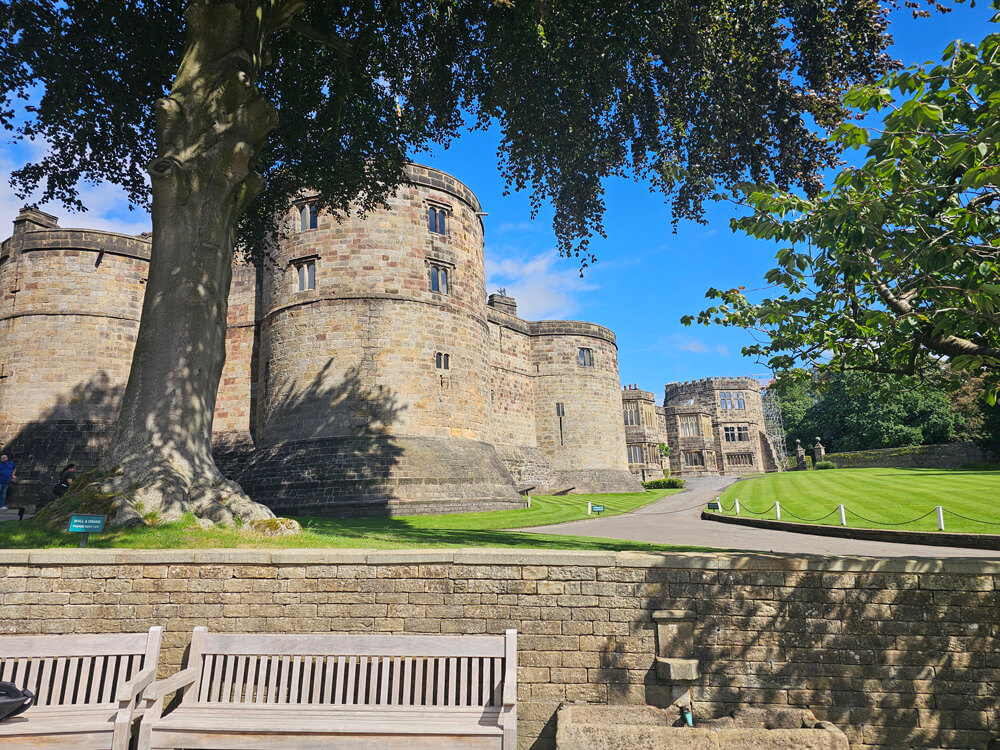
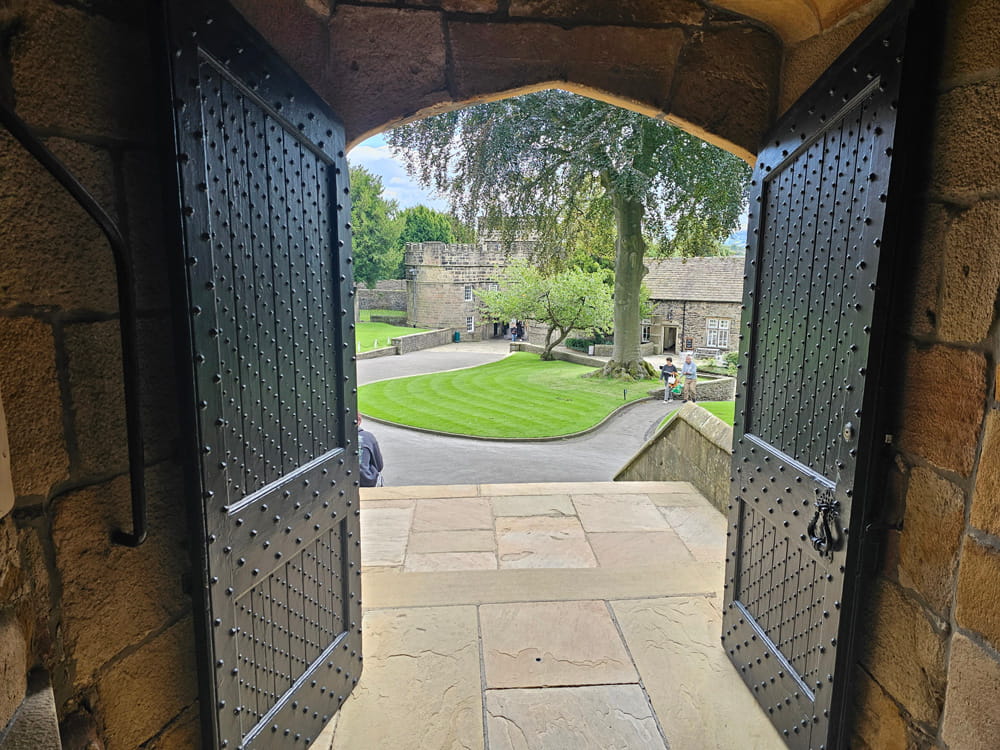
Its entrance remains particularly impressive. Massive twin round towers guard the gatehouse, forcing attackers through a narrow passage that could be defended from above. Thick limestone curtain walls surround the inner bailey, while towers project outward to give archers overlapping fields of fire.
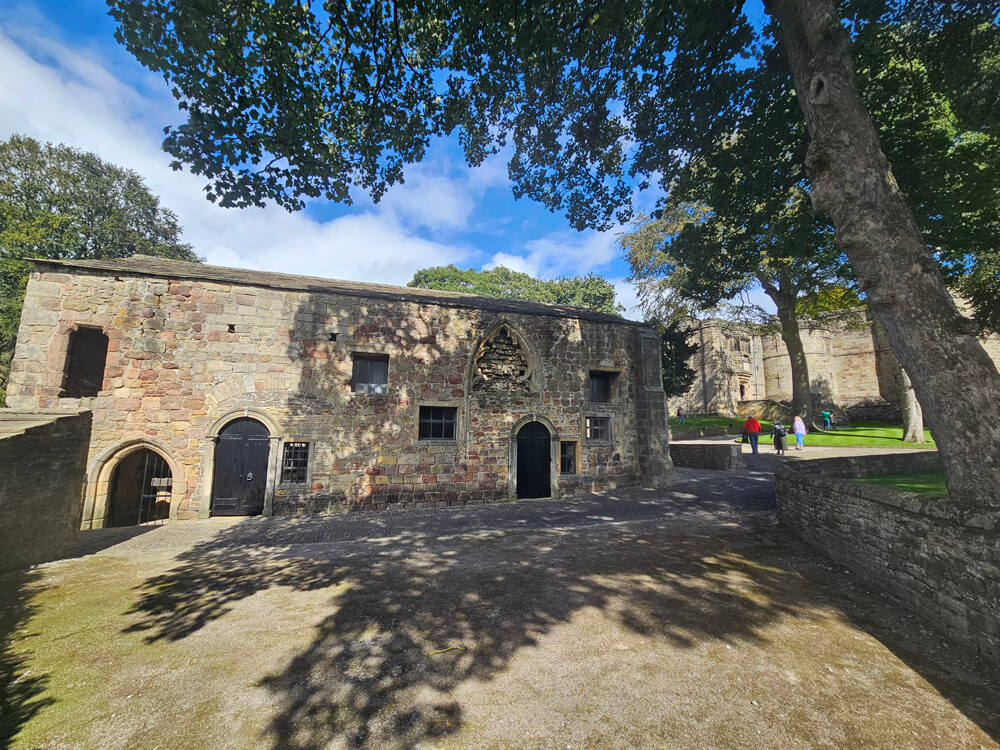
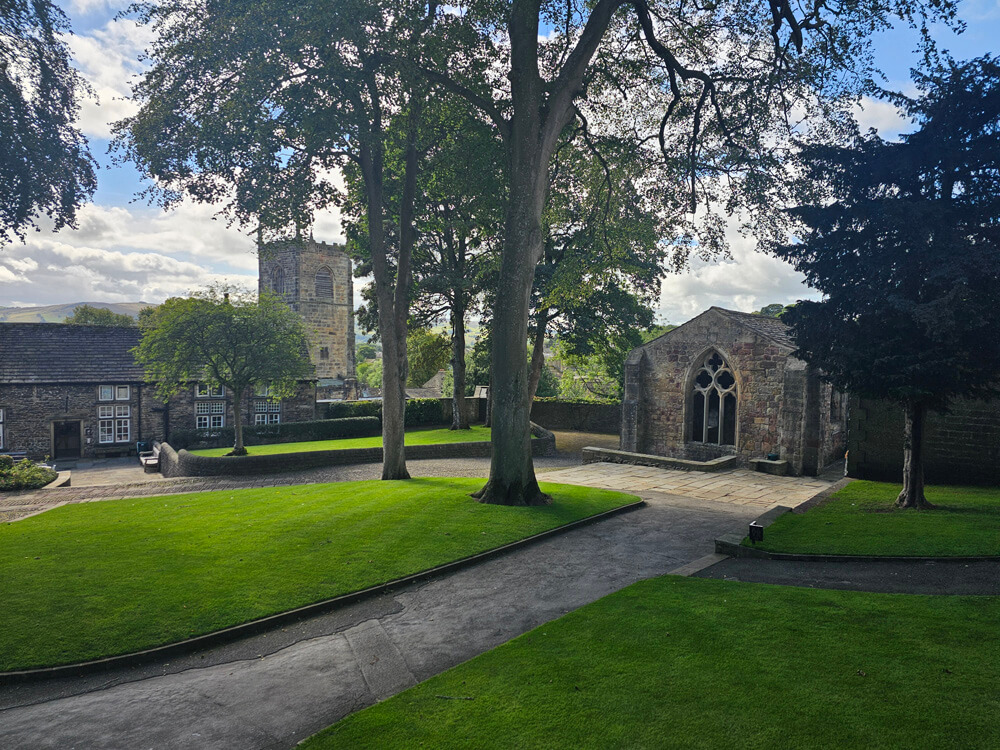
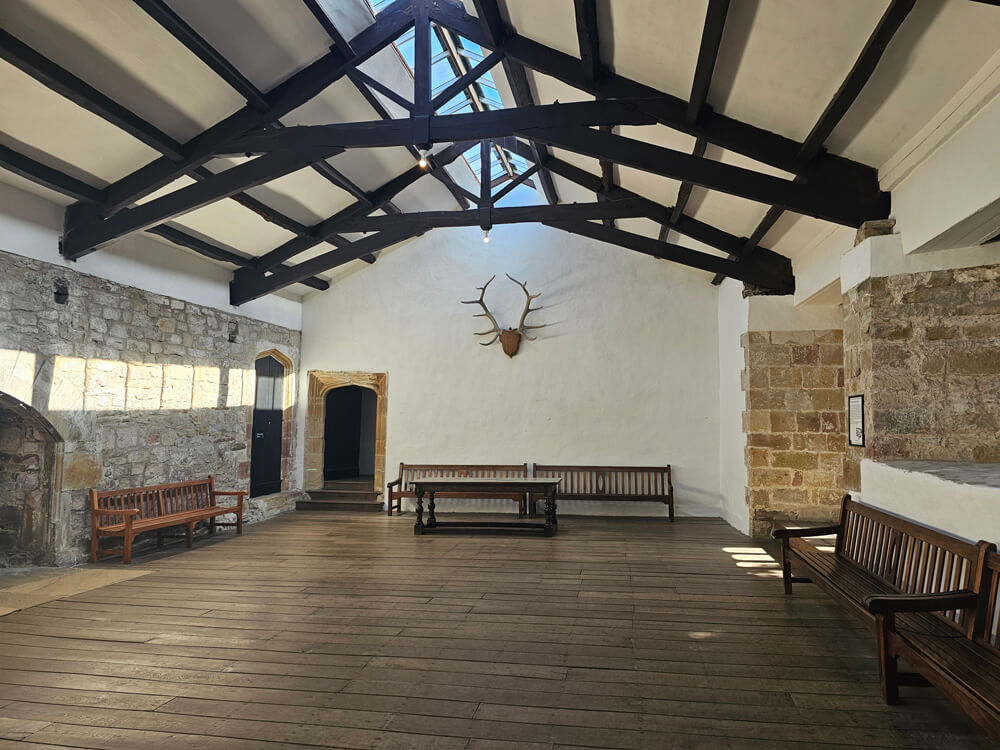
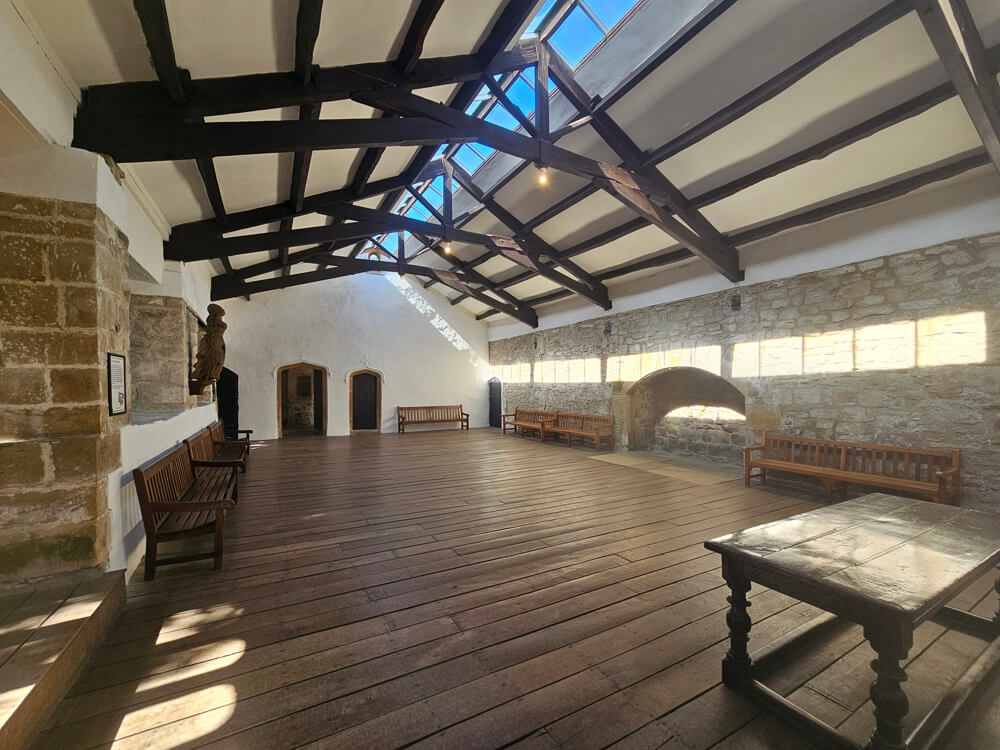
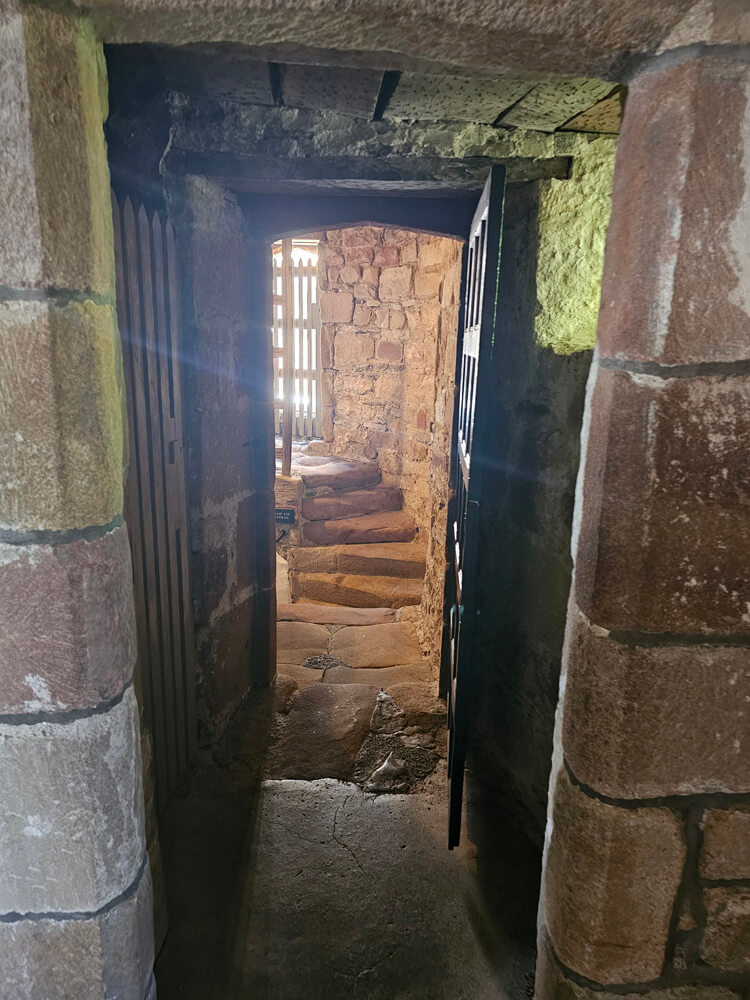
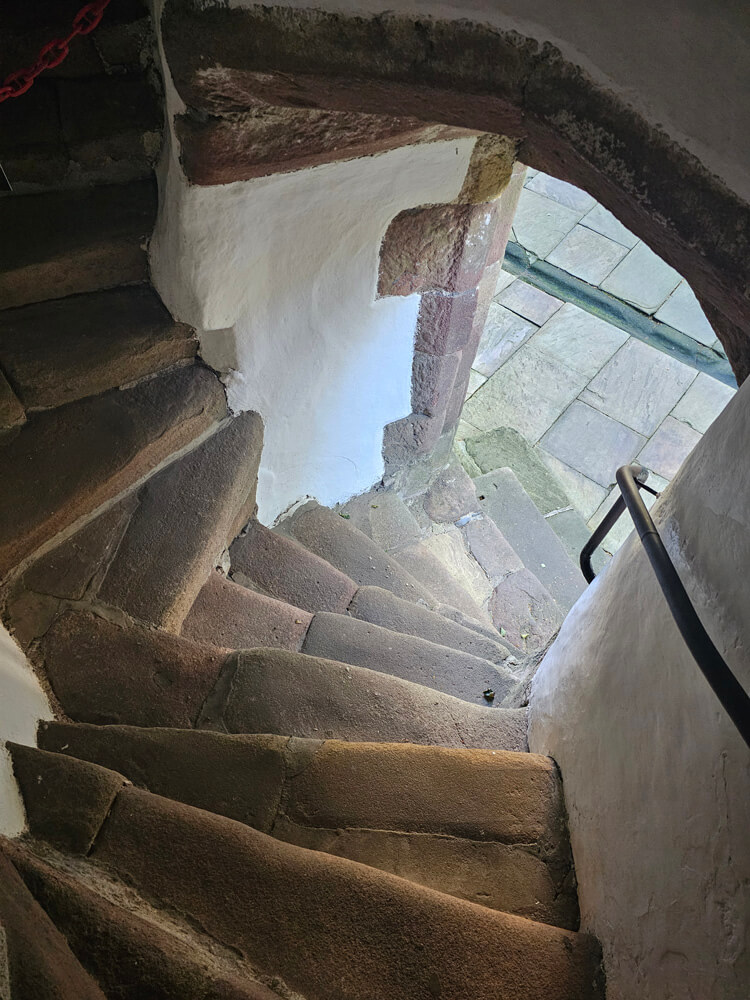
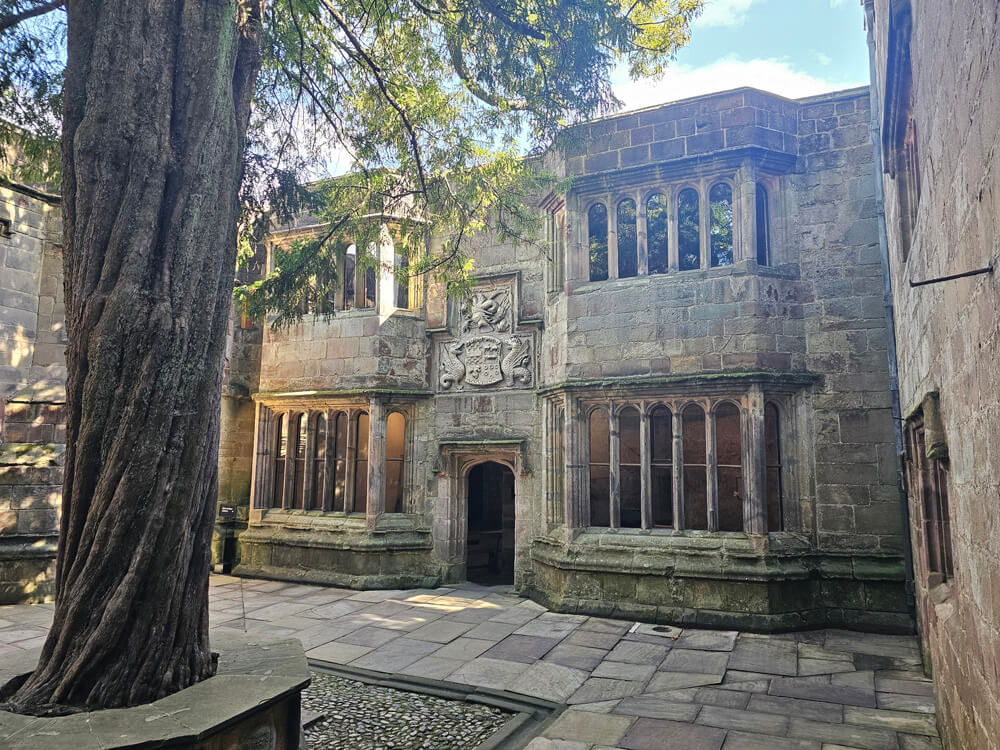
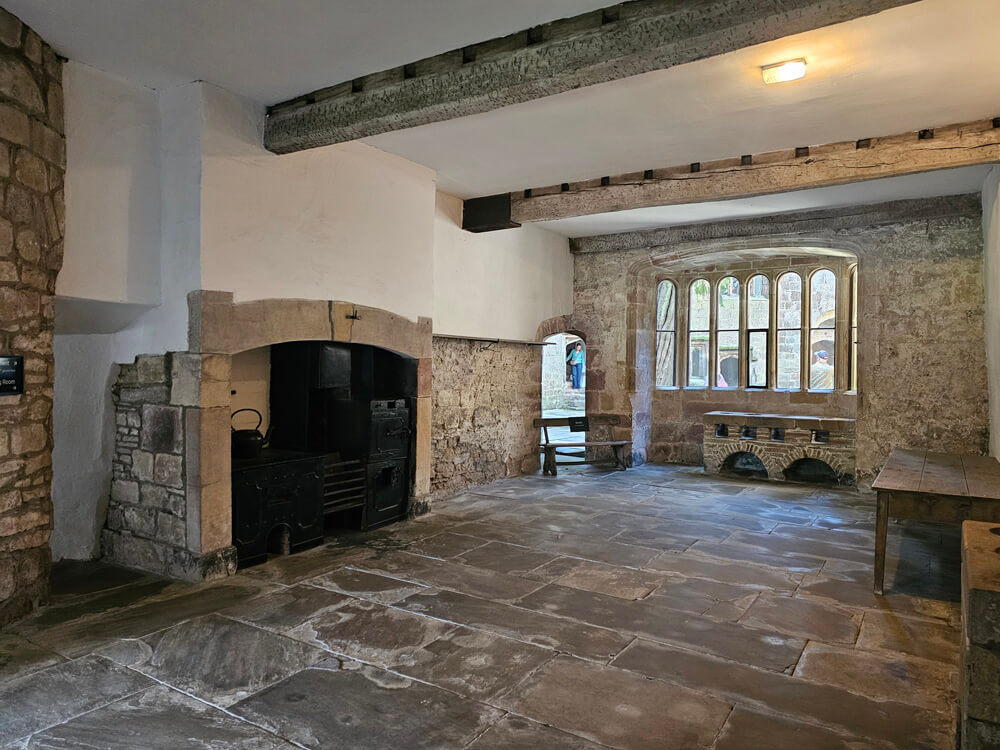
Inside lies Conduit Court – the castle’s central courtyard and the heart of medieval castle life. A central well supplied fresh water during sieges, while surrounding buildings housed kitchens, storerooms, workshops and servants’ quarters. Nearby stood the Great Hall, where the Cliffords held feasts, dispensed justice and entertained noble visitors beneath an impressive timber roof.
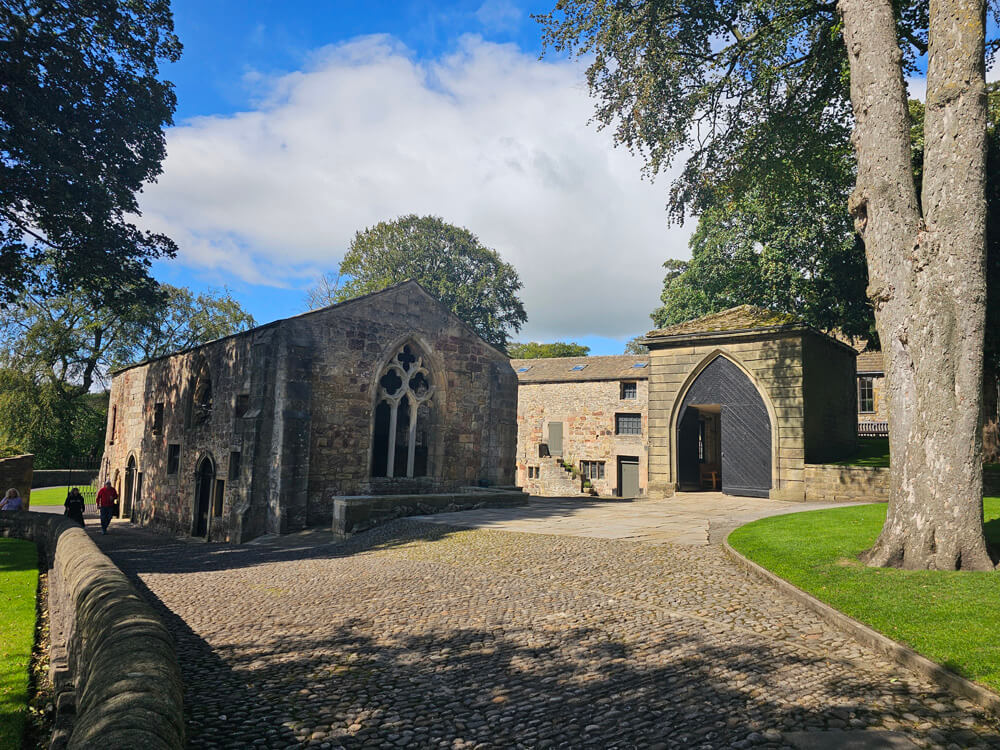
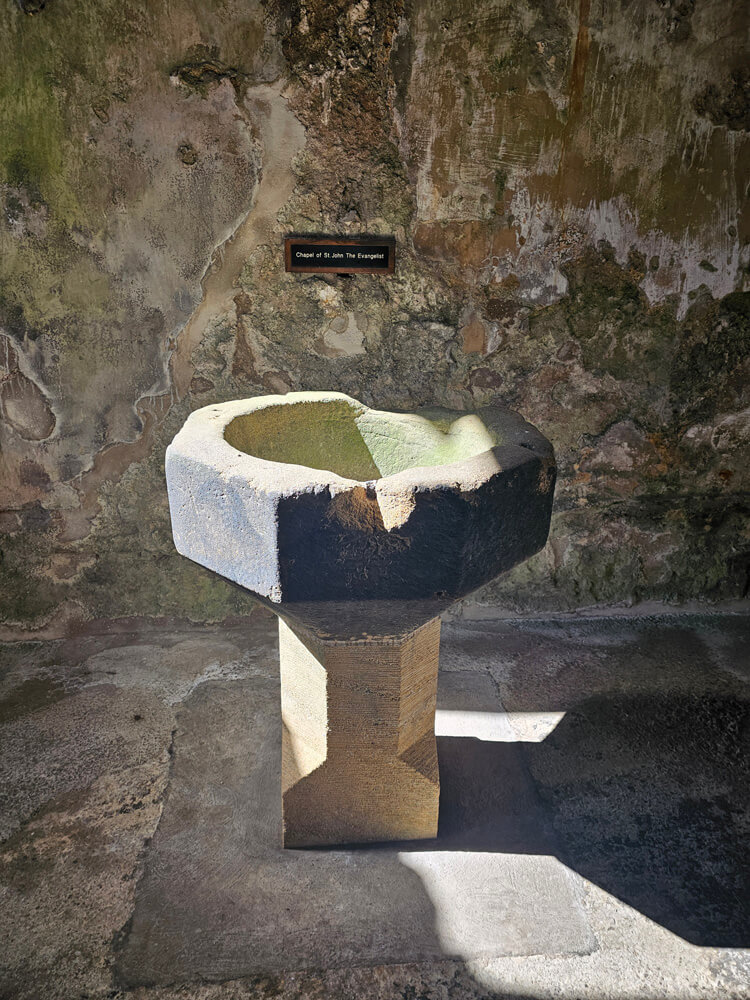
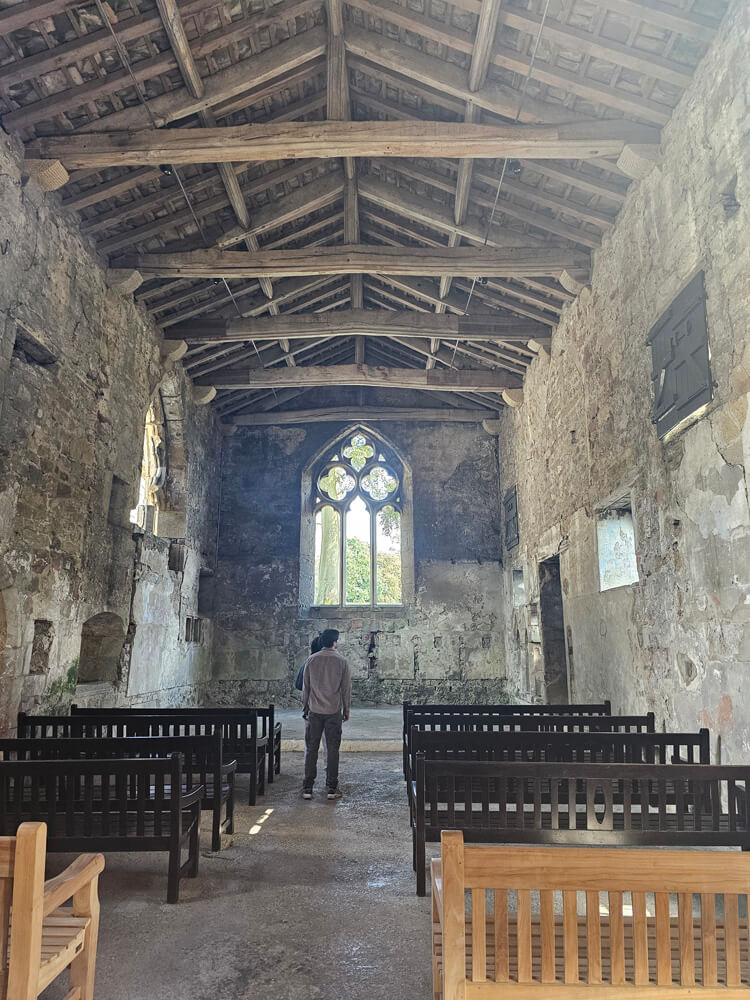
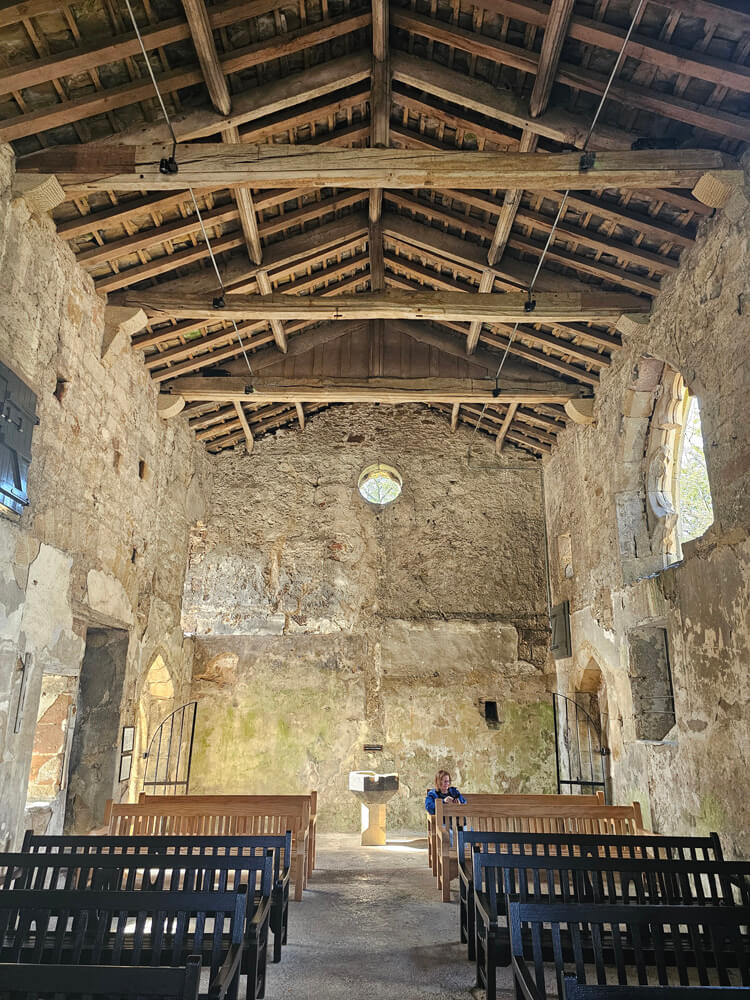
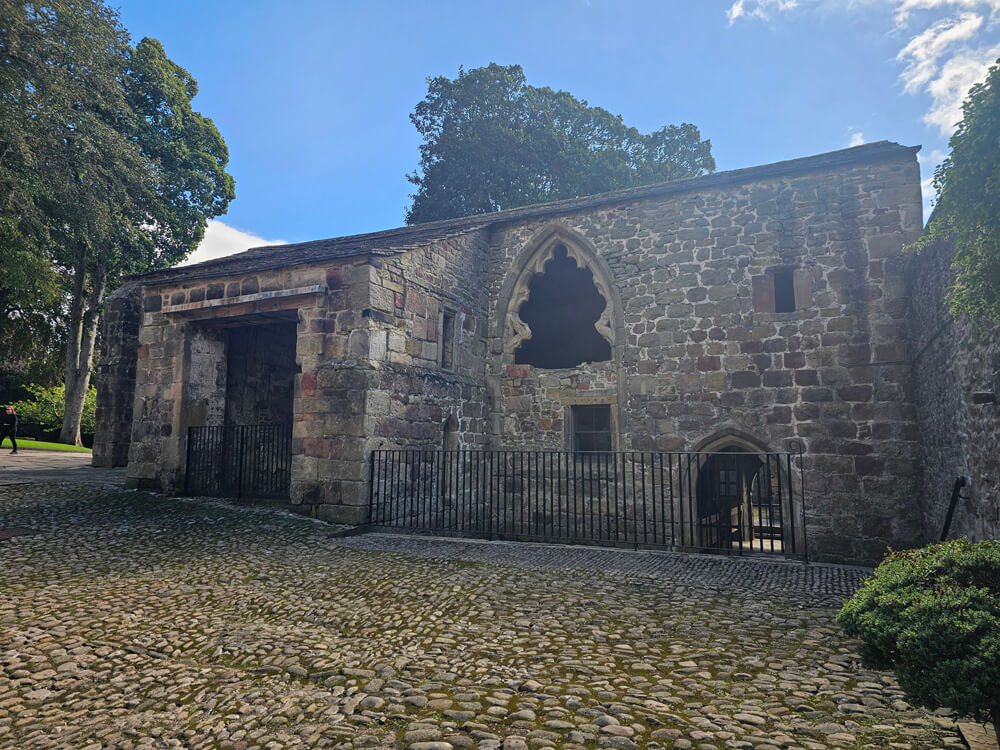
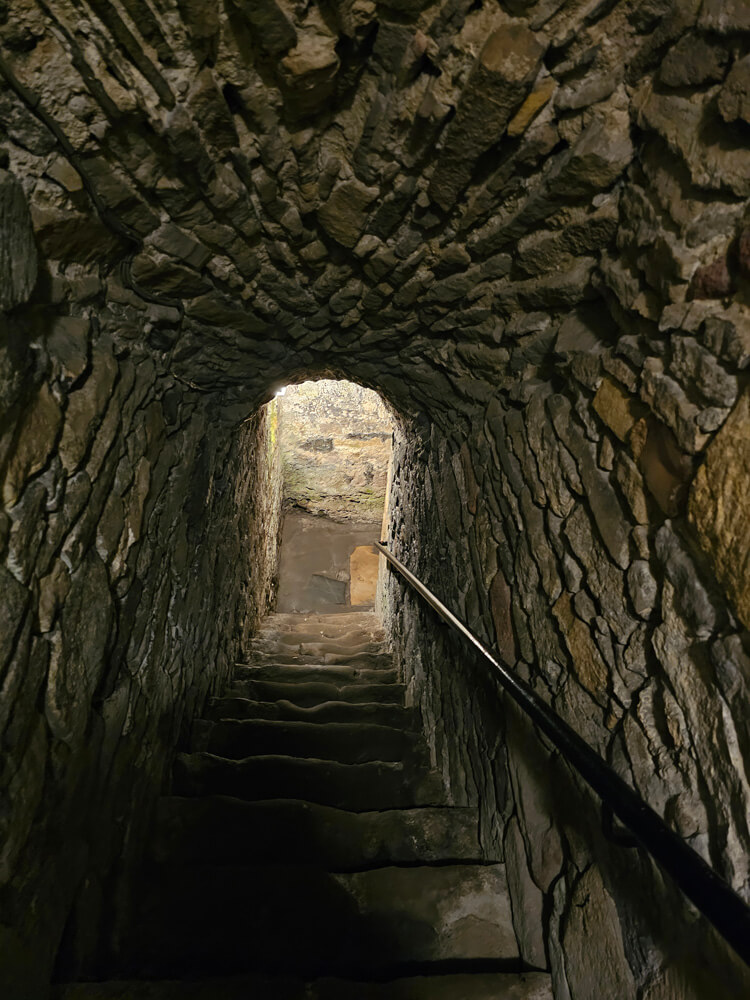
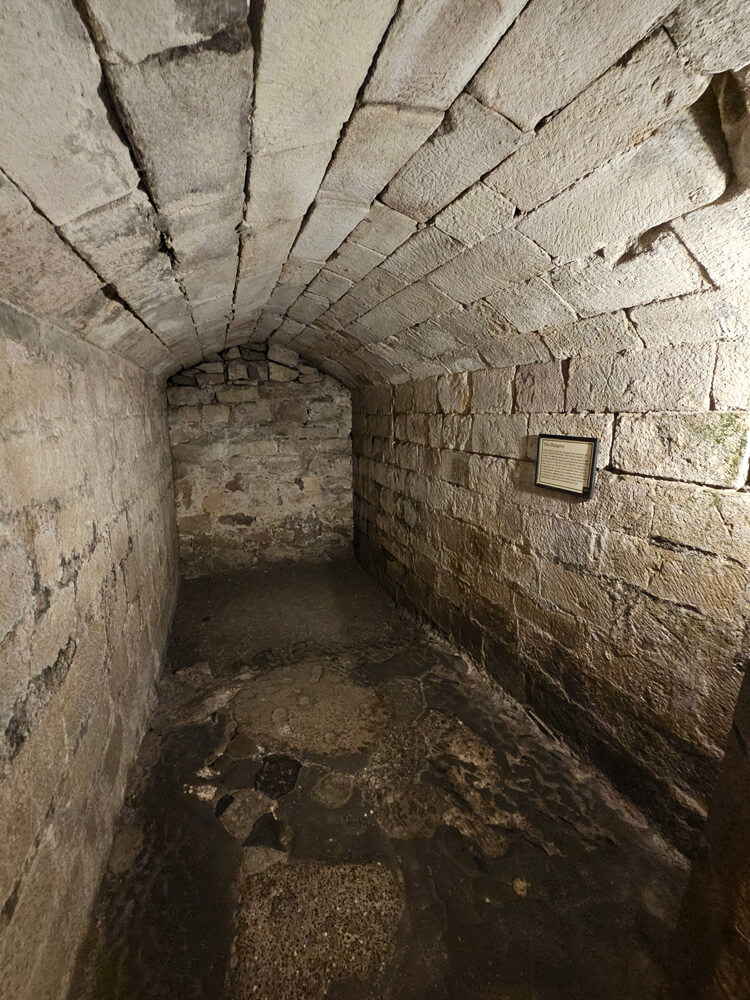
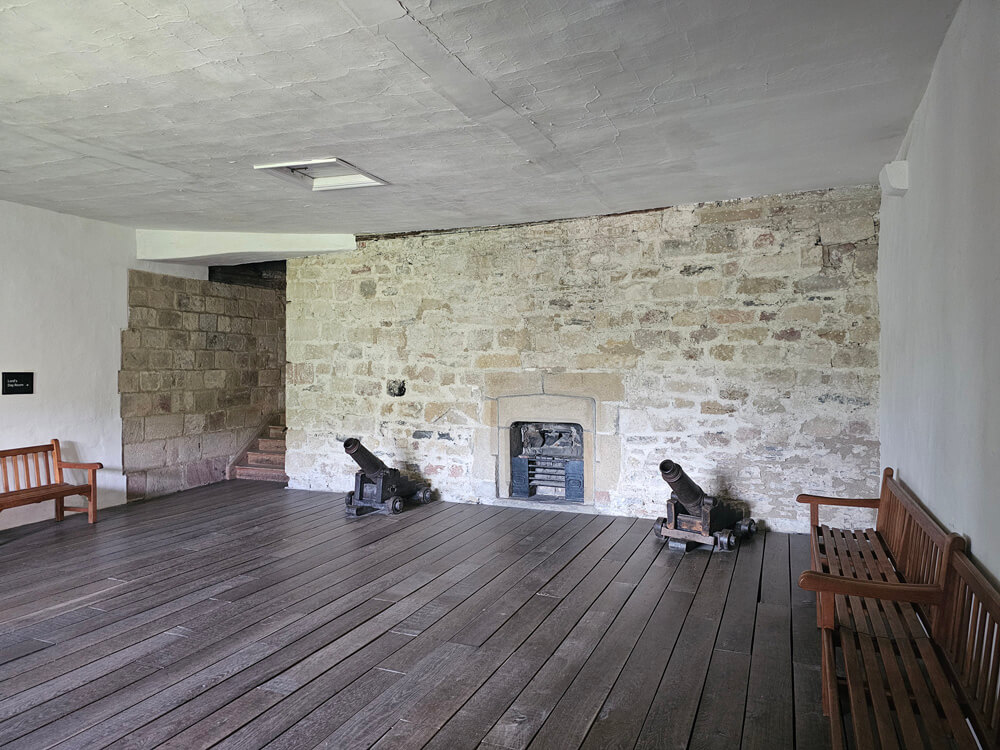
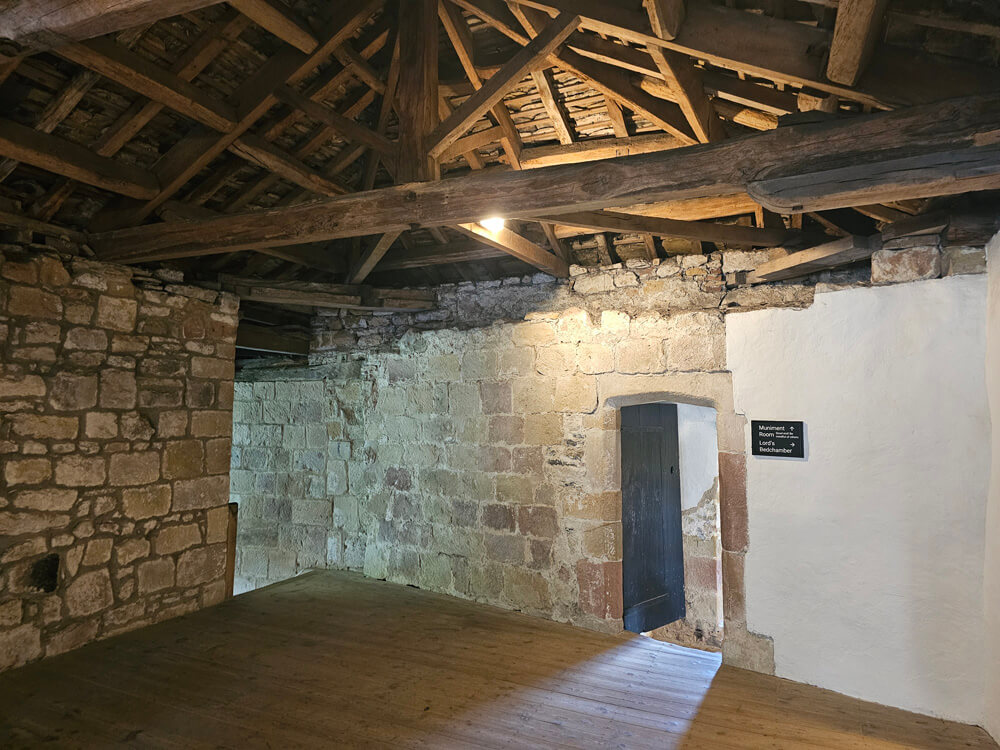
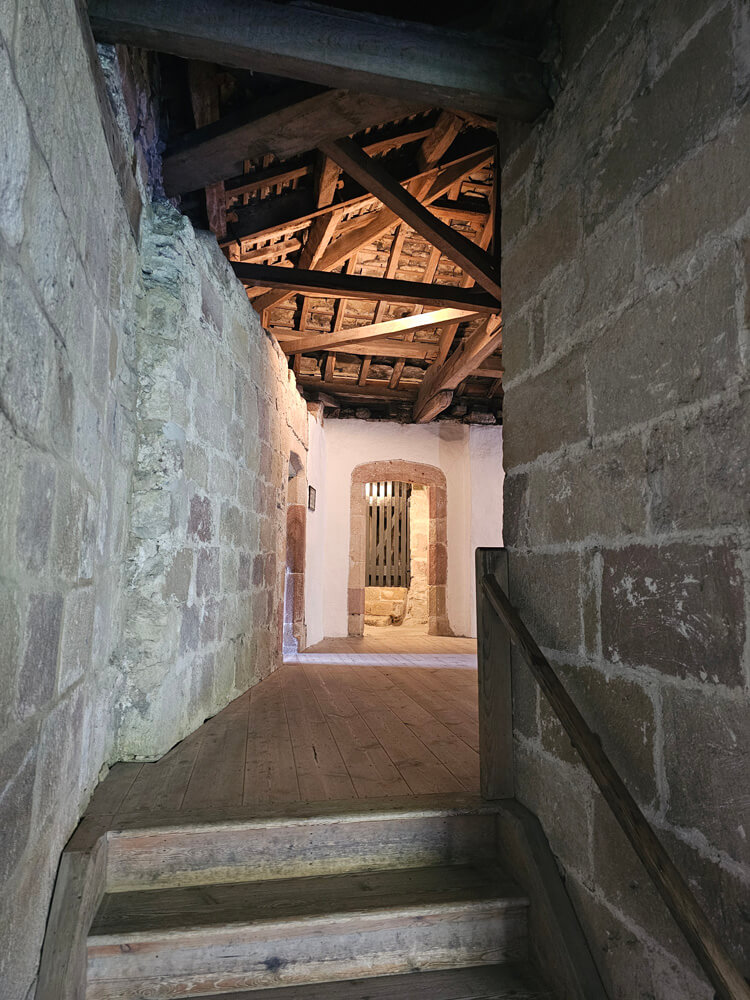
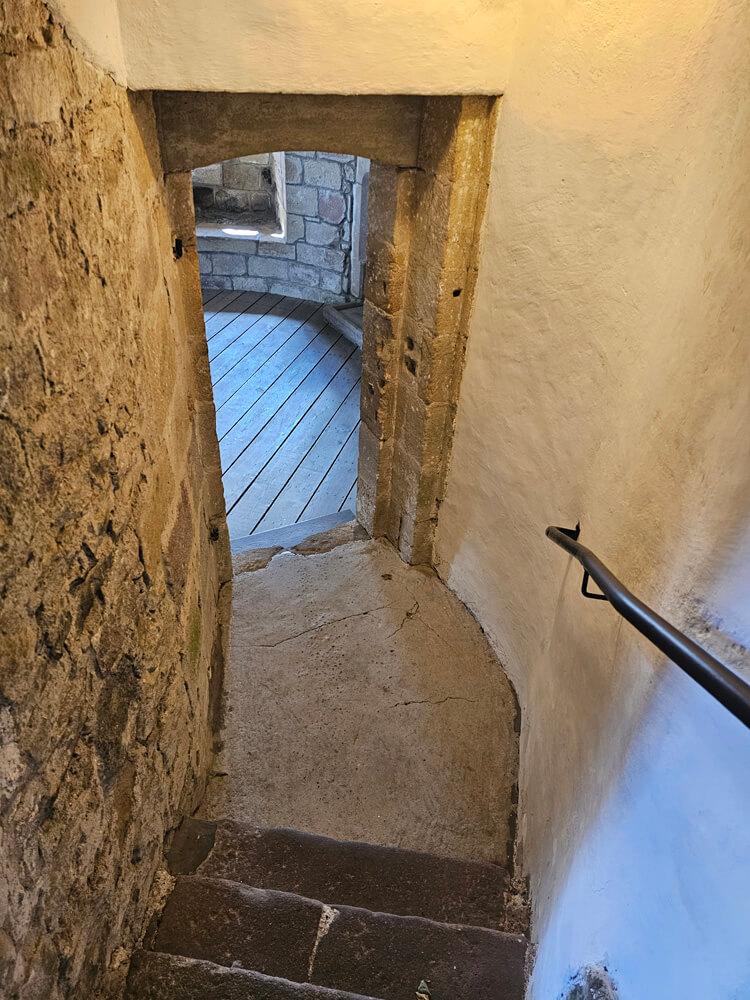
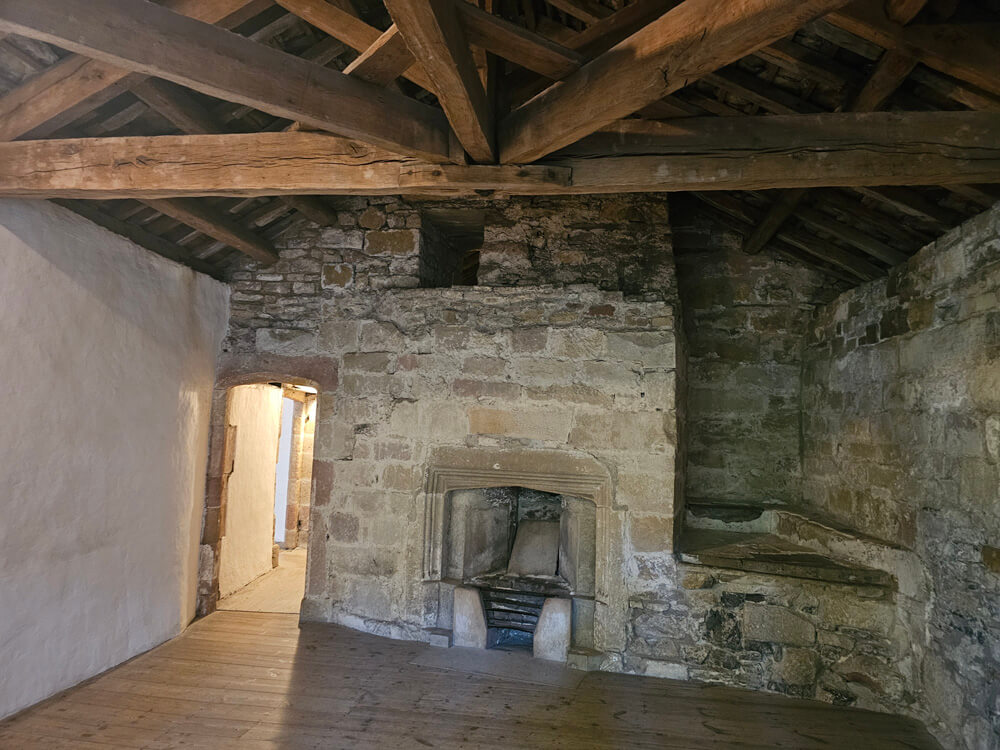
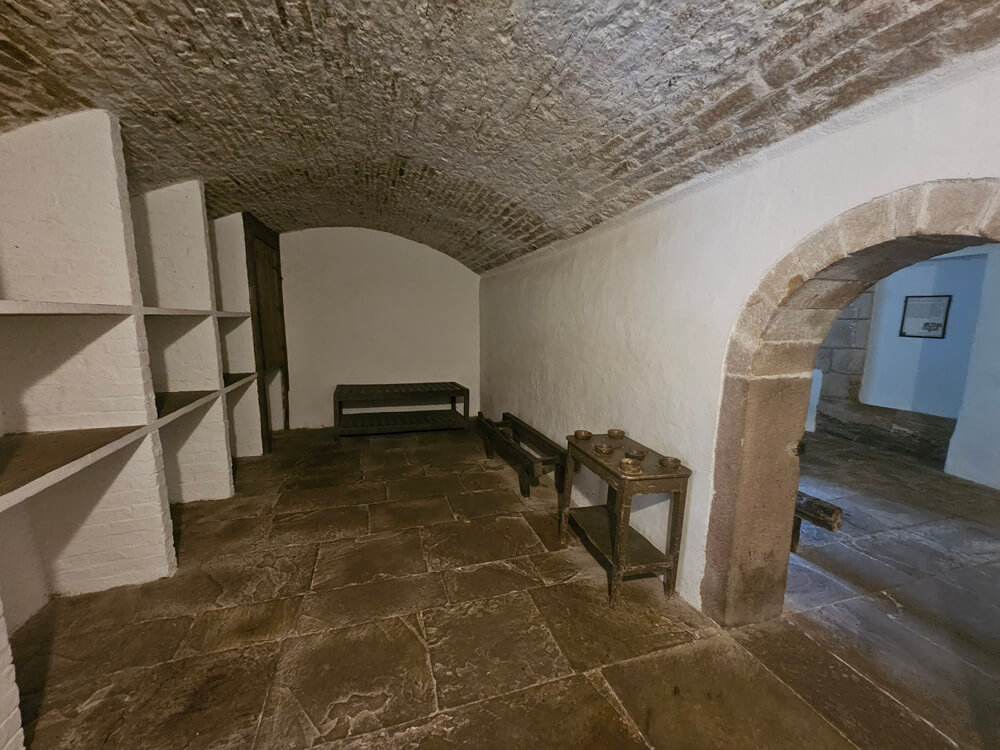
The castle also featured private chambers, wine cellars, a chapel and the distinctive watch tower, demonstrating how medieval castles balanced military defence with domestic comfort.
Skipton remained deeply involved in England’s dynastic struggles. John Clifford, known as “Black-faced Clifford” or “Butcher Clifford”, became one of the most feared Lancastrian commanders during the Wars of the Roses. He was killed at the Battle of Towton in 1461, one of the bloodiest battles ever fought on English soil.
His death marked a turbulent period for the Clifford family, but the castle itself remained one of northern England’s strongest noble residences.
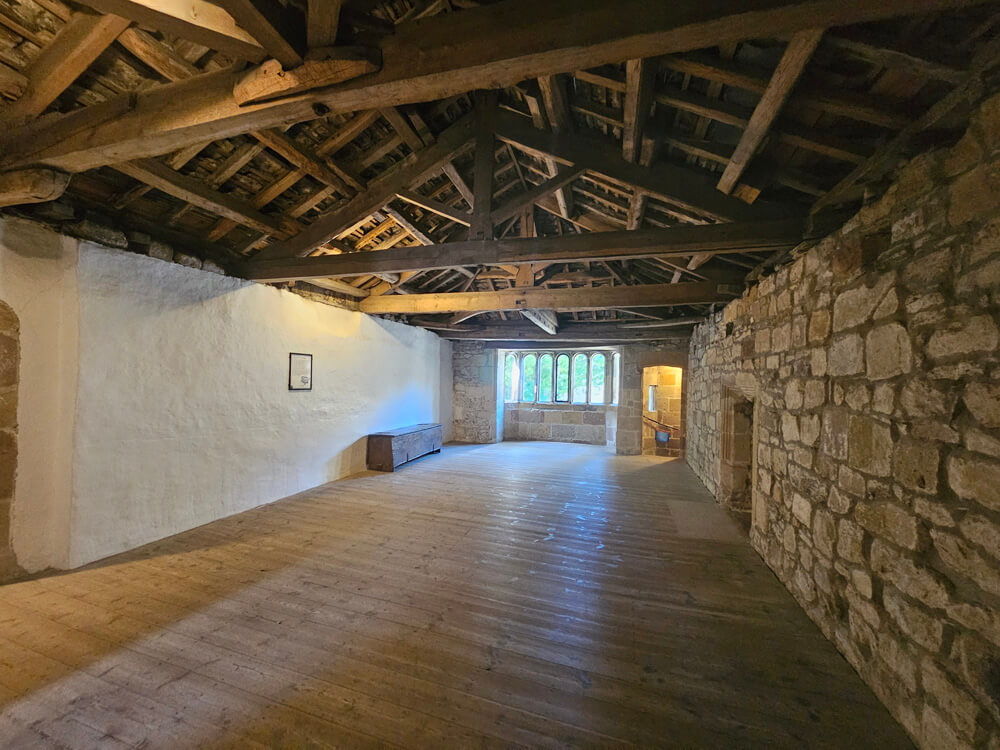
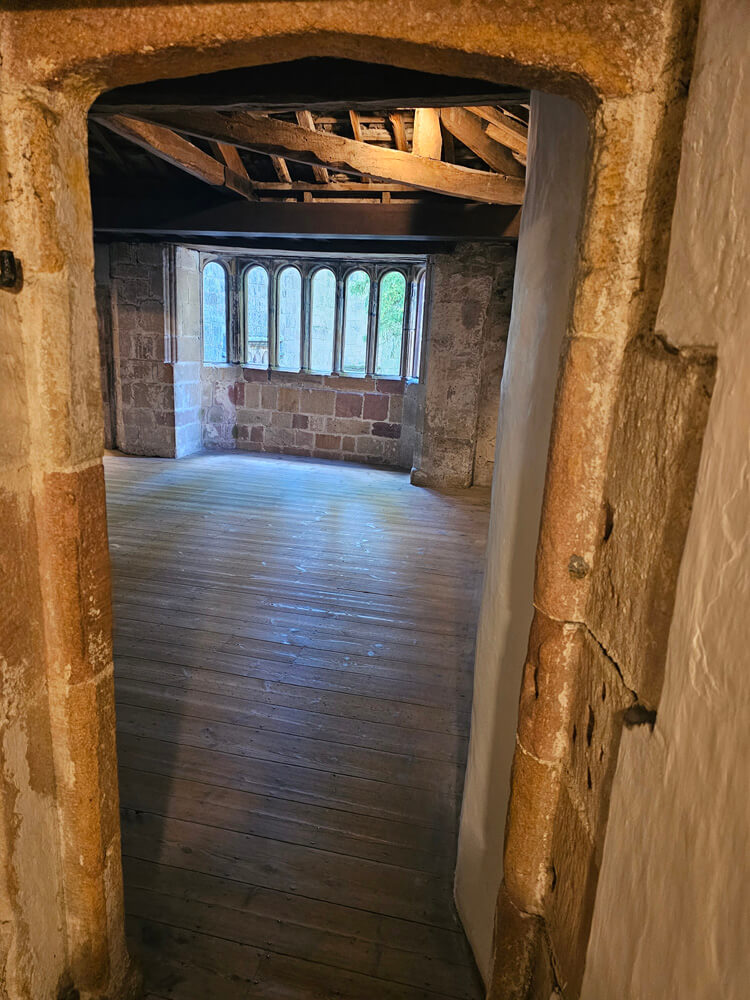
By the late 15th century, Skipton Castle had evolved beyond a purely military fortress. Larger windows, more comfortable private apartments and improved living quarters reflected changing aristocratic tastes as powerful families sought residences that displayed wealth as much as defensive strength.
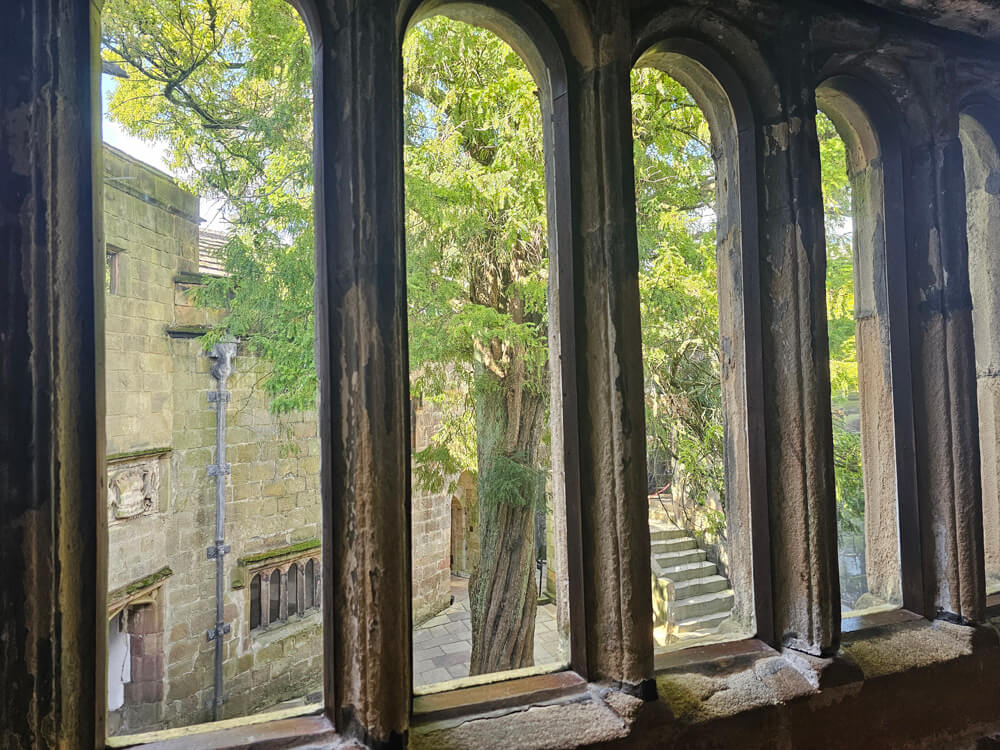
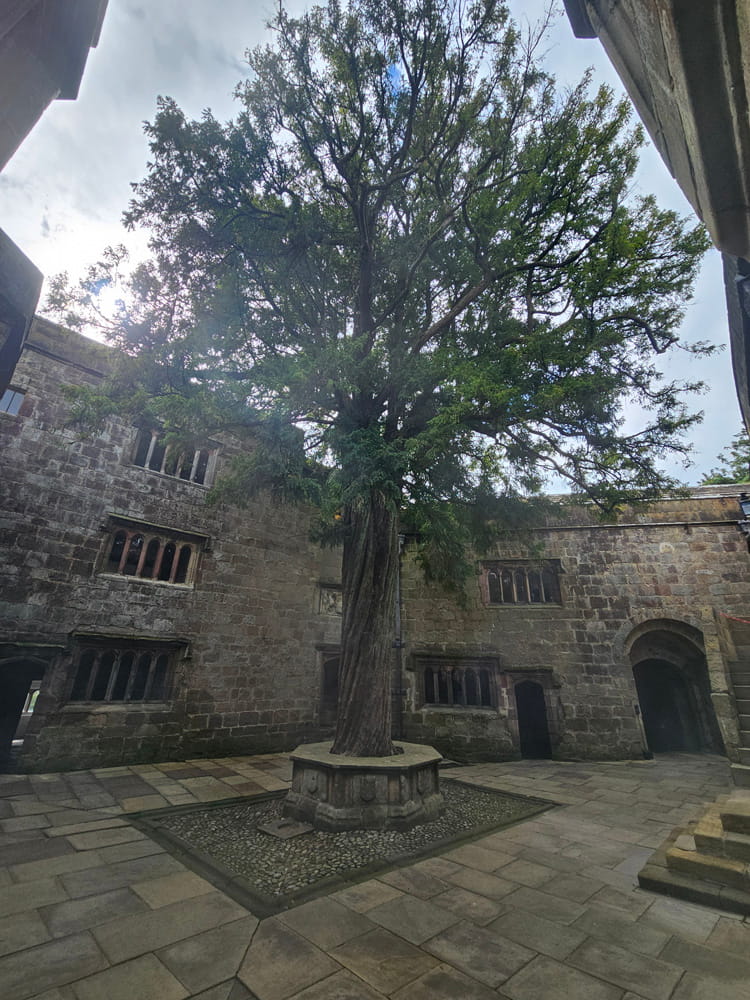
Skipton Castle withstood a three-year siege during the English Civil War, and in 1659, a twisting yew tree was planted by Lady Anne Clifford right in the centre of the castle’s central Tudor courtyard (Conduit Court). This was to mark the completion of the castle’s repairs and restoration following the damage during the siege. The tree still survives today, with its elegantly twisting trunk and spreading branches filling much of the courtyard.
Skipton Castle Today
Unlike many castles abandoned after the Middle Ages, Skipton remained continuously occupied, helping preserve its medieval fabric. Its gatehouse, towers, walls and much of its internal layout survive remarkably intact, making it one of the country’s finest examples of a lived-in medieval castle.
Today, its towering gatehouse, defensive walls and atmospheric courtyards remain among the best-preserved reminders of medieval England — a fortress where nearly 900 years of history can still be explored stone by stone.
Photo Gallery.
Did you enjoy this post?
I hope you found this post useful. I put a great deal of time and effort in to building, maintaining and populating the website. If you like, you could say a small thank you by buying me a coffee. You don't have to, but it would be nice :)
Buy me a coffee
Stay up to Date
Follow me on my journey and get notified whenever a new post is published by following Kings & Castles on Facebook.
Follow MeExplore The Map
Discover the hundreds of castles, churches, monasteries, cathedrals and other historic locations that I've personally visited across England and Wales. Search by location, explore nearby sites and plan your next historical adventure.
Share: