Leominster Priory
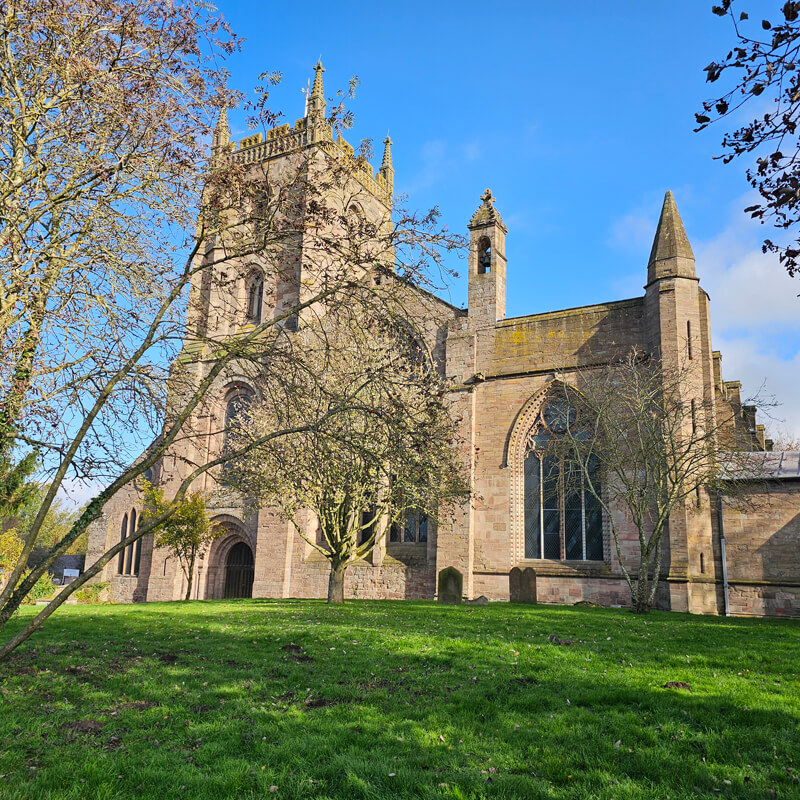
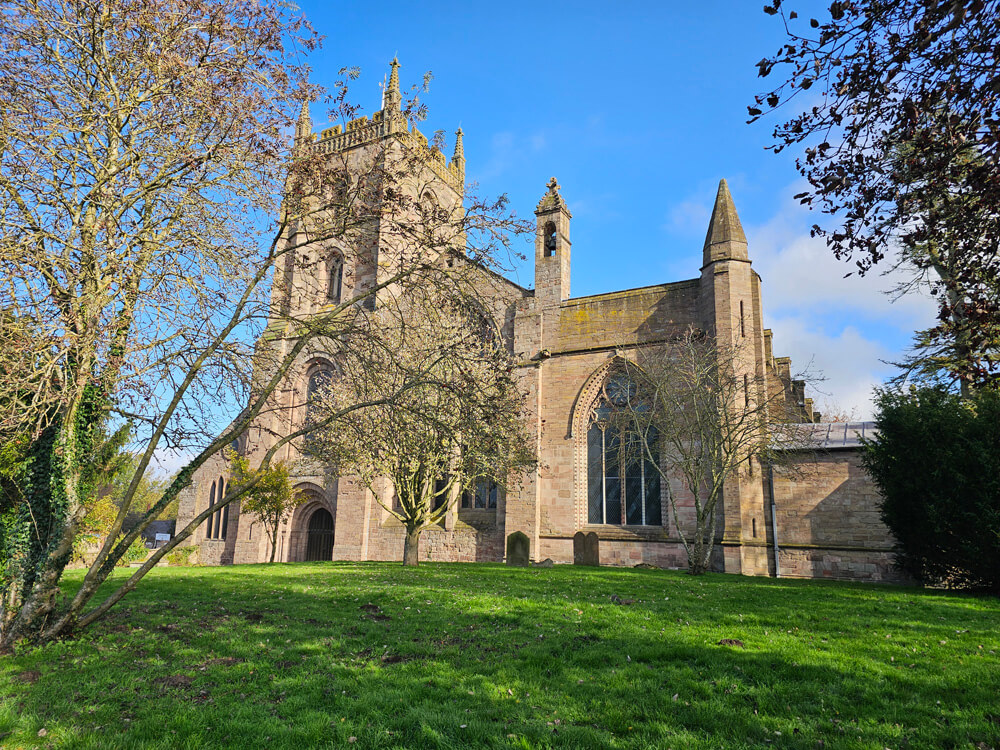
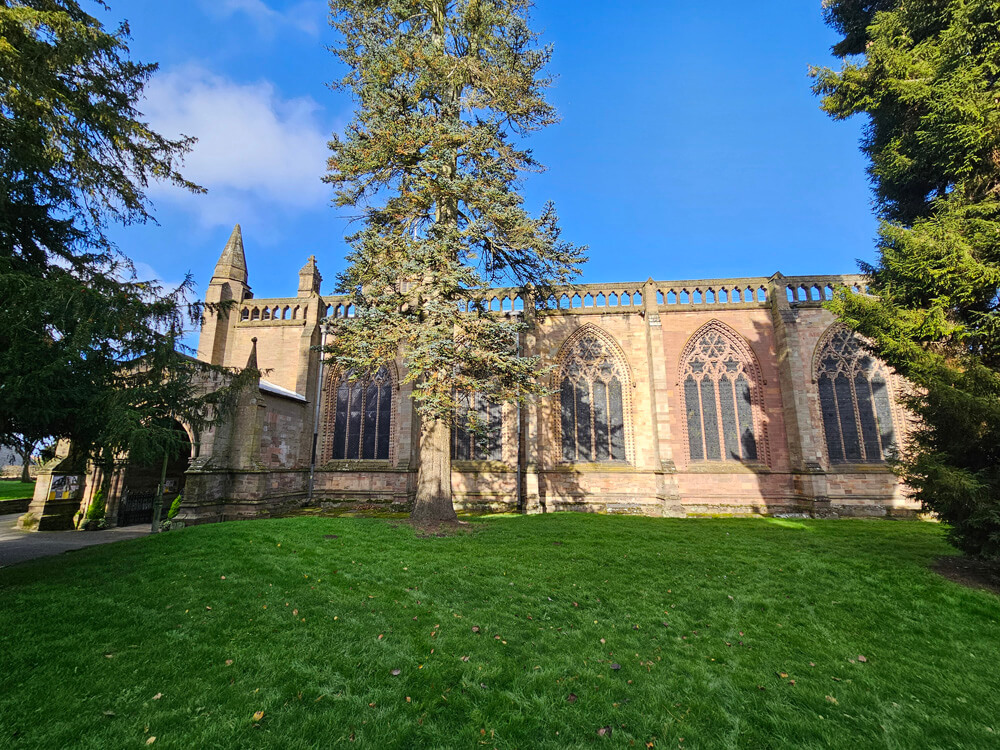
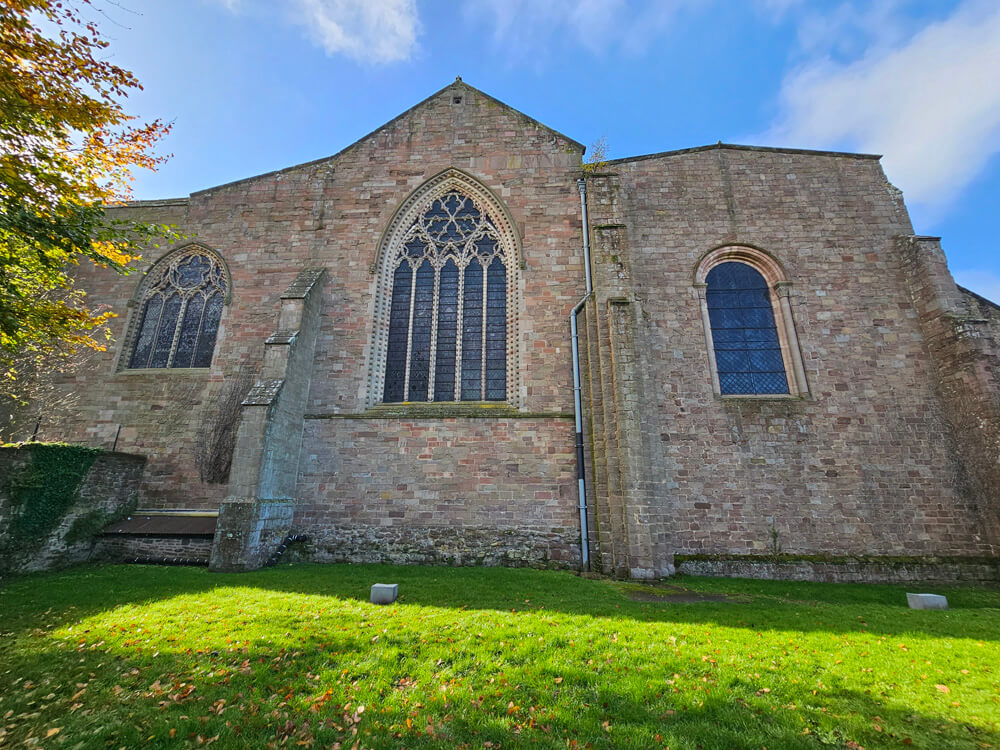
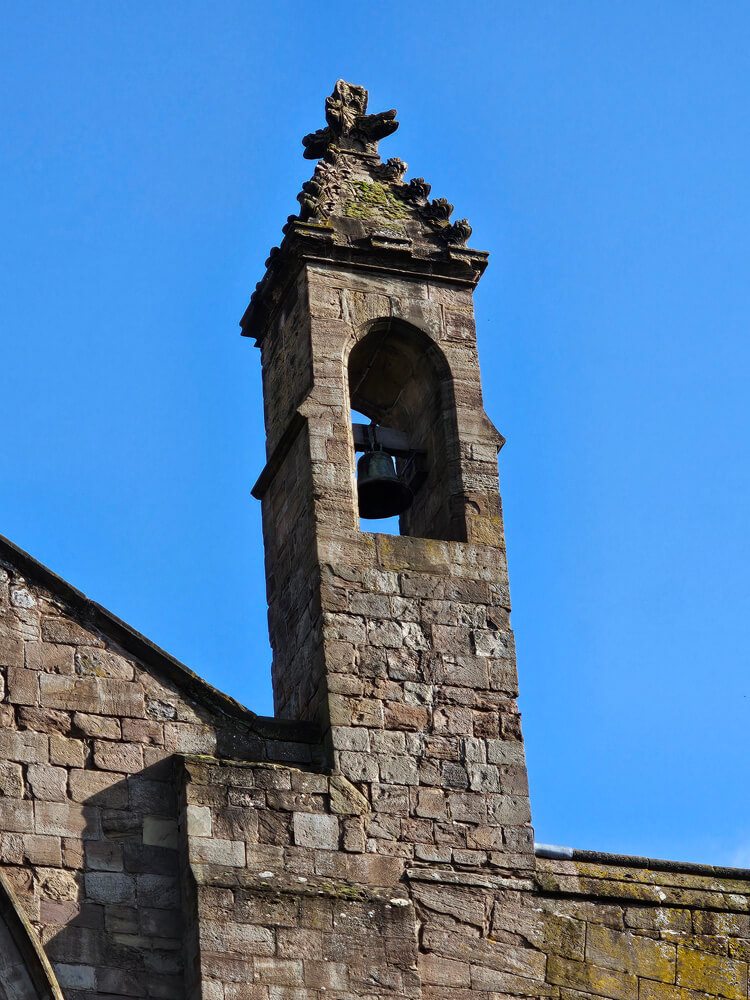
A church has stood on the site of Leominster Priory since at least the 7th century, which was the first great minster to be founded in Herefordshire, even pre-dating Hereford Cathedral. The church of unusually large proportions that we see today is from the Norman period. The Priory Church of St Peter and St Paul, more commonly known as Leominster Priory is the surviving church of a dissolved 12th-century Benedictine priory.
Quick
Facts.
- Location: Leominster, Herefordshire, England
- Founded: 12th century
- Founder: Henry I
- Religious order: Benedictine
- Dissolved: 1539
- Condition: Surviving church of a ruined priory
Historic
Highlights.
- 12th-century west doorway carvings
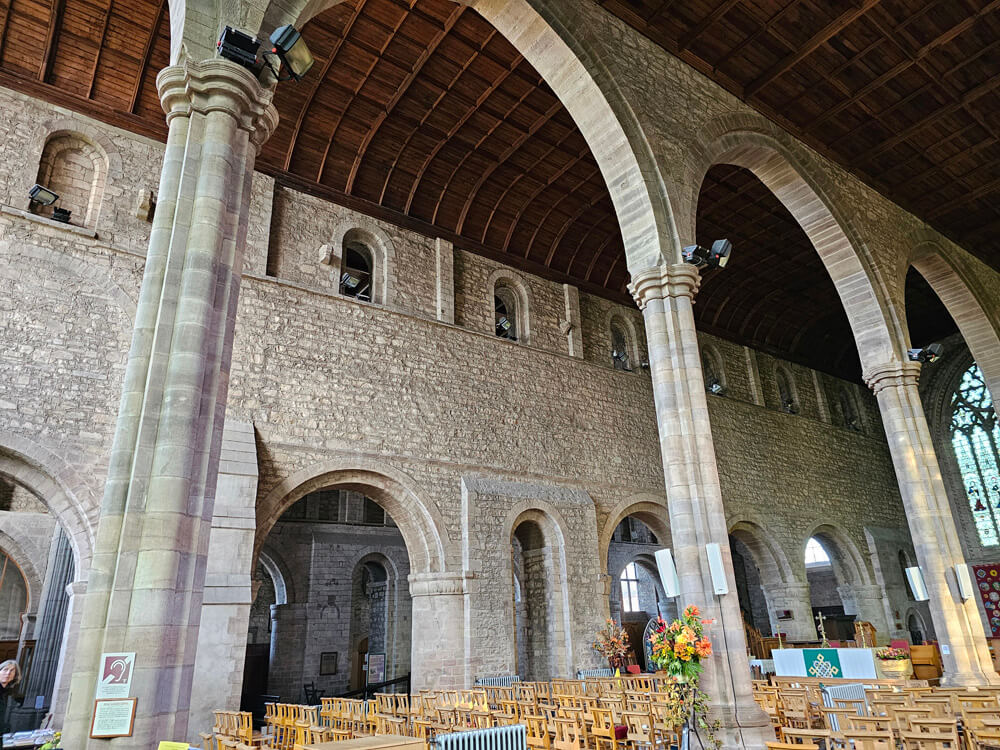
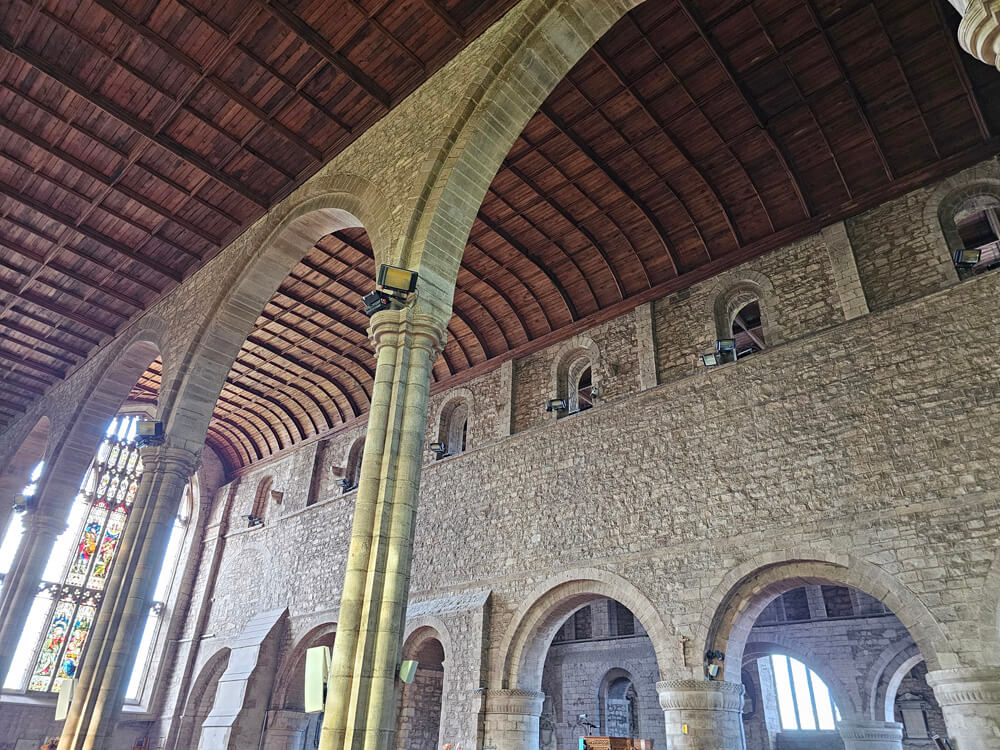
- 12th-century nave
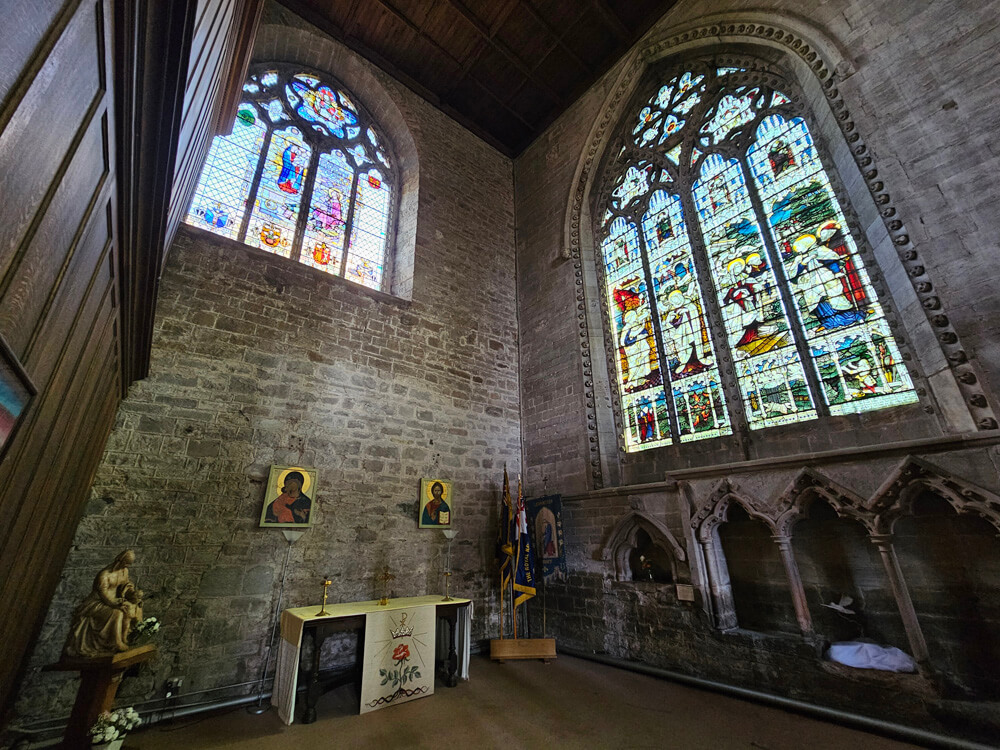
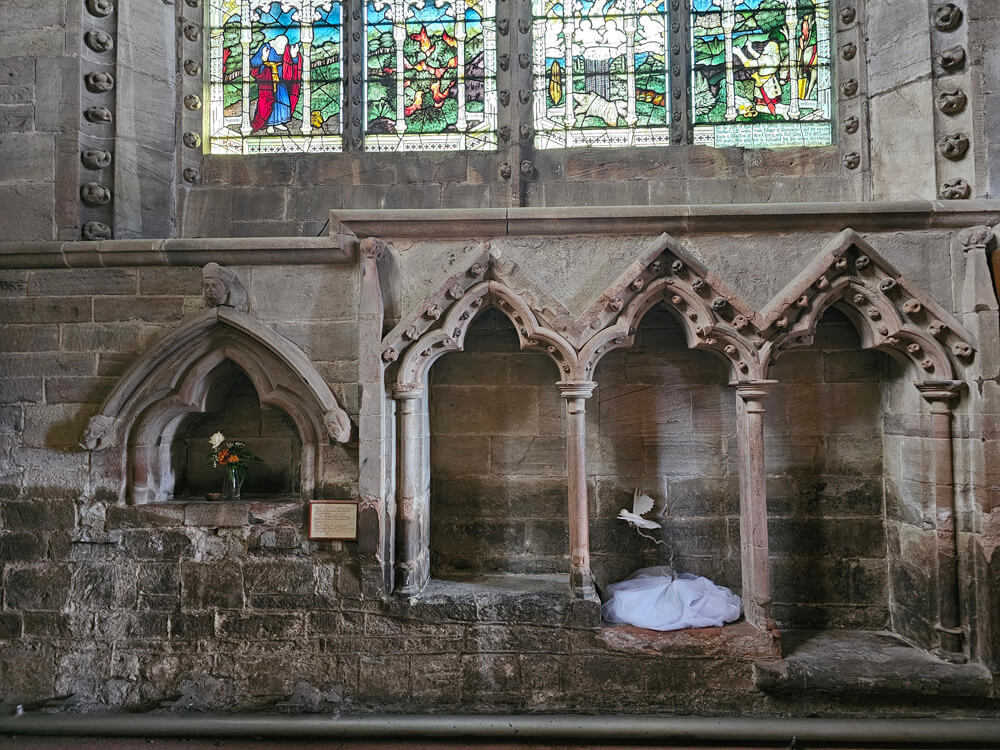
- 13th-century piscina and sedilia
- Ancient Ducking Stool
A Bit of History…
The first church here was a Celtic church / Saxon minster founded in the year 660 by St Edfrith, a Celtic missionary from Lindisfarne. By the 11th century it had become a nunnery following the Benedictine rule, at which time it ceased to exist.
In the 1120s Henry I re-founded the ruined monastery at Leominster and gave it to his new abbey at Reading, and as a dependency of Reading Abbey it became a Benedictine priory. With King Henry I backing the new monastery they could afford to rebuild the priory on a grand scale.
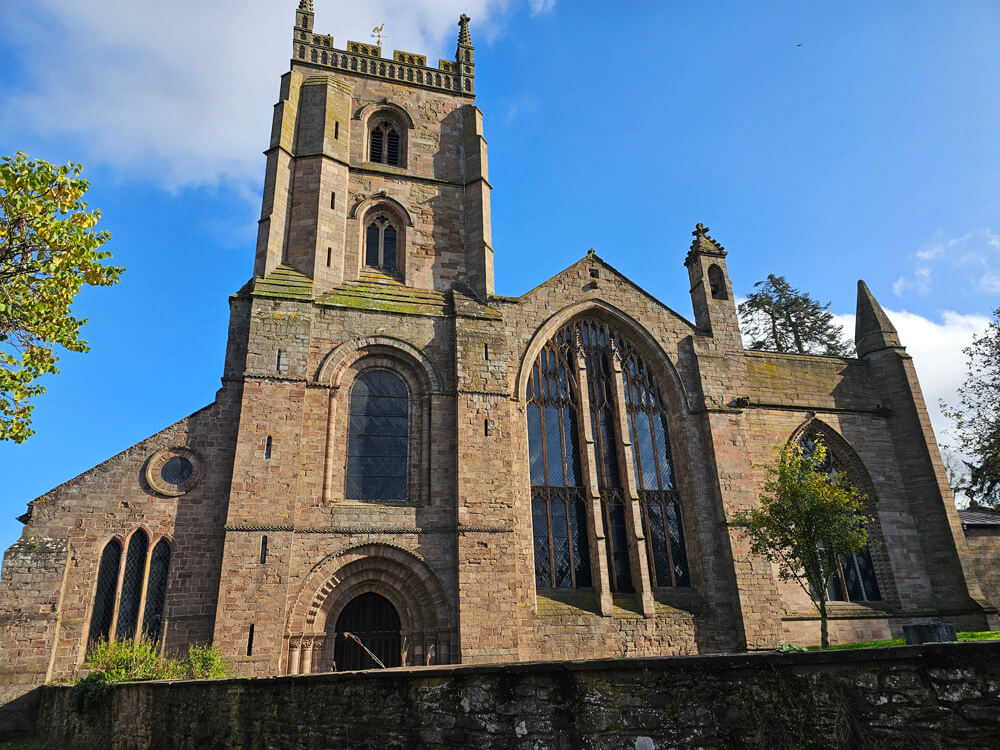
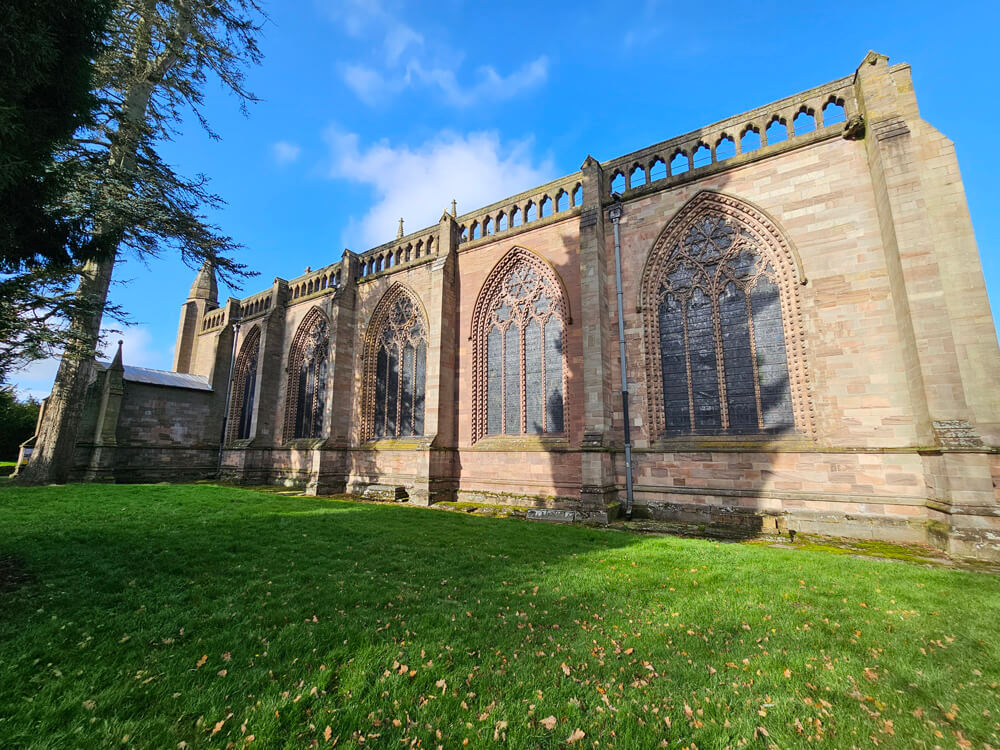
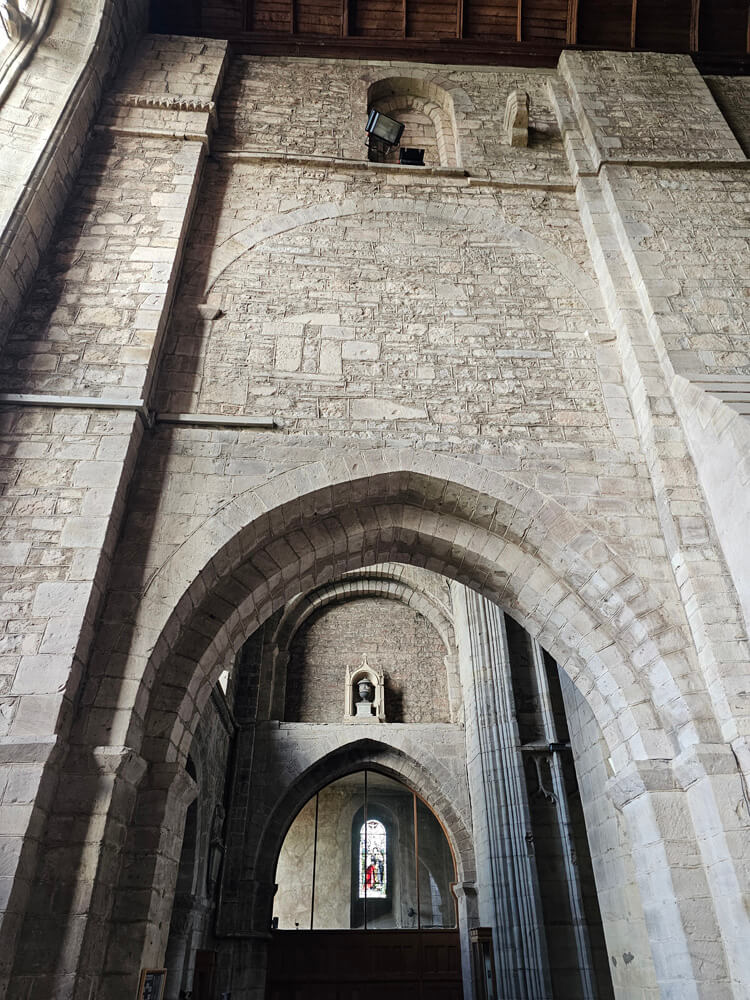
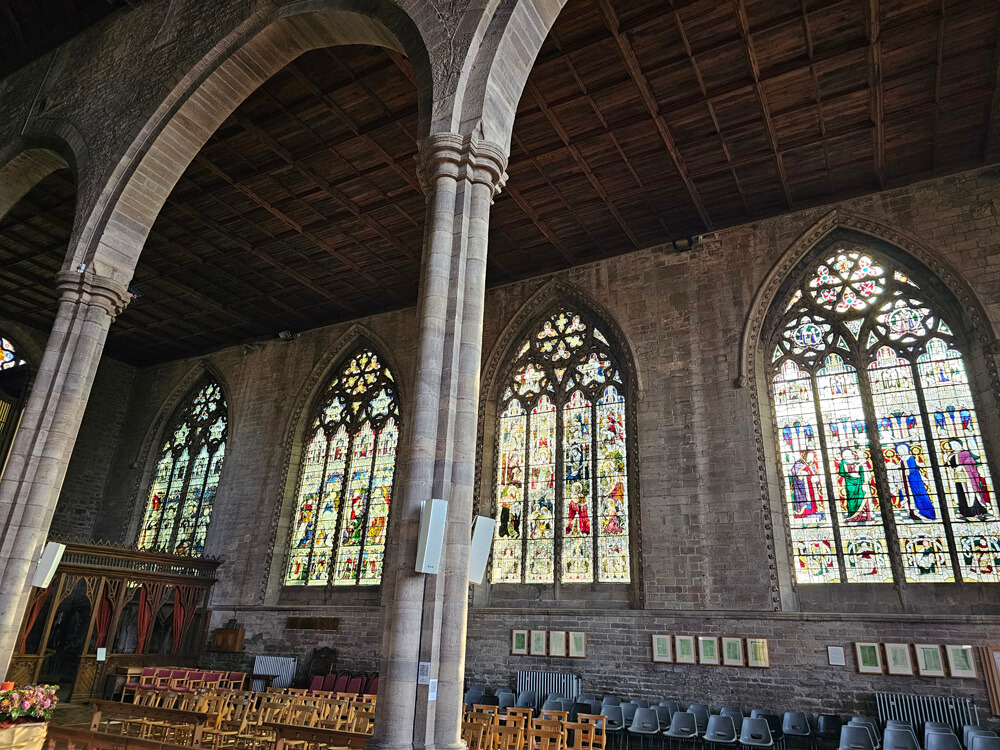
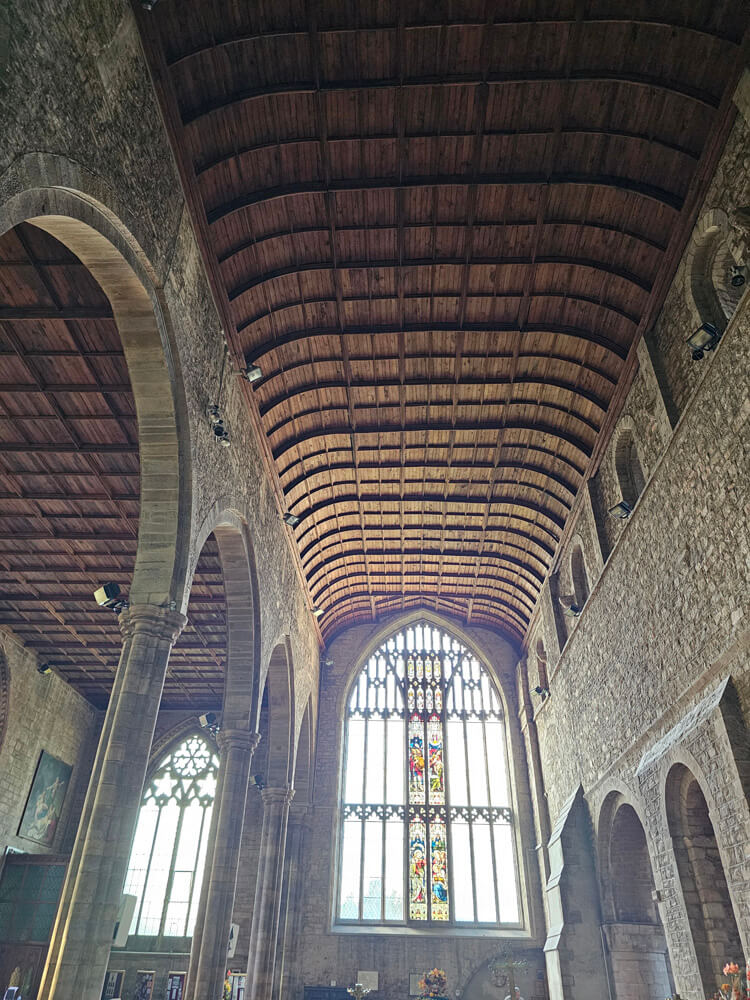
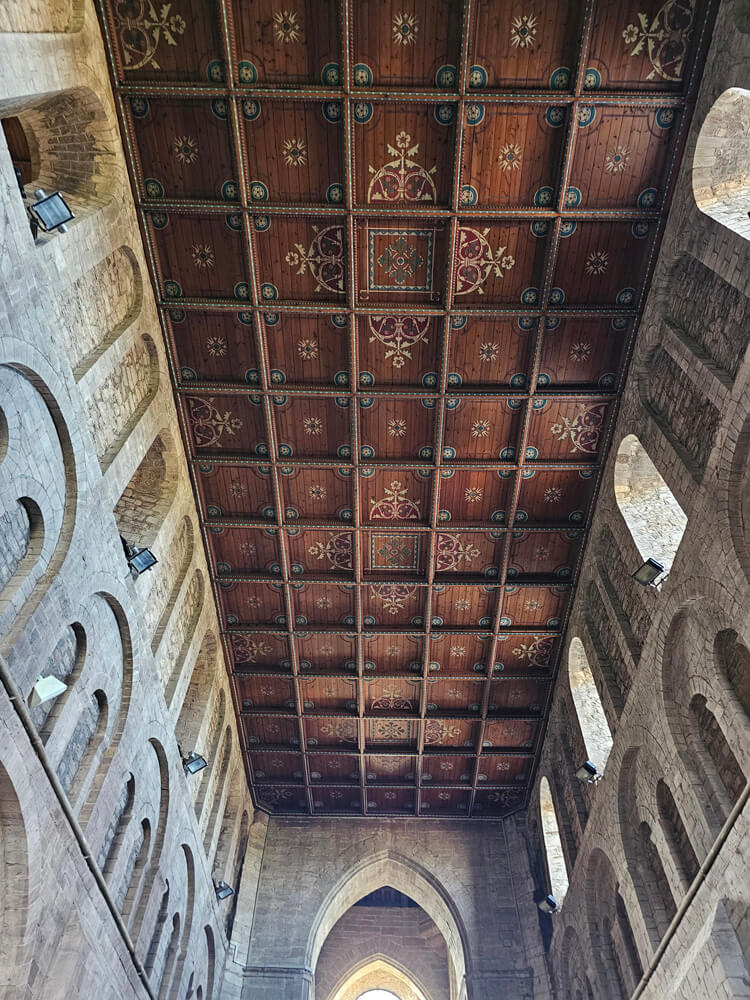
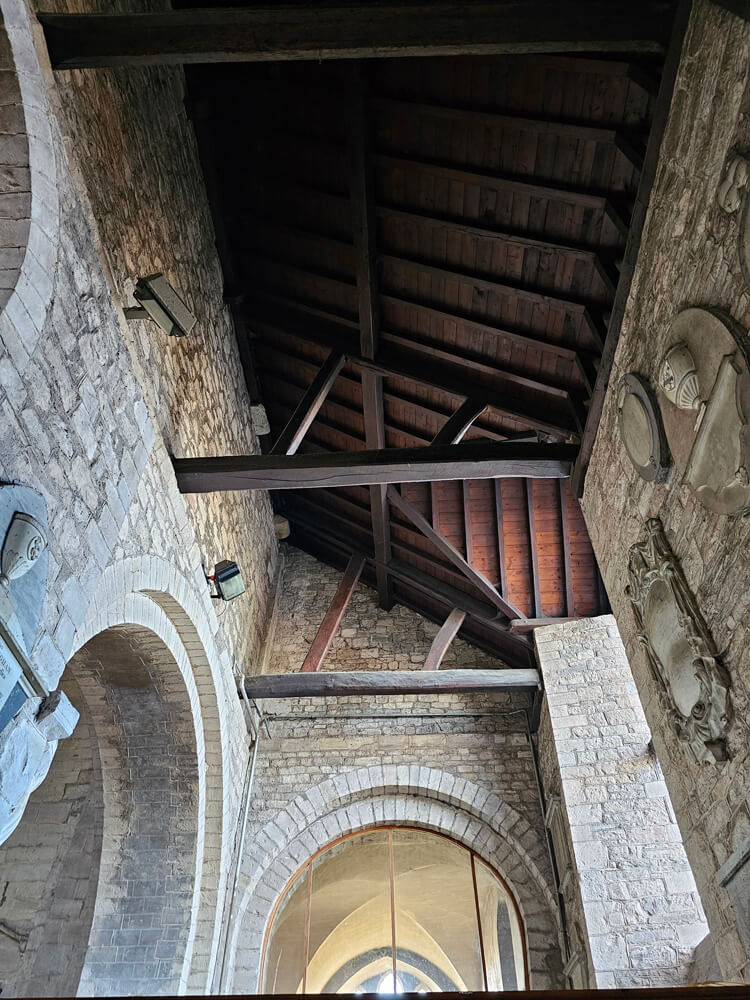
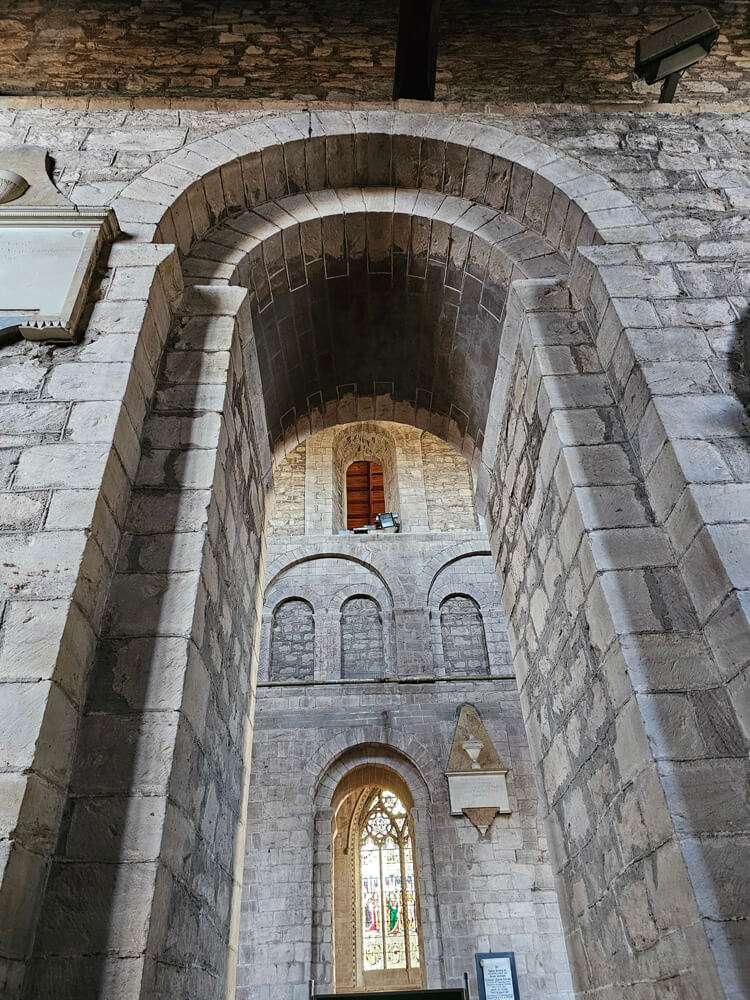
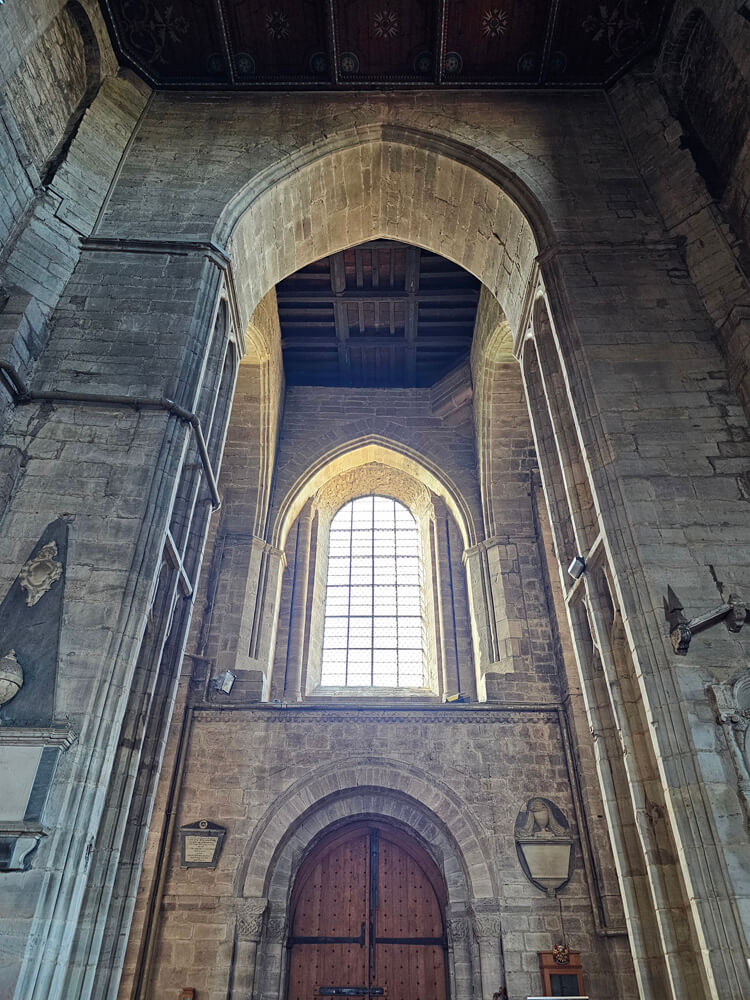
Building work began around 1123 and it was consecrated by the Bishop of Hereford in 1130. During the second half of the 12th century a west tower was added, and this was raised to its present height in the 14th century. In the 13th century a second nave was added, and in the 14th century another nave was added on the south side, giving Leominster Priory a very unusual layout with three long naves.
The priory was suppressed by Henry VIII in 1539 during the Dissolution of the Monasteries. The east end of the priory church along with the monastic buildings were demolished, the stone, metal, and glass sold, but the main body of the church was saved to become the town’s parish church. The town kept the church naves but the monastic chancel, side chapels, cloisters, presbytery and transepts were all pulled down.
The church suffered a devastating fire in 1699 which destroyed the roof, some window glass and furnishings. The church was restored by the famous Victorian architect Sir George Gilbert Scott between 1860 and 1880, who restored the central and south naves and carried out some restoration work on the tower.
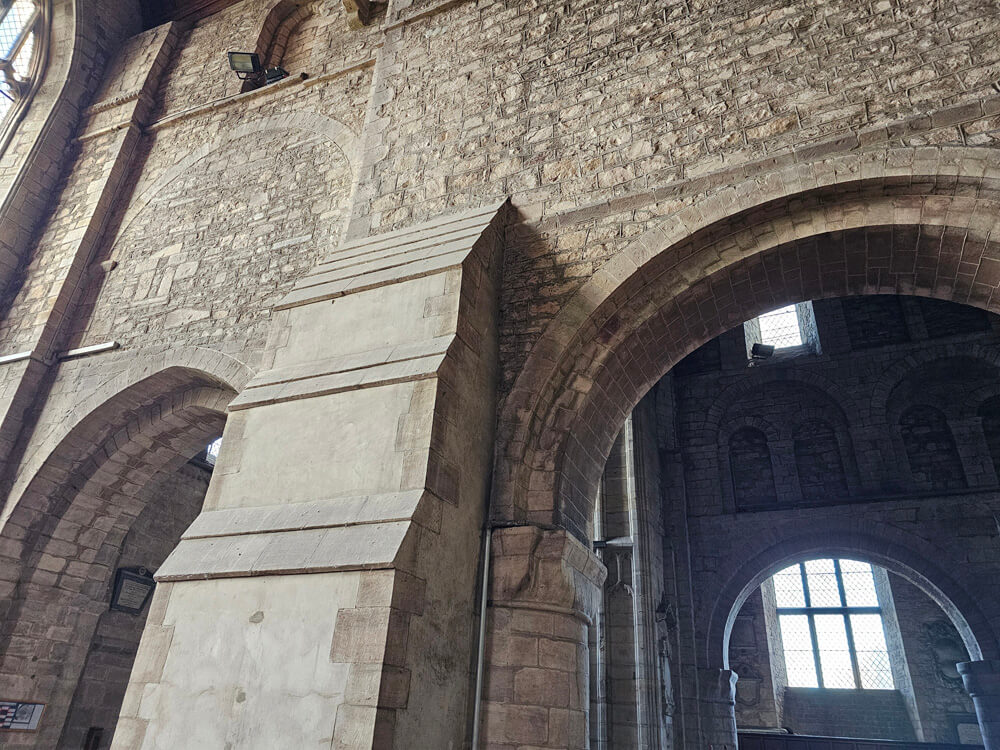
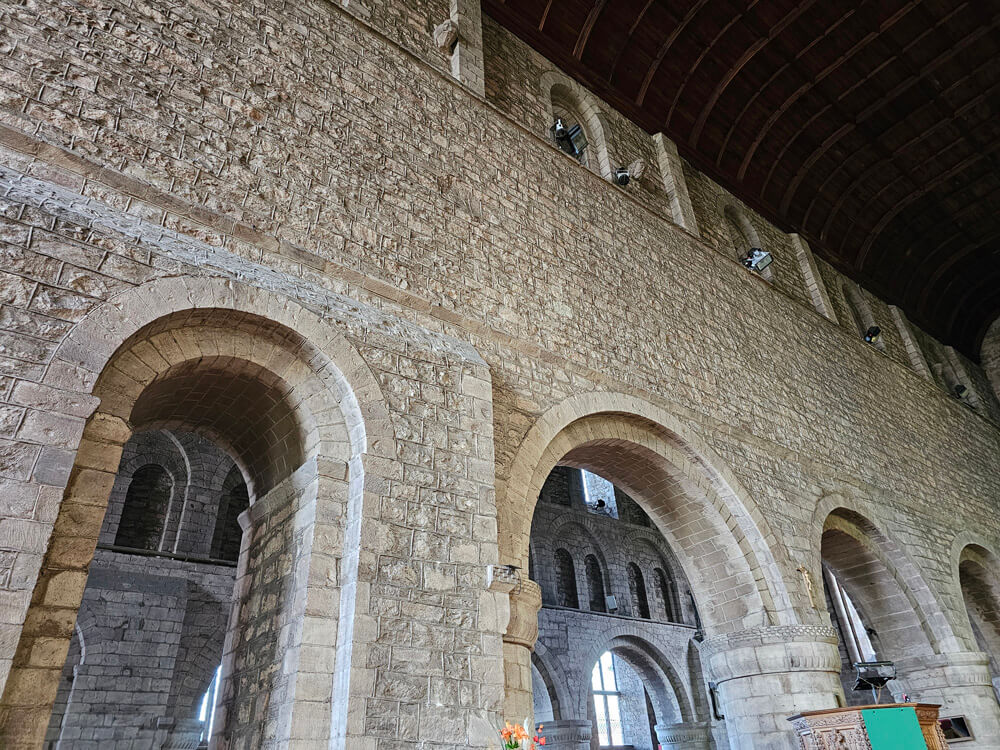
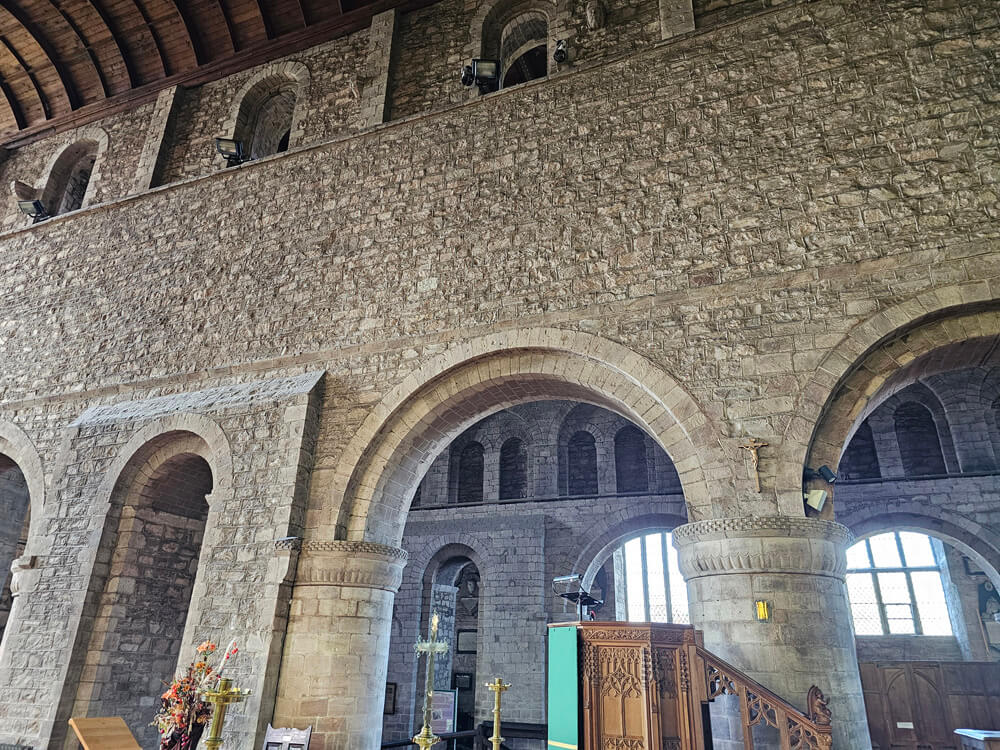
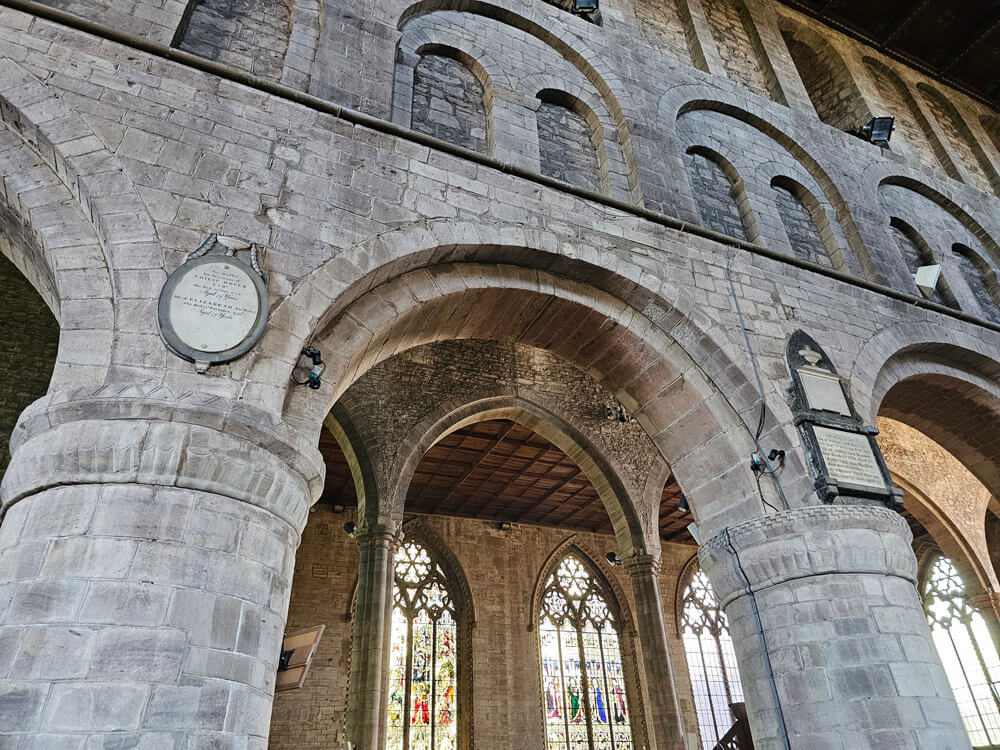
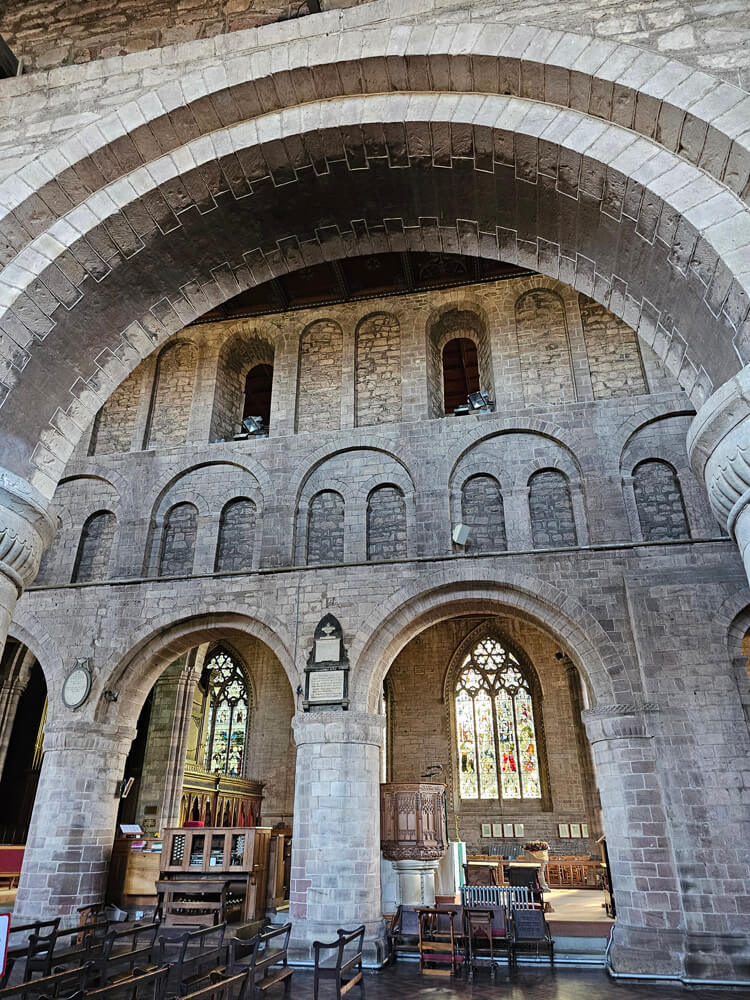
The north Norman nave with its massive round columns is the most impressive part of the church, and high up on its south wall, faint traces of painted art can be seen which survives from this early period.
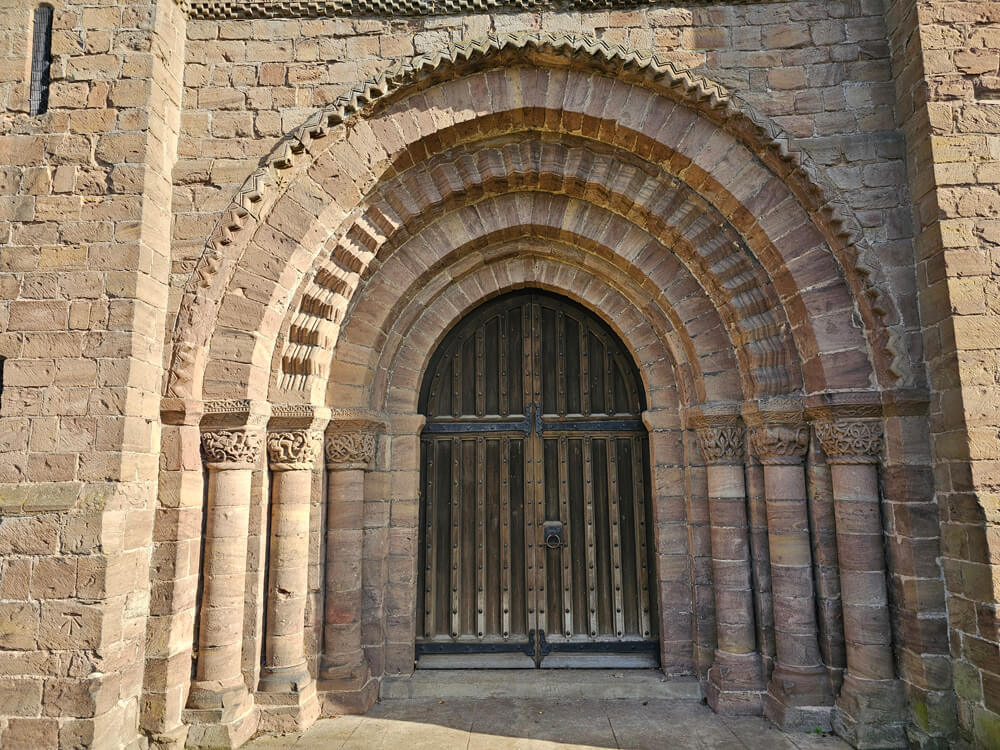
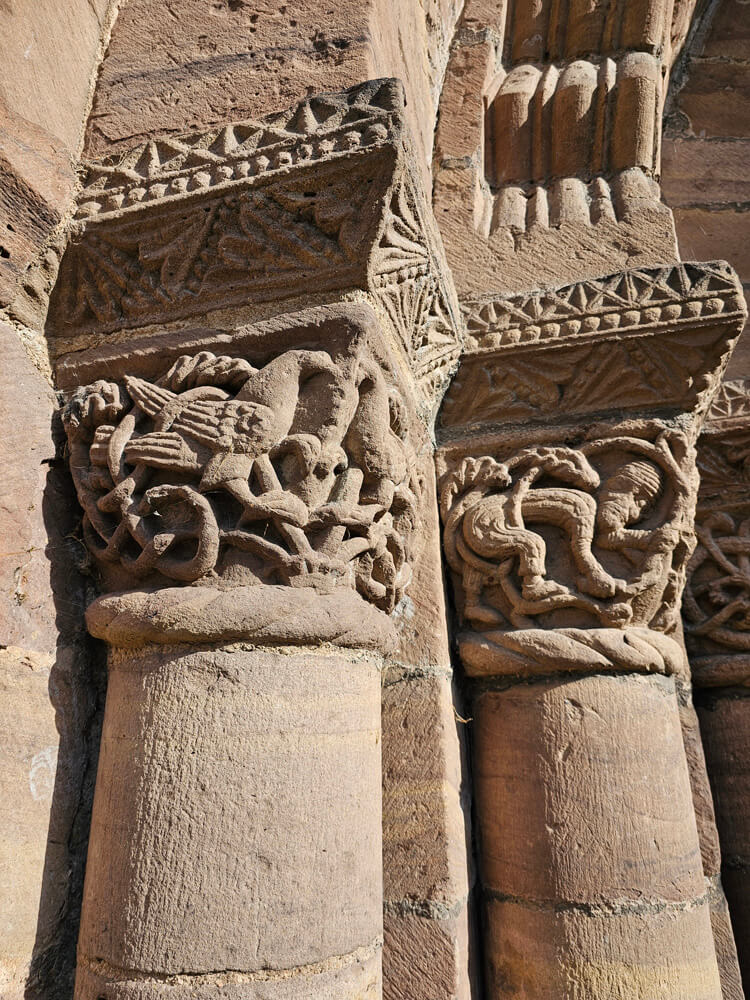
Many of the best architectural features can be seen on the outside of the church, especially the outstanding 12th-century decoration on the west doorway, made by the same team of sculptors who worked at Kilpeck. The carvings were made by the famous Herefordshire School of Romanesque sculpture and they include hawks, lions, men tending vines and Samson and the Lion.
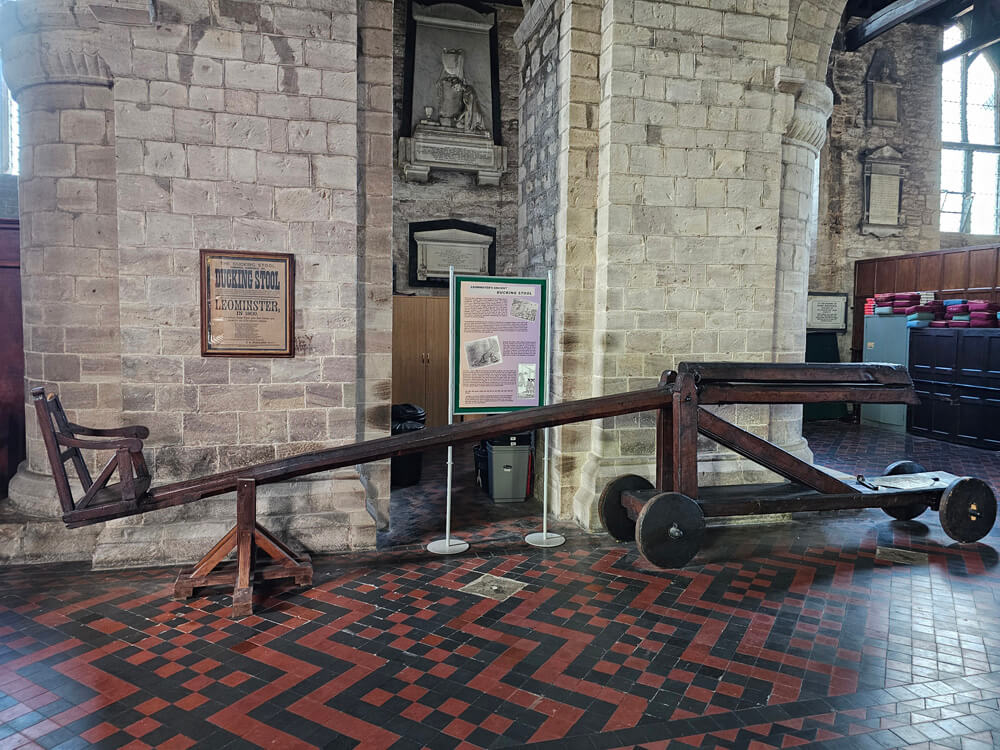
The Leominster Ducking Stool
In the north Norman nave is an ancient ducking stool, one of only two still surviving and the last to be used in England. There has been a ducking stool in Leominster since early medieval times, which was a form of punishment often reserved for unscrupulous merchants, brawling men, and most notoriously for ‘nagging’ wives whose husband’s thought they were too opinionated, but it could also be used as a more deadly form of test for witchcraft.
If a suspected witch was ducked under the water and died, they were presumed to have been innocent. If they survived, it was presumed that the devil had saved them, so they could be executed as a proven witch.
The Leominster ducking stool was fitted with wheels in the 16th century, making it possible to move the stool around the town. The chair could be suspended high up in the air for the public to see the prisoner’s disgrace.
The ducking stool was last used in 1809 for a woman named Jenny Pipes who was found guilty of using foul and abusive language. She was paraded through the town in the ducking stool and then ducked in the Kenwater in front of a crowd of onlookers.
Photo Gallery.
Did you enjoy this post?
I hope you found this post useful. I put a great deal of time and effort in to building, maintaining and populating the website. If you like, you could say a small thank you by buying me a coffee. You don't have to, but it would be nice :)
Buy me a coffee
Stay up to Date
Follow me on my journey and get notified whenever a new post is published by following Kings & Castles on Facebook.
Follow MeExplore The Map
Discover the hundreds of castles, churches, monasteries, cathedrals and other historic locations that I've personally visited across England and Wales. Search by location, explore nearby sites and plan your next historical adventure.
Share: