St Mary’s Church, Sudeley
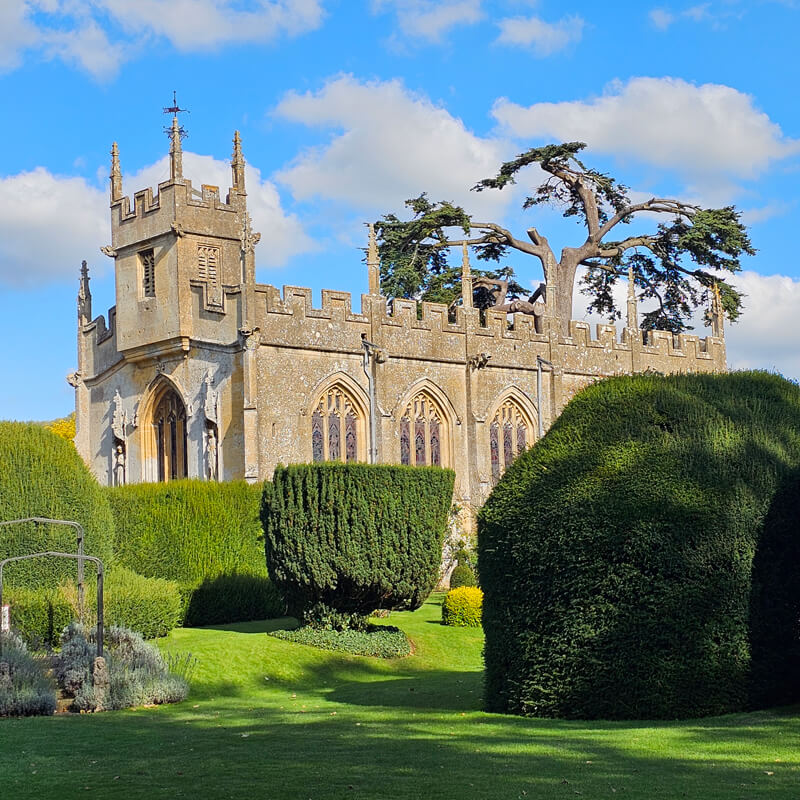
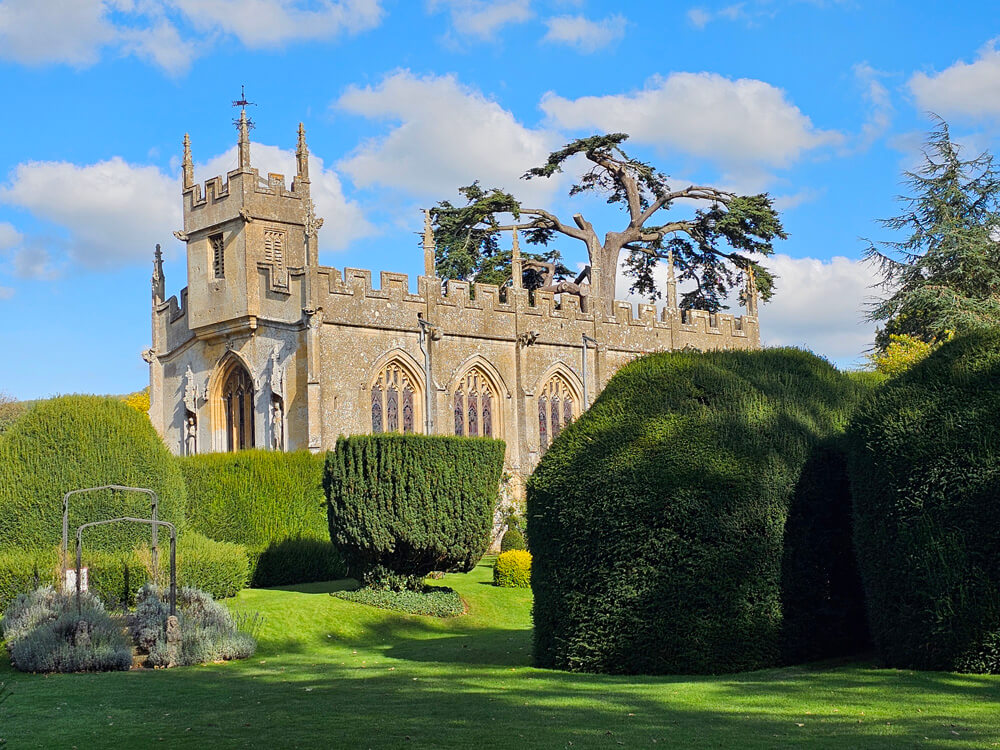
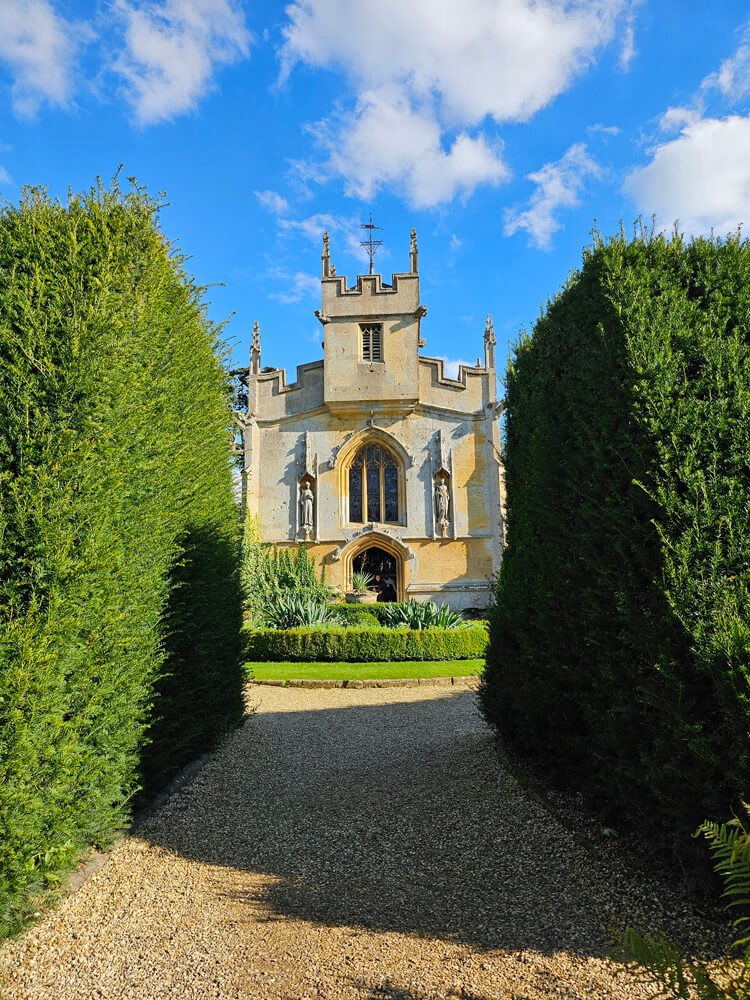
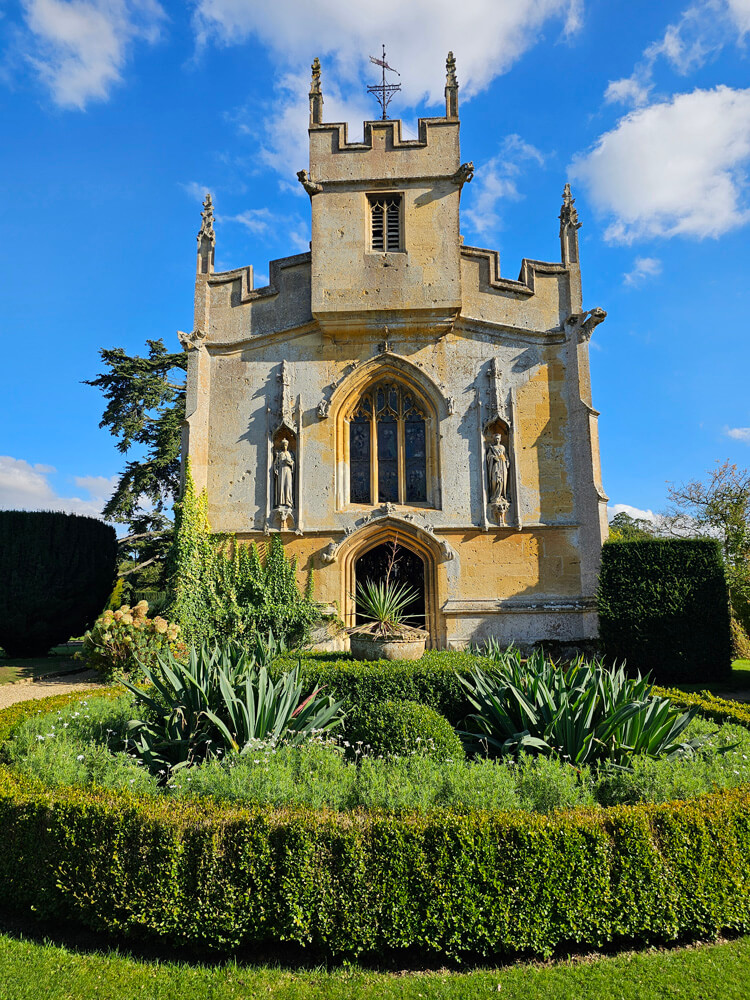
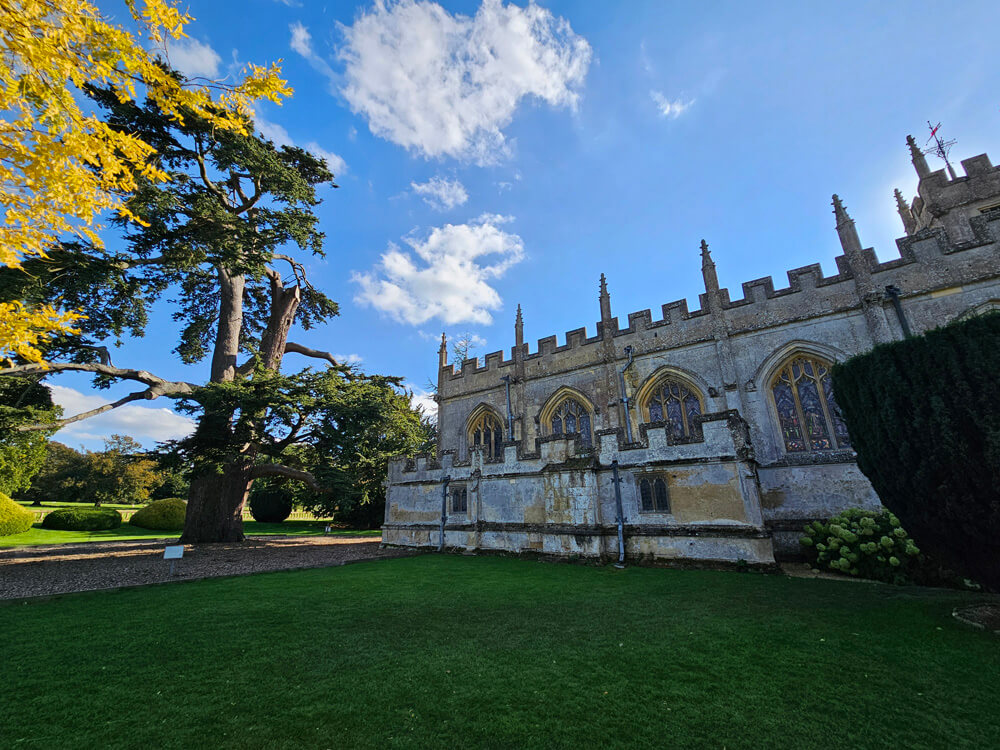
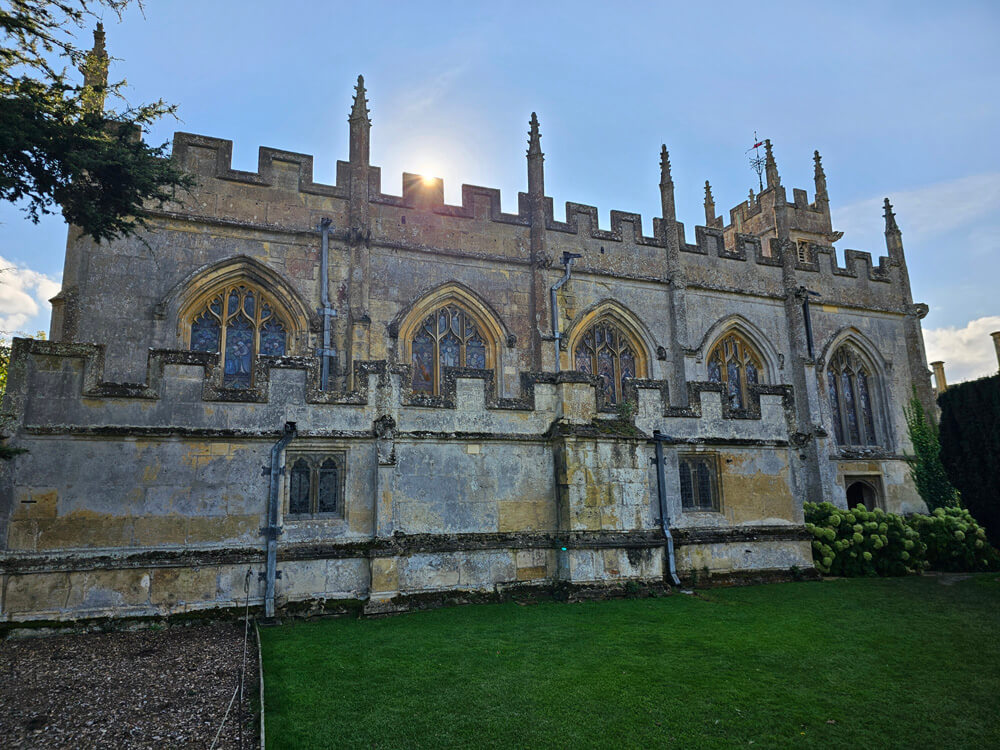
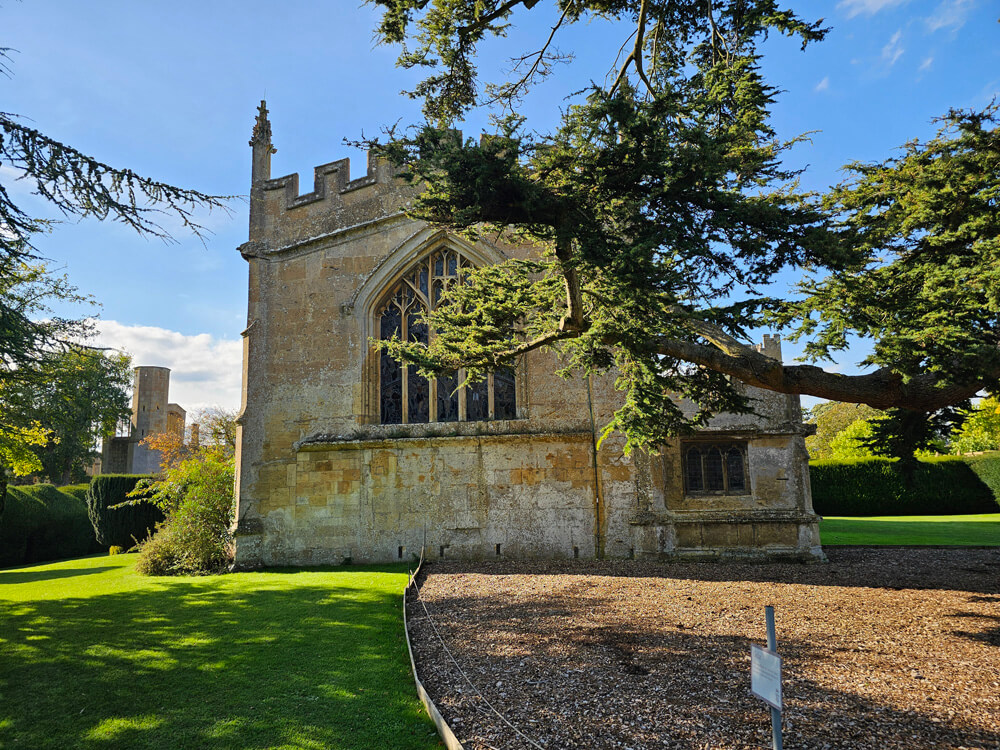
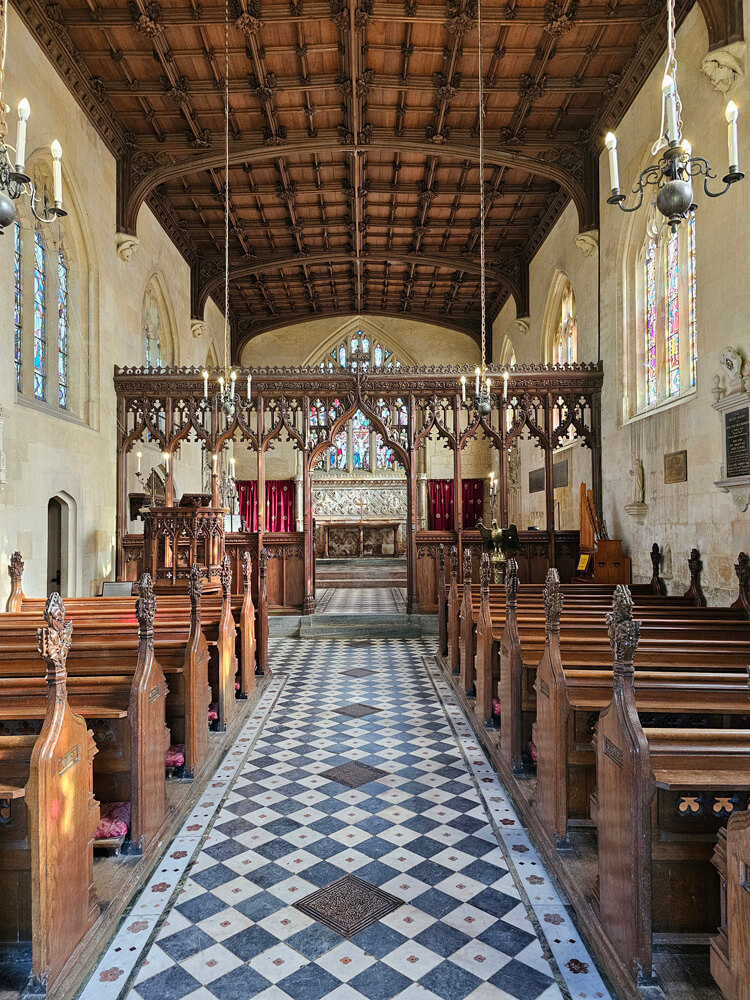
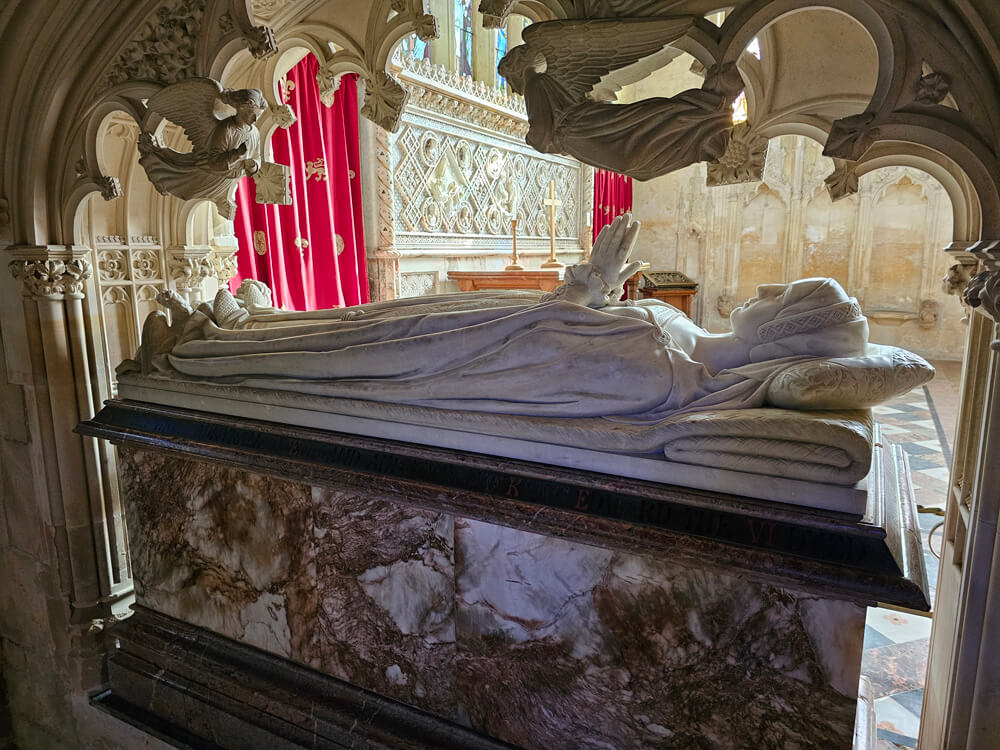
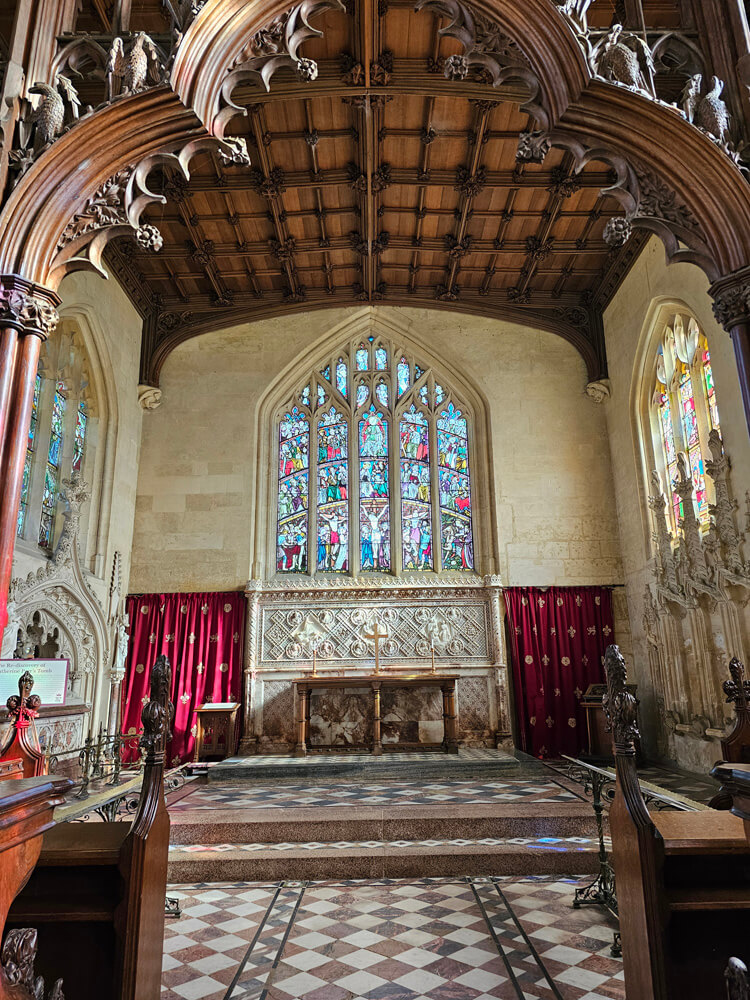
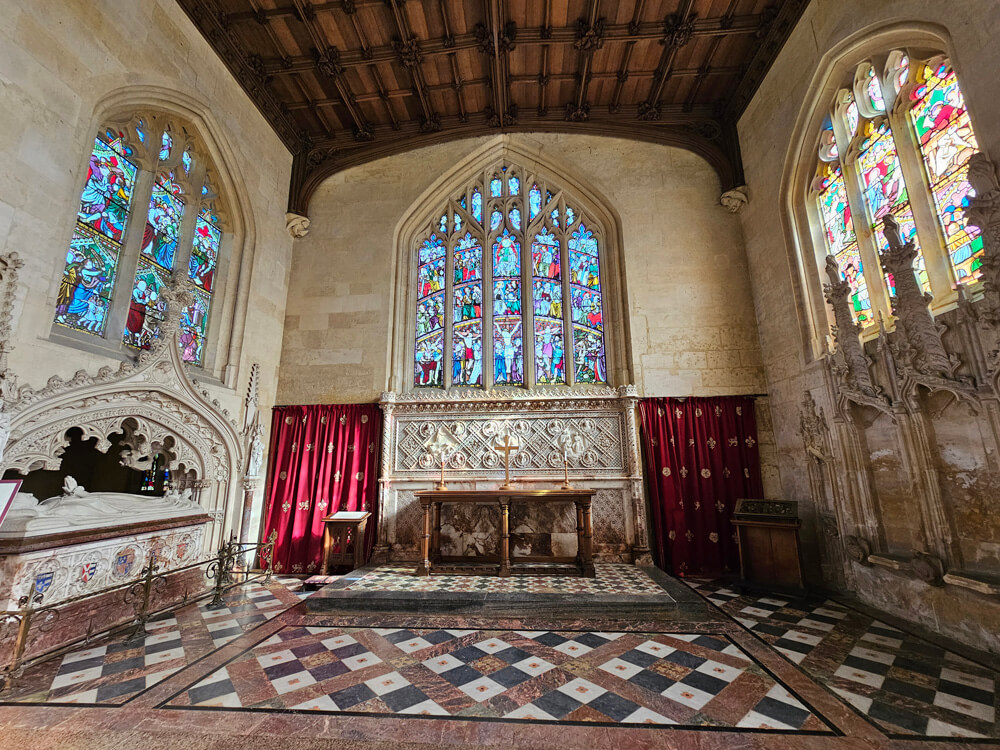
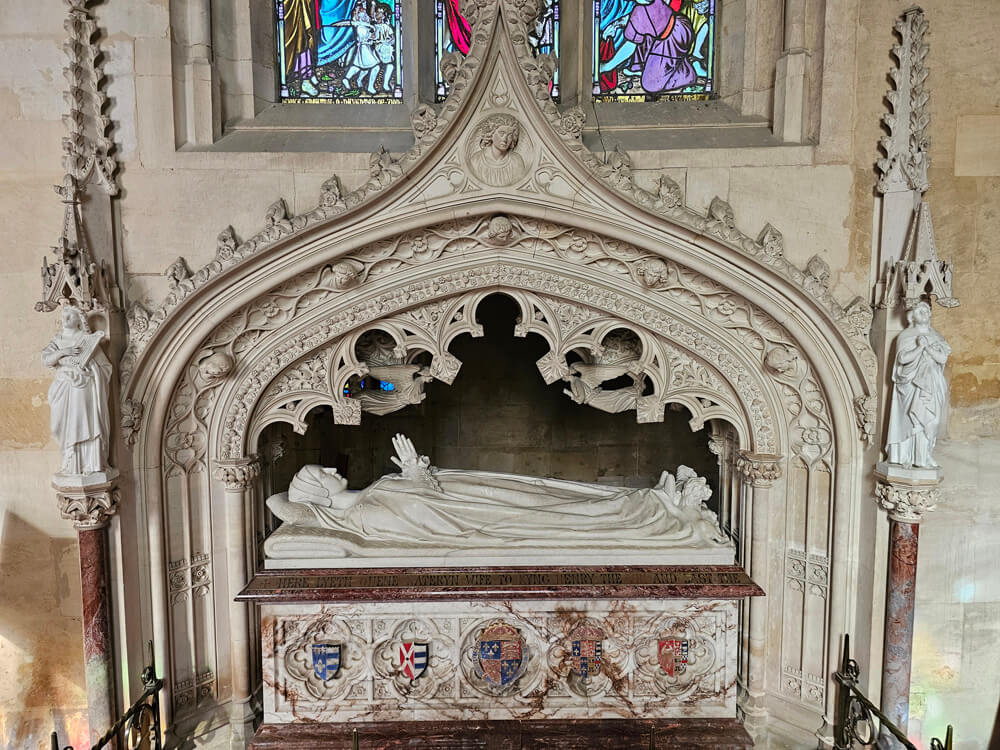
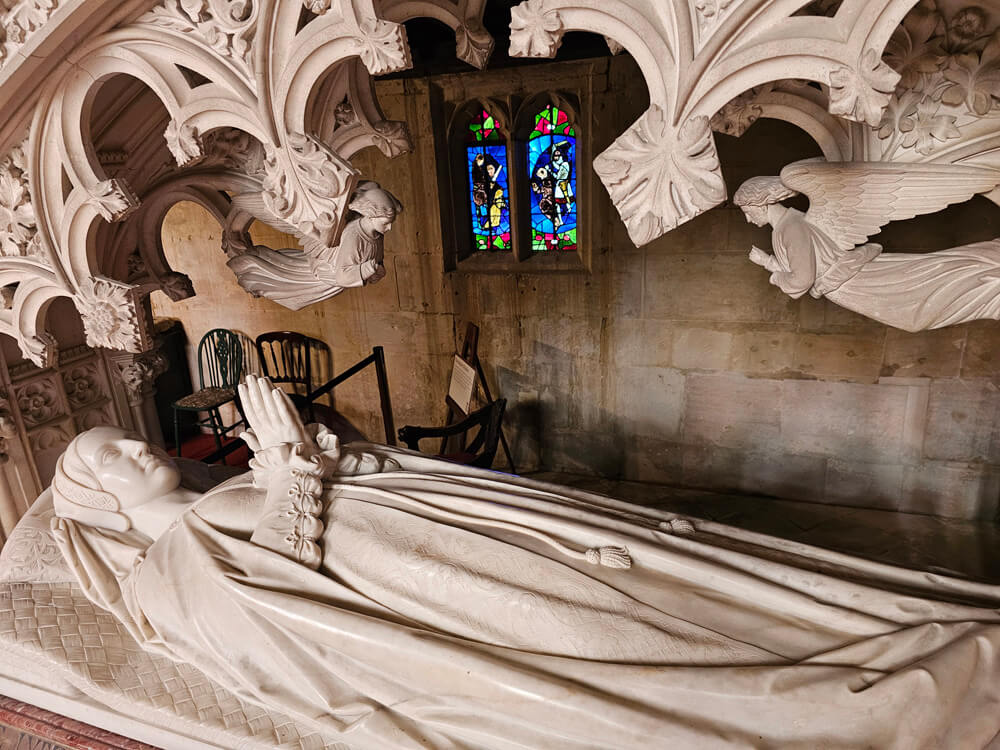
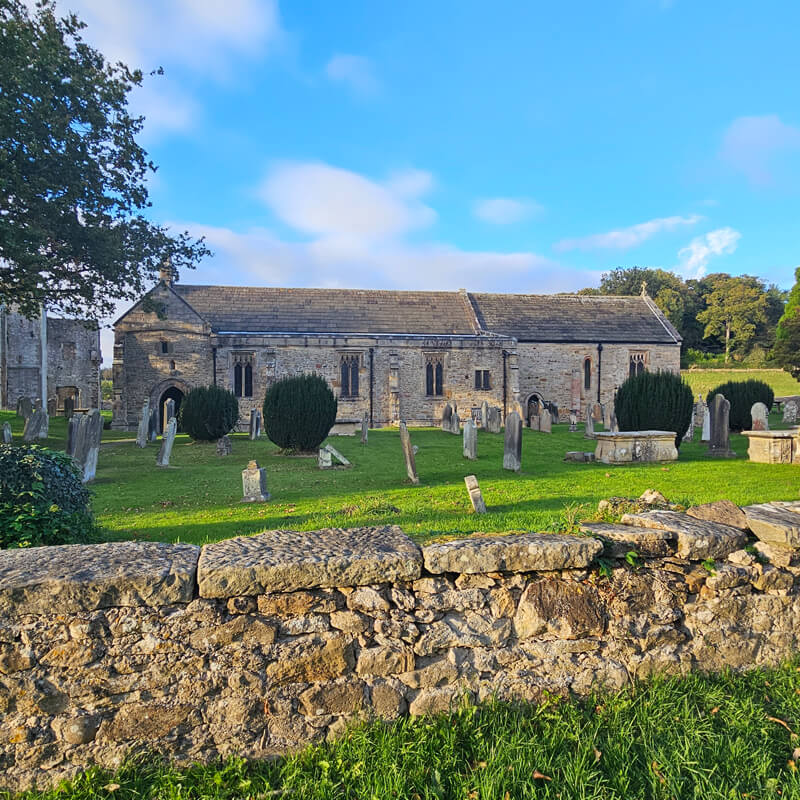
This stunning 15th-century church is situated in the grounds of Sudeley Castle. Like the castle, the church was partially ruined during the English Civil War, eventually being restored in the 19th century. The church contains the marble tomb of Queen Katherine Parr, where she still remains today.
Historic
Highlights.
- The tomb of Katherine Parr
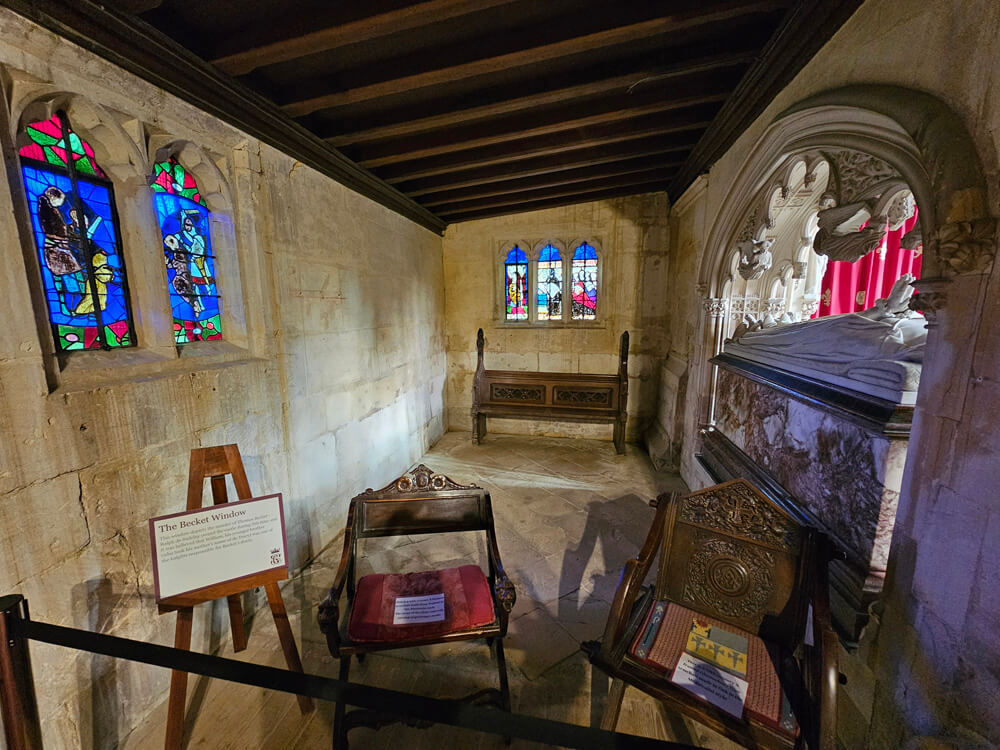
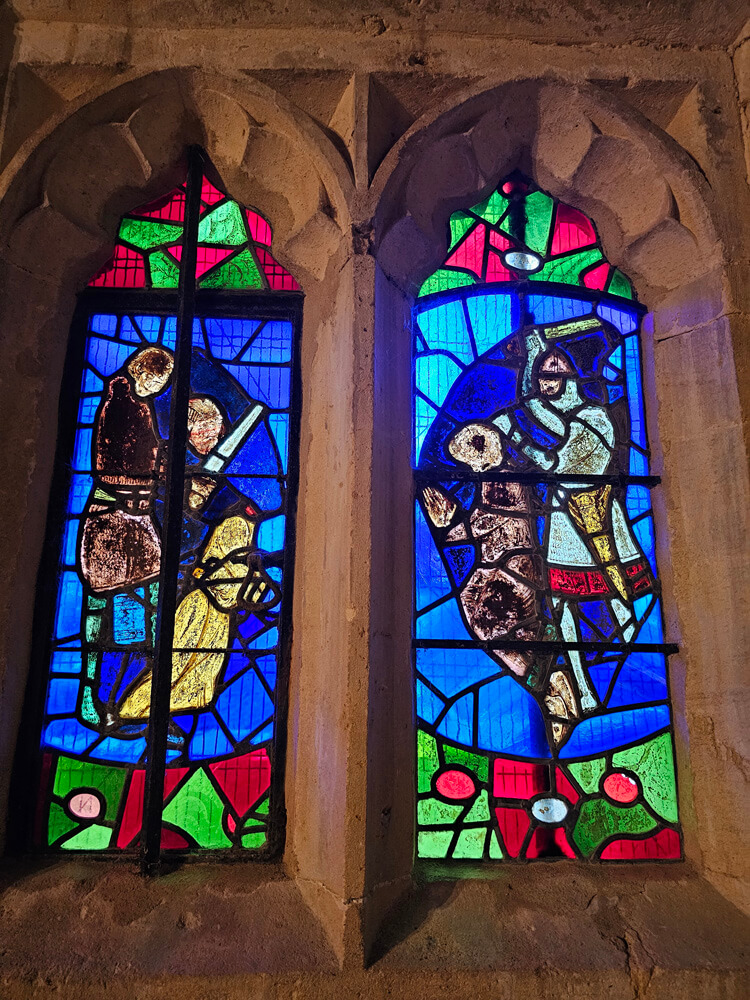
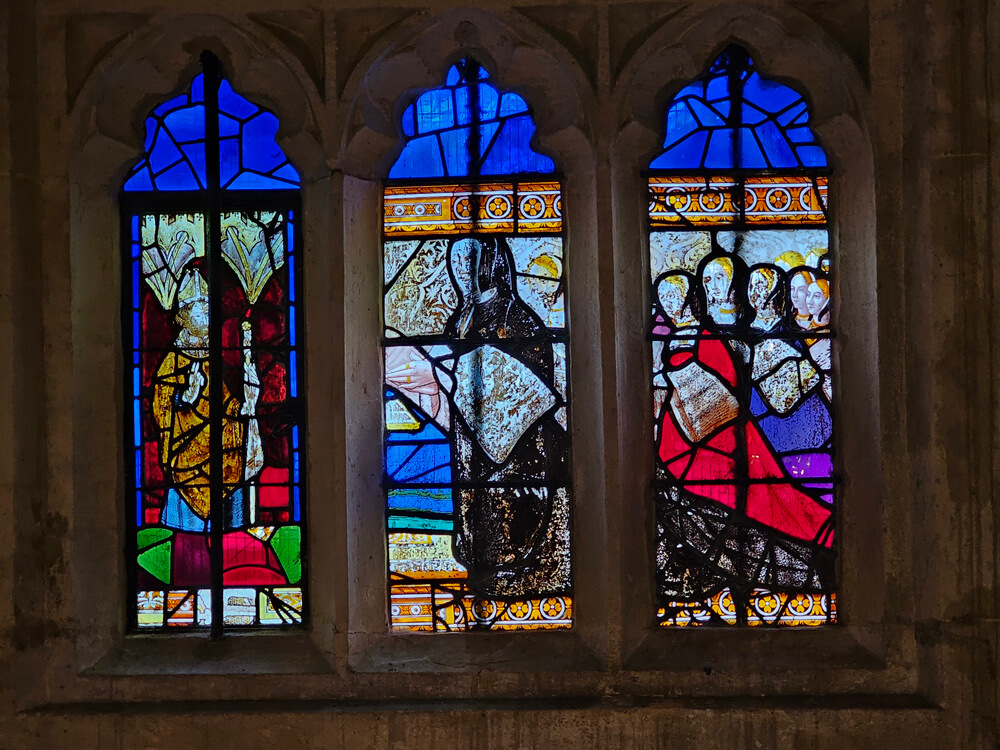
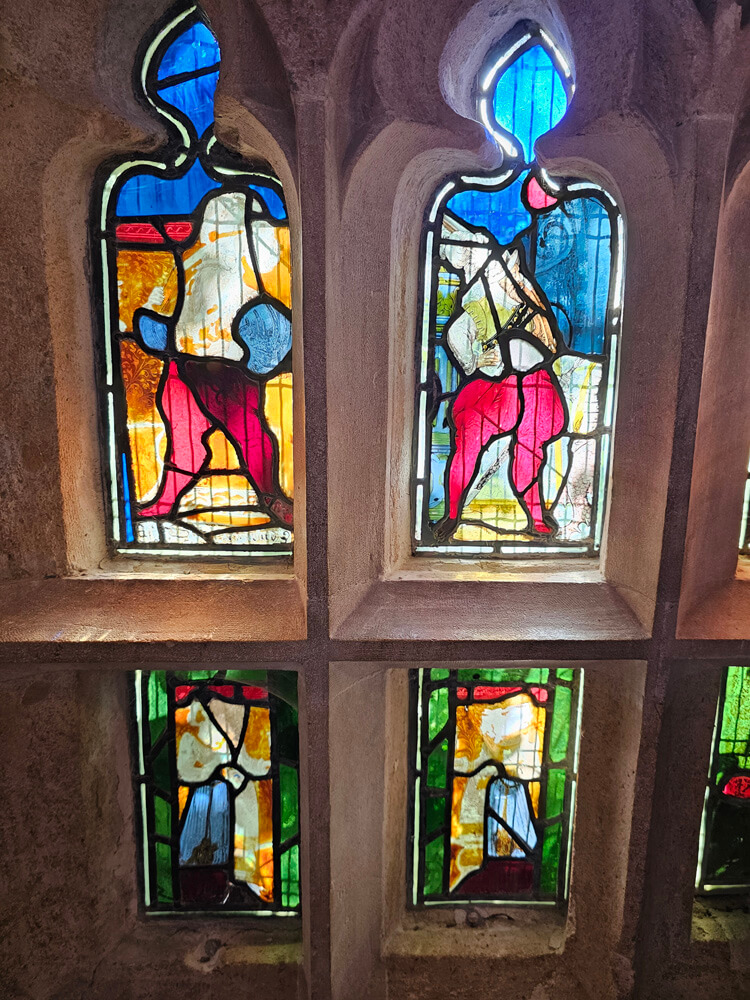
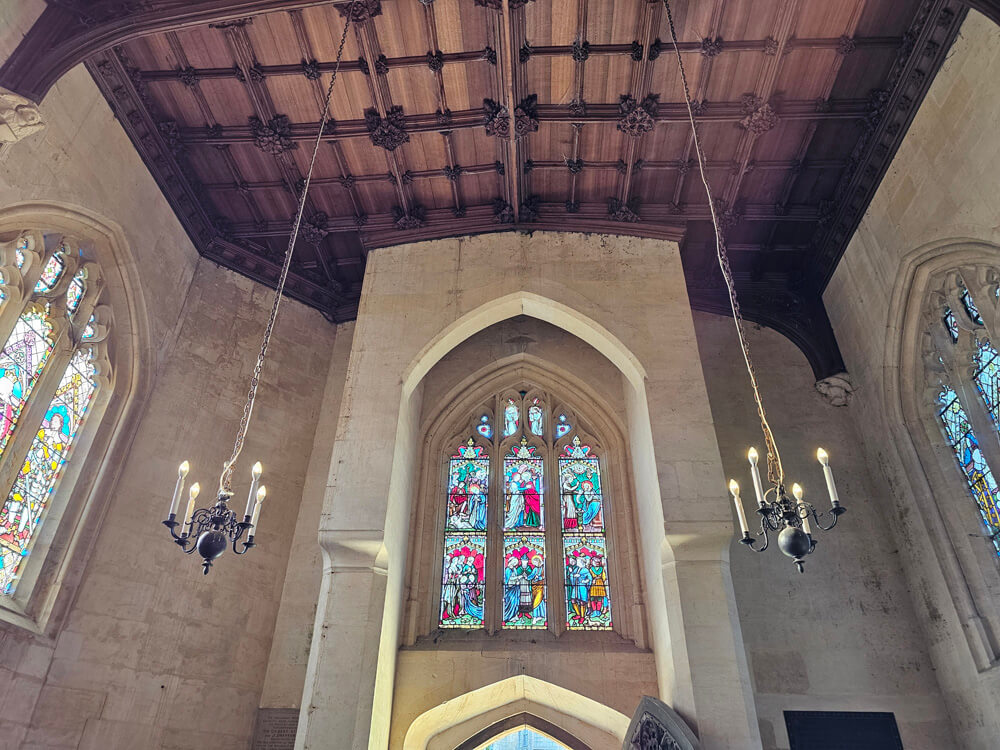
- Medieval stained glass in the side chapel
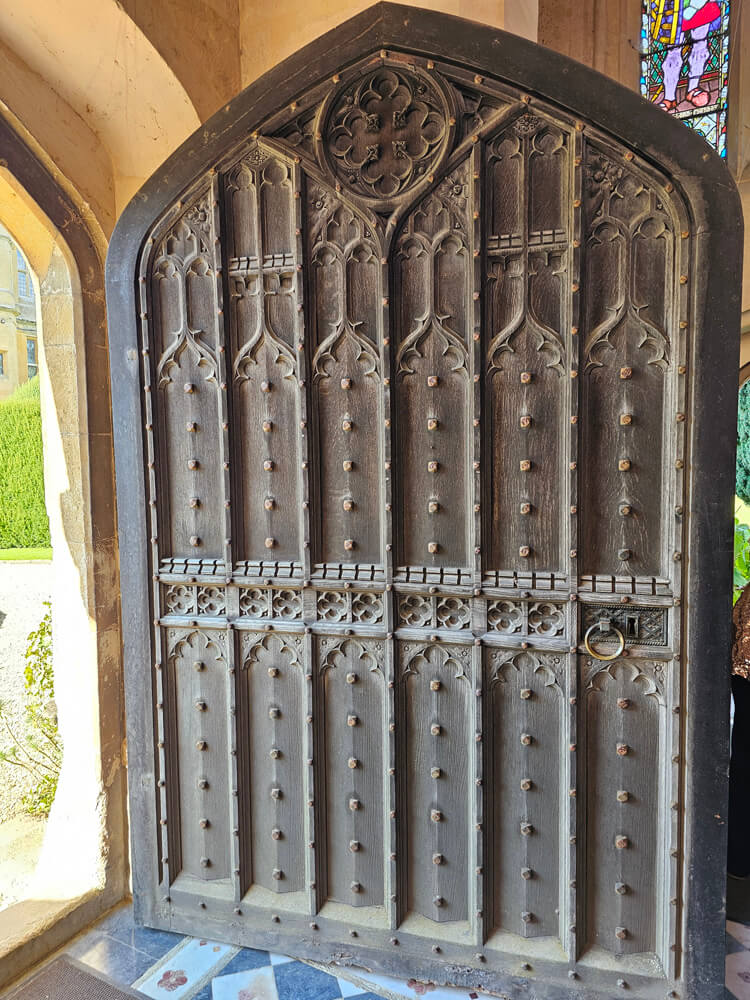
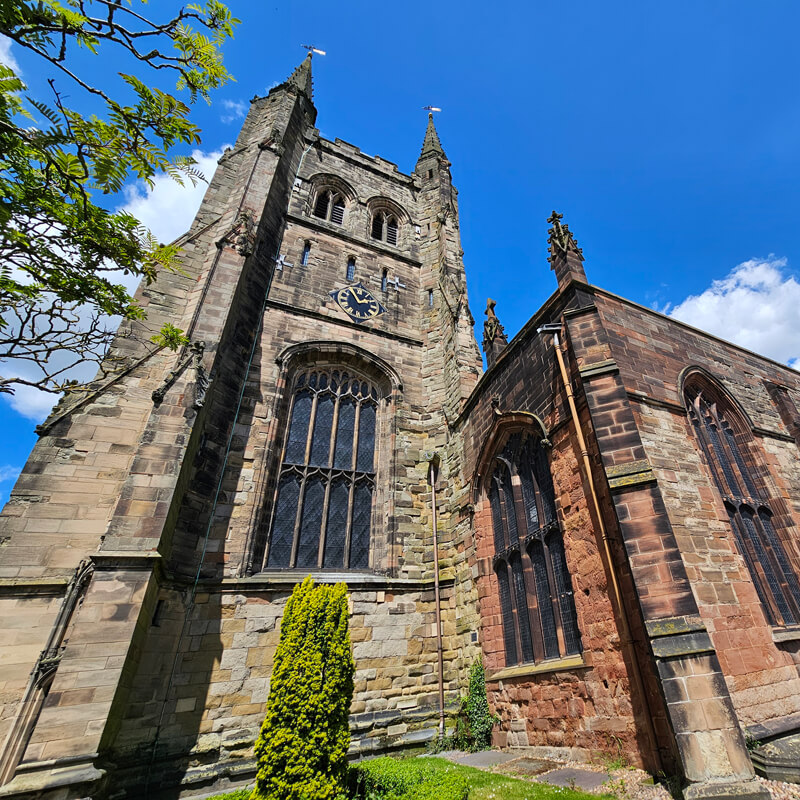
- Stunning external architecture
The current church replaced an earlier Norman church built in the 11th century by the Norman lord Harold de Sudeley. When the Boteler family inherited the Sudeley estate in the early 15th century, they rebuilt the castle in the 1440s, and rebuilt the Norman church around 1460.
When Edward VI ascended the throne after the death of his father, Henry VIII in 1547, he gave Sudeley to his uncle, Thomas Seymour, who secretly married Edward’s step-mother; the widow and last of Henry VIII’s six wives, Queen Katherine Parr. They moved into the castle in 1548, however tragedy struck not long after, when Katherine died just a few days after giving birth to a daughter.
Katherine was buried near the altar in St Mary’s church beside the castle, where she still remains today, as the only Queen of England to be buried in a parish church. An elaborate memorial to Queen Katherine was erected over her grave, but this was destroyed during the English Civil War.
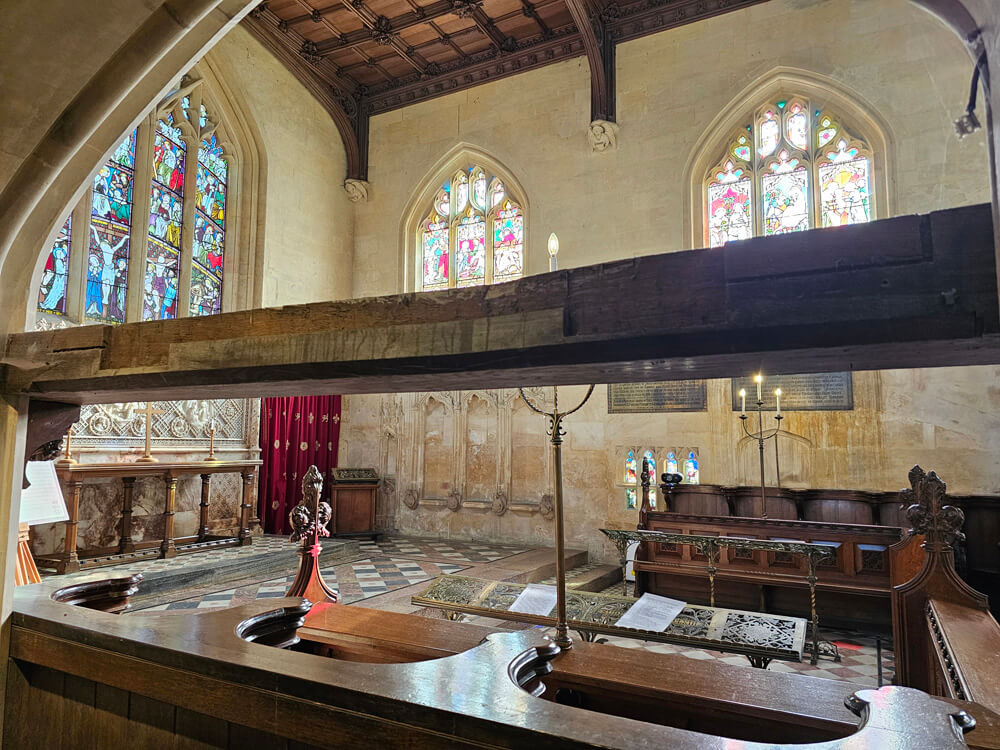
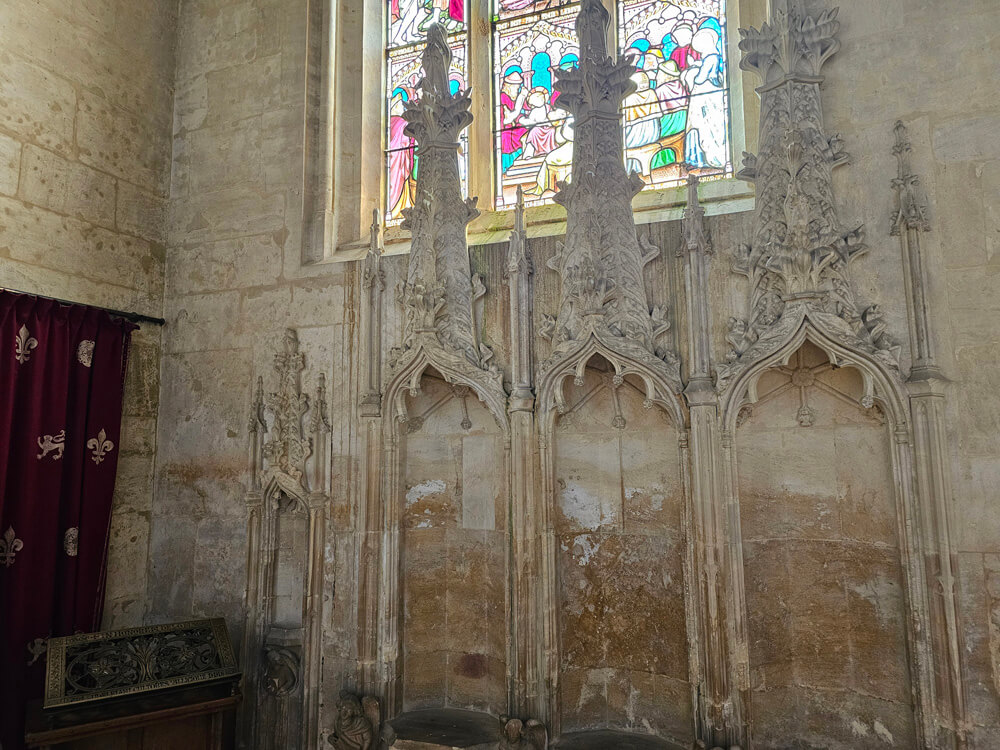
Sudeley Castle and its church changed hands several times between the Royalists and Parliamentarians during the Civil War, at which time both the castle and church were badly damaged. Both the castle and church lay ruinous for almost two centuries until its purchase in 1837 by the Dent family, but surprisingly, the side chapel of the church was still used for services the entire time.
Over the next two centuries, Katherine Parr’s original tomb was mutilated and defaced and the location of her burial place was lost. In 1782, a coffin was discovered, with a lead plate that read “Here lyeth Quene Kateryne wife to Kyng Henry the VIII and Last the wife of Thomas Lord of Sudeley dyed 5 September”, and in 1817 her remains were placed in a stone vault.
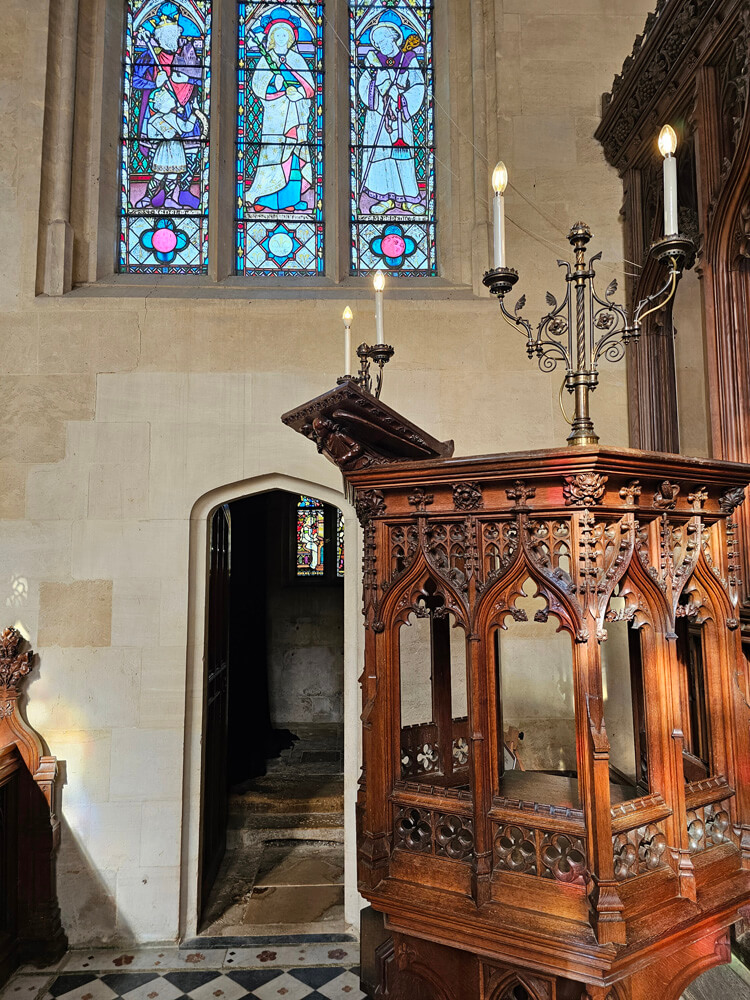
When the Dent family purchased the estate in 1837, they restored the castle and turned it into a family home, and one of the foremost architects of the mid-Victorian period, Sir George Gilbert Scott was called in to restore the ruinous church. When the church restoration was completed in 1863, Katherine Parr’s remains were placed in a new neo-Gothic tomb designed by George Gilbert Scott, with its life-sized effigy lying under a canopy of ornately carved marble, and she was put back in her original resting place, where she remains today.
Much of the present church is a result of the 19th-century restoration, but it is still a beautiful church with a fascinating history. One historic feature of note though, is the medieval stained glass window in the side chapel depicting the murder of Thomas Becket.
Photo Gallery.
Did you enjoy this post?
I hope you found this post useful. I put a great deal of time and effort in to building, maintaining and populating the website. If you like, you could say a small thank you by buying me a coffee. You don't have to, but it would be nice :)
Buy me a coffee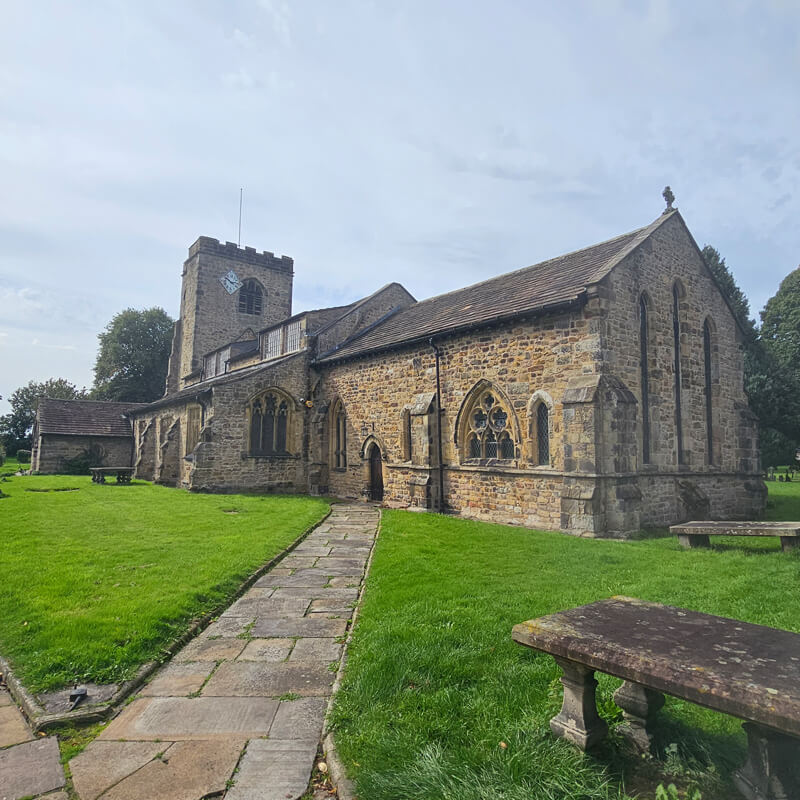
Stay up to Date
Follow me on my journey and get notified whenever a new post is published by following Kings & Castles on Facebook.
Follow MeExplore The Map
Discover the hundreds of castles, churches, monasteries, cathedrals and other historic locations that I've personally visited across England and Wales. Search by location, explore nearby sites and plan your next historical adventure.
Share: