St Gregory’s Minster, Kirkdale
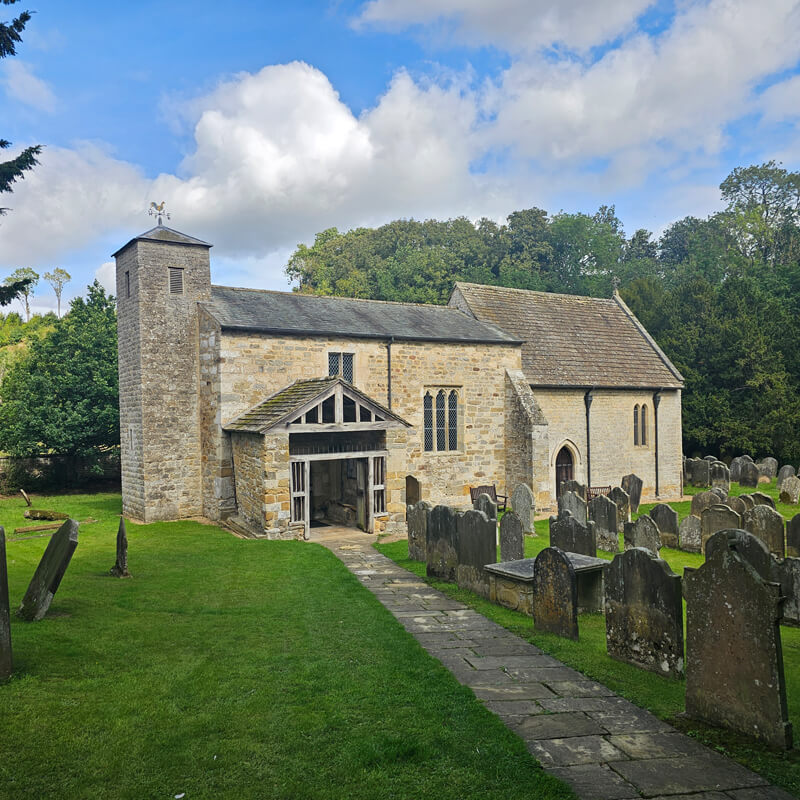
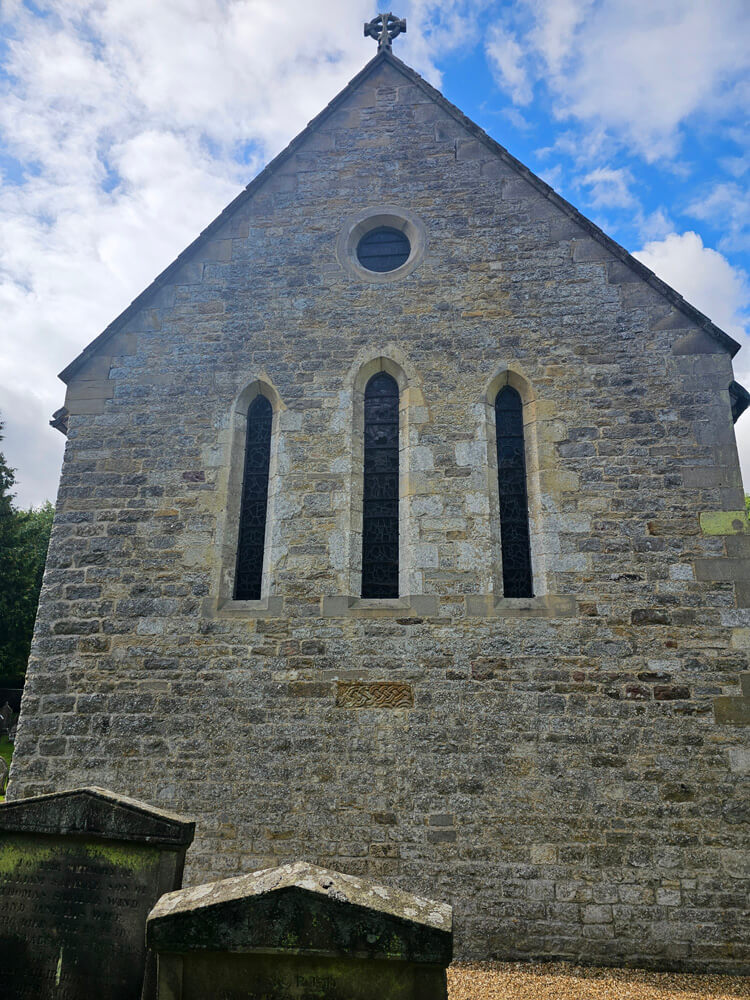
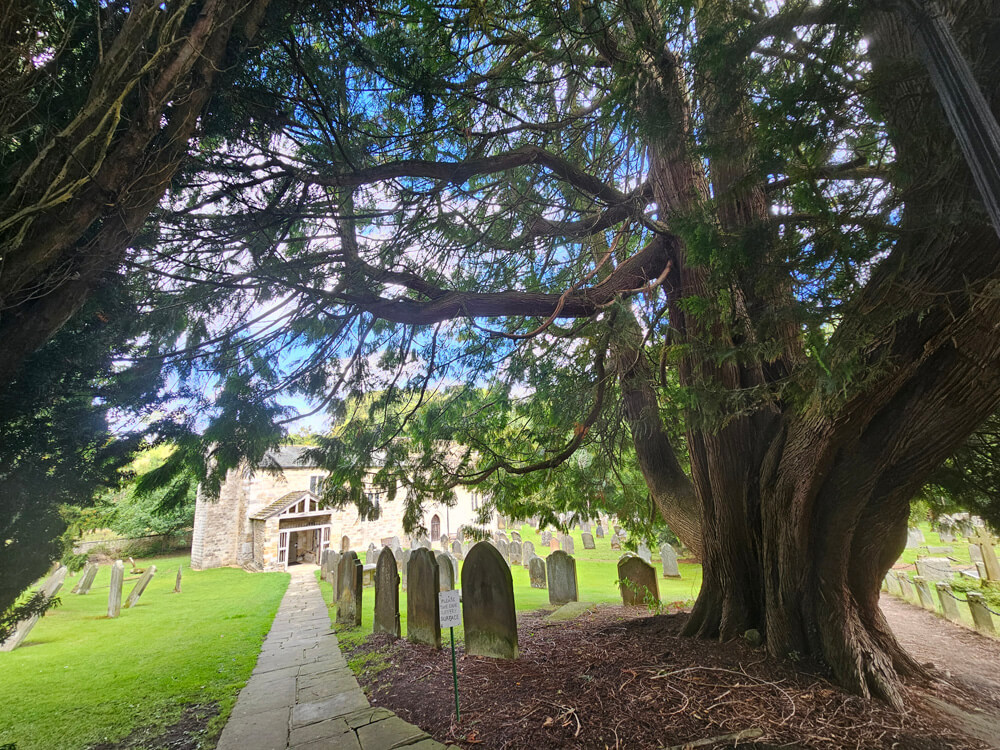
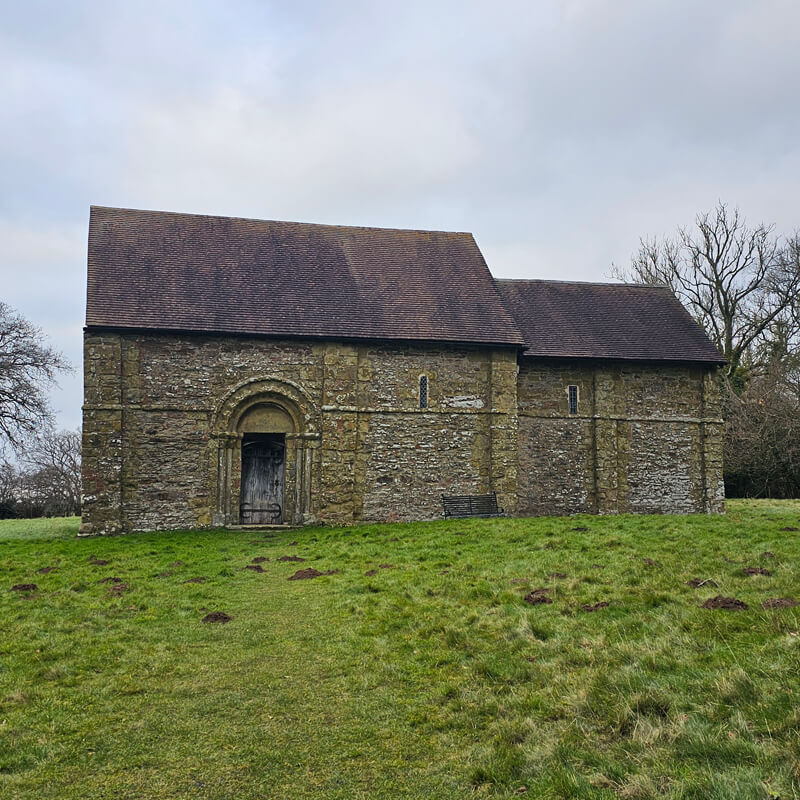
Hidden in a peaceful valley near Kirkbymoorside in North Yorkshire, St Gregory’s Minster at Kirkdale is one of England’s most remarkable surviving Anglo-Saxon churches. Although small in size, its origins reach back more than a thousand years, and its walls preserve an extraordinary connection with the turbulent final years of Anglo-Saxon England.
Historic
Highlights.
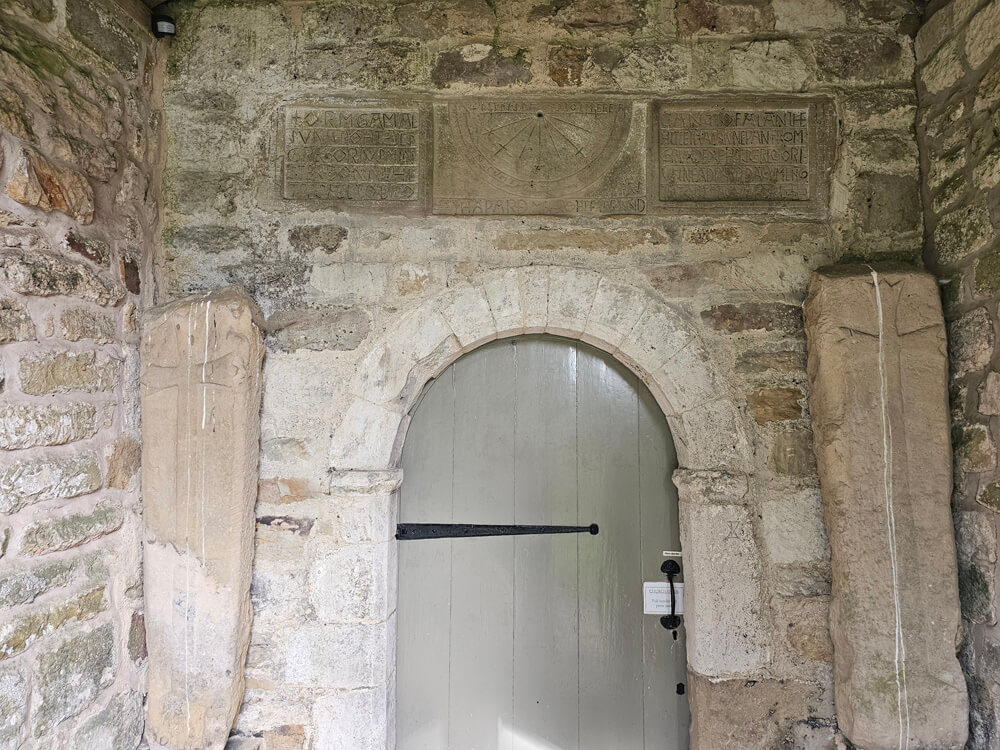
- Anglo-Saxon sundial set in the wall above the south doorway
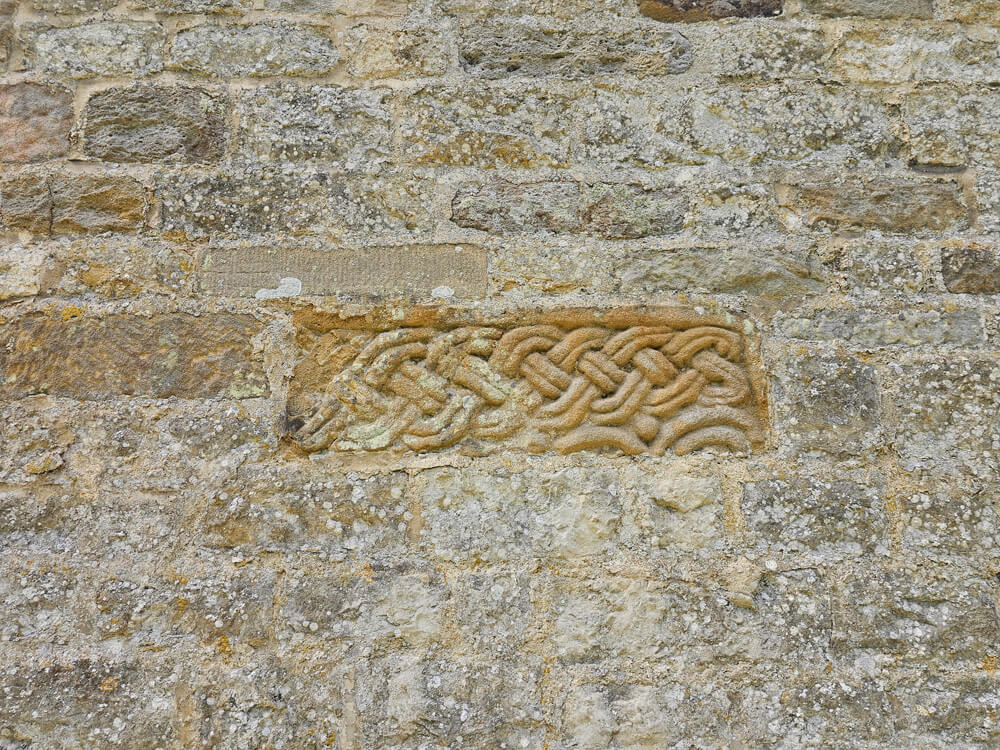
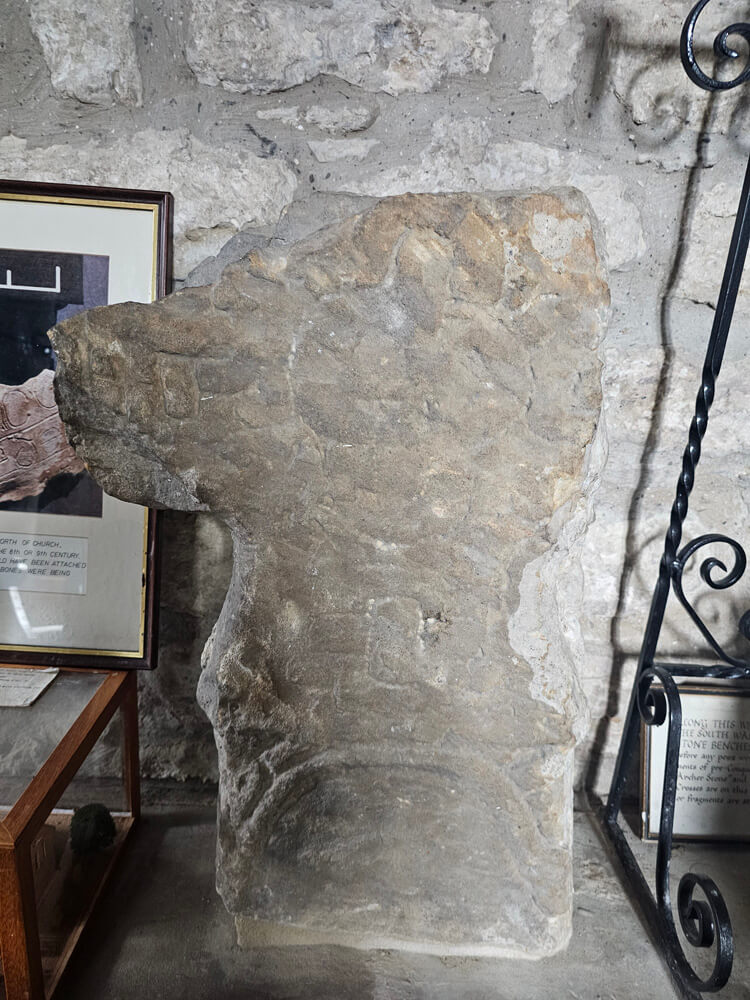
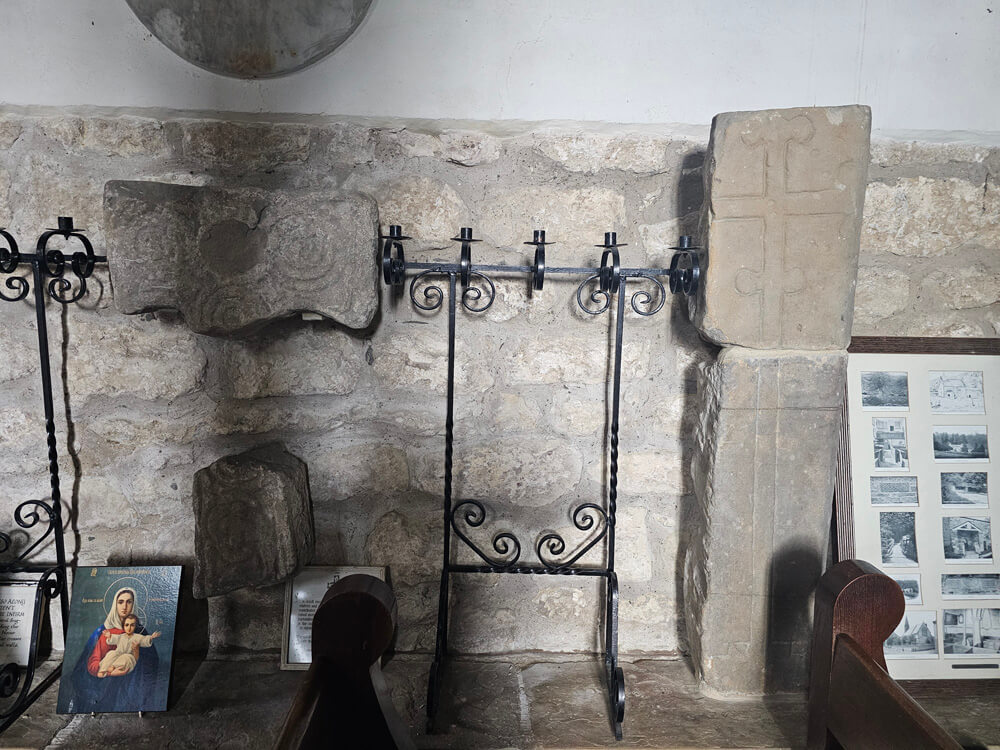
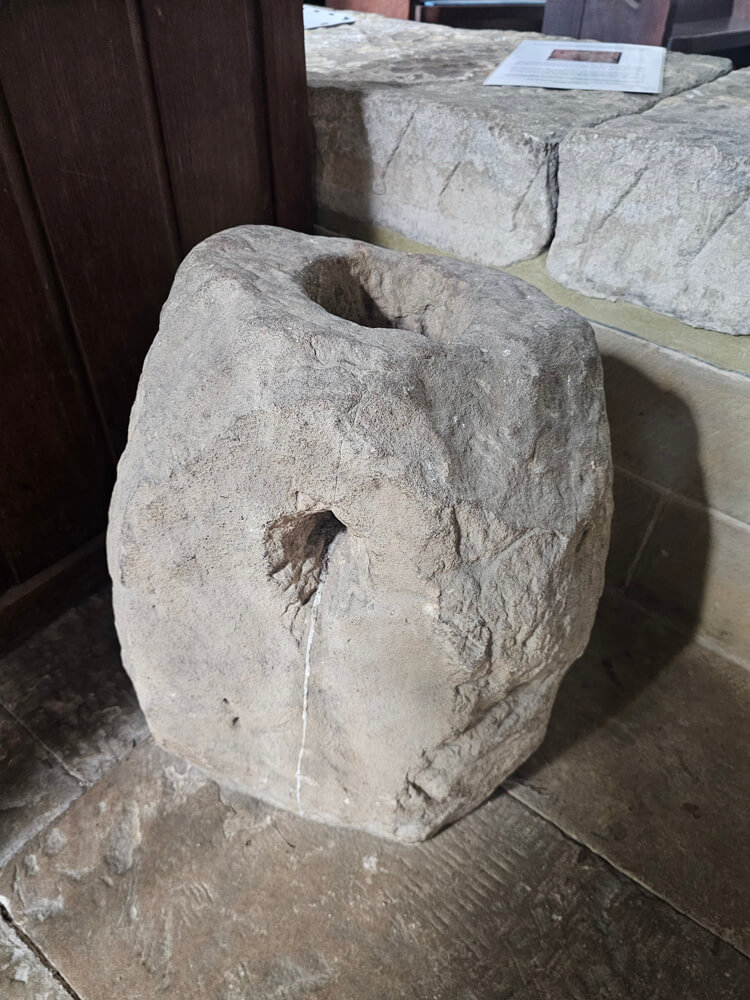
- Anglo-Scandinavian stonework on display inside
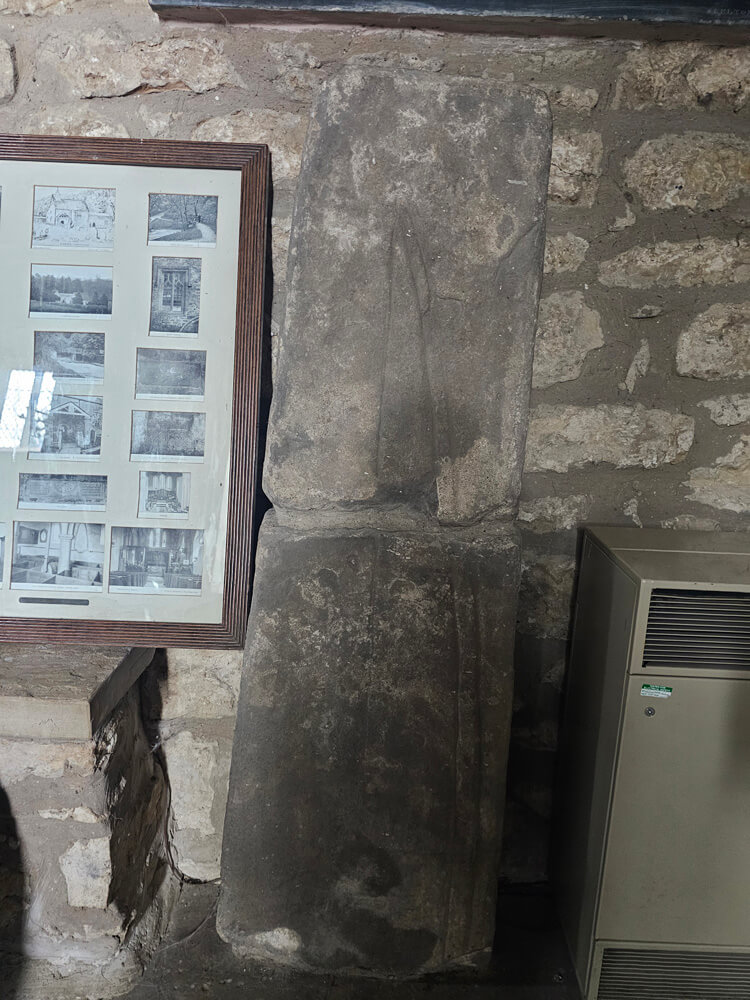
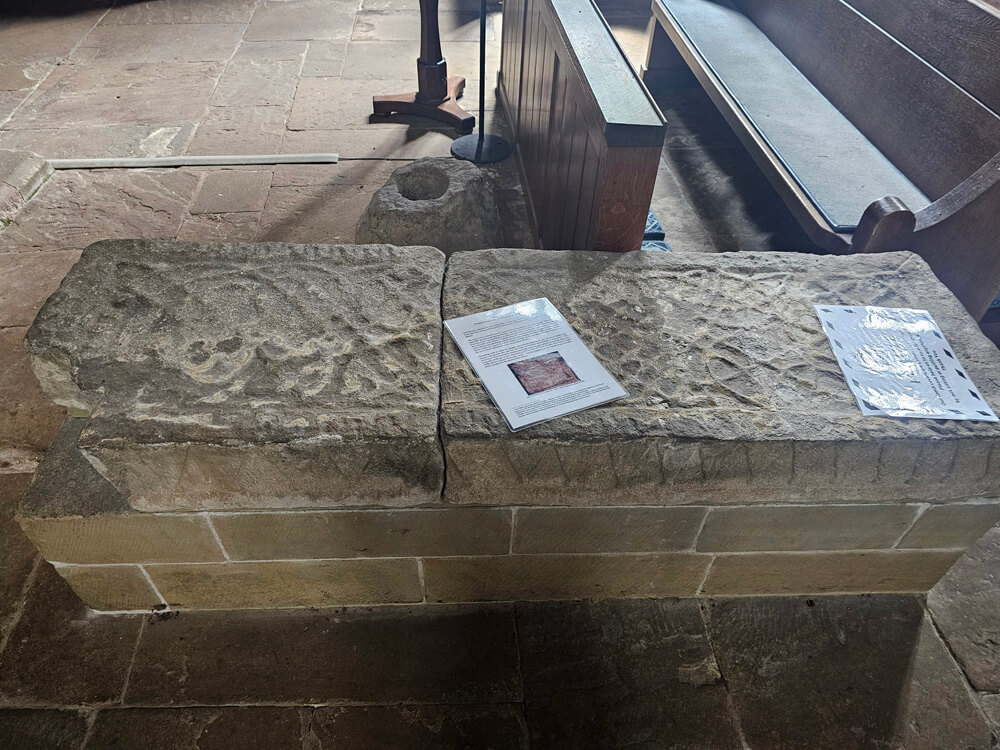
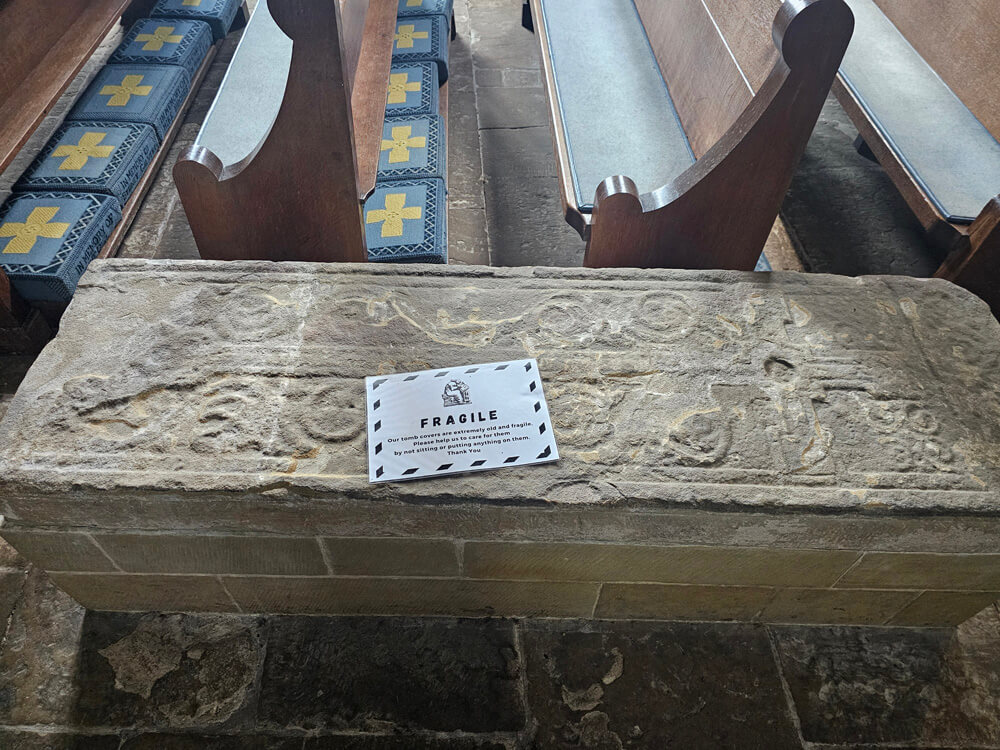
- Early medieval grave covers on display inside
The site appears to have been an important Christian centre by around the 8th century, and archaeological evidence suggests that there may have been more than one earlier church here. It may have developed as a daughter foundation of the important monastery at nearby Lastingham, serving a wider rural community at a time when minsters provided religious and pastoral services across large areas.
By the 11th century, however, the earlier church had fallen into ruin. Its remarkable story is recorded on an Anglo-Saxon sundial incorporated into the south wall. The inscription states that Orm Gamalsson bought St Gregory’s Minster when it was ruined and had it rebuilt from the foundations, dedicating it to Christ and St Gregory. It also names King Edward and Earl Tostig, allowing historians to date the rebuilding to between 1055 and 1065, when Tostig Godwinson was Earl of Northumbria during the reign of Edward the Confessor.
The sundial is particularly significant because its inscription is written in Old English, rather than Latin. It also records the names of the craftsmen responsible: Haward made the sundial and Brand, a priest, was associated with the work. Together, the inscriptions provide an unusually personal glimpse of church building in late Anglo-Saxon England.
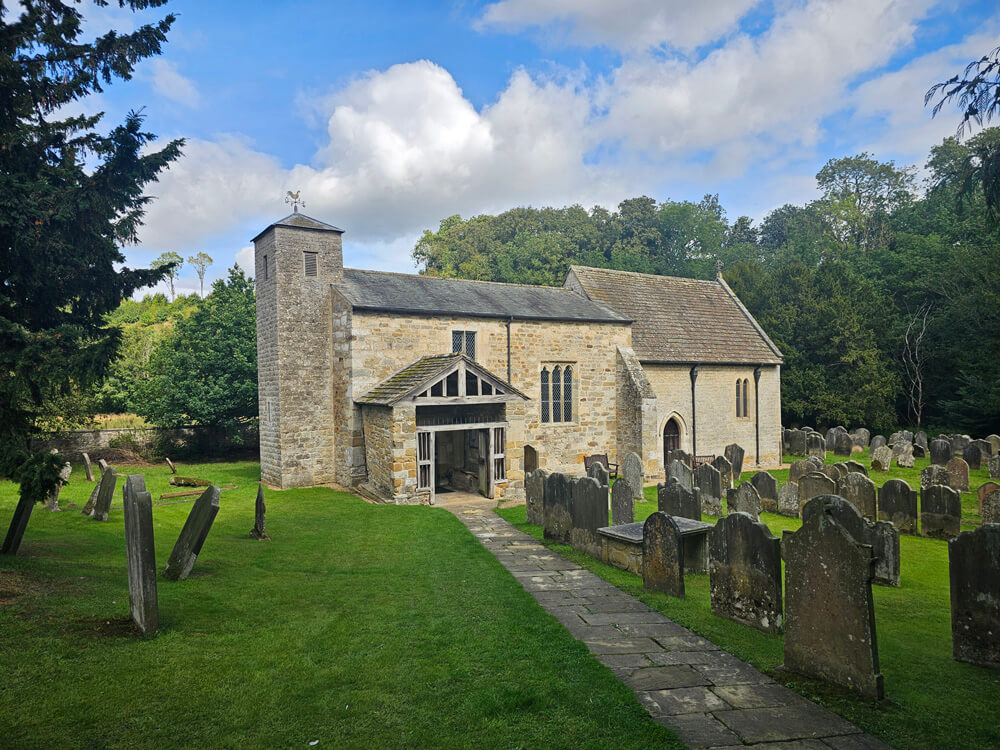
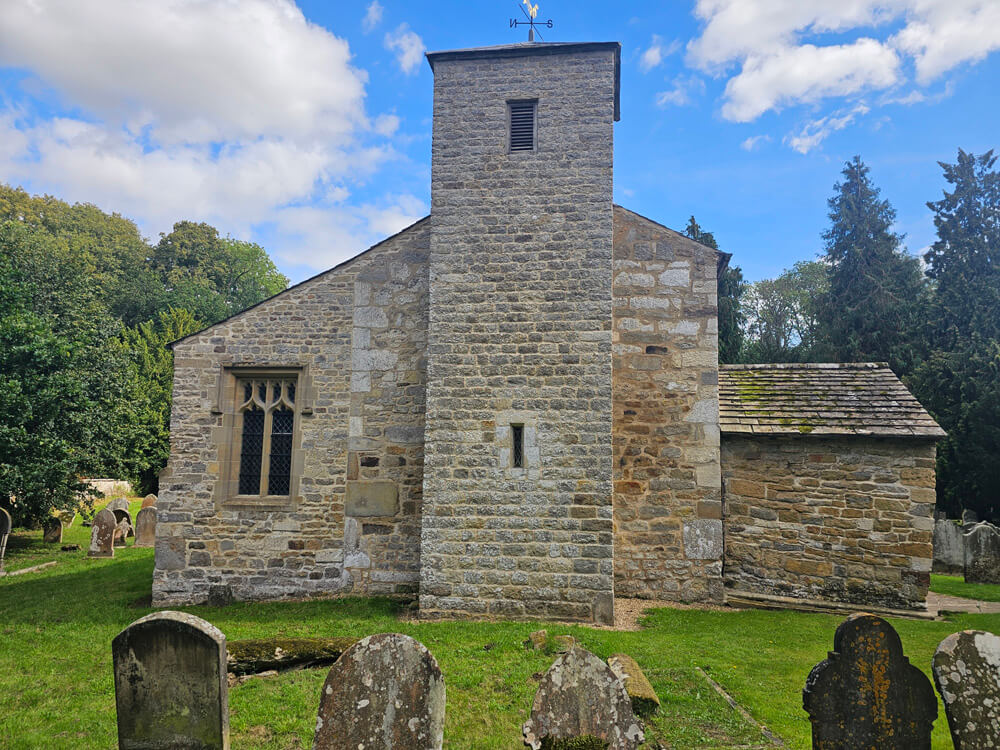
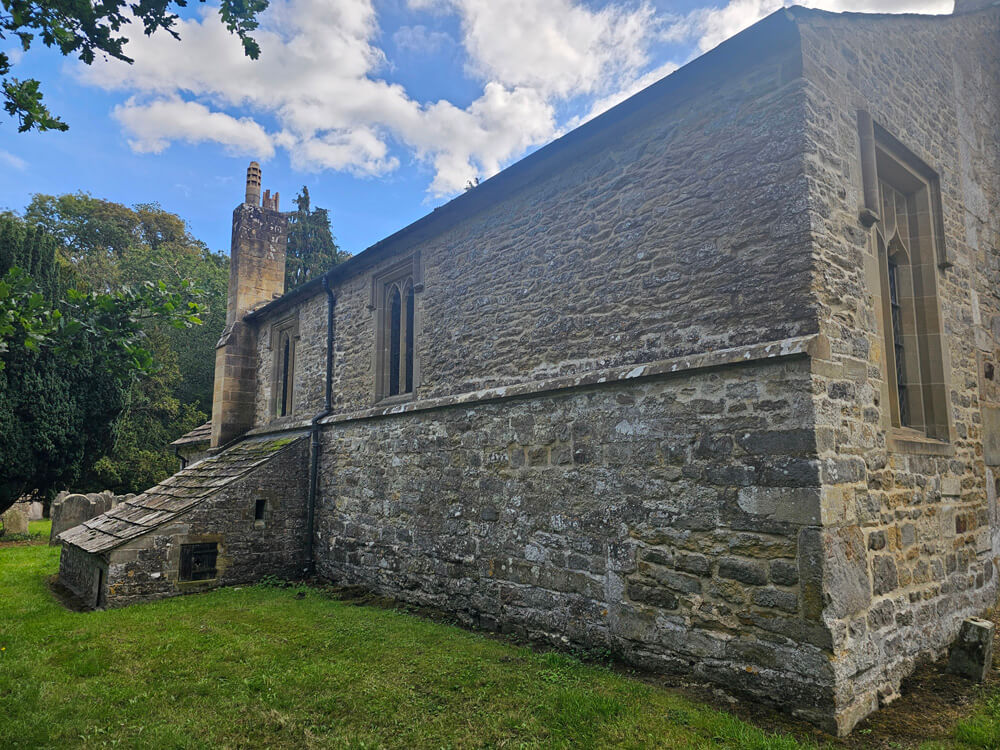
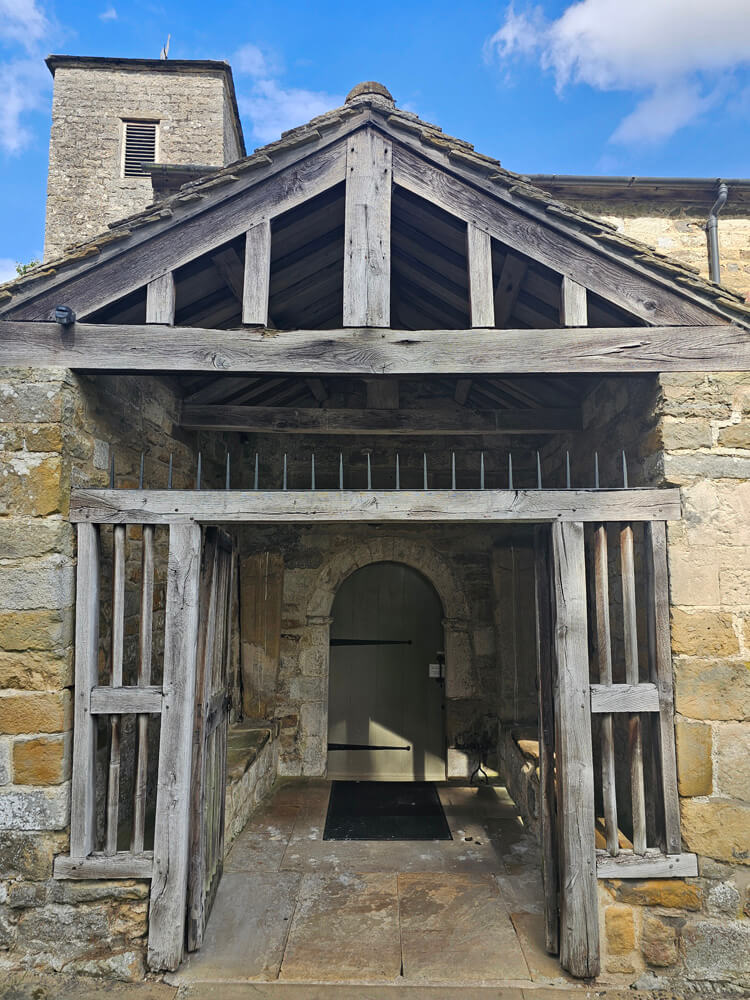
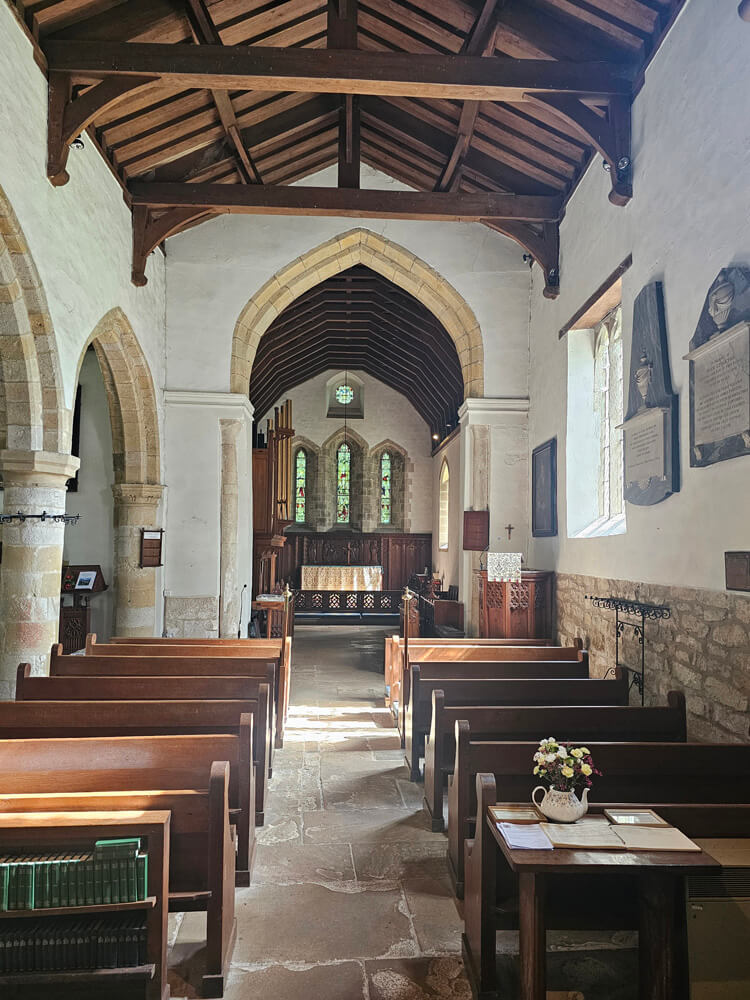
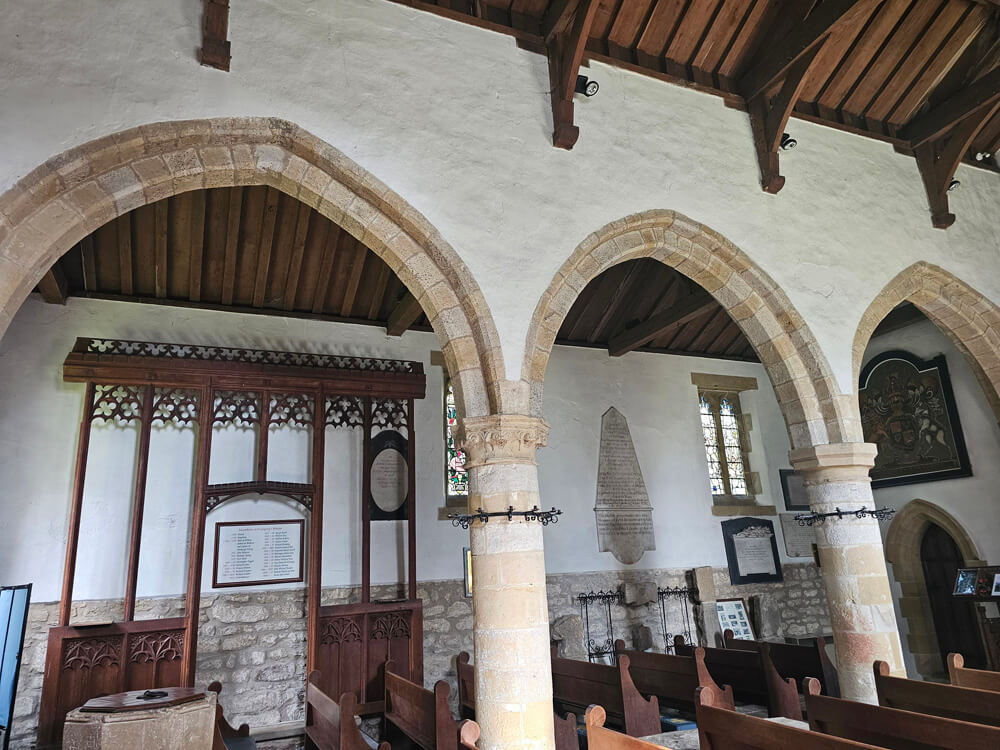
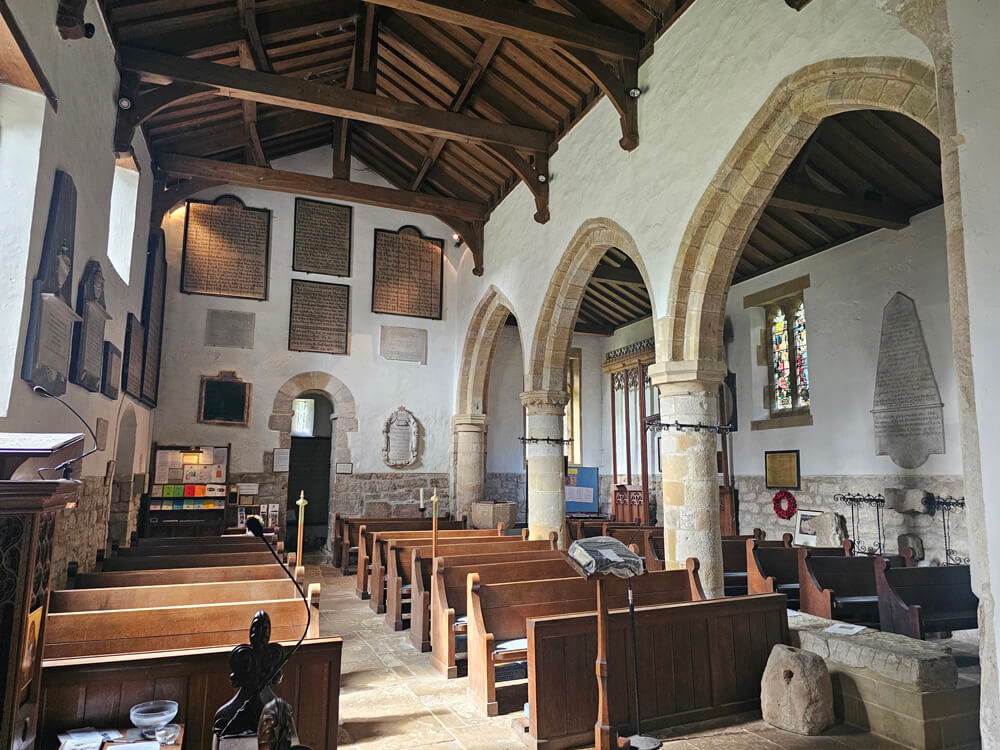
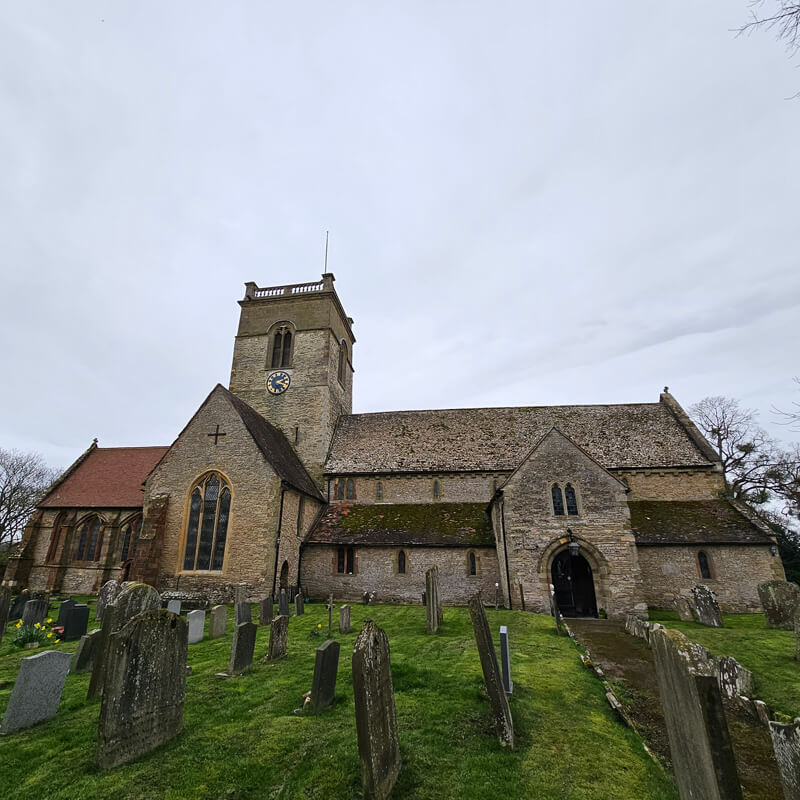
The church survived the Norman Conquest of 1066, although it was altered considerably over the centuries. The surviving nave retains much of its 11th-century character, while later additions include a medieval arcade and north chapel. The church was further modified in the 15th century, and the present porch and tower are much later additions. It is said that the nave dates to around 1060, with significant medieval and Victorian alterations.
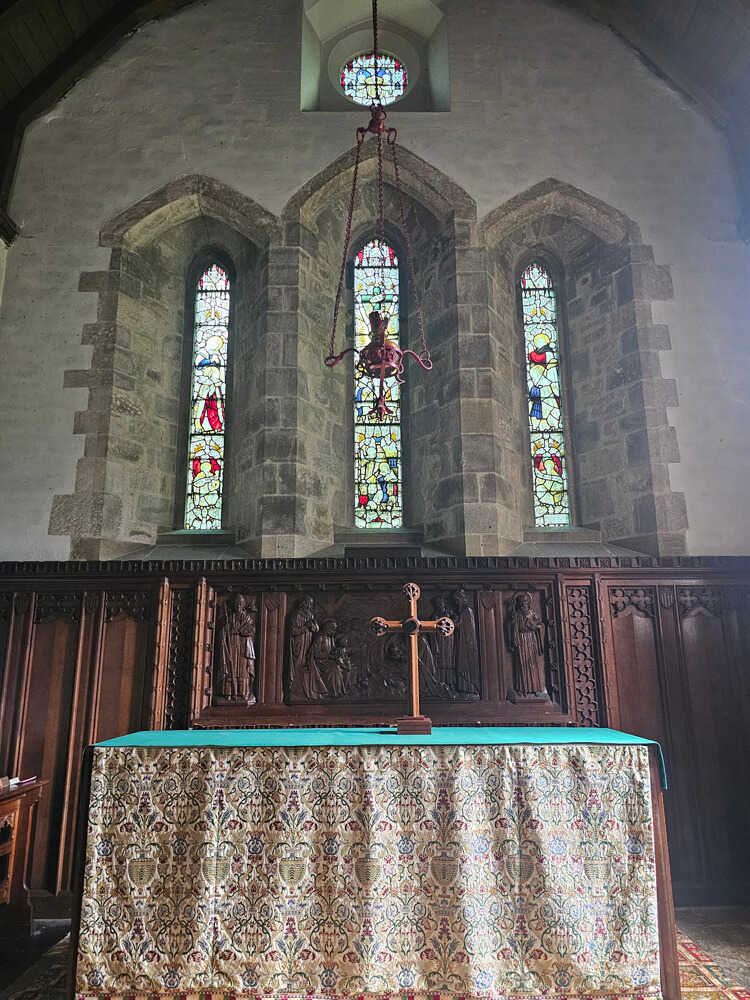
Inside are further reminders of the site’s extraordinary antiquity, including decorated Anglo-Scandinavian stonework and early medieval grave covers. Archaeological investigations have also revealed evidence suggesting that the religious landscape around Kirkdale was in use long before the present church was built.
The building underwent restoration in the early 20th century, including work by the architect Temple Moore, helping to preserve the fragile historic fabric for future generations.
What makes St Gregory’s Minster extraordinary is not its size, but the survival of so much evidence from England’s distant past. Its ancient stones, Anglo-Saxon inscription and peaceful setting offer a rare glimpse into the religious and political world of 11th-century Northumbria, making it one of Yorkshire’s most fascinating historic churches.
Photo Gallery.
Did you enjoy this post?
I hope you found this post useful. I put a great deal of time and effort in to building, maintaining and populating the website. If you like, you could say a small thank you by buying me a coffee. You don't have to, but it would be nice :)
Buy me a coffee
Stay up to Date
Follow me on my journey and get notified whenever a new post is published by following Kings & Castles on Facebook.
Follow MeExplore The Map
Discover the hundreds of castles, churches, monasteries, cathedrals and other historic locations that I've personally visited across England and Wales. Search by location, explore nearby sites and plan your next historical adventure.
Share: