The Ancient Town of Clun
Clun is a very ancient town with a history dating back to at least as early as the Neolithic period. Situated in the borderland between England and Wales, an area known as the Welsh Marches, it was at one time a prosperous Anglo-Saxon settlement before it was taken by the Normans, who built Clun Castle.
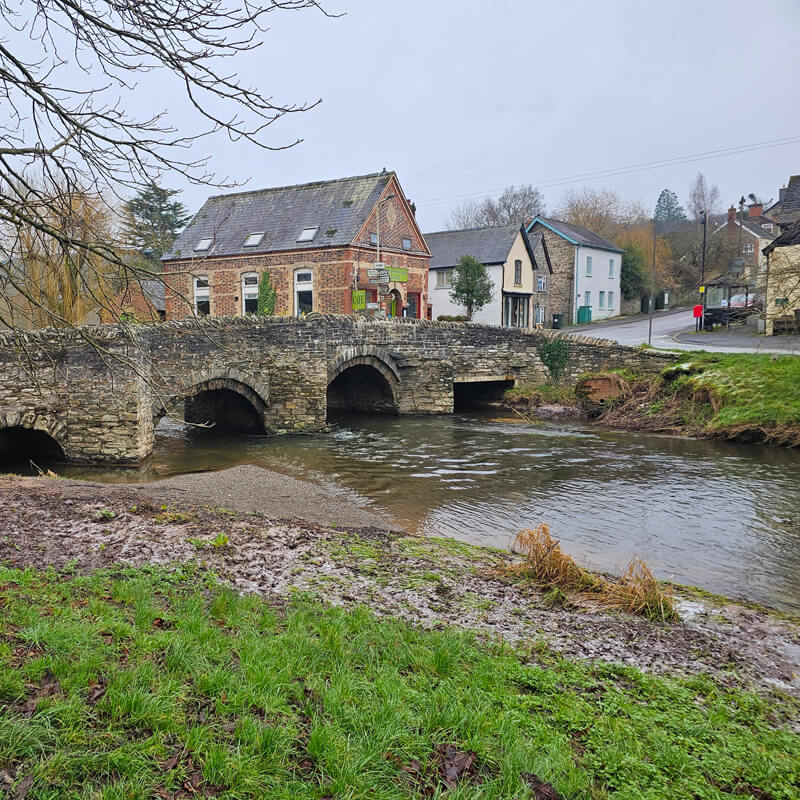
Officially, Clun is a town, but it more closely resembles a small, quiet, rural village, with a population of less than 1000 inhabitants, making it the smallest town in Shropshire. The town is situated on the bank of the River Clun in south west Shropshire, and the Shropshire Hills Area of Outstanding Natural Beauty.
Ancient Clun
In the surrounding area there was a scattered population at least as early as the Neolithic period, about 5000 years ago. Evidence of which can be found in the town’s museum which displays many ancient artifacts from the period that have been found in the area such as flint tools.
Clun takes its name from the river upon whose banks it stands, deriving from the Welsh “Colunwy”, proof of its very early Brythonic/Celtic roots. According to the Oxford Dictionary of Place Names, Clun is “an ancient pre-English river name of uncertain meaning”. Situated on the border between England and Wales, it was often raided and fought over by the English and Welsh, as evidenced by the many defensive sites that litter the countryside.
Anglo-Saxon Clun
An Anglo-Saxon settlement grew up around the site of a 7th-century Saxon church on the south side of the river, what is now St George’s Church. In the 8th century, King Offa of Mercia built a 177-mile-long defensive ditch to keep the Welsh out of Mercia, known as Offa’s Dyke, and during the Norman period a long string of defensive castles rose along its border. Access to Offa’s Dyke is within walking distance of Clun, allowing access to the popular walking trail of the Anglo-Welsh border.
Saxon Clun became a rather substantial and prosperous town by the time of the Norman Invasion, as evidenced by its mention in the 1086 Domesday Book. At this time, Clun formed part of the extensive lands of Edric Silvaticus, more famously known as Eadric the Wild, who, in an alliance with the Welsh led a revolt against William the Conqueror. In response, the Normans devastated the area and took Clun for themselves. Eadric’s lands were confiscated and given to the powerful Norman lord Roger de Montgomery, a cousin of William the Conqueror, who was created Earl of Shrewsbury and the most powerful lord in all of Shropshire.
Norman Clun
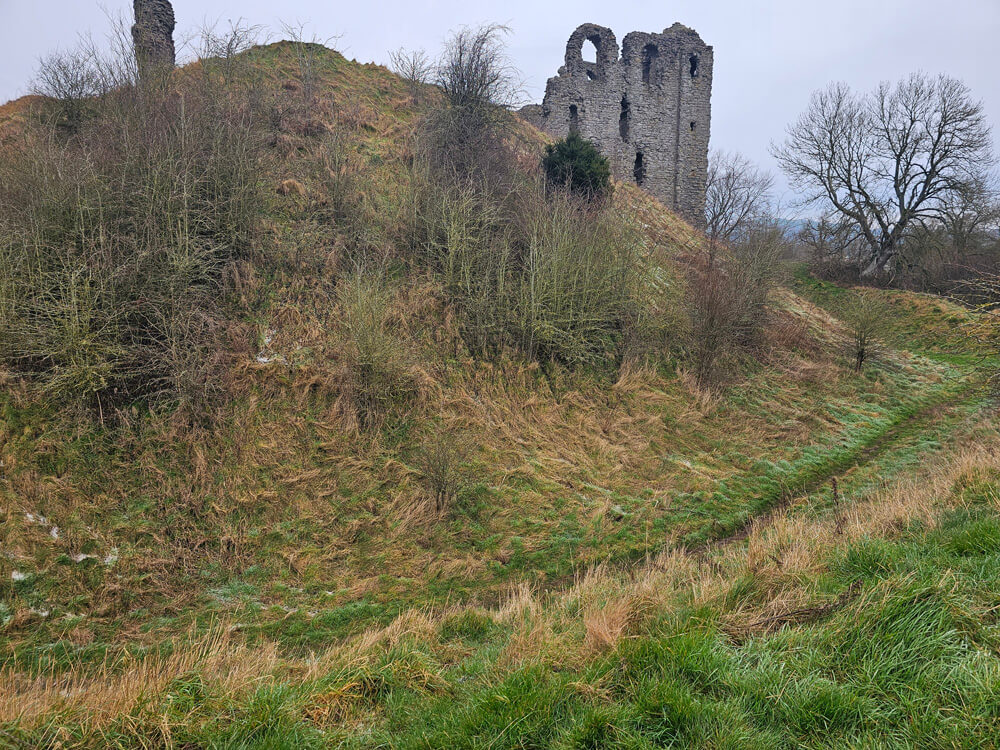
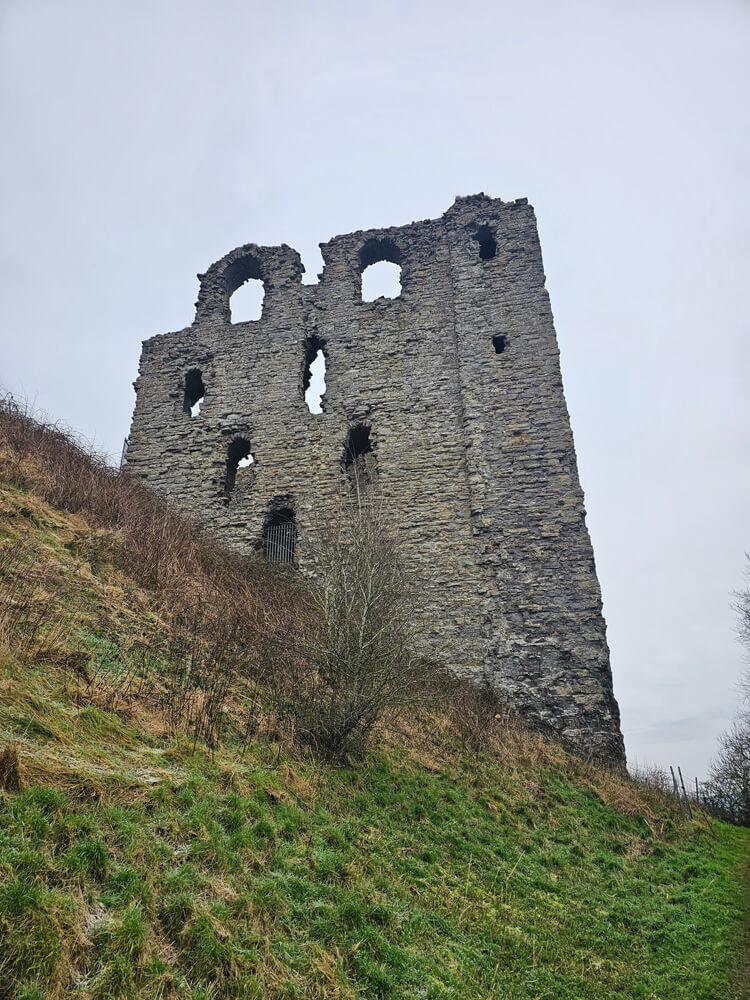
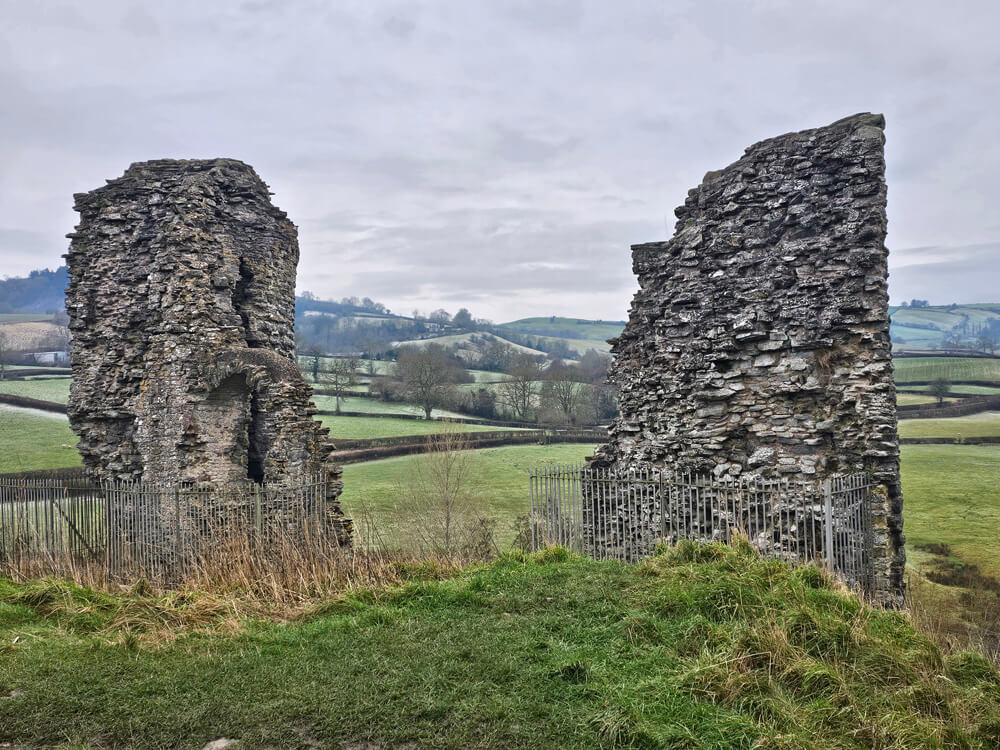
Roger de Montgomery then granted 27 manors, of which Clun was the largest, to the Norman lord Picot de Say, who later declared himself the Baron of Clun. The de Say family then established Clun Castle to protect their lands from the Welsh. Earthwork town defences may have been built around this time, providing an outer ring of defences from the castle. The castle was attacked several times by the Welsh over several centuries until it was finally abandoned and left in a ruinous state by the 16th century.
The building of the castle helped Clun become an important settlement, which was given town status in the 14th century. The region became prosperous from the growing wool trade and Clun grew into a lively market town, holding a regular market and two fairs a year. The town was also granted murage, which was the right to collect taxes to pay for its defences. As a result, a defensive town wall was constructed and remains of its foundations can still be found.
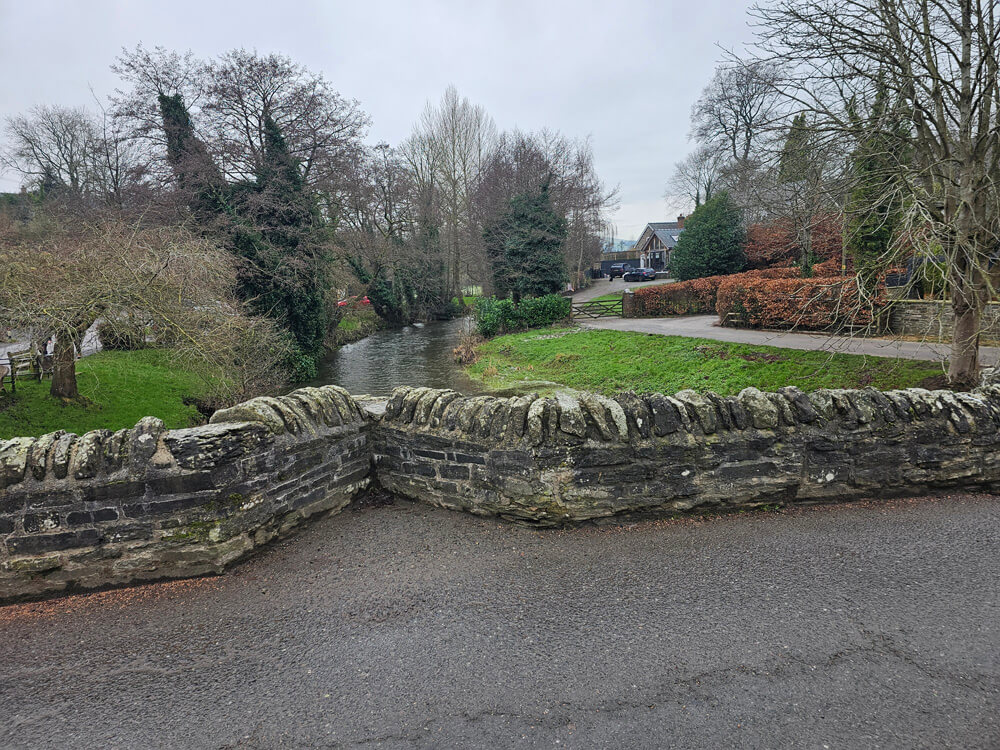
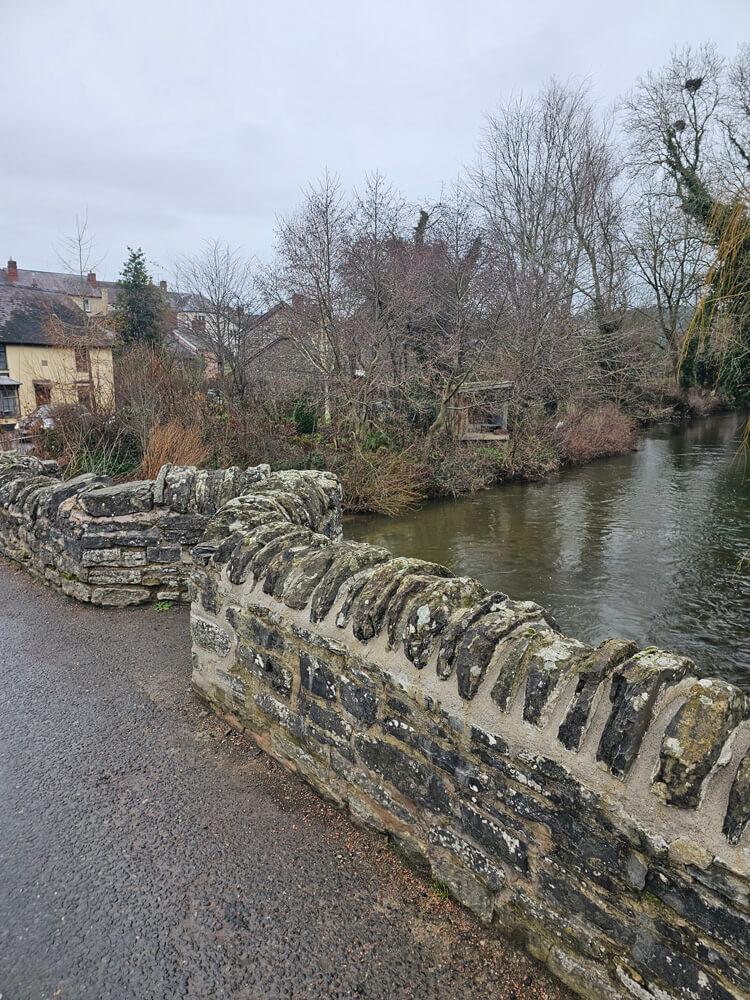
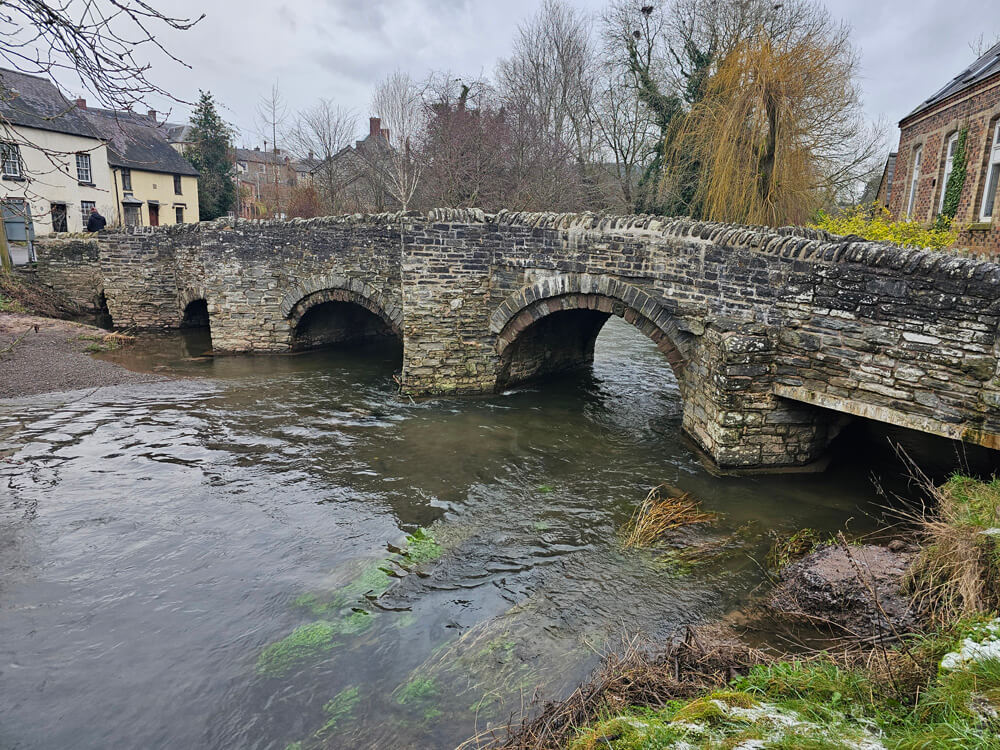
The town is split in two by the river and is distinctly in two parts. The older, Anglo-Saxon town lay on the south bank. The Normans built their new town north of the river under the castle’s protection, and the medieval grid pattern of their streets, designed around 900 years ago still survives today. A medieval packhorse bridge crosses the river connecting Saxon Clun to Norman Clun. The bridge was built in either the 14th or 15th century, most of which is still the original stone.
The Decline of Clun
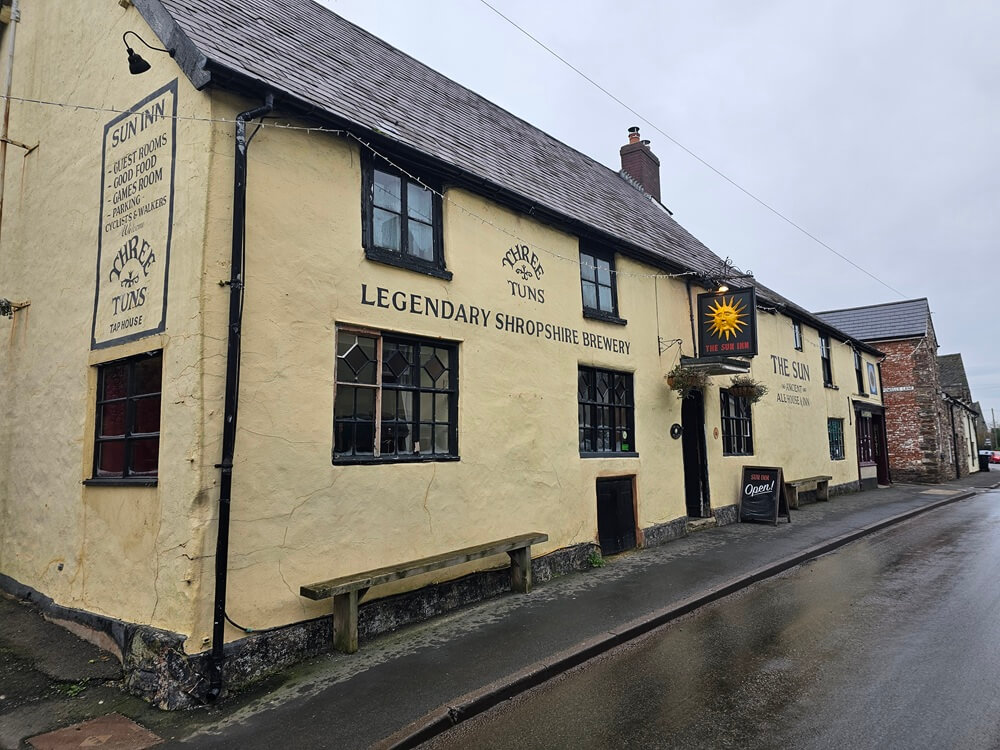
Medieval Clun was a bustling and lively market town boasting countless shops and pubs as well as its famous livestock markets, serving a wide area stretching into the Welsh hills. However, the town felt the impact of the declining English wool trade and by the 16th century its wealth started to diminish.
Not only is Clun the smallest town in Shropshire, it is also smaller than many villages, and it is the only Shropshire town not to have been connected to the rail network. As transport moved from horses to barges, to railways, and then motorised transport, access to larger and more diverse market places led to a gradual decline of Clun and it got left behind. Its remote location meant that it was no longer connected to the main transport links and couldn’t sustain its trade. Slowly, businesses closed down and people moved away, leaving behind a quiet and rural village with a population less than what it was during the Victorian era.
Today you can visit the ruins of Clun Castle and its stunning views of the Shropshire countryside, the medieval packhorse bridge, and St George’s Church where you can find the town’s oldest living “resident” in the churchyard: an ancient yew tree that is estimated to be around 2000 years old.
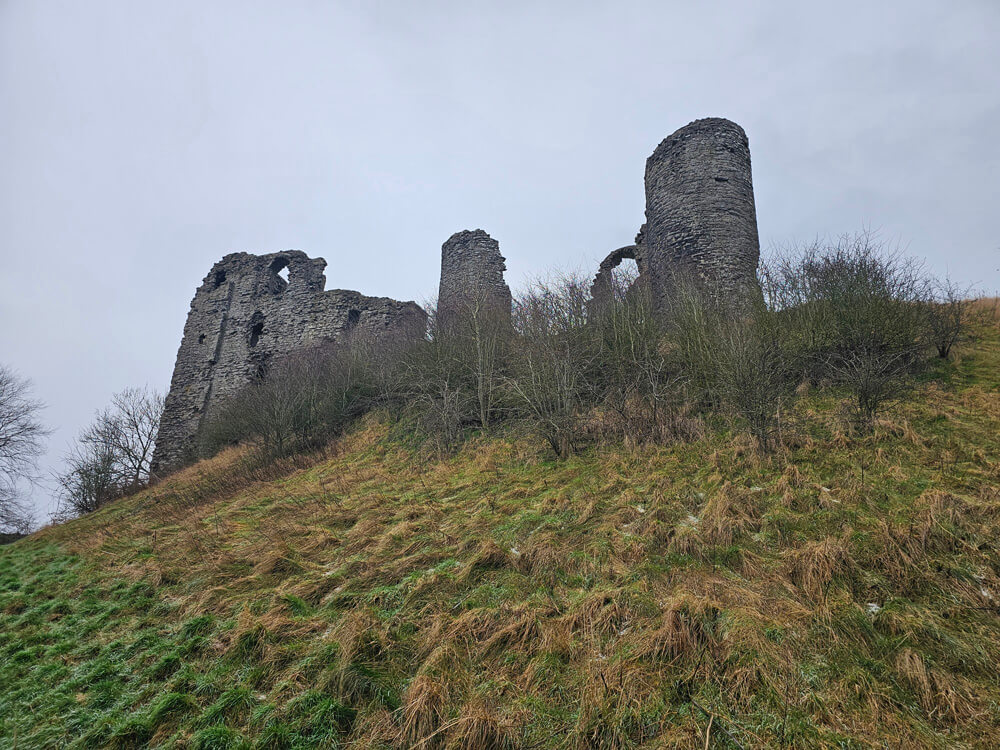
Clun Castle
Clun Castle is a ruined castle originally built as a timber motte-and-bailey fortification in the late 11th century, and was rebuilt in stone sometime in the 13th century. The castle played a key role in protecting the region from Welsh attack until it was gradually abandoned in favour of the more luxurious Arundel Castle in West Sussex, and by the 16th century the castle was in a ruined state.
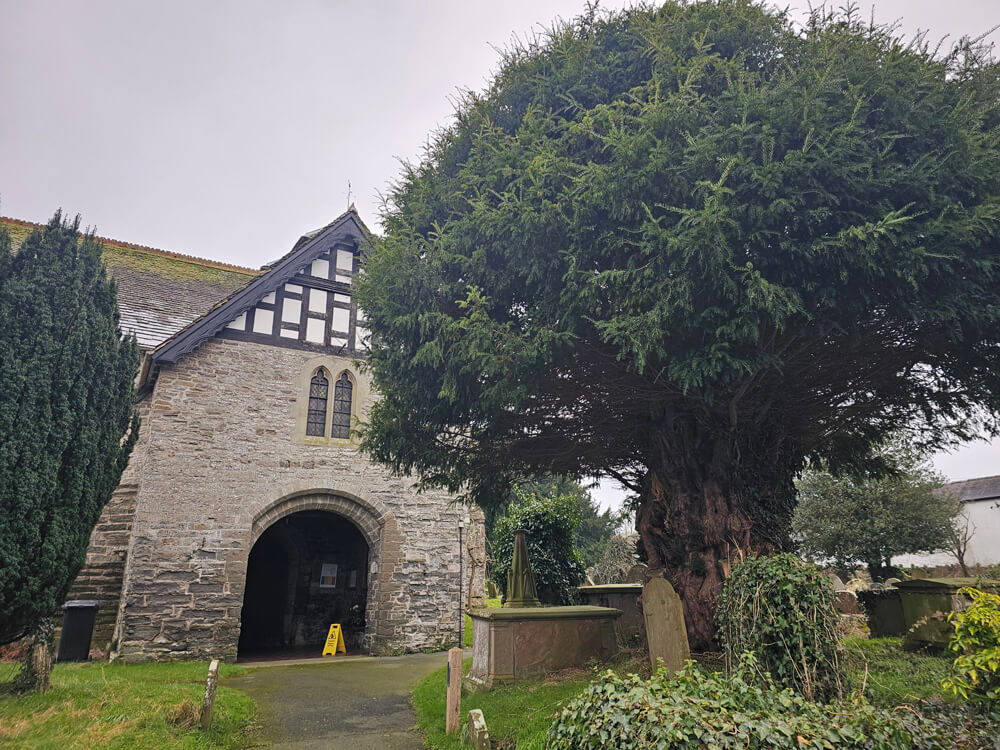
St George’s Church
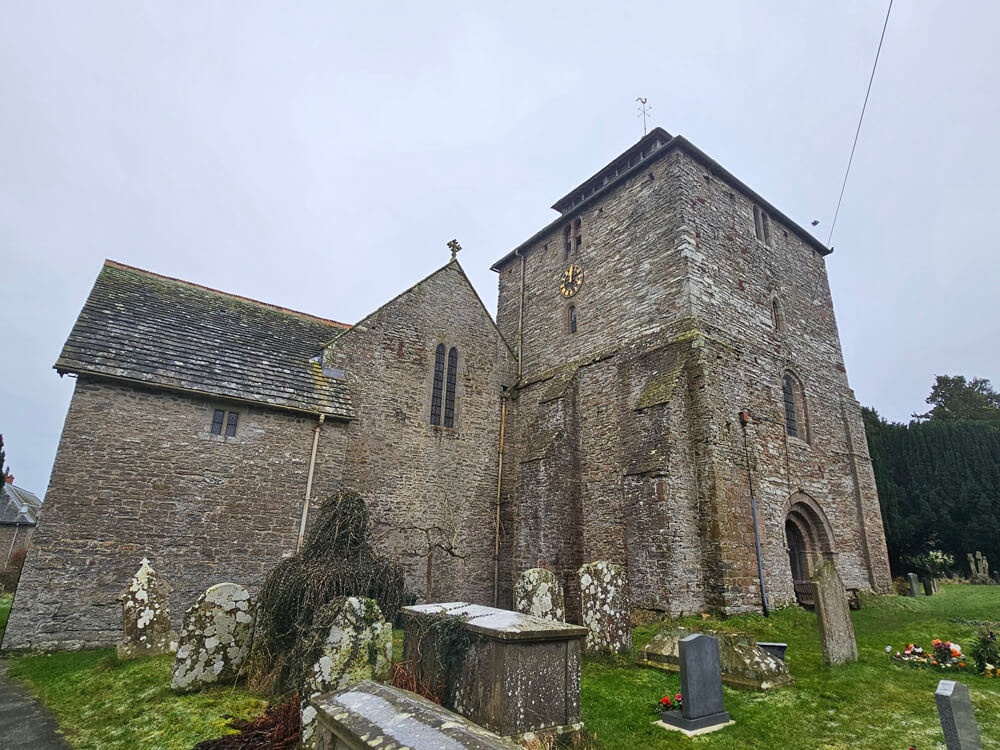
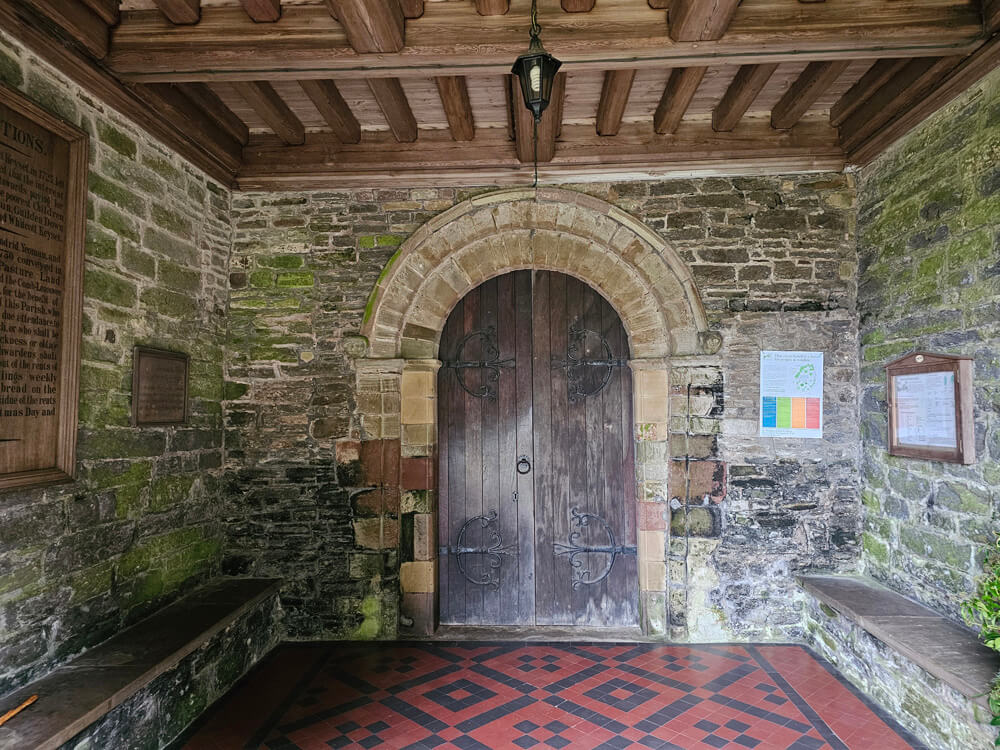
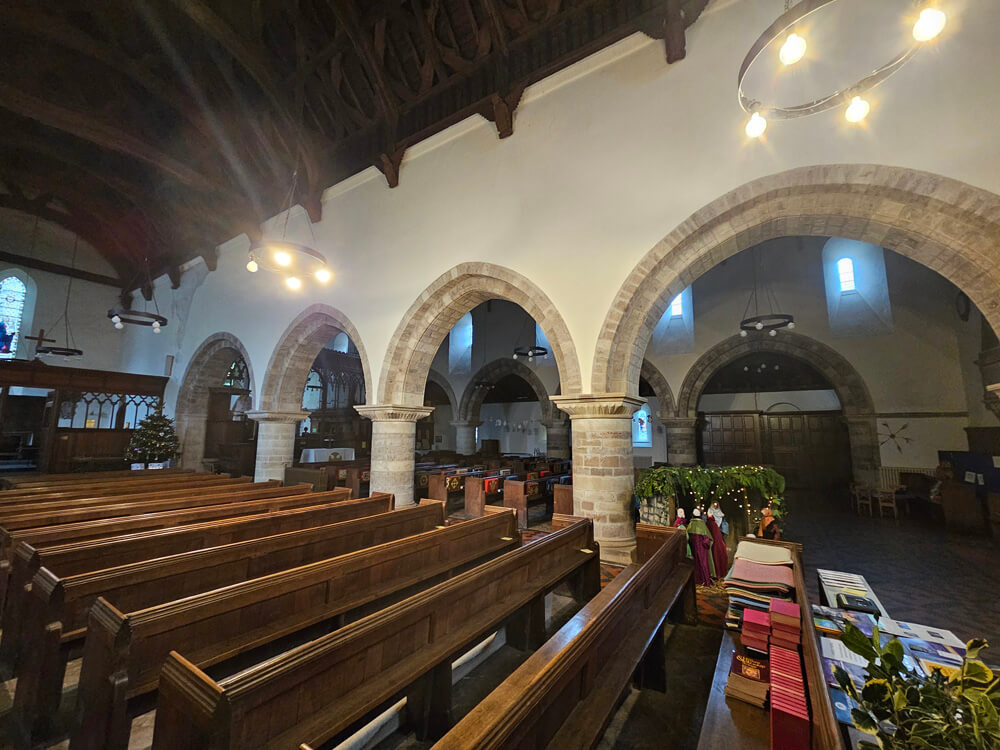
The St George’s church that we see today is a Norman building that was built on the site of an earlier Saxon church, and is believed to be as old as Clun Castle. It is a large country parish church with original Norman and medieval features and a Norman tower. It has seen a number of additions and repairs over the centuries, the last being in 1877 when the damage done during the English Civil War 200 years earlier was repaired.
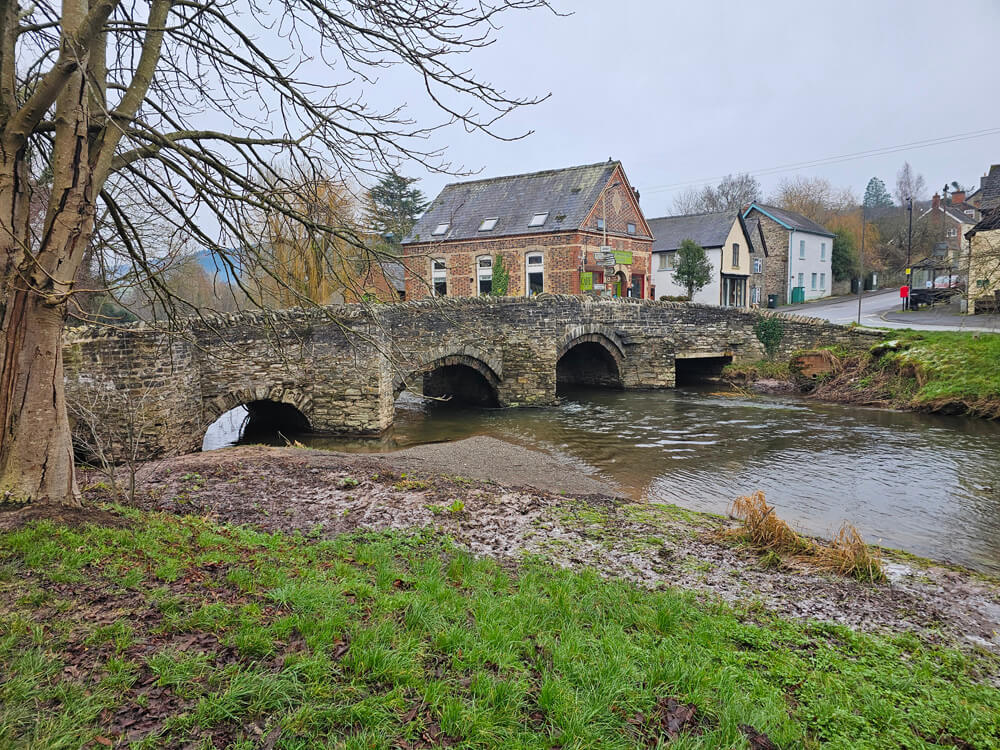
Clun Bridge
Clun Bridge is a medieval bridge dating from either the 14th or 15th century. Different sources give different dates but the year 1450 seems to be most common and likely most accurate. The bridge is still an important bridging point over the River Clun, and despite it being a stone packhorse bridge retaining most of its original stone, it is now used for motor vehicles to pass over as well as pedestrians.
Photo Gallery.
Did you enjoy this post?
I hope you found this post useful. I put a great deal of time and effort in to building, maintaining and populating the website. If you like, you could say a small thank you by buying me a coffee. You don't have to, but it would be nice :)
Buy me a coffee
Stay up to Date
Follow me on my journey and get notified whenever a new post is published by following Kings & Castles on Facebook.
Follow MeExplore The Map
Discover the hundreds of castles, churches, monasteries, cathedrals and other historic locations that I've personally visited across England and Wales. Search by location, explore nearby sites and plan your next historical adventure.
Share: