St John the Baptist Church, Kirk Hammerton
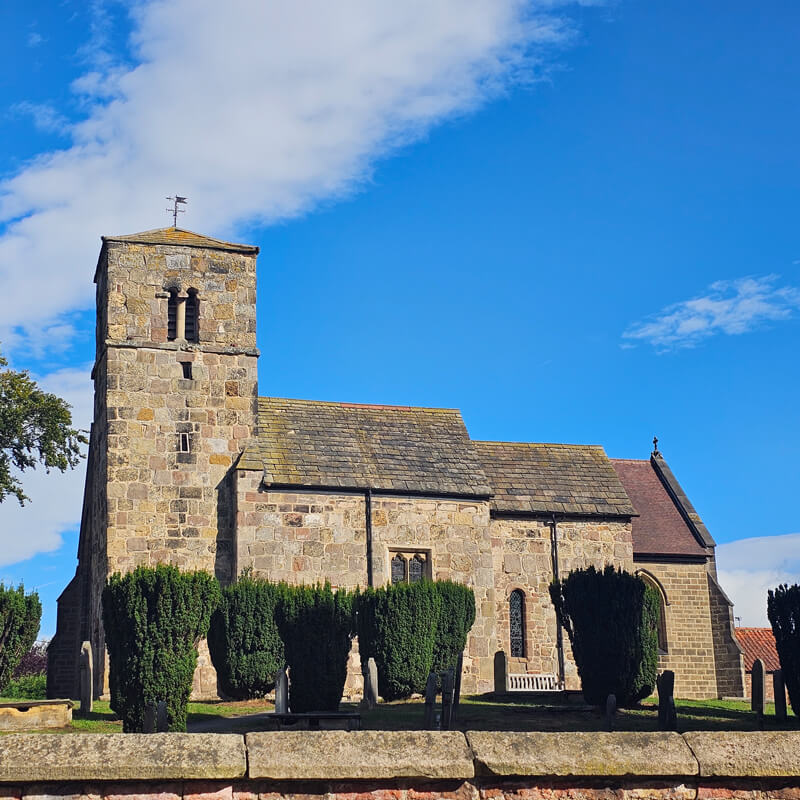
Standing on a small rise in the heart of Kirk Hammerton, between York and Harrogate, St John the Baptist Church, Kirk Hammerton is one of North Yorkshire’s most remarkable medieval churches.
Historic
Highlights.
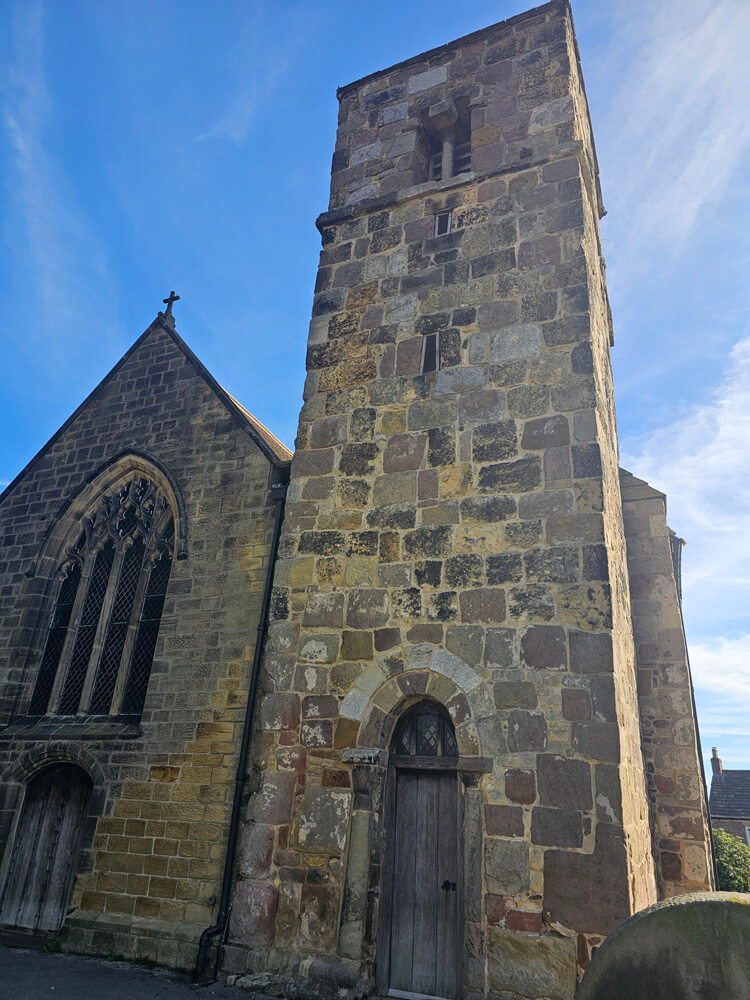
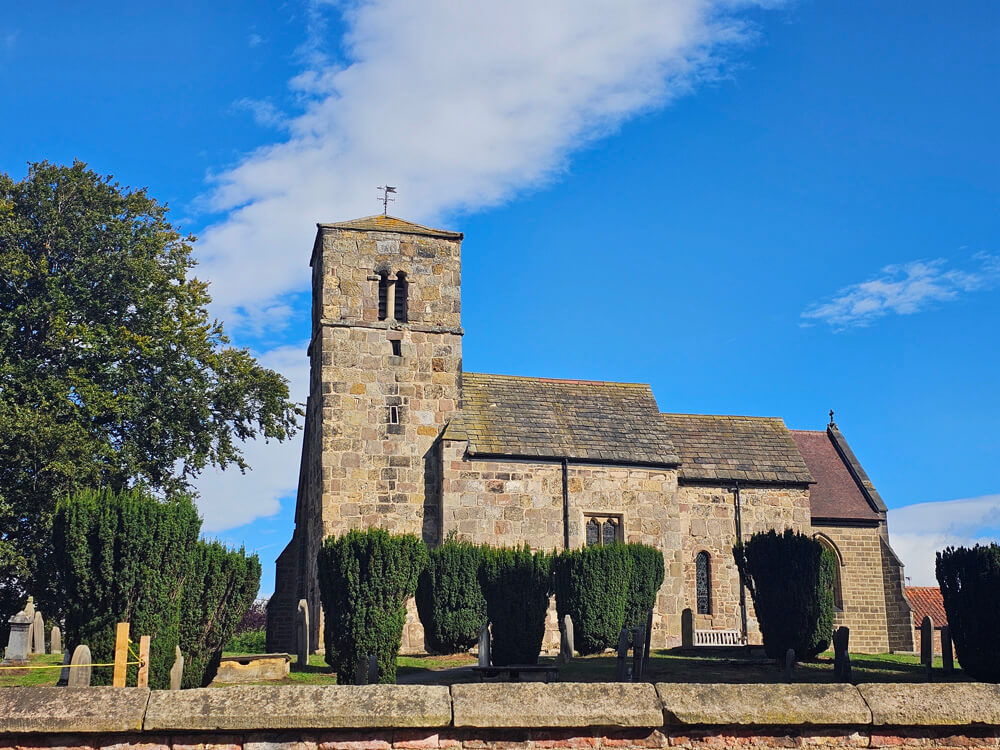
- A complete 10th-century Anglo-Saxon tower
- Lots of original Saxon stonework including doorways and chancel arch
Although much of the present building reflects later alterations, its medieval history is rooted in an exceptional pre-Conquest church whose Anglo-Saxon tower and early fabric survived the Norman Conquest and continued to evolve throughout the Middle Ages.
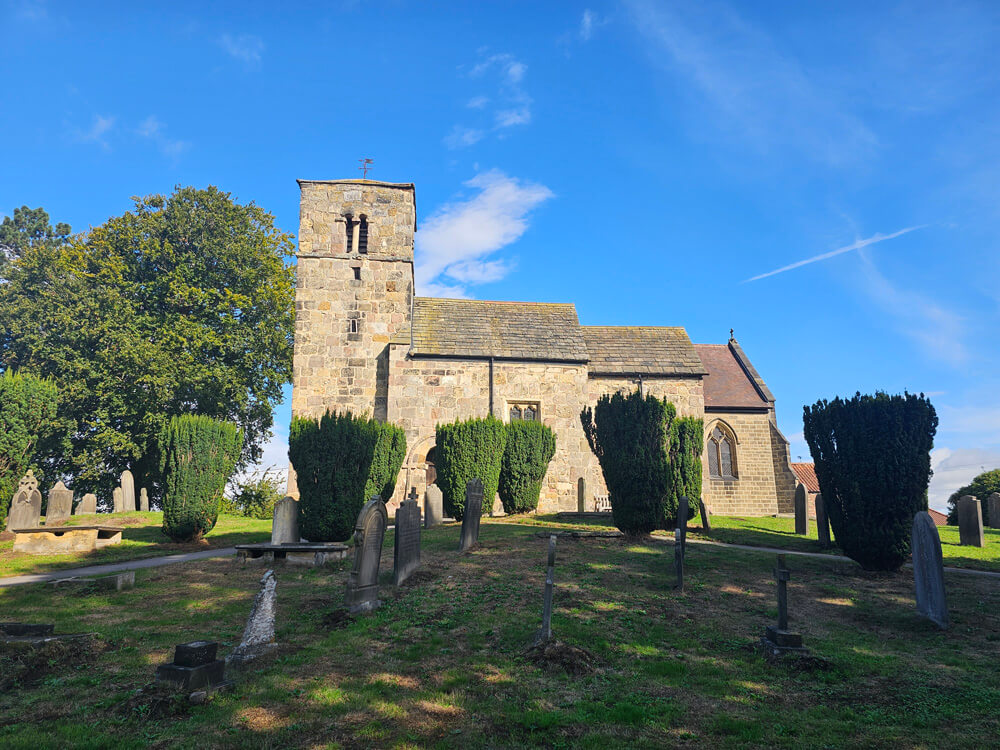
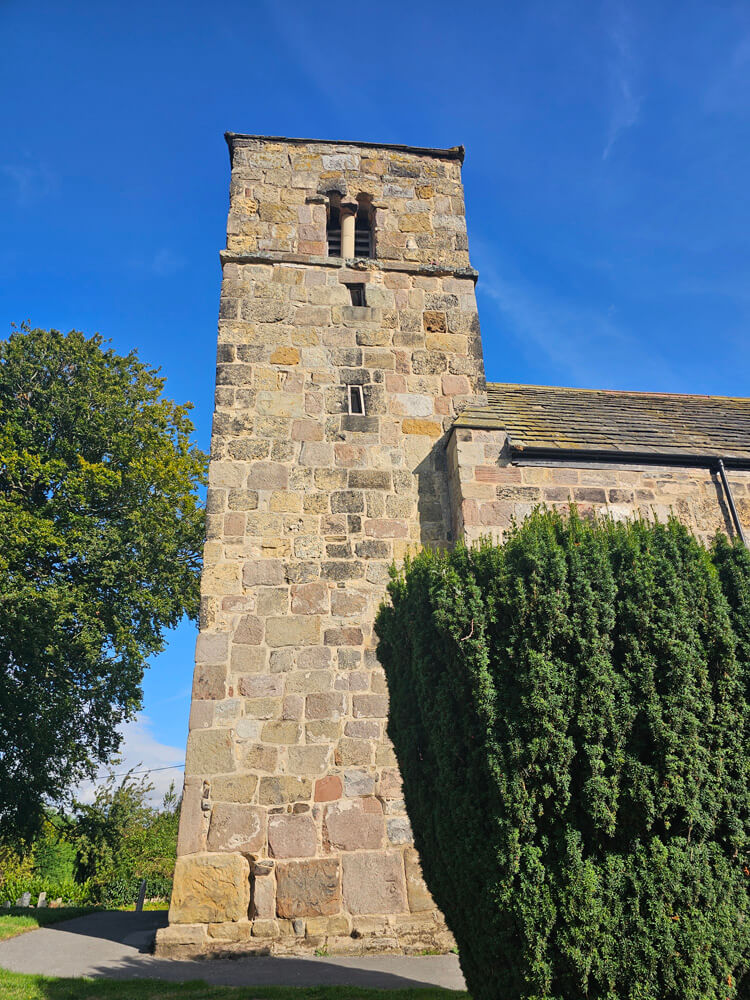
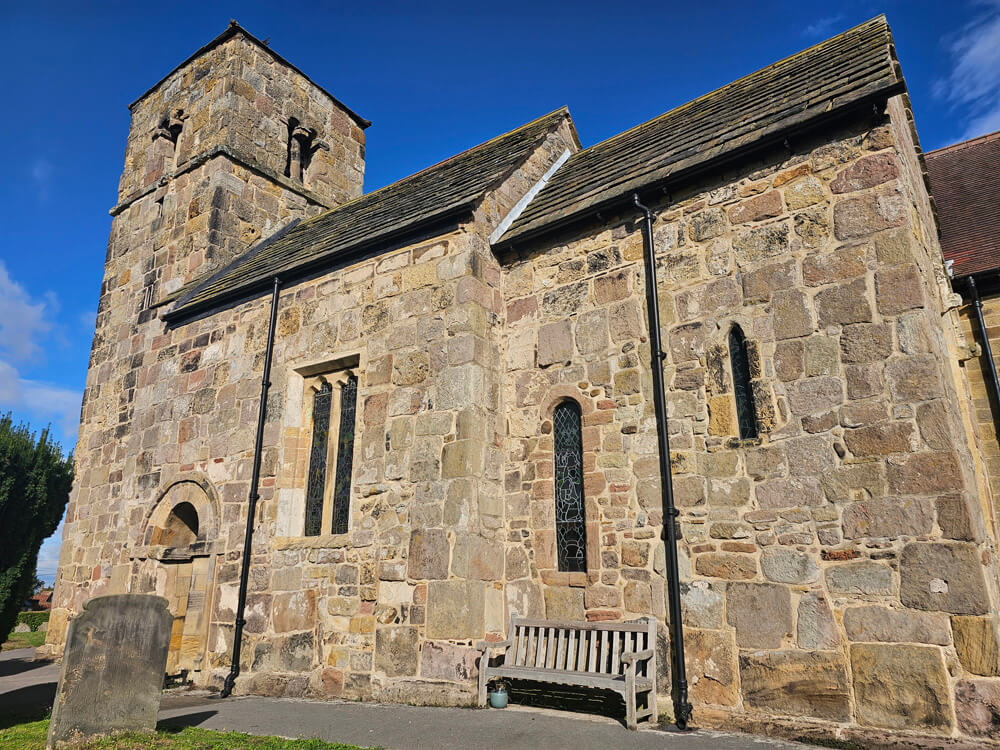
The church dates from around AD 950 when the village was known simply as Hammerton. Originally dedicated to St Quentin, it consisted of a nave, chancel and the distinctive square tower that still dominates the skyline today. The builders used large blocks of gritstone, some believed to have been salvaged from the Roman city of Eboracum (York), giving the church an unusual connection to both Roman Britain and Anglo-Saxon England.
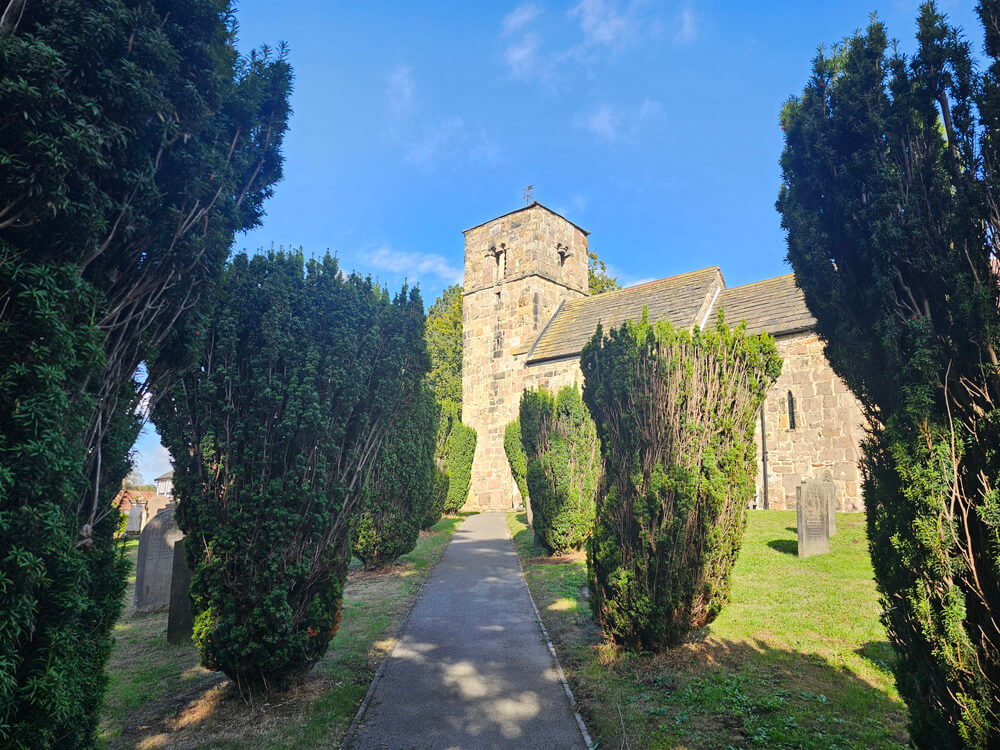
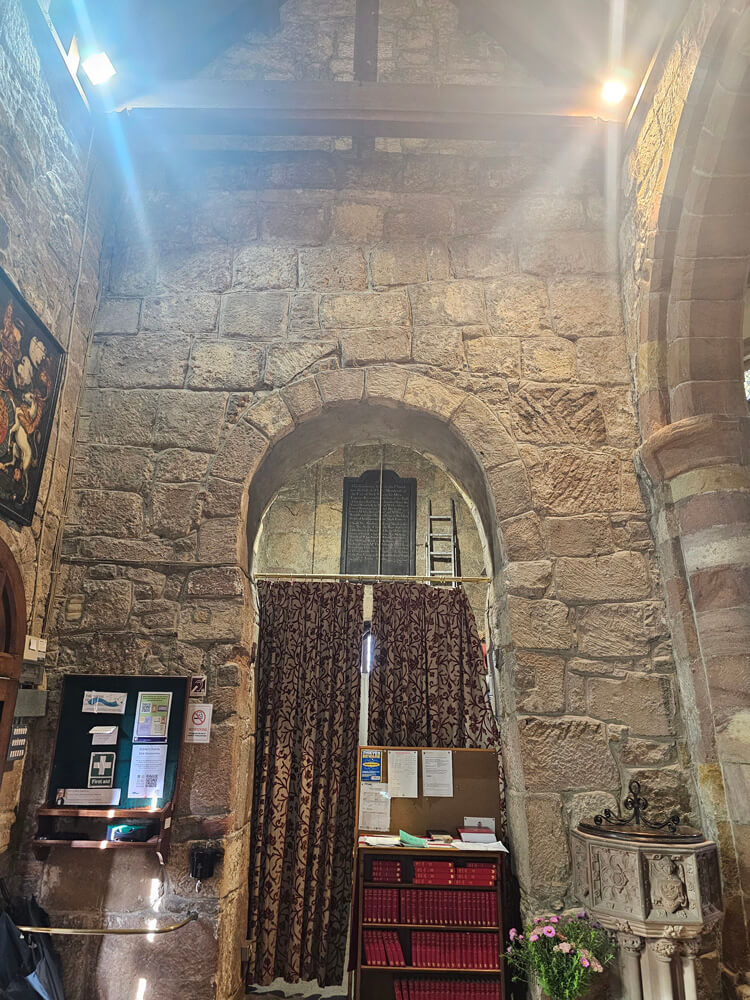
The tower is among the finest surviving Anglo-Saxon towers in Yorkshire. Its alternating long-and-short corner stones, projecting string course and twin belfry openings divided by slender colonettes are characteristic features of late Anglo-Saxon architecture, closely resembling famous towers at Barton-upon-Humber and Earls Barton.
The church was already an established place of worship when it was recorded in the Domesday Book of 1086, which noted that Kirk Hammerton possessed “a church and a priest,” demonstrating its importance within the medieval landscape.
Unlike many Saxon churches that were completely rebuilt after 1066, Kirk Hammerton retained its ancient core. Around 1150, however, Norman influence began reshaping the building. The parish was granted to the newly founded Nun Monkton Priory, and structural alterations introduced Romanesque features while preserving the earlier church.
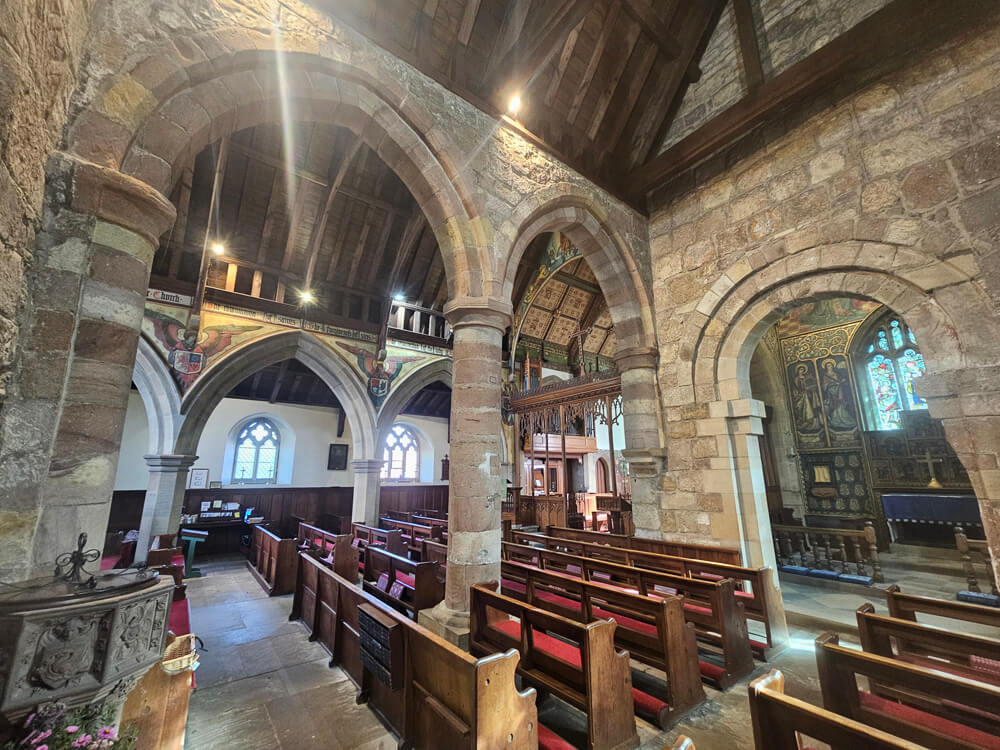
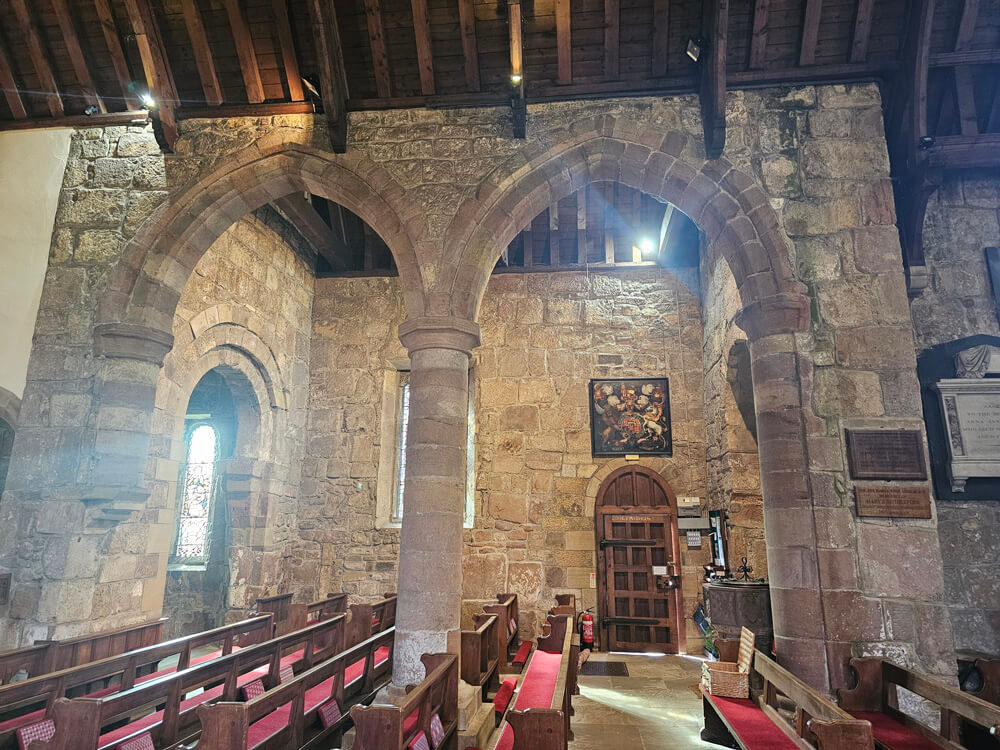
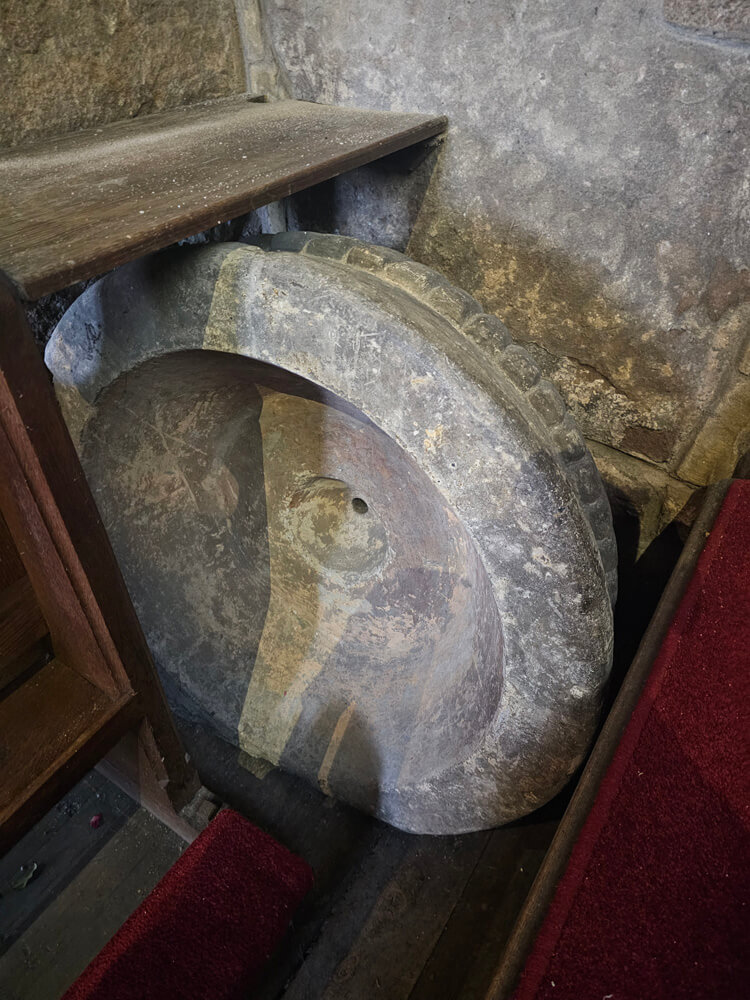
A north aisle was added, and the original Saxon north wall was opened into an arcade with pointed arches during the late 12th or early 13th century. A large Norman window was inserted into the south chapel, and a finely carved stone piscina — possibly reused from an earlier Romanesque feature — survives as evidence of the church’s Norman embellishment.
The 13th century brought further changes as Early English Gothic architecture softened the church’s earlier appearance. Slender lancet windows were inserted into the south chapel, while a sedilia and piscina were added for the clergy, reflecting changing patterns of medieval worship.
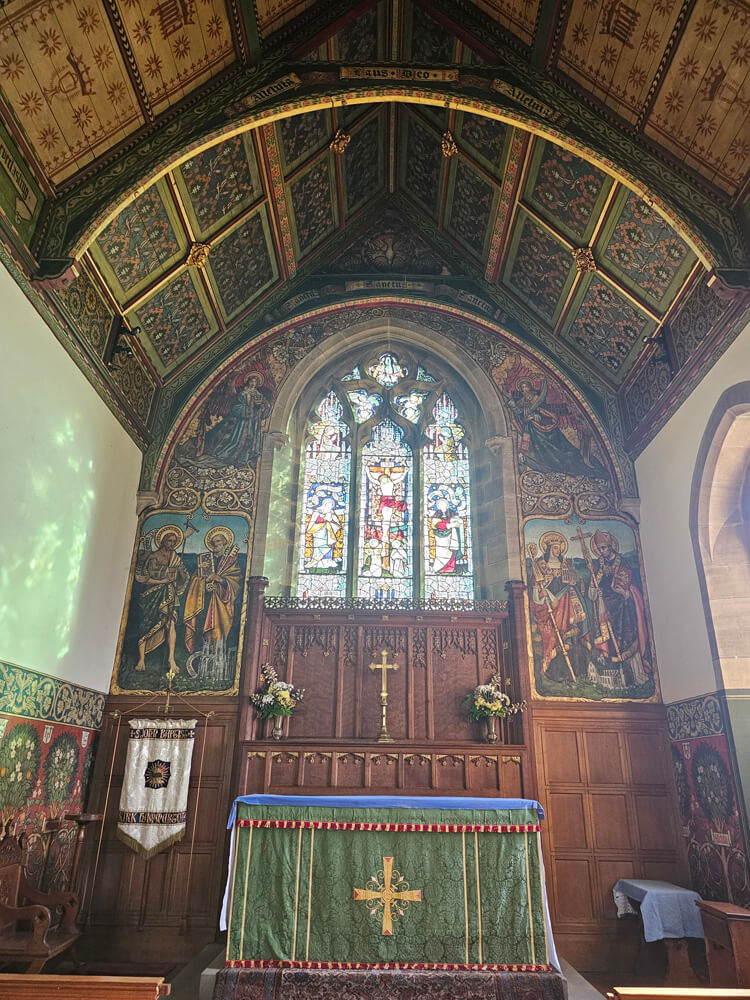
Over succeeding centuries, many of the original Saxon windows were replaced with larger Gothic openings. A fine Perpendicular east window transformed the chancel, while medieval wall paintings once decorated the interior, fragments of which can still be seen near the old chancel arch. These colourful murals would have formed part of the richly painted interiors familiar to medieval worshippers before the Reformation.
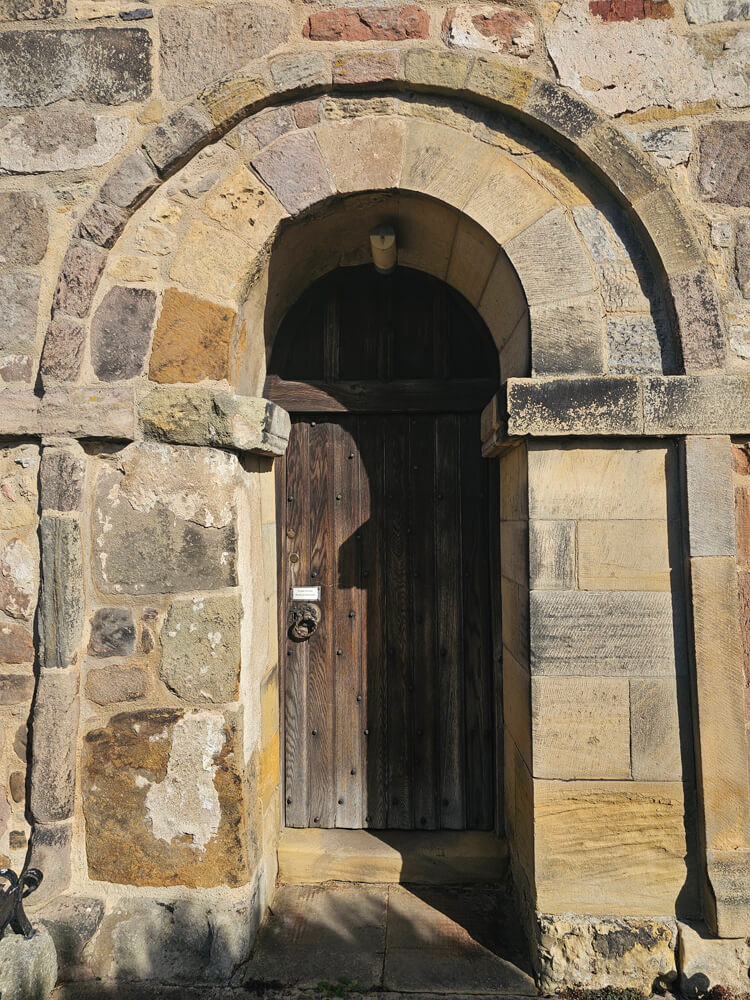
The church’s Saxon west and south doorways also survived, an unusually rare survival that reveals how successive generations adapted rather than erased the earlier building.
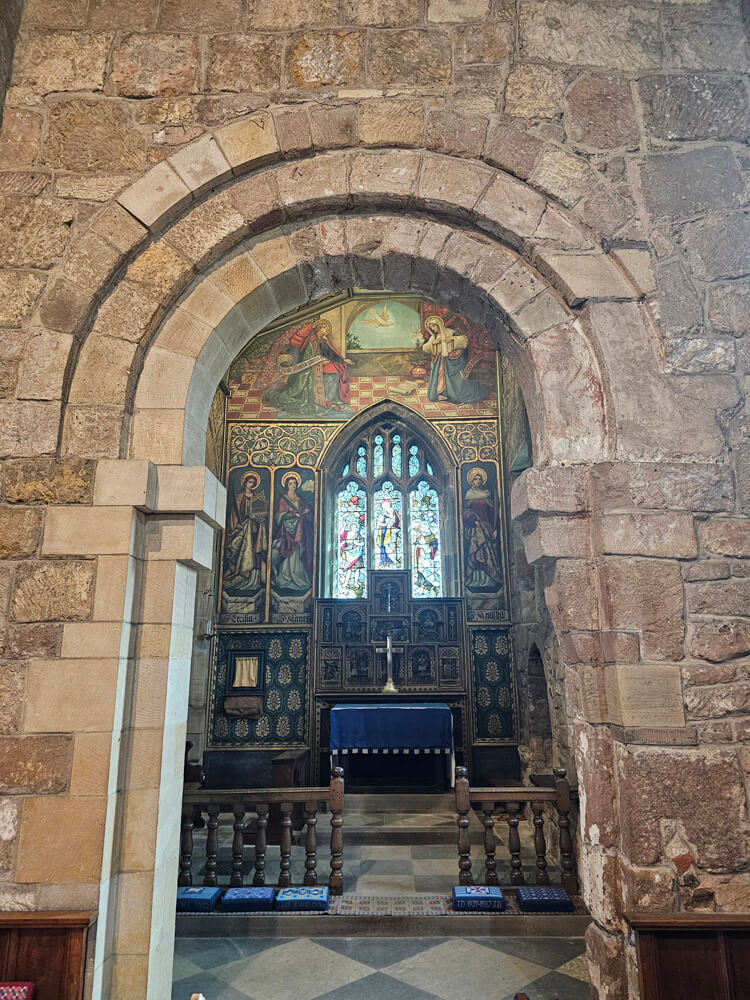
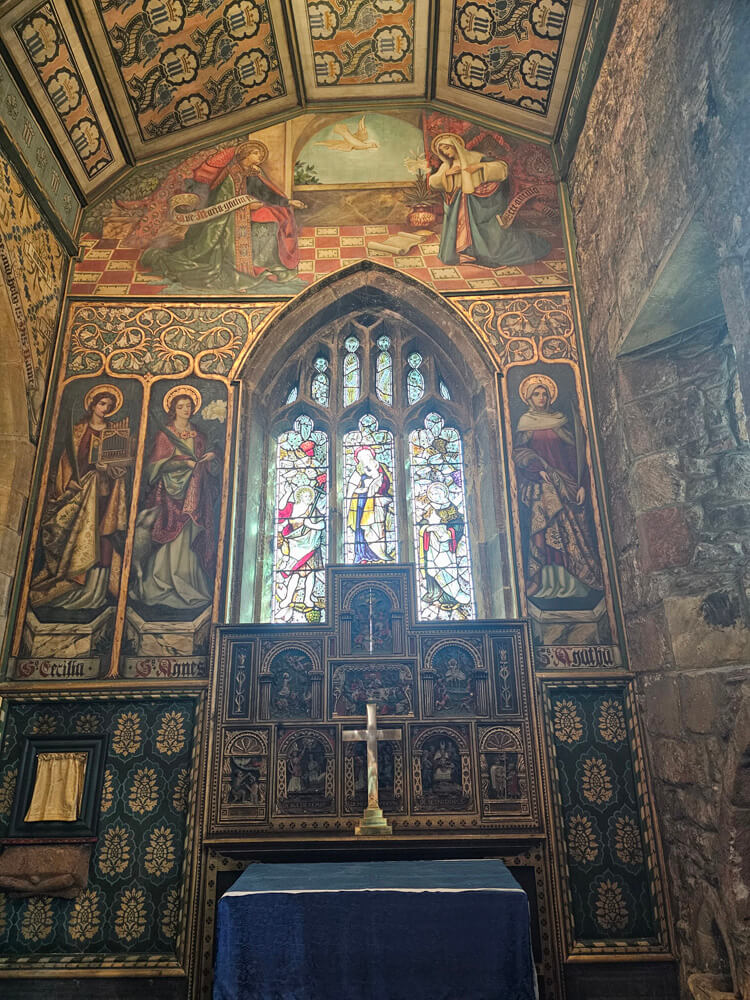
Although major Victorian rebuilding transformed much of the church’s northern side, the medieval heart of Kirk Hammerton remains remarkably intact. The interior paintings covering walls and ceilings are also Victorian. The ancient tower, original nave and chancel — now forming the south aisle and Lady Chapel — allow visitors to walk through architecture spanning the centuries between the Anglo-Saxon kingdom of Northumbria and the height of medieval England.
Today, as a Grade I listed building, St John the Baptist stands as one of Yorkshire’s finest surviving examples of a church that bridges the Saxon, Norman and Gothic worlds.
Photo Gallery.
Did you enjoy this post?
I hope you found this post useful. I put a great deal of time and effort in to building, maintaining and populating the website. If you like, you could say a small thank you by buying me a coffee. You don't have to, but it would be nice :)
Buy me a coffee
Stay up to Date
Follow me on my journey and get notified whenever a new post is published by following Kings & Castles on Facebook.
Follow MeExplore The Map
Discover the hundreds of castles, churches, monasteries, cathedrals and other historic locations that I've personally visited across England and Wales. Search by location, explore nearby sites and plan your next historical adventure.
Share: