St Mary’s Church, Whitby
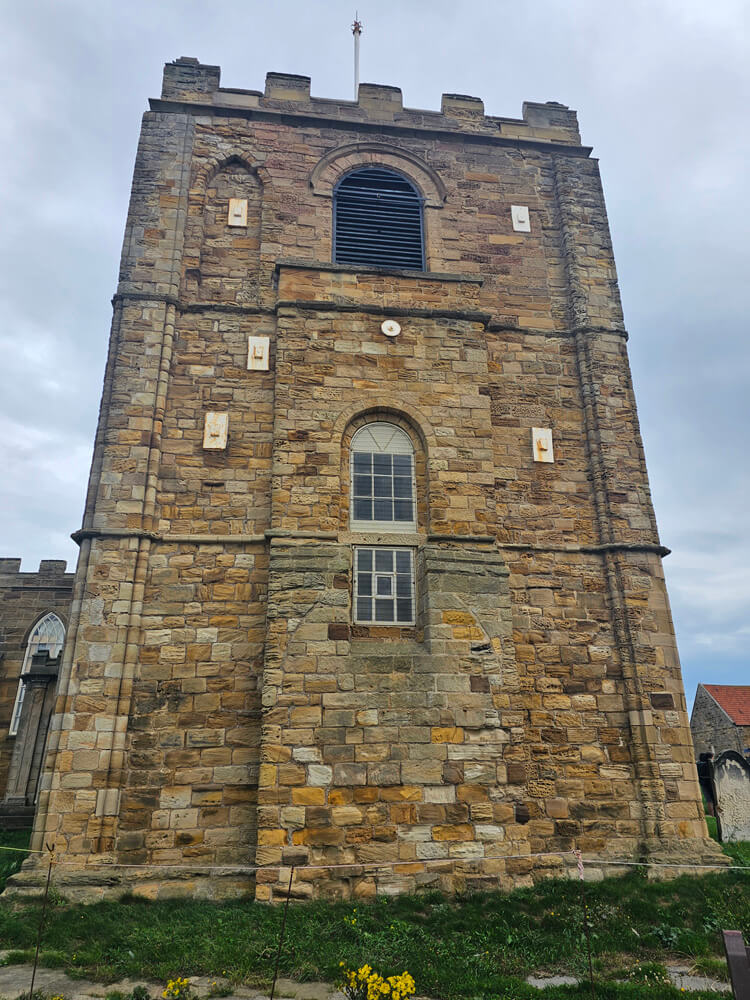
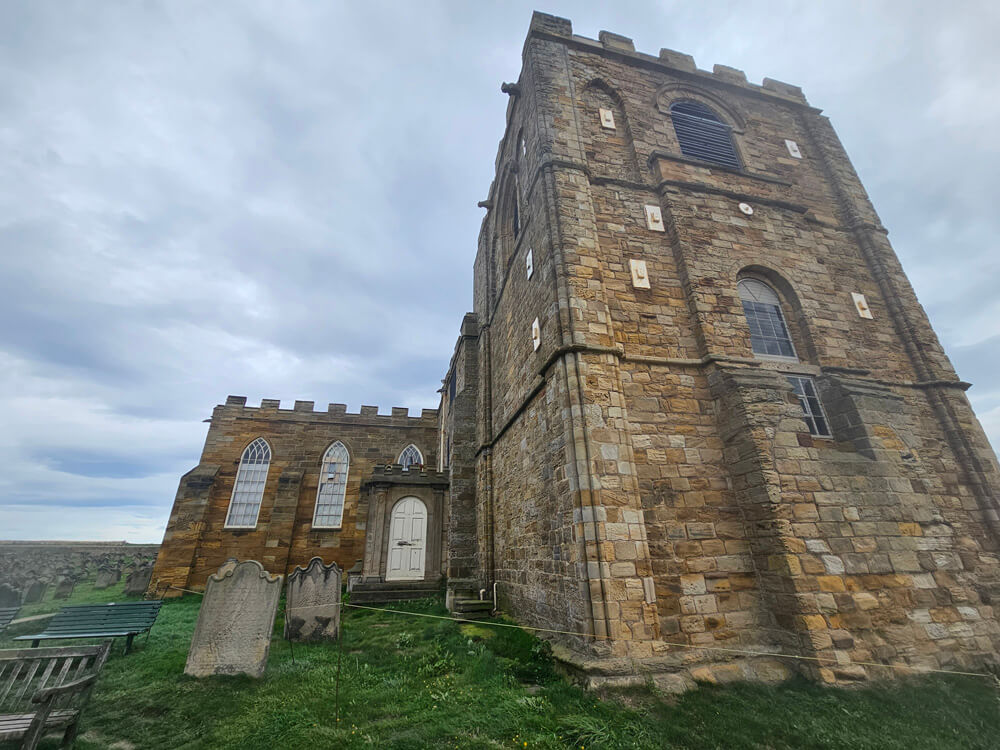
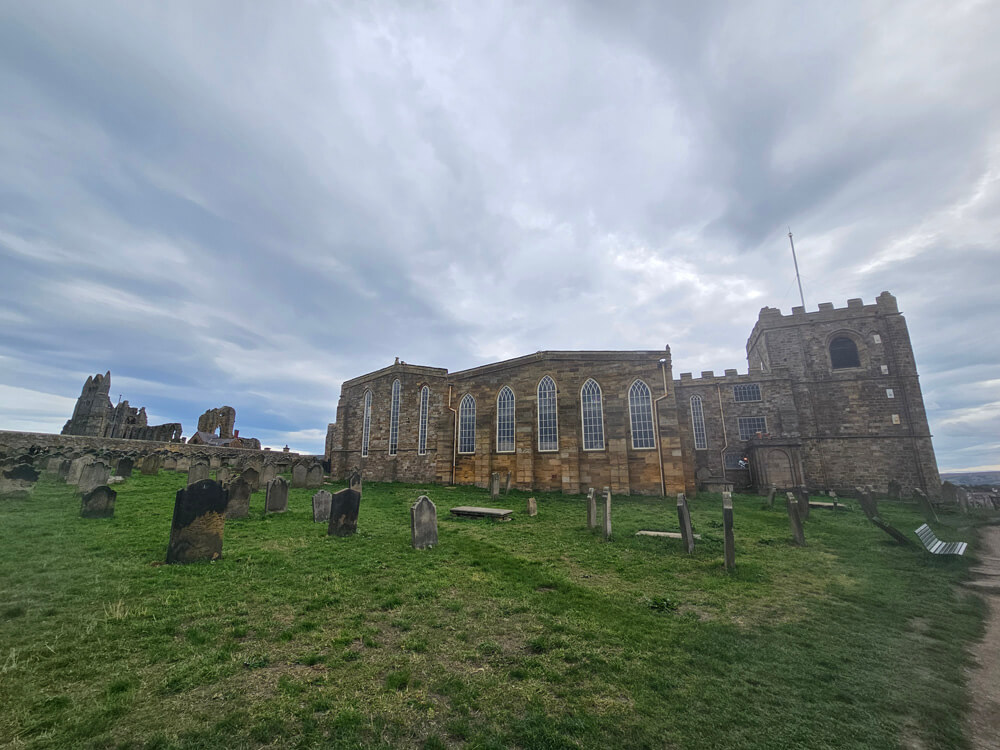
Standing beside the dramatic ruins of Whitby Abbey, St Mary’s Church is one of Yorkshire’s most historic churches. Perched high on the East Cliff and reached by Whitby’s famous 199 Steps, it has served the town’s people for nearly a thousand years.
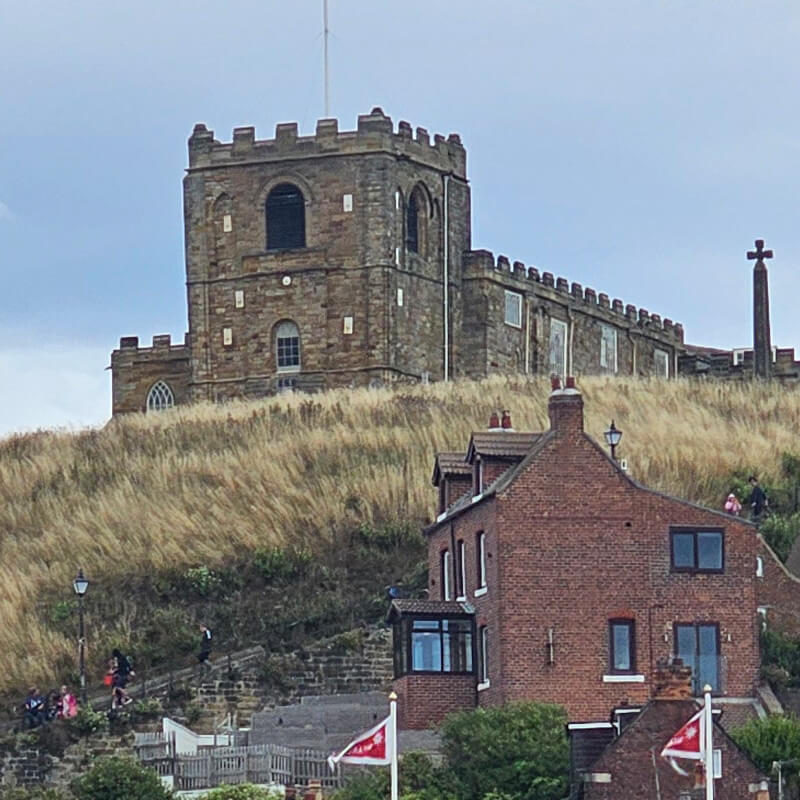
The church’s origins date to the early 12th century, shortly after the Norman rebuilding of Whitby Abbey. It was established as the parish church for the growing community outside the Benedictine monastery, although the site had been sacred since the Anglo-Saxon period, when Saint Hilda’s 7th-century monastery stood nearby.
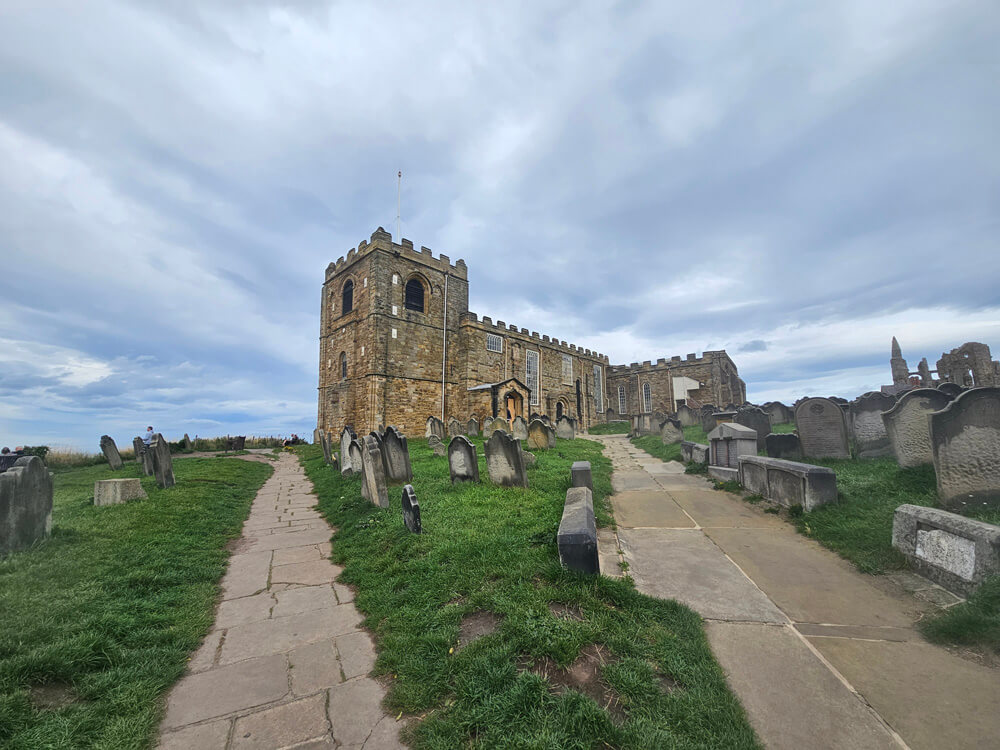
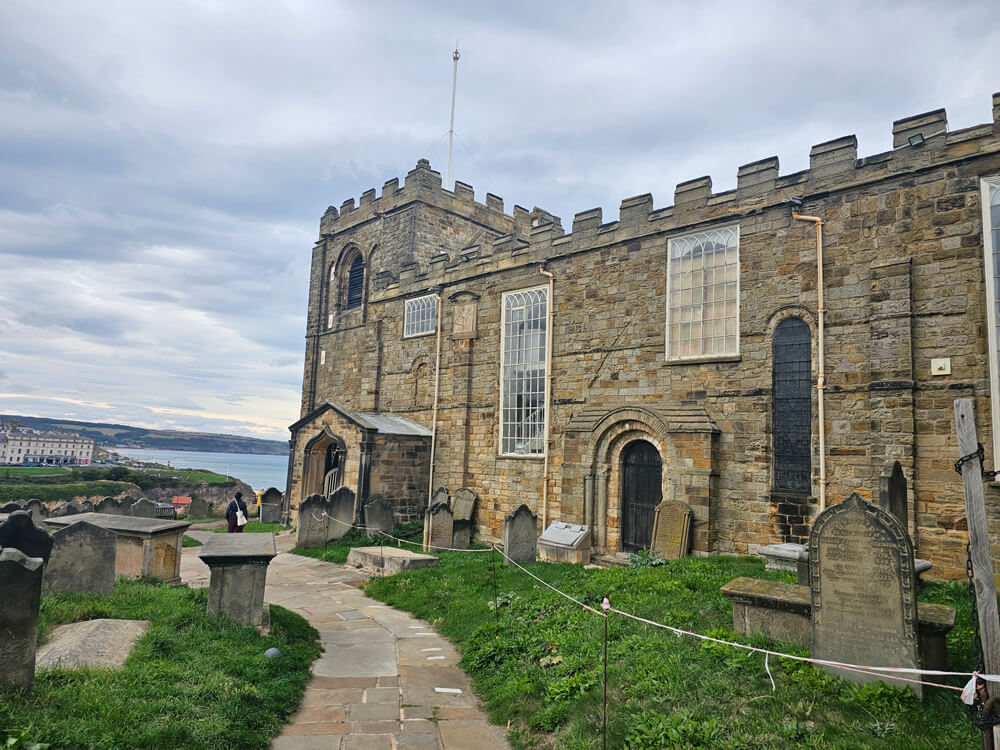
Much of the present building reflects centuries of expansion and alteration. During the 13th and 14th centuries, the church was enlarged in the Gothic style, while later generations added galleries, box pews, and other features that created the distinctive interior seen today. Unlike many medieval churches that were heavily restored during the Victorian era, St Mary’s retained much of its Georgian and 18th-century character, preserving its uneven wooden galleries, narrow aisles, and weathered furnishings.
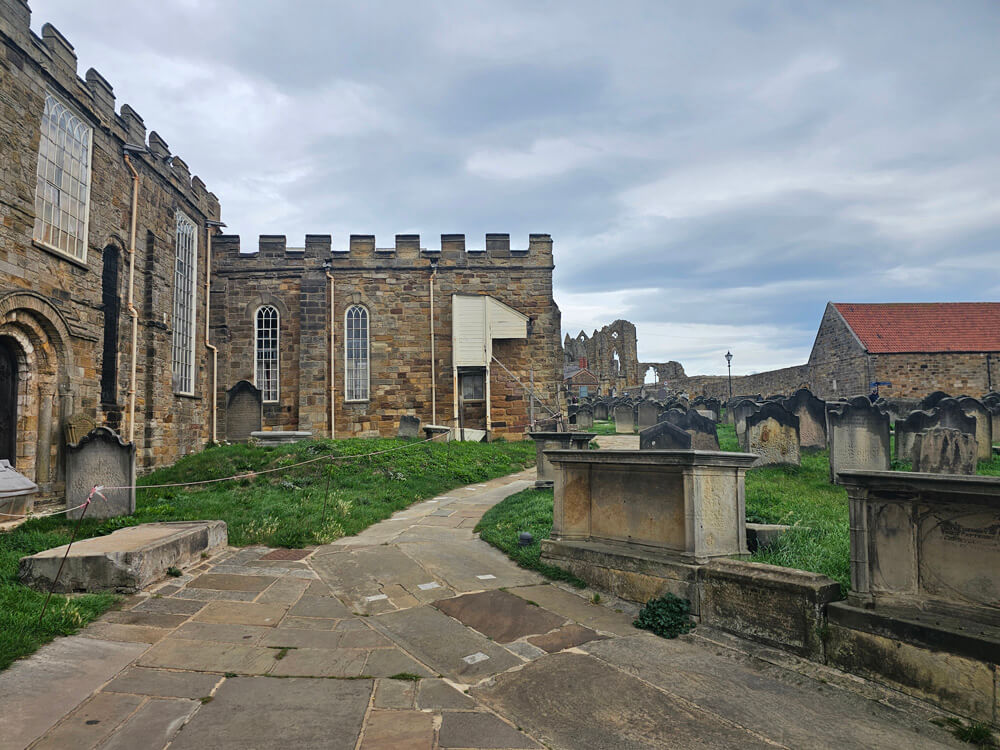
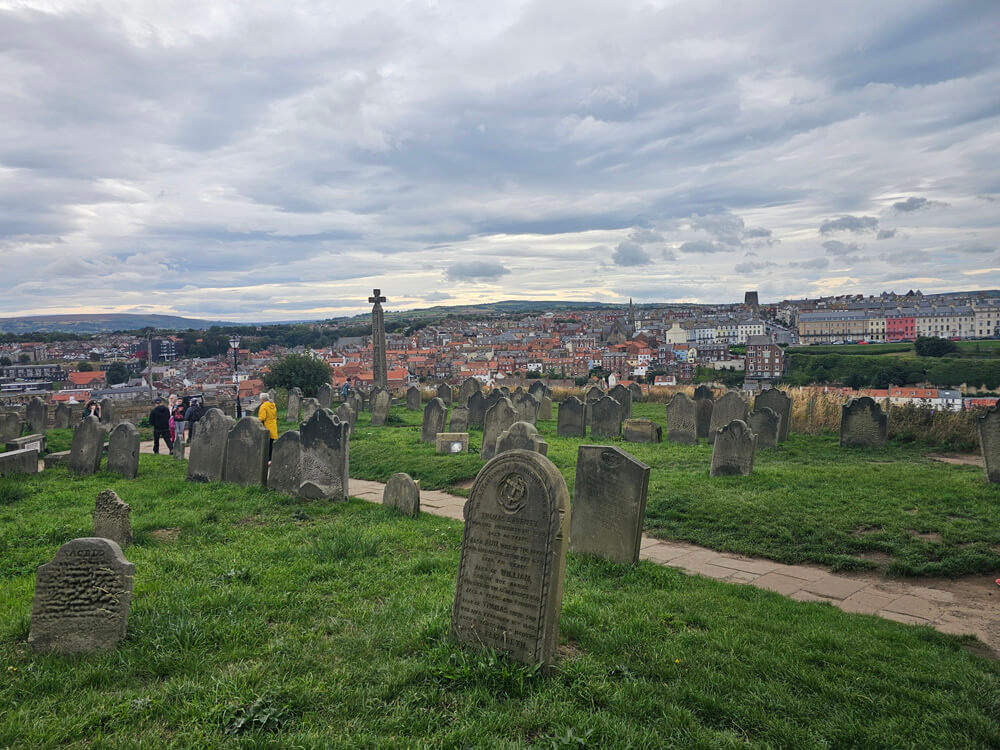
The church has long been closely connected to Whitby‘s seafaring community. Mariners and shipowners worshipped here, and memorials throughout the building commemorate captains, sailors, and local families whose lives depended on the North Sea. The churchyard contains numerous historic gravestones, many carved with skulls, angels, and maritime symbols that reflect both faith and the dangers of life at sea.
St Mary’s gained worldwide fame through Bram Stoker’s 1897 novel Dracula. During his visit to Whitby in 1890, Stoker drew inspiration from the churchyard overlooking the harbour, and it became the setting for several memorable scenes involving Lucy Westenra and the mysterious black dog linked to Count Dracula’s arrival.
Today, St Mary’s remains an active parish church and an important historic landmark. Overlooking Whitby’s harbour and standing in the shadow of the abbey, it represents nearly nine centuries of worship, maritime heritage, and literary history, making it one of North Yorkshire’s most atmospheric and treasured churches.
NOTE: I didn’t take photos of the interior of the church because it was a mess, full of obstacles, furniture and people. Personally I don’t like the interior of this church anyway, the best of this church in my opinion is the exterior. The interior of St Mary’s is famously Georgian and 18th-century, which isn’t my personal cup of tea.
Photo Gallery.
Did you enjoy this post?
I hope you found this post useful. I put a great deal of time and effort in to building, maintaining and populating the website. If you like, you could say a small thank you by buying me a coffee. You don't have to, but it would be nice :)
Buy me a coffee
Stay up to Date
Follow me on my journey and get notified whenever a new post is published by following Kings & Castles on Facebook.
Follow MeExplore The Map
Discover the hundreds of castles, churches, monasteries, cathedrals and other historic locations that I've personally visited across England and Wales. Search by location, explore nearby sites and plan your next historical adventure.
Share: