The Historic Town of Whitby
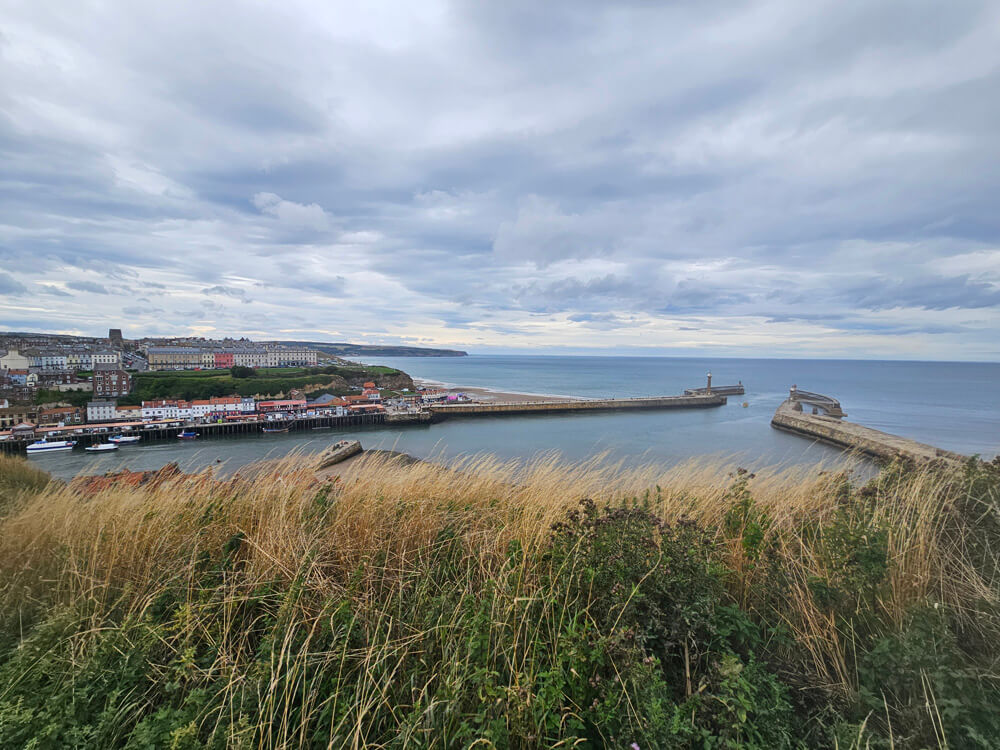
Few towns in England combine ancient history, maritime adventure, and literary legend as vividly as Whitby. Nestled where the River Esk meets the North Sea, Whitby has evolved from an Anglo-Saxon religious centre into a bustling fishing port and one of Britain’s most popular seaside destinations.
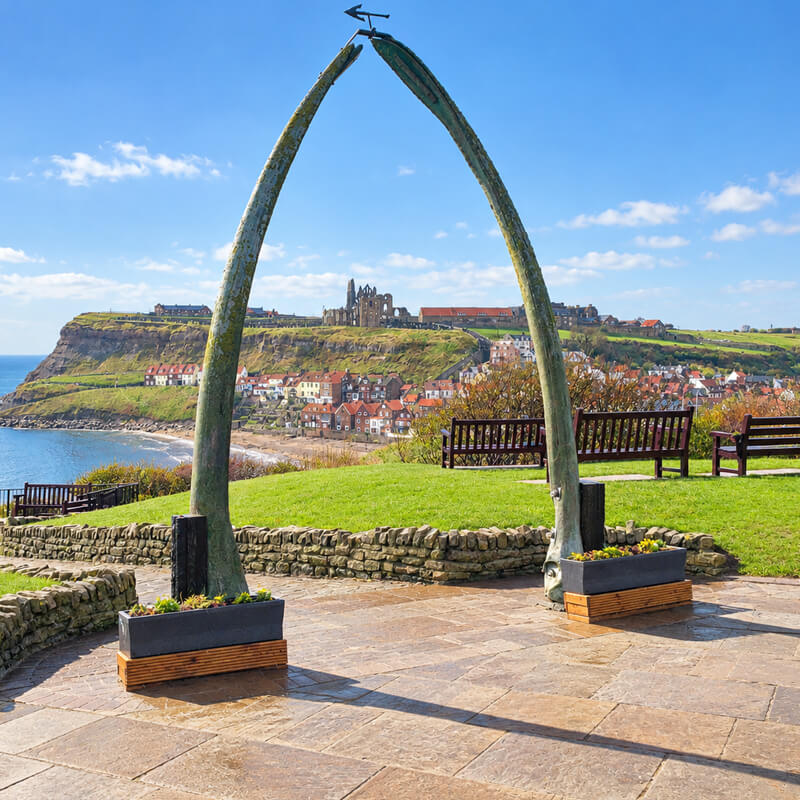
Anglo-Saxon Origins
Whitby’s story began long before the present town took shape. In 657 AD, King Oswiu of Northumbria founded a monastery on the East Cliff, placing it under the leadership of Saint Hilda. The monastery quickly became one of the most important centres of learning in Anglo-Saxon England.
Its greatest claim to fame came in 664 AD, when it hosted the Synod of Whitby. King Oswiu gathered church leaders to settle a dispute between Celtic and Roman Christian traditions, ultimately choosing Roman practice. The decision helped align the English Church with continental Europe and made Whitby famous throughout medieval Christendom.
The original monastery was destroyed during Viking raids around 867 AD, bringing this early chapter of Whitby’s history to an end.
Norman Rebirth
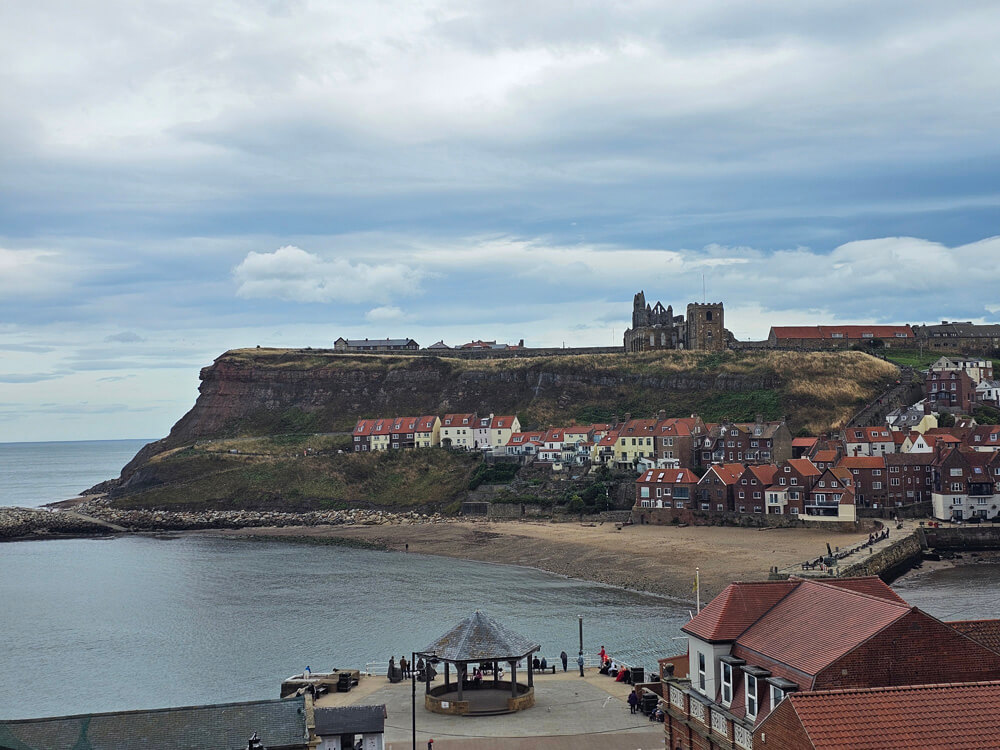
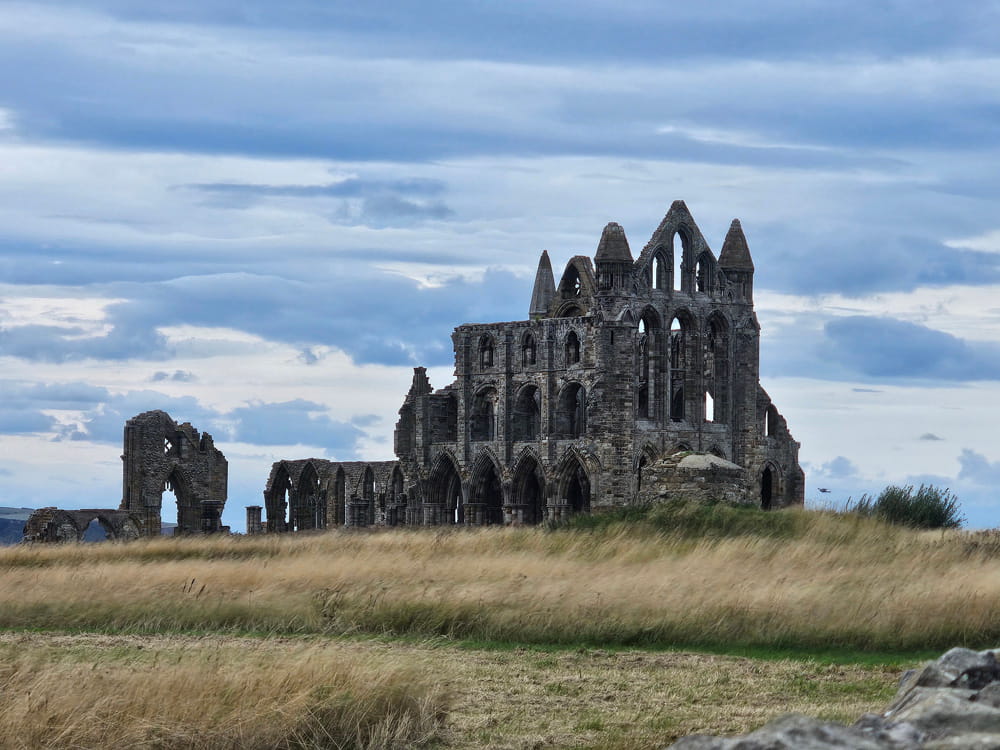
Following the Norman Conquest, monastic life returned when a Benedictine abbey was established around 1078 by Reinfrid, supported by William de Percy. The magnificent Gothic abbey gradually replaced the earlier Norman buildings, creating the spectacular ruins that still dominate the skyline.
The growing settlement below the abbey developed into an important fishing and trading port. Its sheltered harbour made it well suited to coastal trade, while local industries flourished alongside the monastery.
A Maritime Town
By the 17th and 18th centuries, Whitby had become one of Britain’s leading shipbuilding ports. Local shipyards produced sturdy vessels for trade, fishing, and exploration, helping transform the town into a centre of maritime expertise.
Whitby’s most famous son was Captain James Cook. Although born in nearby Marton, Cook trained in Whitby after joining the Quaker-owned shipping firm of John Walker. He learned his seamanship aboard Whitby-built coal ships, whose robust design later proved ideal for his famous voyages of discovery aboard HMS Endeavour.
The town’s prosperity also rested on fishing, particularly for herring, alongside trade with ports around Britain and northern Europe.
Whitby Jet and Victorian Tourism
Whitby became renowned for Whitby Jet, a rare black fossilised wood formed from ancient Jurassic trees. During the Victorian era, Queen Victoria’s fondness for jet jewellery created enormous demand, and local workshops supplied elegant mourning jewellery to customers across Britain.
The arrival of the railway in the 19th century transformed Whitby into a fashionable seaside resort. Visitors came to enjoy its sandy beaches, dramatic cliffs, fresh sea air, and picturesque harbour. Hotels, promenades, and attractions expanded as tourism became increasingly important.
Dracula’s Whitby
Whitby’s dramatic landscape gained worldwide literary fame through Bram Stoker’s novel Dracula. During a visit in 1890, Stoker found inspiration in the ruined abbey, St Mary’s Church, and the famous 199 Steps linking the harbour to the East Cliff.
In the novel, Dracula arrives aboard the doomed ship Demeter before climbing toward the abbey in the form of a black dog. The connection remains one of Whitby’s strongest cultural associations, celebrated today through its popular Goth Weekend festivals.
Whitby Today
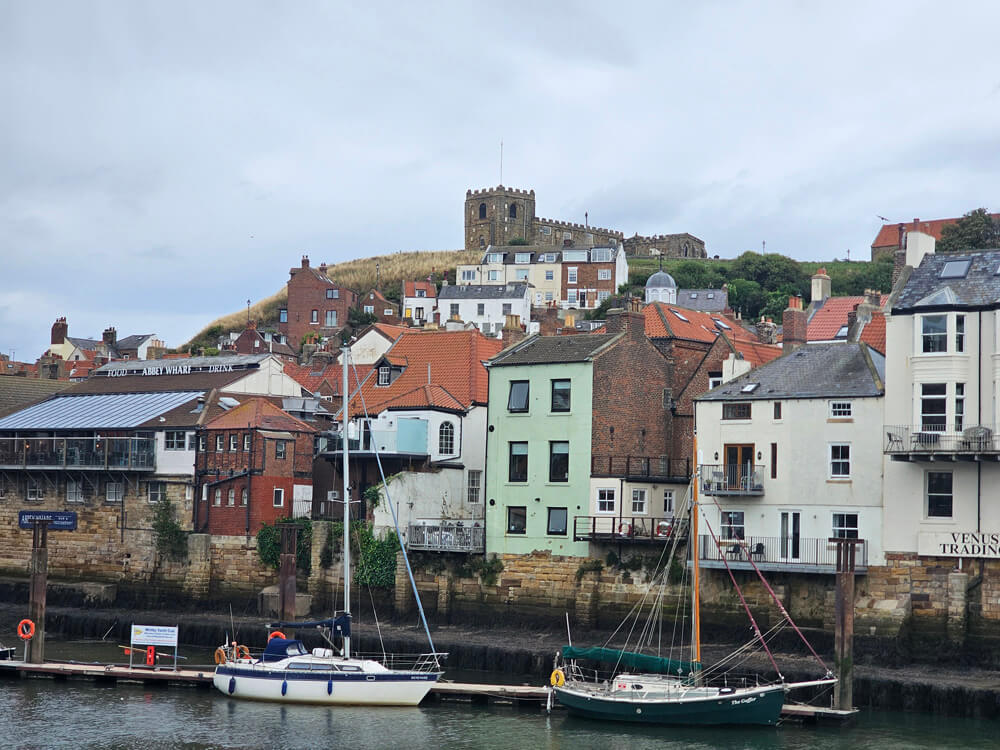
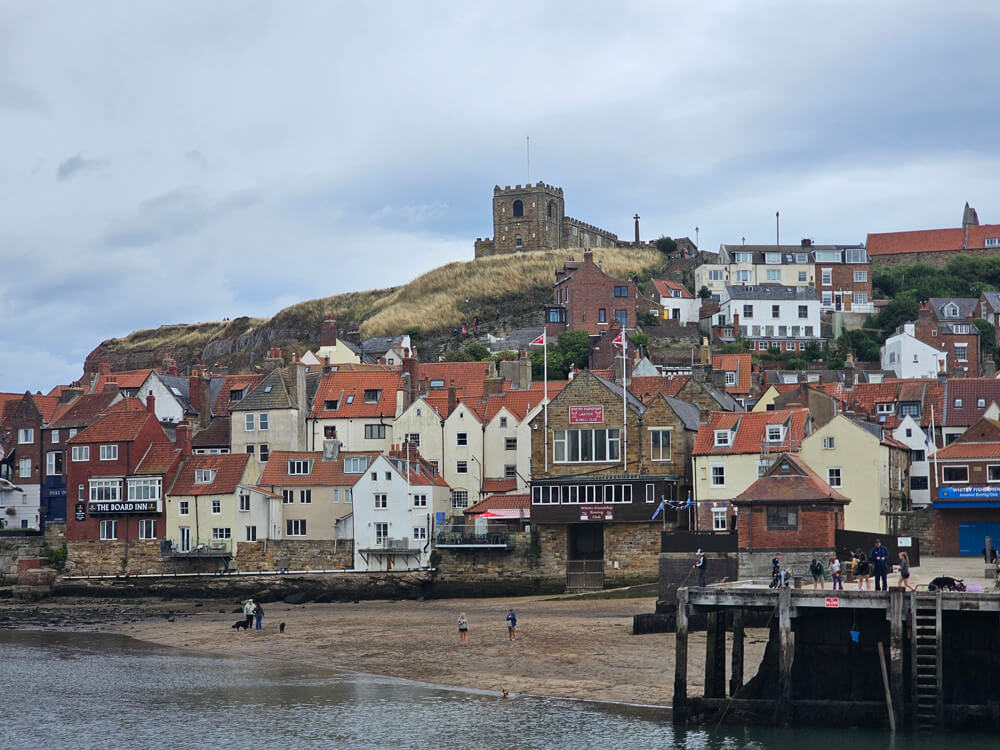
Modern Whitby balances its historic character with a thriving visitor economy. The ruined Whitby Abbey, cared for by English Heritage, remains the town’s most recognisable landmark, while St Mary’s Church preserves centuries of maritime history overlooking the harbour.
Fishing boats still operate from the harbour, and the town continues to celebrate its seafaring heritage through museums, festivals, and the preserved replica of Captain Cook’s Endeavour.
From Saint Hilda’s monastery and the Synod of Whitby to Captain Cook’s voyages and Dracula’s enduring legend, Whitby’s history spans nearly fourteen centuries. Its blend of religious significance, maritime achievement, and Gothic atmosphere makes it one of Yorkshire‘s most distinctive and fascinating historic towns.
Whitby Abbey
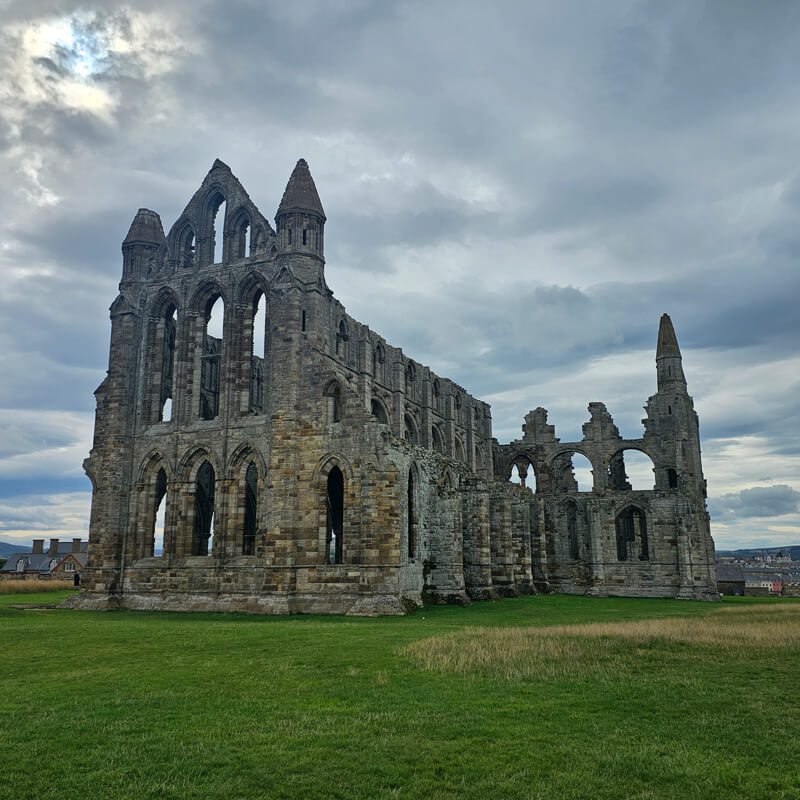
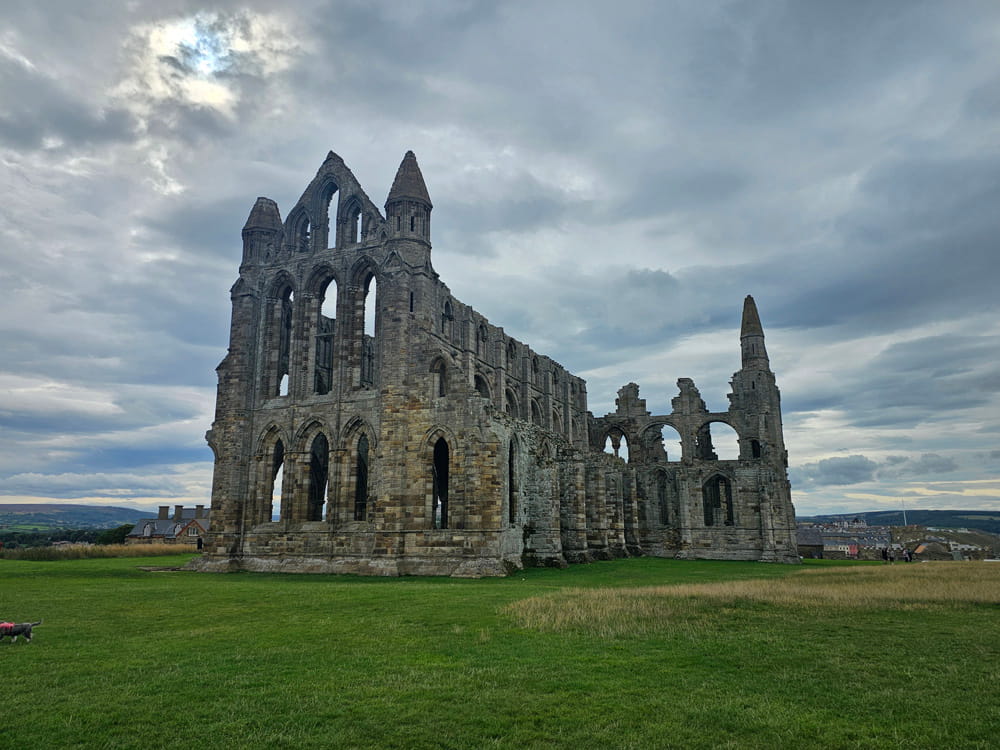
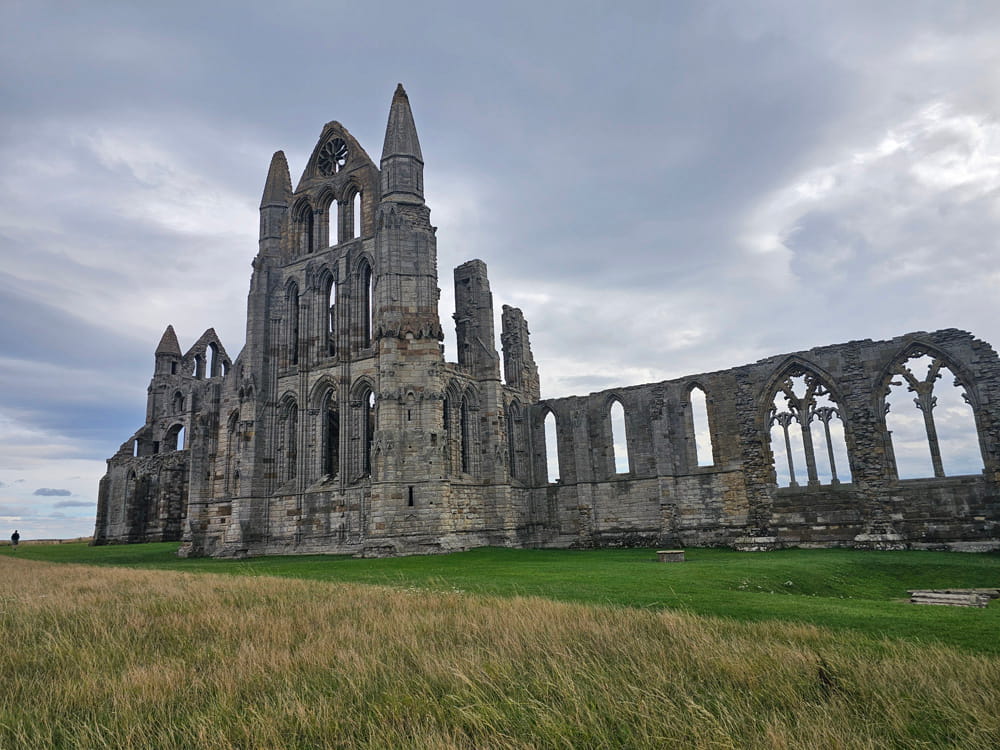
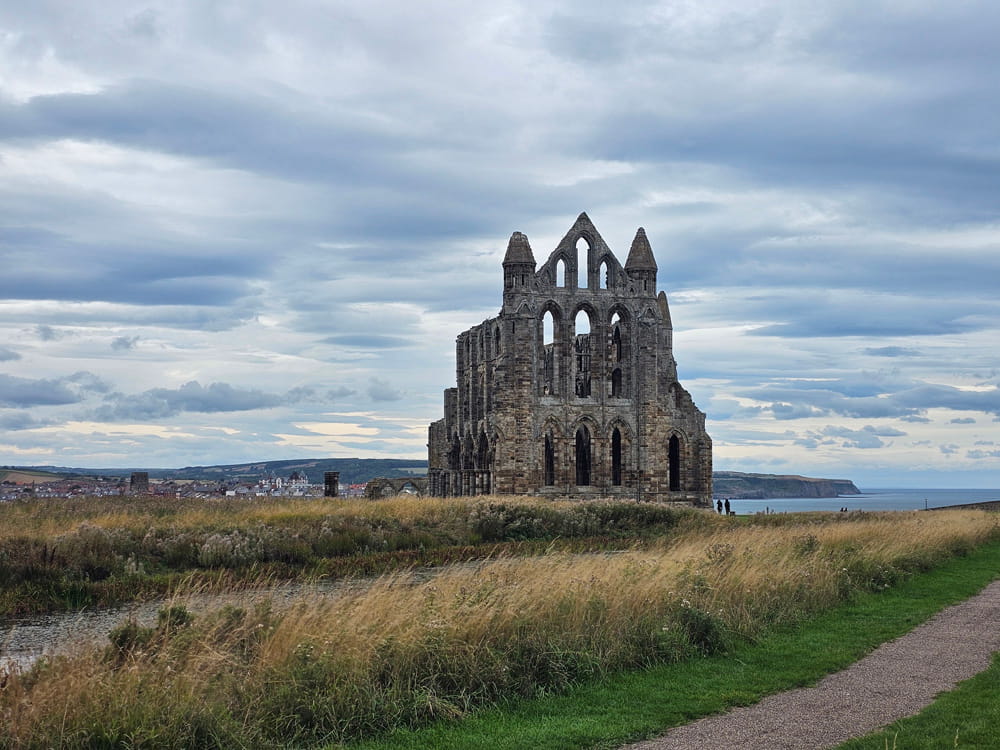
Perched high above the North Sea on the East Cliff, Whitby Abbey is one of England’s most iconic historic ruins. Its soaring Gothic arches have inspired artists, writers, and visitors for centuries, but its story stretches back nearly 1,400 years to the early days of Anglo-Saxon Christianity. Today, the ruins preserve elements of both Norman and Gothic architecture, while the nearby museum displays artefacts from the original Anglo-Saxon monastery and the medieval abbey.
St Mary’s Church
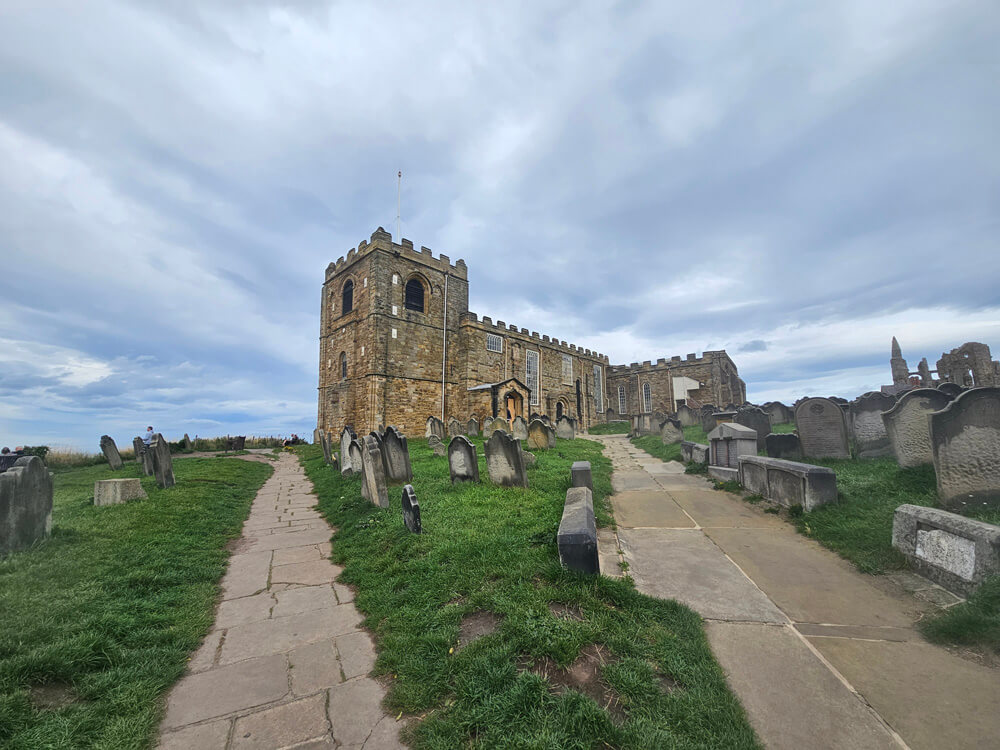
Standing beside the dramatic ruins of Whitby Abbey, St Mary’s Church is one of Yorkshire’s most historic churches. Perched high on the East Cliff and reached by Whitby’s famous 199 Steps, it has served the town’s people for nearly a thousand years.
The 199 Steps
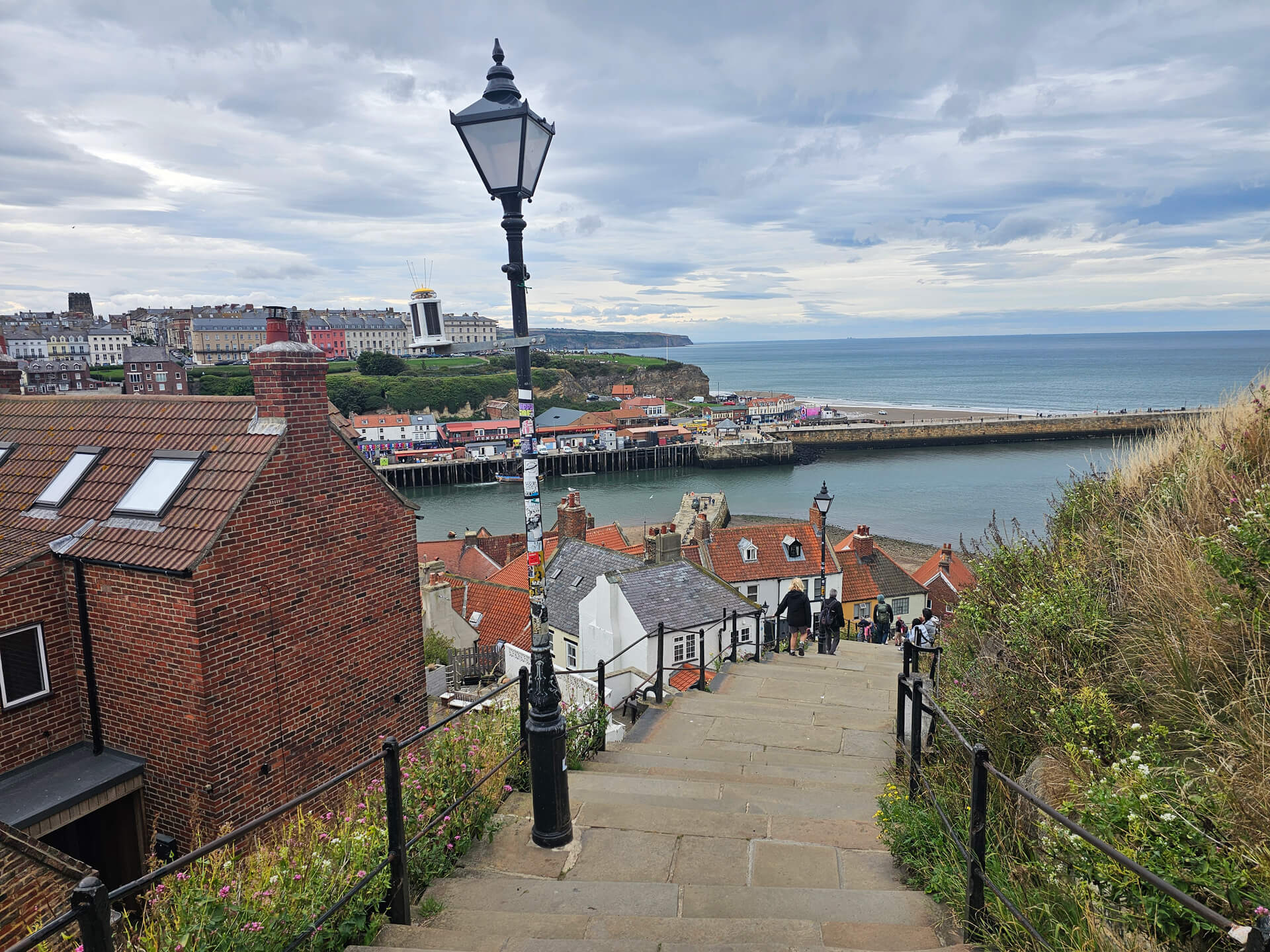
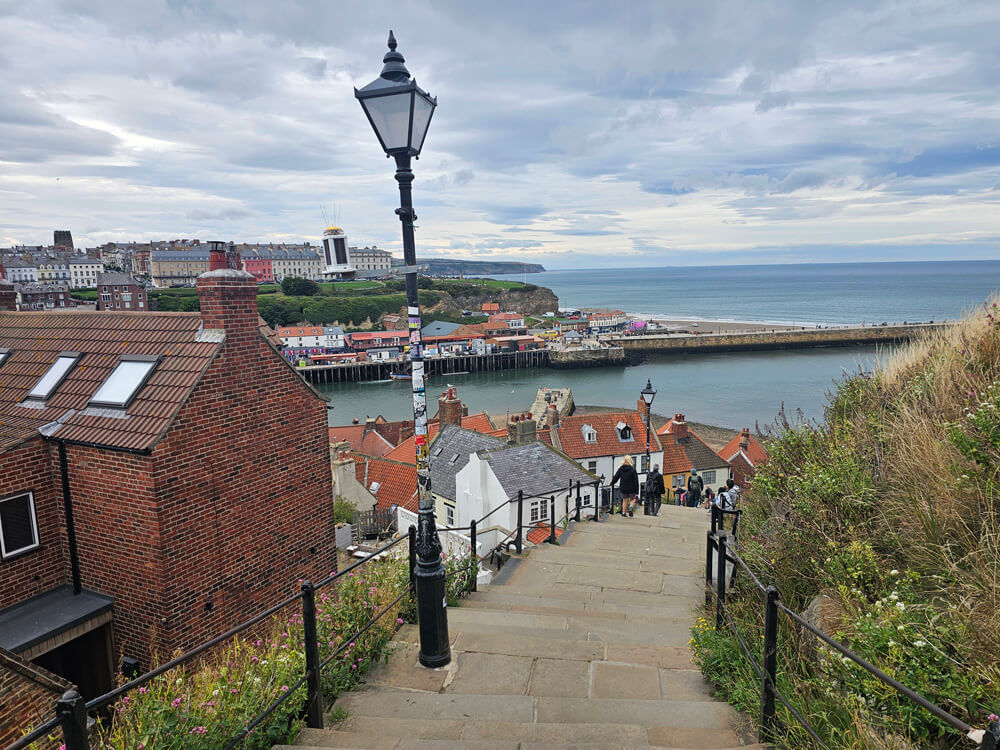
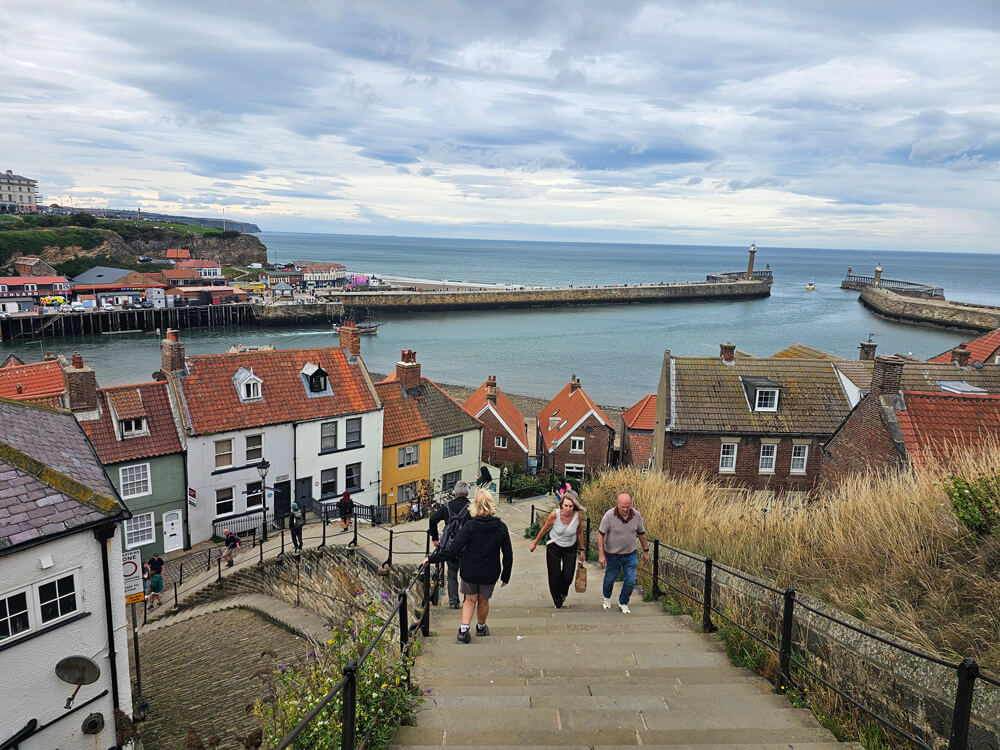
The famous 199 Steps climb from Whitby’s old town and harbour to St Mary’s Church and Whitby Abbey. Dating back centuries, they were once an important route for pilgrims and worshippers to test their Christian devotion. Recorded since at least 1340, the path originally used wooden stairs until they were replaced with stone in 1774. Today, the steep stone staircase is one of Whitby’s best-known landmarks, offering spectacular views over the harbour and North Sea.
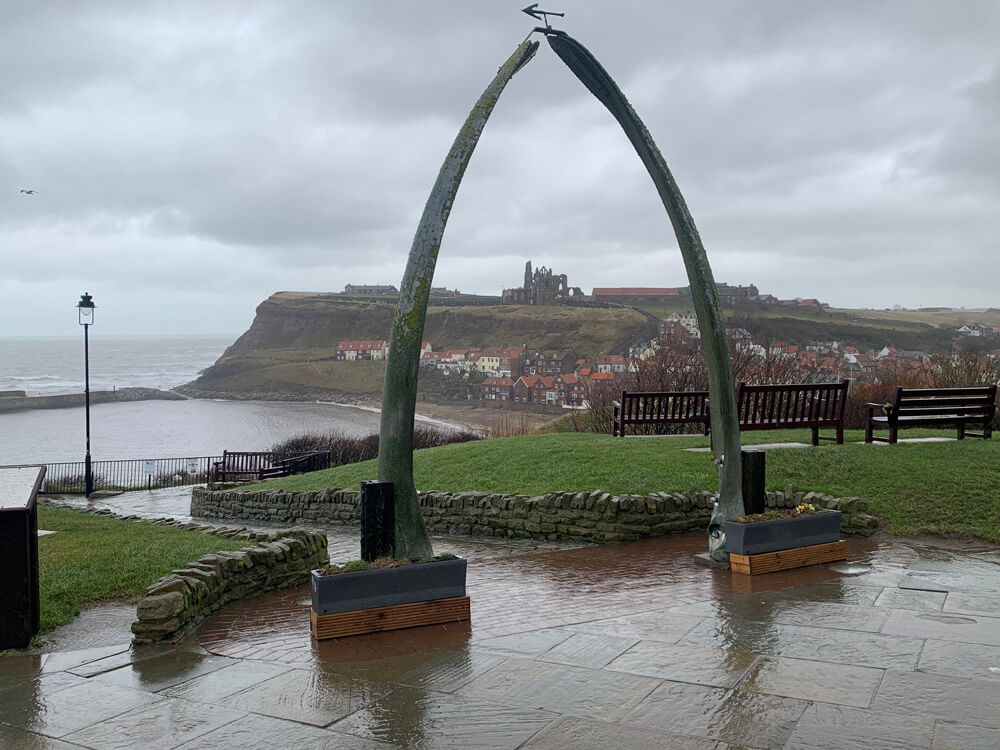
Photo Gallery.
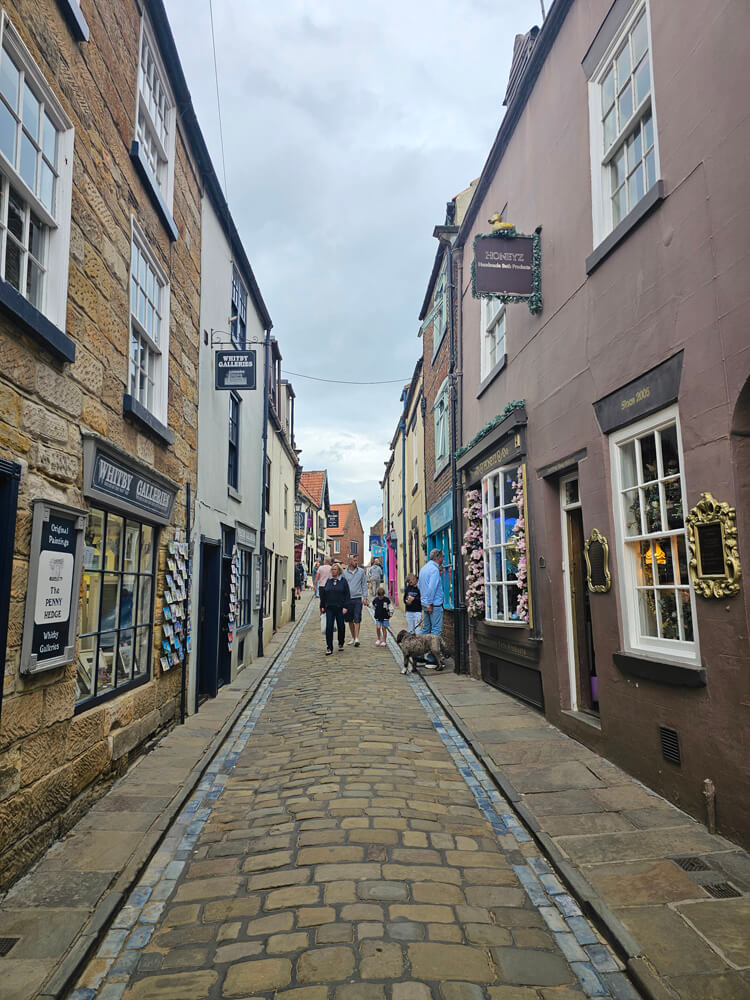
Did you enjoy this post?
I hope you found this post useful. I put a great deal of time and effort in to building, maintaining and populating the website. If you like, you could say a small thank you by buying me a coffee. You don't have to, but it would be nice :)
Buy me a coffee
Stay up to Date
Follow me on my journey and get notified whenever a new post is published by following Kings & Castles on Facebook.
Follow MeExplore The Map
Discover the hundreds of castles, churches, monasteries, cathedrals and other historic locations that I've personally visited across England and Wales. Search by location, explore nearby sites and plan your next historical adventure.
Share: