St Peter’s Church, Winchcombe
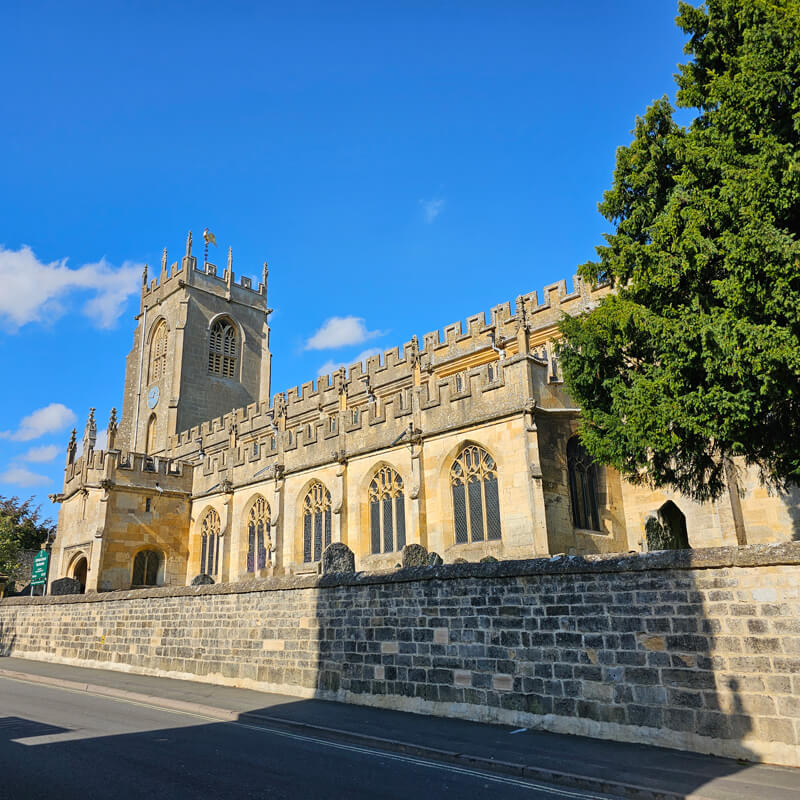
St Peter’s is a beautiful 15th-century church in the centre of Winchcombe, which contains many interesting historic artefacts that are on display inside the church including an altar frontal stitched by Queen Catherine of Aragon.
Historic
Highlights.
- Altar frontal stitched by Queen Catherine of Aragon
- 40 stone grotesques
- Saxon coffins
- Medieval tiles salvaged from Winchcombe Abbey
- A 15th-century door from Winchcombe Abbey
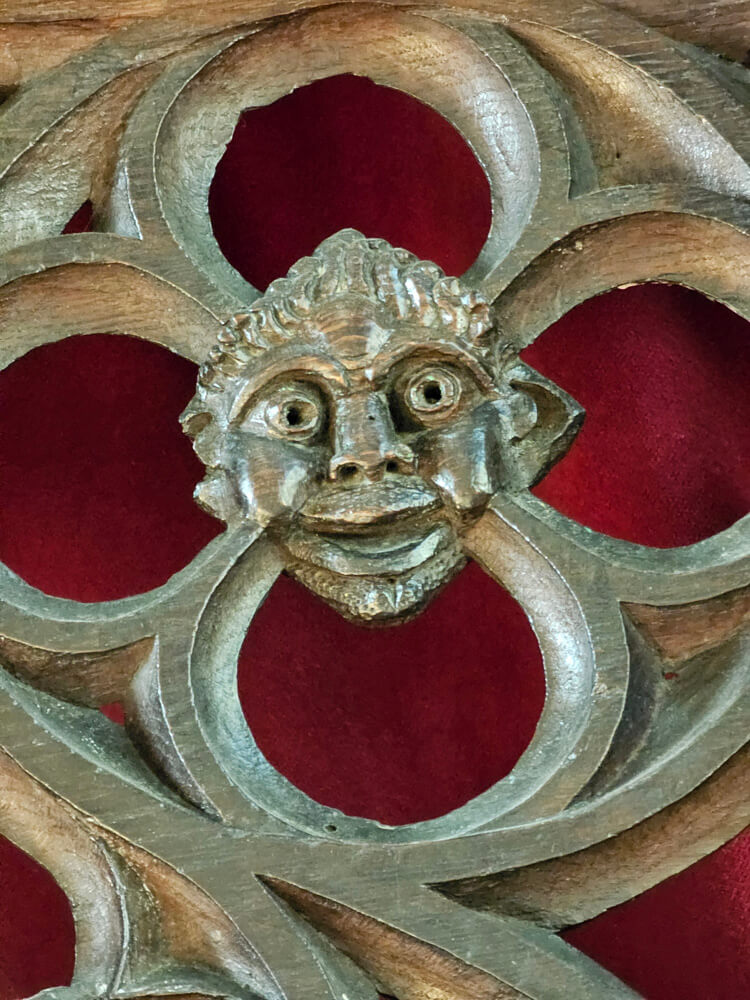
- The Winchcombe Imp
Christian worship began in Winchcombe in Saxon times, and it is very likely that the first church on this site was Saxon. The earliest reference to a church dedicated to St Peter in Winchcombe is in 1175, when a church closely associated with the now-vanished Benedictine abbey of Winchcombe that once stood to the east of the church is mentioned.
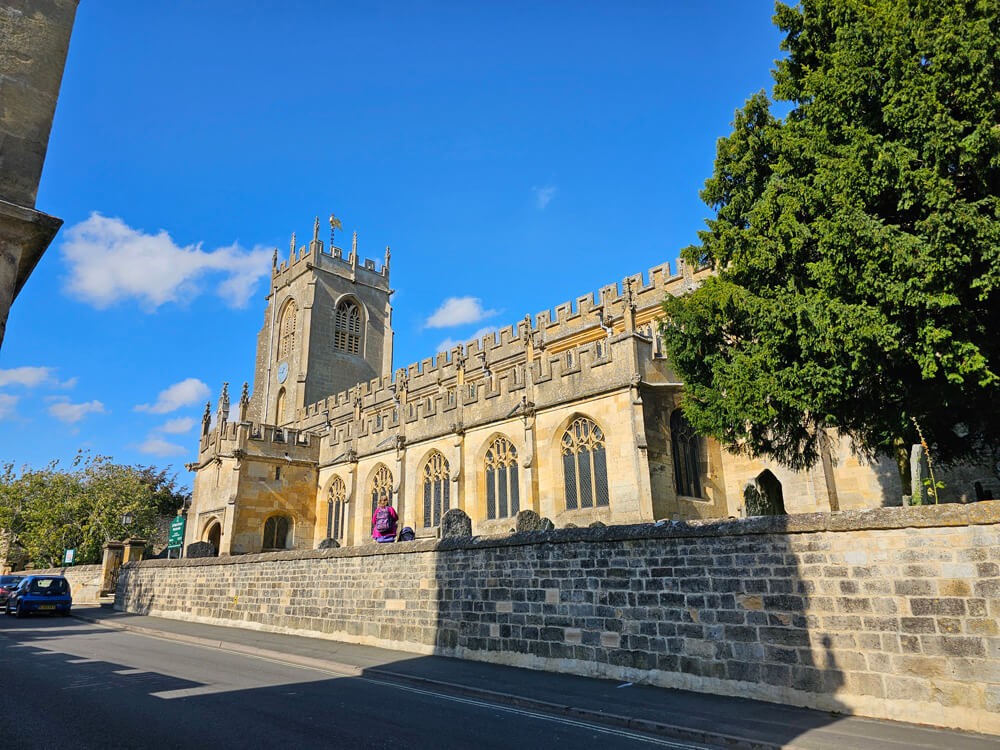
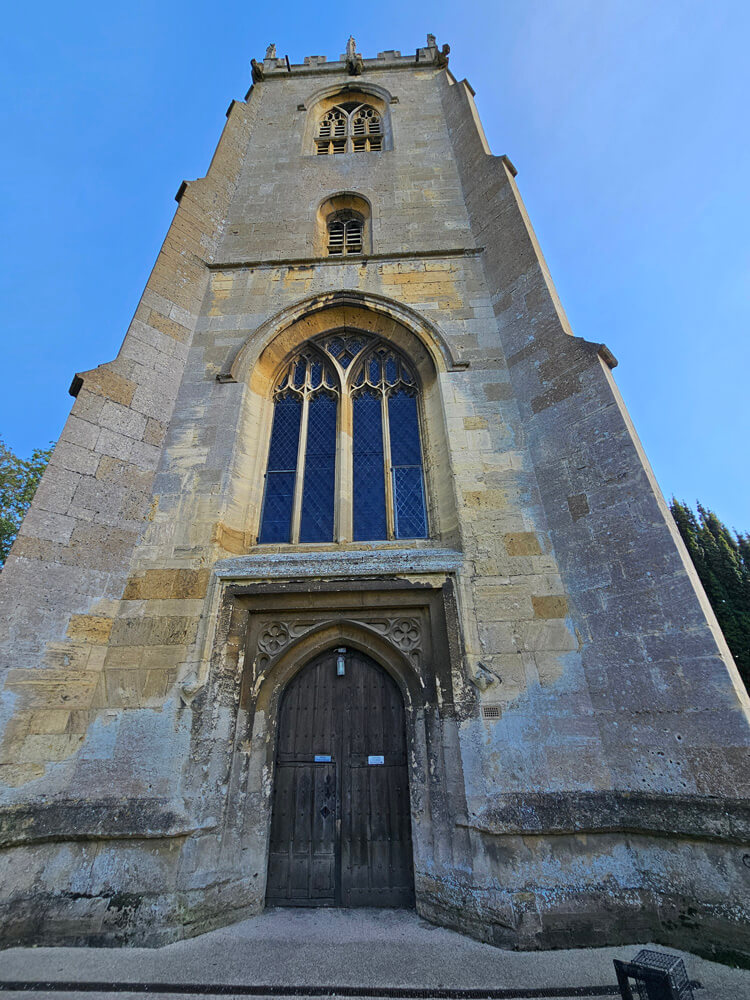
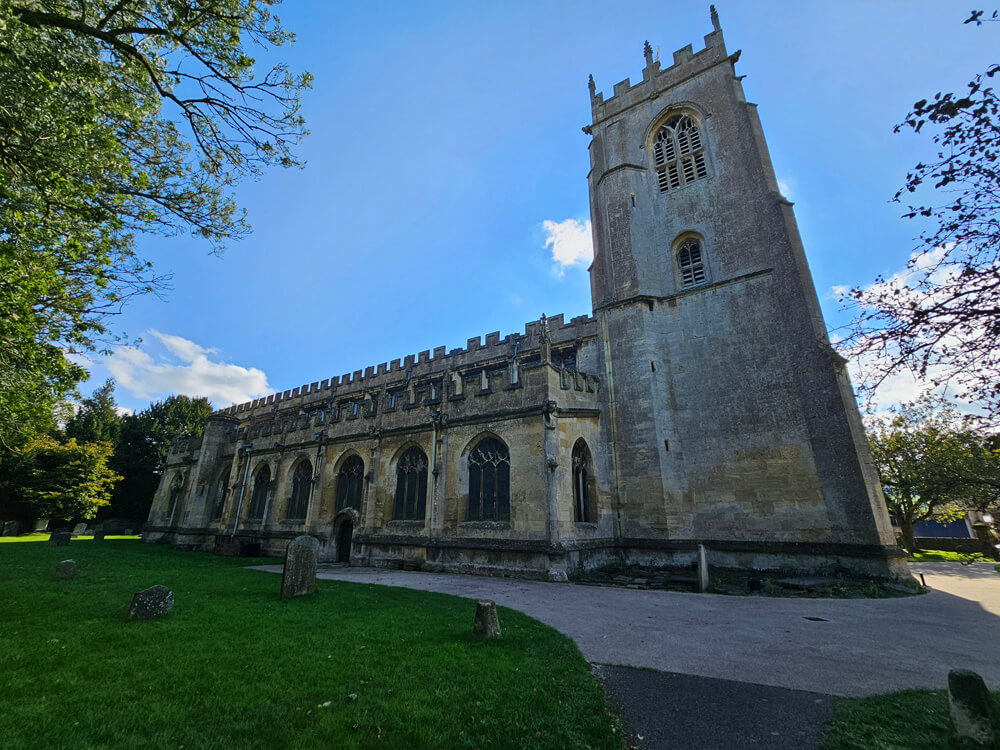
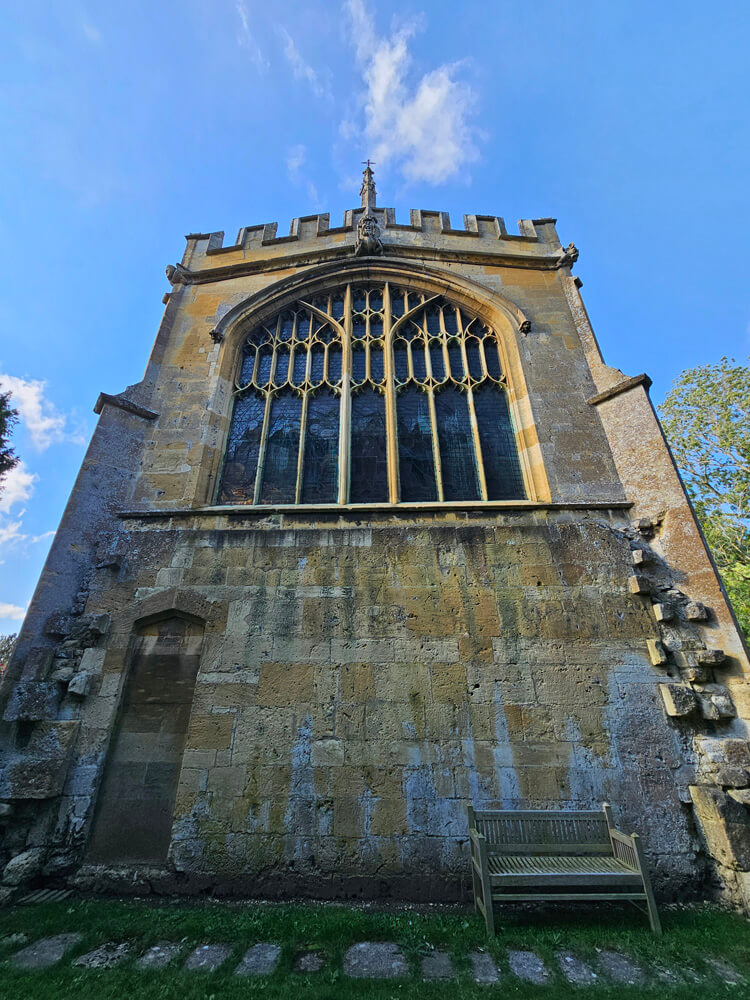
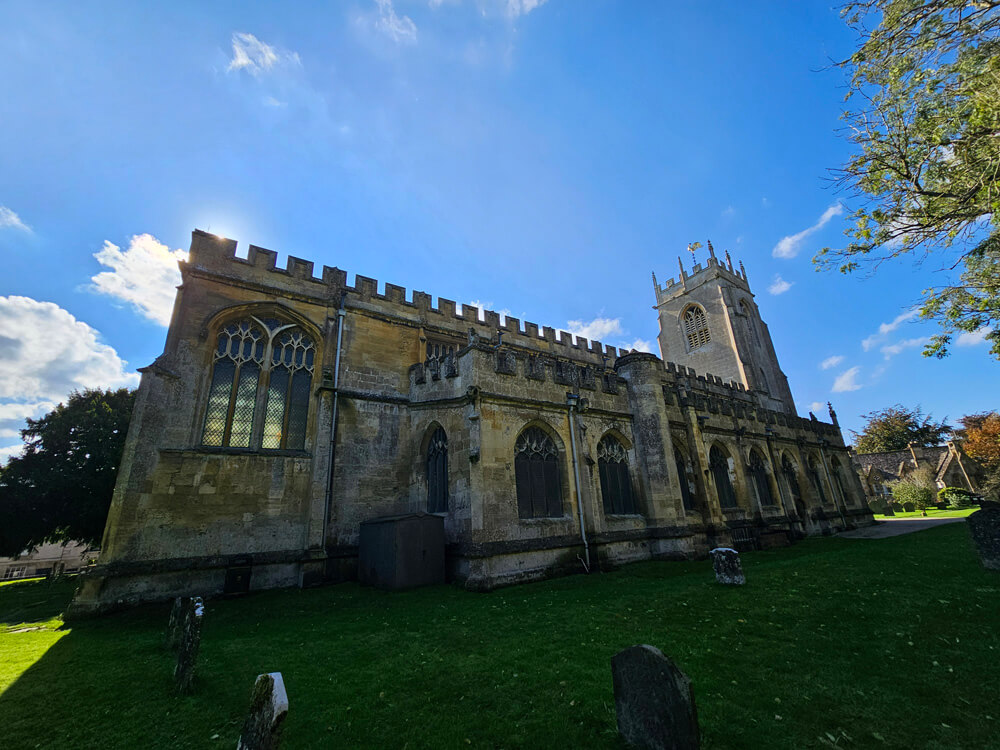
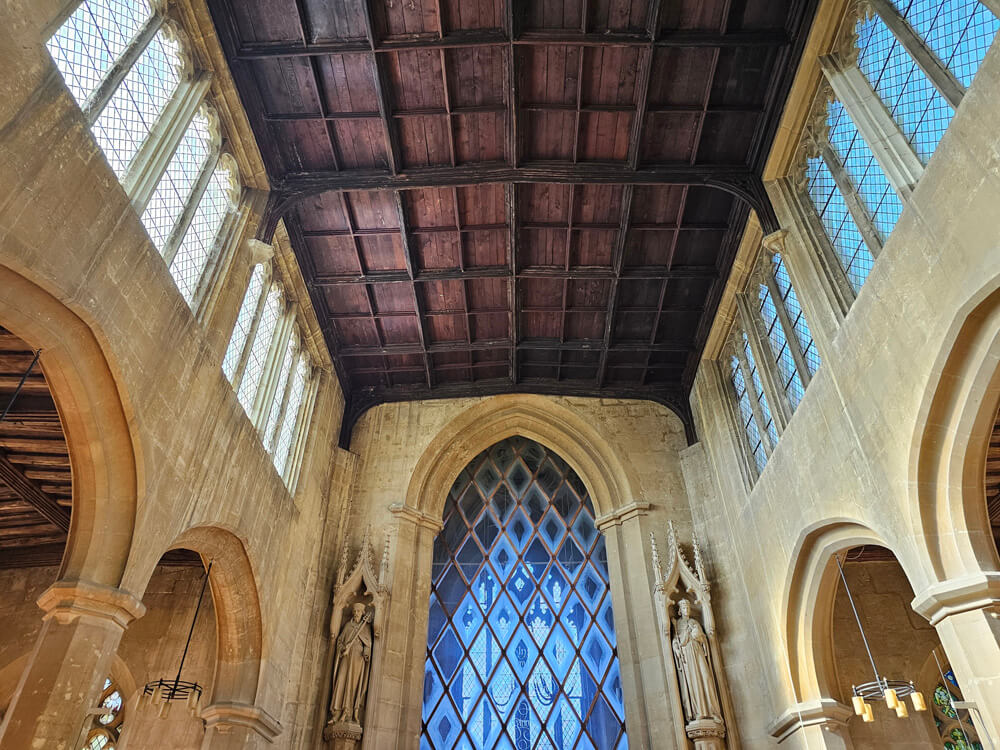
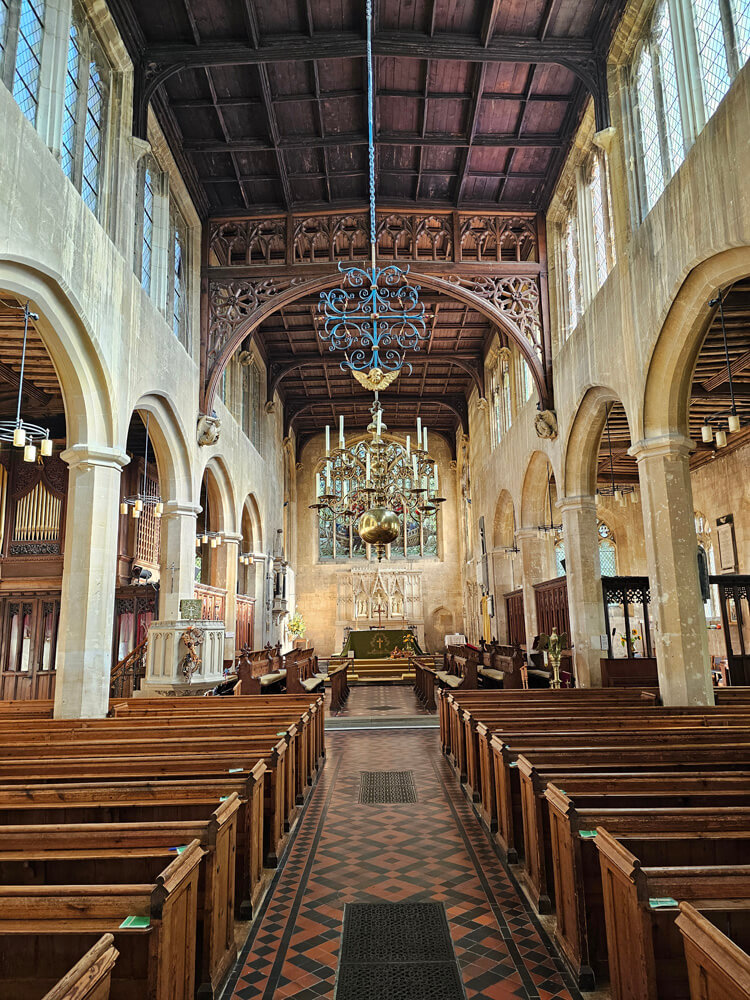
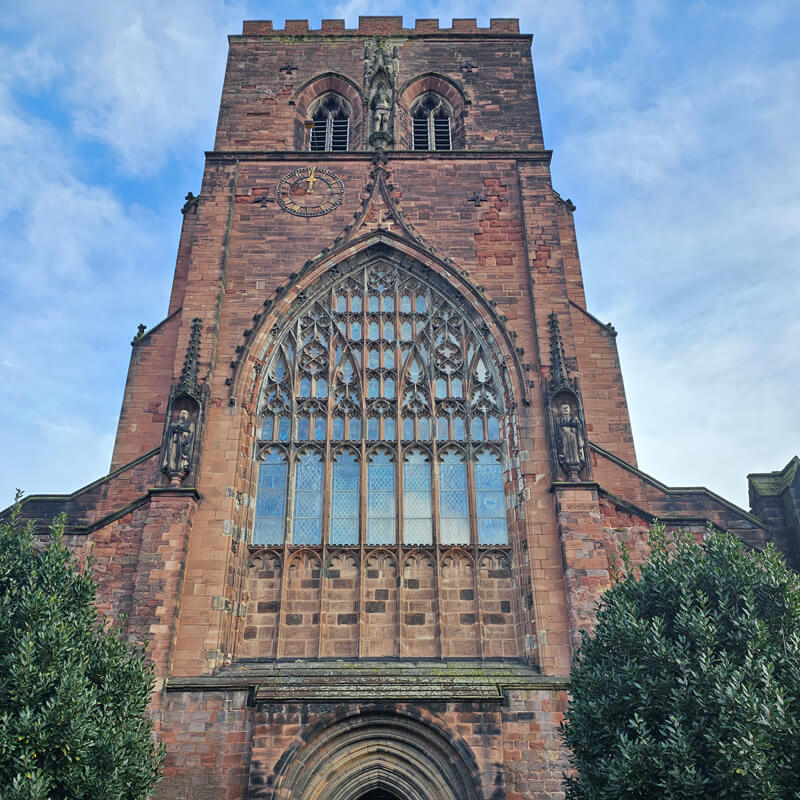
The Norman church gradually fell into disrepair so a new church was built in the 1450s, giving us the church that we see today. The lord of Sudeley Castle granted money to help finish the construction, and taking just 10 years to build it was completed by 1468. An excellent example of late-15th century Perpendicular style, more than 500 years later, the church’s external appearance remains very much as it was then.
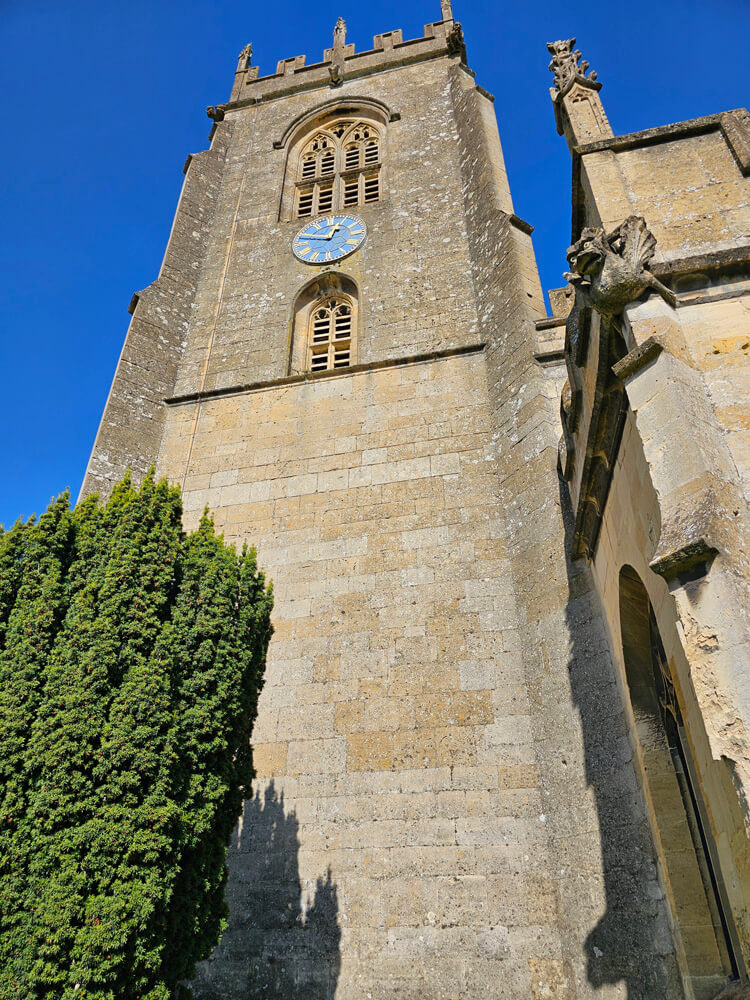
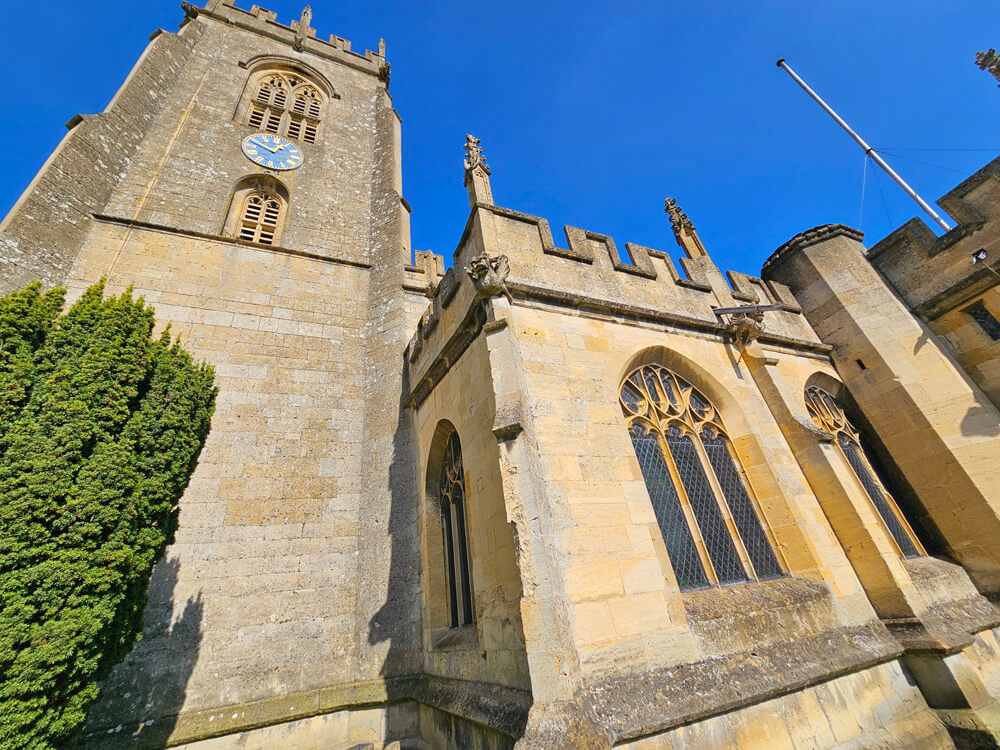
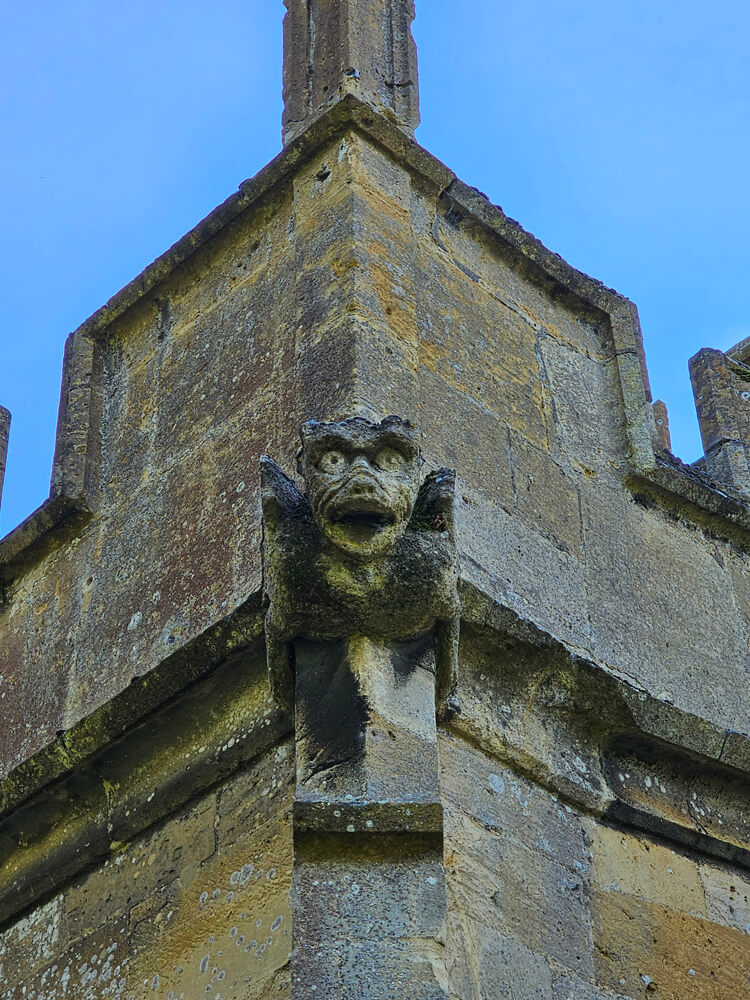
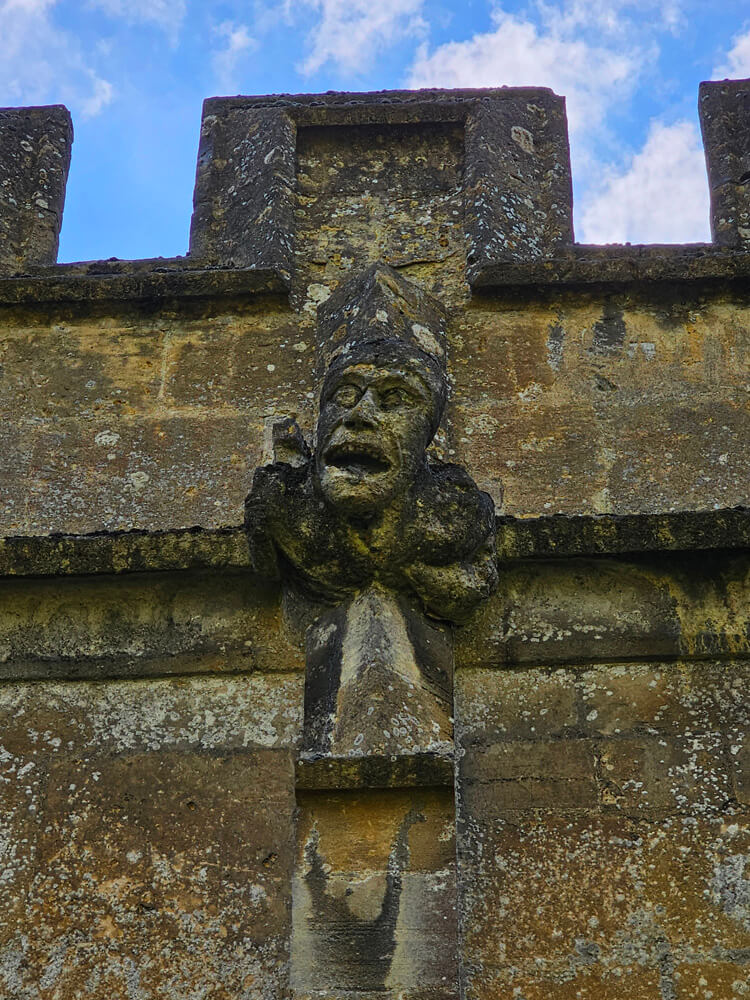
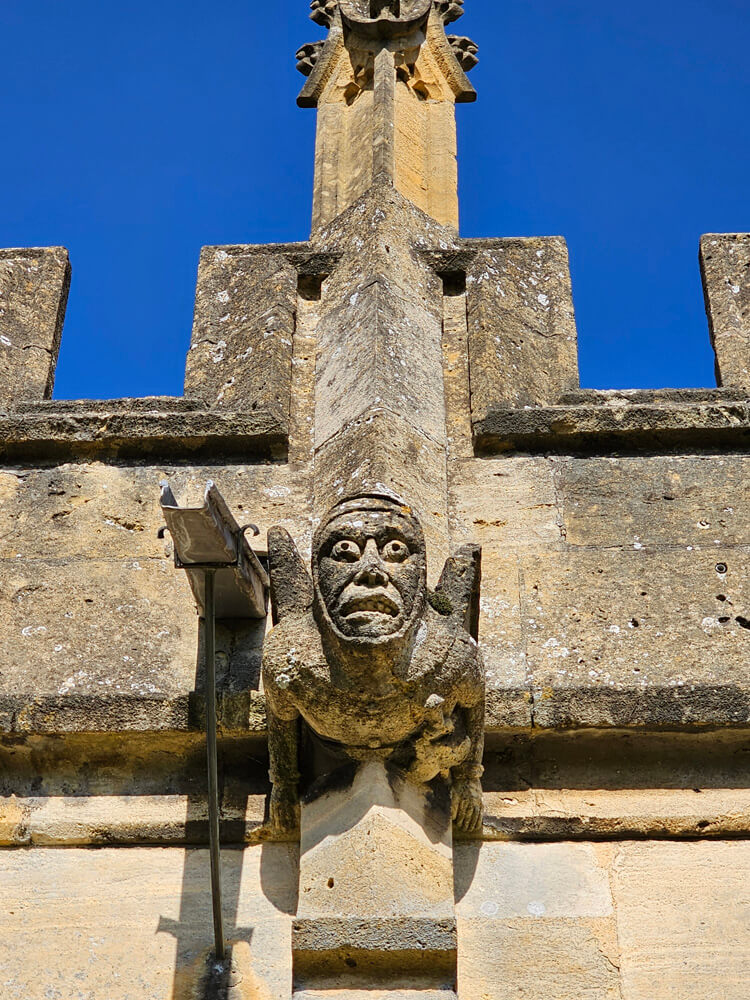
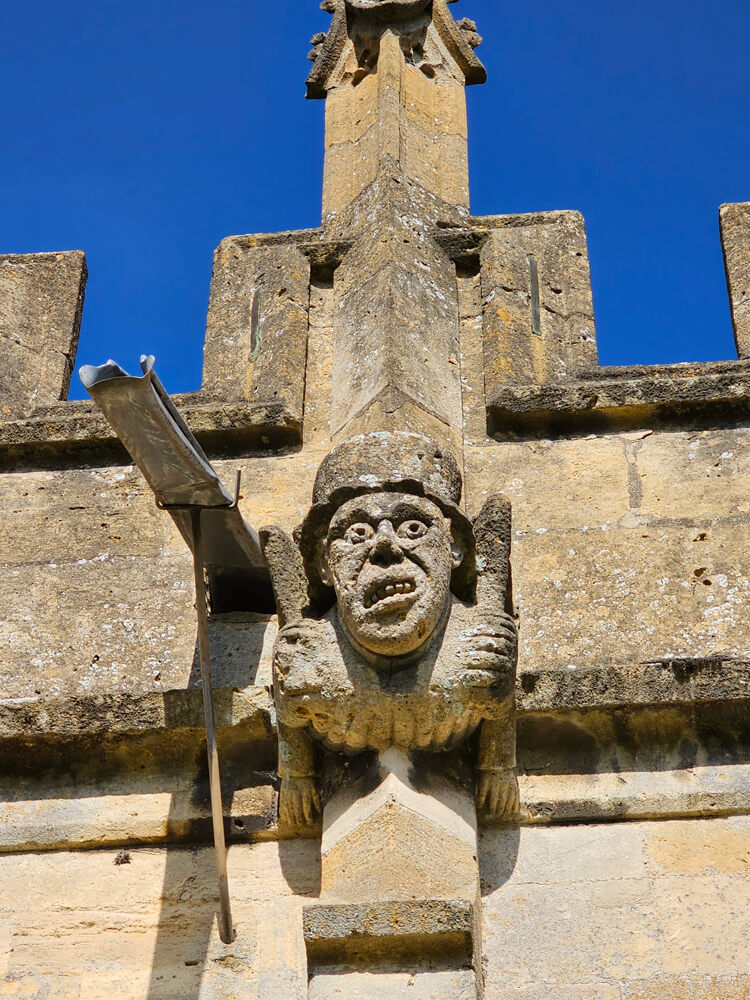
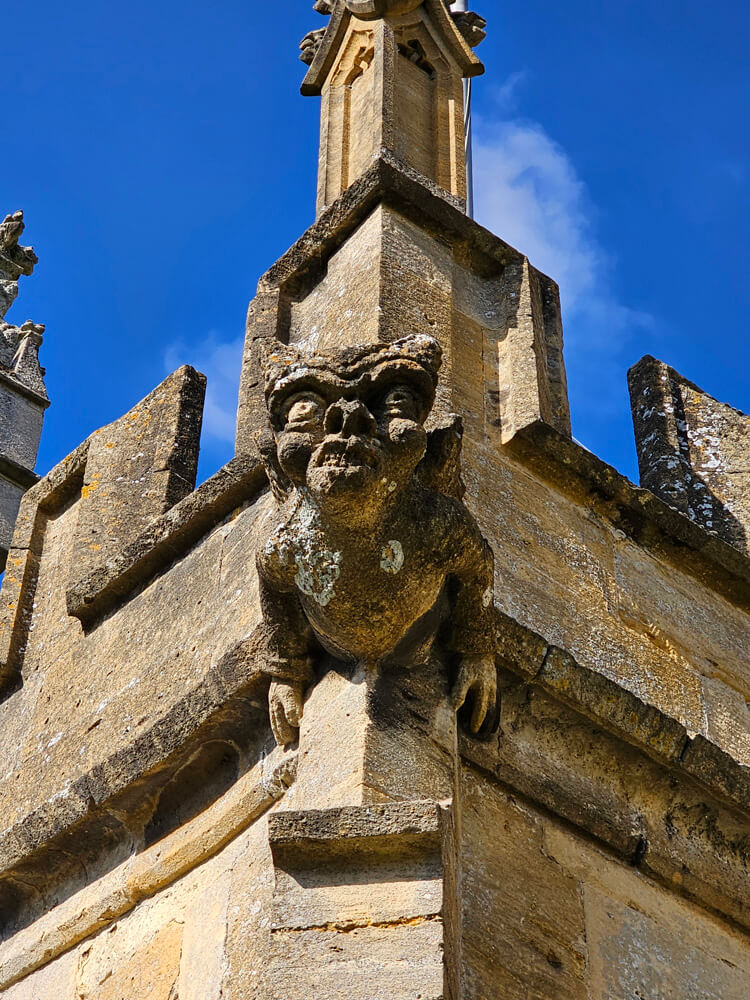
St Peter’s Church is one of Winchcombe’s most significant and impressive historic buildings, with its dominating 90ft tower and the 40 stone grotesque carvings (scary and ugly stone faces) that embellish the battlemented roofline of the exterior, half of which represent demons. The grotesque figure to the east of the porch is a grimacing human figure with a squat hat, and is said to be the model for the Mad Hatter in Lewis Carroll’s Alice in Wonderland story.
Inside the church, many interesting historic artefacts can be found on display.
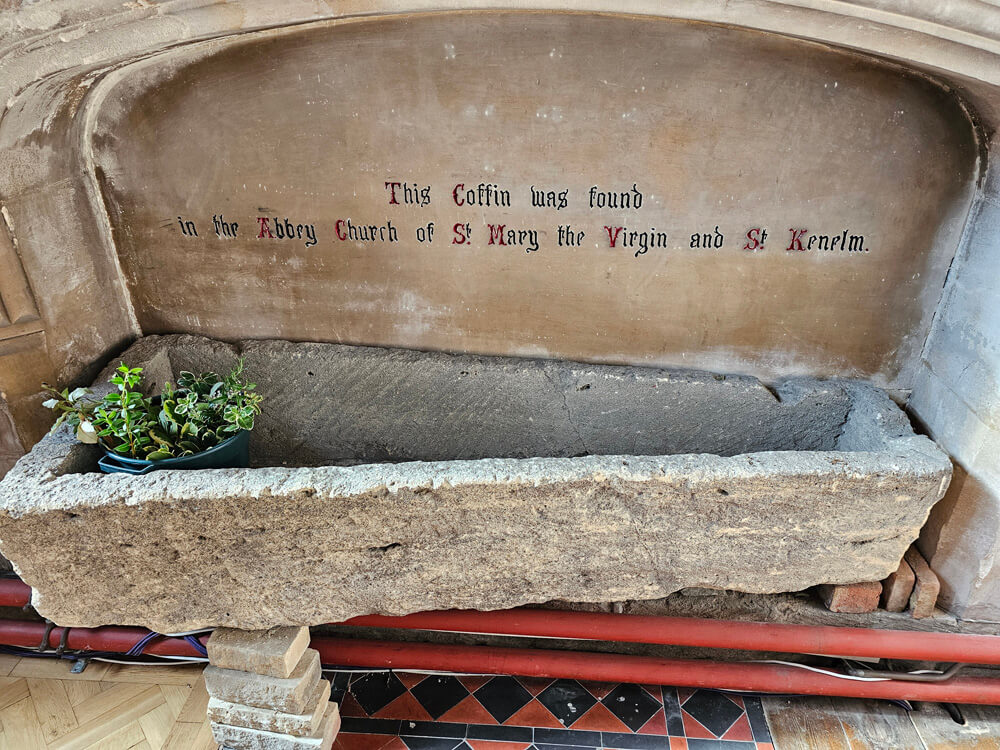
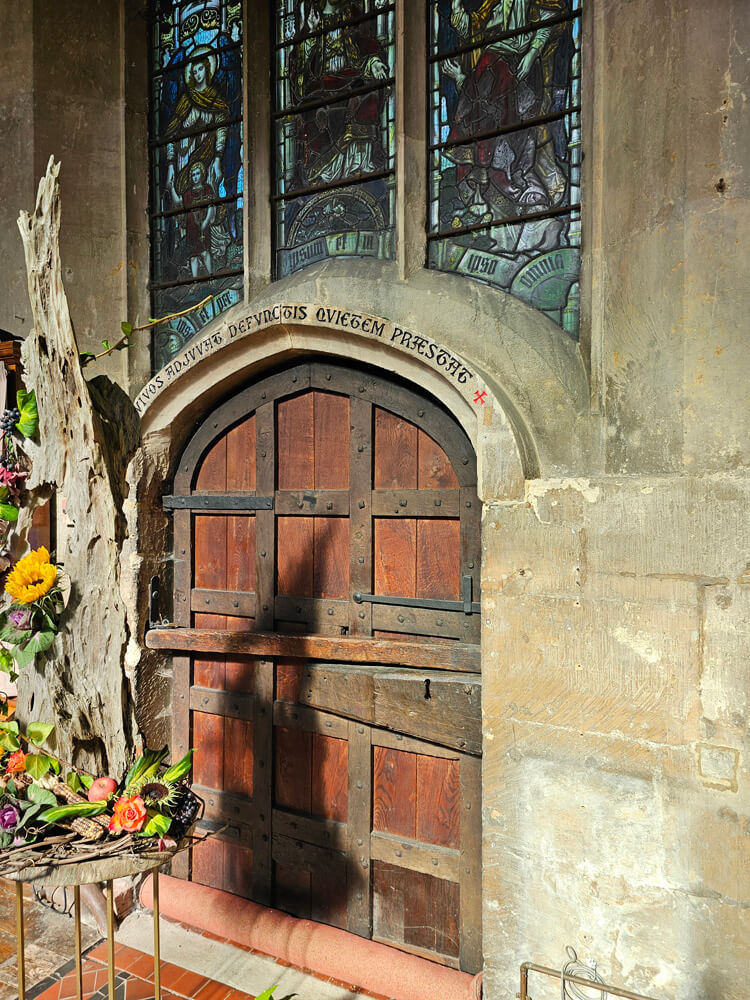
Flanking the west end of the north and south aisles, set beneath stone arches, are two Saxon stone coffins associated with the St Kenelm legends. The coffins were unearthed during excavations on the site of Winchcombe Abbey in 1815 and are thought to have contained the bodies of King Kenelm of Mercia (796-821) and his son, the boy-saint, St Kenelm.
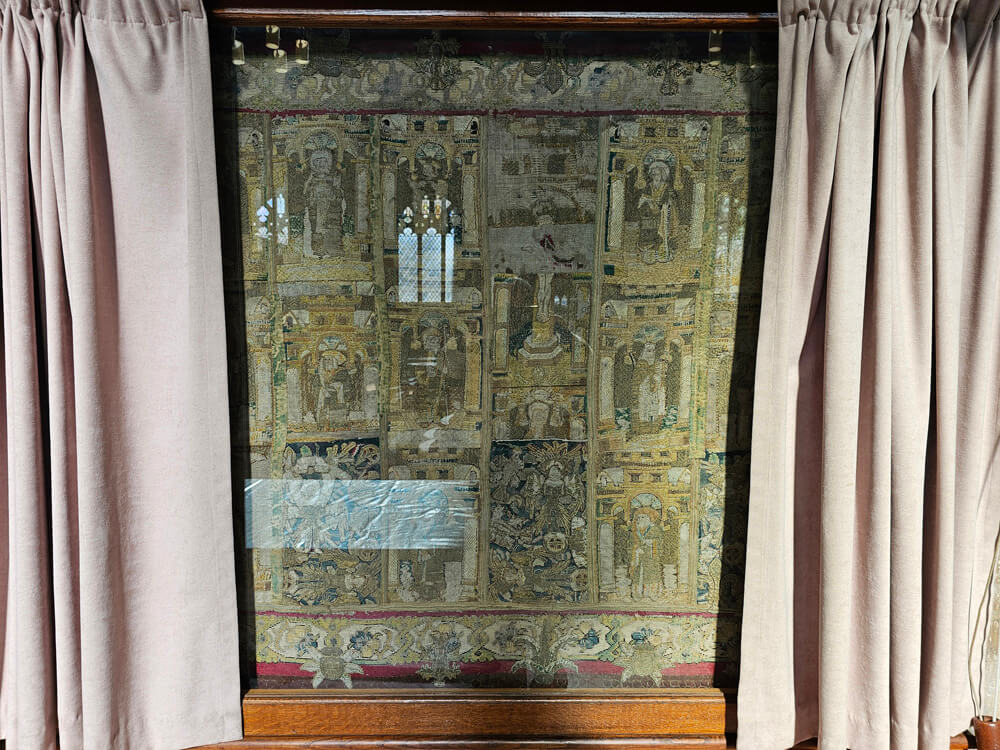
Hung on the north aisle wall and hidden beneath a cloth curtain is an altar cloth made from a number of 14th-century vestments stitched together, thought to have been stitched by Queen Catherine of Aragon, the first wife of King Henry VIII during her stay at Sudeley Castle.
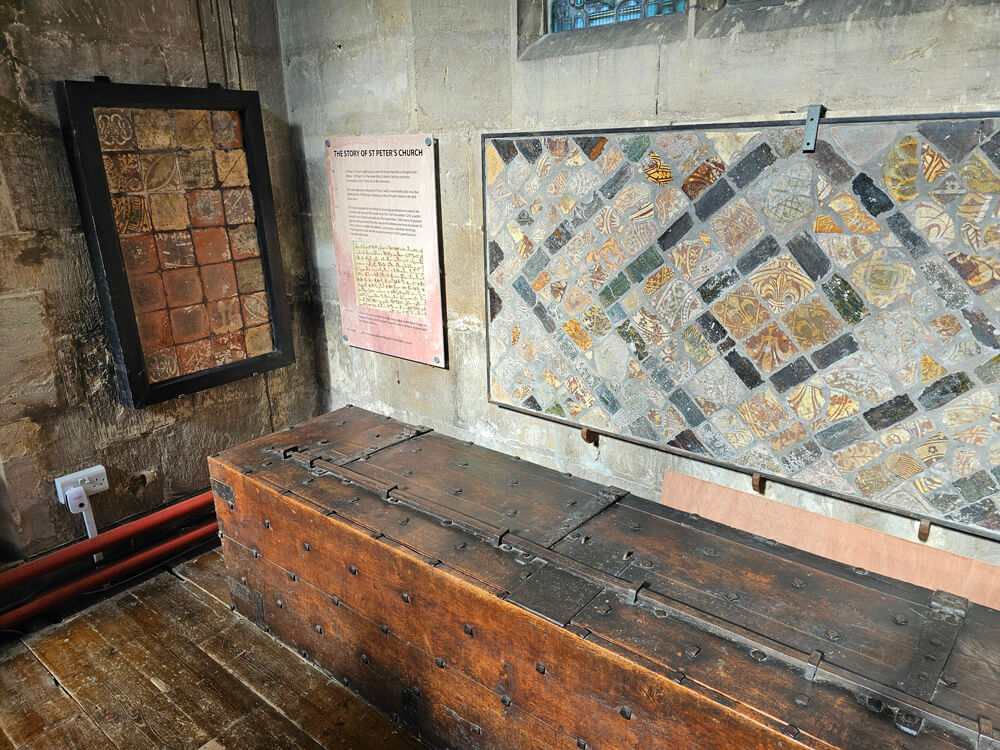
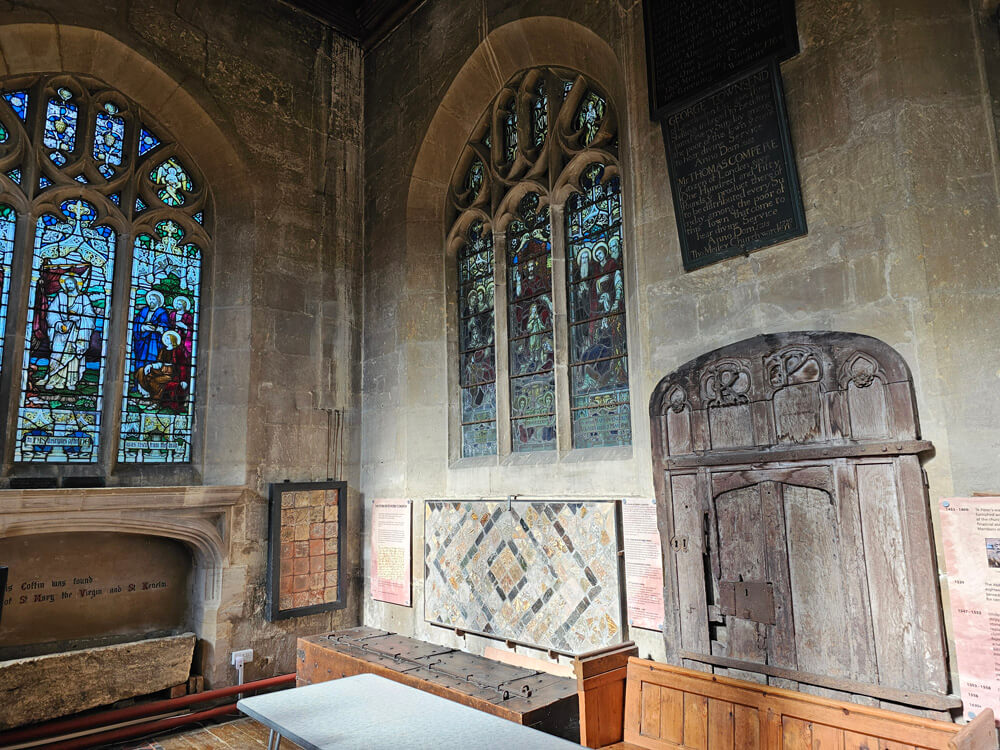
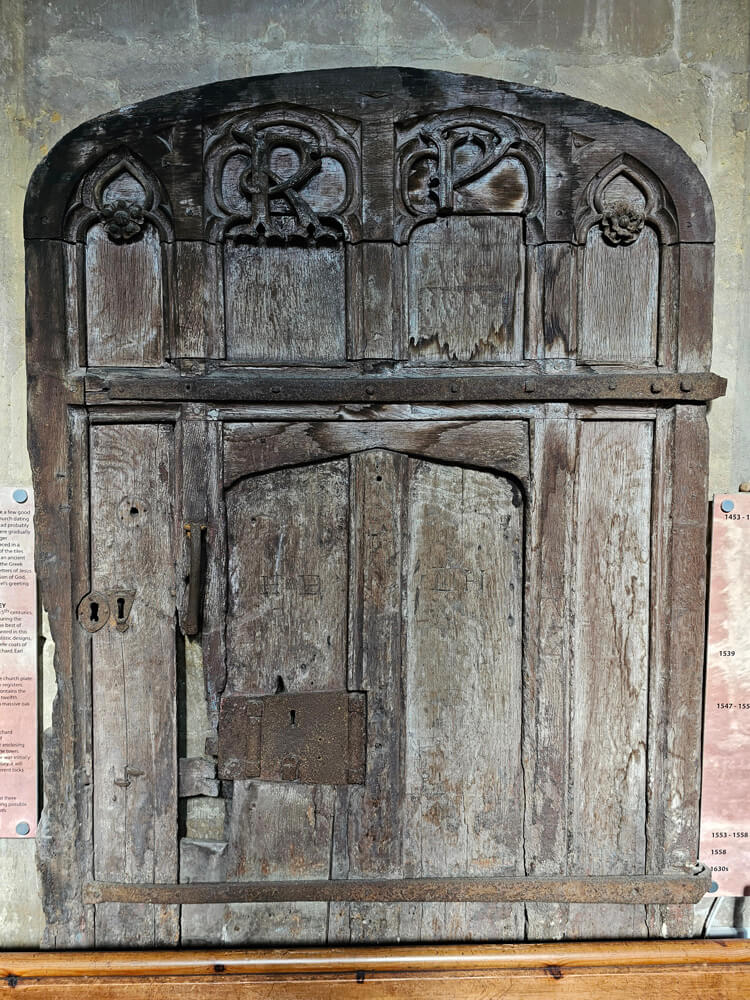
Also hung on the north aisle wall are medieval tiles and a 15th-century door salvaged from Winchcombe Abbey, which was destroyed during the Dissolution of the Monasteries under Henry VIII. Also in the north aisle, sat beneath the medieval tiles, lies a very large 15th-century oak chest, containing another earlier 12th-century oak chest made from a single hollow log.
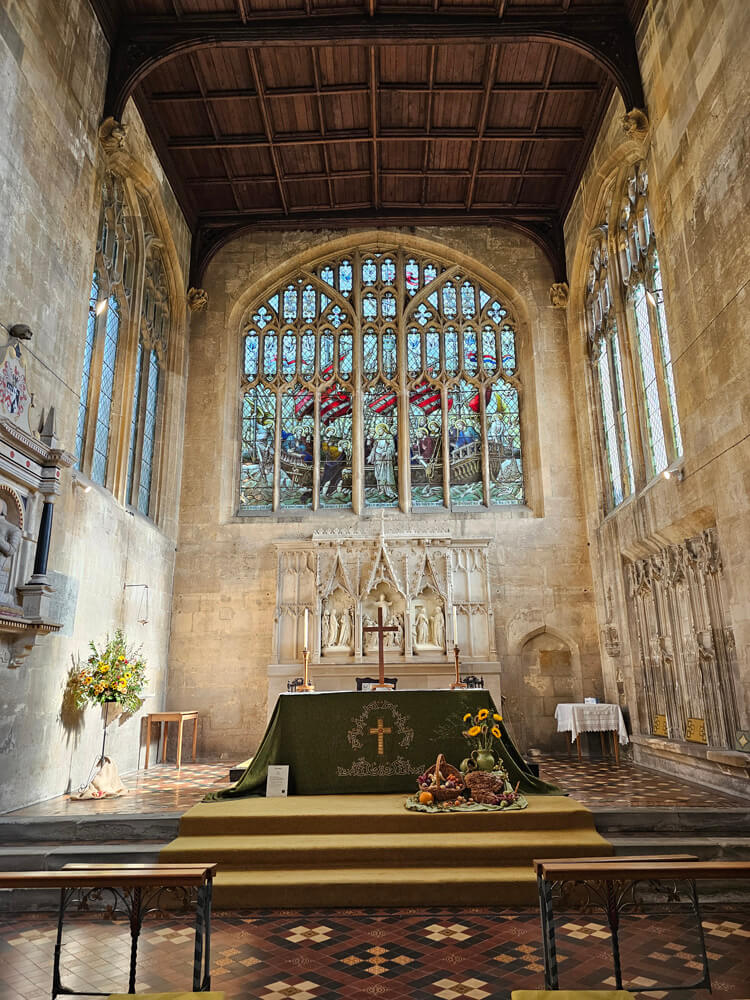
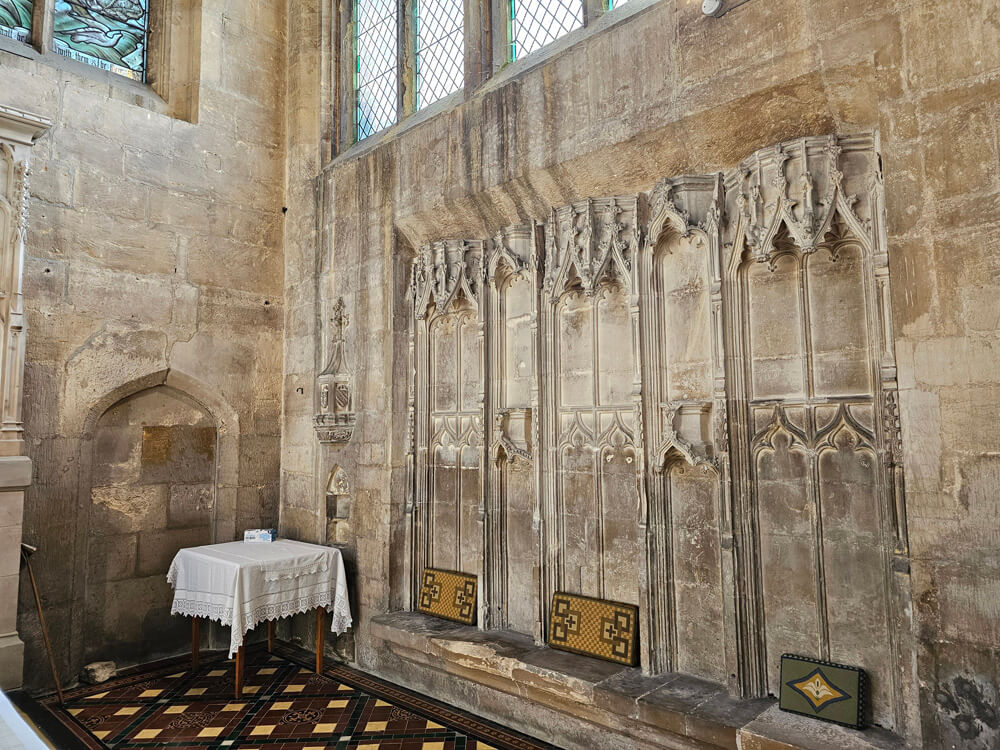
Other historic features inside the church can be found in the chancel, including a beautifully carved 14th-century triple sedilia and a 13th-century piscina and aumbry.
The Winchcombe Imp
The Winchcombe Imp can be found carved into the late-15th century rood screen which has been moved to the west end of the nave to screen off the base of the tower. The screen is beautifully carved, with ornate foliage and scrollwork decoration. The imp is a small face half-hidden amongst the decorative scrollwork and isn’t easy to spot.
Photo Gallery.
Did you enjoy this post?
I hope you found this post useful. I put a great deal of time and effort in to building, maintaining and populating the website. If you like, you could say a small thank you by buying me a coffee. You don't have to, but it would be nice :)
Buy me a coffee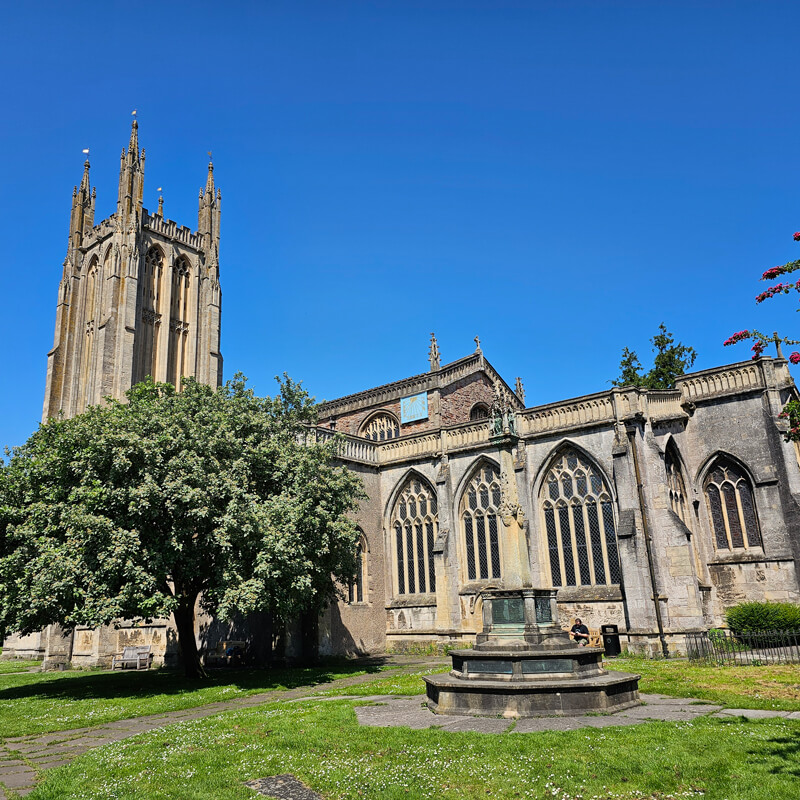
Stay up to Date
Follow me on my journey and get notified whenever a new post is published by following Kings & Castles on Facebook.
Follow MeExplore The Map
Discover the hundreds of castles, churches, monasteries, cathedrals and other historic locations that I've personally visited across England and Wales. Search by location, explore nearby sites and plan your next historical adventure.
Share: