Sudeley Castle
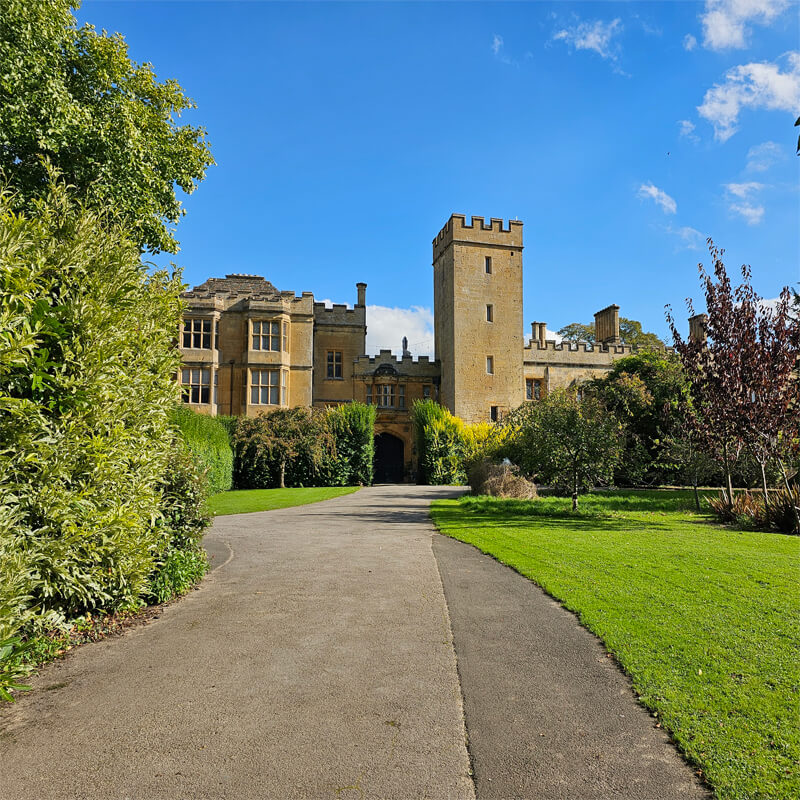
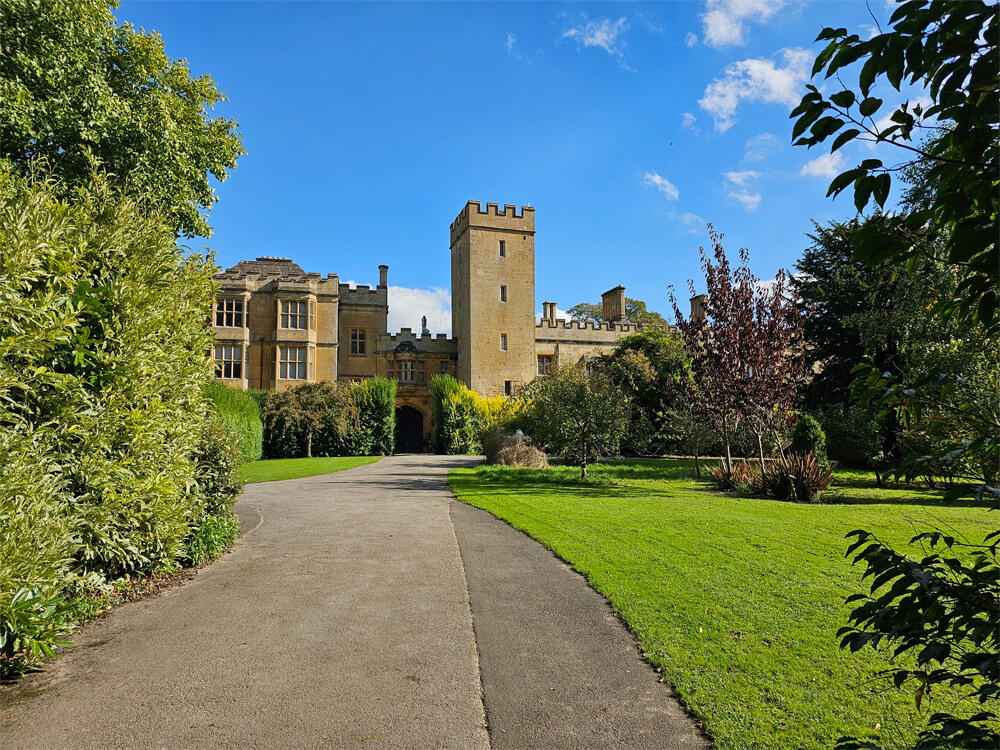
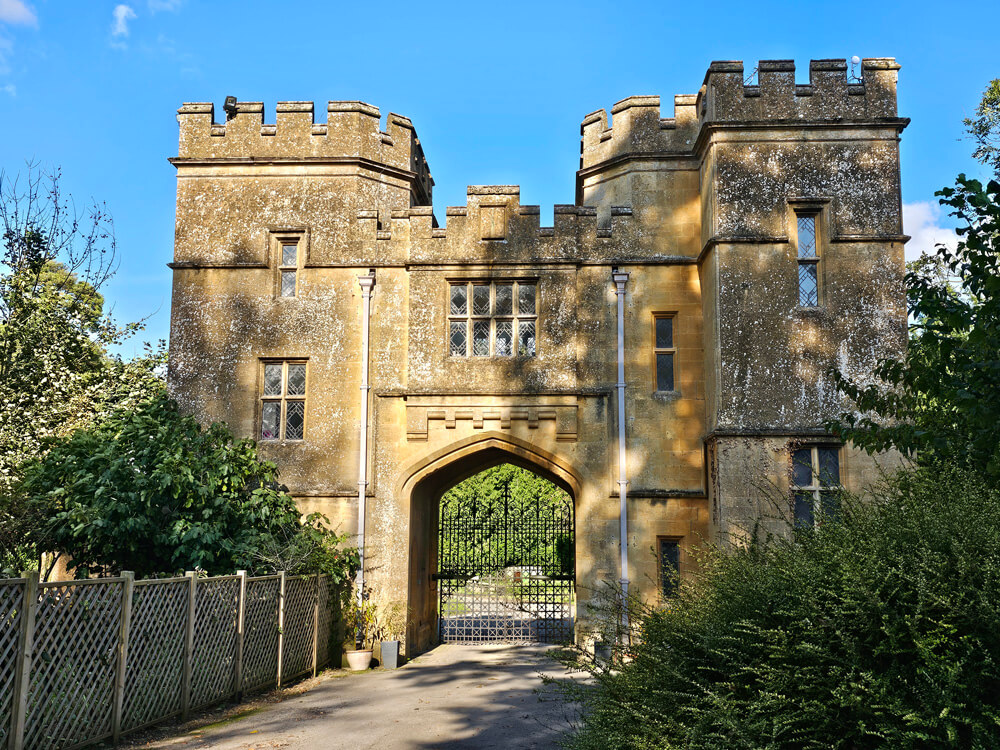
Sudeley Castle is a restored 15th-century castle in the parish of Sudeley in the Cotswolds, near to the medieval market town of Winchcombe, Gloucestershire, England. Sudeley Castle remains the only private castle in England to have a queen buried within the grounds – Queen Katherine Parr, the last and surviving wife of King Henry VIII – who lived and died in the castle.
Quick
Facts.
- Location: Winchcombe, Gloucestershire, England
- Built: 15th century
- Condition: Restored
- Date visited: October 2024
- More info: Visit website
- Rating:
A Bit of History…
Sudeley Castle is steeped in history, tradition and royal connections. Henry VIII, Katherine Parr, Anne Boleyn, Lady Jane Grey, Queen Elizabeth I, Richard III, and Charles I have all played a part in Sudeley Castle’s story.
The origins of Sudeley’s name comes from the Anglo-Saxon name ‘Sudeleagh’, meaning ‘south lying pasture’ or ‘clearing in forest’. In the 11th century, Sudeley was a manor house set in a royal deer park belonging to King Æthelred the Unready, who gave it to his daughter Goda as an extravagant gift on her wedding day.
William the Conqueror had a policy of depriving Saxon nobles of their estates after the Norman Conquest of 1066, but Goda managed to prevent Sudeley from being confiscated as she was distantly related to William. Goda’s descendants held Sudeley for almost another four centuries until it passed to the Boteler family by inheritance through marriage in the early 15th century.
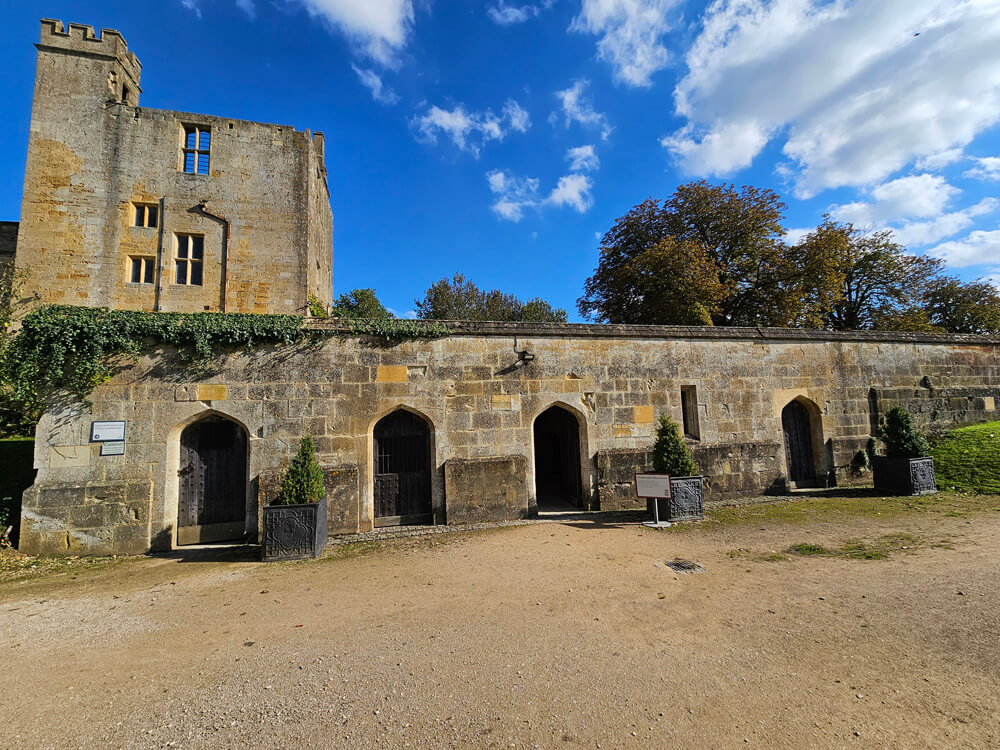
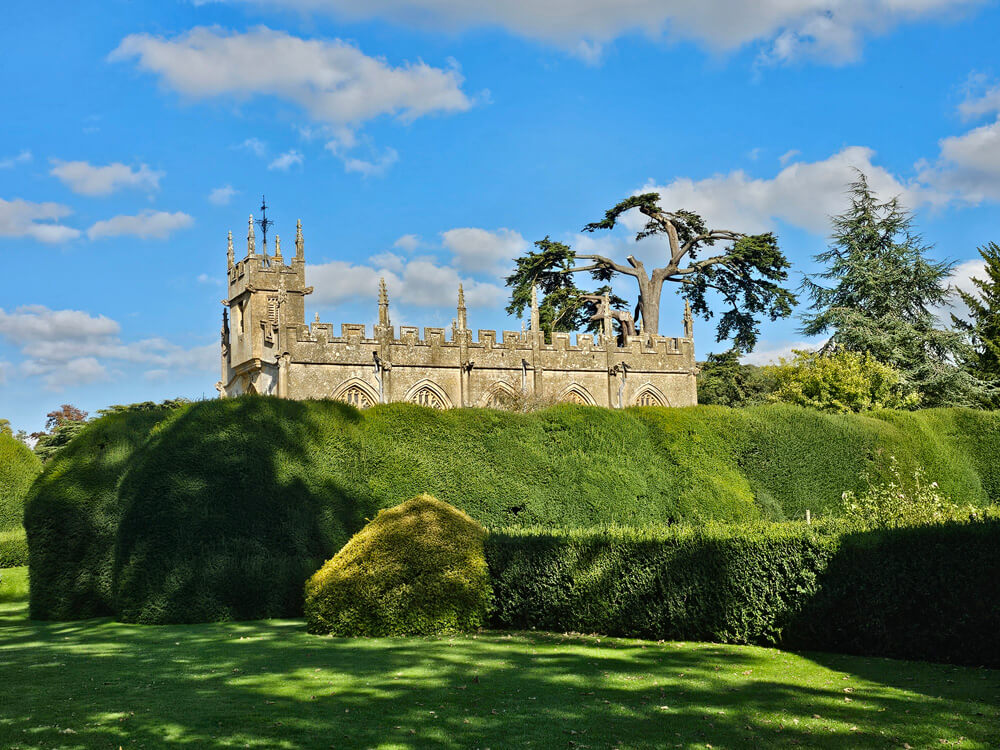
Construction started on the current castle in the 1440s, when the Boteler family rebuilt Sudeley into a comfortable country house, and much of this early building work can still be seen today, including the Tithe Barn and St Mary’s Church.
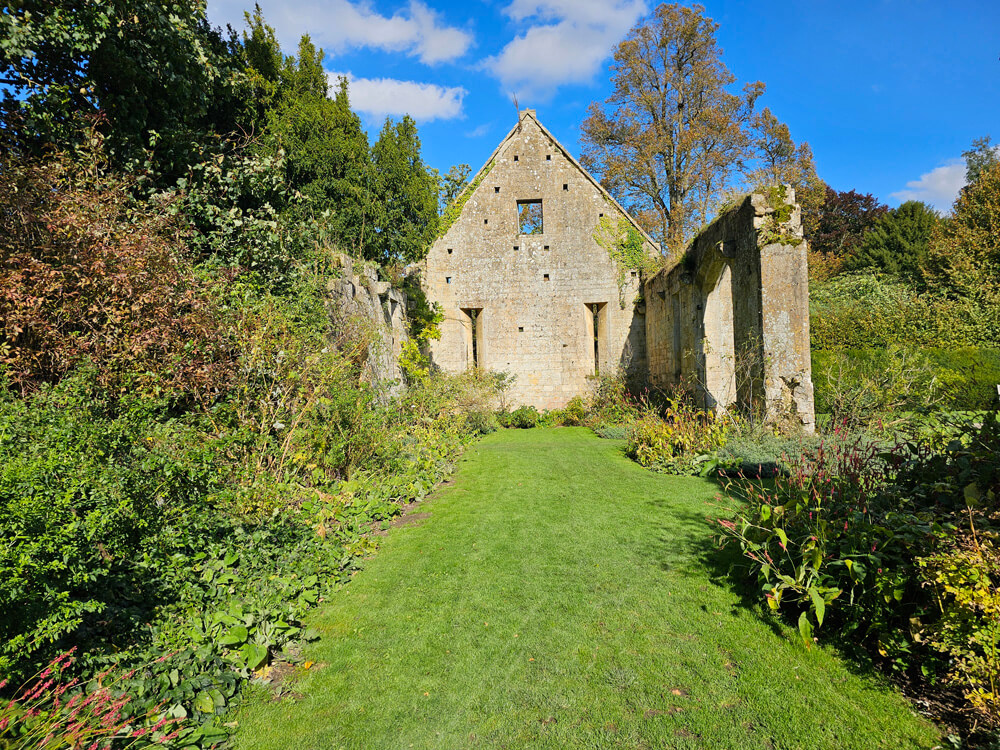
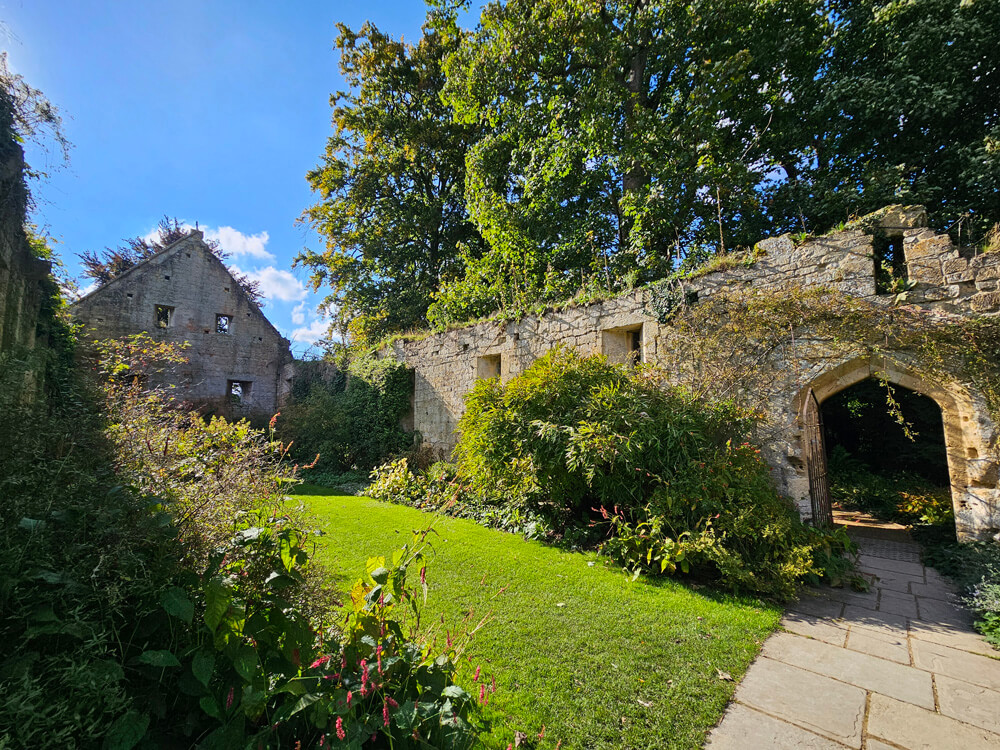
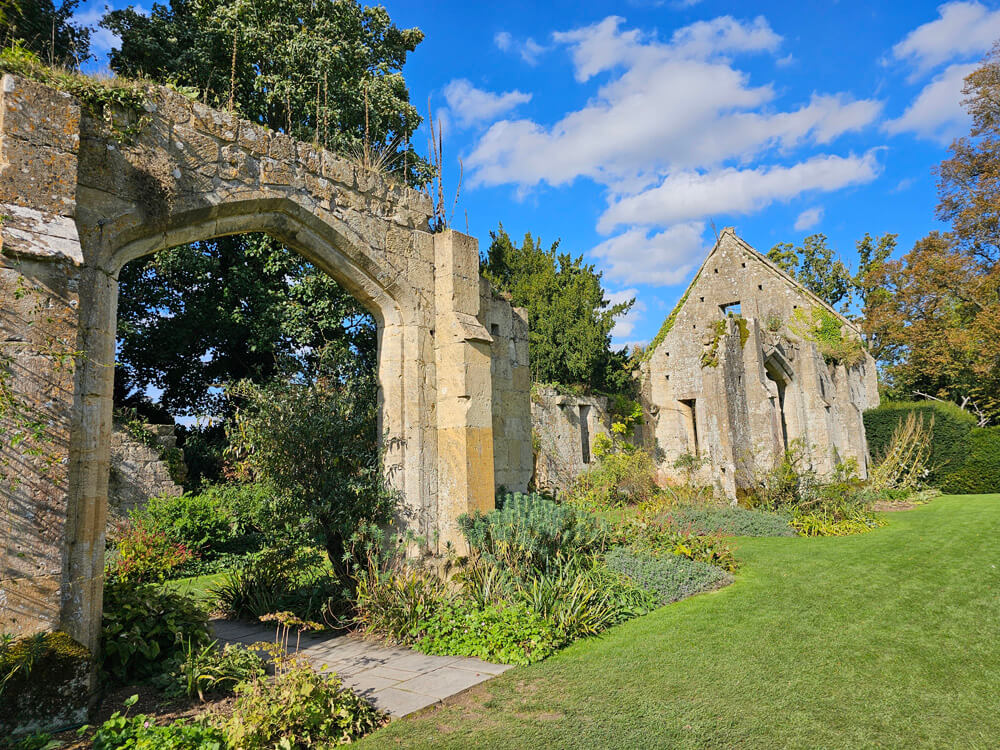
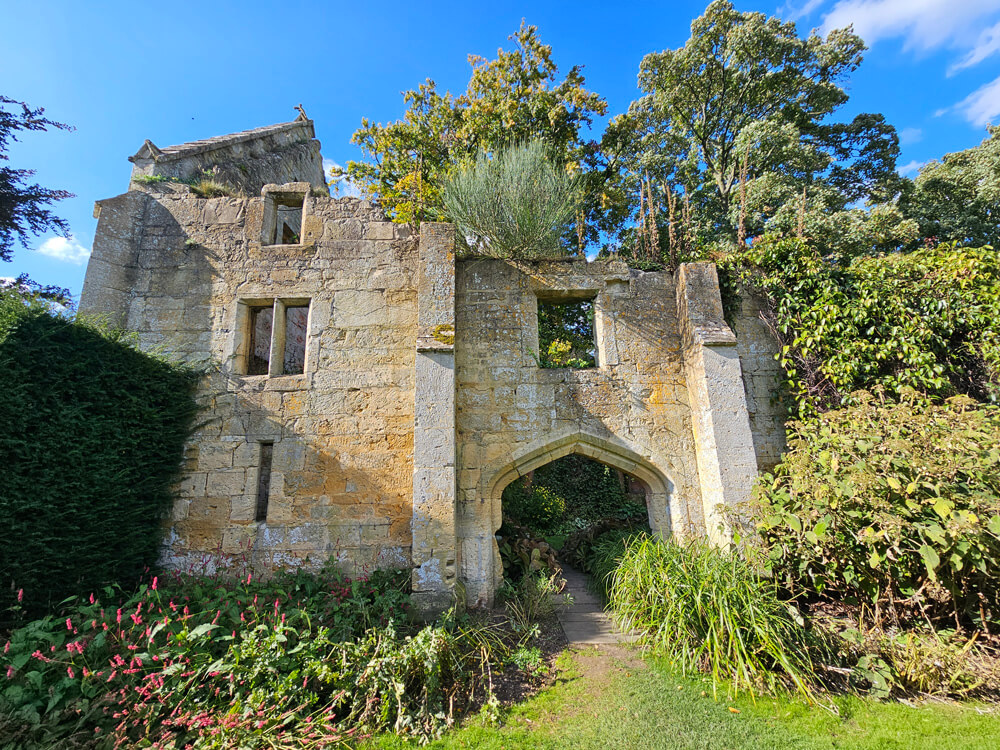
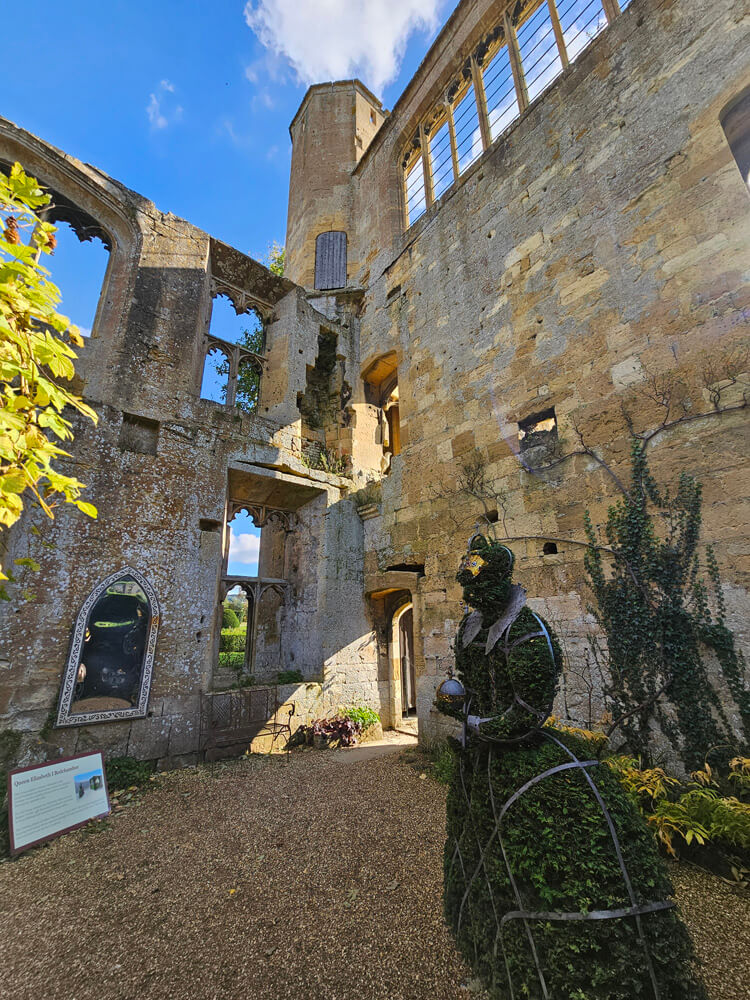
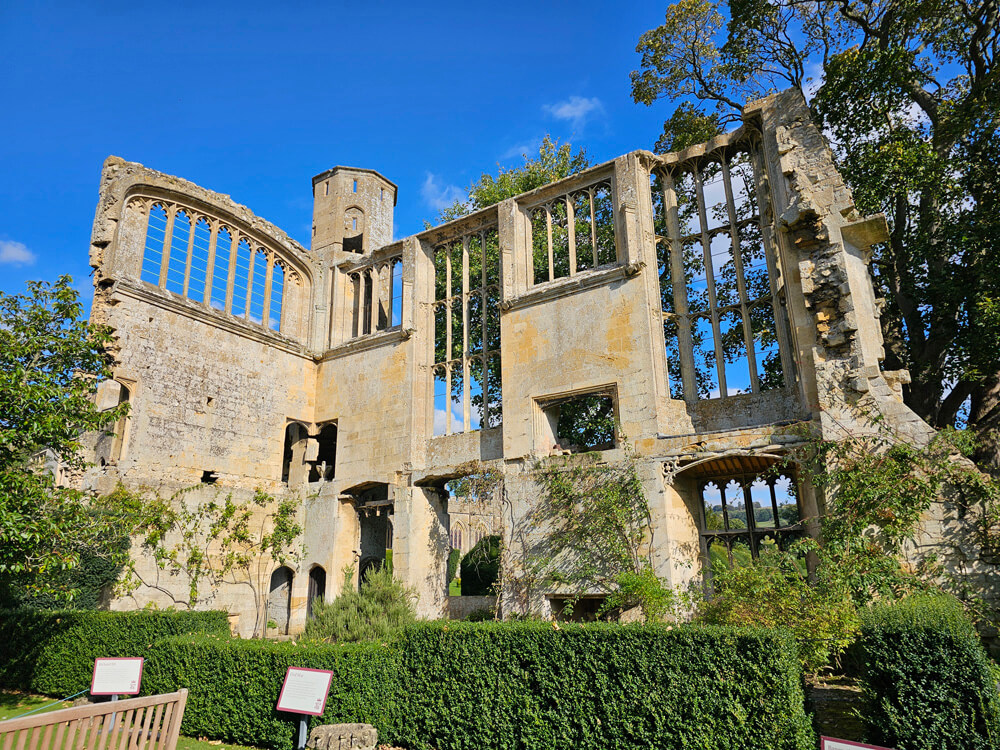
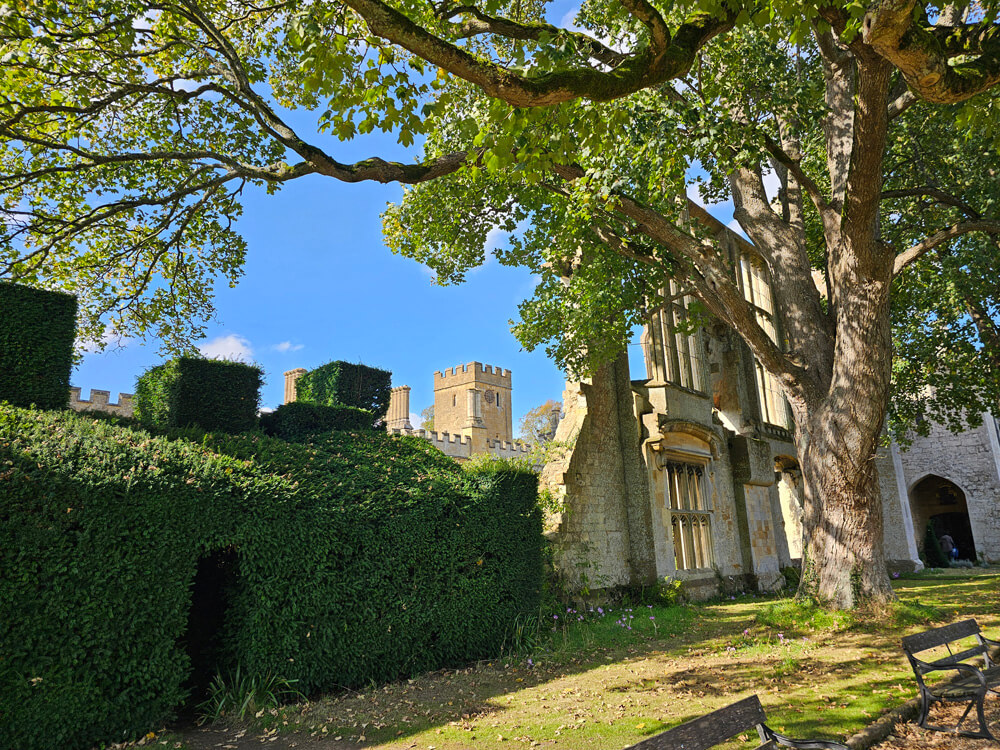
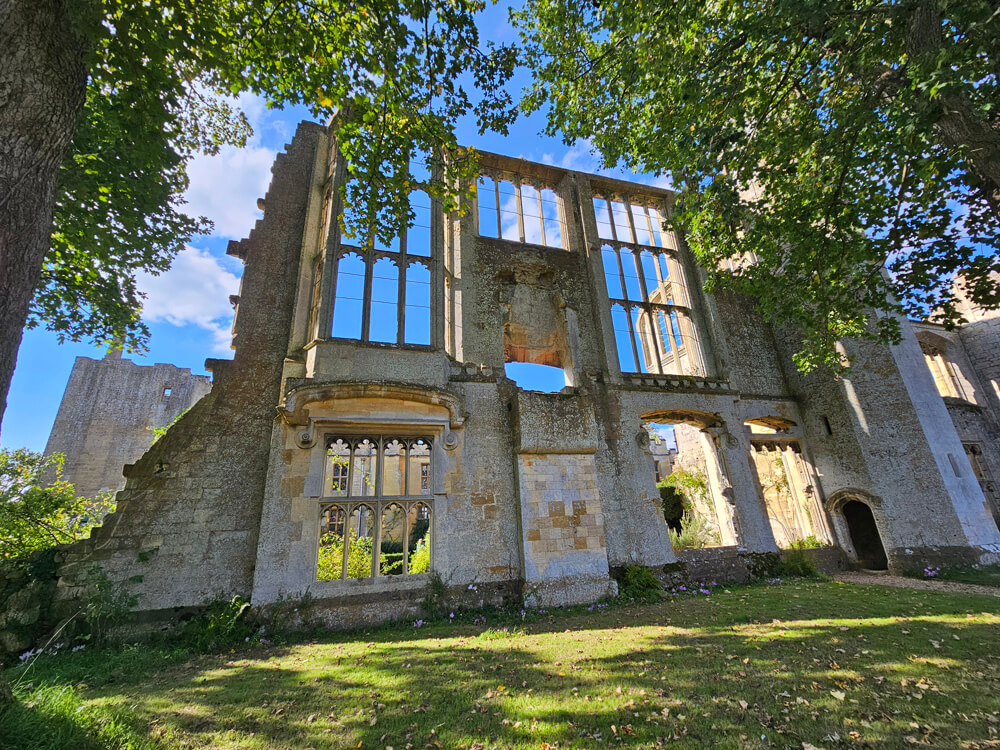
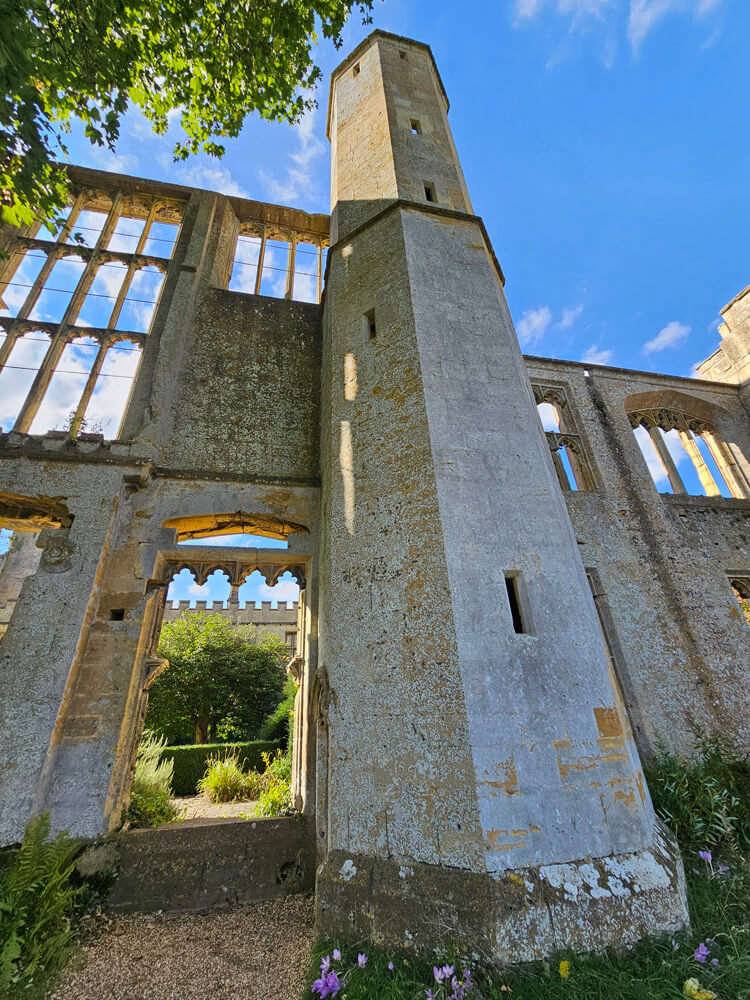
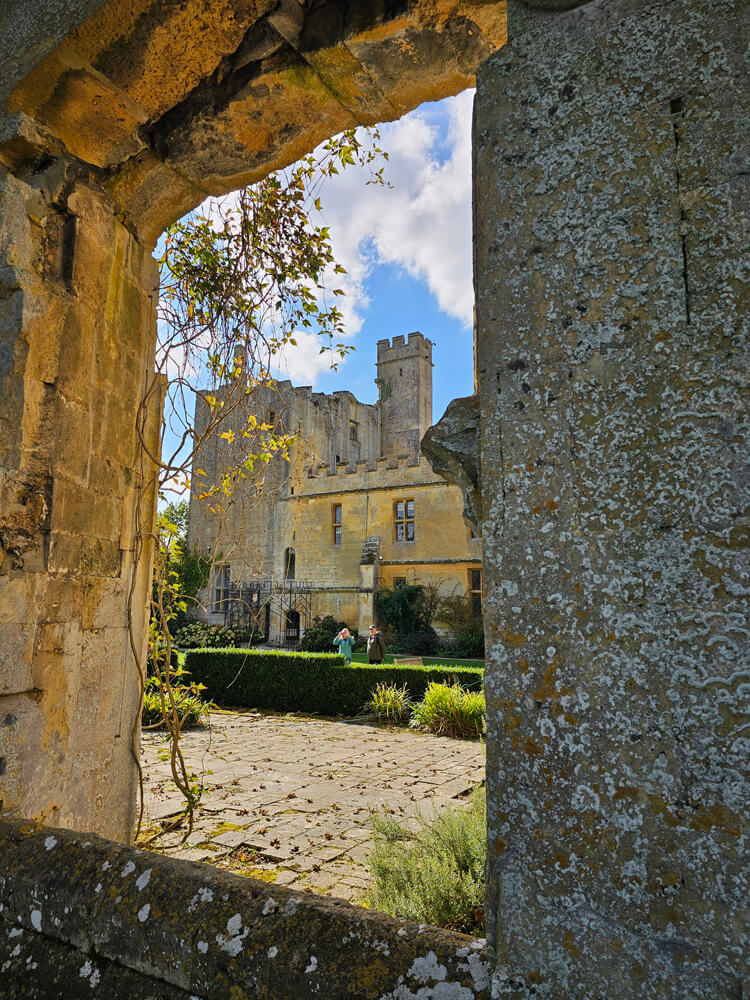
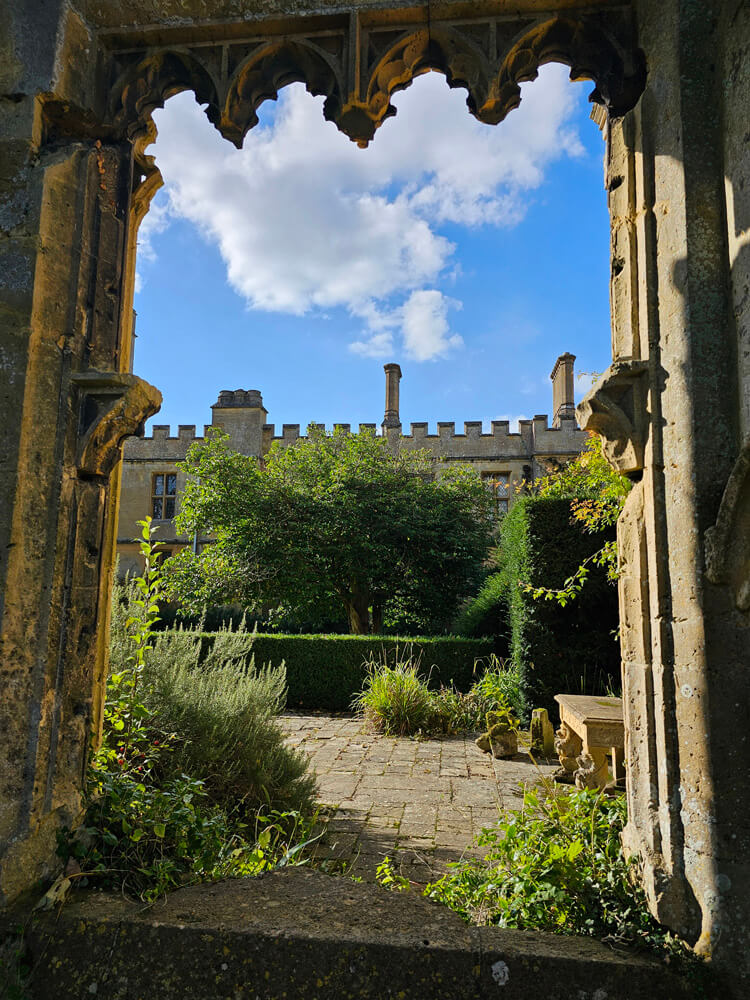
The Boteler family were supporters of the Lancastrian cause during the Wars of the Roses, and when the Yorkists were successful and Edward IV ascended the throne, the powerful Boteler’s were forced to sell Sudeley Castle to the crown. Then in 1469, King Edward IV granted Sudeley to his brother Richard, Duke of Gloucester (later Richard III), who used it as a military base before the Battle of Tewkesbury in 1471. Richard is credited with the building of the large banqueting hall at Sudeley Castle, which now lies in partial ruins and has been redesigned as a garden.
After the death of Richard III at the Battle of Bosworth in 1485, Sudeley Castle, as property of the crown, transferred to the new king, Henry VII, who in turn presented it to his uncle Jasper Tudor, before reverting back to the crown once more. On ascending the throne in 1509, Sudeley Castle became one of King Henry VIII‘s royal residences, but he only visited Sudeley once, on his 1535 Royal Progress with Anne Boleyn.
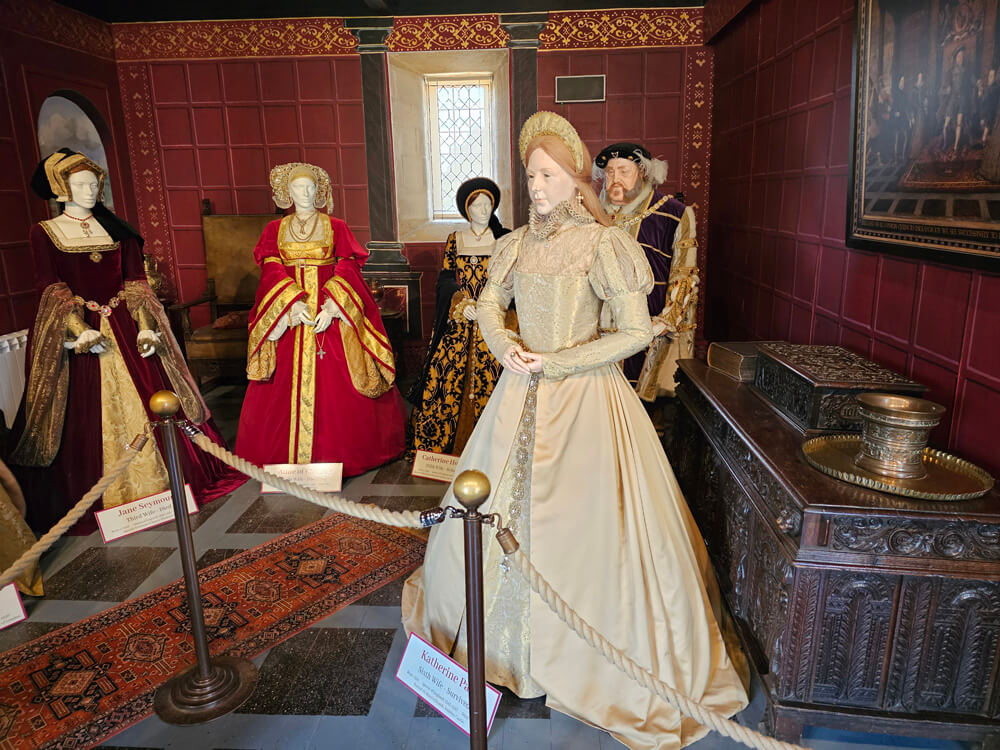
When Henry VIII died in 1547, his son ascended the throne as Edward VI. Edward gave Sudeley to his uncle, Thomas Seymour, who secretly married Edward’s step-mother; the widow and last of Henry VIII’s six wives, Queen Katherine Parr. Thomas Seymour became Lord of Sudeley, and he and Katherine moved to Sudeley Castle in 1548 when she fell pregnant. The castle was specially prepared for the move, with Seymour spending vast amounts of money to make it fit for a queen. One of Katherine’s attendants was Lady Jane Grey, who was Seymour’s ward, and she went to live with him at Sudeley, and Katherine Parr took her under her wing. However, Katherine’s stay at Sudeley Castle was brief, ending in tragedy when she died in childbirth on 5th September 1548, aged 36.
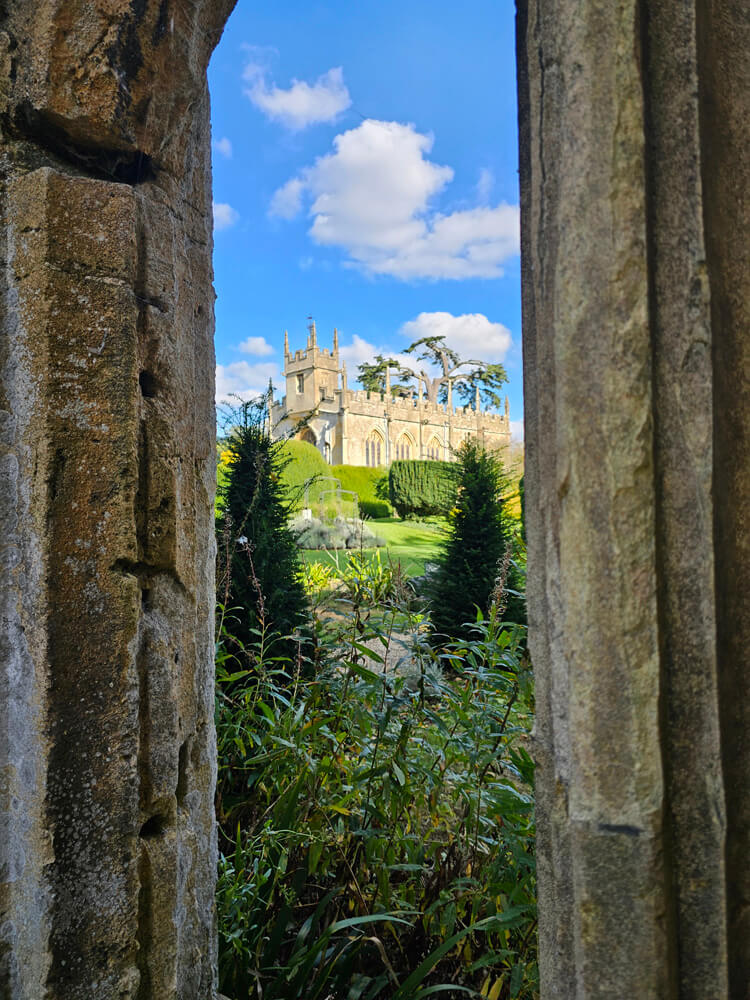
Katherine was buried in St Mary’s church beside the castle, where she still remains today, making Sudeley the only privately owned castle in the world to have a Queen of England buried in its grounds. Lady Jane Grey acted as Chief Mourner at the funeral, and she stayed at Sudeley Castle until her marriage and subsequent nine days on the throne in 1553. Thomas Seymour held Sudeley until he was executed for treason six months later, and Sudeley was eventually seized by the crown.
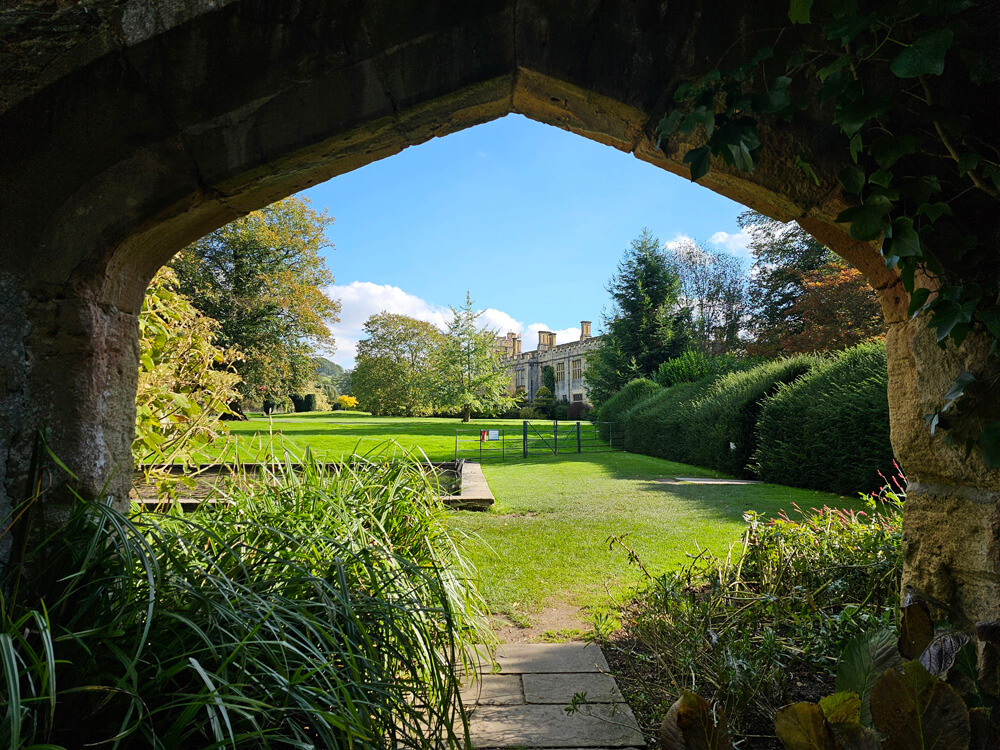
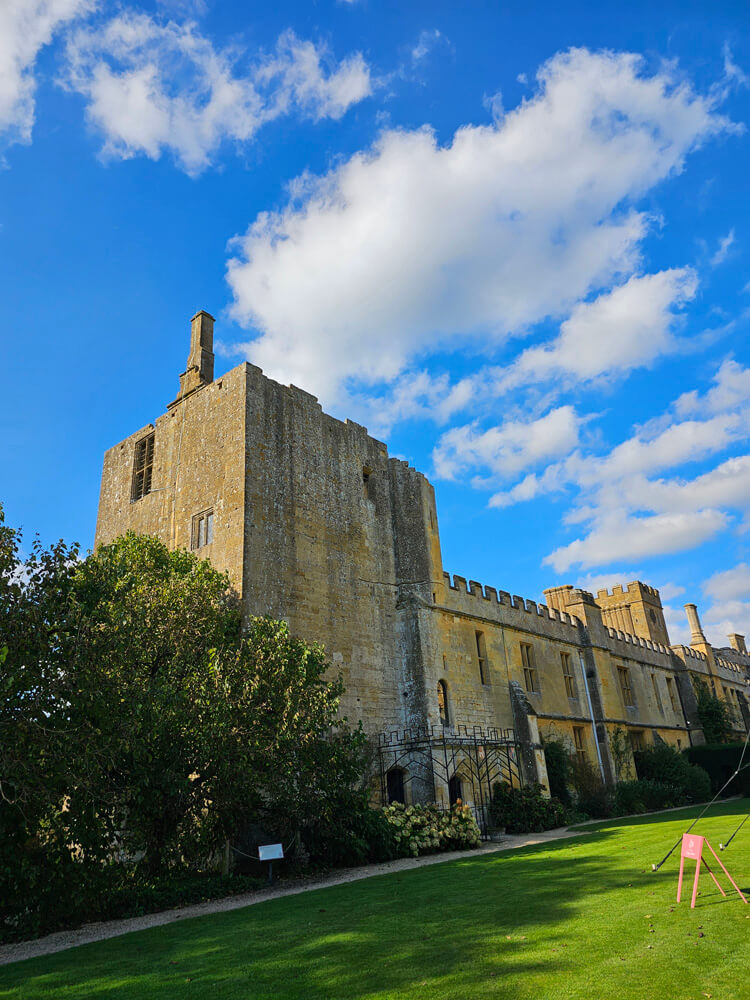
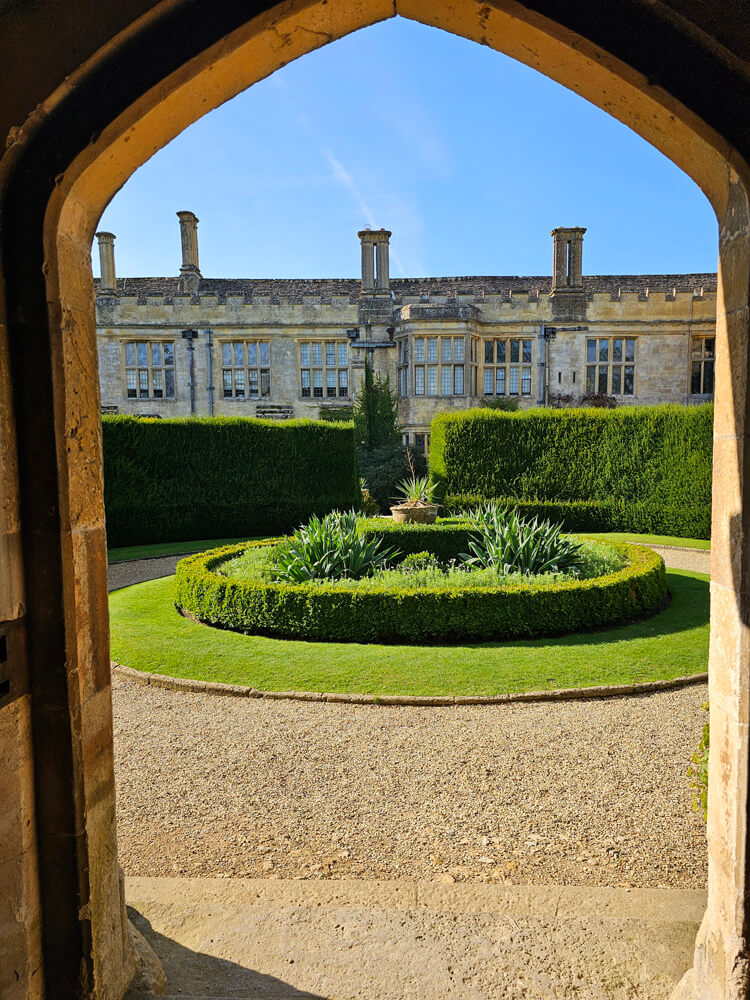
The castle was heavily remodelled in the 1560s and 1570s, almost completely rebuilding the outer courtyard, the part of the castle that the current family occupy, into what we see now.
Sudeley Castle was visited on three occasions by Queen Elizabeth I. Her most famous stay at Sudeley was in 1592, where a three-day party was held to celebrate the defeat of the Spanish Armada. The grounds surrounding the castle were extensively landscaped in preparation for the visit, and she was lavishly entertained.
Sudeley’s final royal occupant was Charles I during the English Civil War. The new lord of Sudeley supported the royalist cause and the castle was used as a military base by King Charles I and Prince Rupert. The castle switched hands several times between the Royalists and Parliamentarians during the war, until in 1649 when the Parliamentarians were victorious, and the castle was slighted to ensure that it could never again be used as a military post.
Sudeley Castle was then a neglected ruin for almost two centuries until its purchase in 1837 by the Dent family, who restored the castle and turned it into a family home. The castle was purchased by brothers John and William Dent of Worcester, who were wealthy glove manufacturers. At the time of the purchase, the castle was said to be “ruinous, but partly occupied by tenants”.
The Dents’ restoration of the castle was quite sensitive, deciding to not entirely rebuild the castle; rather, leaving part of it as picturesque ruins, giving the castle much of its character still seen today. Famous Victorian architect Sir Gilbert Scott was called in to restore the chapel, strengthening the walls and restoring the interior of large sections of the castle.
When the Dent brothers died, the ambitious restoration programme was continued by their nephew and his wife Lady Emma Dent, when he inherited the castle in 1855. It is the results of Emma’s dedication that are so evident in the gardens and exhibitions at Sudeley Castle today, who, over a span of 45 years filled the interior with fine art and objects associated with the long history of the estate.
The castle has 10 notable gardens covering some 15 acres within a 1,200-acre estate, and some fascinating exhibits. But my personal favourite parts of the castle grounds are the impressive remains of the imposing medieval tithe barn that was destroyed in the Civil War, and the beautiful 15th-century church, where Katherine Parr still rests.
Photo Gallery.
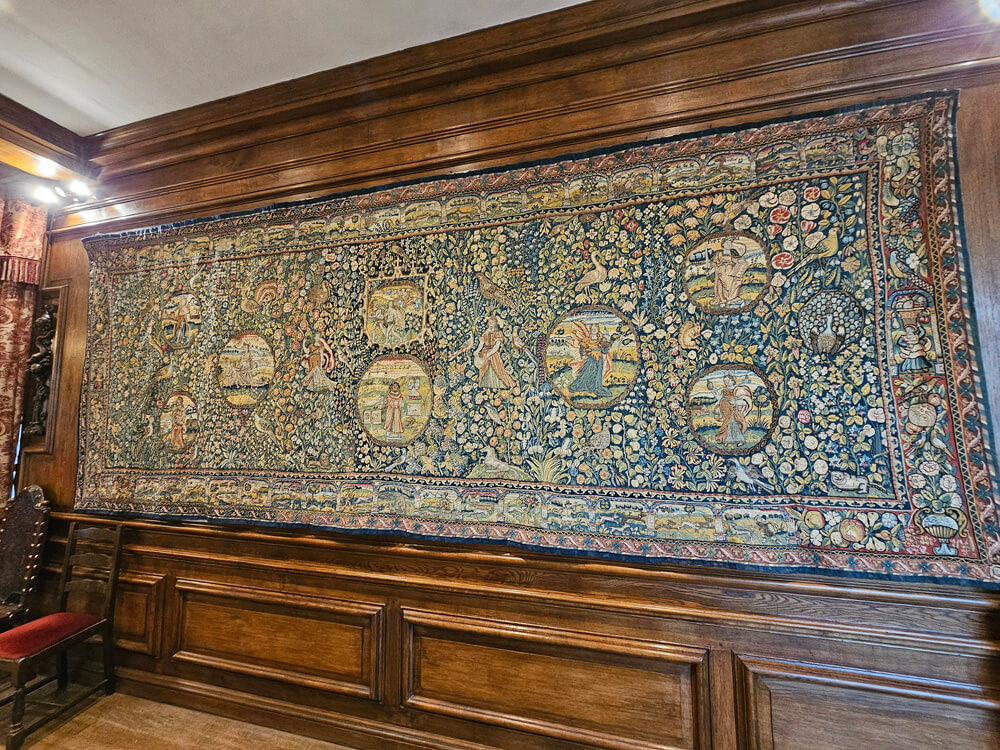
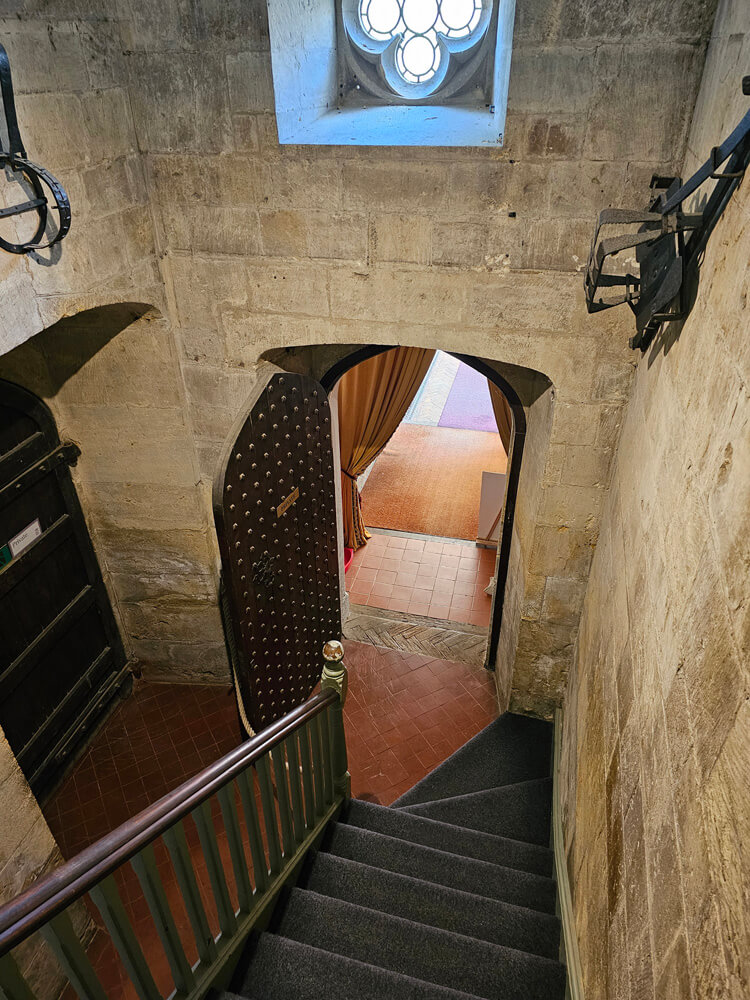
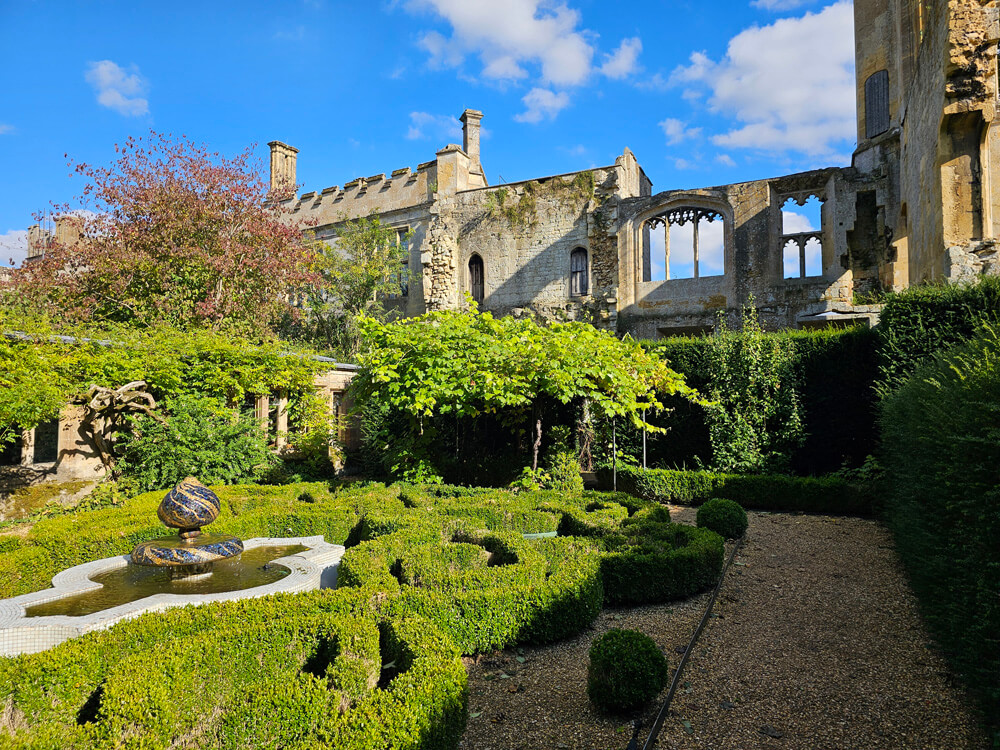
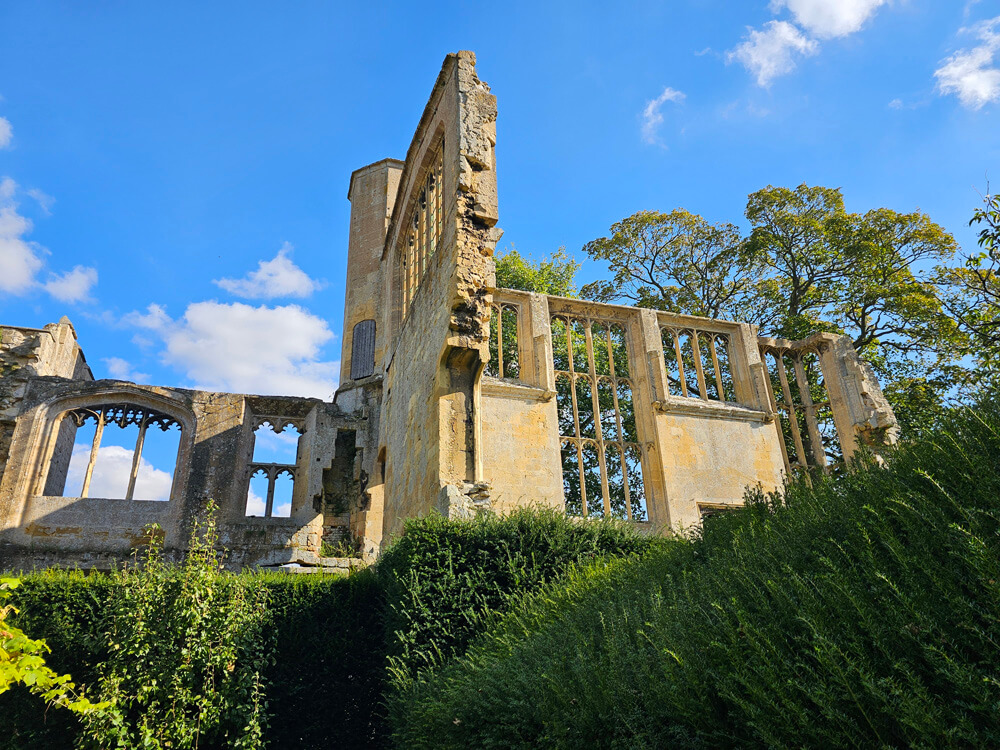
Did you enjoy this post?
I hope you found this post useful. I put a great deal of time and effort in to building, maintaining and populating the website. If you like, you could say a small thank you by buying me a coffee. You don't have to, but it would be nice :)
Buy me a coffee
Stay up to Date
Follow me on my journey and get notified whenever a new post is published by following Kings & Castles on Facebook.
Follow MeExplore The Map
Discover the hundreds of castles, churches, monasteries, cathedrals and other historic locations that I've personally visited across England and Wales. Search by location, explore nearby sites and plan your next historical adventure.
Share: