Life in a Medieval Castle
Life in a medieval castle varied greatly depending on a person’s position in the household. While lords and nobles enjoyed relative comfort, life for many others was hard, noisy and crowded. From the clatter of daily work to the smells of cooking, animals and open fires, castles were busy places filled with knights, soldiers, servants and entertainers.
Introduction
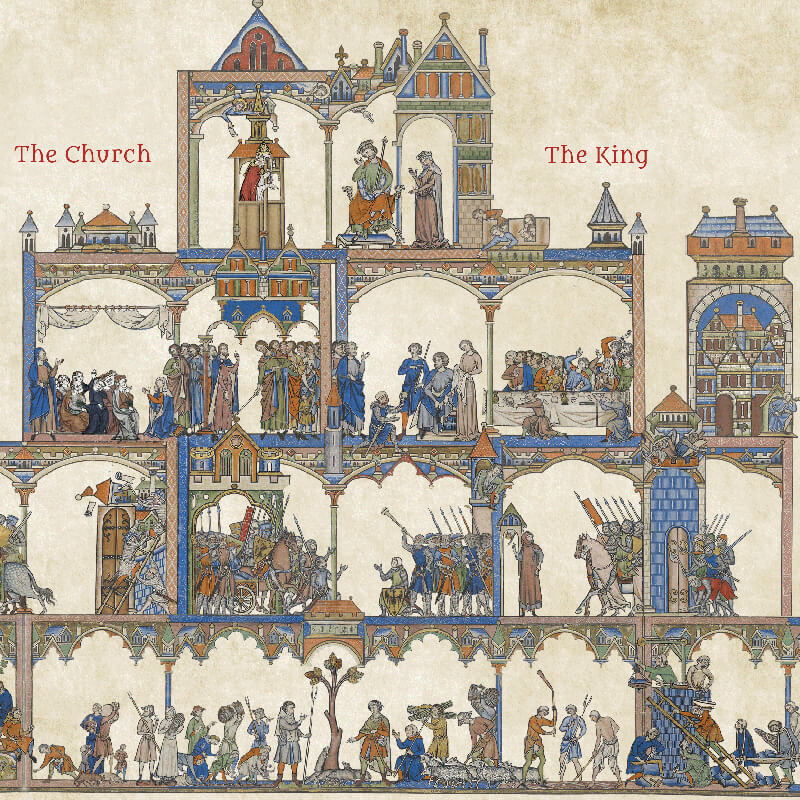
Primarily built in England and Wales after the Norman Conquest of 1066, castles cemented the new system of feudalism, where people worked and fought for nobles in exchange for loyalty, protection and use of the land.
The first Norman castles were wooden fortifications, of the motte-and-bailey type; a two-part fortification with a motte and a bailey, made entirely out of timber and earth. However, it wasn’t long before castles were being built in stone. Over time, some timber castles were rebuilt in stone, while others retained their earth-and-timber defences. Stone castles offered a more advanced design and greater protection – they were bigger, stronger, provided a more comfortable living space, and they would last a very long time, although their construction was expensive and could take many years.
What Was Inside a Medieval Castle?
Early medieval stone castles, especially small ones, tended to be dark and cold with small windows and open fires which generated lots of smoke and didn’t effectively spread heat. Later and larger castles had larger windows that allowed more light in, and had large fireplaces which generated much more heat. They had to provide enough space and accommodation for the lord or king and the rest of its occupants, which contained many different types of domestic buildings used for the management of the castle and the supply of its occupants. Such buildings and rooms included a great hall, bed chambers, solars, gatehouses and guardrooms, kitchens, pantries, larders and butteries, chapels, storerooms and cellars, ice houses, stables, dovecotes and sometimes even dungeons. To read more about the anatomy of a medieval castle and all the different rooms, structures and buildings, click here.
Despite the astonishing amount of money required to afford the luxury of building a castle, living in a castle today may seem rather miserable compared to the Middle Ages. No matter how the interior spaces were decorated, rooms were less furnished, darker and colder (especially in winter) than we are used to today. Supported by the labour and taxes of the peasants, the lord and his lady had a rather comfortable life, even though they lacked many of the comforts of modern society.
Who Lived in Medieval Castles?
In times of war and siege, castles were exciting but dangerous places, and they were homes as well as fortresses. Living in these castles were a king and queen, or a lord and lady, knights, soldiers, entertainers and servants. Castles were full of servants. The servants with the best jobs were the pages and damsels, who worked more closely to the lord and lady and attend to their needs. Other servants ranged from the steward, butler, cook and head groom down to the boy who turned the spit for roasting meat over the fire. The most unfortunate of the servants was probably the gong-farmer, who had to clean out the cesspit.
The lowest-ranked servants slept anywhere they could within the castle. Work for them was pretty much from dawn until dusk, with rare days off and low pay. However, they were given uniforms in their lord’s colours and enjoyed regular meals all year round. Some of the busiest servants were the cooks, who had an exceptionally busy job. They could be required to feed up to 200 people two to three meals a day.
The Lord of the Castle
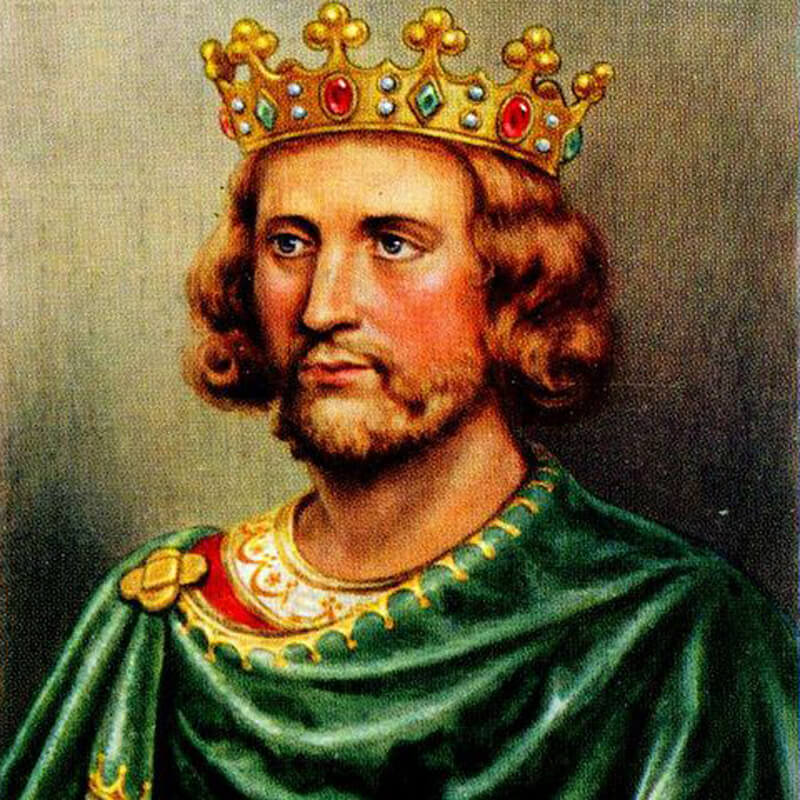
The castle provided permanent or temporary protection and accommodation for kings and queens, or important noblemen and their families. The castle was effectively a symbol of the lord’s power, providing the centre for political and administrative power for the region.
Lords didn’t stay in the same castle all year round but tended to move from place to place depending on where their attention was required. Some lords had multiple castles and/or fortified manors around the country. Each lord, and especially a king had a lot of people also travelling with him, all of whom needed to be housed and fed. Household size varied considerably, and not everyone travelled on every occasion. Some people remained to maintain the castle and estate. But for the larger and more wealthy households, servants could number anywhere from 30 to 150 people, and when travelling between castles they would need to take with them their beds, linen, tapestries, tableware, candlesticks and chests etc.
Lords had their own private part of the castle called the great chamber, or solar. They were typically built on an upper storey, used as the family’s private living space and sleeping quarters. Rooms for servants were normally above the kitchen, and though they were small and lacked privacy, they were probably quite warm.
The Lady of the Castle
The lady of the castle was served by ladies-in-waiting and chambermaids. She spent much of the day overseeing their work, as well as supervising the activities in the kitchen and overseeing the work of her spinners, weavers and embroiderers. A lady may have also supervised aspects of a young boy’s upbringing. This could have included educating young pages (well-born boys) who came to live in the castle from a young age, to learn religion, music, dance, reading, writing and hunting. Around the age of 14 the young boys often became squires under the guidance of a knight, who would teach them the necessary skills in medieval warfare, with jousting tournaments providing invaluable experience.
The Great Hall
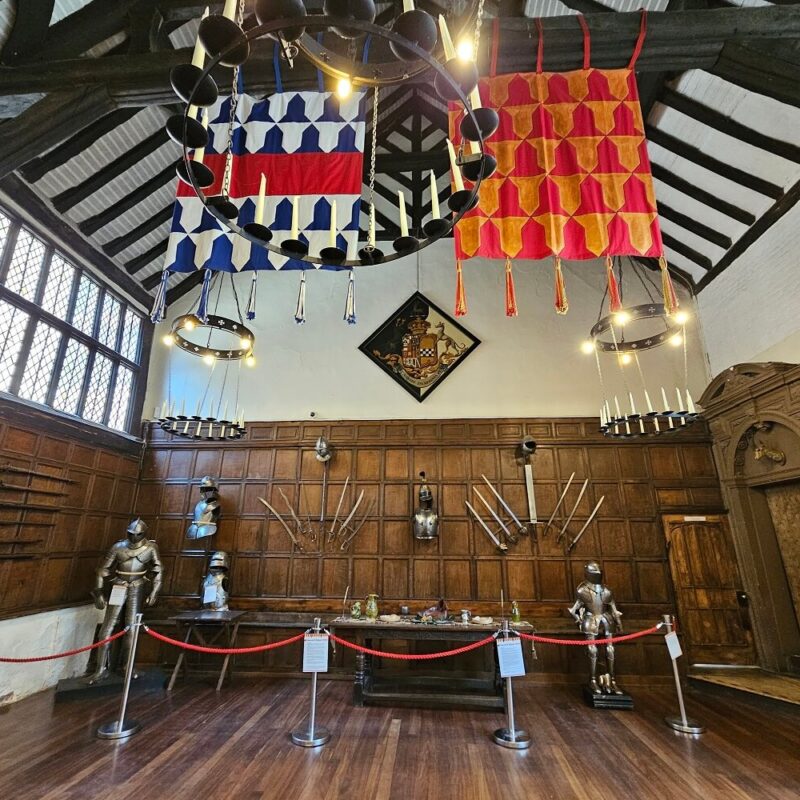
The great hall was the beating heart of the castle. It was a major communal space and was usually the warmest room of the castle, and one of the most lavishly decorated. The great hall often had an open hearth to provide heat and light before wall fireplaces became more widespread. Tapestries would have also provided insulation as well as being decorative pieces. The great hall would be used for official activities or when the king was presiding over his High Court. When there were no official duties, the hall would be the focus of hospitality and celebrations, used as a social gathering area to host guests and banquets, where there would be feasts, dancing, plays and poetry recitals.
Heating, Lighting and Toilets
Medieval castles didn’t have electricity, running water, central heating, flushing toilets or sophisticated lighting. Castles were warmed by fires and fireplaces, and many private chambers had beds with curtains giving an extra layer of warmth, and some of these rooms also had fireplaces. Where there were no fireplaces, some rooms were heated with moveable fire stands. In winter, some rooms were insulated better than others. Besides tapestries, a layer of wild-boar skin could have been fixed to the wall and covered with wooden panels. Medieval rooms were rather dark, especially in winter, so light was provided by candles or oil lamps. Windows were covered with wooden panels and parchment in order to insulate. Later, leaded glass window-panes raised the comfort level of the castles significantly, but glass was expensive and not available in every room. Castles had basic lavatories called garderobes or latrines, which were a simple hole, or seat above a hole, placed inside a small chamber built into the castle walls, and emptied outside the castle into a pit latrine, moat, or river.
Medieval Food
Food was prepared in large kitchens, sometimes in a separate building. In addition to kitchens, there were specialist areas for storing and preserving food and drink, such as pantries, larders, butteries and cellars. Medieval food included pies, pasties, soup, vegetables, fish and other seafood, and meat such as game, bird, mutton, pork, beef, venison, and lots of bread. Herbs and spices were used extensively, although they were not equally accessible to every household. Dairy products were popular, as were puddings / deserts. Fruit was also eaten, though the types available and how often people ate it depended on season, location, wealth and preservation methods. In medieval times, the tomato and the potato were not part of medieval English diets, as these didn’t reached Europe until the end of the 15th century after the discovery of America.
Meal times and the number of meals varied by period, occupation and social class. Typically, three meals a day were served for the lord and lady; breakfast, dinner and supper. Dinner was the main meal of the day, and often featured three or four courses, as well as entertainment. The evening meal, supper, was generally eaten late in the day, sometimes just before bedtime.
Medieval Drinks
Medieval drinks included wine, ale, mead, beer and cider. Ale was widely consumed in medieval England, particularly among working people, while wine was more accessible to the wealthy. Water was also drunk, especially when obtained from a reliable source. What people drank depended on their circumstances and what was available locally. Natural water sources such as rivers and streams were relatively clean. Nevertheless, alcoholic drinks were preferred and generally considered safer to drink as water could sometimes be contaminated with human or livestock waste.
Rise & Shine
Life during the Middle Ages began at sunrise. Servants would be the first to wake, ensuring that fires were lit, floors were swept and breakfast prepared.
Once the lord and his lady were up and dressed, chambermaids entered their bed chambers, swept the floor and emptied chamber pots and wash basins, and laundresses began the day’s wash.
Depending on how religious they were, the lord and his family would enter the castle’s private chapel for morning mass. After morning mass, the lord would start the day’s business, which included accepting homage, carrying out ceremonies, and collecting rents, fees and taxes. He would also arrange the day’s games and activities.
Entertainment
The day’s games and activities in a medieval castle included a mixture of sports, board games and card games. They included things like chess, dice, falconry and archery. The nobles in particular enjoyed hunting and tournaments. Although jousting tournaments were extremely expensive for the lord to host, it was one of the most popular types of entertainment for the medieval aristocracy.
Minstrels and jesters entertained at dinner, who would sing, recite verses, do magic tricks, acrobatics, tell jokes or juggle. After dinner, the day’s activities would resume, or the lord might lead his guests on a hunt through the grounds of his deer park where they would hunt deer, wild-boar, pheasant, quail, crane and swan.
Important Staff Members
When the lord was away from the castle, either the steward or his lady would take care of the day-to-day domestic affairs until he returned. The steward had to know virtually everything that went on at the castle and in the surrounding estates. Other key members of the household staff included the chamberlain who was in charge of the great hall, the chaplain, the butler, the cook, the chandler who made candles, the marshal who was in charge of the stables, and a chief-gardener to take care of the castle’s medieval gardens. Each of these also had their own staff to manage.
Castle Soldiers
In peacetime, a castle might not have many soldiers stationed within its walls. However, in times of attack, there would be lots of soldiers within the castle walls, as many as could possibly fit. Soldiers were stationed in gatehouses, guardrooms and throughout much of the castle grounds. They included knights, squires, guards, watchmen, and men-at-arms. Many were trained as crossbowmen, archers, lancers or swordsmen, ready to defend the castle at any given moment, although many were also untrained.
Castles Were Very Busy Places
For many castles, the inner and outer wards were a hive of activity during the day. Fires burned, livestock roamed inside the stables, children played, people squabbled, traded and got drunk, wells and cisterns offered water, blacksmiths worked in the forges, soldiers practised their skills, and other various craftsmen including cobblers, armourers, coopers, and billers worked hard throughout the day. However, it is worth noting that not every castle contained all these trades. Some services were provided by nearby settlements or the wider estate.
Bathing in the Middle Ages
Contrary to popular belief, people did wash and bathe in the Middle Ages, and they were probably much cleaner than you think. Making up roughly 85% of the population were the peasants, who bathed the least often but likely did wash on a daily or almost daily basis. Using a cloth, they would use a local water source such as a trough, river or stream to have a wash. When it came to bathing it was more of a treat and would likely be weekly or longer. They were more likely to have a cold bath due to the difficulty of heating water, and bathe in a wooden or metal tub. If it could be afforded, some even used soap. As an alternative, some people would scent their water with herbs like thyme or sage. The rich however, would have bathed regularly and most definitely used soap and herbs. Some even had dedicated rooms for washing. People in the Middle Ages most definitely enjoyed a bath and would take every opportunity to get nice and clean.
A Medieval Christmas
Festivities such as Easter and Christmas meant that guests would flood the castle, who might stay for months at a time. While there were many holidays in the medieval European calendar, Christmas was a highlight with twelve days of celebrations. Christmas was celebrated across all the social classes, from the peasants to the wealthy nobles, it was the longest holiday and they all spent time with their loved ones. The peasants as well as the castle’s household found time for pleasure, and made up for their struggles as best they could during the festive period.
Drinking was a large part of Christmas festivities. Games were also popular, and Christmas meals were typically followed by singing carols, dancing, and music.
Many people couldn’t afford the luxuries of a huge feast and expensive presents, but servants on wealthy estates would be given presents by their lord. This tradition of servants receiving Christmas boxes is associated with Boxing Day, although its precise origins are uncertain.
Did you enjoy this post?
I hope you found this post useful. I put a great deal of time and effort in to building, maintaining and populating the website. If you like, you could say a small thank you by buying me a coffee. You don't have to, but it would be nice :)
Buy me a coffee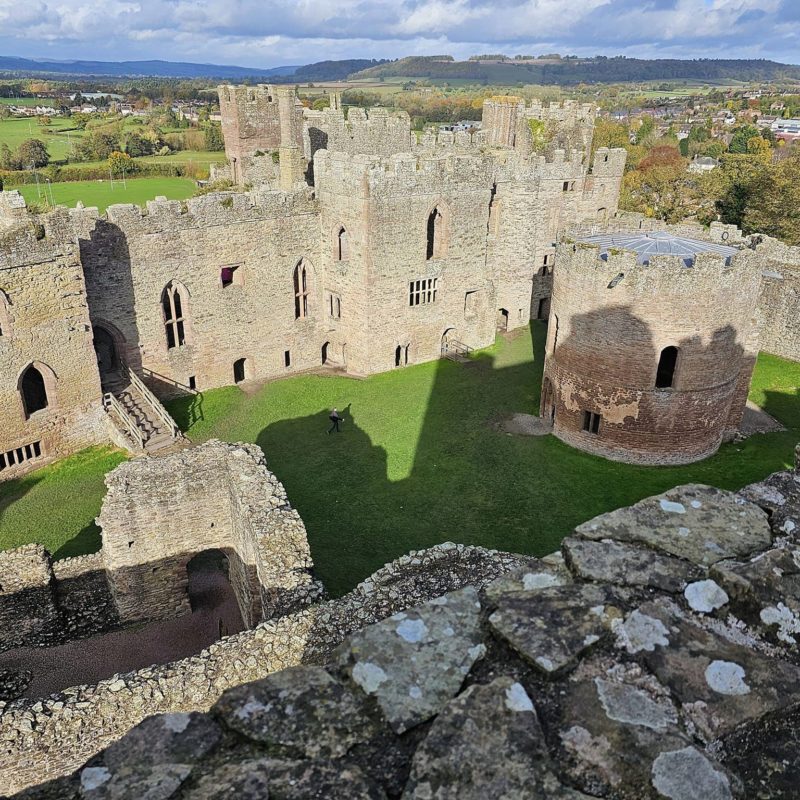
Stay up to Date
Follow me on my journey and get notified whenever a new post is published by following Kings & Castles on Facebook.
Follow MeExplore The Map
Discover the hundreds of castles, churches, monasteries, cathedrals and other historic locations that I've personally visited across England and Wales. Search by location, explore nearby sites and plan your next historical adventure.
Share: