Medieval Money in Medieval England
How did people pay for food, clothing and rent in medieval England? Discover the silver pennies, royal mints, market prices and everyday transactions that shaped the medieval economy.
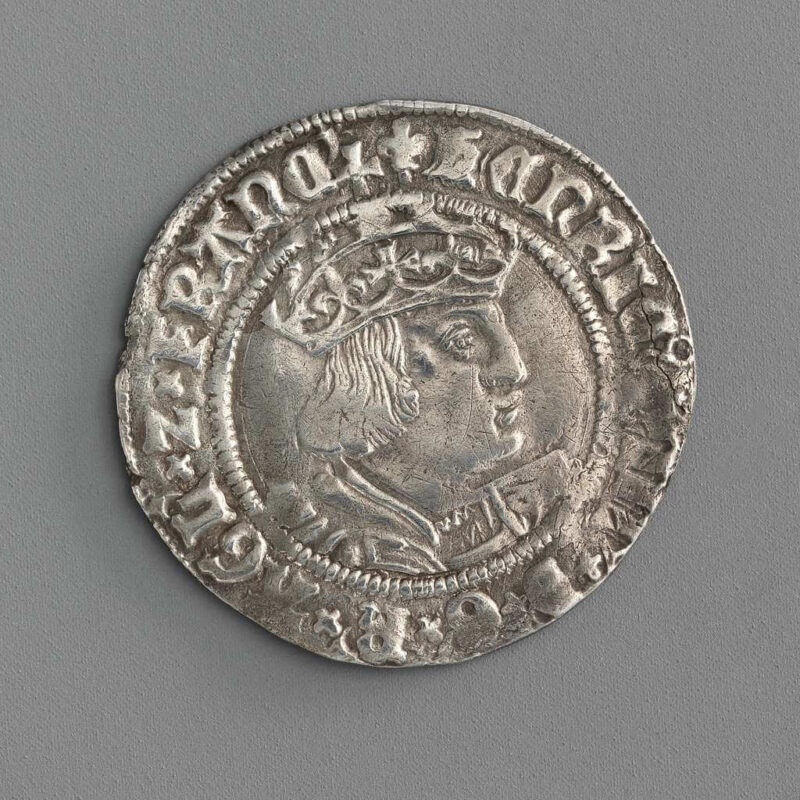
The Coins of Medieval England
Money was an essential part of medieval life, from buying bread at a local market to collecting taxes for the king. However, the coins people used were very different from modern money.
For much of the medieval period, the main English coin was the silver penny. It was used for everyday purchases and formed the foundation of the currency system. Larger amounts were calculated in shillings and pounds, although these were largely accounting units rather than coins in regular circulation during much of the period.
One pound was worth 20 shillings, and one shilling was worth 12 pence, making 240 pence to the pound.
Gold coins became more common in England during the later Middle Ages, particularly as trade and the financial needs of wealthy merchants and nobles expanded.
How Did People Earn and Spend Money?
Most medieval people lived in rural communities, earning their living through farming, crafts or labour. Many transactions took place in local markets, where people bought food, tools, clothing and household goods.
Farmers sold surplus produce, craftsmen earned money from their work, and labourers received wages for tasks such as harvesting or building. In some communities, goods and services were also exchanged directly, while rents and obligations could be paid in money, produce or labour.
The amount people earned varied considerably. A skilled craftsman might receive more than an unskilled labourer, while agricultural wages often depended on the season and local conditions.
What Could a Penny Buy?
A silver penny could represent a meaningful sum for an ordinary worker, but its purchasing power changed considerably over the centuries.
The cost of food, clothing and other essentials depended on harvests, local markets, shortages and wider economic conditions. Wages also varied, making it difficult to assign a single modern value to a medieval penny.
Nevertheless, surviving accounts of household spending, building projects and royal finances help historians understand the cost of living. They reveal a society in which even small changes in prices or wages could affect people’s ability to support themselves and their families.
Who Made Medieval Coins?
The production of coins was closely controlled by royal authority. Kings established mints, appointed moneyers and used coinage to support trade and collect revenue.
Moneyers were responsible for producing coins, traditionally by striking prepared pieces of metal between engraved dies. The resulting coins carried designs and inscriptions that helped identify the ruler and communicate royal authority.
Coinage could also become a source of difficulty. Changes in the amount of precious metal used in coins, along with recoinage and counterfeit money, affected confidence in currency.
Money and Medieval Life
Money connected almost every part of medieval society. It helped support markets, fund castles and monasteries, pay soldiers and sustain royal government.
Although the silver penny might seem modest today, it played a vital role in the medieval economy. Understanding how people earned, spent and exchanged money offers another way to explore the lives of those who built, defended and inhabited medieval England.
Did you enjoy this post?
I hope you found this post useful. I put a great deal of time and effort in to building, maintaining and populating the website. If you like, you could say a small thank you by buying me a coffee. You don't have to, but it would be nice :)
Buy me a coffee
Stay up to Date
Follow me on my journey and get notified whenever a new post is published by following Kings & Castles on Facebook.
Follow MeExplore The Map
Discover the hundreds of castles, churches, monasteries, cathedrals and other historic locations that I've personally visited across England and Wales. Search by location, explore nearby sites and plan your next historical adventure.
Share: