Glastonbury Abbey
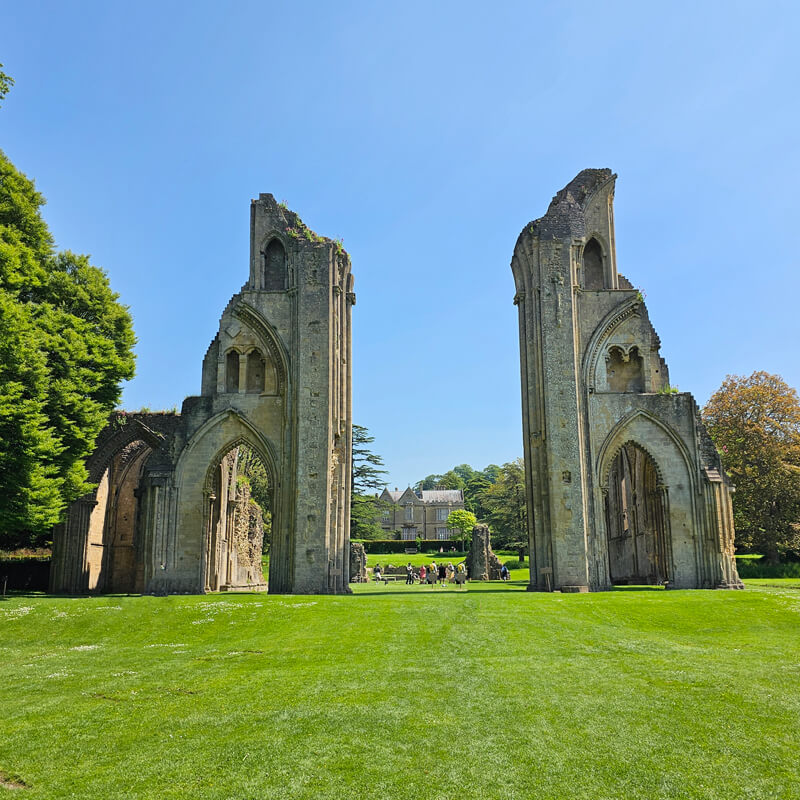
Glastonbury Abbey was a monastery in Glastonbury, Somerset, England, and is one of the most important medieval heritage sites in the UK. The ruined monastery is steeped in history, legend and myth. Since Medieval times, the abbey has held legendary status as the earliest Christian foundation in Britain. Legend says that it is the burial place of King Arthur and Queen Guinivere.
Quick
Facts.
- Location: Glastonbury, Somerset, England
- Founded: 8th century
- Founder: King Ine of Wessex
- Religious order: Benedictine
- Dissolved: 1539
- Condition: Ruined
A Bit of History…
Steeped in history, heritage, myths and legends, there has been a church on the site for at least 1500 years with evidence of even earlier occupation.
The abbey as we know it was founded in the 8th century by King Ine of Wessex, some time around 700 – 712, and was later enlarged in the 10th century. However, myth of a much earlier foundation gained popularity – a belief that followers of Christ settled here within the 1st century and built “The Old Church”. Legend says that the earliest church here was founded by St Joseph of Arimathea in about 60 AD.
The first grants of land recorded, and the first Saxon Church to be built at Glastonbury was some time around 670 – 690. Glastonbury was the richest monastery in England at the end of the Saxon period, remaining a Saxon church until the Norman invasion in 1066.
Glastonbury’s most famous abbot, Dunstan, extended the abbey church from around 940 – 963, adding a porch, eastern aisle, and an east tower. Around the years 967 – 975, kings Edmund and Edgar were buried at the abbey.
After the Norman invasion Glastonbury became a Norman abbey and continued to flourish. Its first Norman abbot was Abbot Thurstin who began building a completely new church on a cruciform plan. His work was continued by Abbot Herluin in the early 12th century which saw a period of rebuilding and extension. Abbot Herluin’s work was completed by Abbot Henry of Blois who served as abbot for 45 years from 1126 – 1171, at which time the abbey flourished.
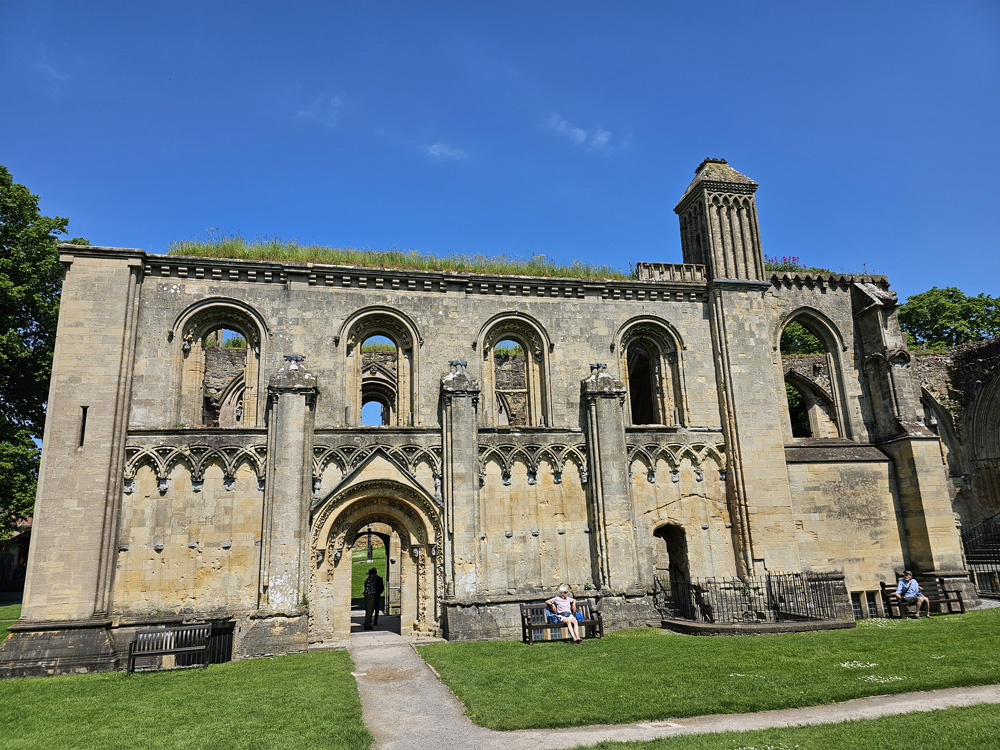
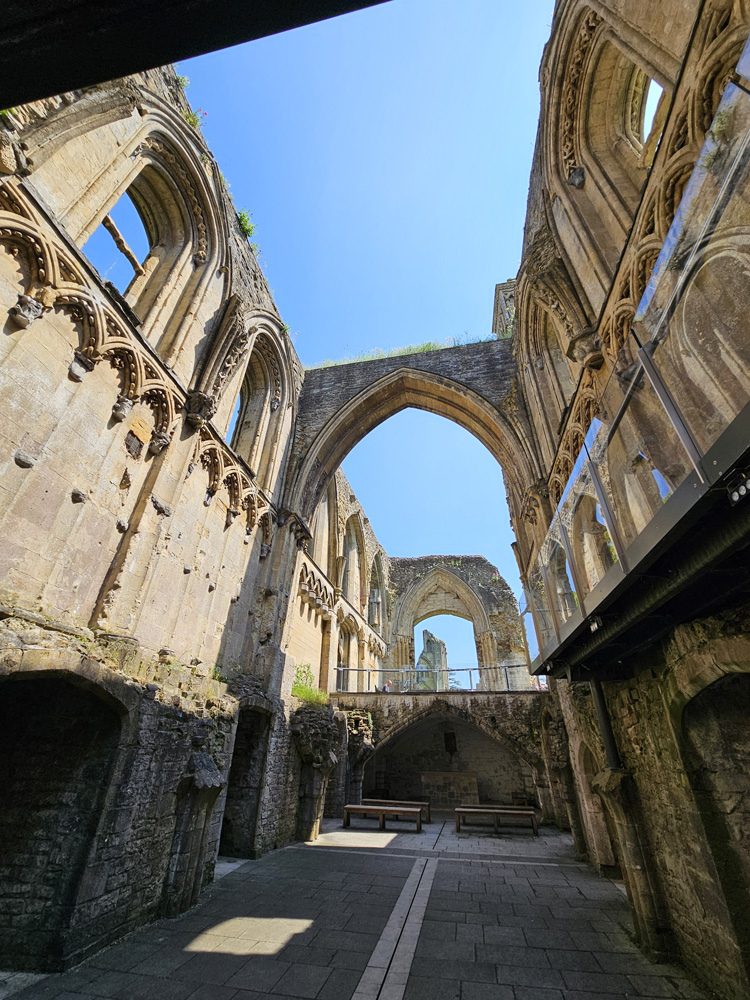
In 1184 a great fire almost completely destroyed the abbey including the Old Church. The Lady Chapel was the first building to be rebuilt, which was built on the site of the Old Church and was completed in 1186. In 1189 work began on rebuilding the east end of the church, and in 1191 the tombs of King Arthur and Queen Guinevere were discovered. The monks told how while digging they had discovered two skeletons, and above was a leaden cross with the inscription “Here lies interred the famous King Arthur on the Isle of Avalon” written in Latin. King Edward I and Queen Eleanor attended a reburial of King Arthur’s bones in the 13th century.
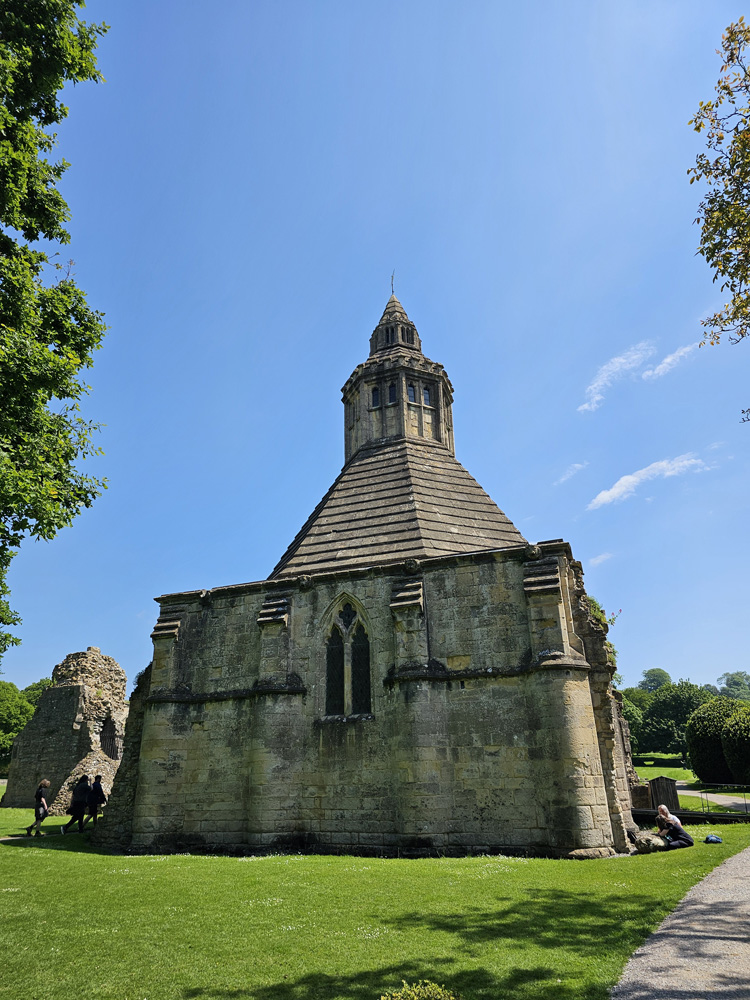
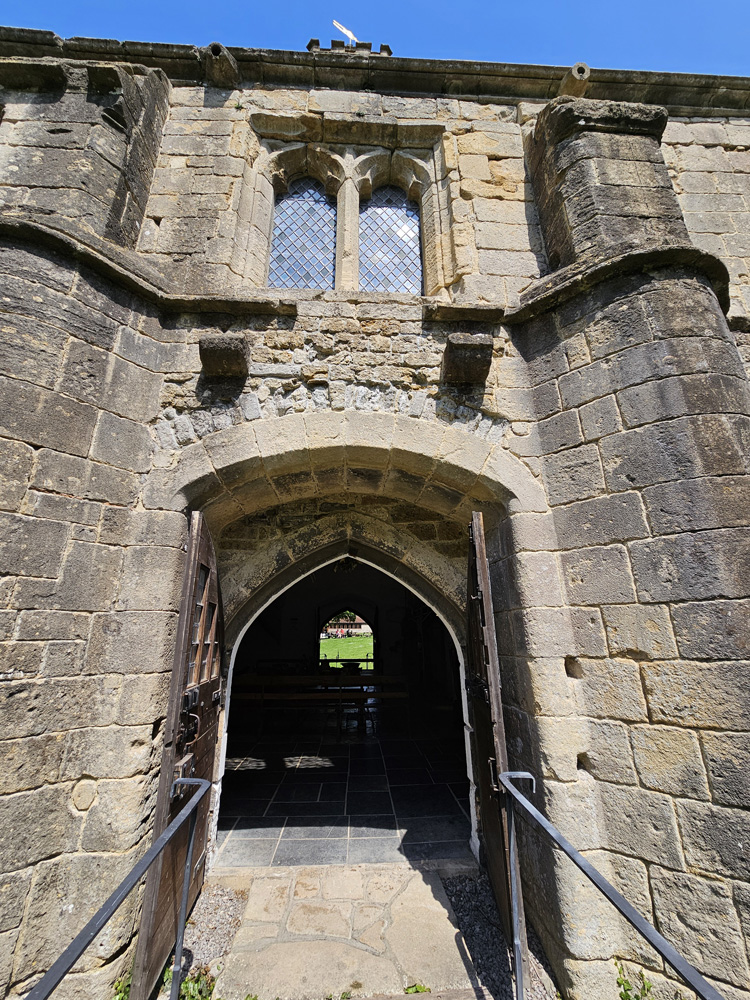
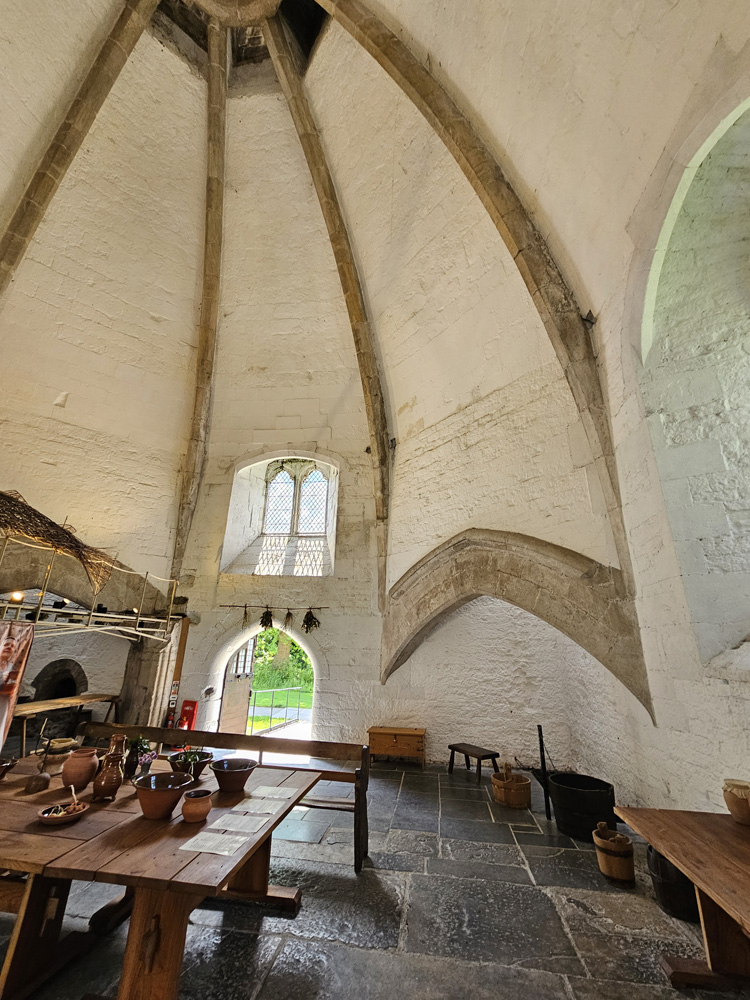
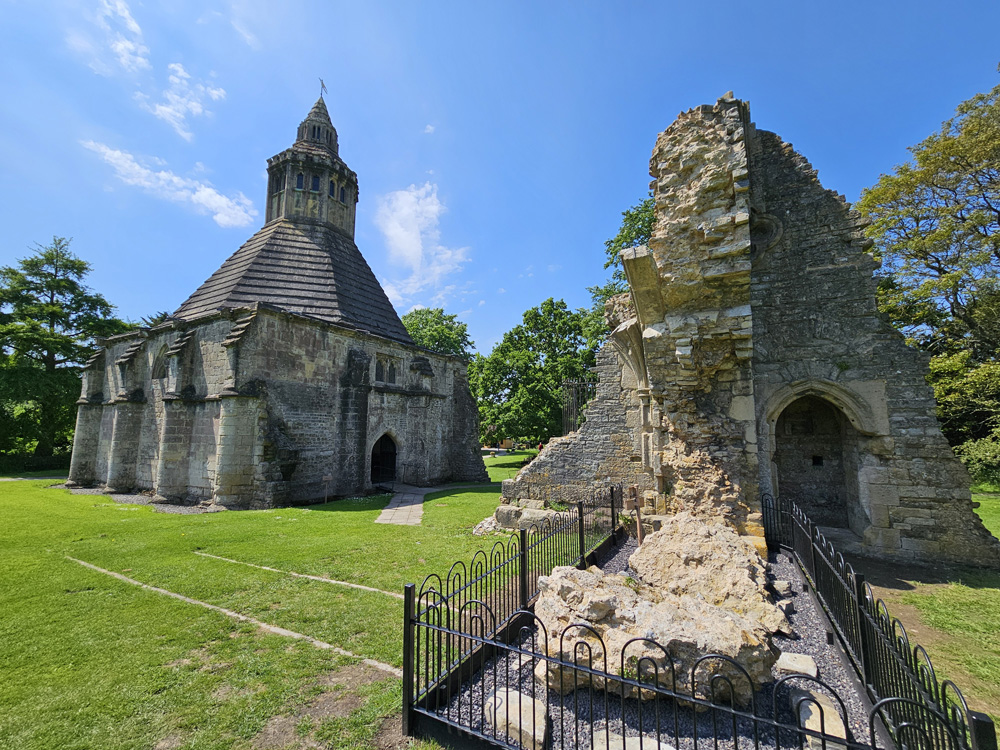
The building of the Great Church, Abbot’s Hall, lodging, and Kitchen were all completed by the 14th century. The Abbot’s Kitchen is one of only three surviving medieval examples in the world. The cloister was remodelled in the 15th century.
In the 15th to 16th centuries the legend of St Joseph of Arimathea thrived and he was firmly established as the abbey’s founder. Abbot Beere had a crypt chapel built for St Joseph so that pilgrims could visit his shrine. It was also around this time that King Edgar I was reburied in a specially built eastern chapel.
By the late Middle Ages Glastonbury had become the richest abbey in England, mostly due to heavy pilgrimage. The abbey’s power and wealth had peaked so much that the abbot lived in enviable splendour in his own lodgings, and entertained the rich and powerful from his great hall.
The last abbot of Glastonbury was Richard Whiting. Like most abbots across the country, he signed the Act of Supremacy in 1534, naming Henry VIII as the head of the Church in England. The Dissolution of the Monasteries began and Glastonbury held out for as long as possible, becoming the last remaining monastery in Somerset by 1539. Abbot Richard Whiting met his end when was arrested on a fabricated charge of treason and executed in 1539, marking the end for the monastery. Richard Whiting was dragged through the town to the top of Glastonbury Tor where he was hanged, drawn, and quartered.
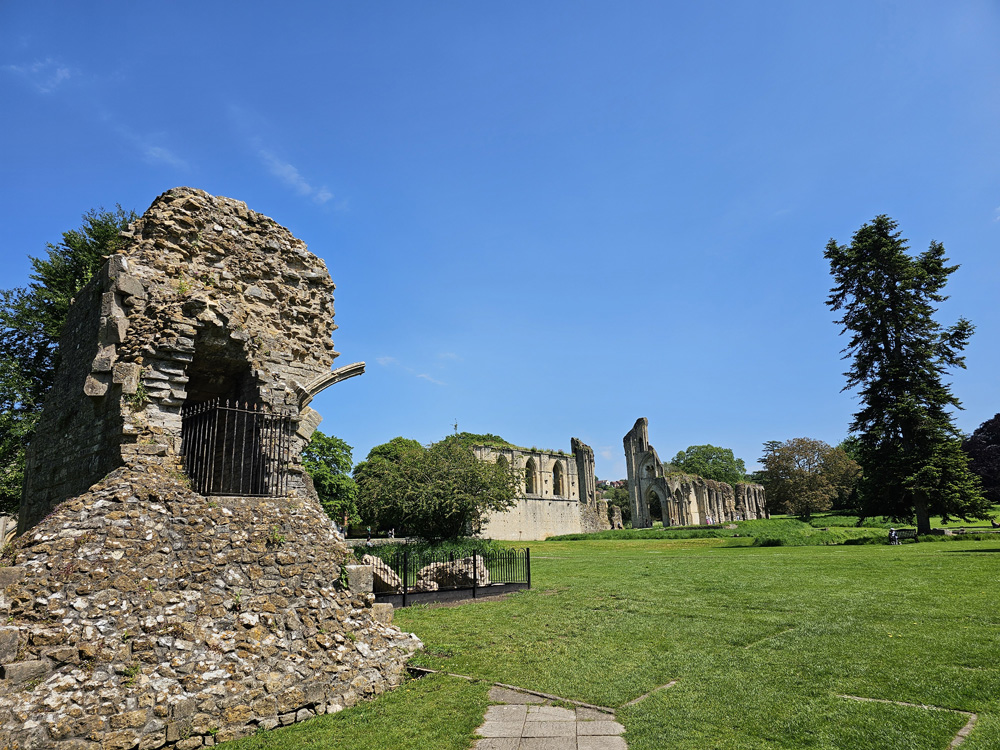
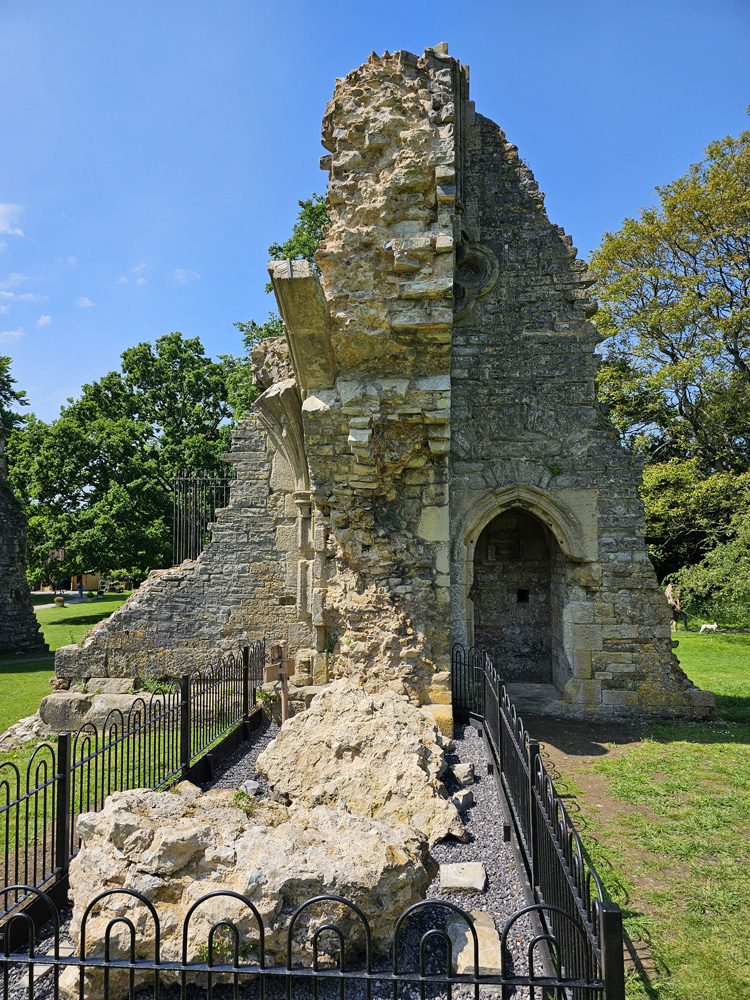
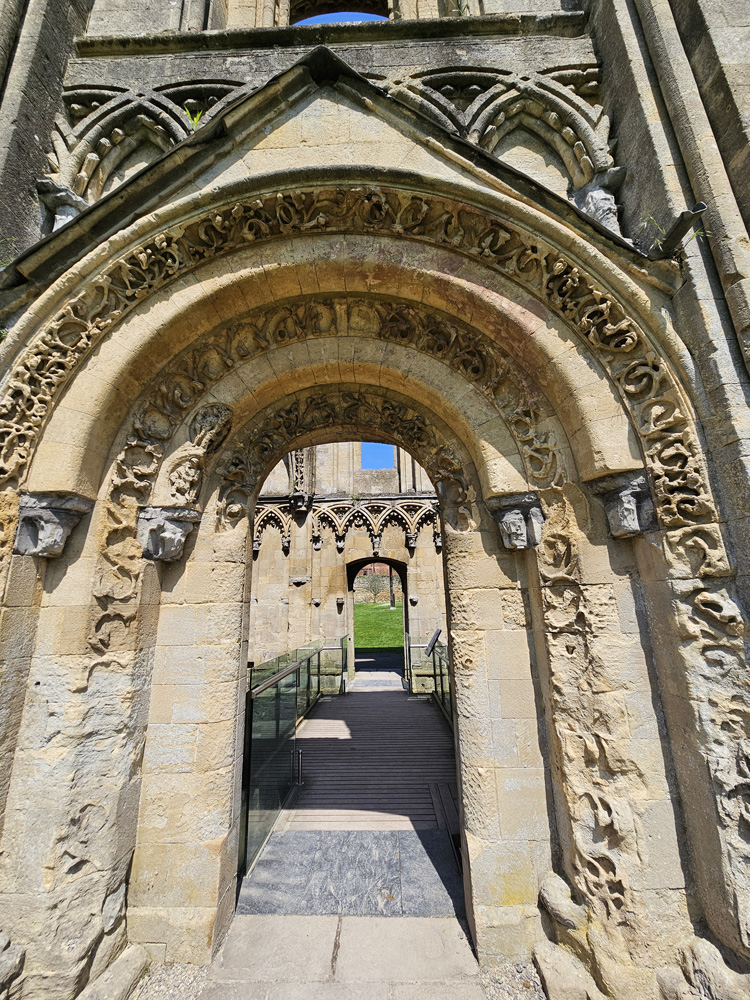
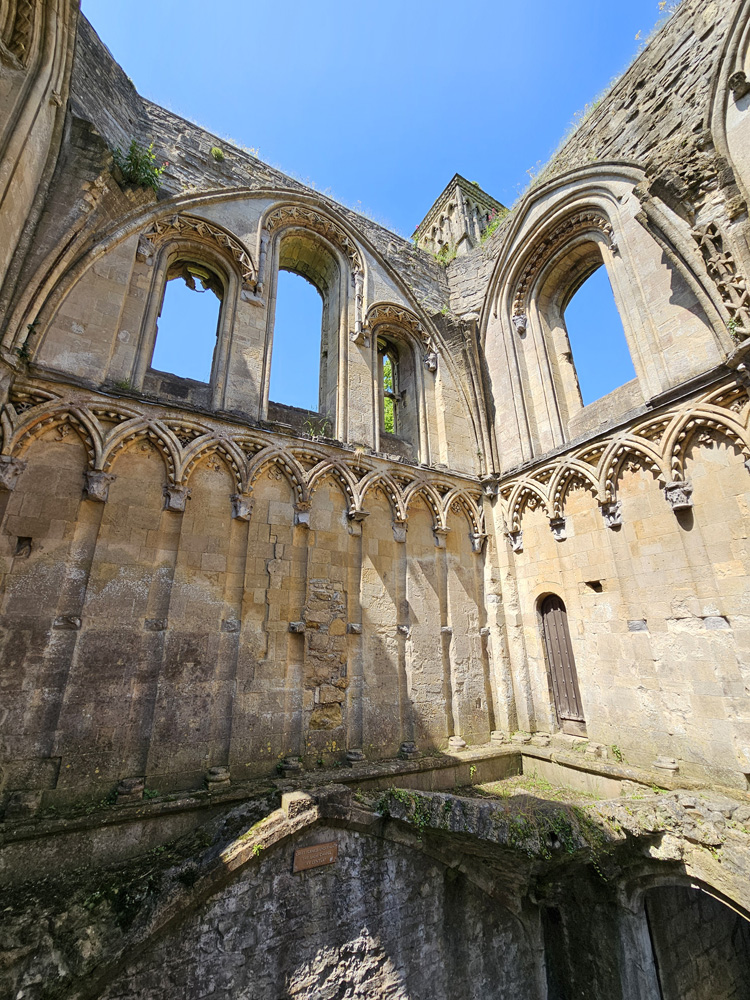
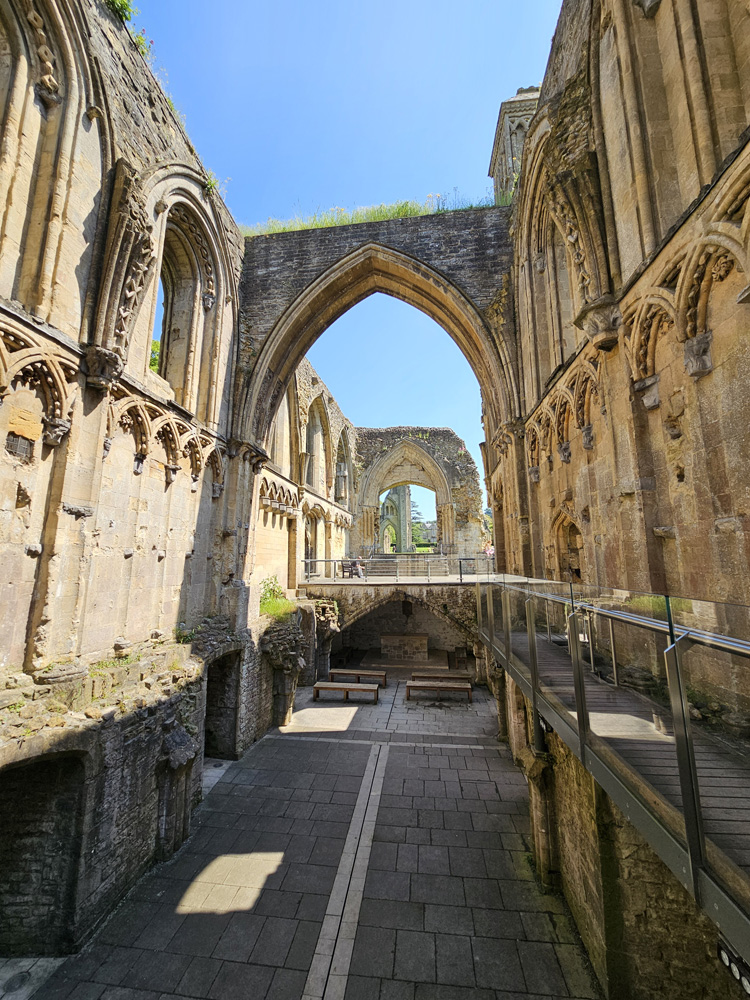
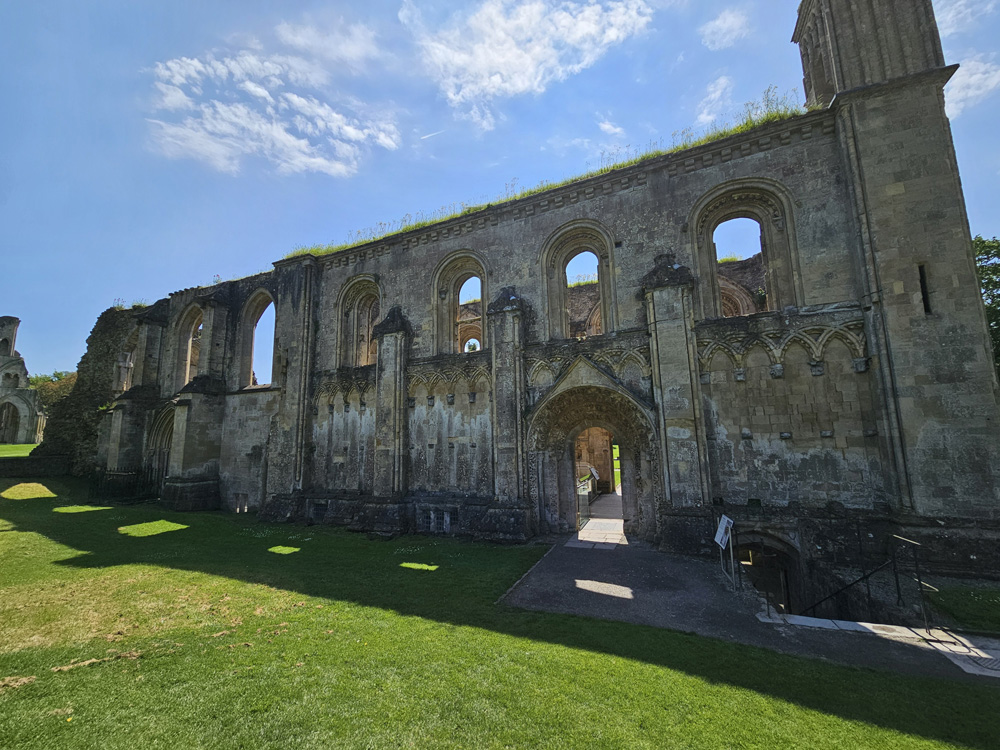
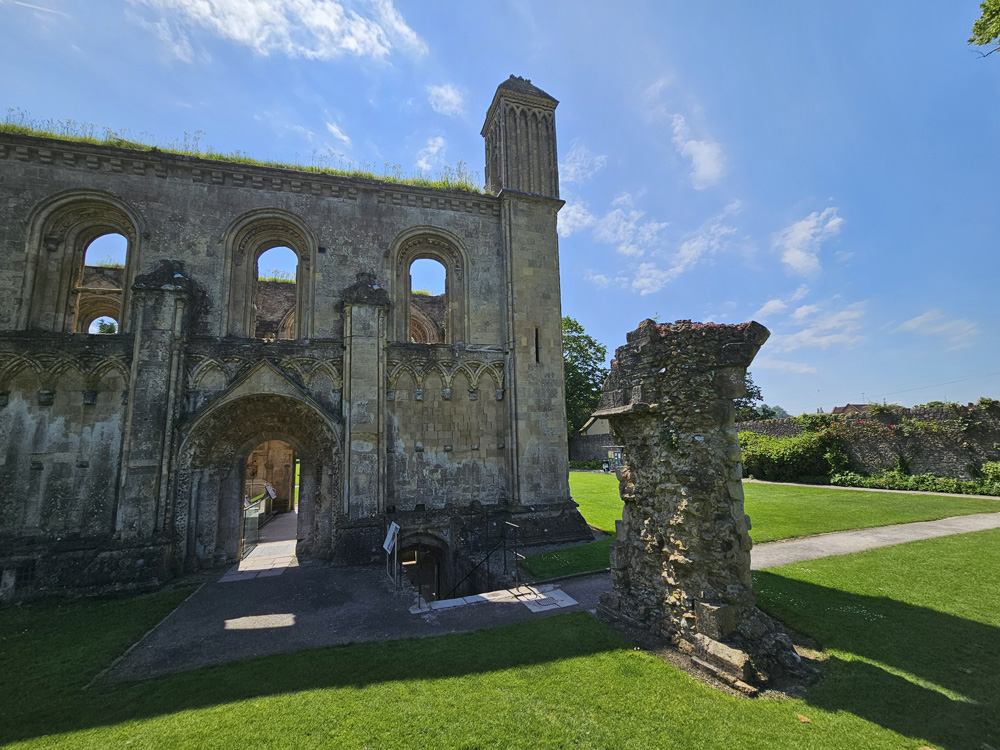
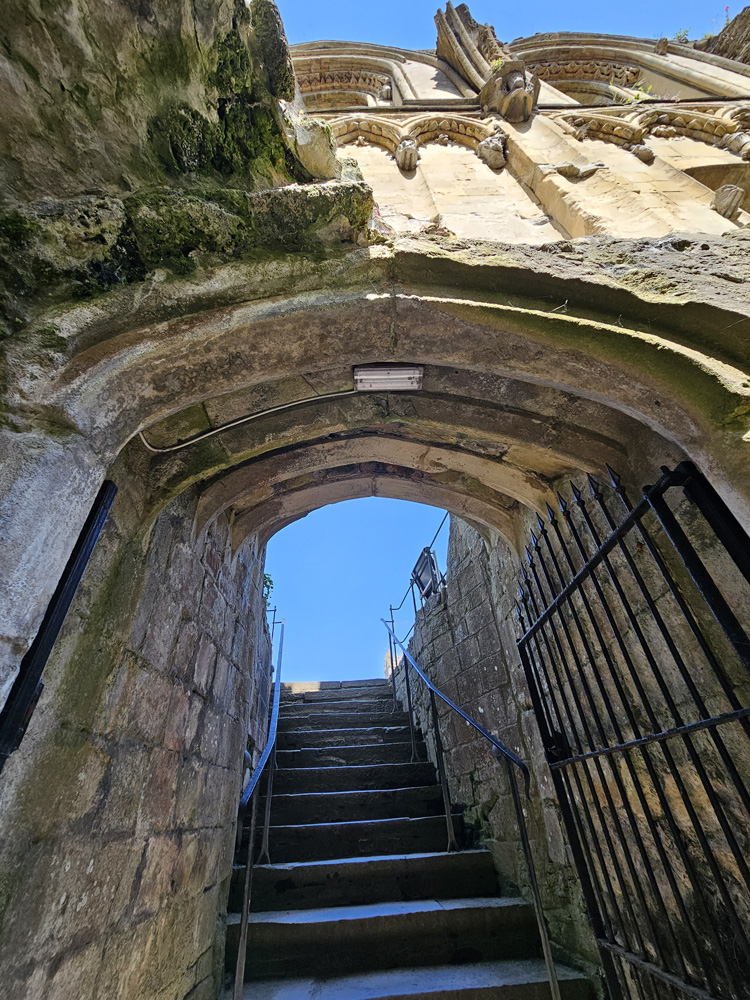
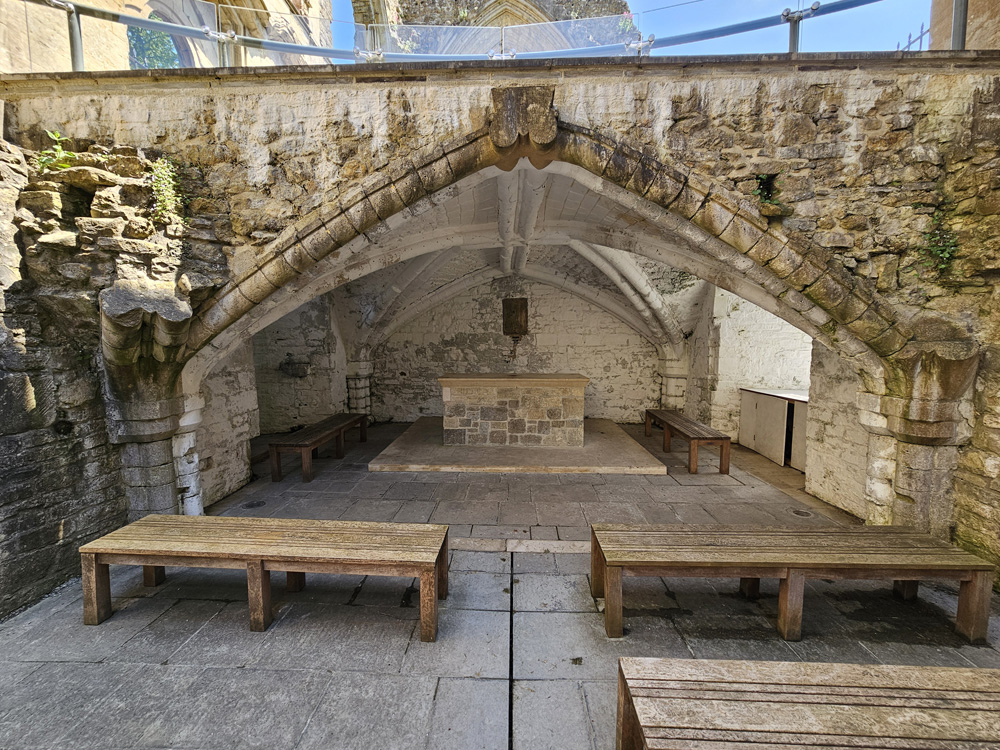
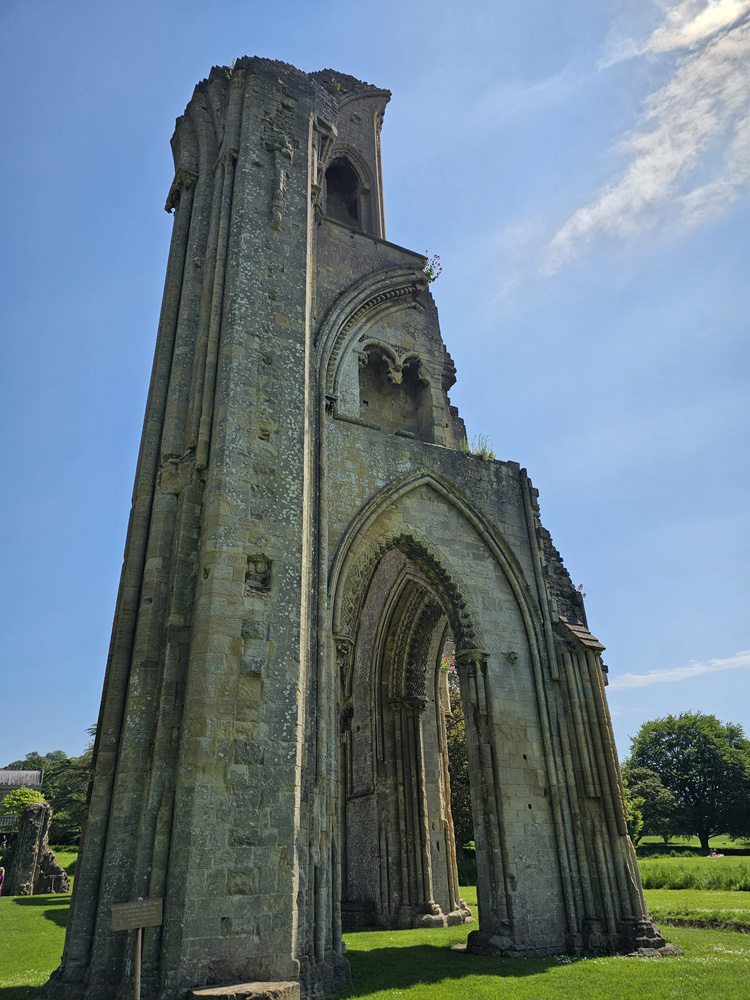
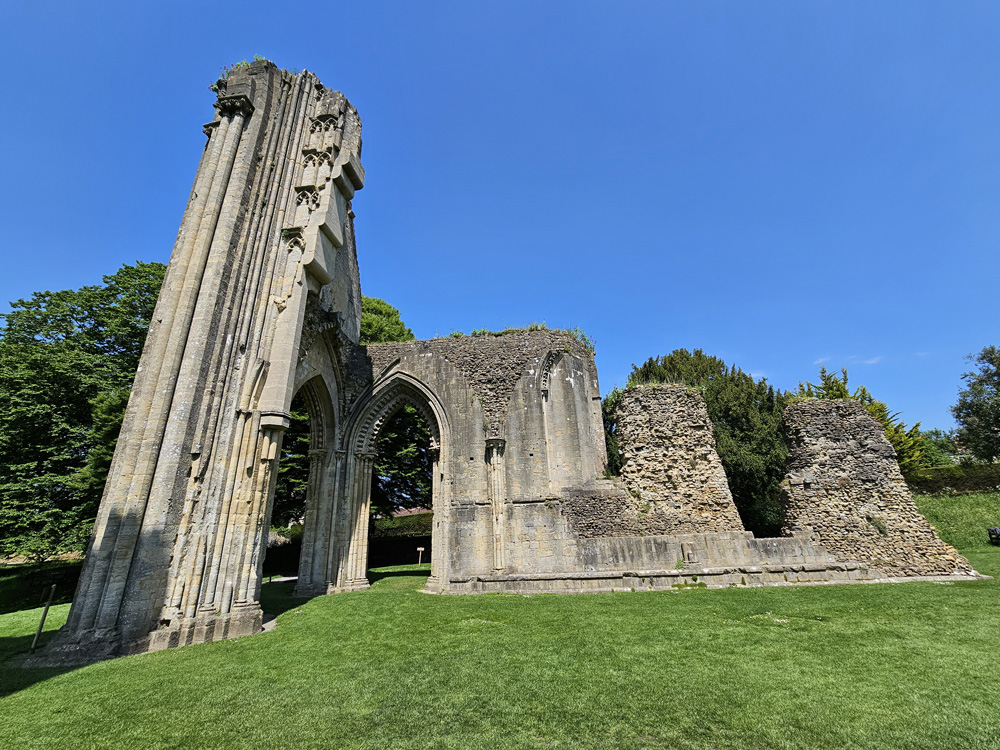
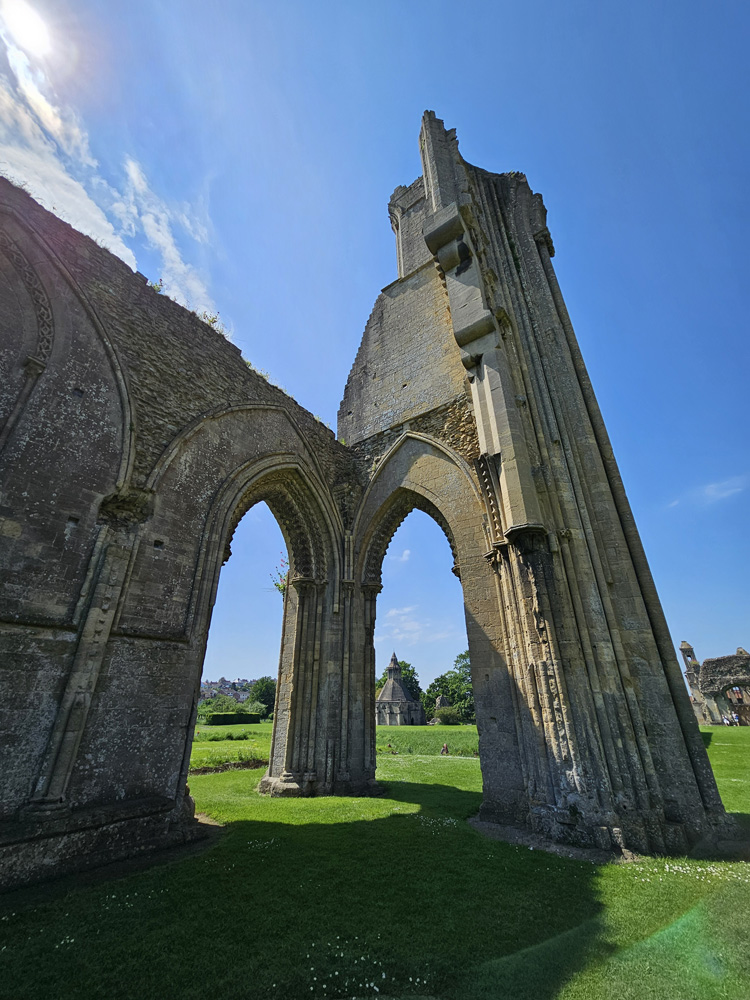
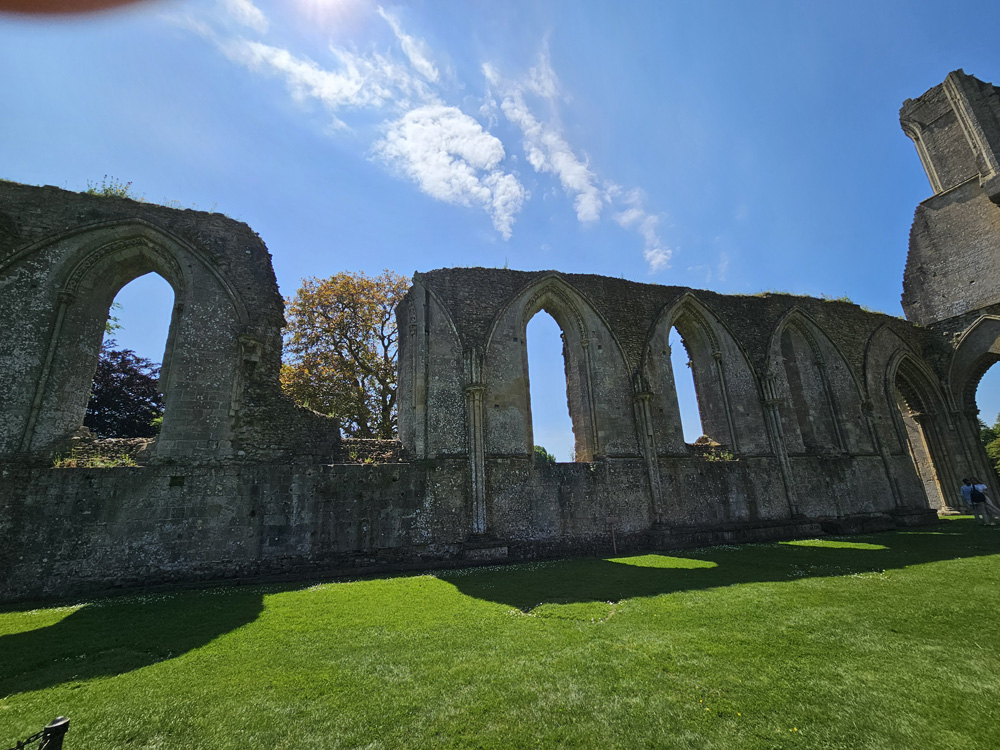
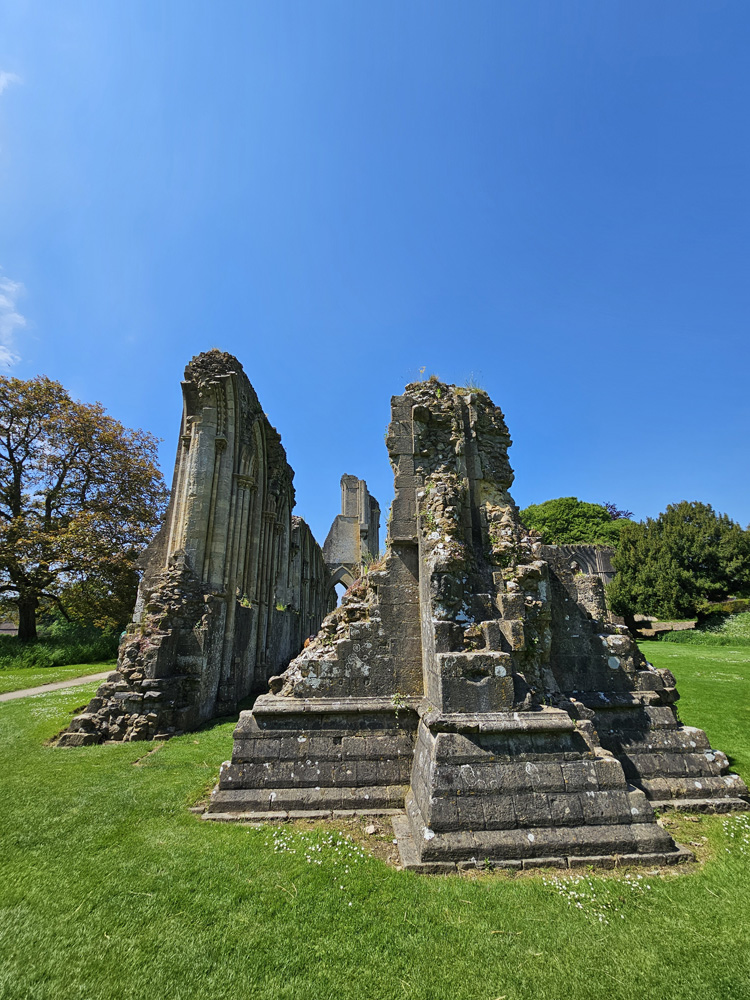
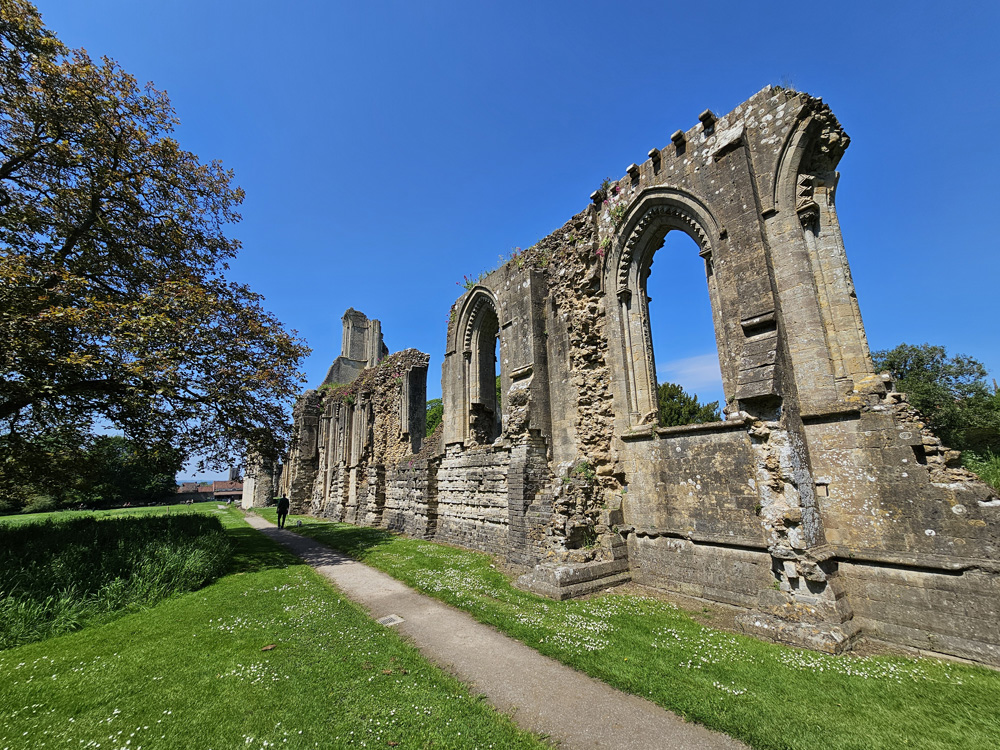
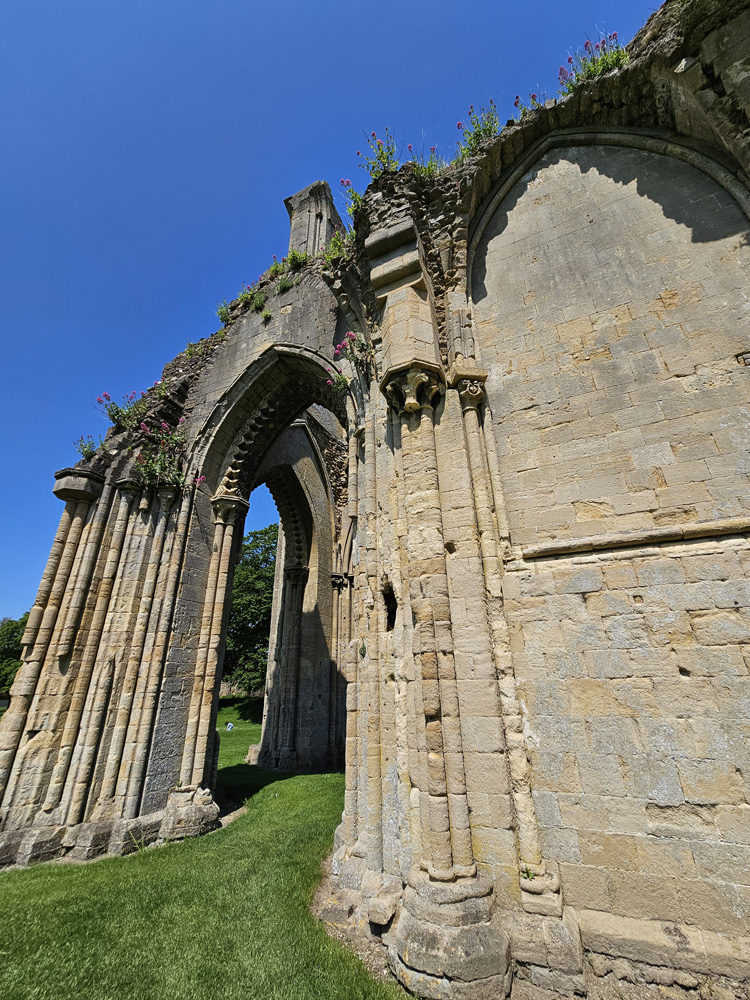
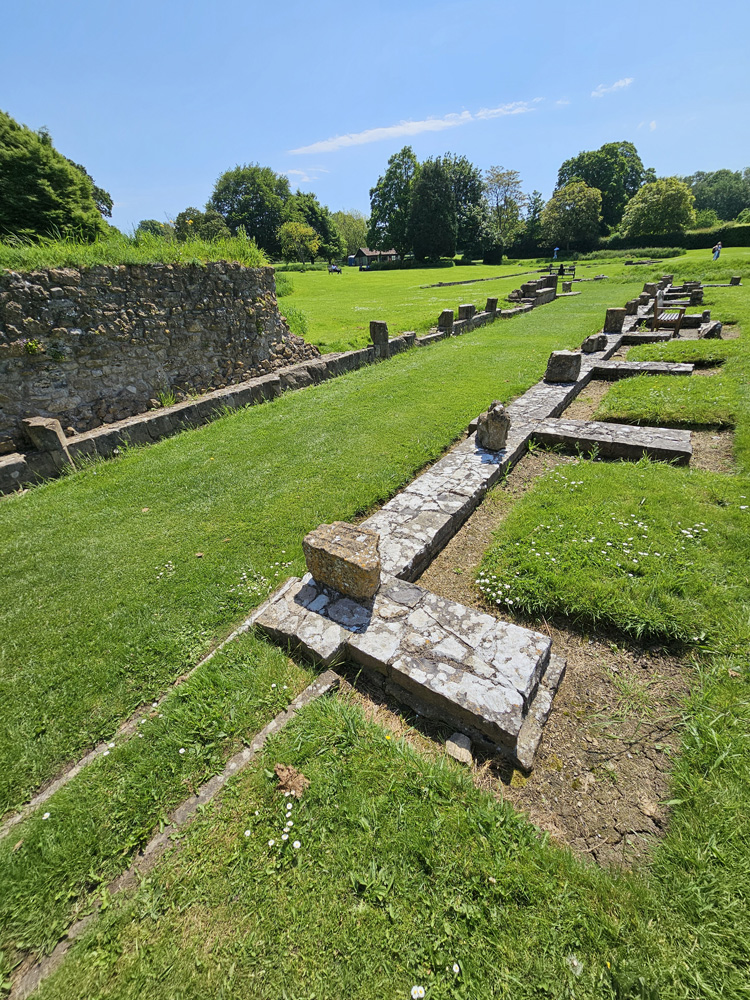
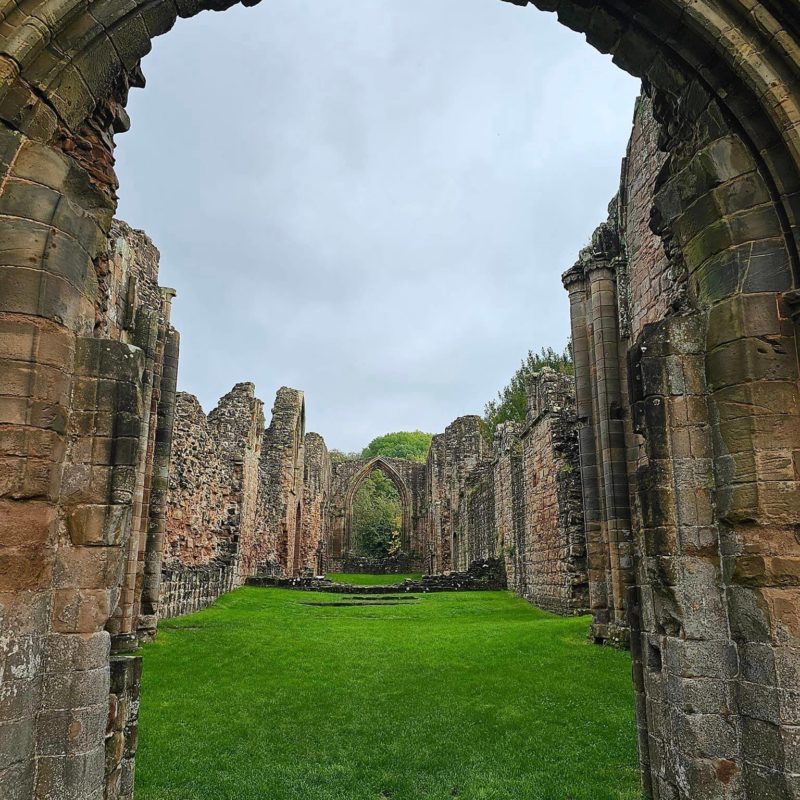
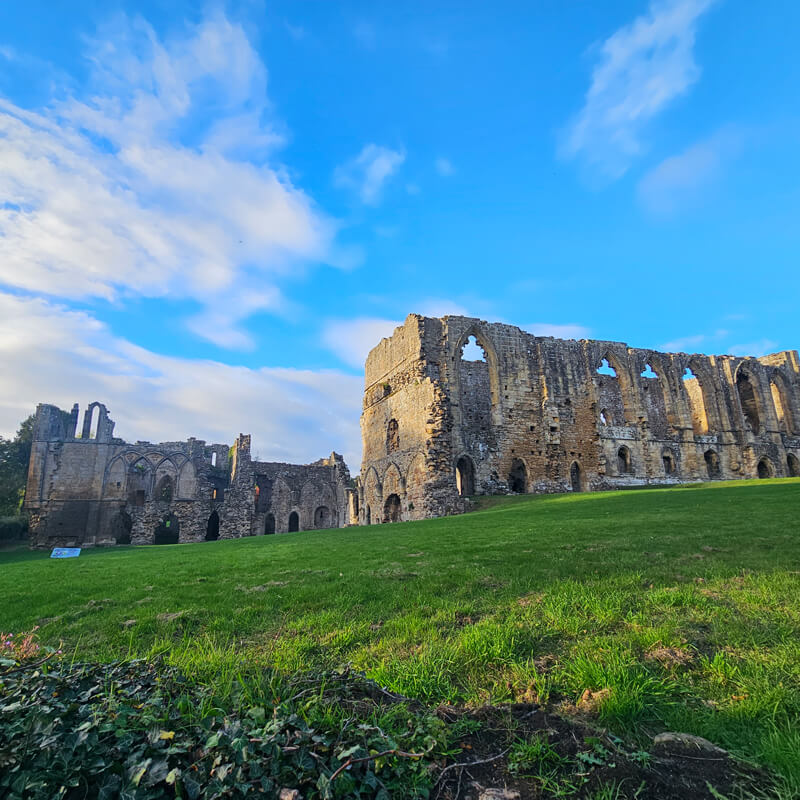
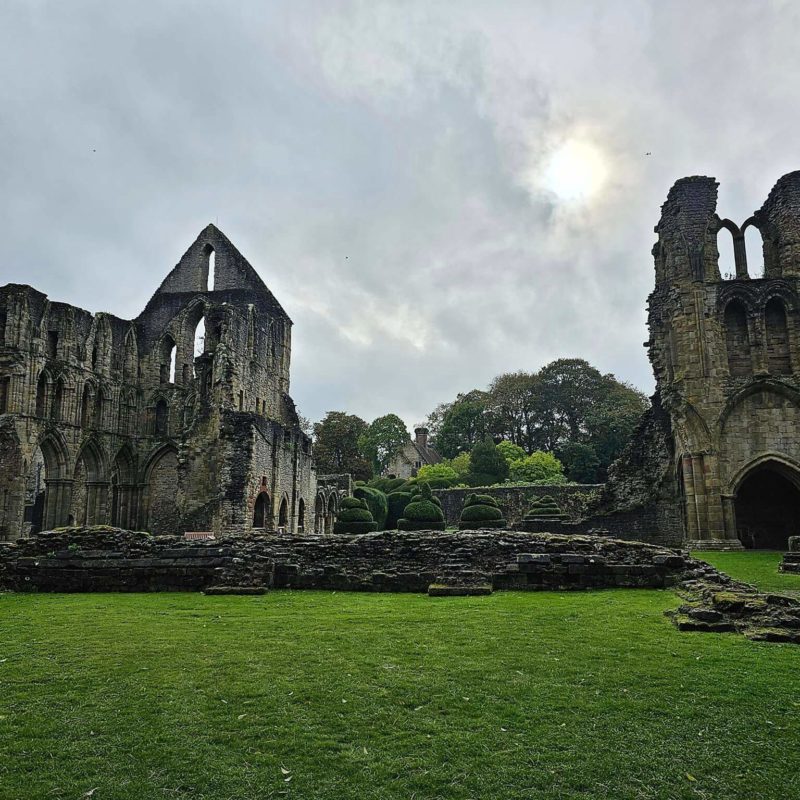
Today the Abbey is a tranquil setting with lots of stories and many impressive ruins to explore, including The Lady Chapel, Arthur and Guinevere tomb site, The Abbot’s Kitchen, and St Mary’s Chapel.
Photo Gallery.
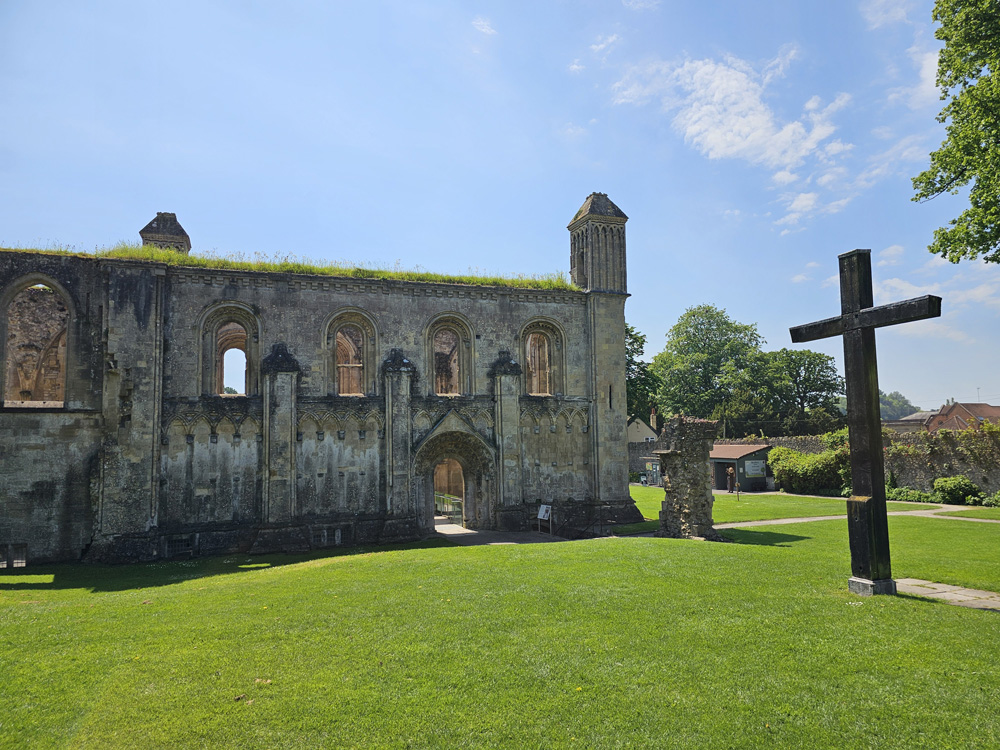
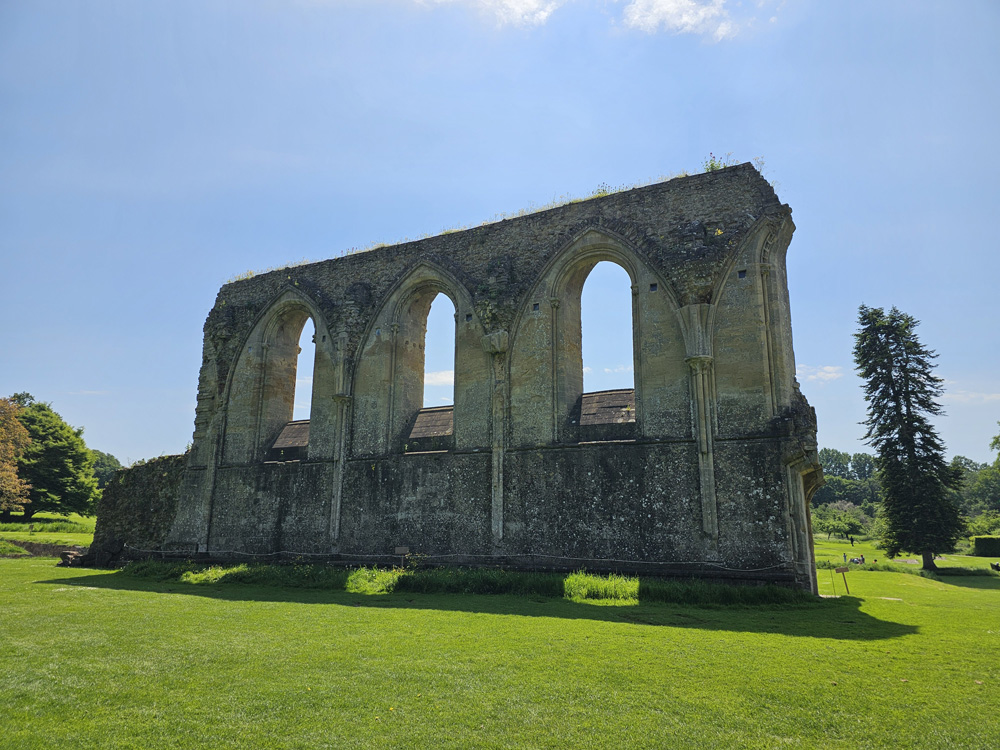
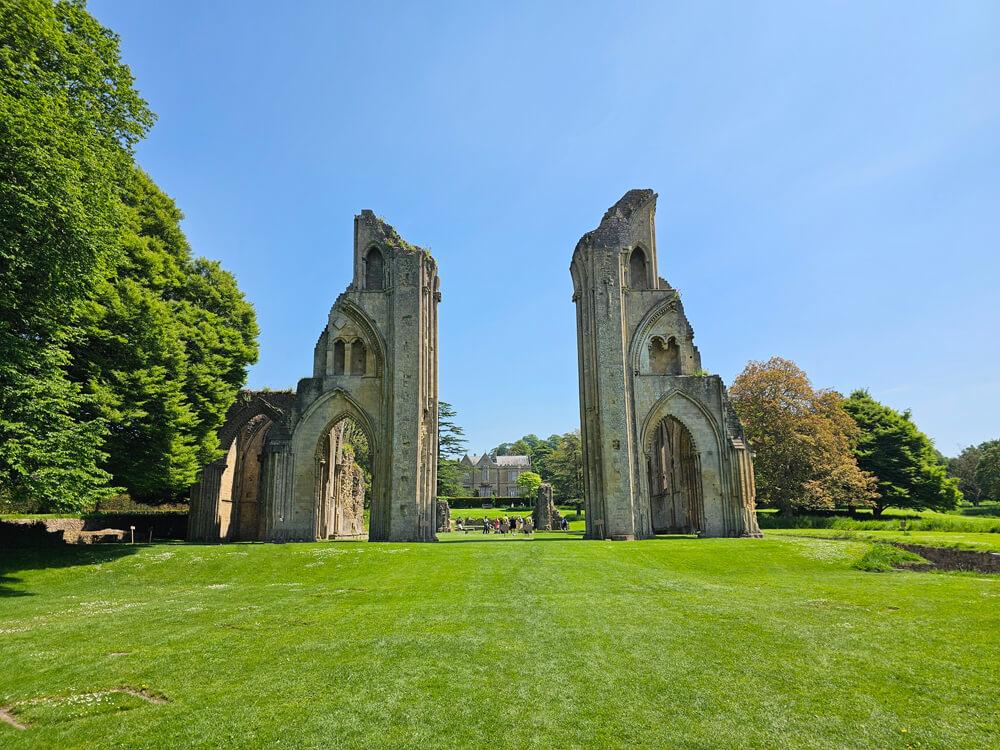
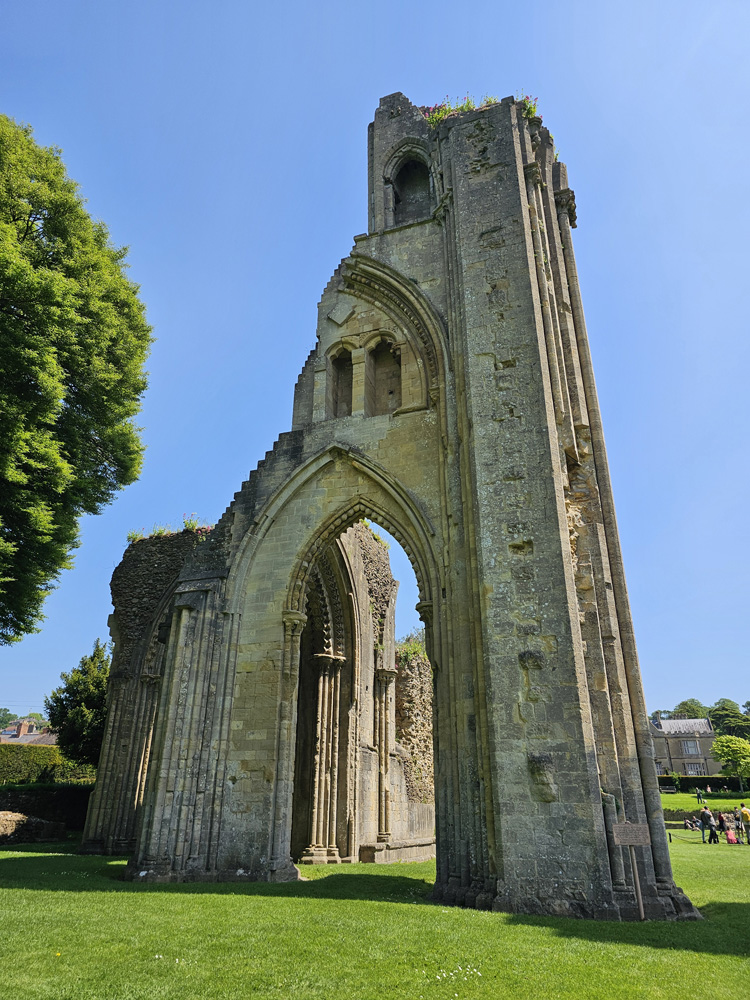
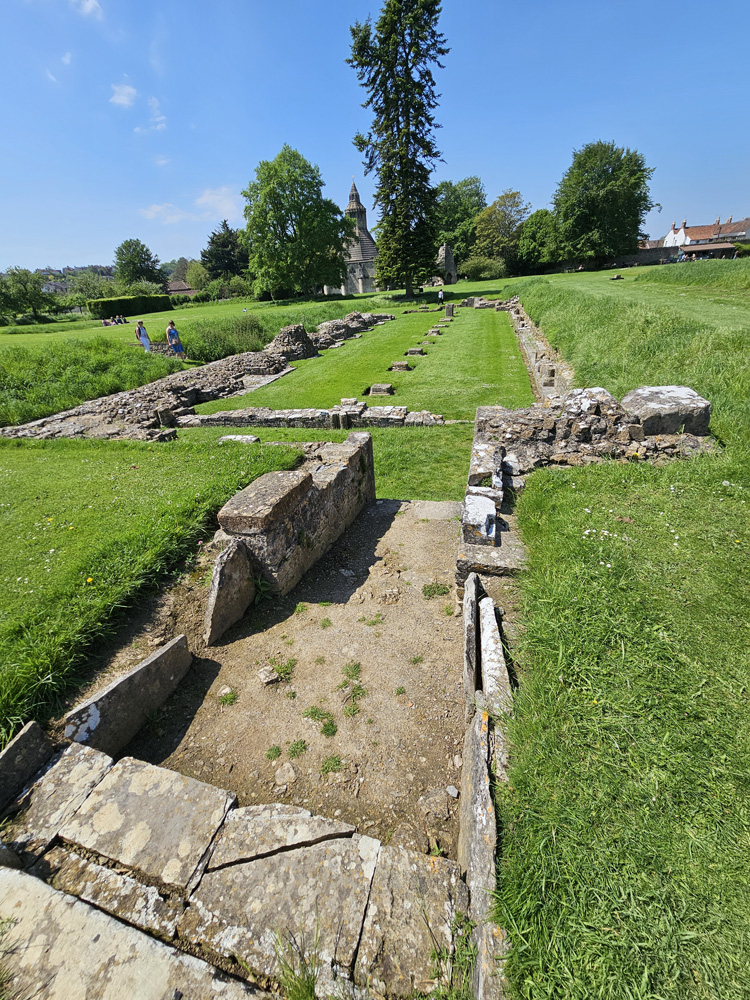
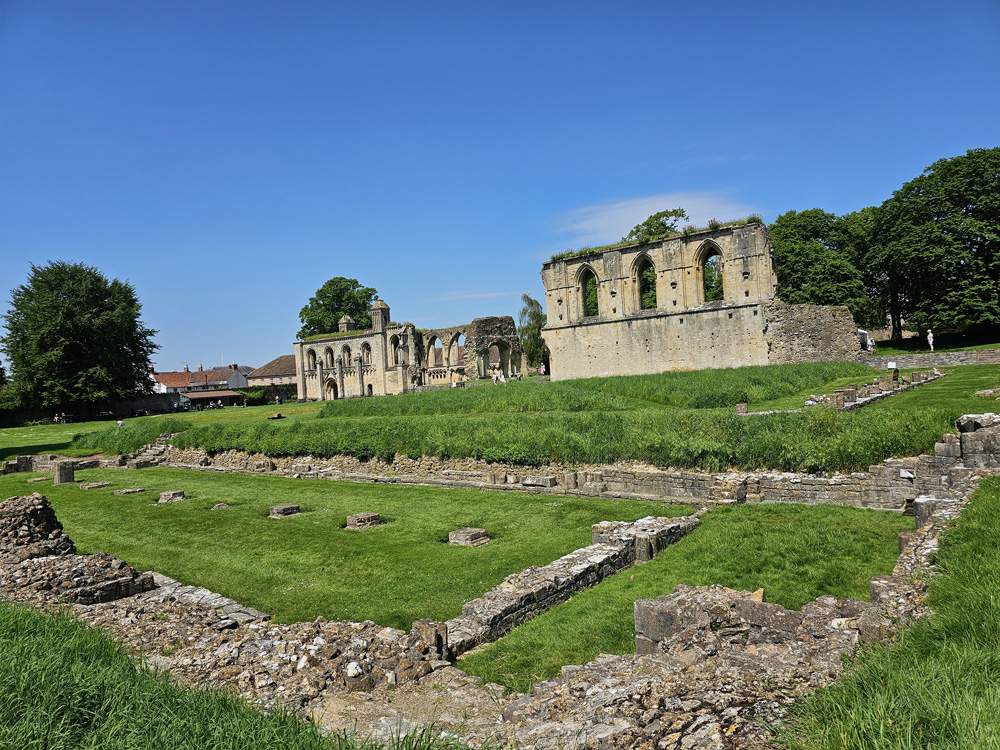
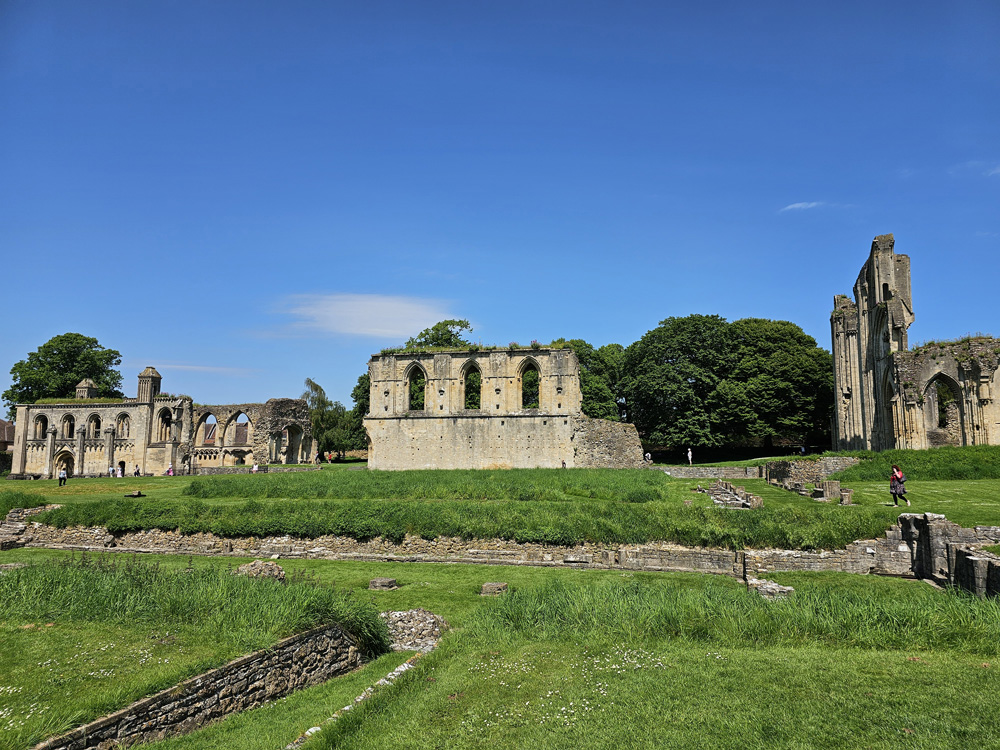
Did you enjoy this post?
I hope you found this post useful. I put a great deal of time and effort in to building, maintaining and populating the website. If you like, you could say a small thank you by buying me a coffee. You don't have to, but it would be nice :)
Buy me a coffee
Stay up to Date
Follow me on my journey and get notified whenever a new post is published by following Kings & Castles on Facebook.
Follow MeExplore The Map
Discover the hundreds of castles, churches, monasteries, cathedrals and other historic locations that I've personally visited across England and Wales. Search by location, explore nearby sites and plan your next historical adventure.
Share: