Bolsover Castle
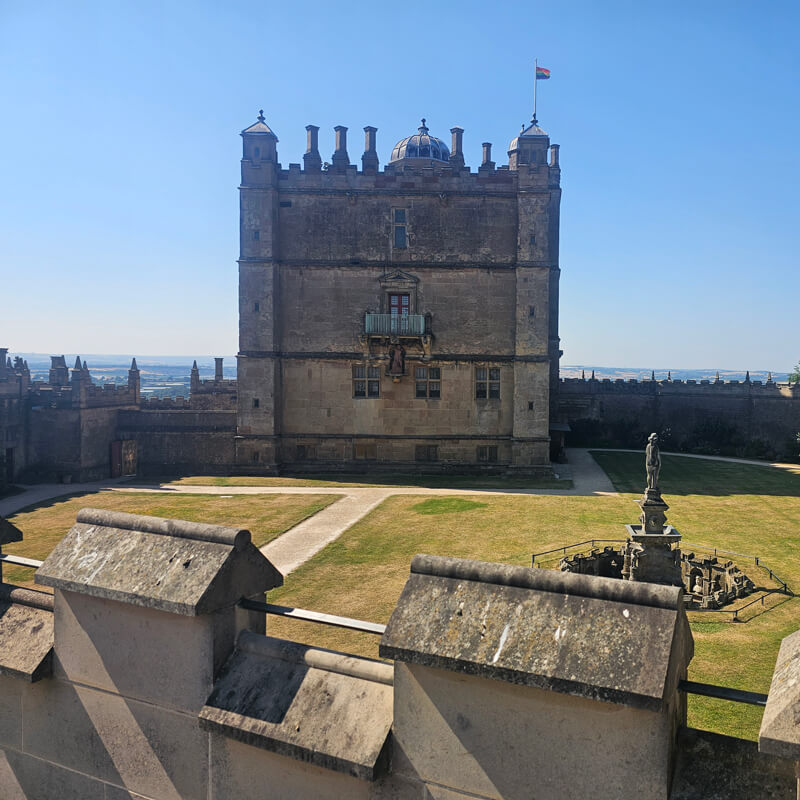
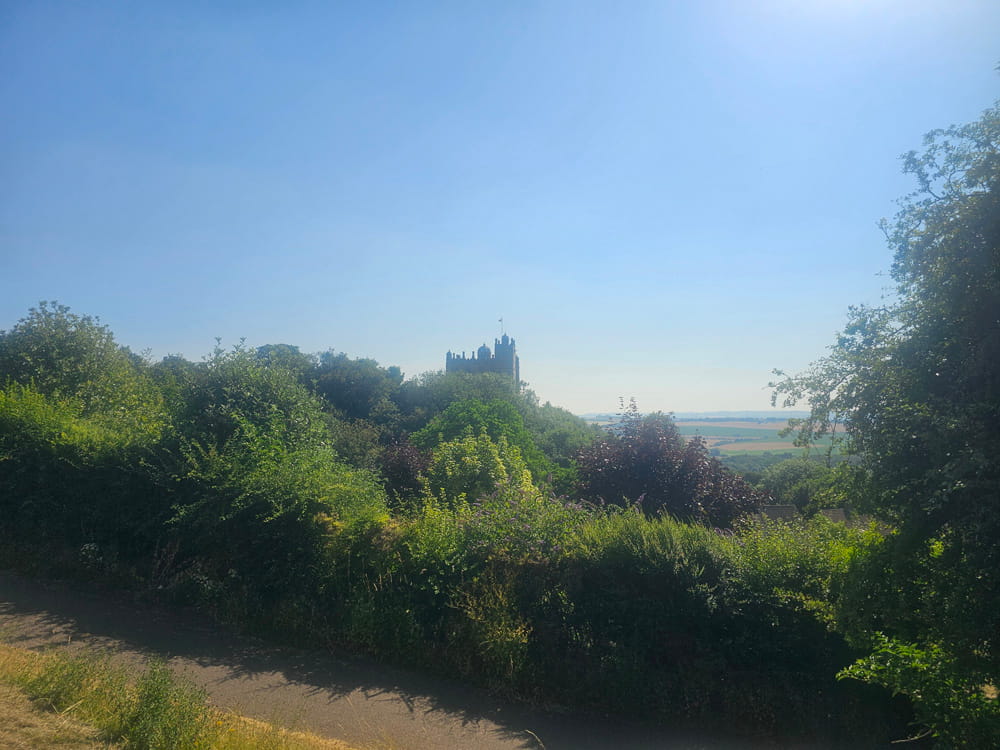
Bolsover Castle, perched dramatically above the Vale of Scarsdale in Derbyshire, is one of England’s most unusual historic buildings. Although it began life as a medieval fortress, the castle that visitors see today is largely a magnificent 17th-century aristocratic retreat. Its history spans almost a thousand years and includes Norman conquest, royal ownership, the Civil War and the extravagant world of the Cavendish family.
Quick
Facts.
- Location: Bolsover, Derbyshire, England
- Established: 11th century
- Built in stone: 17th century
- Condition: Mostly intact / restored
- Date visited: July 2026
- More info: Visit website
- Rating:
A Bit of History…
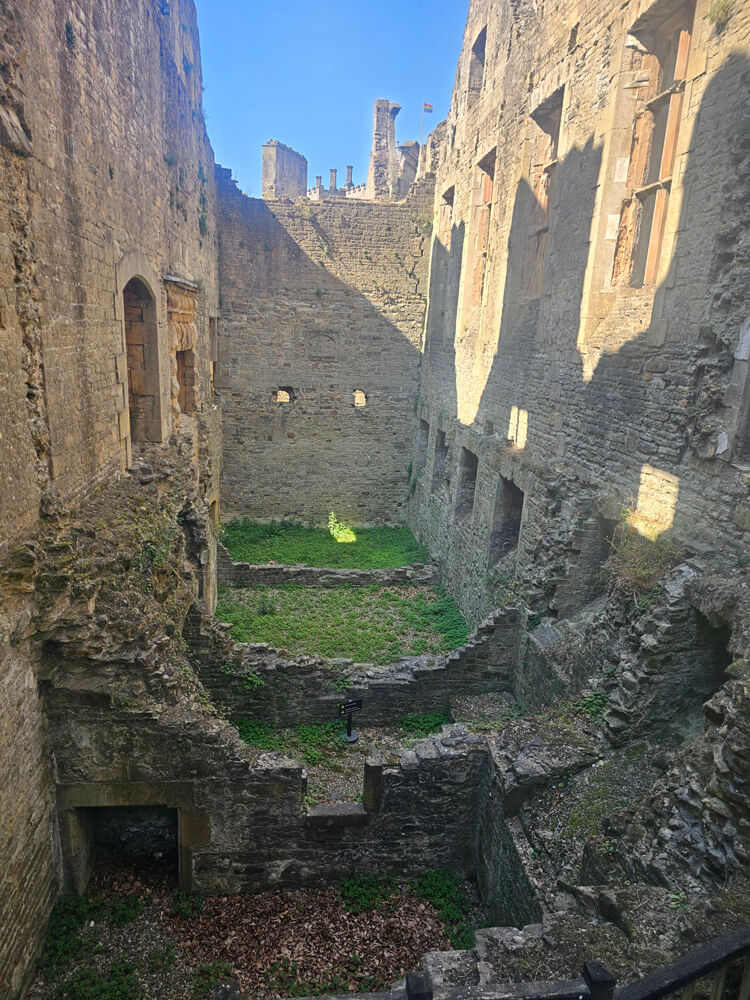
The first castle at Bolsover was established in the late 11th century by William Peverel, a powerful Norman landowner and reputed illegitimate son of William the Conqueror. The original castle was a motte-and-bailey fortress, built to control the surrounding countryside following the Norman Conquest. A substantial stone keep was added during the 12th century, around 1173–79, together with a curtain wall and other buildings.
By the end of the 14th century, however, the medieval castle had fallen into ruin. It remained in royal hands for much of the following centuries until 1553, when it was granted to George Talbot, Earl of Shrewsbury, the husband of the famous Elizabethan figure Bess of Hardwick. Bess’s son, Sir Charles Cavendish, later acquired the castle and began an extraordinary transformation of the site.
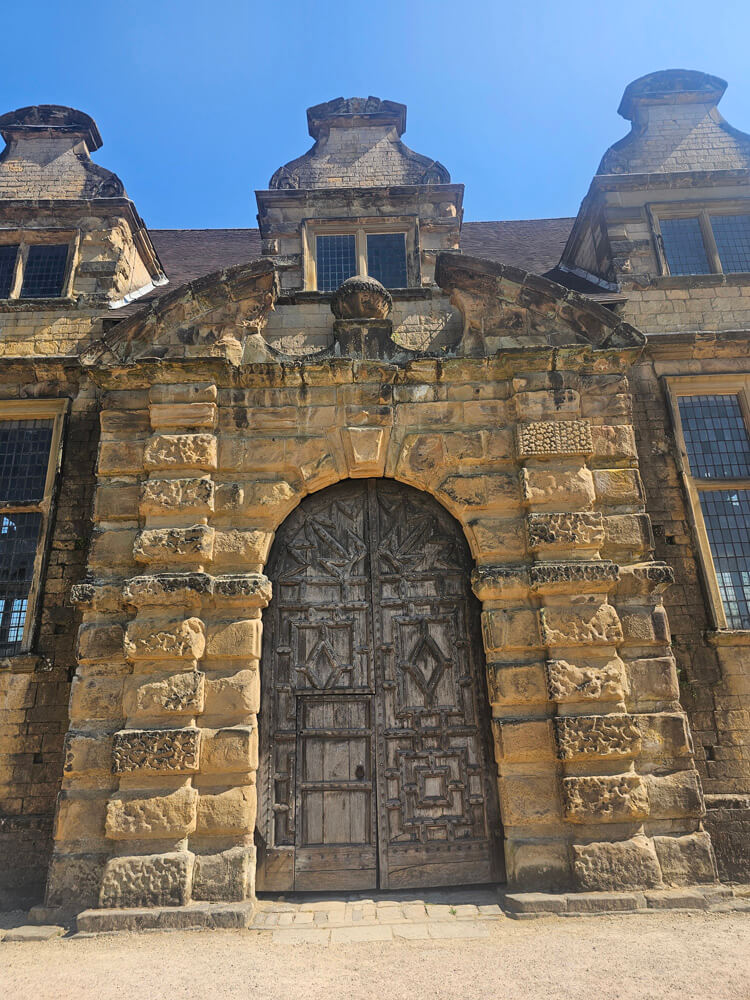
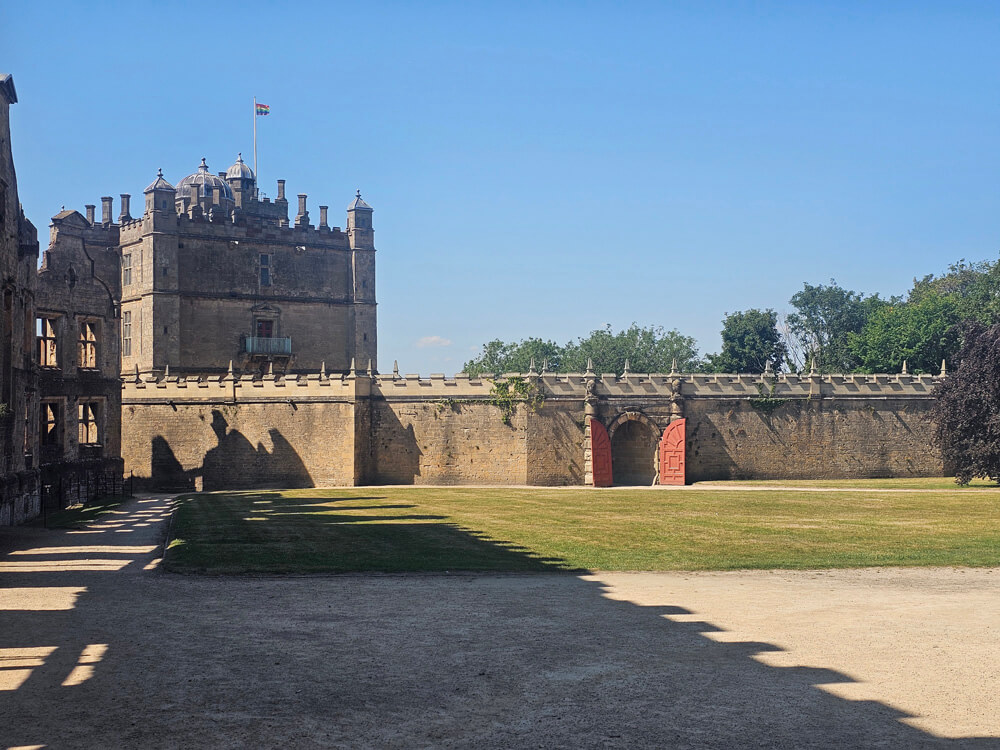
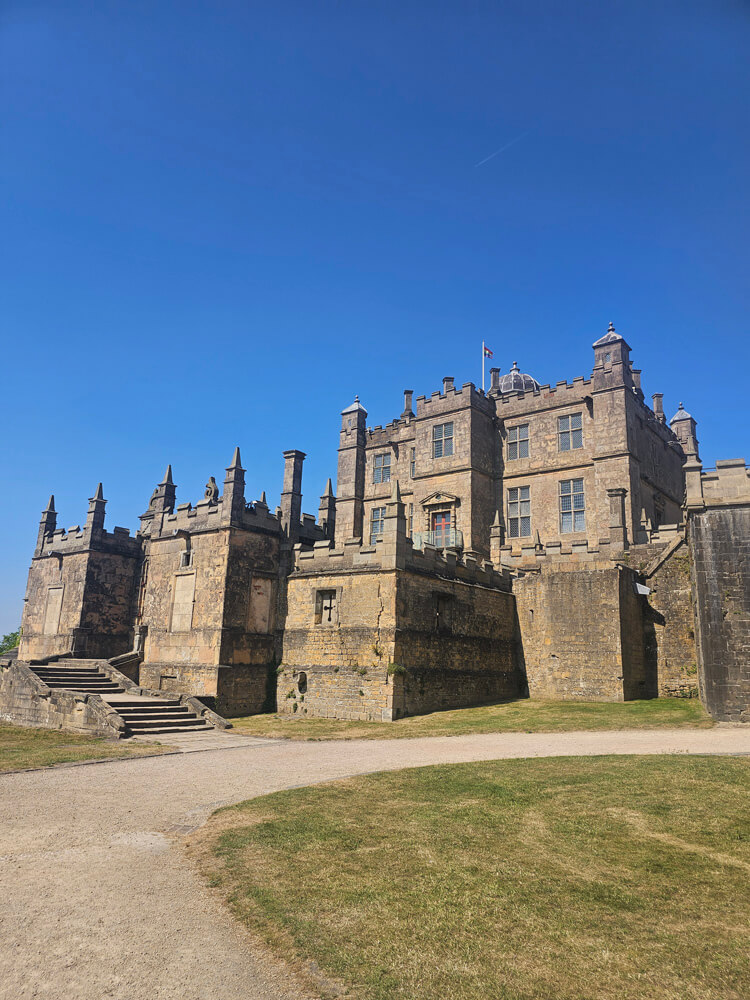
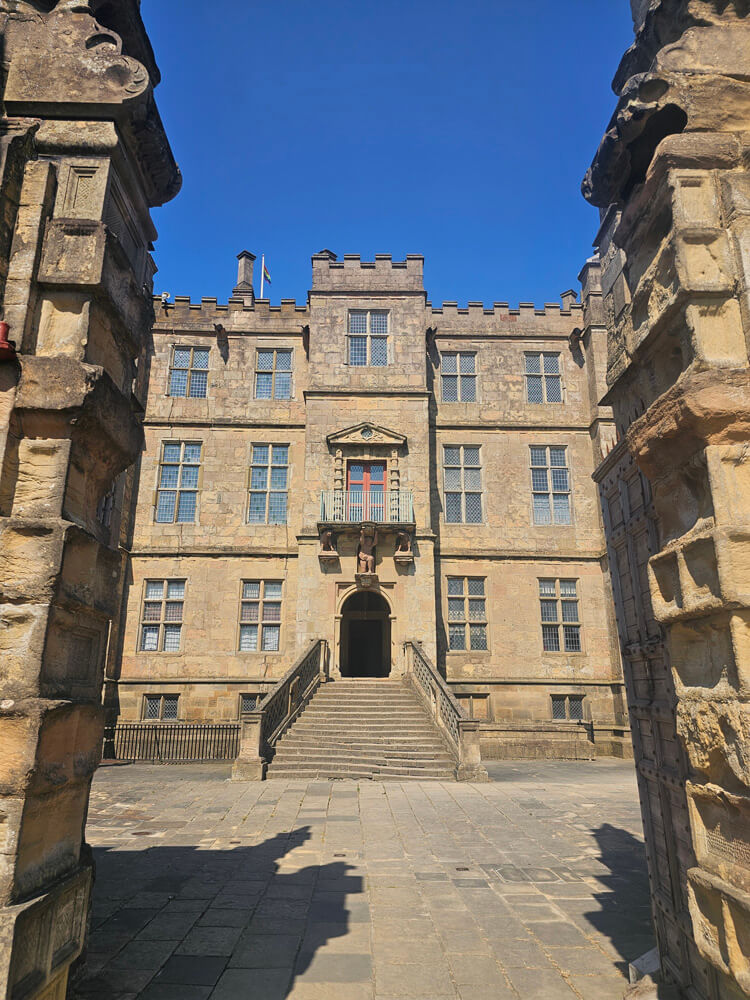
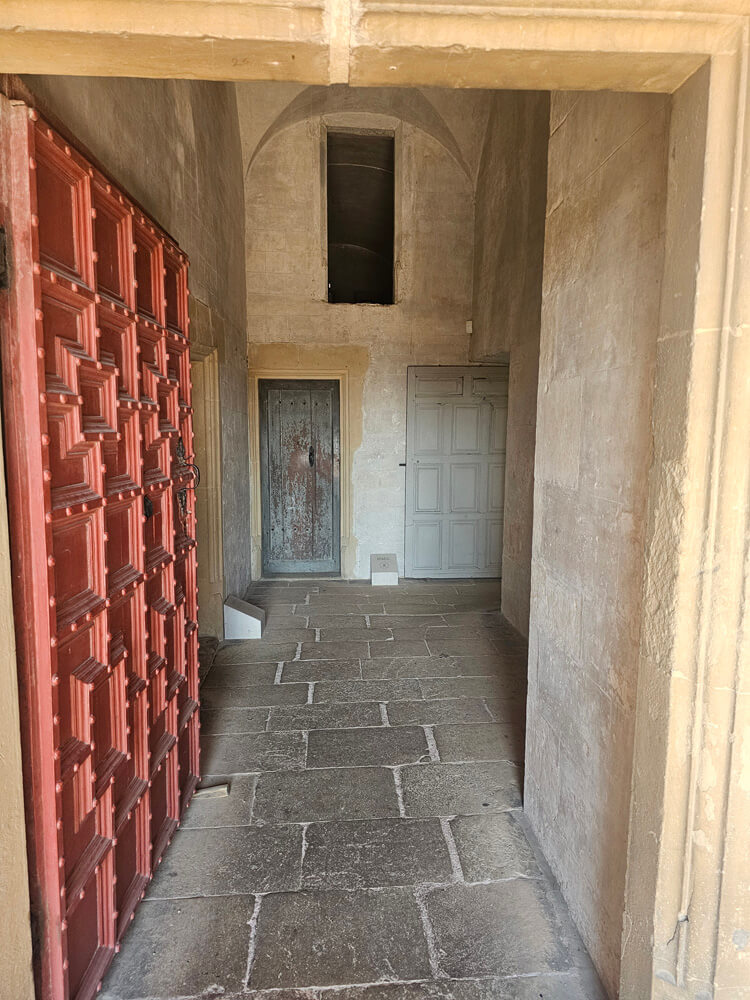
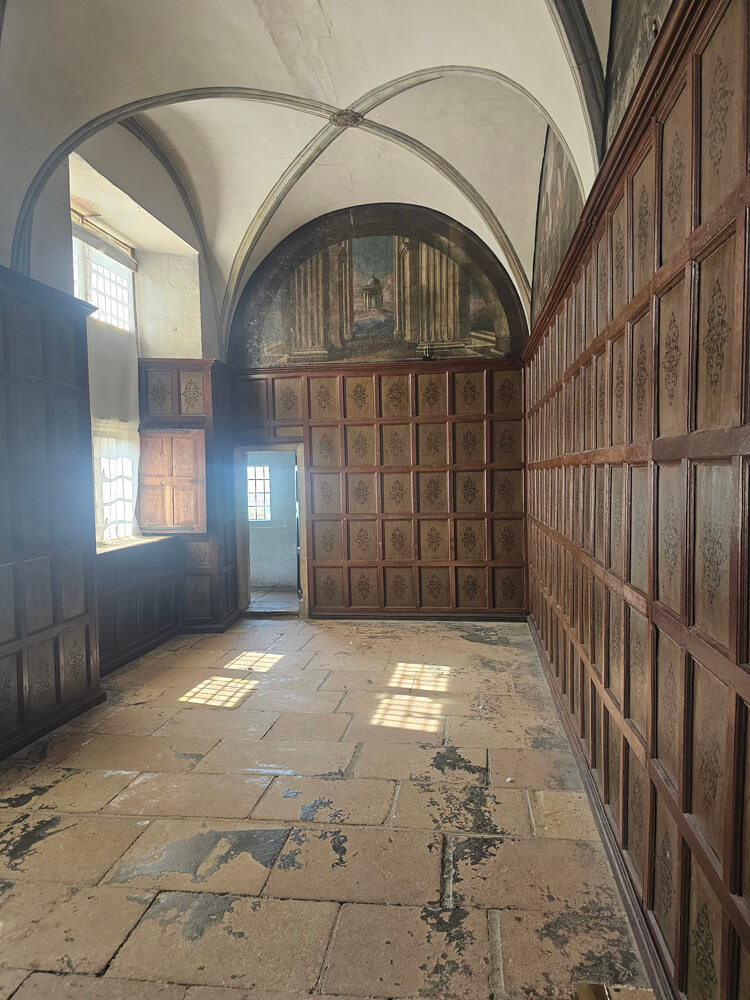
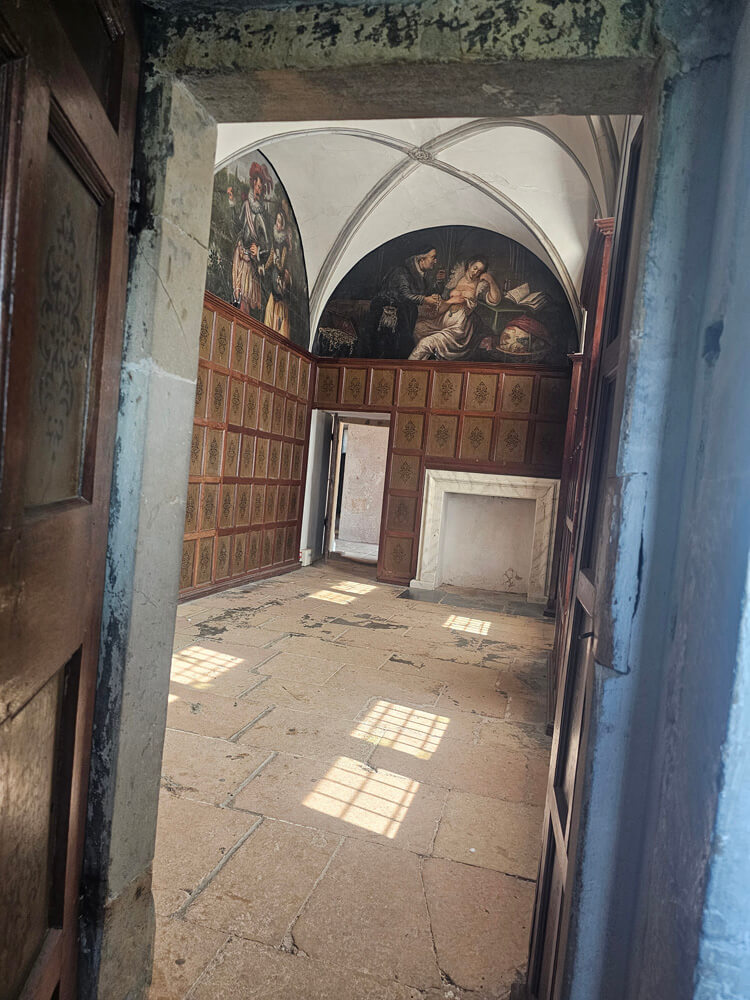
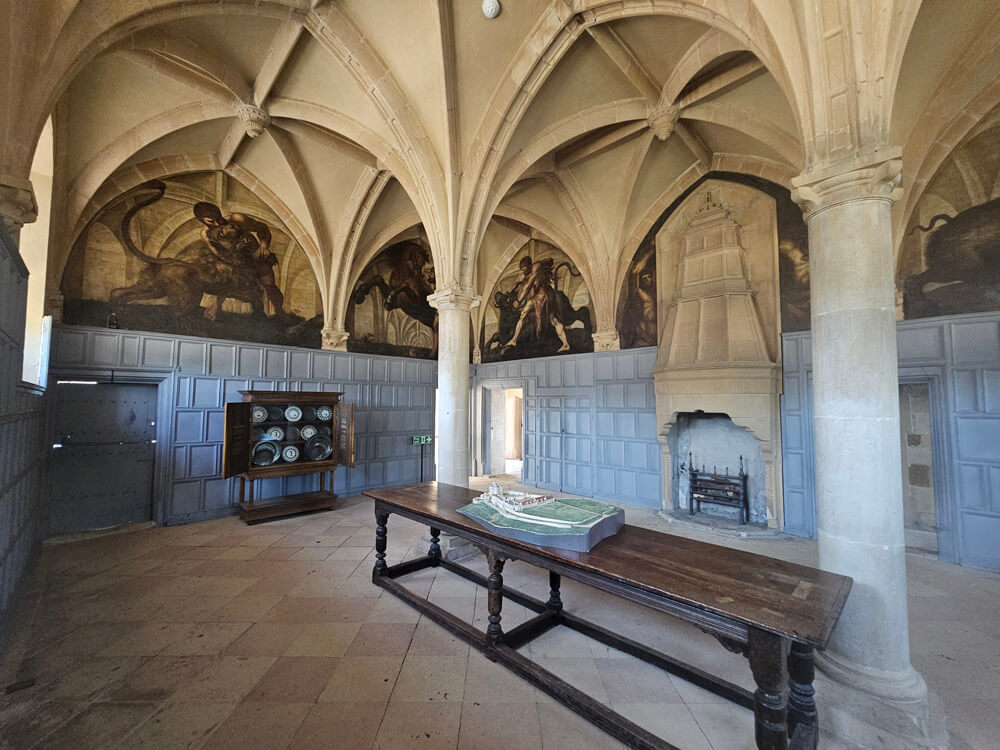
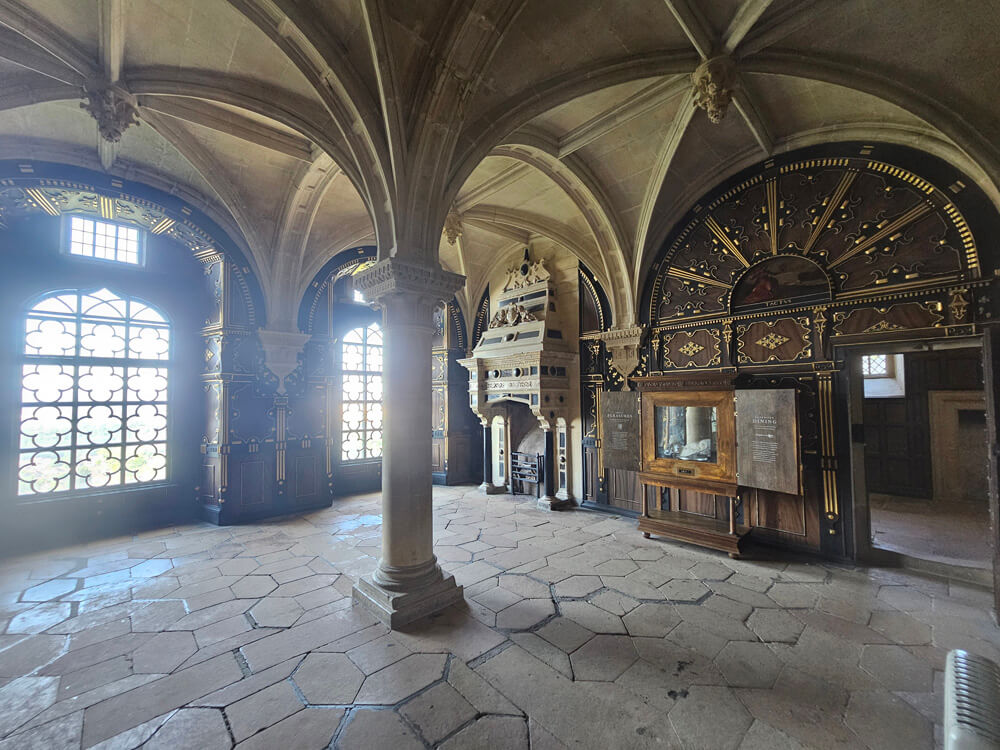
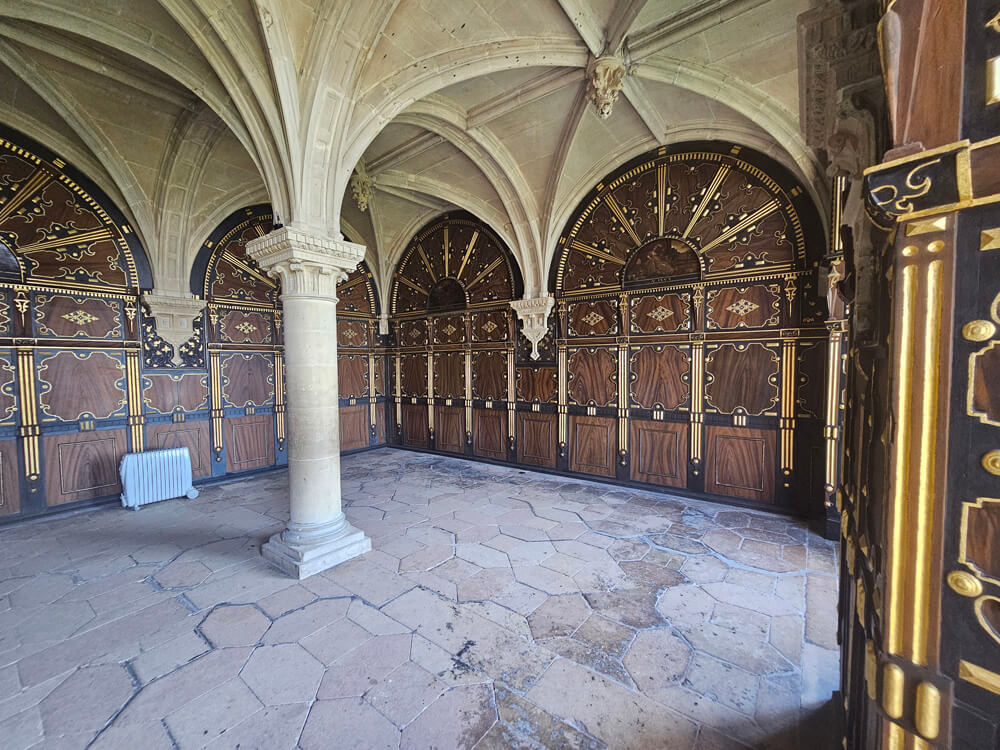
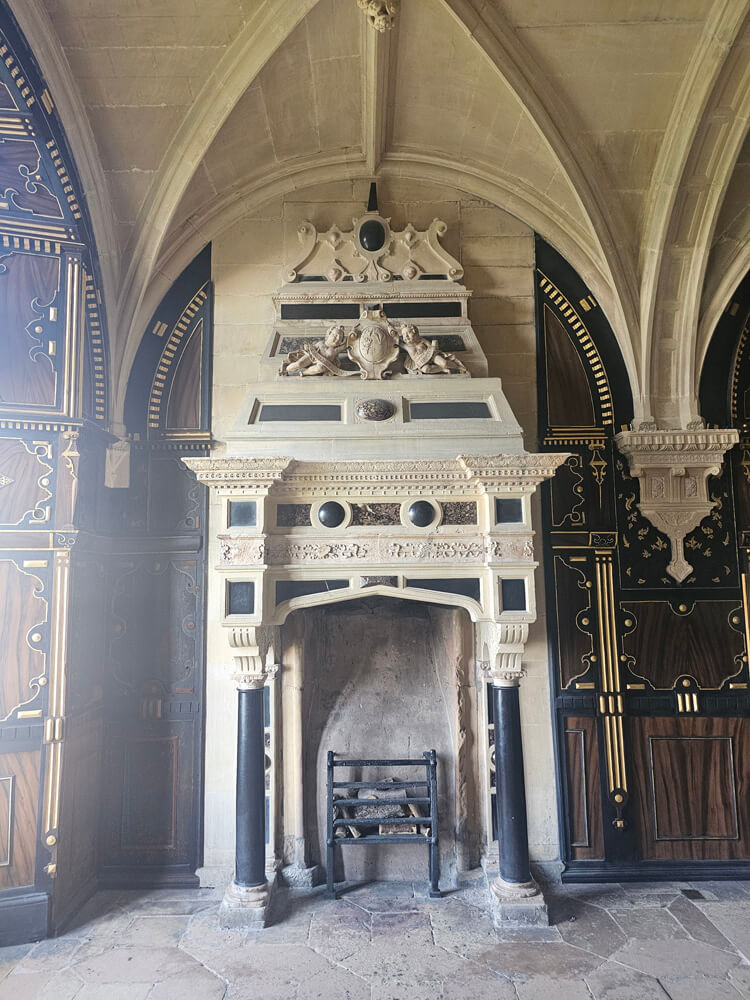
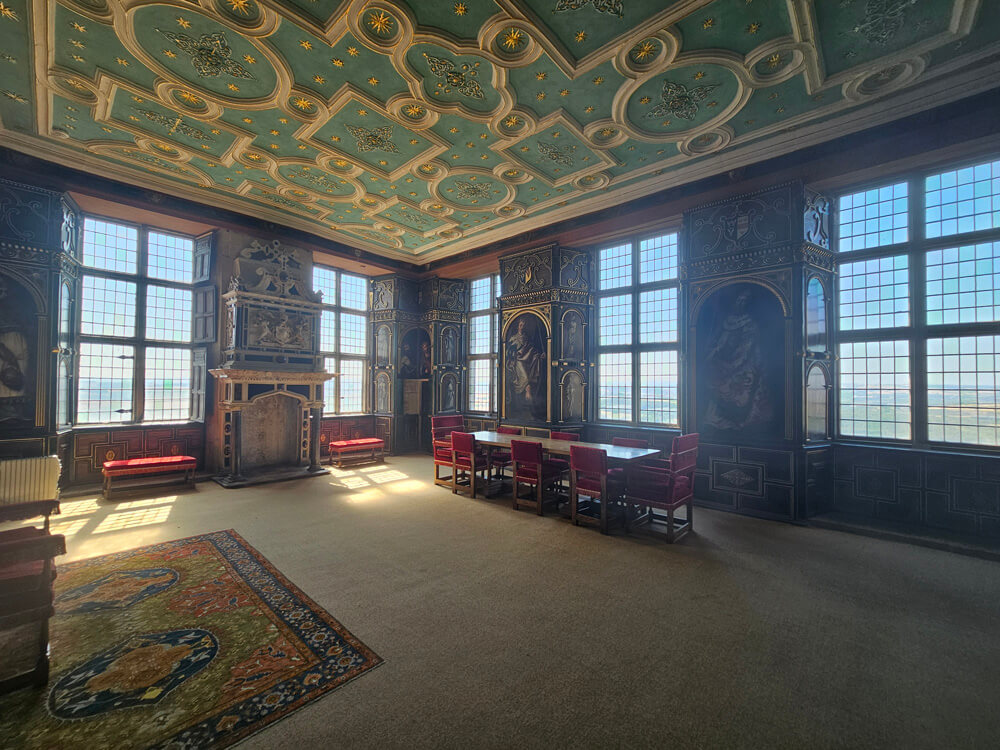
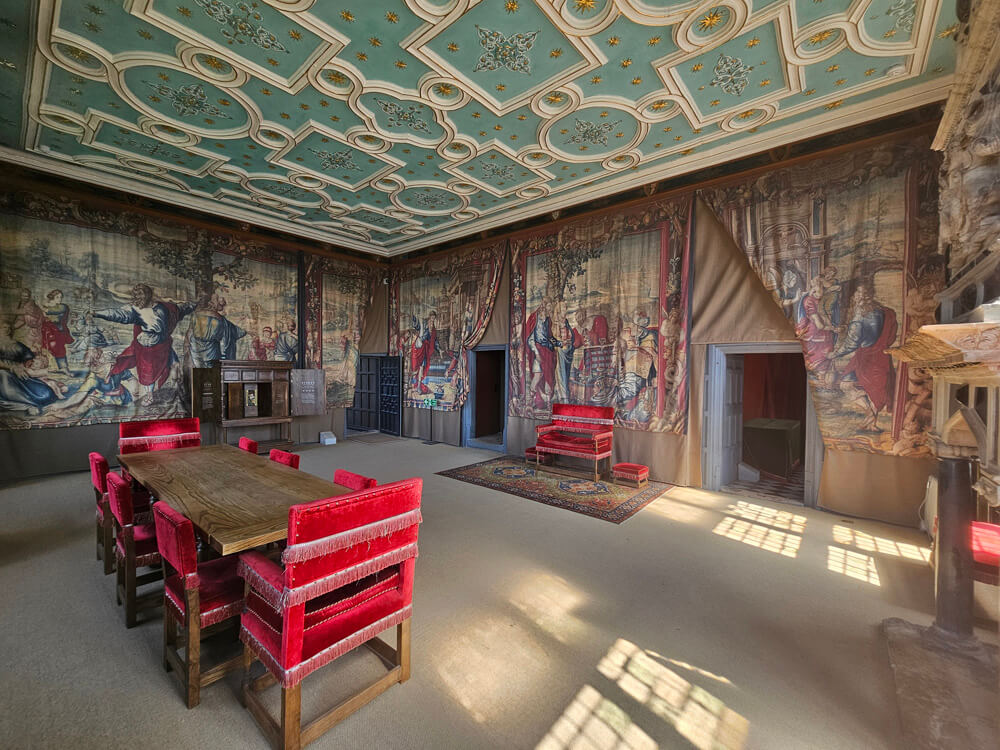
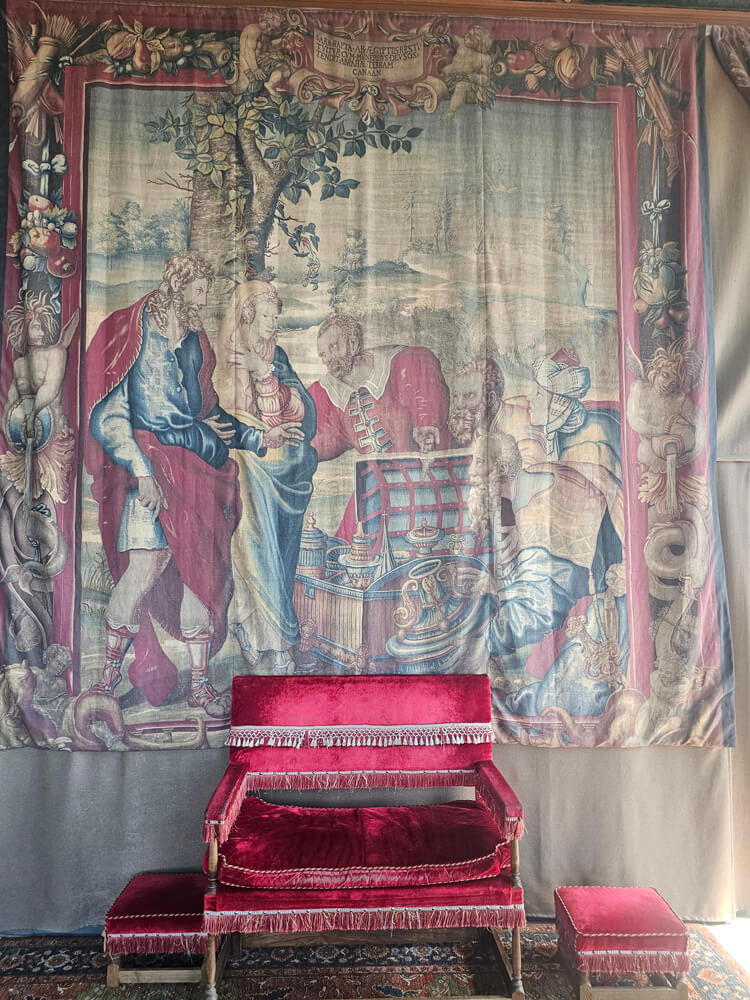
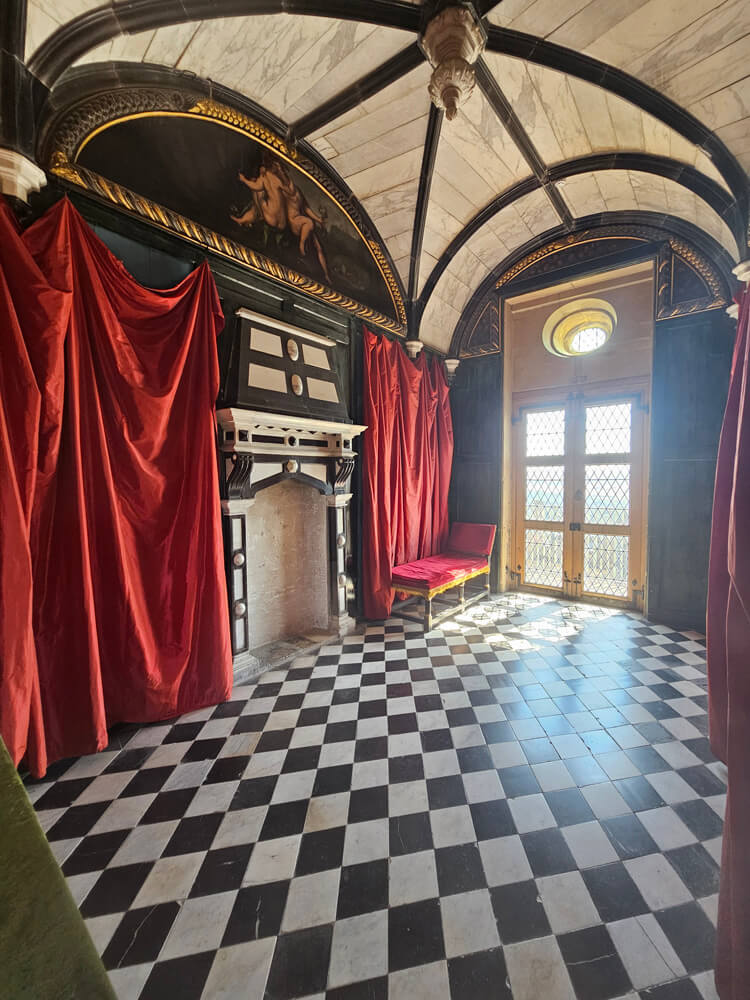
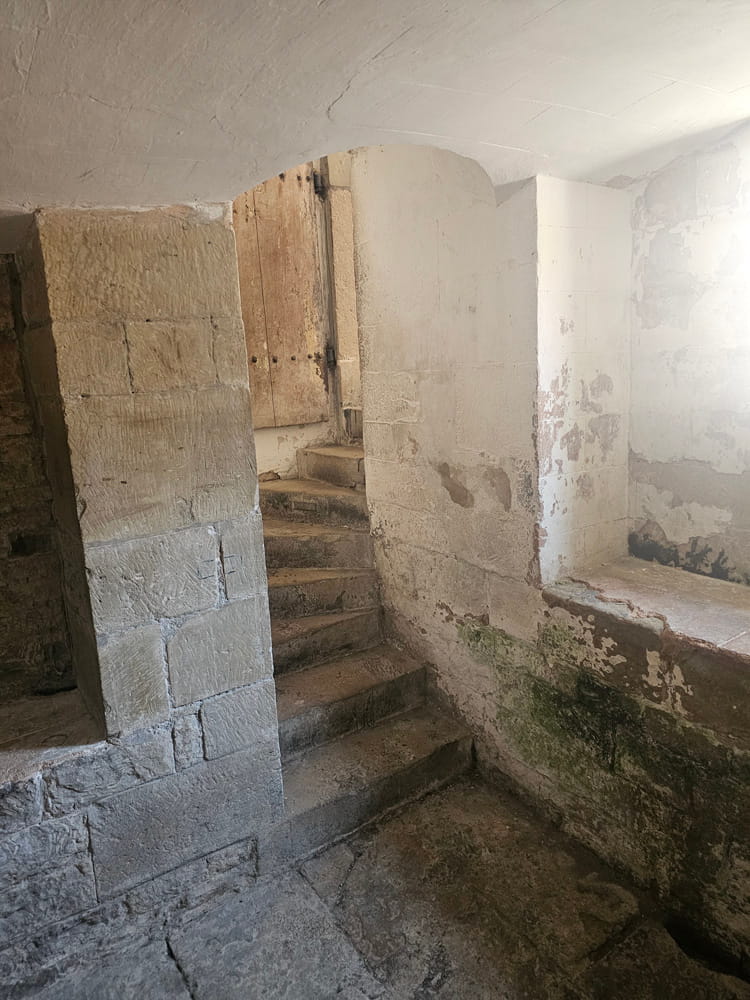
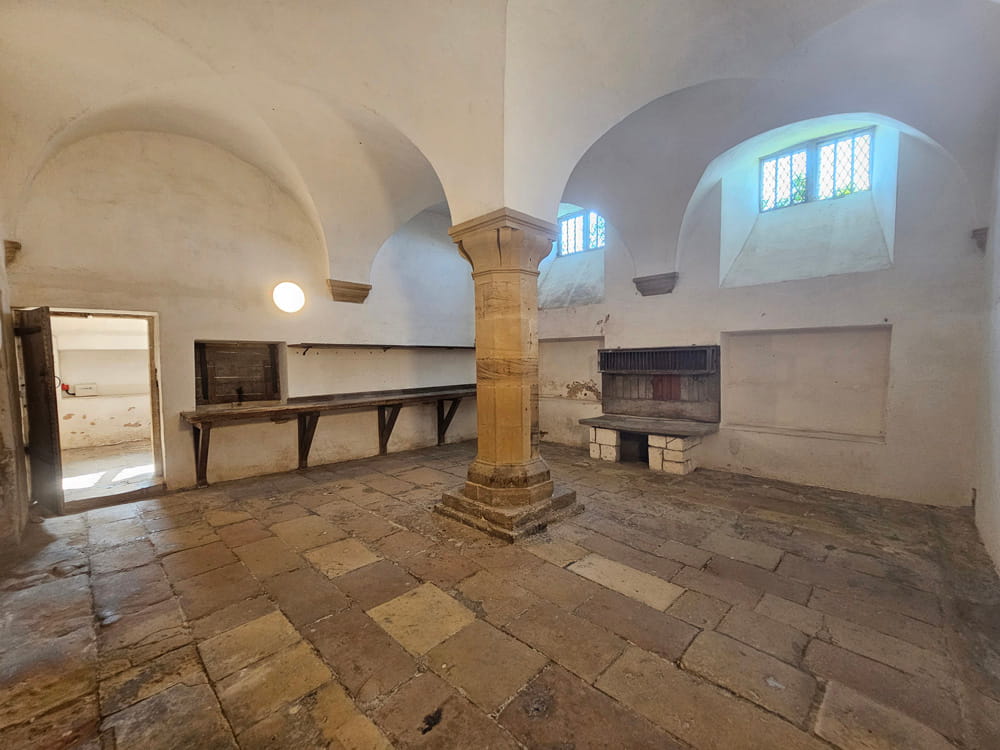
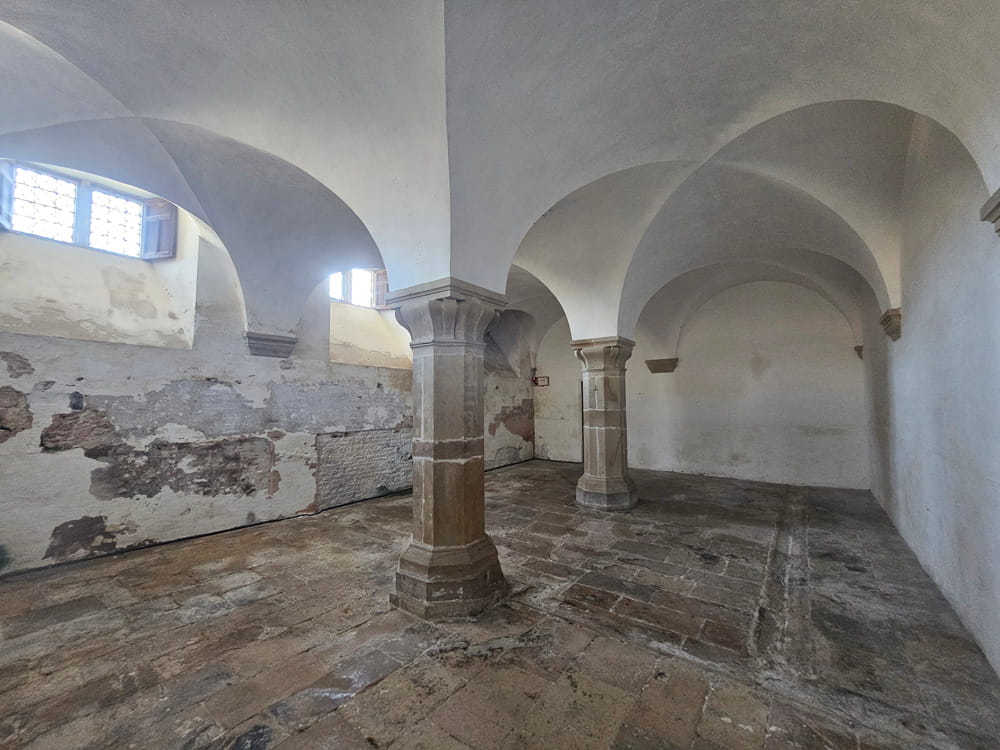
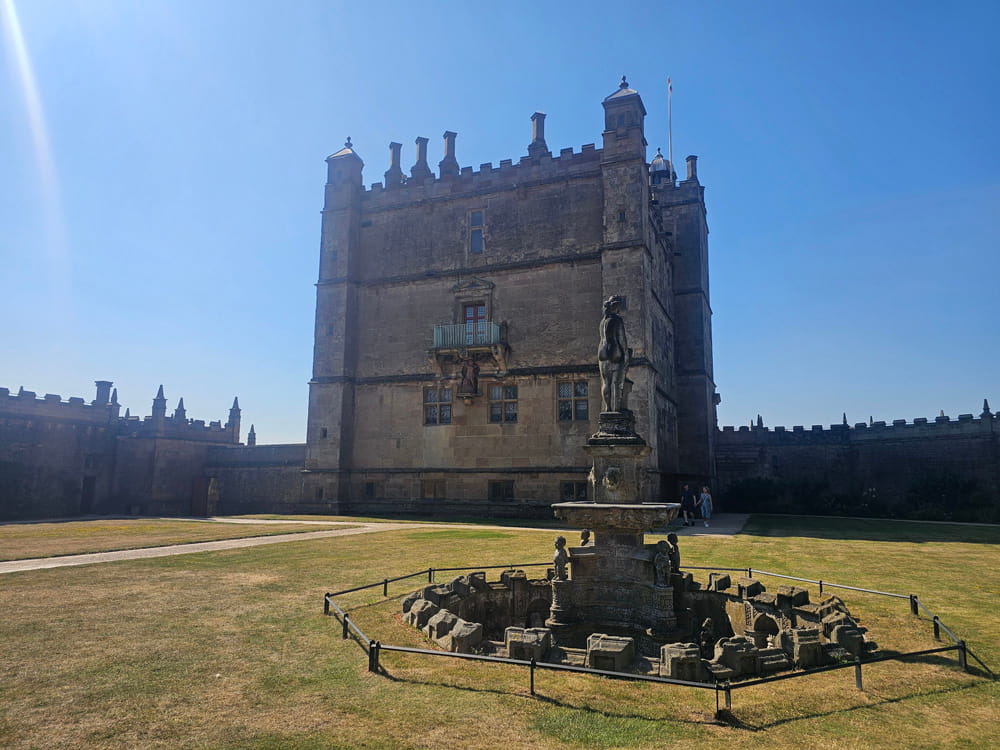
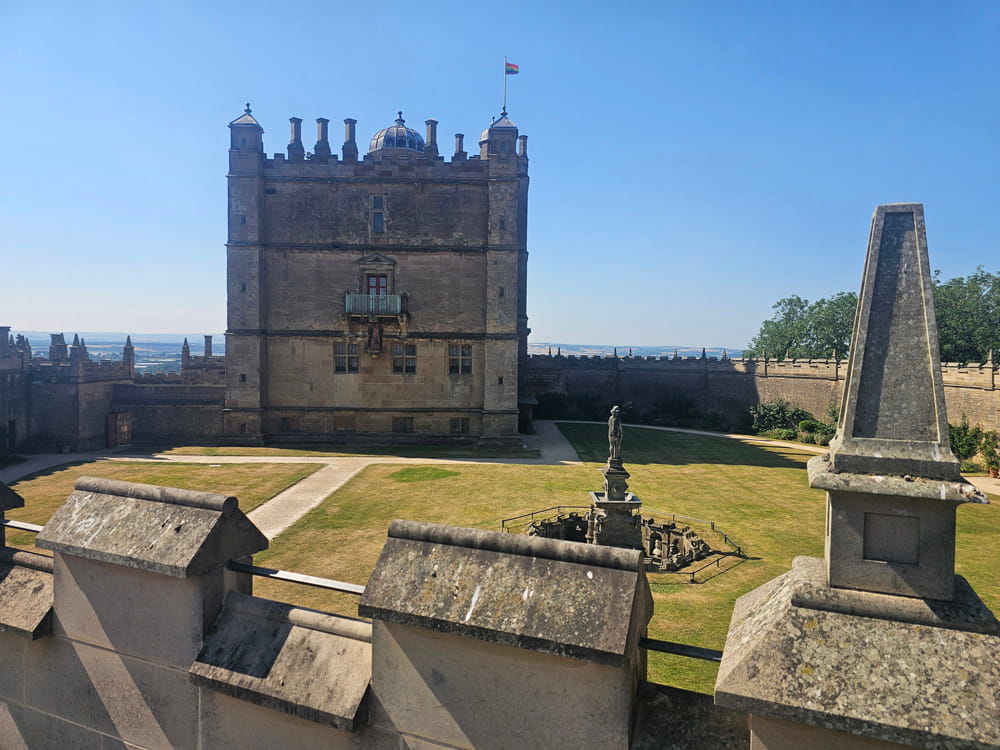
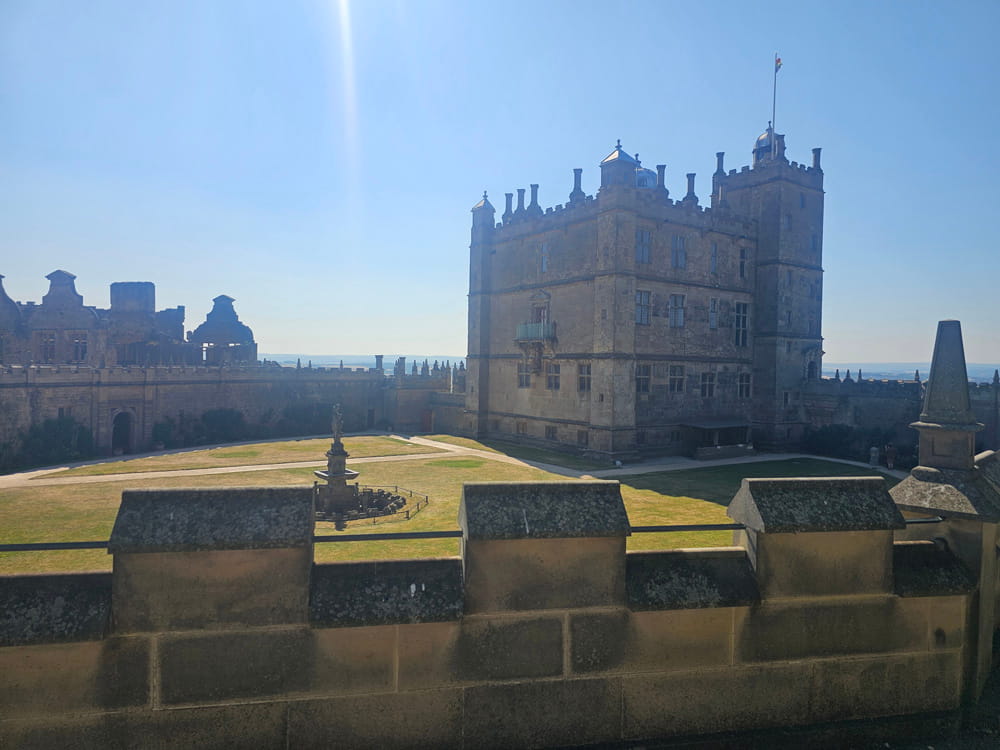
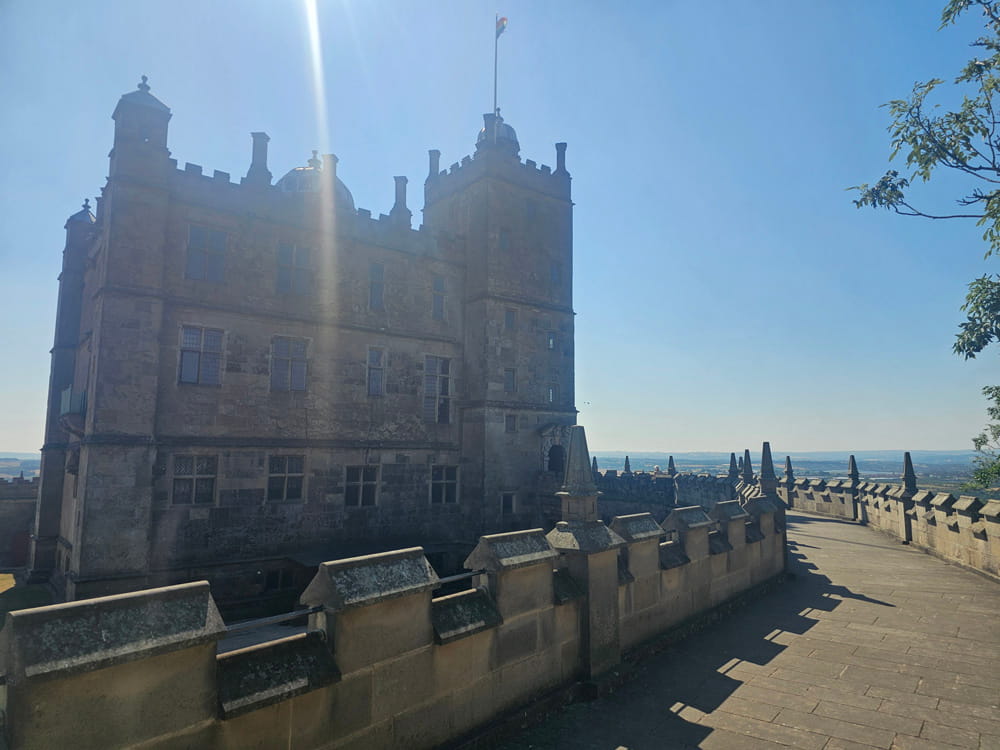
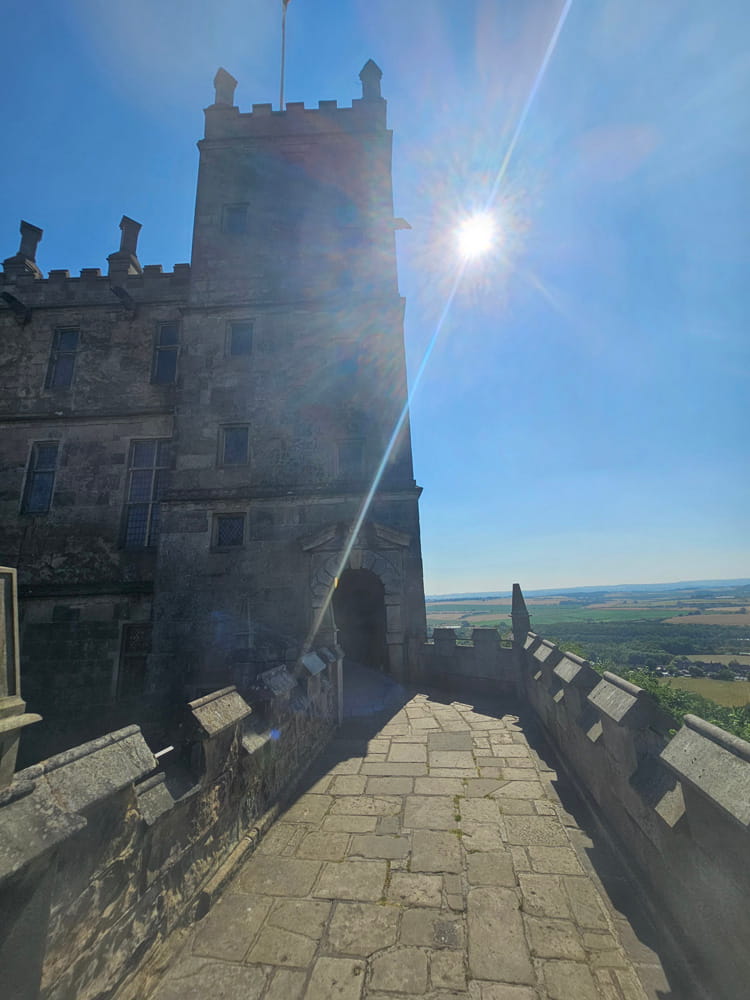
From around 1608, Charles Cavendish and his son William began rebuilding Bolsover. Rather than restoring the medieval fortress as a military stronghold, they created an elaborate country retreat designed for entertainment and pleasure. The building now known as the Little Castle was begun in 1612 and deliberately looked like a miniature medieval fortress from the outside. Inside, however, it contained luxurious rooms decorated with elaborate fireplaces, painted ceilings, murals and richly carved woodwork.
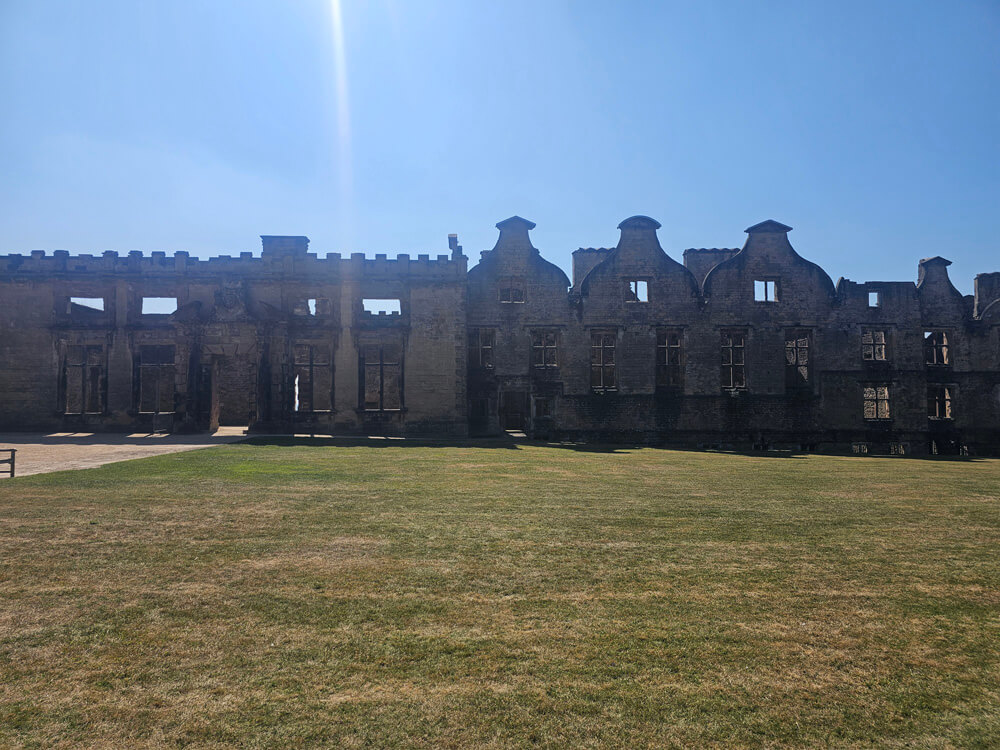
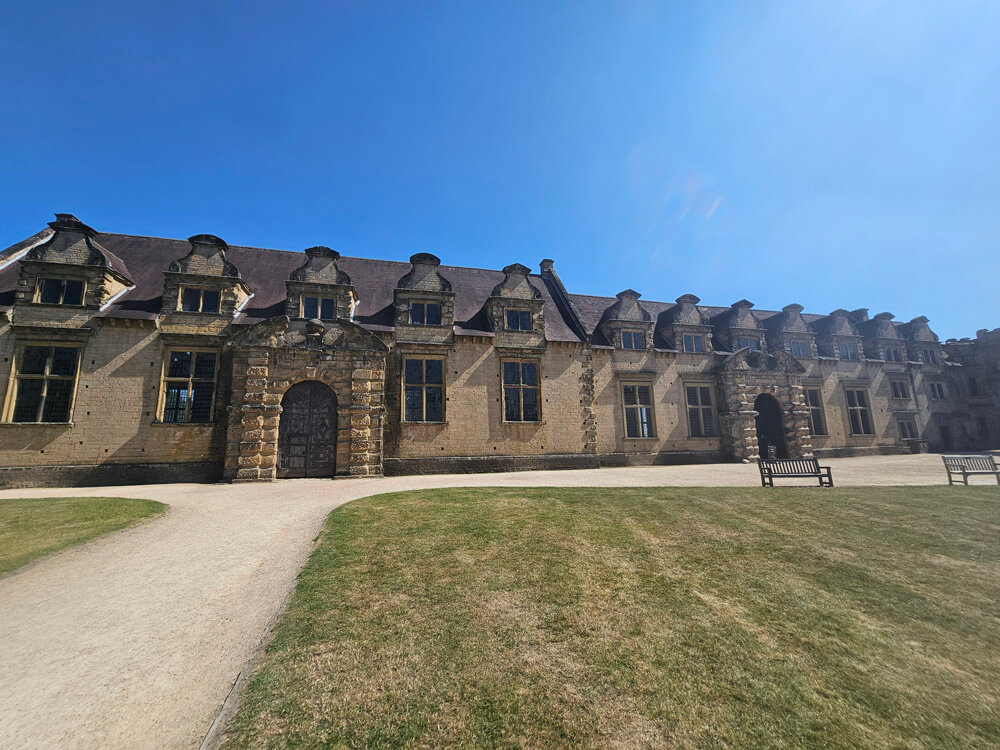
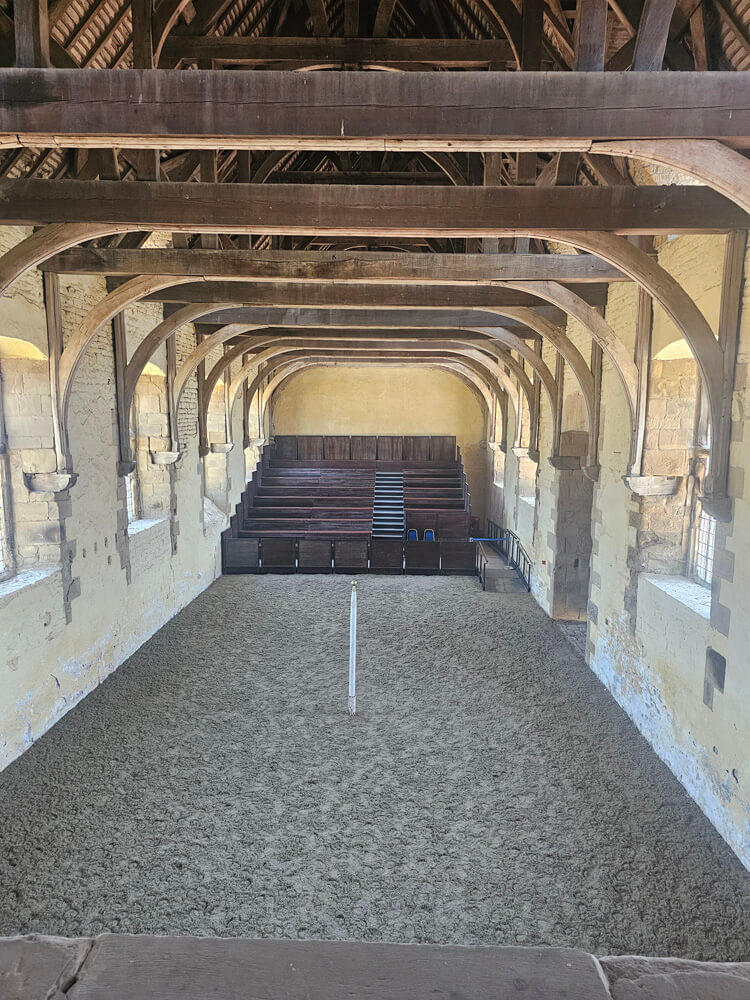
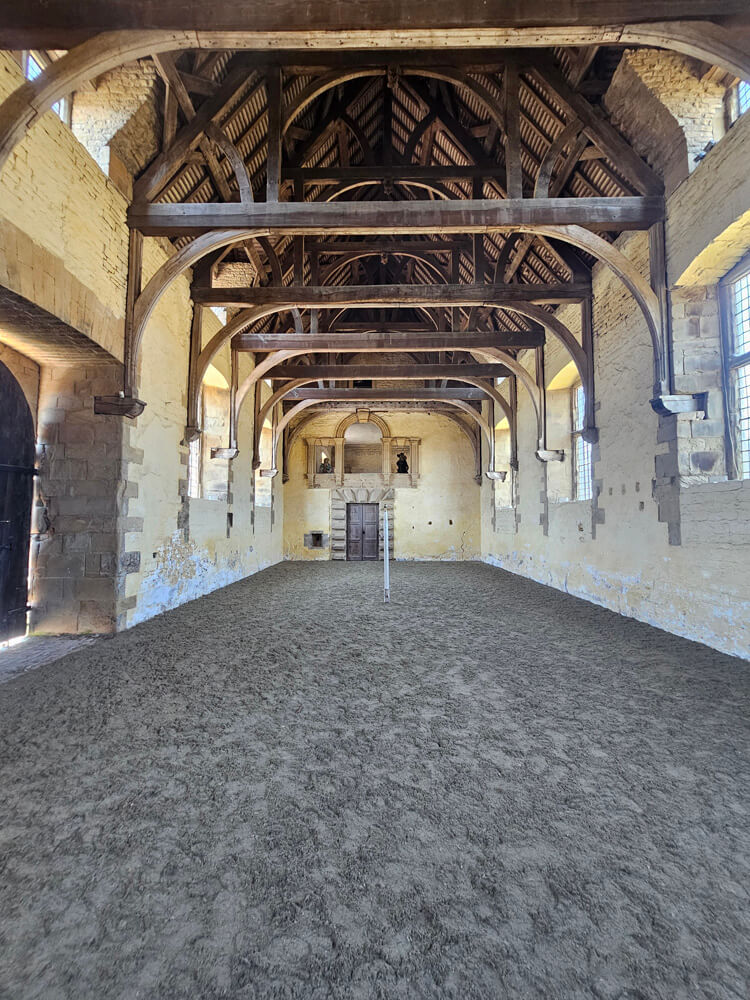
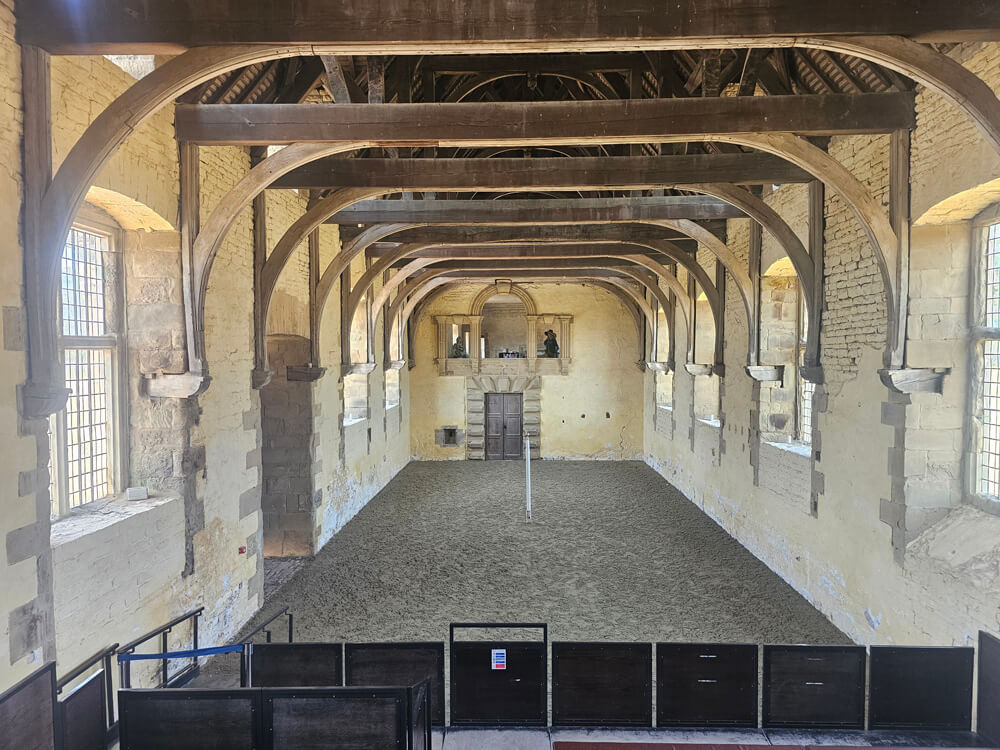
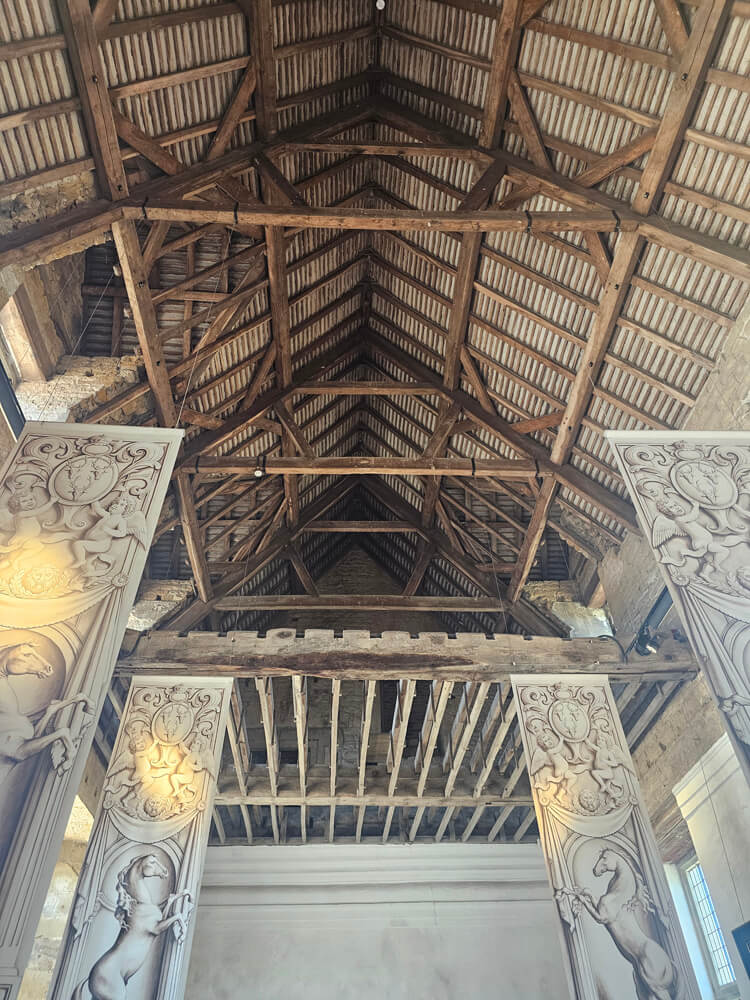
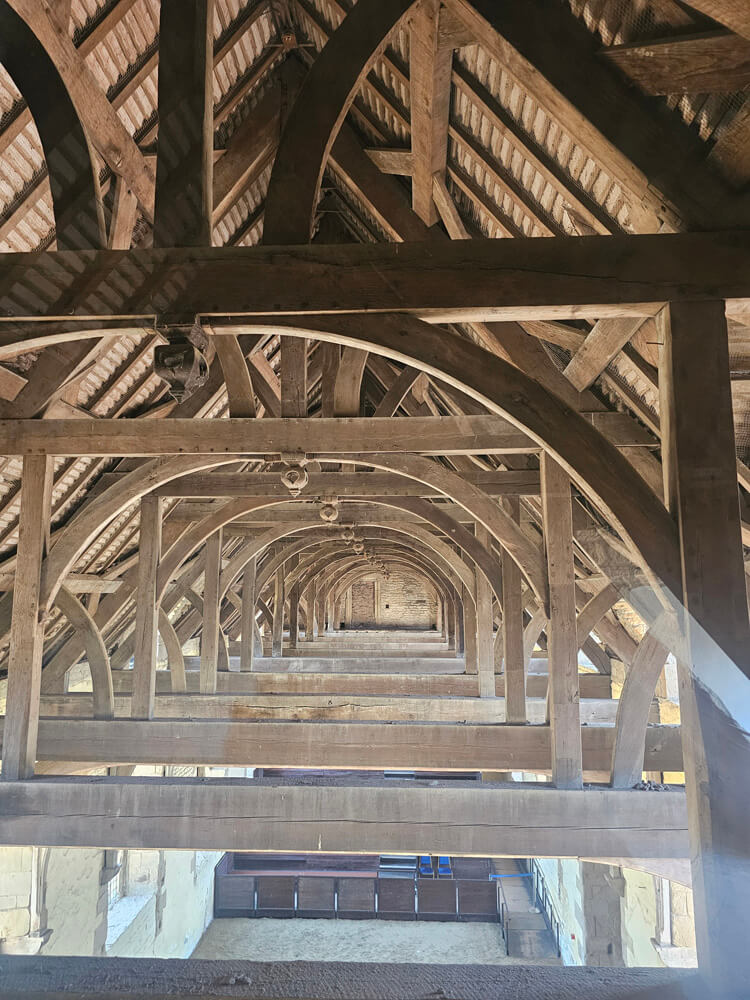
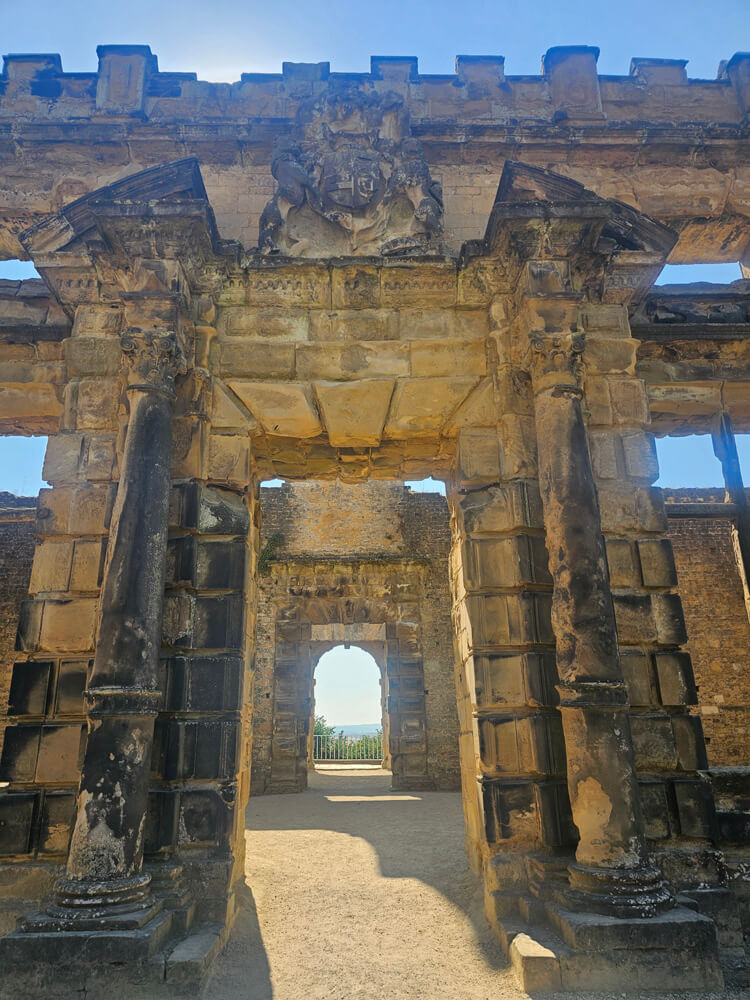
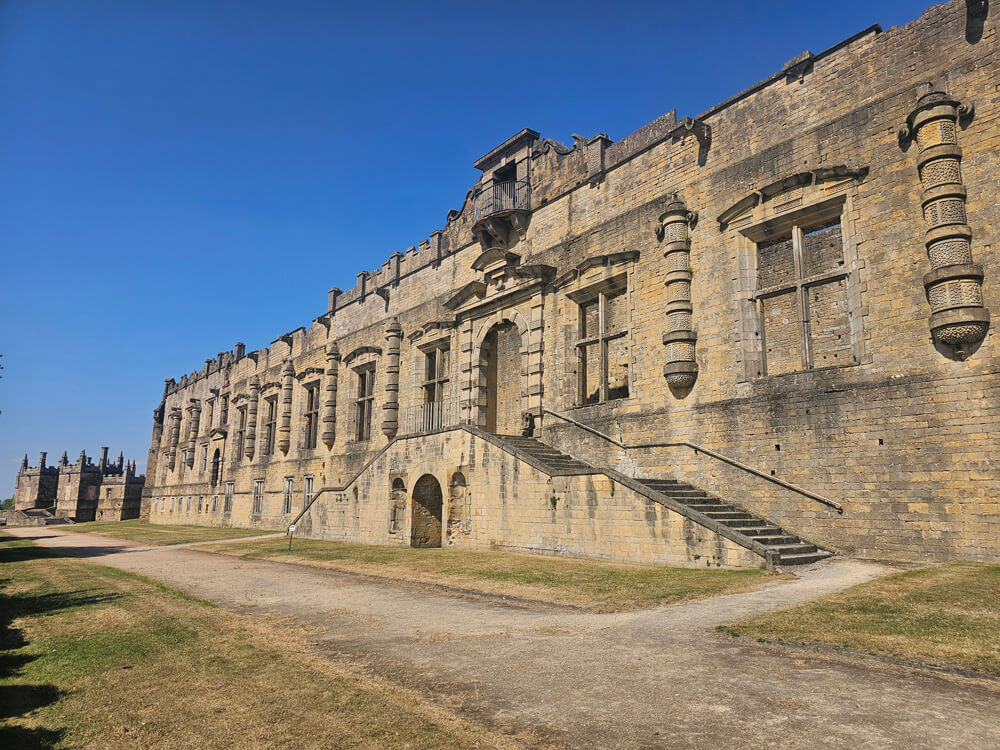
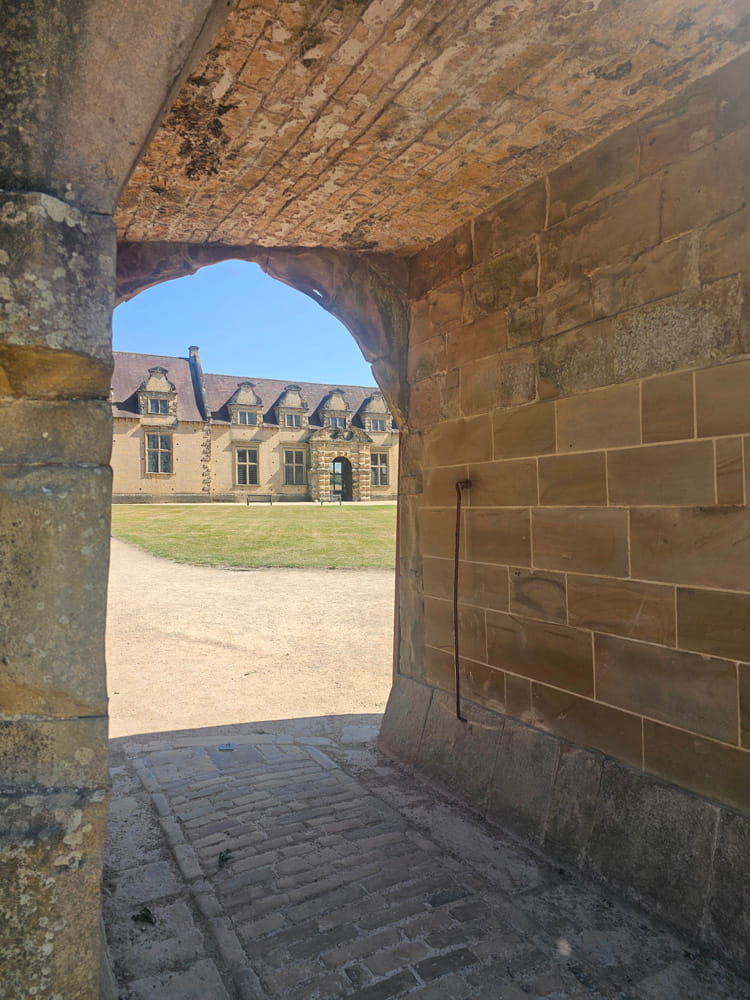
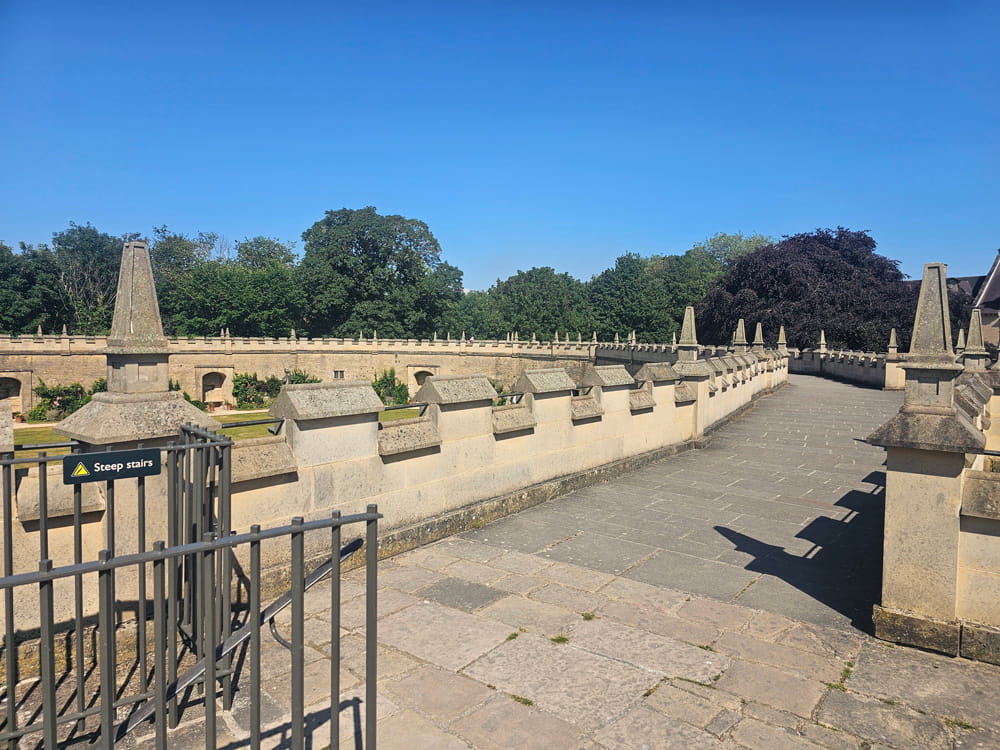
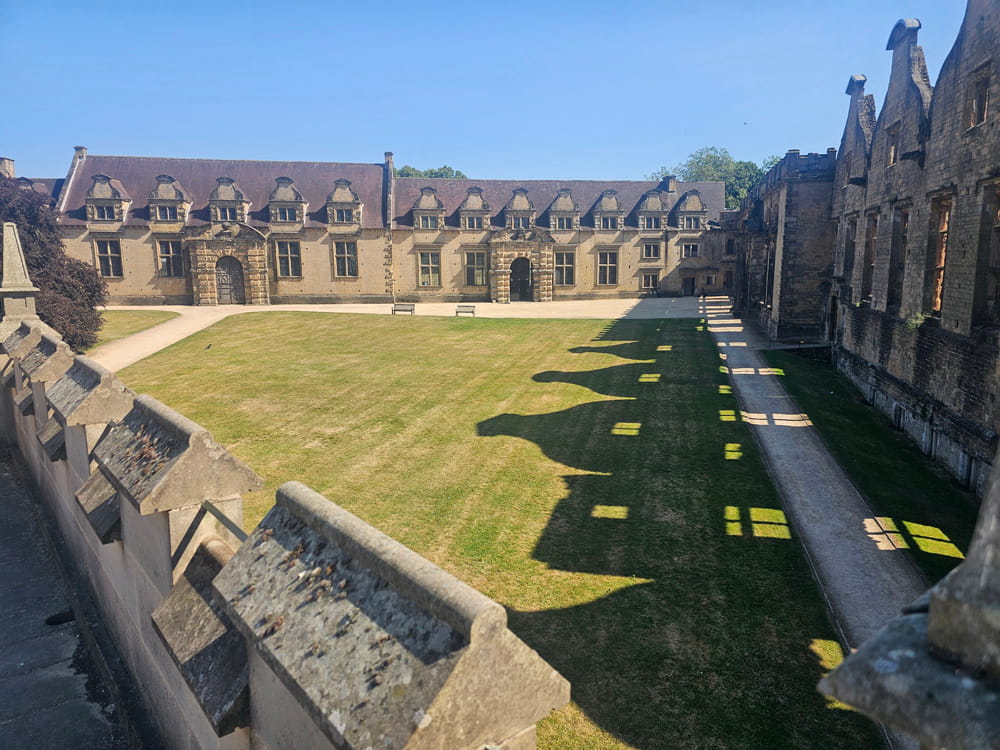
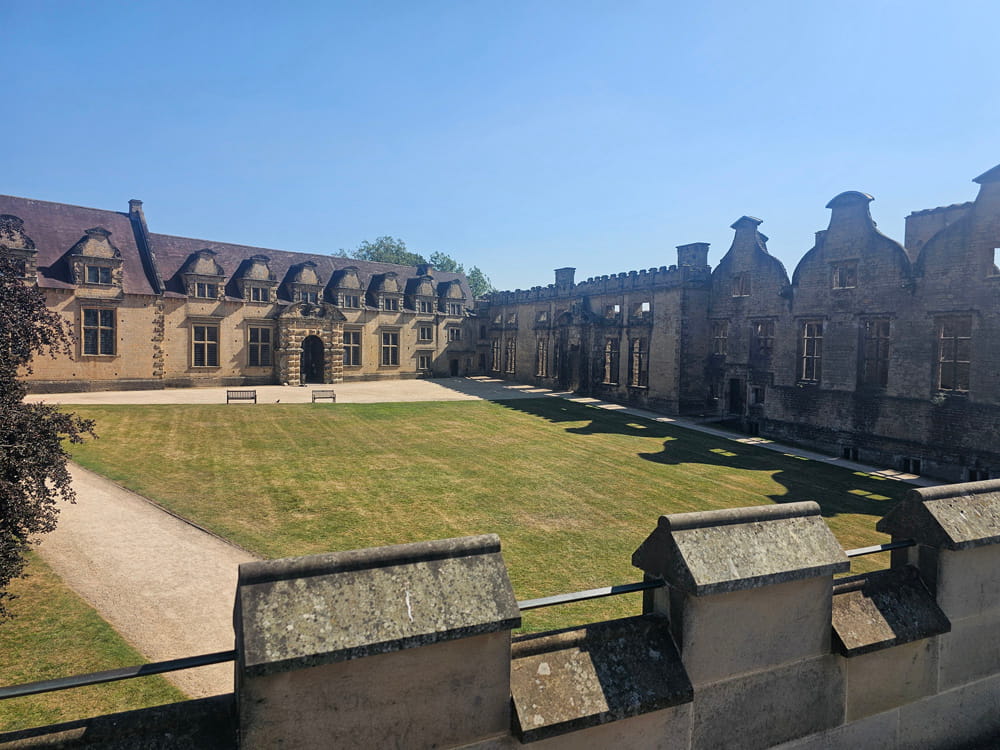
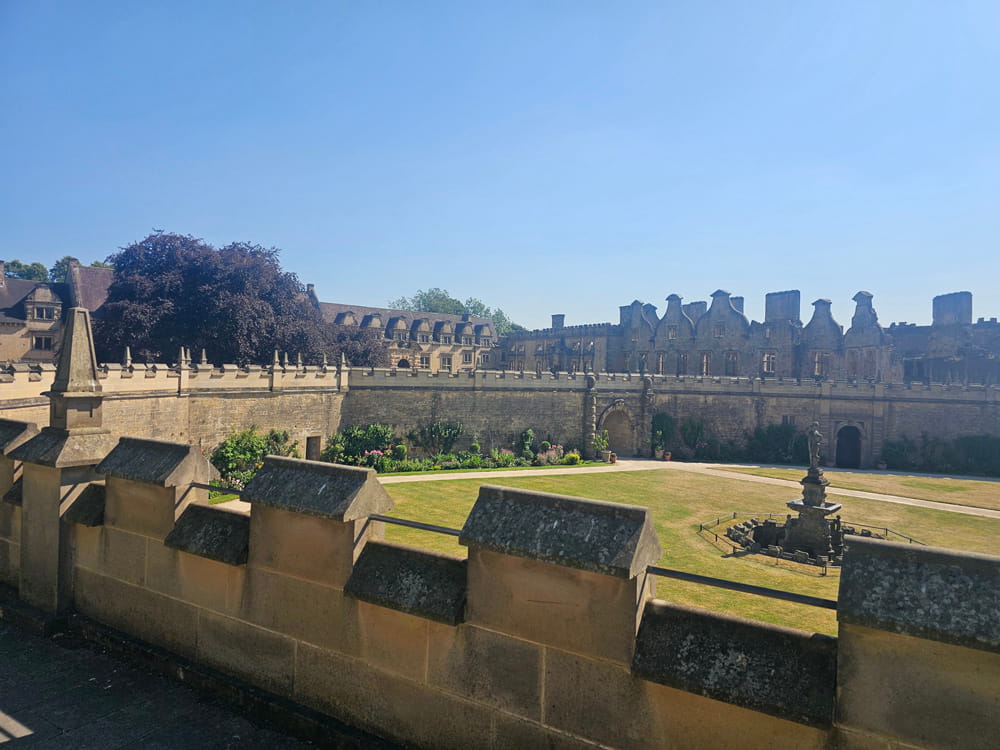
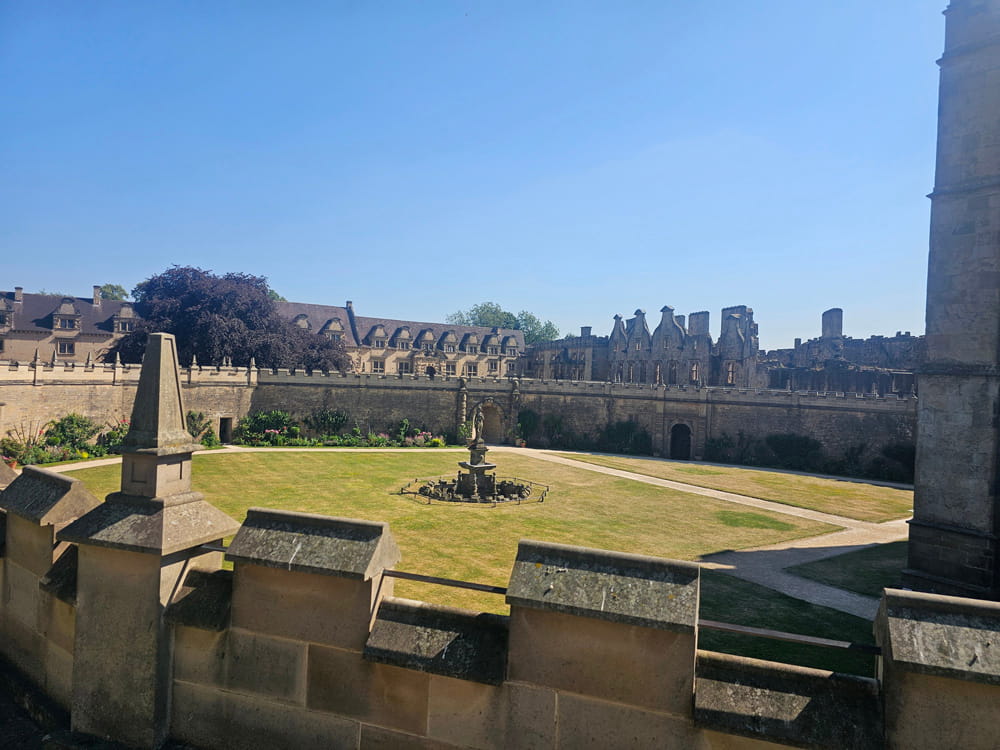
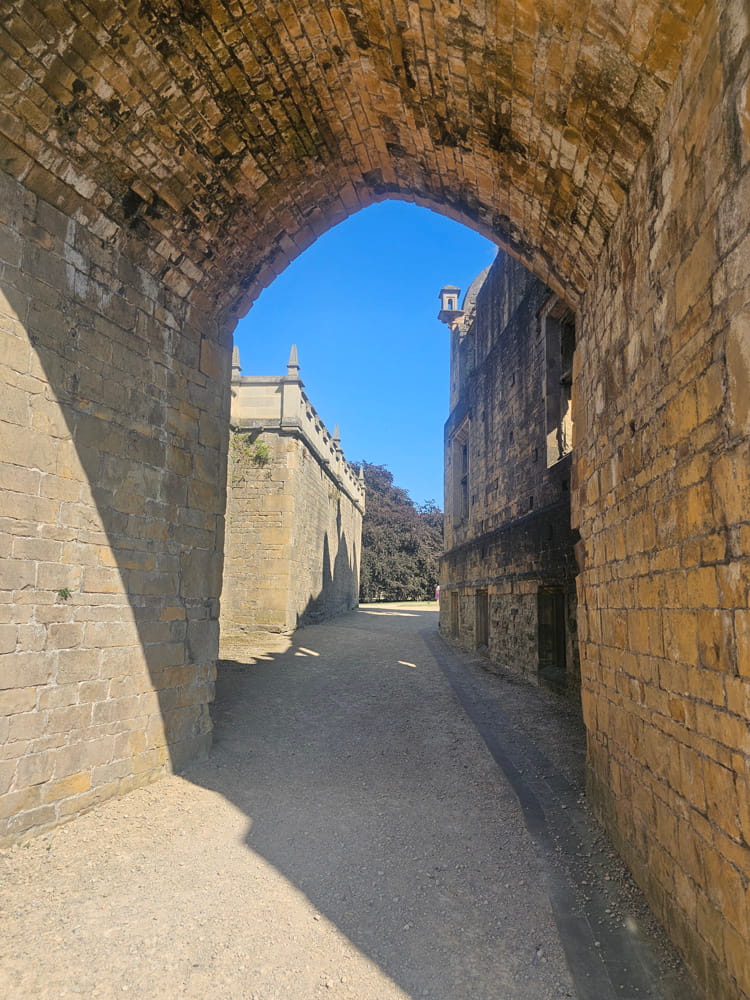
William Cavendish, later the 1st Duke of Newcastle, inherited Bolsover in 1617 and continued developing the estate. He added the impressive Terrace Range and became particularly famous for his passion for horses and equestrian training. The enormous Riding House was constructed so that Cavendish could practise sophisticated forms of horse training, helping to establish techniques that contributed to the development of modern dressage in England.
Bolsover reached its height as a place of aristocratic entertainment in 1634, when William Cavendish welcomed King Charles I and Queen Henrietta Maria. Lavish celebrations were held at the castle, including Love’s Welcome, a masque written for the occasion by the poet Ben Jonson. The festivities demonstrated the wealth, ambition and royal connections of the Cavendish family.
The Civil War brought an abrupt change. Cavendish supported the Royalist cause, but after the Royalist defeat at the Battle of Marston Moor in 1644, he went into exile. Bolsover was surrendered to Parliament and subsequently suffered damage. Following the Restoration of Charles II in 1660, Cavendish returned to England and began restoring the estate. The Riding House and other buildings were developed further during the 1660s.
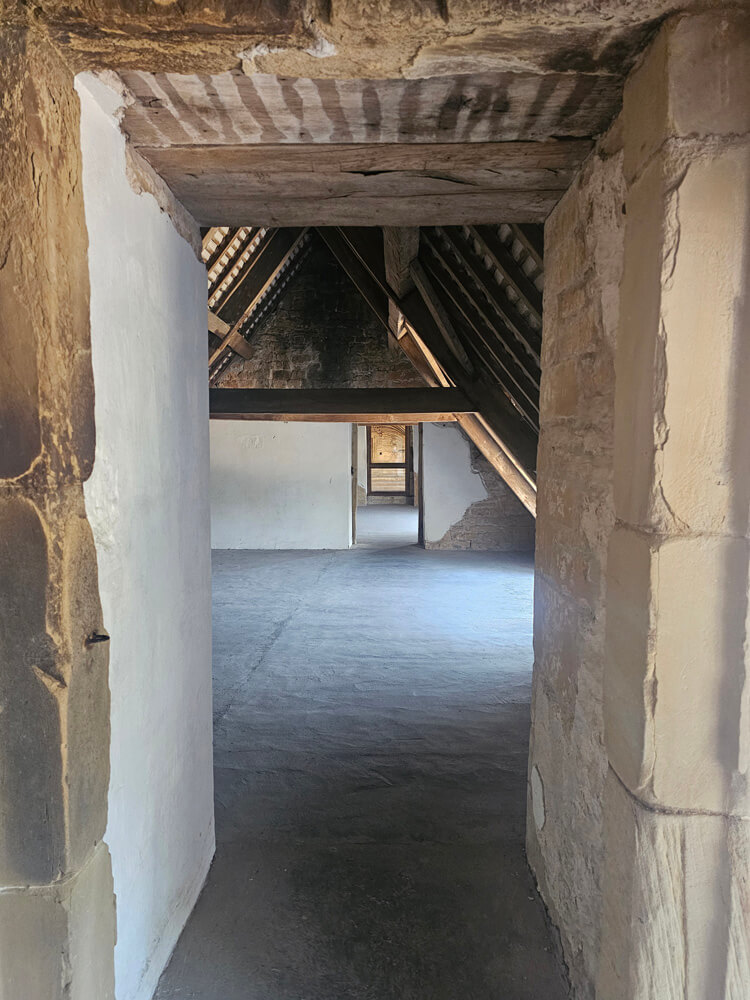
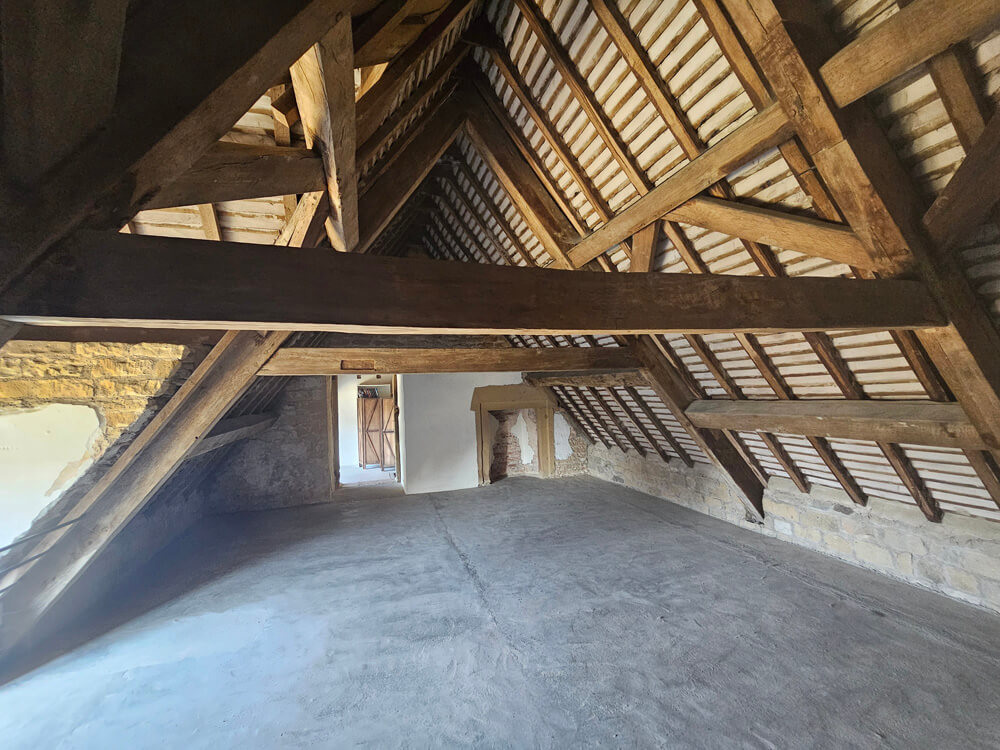
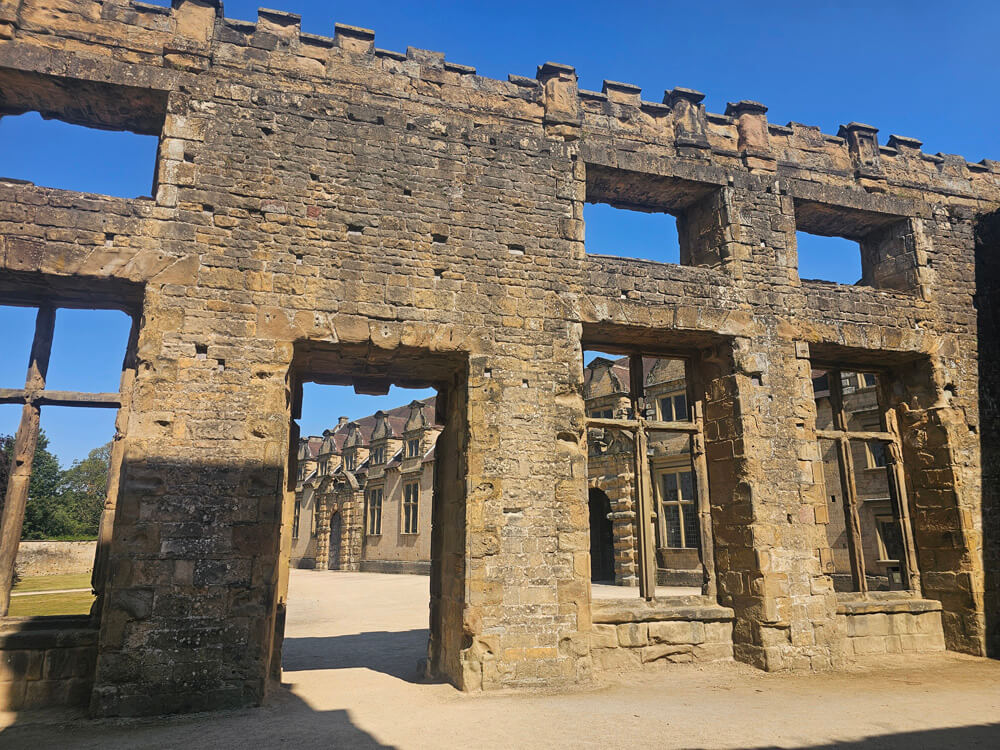
Bolsover eventually declined in importance. During the 18th century, parts of the Terrace Range were dismantled and fell into ruin, while the Little Castle became more of a retreat than a main residence. During the 19th century, the surviving buildings were occupied by tenants, including use as a vicarage. The opening of Bolsover Colliery in 1889 also caused problems through mining subsidence and pollution.
In 1945, the castle was given to the nation by the 7th Duke of Portland. The Ministry of Works subsequently carried out major stabilisation and repair work, and since 1984 Bolsover Castle has been cared for by English Heritage.
Bolsover Castle Today
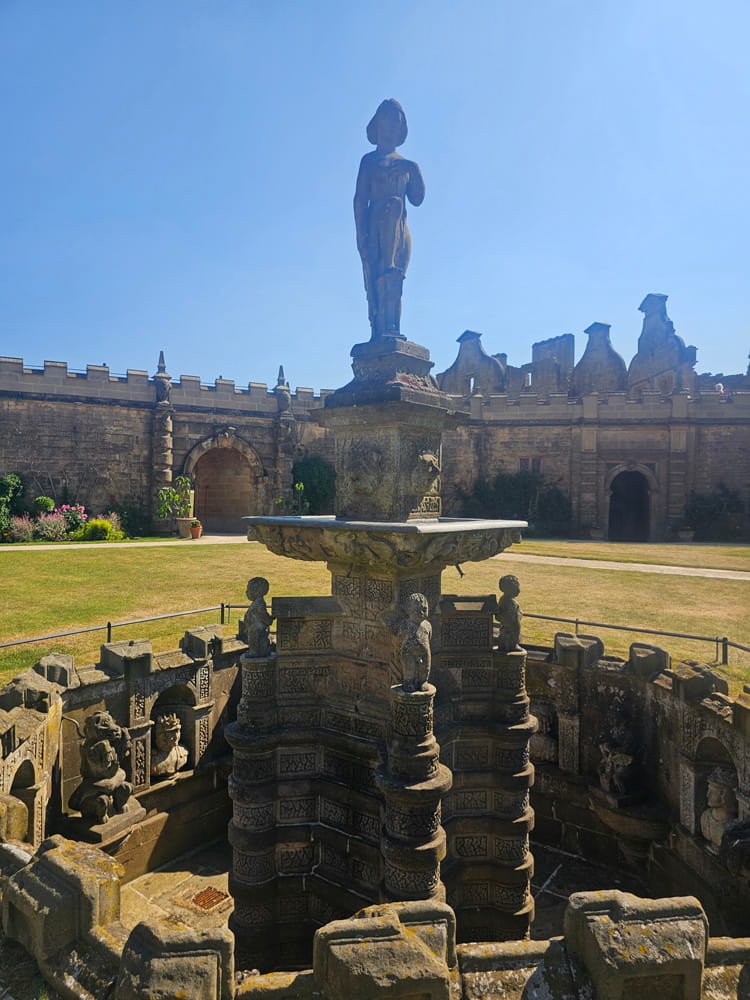
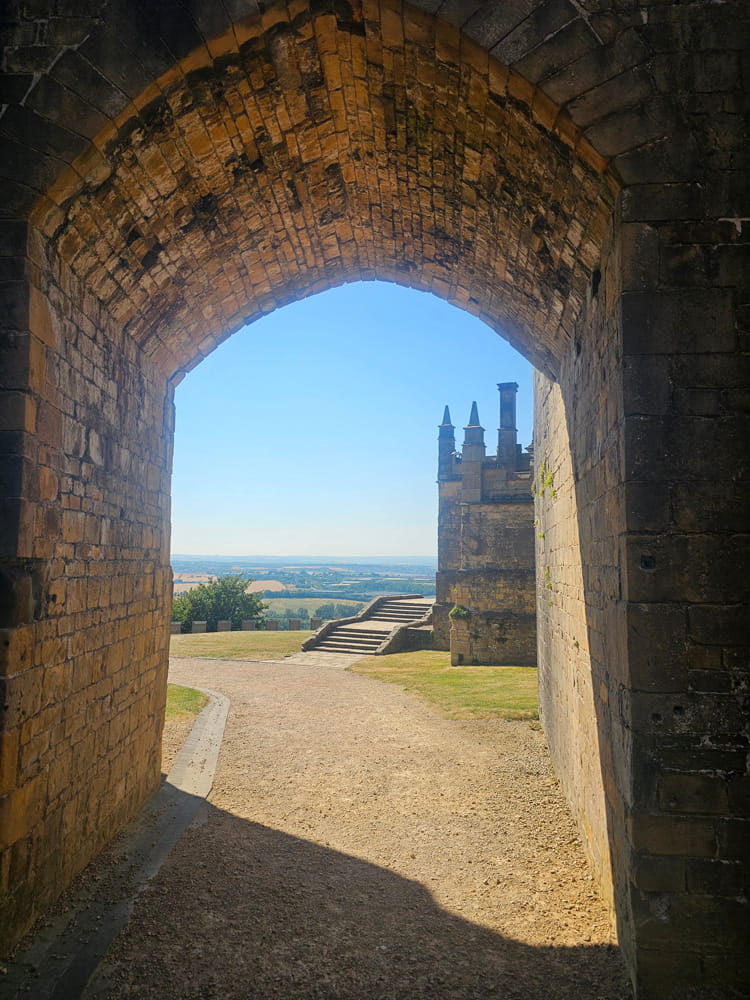
Today, Bolsover Castle is remarkable because it represents two very different chapters of English history: the medieval fortress and the extravagant 17th-century pleasure palace. Its painted interiors, Fountain Garden, ruined Terrace Range and magnificent Riding House provide a fascinating insight into the wealth, politics and ambitions of the Cavendish family and make Bolsover one of Derbyshire’s most distinctive historic sites.
Photo Gallery.
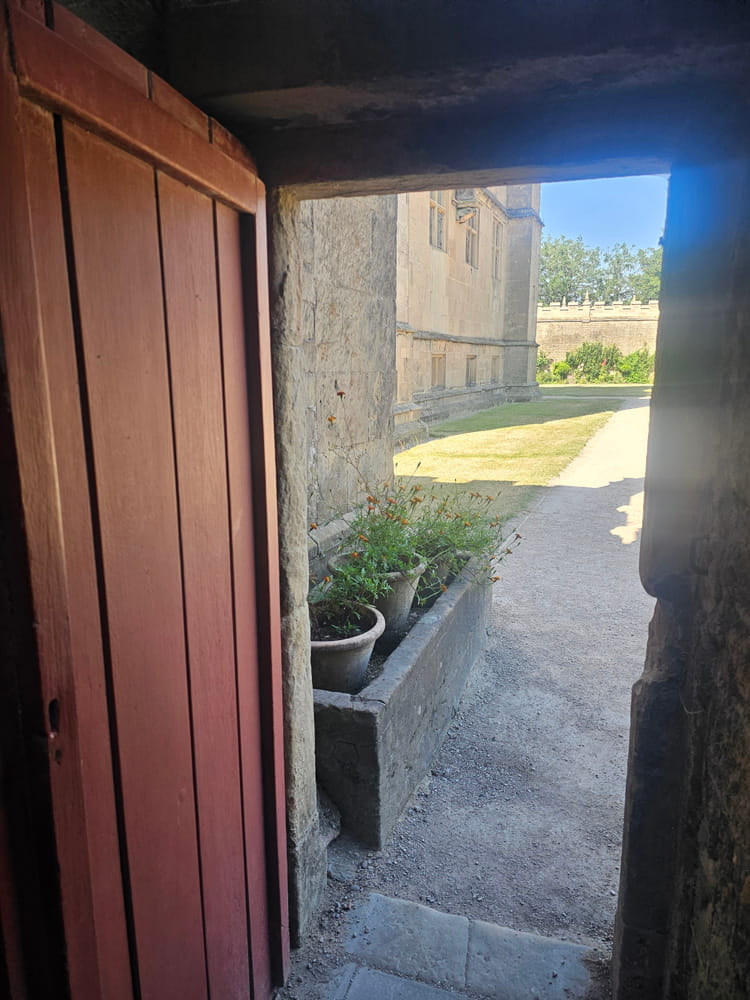
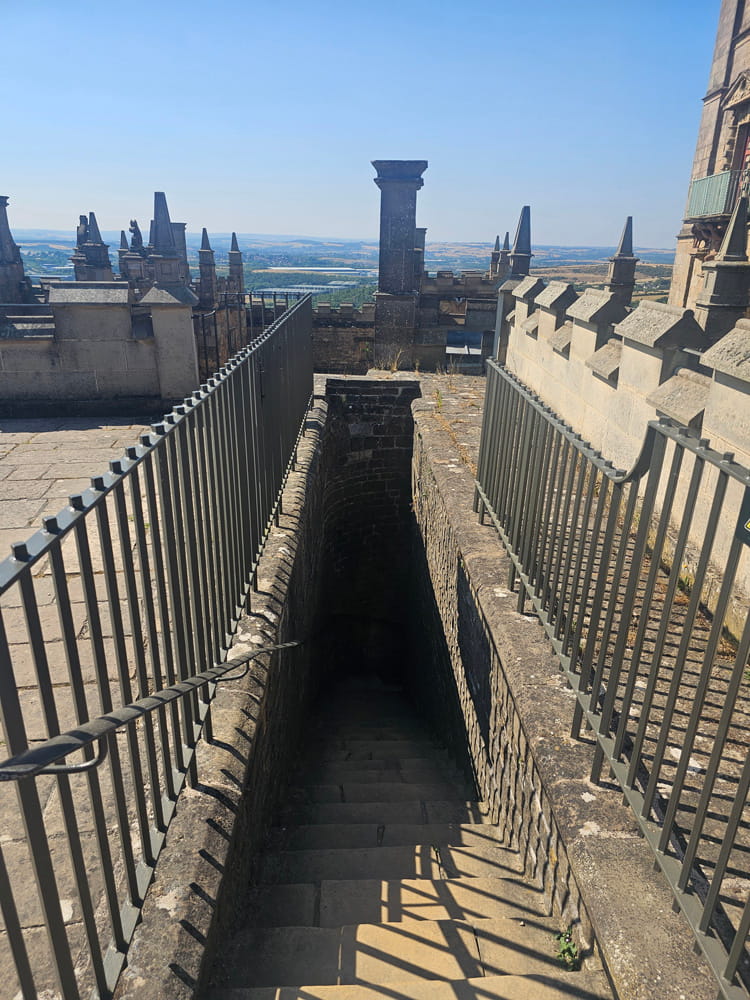
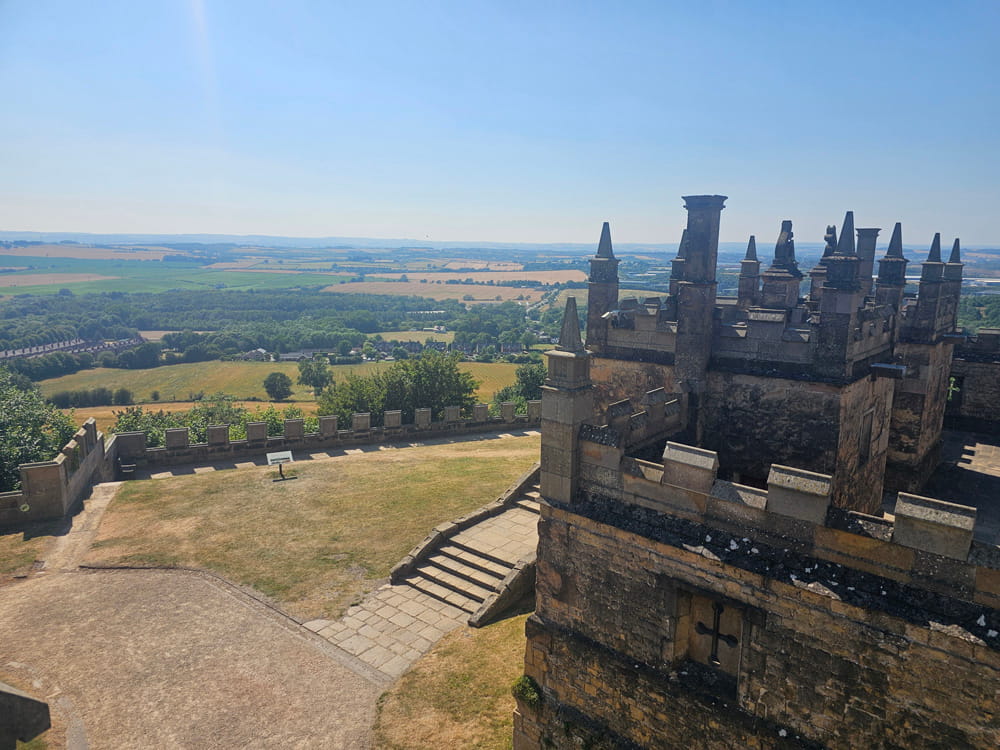
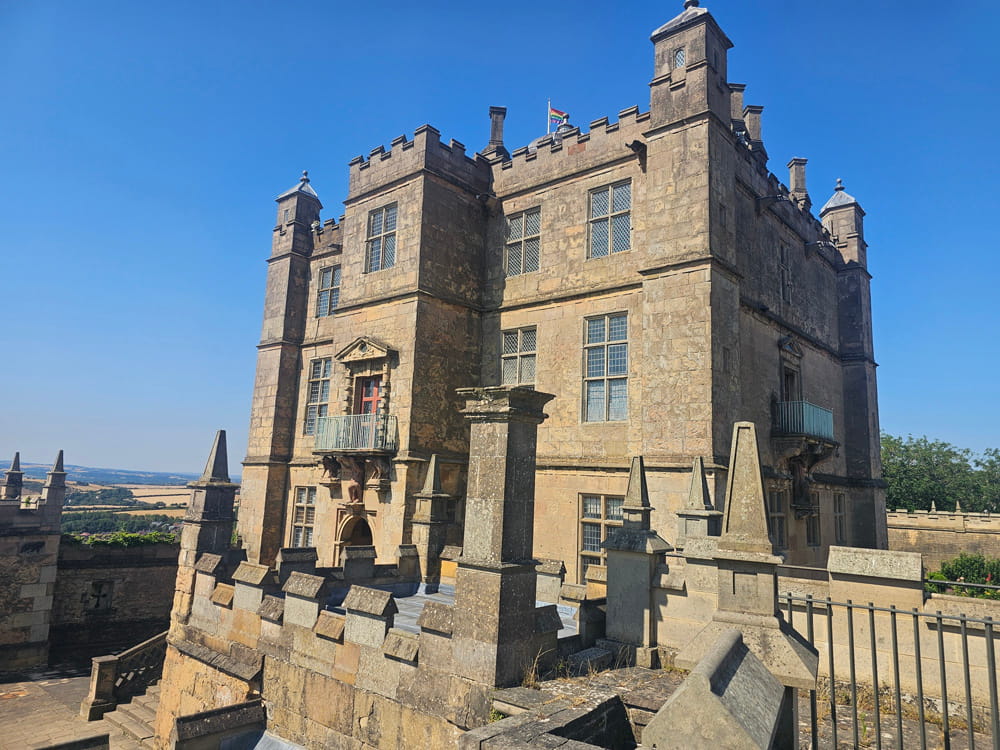
Did you enjoy this post?
I hope you found this post useful. I put a great deal of time and effort in to building, maintaining and populating the website. If you like, you could say a small thank you by buying me a coffee. You don't have to, but it would be nice :)
Buy me a coffee
Stay up to Date
Follow me on my journey and get notified whenever a new post is published by following Kings & Castles on Facebook.
Follow MeExplore The Map
Discover the hundreds of castles, churches, monasteries, cathedrals and other historic locations that I've personally visited across England and Wales. Search by location, explore nearby sites and plan your next historical adventure.
Share: