Whittington Castle
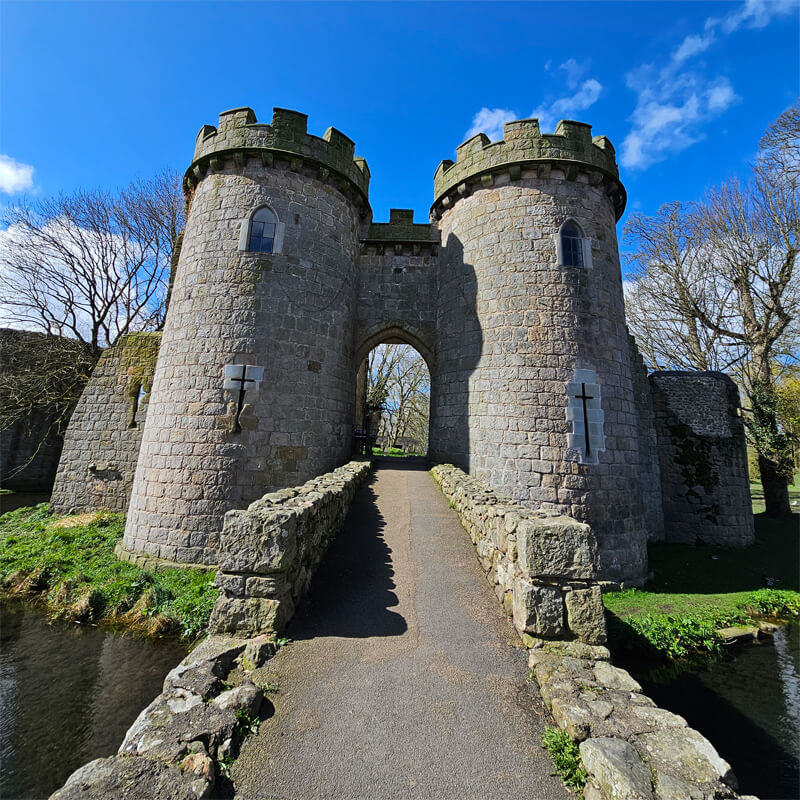
Whittington Castle is a ruined castle in northern Shropshire, on the English side of Offa’s Dyke, and one of a chain of fortresses along the English and Welsh border. It was held by the Marcher Lords and was the base for defence against the Welsh throughout the 13th century, when it became the chief residence of the FitzWarin family.
Quick
Facts.
- Location: Whittington, Oswestry, England
- Established: c. 1090 – 1100
- Built in stone: 13th century
- Condition: Ruined
- Date visited: March 2024
- More info: Visit website
- Rating:
A Bit of History…
People have been living on the site for over 2000 years. The earliest settlement was in the Iron Age and then the site was built on by following generations until, in 1220, it became a large and impressive moated stone castle.
The Iron Age settlement was a small defended farmstead with a clan of families living in thatched roundhouses on land protected by timber fencing, deep ditches and a large marshy area to the north. The farmstead had cattle, sheep, pigs, chickens and crops in the surrounding fields.
The first castle at Whittington dates to around 1090 – 1100, though there is evidence to suggest that a Saxon settlement may have existed close to the site.
In 1115, to protect the English border from Welsh fighters, the Normans built a timber motte-and-bailey castle. In 1138 the castle was fortified by Empress Matilda, the daughter of Henry I, against King Stephen, the nephew of Henry I, during the Anarchy.
Whittington passed to the FitzWarin family in 1204, and the castle then descended through the FitzWarin family until the 15th century.
The castle was captured and destroyed by Llywelyn the Great of Gwynedd in 1223. It was then rebuilt in stone during the 1220s with five towers around the inner bailey. Fulk FizWarin III further extended the fortifications and defences to create a formidable stronghold.
Fulk FitzWarin VI transformed the castle from a fortress and garrison to a palatial home in the 1300s. The bailey contained a medieval pleasure garden with a viewing mount. The private garden would have been used as a place of relaxation and for growing scented plants, culinary herbs and medicinal plants to be used within the household. It is one of only a few known to exist in England.
The FitzWarin line died out in 1420 and Whittington castle gradually fell into disrepair, and by the 16th century it was declared to be utterly ruinous.
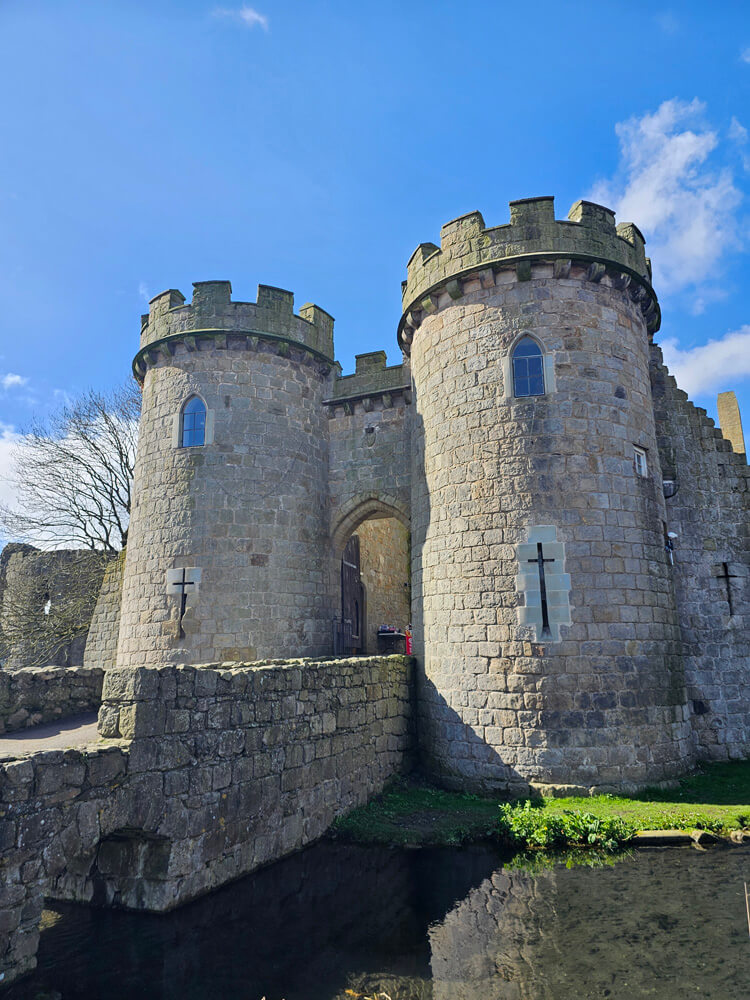
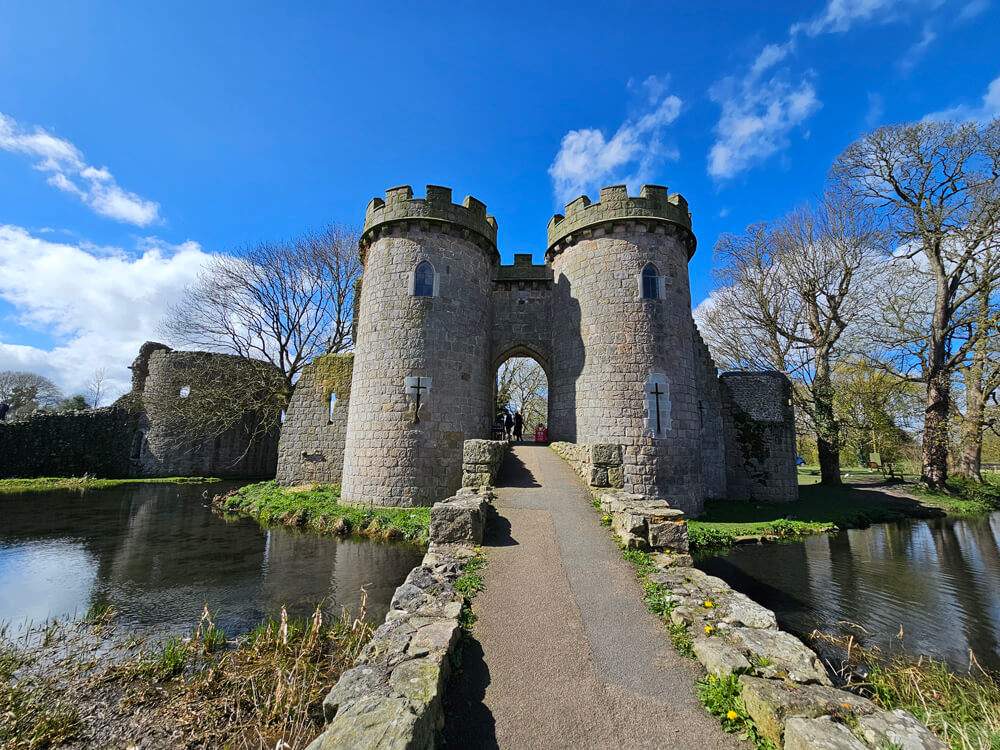
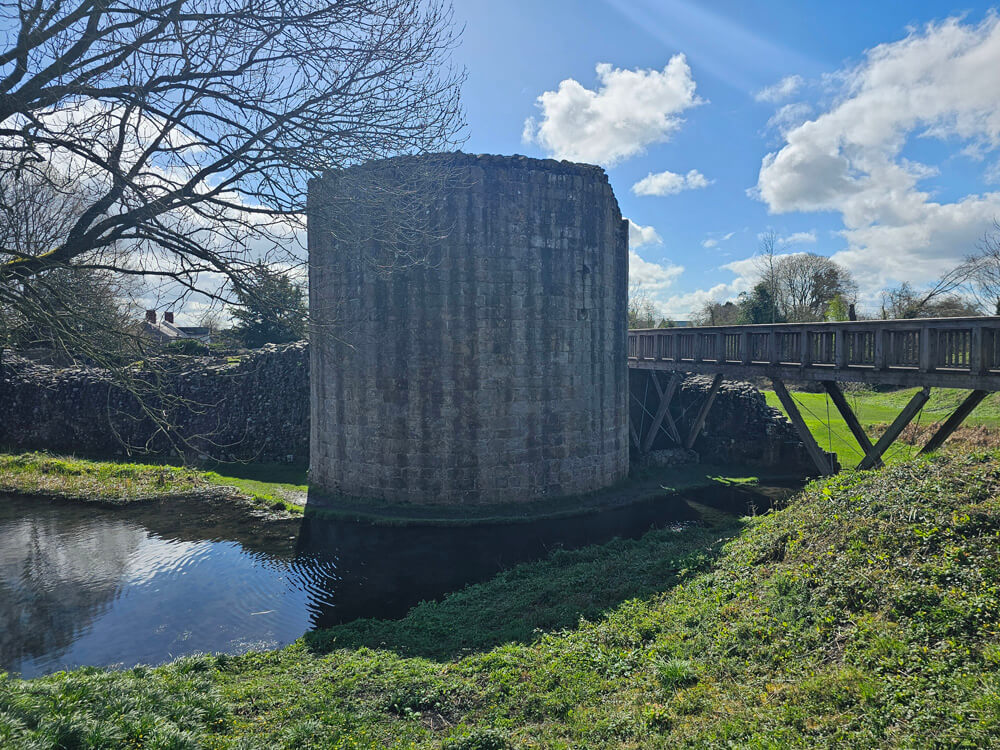
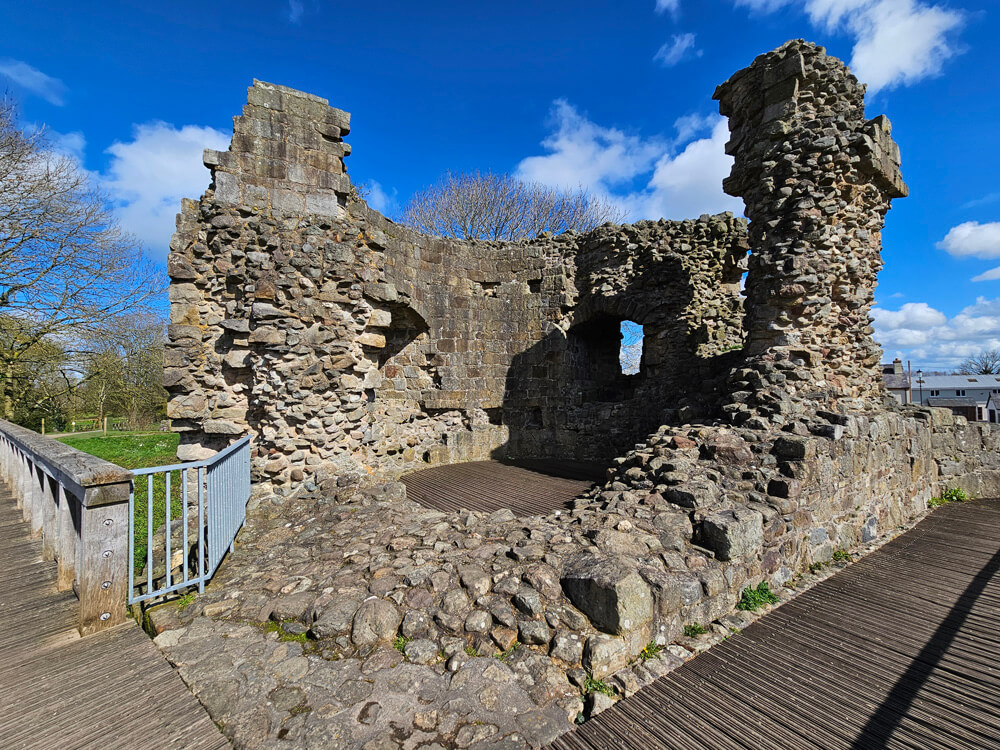
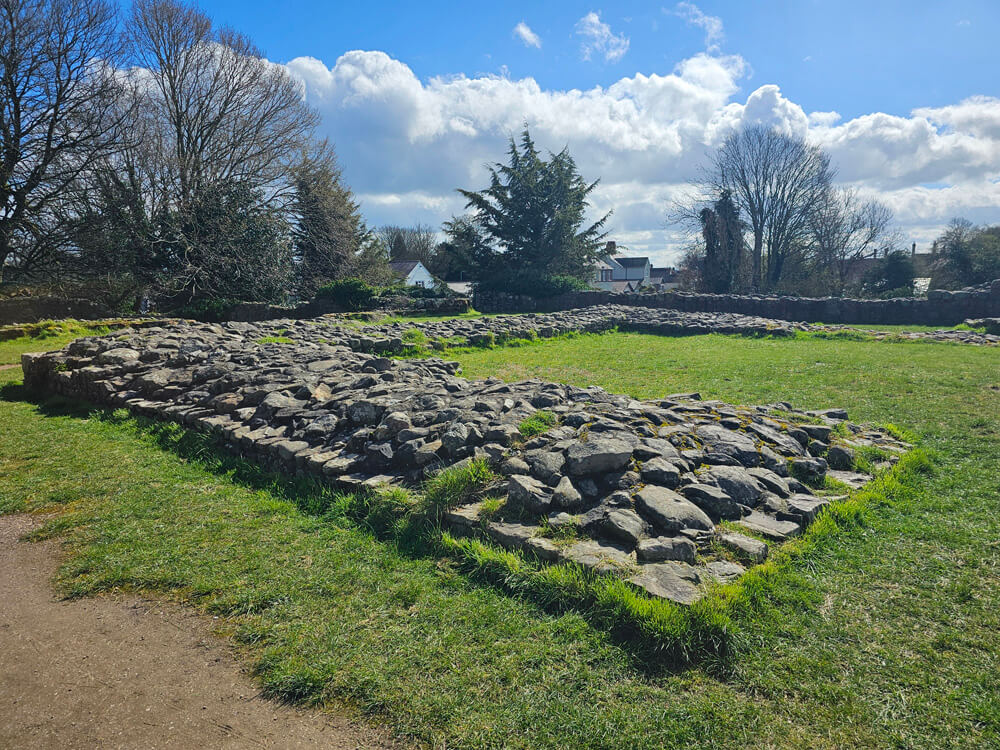
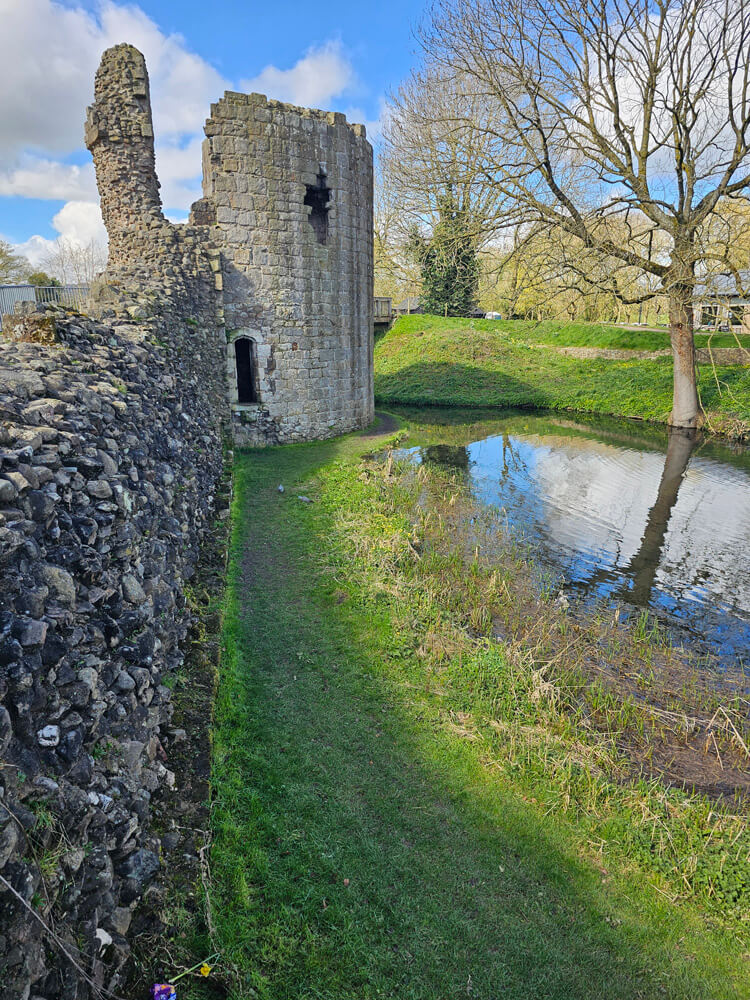
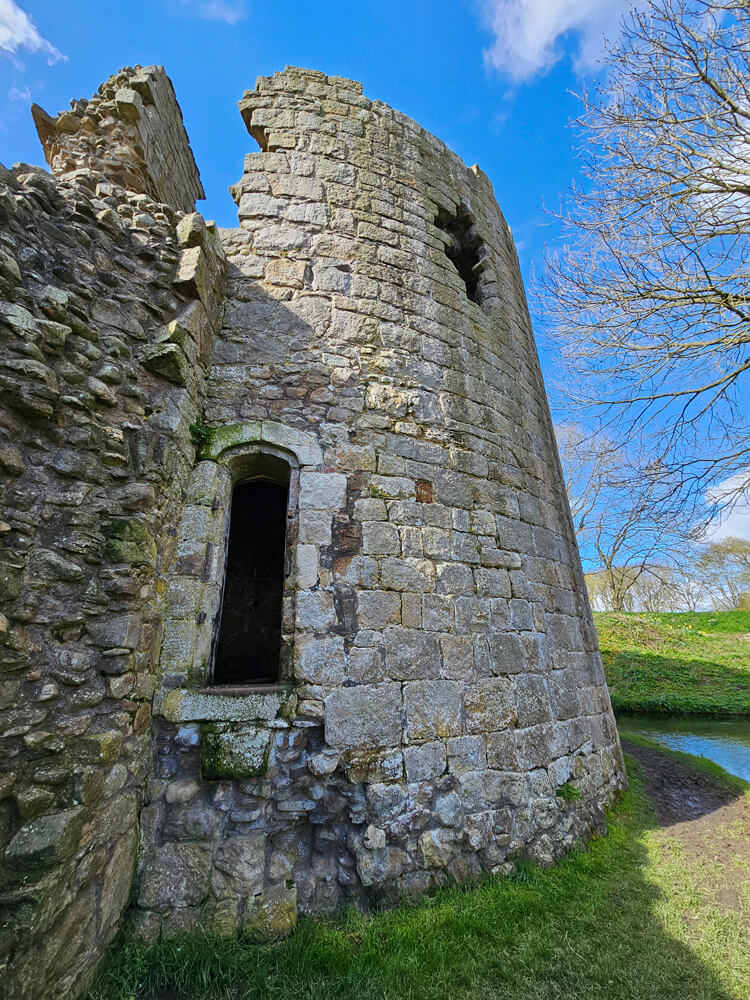
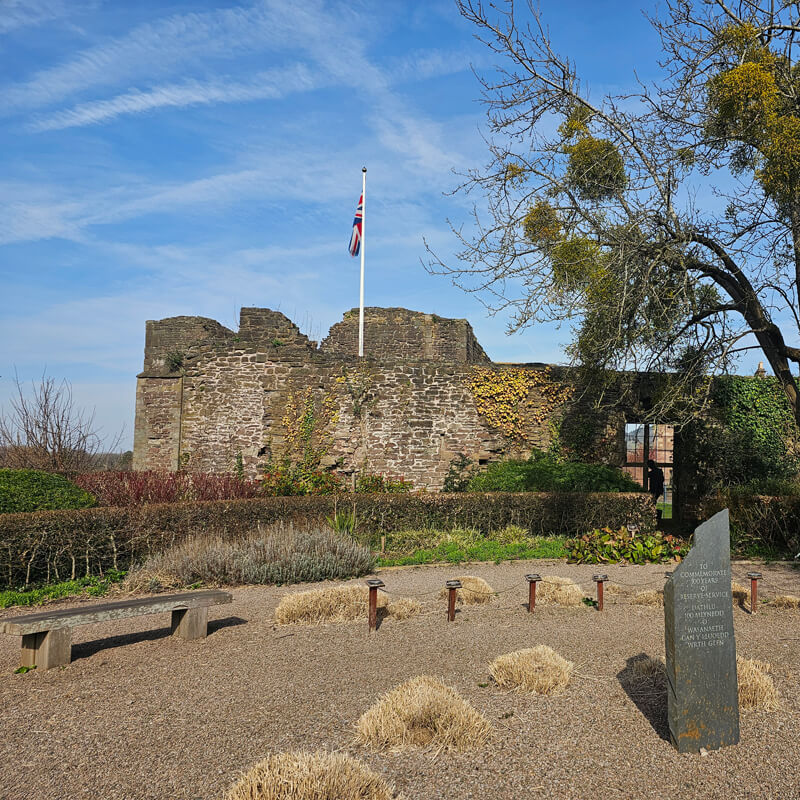
Today, there isn’t much left of the castle. The gatehouse however does look beautiful, like something out of a fairytale. And the grounds and surroundings are very pretty too. But other than that there isn’t really much else to the castle other than a few ruins. It wasn’t on my list of castles to visit but it was close to Old Oswestry Hill Fort and Chirk Castle which I was visiting that day so I decided to stop by anyway.
Photo Gallery.
Did you enjoy this post?
I hope you found this post useful. I put a great deal of time and effort in to building, maintaining and populating the website. If you like, you could say a small thank you by buying me a coffee. You don't have to, but it would be nice :)
Buy me a coffee
Stay up to Date
Follow me on my journey and get notified whenever a new post is published by following Kings & Castles on Facebook.
Follow MeExplore The Map
Discover the hundreds of castles, churches, monasteries, cathedrals and other historic locations that I've personally visited across England and Wales. Search by location, explore nearby sites and plan your next historical adventure.
Share: