Pontefract Castle
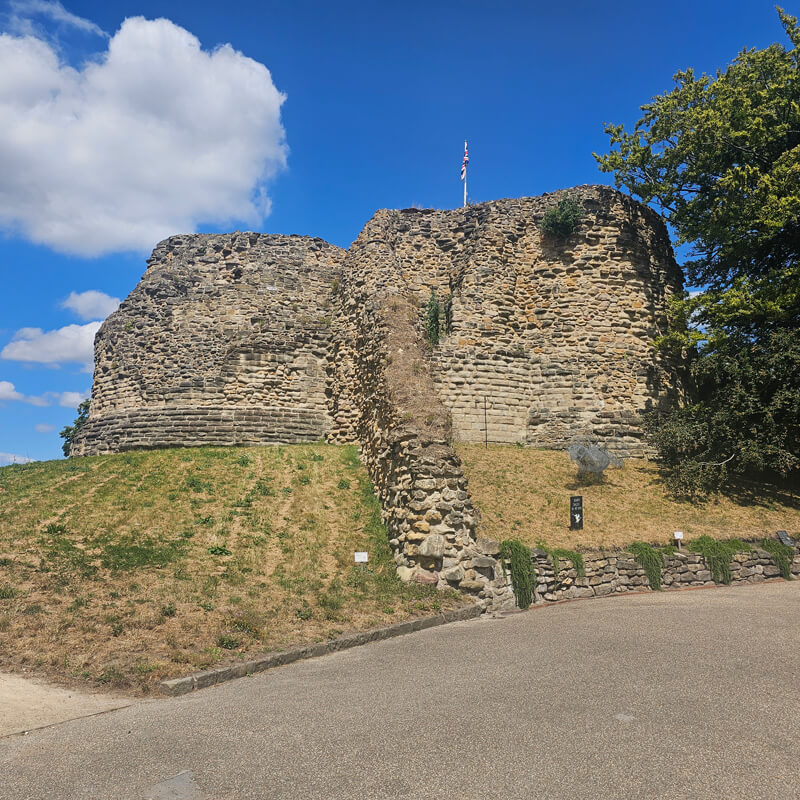
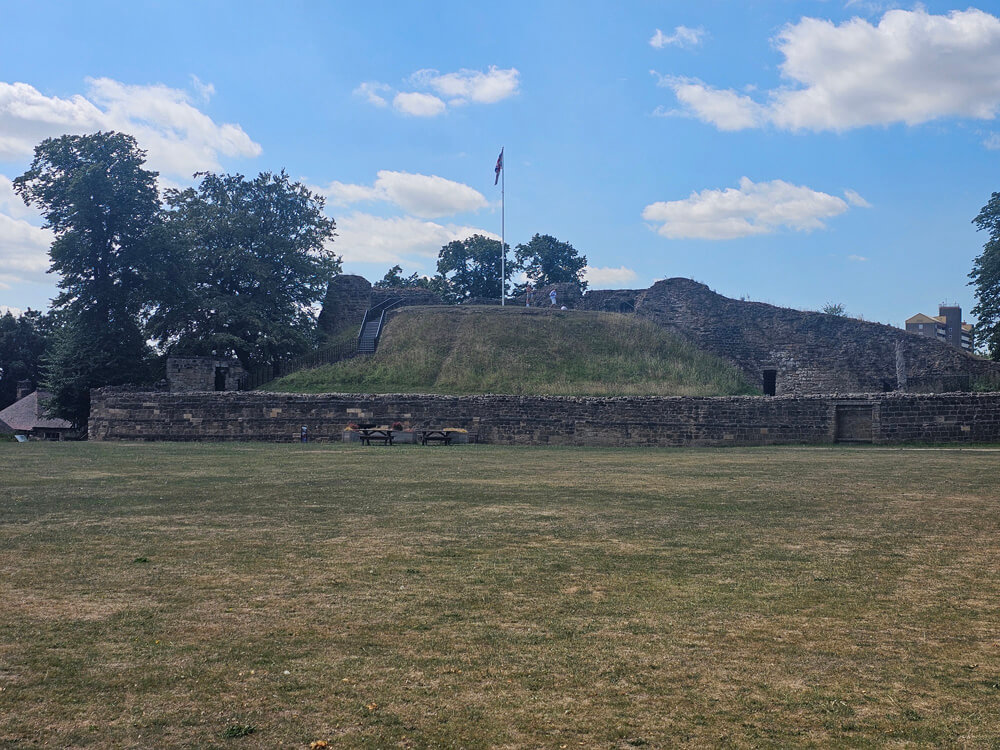
Pontefract Castle, in West Yorkshire, is one of England’s most historically important medieval fortresses. Built shortly after the Norman Conquest, it has witnessed rebellion, royal imprisonment, civil war and the dramatic changes that shaped England’s history.
Quick
Facts.
- Location: Pontefract, West Yorkshire, England
- Established: c. 1070
- Built in stone: 12th and 13th centuries
- Condition: Ruined
- Date visited: July 2026
- More info: Visit website
- Rating:
A Bit of History…
The castle was founded around 1070 by Ilbert de Lacy, a Norman nobleman who received land from William the Conqueror. It was originally a wooden motte-and-bailey castle, but the de Lacy family gradually developed it into a much stronger stone fortress. Its position overlooking important routes north and west earned Pontefract the nickname “The Key to the North.”
During the early 13th century, Pontefract became connected with the struggle between King John and his rebellious barons. John de Lacy joined the barons who forced the king to accept the Magna Carta in 1215, an important step in the development of English law and government.
The castle later became a royal possession and played a particularly dark role during the reign of Richard II. In 1399, Richard was overthrown by his cousin, Henry Bolingbroke, who became Henry IV. Richard was imprisoned at Pontefract and died there around February 1400. It is traditionally believed that he starved to death, although the exact circumstances remain uncertain. His imprisonment and death later became famous through Shakespeare’s play Richard II.
Pontefract again became a major military stronghold during the English Civil Wars in the 1640s. The castle was held by Royalist forces loyal to Charles I and endured three prolonged sieges. The final Royalist garrison continued resisting even after Charles I was executed in January 1649, finally surrendering in March. Parliament subsequently ordered the castle to be systematically demolished.
Pontefract Castle Today
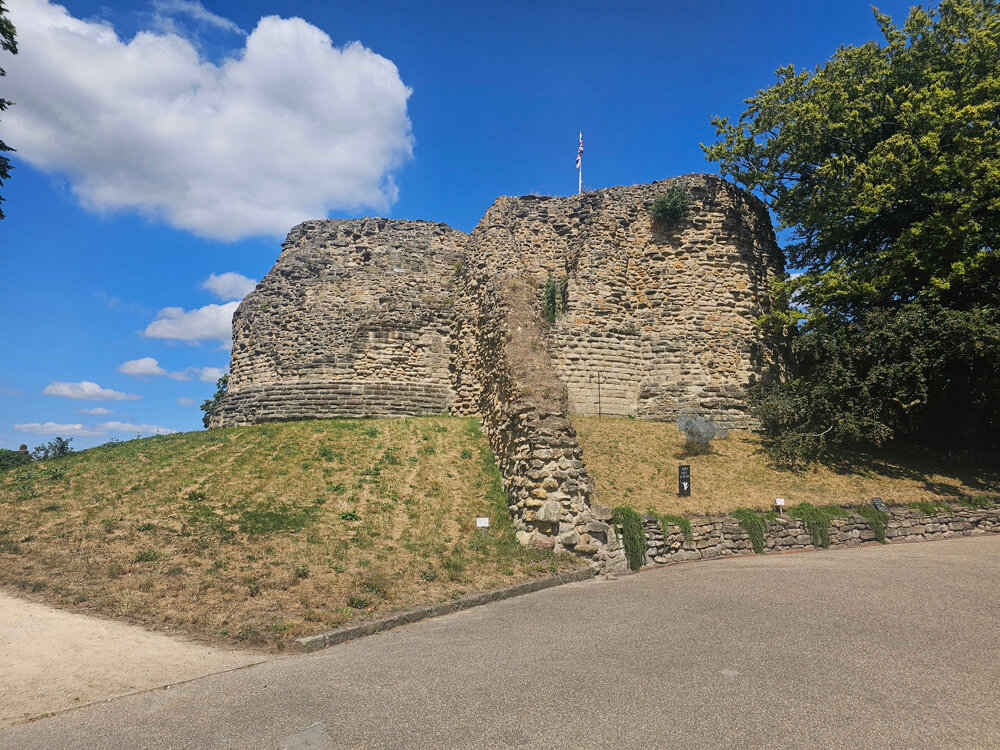
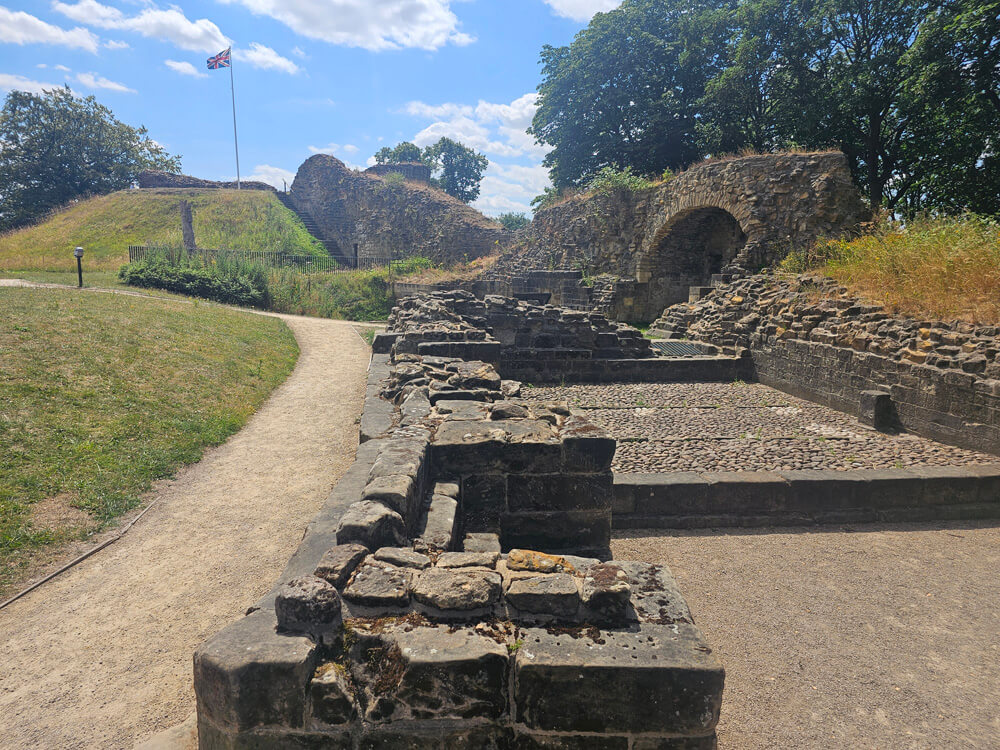
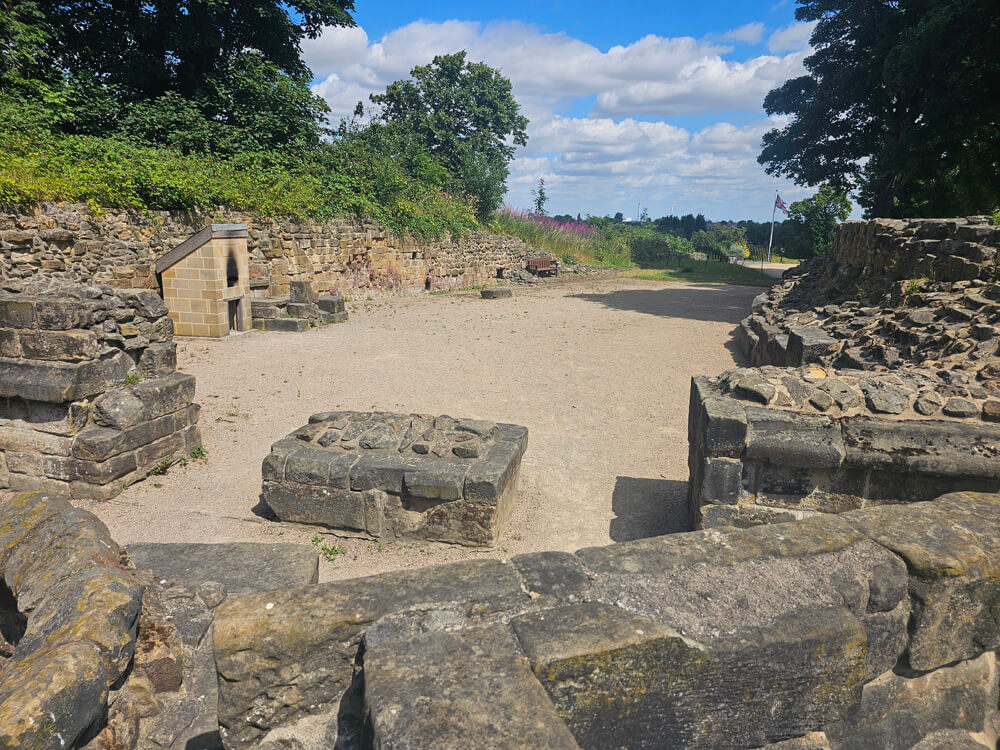
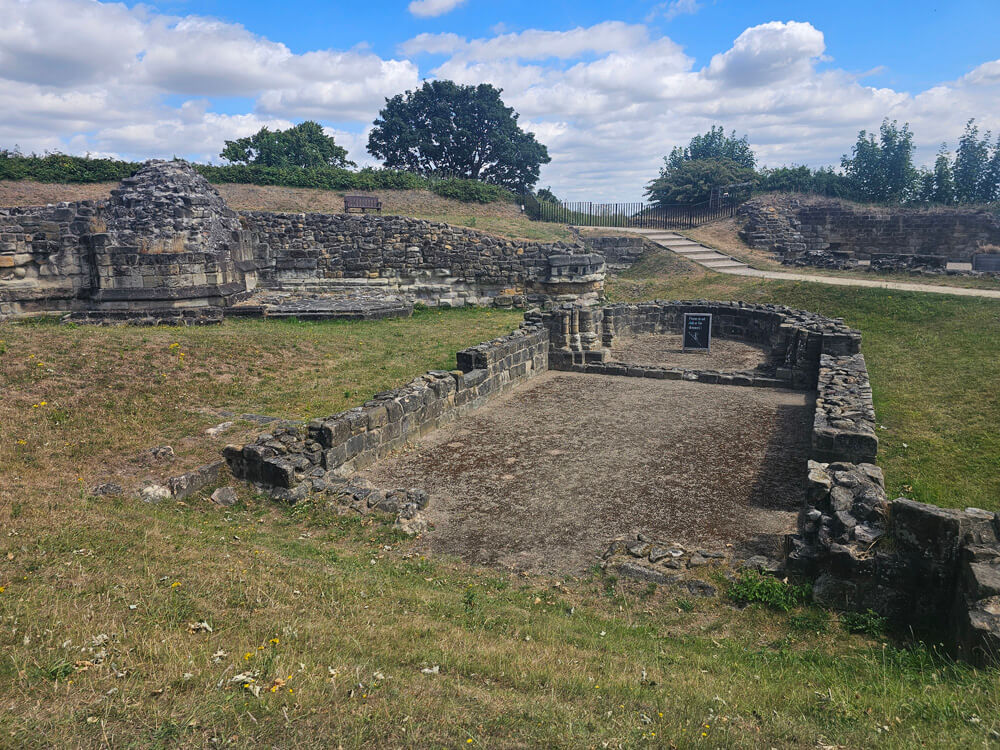
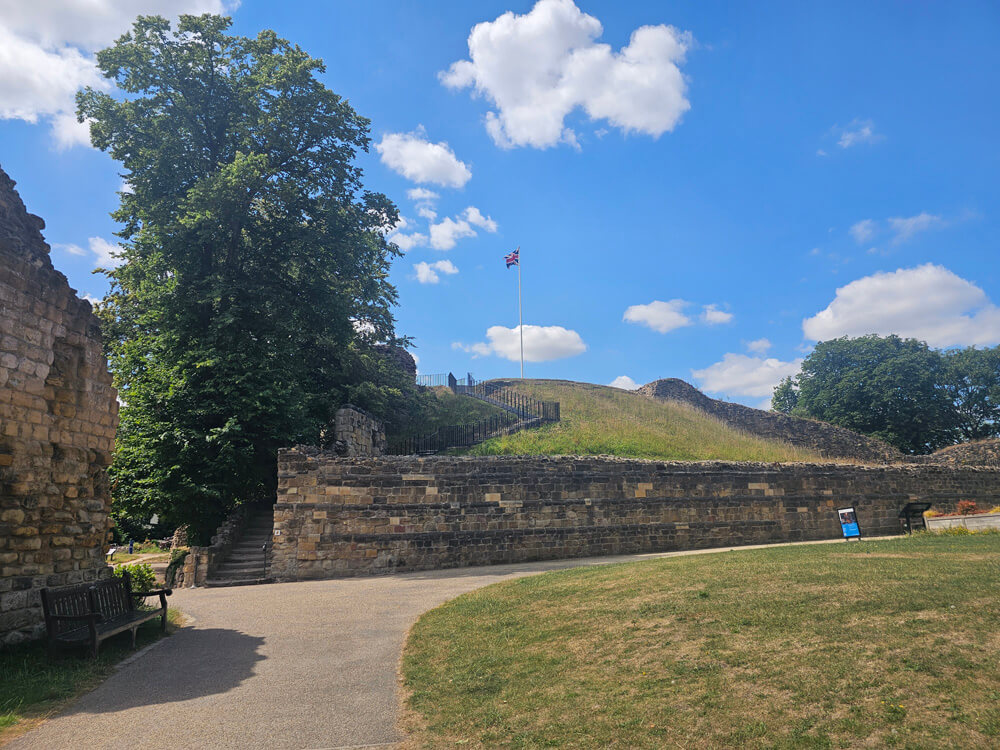
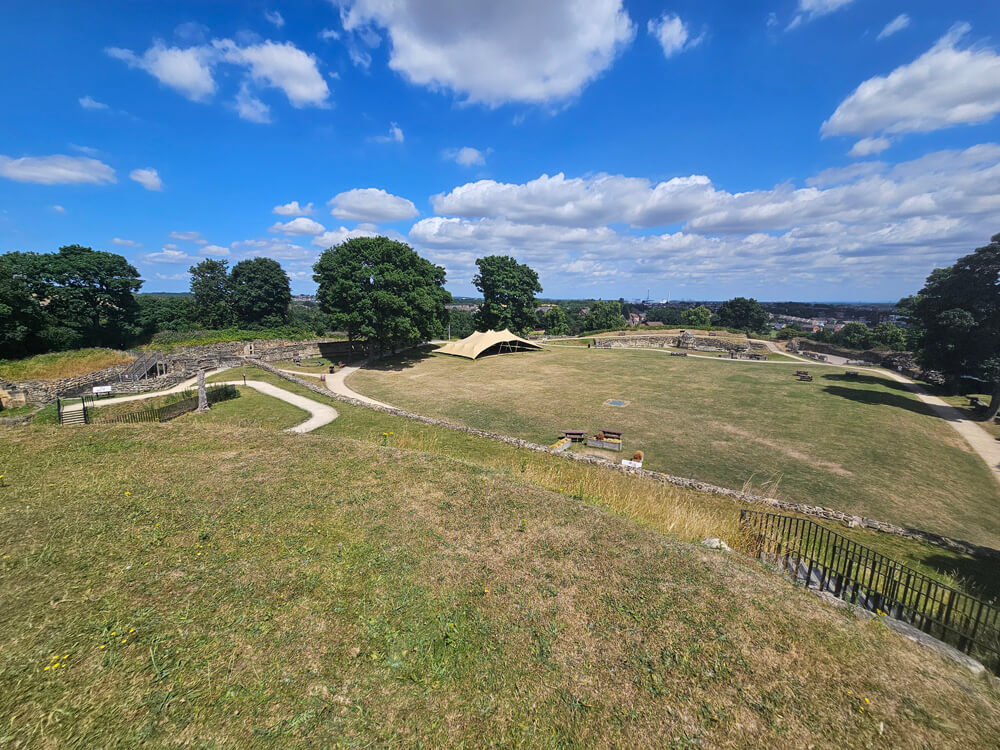
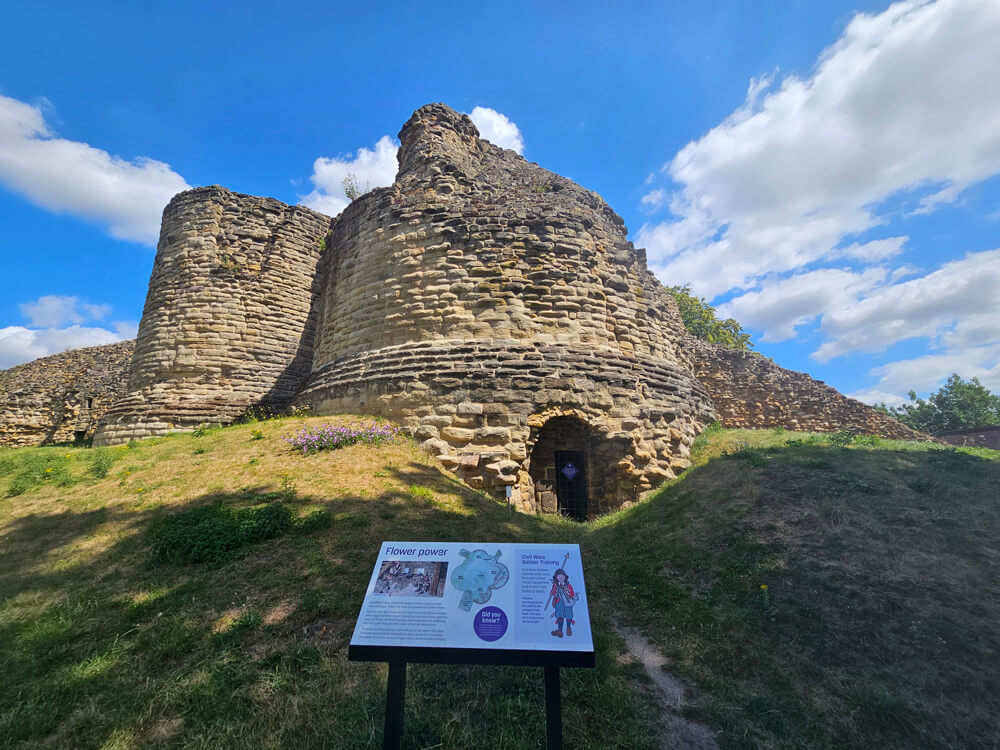
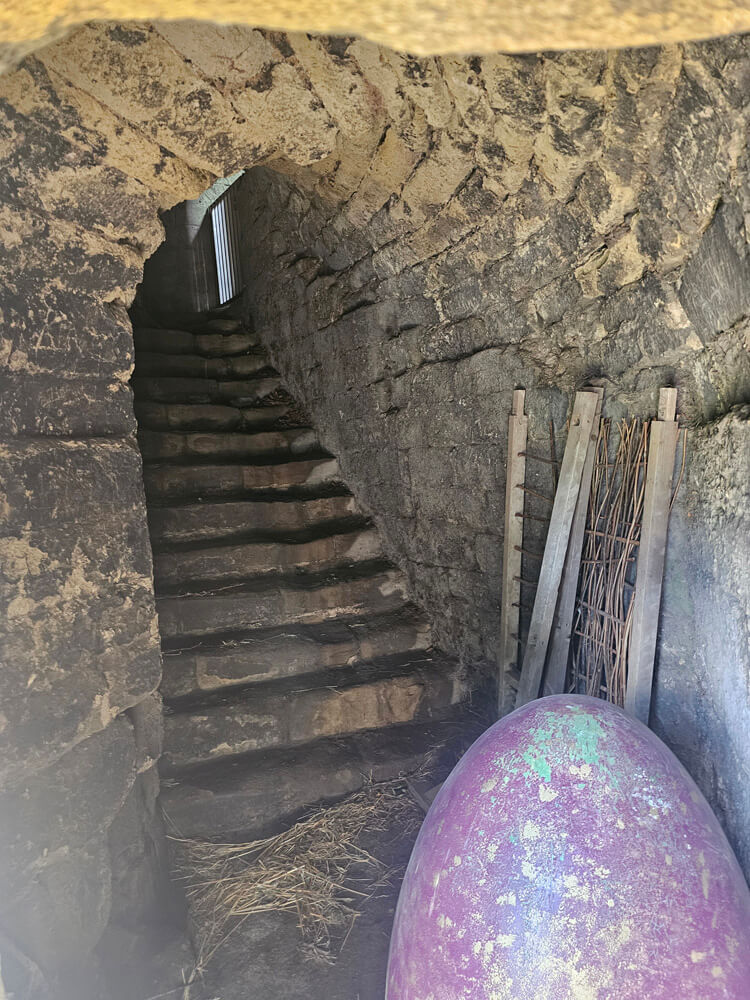
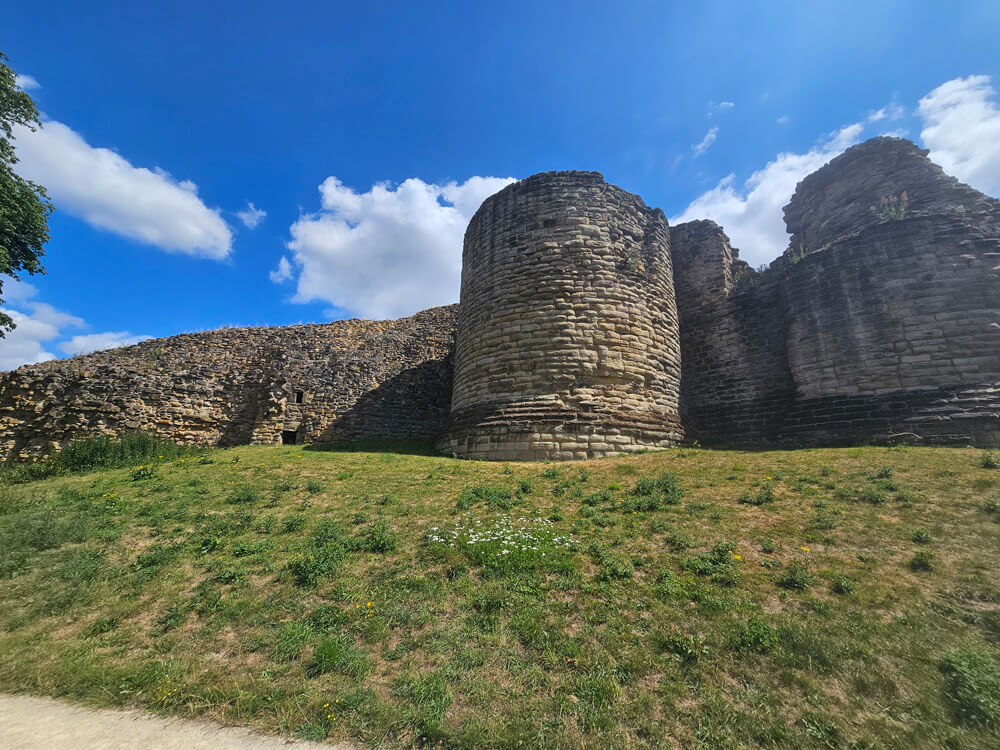
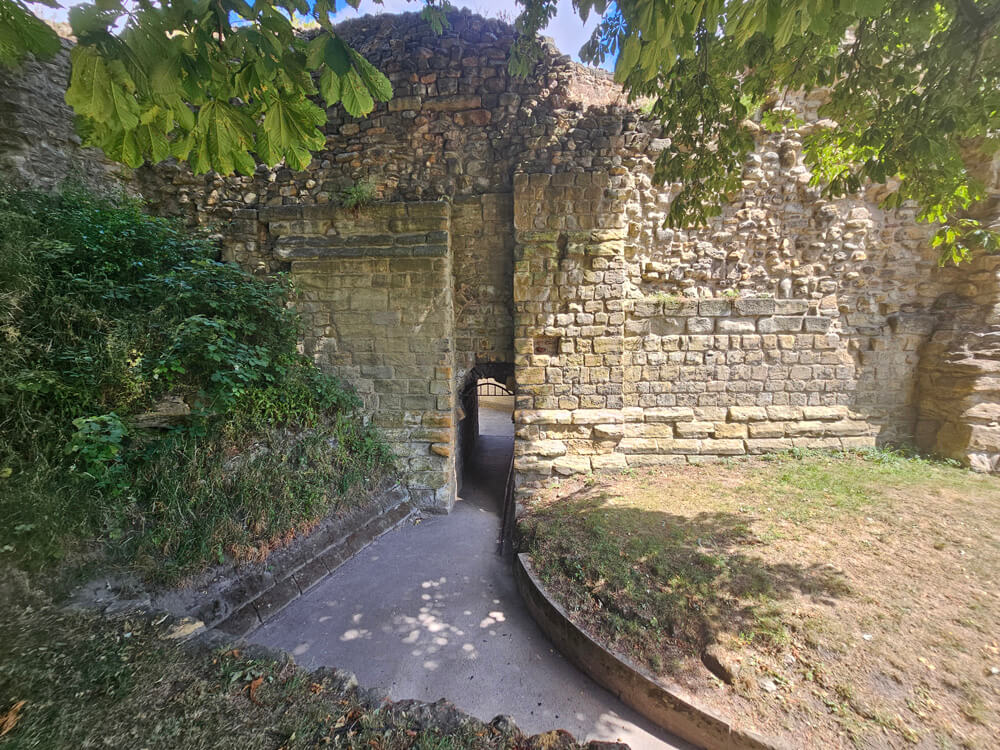
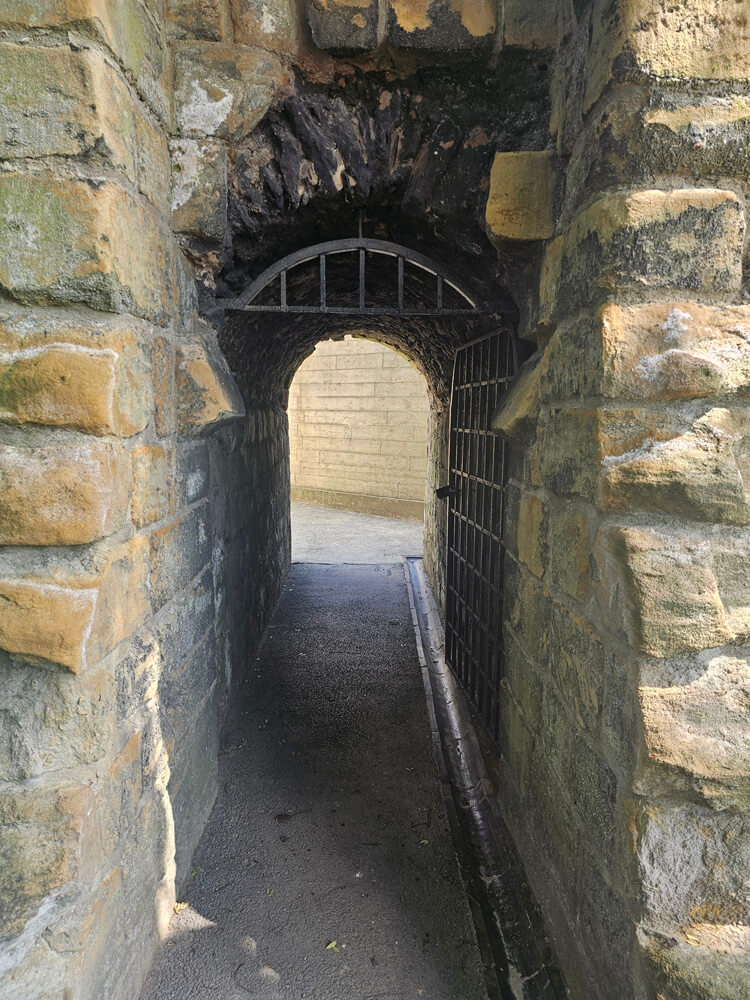
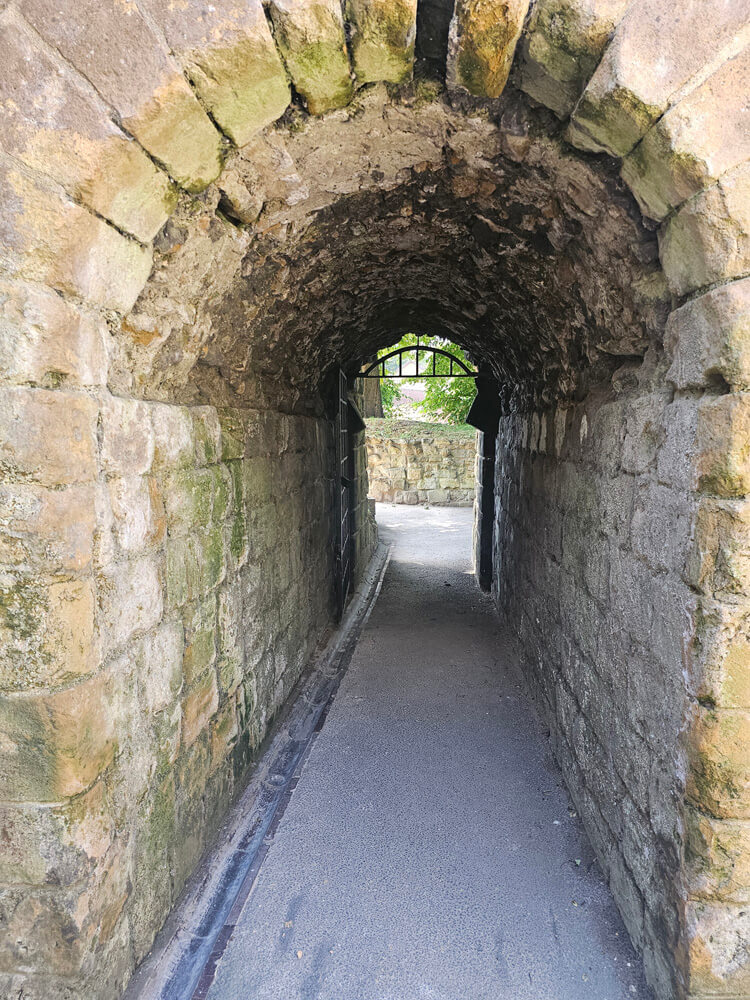
Although much of Pontefract Castle now lies in ruins, its remains provide a remarkable glimpse into almost a thousand years of English history. From its Norman origins to the Civil War, the castle has been a fortress, royal residence, prison and battlefield. Today, its ruins stand as an important reminder of the turbulent events that shaped both Pontefract and the wider history of England. The best surviving part of the castle is the dungeon, which you can book a tour. Check their website for more details. Unfortunately I visited the castle on a day that the tour wasn’t running.
Photo Gallery.
Did you enjoy this post?
I hope you found this post useful. I put a great deal of time and effort in to building, maintaining and populating the website. If you like, you could say a small thank you by buying me a coffee. You don't have to, but it would be nice :)
Buy me a coffee
Stay up to Date
Follow me on my journey and get notified whenever a new post is published by following Kings & Castles on Facebook.
Follow MeExplore The Map
Discover the hundreds of castles, churches, monasteries, cathedrals and other historic locations that I've personally visited across England and Wales. Search by location, explore nearby sites and plan your next historical adventure.
Share: