Lincoln Castle
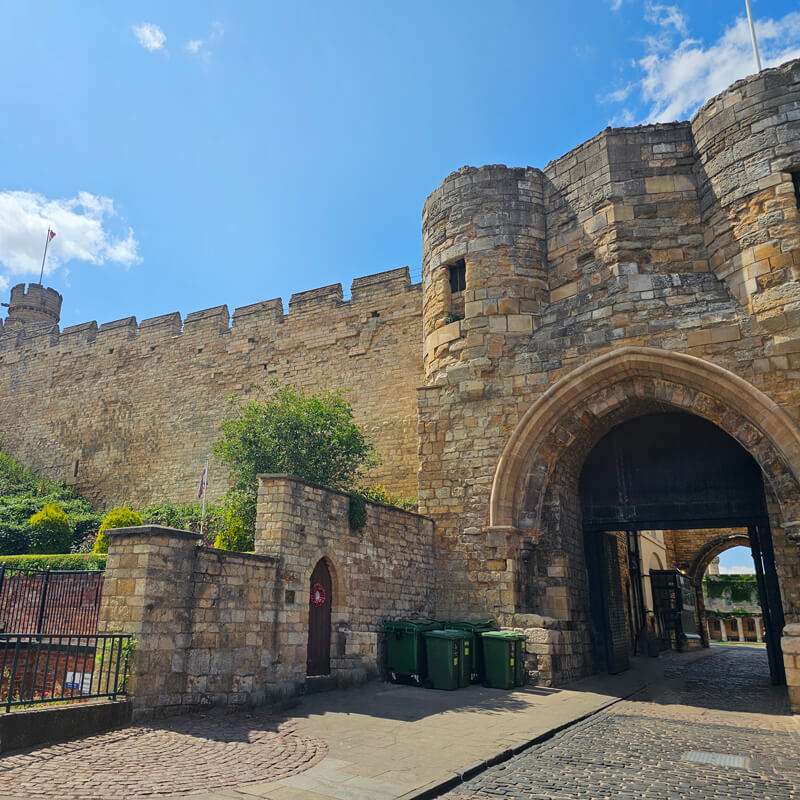
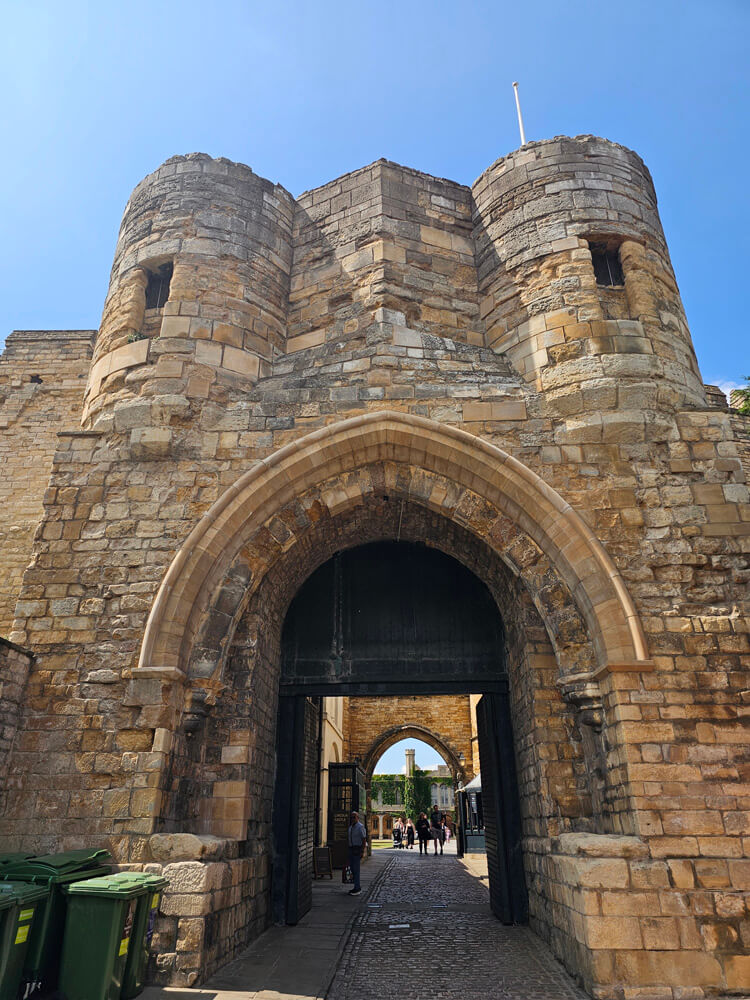
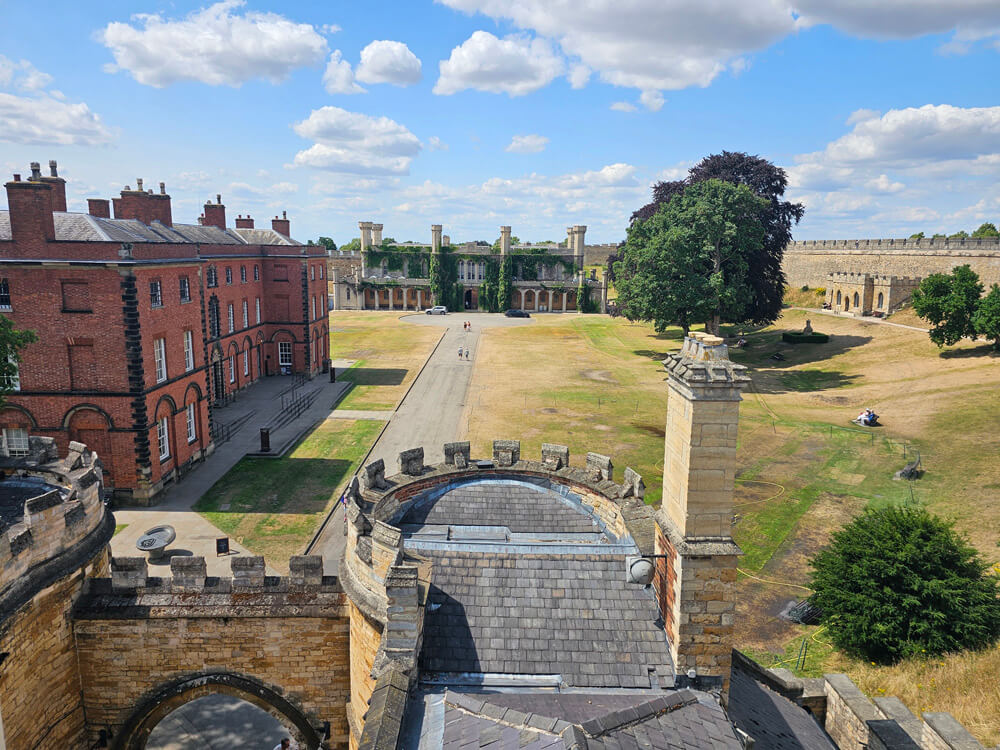
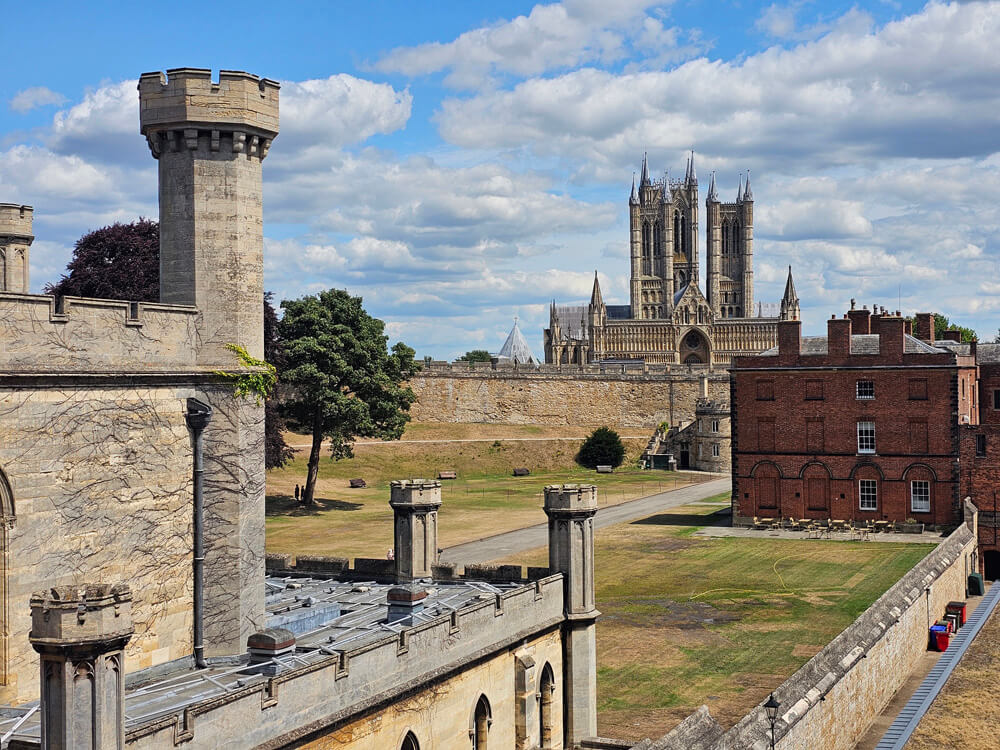
Standing proudly on Lincoln’s historic hilltop, Lincoln Castle has witnessed almost a thousand years of English history. Built by William the Conqueror soon after the Norman Conquest, it has served as a fortress, royal stronghold, prison and courthouse. Today, its imposing walls and towers remain among the finest examples of a medieval castle in England.
Quick
Facts.
- Location: Lincoln, Lincolnshire, England
- Established: 1068
- Built in stone: Late 11th century
- Condition: Intact / restored
- Date visited: July 2025
- More info: Visit website
- Rating:
A Bit of History…
The history of Lincoln Castle begins in 1068, just two years after William the Conqueror defeated Harold Godwinson at the Battle of Hastings. William faced continuing resistance in northern England and ordered castles to be built at strategic locations to strengthen Norman control. Lincoln was particularly important because it was a prosperous city situated on major routes.
The castle was constructed on the site of an earlier Roman fortress and settlement. The Normans built a motte-and-bailey castle, reusing some of the stonework of the Roman city. During the late 11th century, the original timber defences were replaced with substantial stone walls.
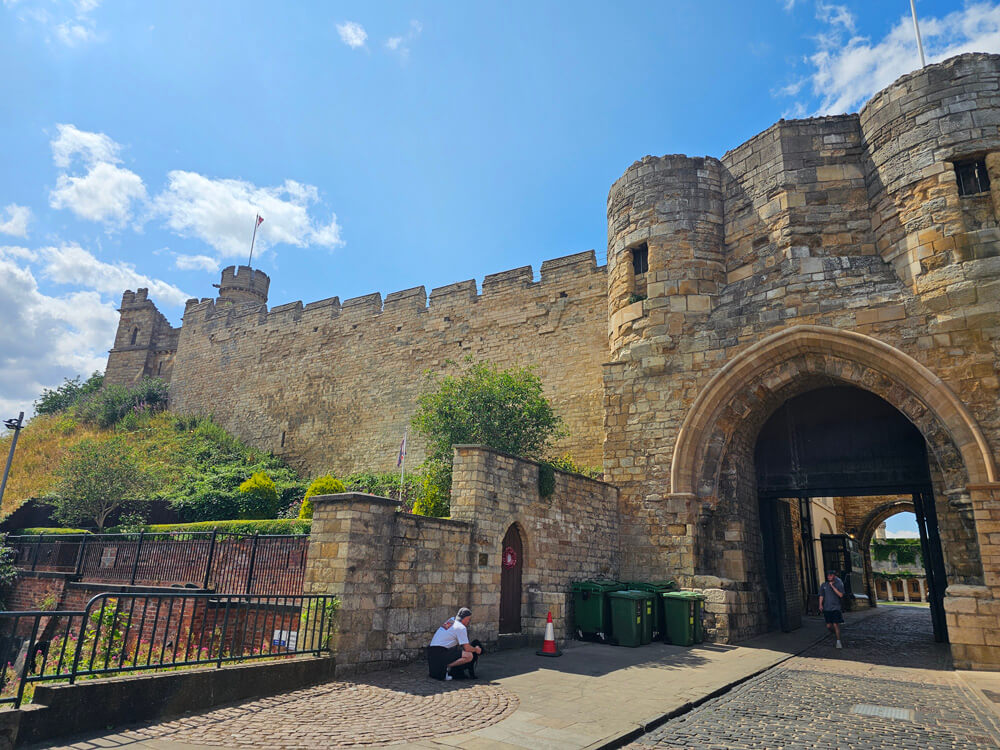
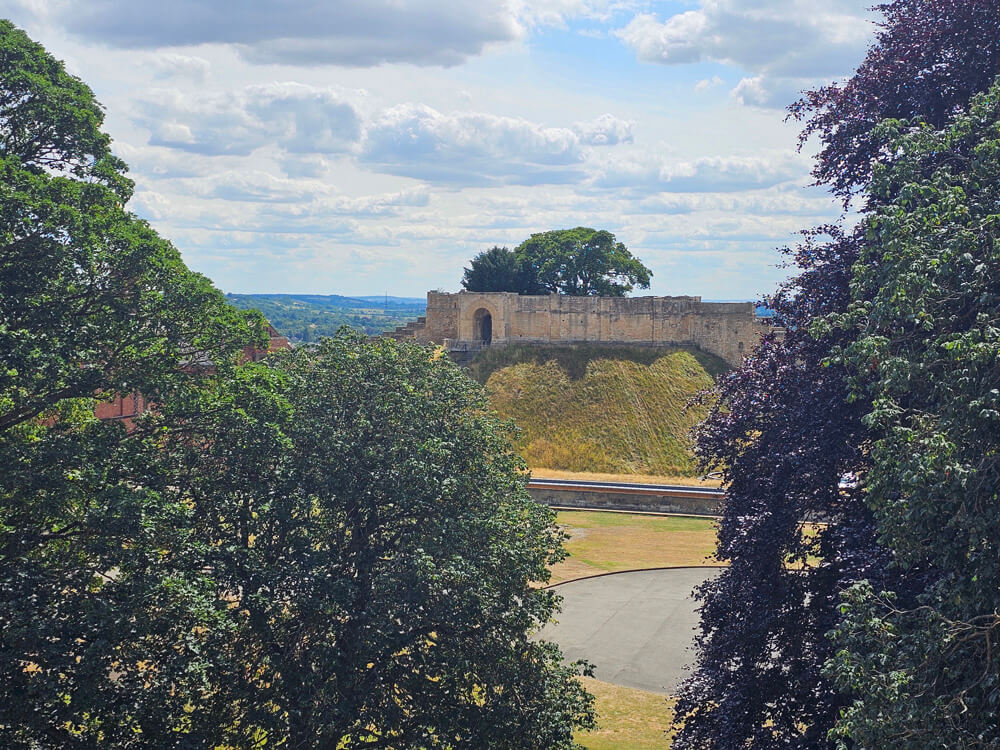
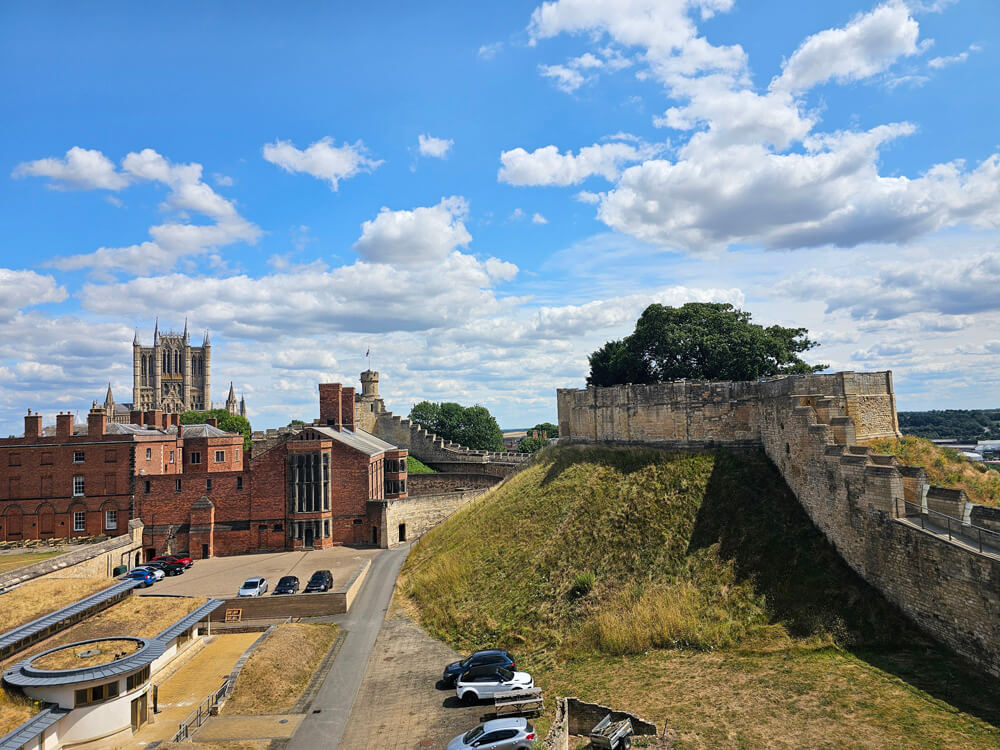
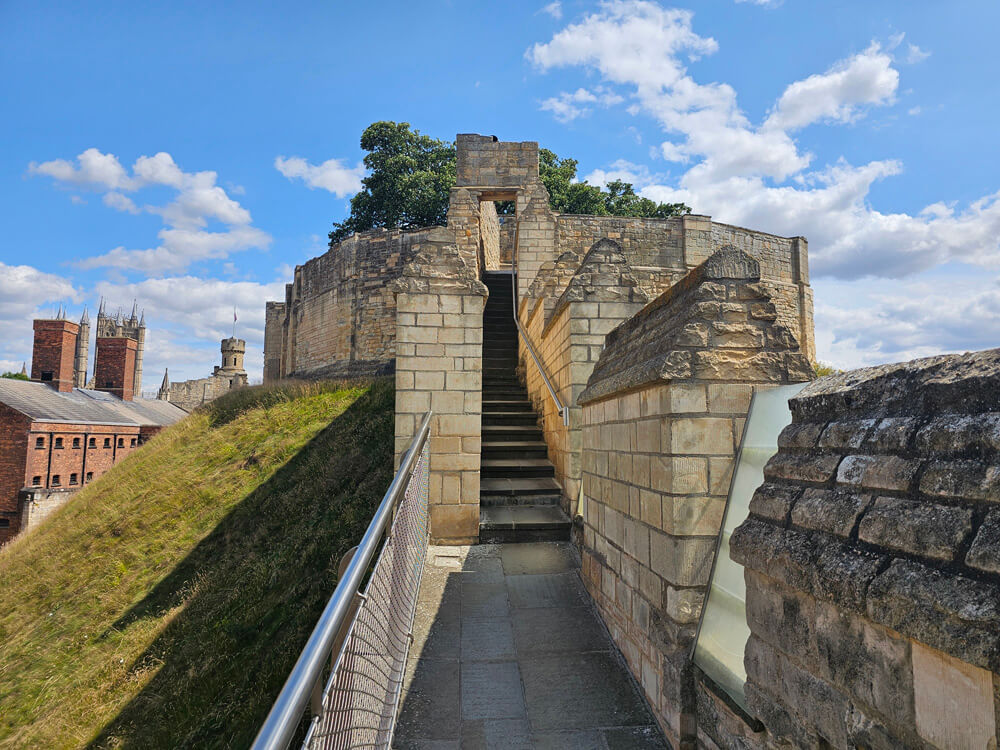
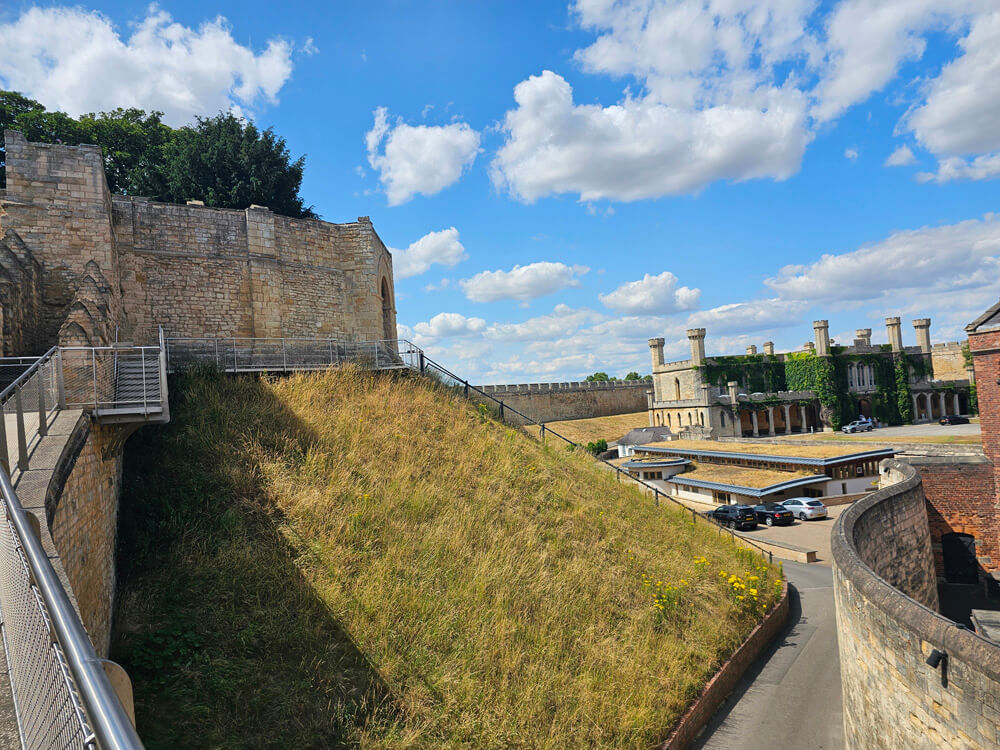
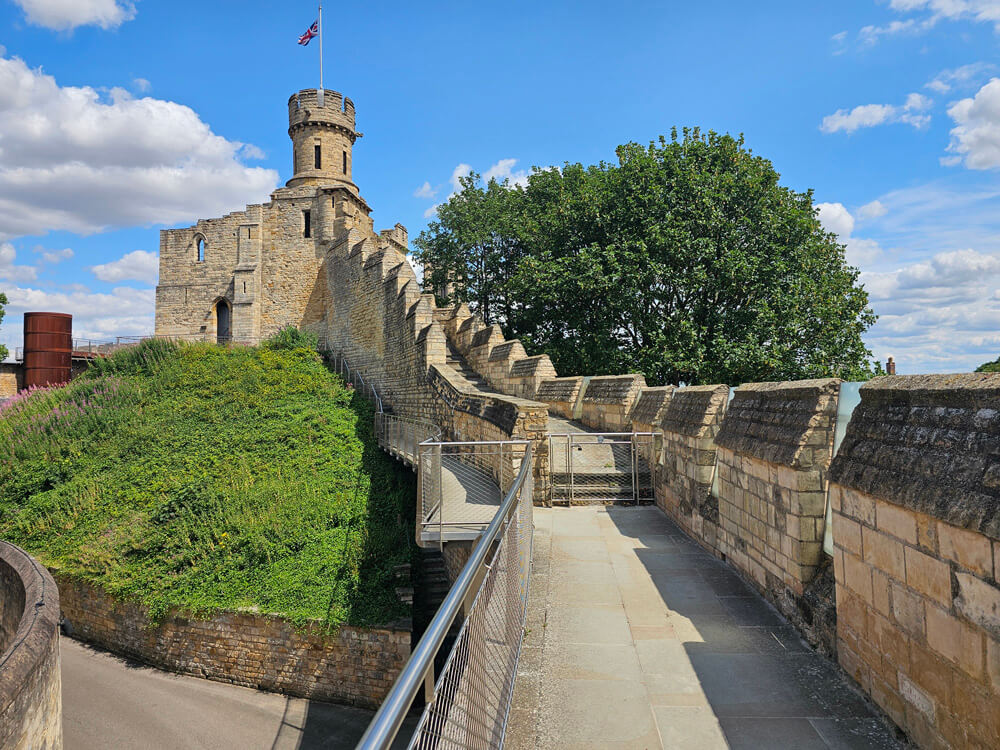
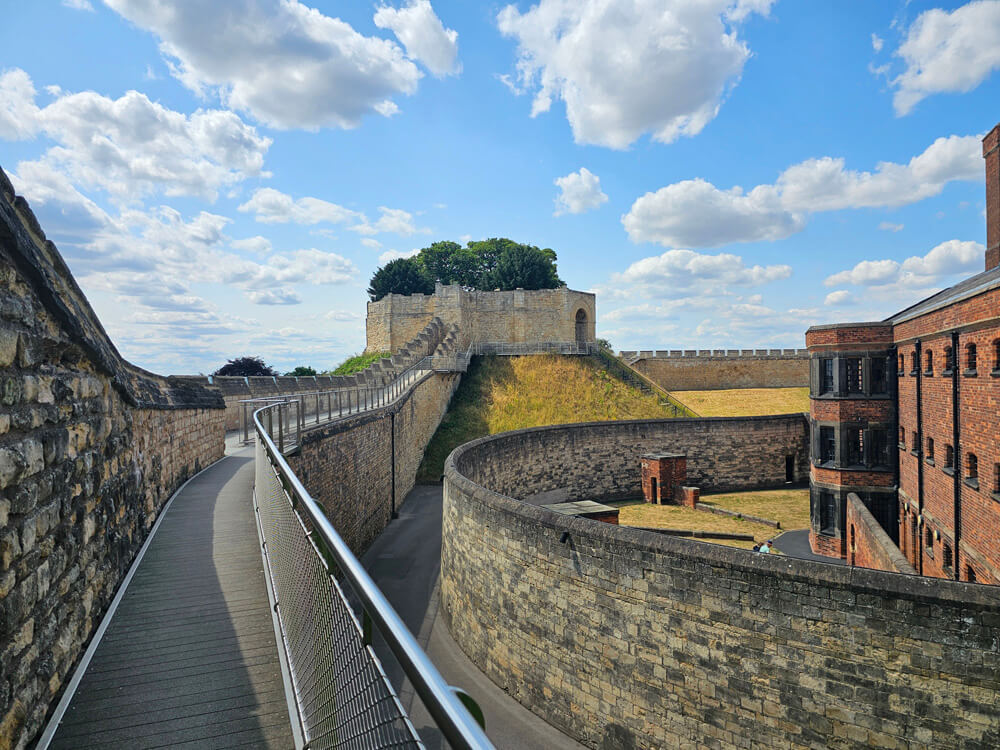
Lincoln Castle is unusual because it has two mottes, or raised earthwork mounds, rather than the single motte found at most Norman castles. The two prominent towers, including Lucy Tower, became important parts of its medieval defences.
Lincoln Castle soon became involved in conflicts over the English throne. During the civil war known as the Anarchy, King Stephen fought to regain the castle from Ranulf, Earl of Chester. The resulting Battle of Lincoln in 1141, sometimes called the Joust of Lincoln, ended dramatically when Stephen was captured and imprisoned by supporters of Empress Matilda. He was eventually released after Matilda’s half-brother was captured and exchanged for him.
The castle was besieged again in 1217, during the First Barons’ War. Lady Nicola de la Haye, the castle’s formidable constable, led its defence against forces supporting Prince Louis of France and rebellious English barons. The royalist victory at the Second Battle of Lincoln helped turn the tide of the conflict and prevented the French from gaining control of England.
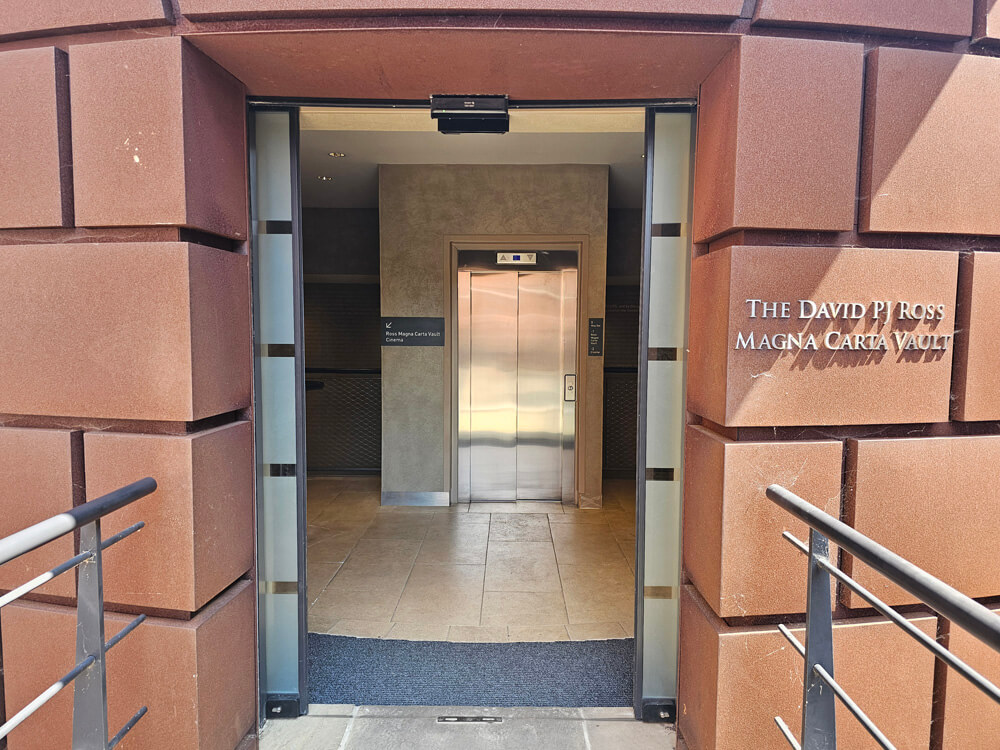
Lincoln Castle has a particularly important connection with Magna Carta. After King John sealed the charter in 1215, one of the original copies was sent to Lincoln. It was read at the castle’s sheriff’s court before being placed in Lincoln Cathedral for safekeeping. The document has remained in Lincoln ever since and is one of only four surviving original copies of the 1215 Magna Carta.
The castle continued to receive royal visitors. King John stayed in Lincoln in 1216 shortly before his death, while Henry VIII visited the castle in 1541 during his royal progress to York.
Although its military importance declined over the centuries, Lincoln Castle developed another significant role as a centre of justice. Courts have been held at the castle since the Norman period, and the courthouse built in 1826 for the Lincolnshire Assizes continues to serve as a working court.
The castle also became notorious for its prison. A Georgian prison was built in 1788 for felons and debtors. In 1848, a new Victorian prison was constructed according to the controversial “separate system”, which aimed to reform prisoners by keeping them isolated from one another. Men, women and children were held there, with some prisoners as young as eight. The prison closed in 1878, after only three decades of operation.
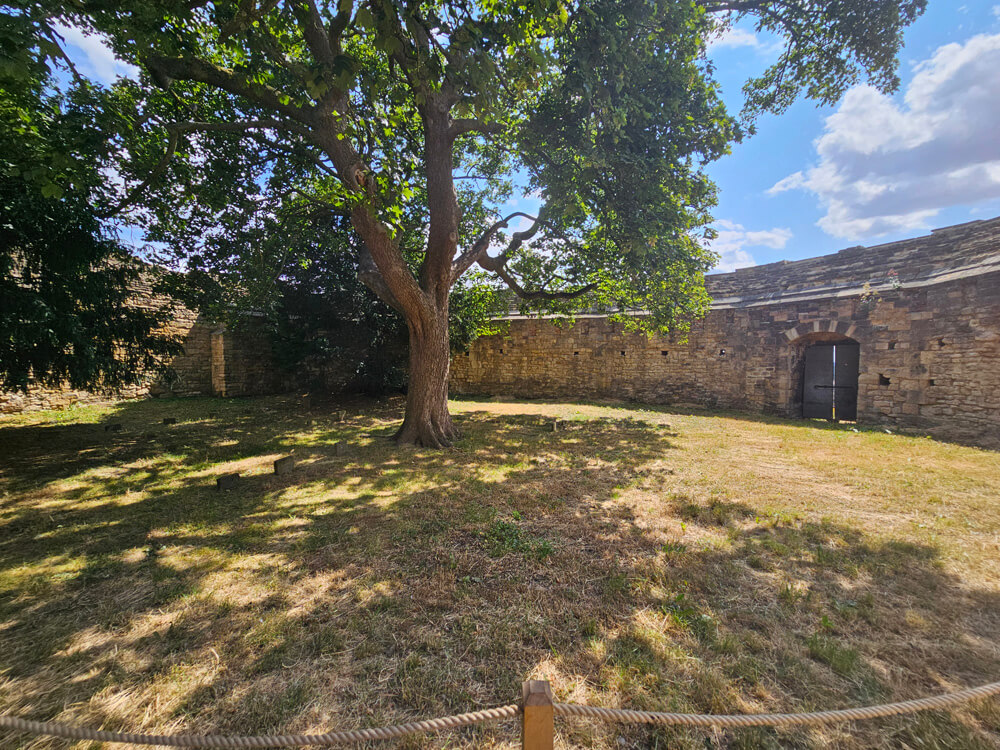
One of the prison’s most remarkable surviving features is its chapel, where prisoners attended services from individual stalls designed to prevent them from seeing one another. It is described by Lincoln Castle as the only original surviving chapel of its type.
Lincoln Castle Today
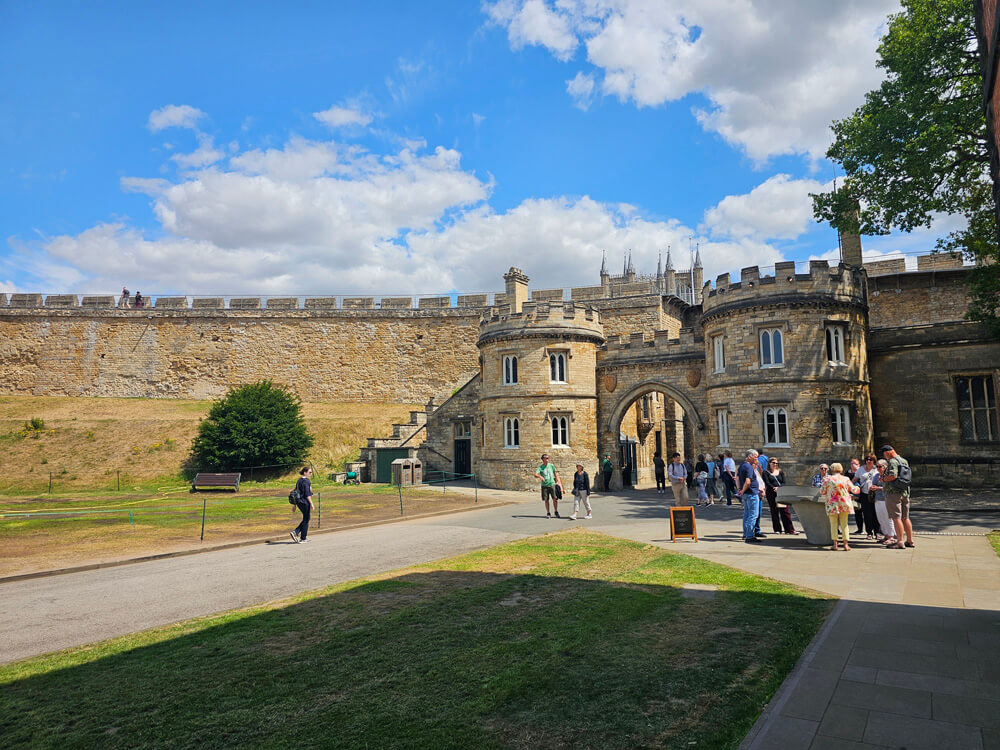
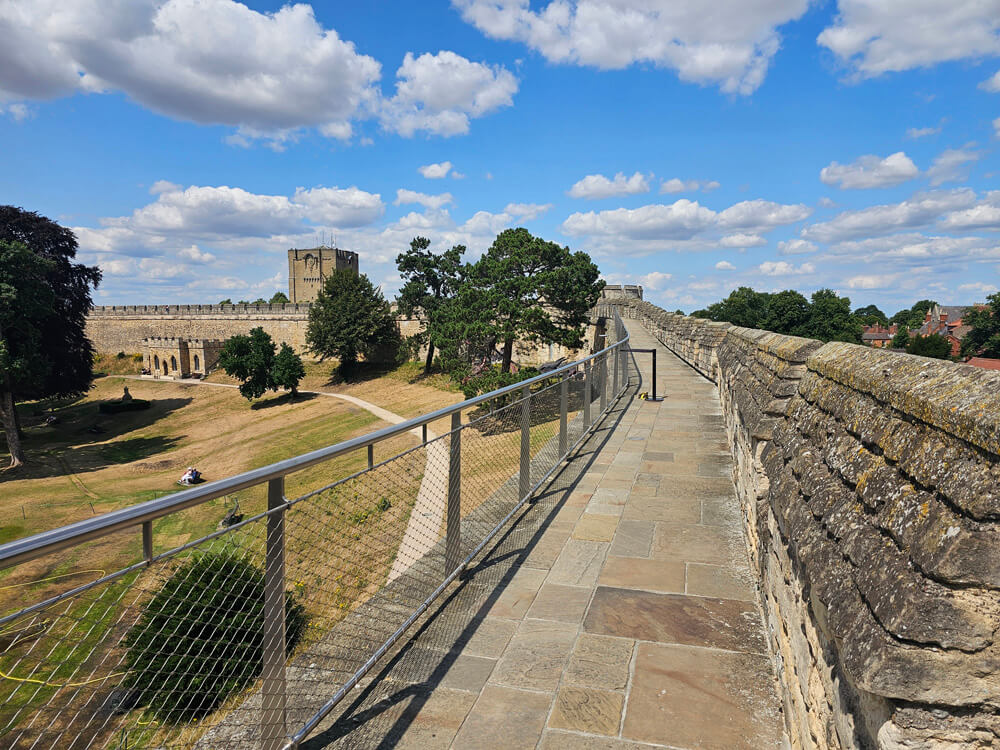
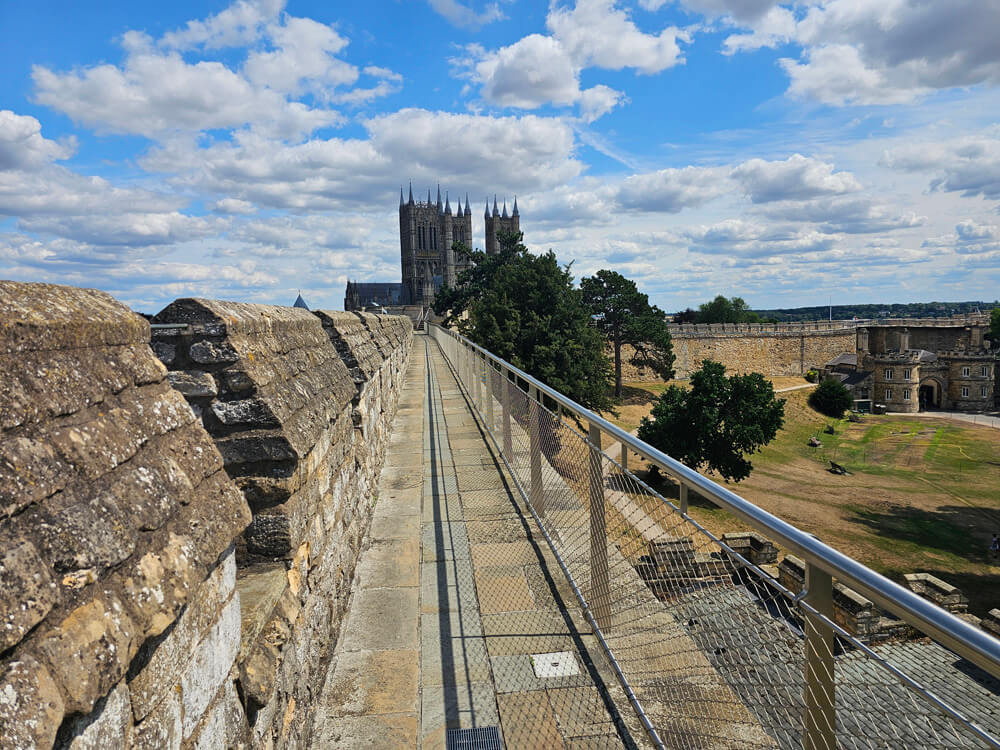
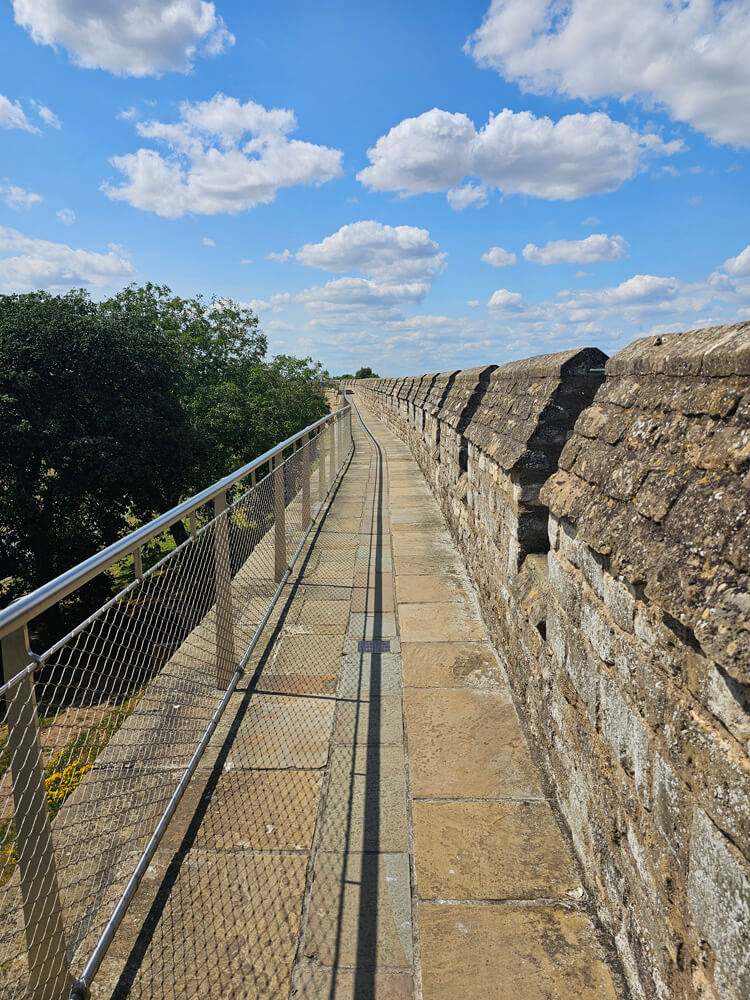
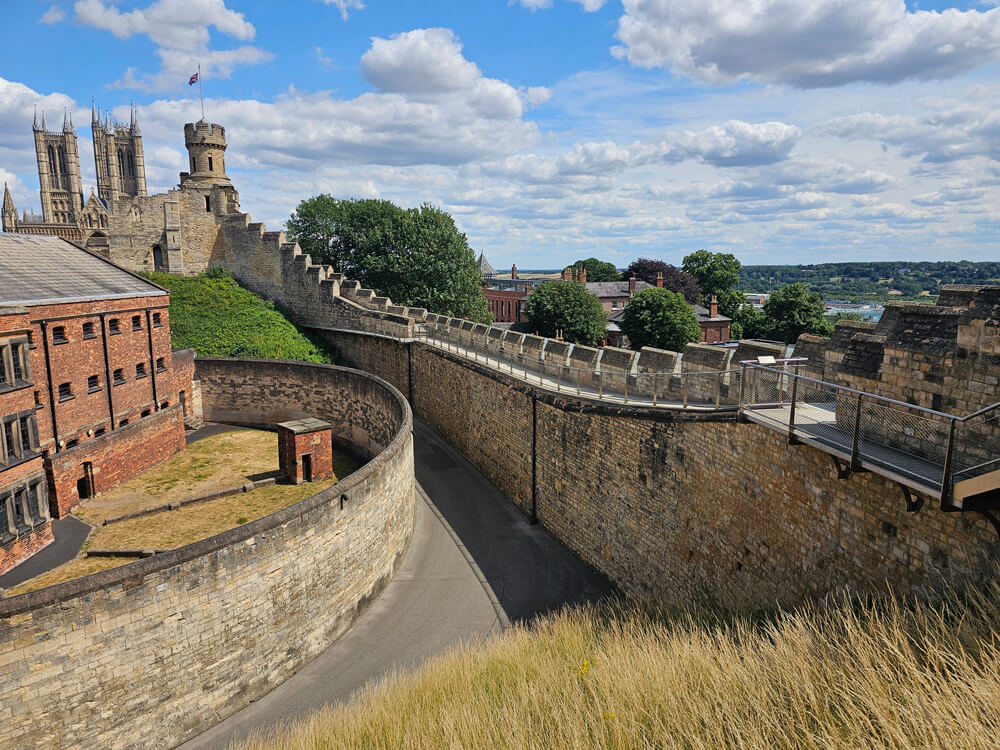
In the 21st century, Lincoln Castle has undergone extensive conservation and restoration. Between 2010 and 2015, a major £22 million project restored the medieval curtain wall and created a 360-degree Medieval Wall Walk. The Victorian prison was also restored and new facilities were created to display Lincoln’s historic Magna Carta and Charter of the Forest.
Today, visitors can walk the medieval ramparts, explore the prison and see the original Magna Carta. The castle therefore brings together many different chapters of English history: the Norman Conquest, medieval warfare, the struggle for the crown, the story of Magna Carta, Victorian imprisonment and the continuing development of Britain’s justice system.
Lincoln Castle is more than a medieval fortress. Its walls have witnessed kings, battles, prisoners and judges for nearly a thousand years, making it one of the most historically significant landmarks in England.
Photo Gallery.
Did you enjoy this post?
I hope you found this post useful. I put a great deal of time and effort in to building, maintaining and populating the website. If you like, you could say a small thank you by buying me a coffee. You don't have to, but it would be nice :)
Buy me a coffee
Stay up to Date
Follow me on my journey and get notified whenever a new post is published by following Kings & Castles on Facebook.
Follow MeExplore The Map
Discover the hundreds of castles, churches, monasteries, cathedrals and other historic locations that I've personally visited across England and Wales. Search by location, explore nearby sites and plan your next historical adventure.
Share: