Sawley Abbey
Nestled beside the River Ribble near Clitheroe, Sawley Abbey is one of Lancashire’s most atmospheric medieval ruins. Surrounded by the hills and countryside of the Ribble Valley, the remains provide a fascinating glimpse into the religious and political history of northern England.
Quick
Facts.
- Location: Sawley, Lancashire, England
- Founded: c. 1146-1149
- Founder: Lord William de Percy of Northumberland
- Religious order: Cistercian
- Dissolved: 1536
- Condition: Ruined
A Bit of History…
Sawley Abbey was founded in the 12th century, sometime around 1146-1149, by William de Percy, a powerful member of the Percy family of Northumberland. The abbey was established for Cistercian monks from Newminster Abbey and was dedicated to St Mary and St Andrew. The community was never especially wealthy, and the monks faced difficulties caused by poor harvests, marshy ground and the harsh local climate.
Despite these challenges, Sawley became an important religious centre. The monks followed the strict Cistercian way of life, combining prayer and worship with farming and other work. The abbey also developed a reputation for learning. Among its scholars was Stephen of Easton, an abbot and religious writer, while another Sawley monk is believed to have translated a Latin work by the influential medieval scholar Robert Grosseteste into English.
The abbey experienced periods of trouble. In the late 13th century, some of its buildings were damaged or burned during Scottish raids. Sawley also became involved in disputes with the wealthy Cistercian abbey at Whalley, particularly over land, fishing rights and other resources. Although the two communities eventually ended their formal dispute, Sawley remained the considerably poorer of the two monasteries.
The most dramatic chapter in Sawley Abbey’s history came during the reign of Henry VIII. The abbey was suppressed in 1536 as part of the Dissolution of the Monasteries. However, during the Pilgrimage of Grace, a major northern rebellion against Henry’s religious policies, the monks briefly returned and William Trafford became abbot. When the rebellion collapsed, Trafford was executed at Lancaster in 1537 and the abbey was suppressed for a second time.
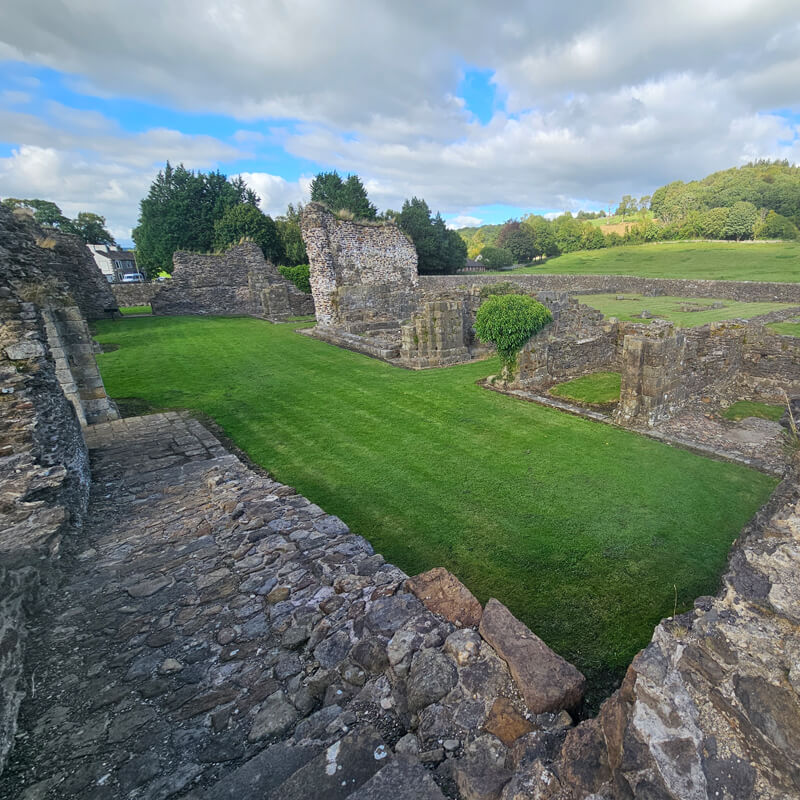
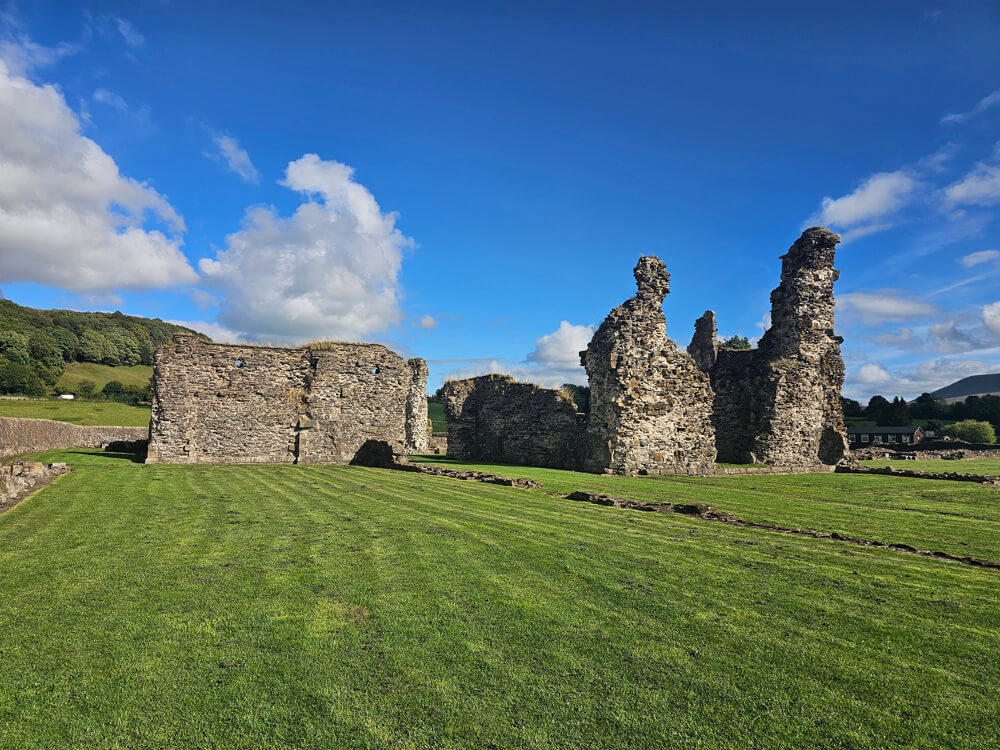
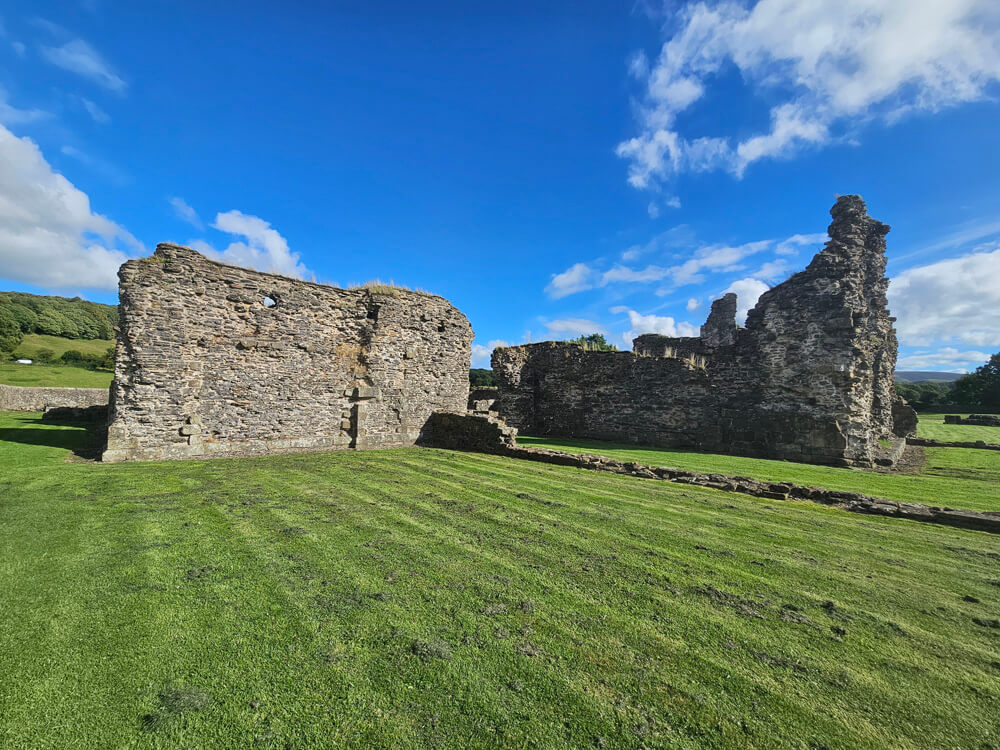
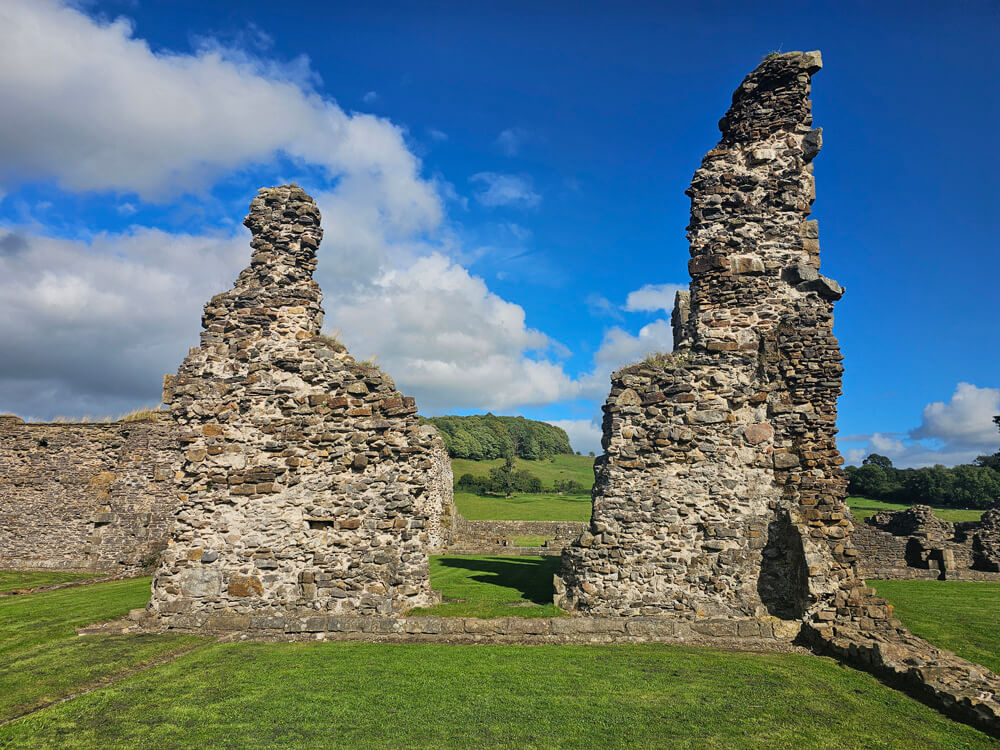
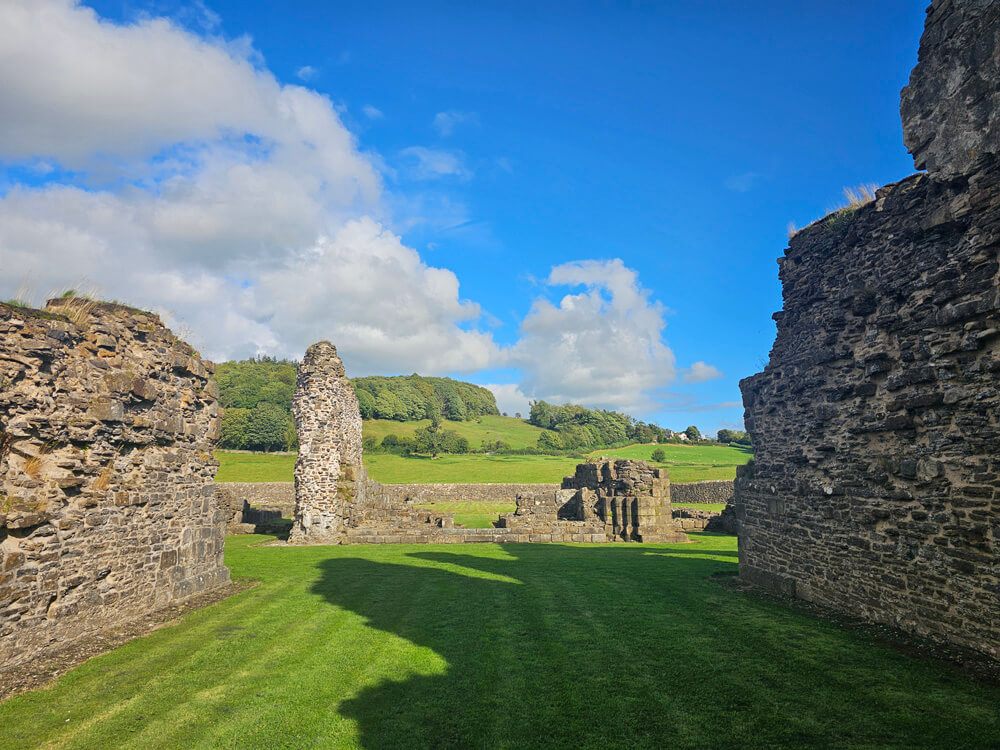
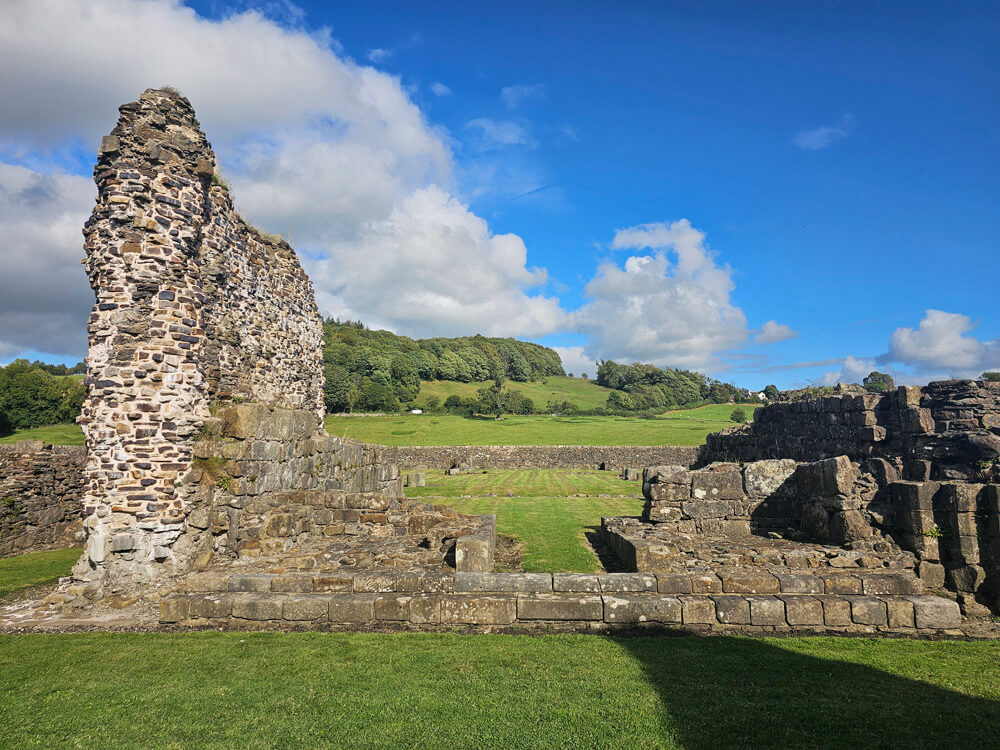
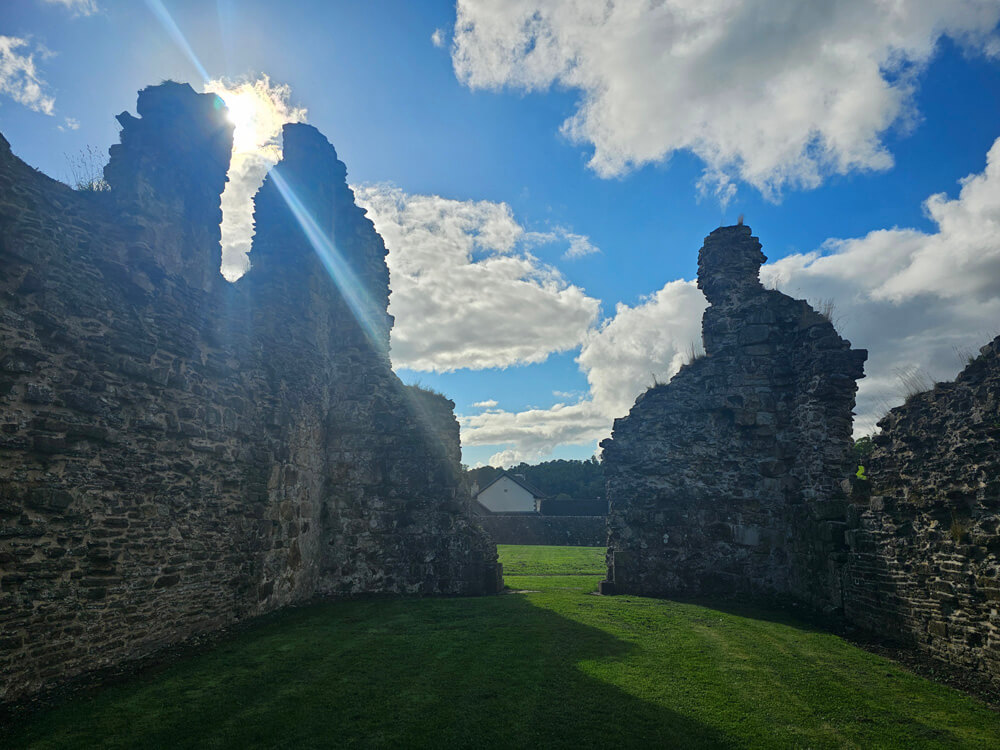
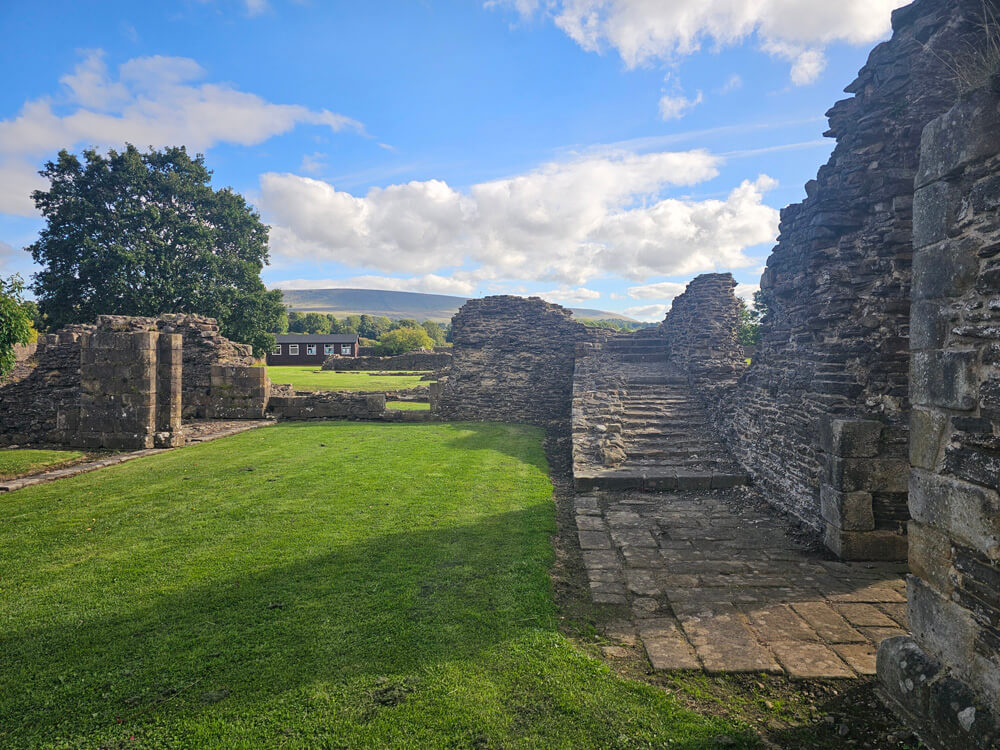
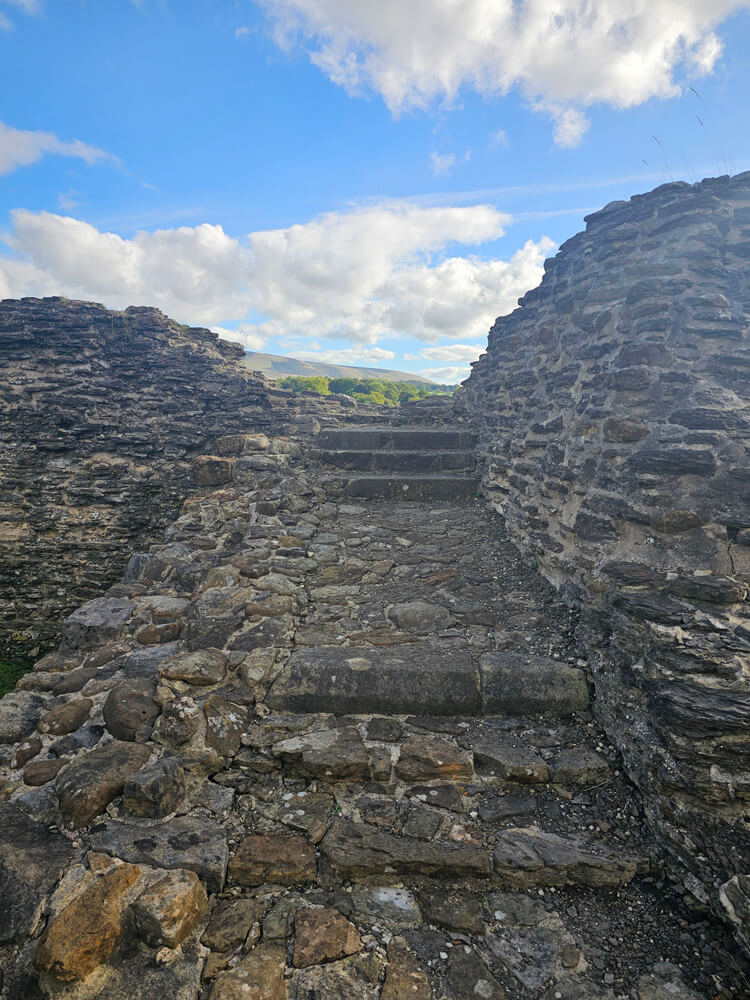
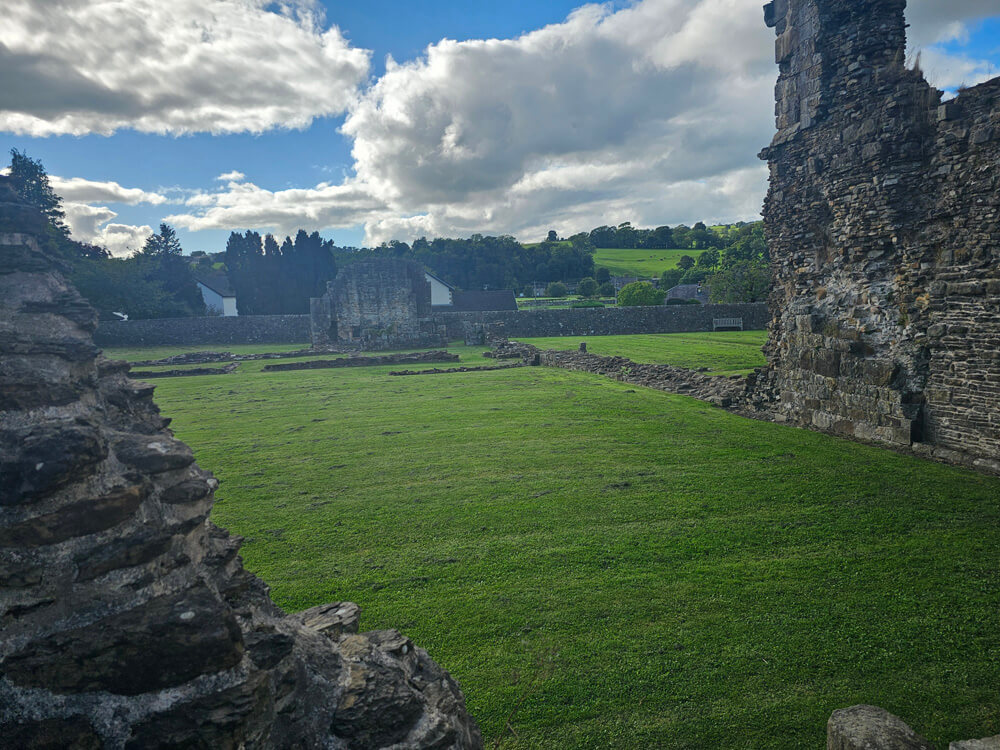
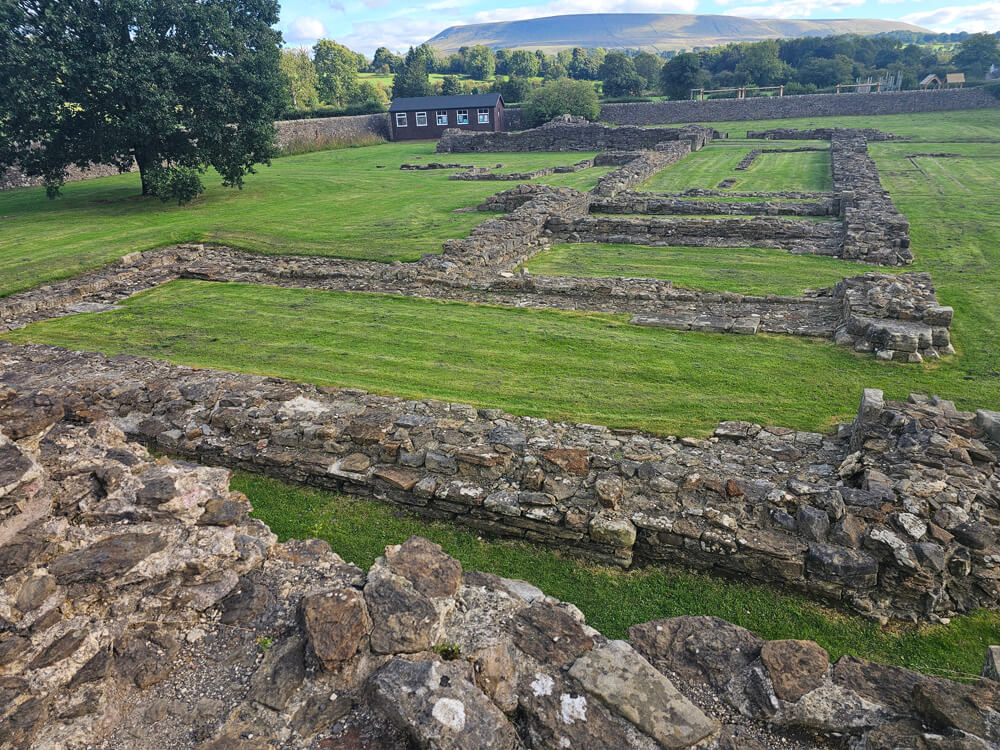
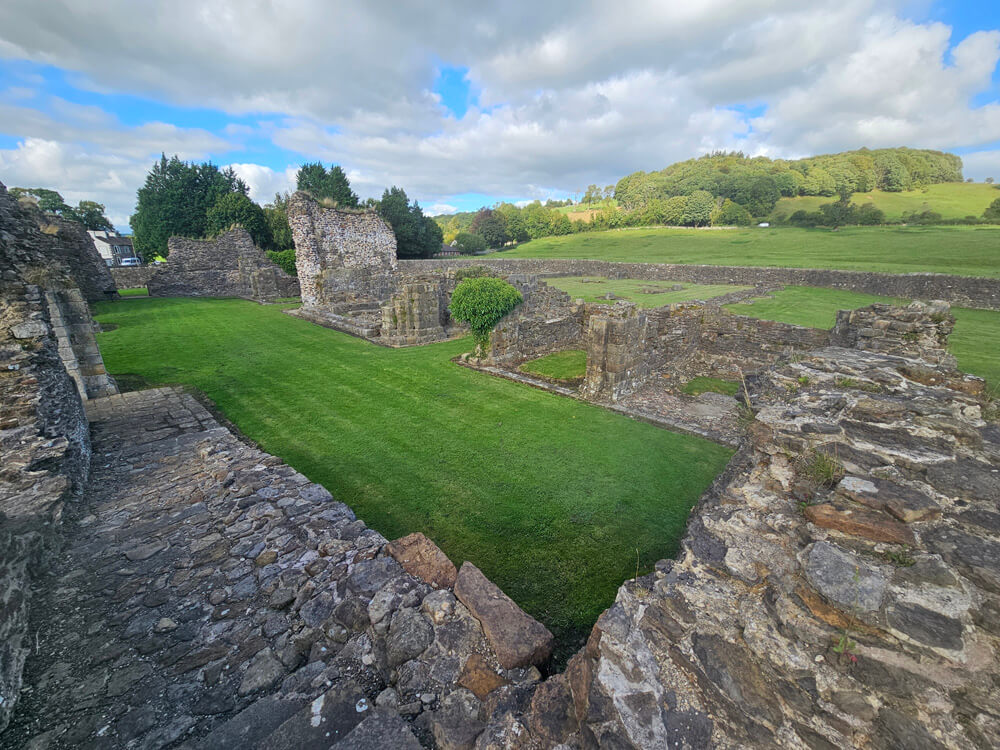
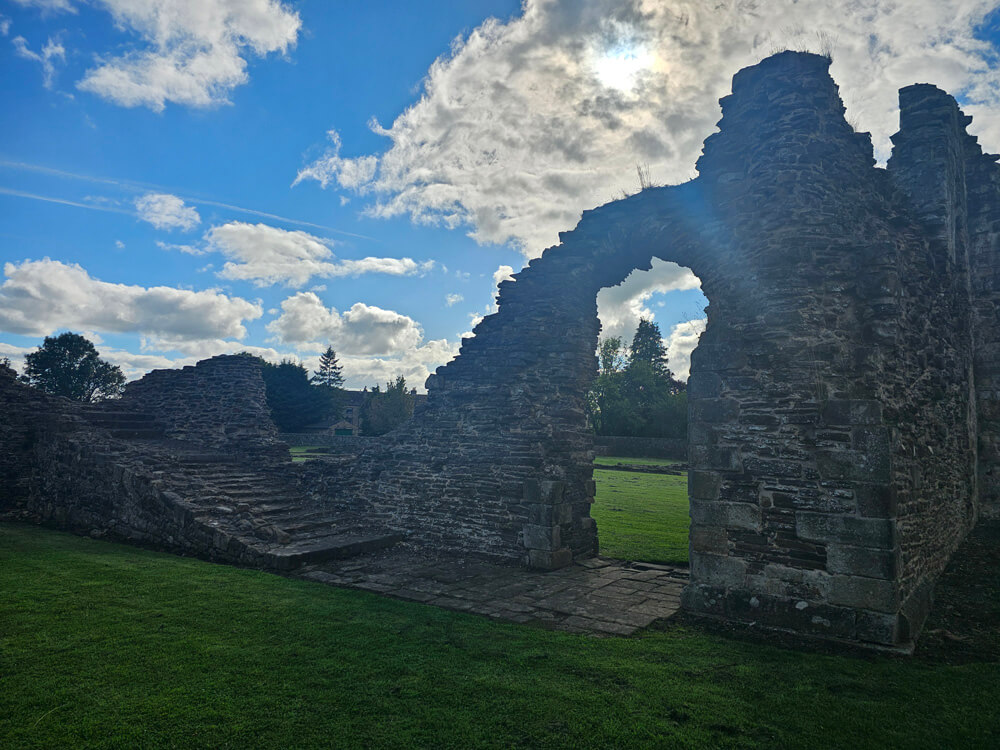
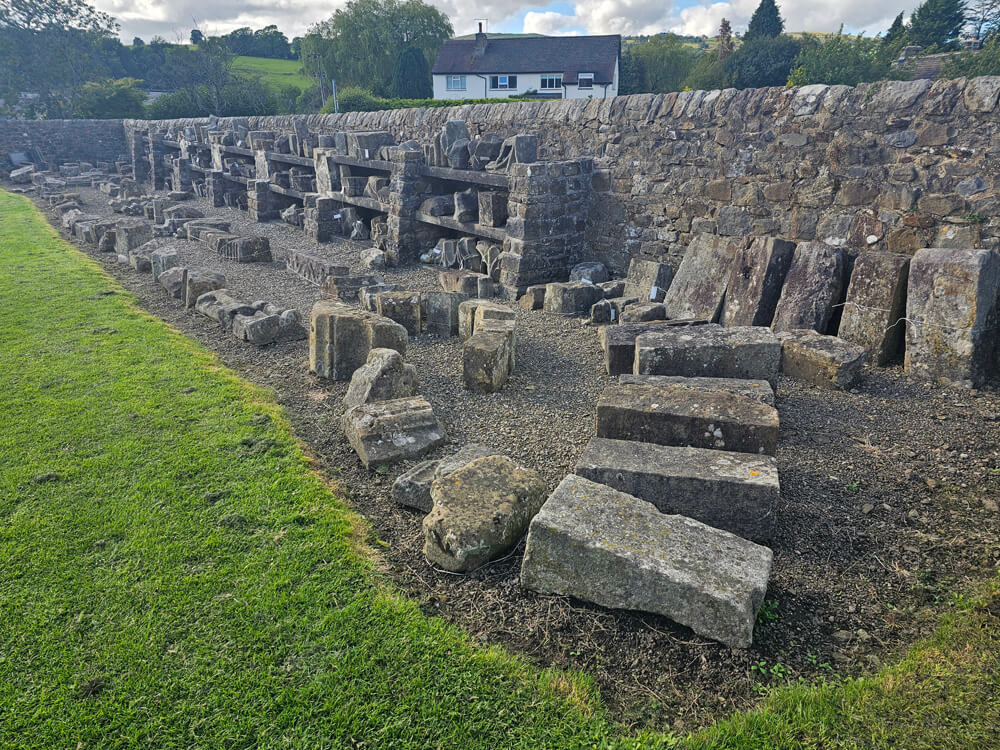
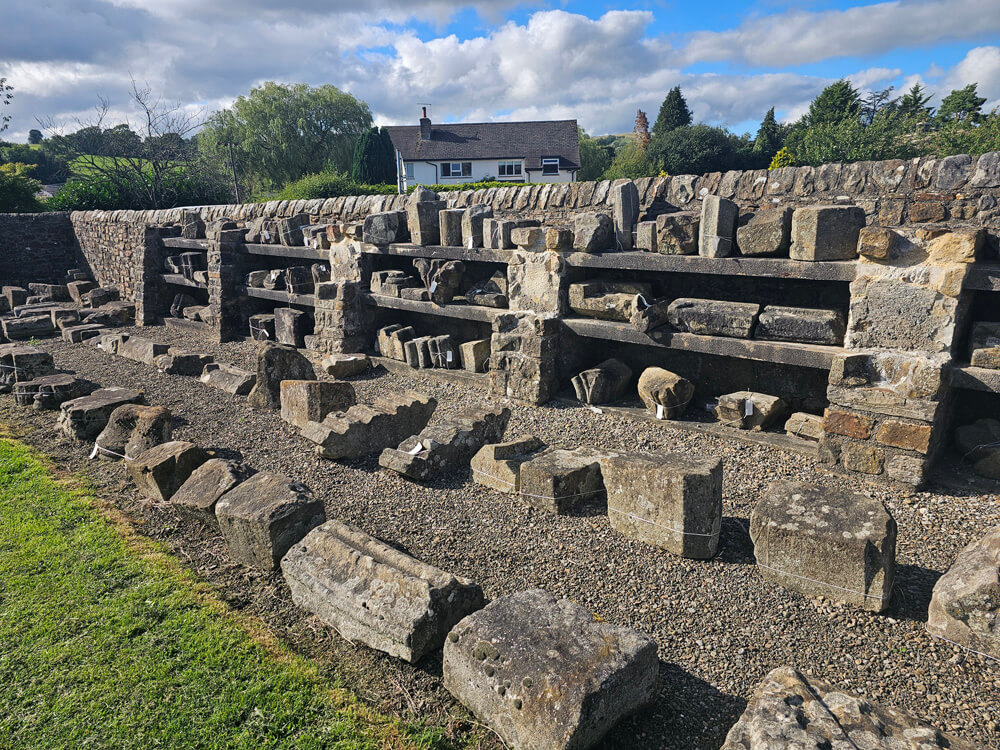
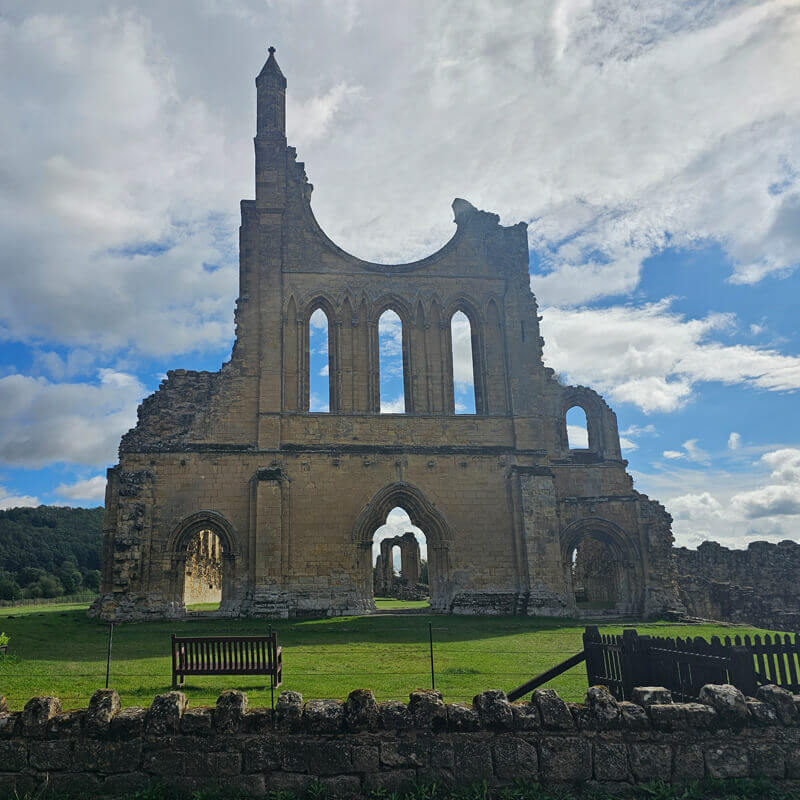
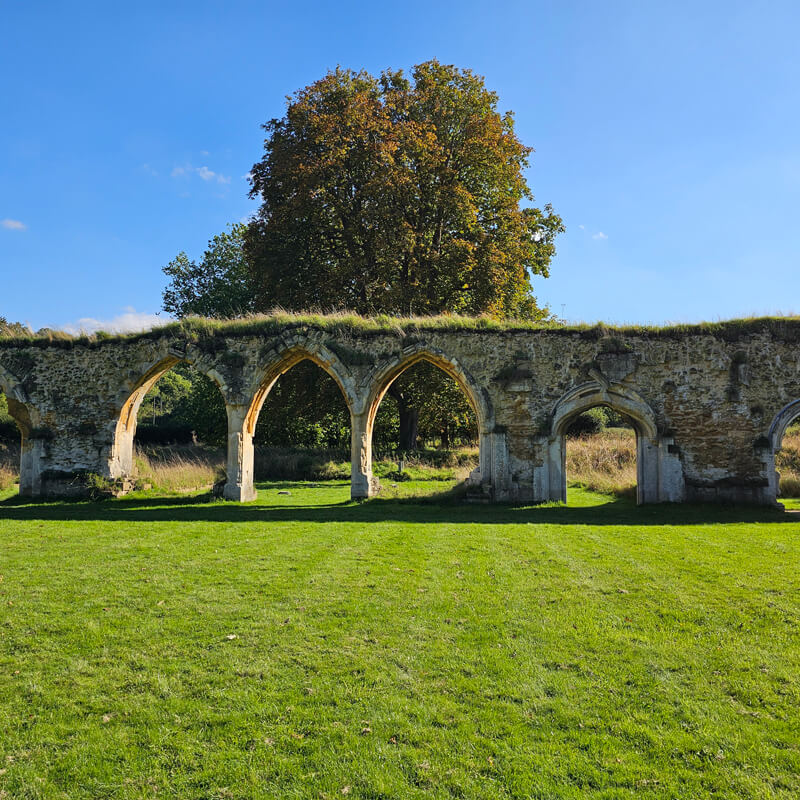
Over the following centuries, much of the abbey was dismantled, with valuable stone reused in local buildings. Today, impressive sections of the church remain, including parts of the transepts and chapels, while the foundations of the cloister and other monastic buildings reveal the original layout. The surviving walls rise to around 10 metres in places.
Today, Sawley Abbey is cared for by English Heritage and is open to visitors. Its combination of dramatic ruins, peaceful riverside surroundings and turbulent history makes it a remarkable heritage site. More than simply a picturesque ruin, Sawley Abbey tells the story of medieval faith, scholarship, conflict and the enormous changes brought about by the Reformation.
Photo Gallery.
Did you enjoy this post?
I hope you found this post useful. I put a great deal of time and effort in to building, maintaining and populating the website. If you like, you could say a small thank you by buying me a coffee. You don't have to, but it would be nice :)
Buy me a coffee
Stay up to Date
Follow me on my journey and get notified whenever a new post is published by following Kings & Castles on Facebook.
Follow MeExplore The Map
Discover the hundreds of castles, churches, monasteries, cathedrals and other historic locations that I've personally visited across England and Wales. Search by location, explore nearby sites and plan your next historical adventure.
Share: