York City Walls & Bars
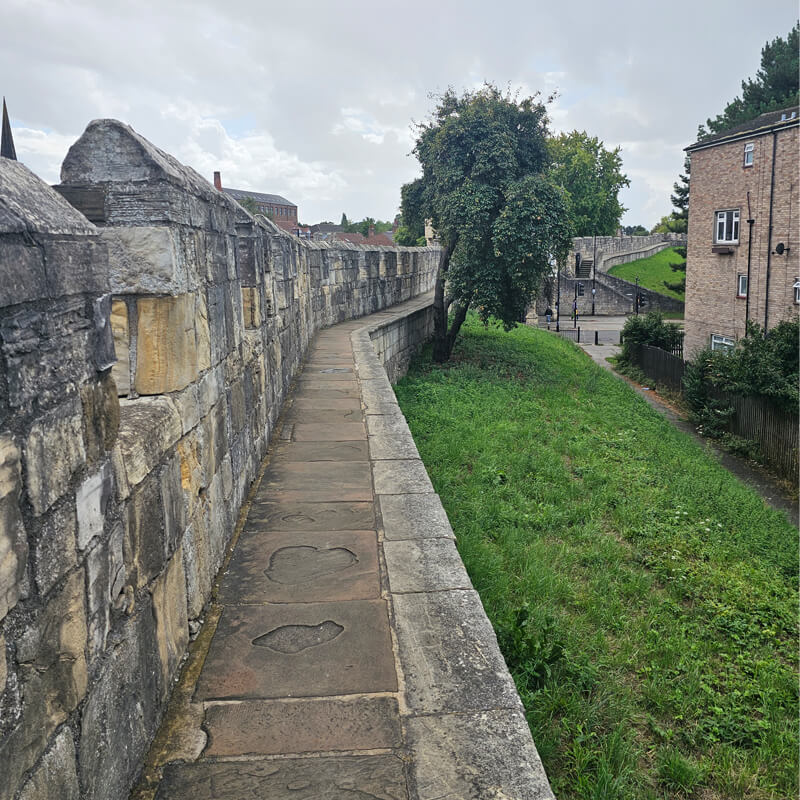
York’s City Walls are the longest and best-preserved medieval town walls in England, stretching for around 2 miles around the historic centre. Built over centuries, they tell the story of Roman soldiers, Viking settlers and medieval kings, while the city’s four main gates – known as bars – once controlled access to one of England’s most important cities.
Roman Origins
York’s defences began around AD 71, when the Romans founded the fortress of Eboracum. They first built earth ramparts and timber walls to protect the legionary fortress before replacing them with impressive stone walls during the late Roman period.
Although much of the Roman circuit disappeared over time, sections survive today, including the striking Multangular Tower, one of the city’s finest Roman monuments.
The Medieval Walls
Following the Norman Conquest of 1066, York became a strategically vital city. Between the 12th and 14th centuries, the old Roman defences were rebuilt and expanded into the stone walls seen today. Most of the surviving walls date from this medieval rebuilding, funded through taxes and tolls collected from traders entering the city.
The walls were designed for defence, with battlements, arrow loops and towers allowing soldiers to guard against attack. They also served as a powerful symbol of York’s wealth and status.
York’s Famous Bars
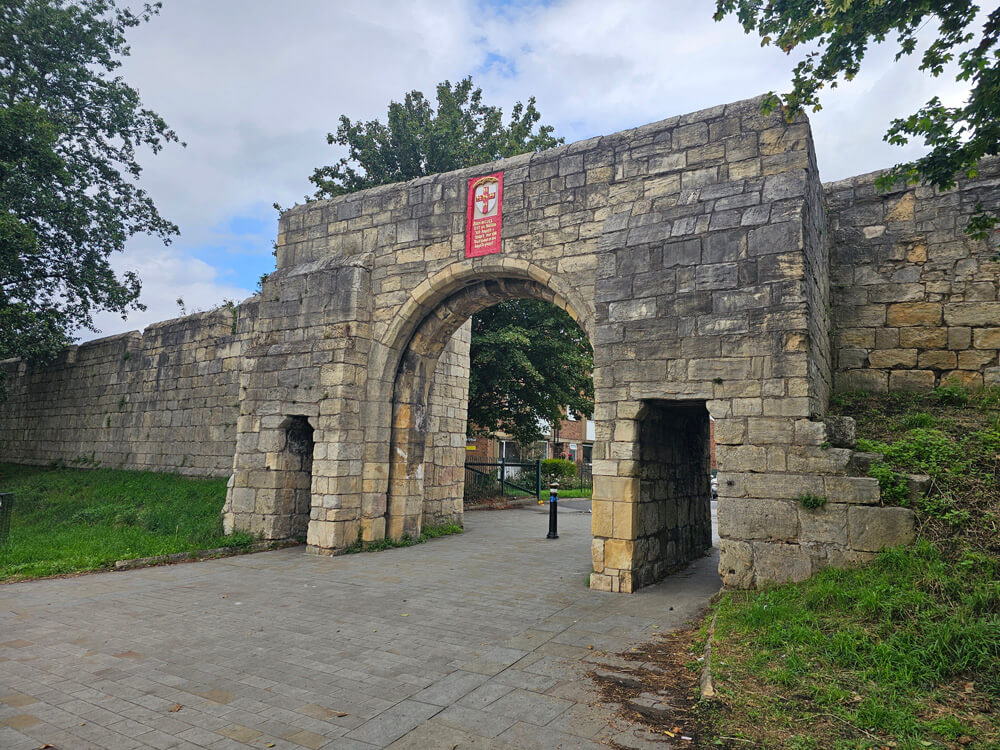
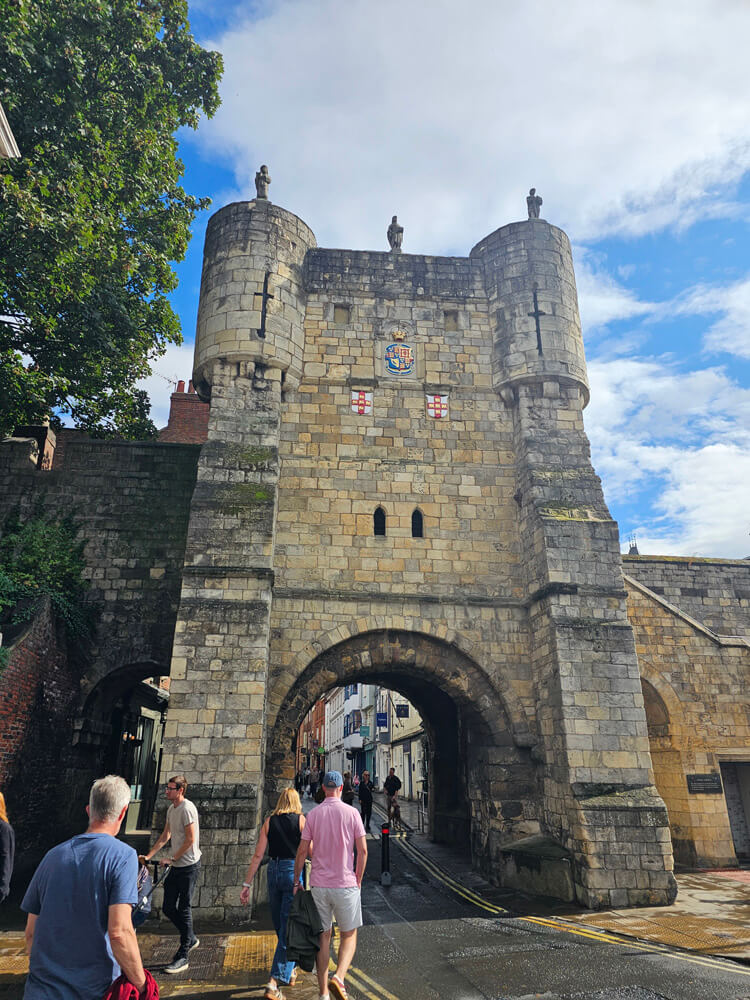
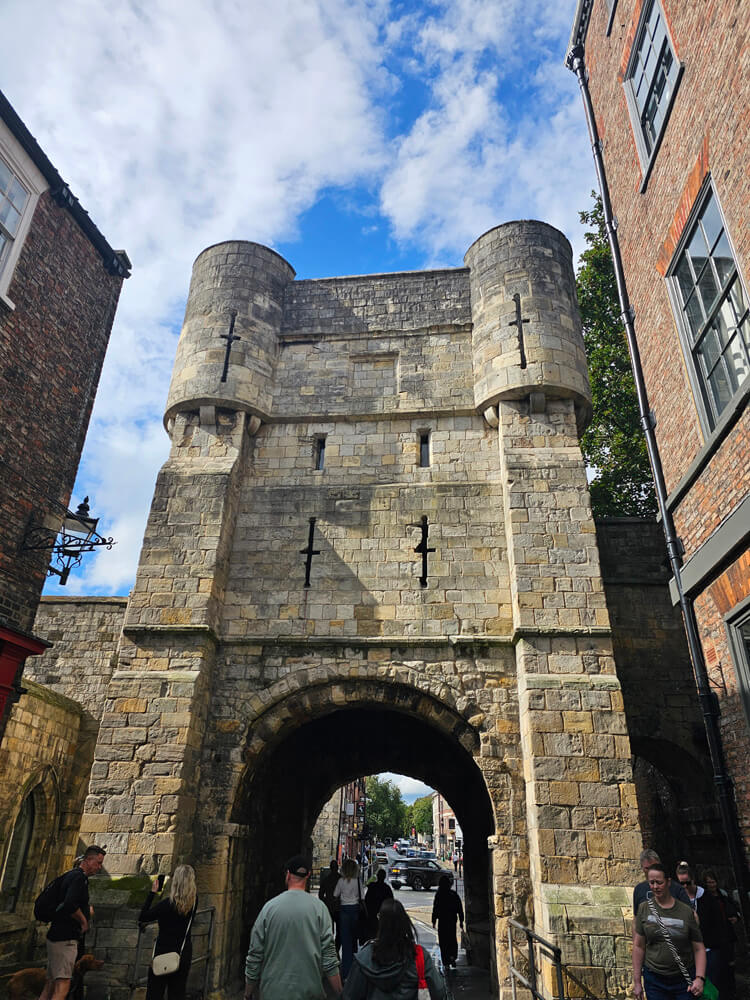
York’s gateways are called bars, a name derived from barriers placed across roads to control entry.
- Micklegate Bar
The most famous gateway, traditionally used by monarchs entering the city. It also displayed the heads of executed traitors, including supporters of Richard, Duke of York, after the Wars of the Roses. - Bootham Bar
The oldest surviving bar, incorporating parts of the 11th-century gateway built after the Norman Conquest. - Monk Bar
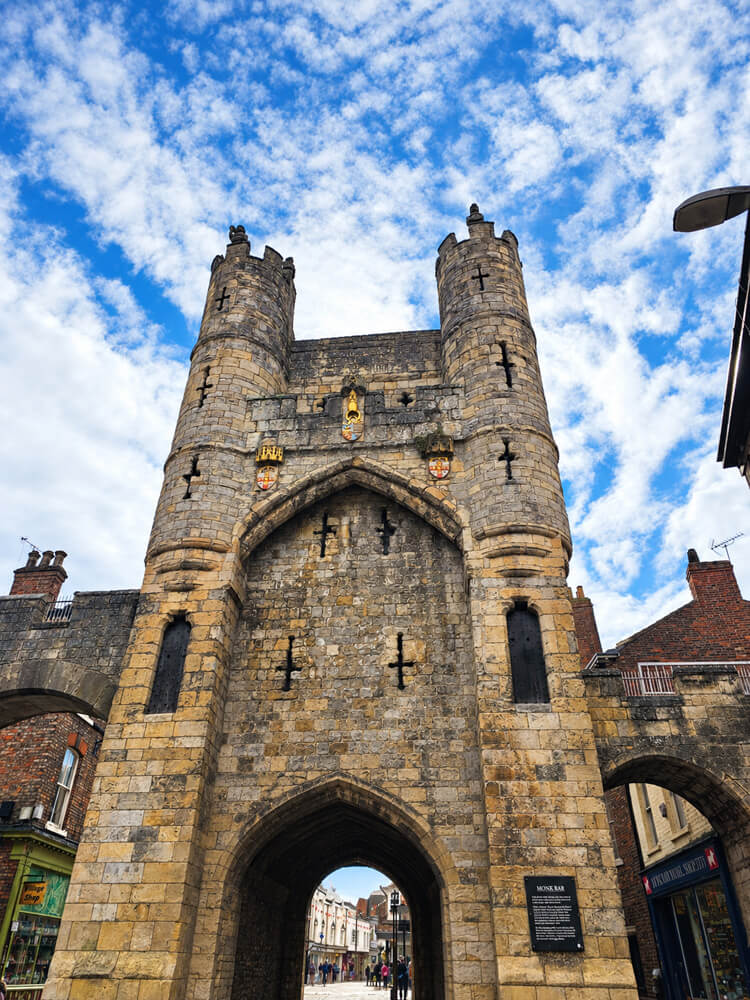
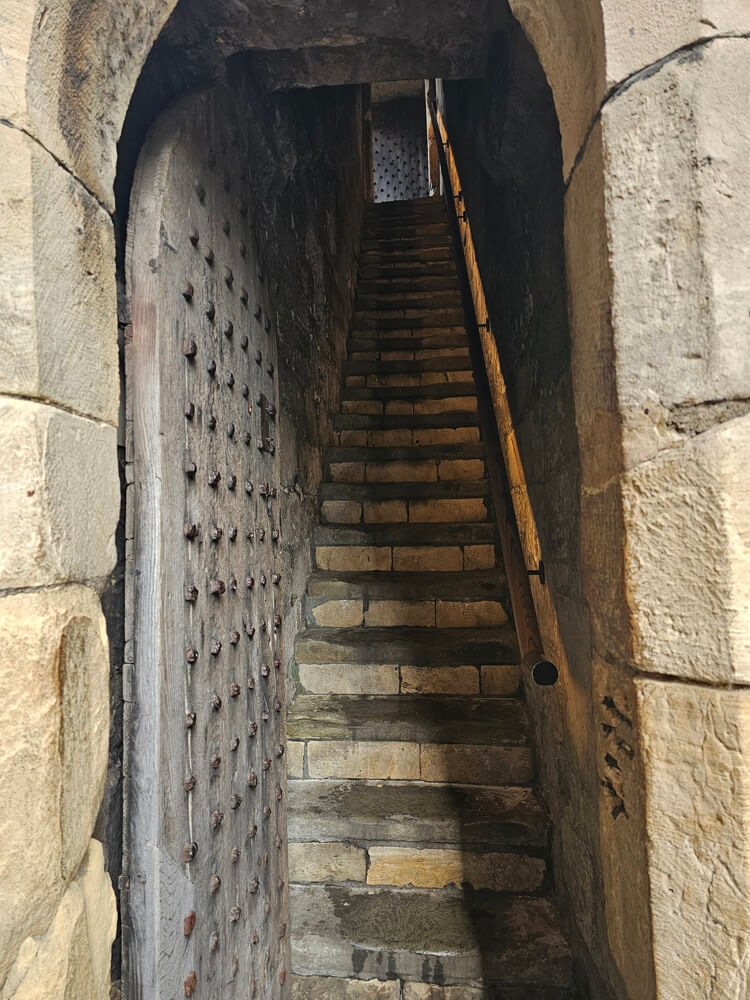
The tallest and most heavily fortified gate, complete with a working medieval portcullis. Today it houses the Richard III Experience. - Walmgate Bar
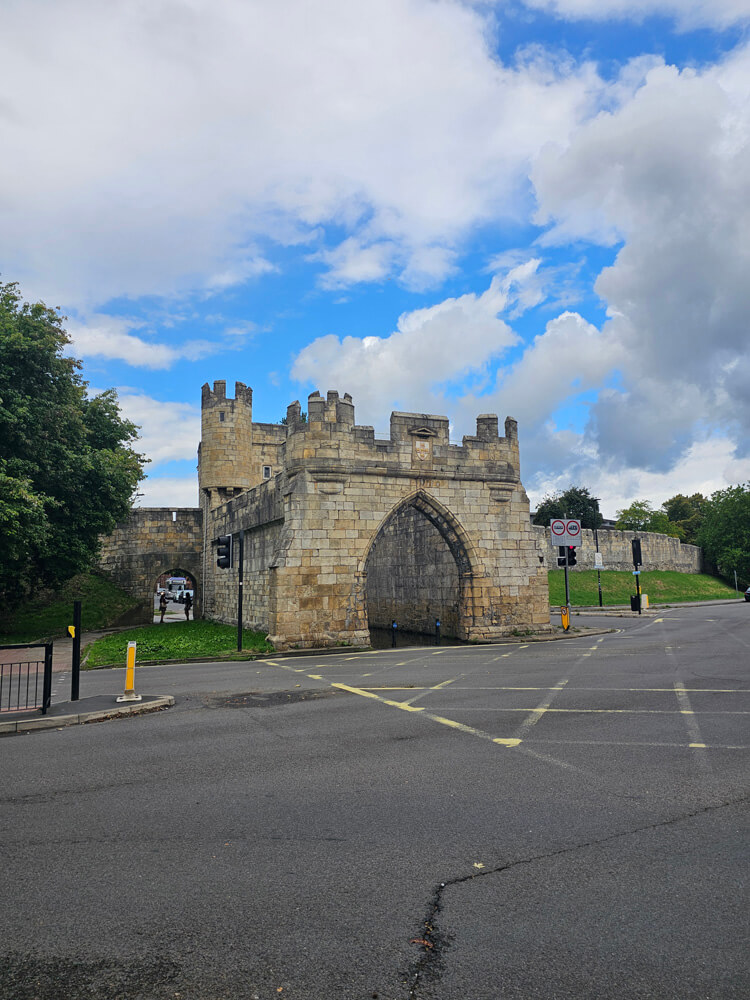
The only bar to retain its original medieval barbican, an outer defensive structure that protected the entrance.
Together, these gateways controlled trade, collected tolls and strengthened the city’s defences.
Decline and Preservation
By the 18th and 19th centuries, the walls had lost their military importance. Many English cities demolished their walls to make way for expanding roads, but York chose preservation over destruction. Although some sections were removed, most survived thanks to growing public appreciation of the city’s historic character.
Major restoration work during the Victorian era and throughout the 20th century repaired damaged masonry and made the walls accessible to visitors.
Walking Through History
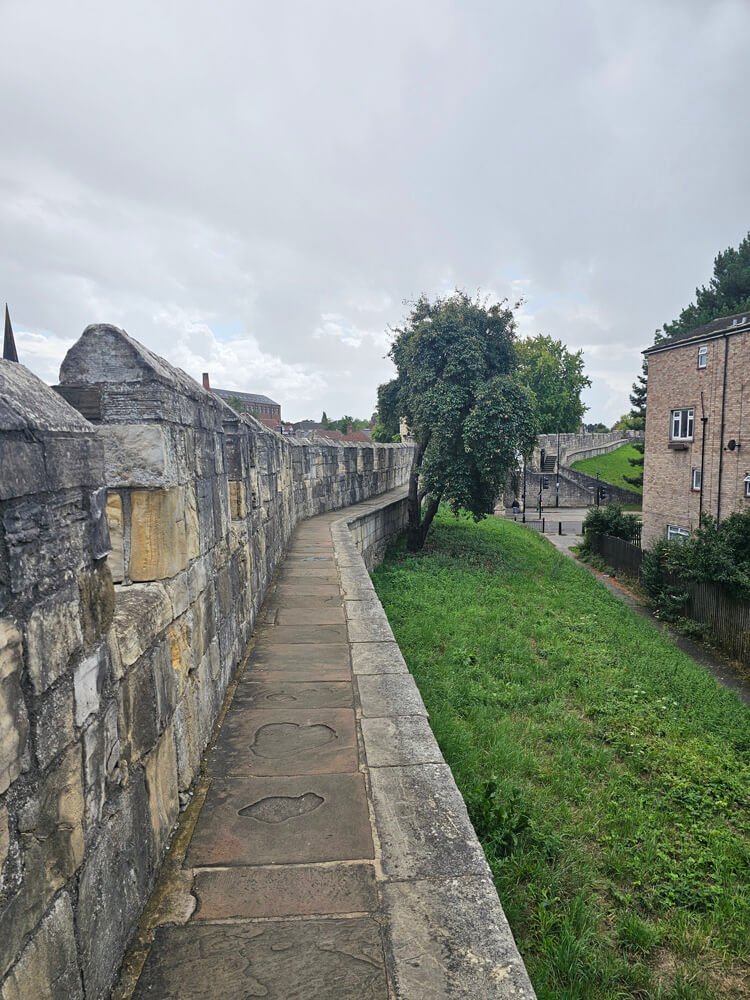
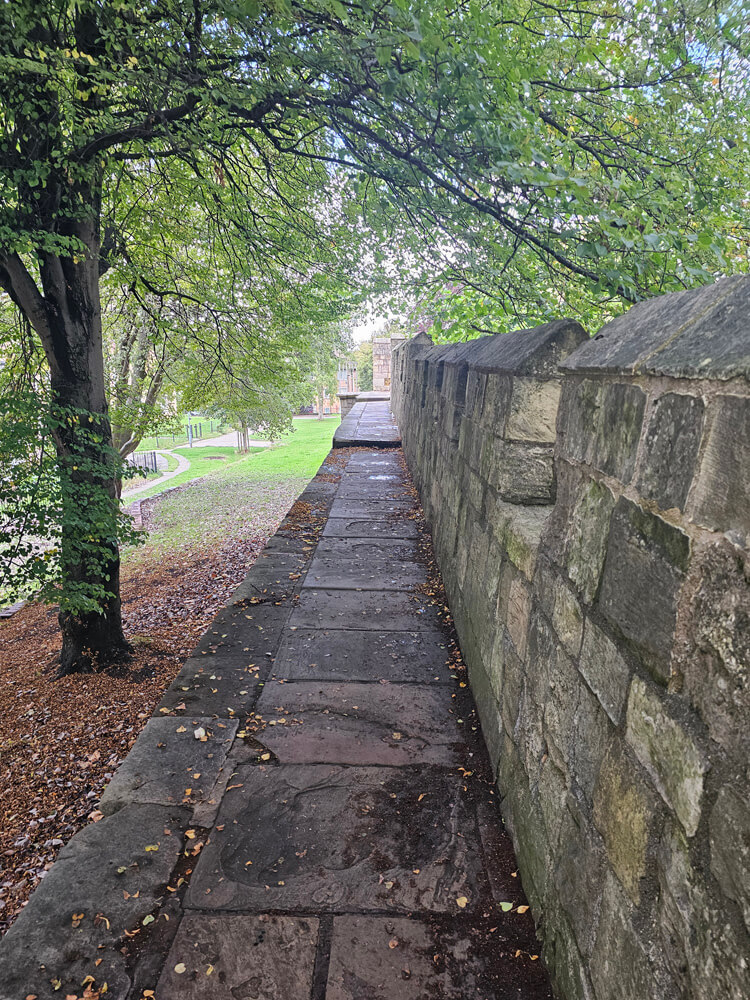
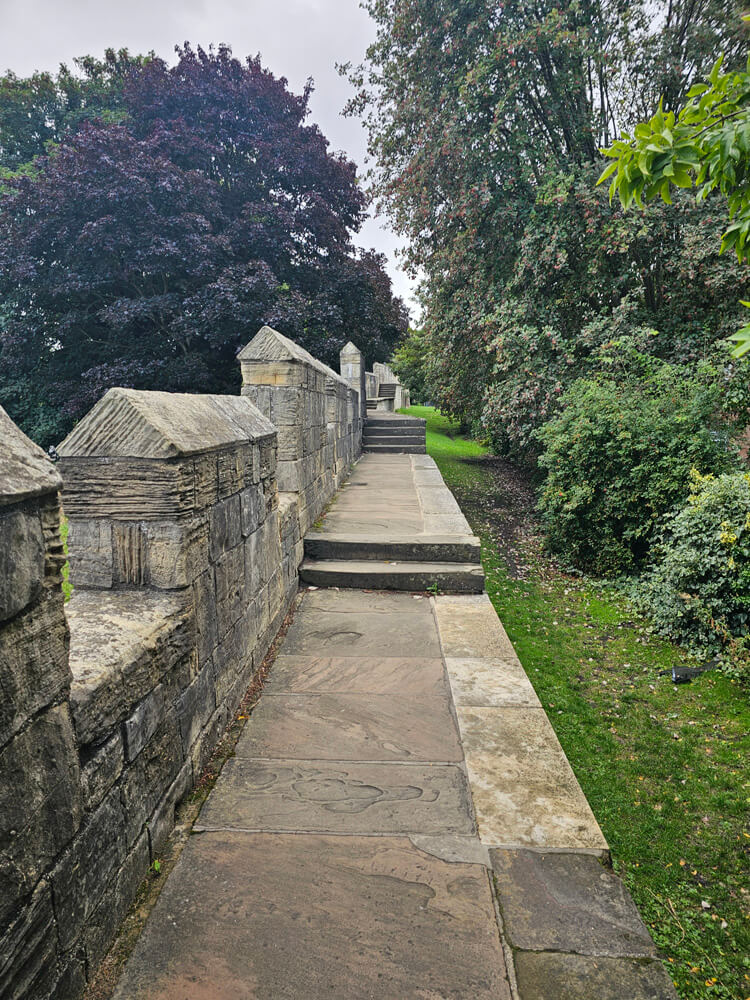
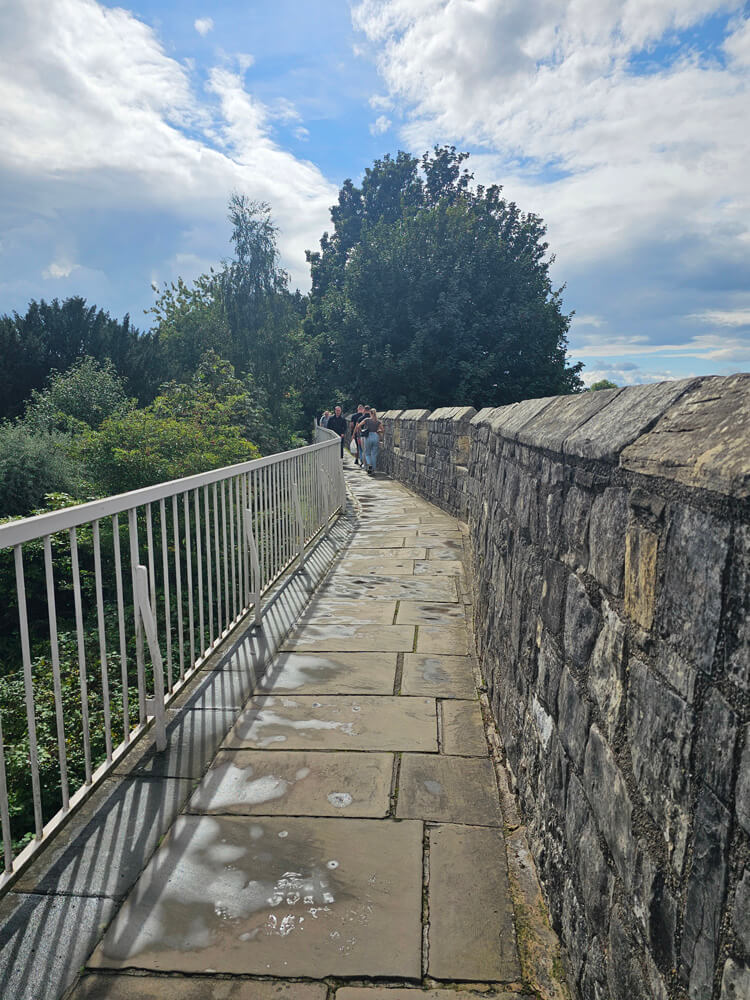
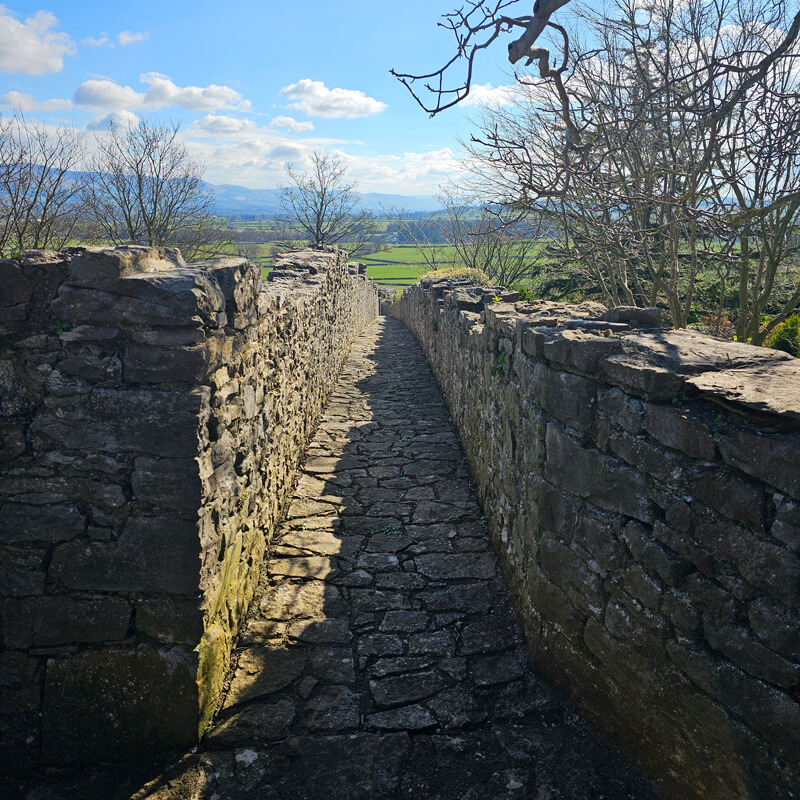
Today, York’s City Walls are one of the city’s greatest attractions. Visitors can walk almost the entire circuit, enjoying views of landmarks including York Minster, the River Ouse and the medieval streets below. The bars, towers and surviving Roman remains create a unique journey through nearly 2,000 years of history, making York one of Britain’s finest preserved historic cities.
Photo Gallery.
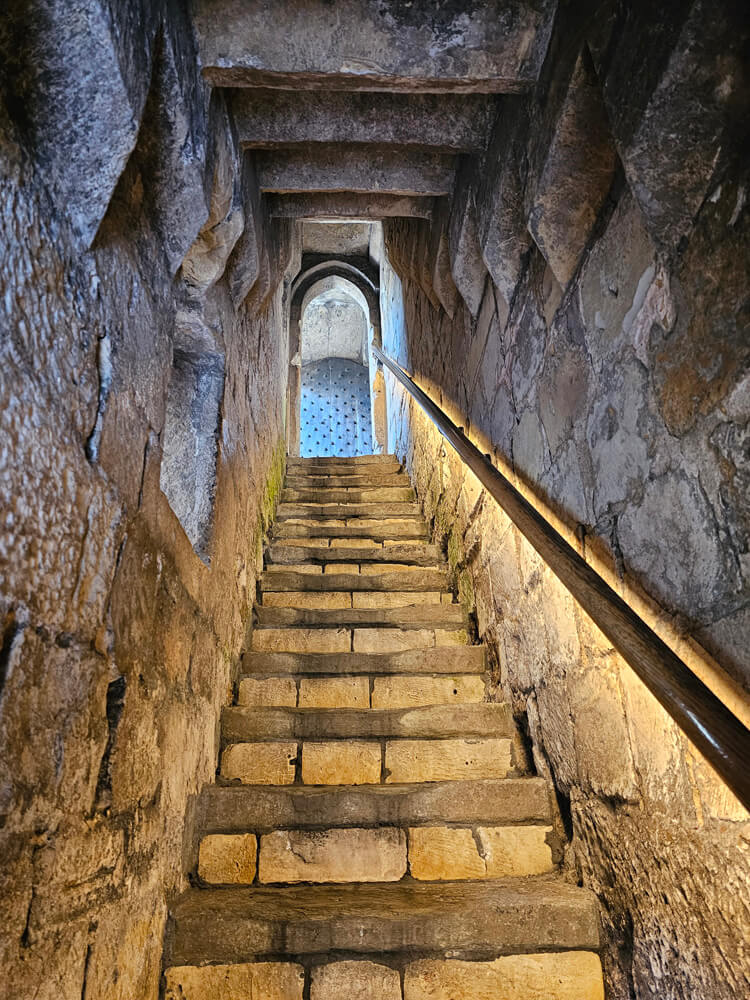
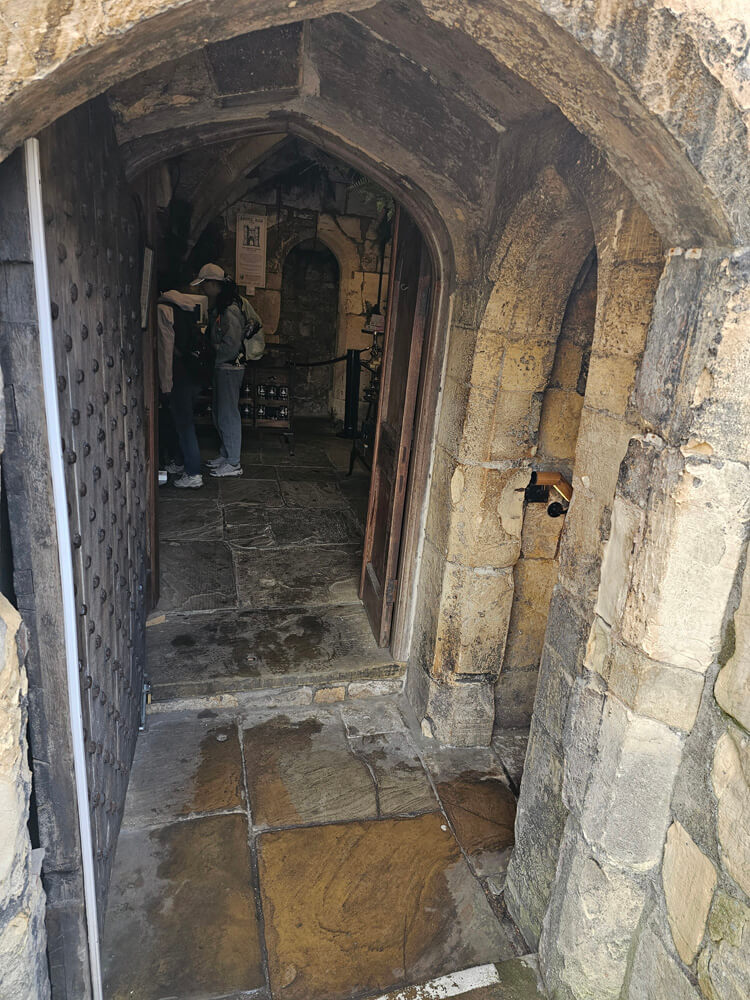
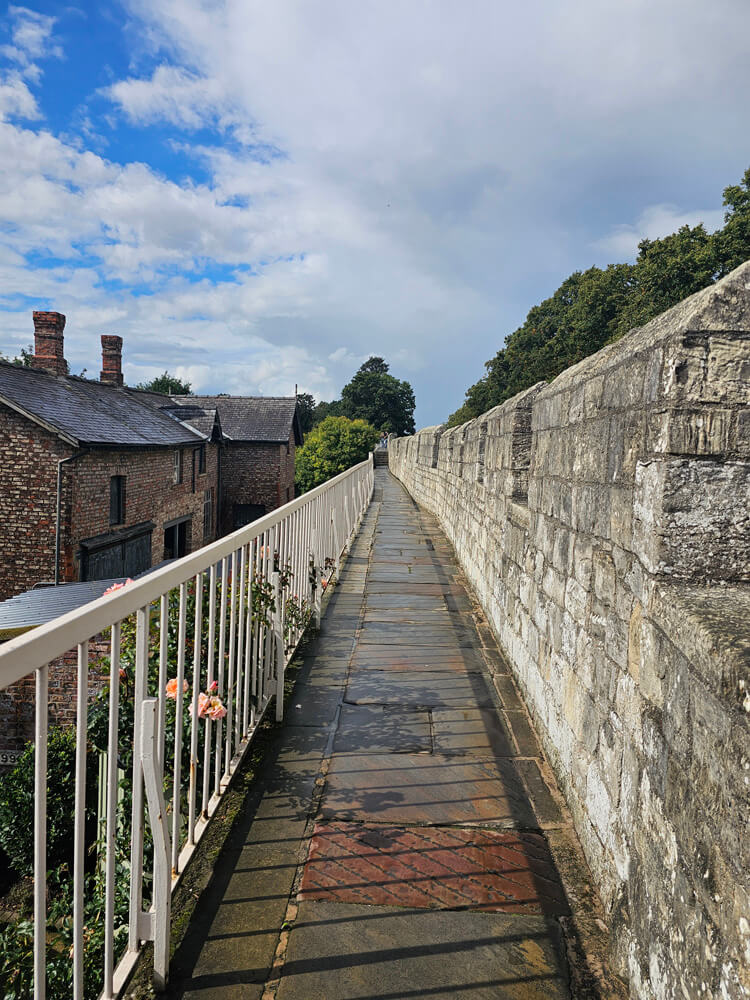
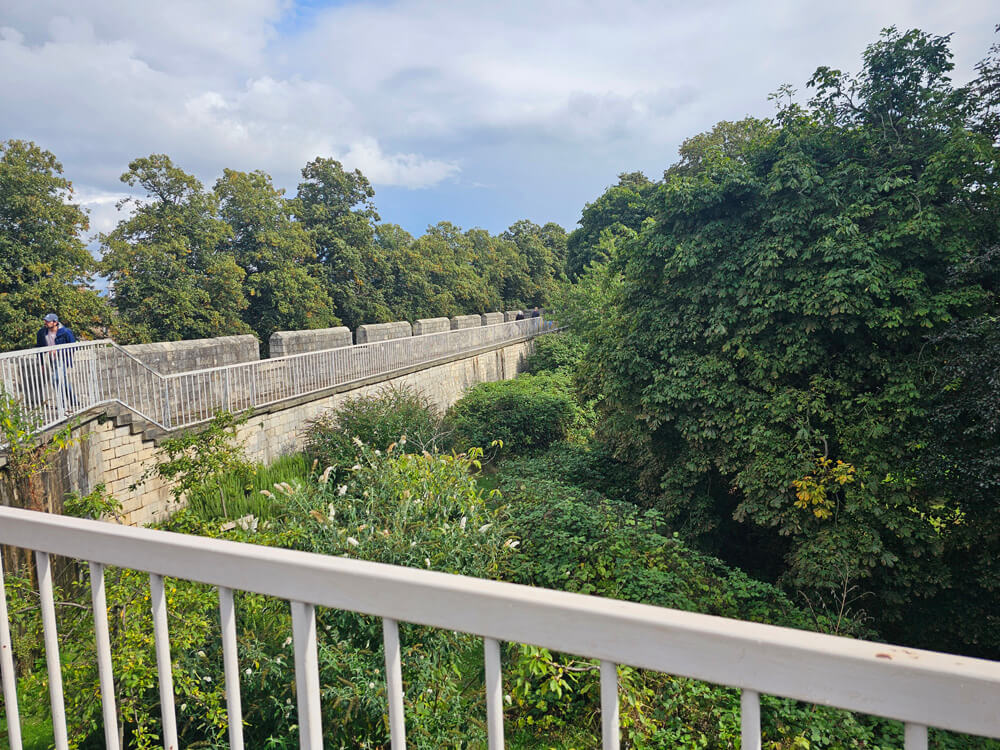
Did you enjoy this post?
I hope you found this post useful. I put a great deal of time and effort in to building, maintaining and populating the website. If you like, you could say a small thank you by buying me a coffee. You don't have to, but it would be nice :)
Buy me a coffee
Stay up to Date
Follow me on my journey and get notified whenever a new post is published by following Kings & Castles on Facebook.
Follow MeExplore The Map
Discover the hundreds of castles, churches, monasteries, cathedrals and other historic locations that I've personally visited across England and Wales. Search by location, explore nearby sites and plan your next historical adventure.
Share: