St Mary’s Guildhall, Coventry
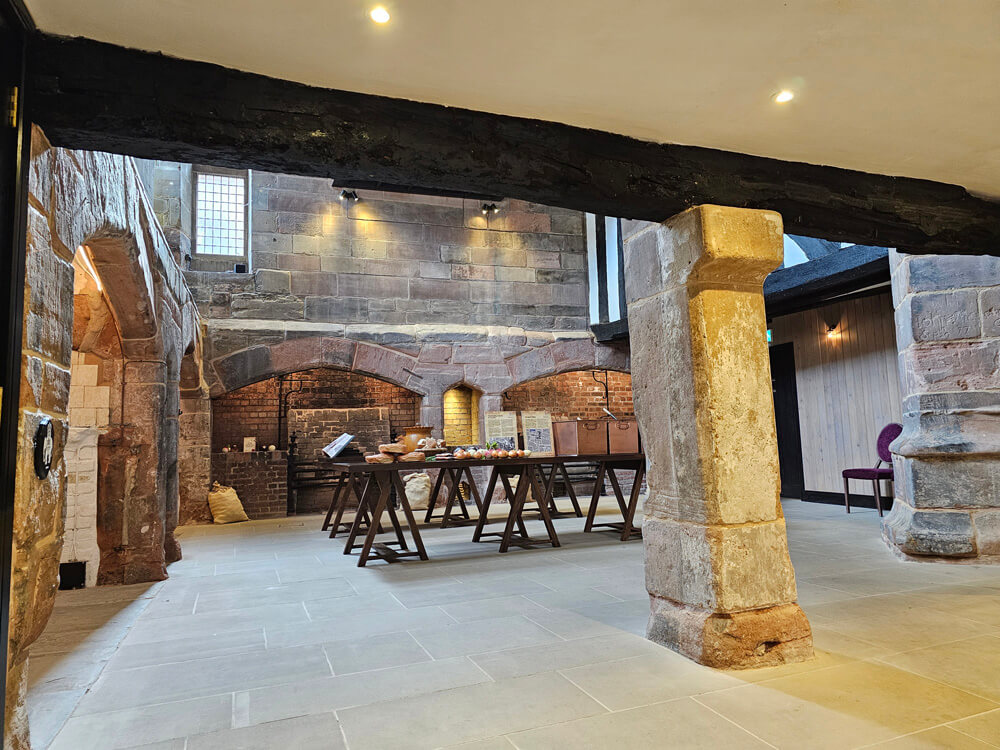
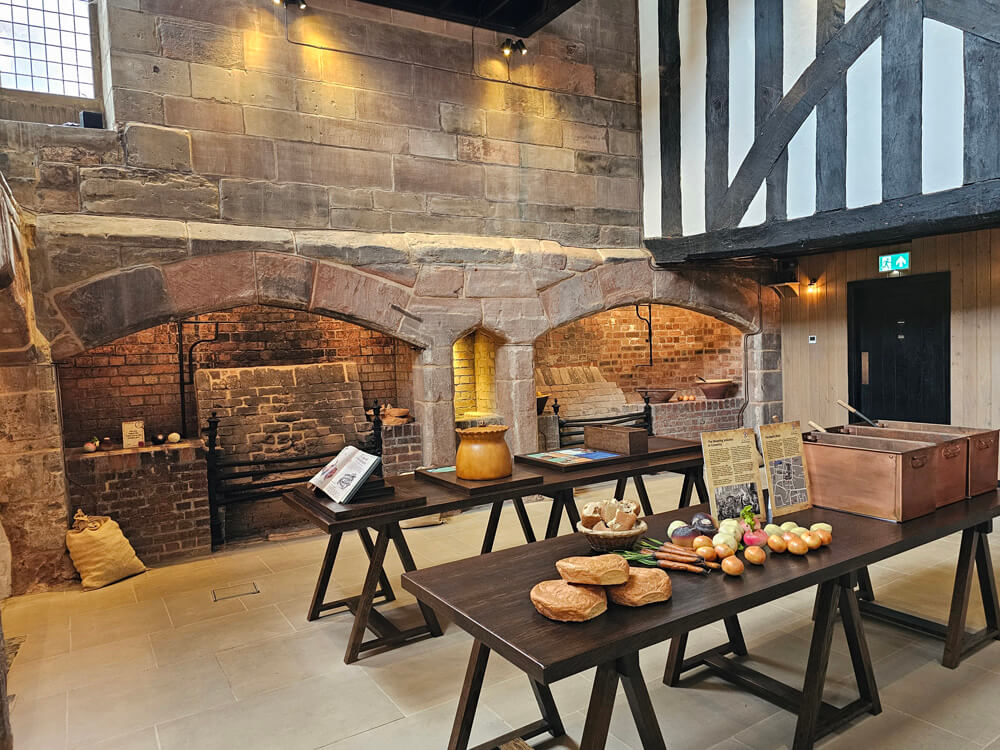
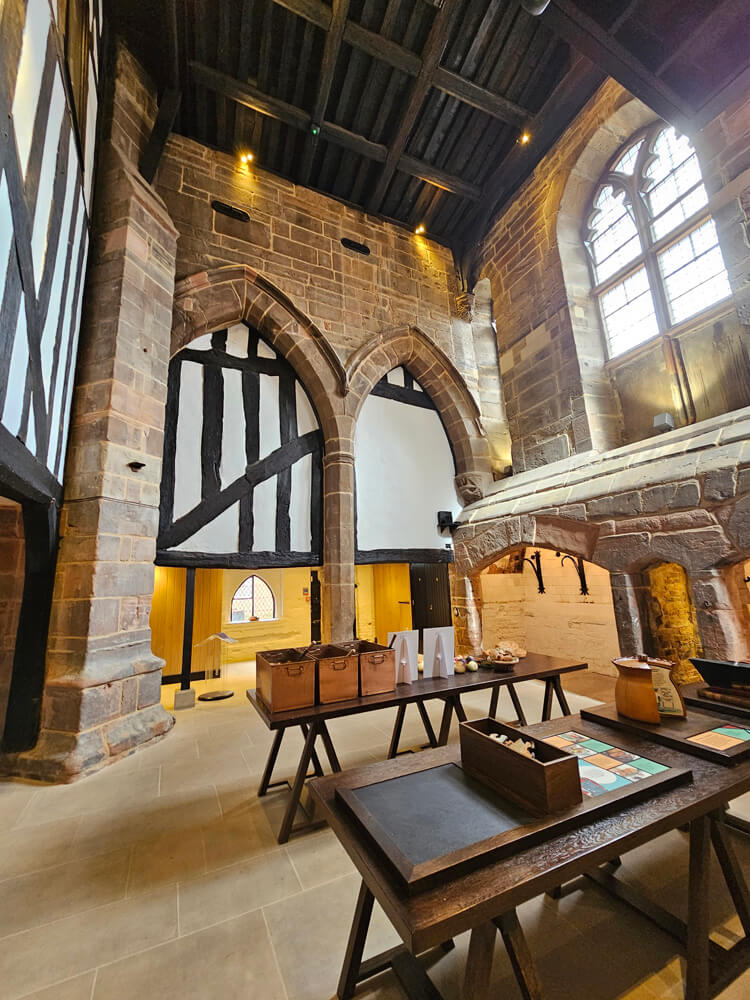
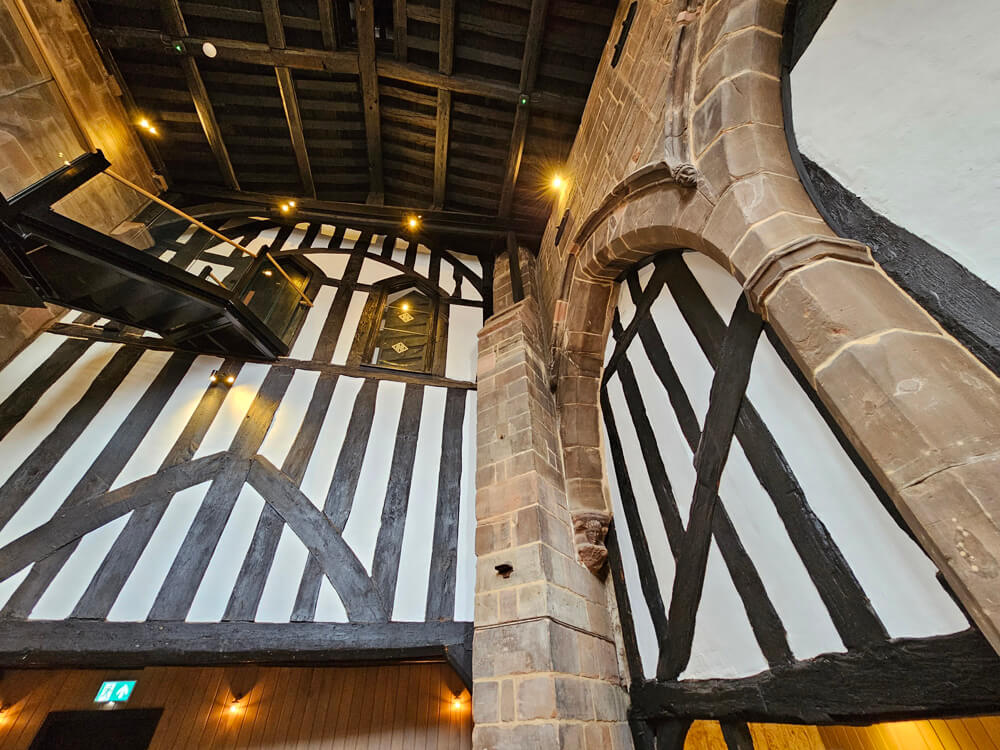
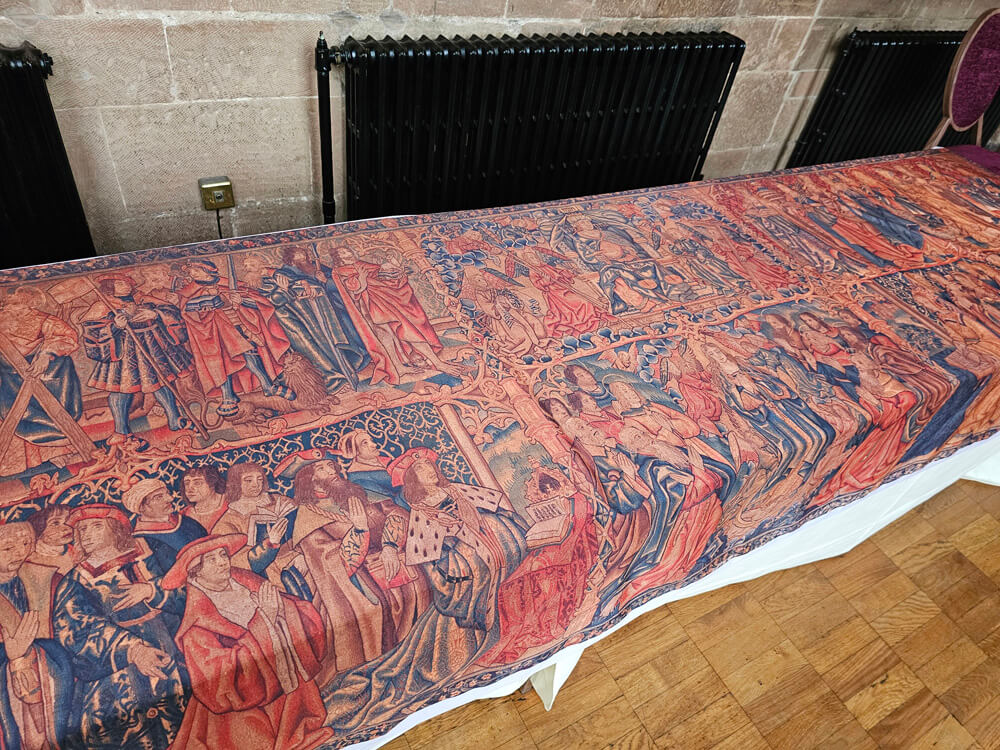
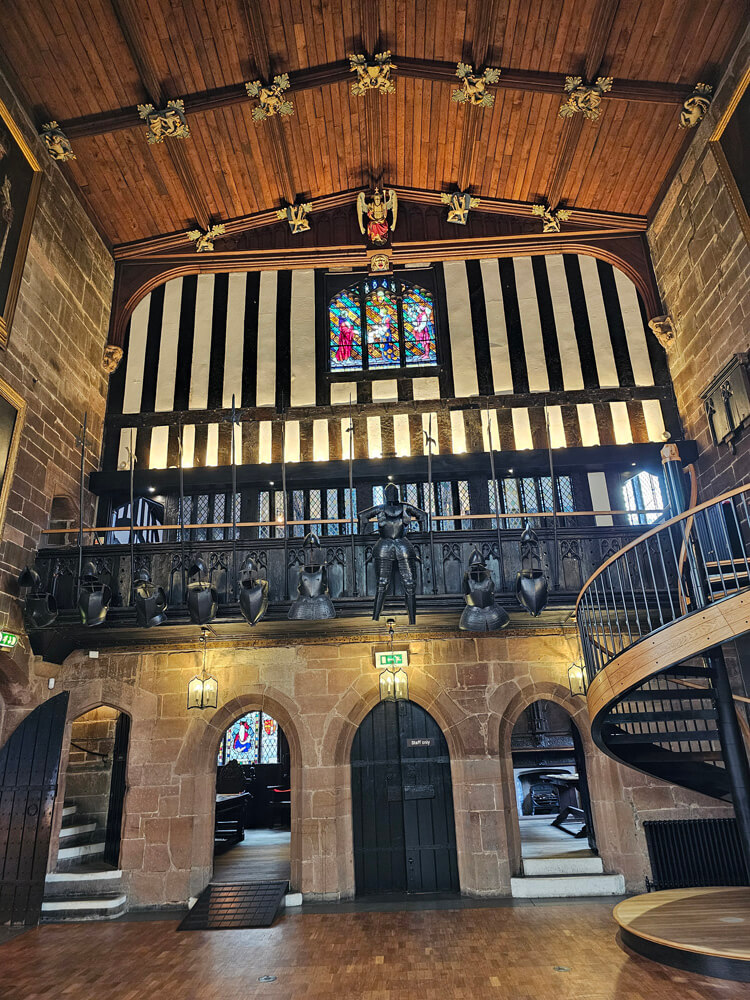
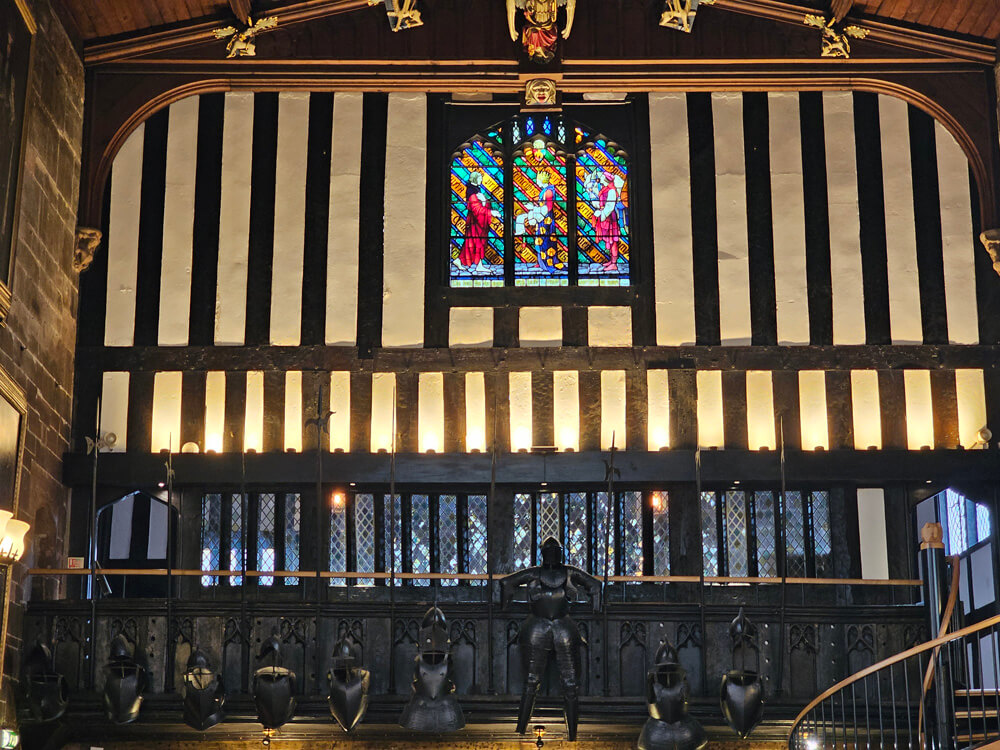
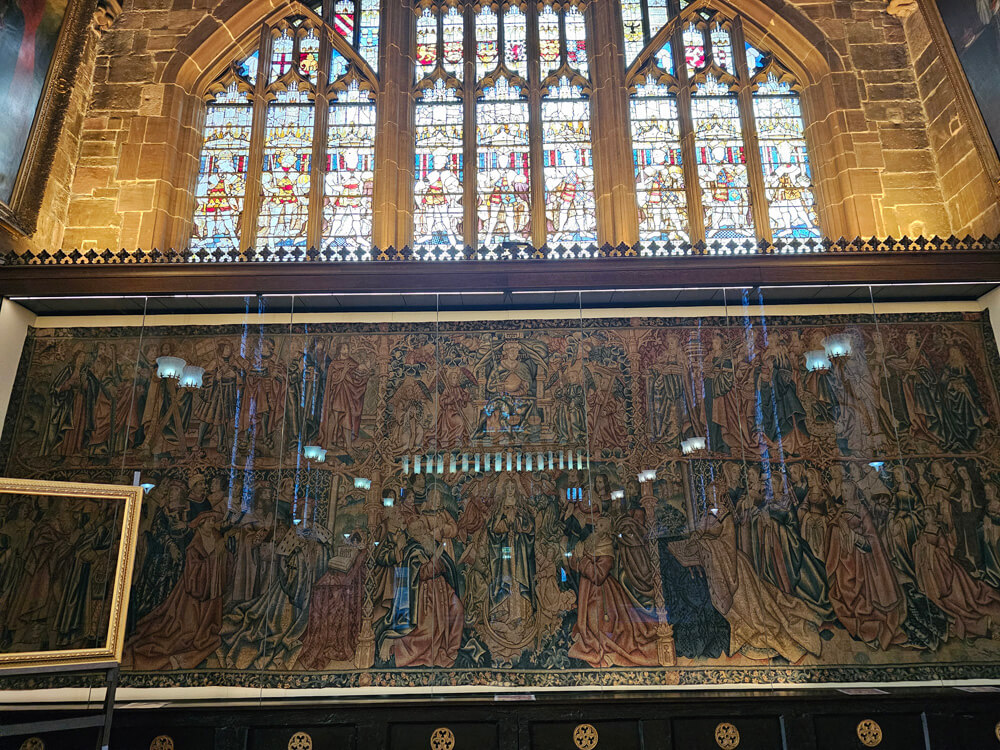
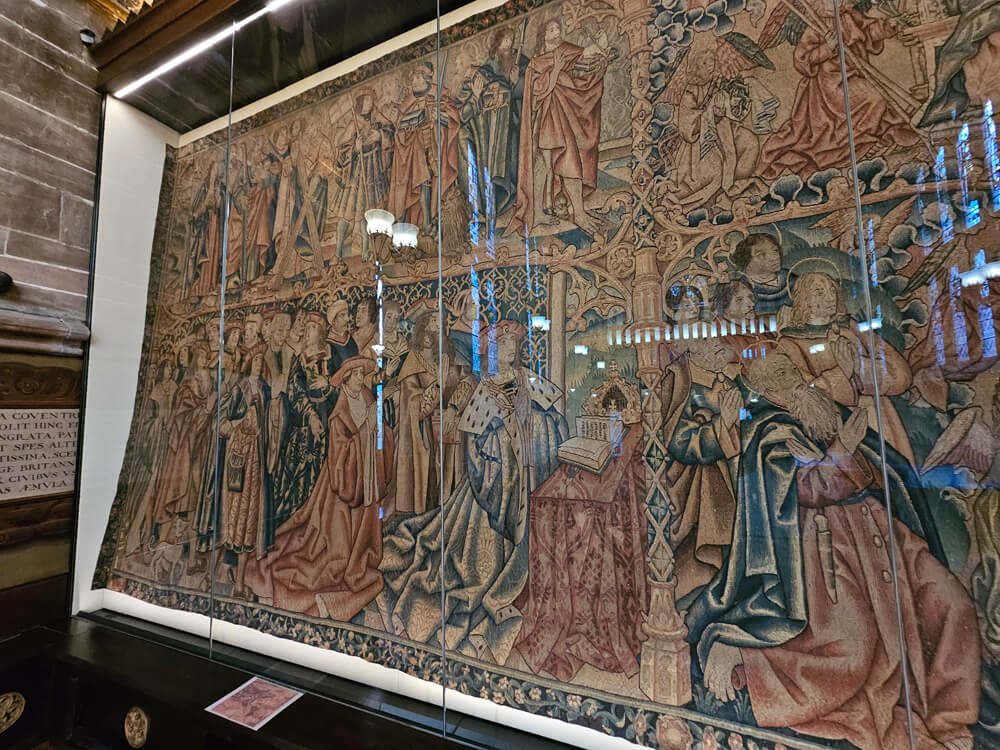
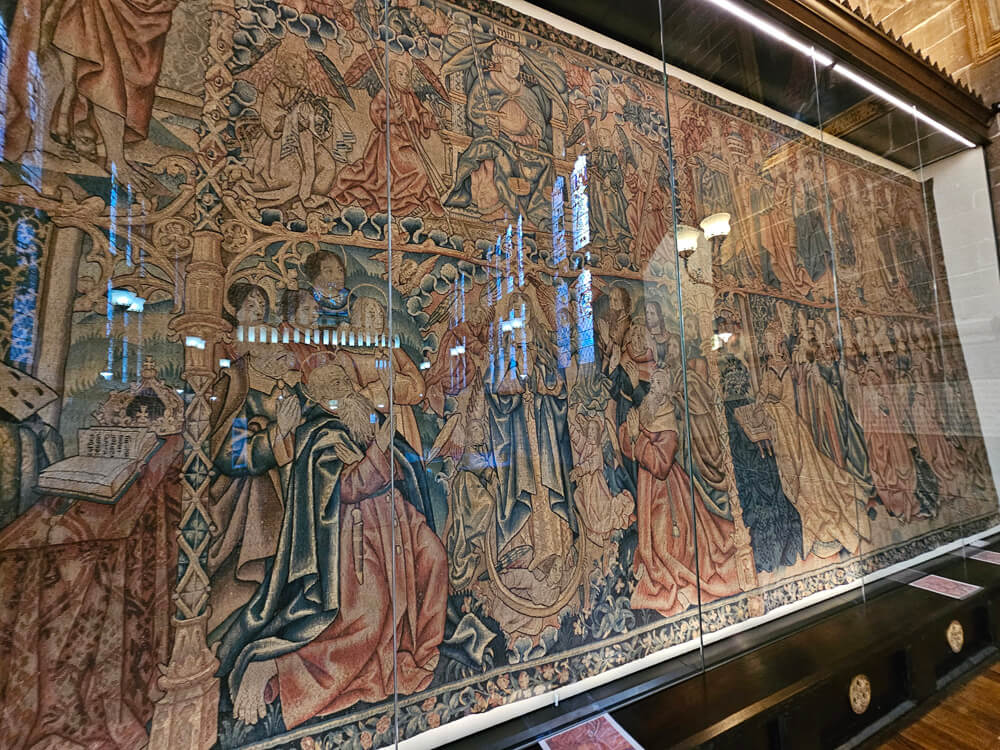
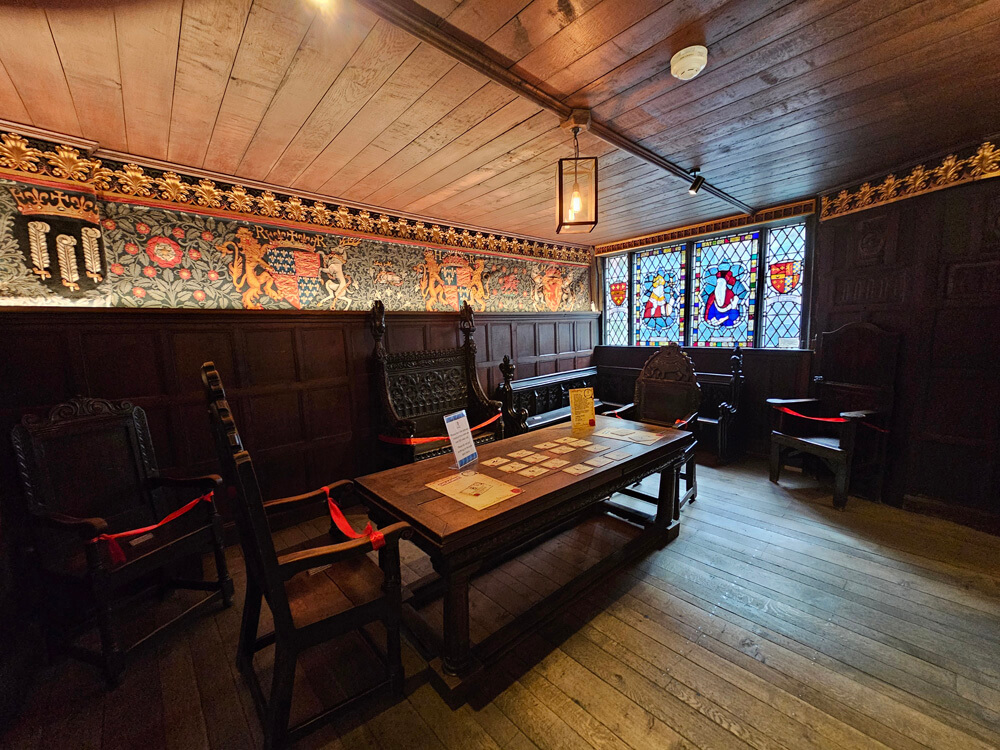
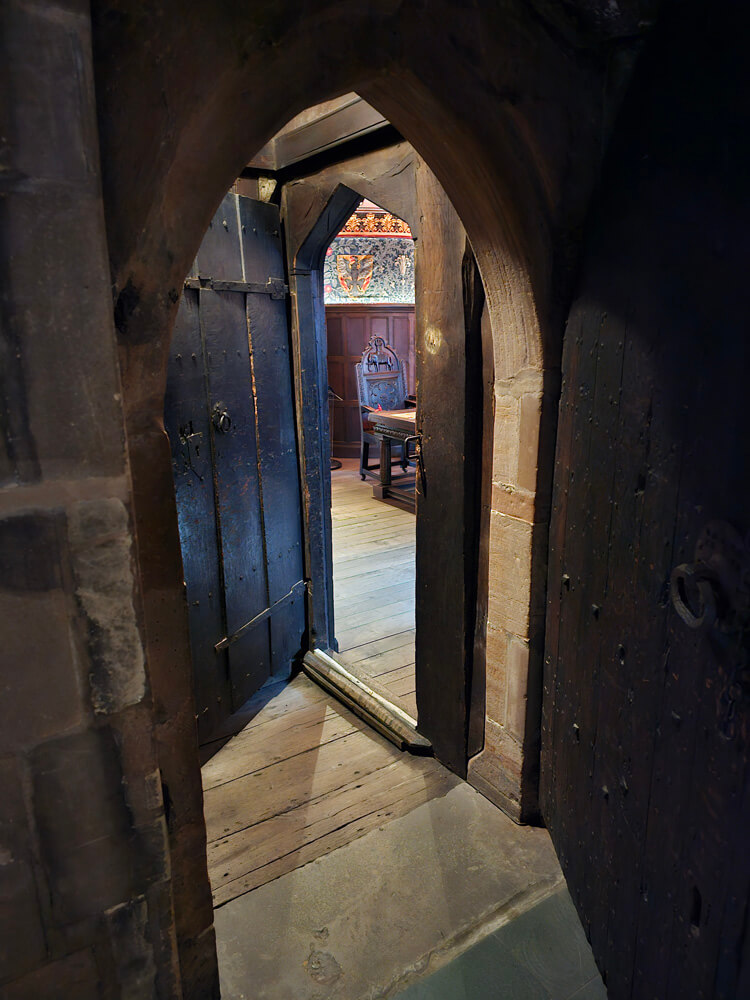
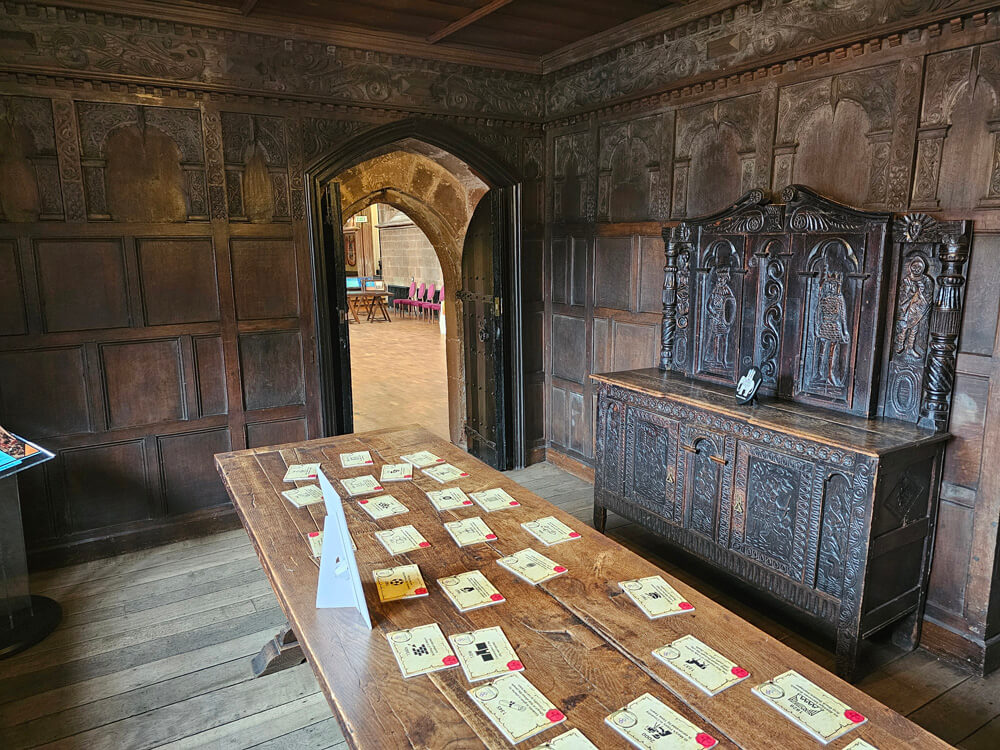
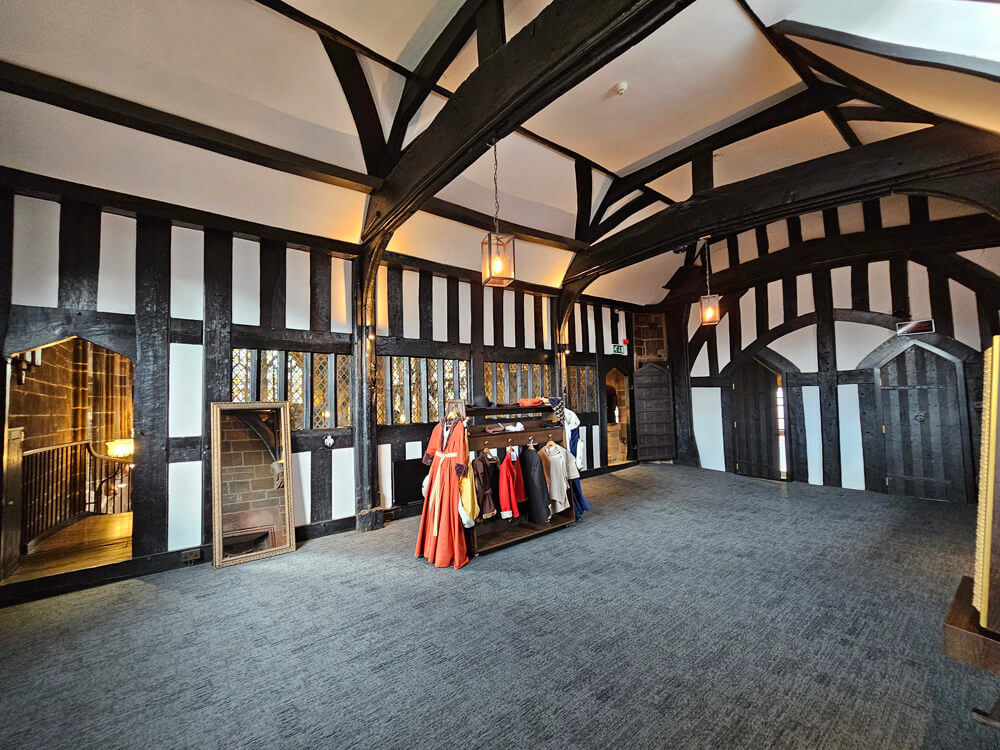
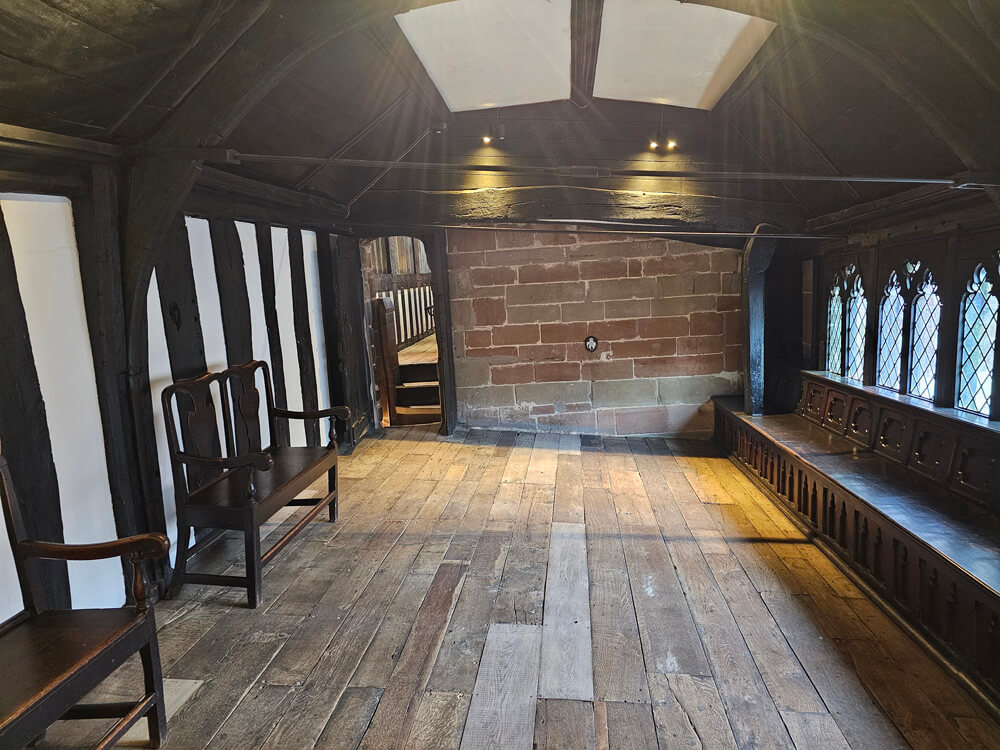
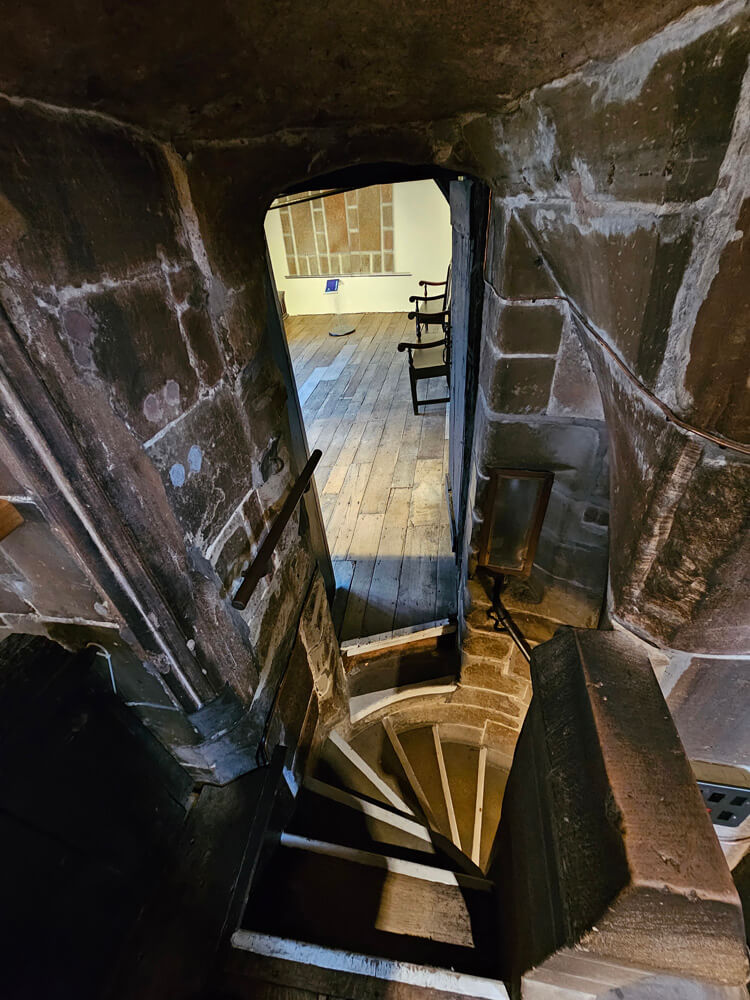
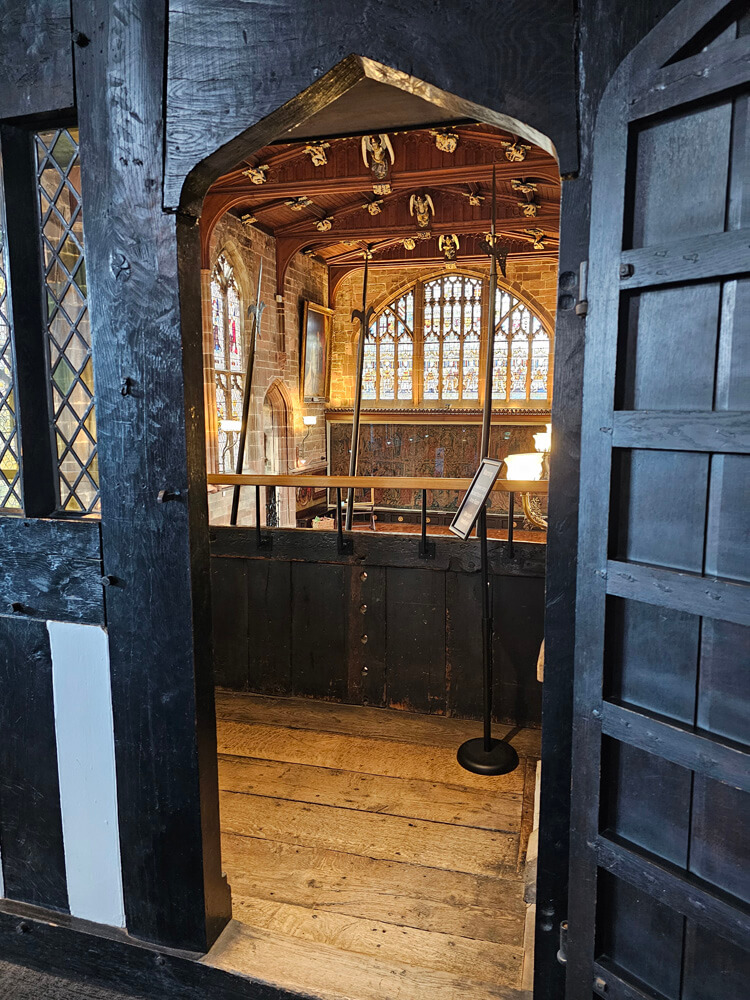
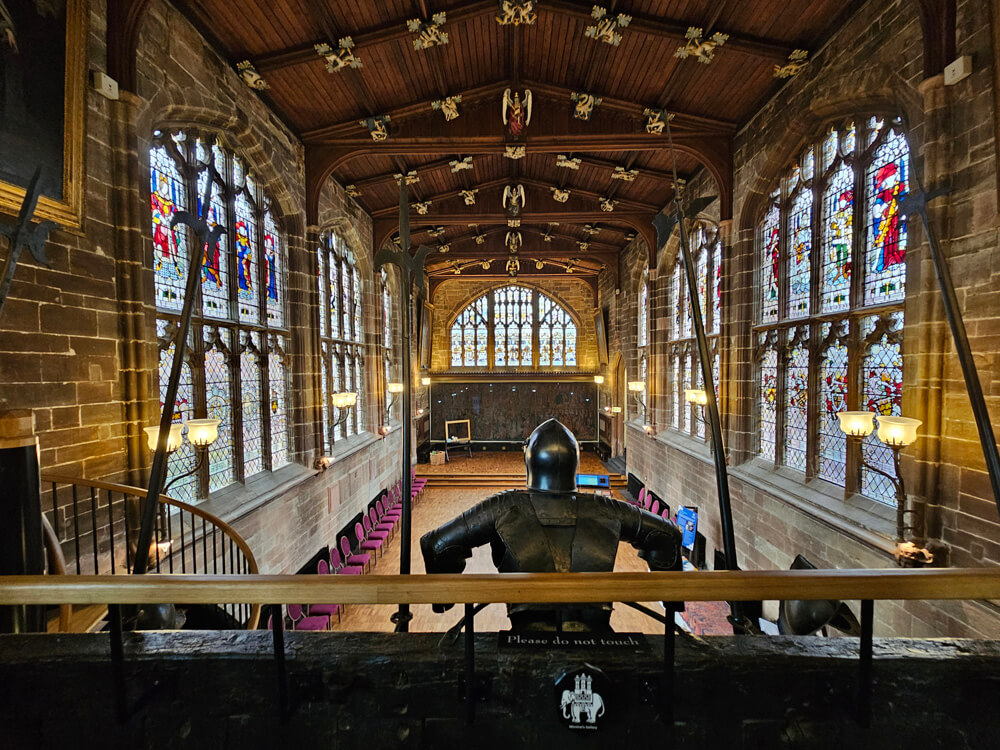
St Mary’s Guildhall is one of the best surviving medieval guildhalls in Britain, and a key part of the city’s history. The historic highlights of this beautiful building are the superb early-16th century Coventry Tapestry, the magnificent Great Hall and the medieval kitchen.
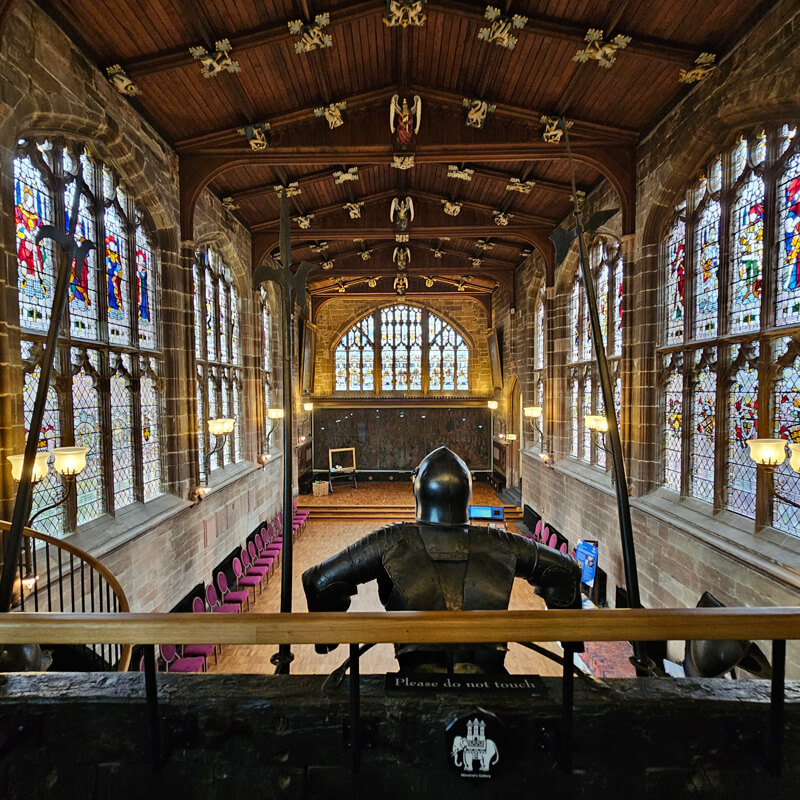
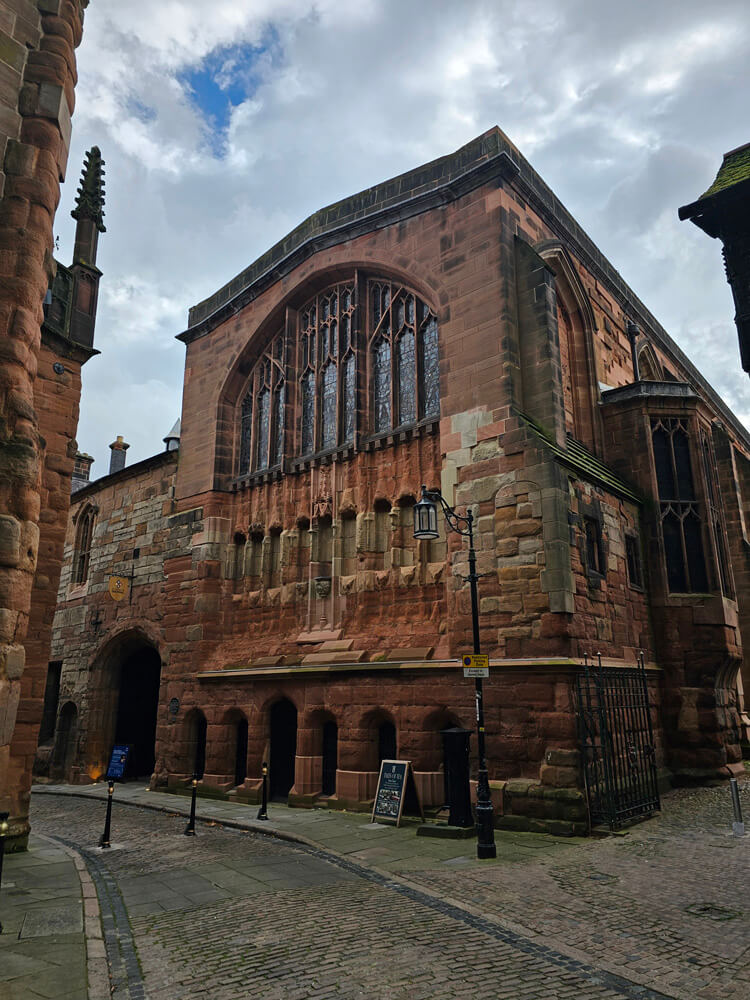
St Mary’s Guildhall is a medieval treasure with a unique and fascinating history spanning over 600 years. The Guildhall is situated opposite the ruins of Coventry‘s medieval cathedral in the heart of the city.
Built on the site of the former 12th-century Coventry Castle, the first hall was built in the early 1340s with the founding of the merchants Guild of St Mary’s, and was most likely a timber building built on a stone undercroft. The Guildhall originally served as the headquarters of the merchant guild of St Mary, and subsequently of the united guilds of the Holy Trinity, St Mary, St John the Baptist and St Katherine, which merged in 1392.
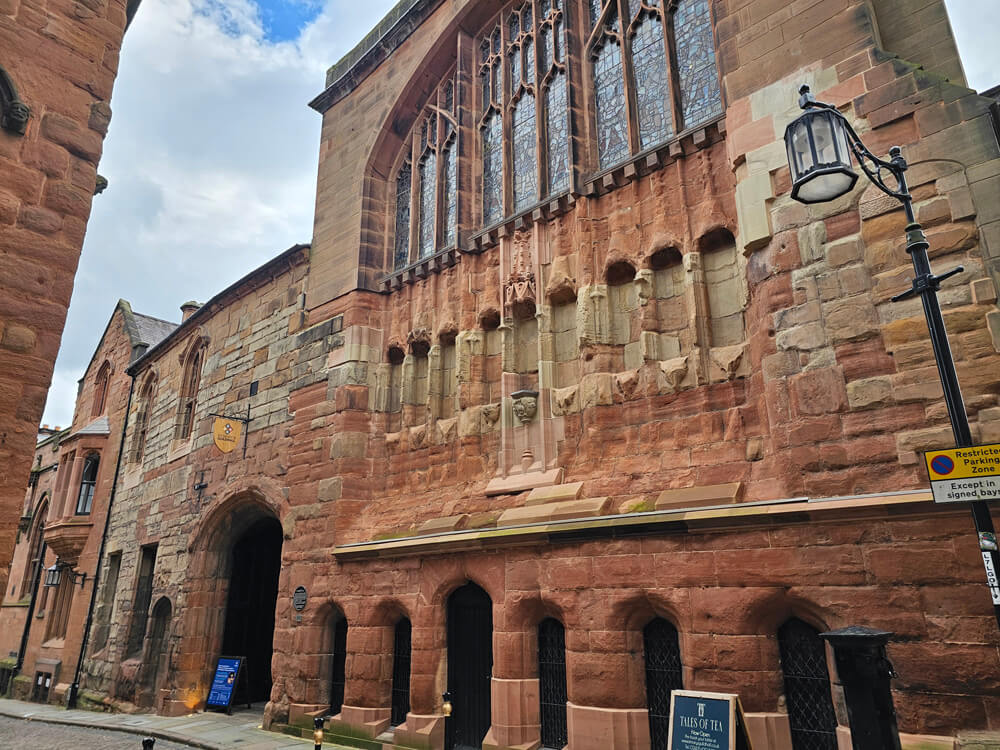
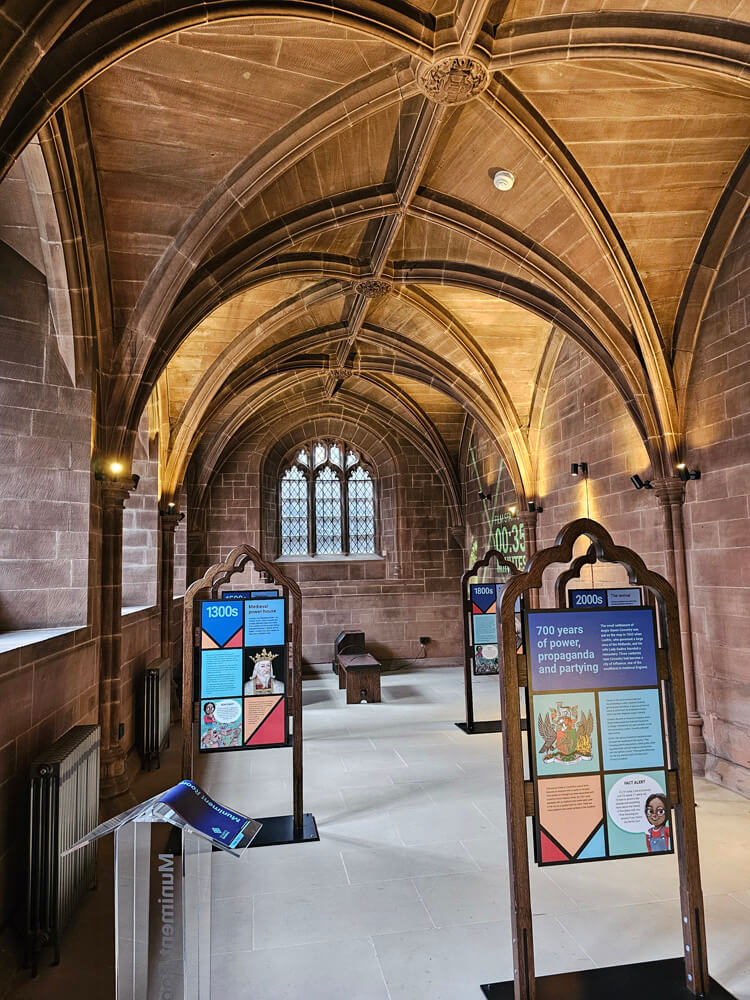
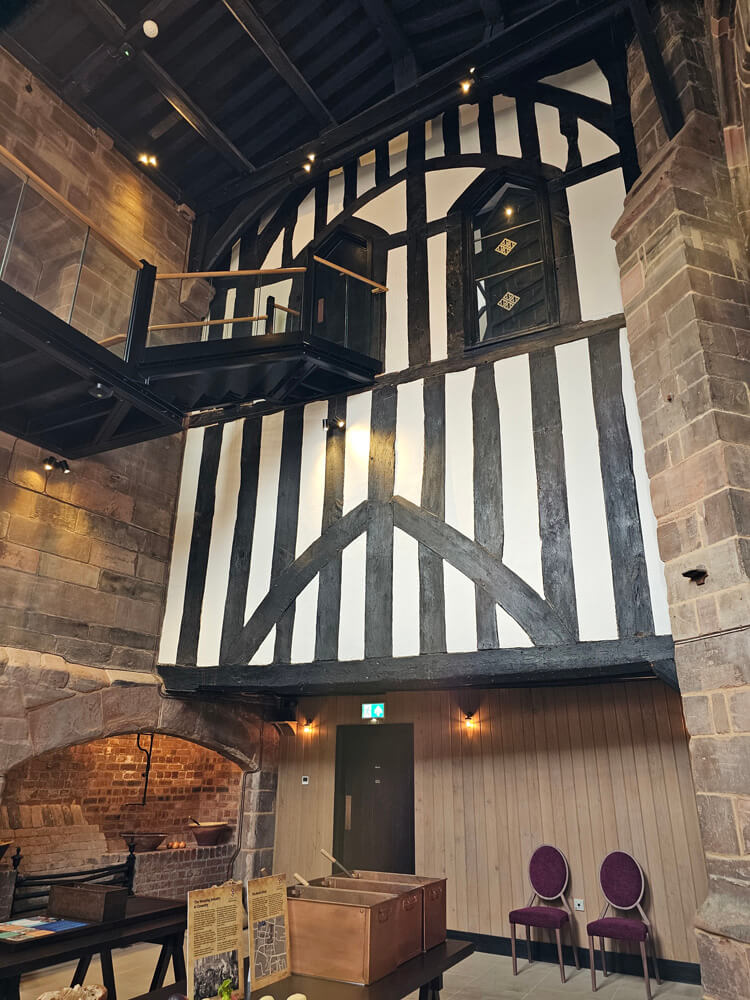
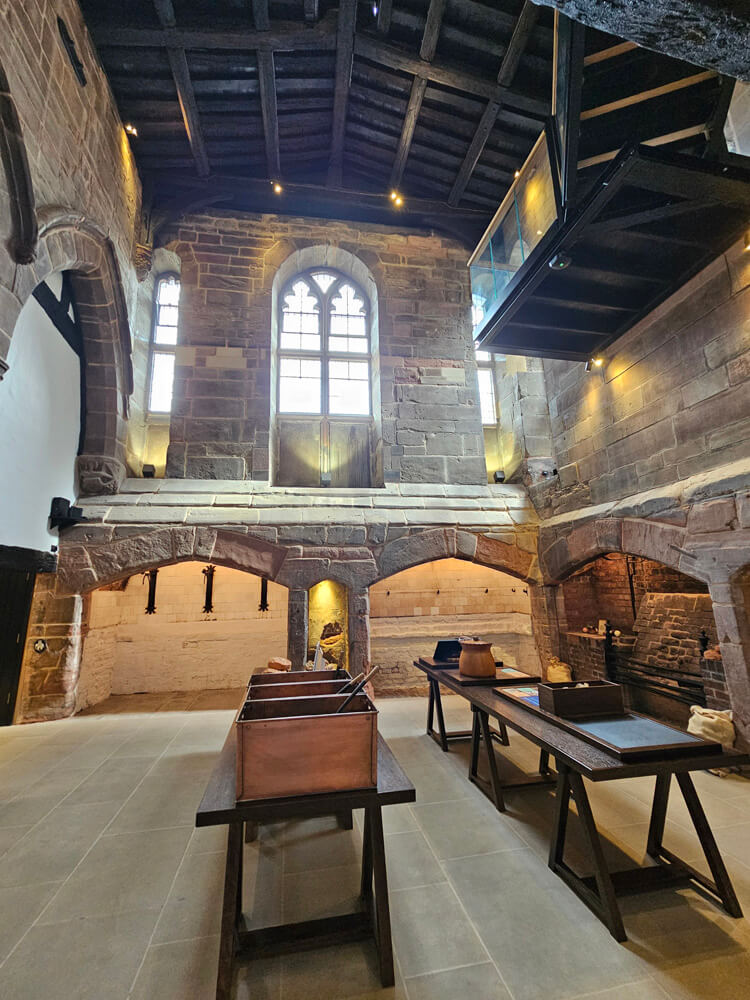
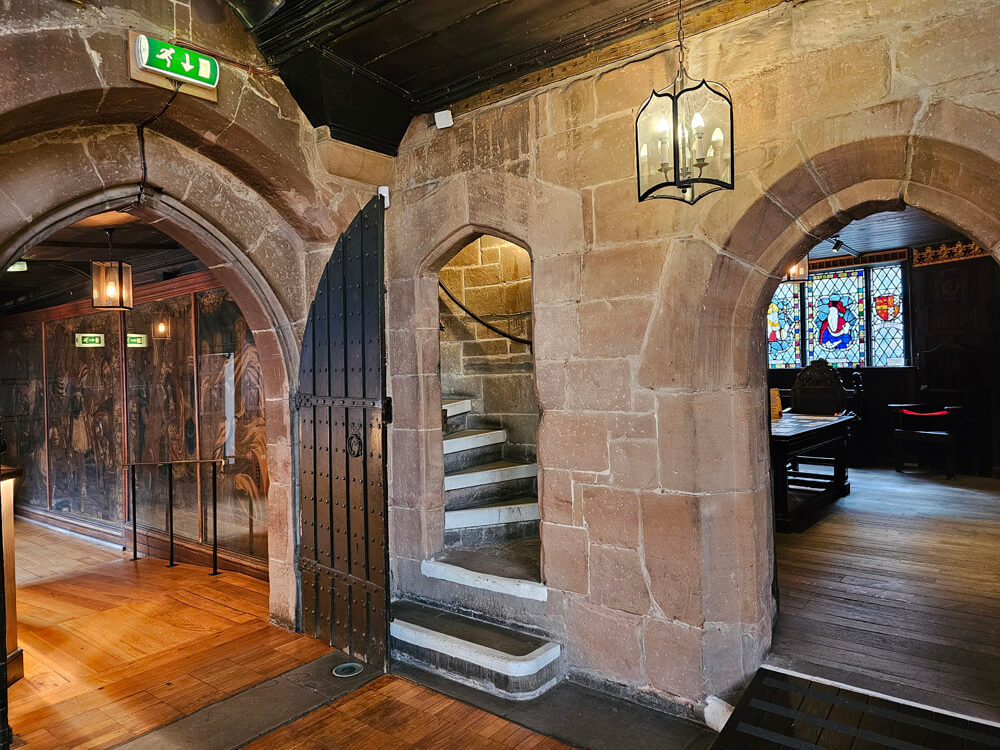
The first hall was demolished and rebuilt in stone which was completed by 1460. This new guildhall included a larger hall, now the Great Hall, with a complex of rooms built around it including a kitchen, meeting rooms, a gatehouse and entrance porch. The Guildhall that we see today is largely from this 15th-century rebuild, but the undercroft (now the restaurant) is an original survivor from the first hall.
Coventry became the heart of the Lancastrian power structure during the War of the Roses, and King Henry VI and his wife Margaret of Anjou were entertained at the Guildhall. The Coventry Tapestry was made some time around 1495 to 1515 and depicts a scene around 60 years earlier, and the couple portrayed are thought to be Henry VI and Margaret of Anjou. The massive wool and silk tapestry which is situated in the guildhall’s Great Hall is the oldest tapestry still hanging in the place for which it was originally designed, over 500 years after it was installed.
Guilds were abolished during the reign of Edward VI, and from 1547 the Guildhall was used as a public/civic building. In 1569 Mary Queen of Scots was imprisoned at the Guildhall under the orders of Queen Elizabeth I, and in the 1640s it was used as an armoury during the English Civil War.
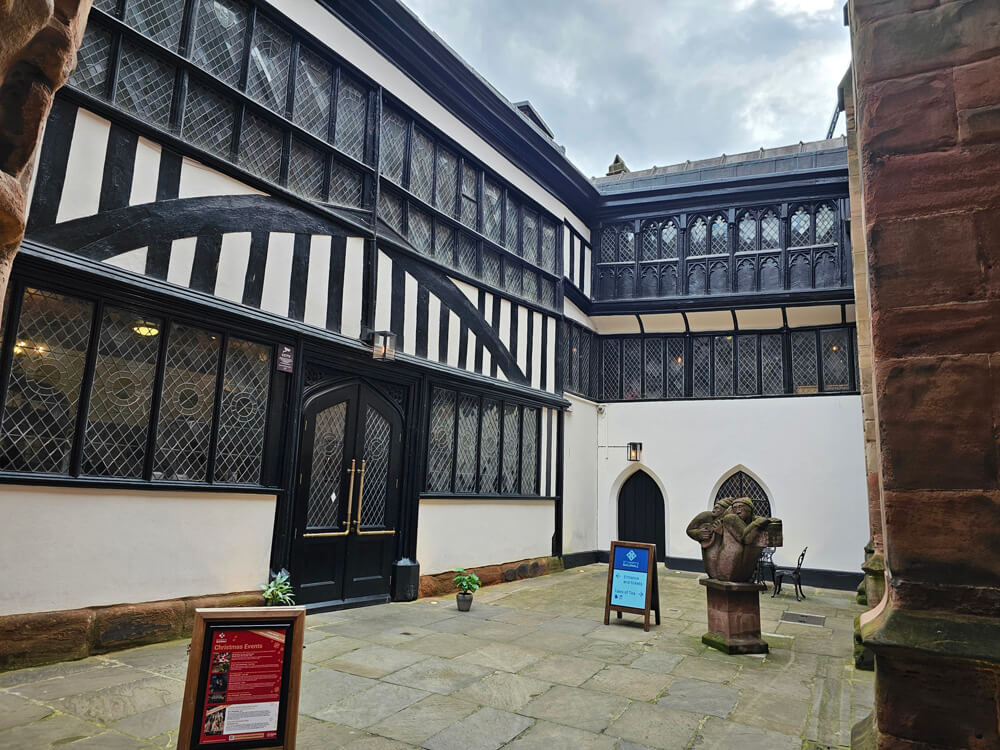
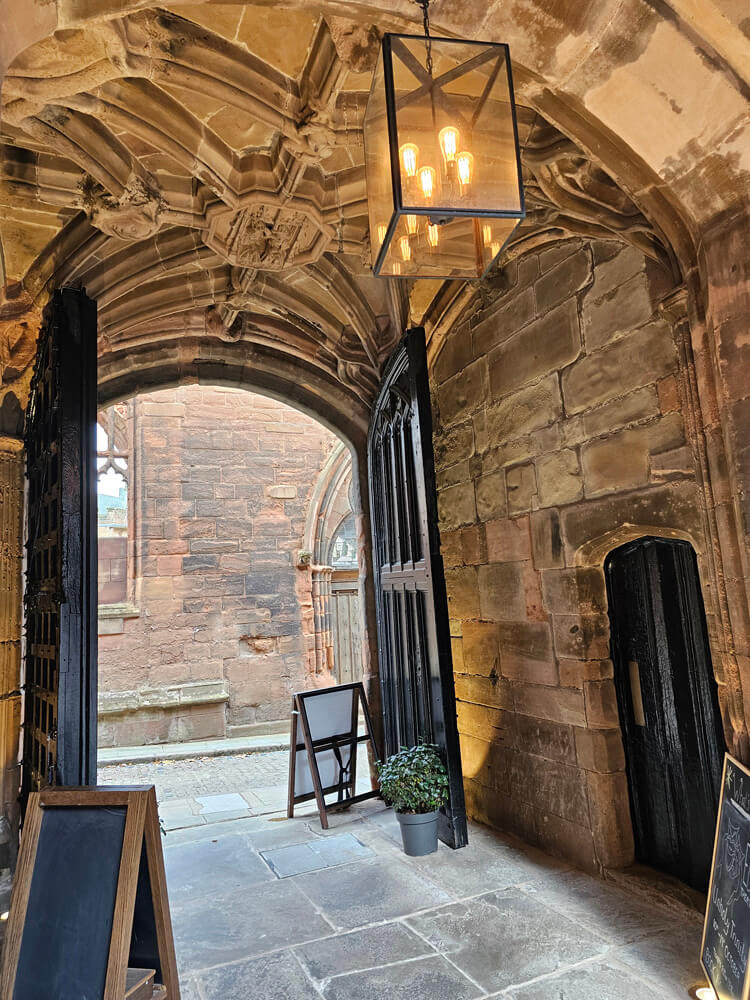
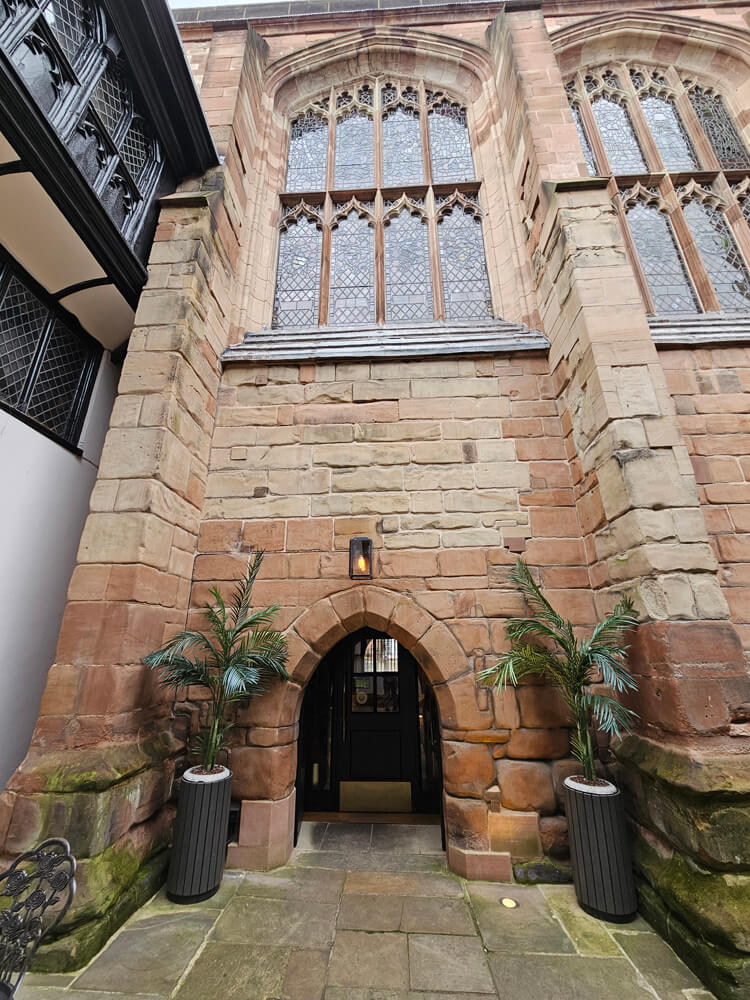
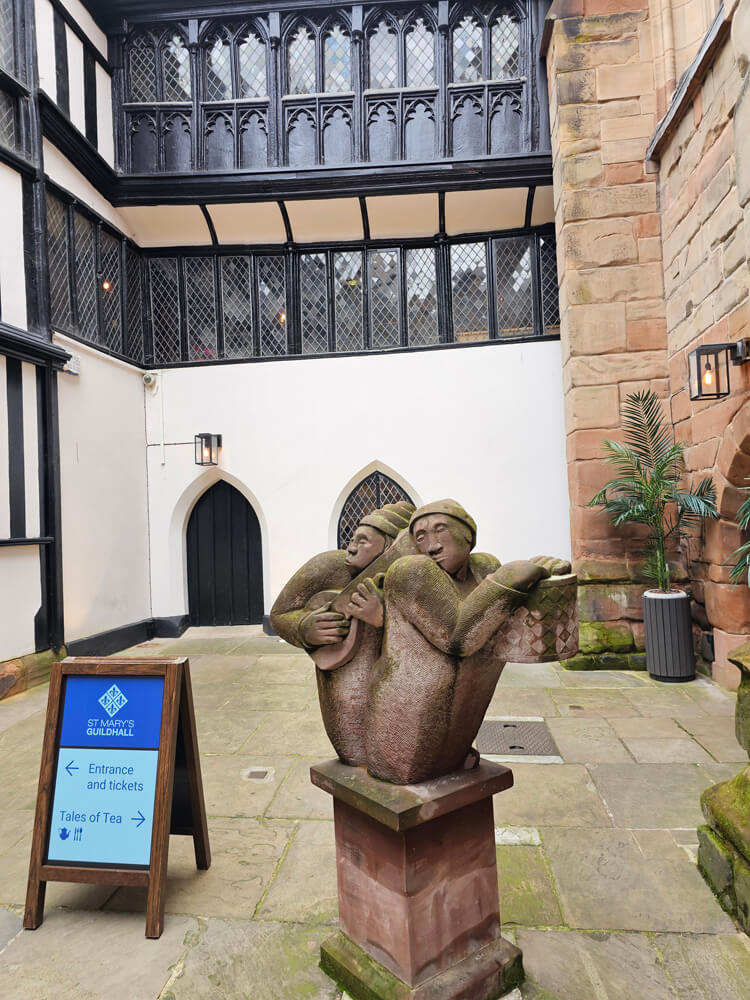
Though the neighbouring cathedral was destroyed in the bombing raids during the Second World War, the Guildhall miraculously survived. At first sight, the Guildhall could be dismissed as just another medieval building as it isn’t immediately obvious and it would be easy to walk past its semi-concealed courtyard. You enter via a stone-vaulted arch and into the well preserved courtyard that has remained unaltered for over five centuries.
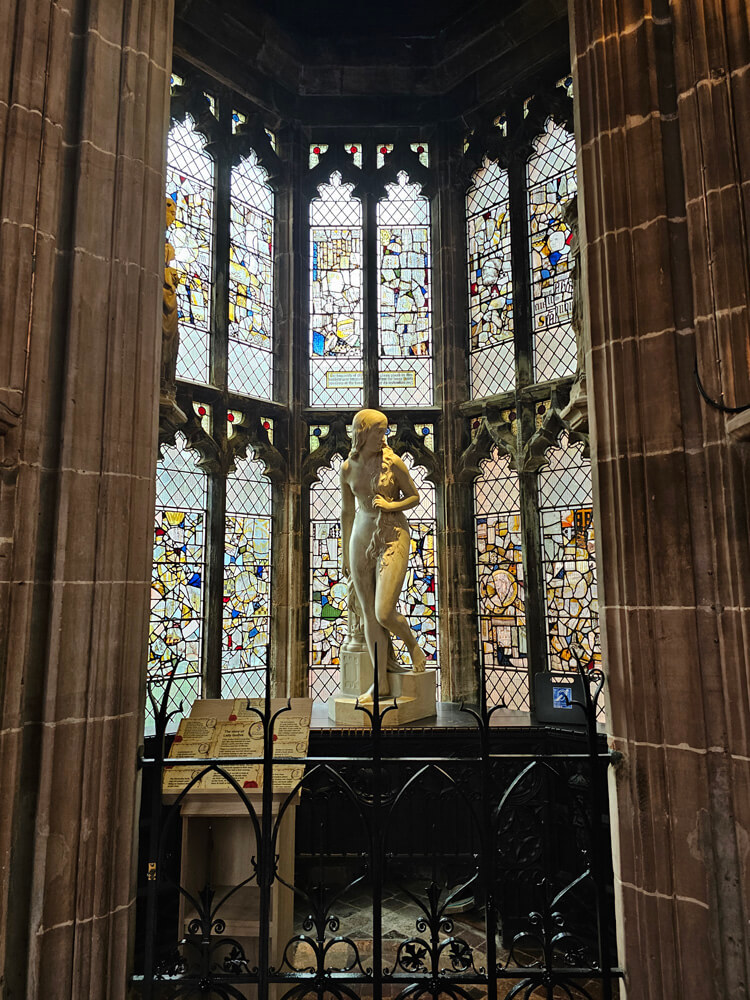
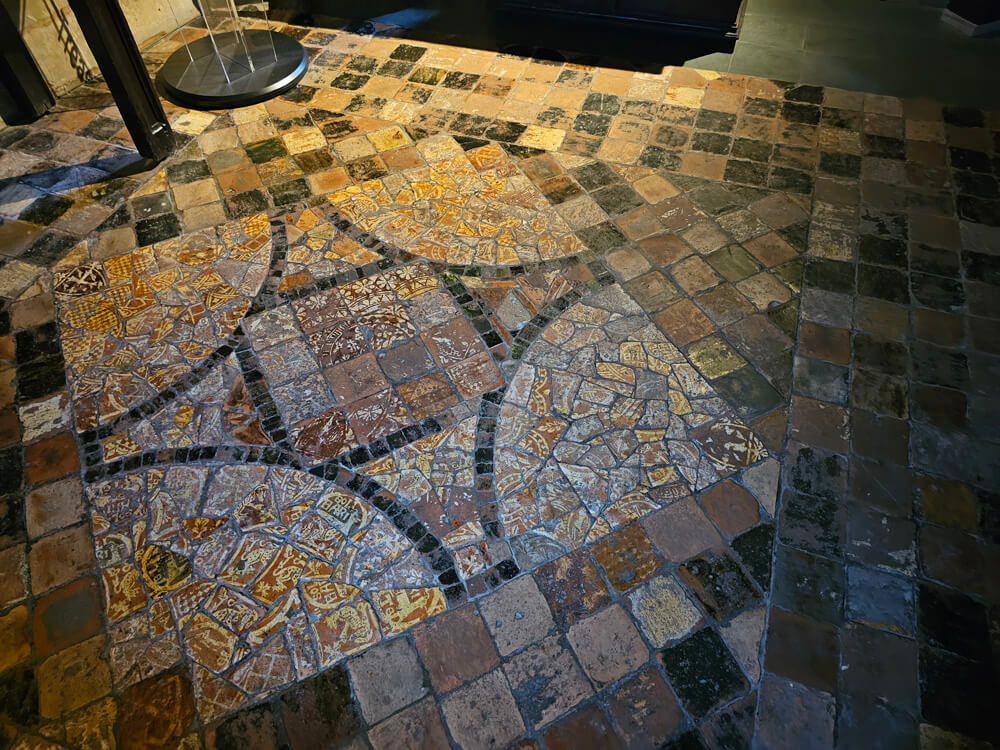
Photo Gallery.
Did you enjoy this post?
I hope you found this post useful. I put a great deal of time and effort in to building, maintaining and populating the website. If you like, you could say a small thank you by buying me a coffee. You don't have to, but it would be nice :)
Buy me a coffee
Stay up to Date
Follow me on my journey and get notified whenever a new post is published by following Kings & Castles on Facebook.
Follow MeExplore The Map
Discover the hundreds of castles, churches, monasteries, cathedrals and other historic locations that I've personally visited across England and Wales. Search by location, explore nearby sites and plan your next historical adventure.
Share: