Boscobel House
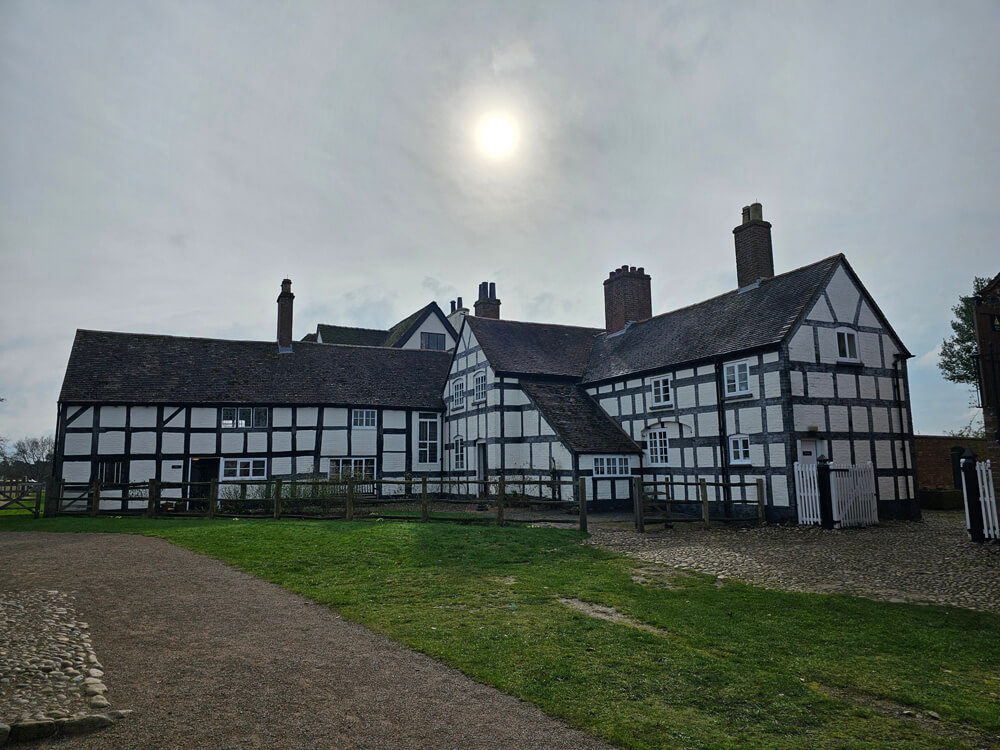
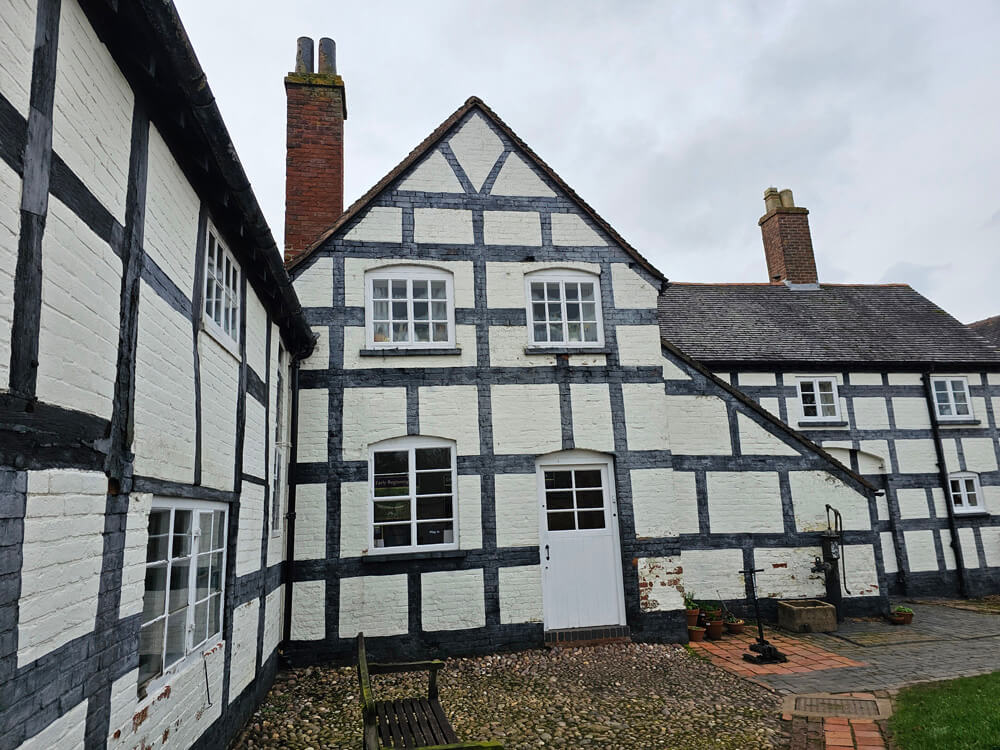
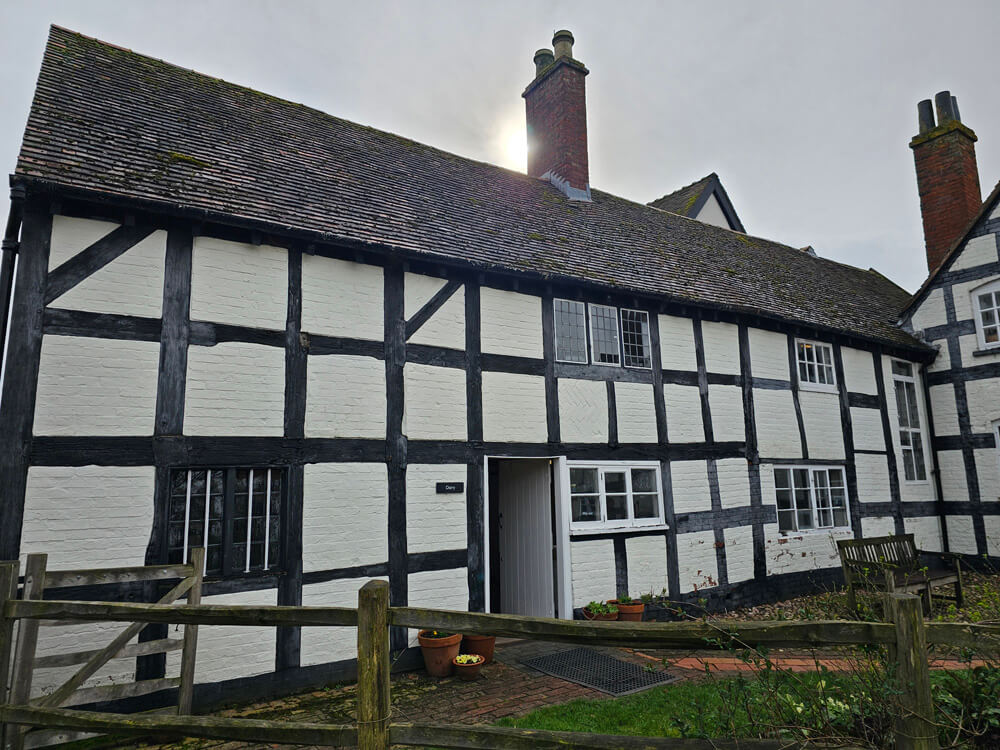
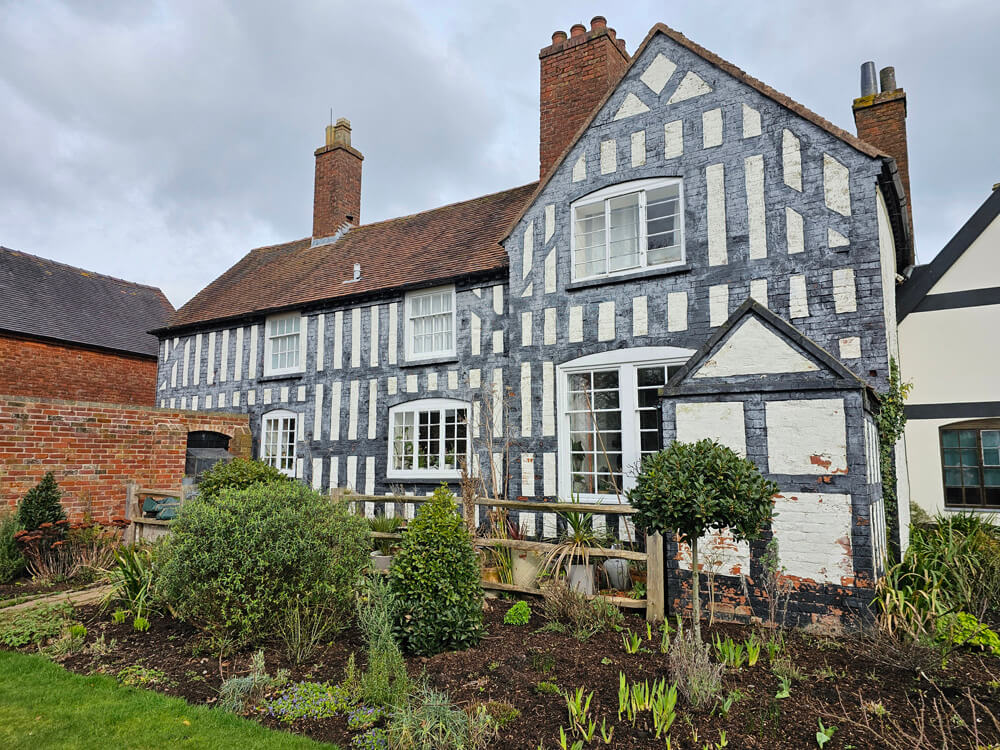
Boscobel House is a historic timber-framed Grade II listed building in Brewood, Bishops Wood, on the border between Staffordshire and Shropshire. It has been, at various times, a farmhouse, a hunting lodge, and a holiday home, but it is most famous for its role in the escape of Charles II after the Battle of Worcester in 1651.
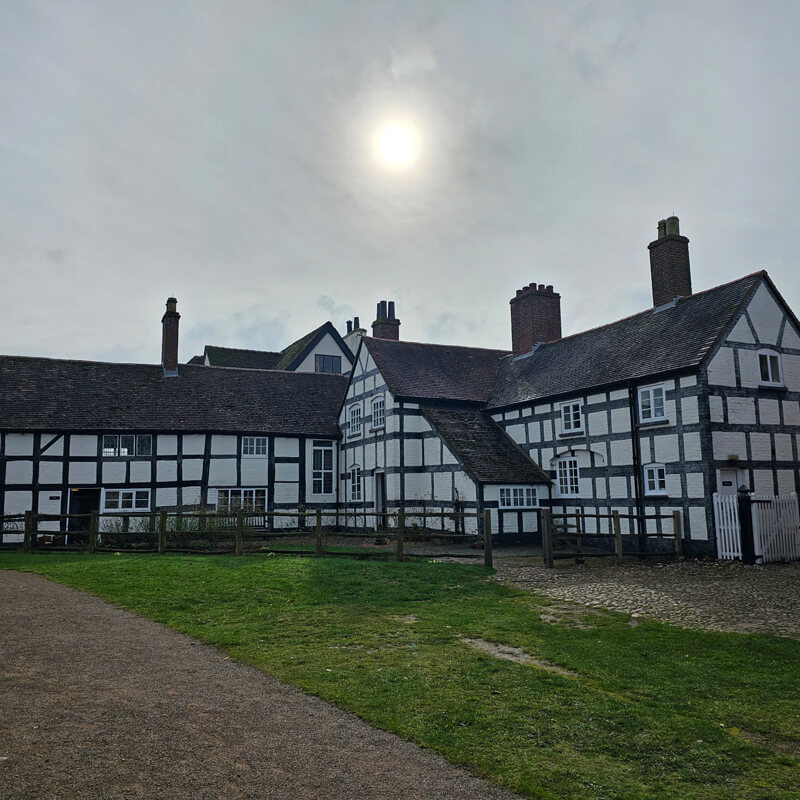
Boscobel House was built by John Giffard in about 1630 – 1632, which replaced an earlier cottage that existed on the site since the 16th century. The Giffard family were staunch Catholics at a time when Catholics were heavily persecuted, and it is possible that Boscobel House was intended to serve as a refuge, or hiding place for Catholics.
By September 1651 England had been gripped by civil war for nine years and Boscobel House was the scene of dramatic events.
Charles, Prince of Wales (the future Charles II), son of the executed King Charles I, made an unlikely bid to retake the throne. His army were defeated by Oliver Cromwell’s Parliamentarian soldiers at the Battle of Worcester, and the young Charles fled north with his companions, including the Earl of Derby who mentioned Boscobel House as a potential hiding place. He initially tried to escape to Wales but found his route cut off by Parliamentary troops.
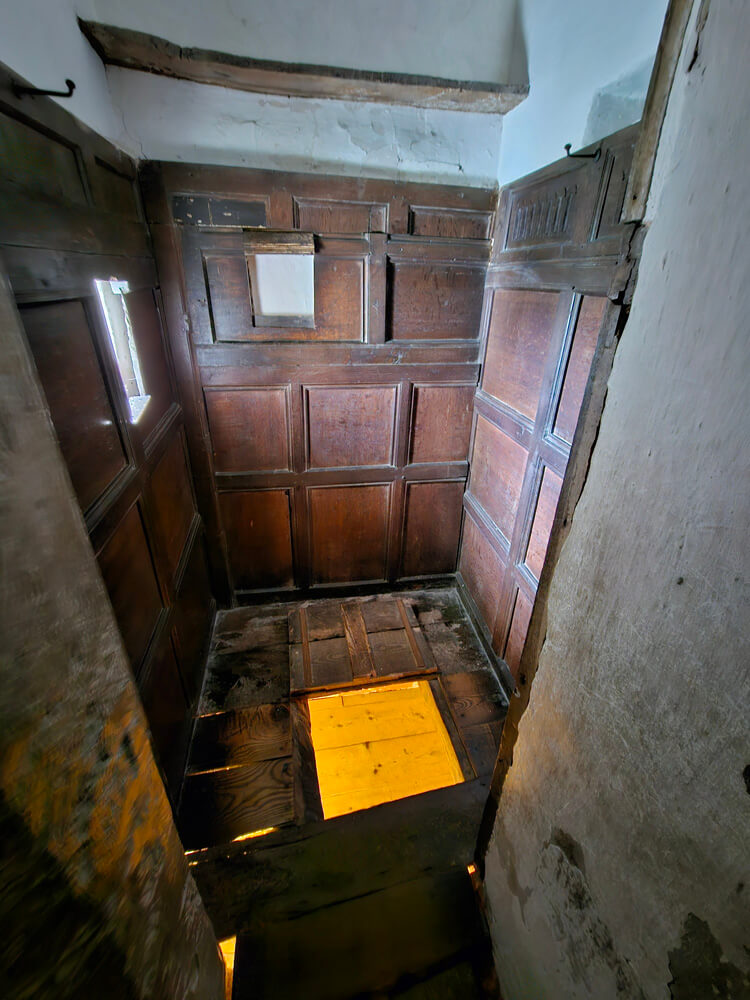
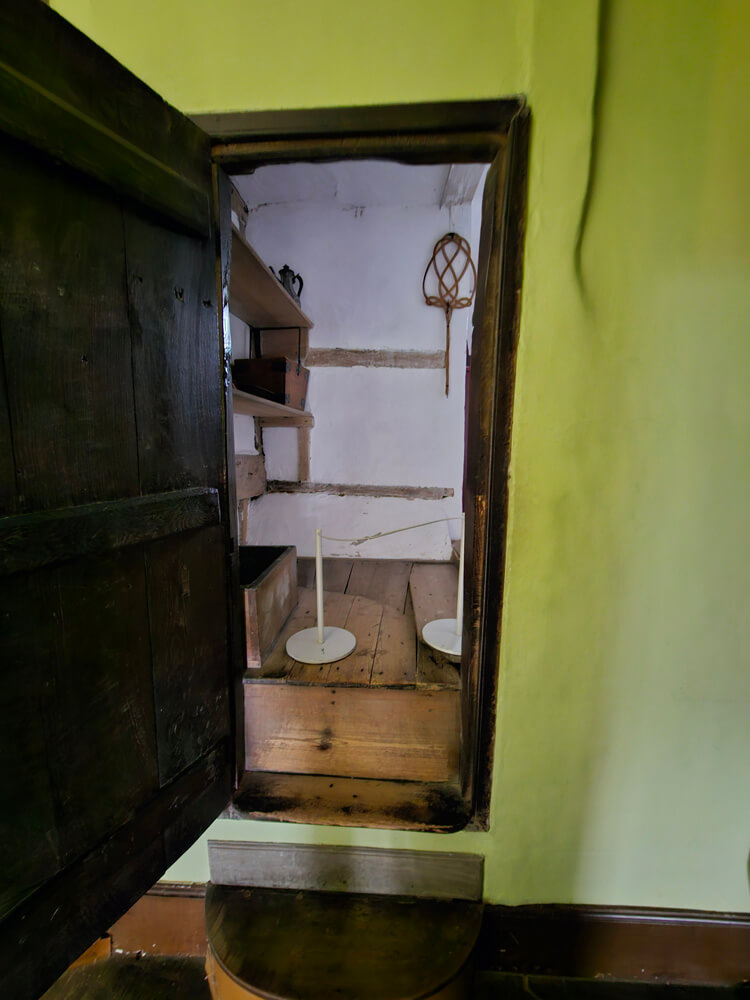
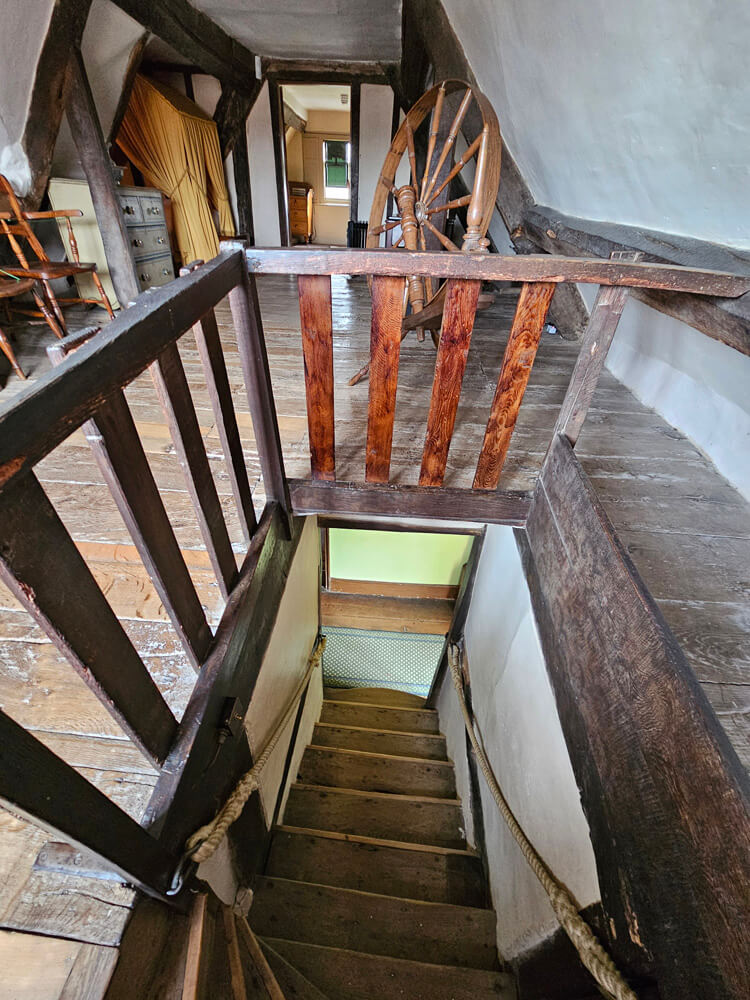
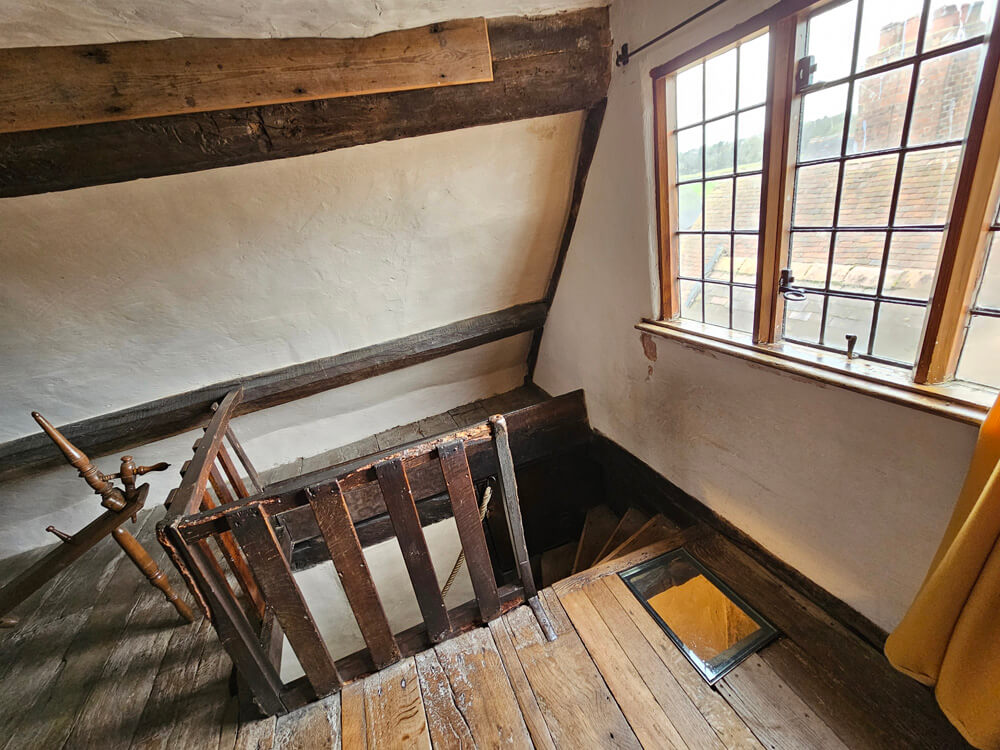
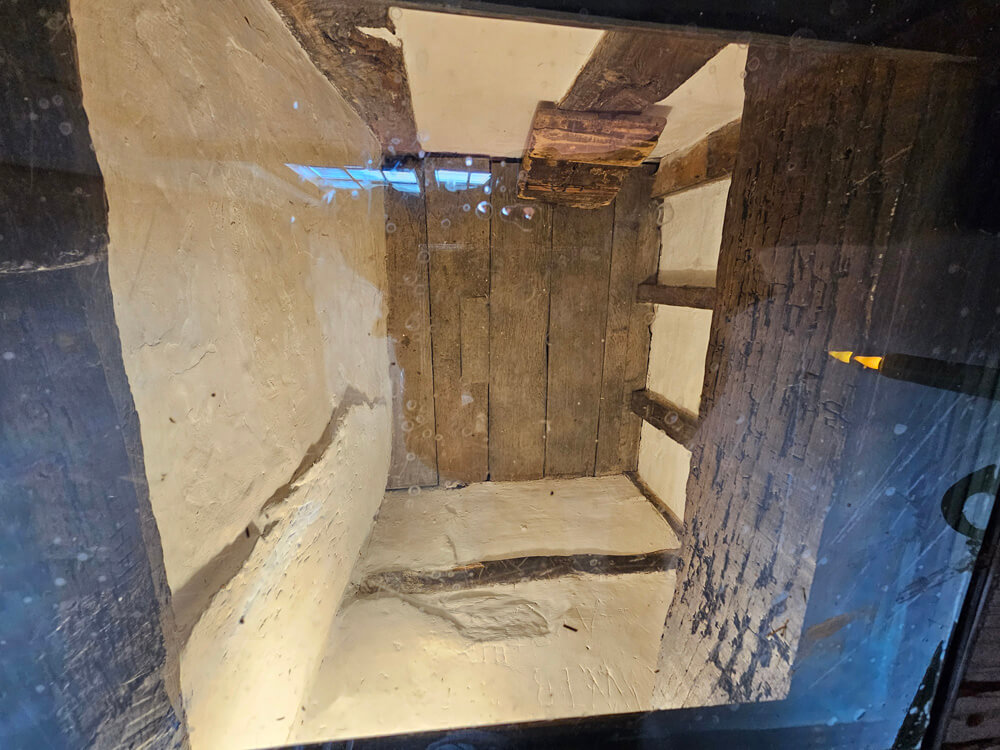
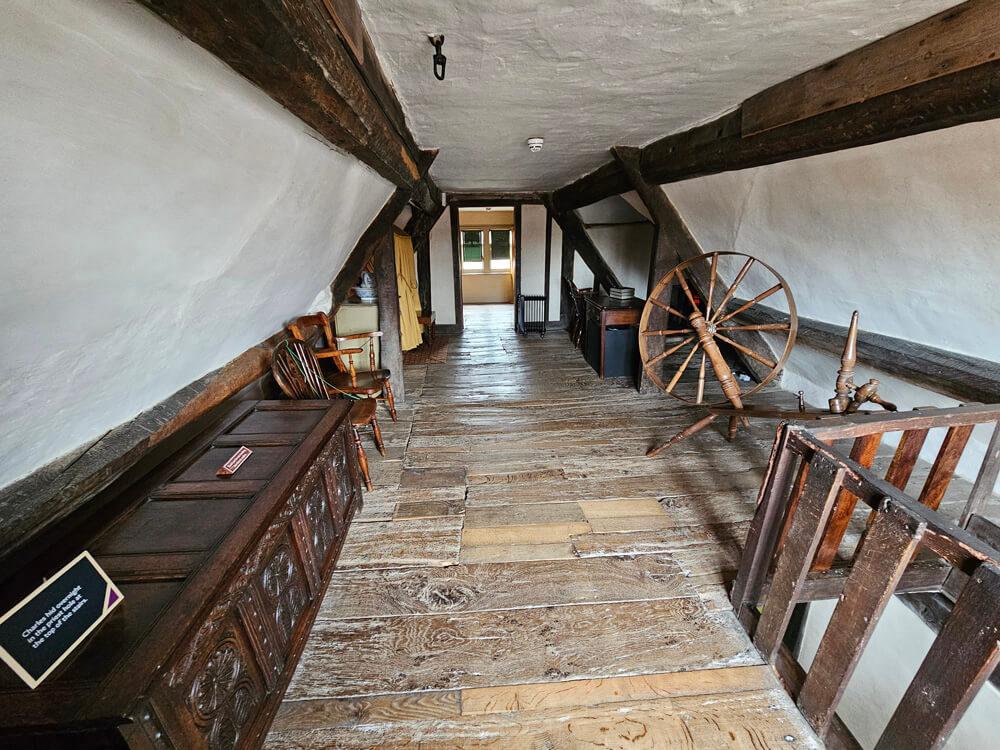
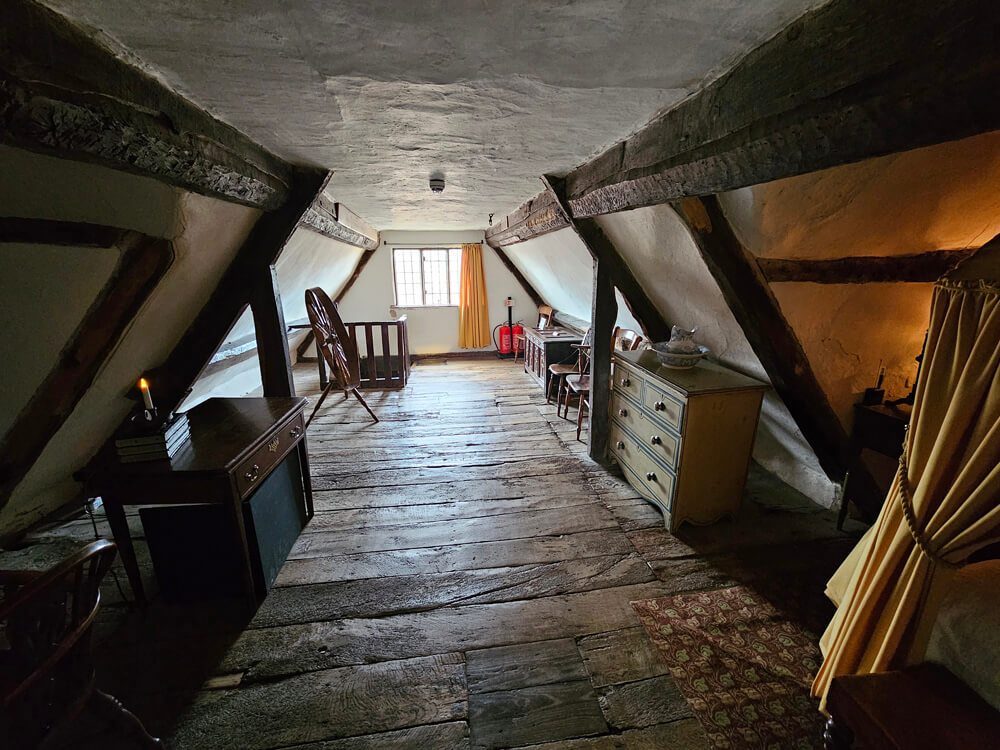
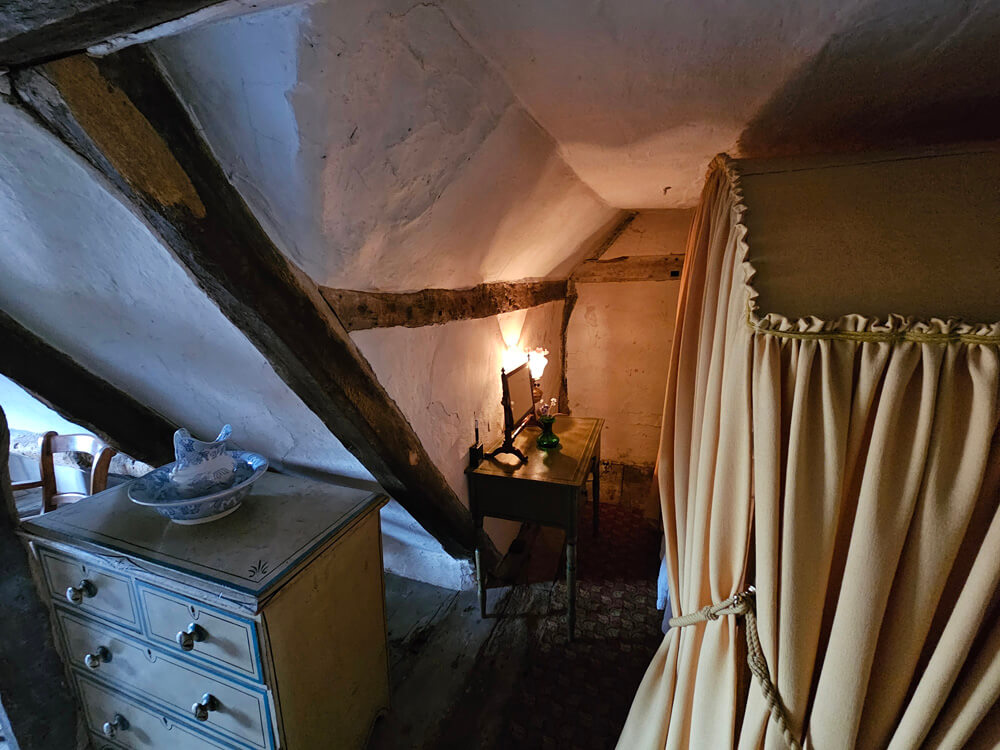
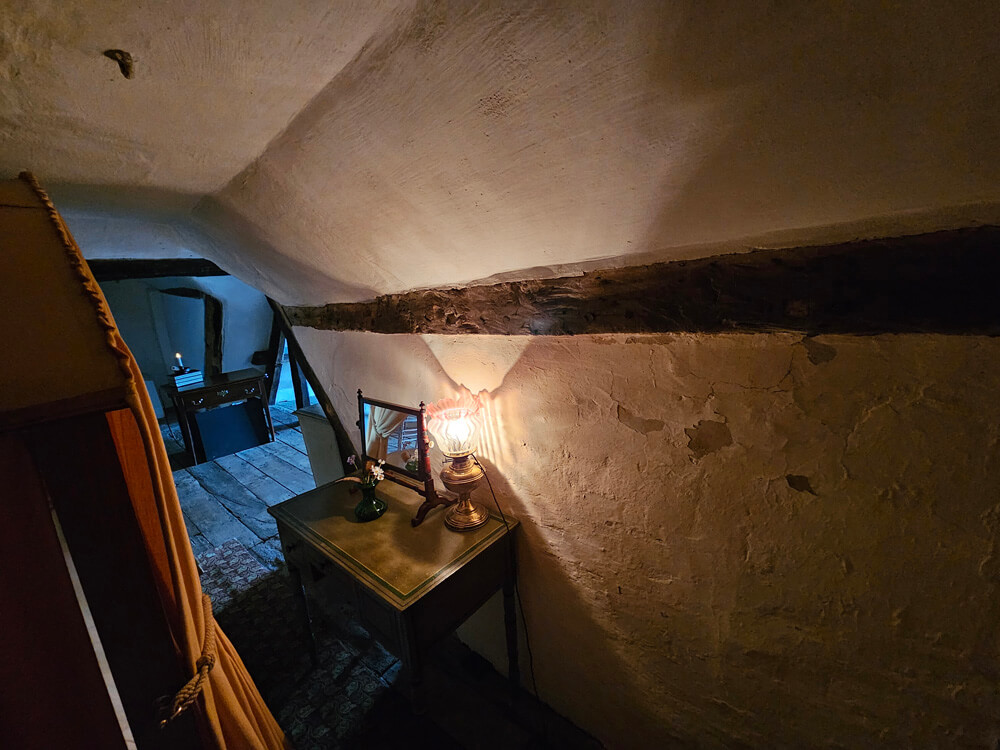
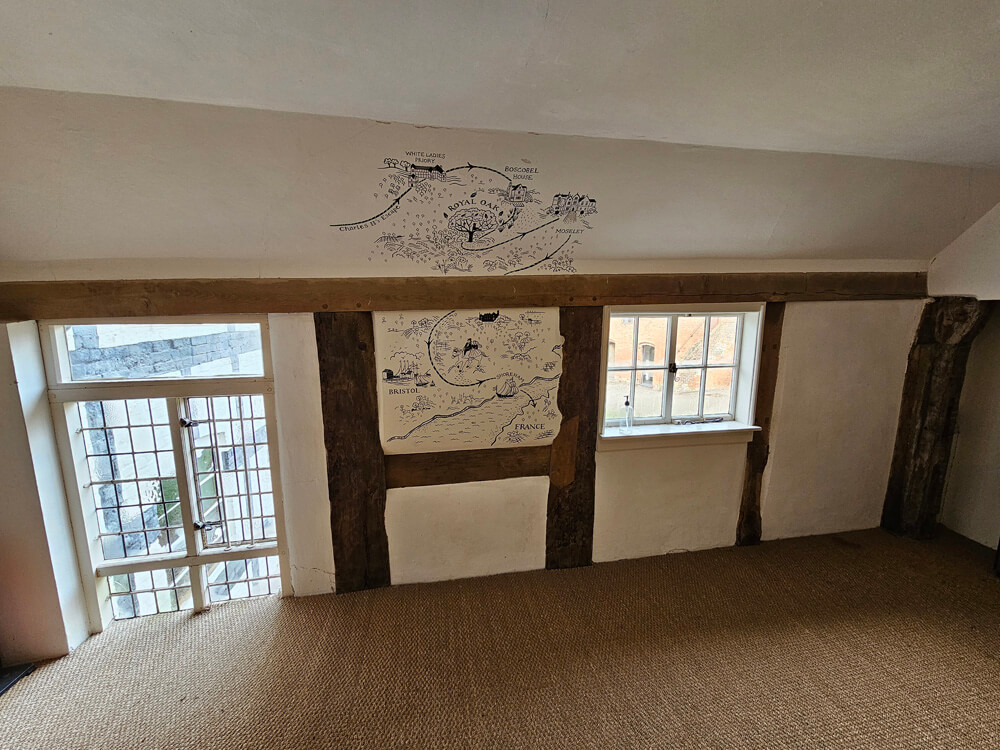
Charles first arrived at nearby White Ladies House (previously White Ladies Priory before Henry VIII‘s Dissolution of the Monasteries), led there by a member of the Giffard family. He was then forced to hide with a companion in an oak tree at Boscobel, a tree which became famous as the Royal Oak. He then found a more comfortable refuge in a priest’s hole, or hidden chamber, where he spent the night in the attic of Boscobel House. The Penderel family, who lived at Boscobel House at this time, did not know that Charles was going to arrive at Boscobel, and by choosing to help him they put themselves in danger. The Penderel family were tenants and servants of the Giffard family, and they played an important role in guiding and caring for the future king. From there he eventually made his way to France and safety.
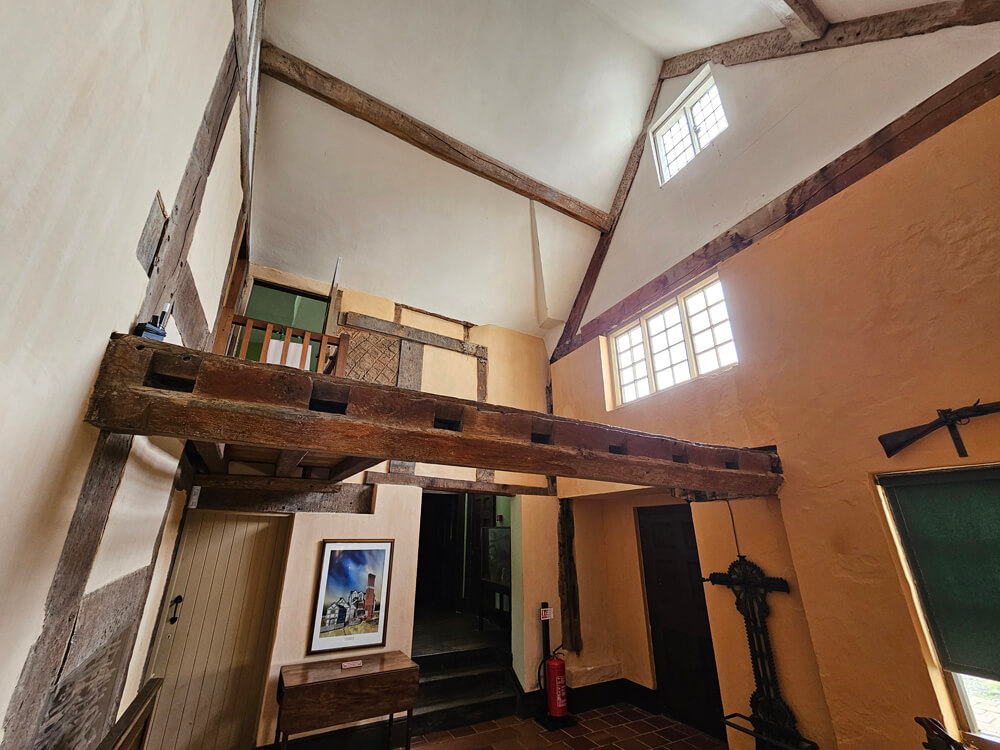
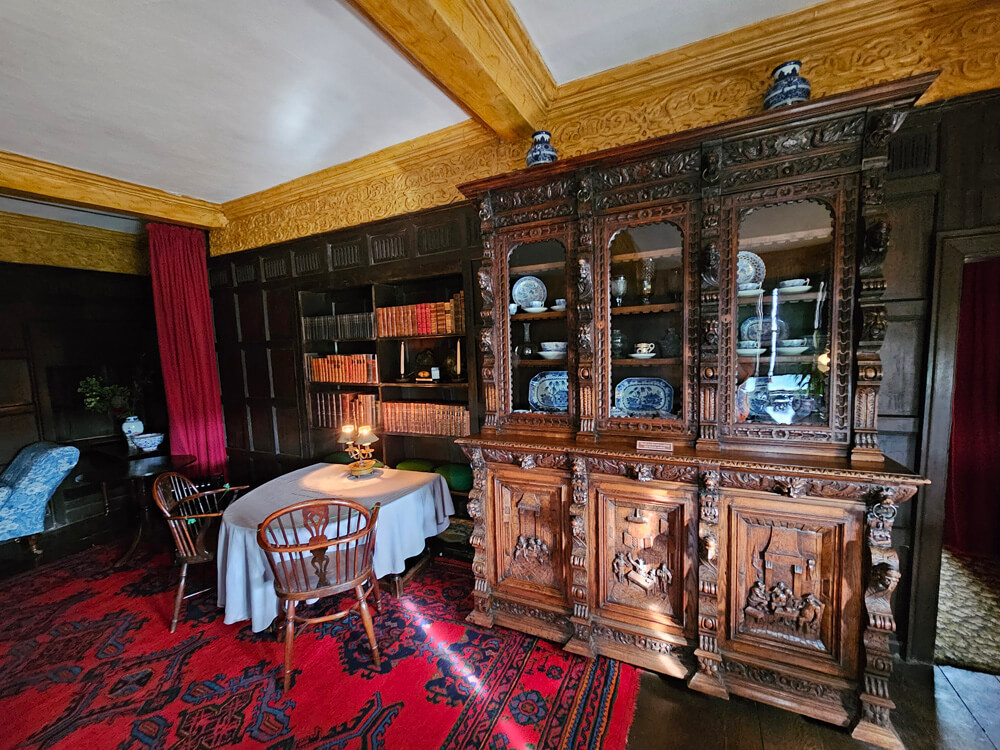
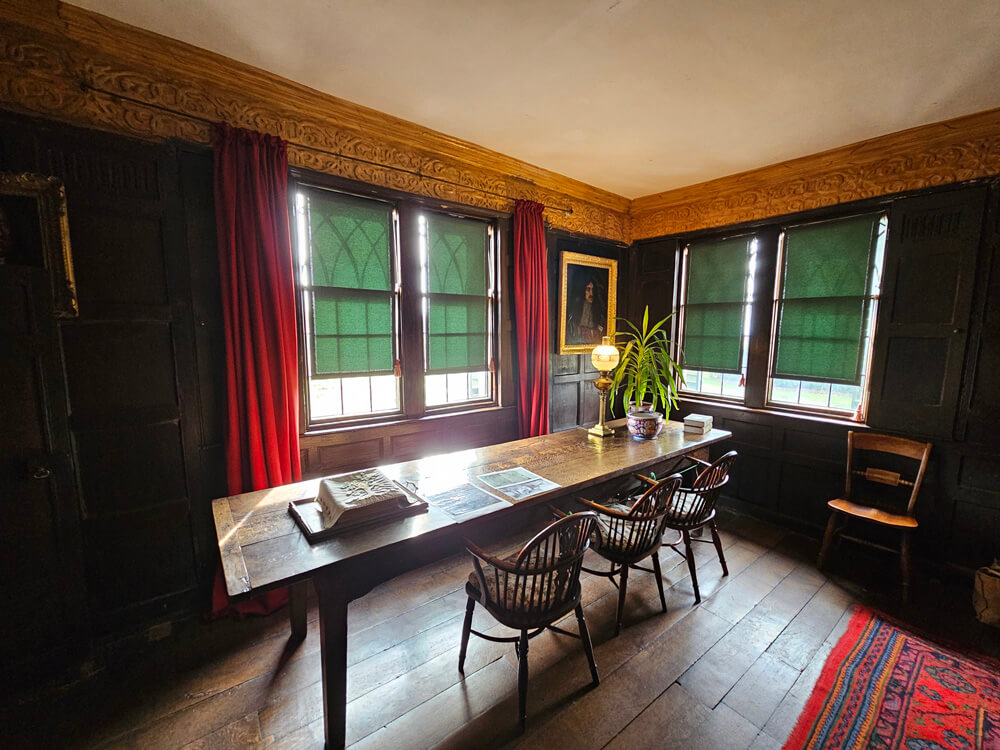
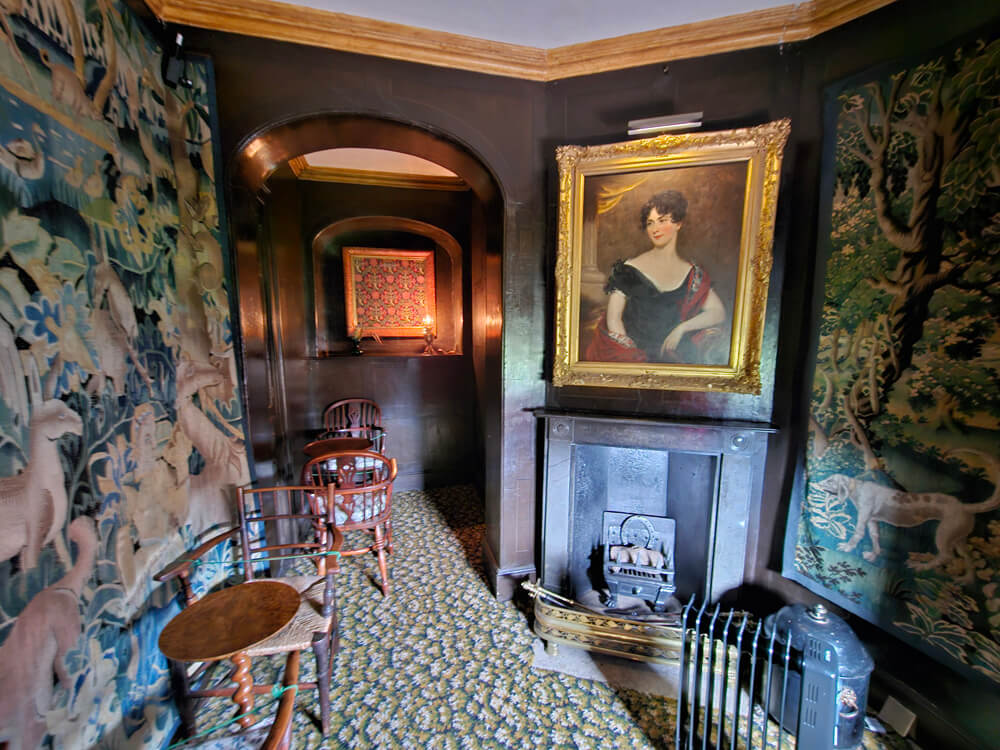
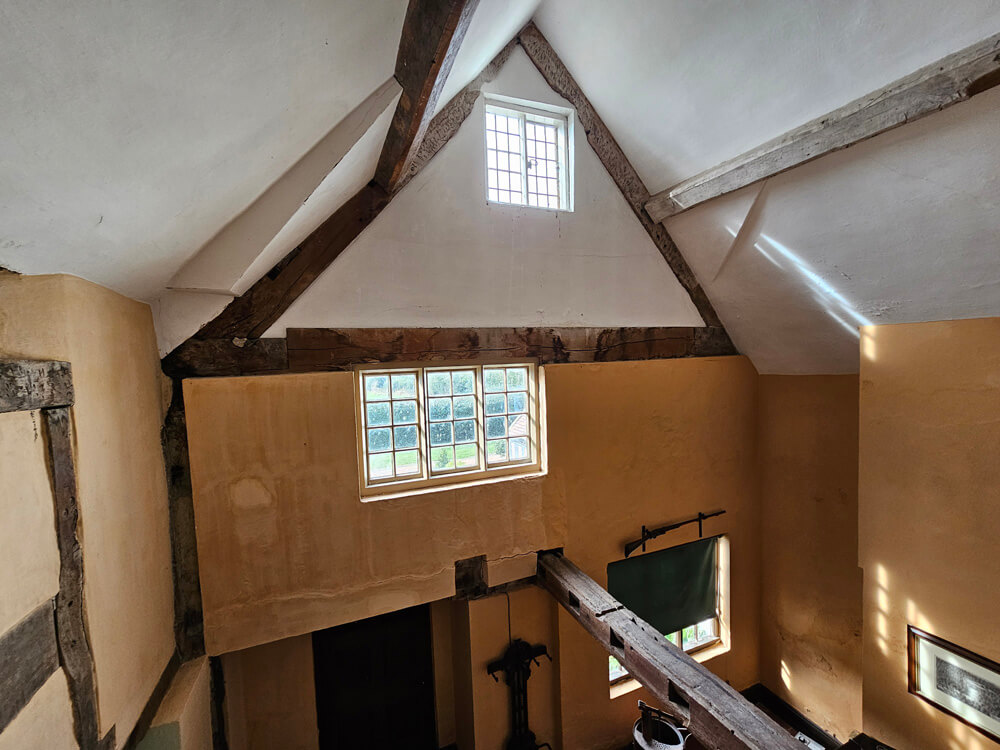
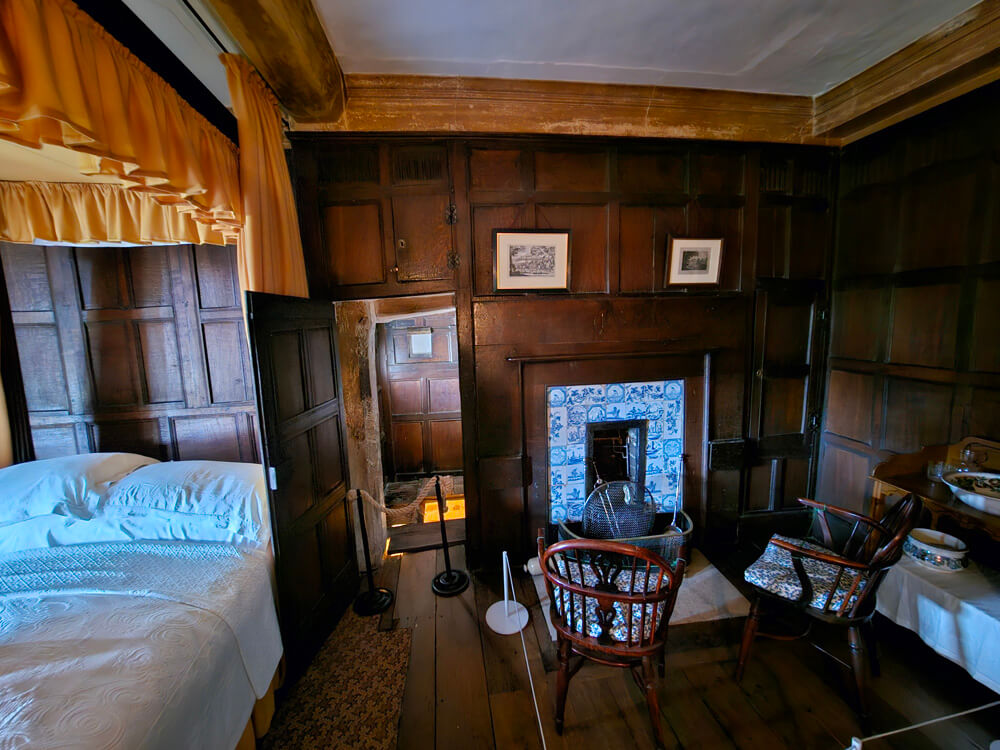
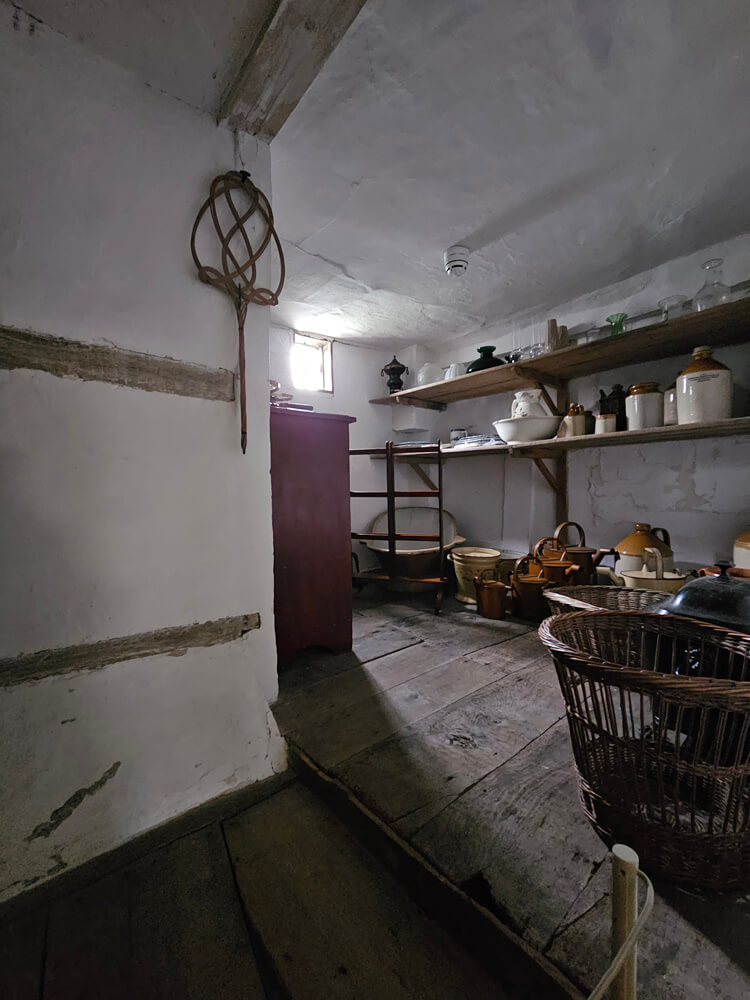
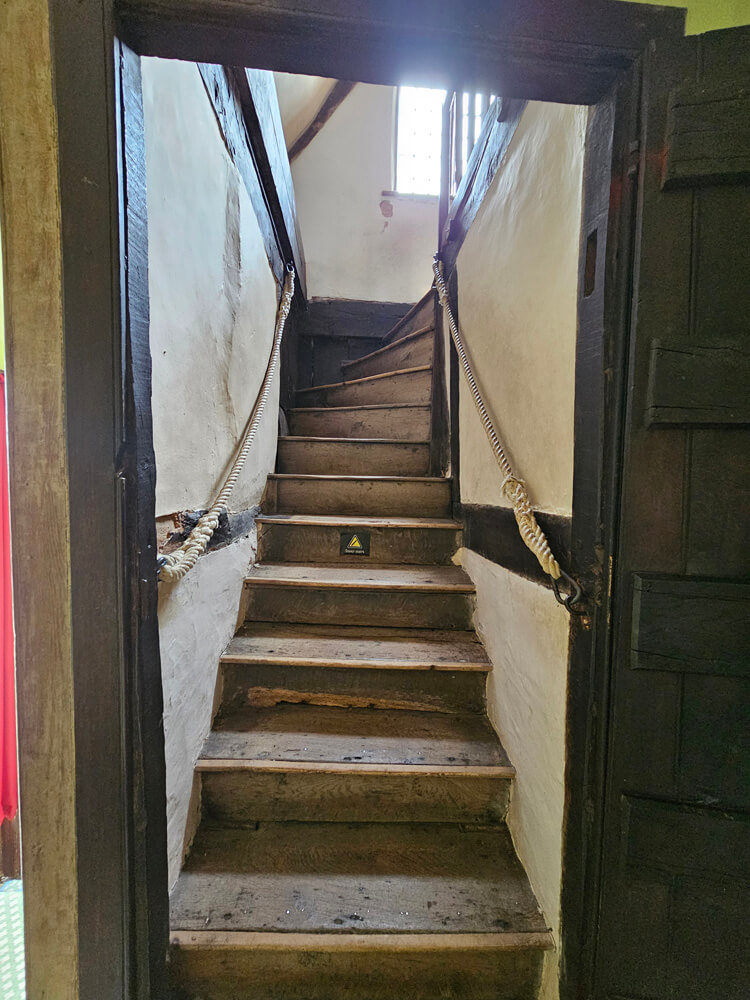
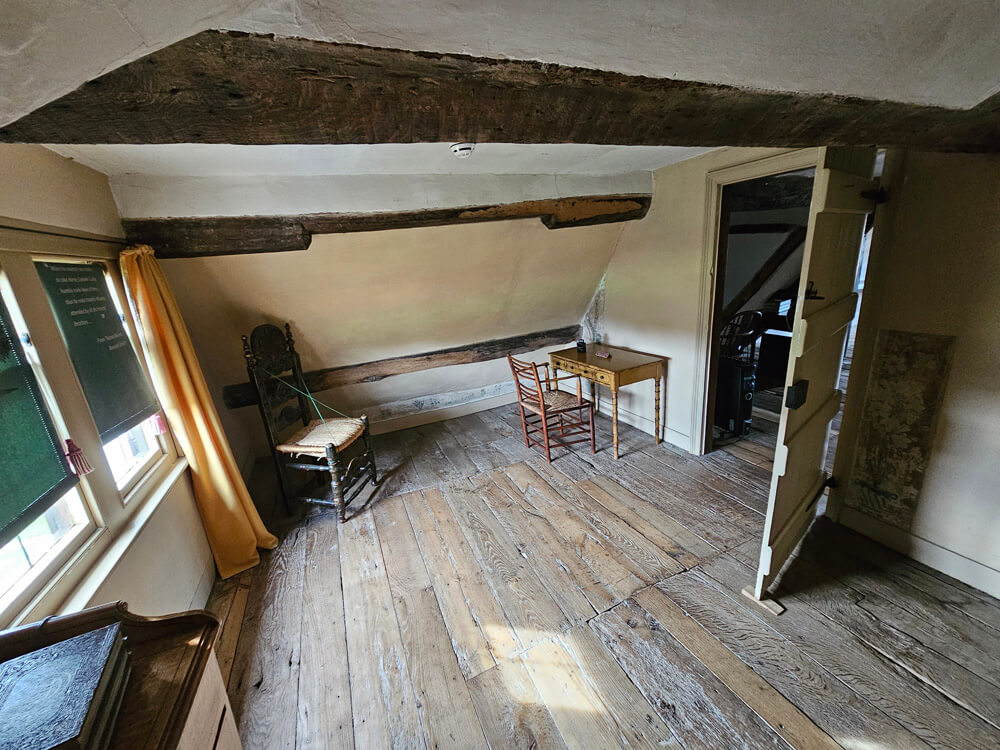
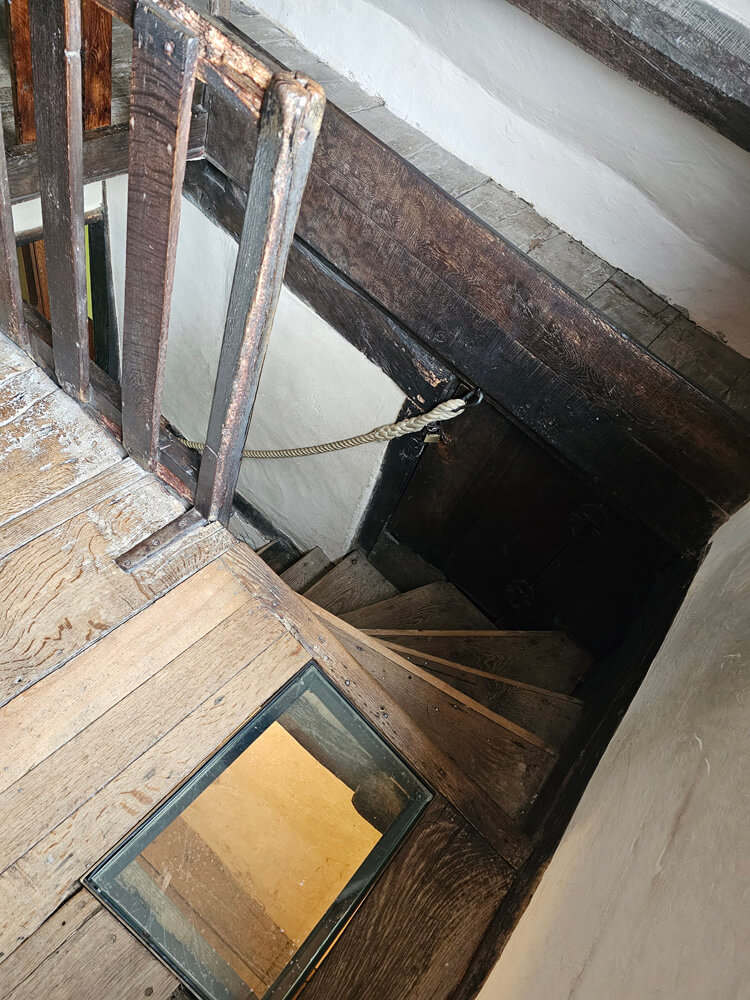
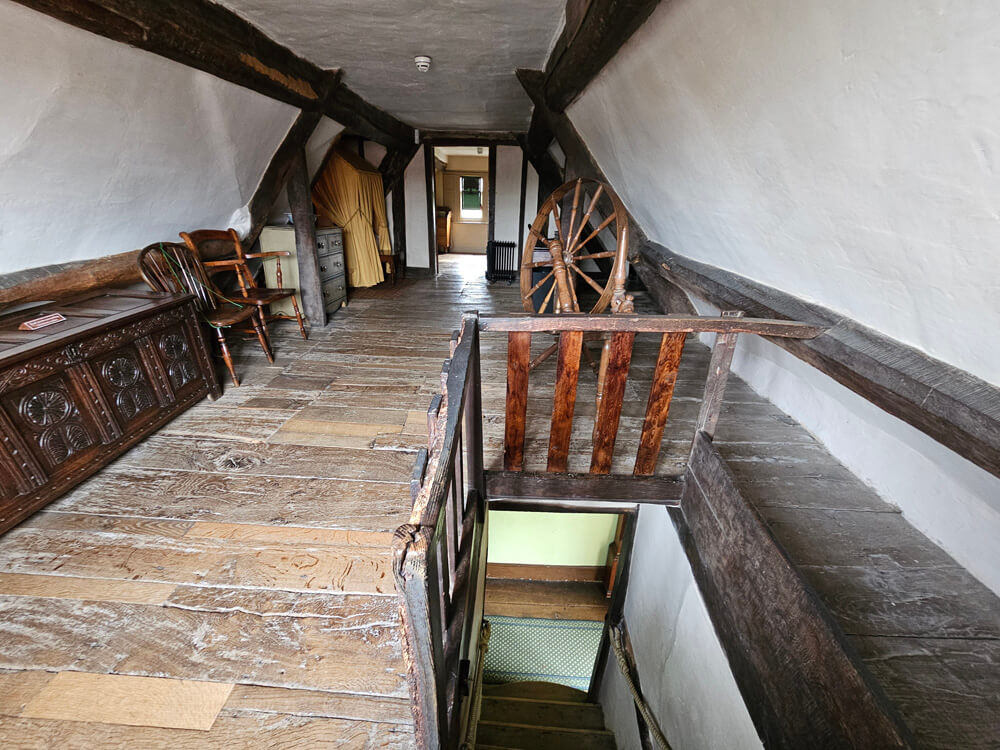
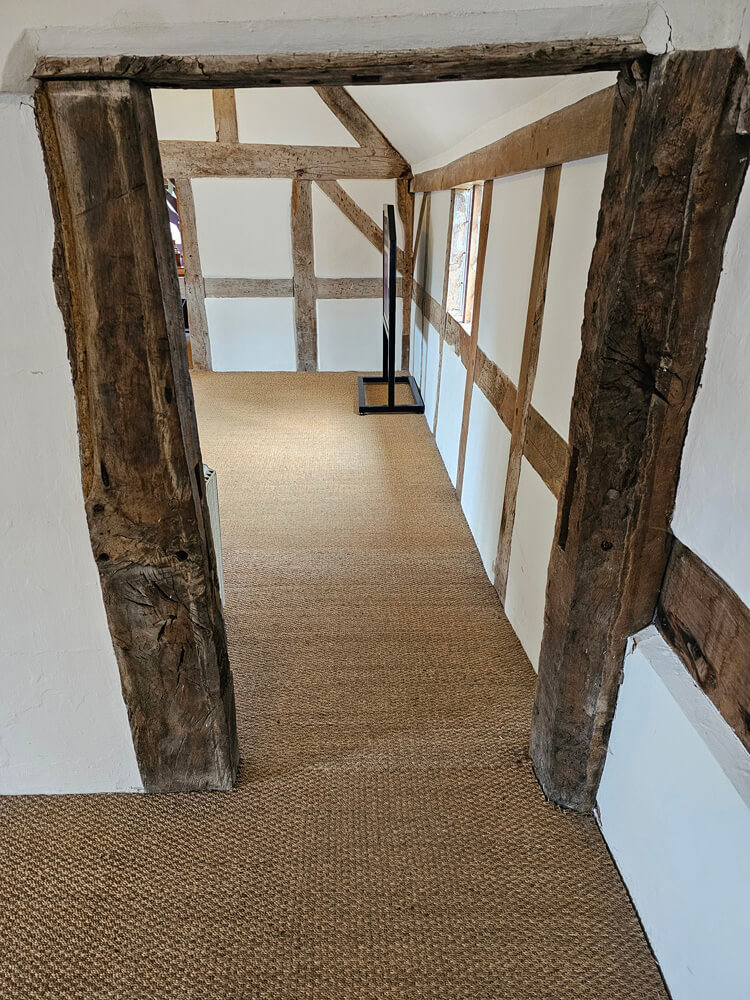
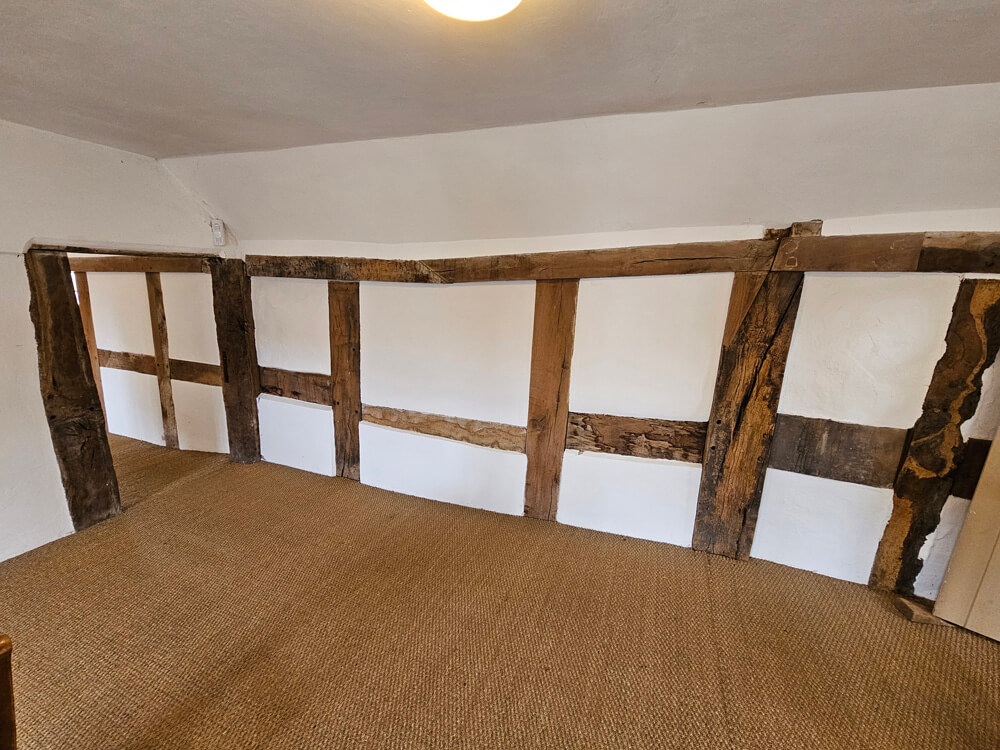
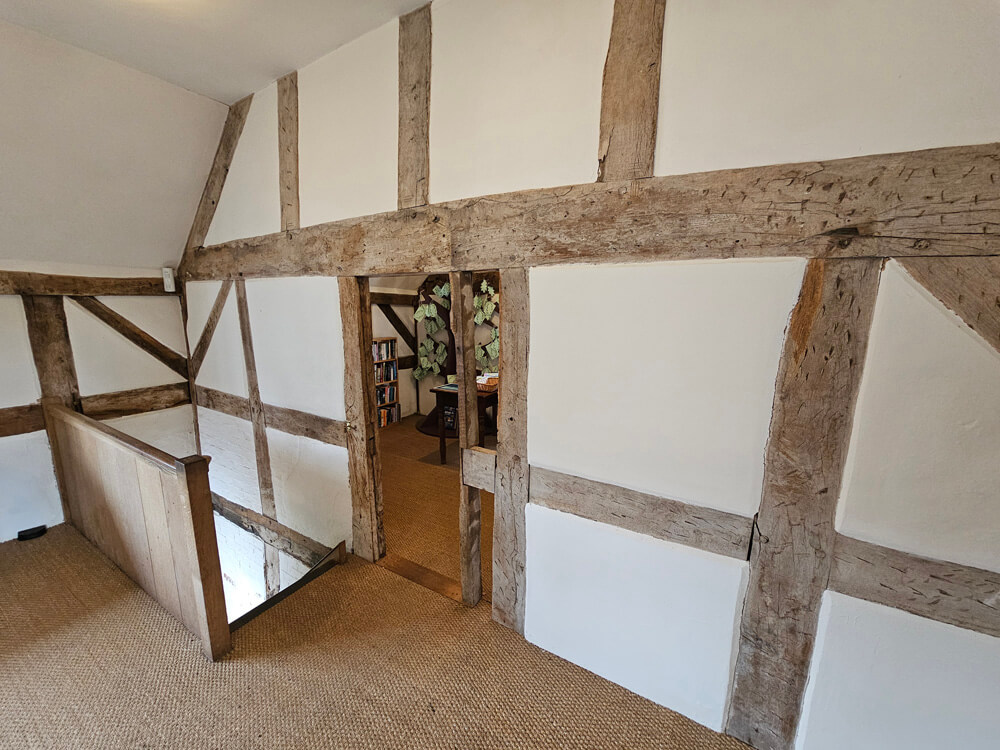
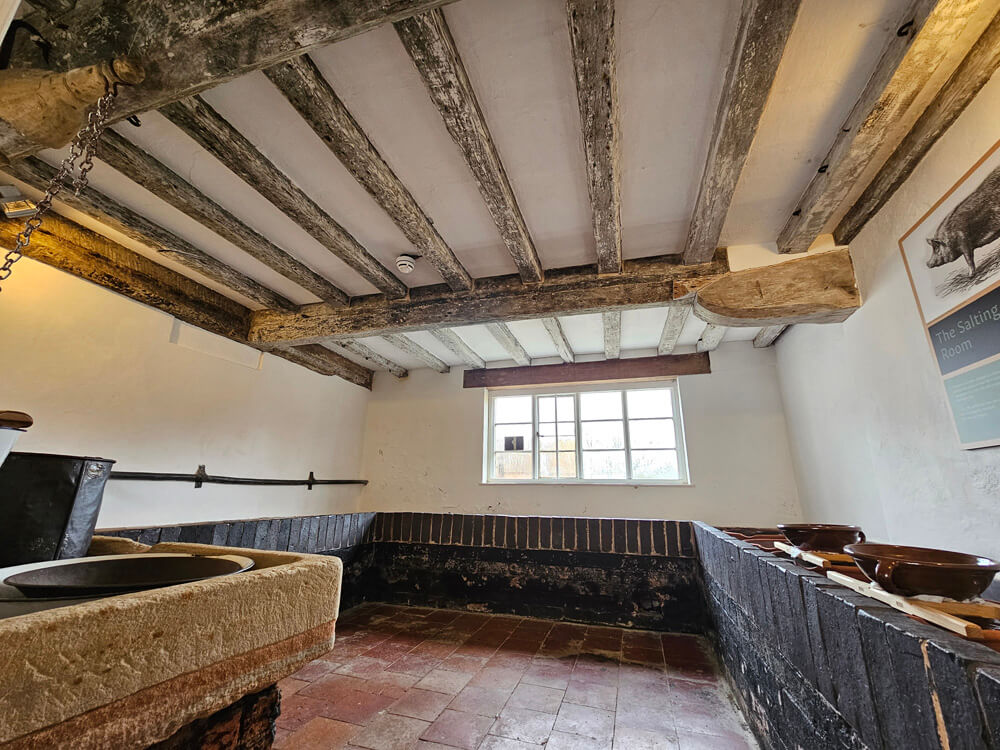
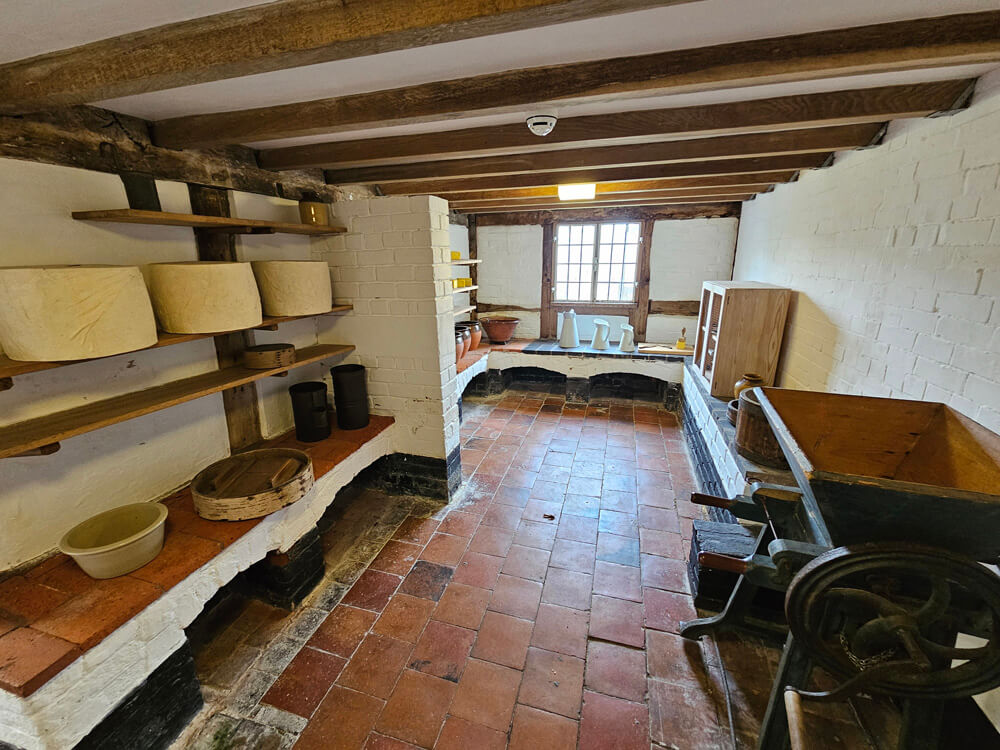
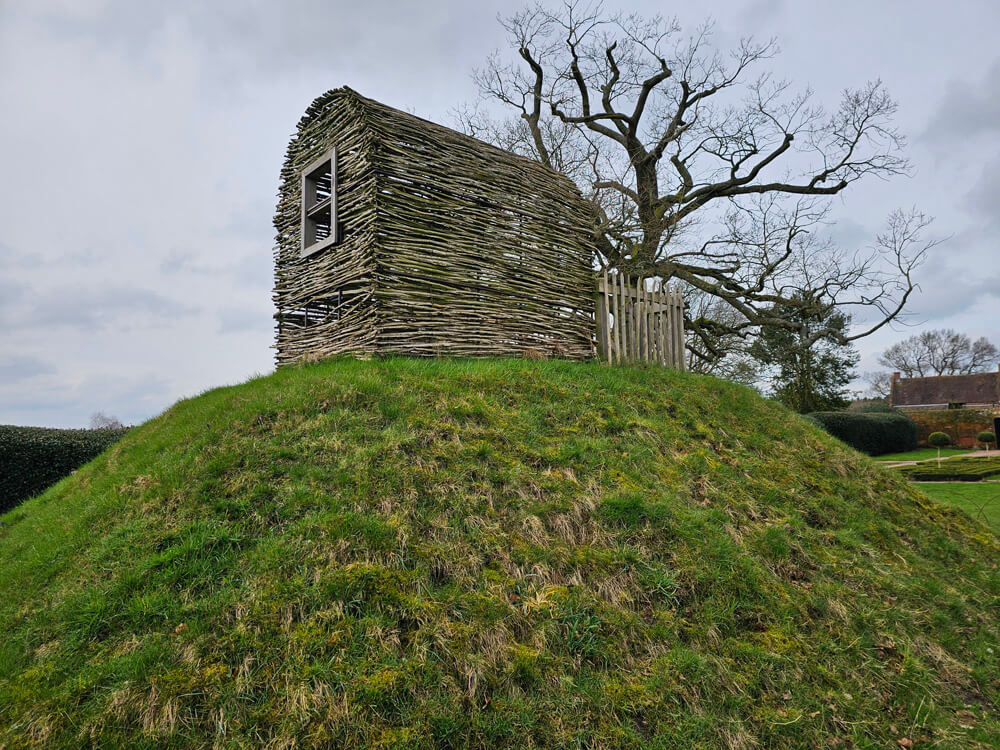
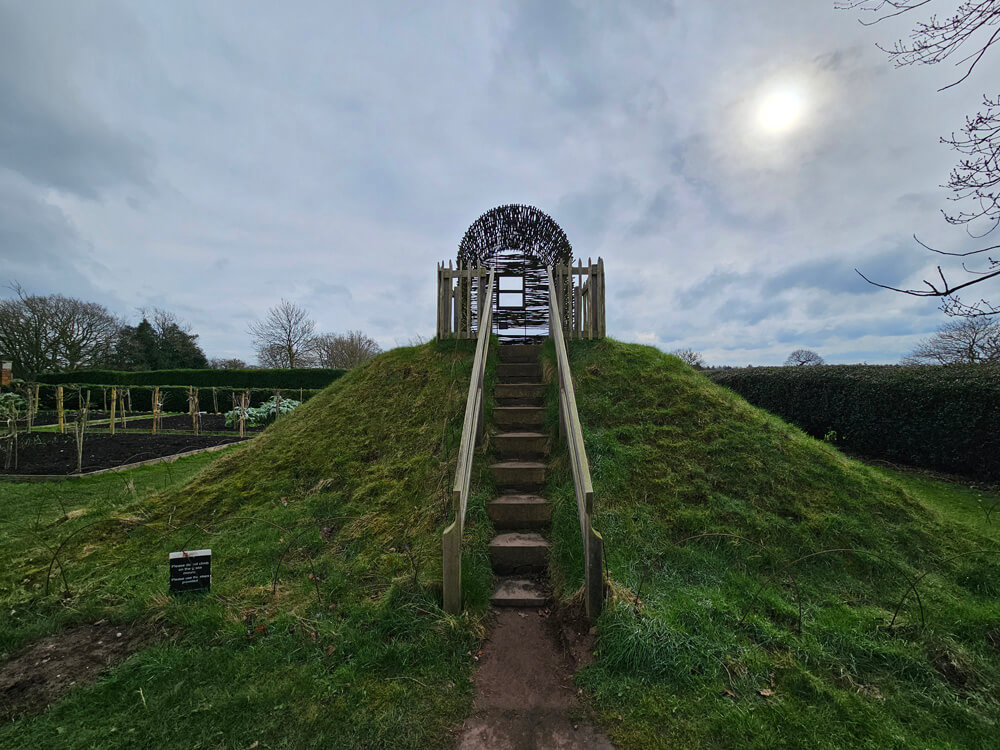
Today, Boscobel House is managed by English Heritage. It is an attractive timber-framed building in picturesque surroundings. The building retains many original features and lots of the original timber throughout, and many historic pieces of furniture in its many rooms. There is also a very attractive walk from Boscobel House to the ruins of the medieval White Ladies Priory, which takes about 20 minutes each way over quiet country lanes and farm fields.
Photo Gallery.
Did you enjoy this post?
I hope you found this post useful. I put a great deal of time and effort in to building, maintaining and populating the website. If you like, you could say a small thank you by buying me a coffee. You don't have to, but it would be nice :)
Buy me a coffee
Stay up to Date
Follow me on my journey and get notified whenever a new post is published by following Kings & Castles on Facebook.
Follow MeExplore The Map
Discover the hundreds of castles, churches, monasteries, cathedrals and other historic locations that I've personally visited across England and Wales. Search by location, explore nearby sites and plan your next historical adventure.
Share: