Holy Trinity Church, Eccleshall
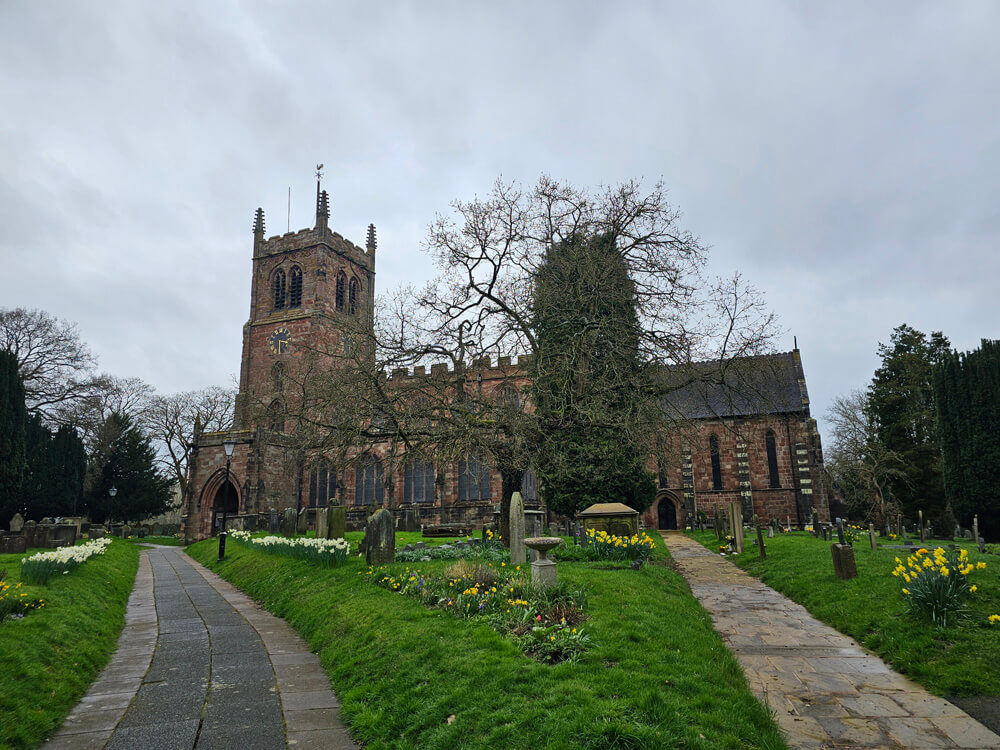
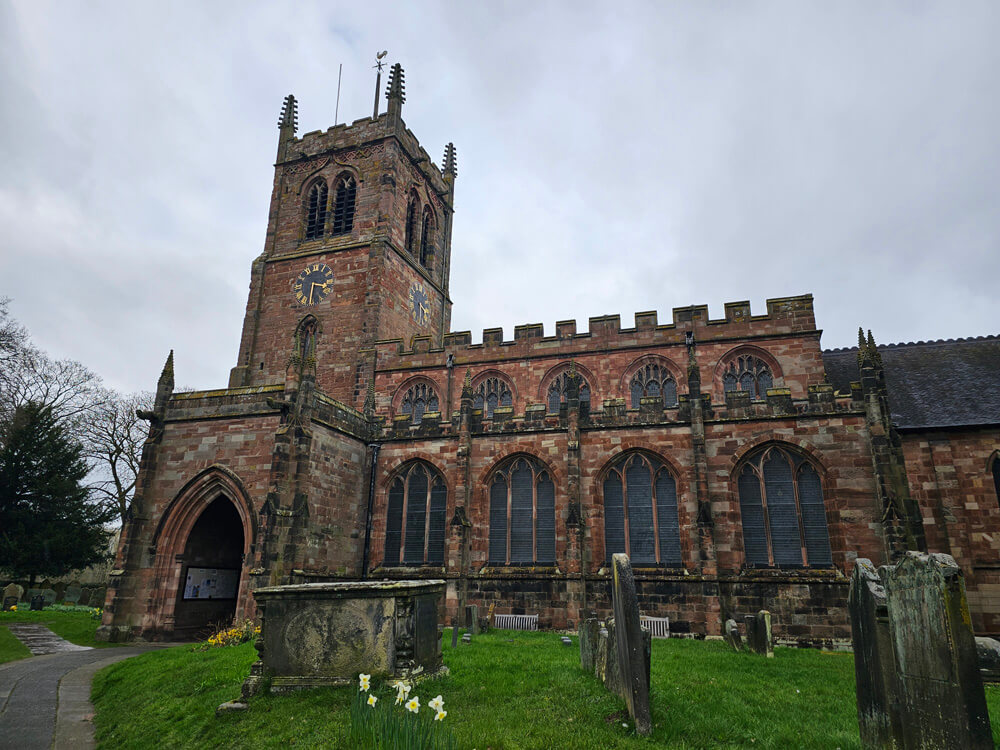
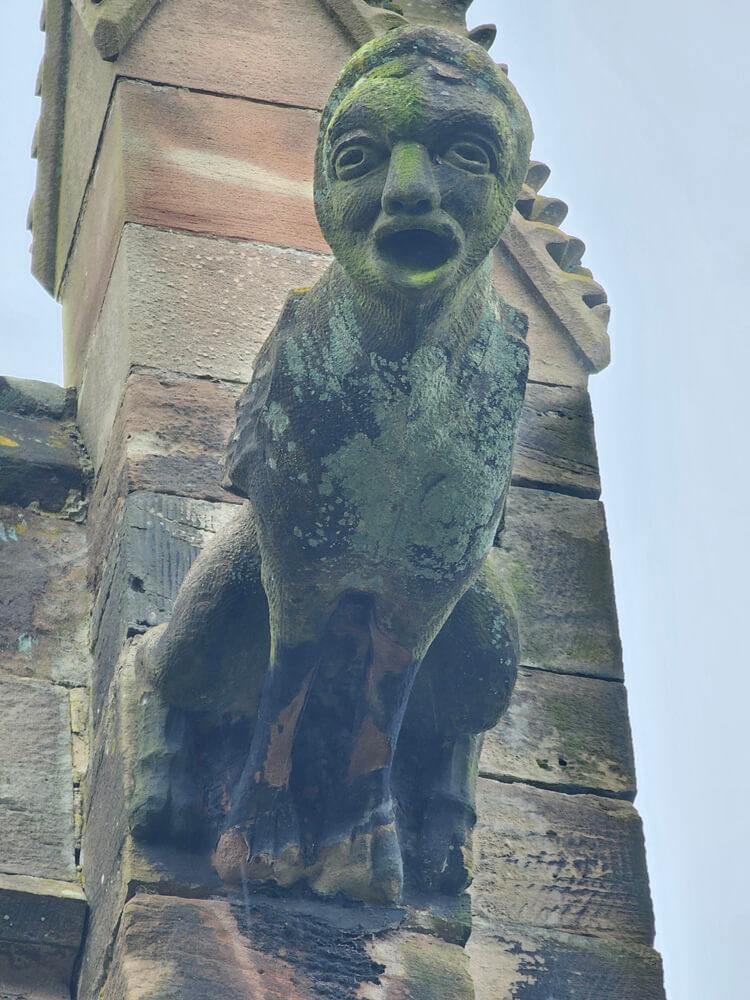
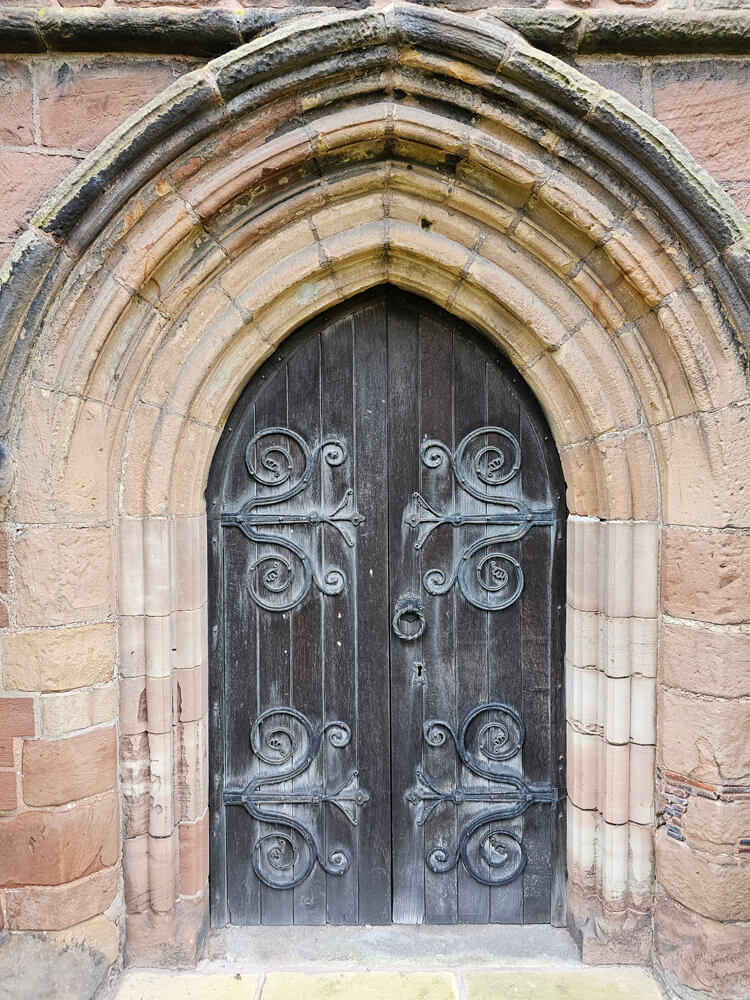
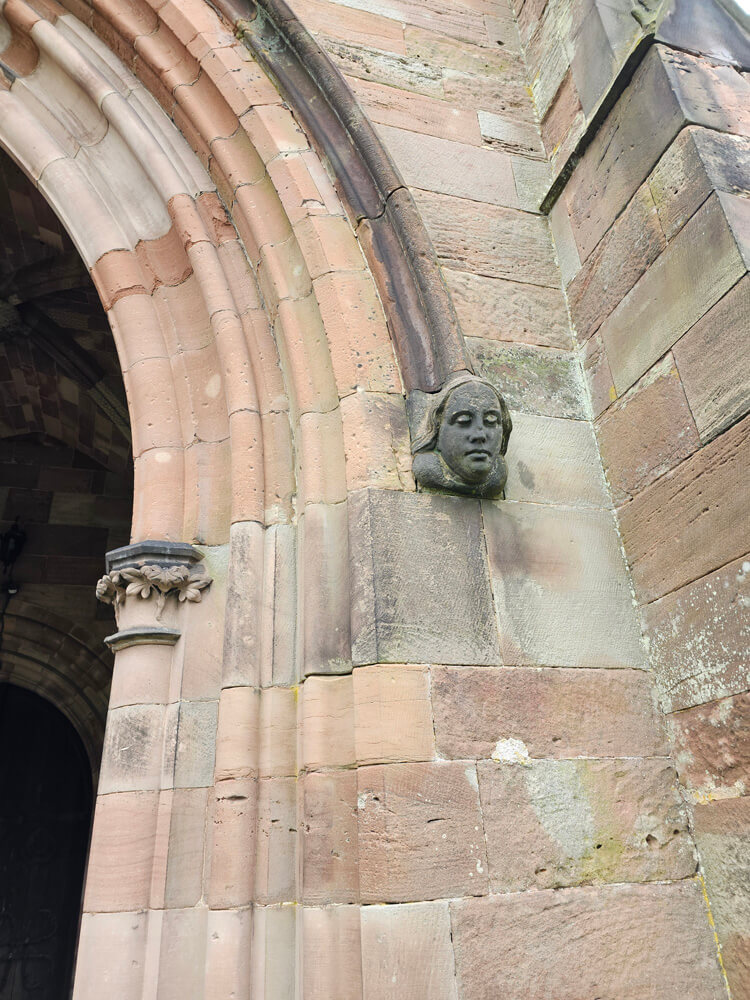
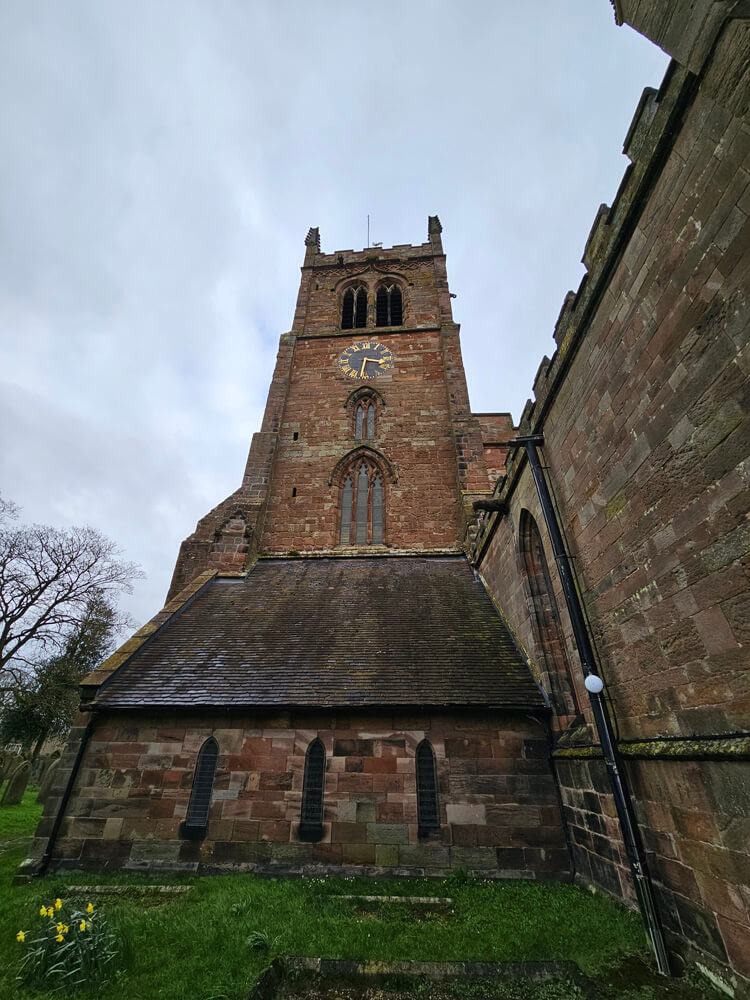
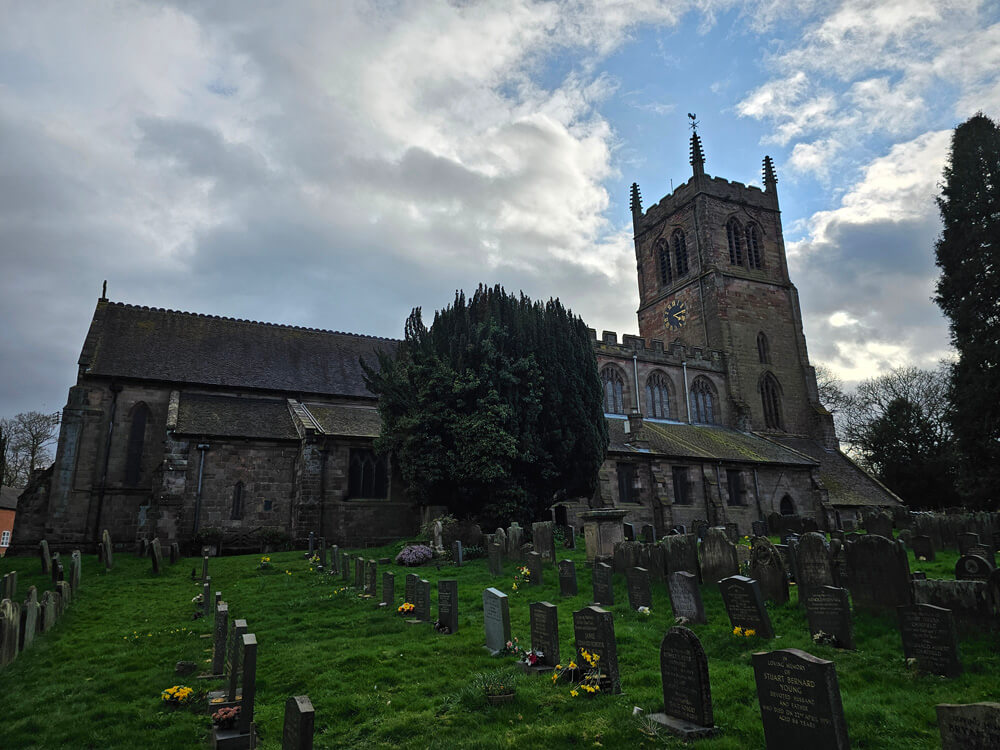
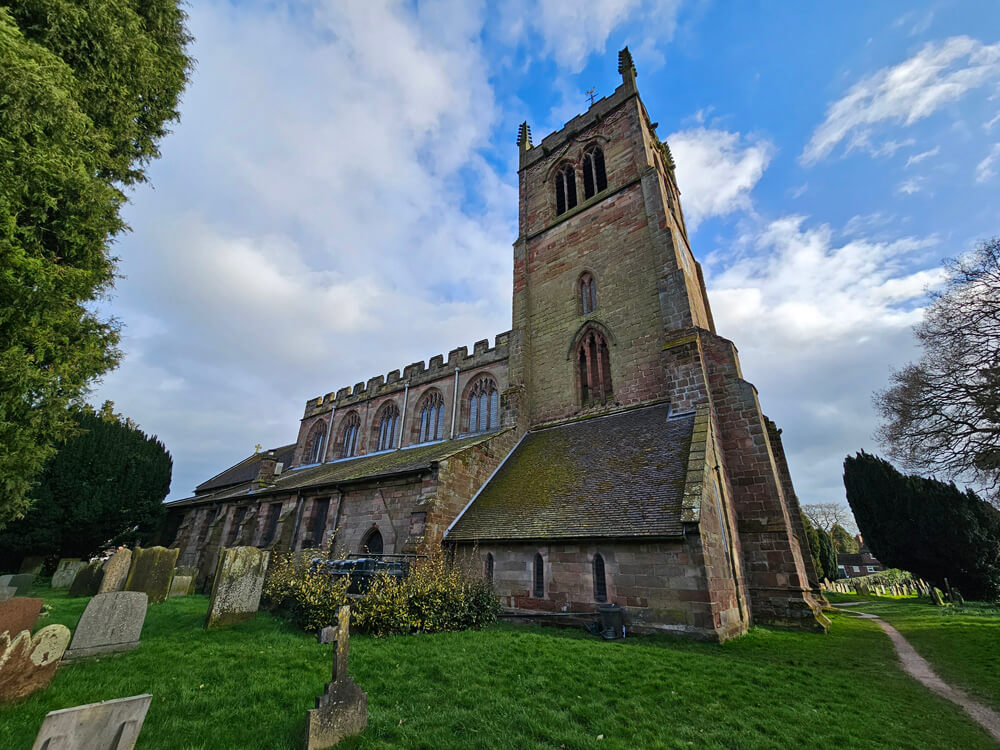
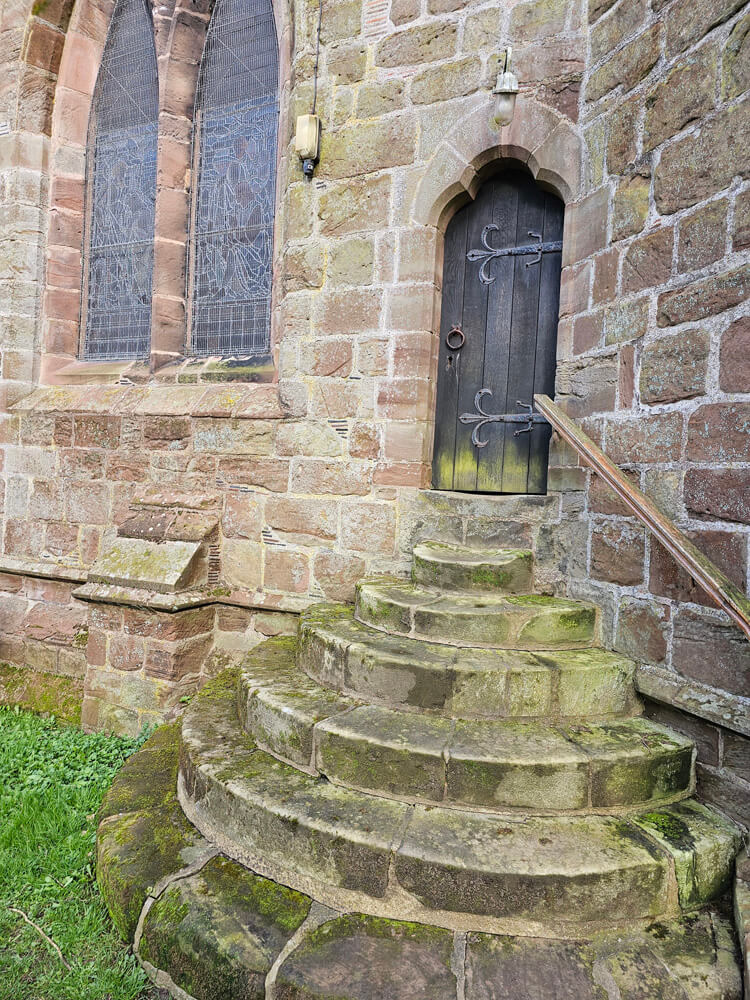
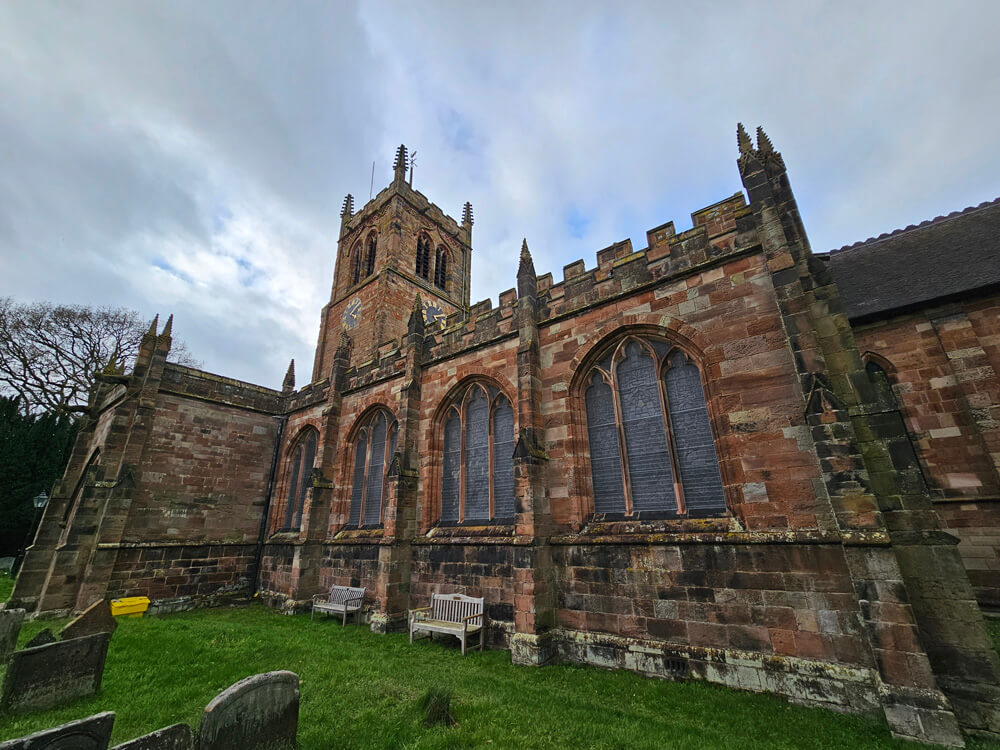
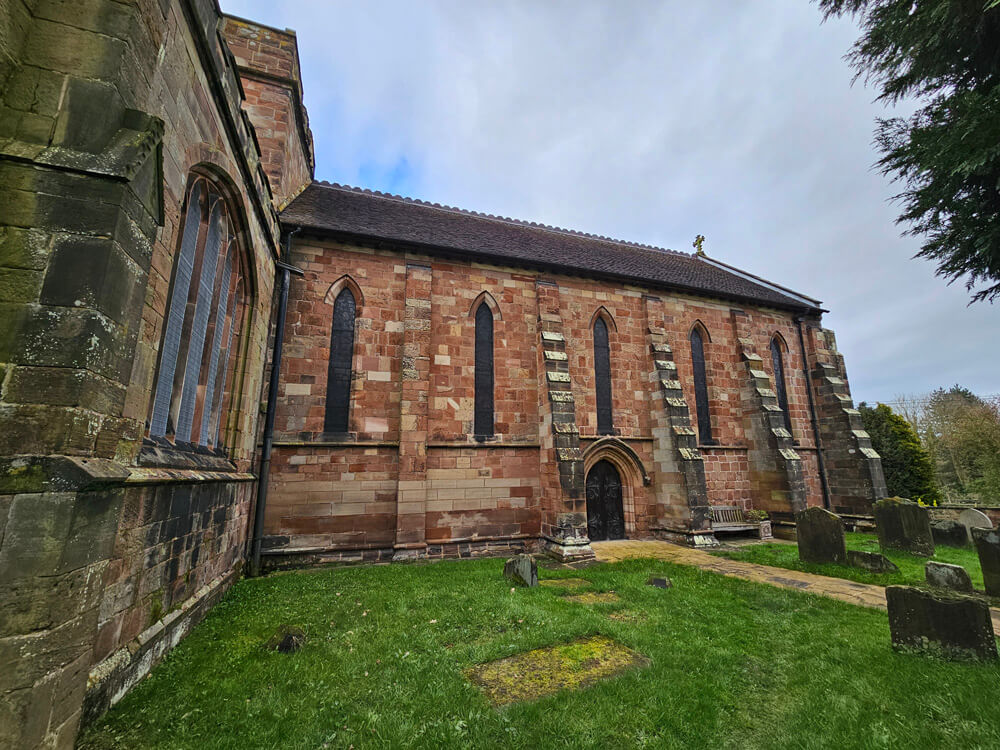
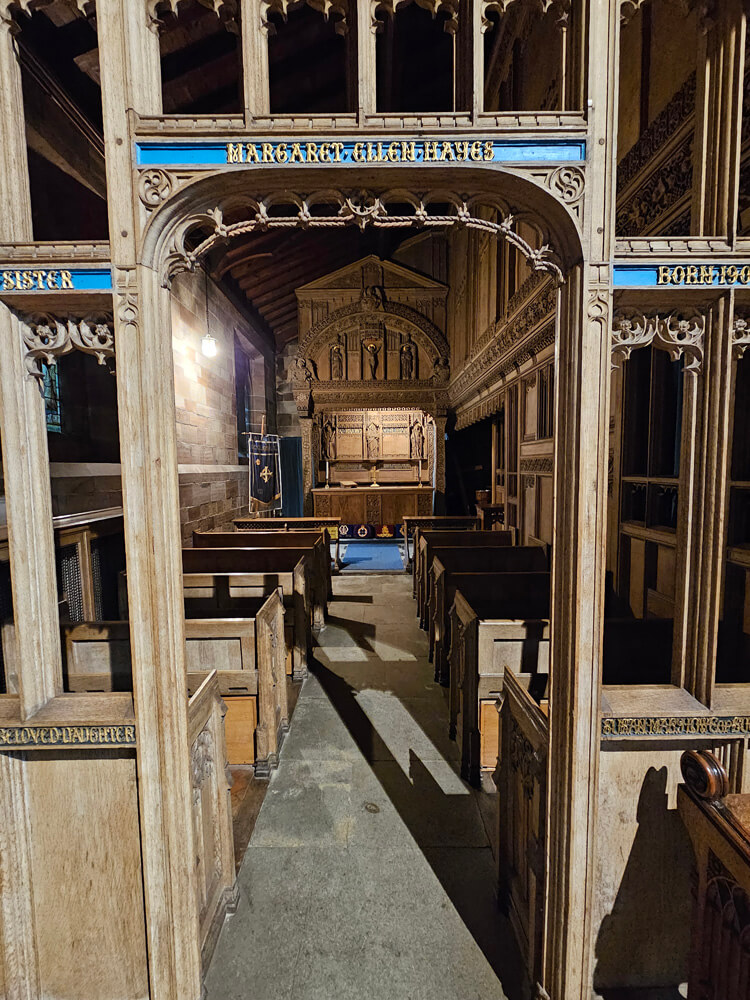
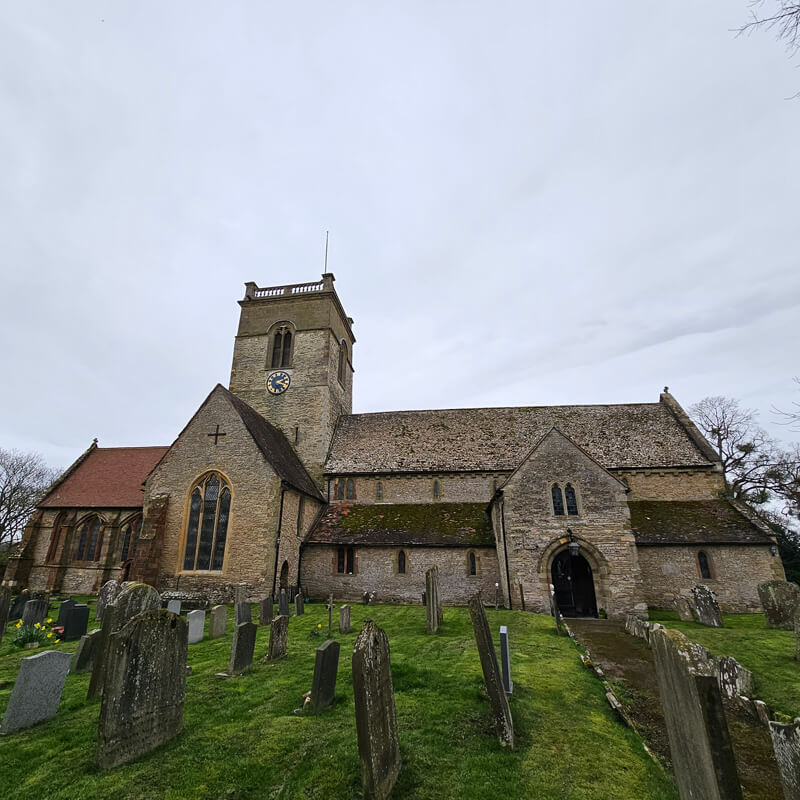
Holy Trinity Church in Eccleshall, Staffordshire, is one of the most important churches in Staffordshire, with history going back to the early Anglo-Saxon period. The building dates mostly from the 13th century and contains the tombs of four Bishops of Lichfield.
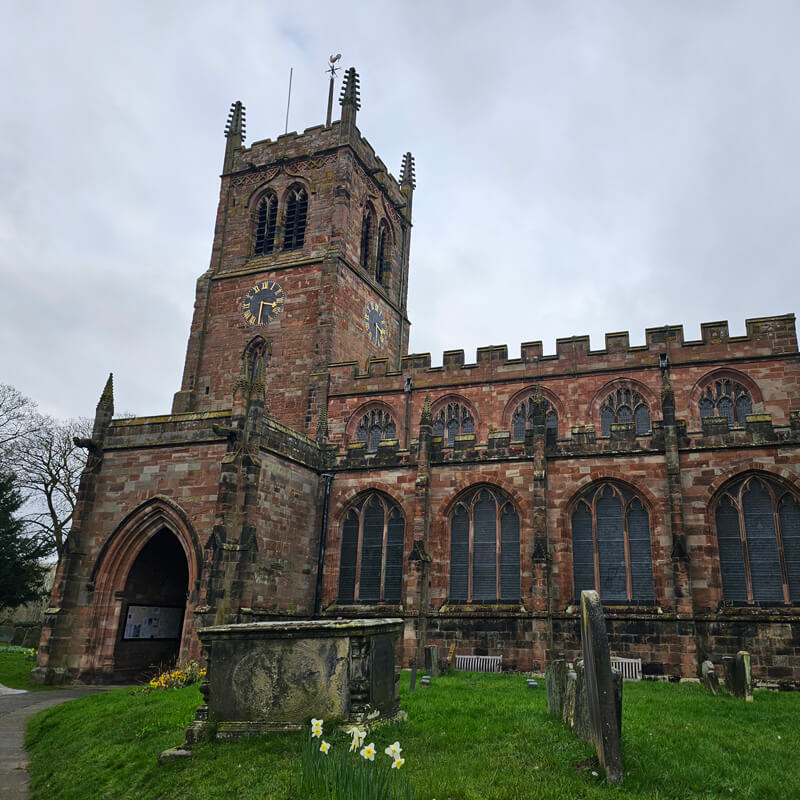
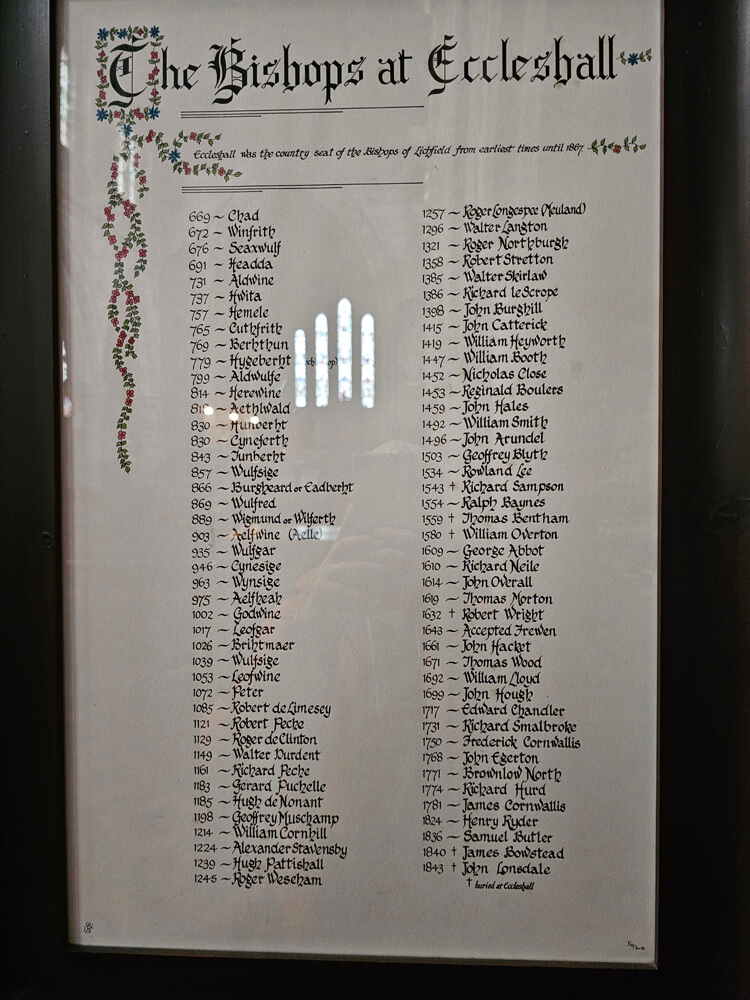
Eccleshall is an ancient site of prayer and worship and is long associated with the Bishops of Lichfield. In 1086 it was recorded in the Domesday Book that ‘Ecleshale was held by the Bishop’ and ‘was once held by St Chad’, fifth Bishop of Mercia and first Bishop of Litchfield, around the year 669.
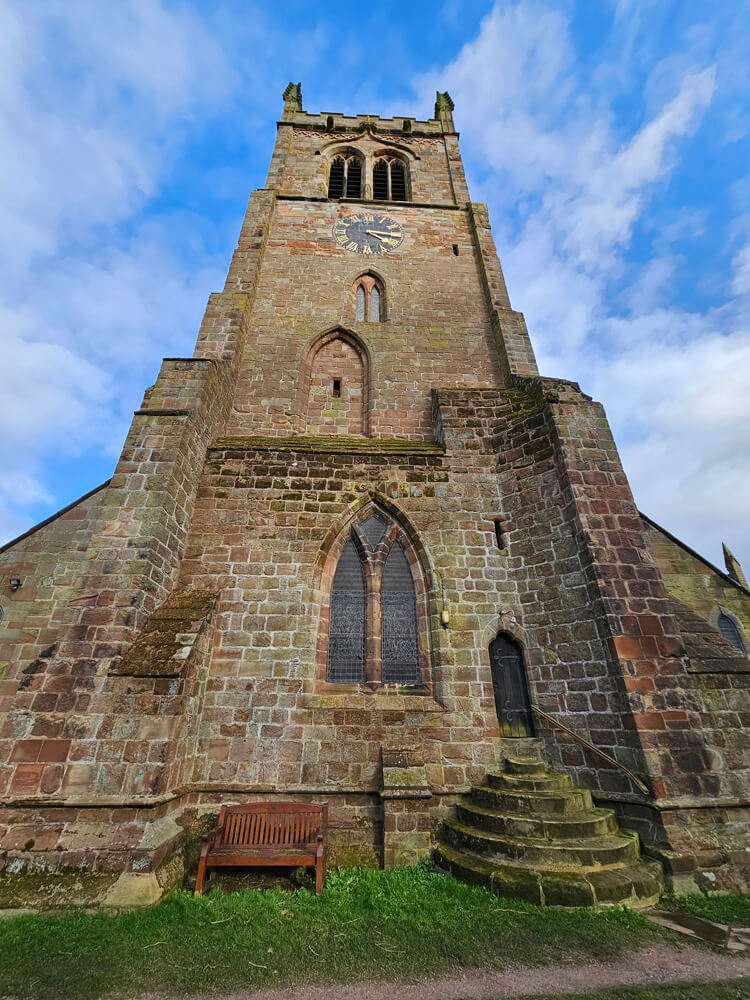
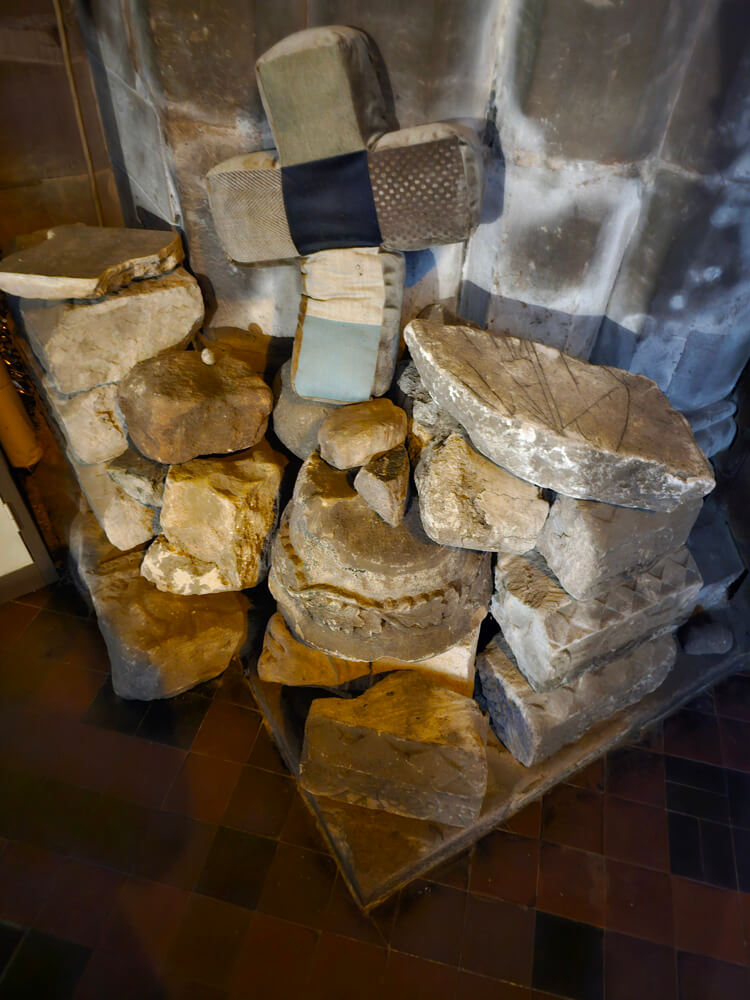
A few fragments of stone at the base of the tower of the church suggest that a stone church was in existence about this time and the base of the 10th century cross still stands outside the church.
The foundations and pillars of today’s church date from the time of Bishop Hugo Nonant, around 1189. Bishop Nonant was a friend of John (later King John), brother of King Richard I (Richard the Lionheart). They took advantage of the king’s almost continual absences on the crusades to amass considerable wealth. The bishop was able not only to build a church of ample proportions but also to fortify a manor house with a large stone keep nearby, possibly to impress his neighbours. On King Richard’s return, Bishop Nonant and John were charged with stealing the king’s ransom money, and the bishop fled to the continent, never to return.
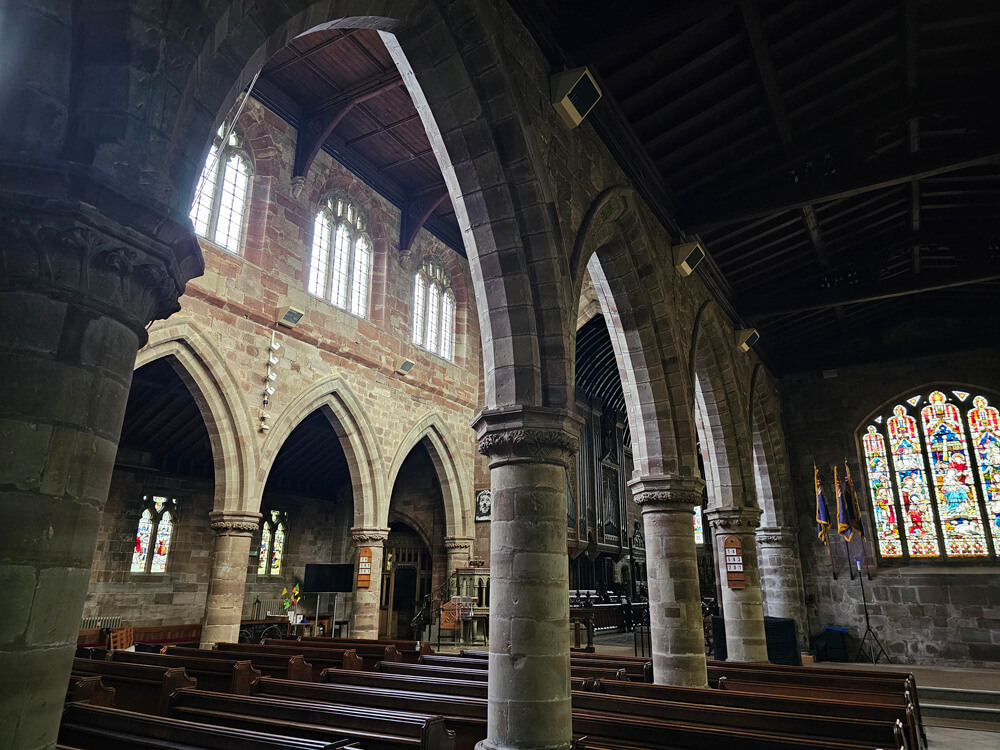
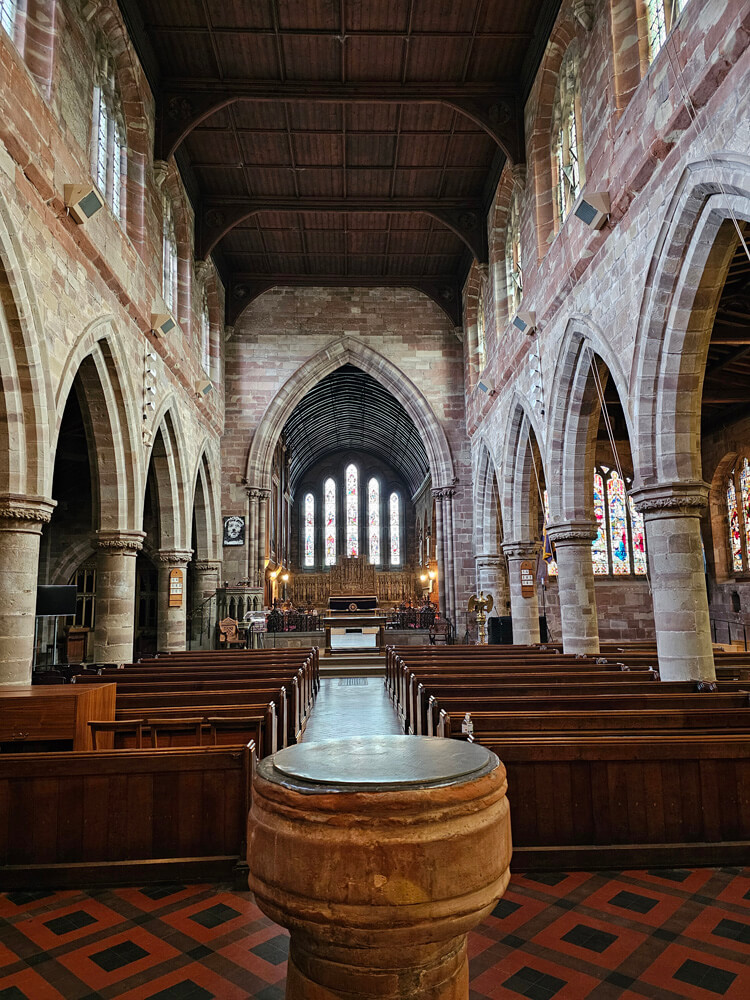
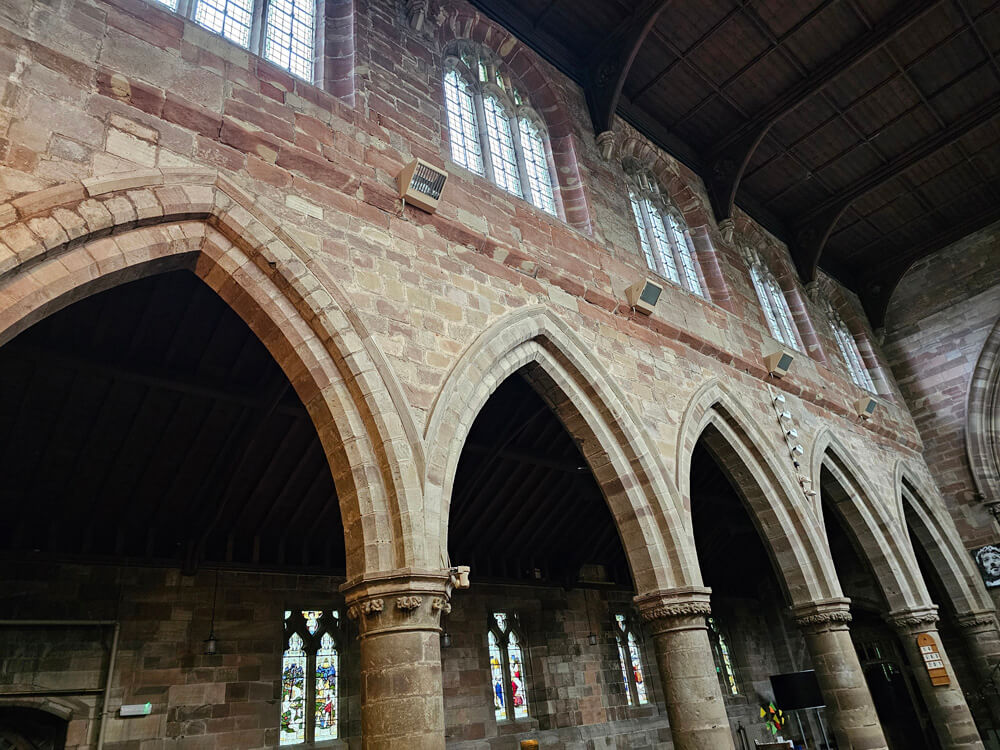
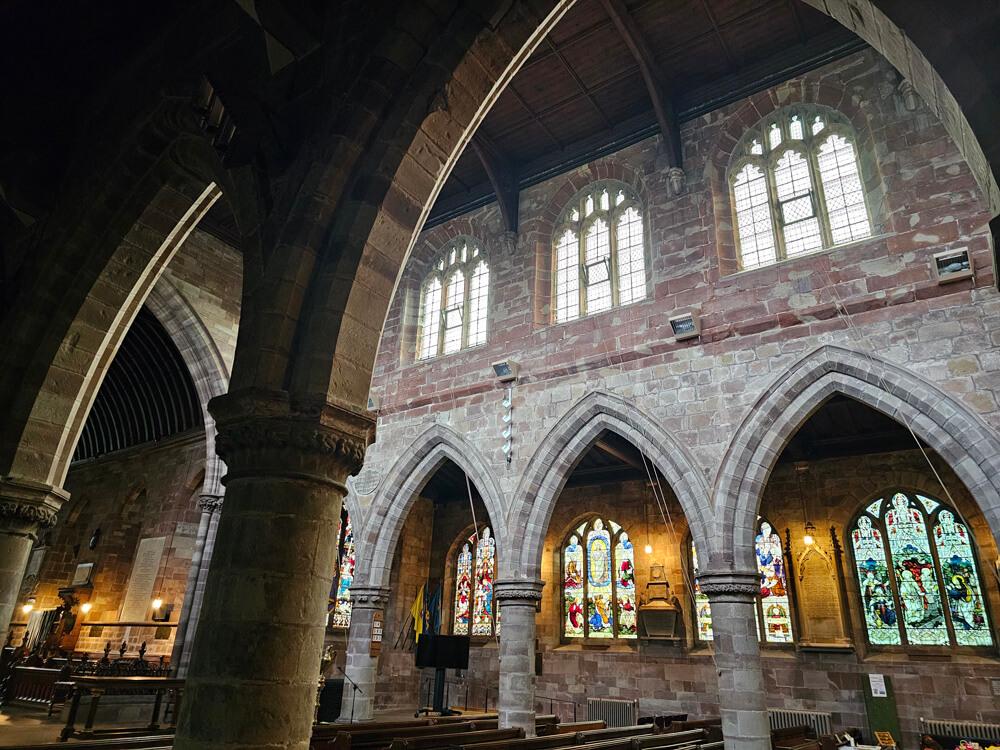
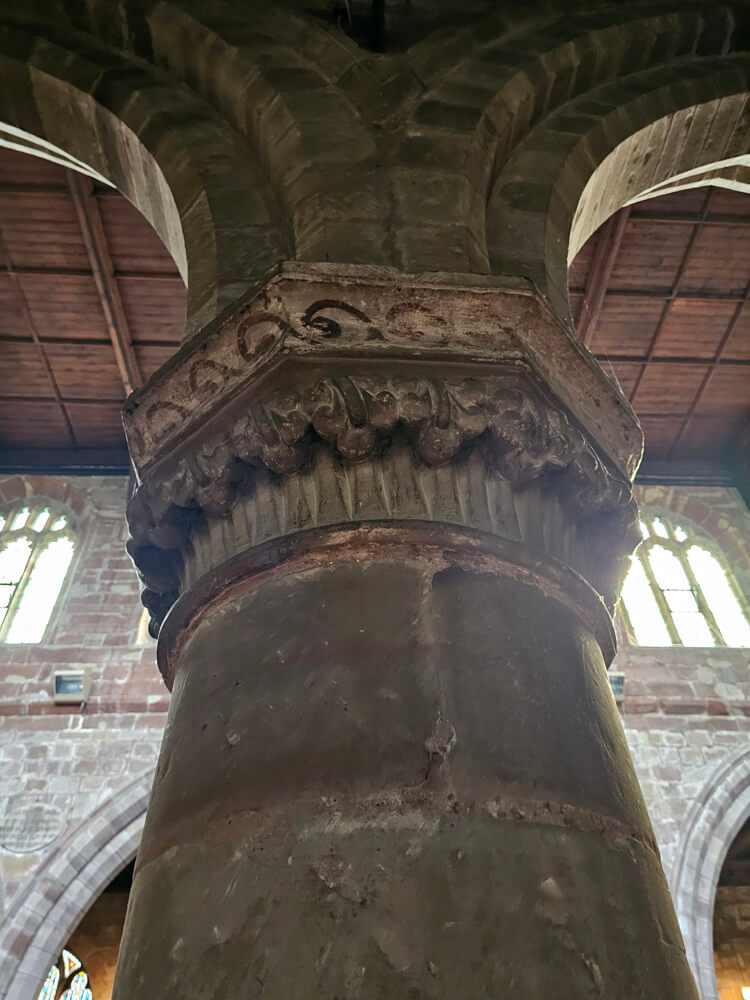
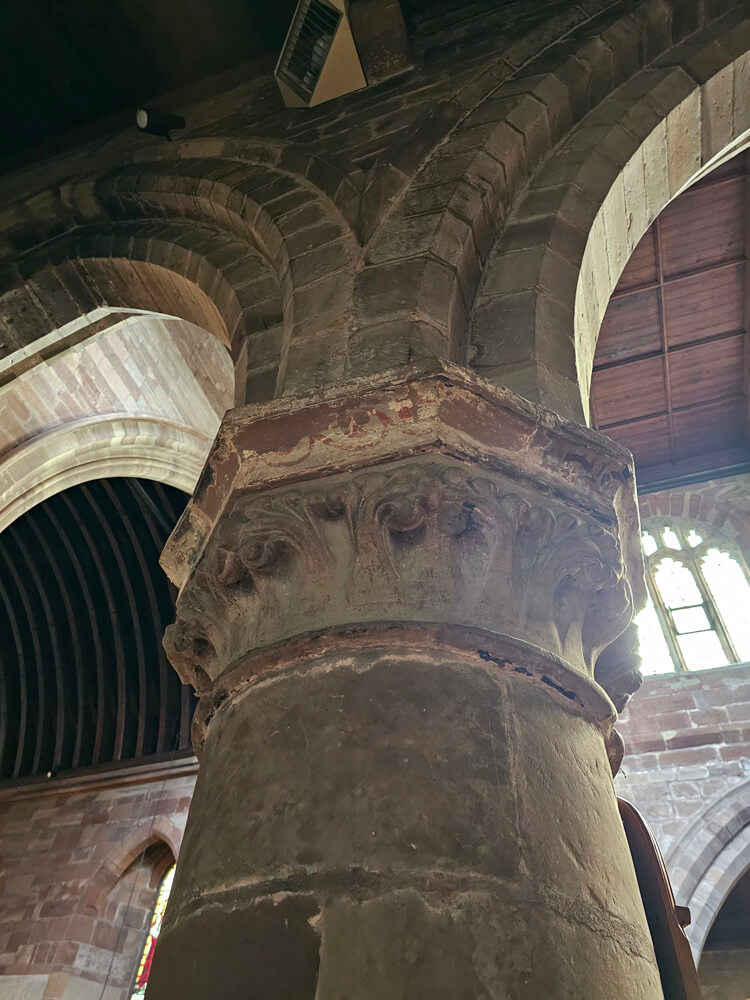
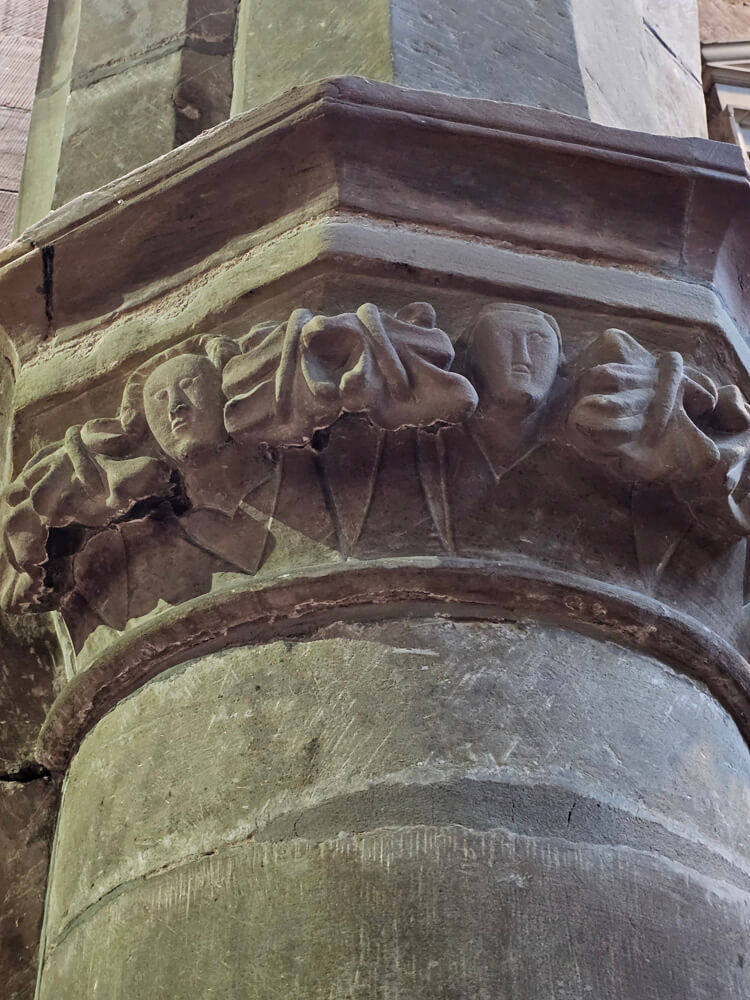
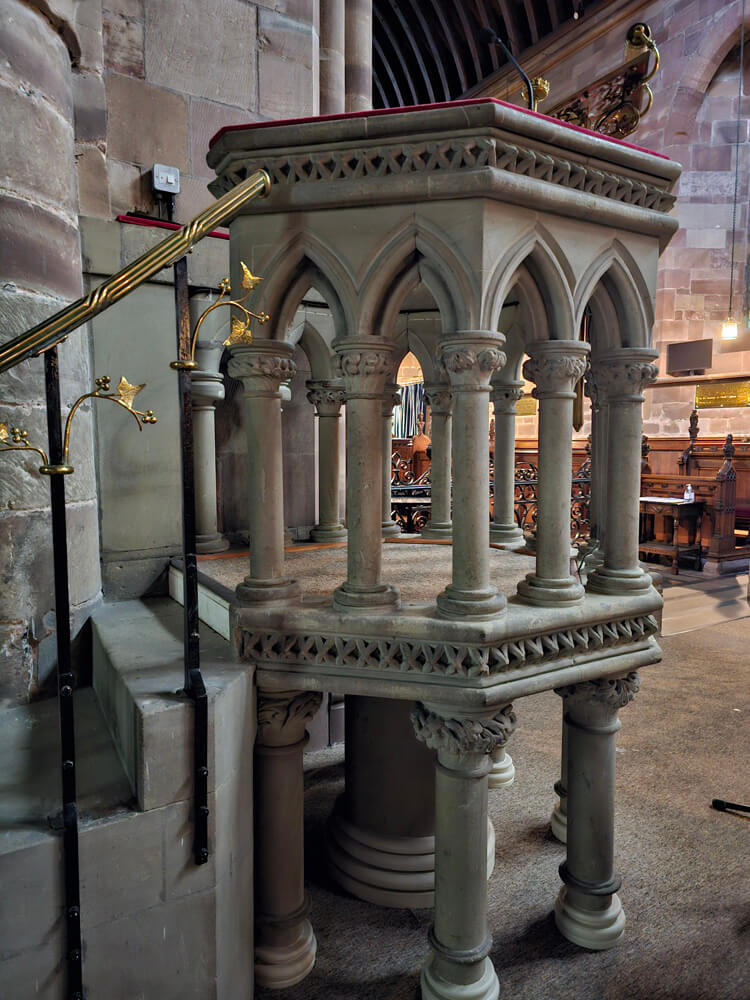
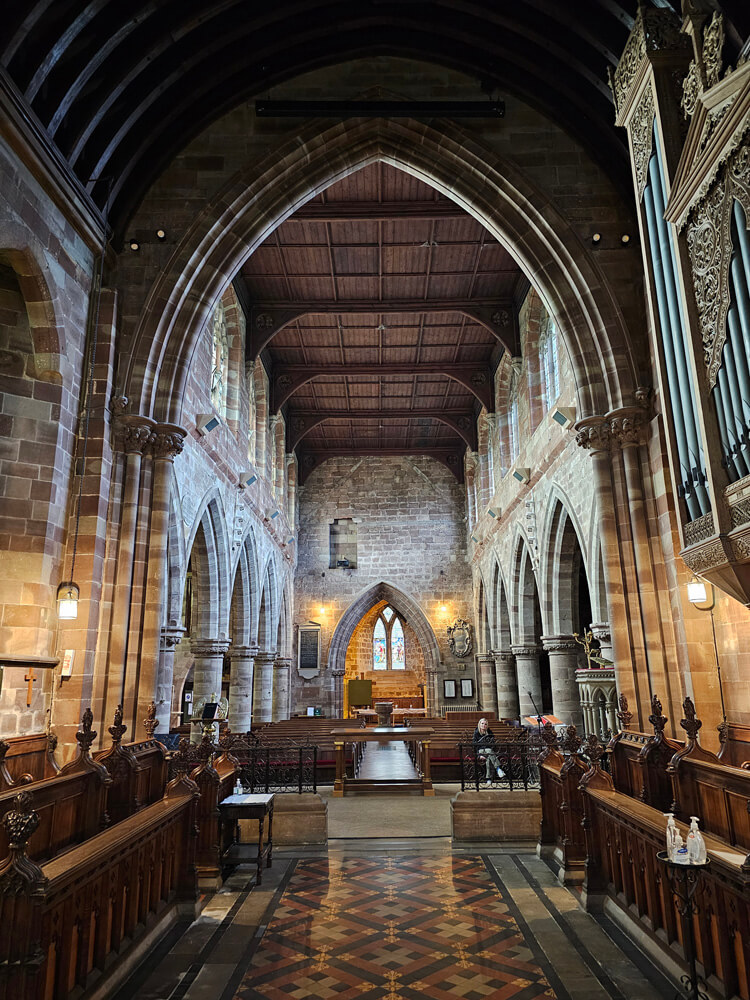
The Norman pillars and the arches of the nave are the oldest construction in the church, which were begun some time around 1180 – 1189. The north-west capitals contain medieval paint and simple stiff leaf decoration but become more elaborate as they approach the stone pulpit, and in the south aisle the design includes the faces of the craftsmen who have looked down on their own handiwork for 800 years.
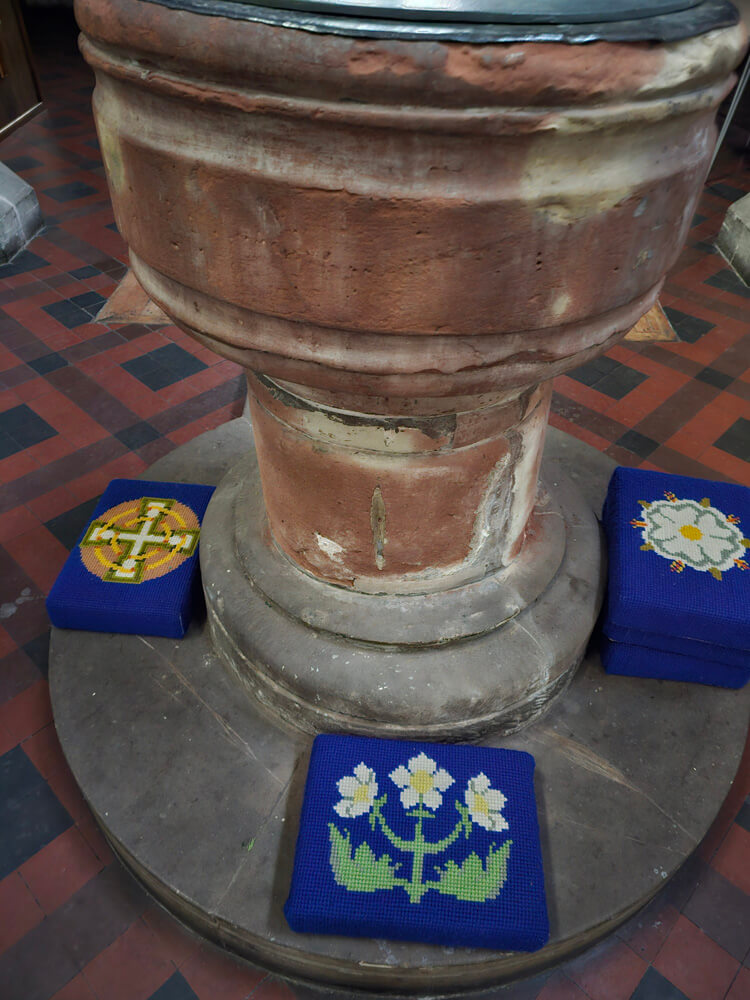
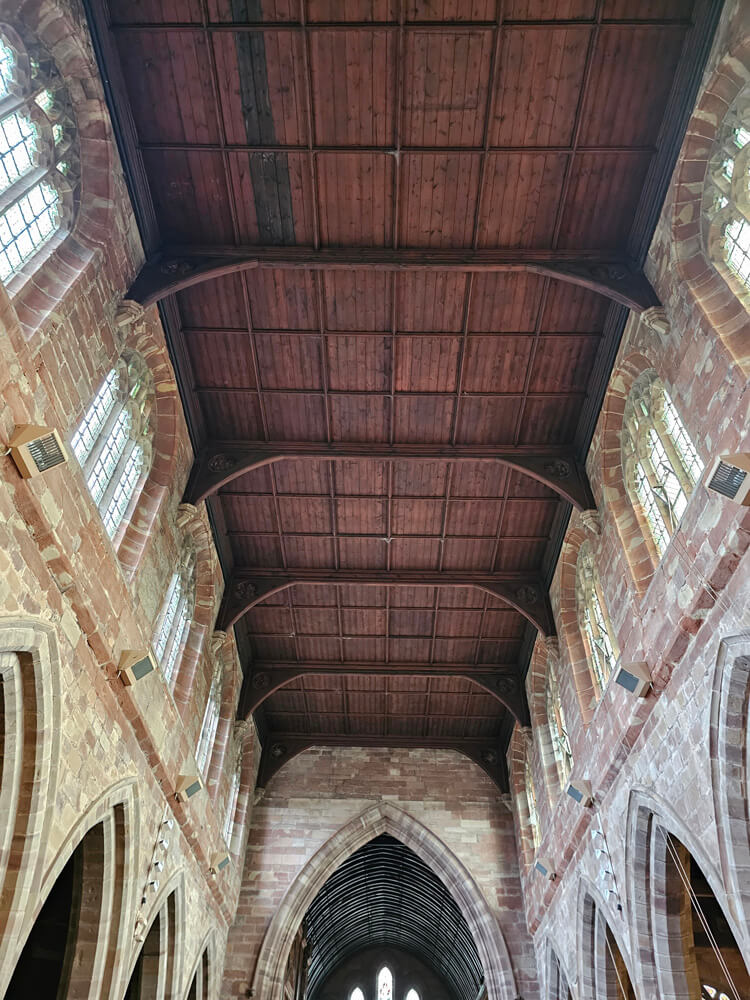
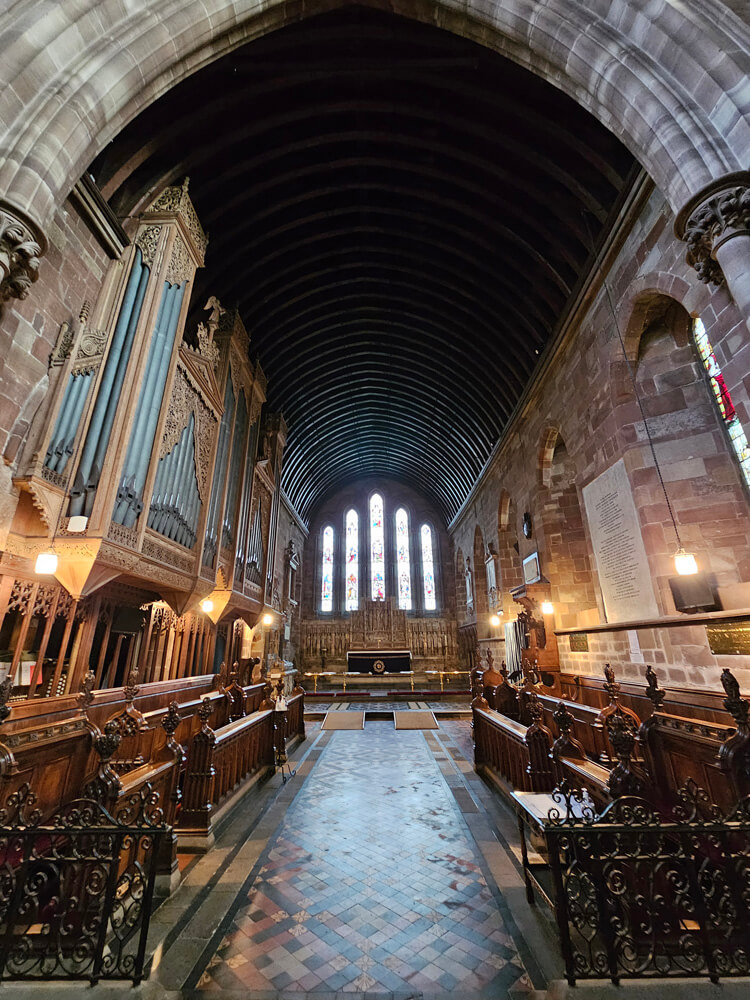
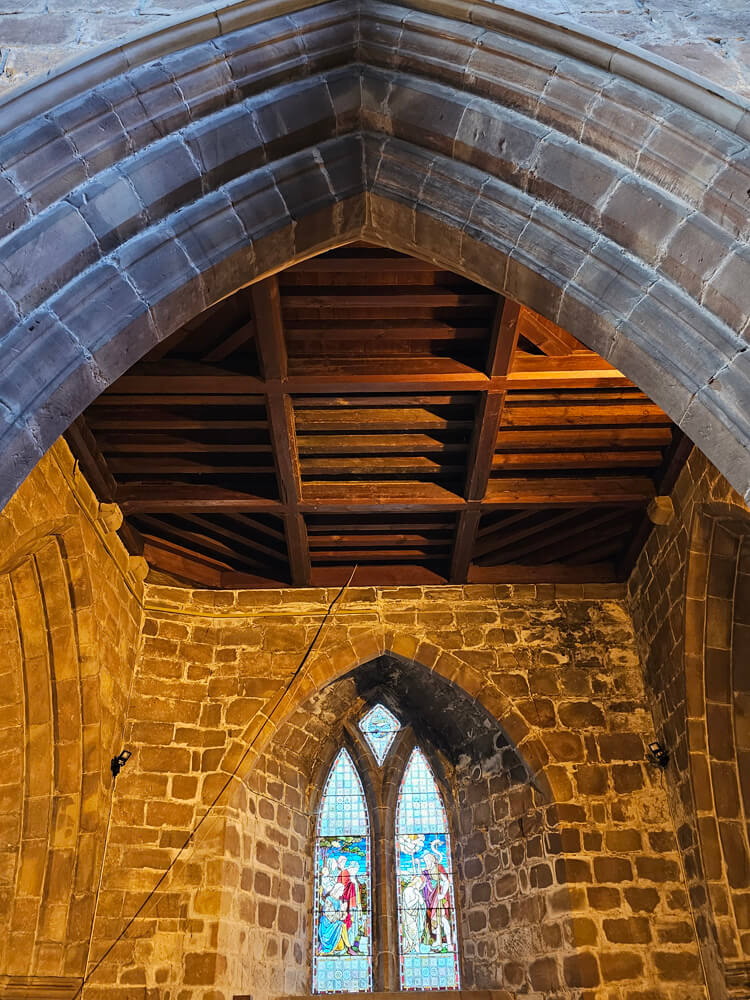
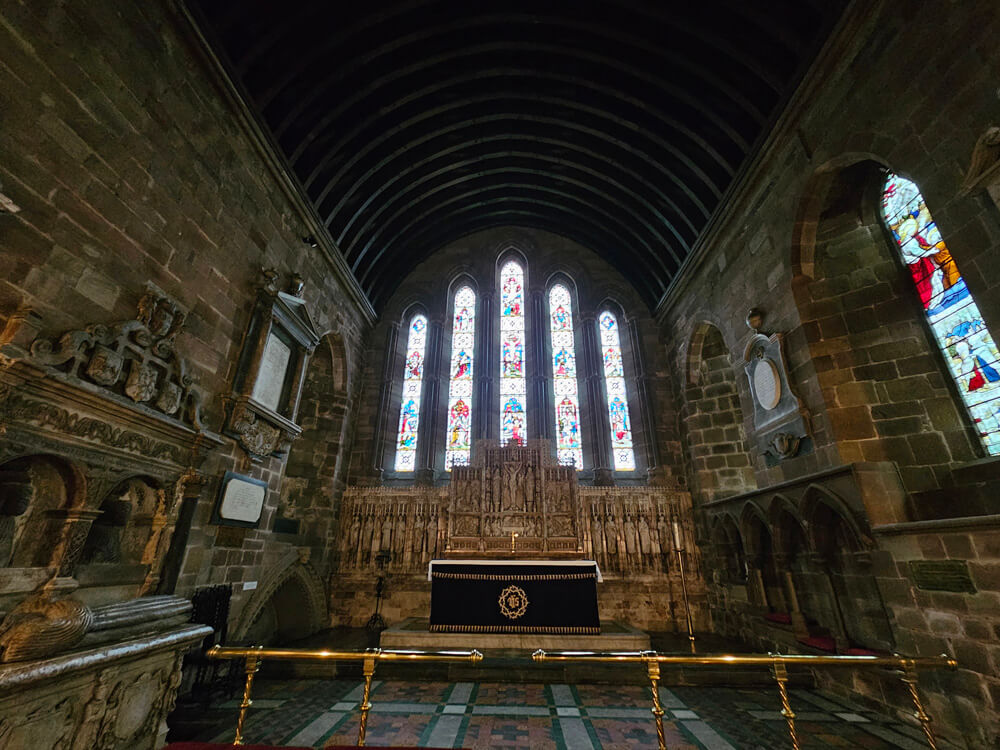
In the 13th century, the old Norman chancel of the church was replaced with one in the early English style which is only eight feet shorter than the nave. Looking back to the west end of the nave you can see evidence of the first Norman roof line and the blocked door to the gallery. The sandstone font also dates from the 13th century. In the 15th century the clerestory of the Perpendicular design was added and the tower raised to its present height. From that time the building has changed very little.
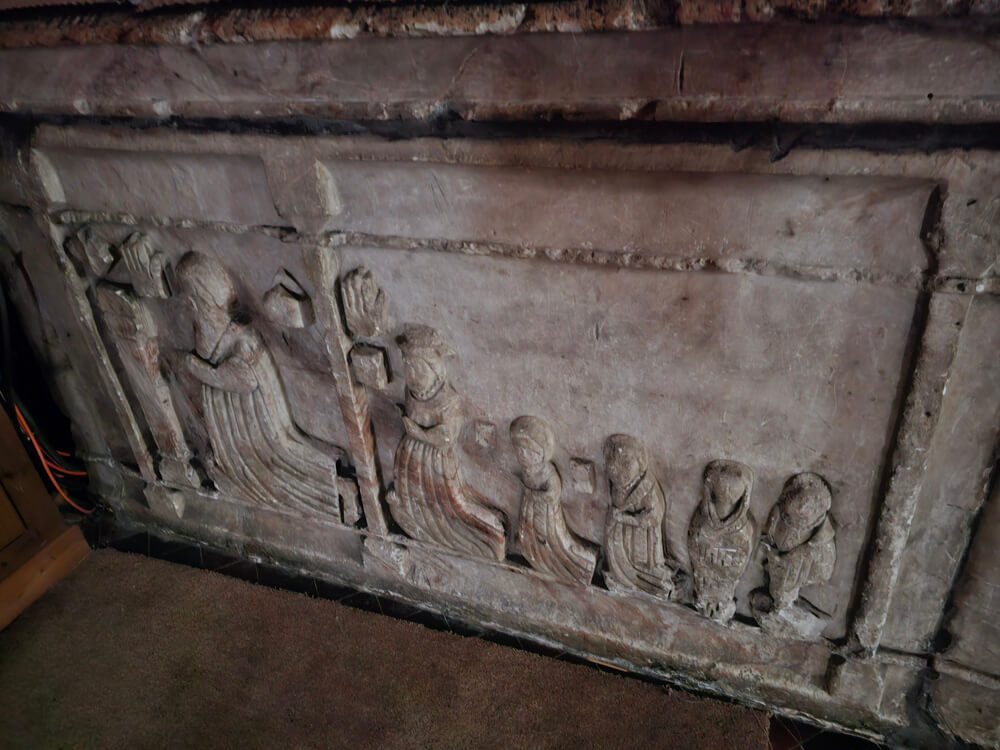
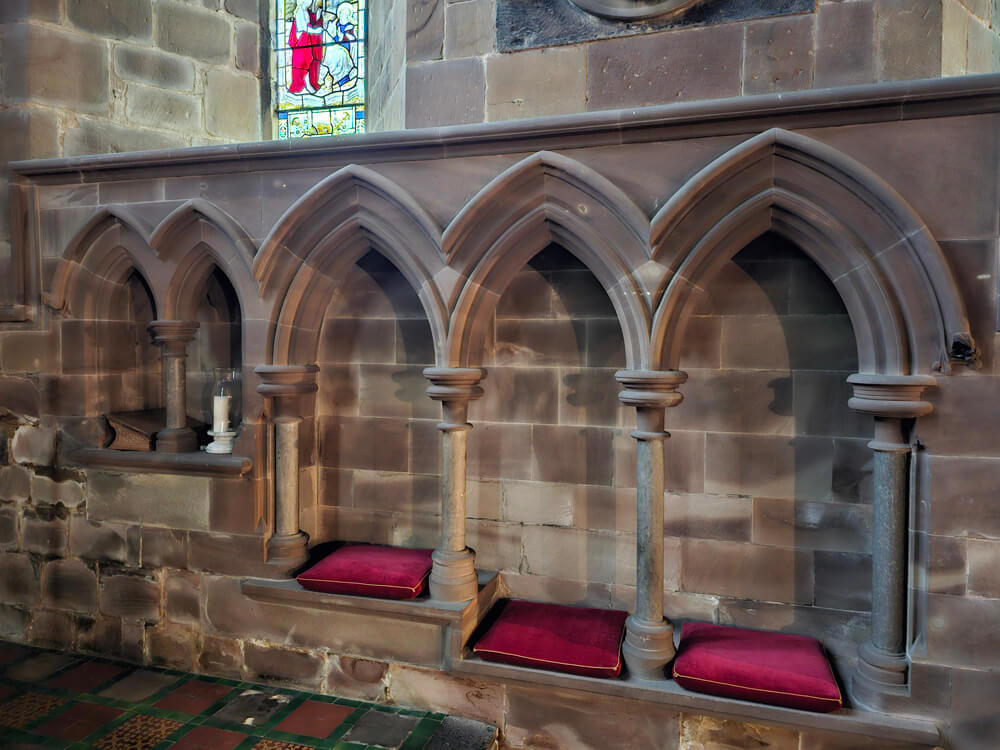
In the Old Baptistry there are three medieval misericords from the old choir stall which are displayed on the south wall. The King Alfred window is in memory of King Edward VII. Also in the Old Baptistry is the tomb of Bishop Richard Samson, who in 1513 entered the service of Cardinal Wolsey and rose rapidly to become chaplain to Henry VIII. He was the king’s agent in the matter of his divorce from Catherine of Aragon in 1530. In 1538 he was made Bishop of Chichester and acted for Henry against Anne Boleyn, thus being one of the first clergy to help the king and defy the Pope. He died in 1554 and was buried on the north side of the altar, but his tomb was moved to its present site about 100 years ago.
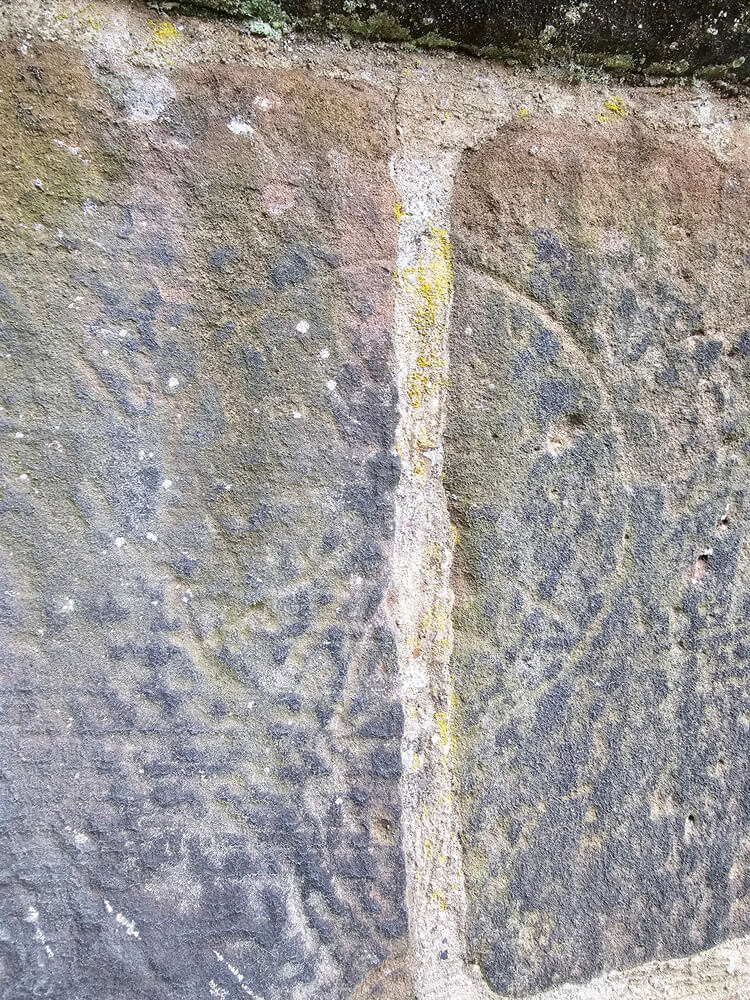
Built into the north wall of the choir vestry are two portions of a Saxon preaching cross. Also in the choir vestry is the tomb of Bishop Thomas Bentham.
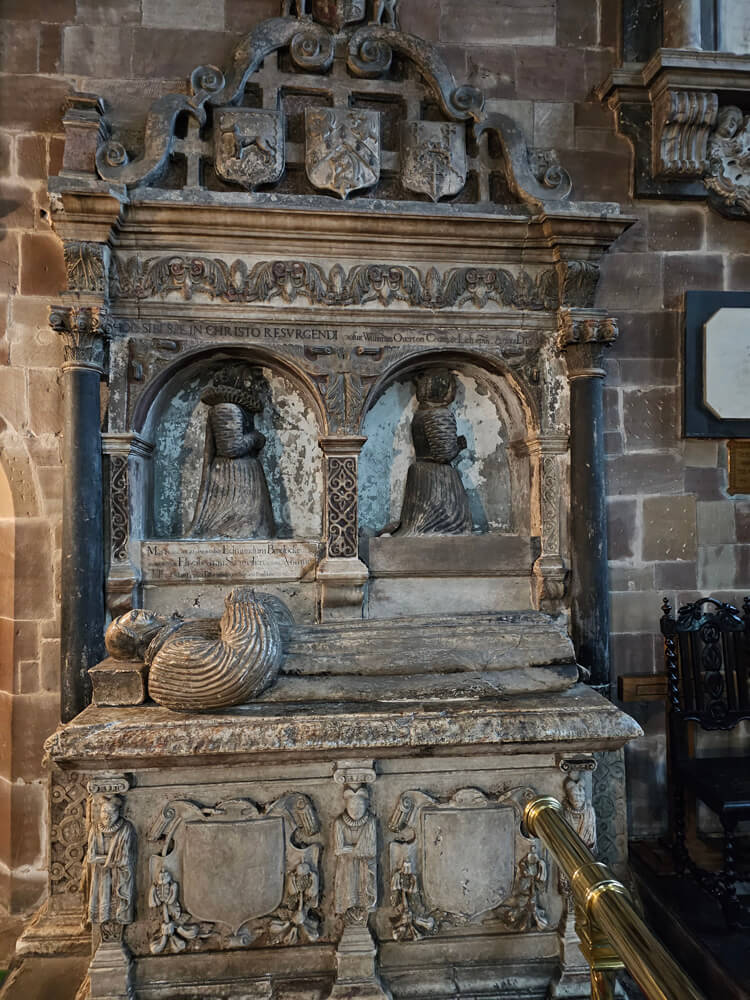
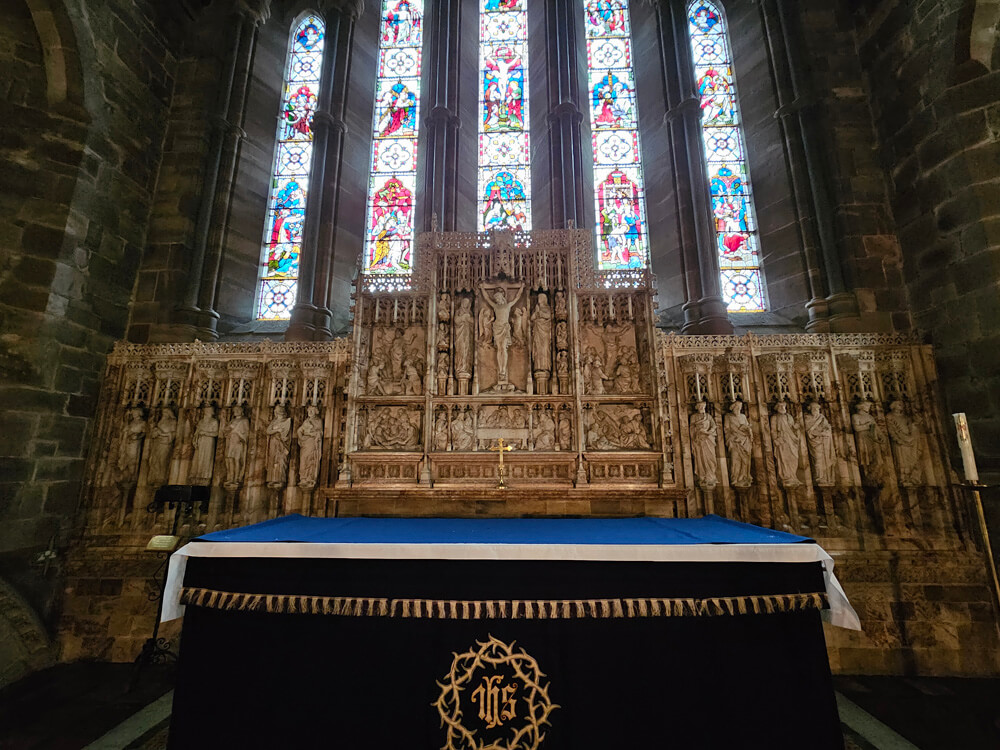
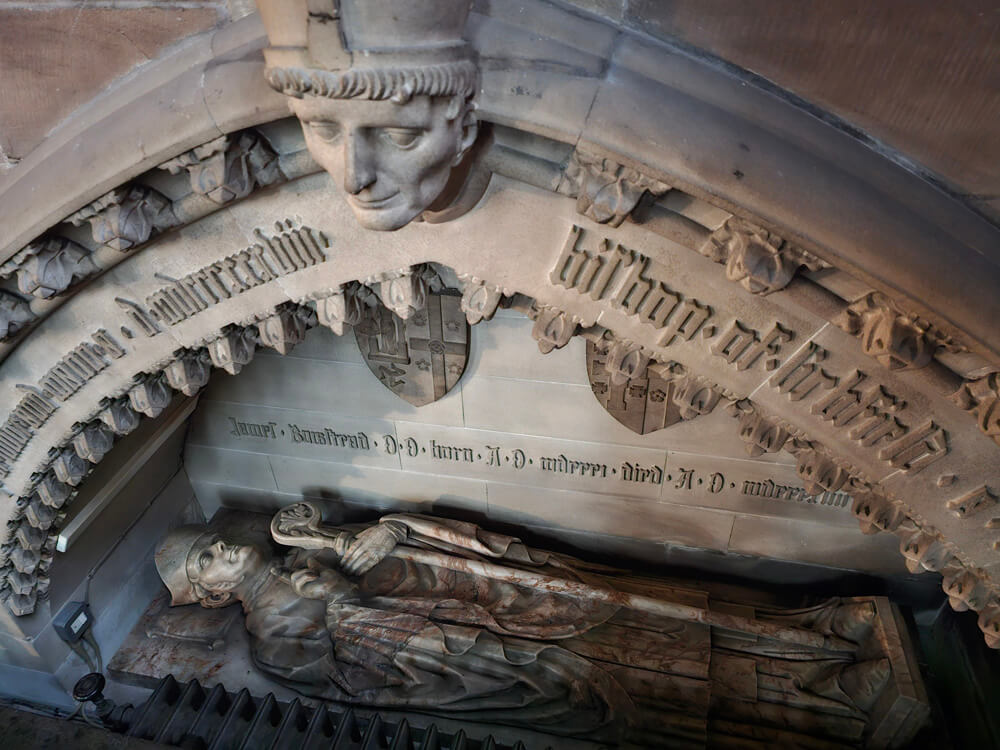
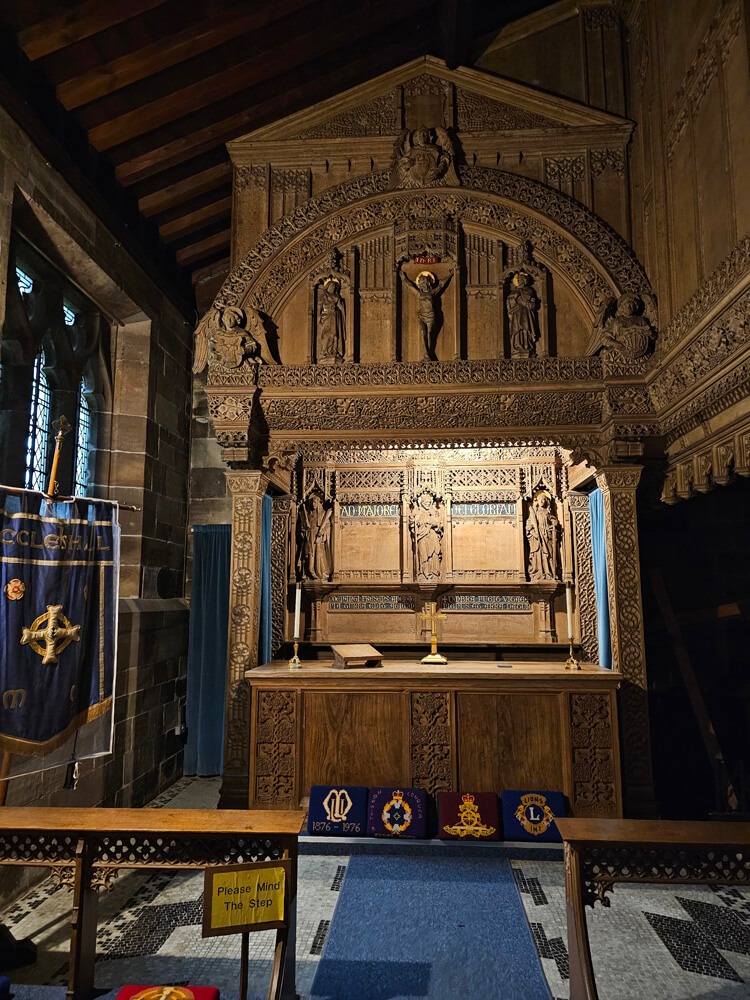
In the chancel there are two bishop’s tombs; the tomb of Bishop William Overton and the tomb of Bishop James Bowstead.
Photo Gallery.
Did you enjoy this post?
I hope you found this post useful. I put a great deal of time and effort in to building, maintaining and populating the website. If you like, you could say a small thank you by buying me a coffee. You don't have to, but it would be nice :)
Buy me a coffee
Stay up to Date
Follow me on my journey and get notified whenever a new post is published by following Kings & Castles on Facebook.
Follow MeExplore The Map
Discover the hundreds of castles, churches, monasteries, cathedrals and other historic locations that I've personally visited across England and Wales. Search by location, explore nearby sites and plan your next historical adventure.
Share: