The Historic City of Wells
Wells is an ancient cathedral city in Somerset, located on the southern edge of the Mendip Hills. Today, Wells is the smallest city in England, much more like a rural town or a very large village, known for its beauty, and bursting at the seams with history.
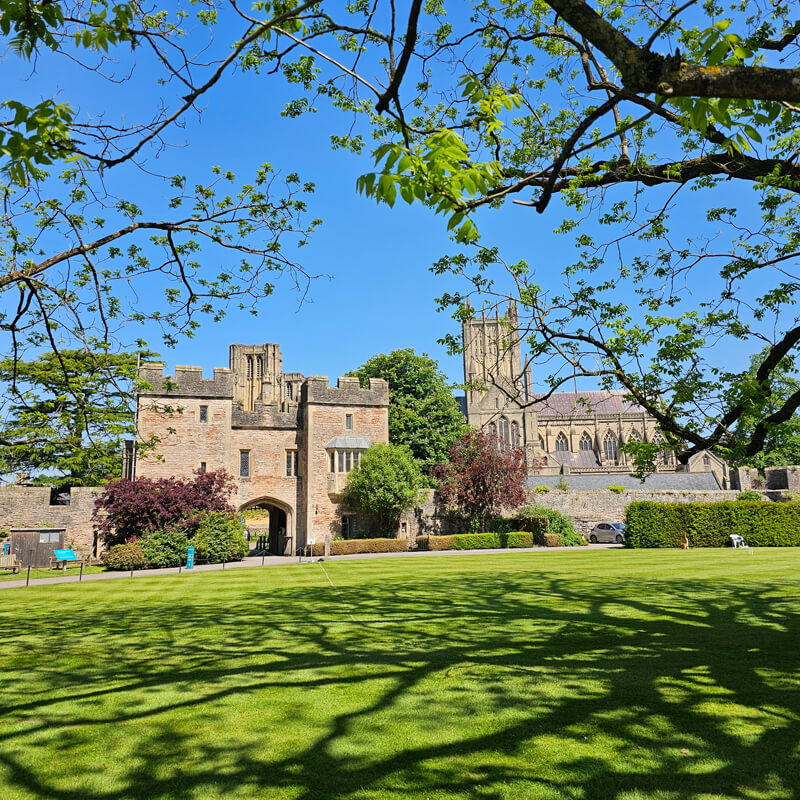
The city of Wells is named after the three wells once believed to have curing and healing powers, which can be found in the grounds of Bishop’s Palace and Wells Cathedral, and one situated in the market square. The wells were at the centre of spiritual interest for a very long time.
The Romans built a road through Wells on the way to Bristol, and the city became a Roman settlement. Wells grew in importance and size and became an important centre under the Anglo-Saxons when King Ine of Wessex chose Wells as the site of a minster church dedicated to St Andrew in the early 8th century, circa 704 – 705.
A couple of centuries later, in 909, the diocese of Wells was founded by King Edward the Elder, and St Andrew’s Church became the seat of the newly formed diocese of Wells, becoming the cathedral of the new diocese and one of the most important bishoprics in medieval Britain.
However, after the Norman invasion of 1066 the cathedral fell into Norman hands and a power struggle ensued between Wells and the city of Bath. In 1090 the first Norman bishop moved the seat of the diocese to Bath, causing arguments between the canons of Wells and the monks of Bath because both claimed the right to be the Bishop’s official seat.
Eventually, balance was restored in the 13th century when the issue was resolved by creating a new combined diocese of Bath and Wells. Extensive improvement work began on the old St Andrew’s minster church in the 1170s, then in 1180 Wells was granted its royal charter by King John, and in 1244 the diocese seat returned to Wells from Bath, the bishopric was renamed the Diocese of Bath and Wells, and it became shared between the two religious houses.
Wells was listed in the 1086 Domesday Book as “Welle”, from the Old English word “wiells”.
Wells was the largest city in Somerset for several hundred years, flourishing not only because of the existence of the cathedral, but also because of local trade in wool and cloth. As the church owned much of the land and business, great wealth was accumulated and this was used in the construction of one of the most outstanding examples of ecclesiastical architecture in Britain; the cathedral that we see today.
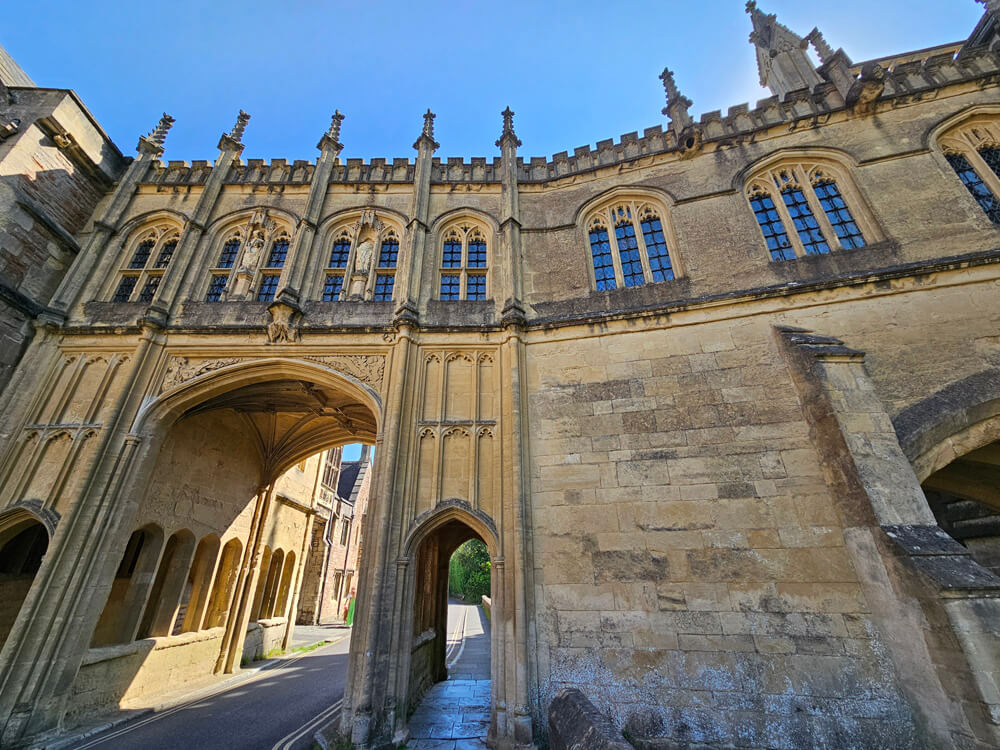
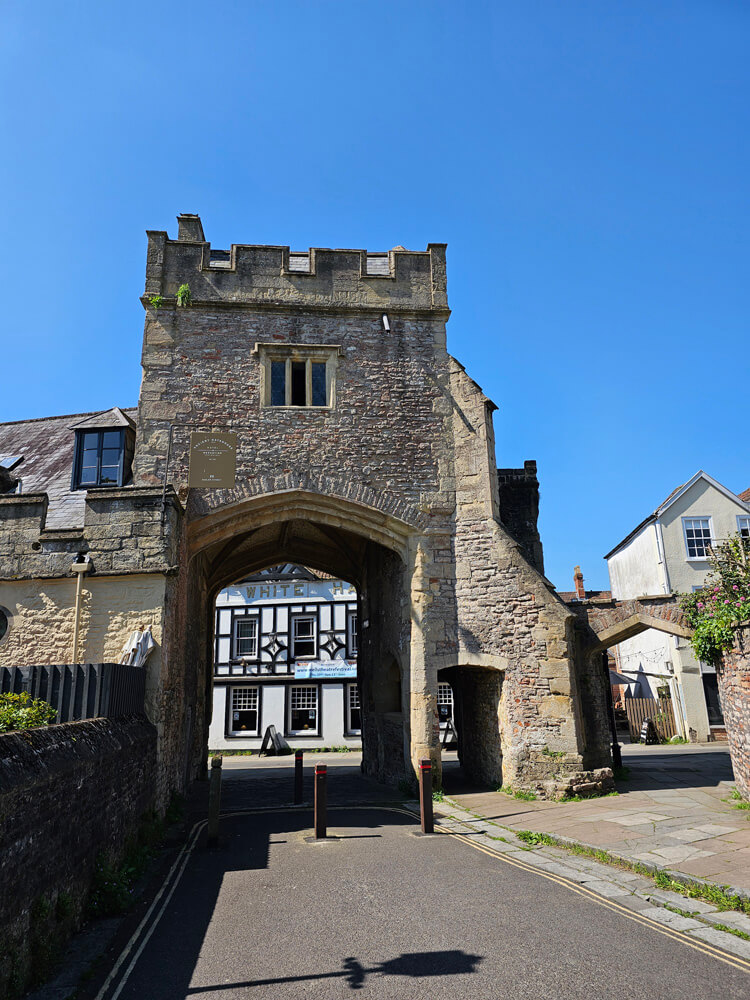
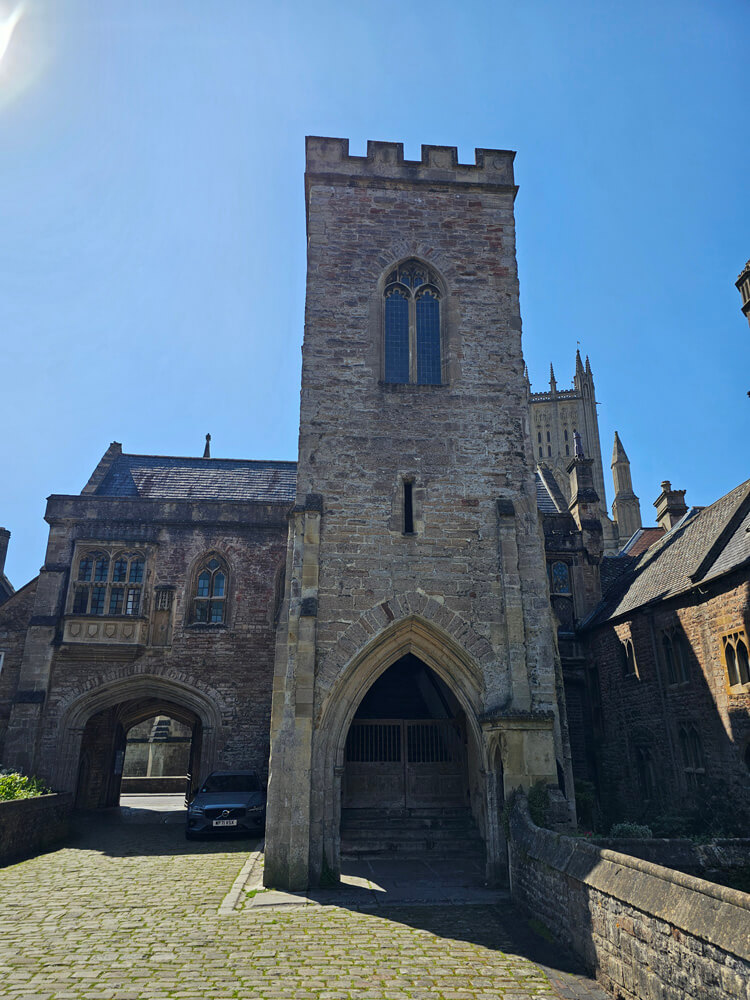
The highlights of a visit to Wells include the magnificent cathedral, the medieval moated Bishop’s Palace, the charming 14th-century Vicars’ Close, St Cuthbert’s Church, and the several impressive medieval gateways including Penniless Porch.
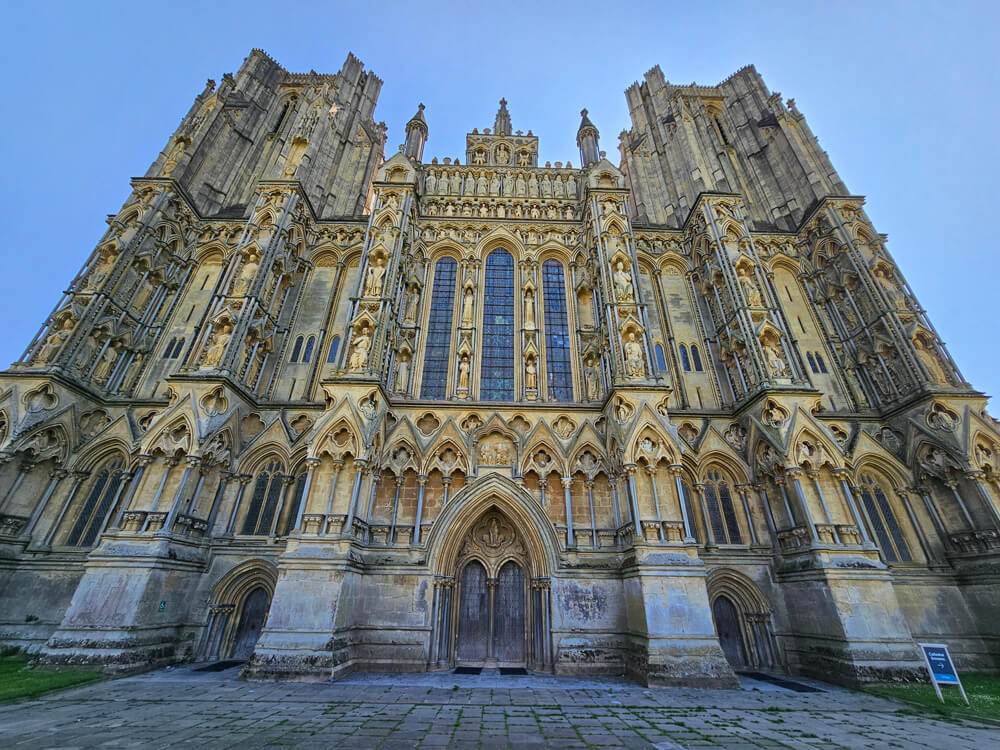
Wells Cathedral
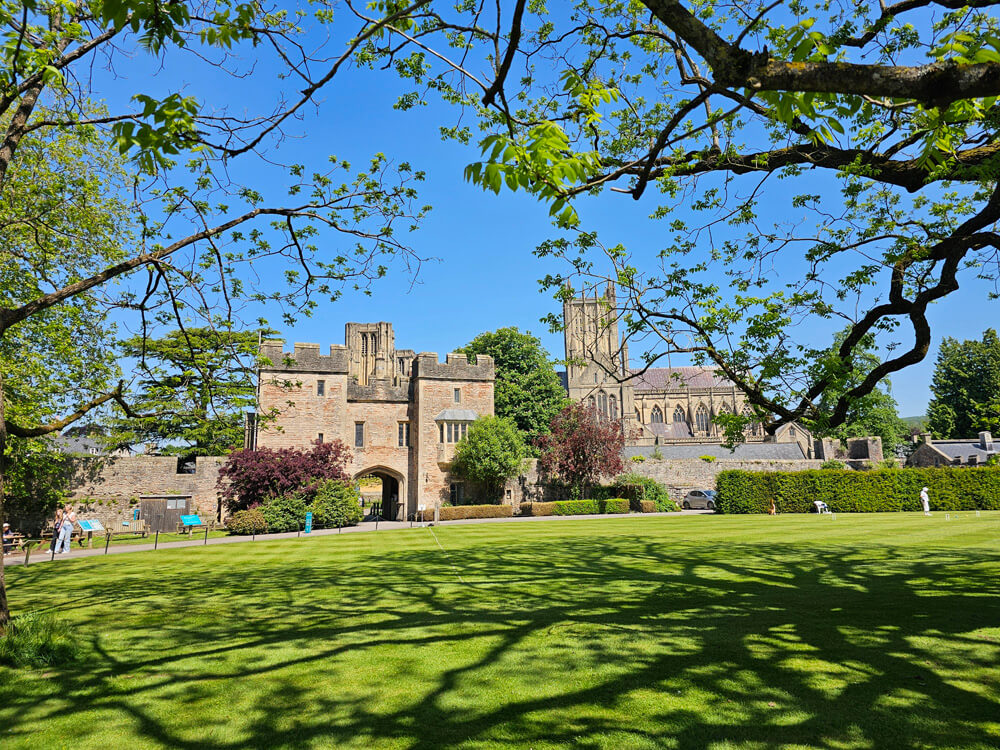
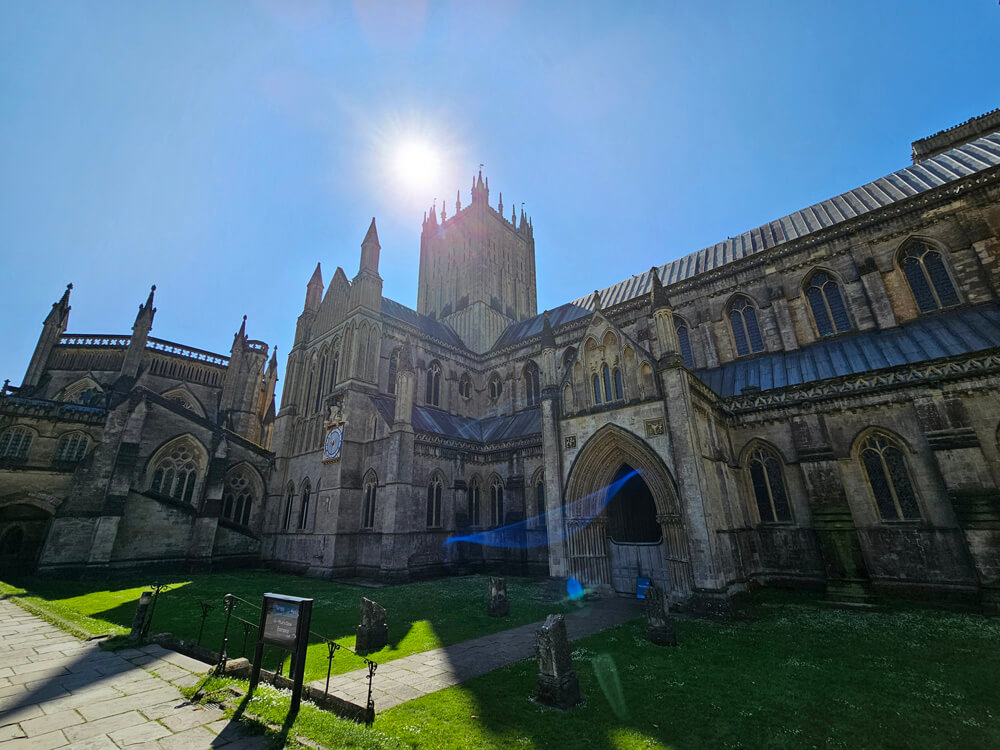
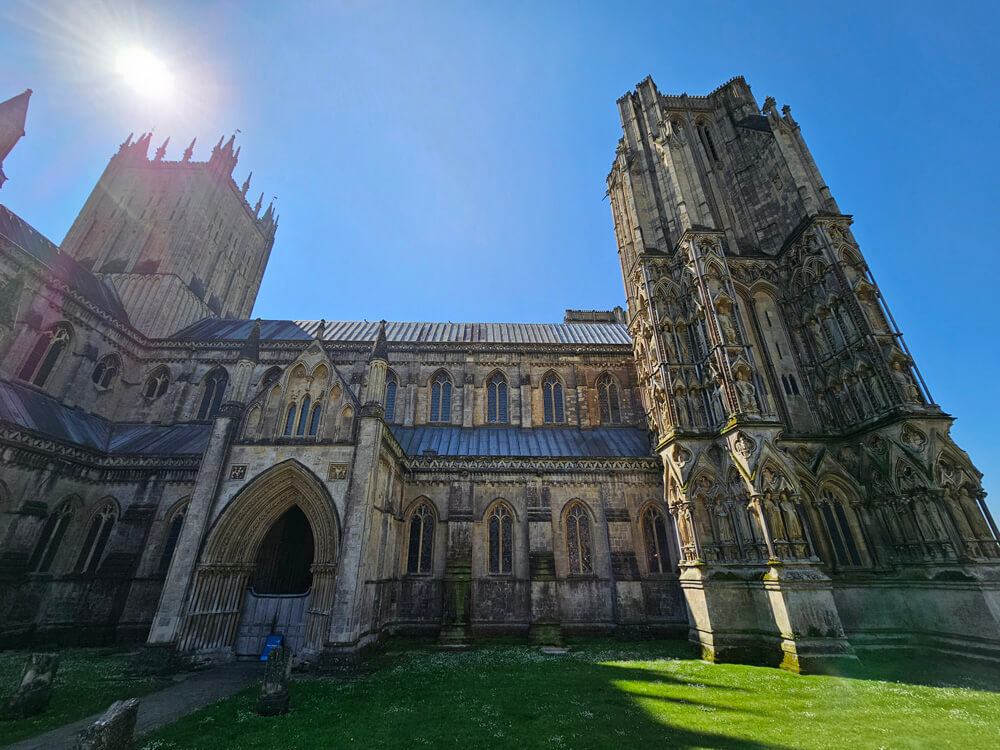
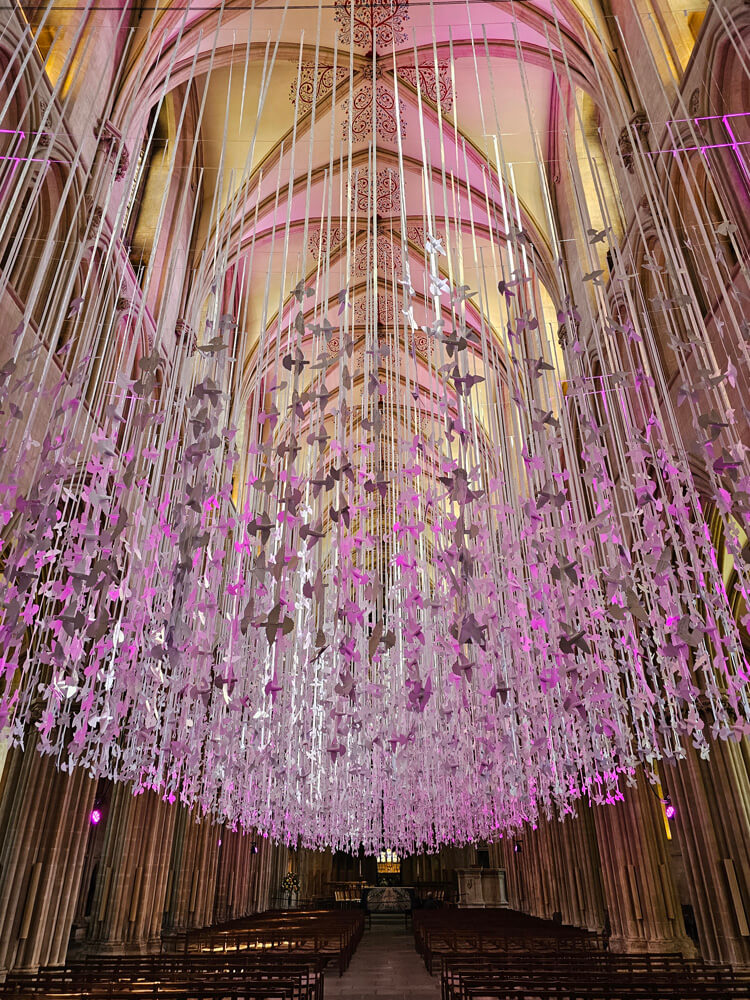
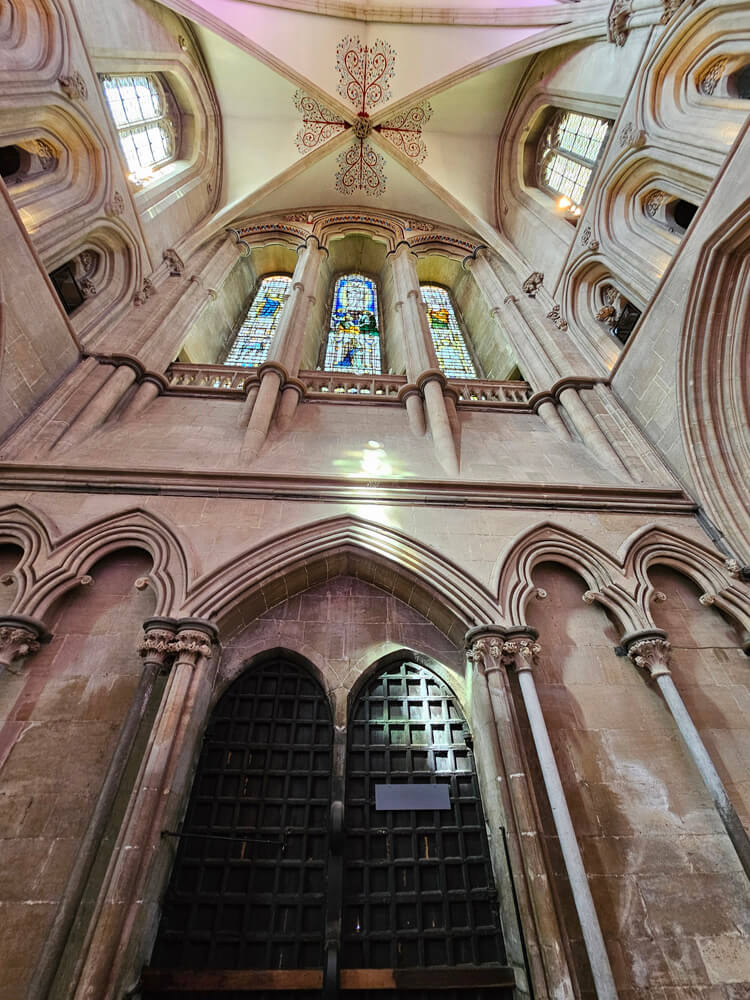
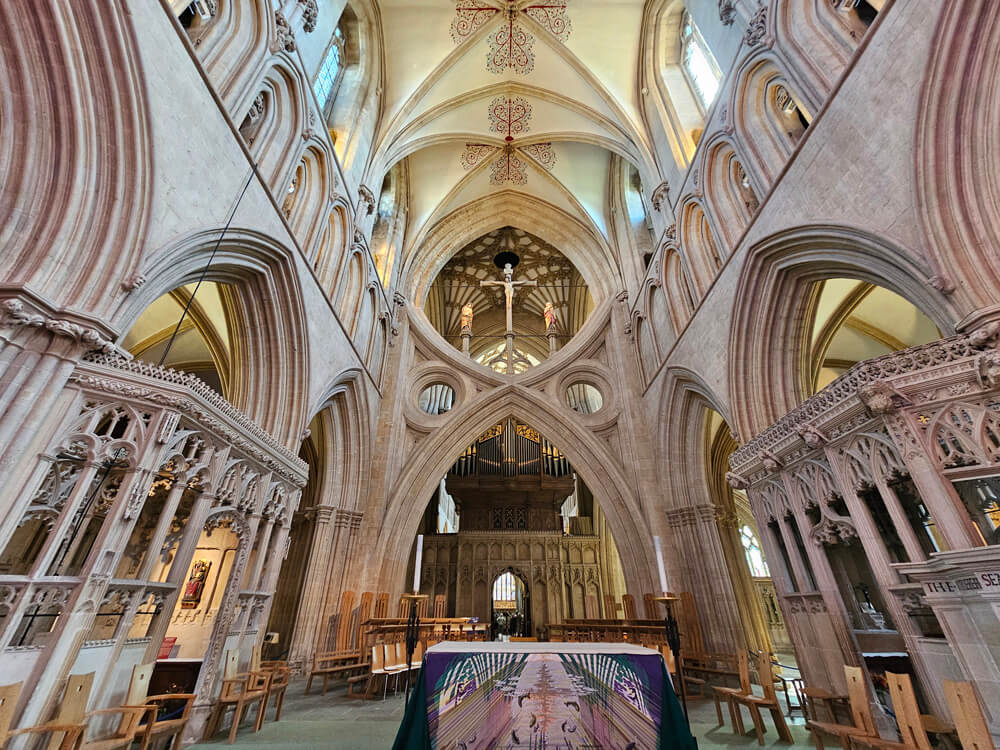
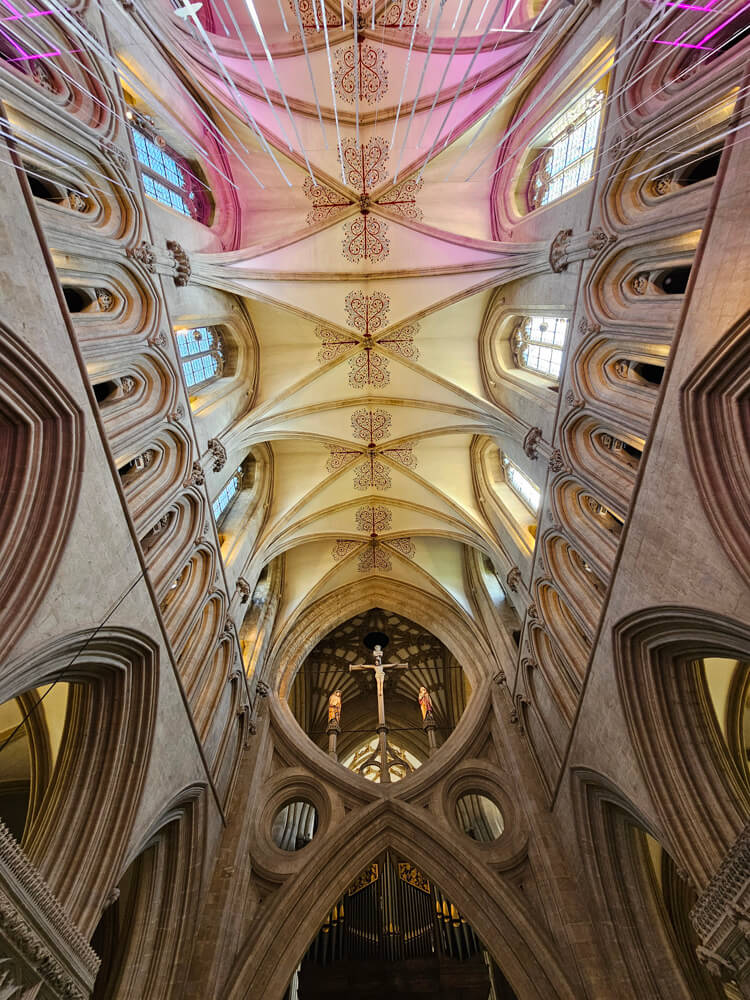
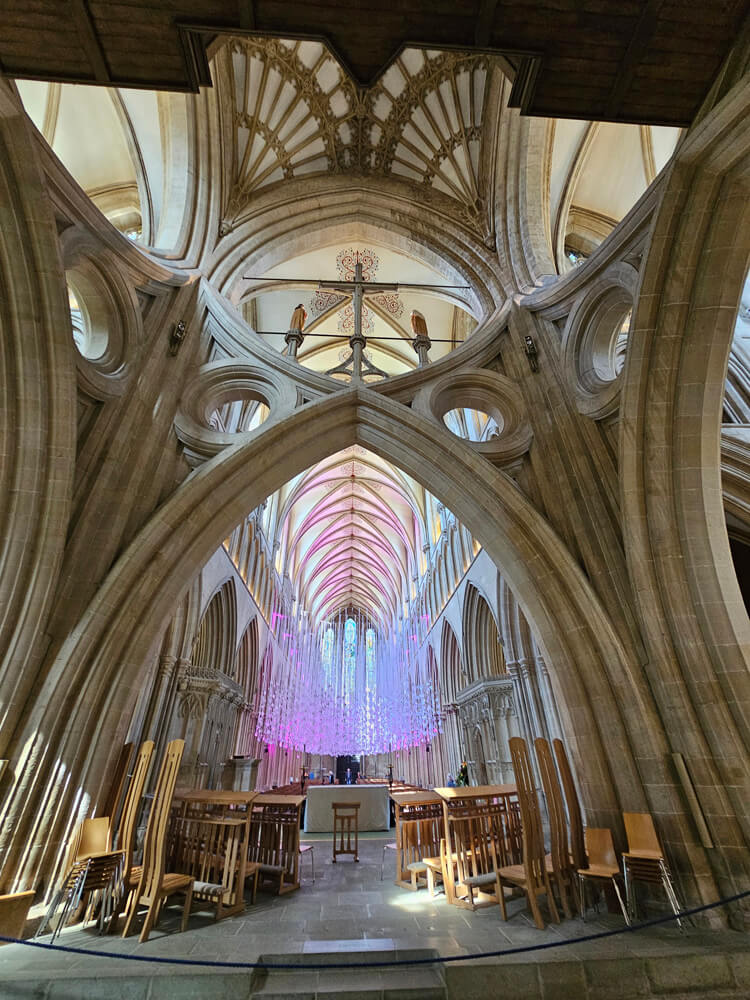
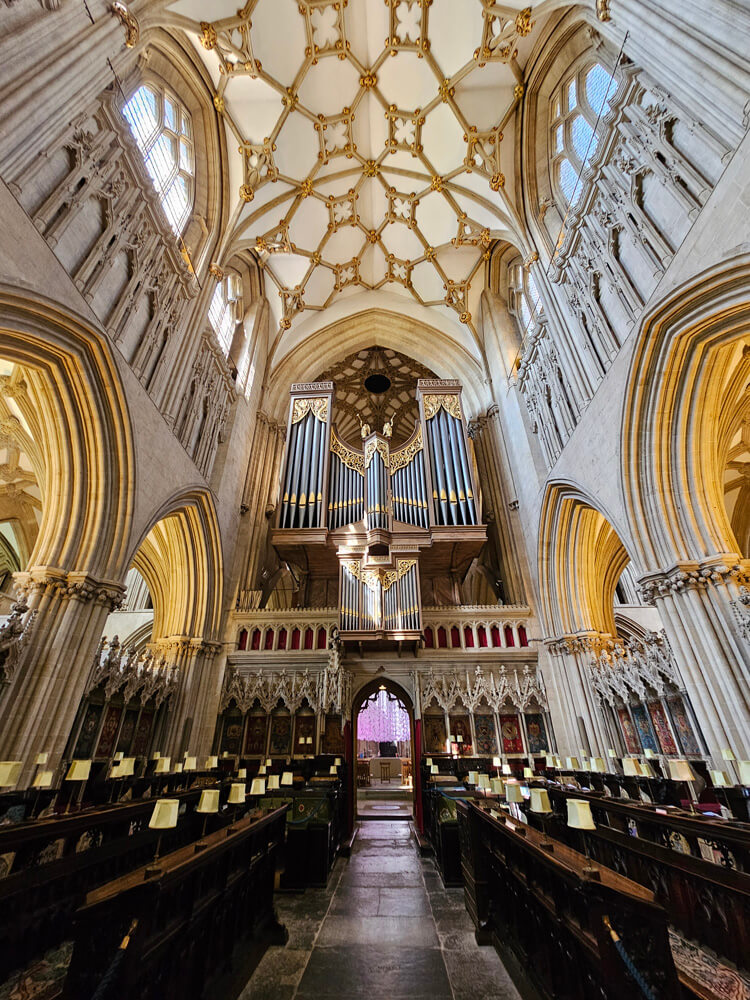
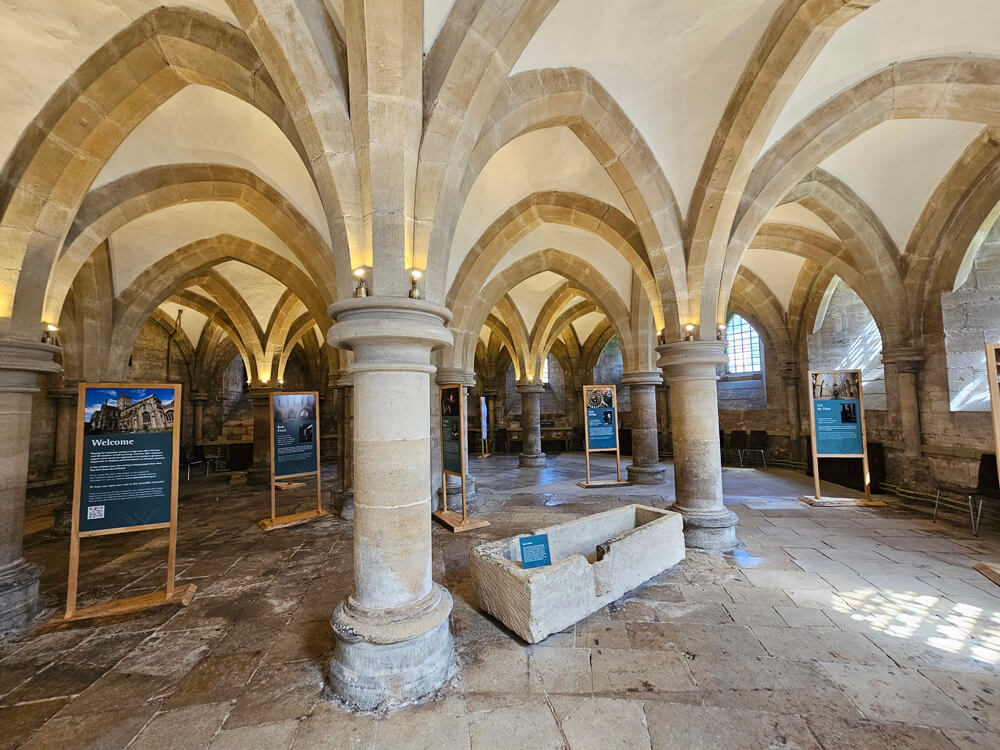
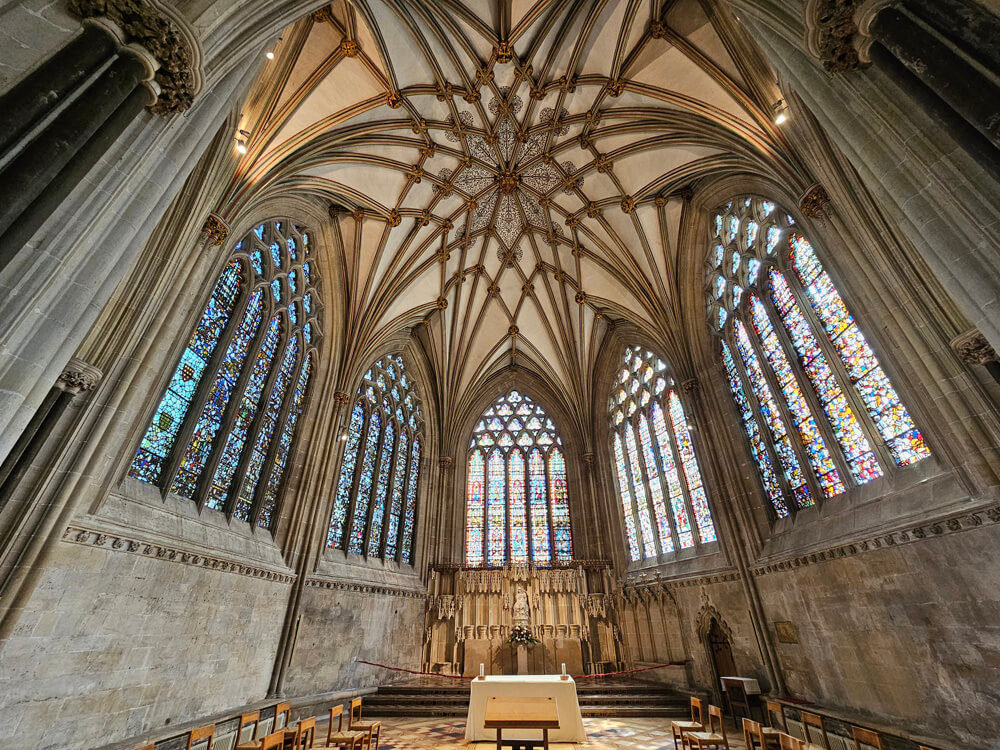
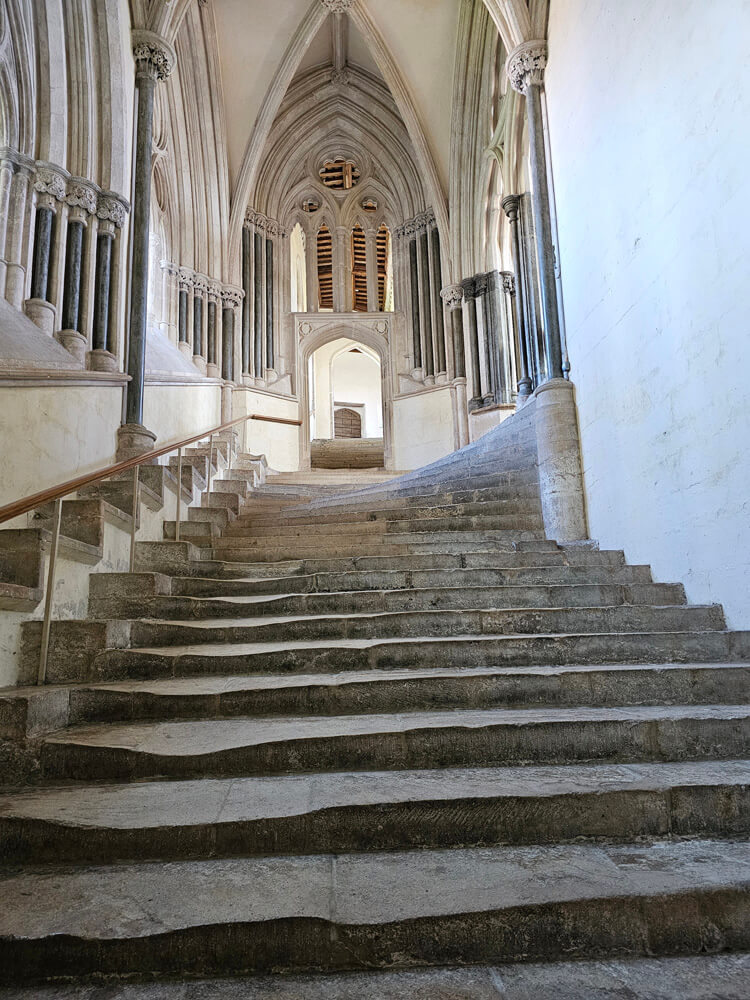
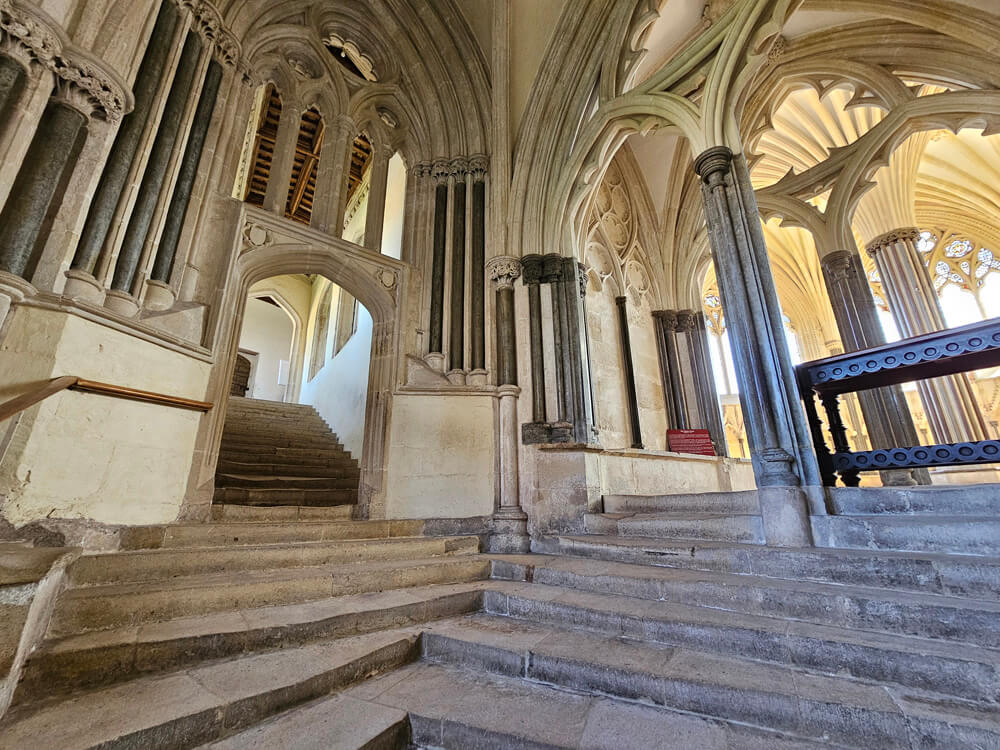
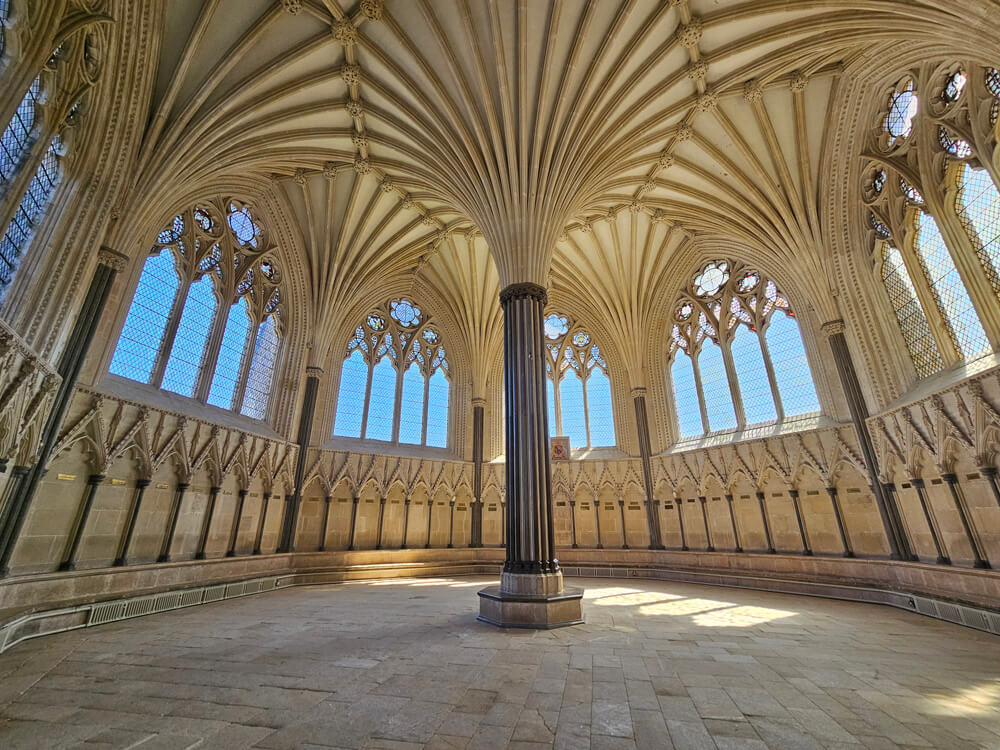
Wells Cathedral has been described as “one of the most beautiful” and “most poetic” of English cathedrals. Building of the cathedral started around 1175 / 1176 and it was consecrated in 1239. Wells Cathedral has several unique features that separate it from other English cathedrals including the extraordinary scissor arches, the famous Wells Clock, a 14th-century astronomical clock thought to be the second oldest mechanical clock in Europe, the fascinating octagonal Chapter House, and one of only four chained libraries in the UK.
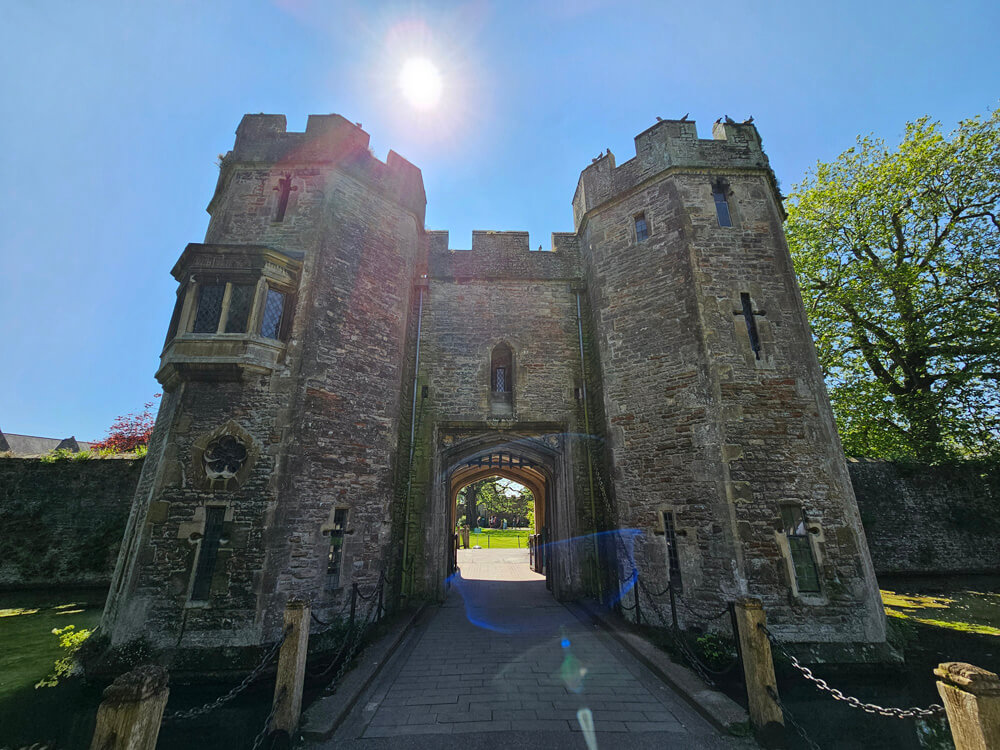
Bishop’s Palace
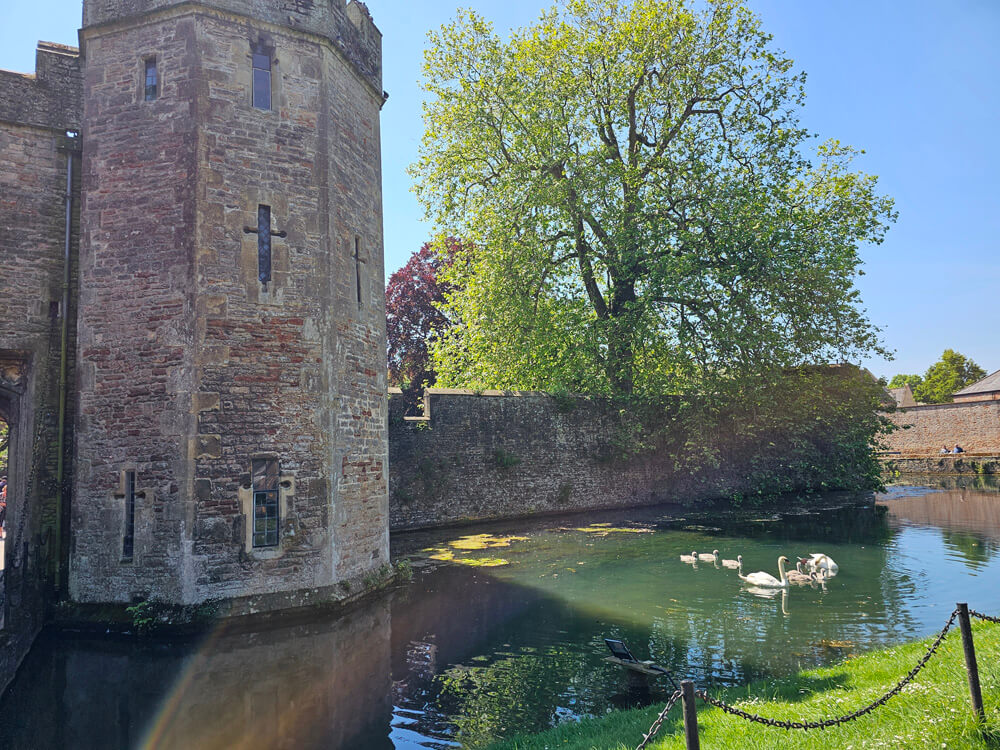
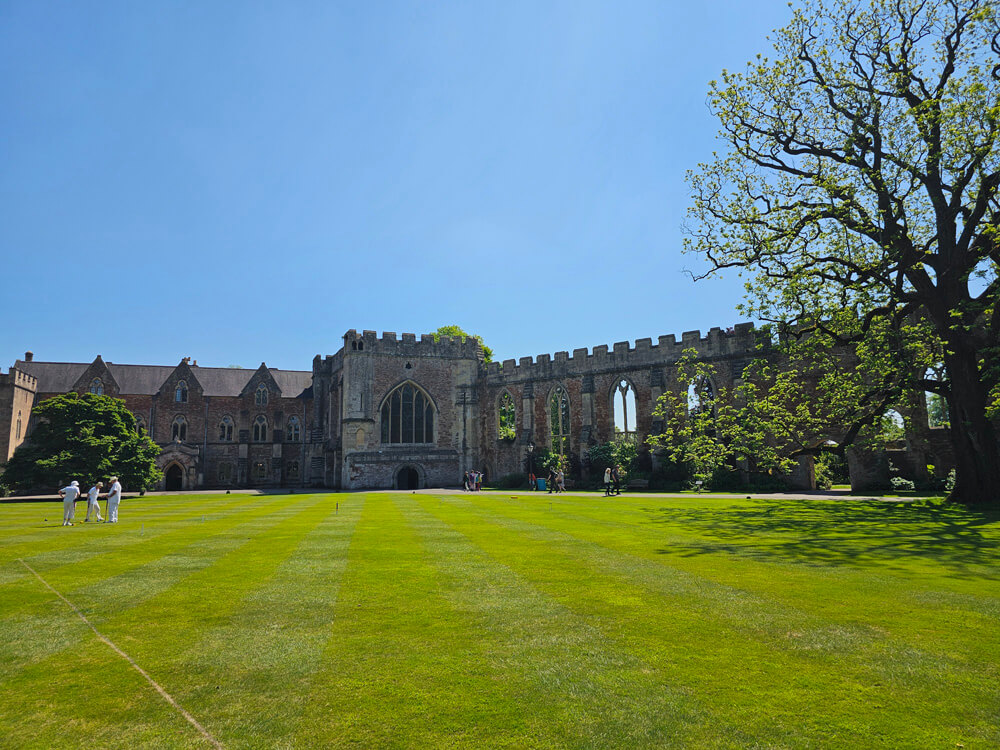
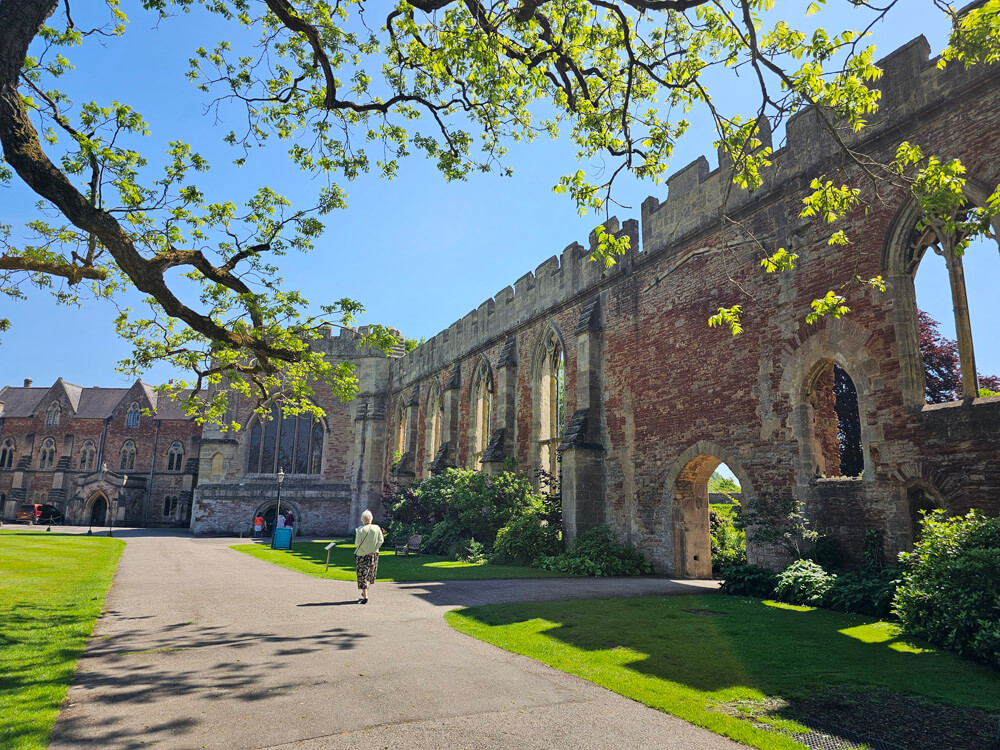
Situated beside the cathedral, the moated palace has been the seat of the Bishop of Bath and Wells since before the Norman Conquest. In the 14th century, a struggle broke out between the bishop and the city, and as a result the palace was fortified and moated with a drawbridge as the only access, and this is how Wells got this medieval oasis in the middle of the city.
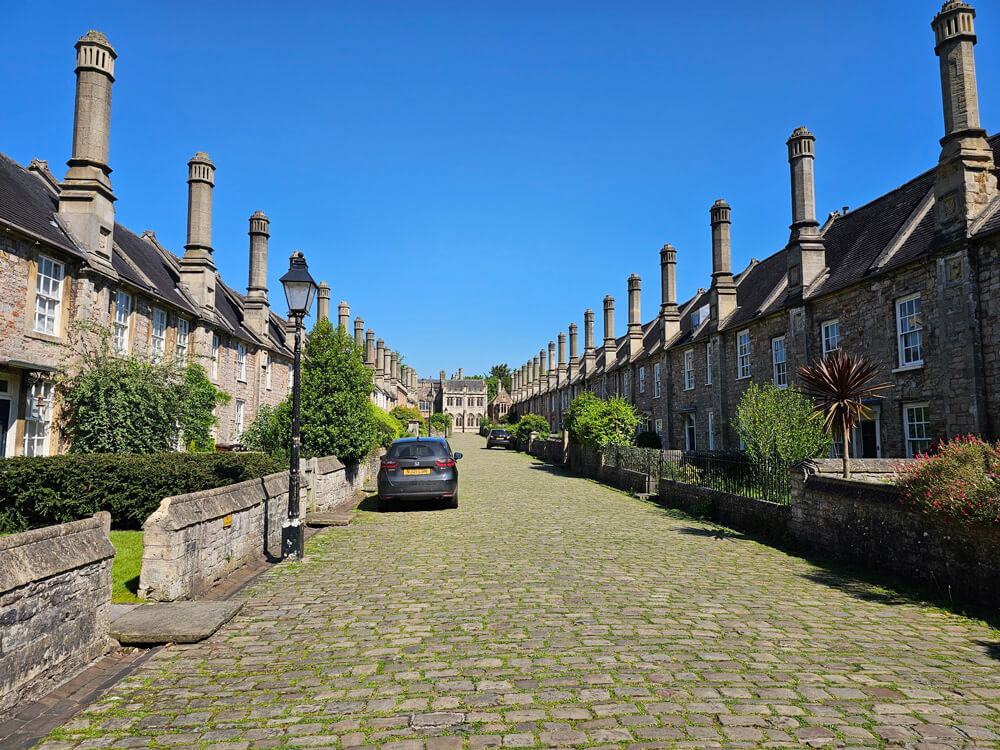
Vicars’ Close
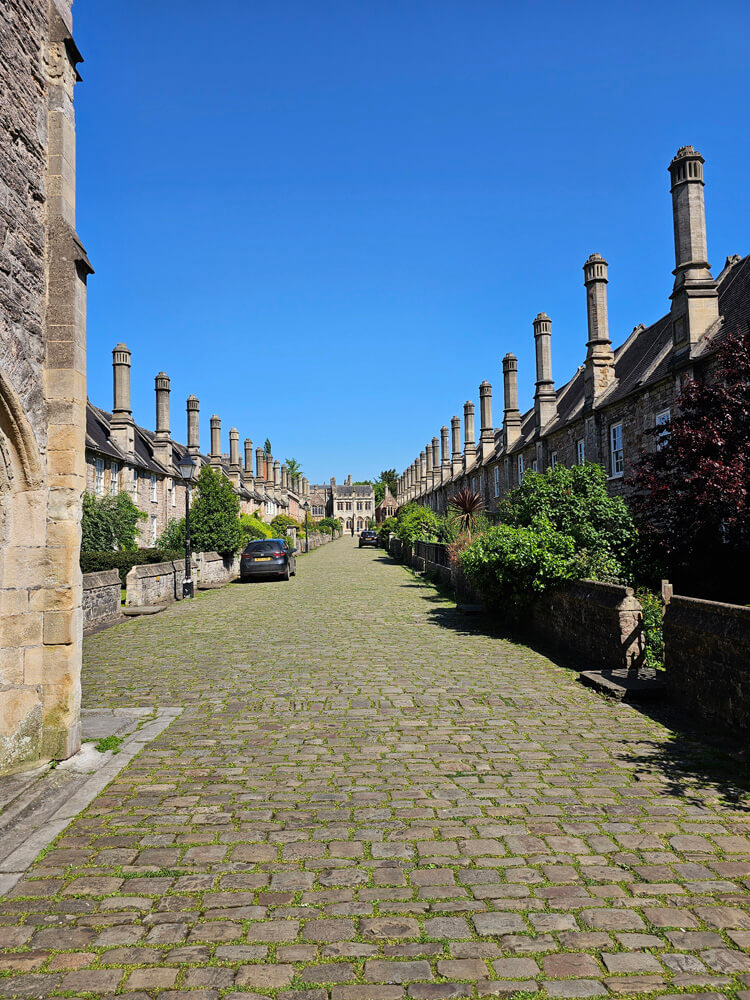
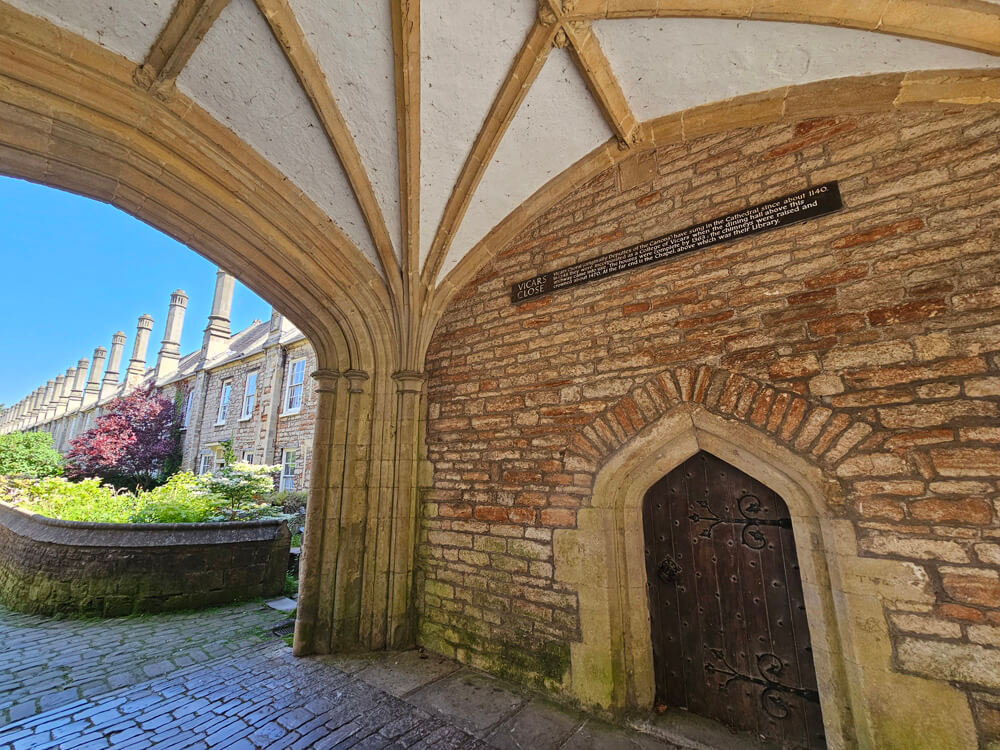
Vicars’ Close is a rare medieval survival; a 14th-century planned street, built for vicars serving the cathedral. It is the oldest intact medieval street in Europe. The Vicars’ Hall was completed in 1348 and included a communal dining room, administrative offices and treasury. The houses on either side of the close were built in the 14th and early 15th centuries. Nearby is the Old Deanery which dates to the 12th century.
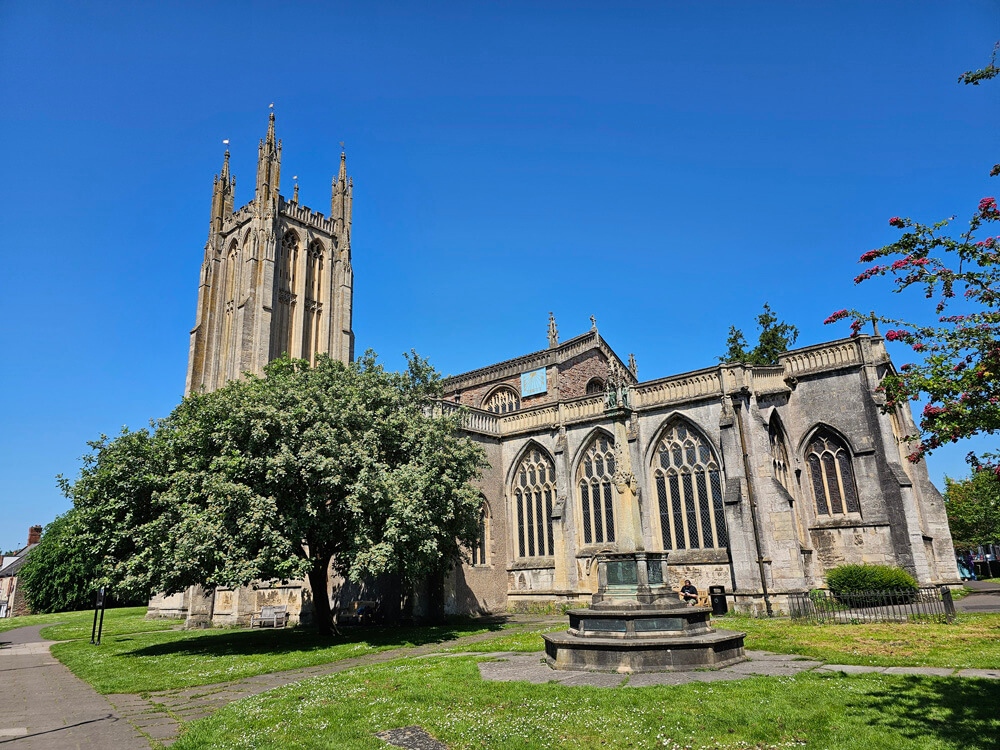
St Cuthbert’s Church
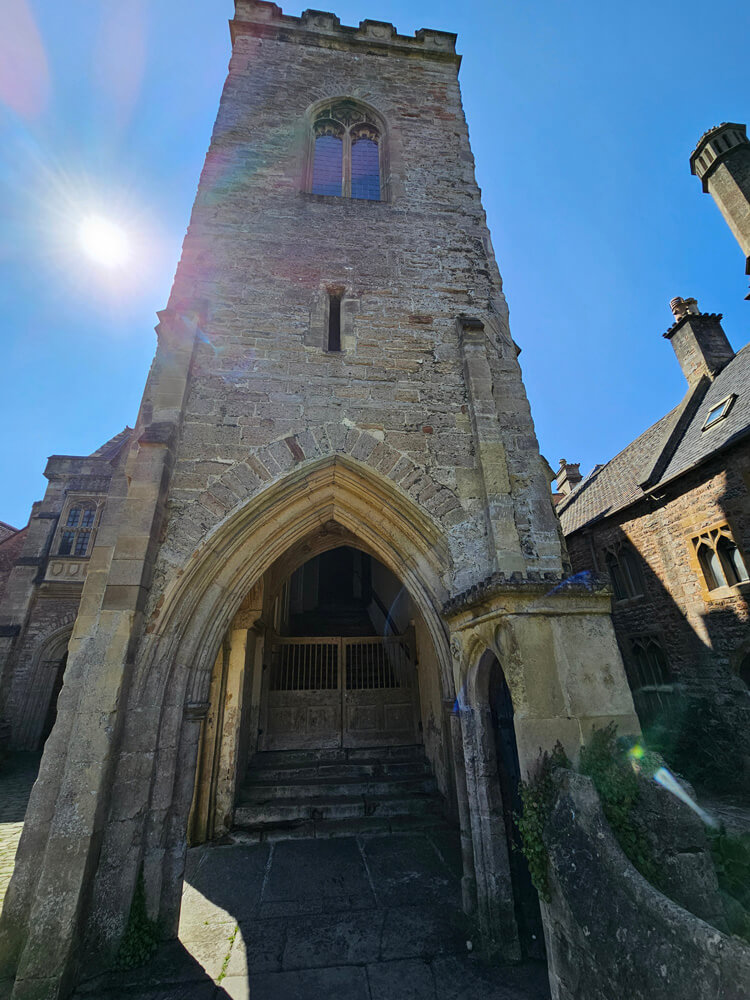
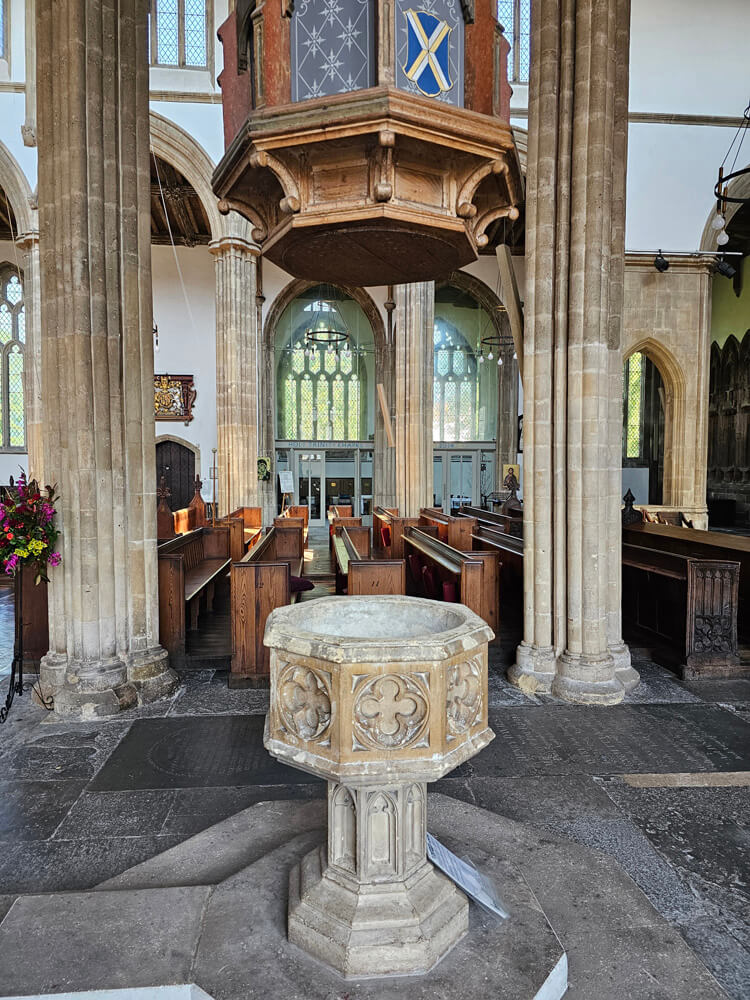
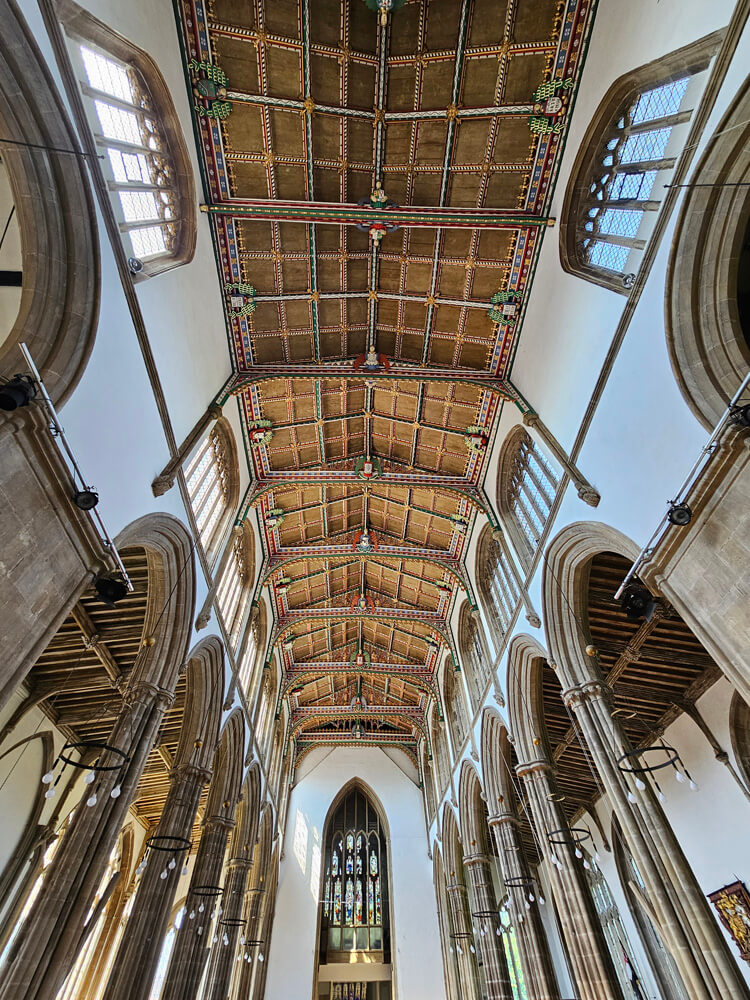
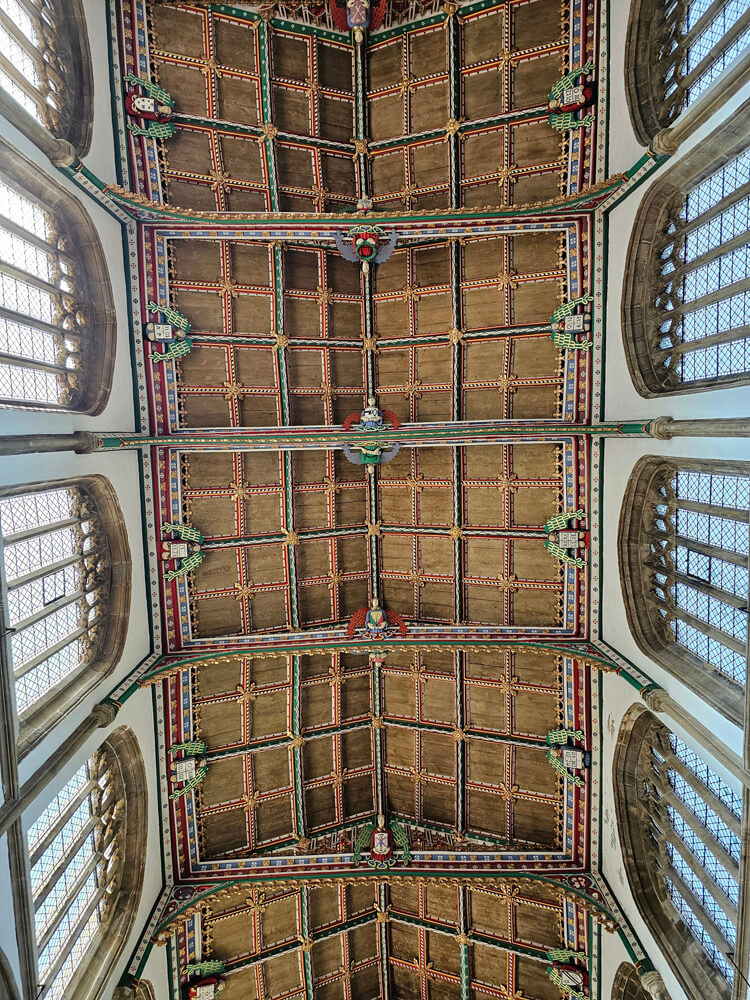
St Cuthbert’s Church has Saxon origins, but the present building dates from the 13th century and has one of the tallest towers in Somerset. It boasts a selection of unique surviving features, but the best feature about this fine church is the extravagantly decorated 16th-century tie beam roof of the nave, which bristles with brightly painted carved angels, shields and rosettes.
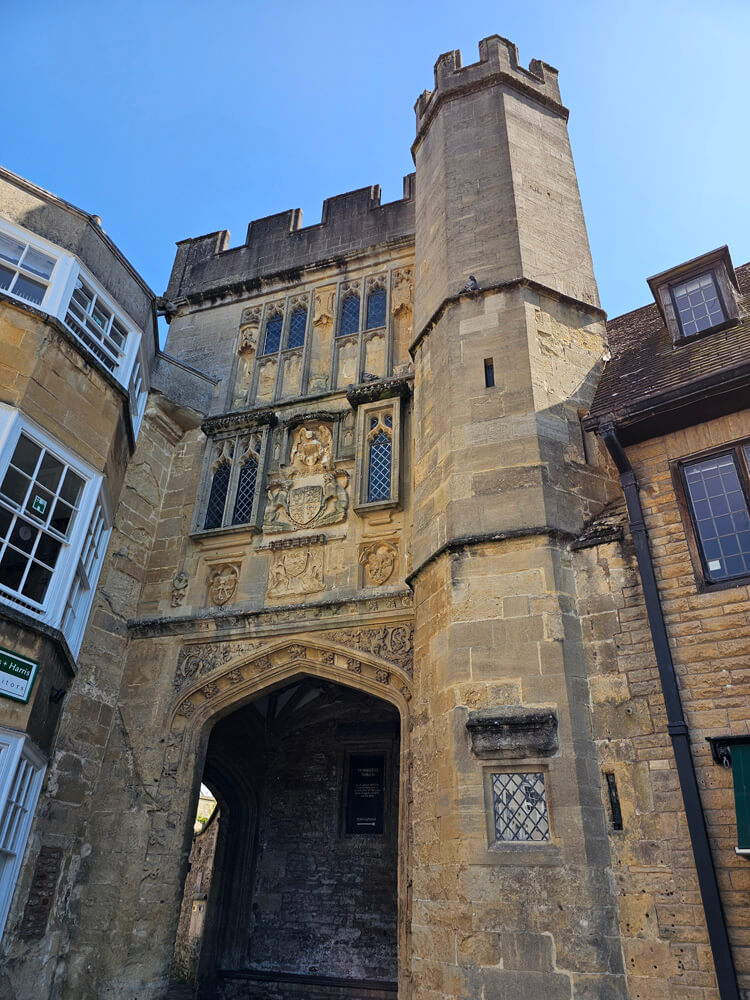
Penniless Porch
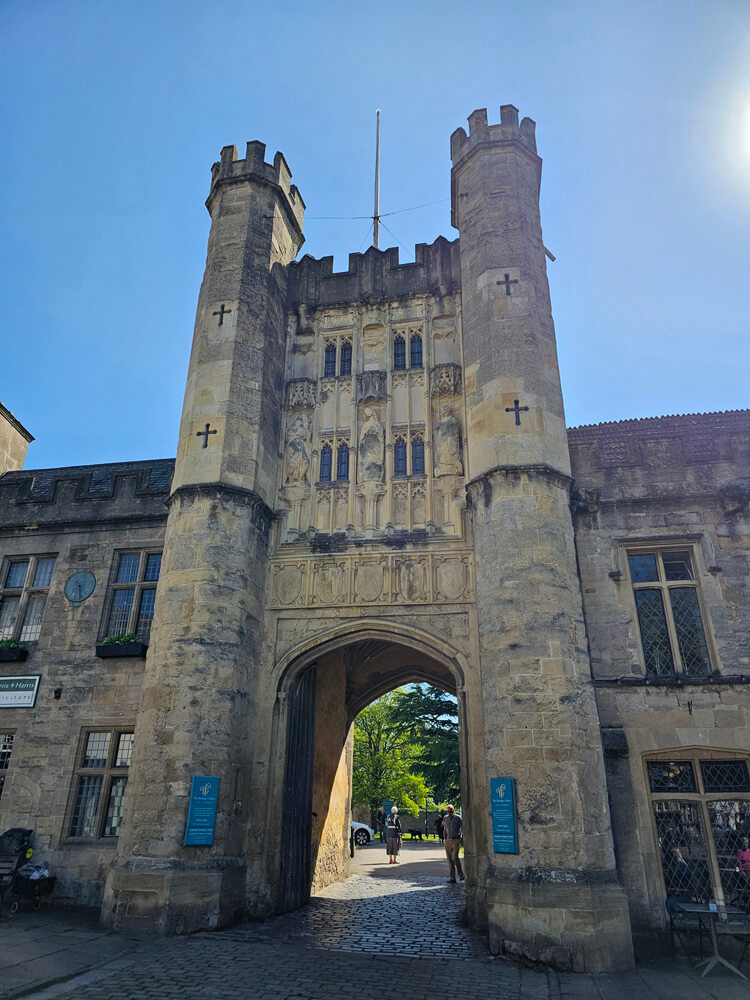
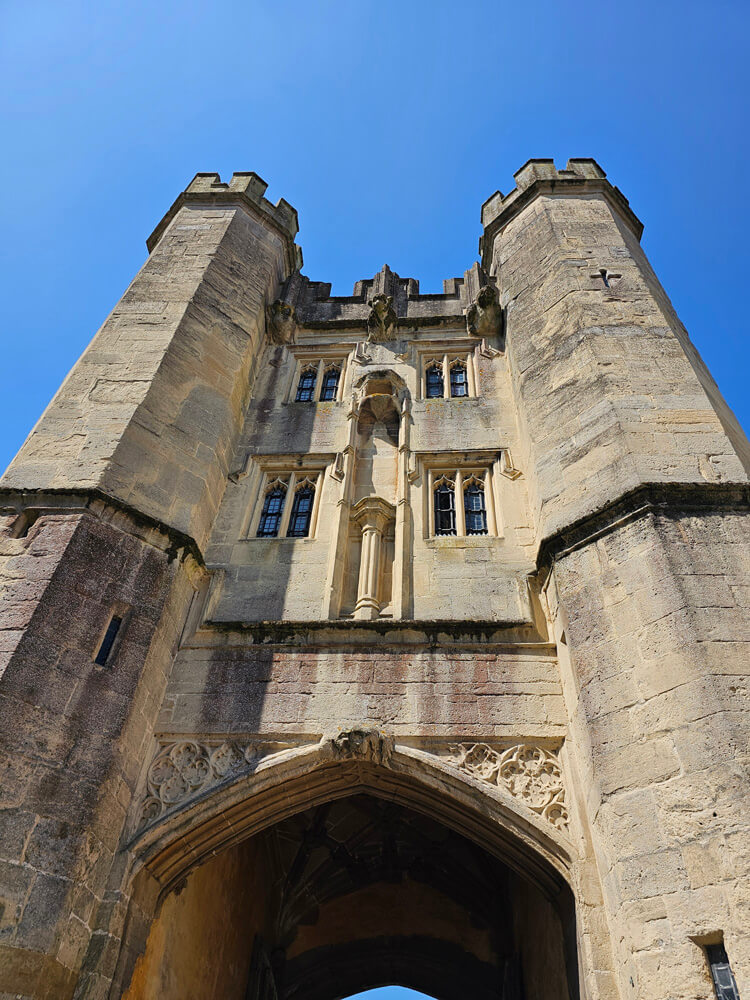
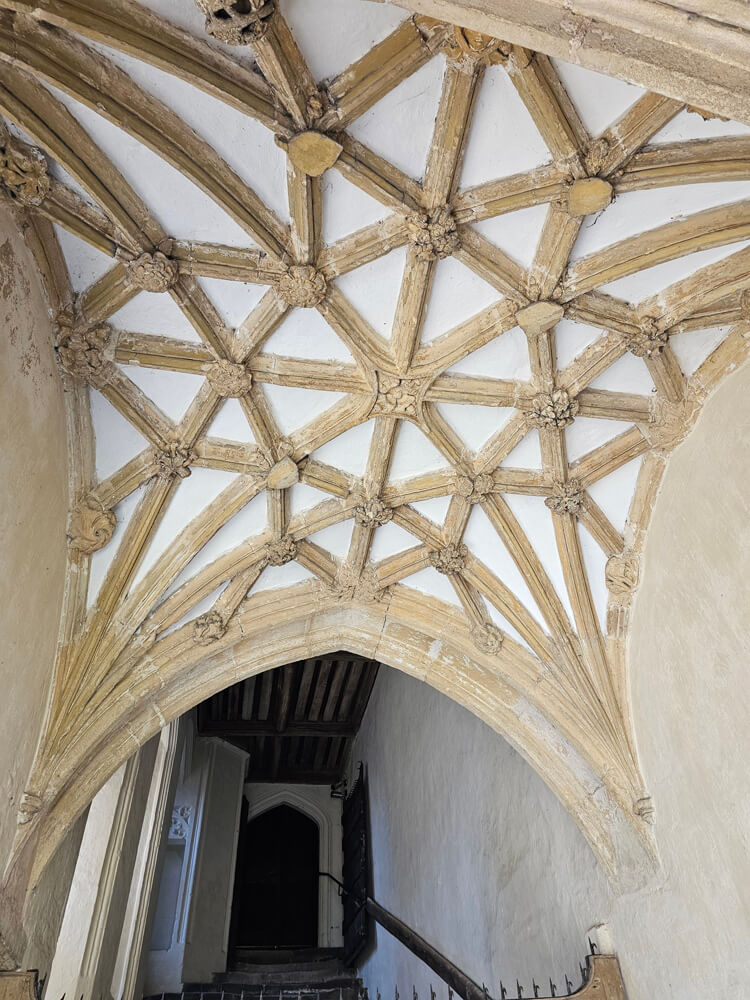
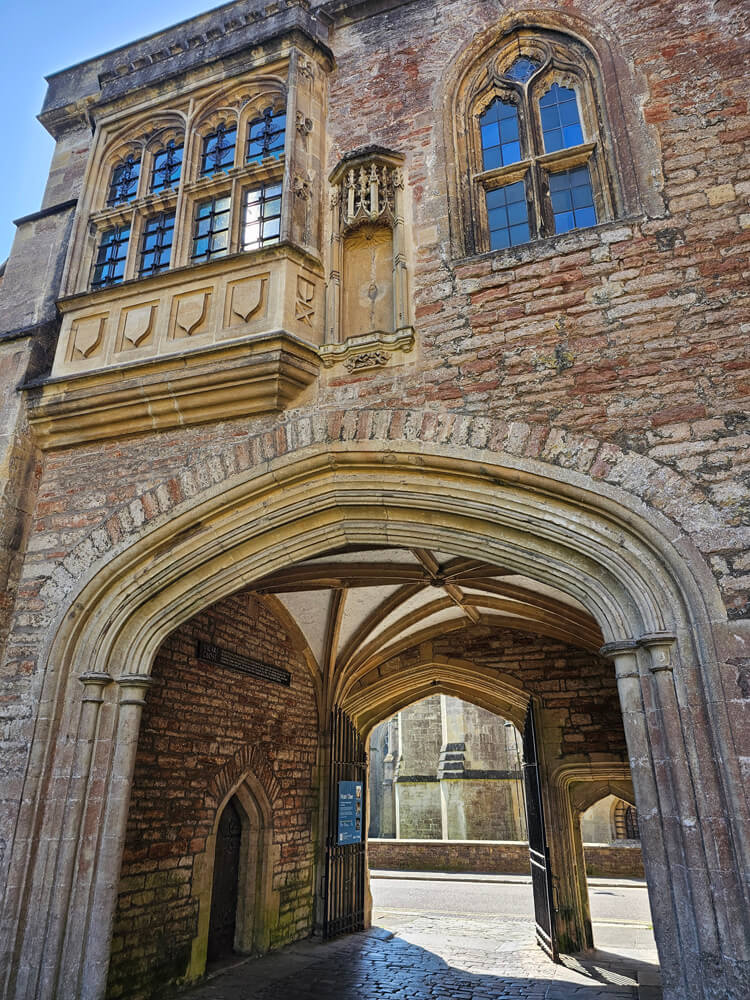
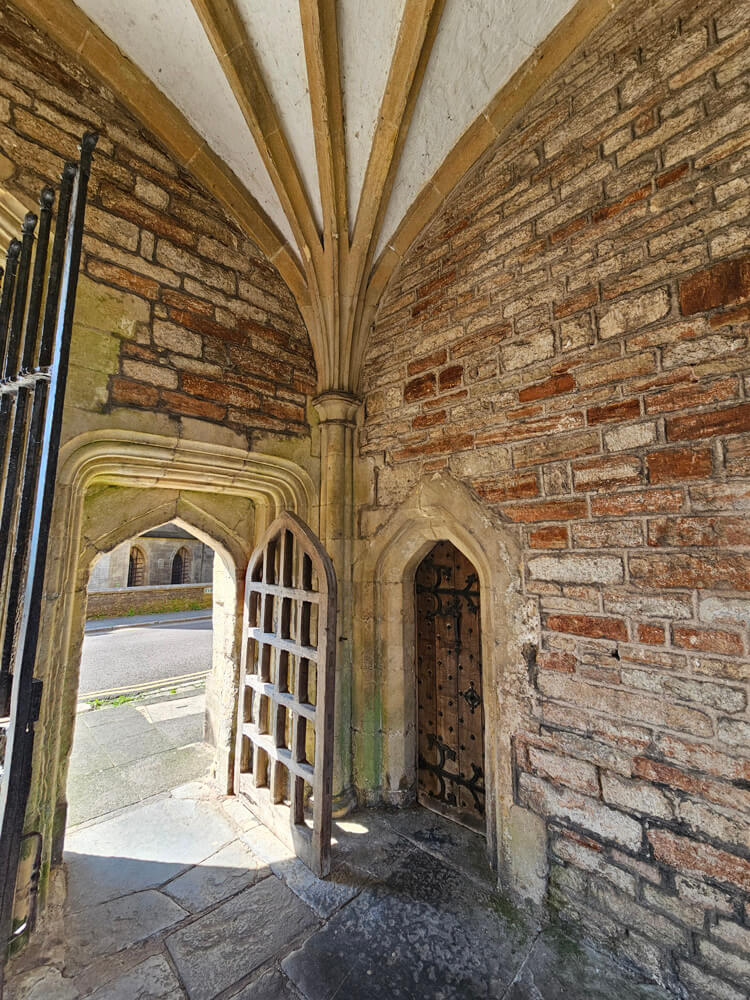
There are several medieval gateways and arches in Wells. Two large and impressive gateways lead off the ancient market place; one gives entrance to the Bishop’s Palace grounds, and the other, tucked away in the corner of the market square, leads to the cathedral. This gateway is known as Penniless Porch, the gateway to Cathedral Green and the cathedral, built by Bishop Bekynton circa 1450. It was given its name because it was here in the Middle Ages where beggars would congregate and beg people passing to and from the cathedral.
Photo Gallery.
Did you enjoy this post?
I hope you found this post useful. I put a great deal of time and effort in to building, maintaining and populating the website. If you like, you could say a small thank you by buying me a coffee. You don't have to, but it would be nice :)
Buy me a coffee
Stay up to Date
Follow me on my journey and get notified whenever a new post is published by following Kings & Castles on Facebook.
Follow MeExplore The Map
Discover the hundreds of castles, churches, monasteries, cathedrals and other historic locations that I've personally visited across England and Wales. Search by location, explore nearby sites and plan your next historical adventure.
Share: