The Historic City of Chester
Named Deva Victrix by the Romans, the historic city of Chester has everything – a full-circuit city wall, wall towers, medieval gates, Roman ruins, a beautiful cathedral, a castle and an abundance of historic timber-framed buildings.
Roman Chester
The history of Chester extends back nearly 2,000 years, covering all periods of British history. Before the Romans settled here in the 1st century AD it was the land of the Celtic Cornovii tribe.
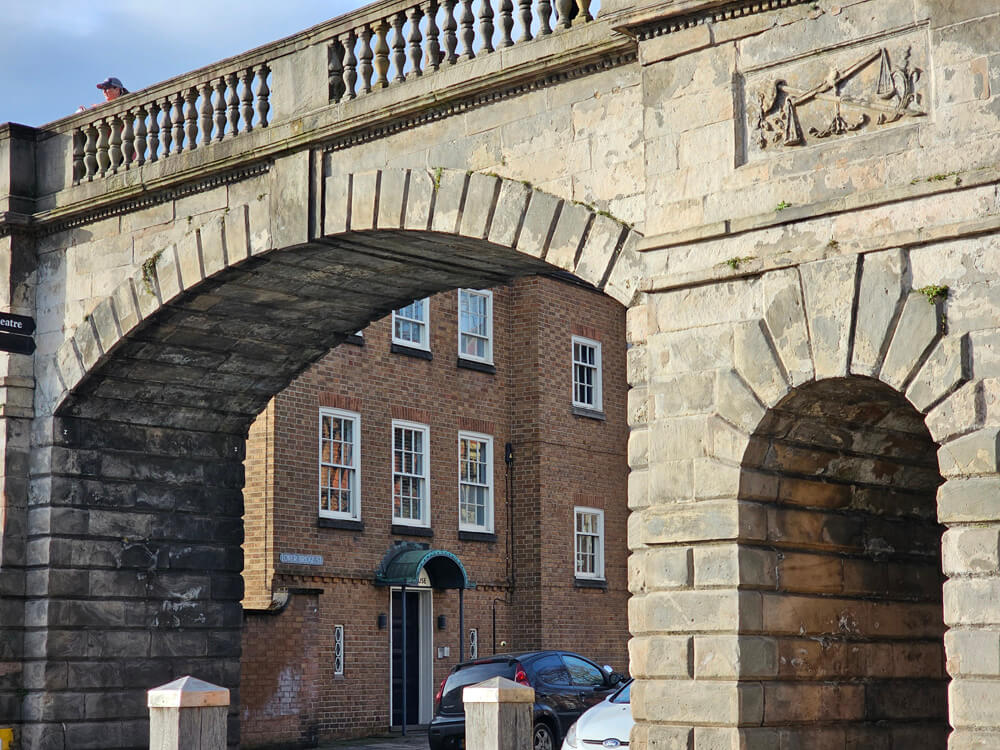
During the reign of Emperor Vespasian, the Romans founded Chester as a Roman fort around the year 79 AD during their expansion north and named it Deva Victrix, or simply Deva, after the River Dee upon which it stands. Deva quickly became one of the largest and most important forts in Roman Britain and later became a major civilian settlement. The imposing city walls still show signs of the original Roman structure, and the street layout still follows the Roman pattern, with the city’s four main roads, Eastgate, Northgate, Watergate and Bridgegate, still following the routes laid out by the Romans.
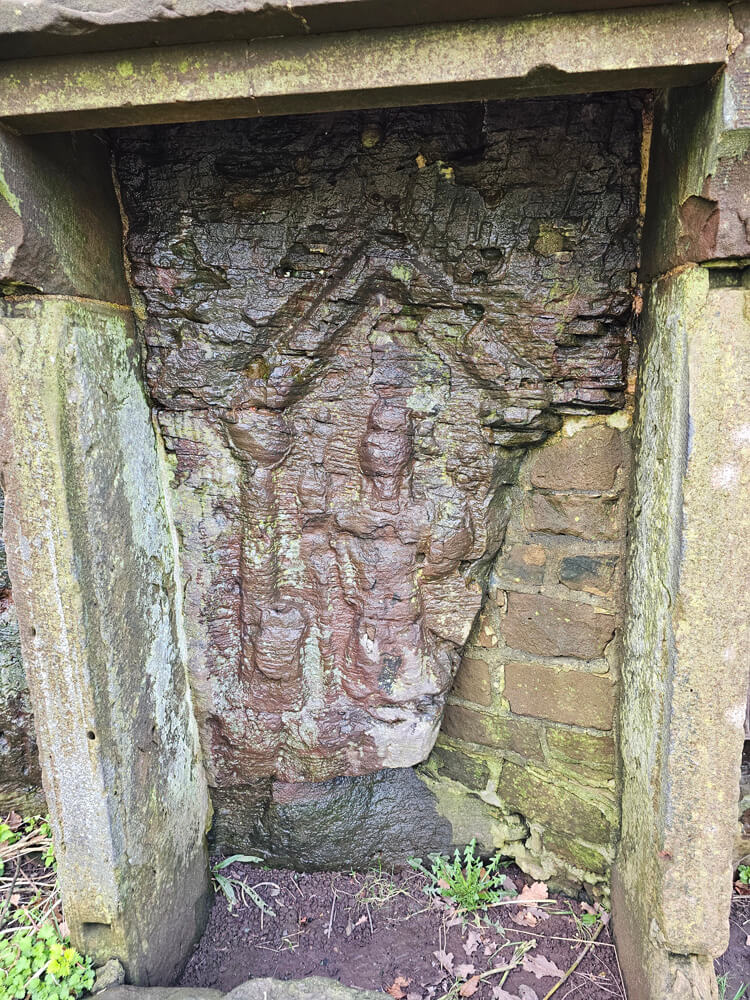
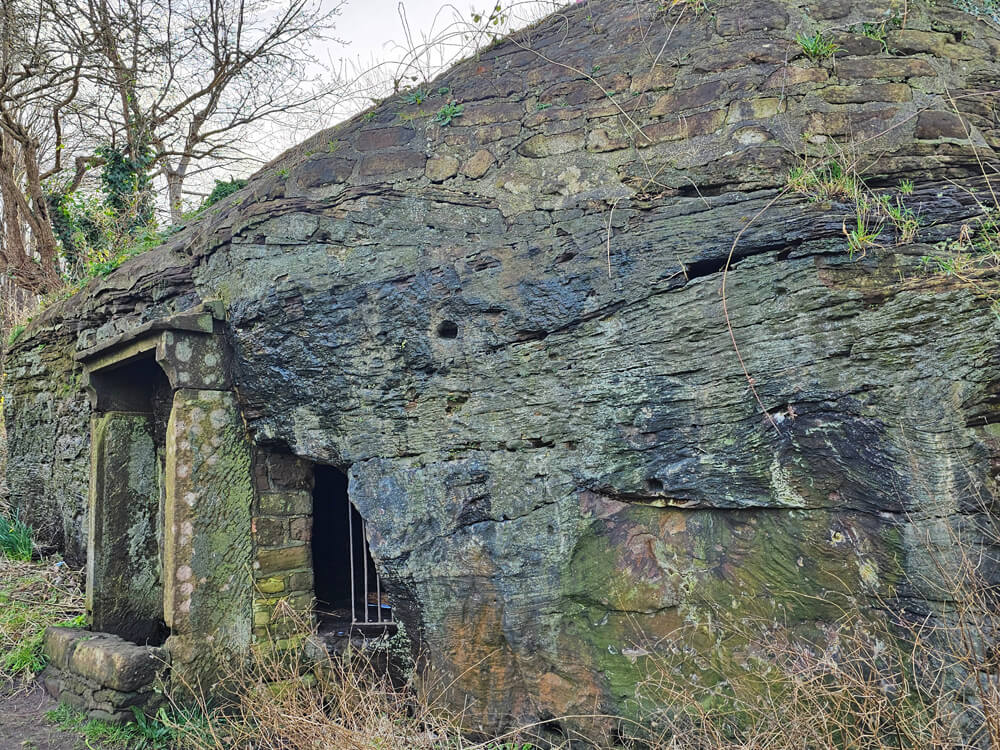
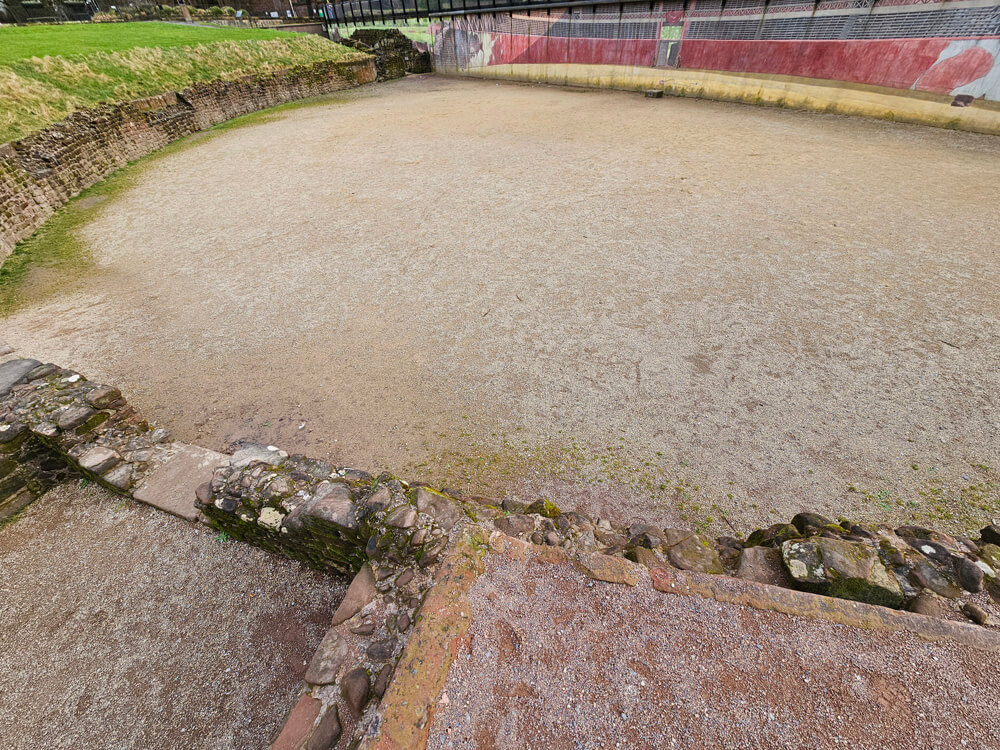
Chester Roman Amphitheatre was built in the 1st century AD, very soon after they settled the area, and it could seat anywhere between 7,000 and 10,000 people, making it the largest known permanent military amphitheatre in Britain. The Romans also built the Minerva Shrine in the early-2nd century; a shrine to the Roman goddess Minerva and the only rock-cut Roman shrine still in situ in Britain, carved into the face of a sandstone quarry in Edgar’s Field.
The fortress at Chester was garrisoned by the legion until the Roman withdrawal from Britain in the late-4th and early-5th centuries, and by the year 410 it was completely abandoned by the Romans. The Romano-British civilian settlement then established a number of smaller kingdoms which then became part of the kingdom of Powys.
Anglo-Saxon Chester
Throughout the post-Roman years, Chester was the scene of battles between warring Welsh and Saxon kingdoms until the Saxons strengthened the fort against raiding Danes.
The Anglo-Saxon migration started around the middle of the 5th century, and in Welsh legend, King Arthur, leader of the post-Roman Britons, is said to have fought one of his battles against the Saxon invasion at the ‘city of the legions’, referring to Chester. The Anglo-Saxons settled Chester in the early-7th century after defeating a Welsh army at the Battle of Chester, allowing them to establish a stronghold in Chester.
Chester’s place name has Old English origin with Latin roots and gets its name from around this time. The Anglo-Saxons renamed the settlement as Legeceaster, meaning ‘fortress of the legions’, which was eventually shortened to Ceaster, meaning ‘Roman fort’, which comes from the Latin word Castrum, which means ‘fort’ or ‘camp’, and finally to Chester.
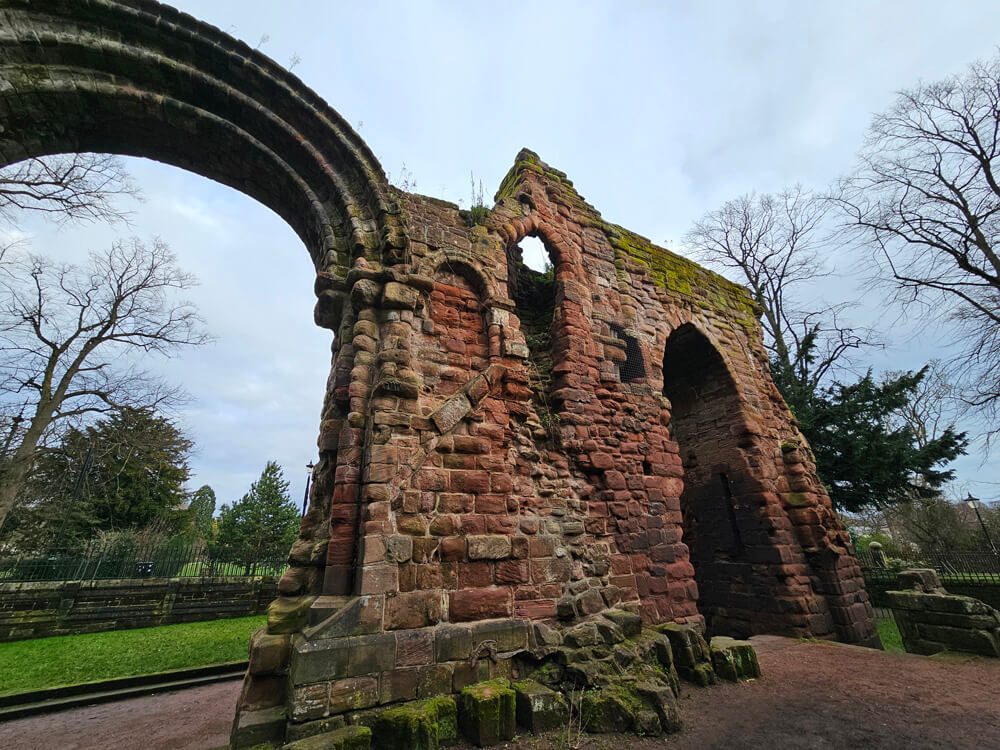
King Æthelred of Mercia founded the Minster Church of West Mercia in Chester in the year 689, which is now St John the Baptist’s Church. The church later became Chester’s first cathedral from from 1075 until 1082 when the Mercian see was transferred to Coventry, at which time it became a co-cathedral with Coventry until the Dissolution of the Monasteries in the 16th century.
Chester came under Viking attack during the 9th century when Viking raiders sailed up the River Dee in their longships. The Saxons extended and strengthened the city walls to protect the city against the Danes, who occupied it for a short time until Alfred the Great was able to drive them out. Chester was refortified in the early-10th century by Alfred’s daughter, Æthelflæd, Lady of the Mercians, who rebuilt the Saxon burh and founded a new church dedicated to St Peter and St Paul. The Saxon church was then rededicated to St Werburgh around 975 when it became the resting place for her bones. She was a Mercian princess and nun, and a relative of several Saxon kings. Her bones were brought from Hanbury in Staffordshire to protect them from the Danes, and throughout the medieval period the tomb of Saint Werburgh was a popular pilgrimage centre. The church was restored in 1057 by Leofric, Earl of Mercia, and his wife Lady Godiva.
The Anglo-Saxon Chronicle records that in 973, King Edgar came to Chester following his coronation at Bath, where he held his court in a palace in an area in what is now called ‘Edgar’s Field’.
After the Norman Conquest
After the 1066 Norman Conquest and the Harrying of the North, the Normans took Chester, and in 1071, William the Conqueror made Hugh d’Avranches the first Earl of Chester, who built Chester Castle. The castle was first built as a simple motte-and-bailey castle with a wooden tower, but was later rebuilt in stone and enlarged throughout the 12th and 13th centuries, until it was destroyed by a fire in the 18th century.
In 1090-1093, the Saxon church founded by Æthelflæd was rebuilt and re-founded as a Benedictine monastery dedicated to Saint Werburgh, which survived for almost 500 years until the Dissolution of the Monasteries.
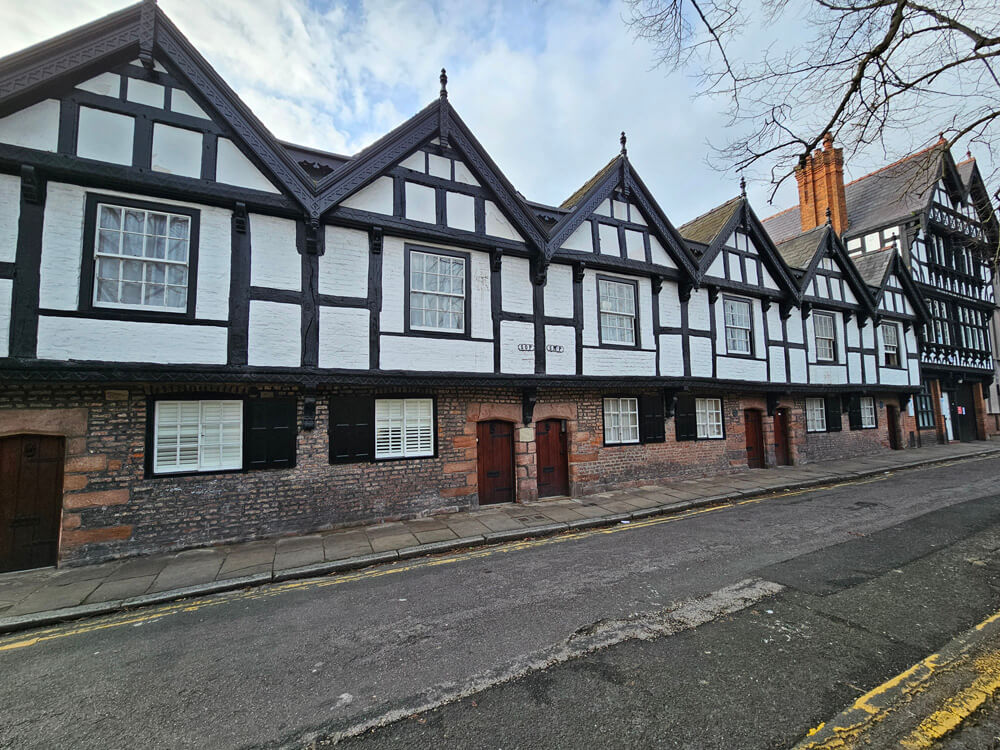
Under Norman rule, Chester rose to become a successful and wealthy trading port. From the 13th century the city was famous for its fur trade, and it was around this time that the Chester Rows were built. From the 14th to the 18th centuries, the city’s prominent position in North West England meant it was commonly known as Westchester.
Later History
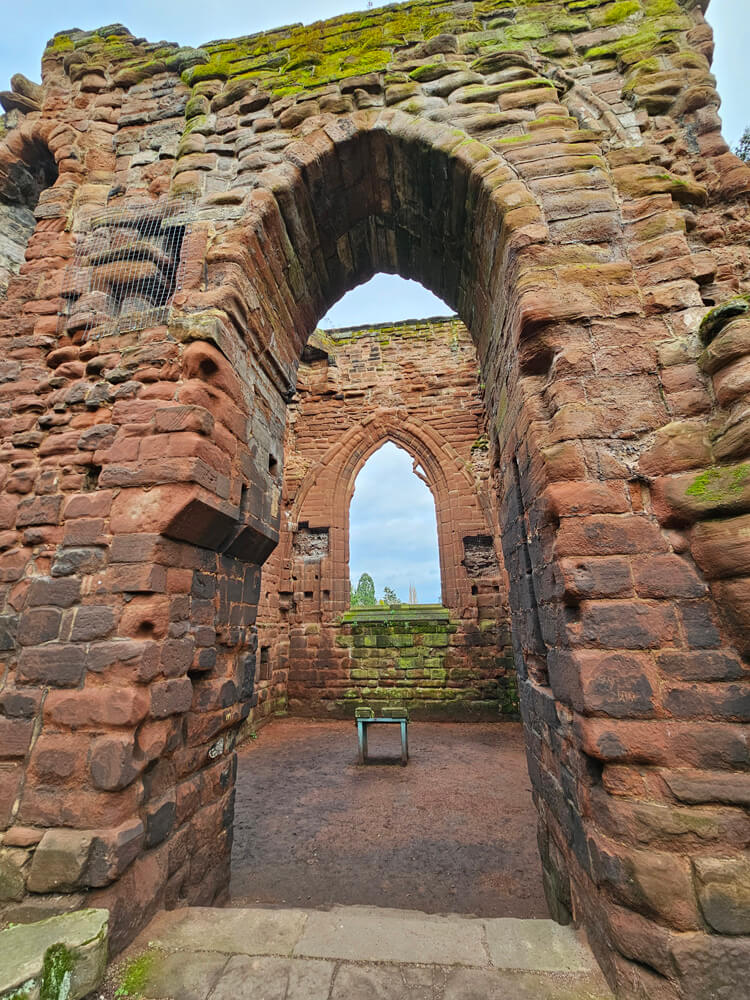
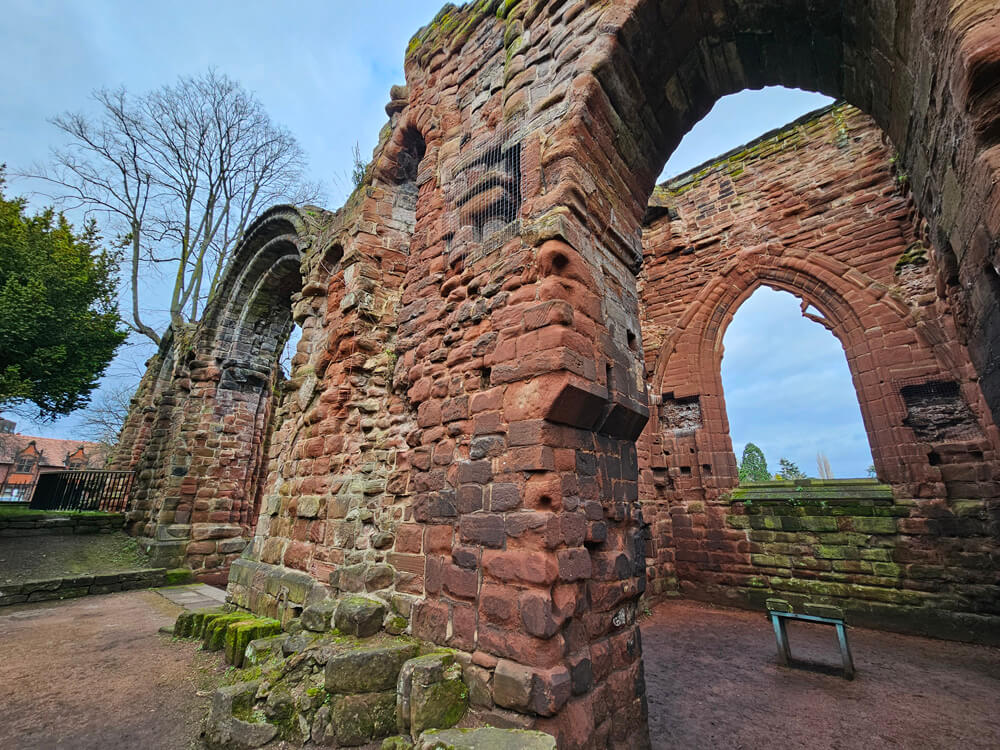
In the 1540s, during Henry VIII‘s Dissolution of the Monasteries, St John the Baptist’s Church, which was still a co-cathedral at the time, was dissolved. Much of the east end of the church was demolished (some of it remains as ruins to the east of the present church) and it has been a parish church ever since. The Benedictine abbey was also dissolved at the same time, however, the abbey church was rededicated and became Chester Cathedral, and as a result St John the Baptist’s lost its ecclesiastic importance, and Chester was granted city status in 1541.
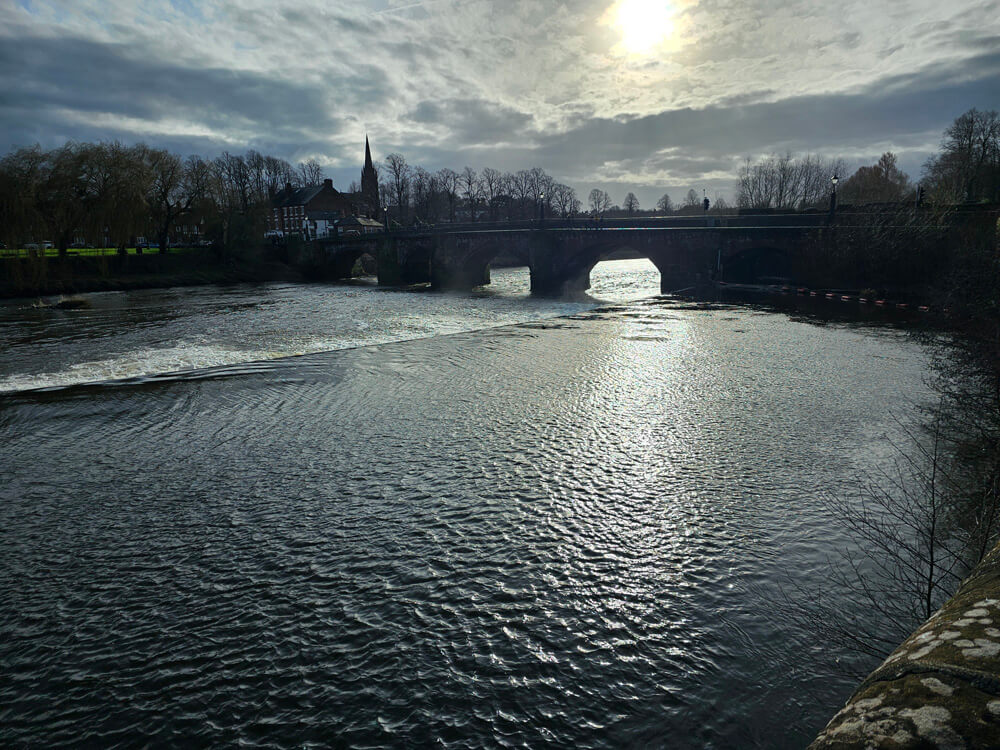
In the English Civil War, Chester sided with the royalist cause of King Charles I, and the city suffered a two-year siege that resulted in its surrender to the Parliamentarians in 1643. As the centuries passed, the harbour gradually silted up and by the Georgian era the port was virtually gone. Today some of the original quay can still be seen near the Roodee Racecourse.
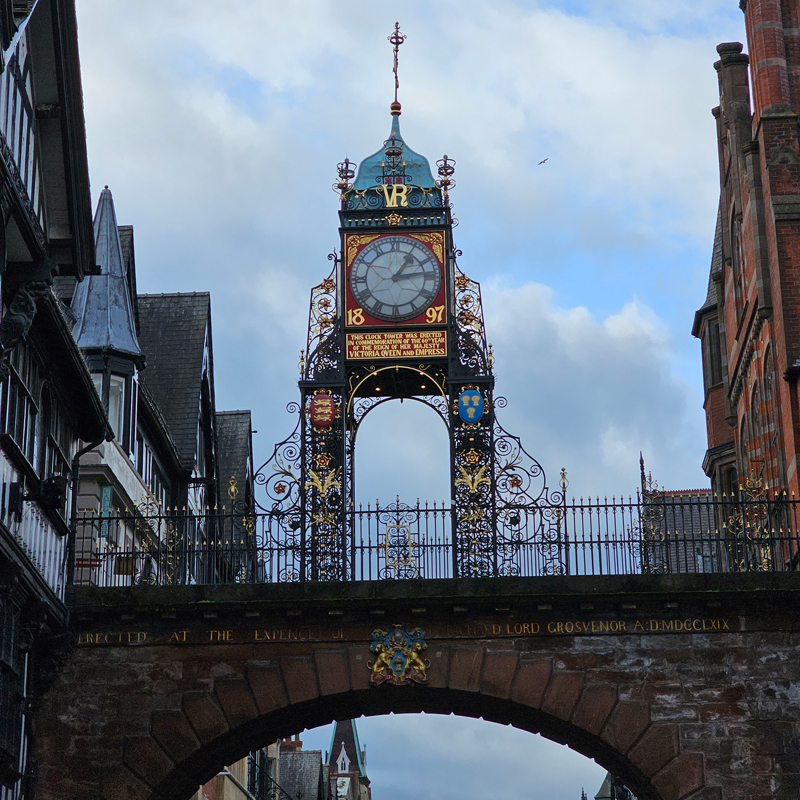
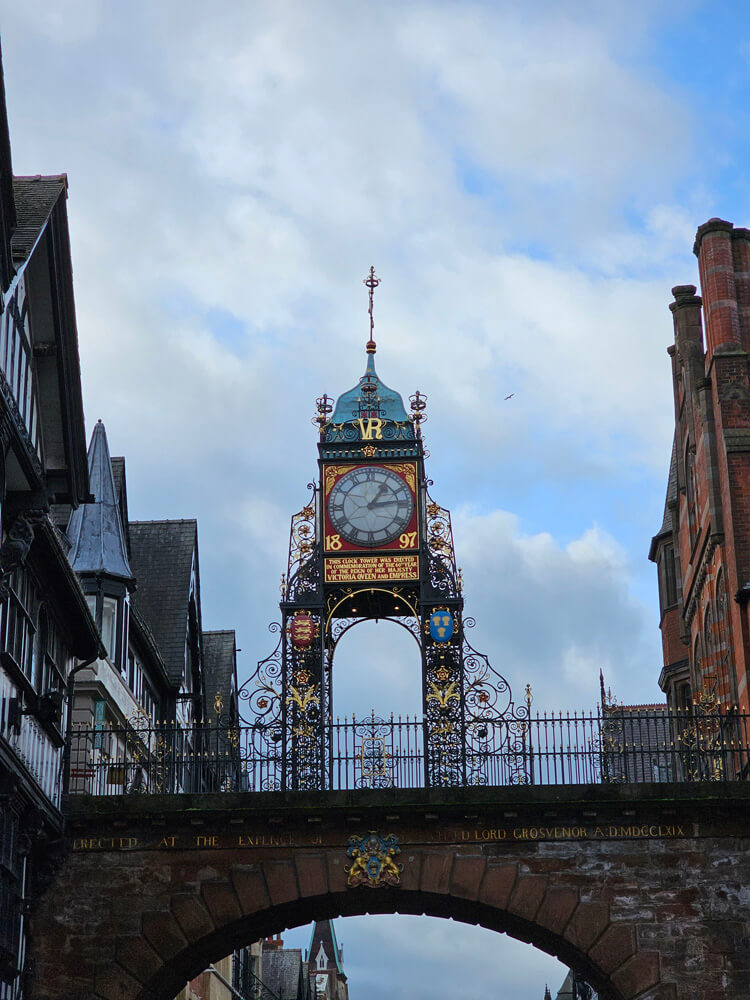
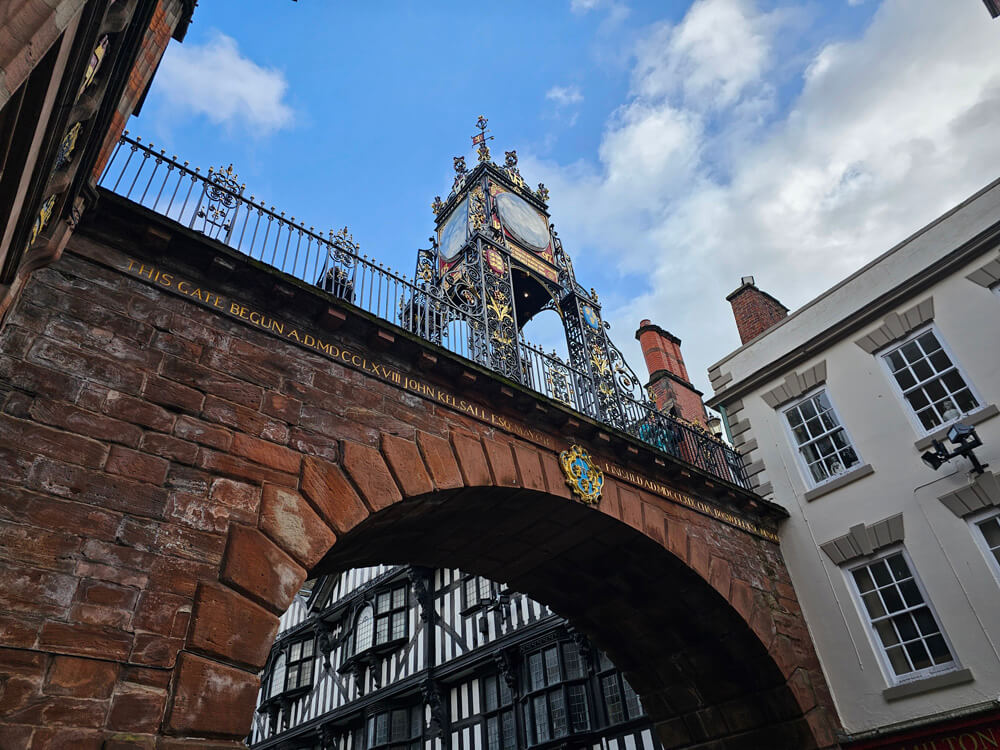
Chester became the county town of Cheshire in the Georgian era, and during the Victorian era the Gothic-style Town Hall was built and the Eastgate Clock was erected in honour of Queen Victoria’s Diamond Jubilee.
Chester Today
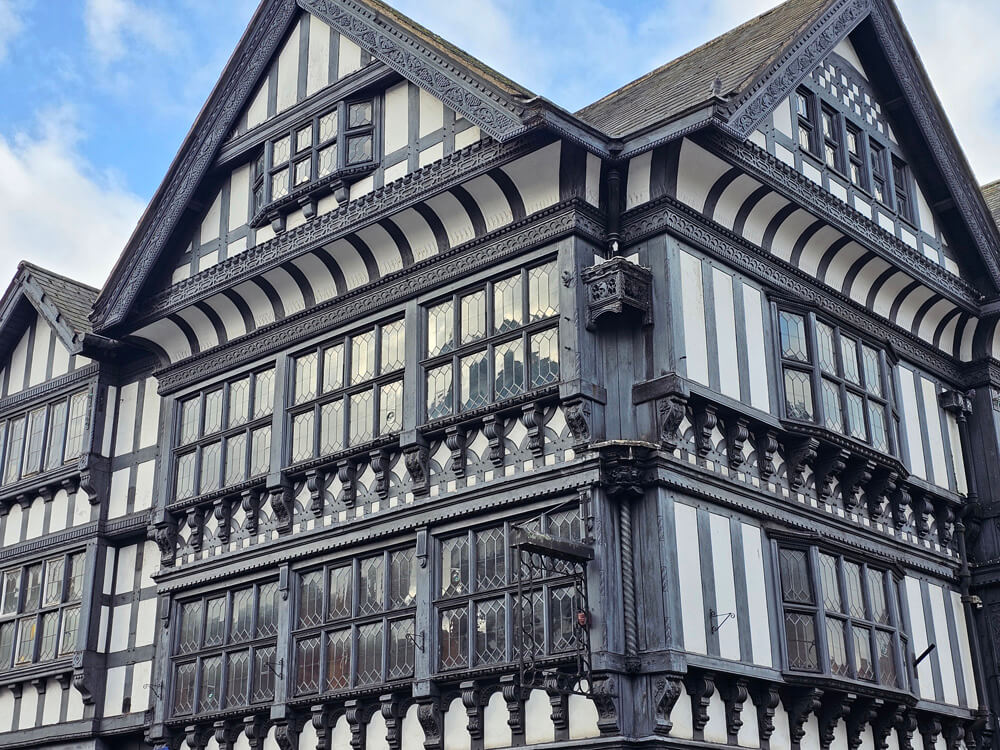
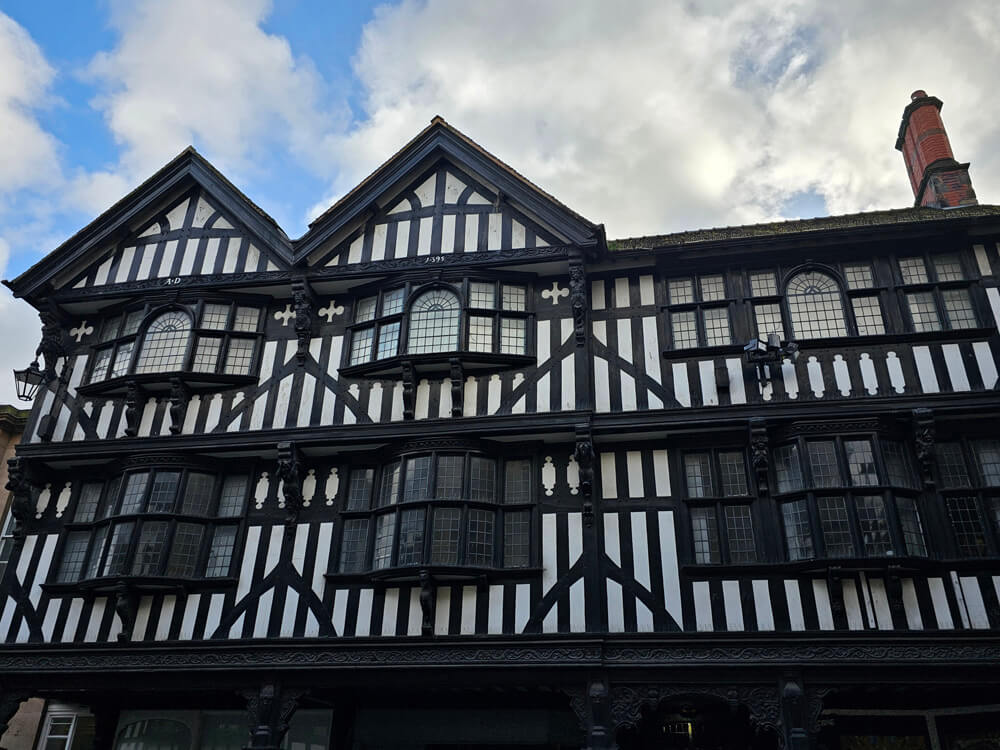
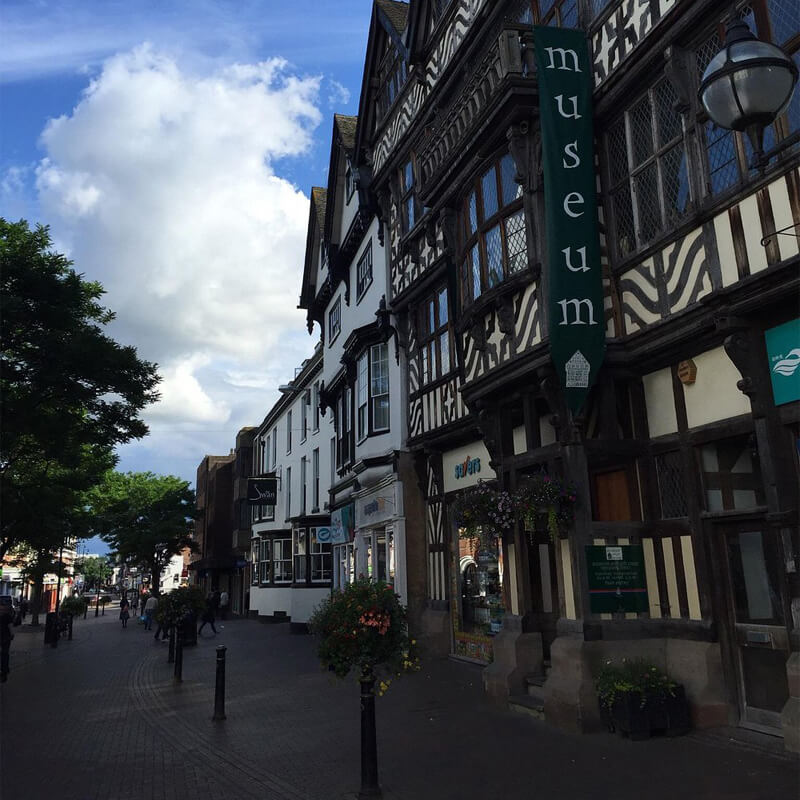
Today you can walk around the city’s famous two-mile-long city walls, with its multiple towers and gates. Visit the many ancient Roman ruins and structures, including parts of the city walls, the Amphitheatre, Roman columns, the Roman gardens and Goddess Minerva’s Shrine. There’s also the Saxon ruins of St John the Baptist’s Church, Chester Cathedral, Chester Castle, and the many medieval black and white buildings, including the Rows, which is one of Chester’s most photographed buildings.
City Walls
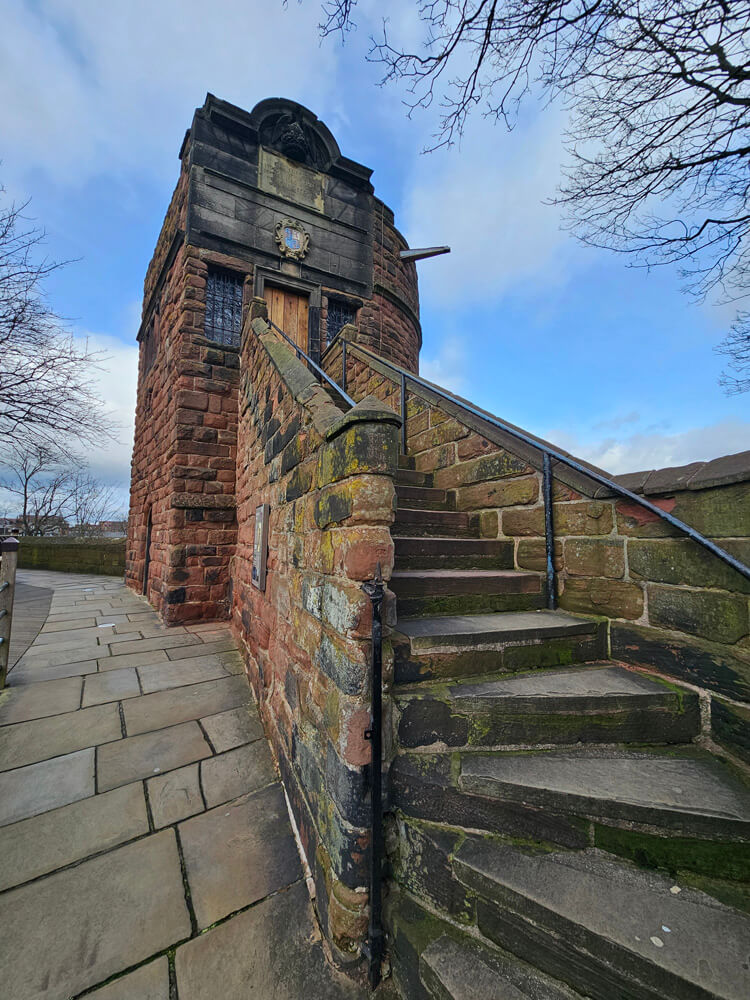
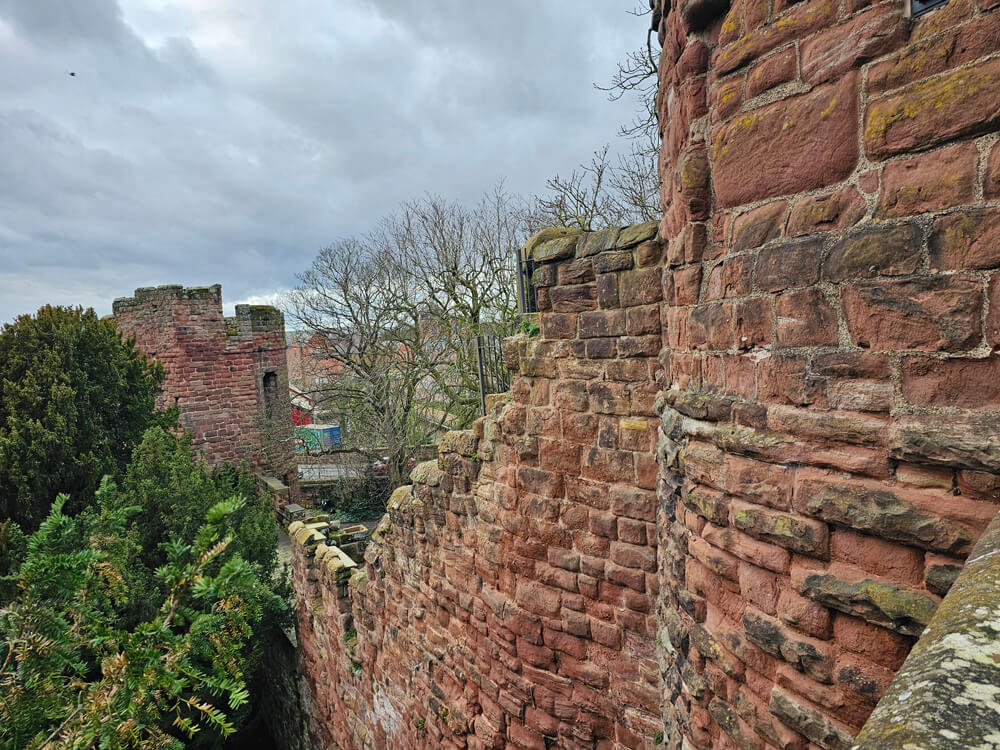
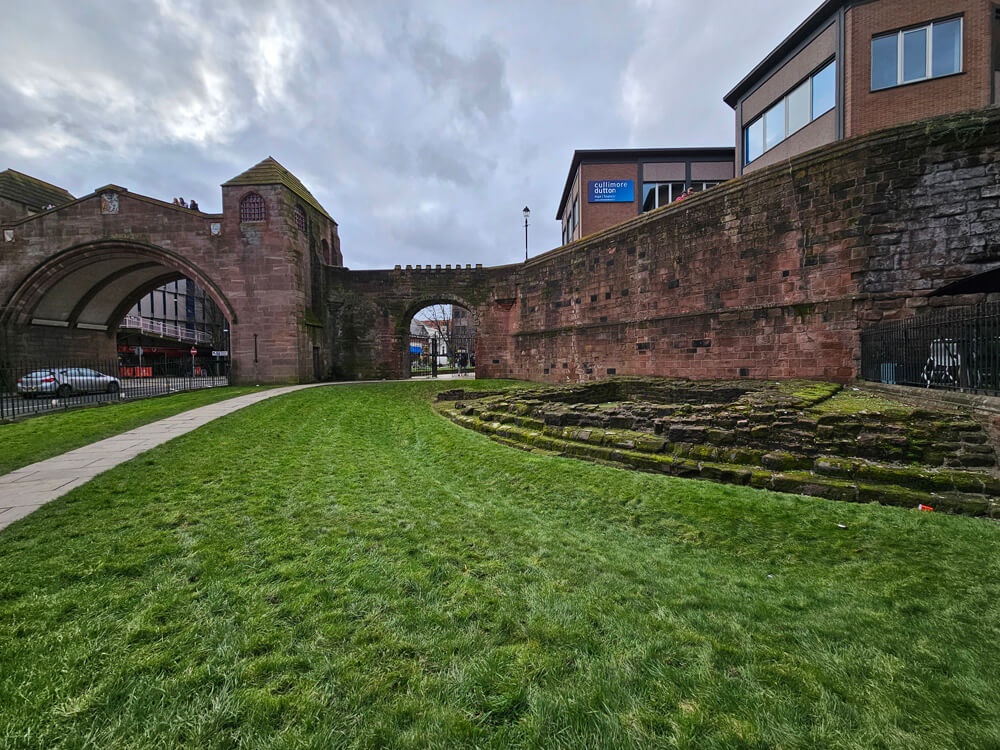
Chester is the only city in Britain that retains the full circuit of its ancient defensive walls, which are also the oldest and most complete in the country. The walls are about two miles long and were first built by the Romans nearly 2,000 years ago. The walls were improved by the Saxons when Æthelflæd, Lady of Mercia re-founded Chester as a burh in the 10th century. Finally, after the Norman conquest, the walls were extended again to form a complete circuit of the medieval city, which was probably complete by the middle of the 12th century.
Towers and Gates
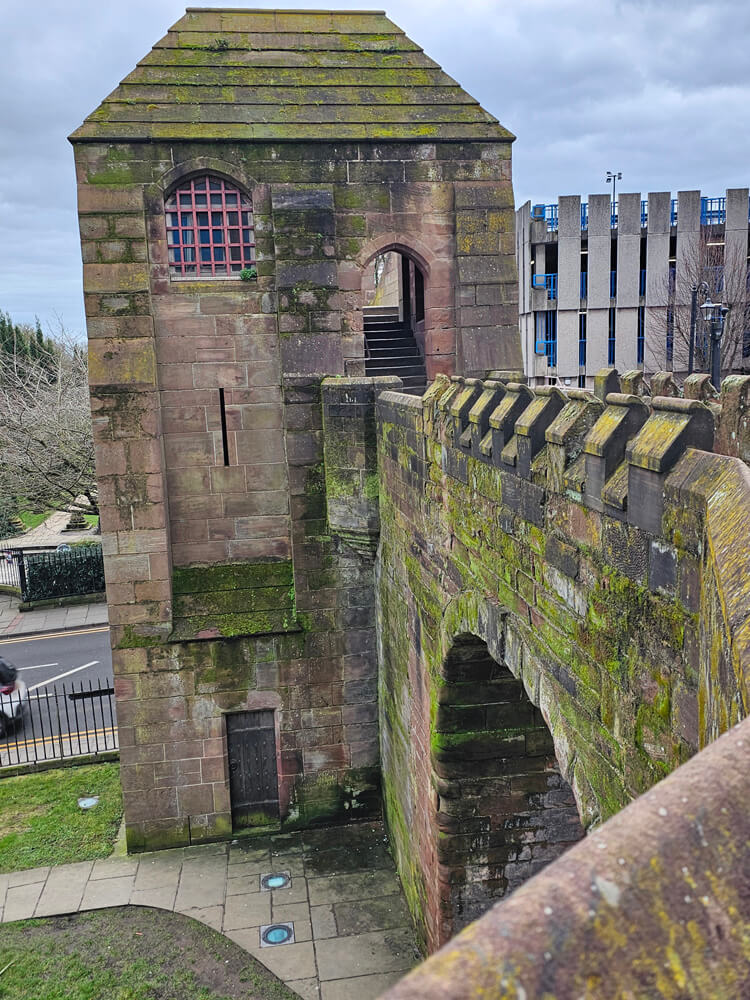
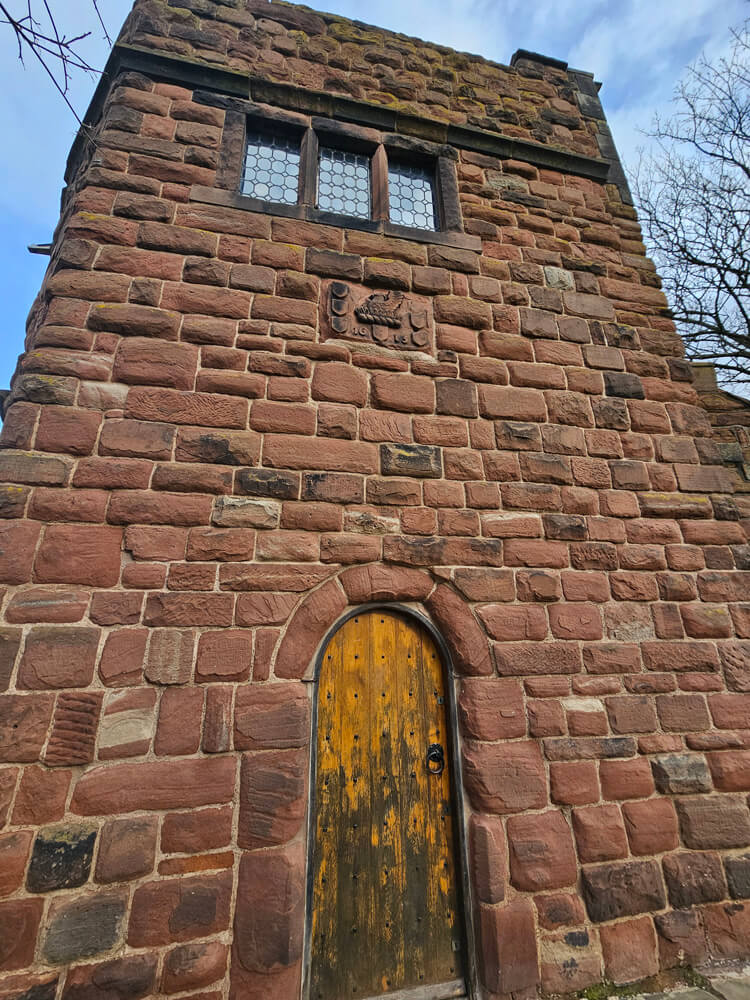
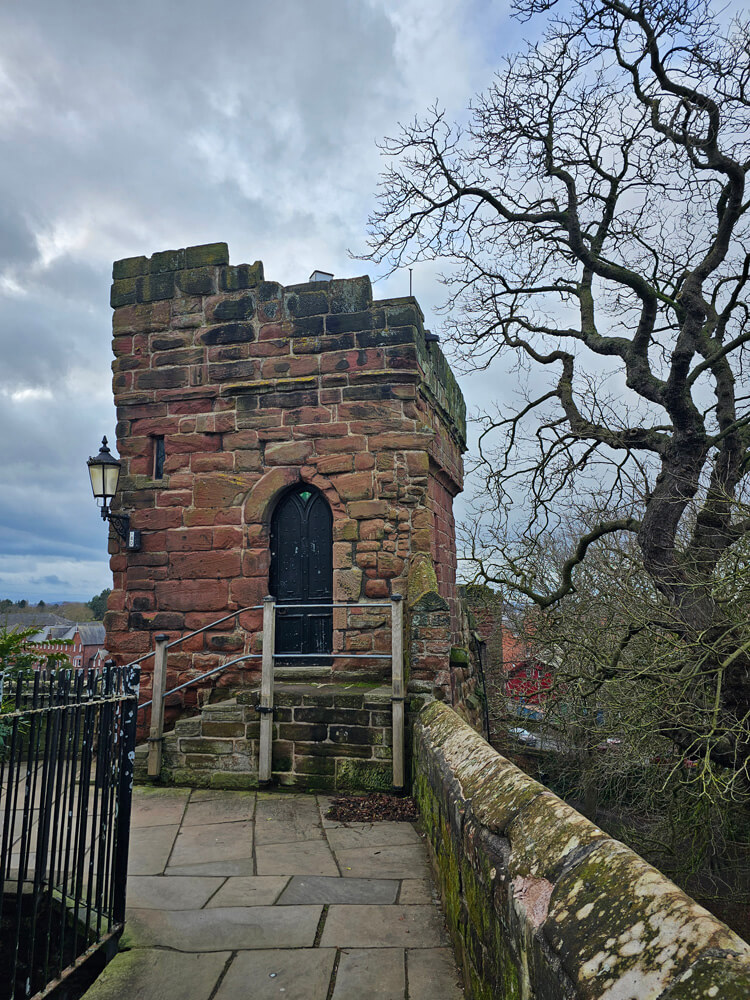
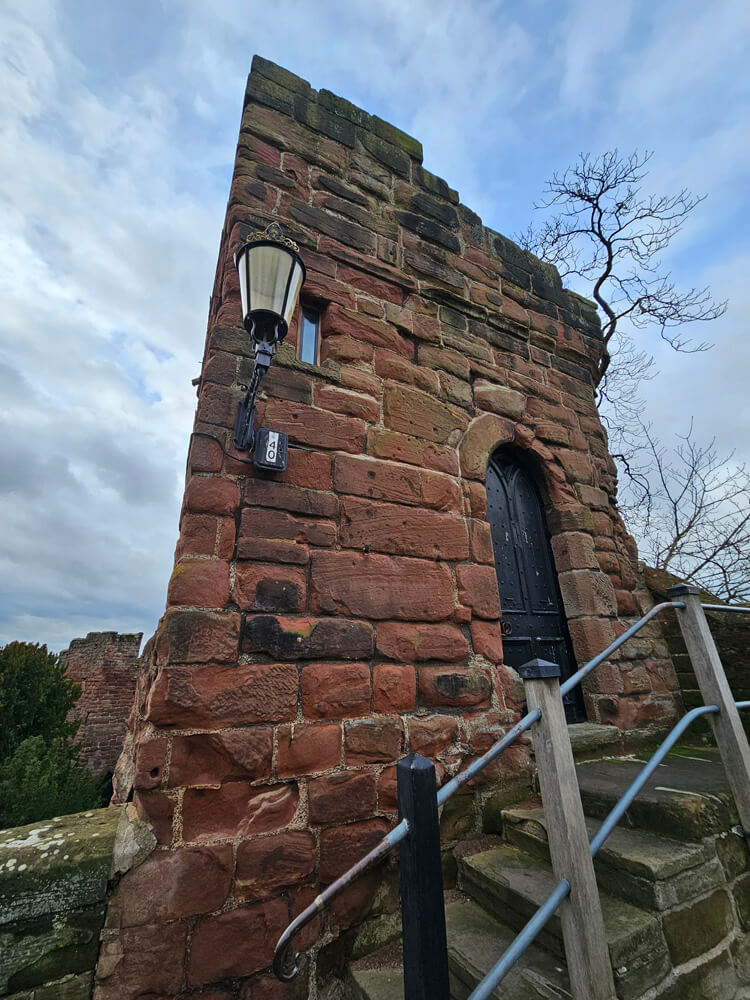
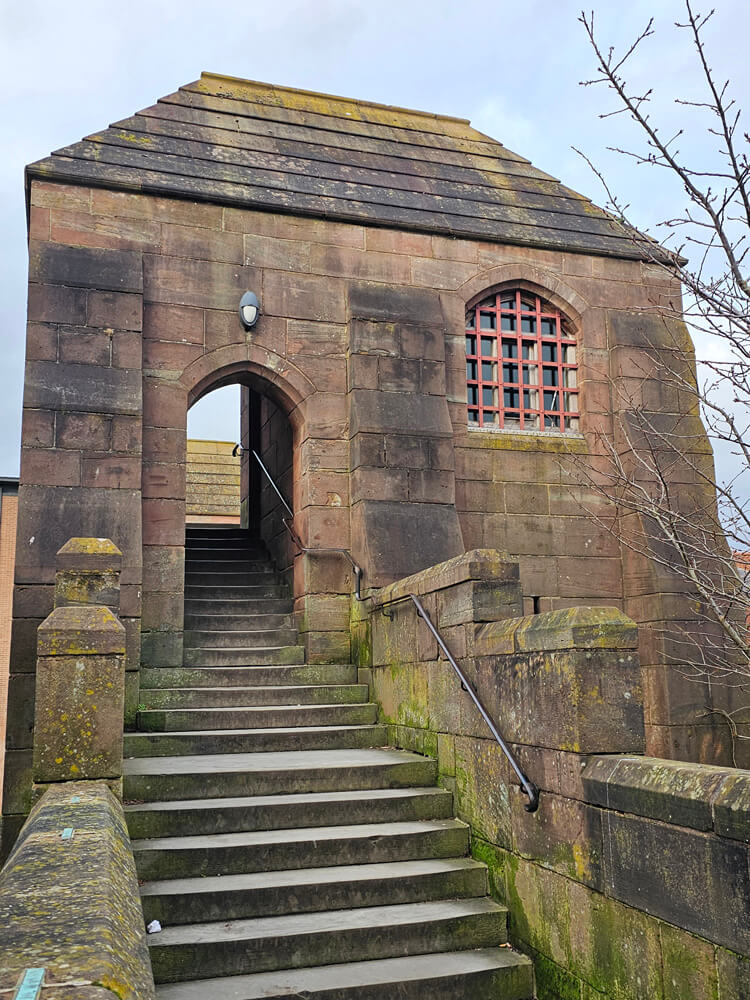
Chester’s circuit of ancient defensive walls cross over roads at the city’s four main medieval gates: Northgate, Bridgegate, Eastgate, and Watergate. There are several gates which form part of the city walls, but these are the main gates. There are also many towers along the city walls, including the Roman South East Corner Tower, King Charles Tower, Water Tower, Bonewaldesthorne’s Tower, and Phoenix Tower.
Chester Cathedral
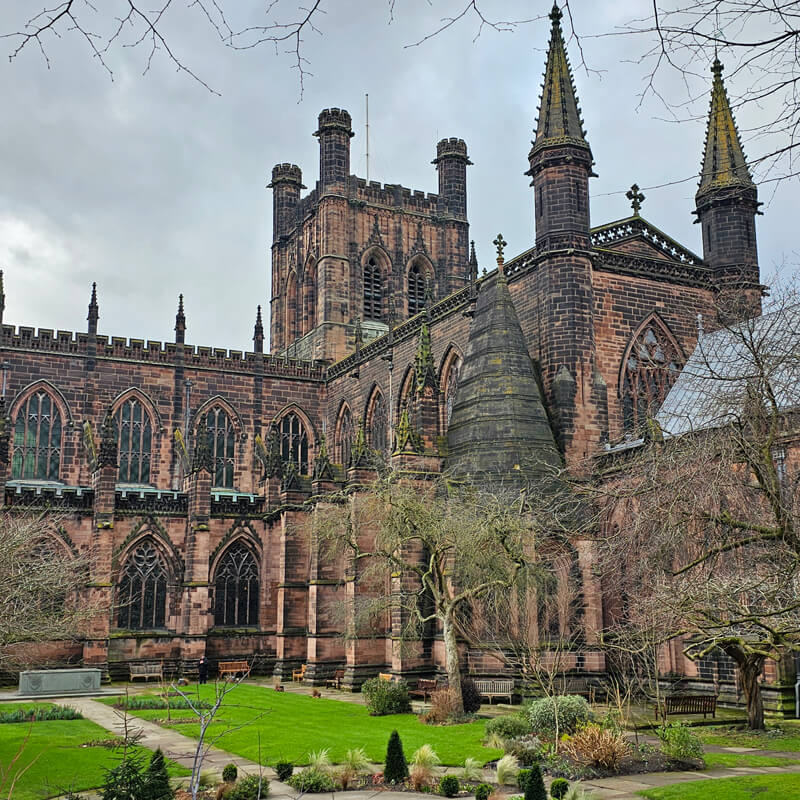
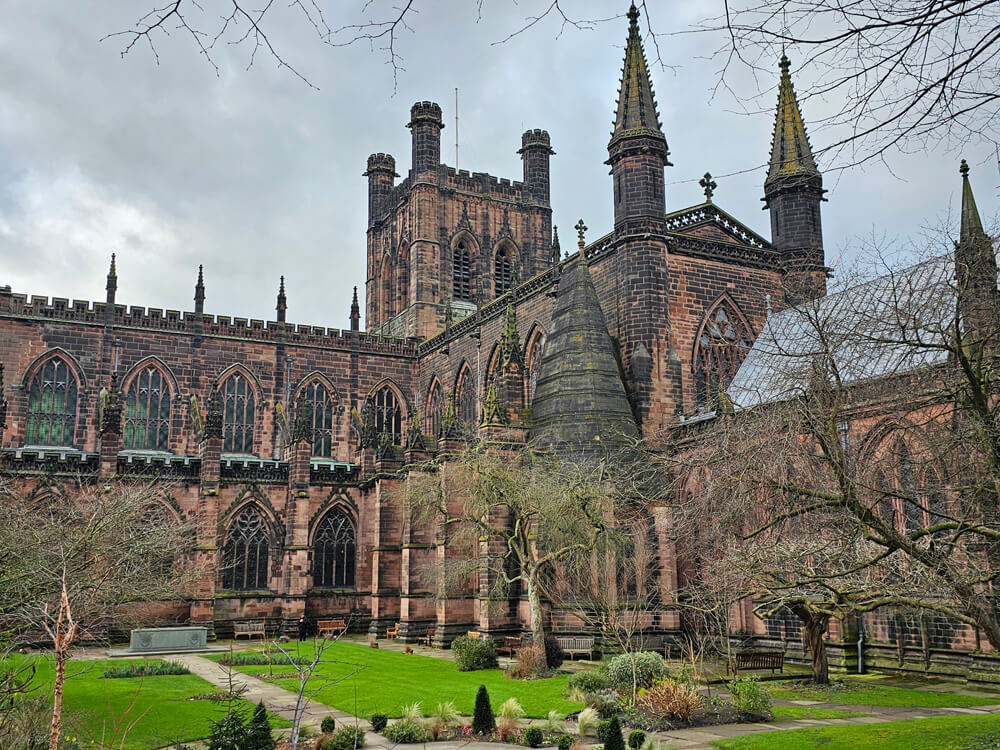
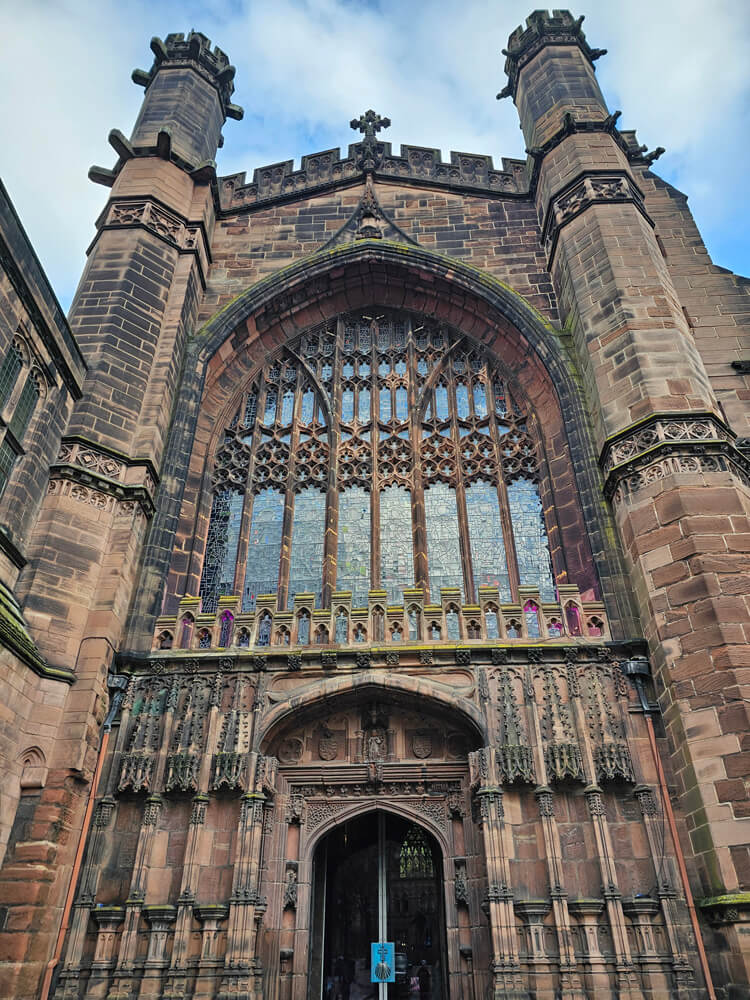
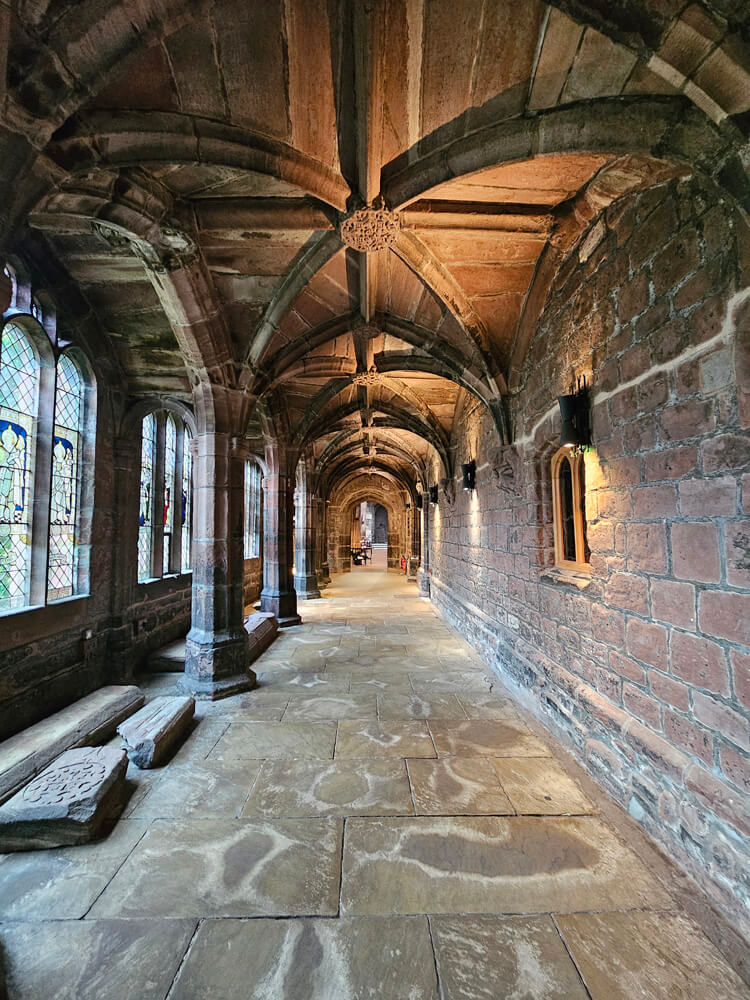
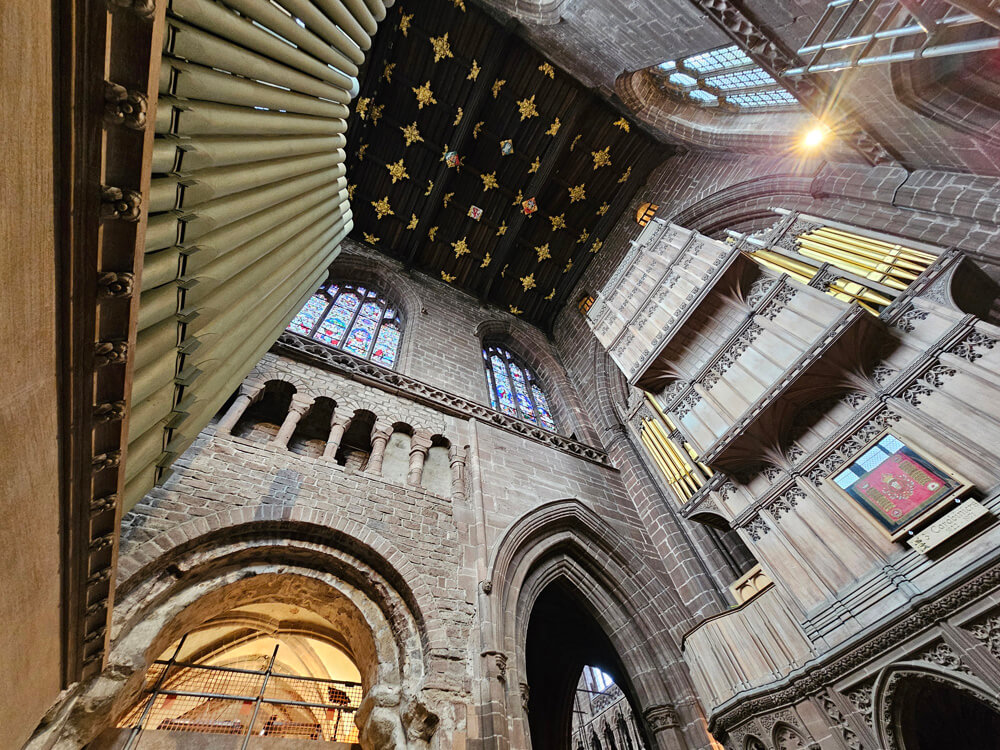
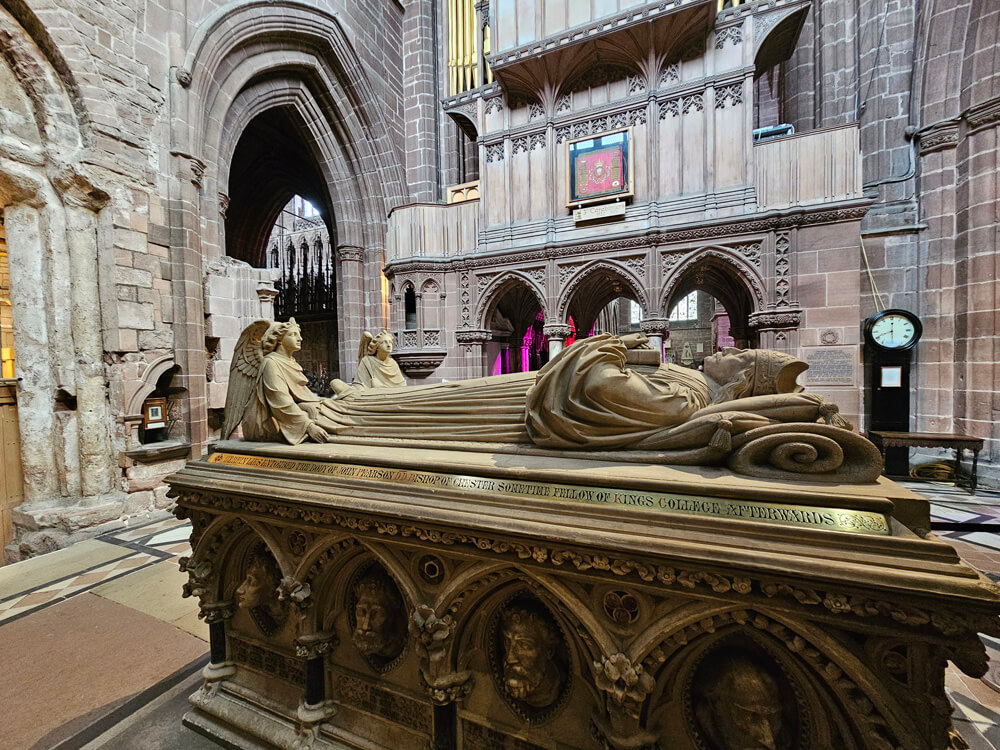
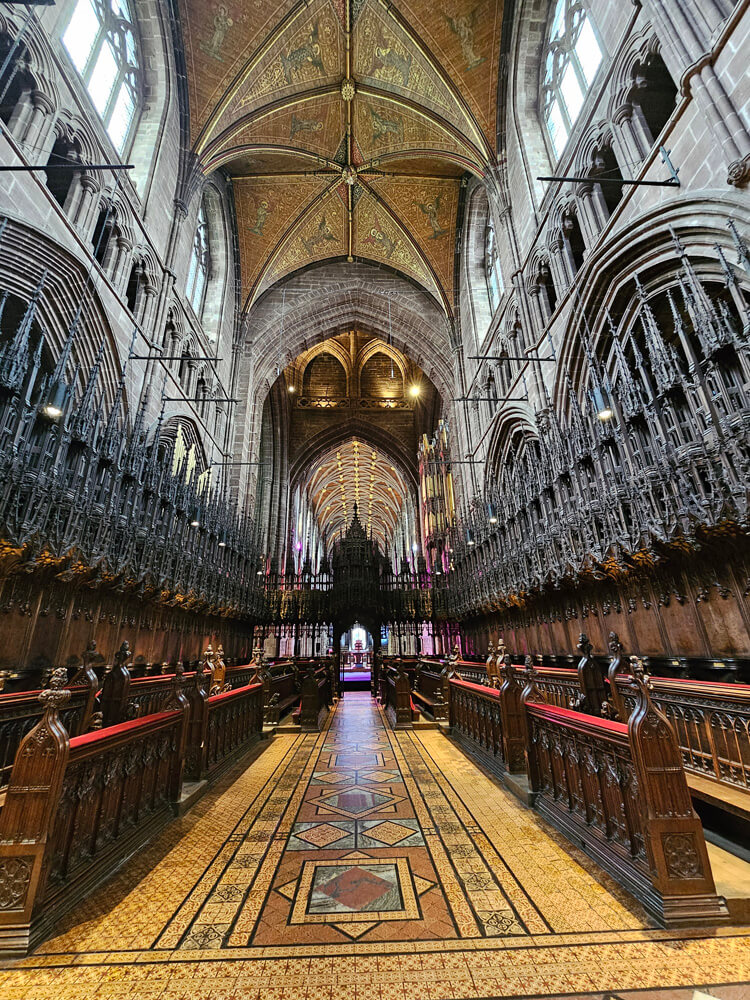
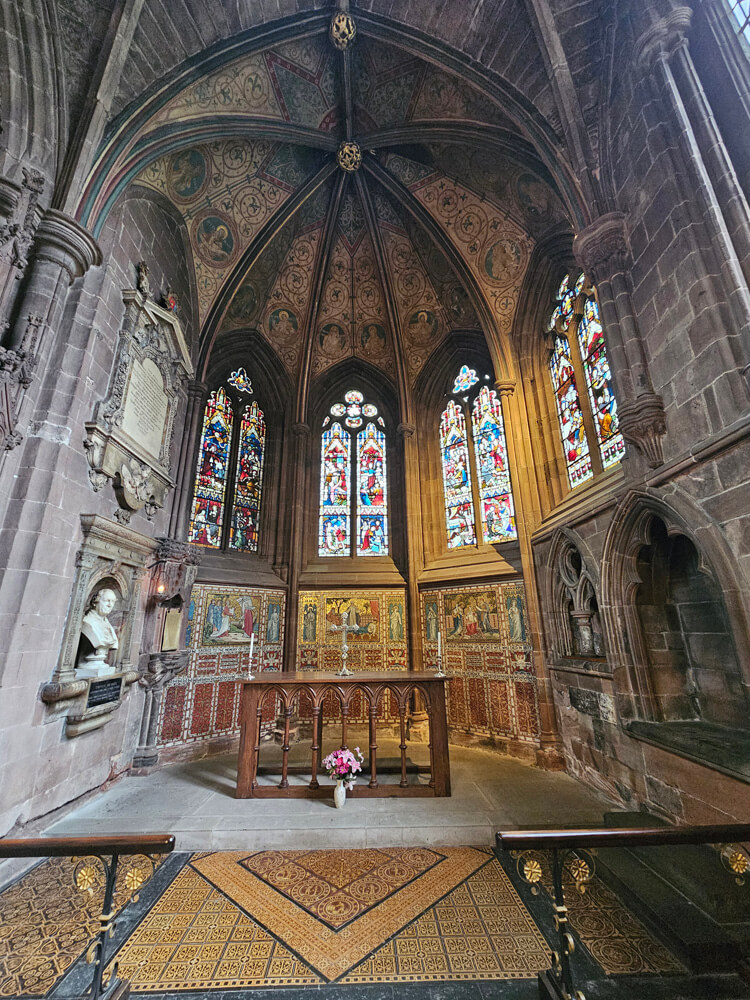
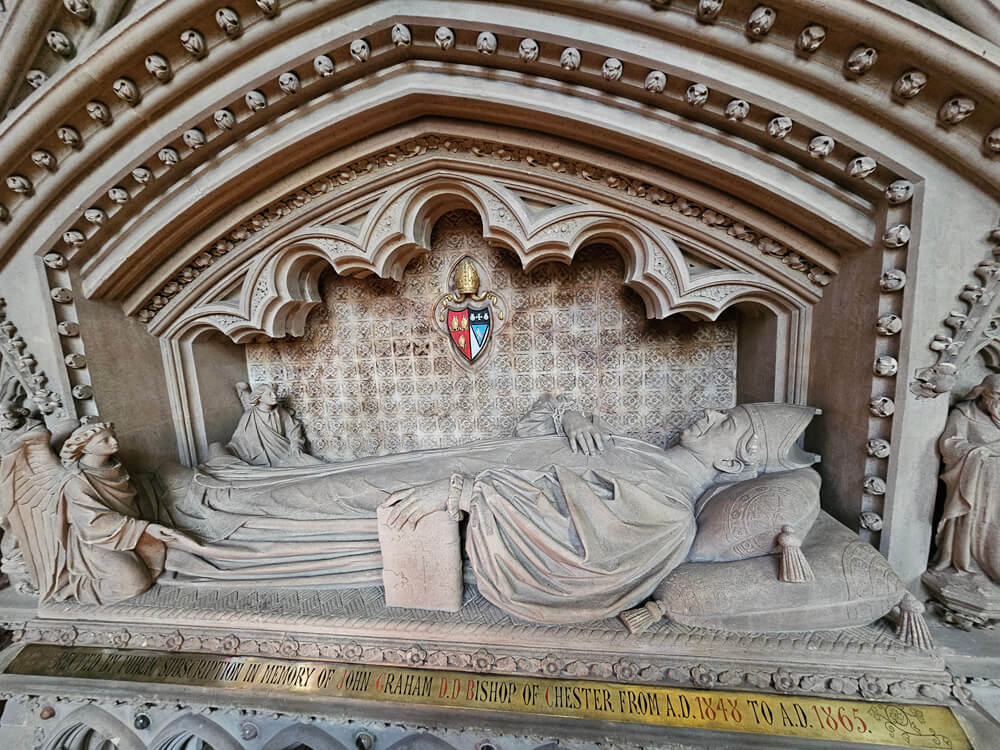
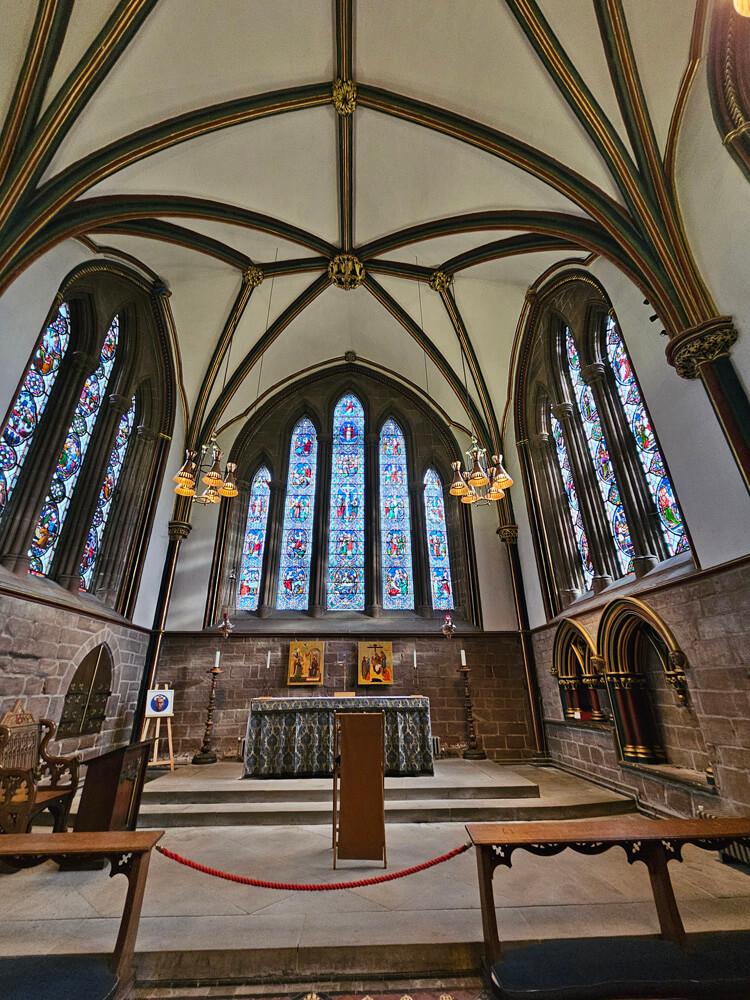
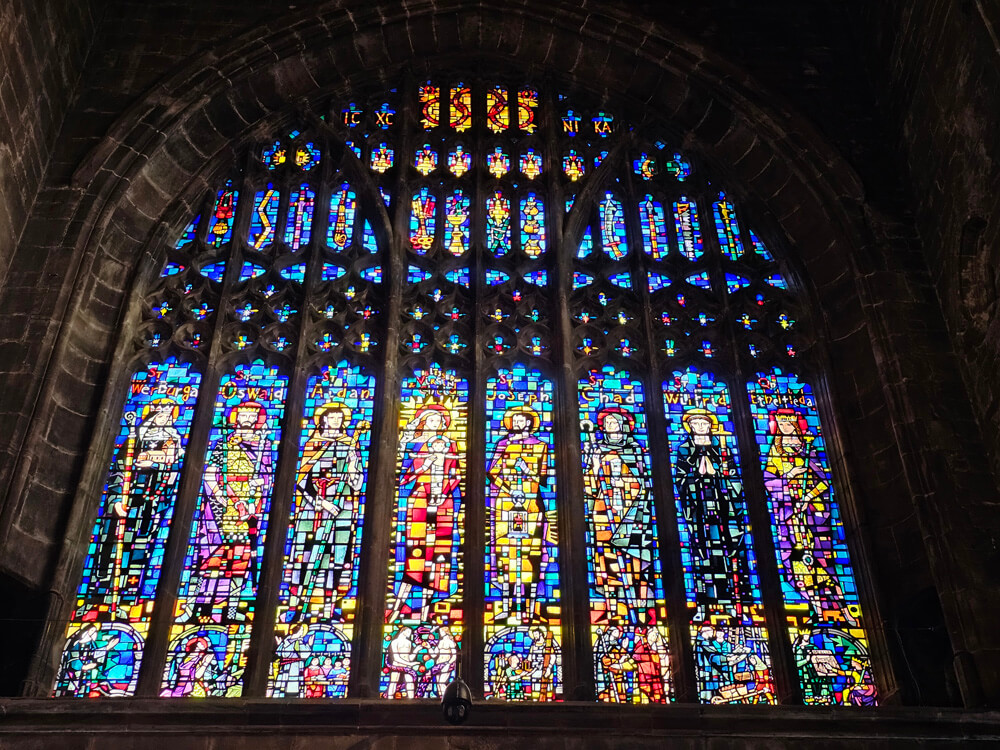
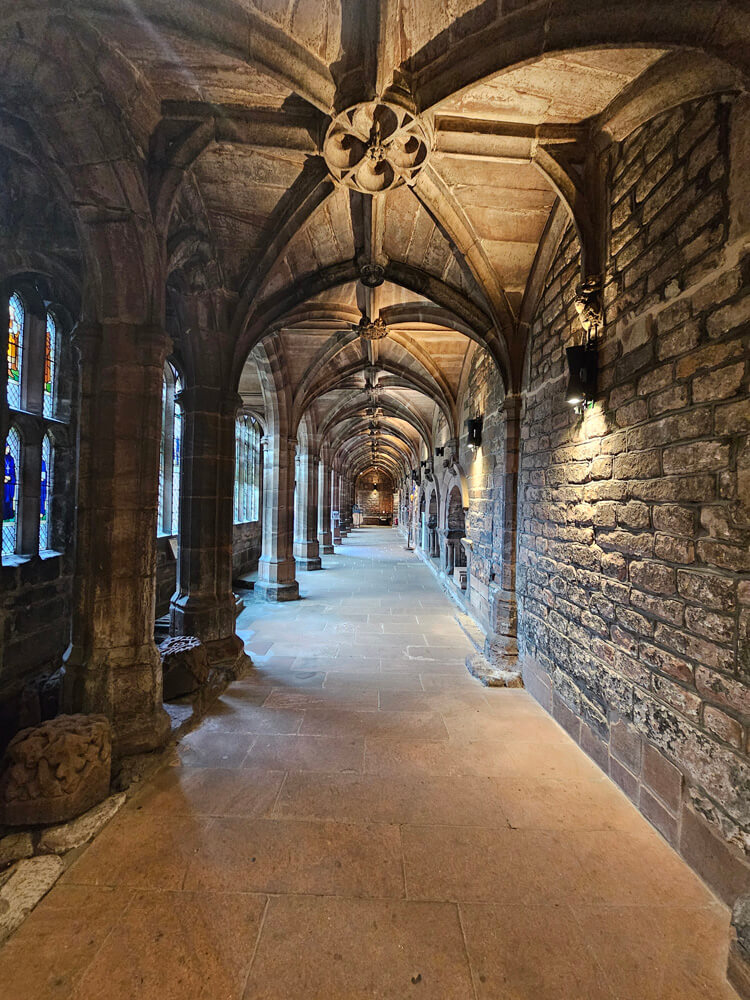
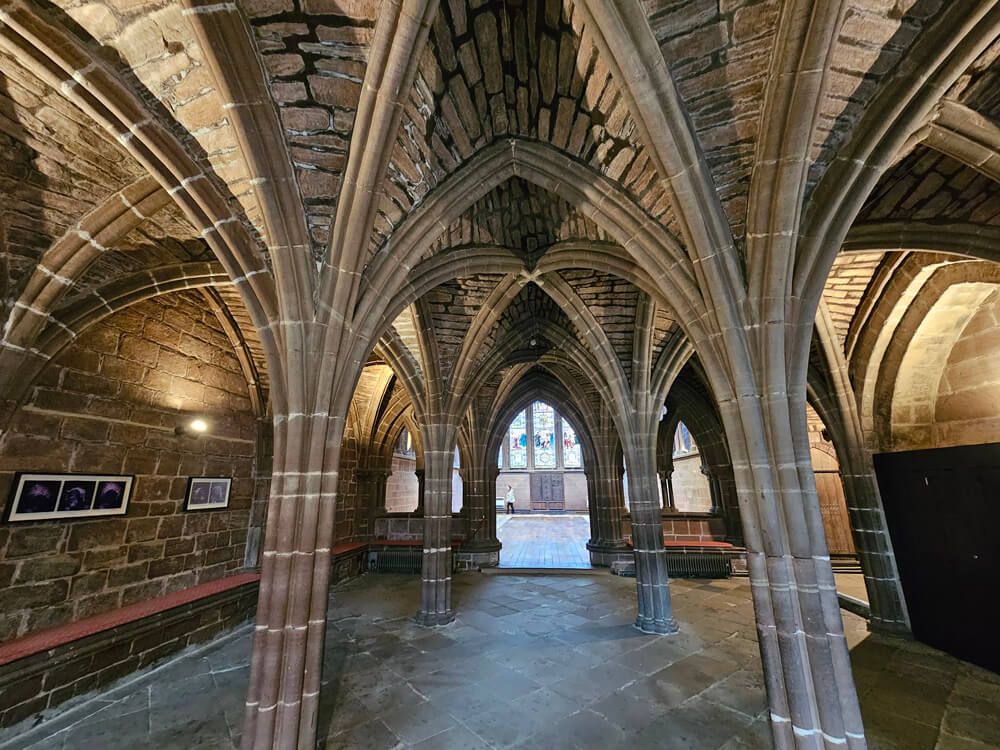
Chester Cathedral was formerly the abbey church of a Benedictine monastery founded in the early 1090s, and didn’t become the cathedral of Chester until 1541. The cathedral’s construction dates from between the 10th century and the 16th century, having been modified a number of times throughout its history, transforming it into the stunning Gothic-style building that we see today.
Chester Castle
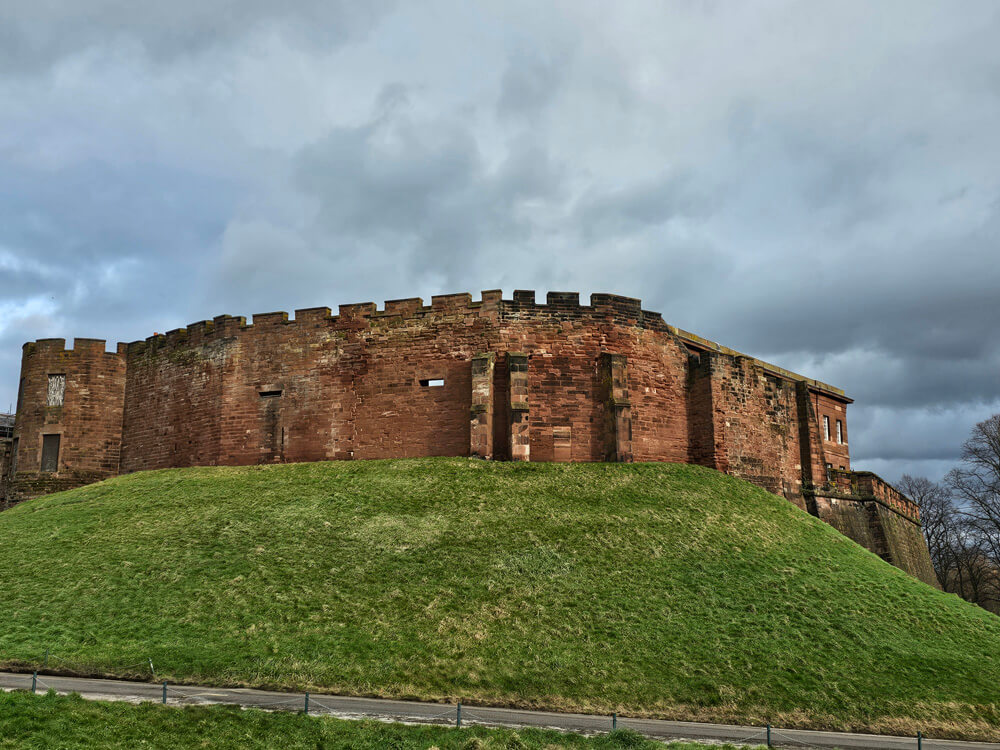
Chester Castle started its life as a simple motte-and-bailey castle with a wooden tower built in 1070, and was rebuilt in stone and enlarged throughout the 12th and 13th centuries. Unfortunately the castle was destroyed by a fire in the 18th century. All that is left of this once large and important castle is a section of curtain wall, remains of the Flag Tower, and the 12th-century Agricola Tower which contains a vaulted chapel with frescoes dating to the 13th century.
Roman Ruins
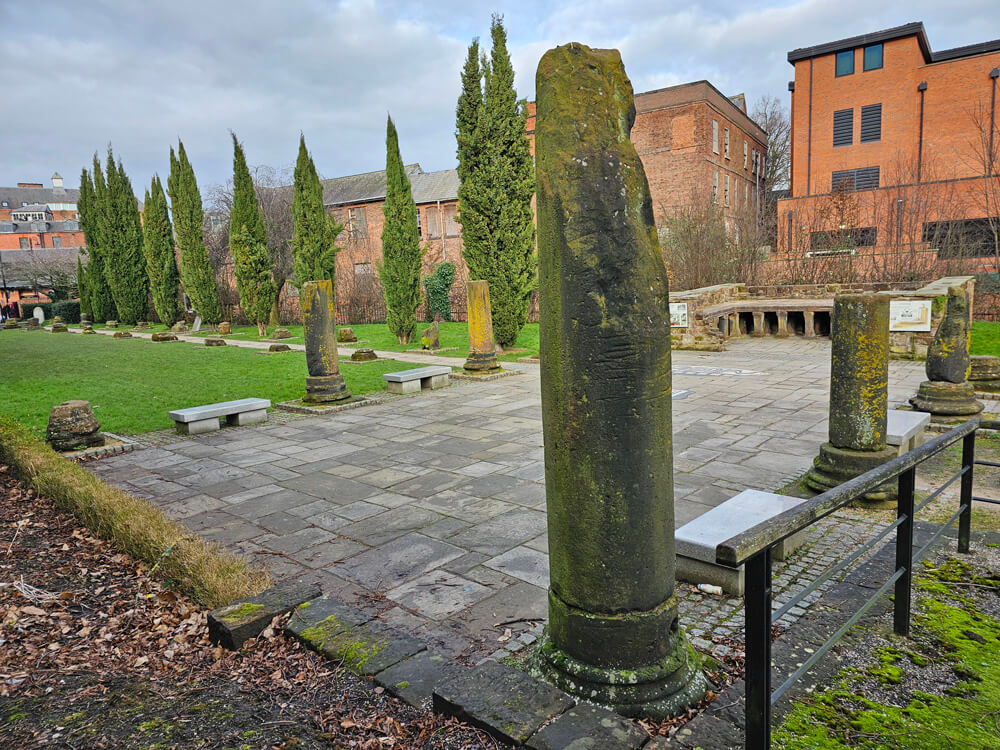
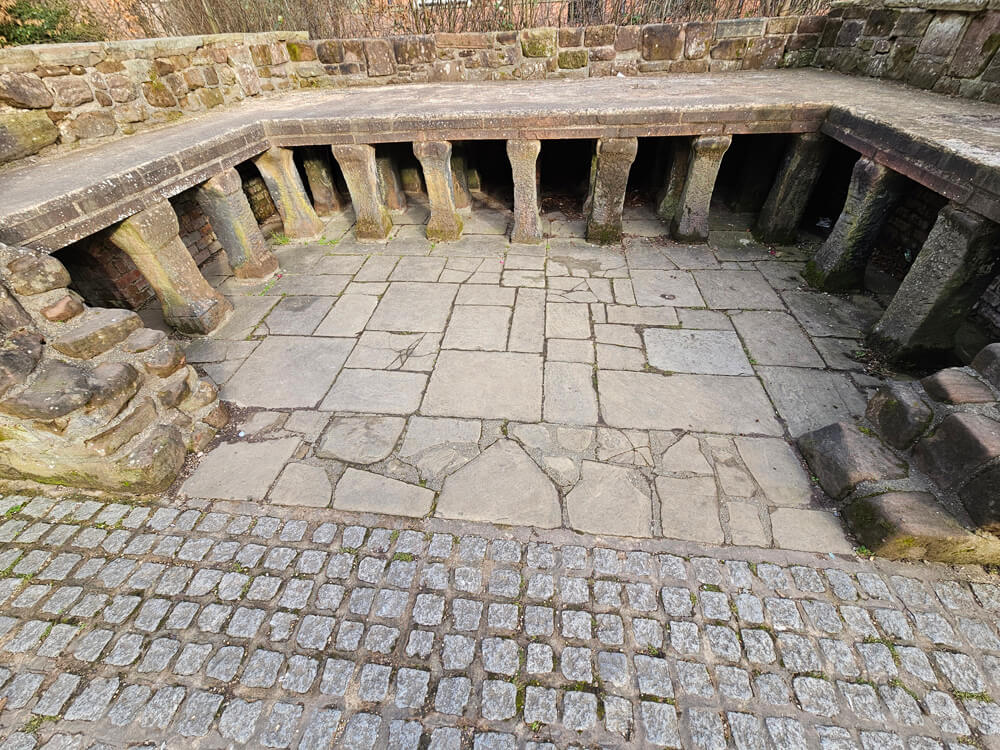
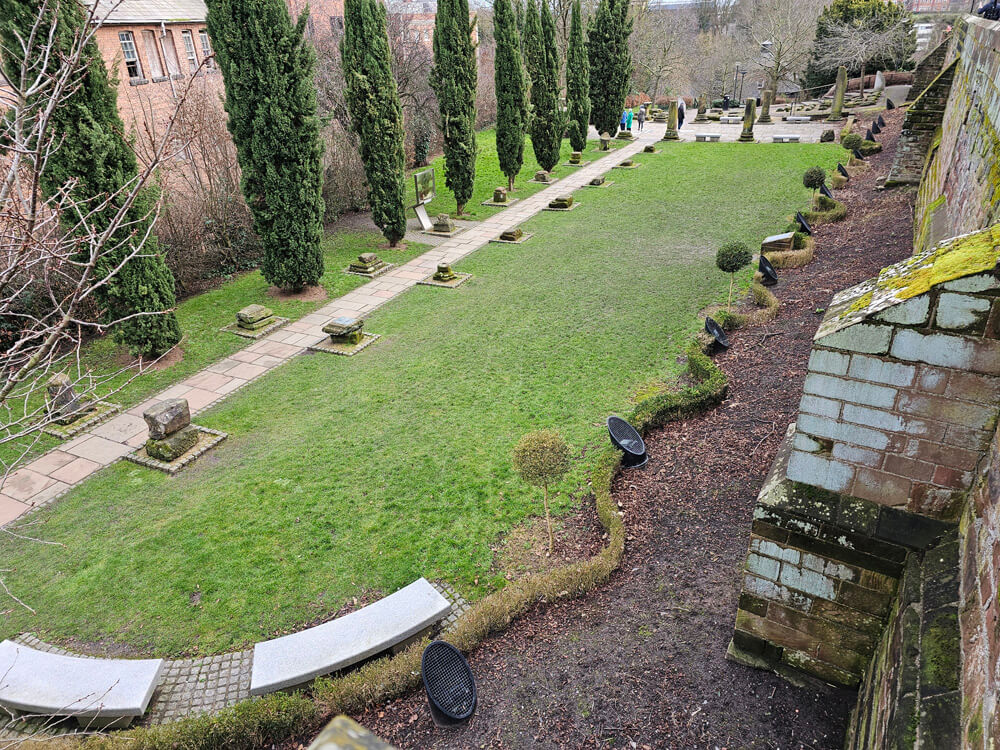
Many ancient Roman ruins and parts of Roman structures can still be found in Chester, including parts of the city walls, the Amphitheatre, Roman columns, the Roman gardens and Goddess Minerva’s Shrine.
The Ruins of St John’s Church
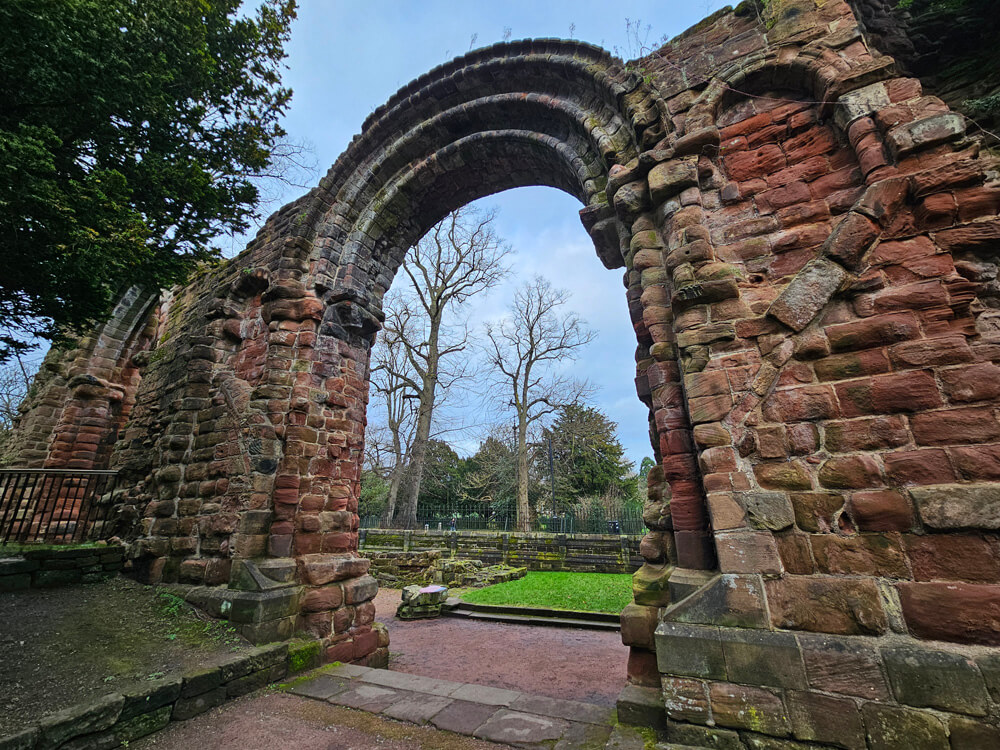
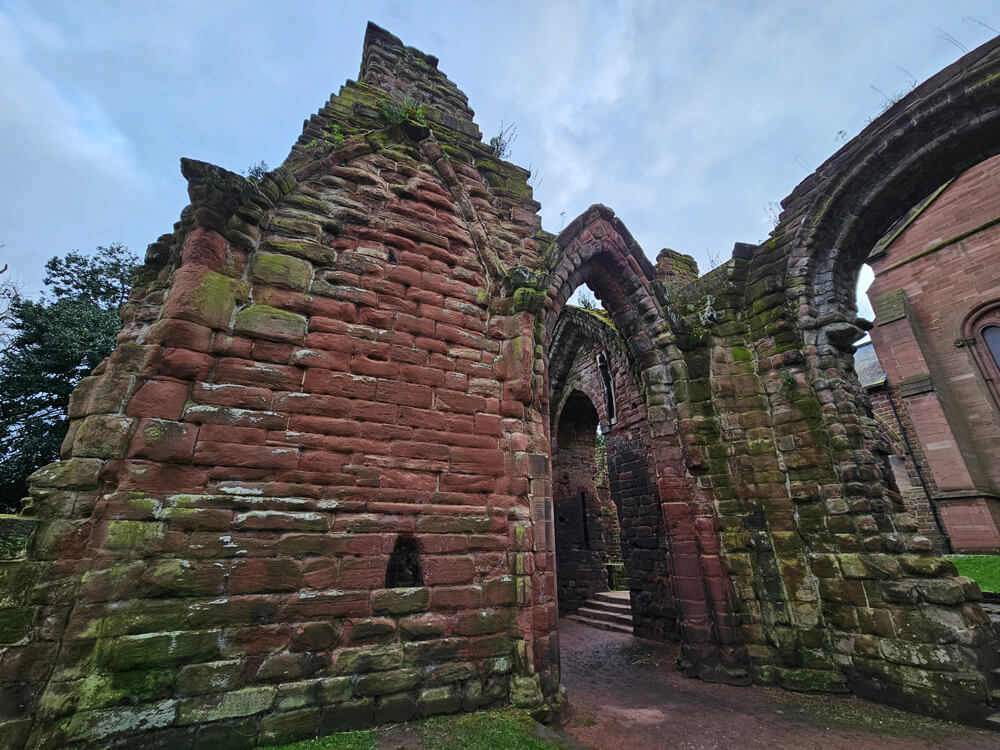
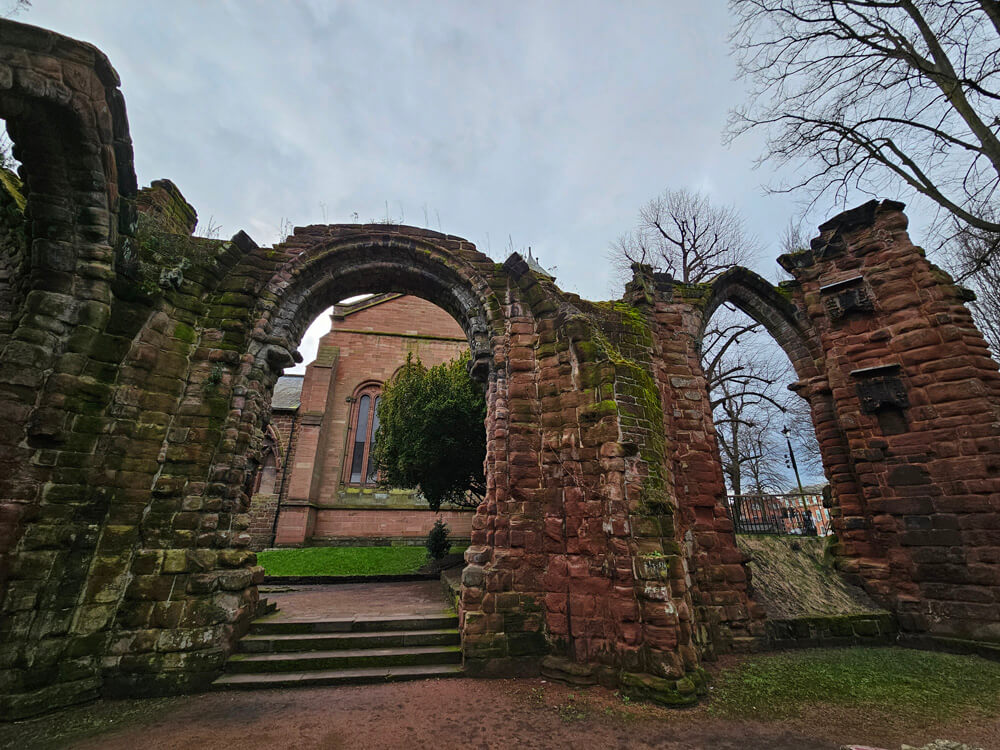
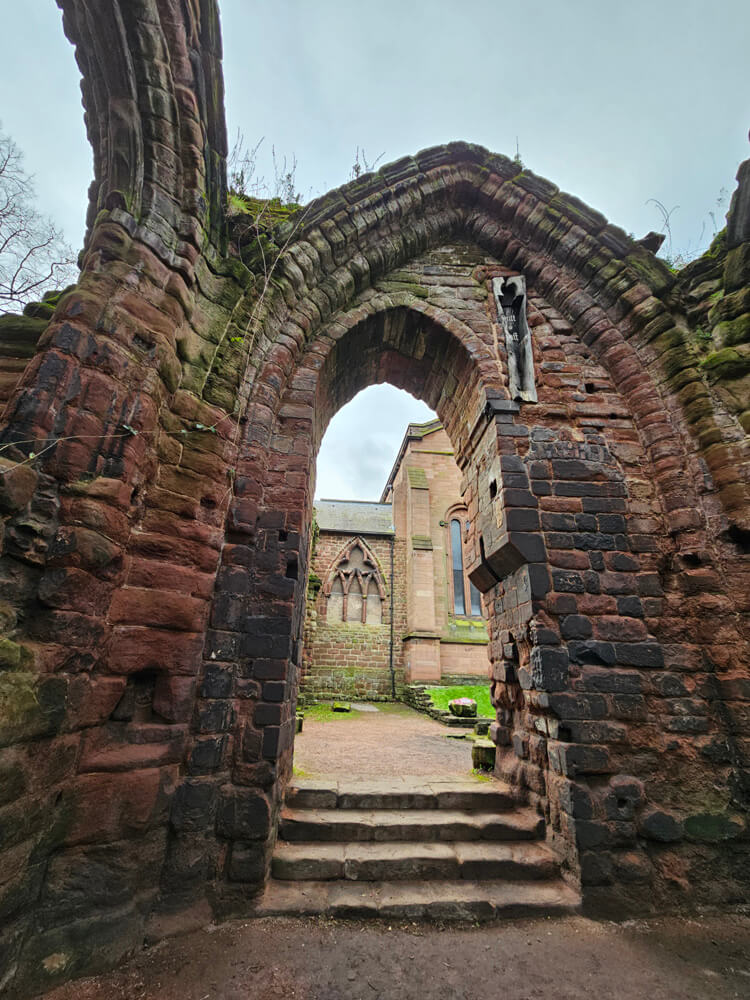
St John the Baptist’s Church has a long and fascinating history. The first church to be built on the site was founded in the year 689 by the Anglo-Saxon King, Æthelred of Mercia. It later became Chester’s first cathedral from from 1075 until the Dissolution of the Monasteries in the 16th century, when much of the east end of the church was demolished. Outside the present church are the ruined remains of the early church.
Goddess Minerva’s Shrine
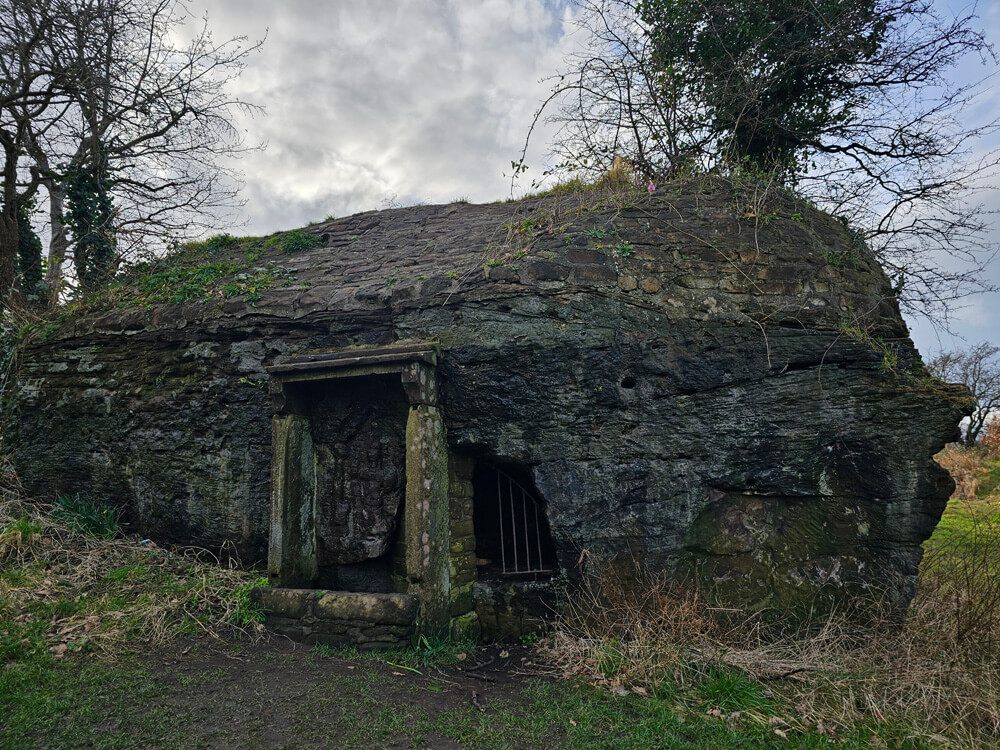
Goddess Minerva’s Shrine was made by the Romans in the early 2nd century. It is a shrine to the Roman goddess Minerva, carved into the face of a sandstone quarry in Edgar’s Field. The shrine is the only example surviving in situ of its kind in Britain. It is also thought to be the only representation of a Roman goddess still in its original position in Western Europe.
Photo Gallery.
Did you enjoy this post?
I hope you found this post useful. I put a great deal of time and effort in to building, maintaining and populating the website. If you like, you could say a small thank you by buying me a coffee. You don't have to, but it would be nice :)
Buy me a coffee
Stay up to Date
Follow me on my journey and get notified whenever a new post is published by following Kings & Castles on Facebook.
Follow MeExplore The Map
Discover the hundreds of castles, churches, monasteries, cathedrals and other historic locations that I've personally visited across England and Wales. Search by location, explore nearby sites and plan your next historical adventure.
Share: