Breedon Priory Church
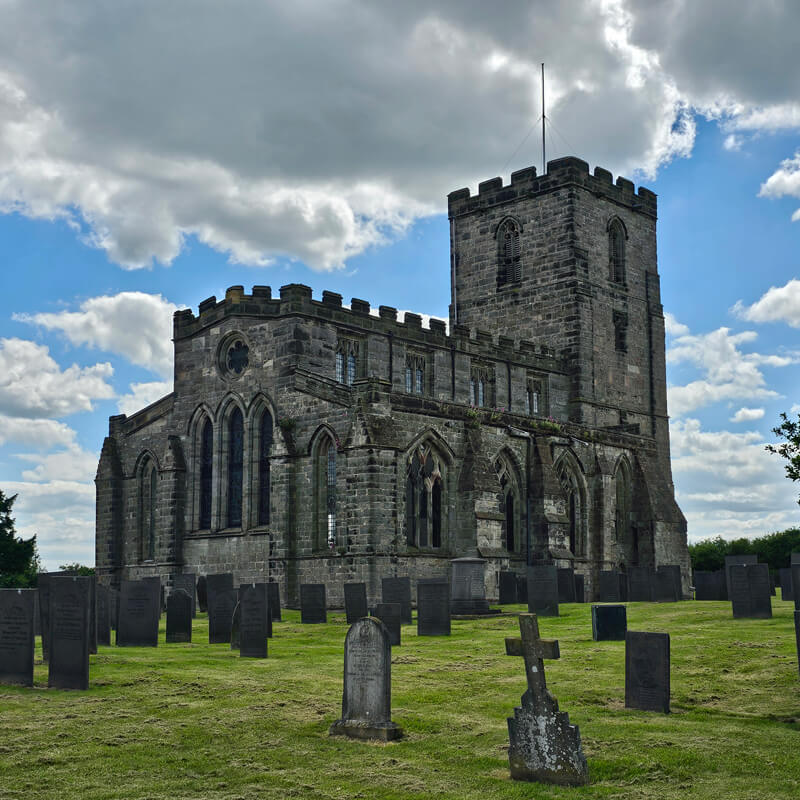
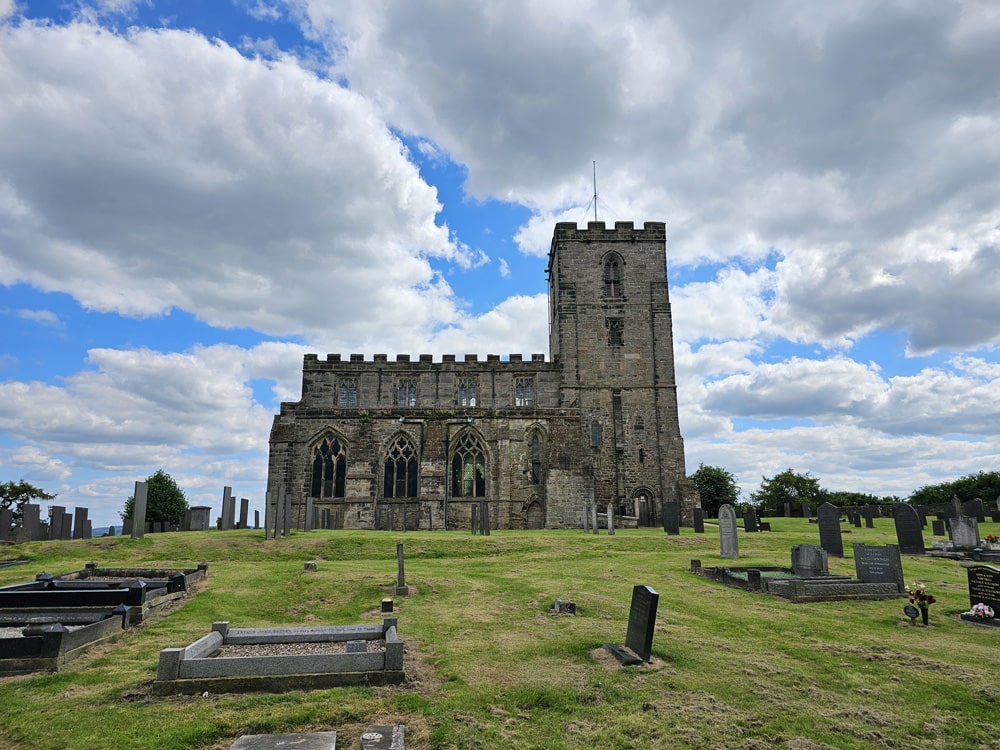
St Mary and St Hardulph Priory Church, Breedon on the Hill, also known as Breedon Priory Church, is one of Leicestershire’s oldest churches, founded in the 7th century with carvings dating back to the 8th/9th century. It is well known for its exquisite Breedon Angel, a stone carving thought to be one of the earliest representations of angels anywhere in Europe.
Quick
Facts.
- Location: Breedon on the Hill, Leicestershire
- Founded: 1120s
- Religious order: Augustinian
- Dissolved: 1539
- Condition: Surviving church of a ruined priory
Historic
Highlights.
- Breedon Priory is filled with lots of amazing Anglo-Saxon carvings, some of the finest in England, a collection which can’t be seen anywhere else.
A Bit of History…
The church stands on the top of Breedon Hill, on the site of an earlier Anglo-Saxon minster within the remains of an Iron Age hillfort called The Bulwarks.
Before the present church, a minster (an Anglo-Saxon monastery) was founded here in the 7th century, some time around the year 675. The Vikings rampaged through the area and caused the monastery to decline.
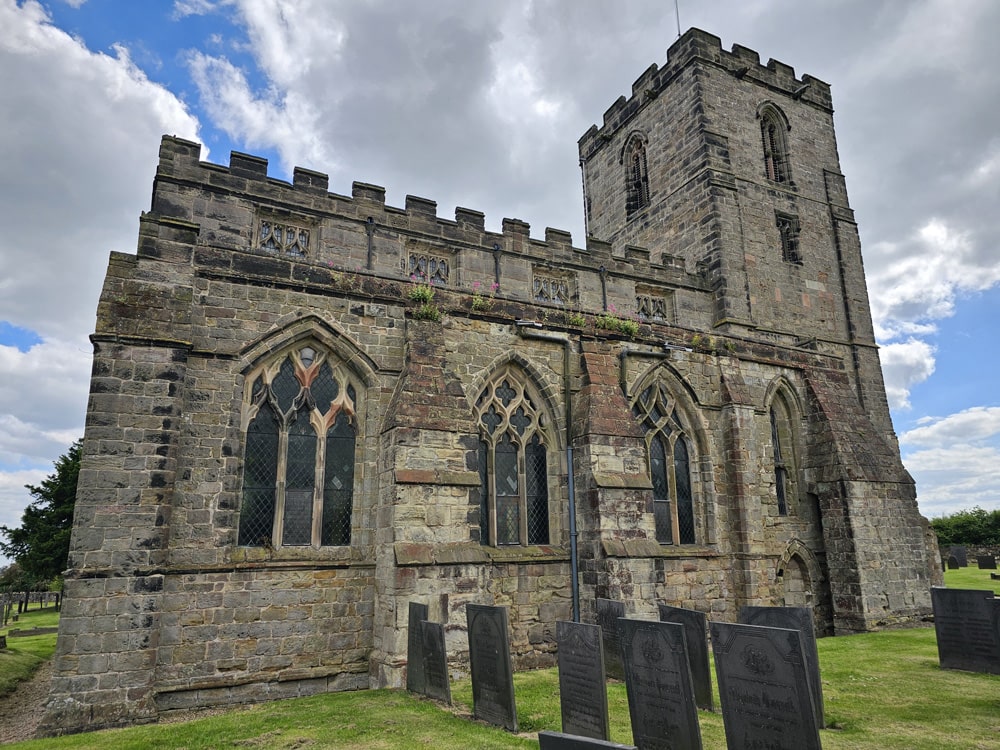
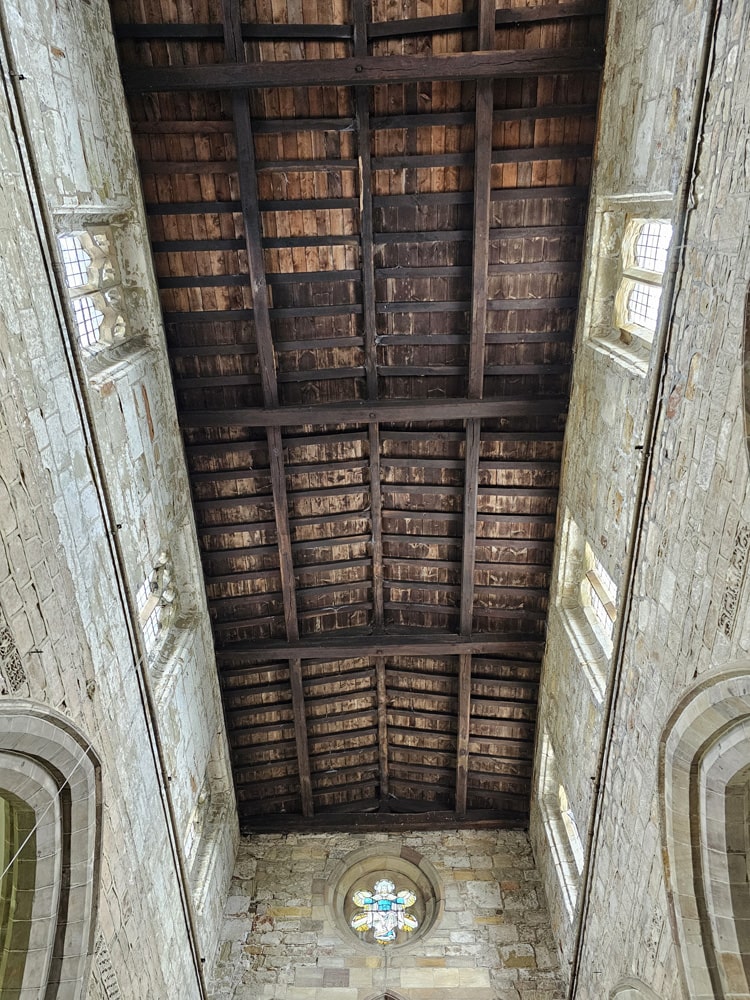
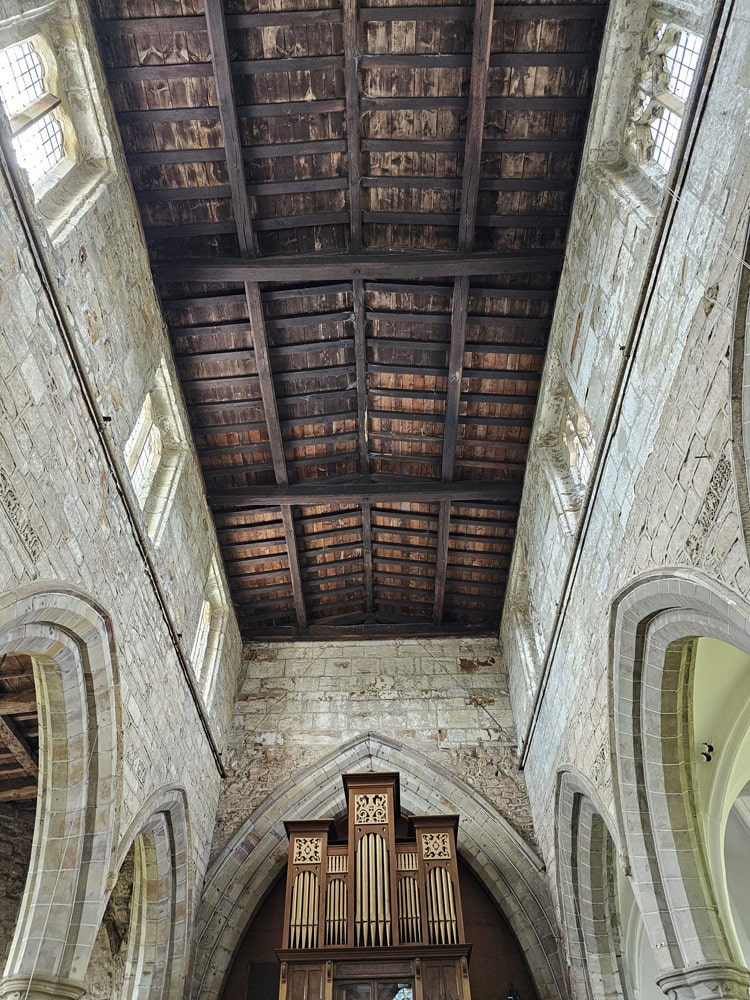
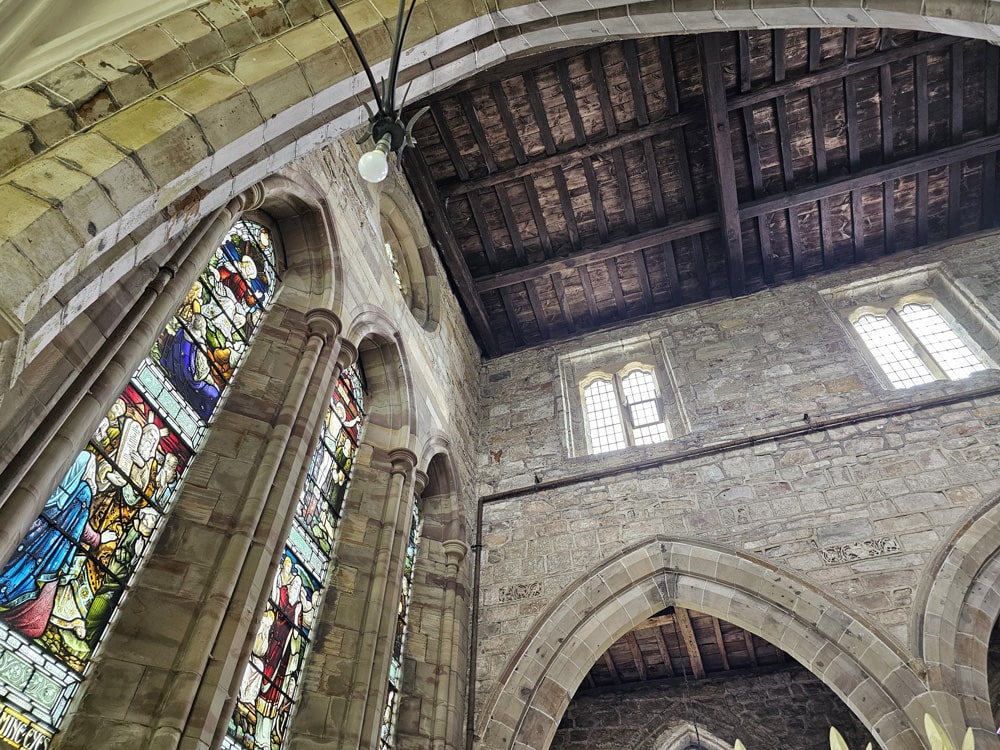
After the Norman Conquest Breedon was given to the Augustinian house in Nostell, Yorkshire. Breedon Priory was then founded as an Augustinian monastery in around 1120 – 1122, on the site of the Iron Age hillfort, like the earlier Anglo-Saxon minster. A new chancel was built in the 13th century and this is largely the church we see today. The clerestories and aisles were added in the 15th century.
The priory declined again and became a victim of the Dissolution of the Monasteries. In 1441 a visit from the Bishop of Lincoln found the monastery to be dilapidated and in debt, and in 1539 the priory was surrendered for dissolution.
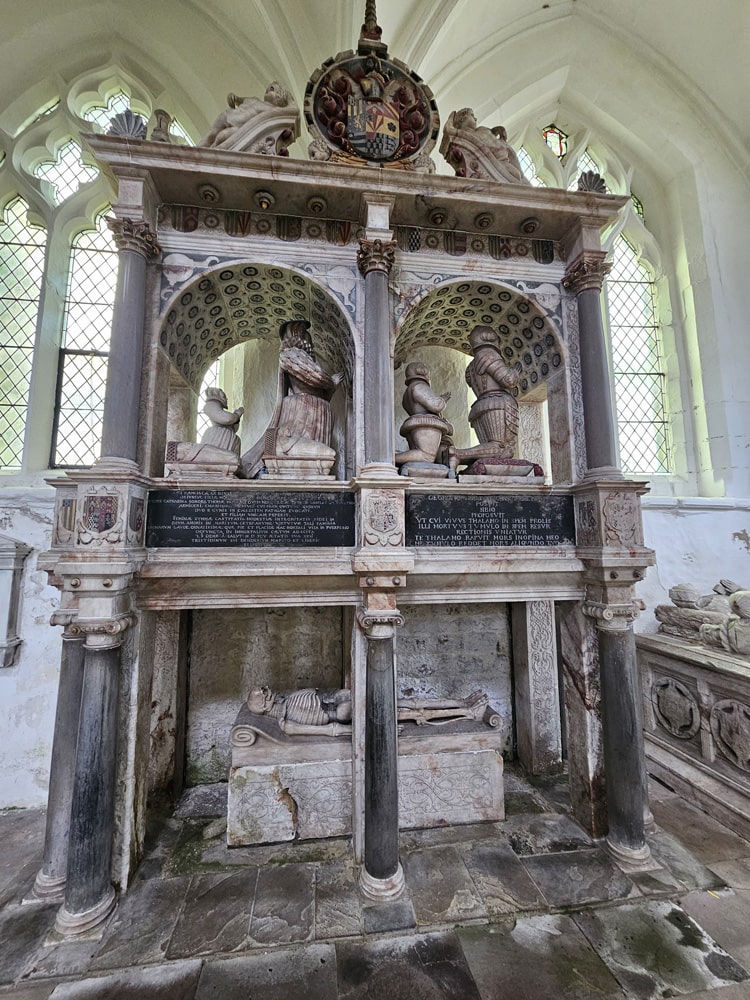
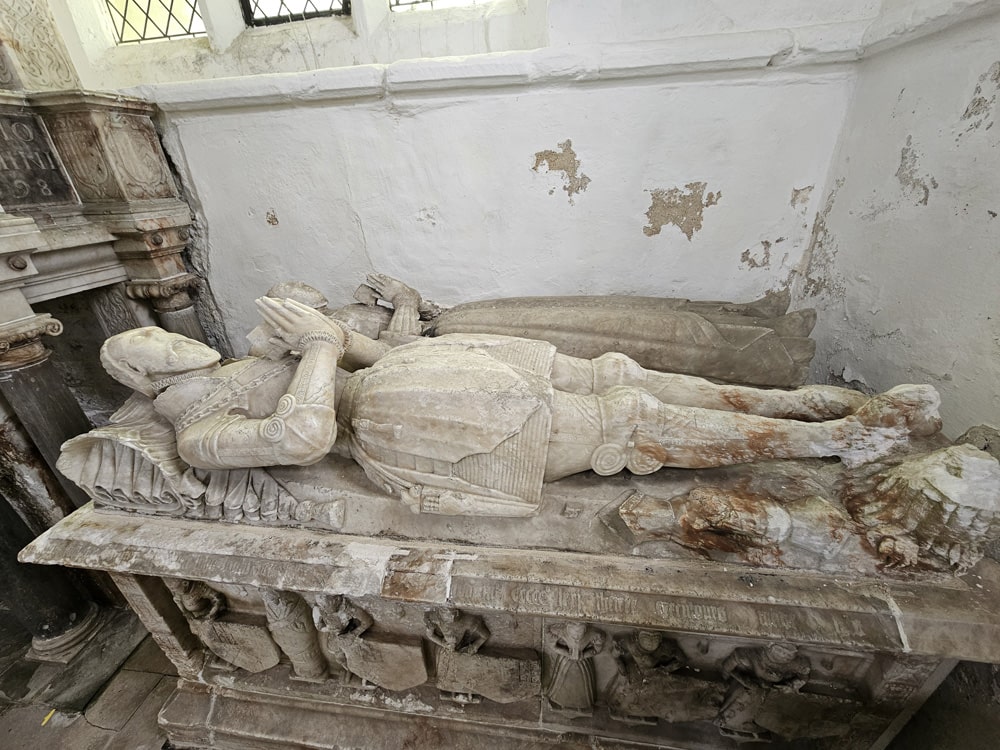
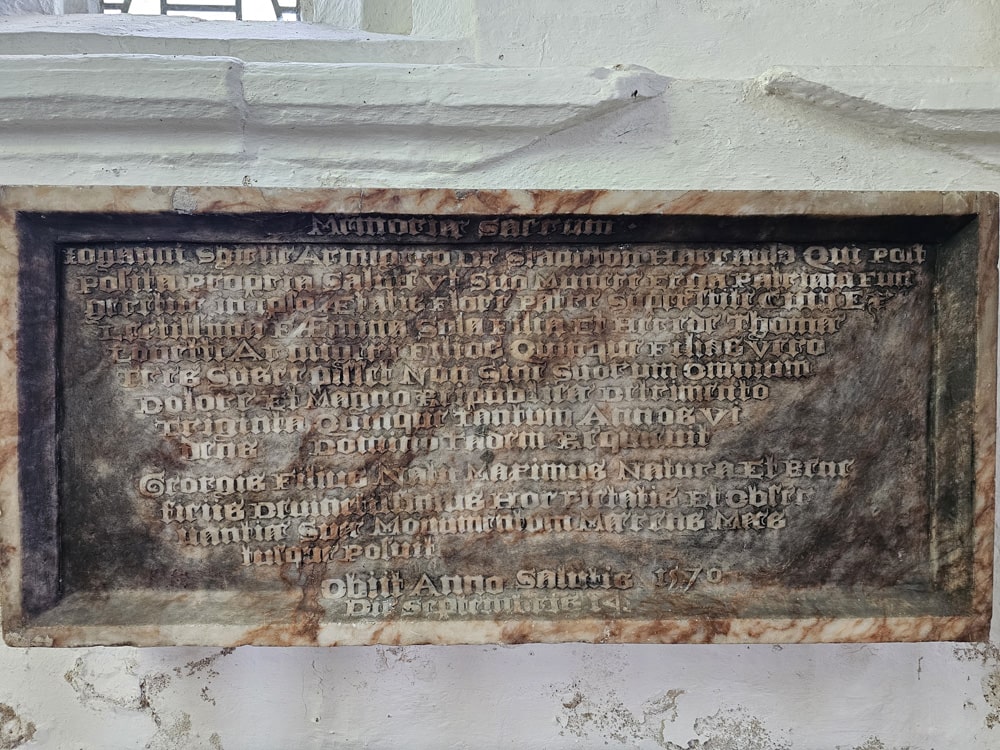
Francis Shirley, head of the local manorial family, was looking for a place for himself and his family to be interred and bought the priory from Henry VIII. The monastic buildings and the nave were demolished but the eastern part of the priory with the formerly central tower was retained for use as a parish church.
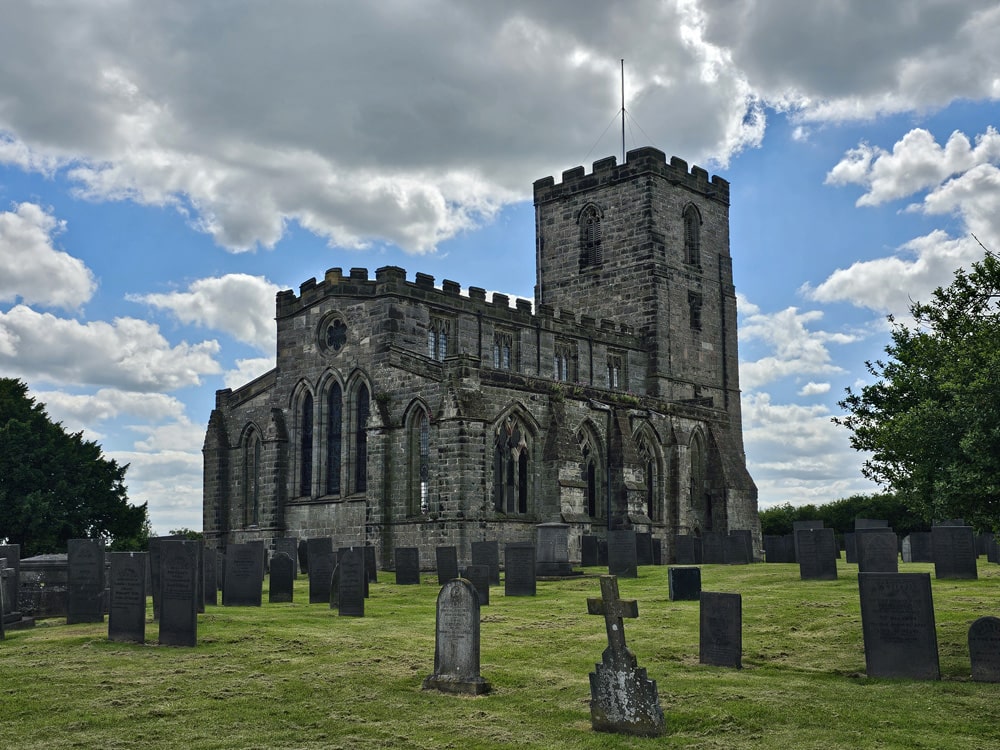
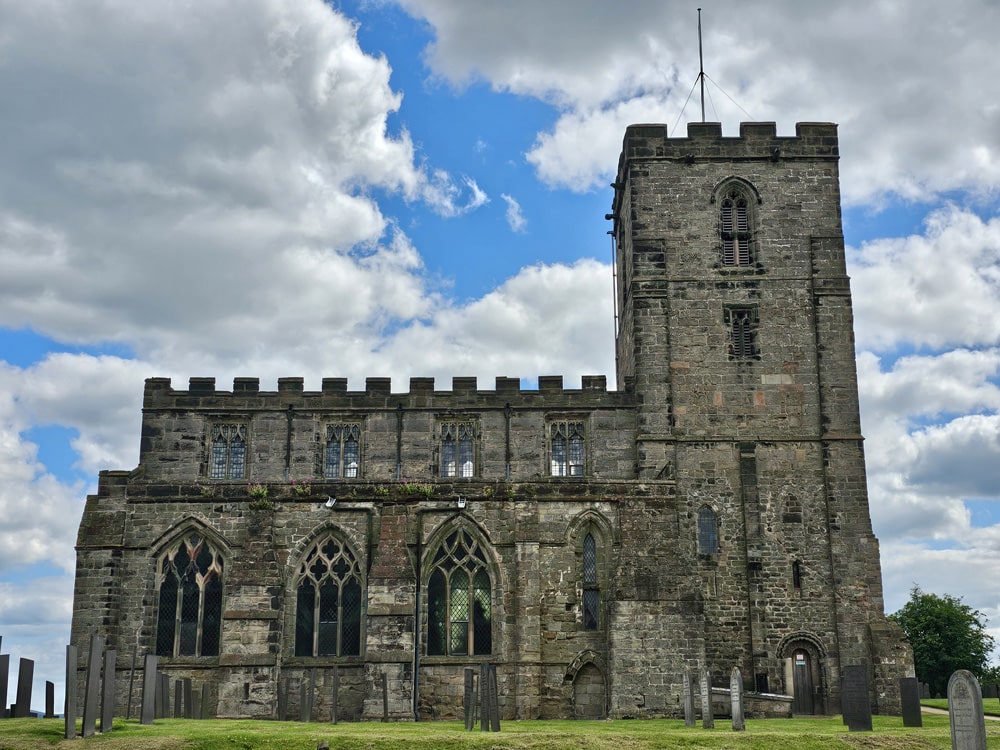
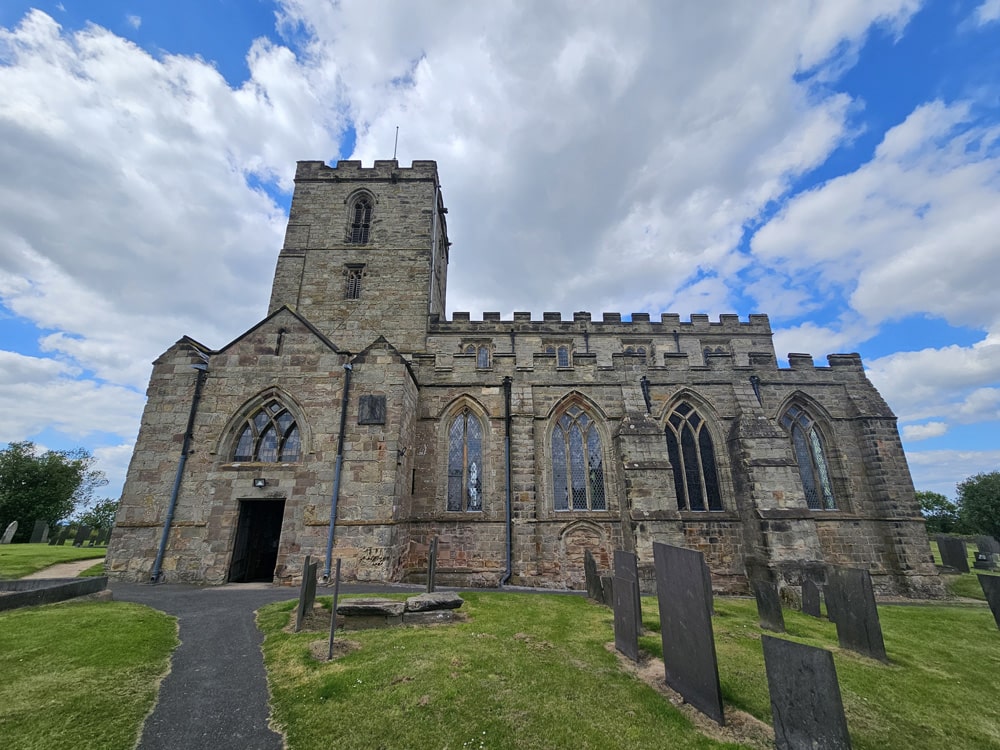
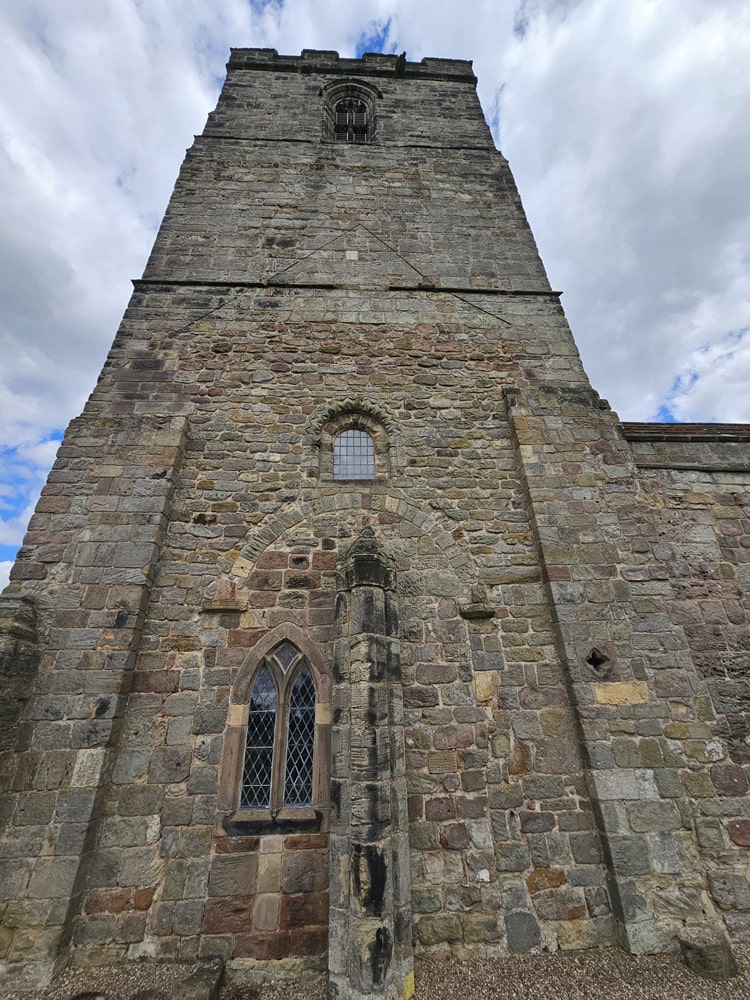
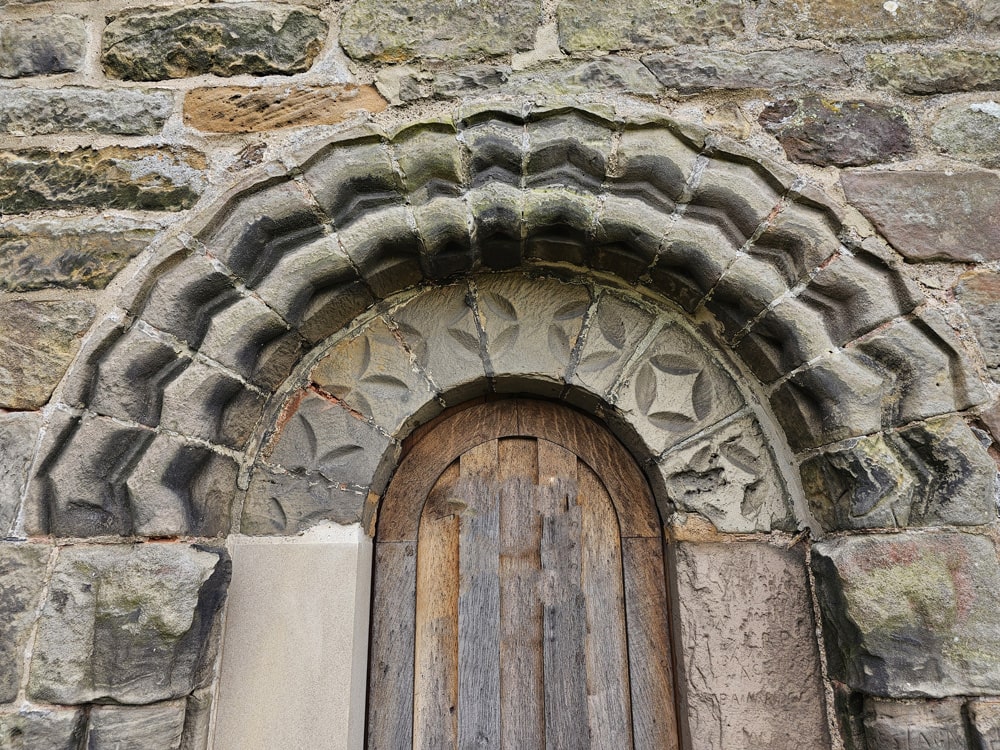
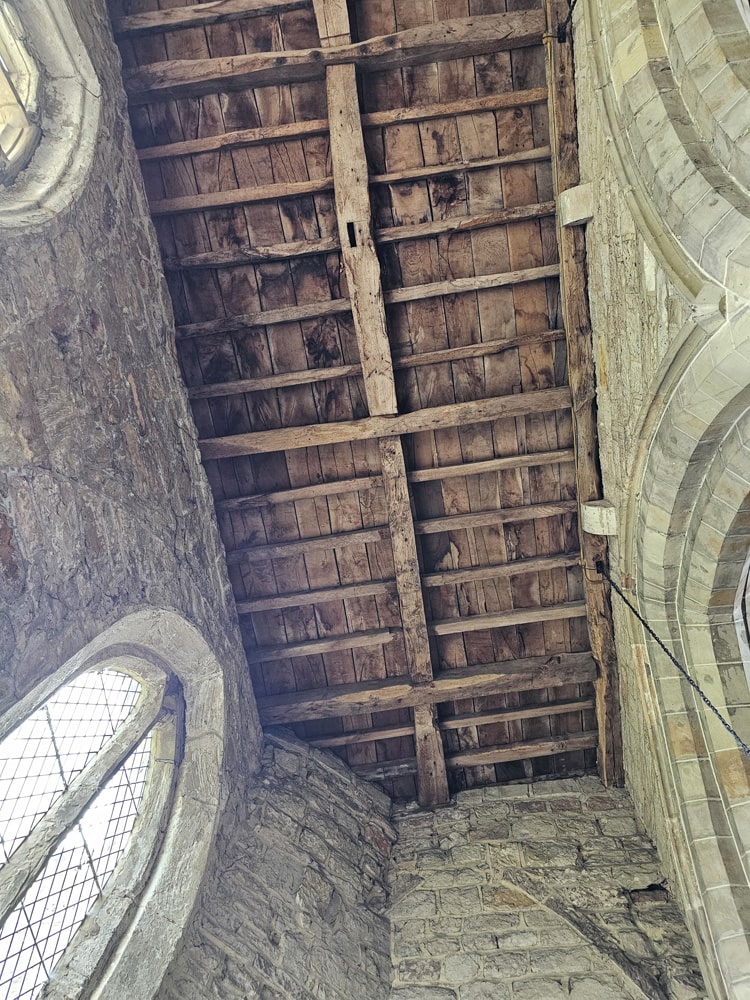
Only the 13th-century chancel and the 12th-century crossing were saved to form the new parish church with the chancel now used as the nave. What is now the west tower was originally the central tower of a cruciform Norman church. The church includes Norman doorways and a Norman window on the south side of the tower.
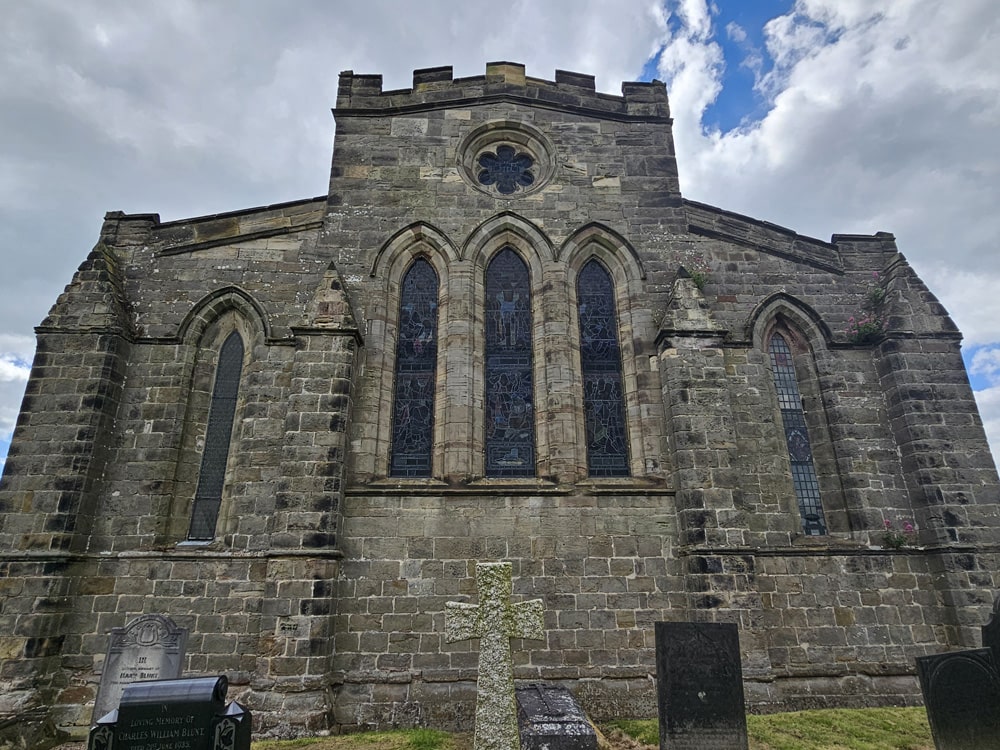
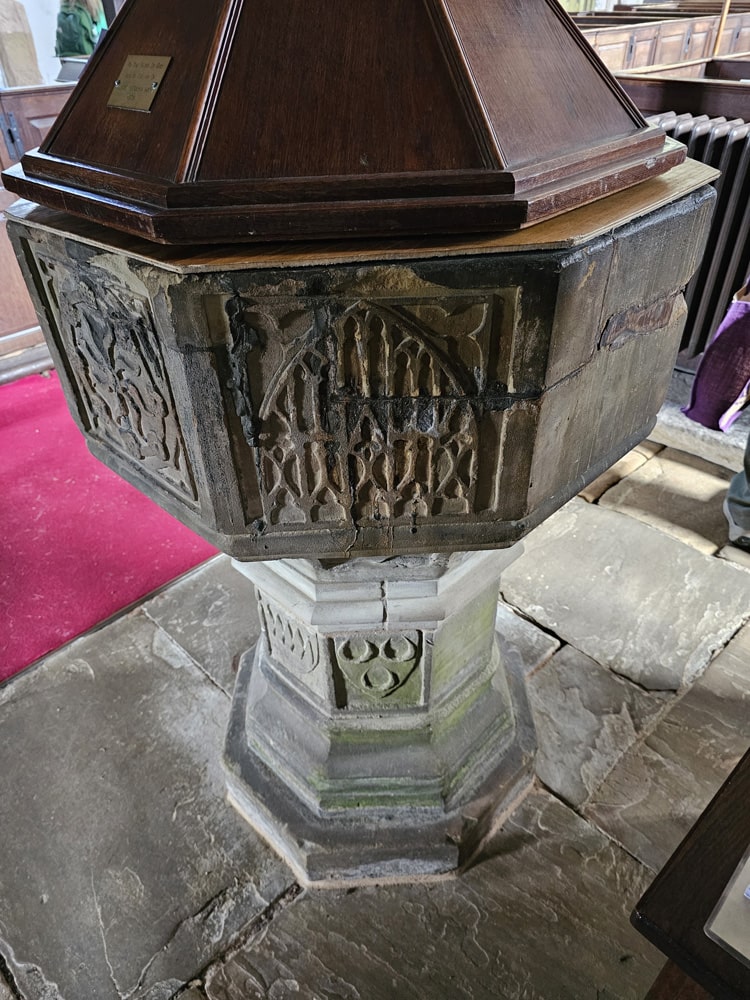
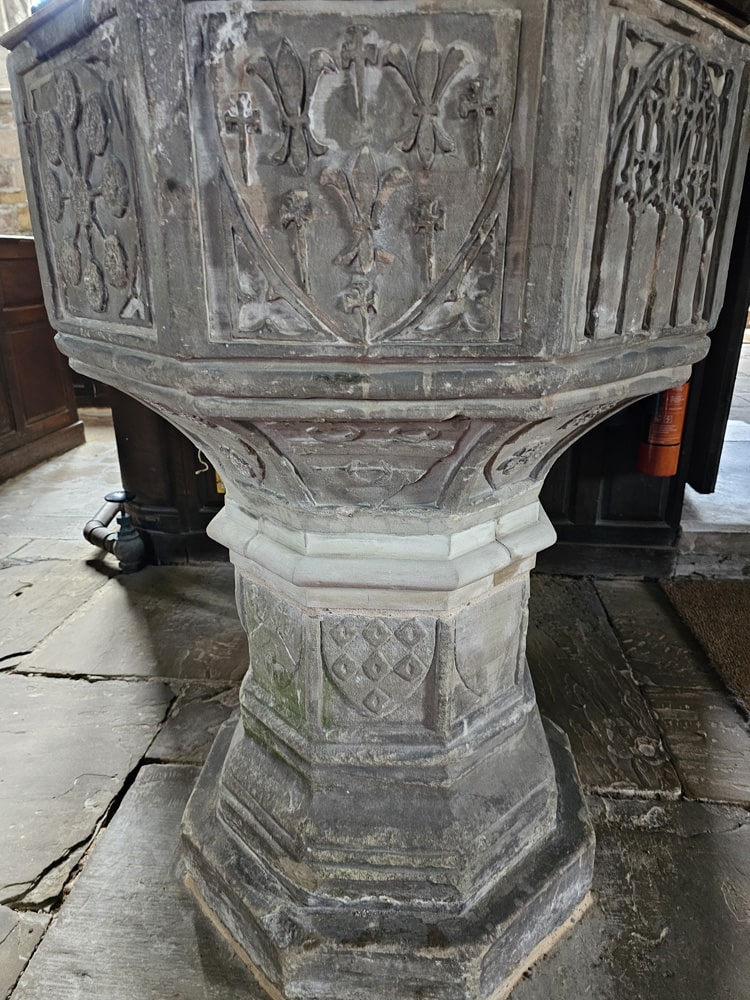
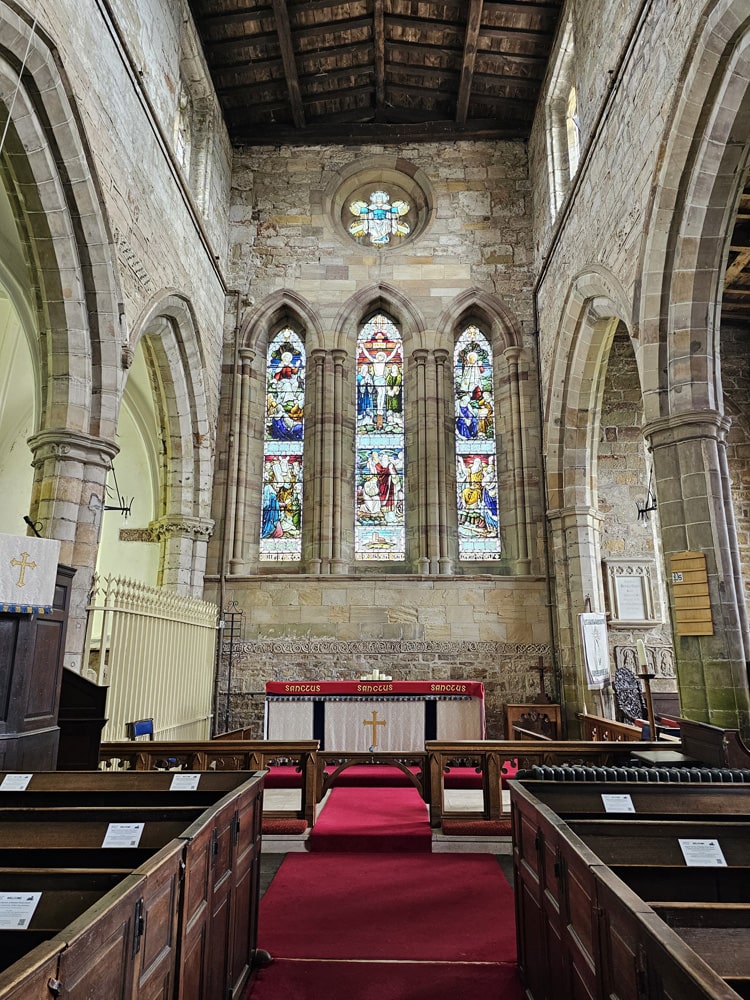
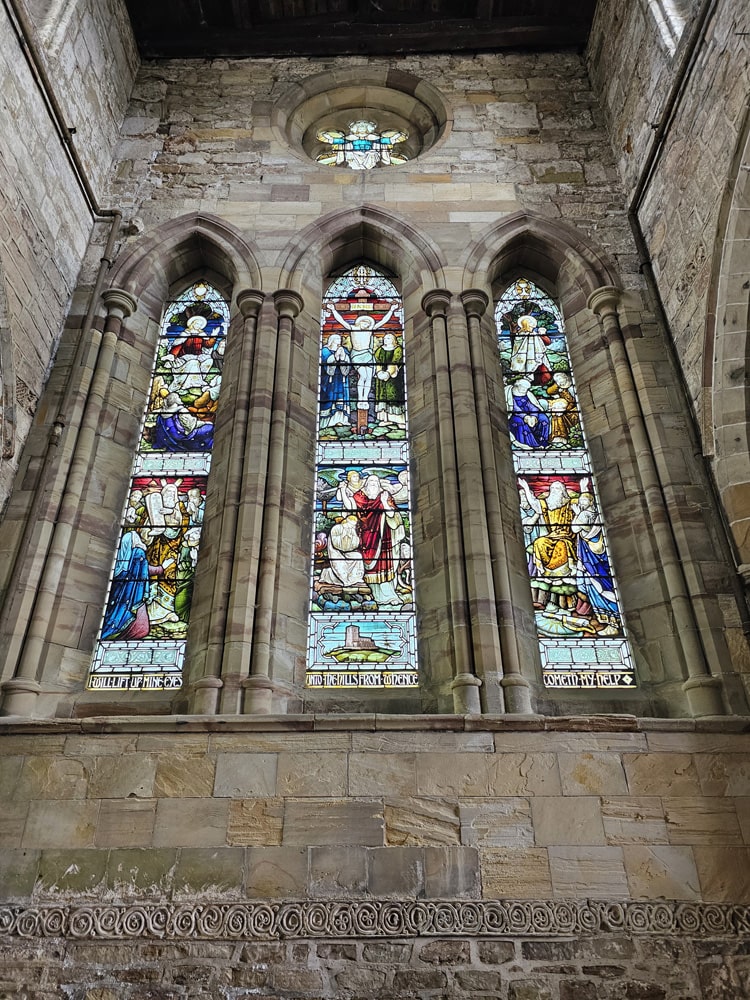
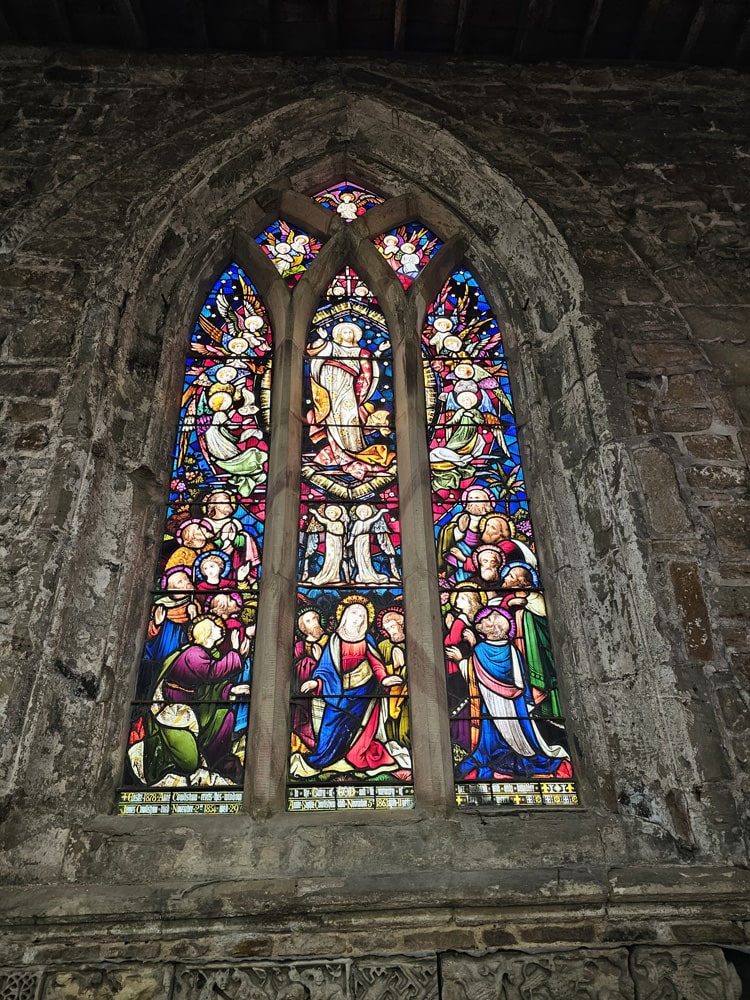
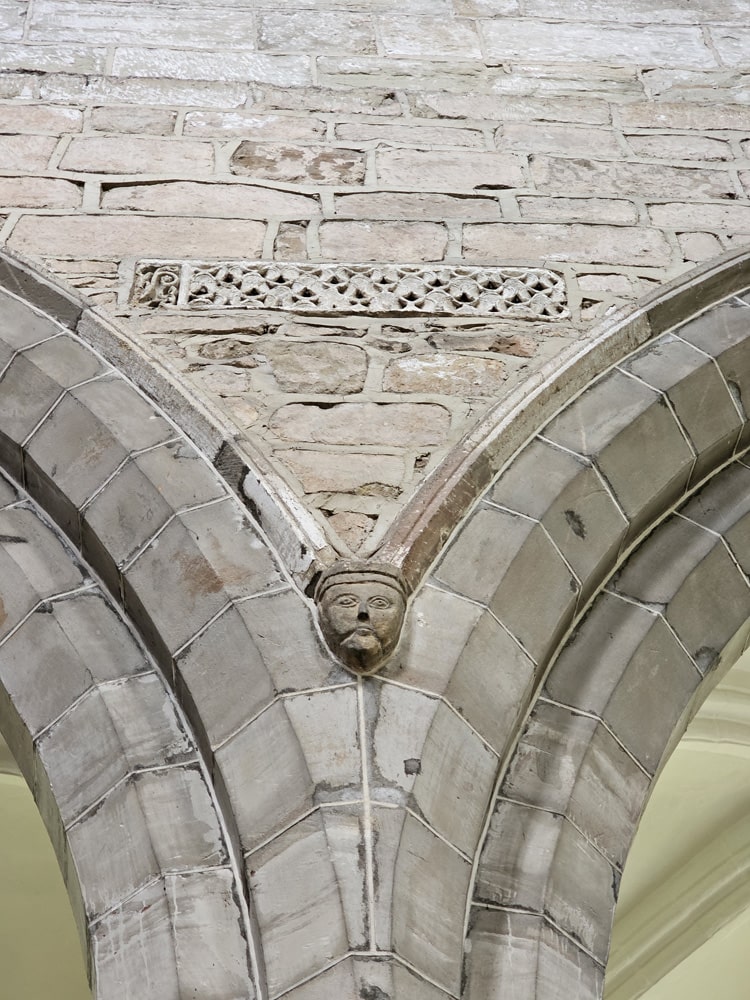
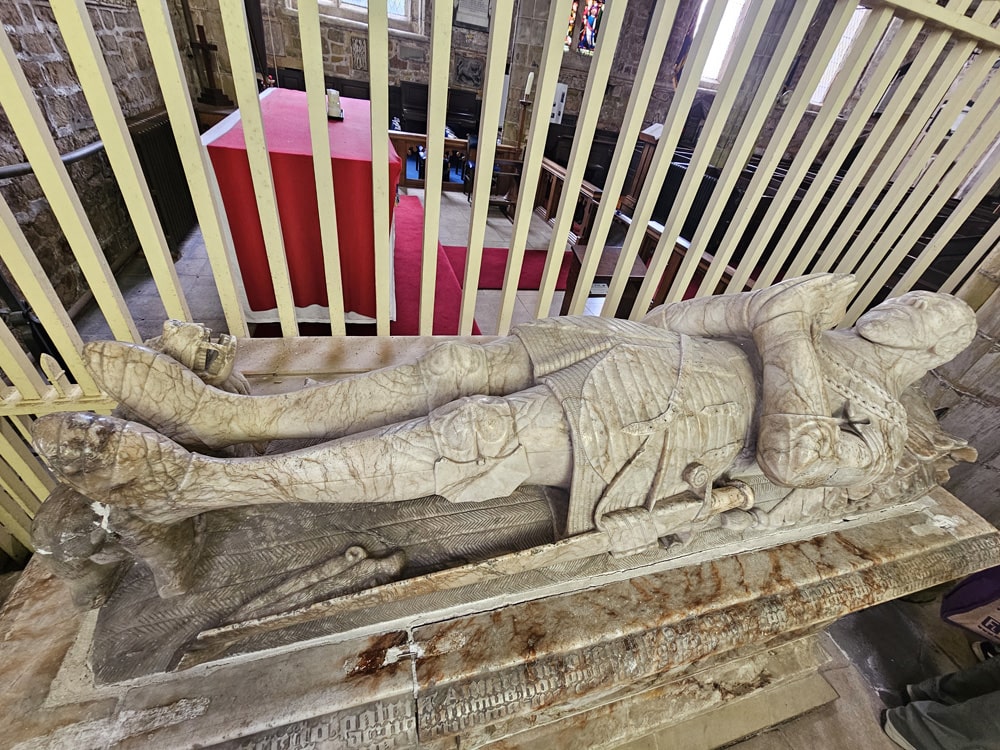
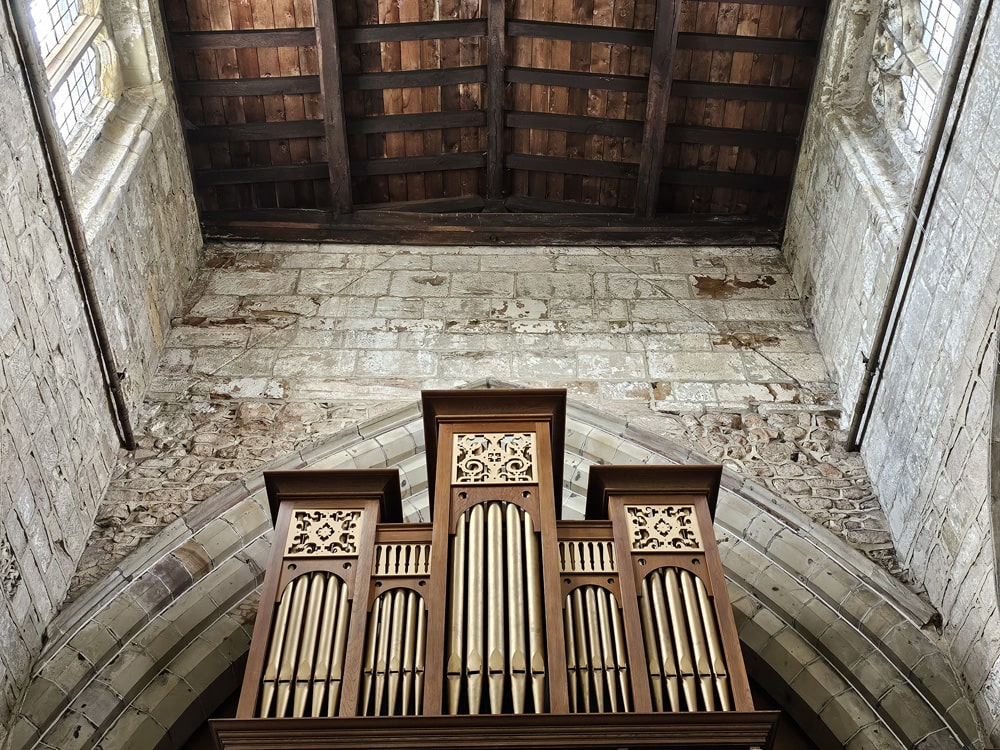
There is plenty to see inside this stunning church, including a 15th-century octagonal font, some early medieval stone carvings, a stunning stained glass east window and a family tomb dedicated to the Shirley family complete with a marble skeleton. Many parts of the church building date back to the 12th to 15th centuries.
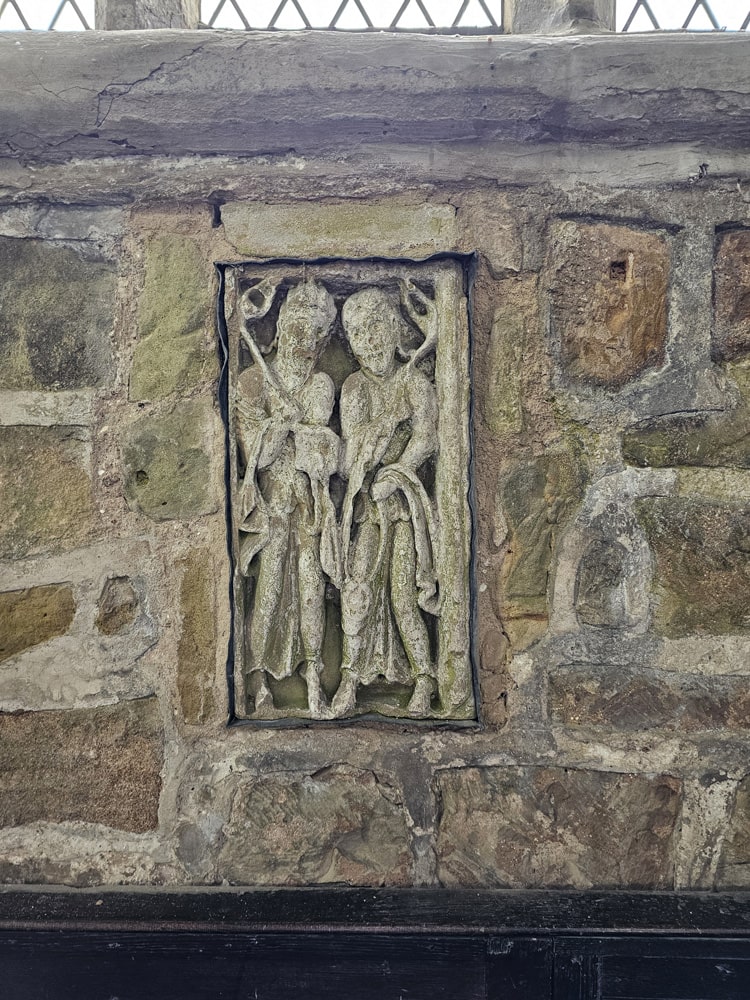
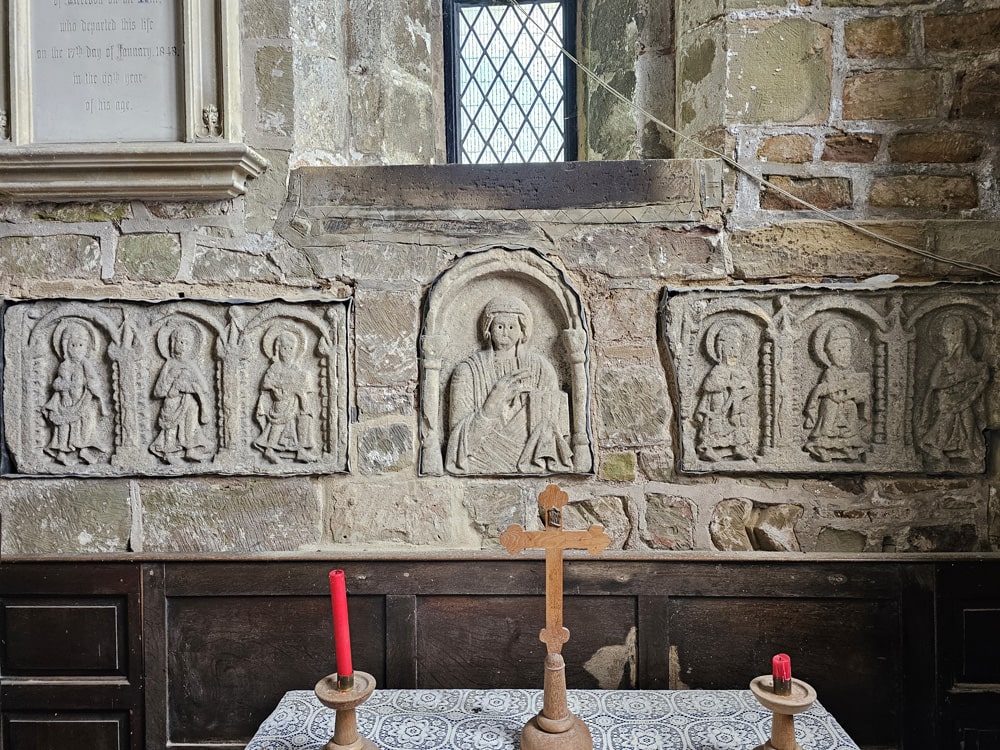
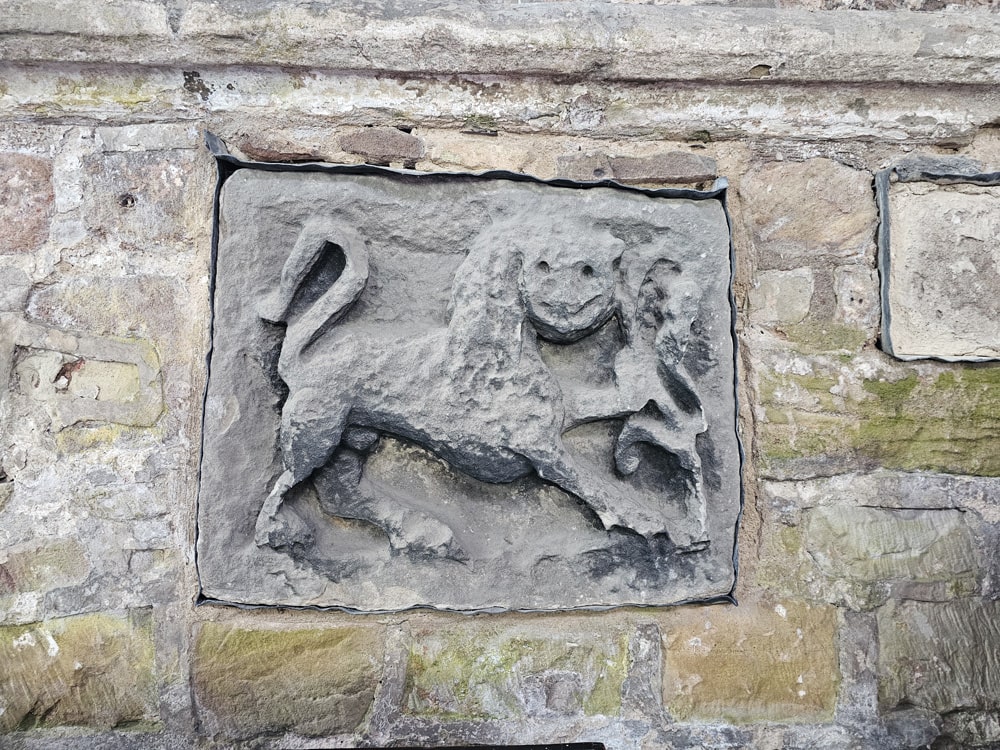
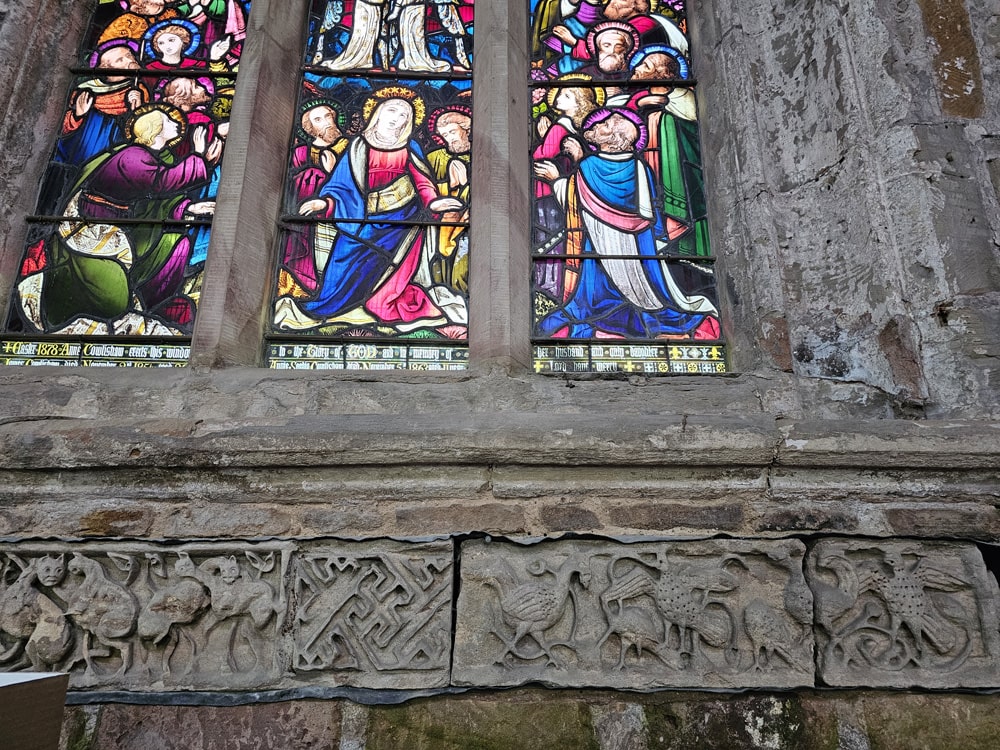
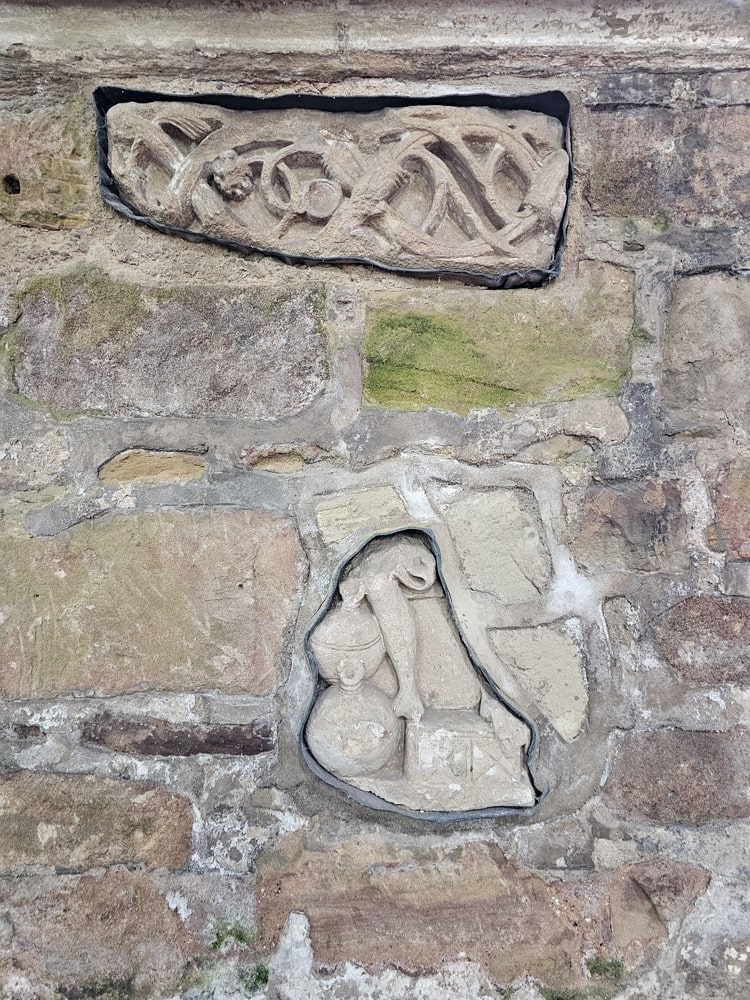
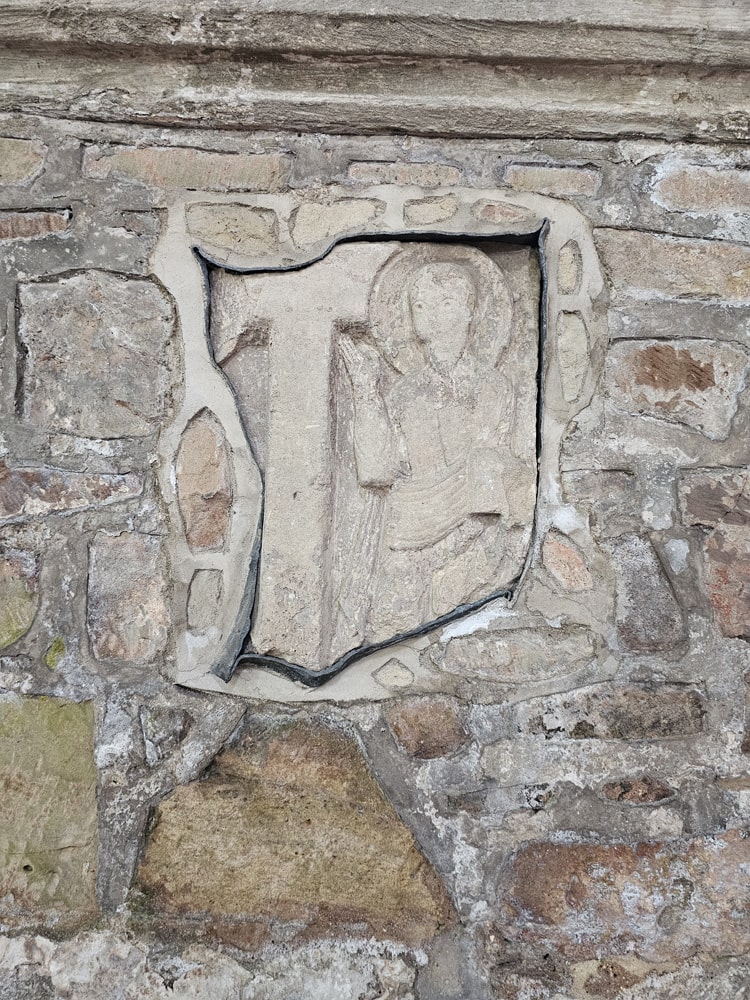
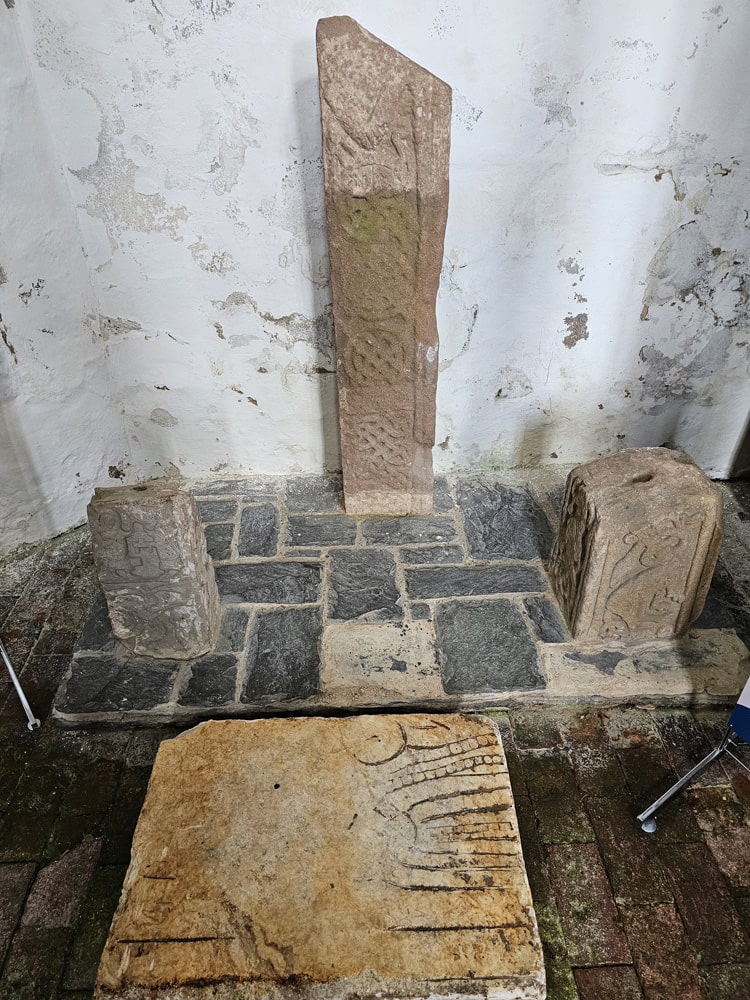
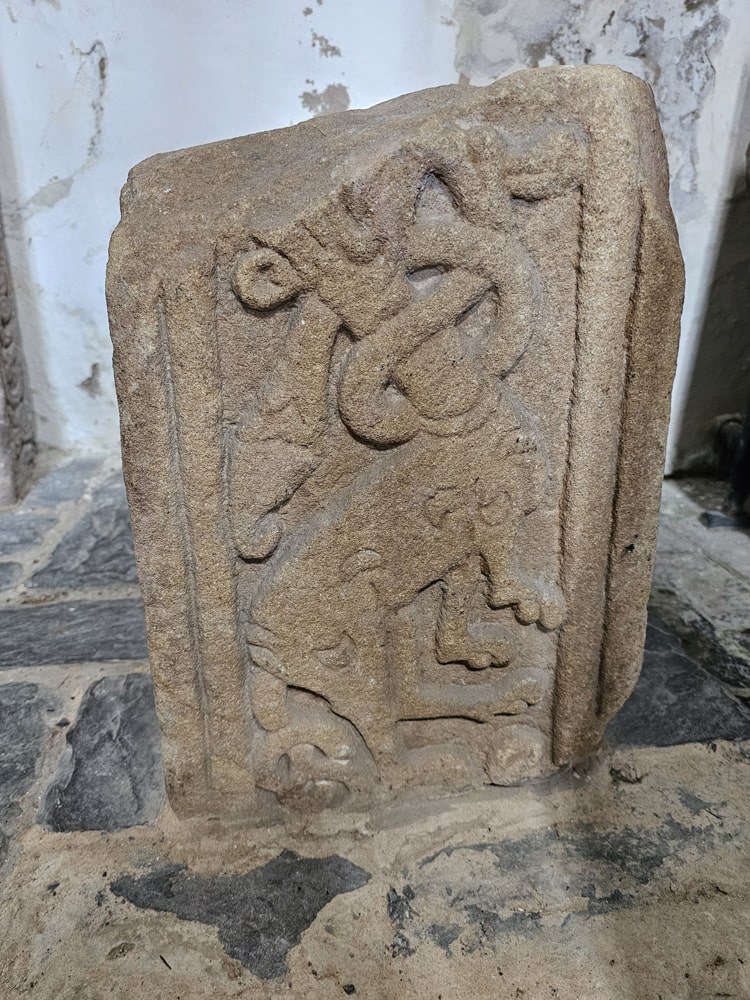
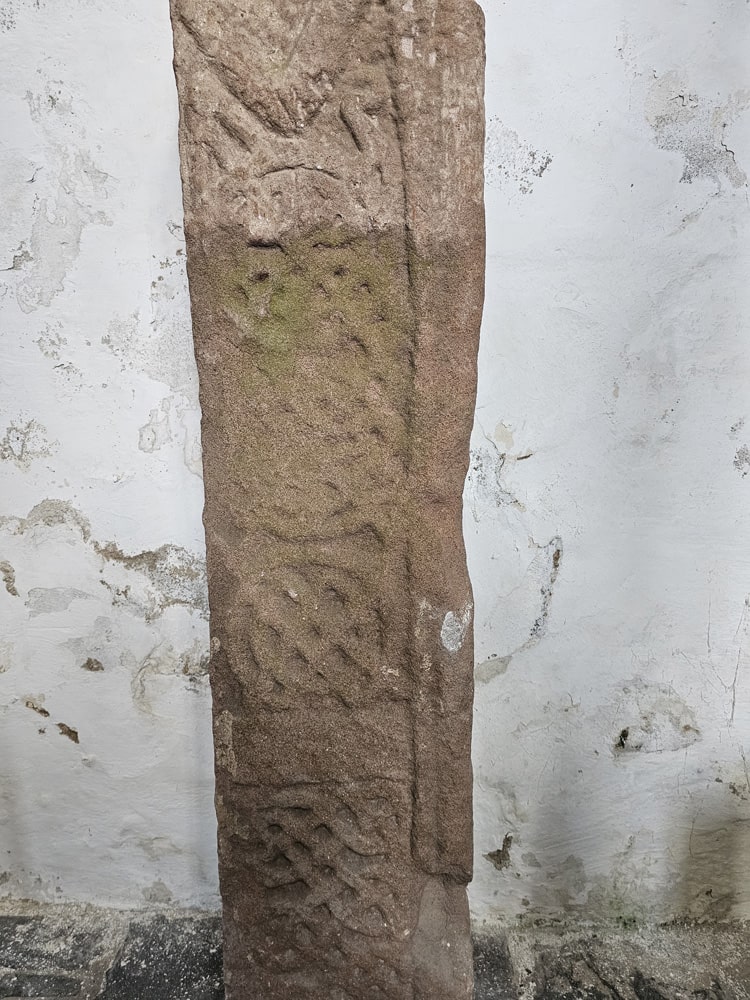
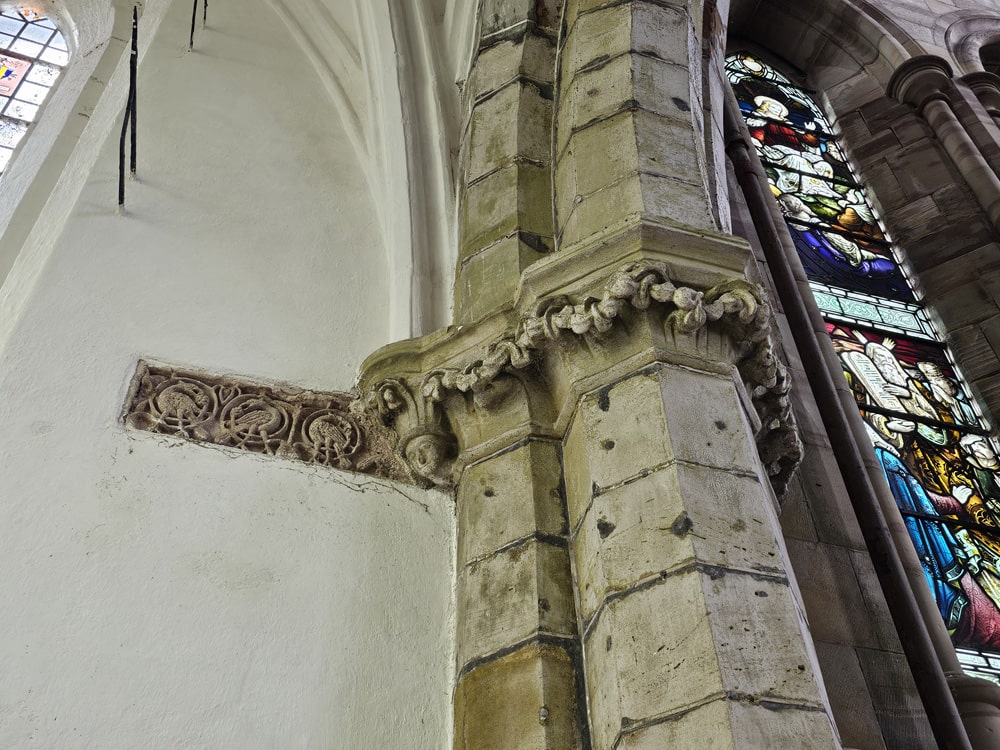
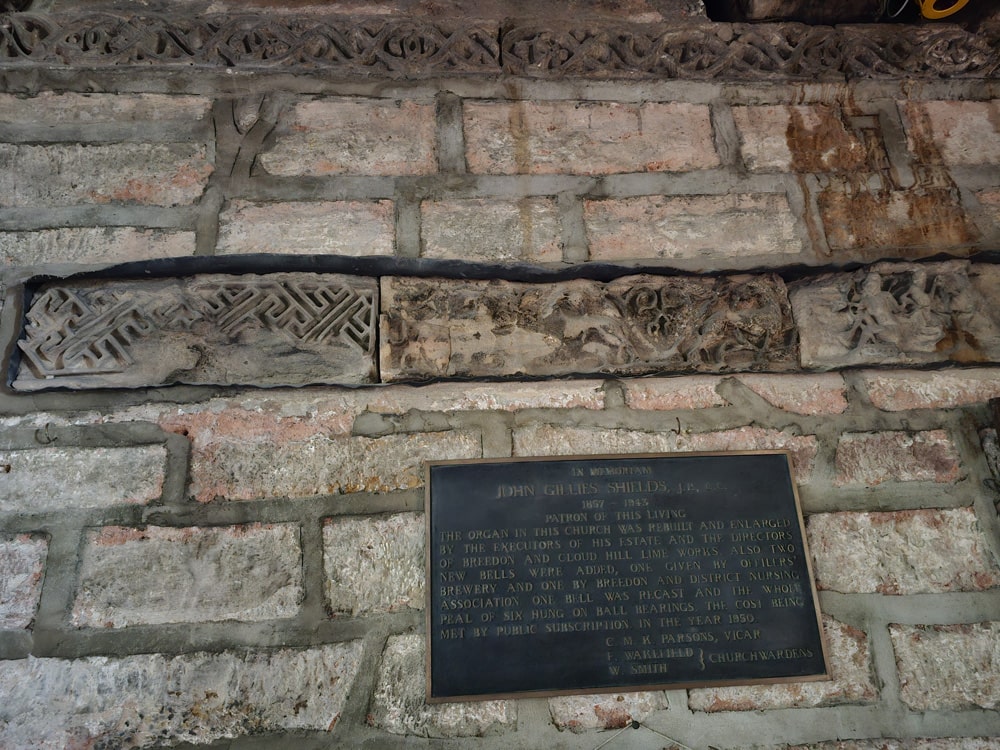
Breedon Priory is filled with amazing Anglo-Saxon carvings, some of the finest in England, a collection which can’t be seen anywhere else. These carvings include cross fragments, friezes and figures. The majority of the carvings are in the form of friezes and panels that would have adorned the walls inside and outside of the original Anglo-Saxon minster. The carvings from the exterior of the church have been brought indoors and re-positioned around the interior of the church for protection. There is 63ft of frieze in total.
The famous Breedon Angel carving is large, rare, precious and valuable, and for these reasons it is locked away in the tower and can’t be accessed by the public (there is a copy in the nave). The Breedon Angel is a full-length sculpted portrait of the Archangel Michael, and is probably the earliest representation of an angel in England and one of our finest surviving pre-Conquest sculptures.
The importance of the carvings at Breedon is hard to overstate. There isn’t much pre-Conquest sculpture left. The carvings at Breedon are the only substantial stretch of Anglo-Saxon frieze in the country, and they are startlingly fine as well as startlingly numerous.
The church has been a Grade I listed building since 1962, which categorises it as a building of exceptional interest. Today, this isolated and lofty location gives the church deep peace and spectacular views.
Photo Gallery.
Did you enjoy this post?
I hope you found this post useful. I put a great deal of time and effort in to building, maintaining and populating the website. If you like, you could say a small thank you by buying me a coffee. You don't have to, but it would be nice :)
Buy me a coffee
Stay up to Date
Follow me on my journey and get notified whenever a new post is published by following Kings & Castles on Facebook.
Follow MeExplore The Map
Discover the hundreds of castles, churches, monasteries, cathedrals and other historic locations that I've personally visited across England and Wales. Search by location, explore nearby sites and plan your next historical adventure.
Share: