Skenfrith Castle
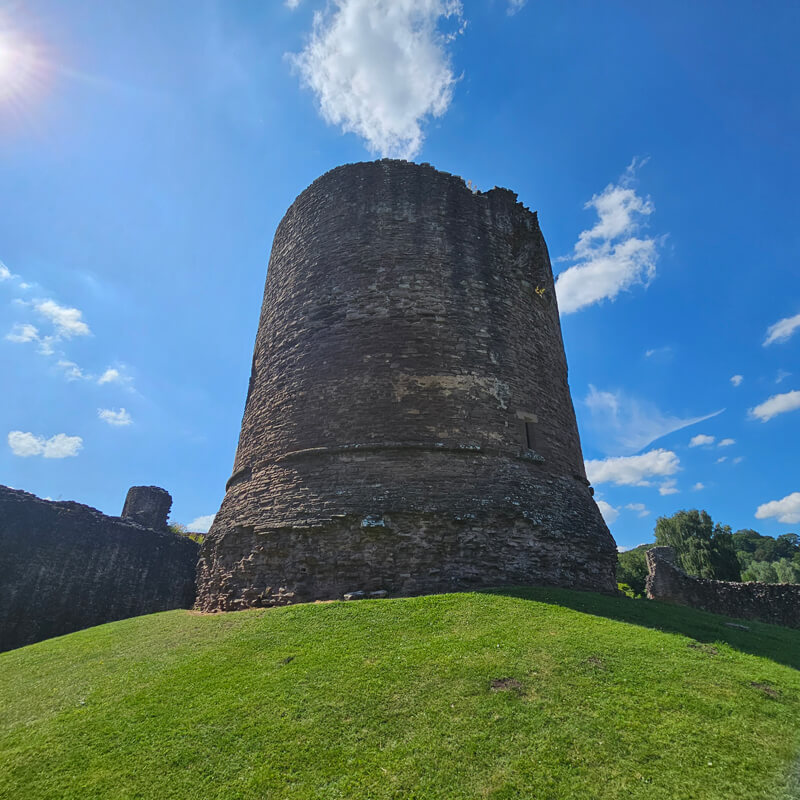
Skenfrith Castle is a ruined castle beside the River Monnow in the village of Skenfrith, Monmouthshire, Wales. Along with Grosmont Castle and White Castle, Skenfrith is one of the ‘Three Castles of Gwent’, a trio of strongholds built by the Normans to protect the route from Wales to Hereford, to control a key section of troublesome border country.
Quick
Facts.
- Location: Skenfrith, Monmouthshire, Wales
- Established: Early 12th century
- Built in stone: 13th century
- Condition: Ruined
- Date visited: July 2024
- More info: Visit website
- Rating:
A Bit of History…
The first castle here was likely a wooden motte-and-bailey stronghold stood atop a man-made mound built in the early 12th century. The remains of Skenfrith Castle that we see today are of a later fortress constructed in the 13th century by Earl Hubert de Burgh, who was one of the most powerful Marcher Lords.
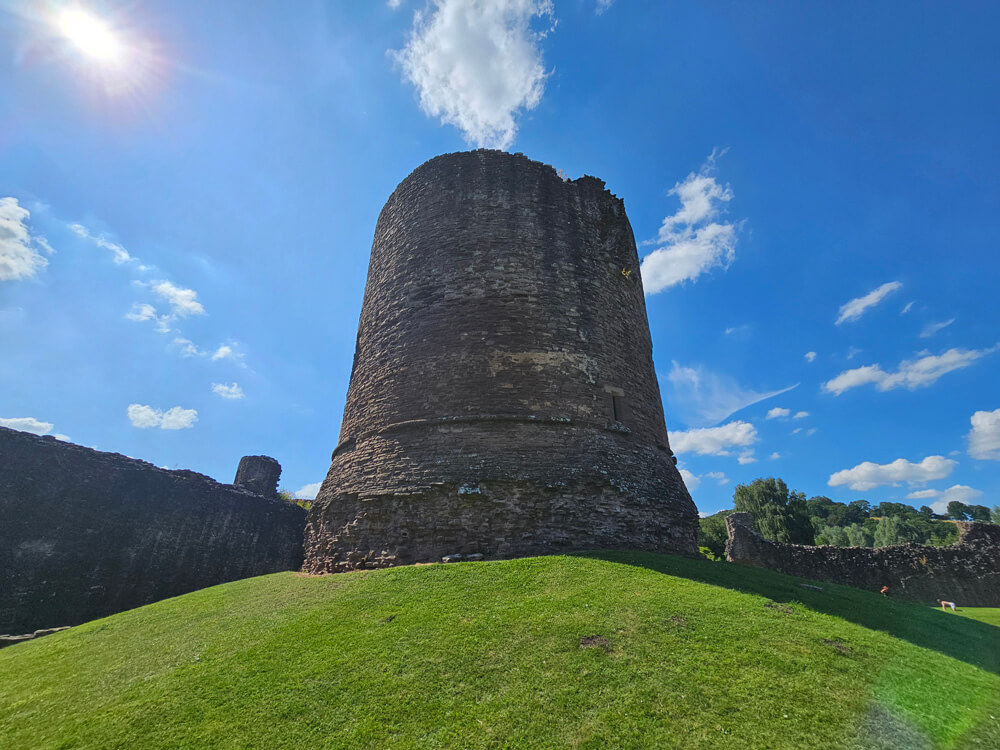
Hubert de Burgh received the lordship of ‘The Three Castles’ in the early 13th century, and he immediately set to work rebuilding Skenfrith Castle with stone. The current castle built by Hubert was a structure composed of a four-sided curtain wall, with a round tower at each corner and a circular stone keep built on an earthen mound in the centre, which dominates the interior. The sturdy stone keep would have been the last line of defence should the castle fall under attack.
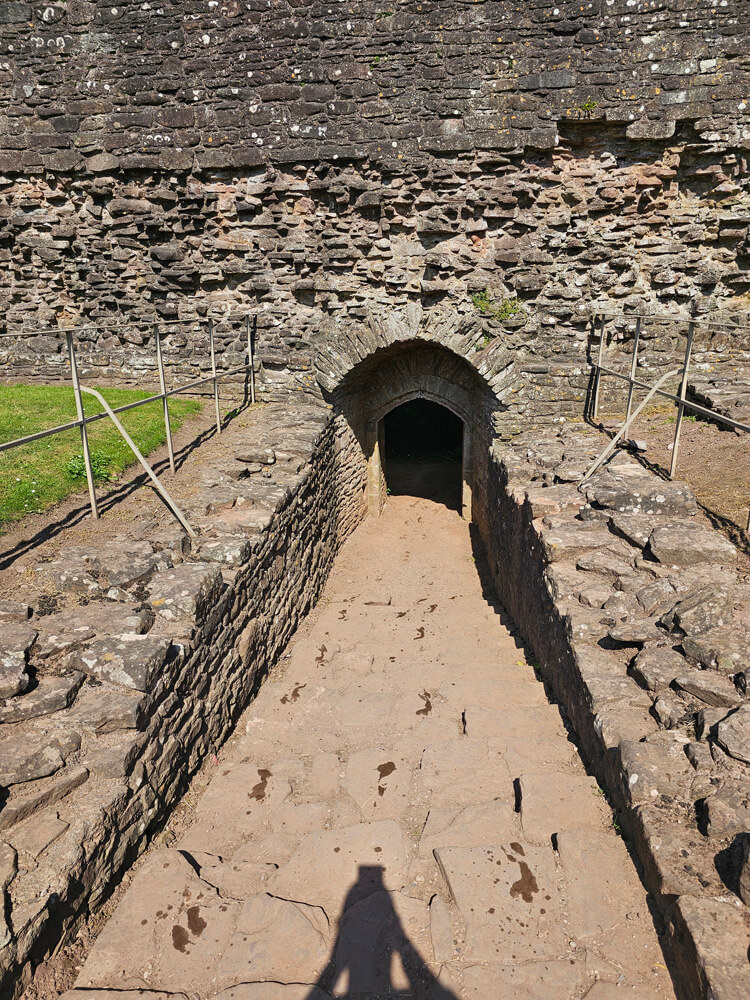
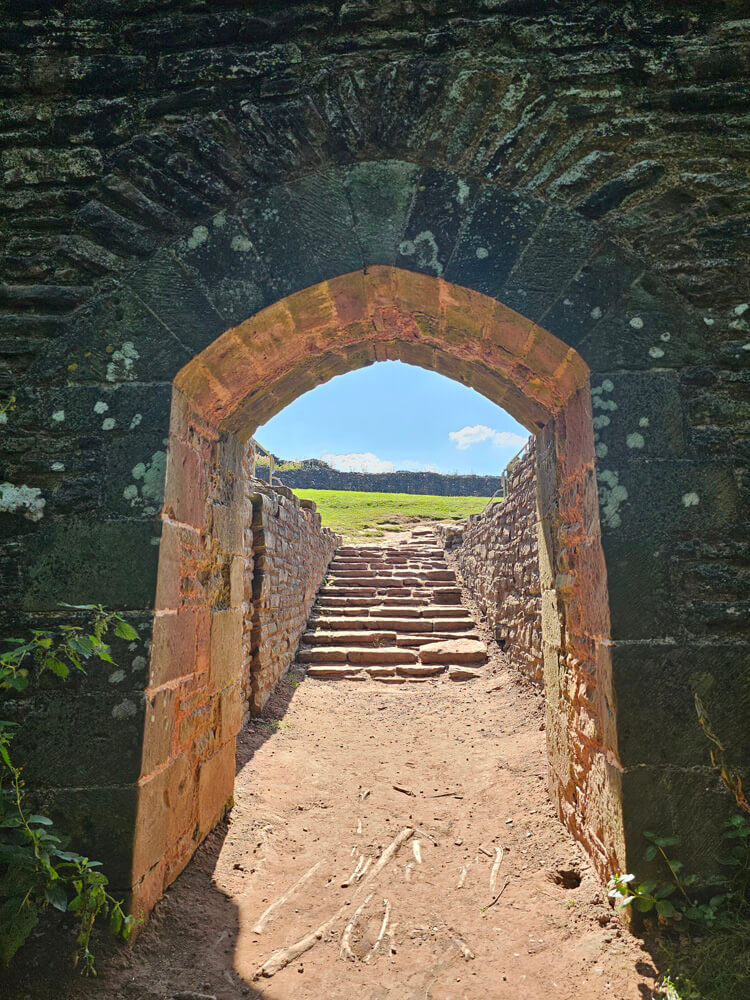
The fortress was once enclosed within a wide, 20ft deep moat for extra defence, fed by the waters of the River Monnow. The moat is also accessible from inside the castle, through a curious feature known as the water gate, with steps leading down to the river bank.
After the death of Hubert de Burgh, the trio of castles reverted to the crown, and in 1239 King Henry III took over the trio of castles. Henry gave the castles to his son and heir, Prince Edward (later King Edward I), who owned the Three Castles from 1254 – 1267. It was probably Edward that built the fifth tower at Skenfrith, a D-shaped tower set into the more vulnerable western wall.
In 1267 Henry III gave Skenfrith and the other two castles to his second son, Prince Edmund, Earl of Lancaster. The Three Castles then passed down through the Earls, and later the Dukes, of Lancaster for the next two centuries, but only Grosmont Castle was used as a residence. Henry IV also held the castle for a brief time.
However, by the 16th century Skenfrith and its two sibling castles, Grosmont and White, had been abandoned, left to decay and had fallen into ruin, until it was finally given to the National Trust. Today, Skenfrith, along with Grosmont Castle and White Castle, is in the care of the Cadw Welsh heritage agency.
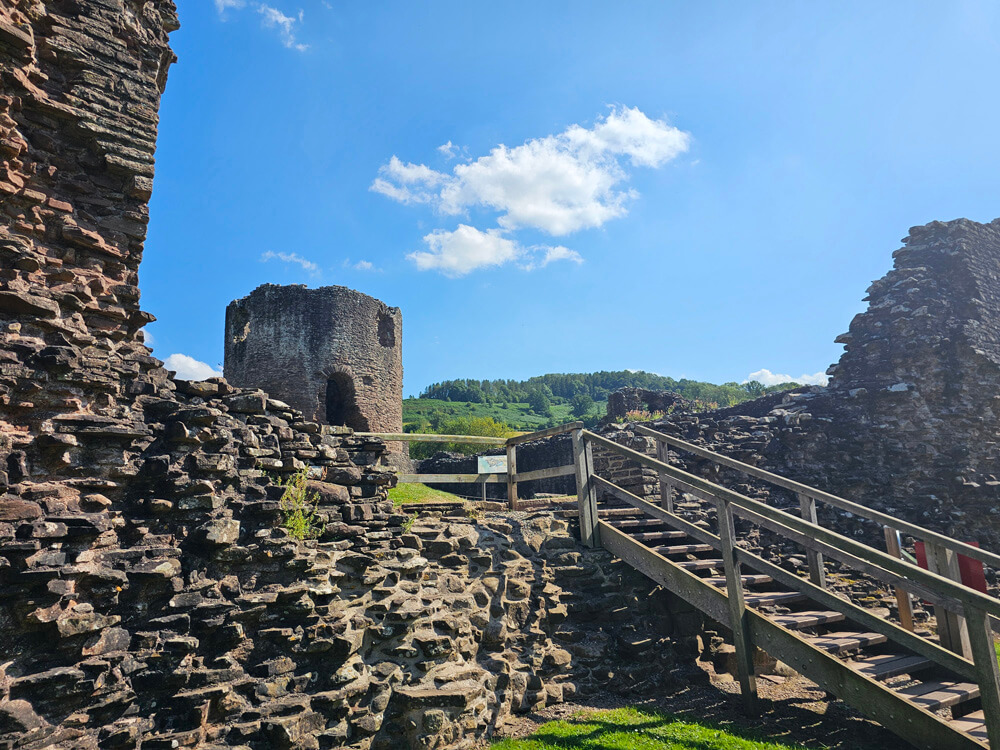
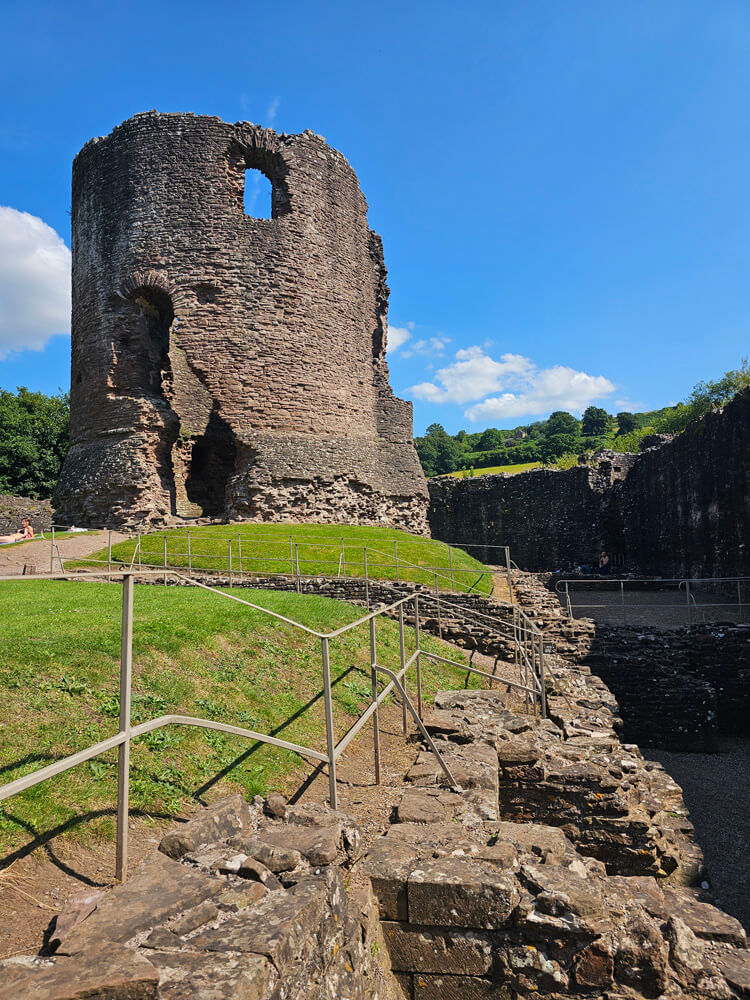
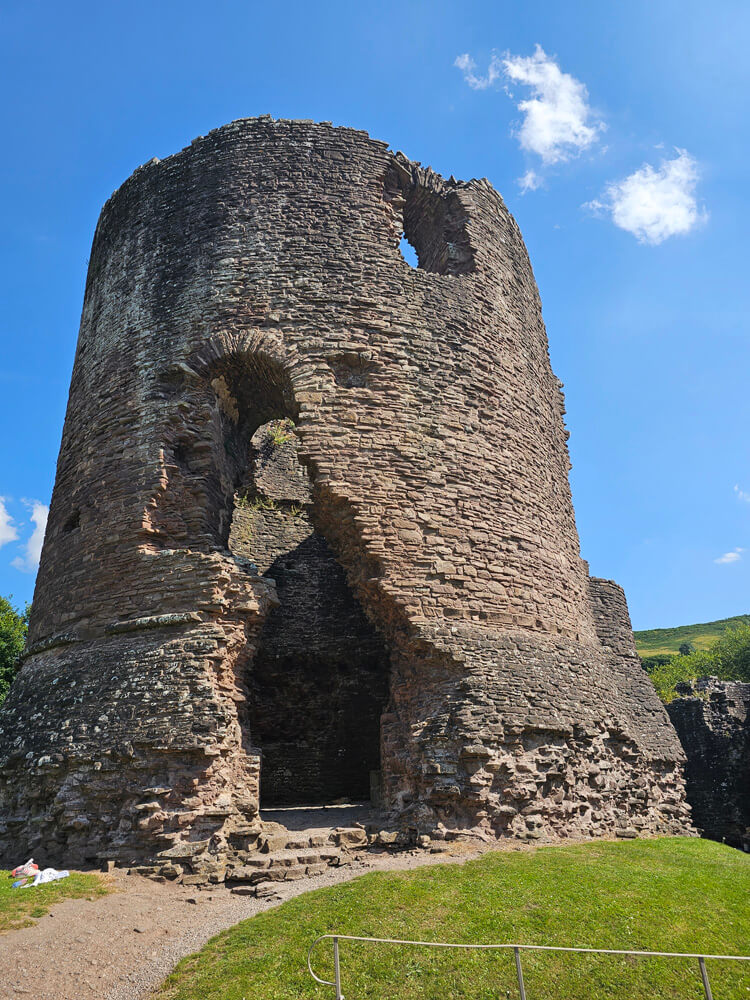
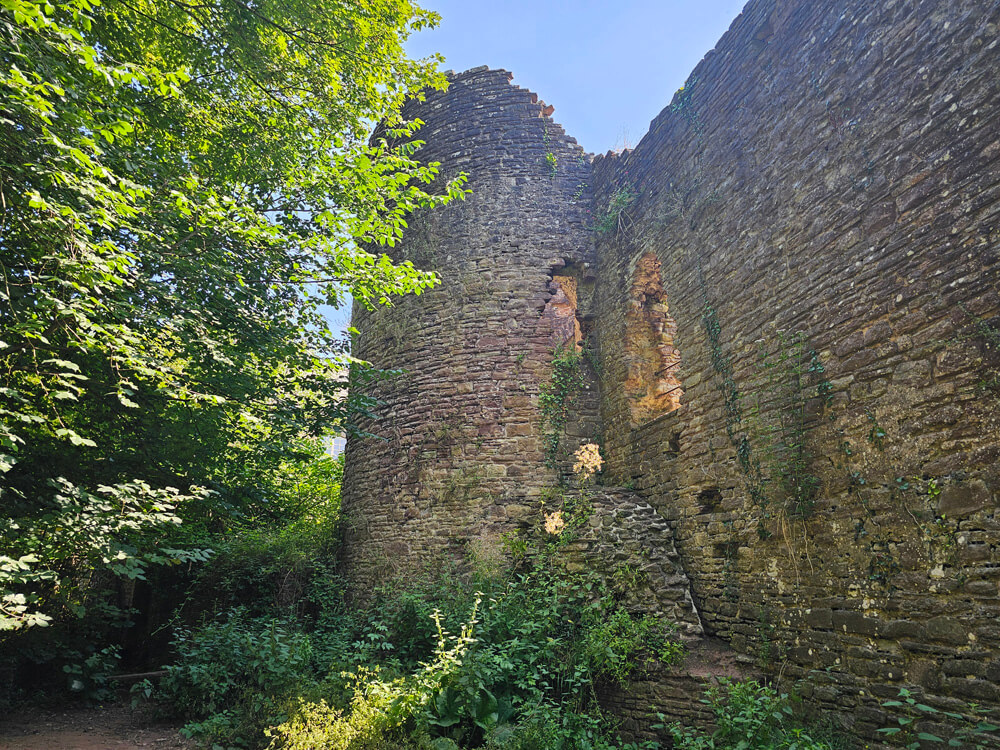
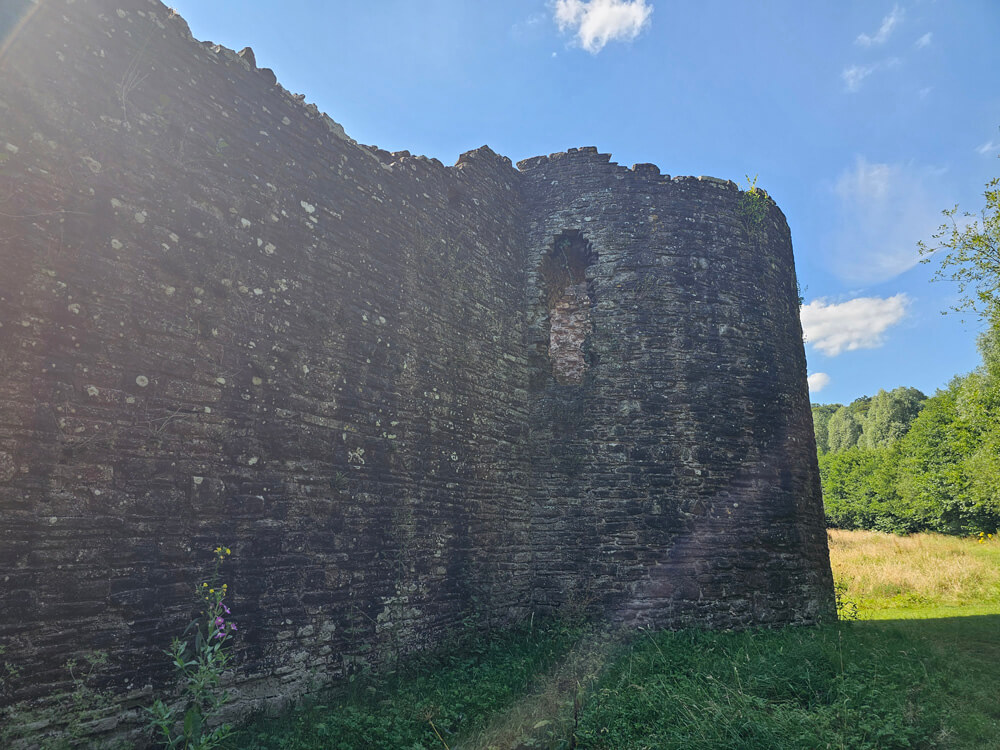
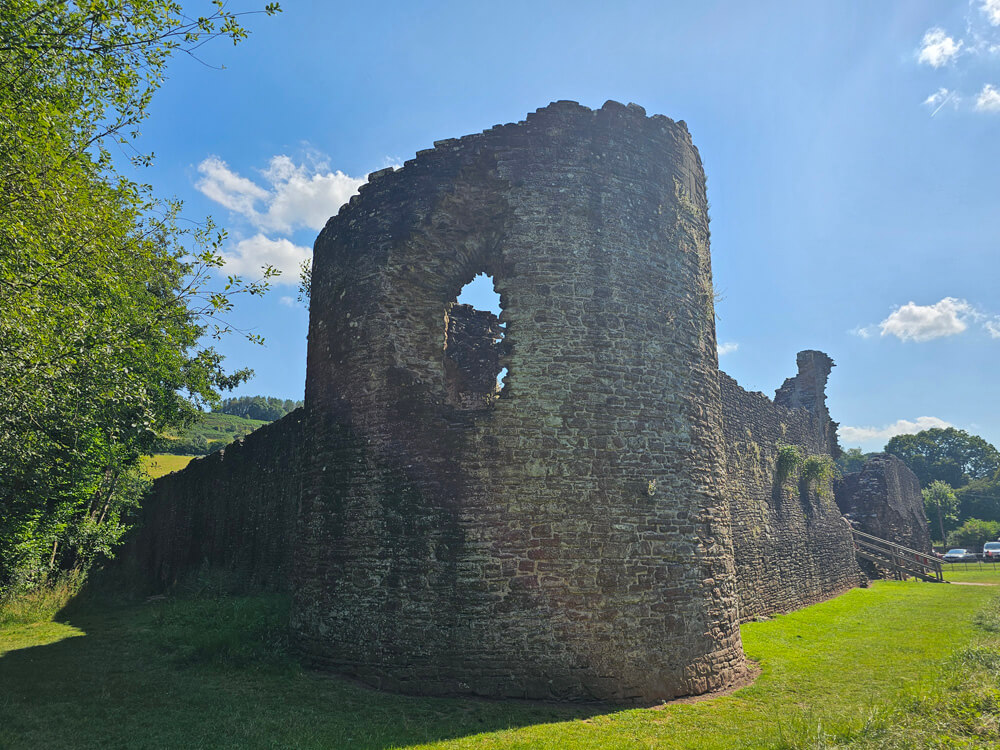
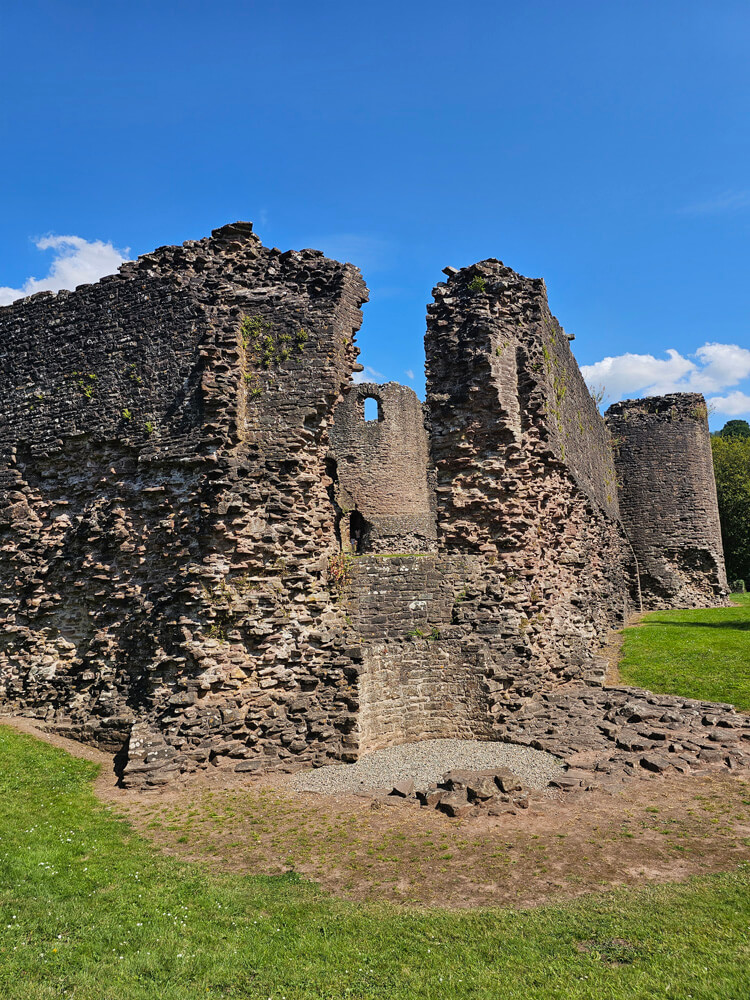
Skenfrith Castle may be mostly in ruins, but Skenfrith’s charm is its imposing stone round keep, which immediately grabs your attention. Originally, the massive keep stood three stories tall. Primarily used as living quarters, the keep still contains remains of a spiral staircase, windows, a grand fireplace and a latrine. Three of the massive round corner towers have survived in fair condition. Between the towers, a wall-walk once rimmed the curtain wall.
Photo Gallery.
Did you enjoy this post?
I hope you found this post useful. I put a great deal of time and effort in to building, maintaining and populating the website. If you like, you could say a small thank you by buying me a coffee. You don't have to, but it would be nice :)
Buy me a coffee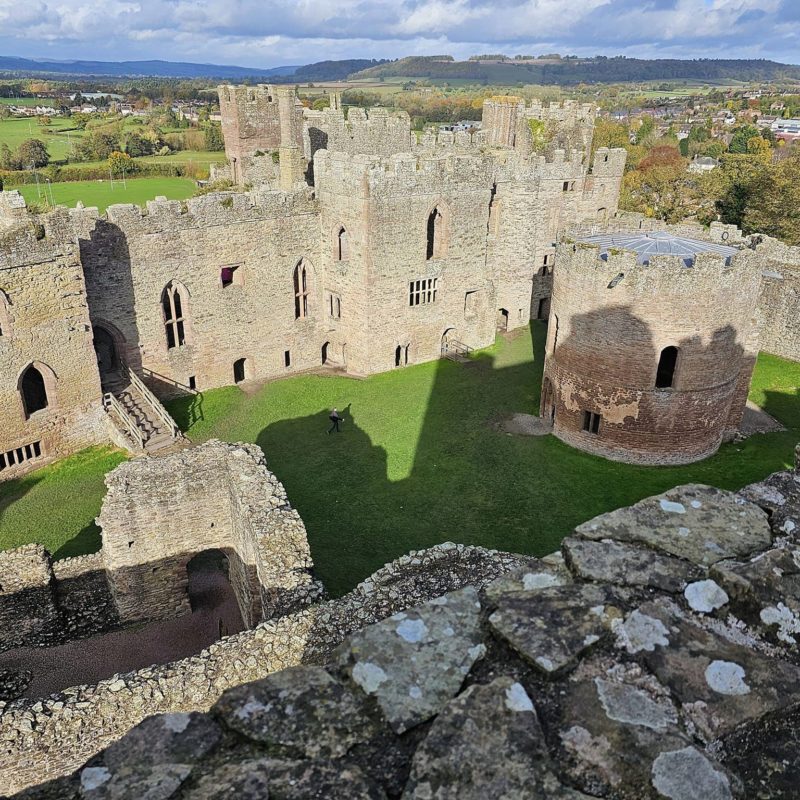
Stay up to Date
Follow me on my journey and get notified whenever a new post is published by following Kings & Castles on Facebook.
Follow MeExplore The Map
Discover the hundreds of castles, churches, monasteries, cathedrals and other historic locations that I've personally visited across England and Wales. Search by location, explore nearby sites and plan your next historical adventure.
Share: