Richmond Castle
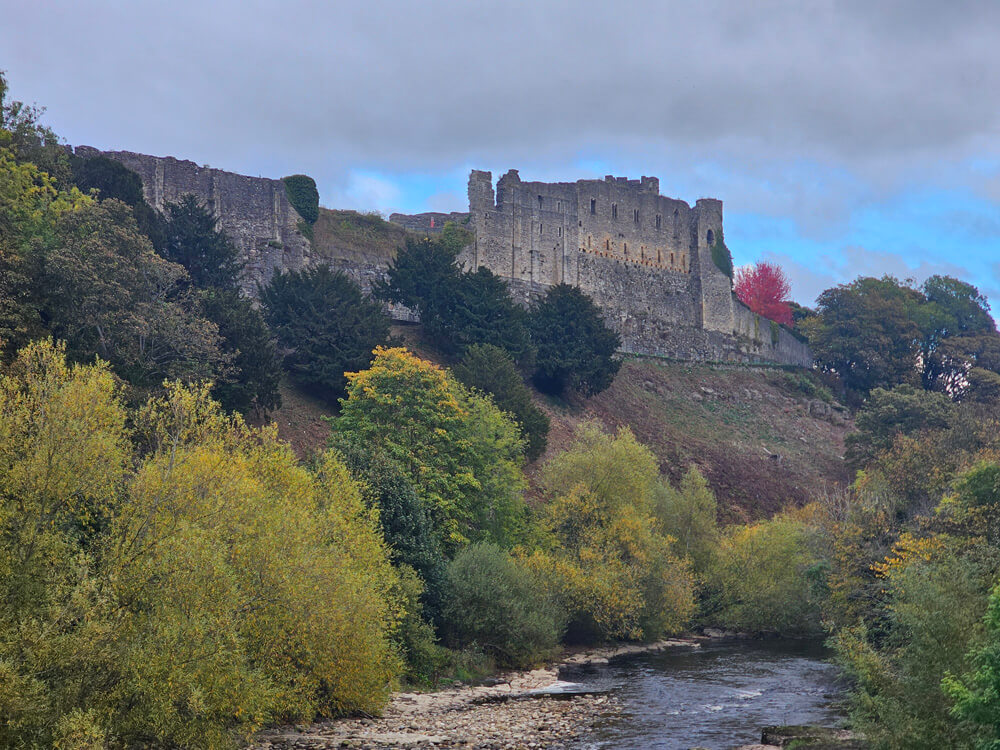
Dominating the River Swale in North Yorkshire, Richmond Castle is one of England’s finest surviving Norman fortresses. Built in stone from the outset in the 1070s, it was a powerful symbol of Norman authority and the seat of a wealthy medieval lordship. From its remarkable 11th-century curtain walls and great hall to the towering keep, Richmond Castle preserves more than nine centuries of history.
Quick
Facts.
- Location: Richmond, North Yorkshire, England
- Built: 1070s
- Condition: Partial ruin
- Date visited: October 2026
- More info: Visit website
- Rating:
The Founding of Richmond Castle
Richmond Castle was founded in the 1070s by Alan Rufus, also known as Alan the Red, a Breton nobleman and kinsman of William the Conqueror. Following the Norman Conquest of 1066, Alan received extensive lands in Yorkshire, formerly held by powerful Anglo-Saxon nobles. His new castle was established to secure these estates and reinforce Norman authority in the north of England.
Unlike many early Norman castles, which initially relied upon timber defences and earthworks, Richmond was built in stone from the beginning. Its construction probably began around 1071 and continued through the following decades, creating one of the earliest substantial stone castles built in England after the Conquest.
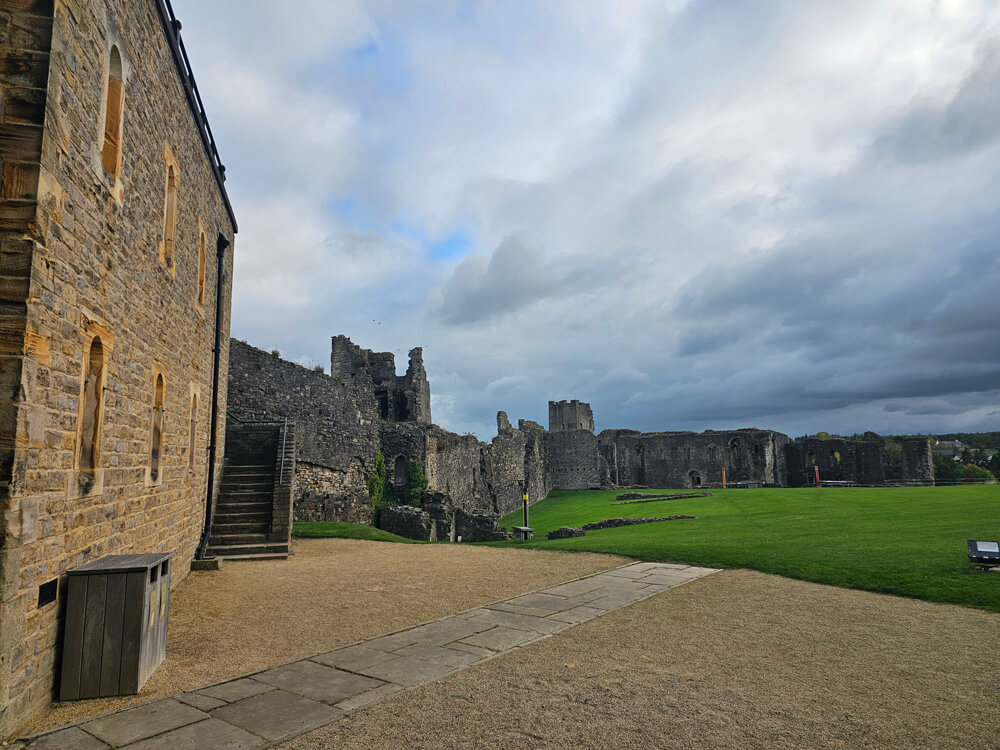
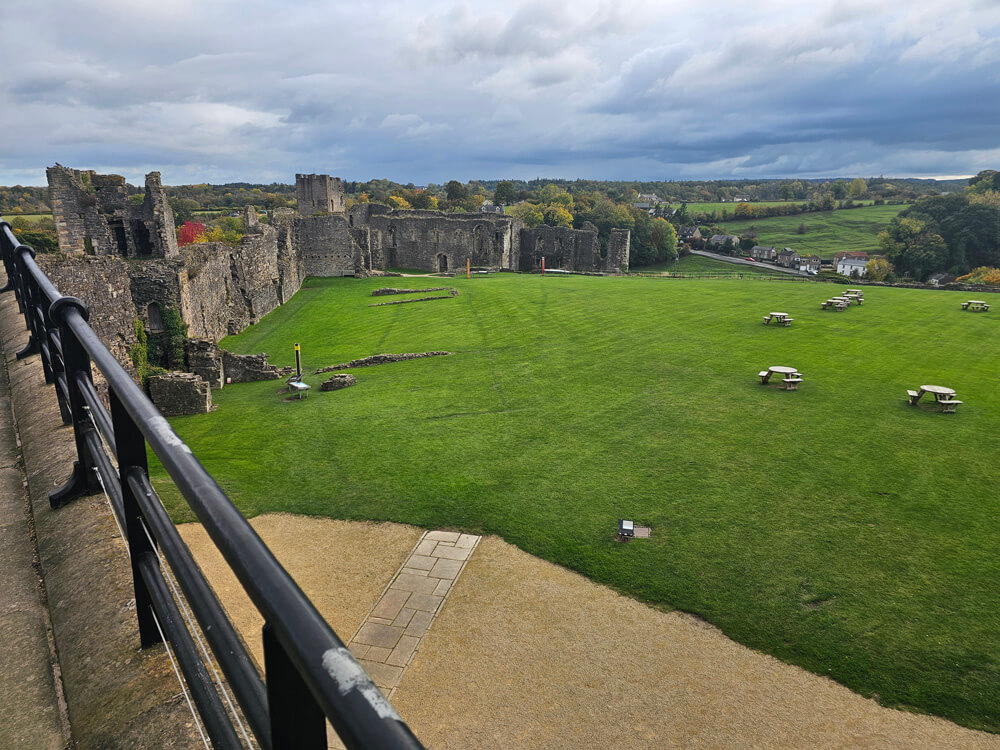
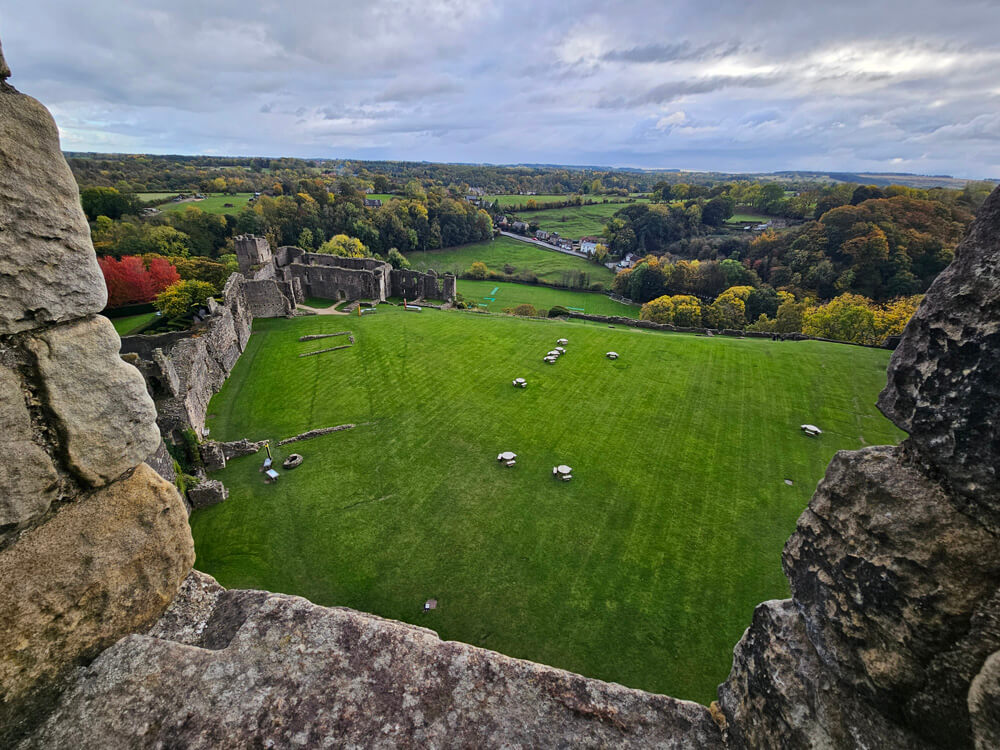
The location was carefully chosen. Perched above the steep valley of the River Swale, the castle occupied a naturally defensible position overlooking the surrounding countryside. Its original enclosure was roughly triangular, with massive stone curtain walls protecting two sides and the river cliffs providing a natural barrier along the third.
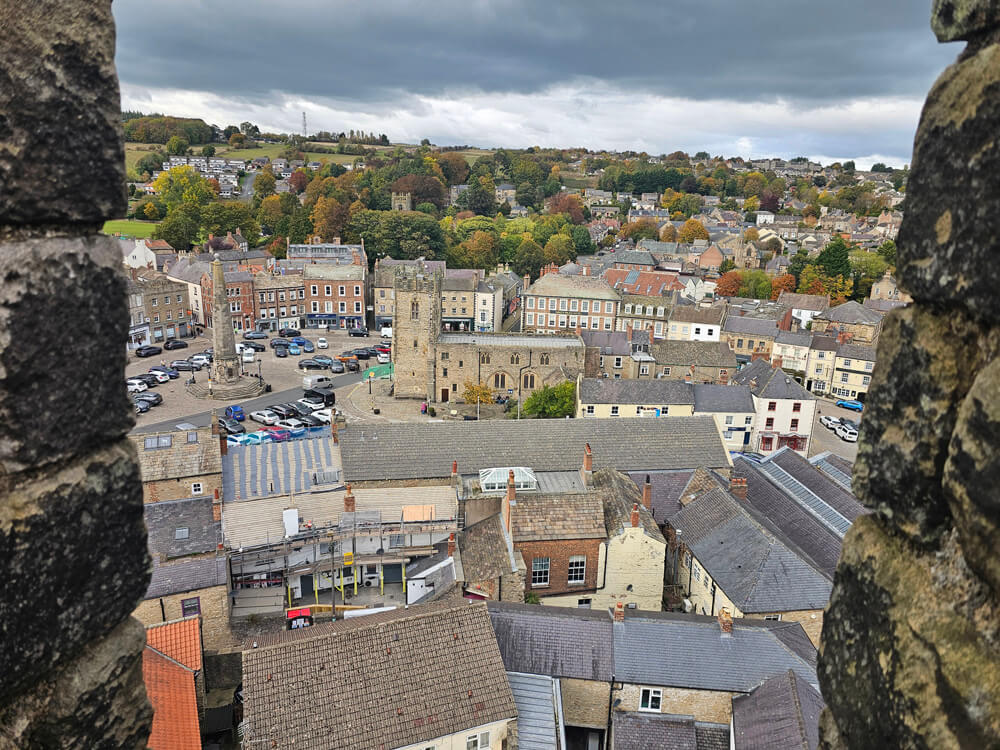
Richmond was not simply a military stronghold. The castle also served as the administrative centre of Alan’s estates, known as the Honour of Richmond. A settlement developed alongside it, eventually growing into the prosperous market town that survives today.
Scolland’s Hall and the Early Castle
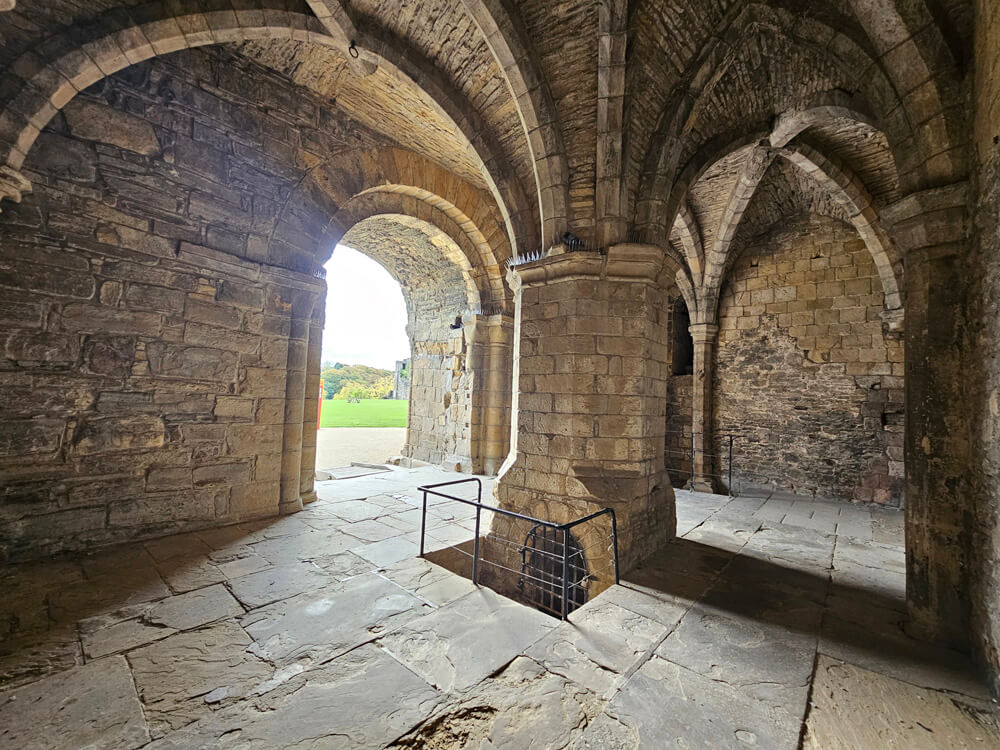
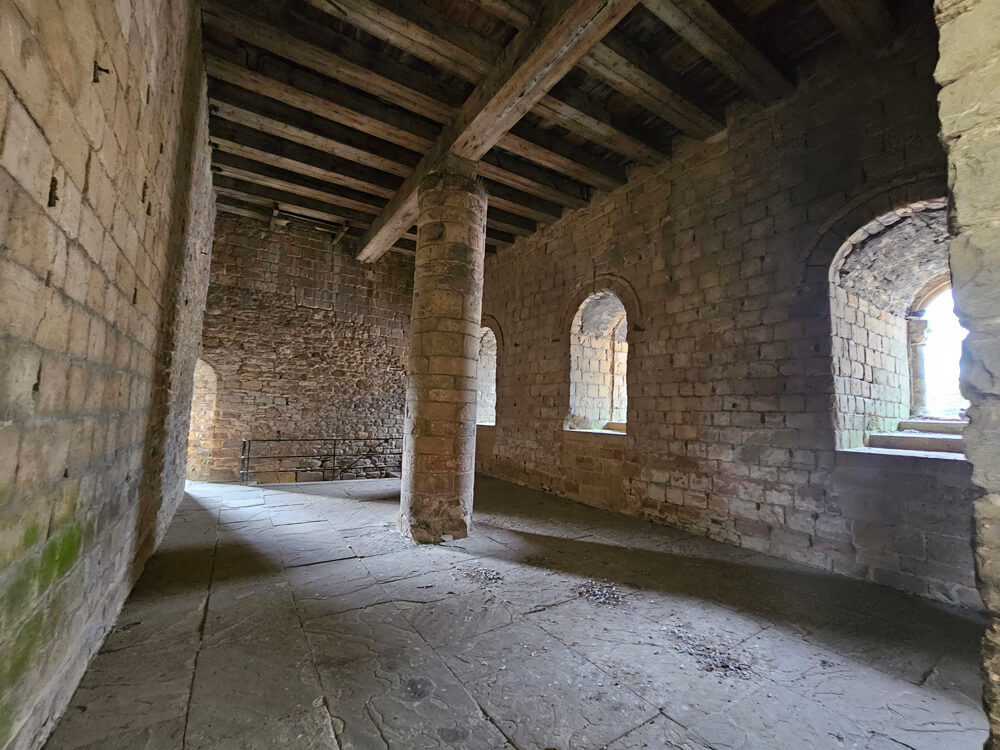
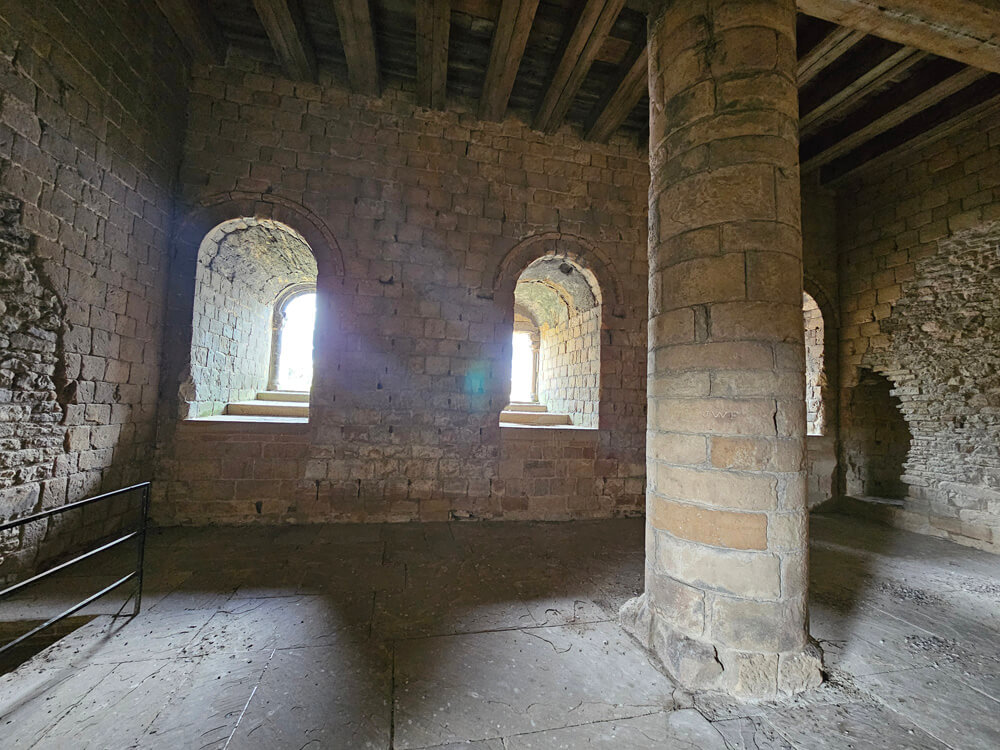
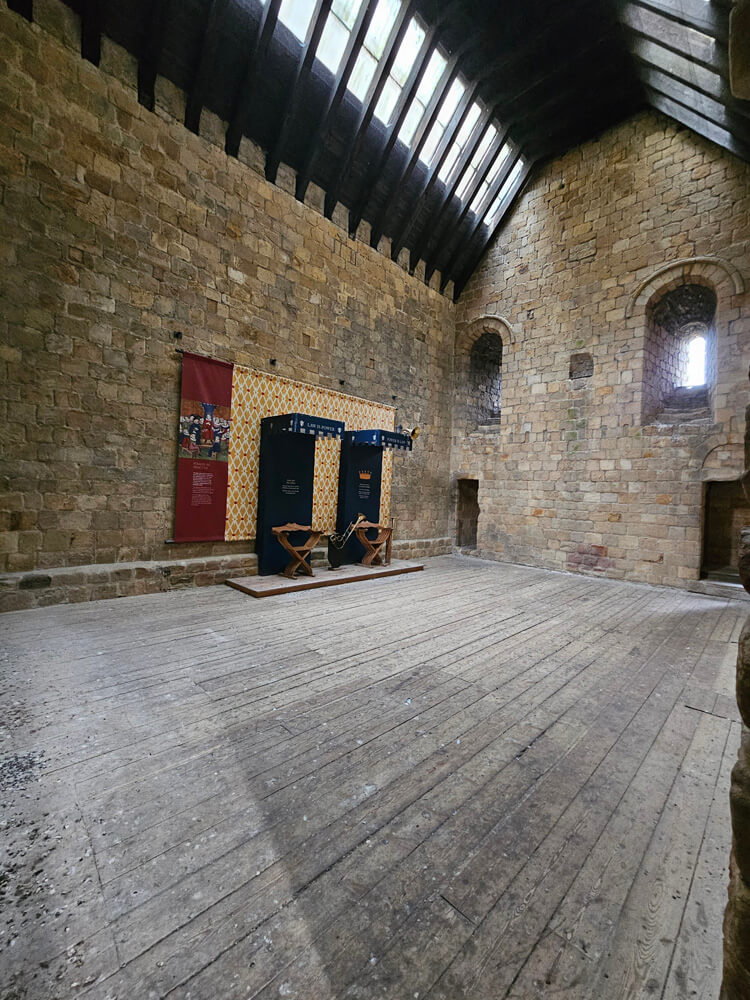
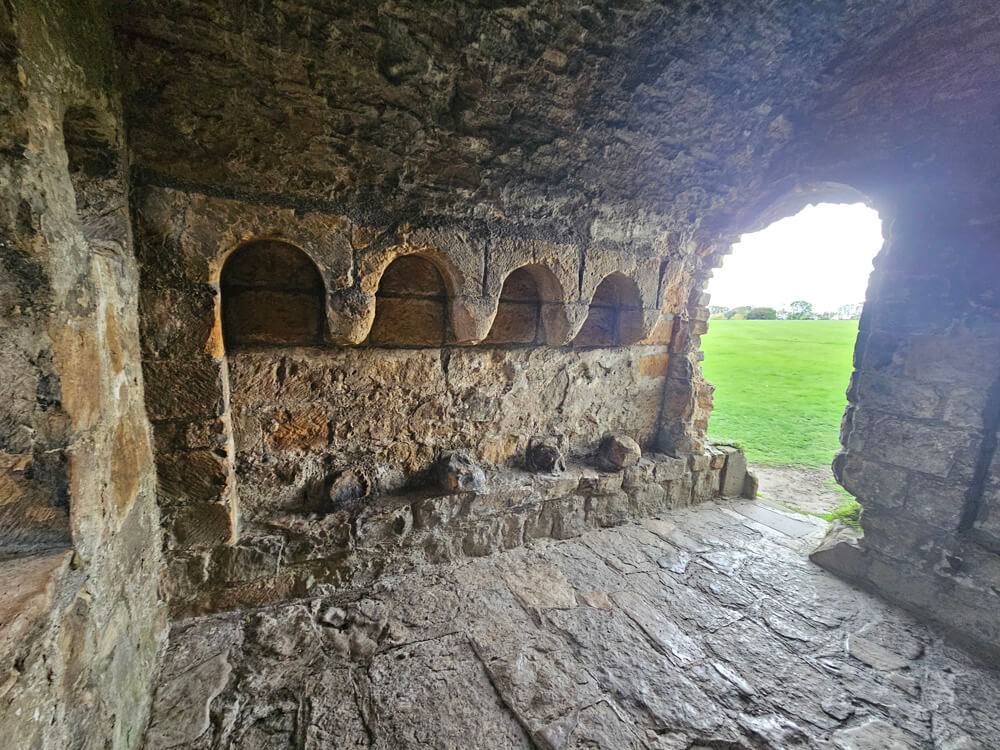
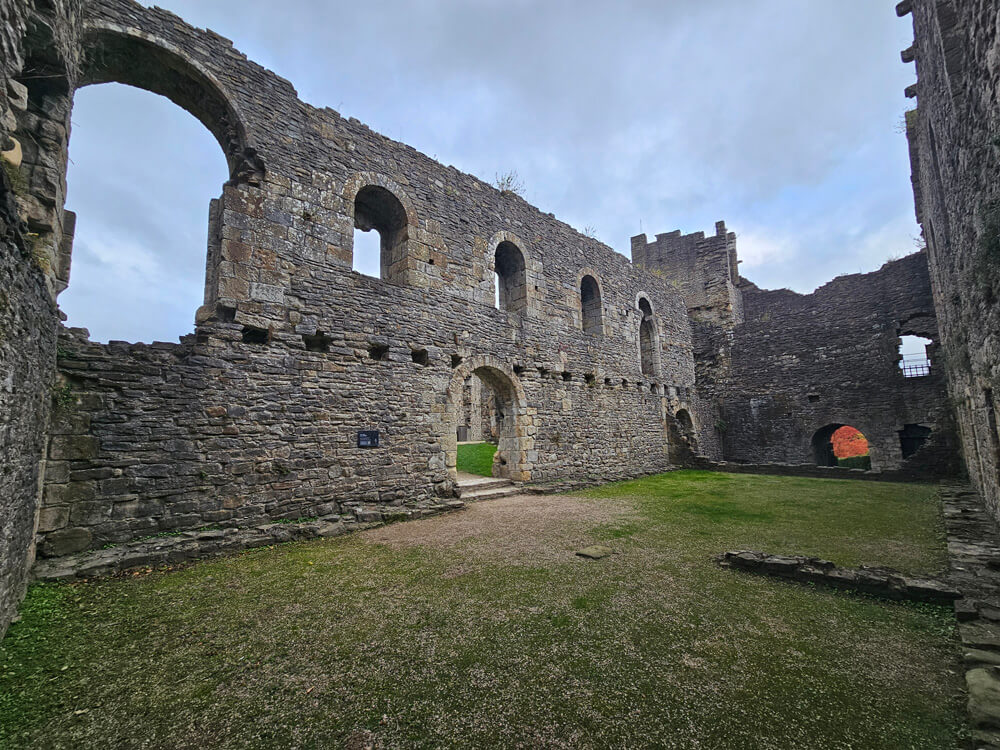
Among the most remarkable surviving buildings is Scolland’s Hall, an 11th-century structure believed to have been constructed during the castle’s earliest decades. It is one of the oldest surviving great halls in England and provides an exceptional glimpse into Norman domestic life.
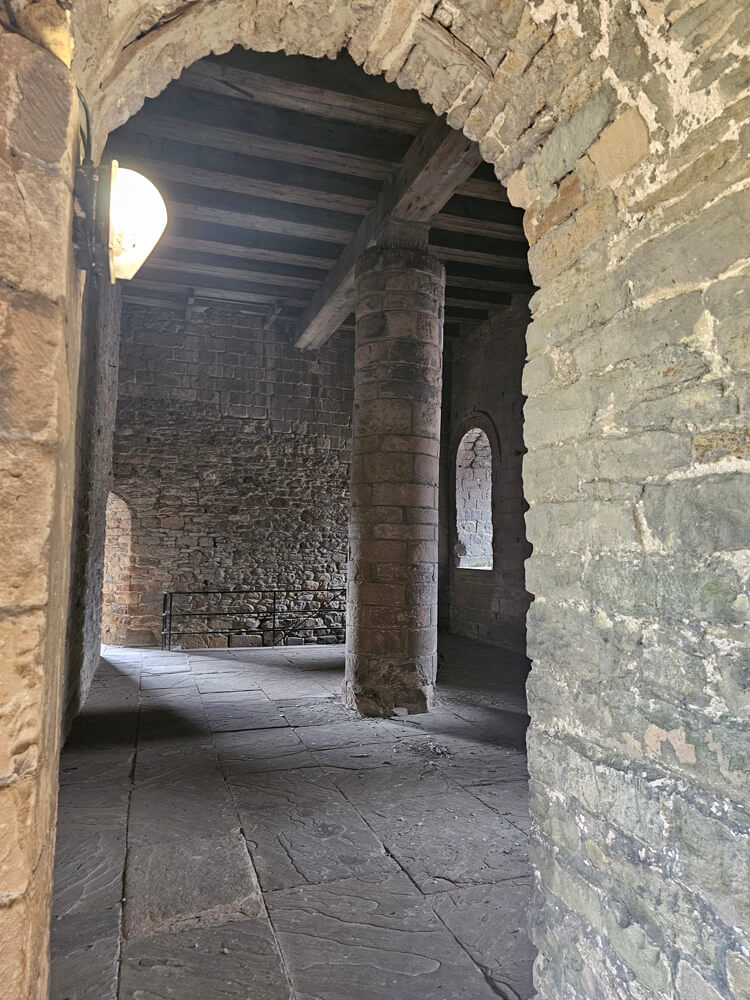
The building originally contained a great hall on its upper floor, where the lord and his household gathered to eat, conduct business and receive important visitors. Beneath it lay an undercroft, probably used for storage. A private chamber, known as a solar, adjoined the hall, providing a more secluded space for the lord or his representative.
The hall takes its name from Scolland, a steward associated with the castle whose name became attached to the building during the medieval period.
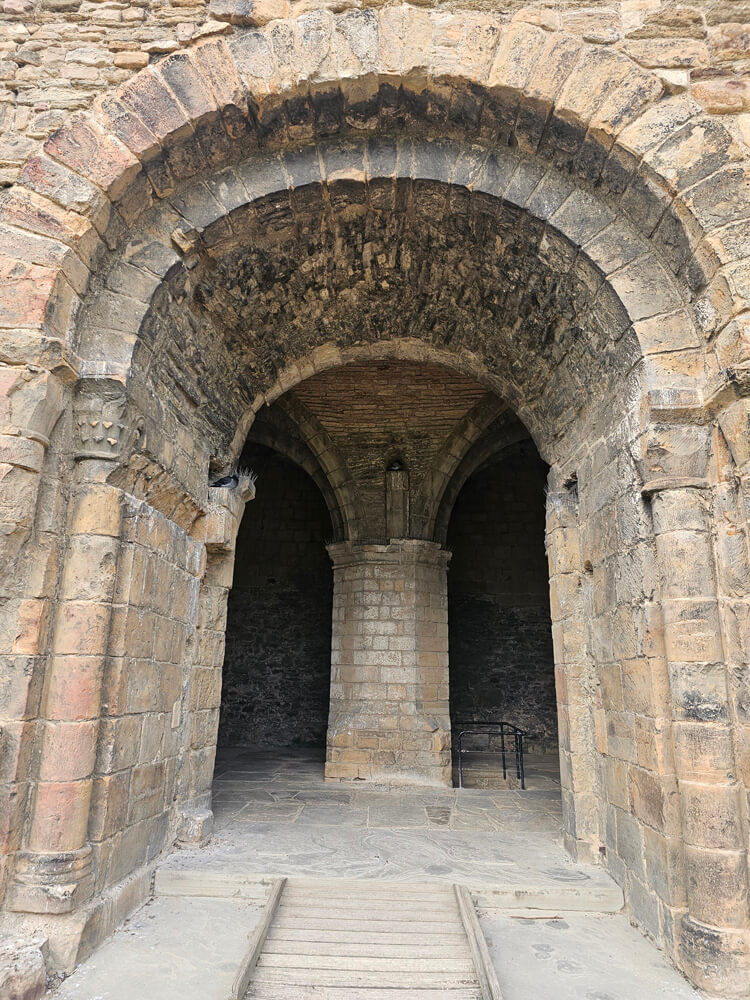
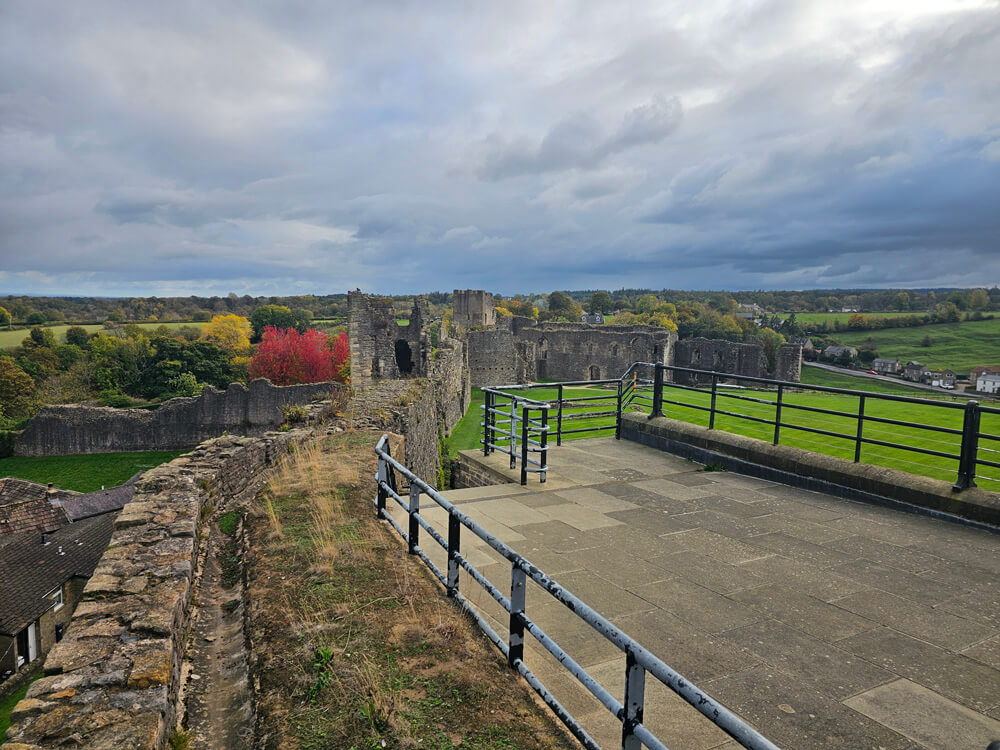
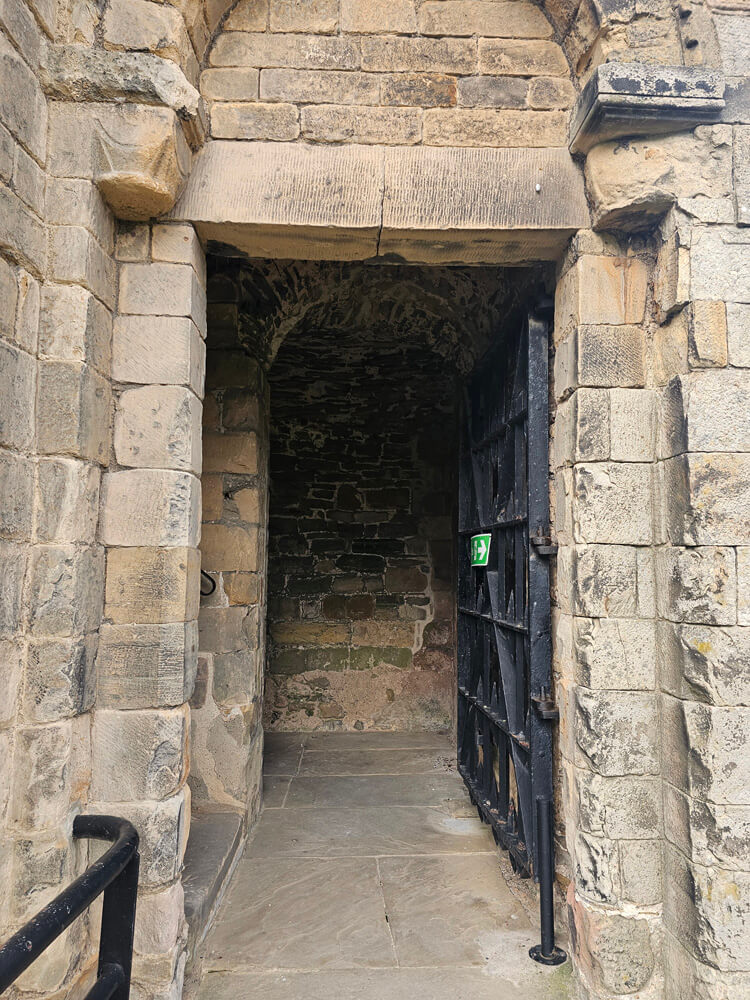
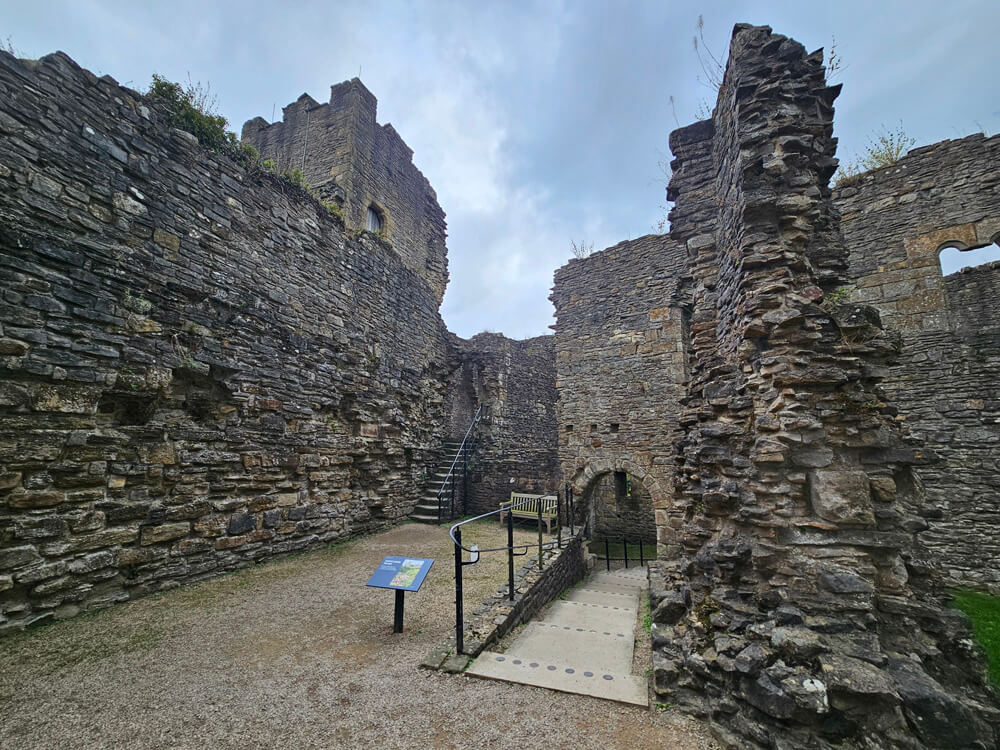
The surviving curtain walls, entrance archway and hall demonstrate how ambitious Richmond’s original construction was. Rather than beginning as a simple timber fortification, it was designed from an early stage as a substantial stone enclosure, combining defensive strength with the requirements of an aristocratic residence.
The Earls of Richmond and the Rise of a Powerful Lordship
Following Alan Rufus’s death in 1093, Richmond Castle and its estates passed through his family. The Honour of Richmond became closely connected with the rulers of Brittany, creating a powerful aristocratic lordship with interests on both sides of the English Channel.
During the early 12th century, the castle remained an important centre of administration and authority. Its owners controlled extensive lands and revenues, while the nearby town developed as a commercial centre. Richmond was granted borough status by 1145, helping establish its position as an important settlement in the region.
The castle’s greatest architectural transformation came under Conan IV, Duke of Brittany, during the middle of the 12th century. Conan inherited the English estates associated with Richmond alongside his Breton inheritance, making him an exceptionally powerful nobleman.
The Great Keep of Duke Conan
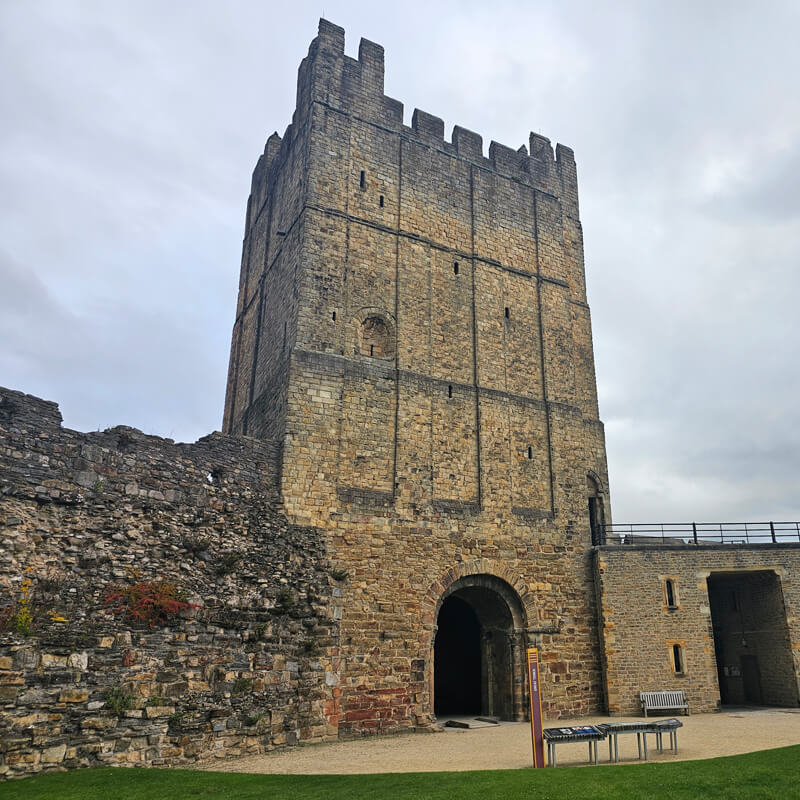
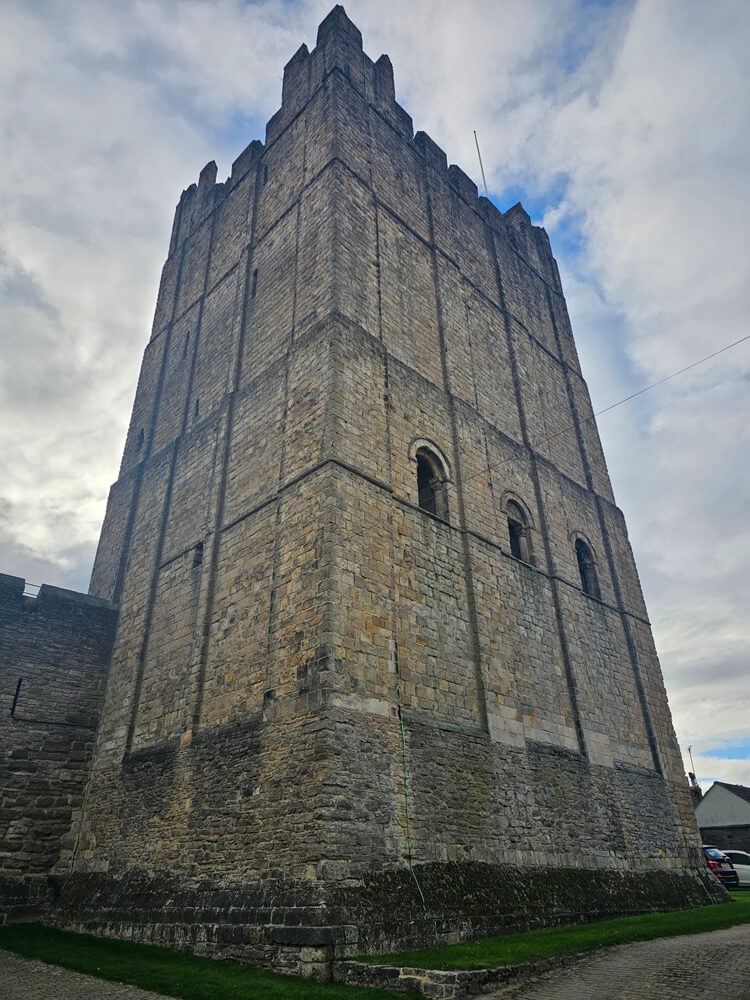
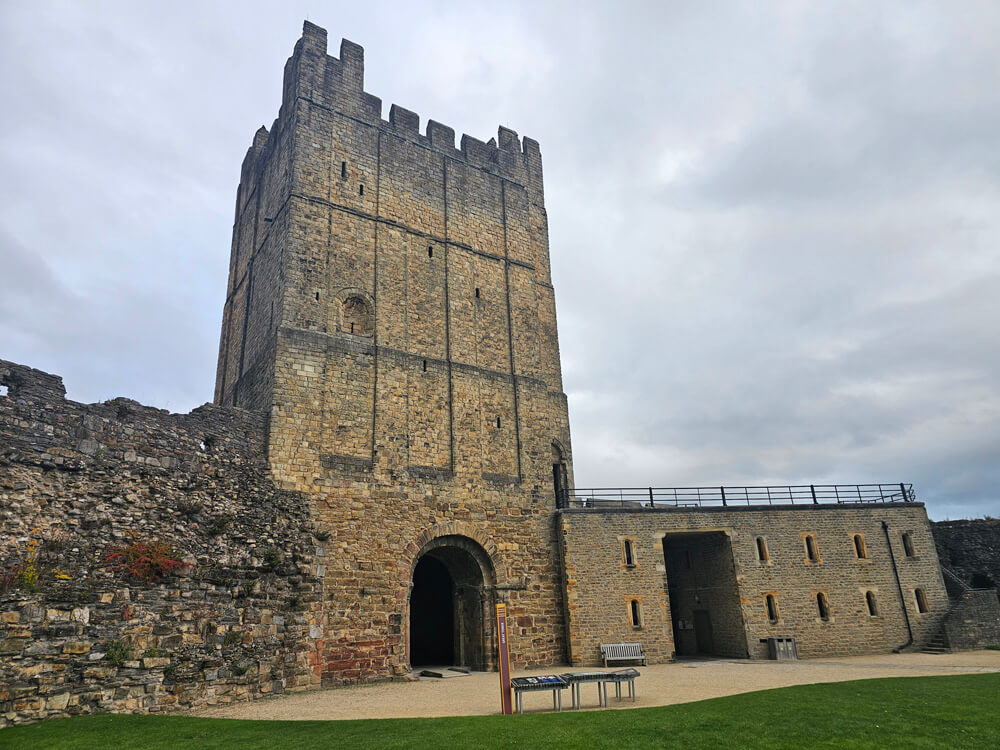
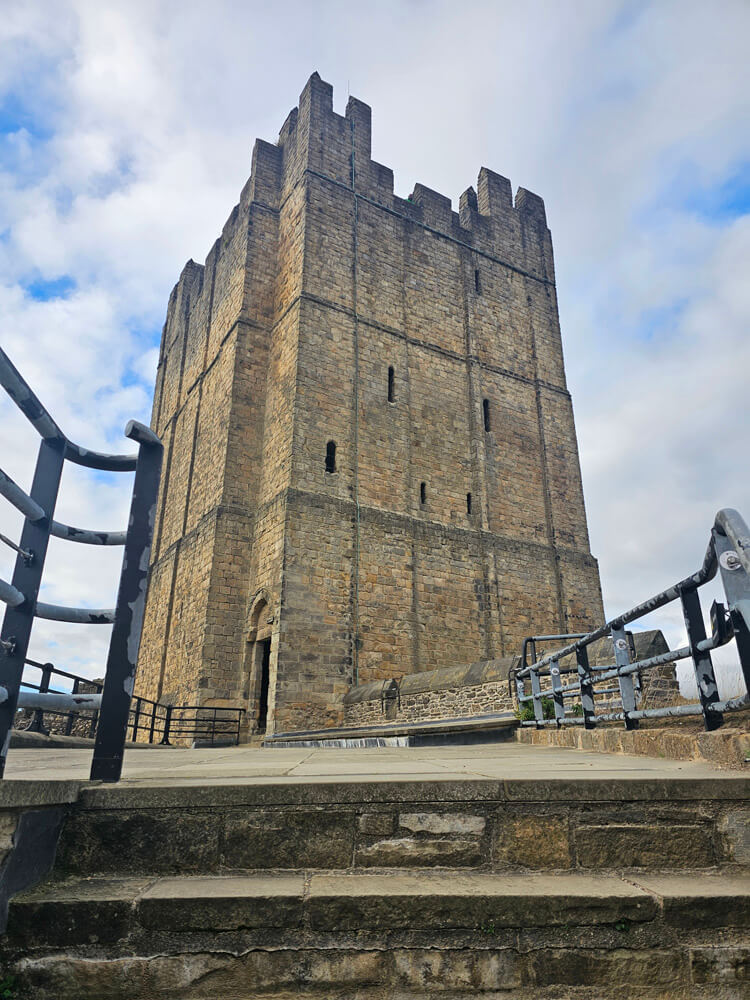
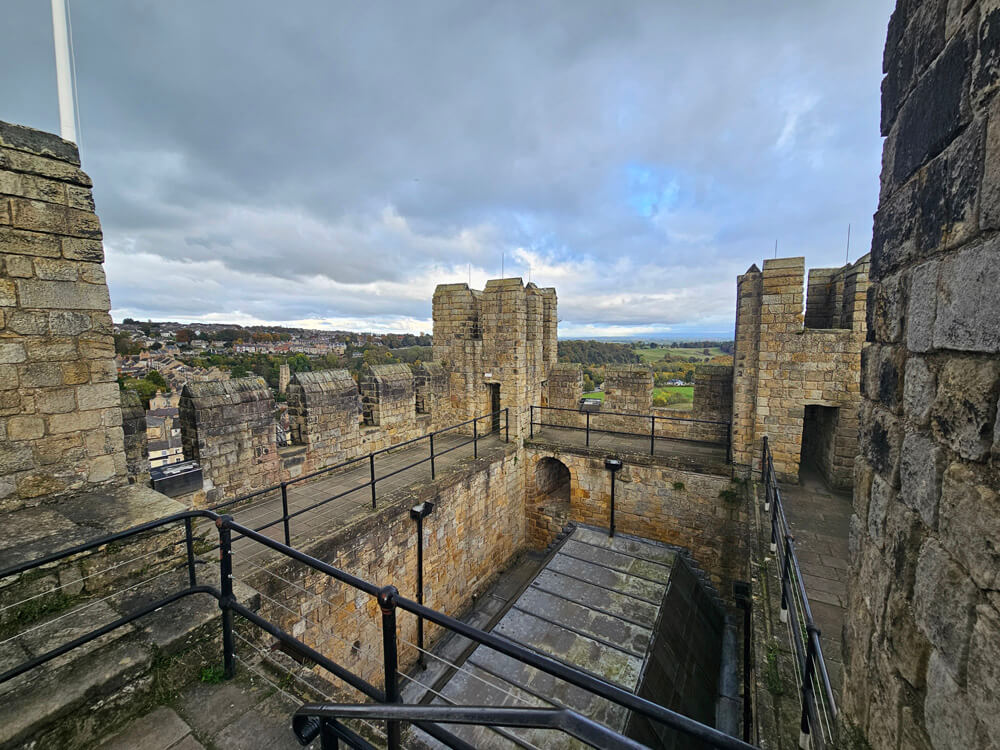
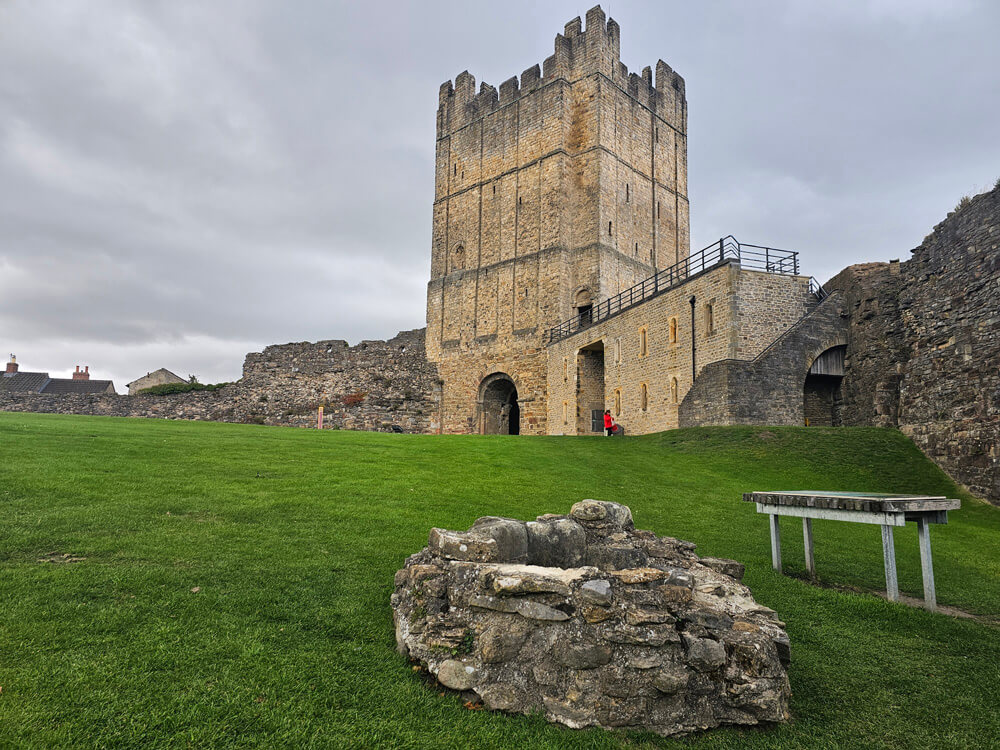
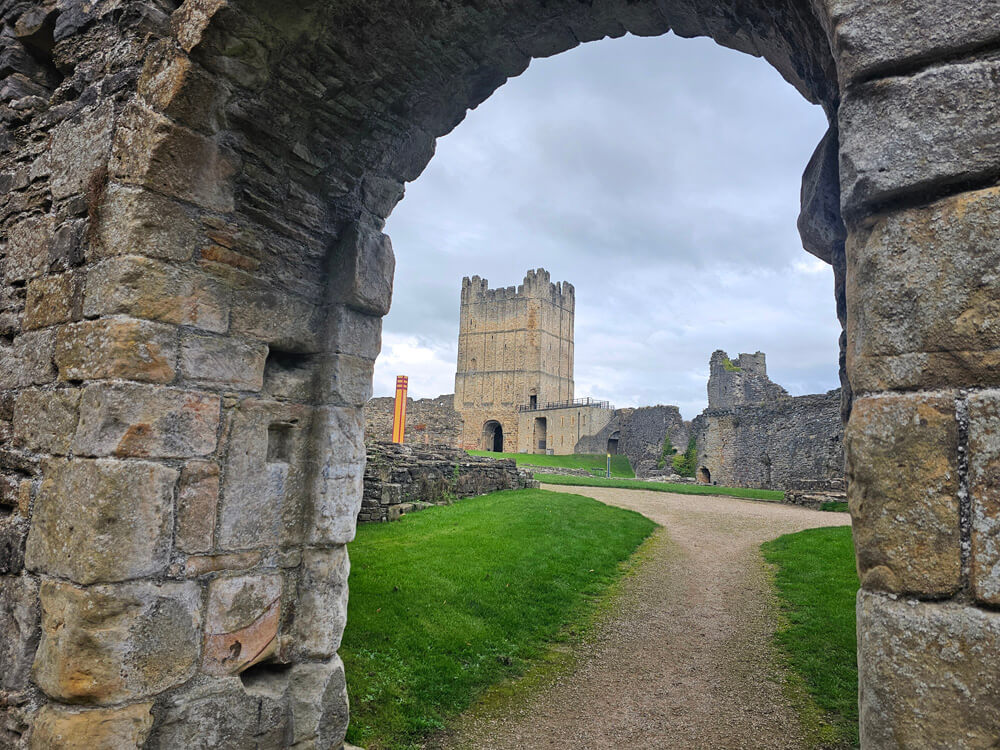
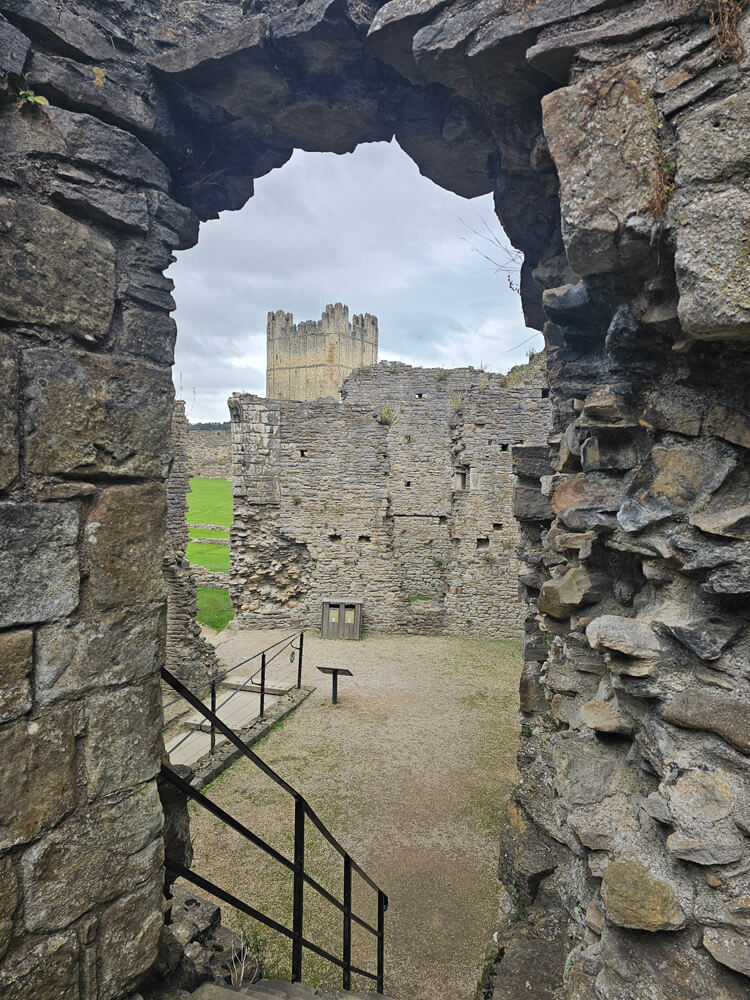
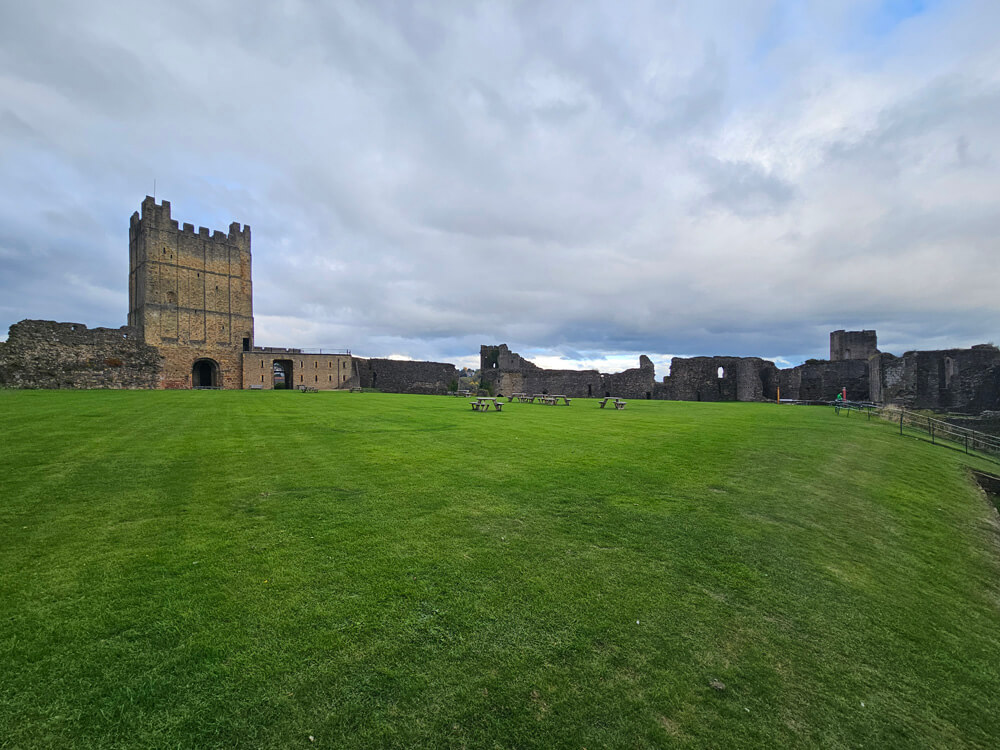
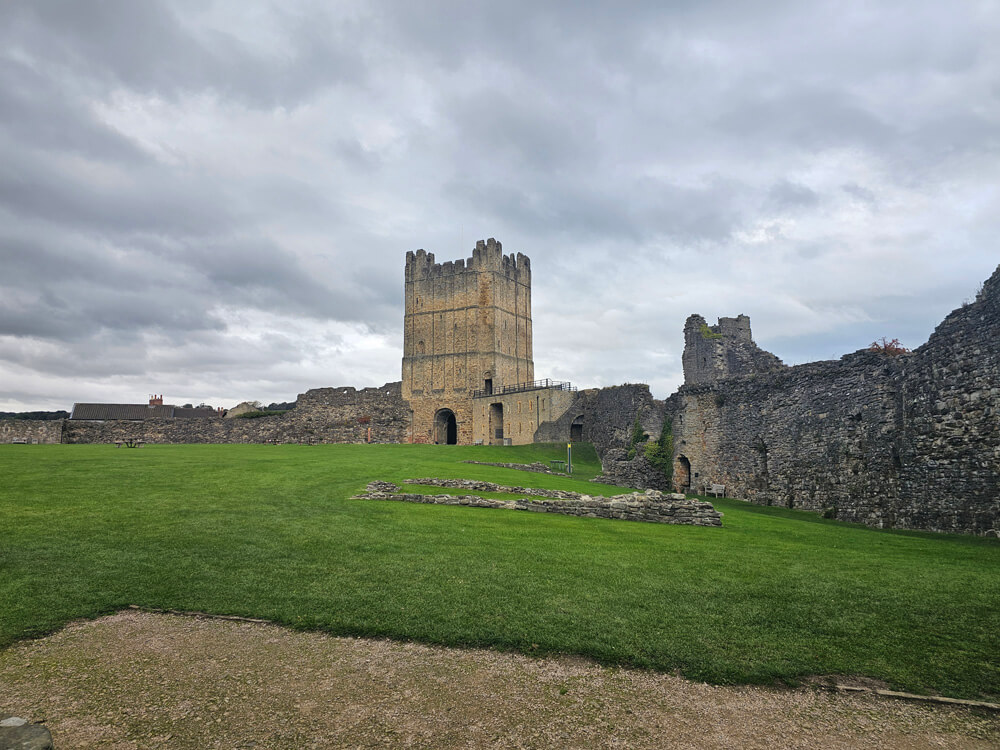
Around the 1150s and 1160s, Conan commissioned the construction of Richmond Castle’s magnificent stone keep. Rising approximately 30 metres above the surrounding ruins, the square tower remains the castle’s most recognisable feature.
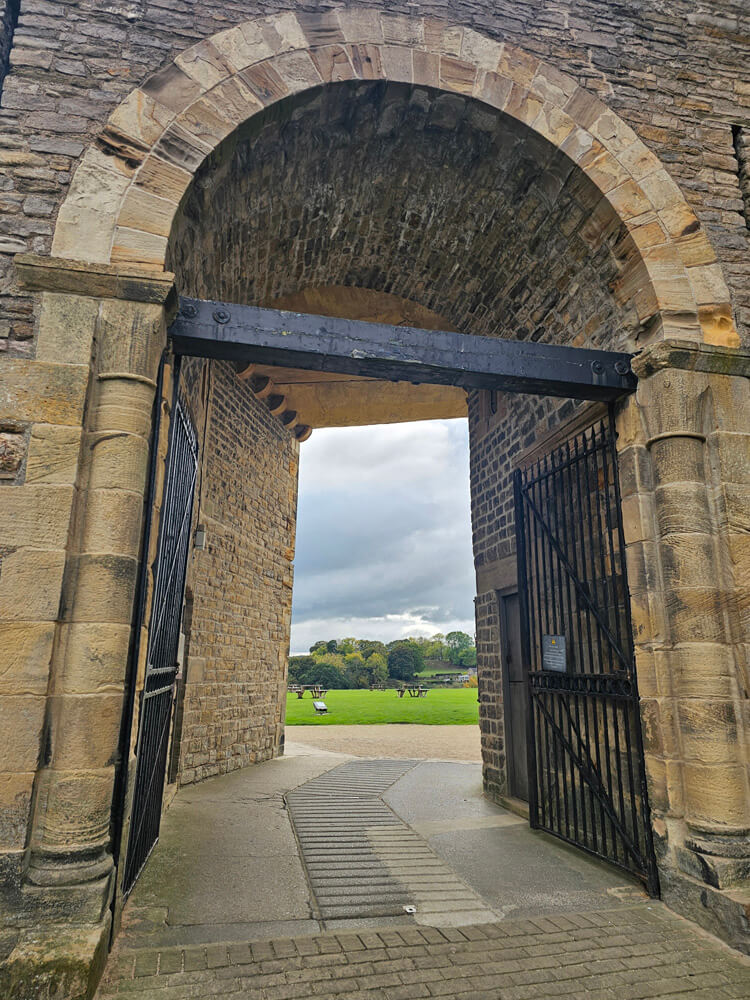
The keep was built over part of the earlier entrance to the castle, incorporating the original Norman gateway into its foundations. A new entrance was created nearby, with additional defences protecting the approach.
Its immense walls and projecting corner turrets conveyed the authority of its builder. The keep also provided substantial accommodation, with rooms arranged over several floors. Its elevated position and prominent windows allowed Conan to display his status to the settlement below, making the tower as much a statement of aristocratic power as a defensive structure.
Further building work followed during the reign of Henry II, who took an interest in improving the castle. Additional domestic accommodation was developed, and the existing hall was adapted to meet the changing needs of its occupants.
Richmond Castle in the Later Middle Ages
During the 13th and 14th centuries, Richmond Castle continued to serve the successive earls and dukes who controlled the Honour of Richmond. Its buildings were modified and expanded, with further accommodation added along the curtain walls and improvements made to parts of the keep and existing residential ranges.
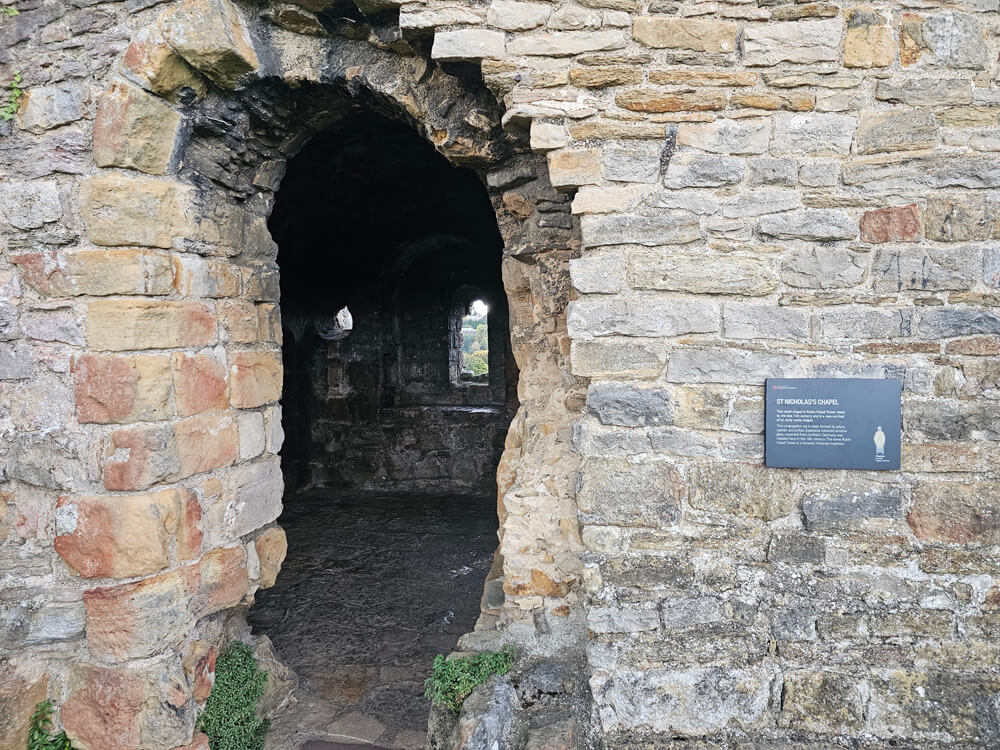
The castle also had a religious dimension. A great chapel stood within the enclosure, where services were held for the household and prayers offered for the souls of its patrons. Such chapels were an important feature of aristocratic residences, reflecting the central role of religion in medieval noble life.
Despite its imposing defences, Richmond was not the scene of frequent recorded warfare. The surrounding region suffered during Scottish raids, particularly following the English defeat at Bannockburn in 1314, although the castle itself escaped major destruction.
By the middle of the 14th century, however, the fortress was already suffering from neglect. An inquiry following the death of John III, Duke of Brittany, in 1341 described the castle as ruined and its buildings in need of substantial repairs.
Although it remained an important symbol of the lordship, its residential and administrative functions gradually diminished. By the early 16th century, Richmond Castle had fallen into serious disrepair.
From Medieval Fortress to Historic Landmark
During the Victorian period, Richmond Castle found a new purpose when it became a military establishment. It was used by the North York Militia, and later its buildings housed conscientious objectors during the First World War, including the group remembered as the Richmond Sixteen.
These later events form a significant part of the castle’s wider history, but its greatest historical importance lies in its remarkable survival from the early Norman period.
Richmond Castle Today
Today, Richmond Castle is cared for by English Heritage. Its towering keep, ancient curtain walls and surviving domestic buildings offer a rare opportunity to explore the development of a Norman castle from its earliest stone foundations through the height of medieval aristocratic power.
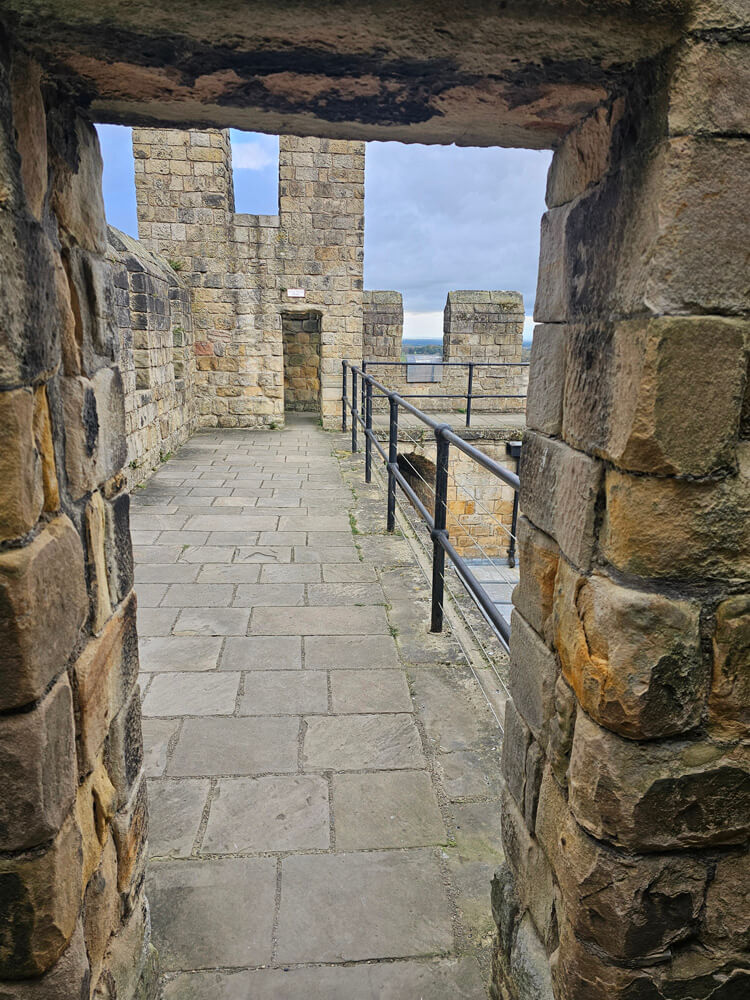
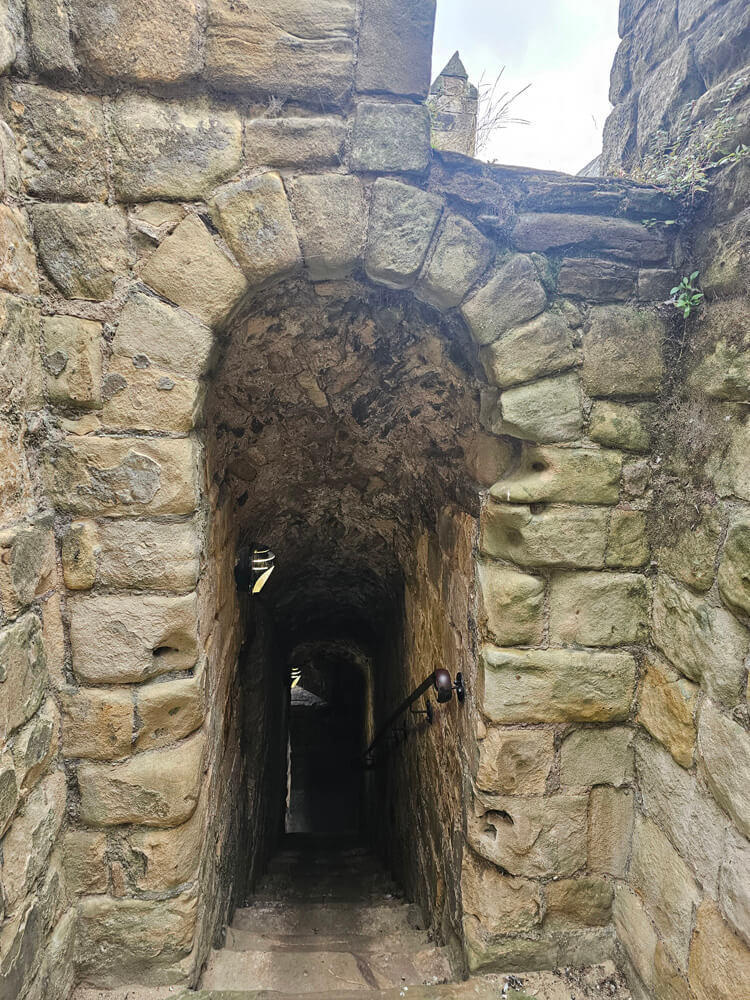
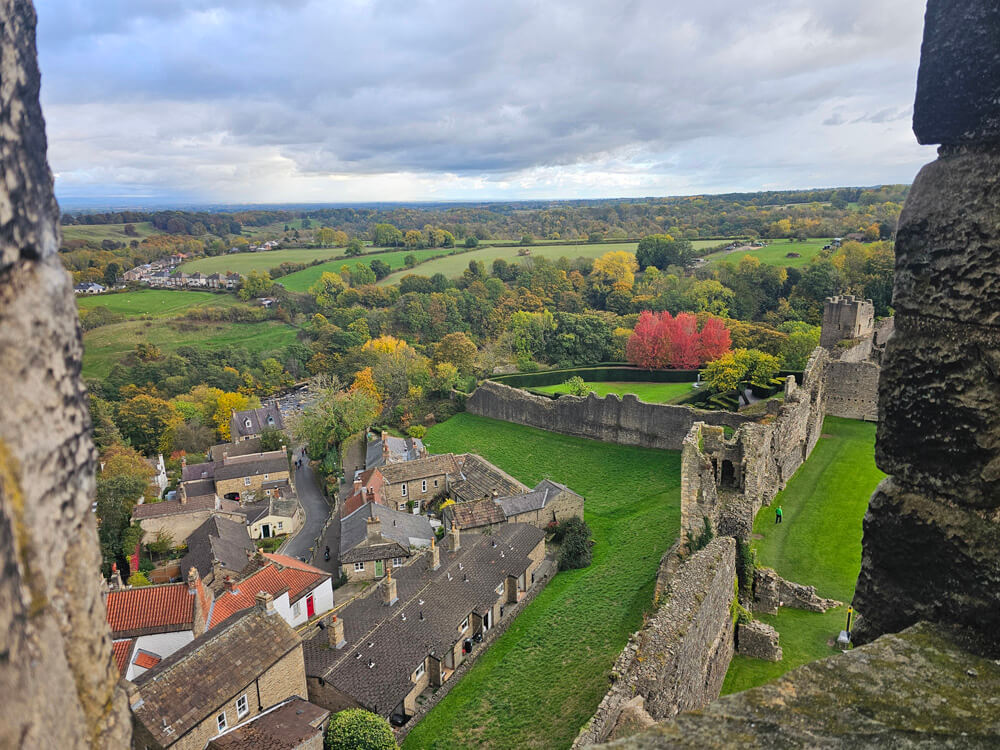
Climbing the great keep is one of the highlights of a visit. Exploring its surviving interior gives a real sense of the scale and strength of this remarkable medieval tower, while reaching the upper levels rewards visitors with magnificent panoramic views across Richmond, the River Swale and the surrounding North Yorkshire countryside. From this vantage point, it is easy to appreciate why the site was chosen for such an imposing fortress.
From Alan Rufus’s ambitious stronghold to Conan’s magnificent keep, Richmond preserves the story of a powerful northern lordship and the people who lived and worked within its walls. More than nine centuries after construction began, the castle remains one of North Yorkshire’s most remarkable medieval landmarks.
Photo Gallery.
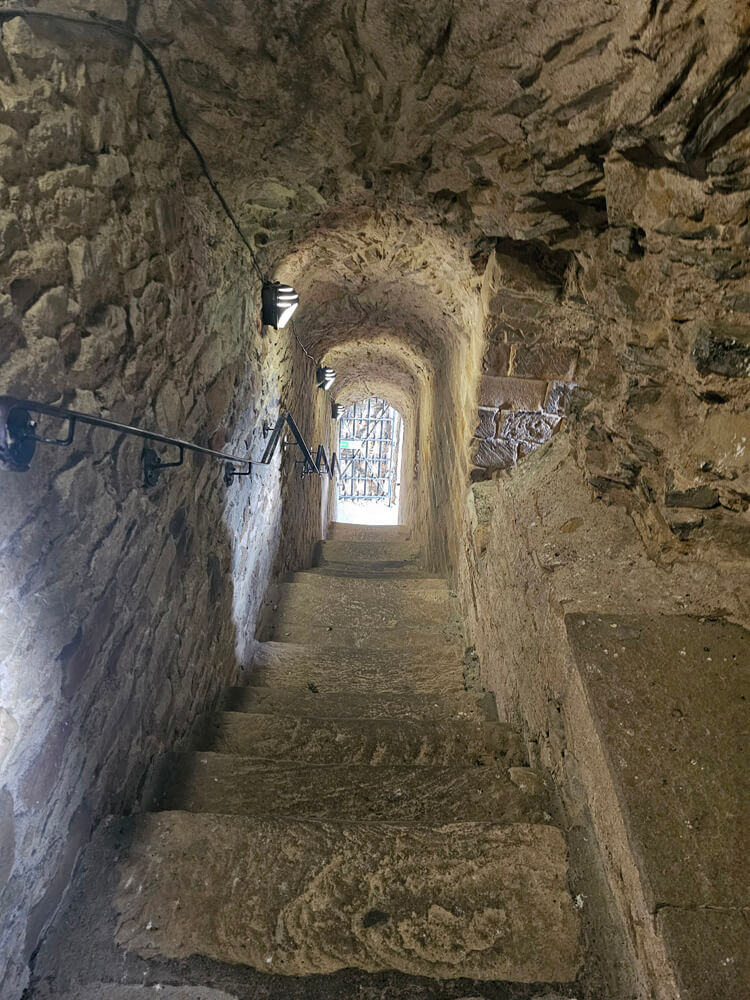
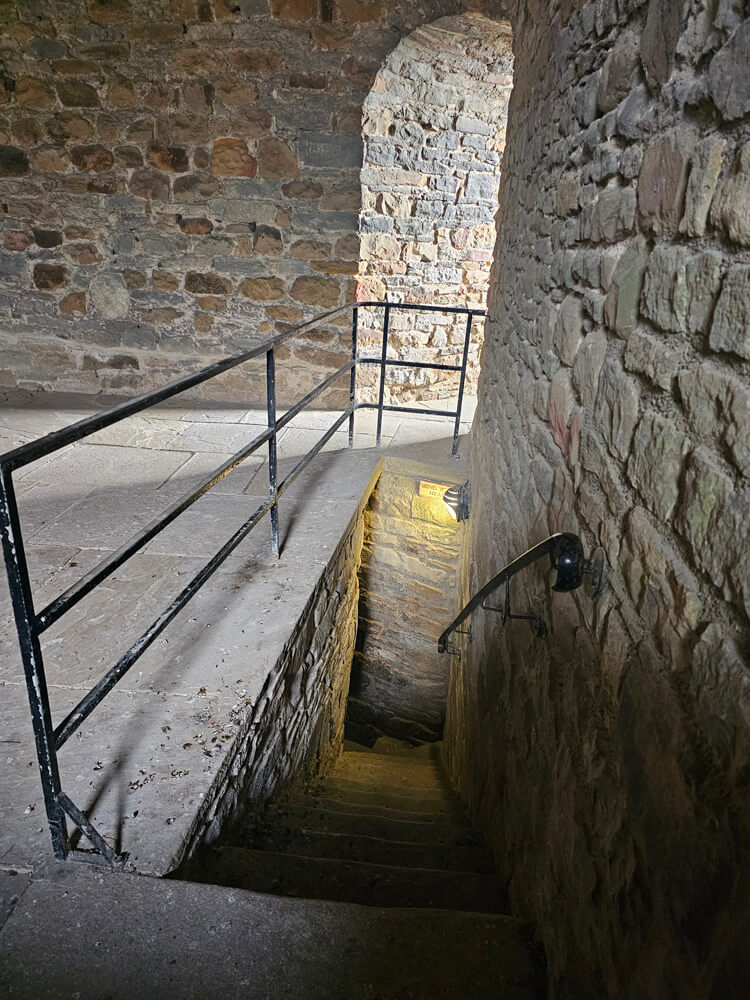
Did you enjoy this post?
I hope you found this post useful. I put a great deal of time and effort in to building, maintaining and populating the website. If you like, you could say a small thank you by buying me a coffee. You don't have to, but it would be nice :)
Buy me a coffee
Stay up to Date
Follow me on my journey and get notified whenever a new post is published by following Kings & Castles on Facebook.
Follow MeExplore The Map
Discover the hundreds of castles, churches, monasteries, cathedrals and other historic locations that I've personally visited across England and Wales. Search by location, explore nearby sites and plan your next historical adventure.
Share: