Lord Leycester Hospital
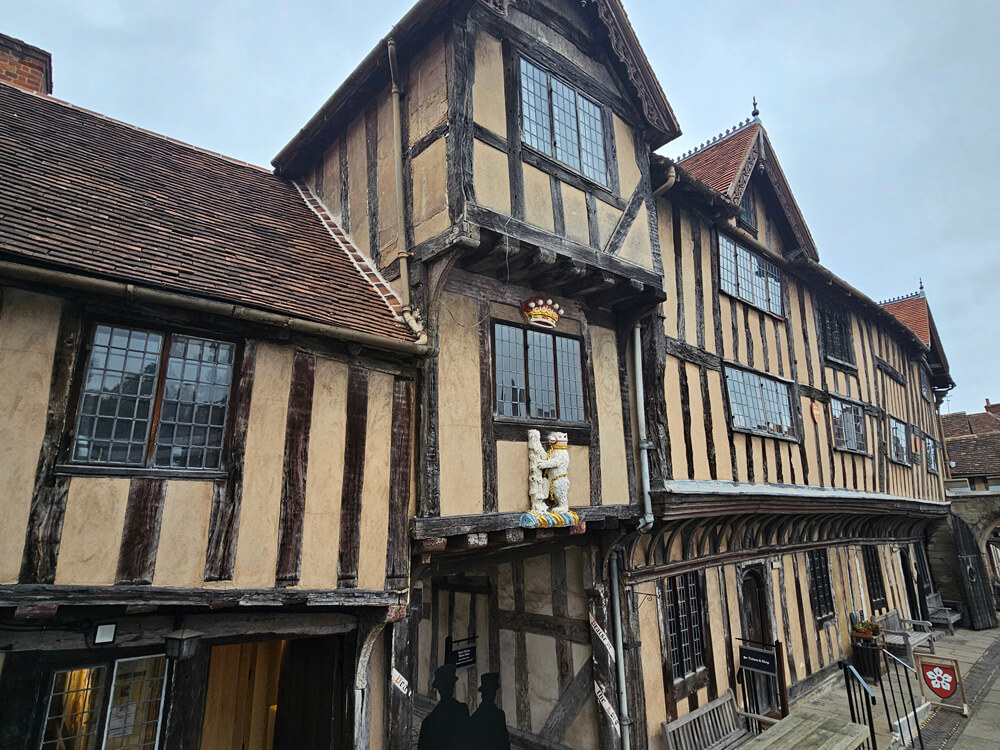
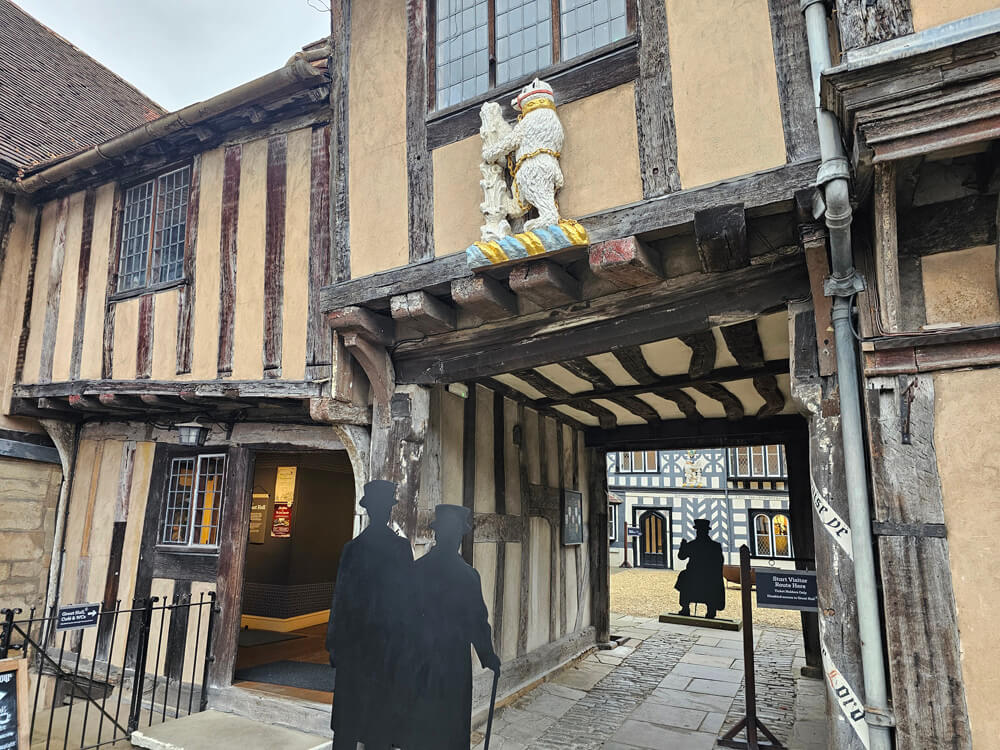
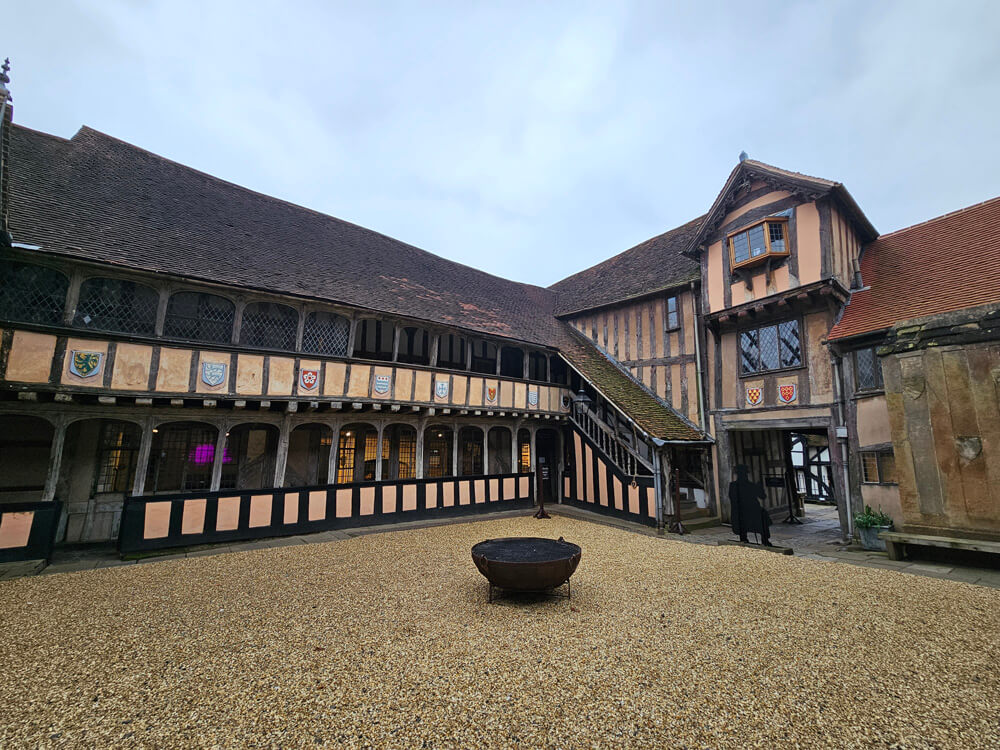
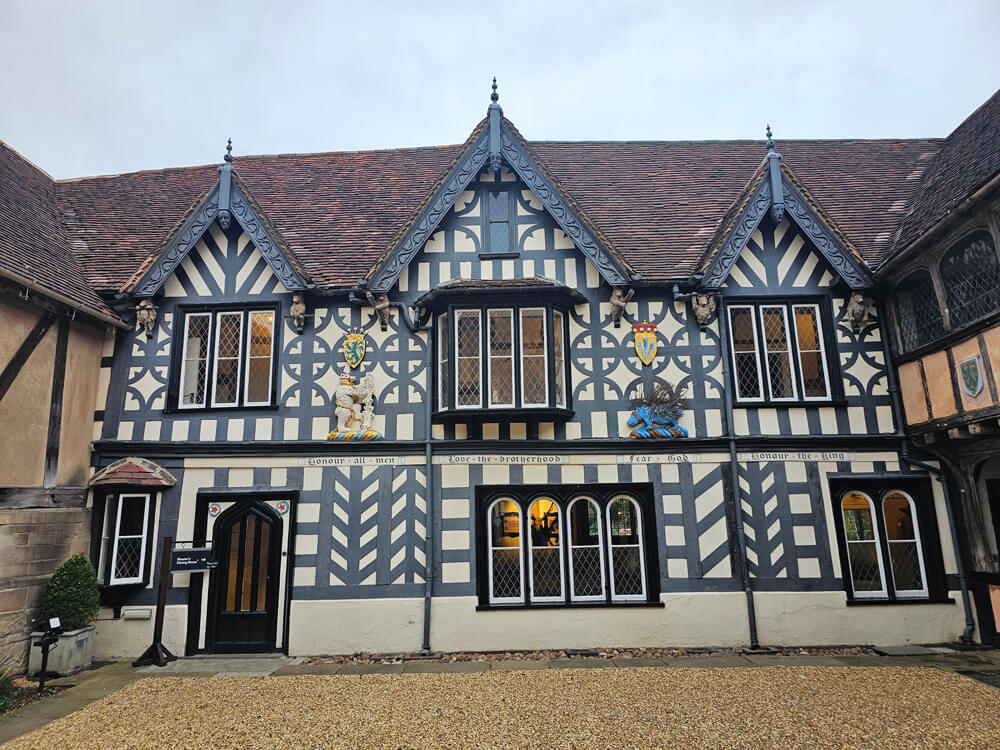
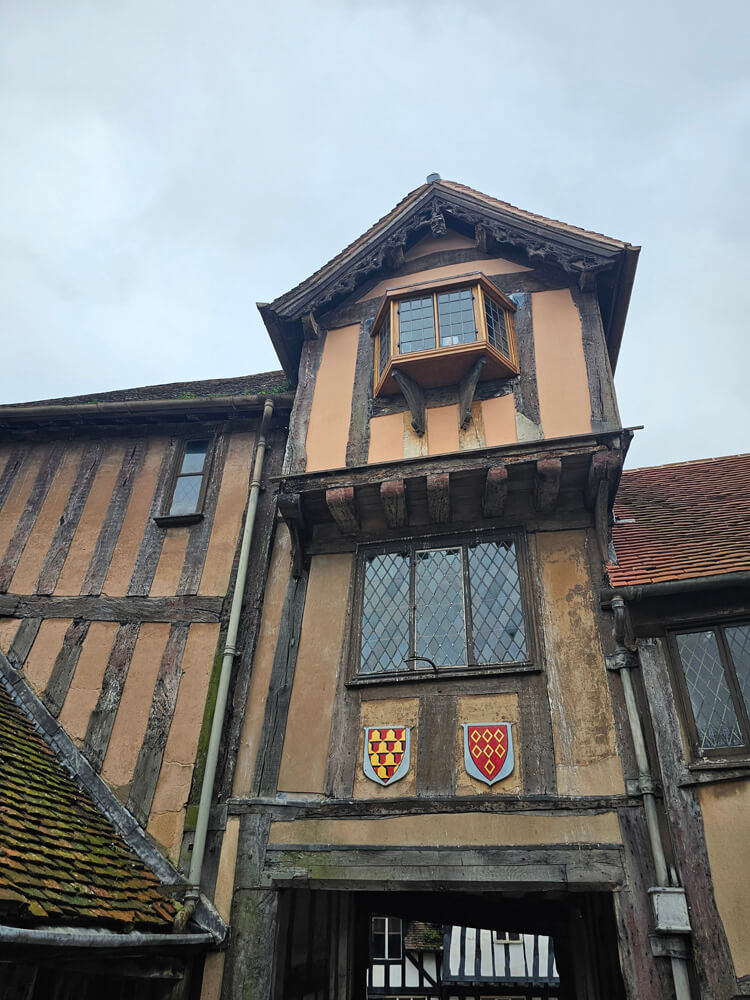
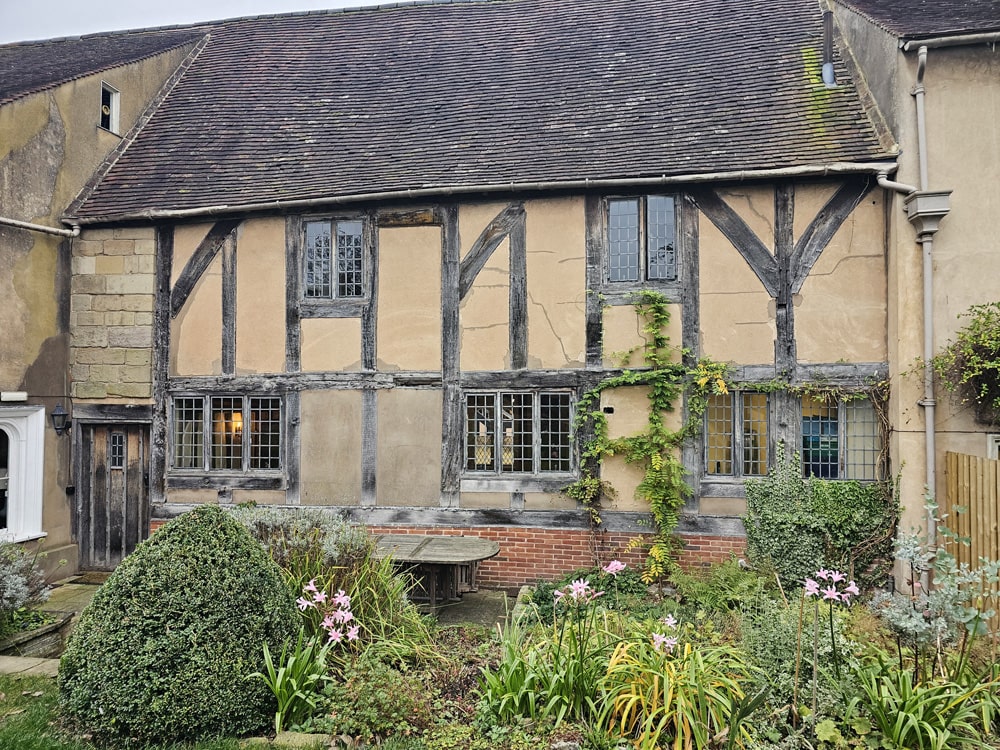
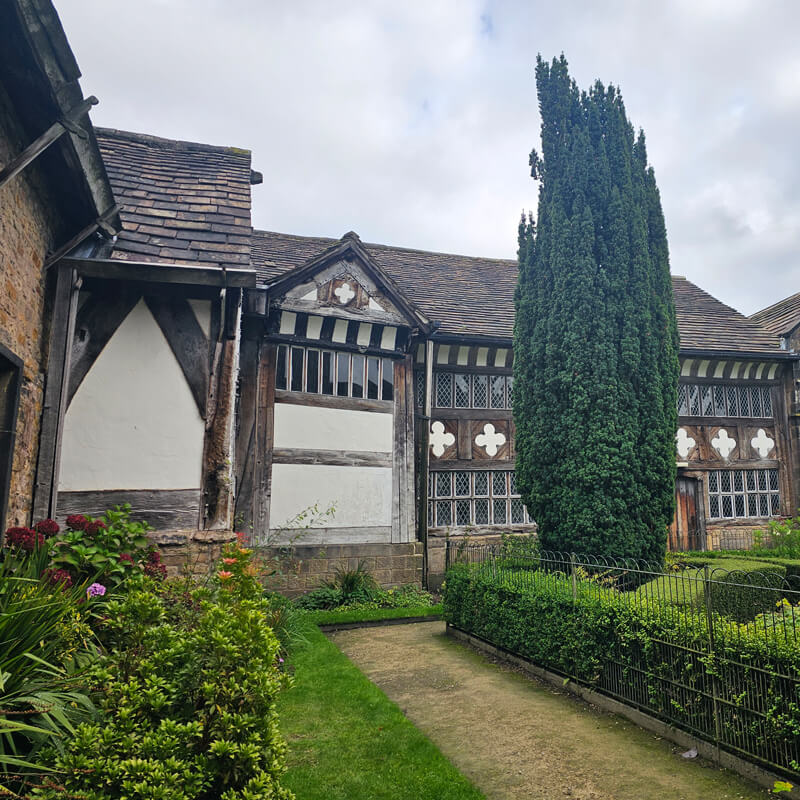
With over 900 years of history, the Lord Leycester Hospital is a collection of superb 700 year old half-timbered medieval buildings, and a chapel built over Warwick’s medieval West Gate dating from the 1120s. It is some of the best preserved examples of intact medieval architecture in Europe.
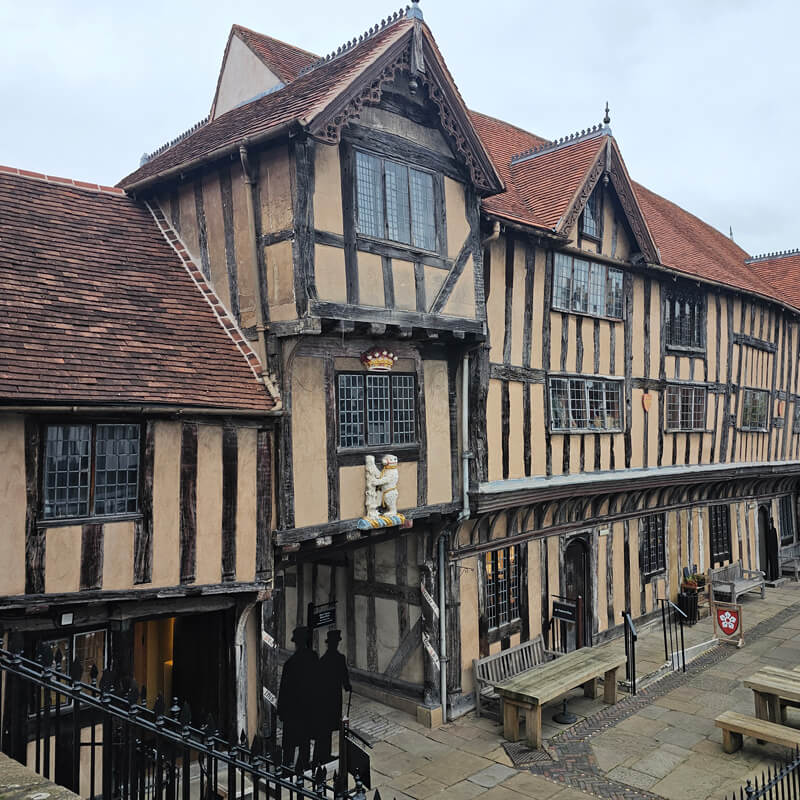
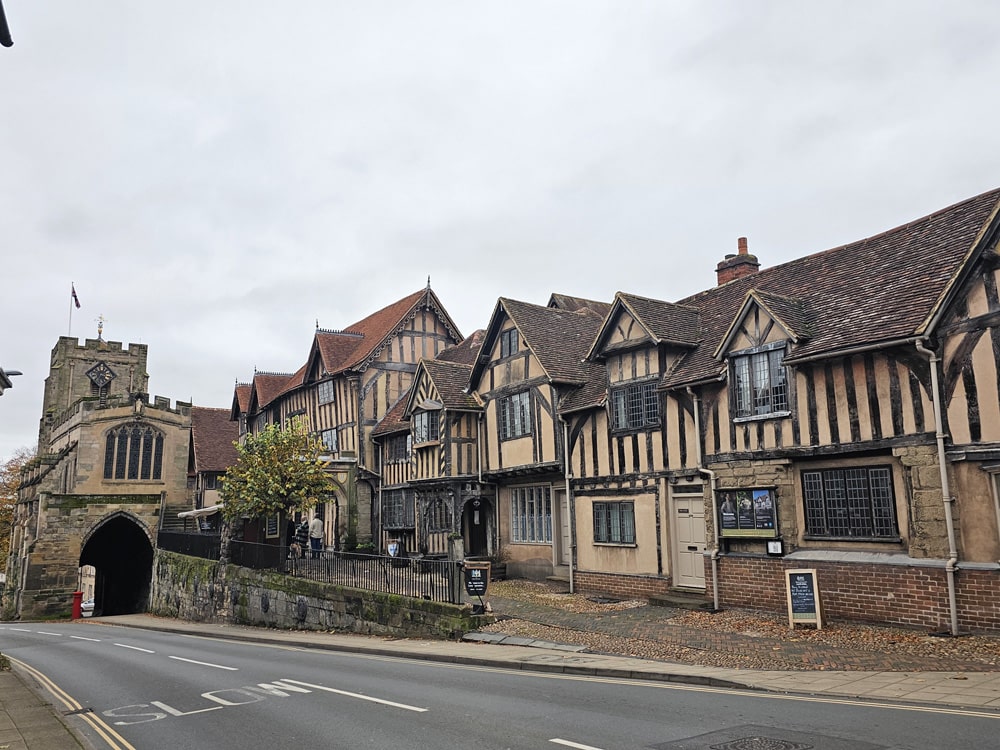
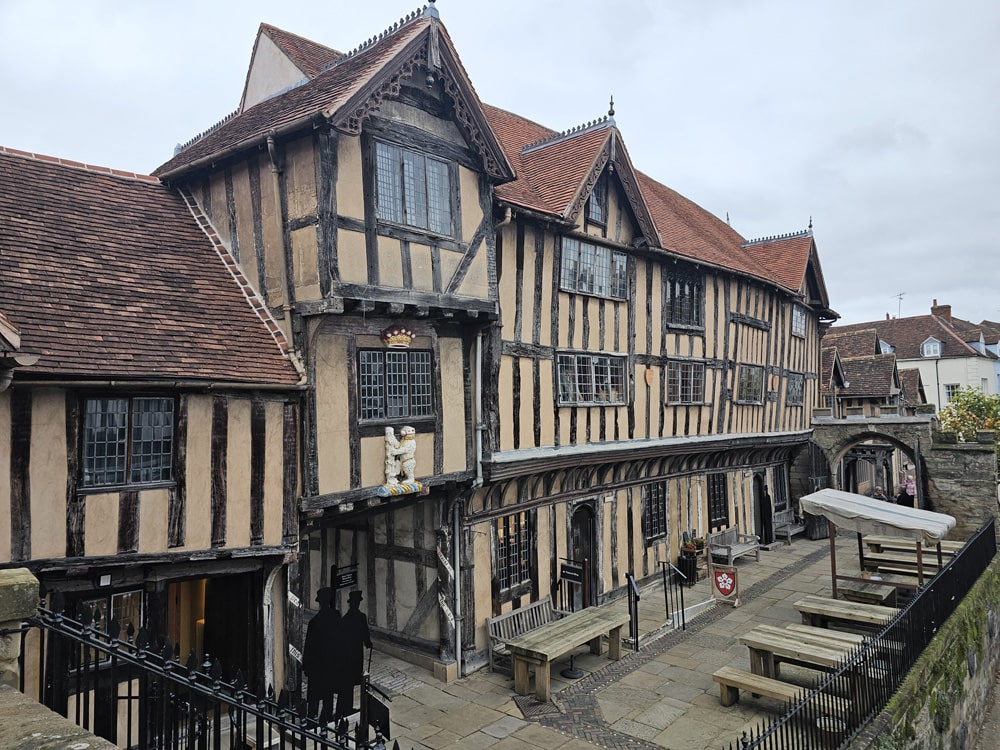
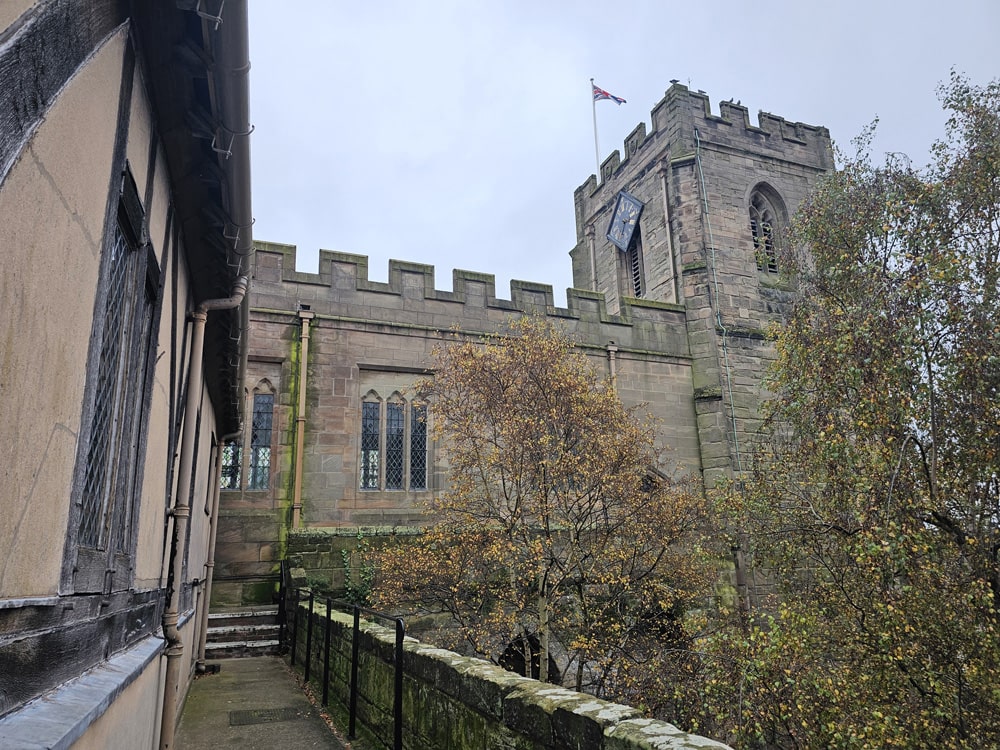
The Hospital isn’t just one building, but a collection of buildings next to the medieval West Gate in the historic town of Warwick.
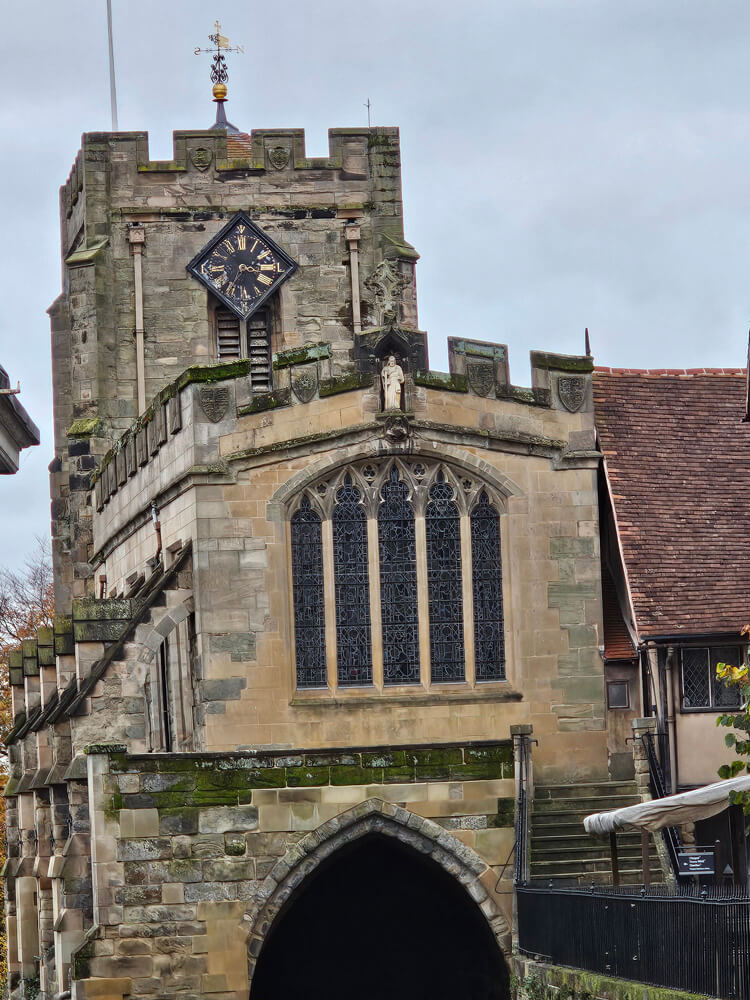
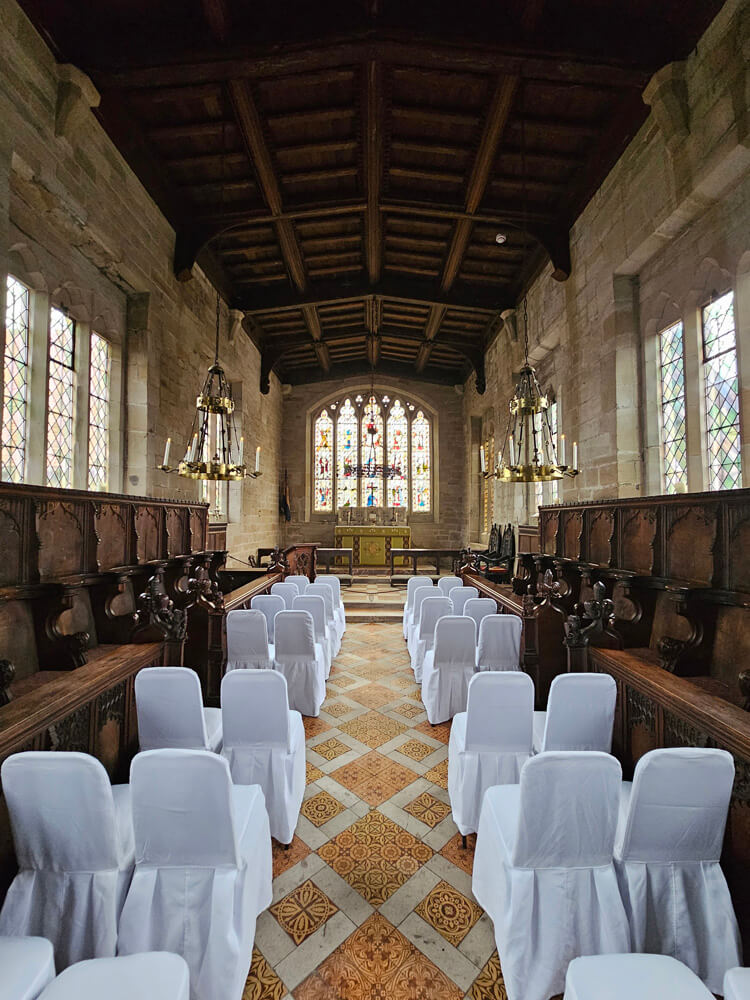
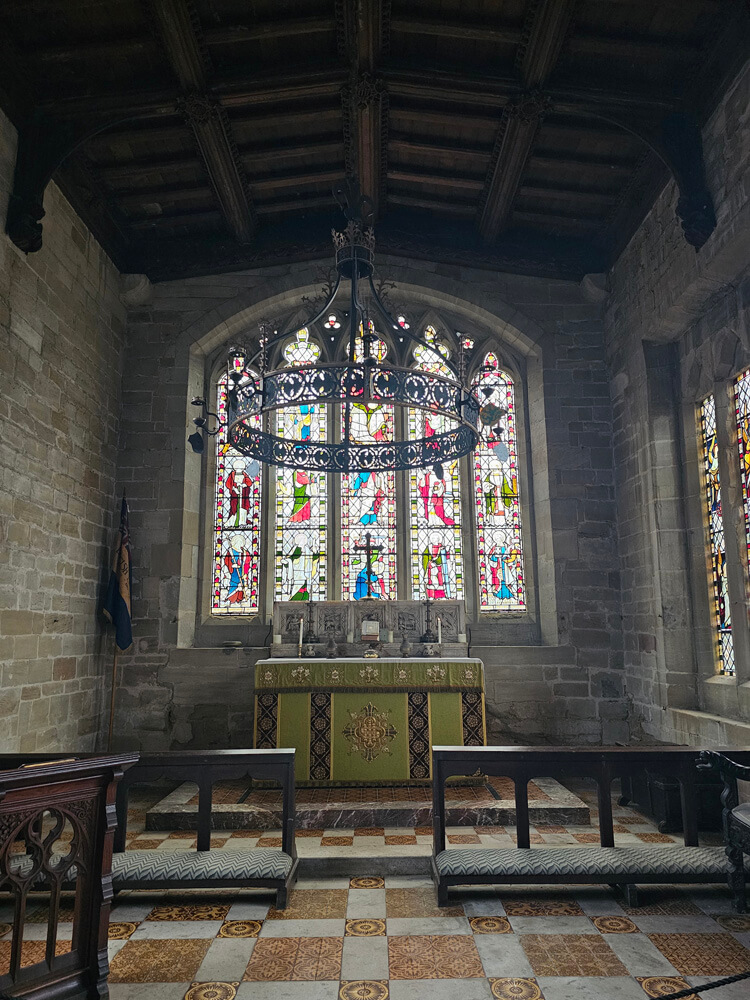
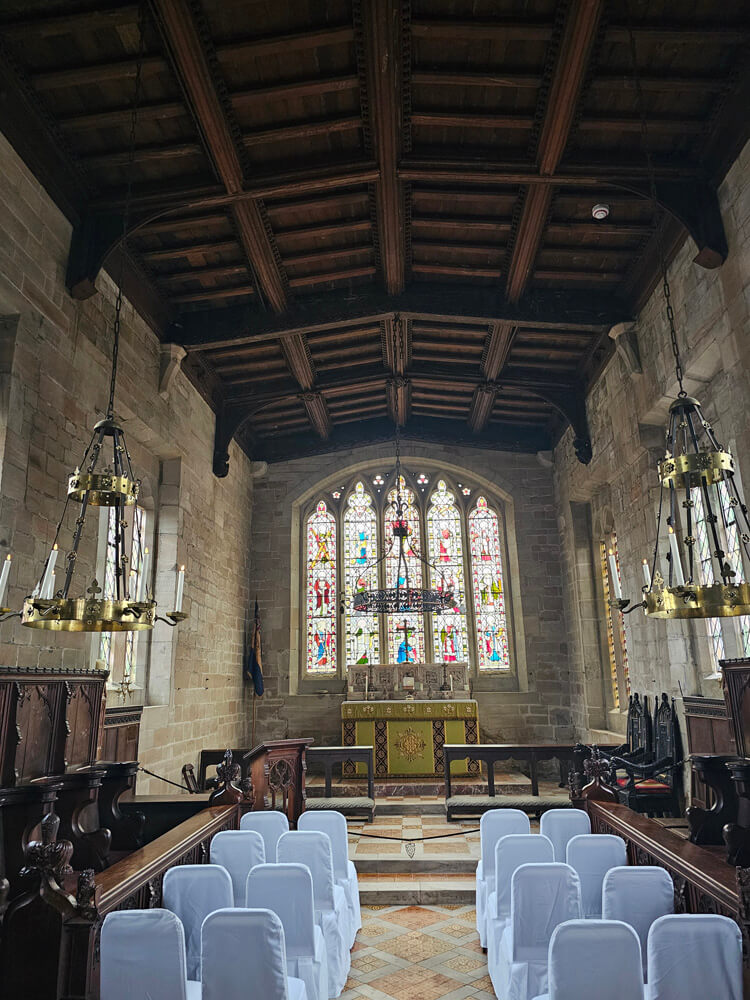
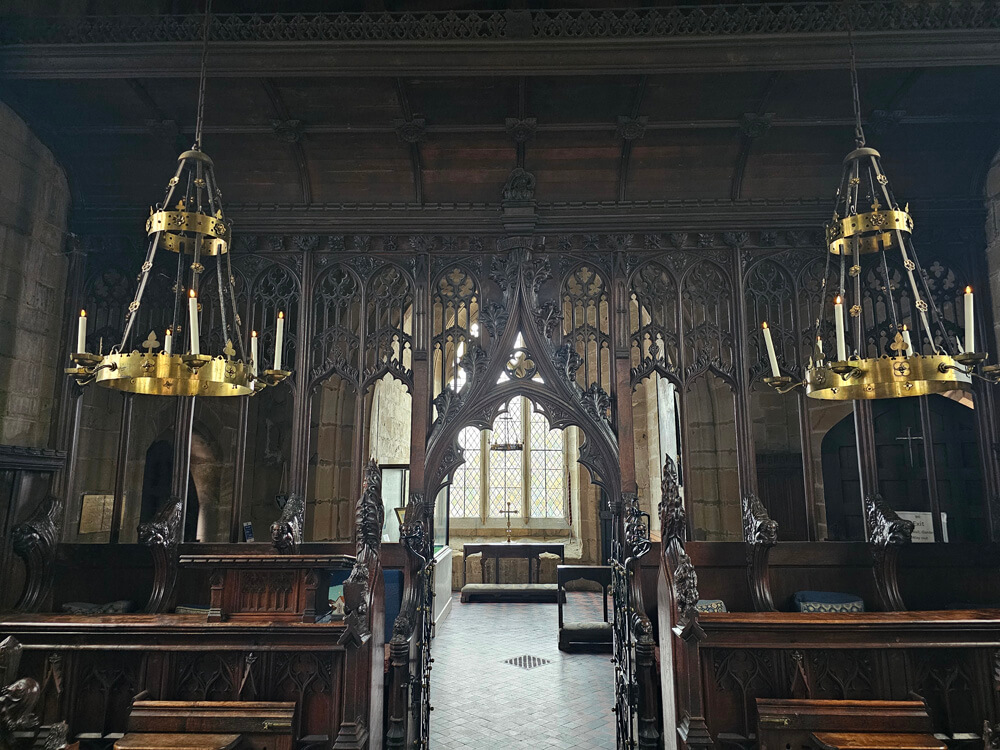
The story of the Lord Leycester Hospital begins around 900 years ago when the chapel of St James was built on top of the West Gate on High Street in the 1120s by Roger de Newburgh, 2nd Norman Earl of Warwick.
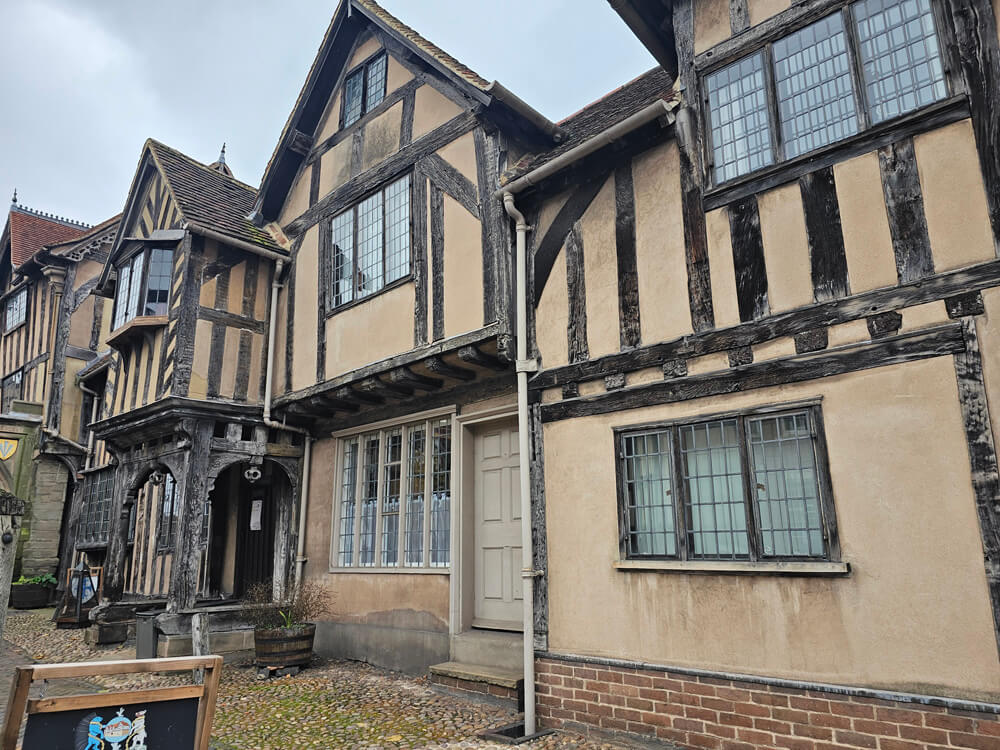
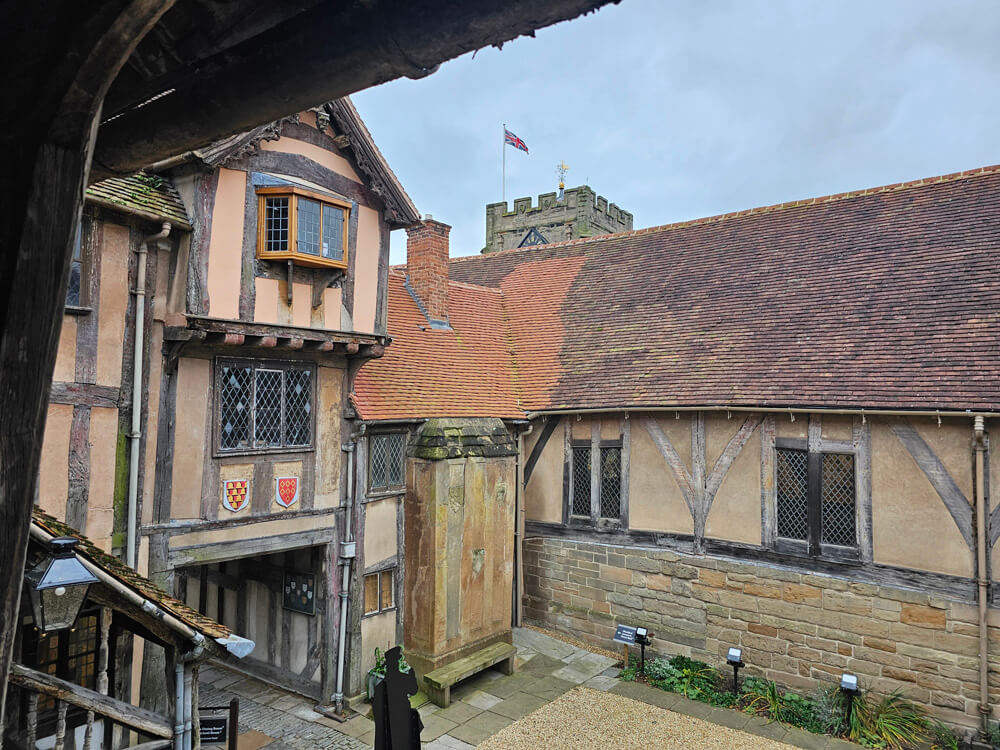
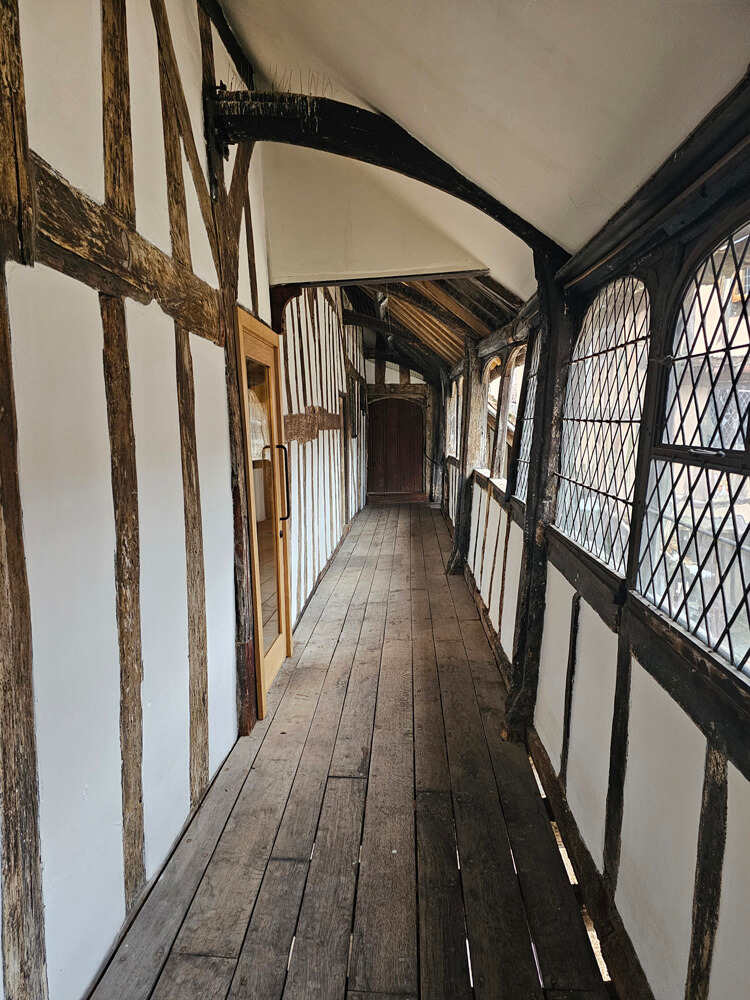
Between 1385 and 1430 the medieval Guilds of Warwick built a range of half-timbered buildings next to the West Gate and chapel as a centre to govern the town, house travellers and provide support to the poor.
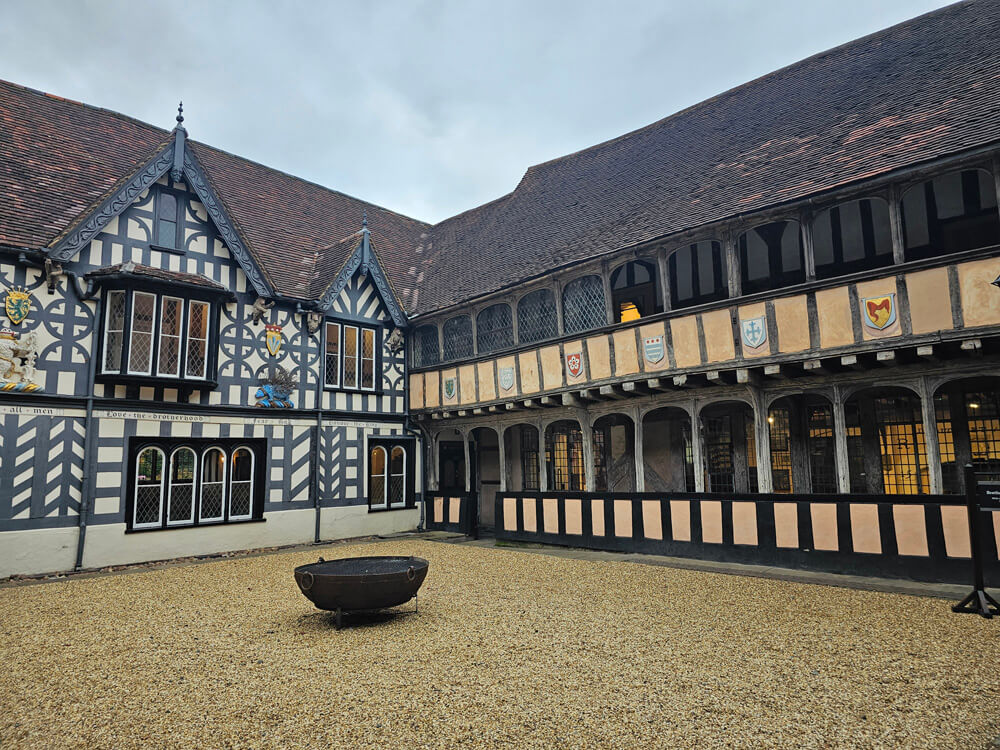
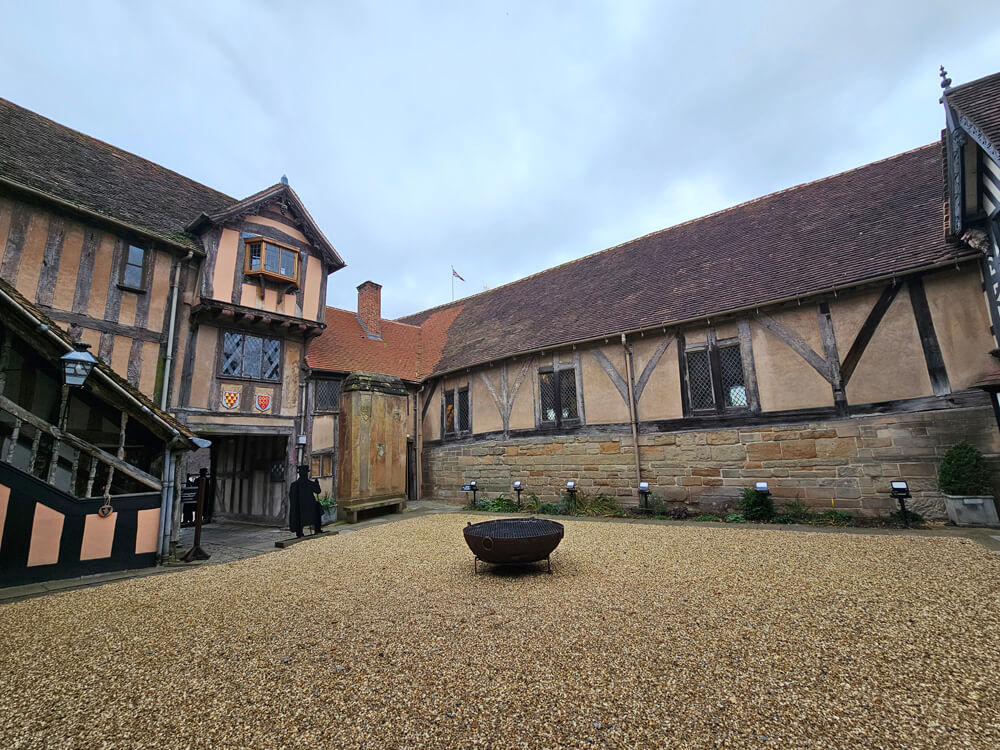
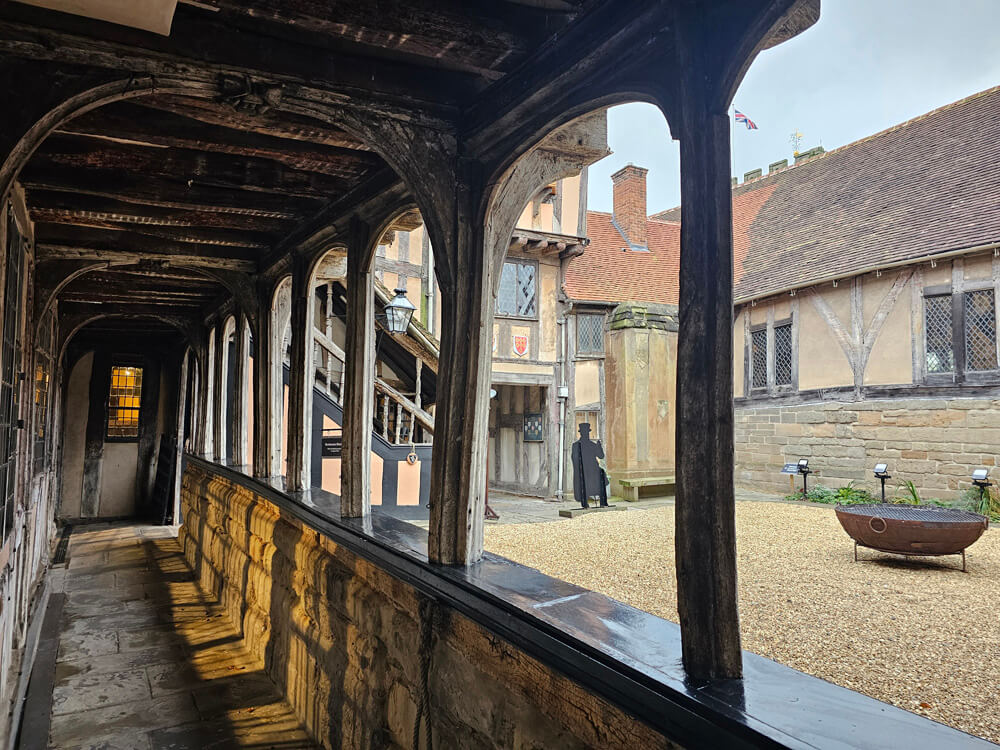
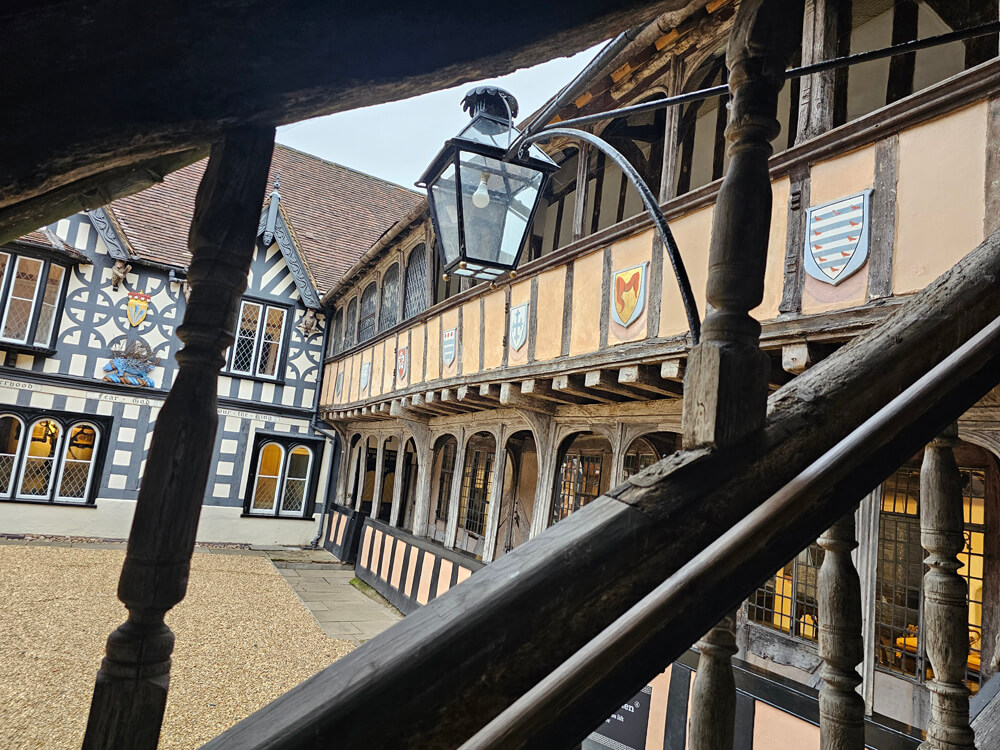
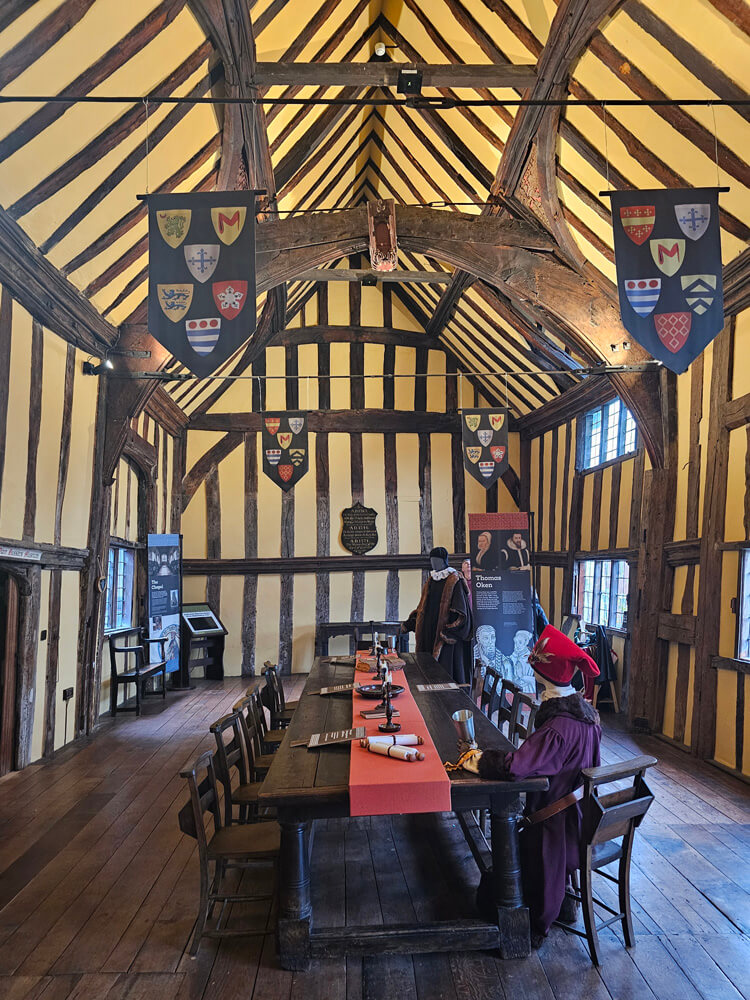
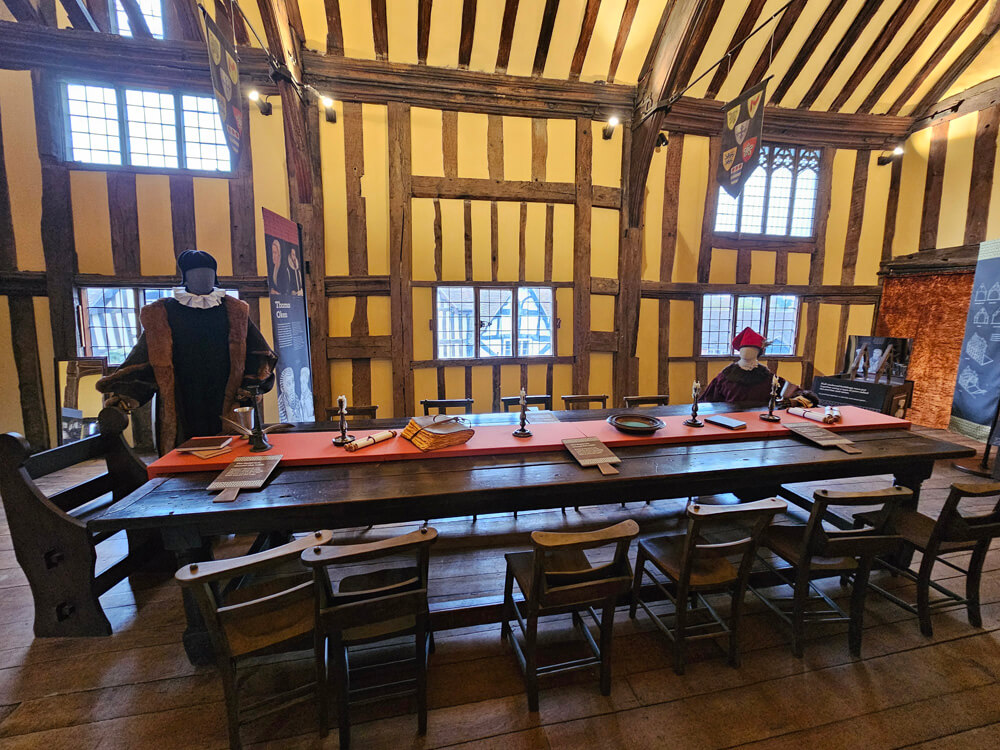
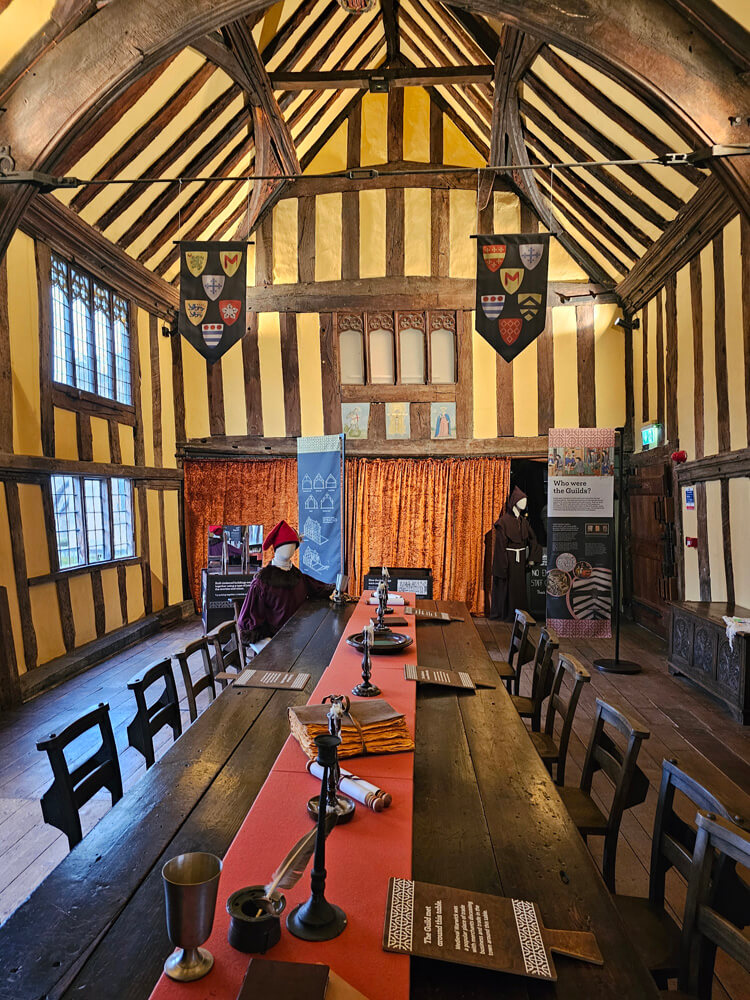
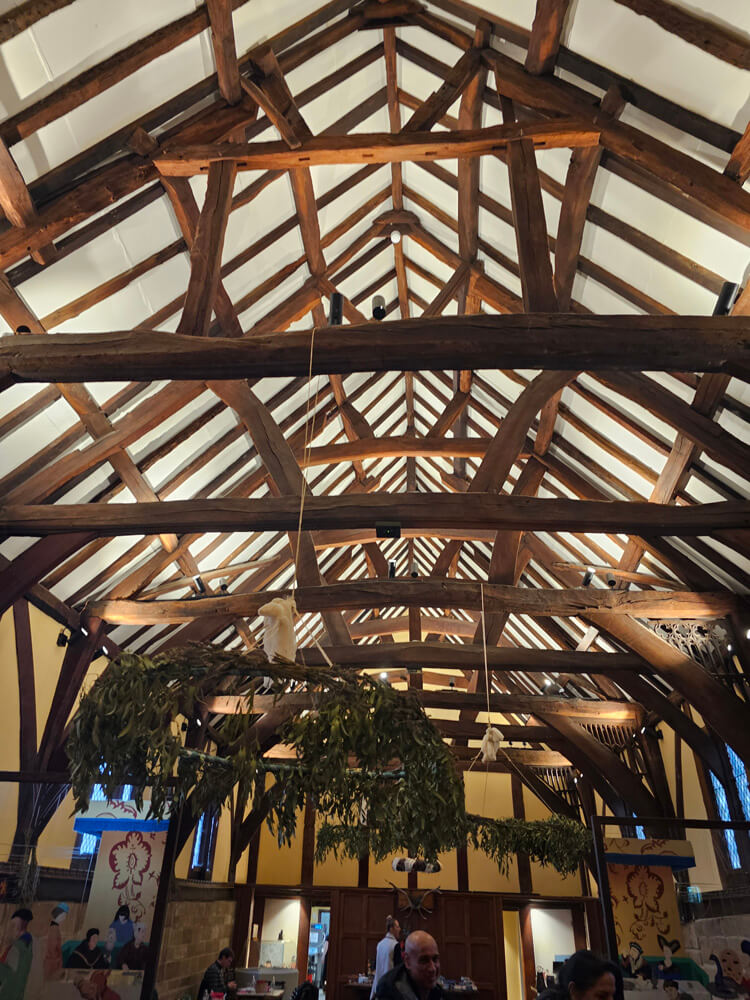
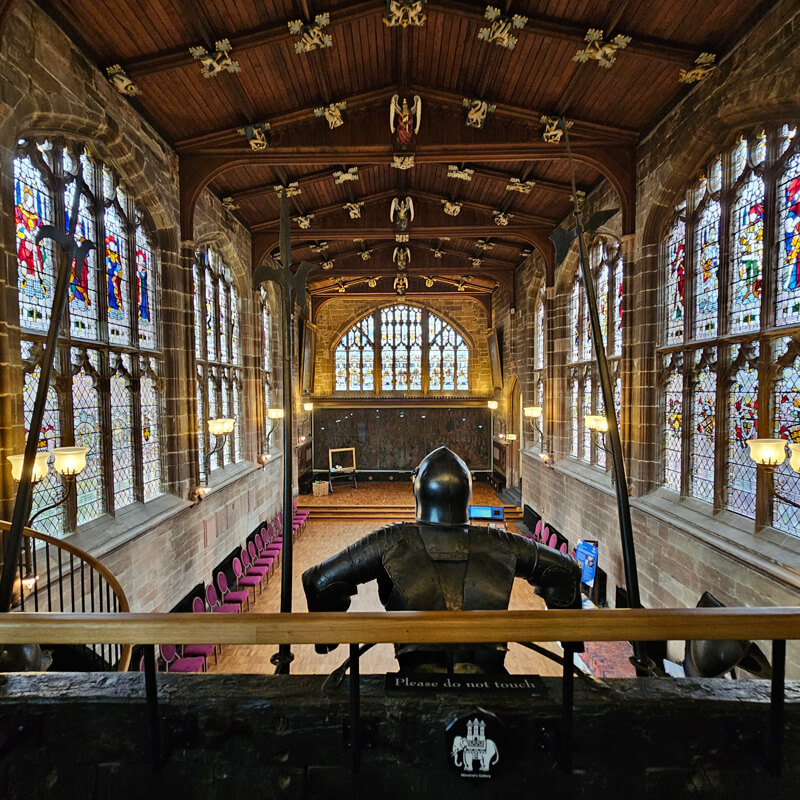
In the late 14th century the chapel was rebuilt, and living quarters and public rooms were added to the chapel including the Great Hall, which form the galleried courtyard of the Lord Leycester that we see today. The Great Hall, which was used by the Guilds for public functions, has changed very little in structure and appearance since it was built in the 1300s.
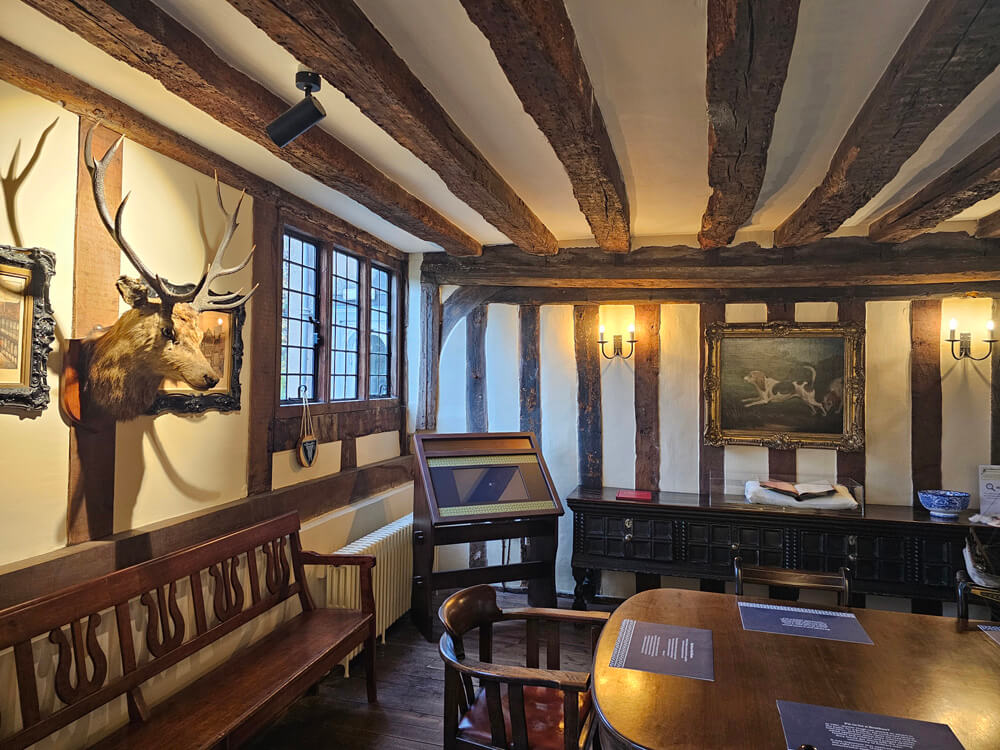
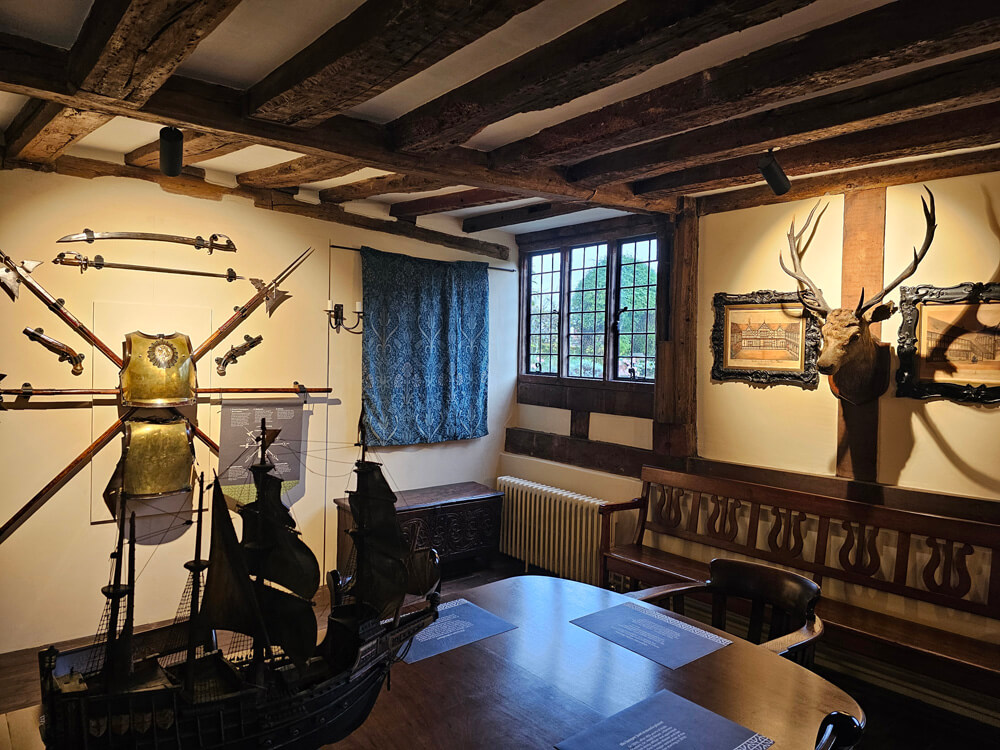
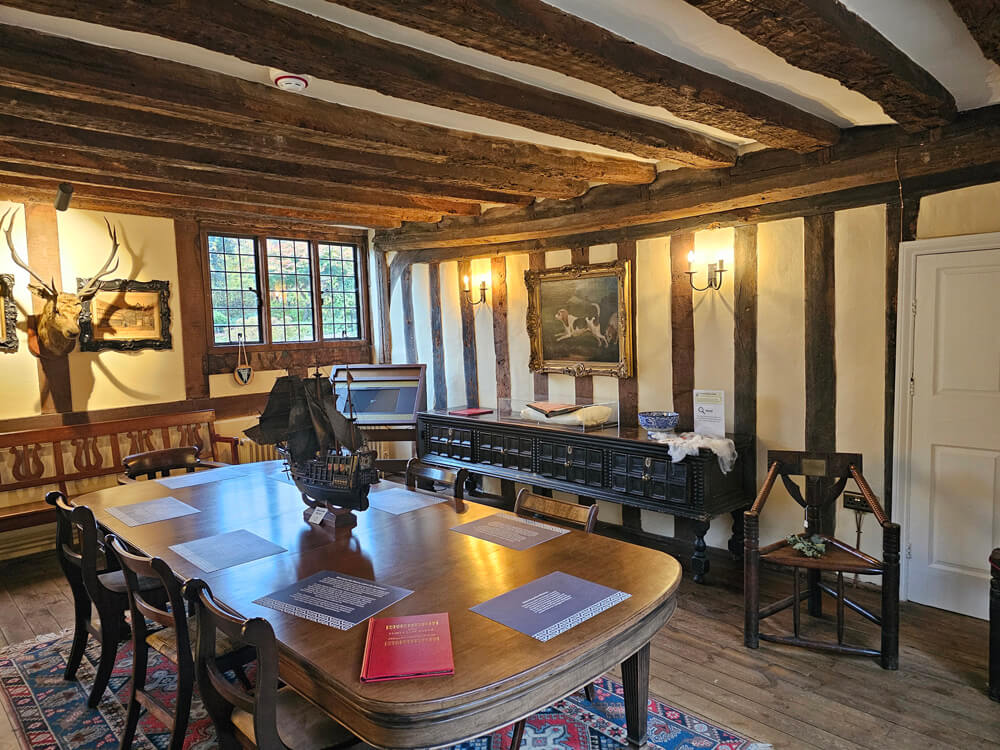
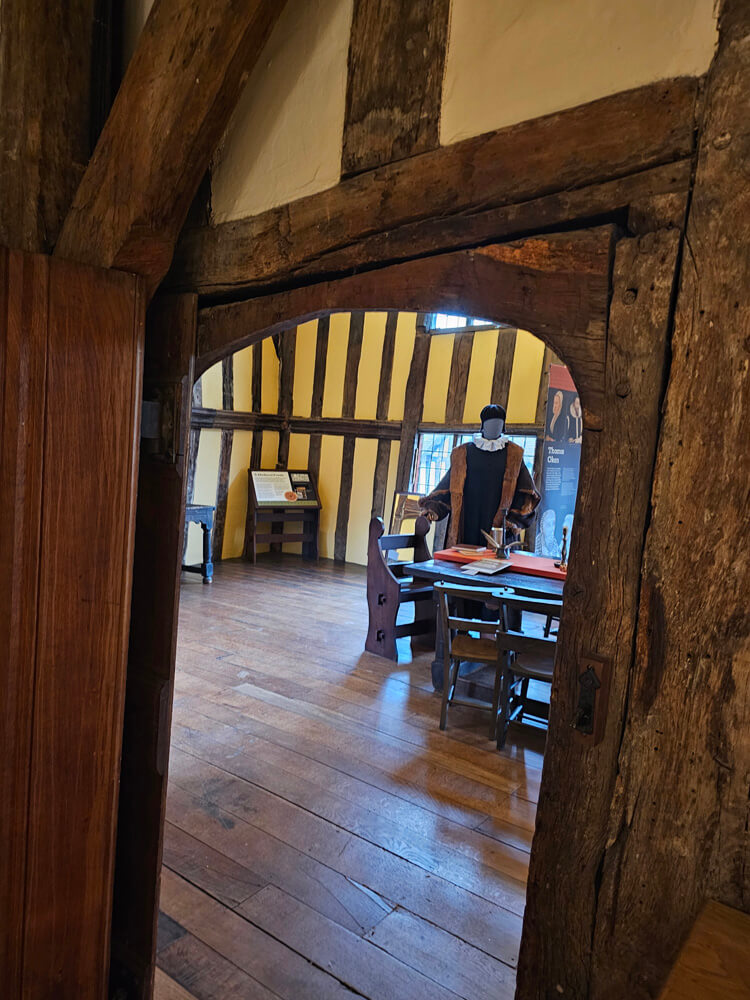
The Guildhall was built in the middle of the 15th century by Richard Neville “The Kingmaker”, 16th Earl of Warwick. It was primarily used as a private chamber where the Guilds met to discuss business. The table in the centre of the Guildhall is thought to have been the original table used by the United Guilds of Warwick where they discussed matters such as trade, religion and politics.
The United Guilds were disbanded by King Henry VIII in 1546, and ownership of the guild property was transferred to the Burgesses of Warwick, although the buildings didn’t stay with the Burgesses for long. In 1571 Robert Dudley, 1st Earl of Leicester and the favourite of Queen Elizabeth I purchased the property and established a community of Master and Brethren in the old Guild buildings, converting it into a ‘Hospital’ for ex-service personnel / injured soldiers and their wives.
In 1617 the Great Hall was used to entertain King James I on his visit to Warwick, an event that left the town in considerable debt.
In 1694, the Great Fire of Warwick destroyed much of the medieval town as it swept up the High Street and consumed virtually all the buildings in its path. Most of the original medieval timber-framed houses were destroyed and later replaced by stone and brick built buildings, but miraculously only the Lord Leycester Hospital and its near neighbours survived the blaze.
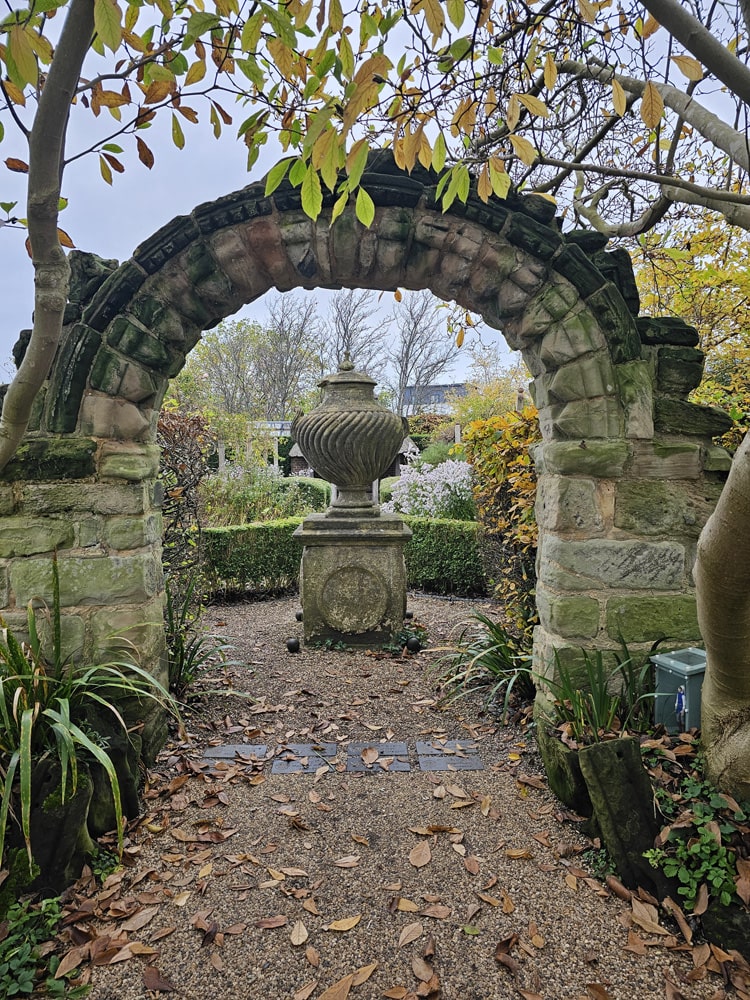
The Master’s Garden is a historic 500 year old garden enclosed by the medieval town wall and the manor house. The garden contains a Grade I listed Egyptian stone urn that is supposedly 2,000 years old and once used as a Nilometer (a device used to measure the height of the River Nile) in Ancient Egypt.
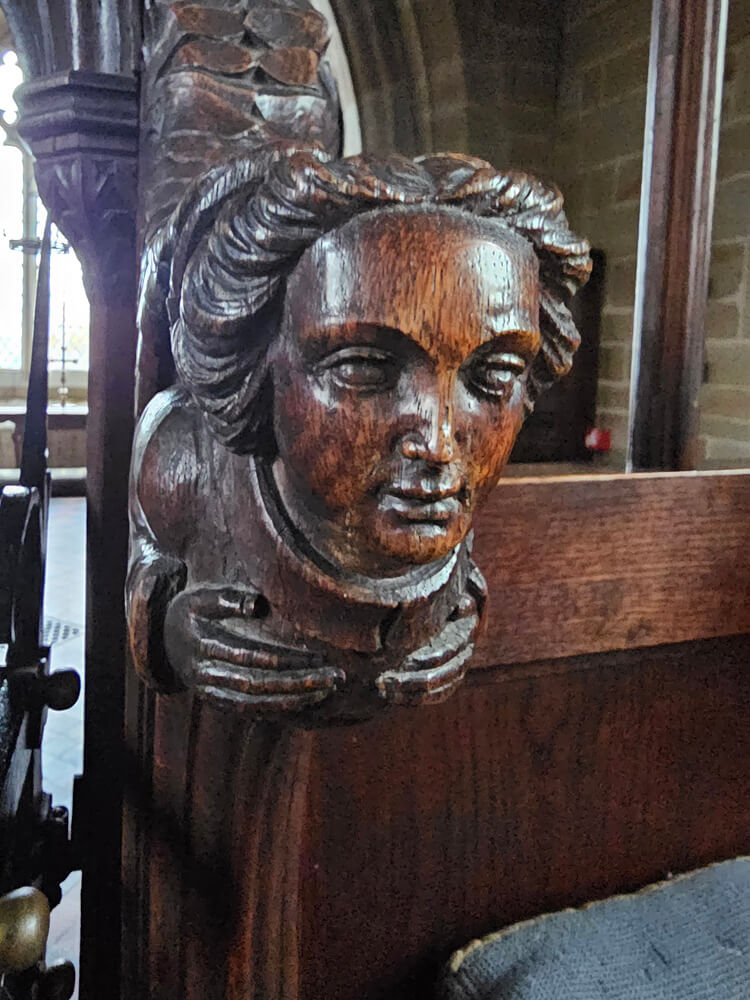
The chapel of St James above the West Gate was extensively restored by renowned Victorian architect Sir Gilbert Scott in 1860. When restoration work was being conducted, a headless skeleton in a suit of armour was found concealed in a wall cavity.
The Hospital has maintained its almost 500-year-old tradition with the Brethren and Master still living within the walls. Today the Hospital is run by the Master, a retired military officer. The eight ex-servicemen and their wives who live there are provided with almshouses, carry out ceremonial duties and act as guides for visitors.
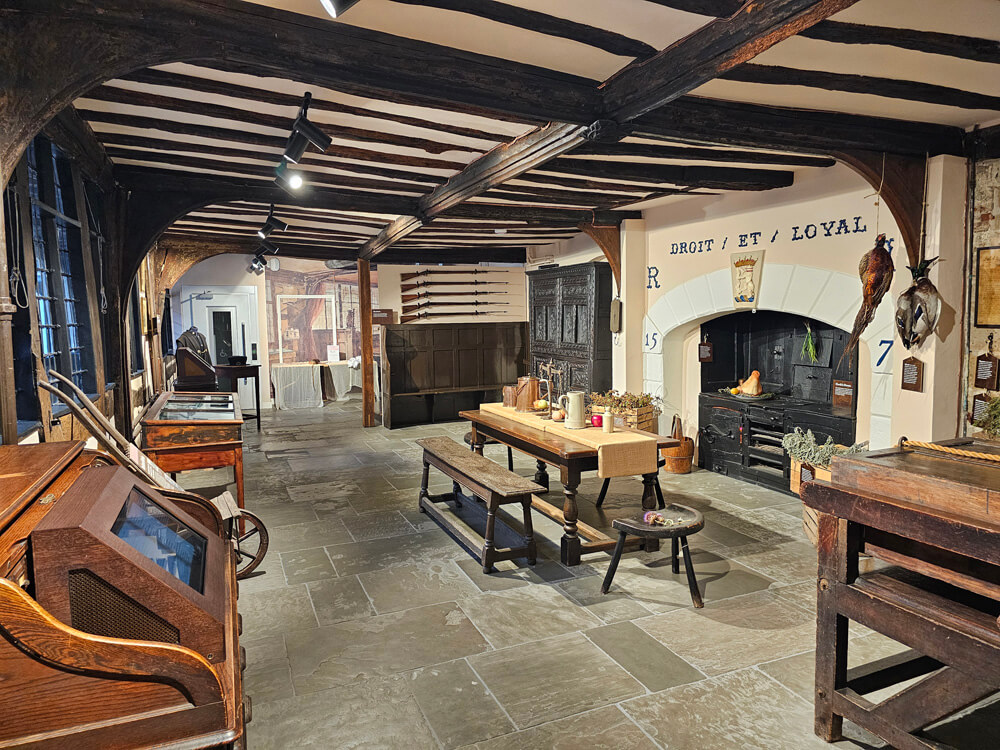
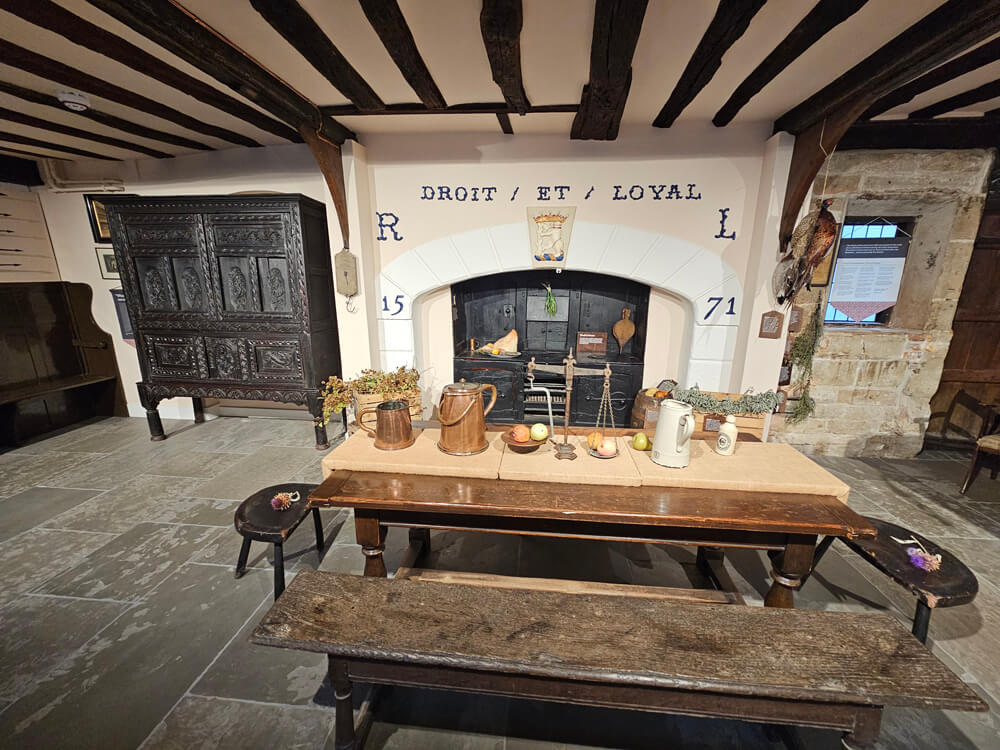
The Lord Leycester Hospital is a medieval treasure with a 700 year unbroken legacy of people living on the site and a precious collection of half-timbered buildings – a Guildhall for meetings, a Great Hall for entertaining, and a kitchen – all built around the Chapel of St James.
Photo Gallery.
Did you enjoy this post?
I hope you found this post useful. I put a great deal of time and effort in to building, maintaining and populating the website. If you like, you could say a small thank you by buying me a coffee. You don't have to, but it would be nice :)
Buy me a coffee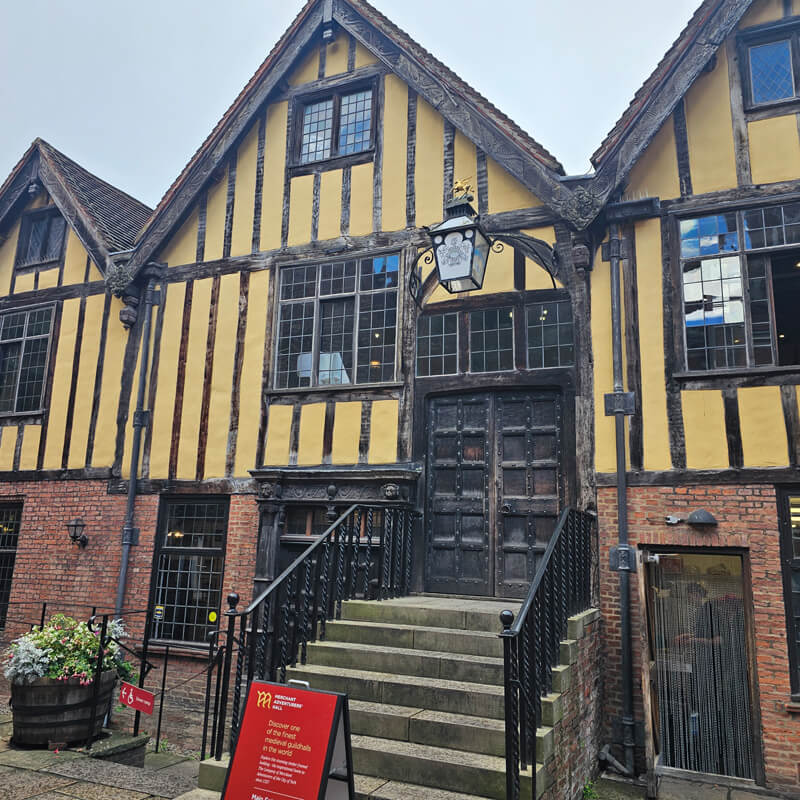
Stay up to Date
Follow me on my journey and get notified whenever a new post is published by following Kings & Castles on Facebook.
Follow MeExplore The Map
Discover the hundreds of castles, churches, monasteries, cathedrals and other historic locations that I've personally visited across England and Wales. Search by location, explore nearby sites and plan your next historical adventure.
Share: