Gainsborough Old Hall
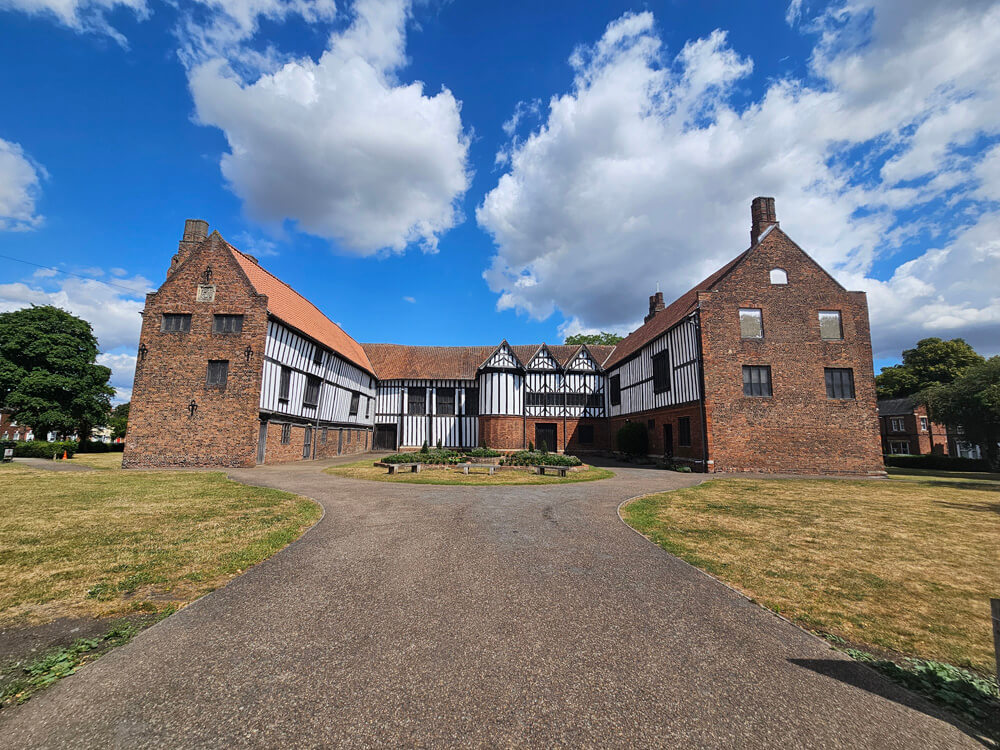
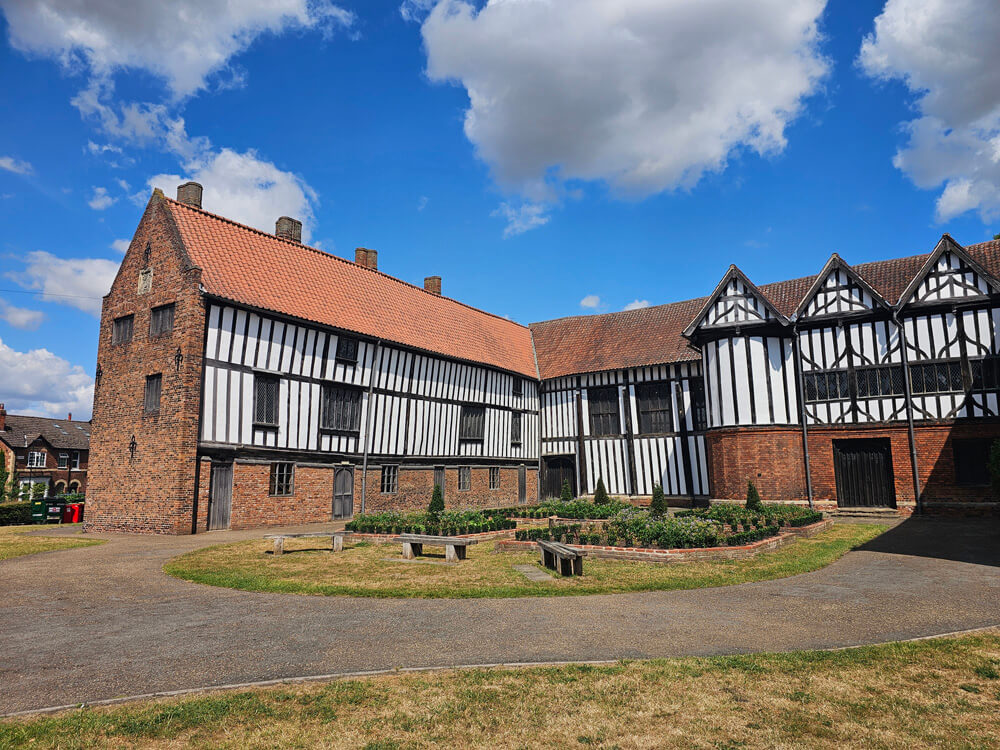
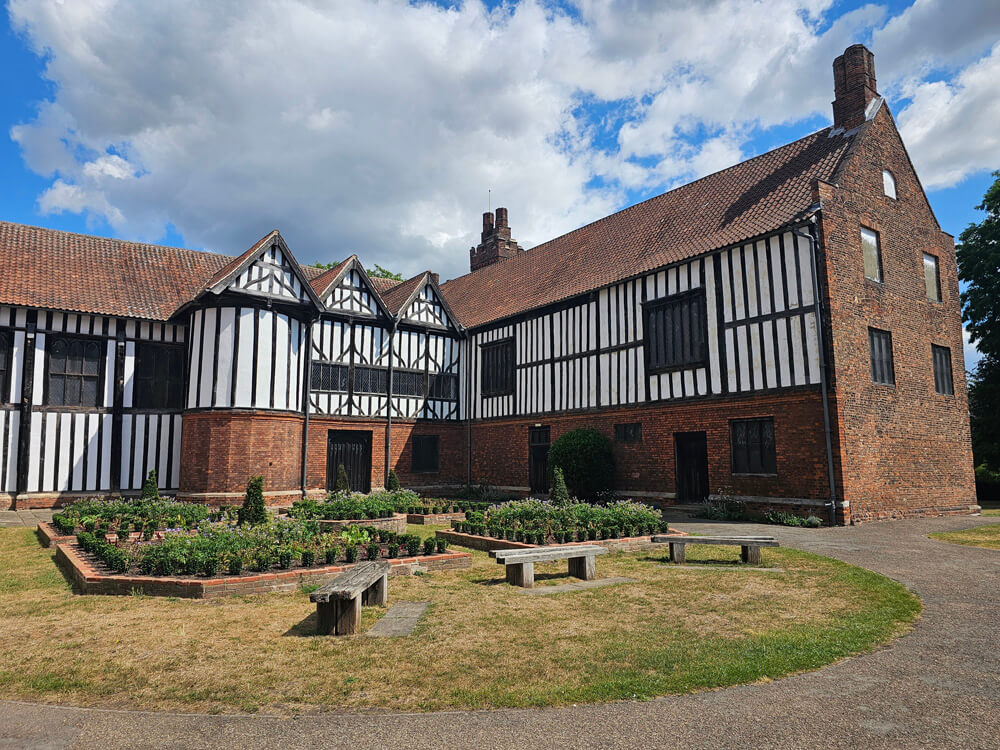
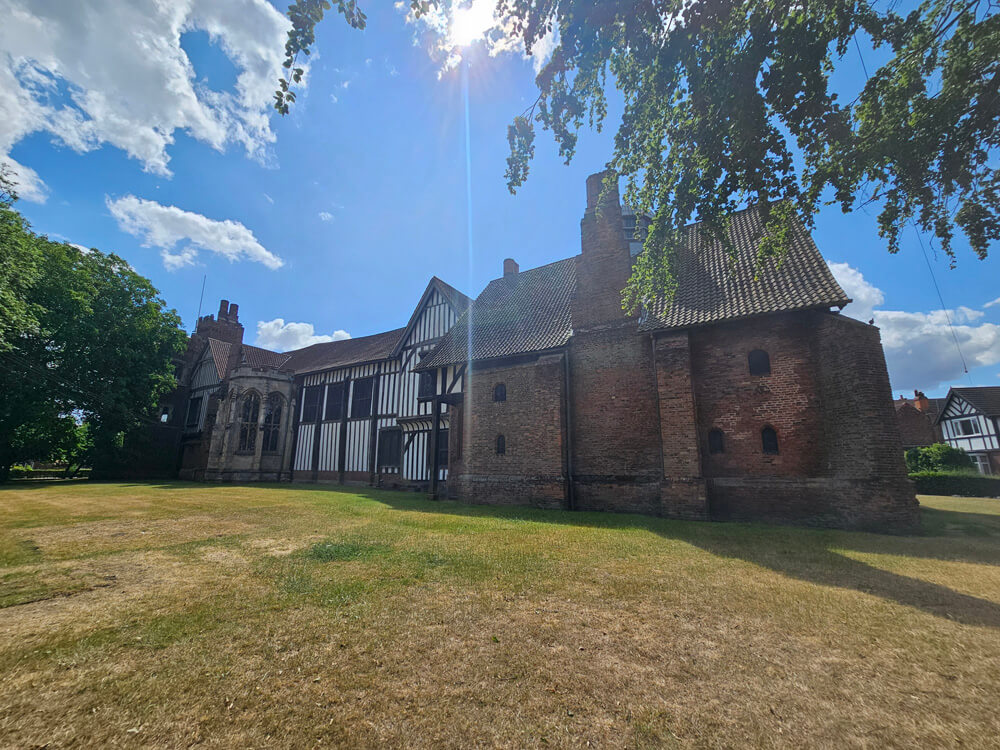
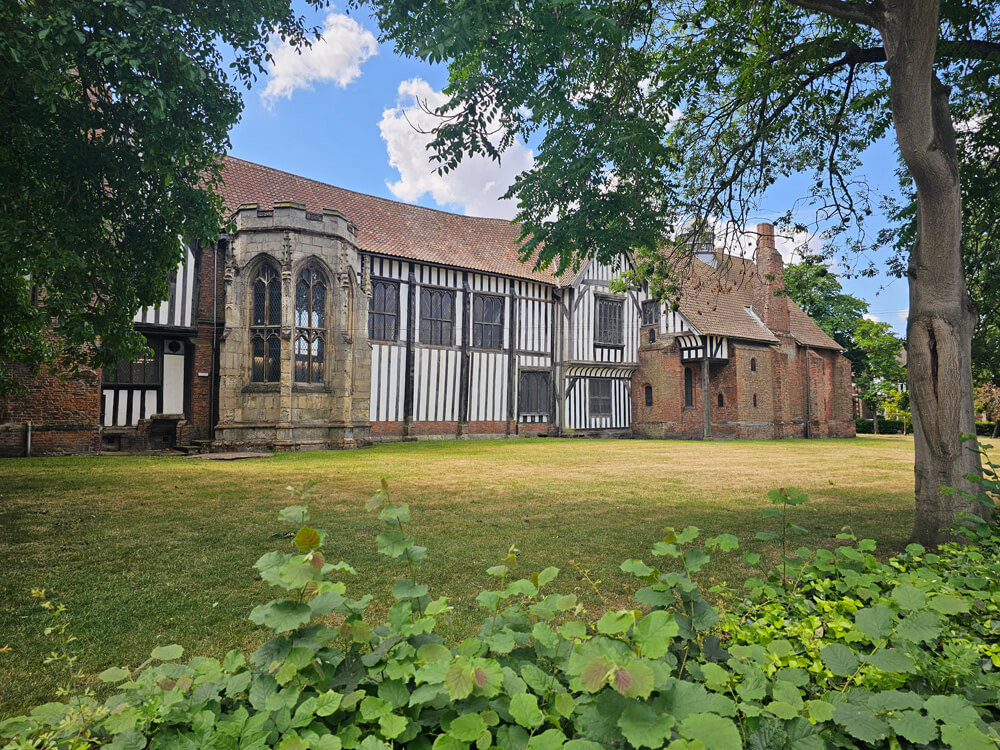
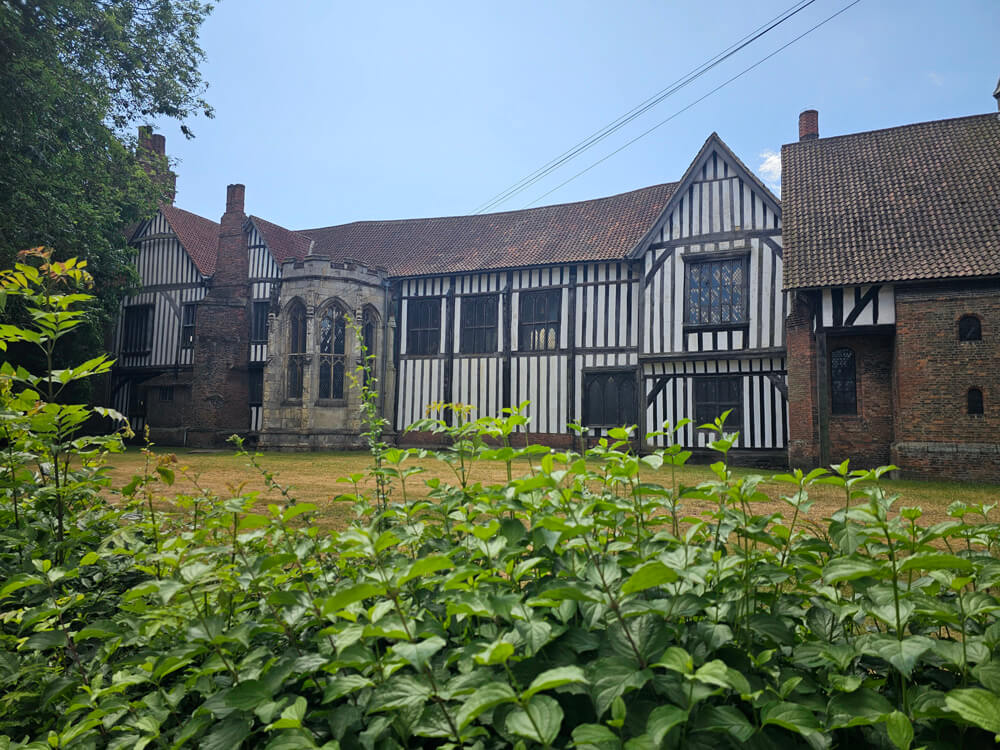
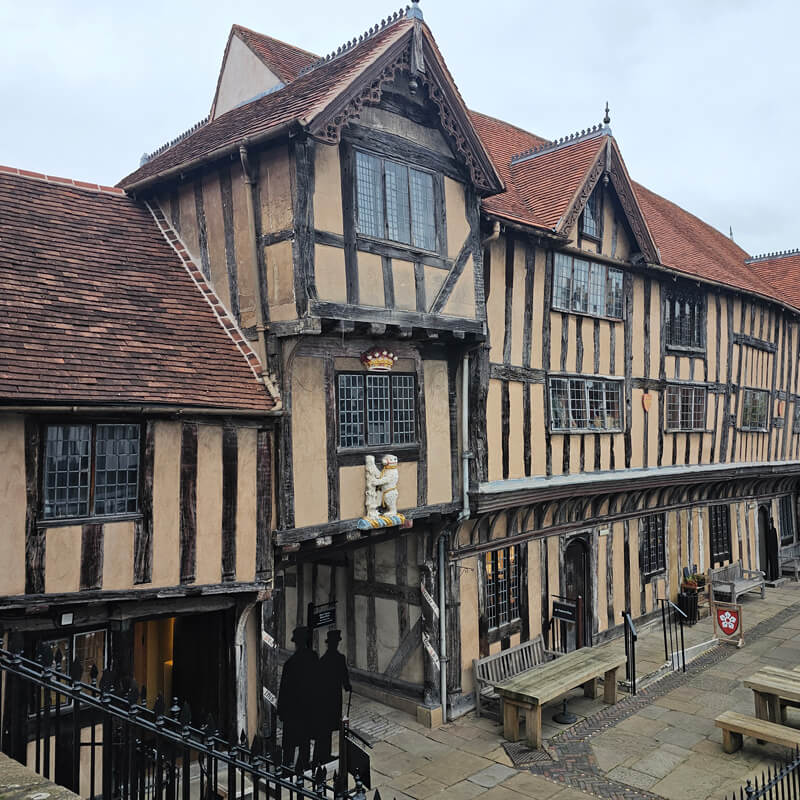
Gainsborough Old Hall is one of the finest surviving medieval manor houses in England. Standing in the heart of Gainsborough, Lincolnshire, the impressive building has witnessed more than five centuries of political change, royal visits, religious upheaval and social transformation. Built as a symbol of the wealth and status of the powerful Burgh family, it later became a theatre, factory, public house and community building before being rescued and restored as a historic attraction.
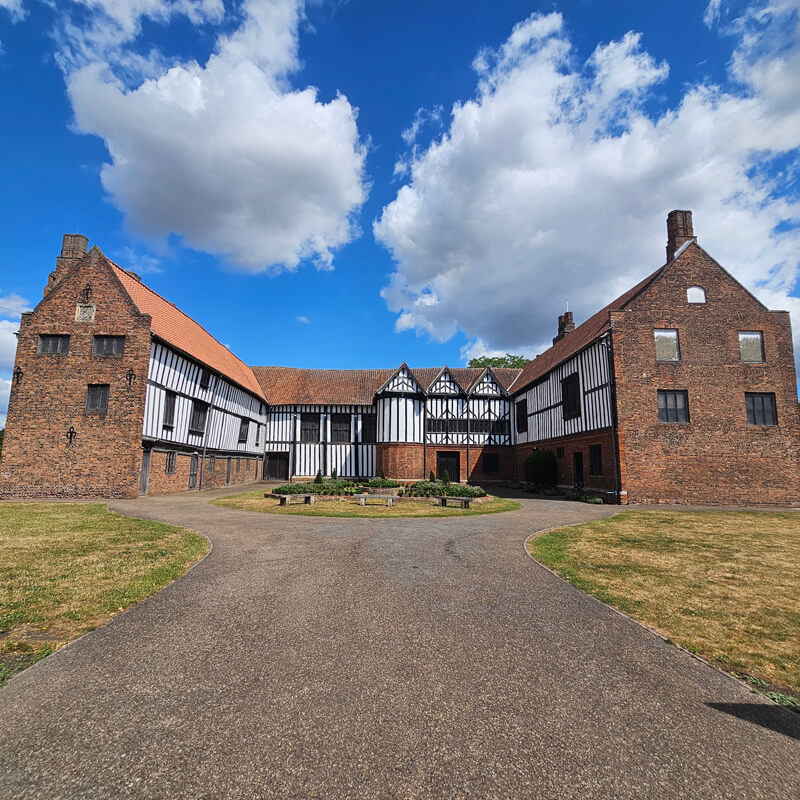
The story of the present hall begins with Sir Thomas Burgh II, who inherited the manor of Gainsborough in 1455. A successful soldier and courtier during the Wars of the Roses, Burgh rose in status under Edward IV and was knighted in 1461. During the following decades he embarked on an ambitious rebuilding programme at Gainsborough. Dendrochronological evidence suggests that construction began in the late 1460s or early 1470s.
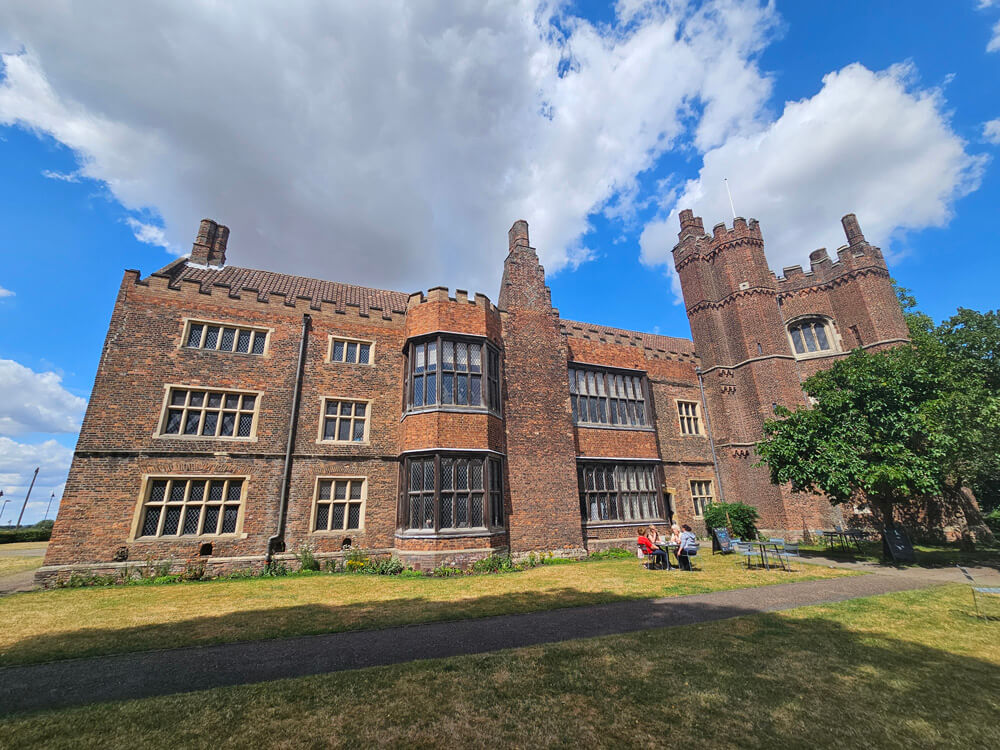
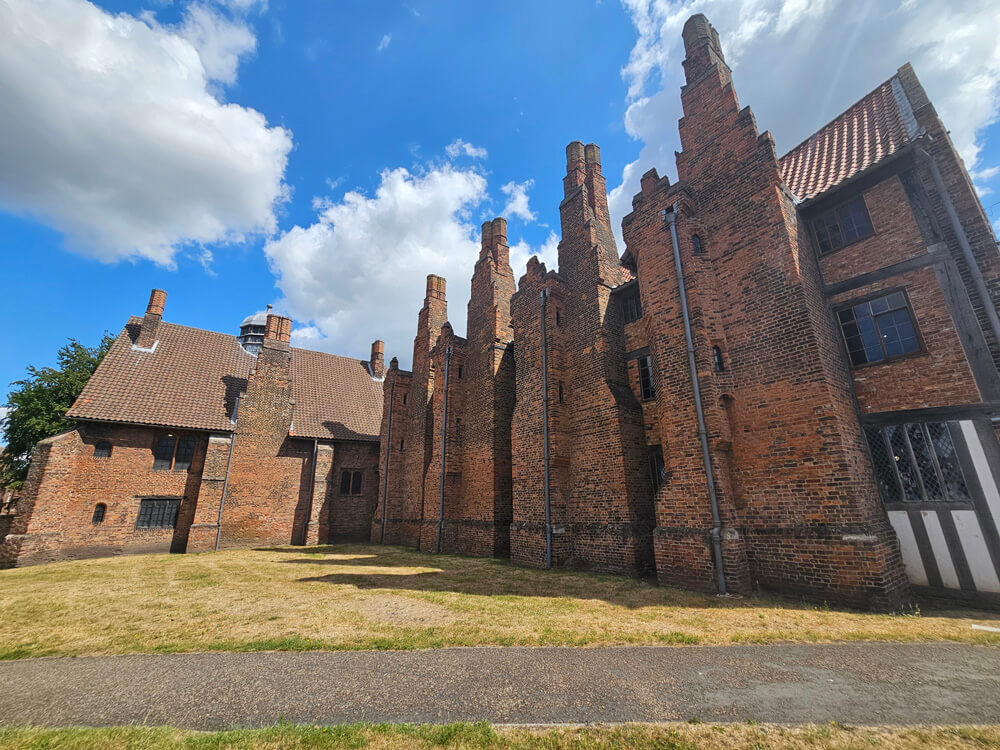
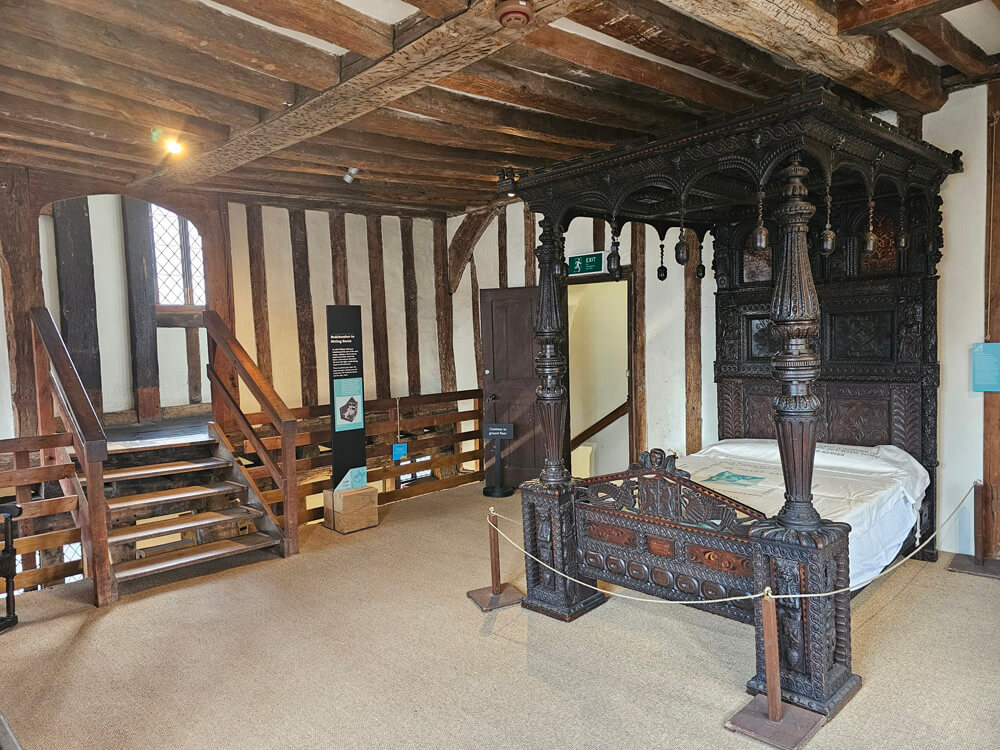
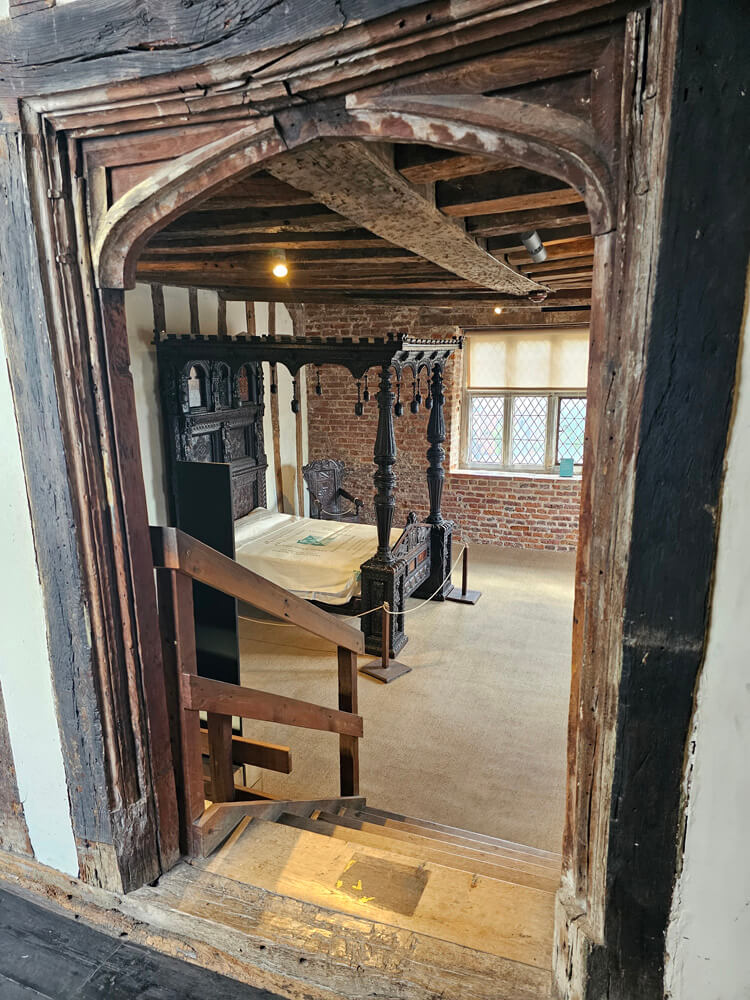
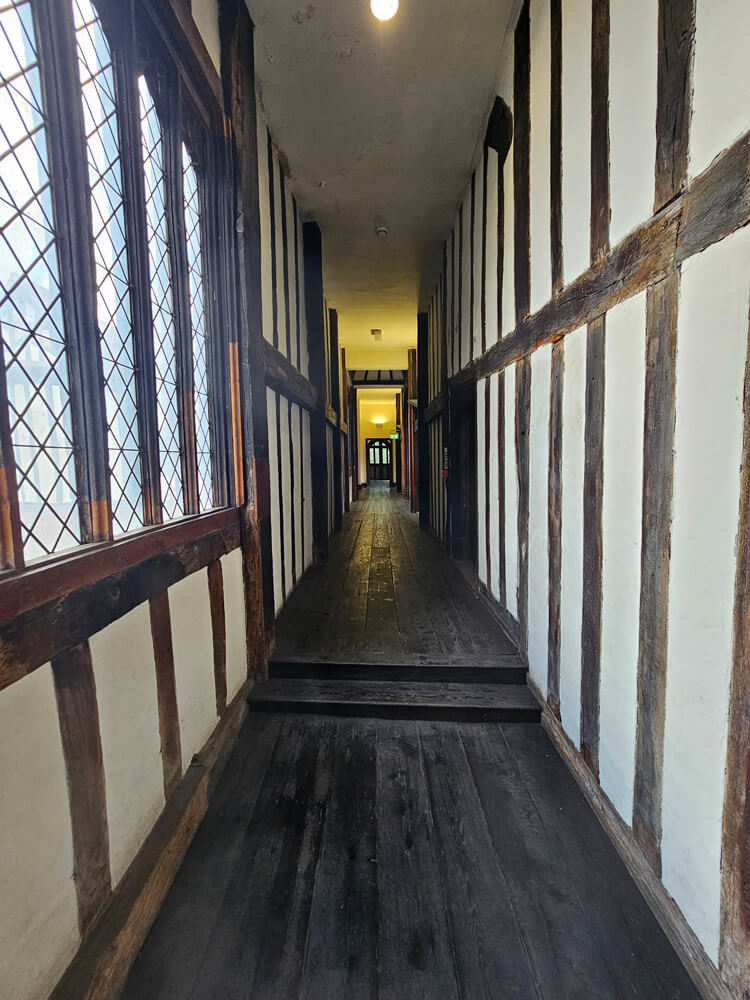
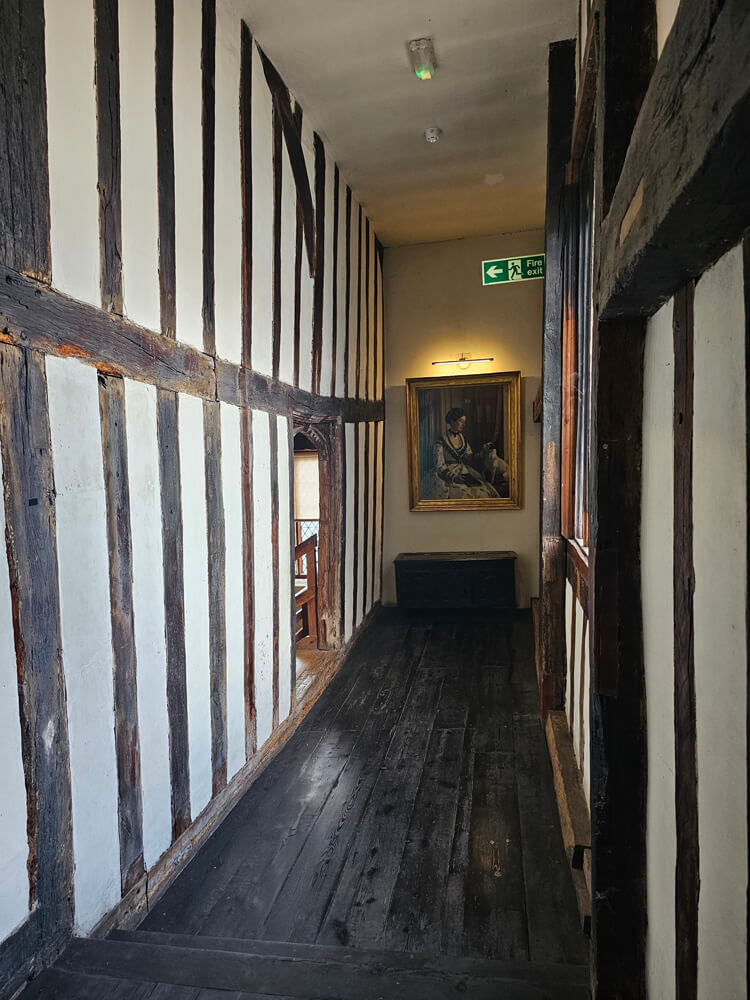
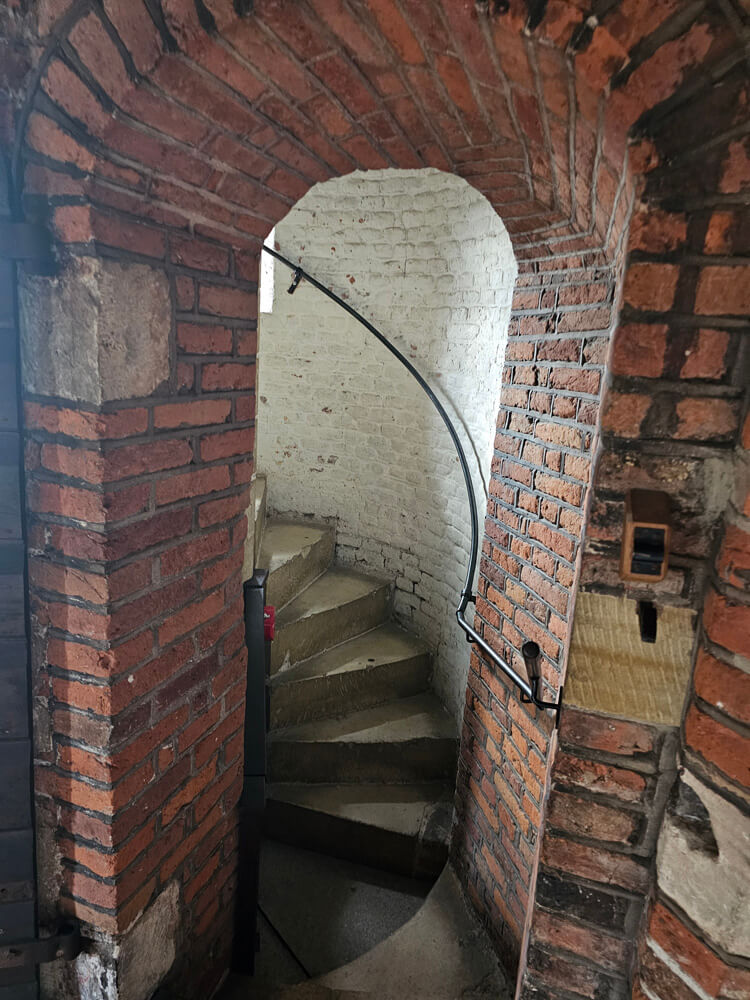
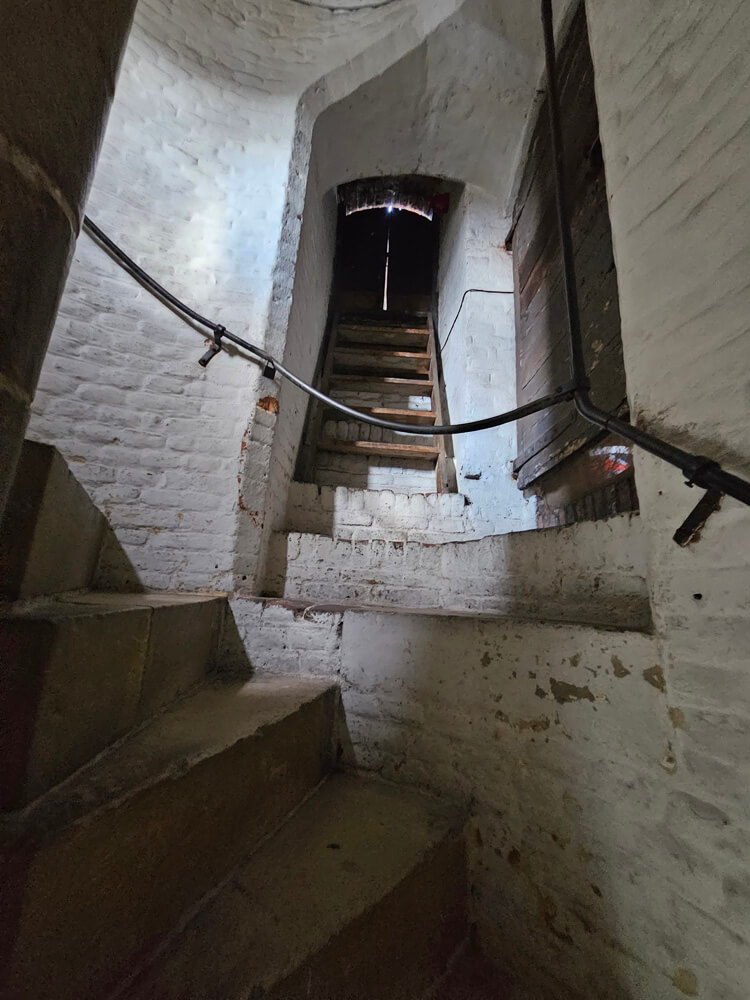
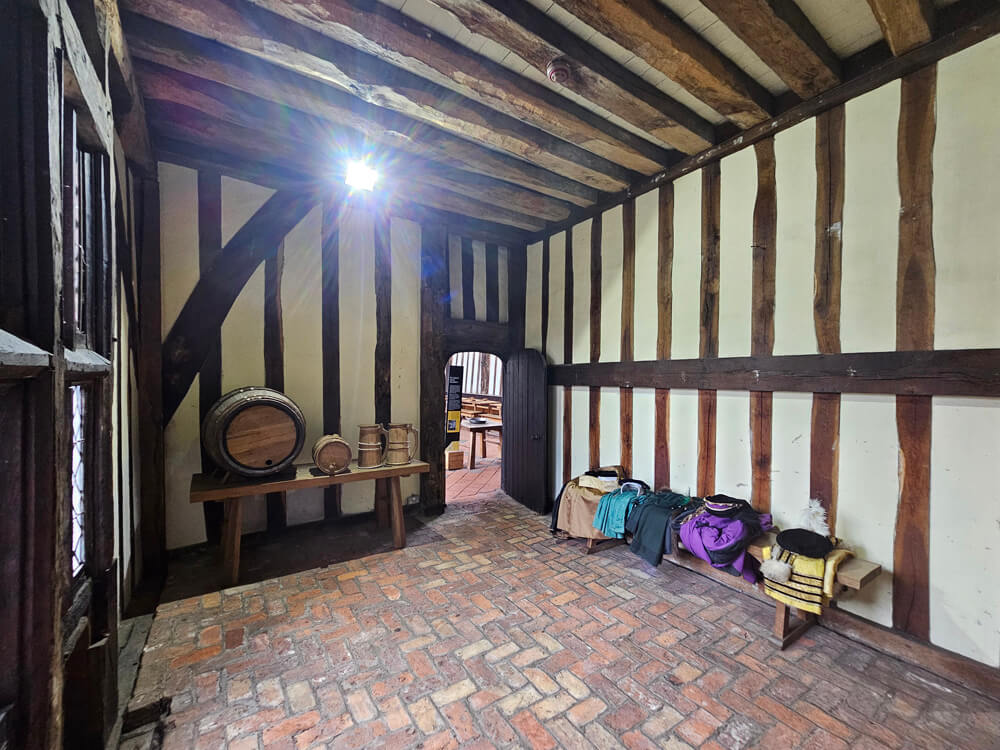
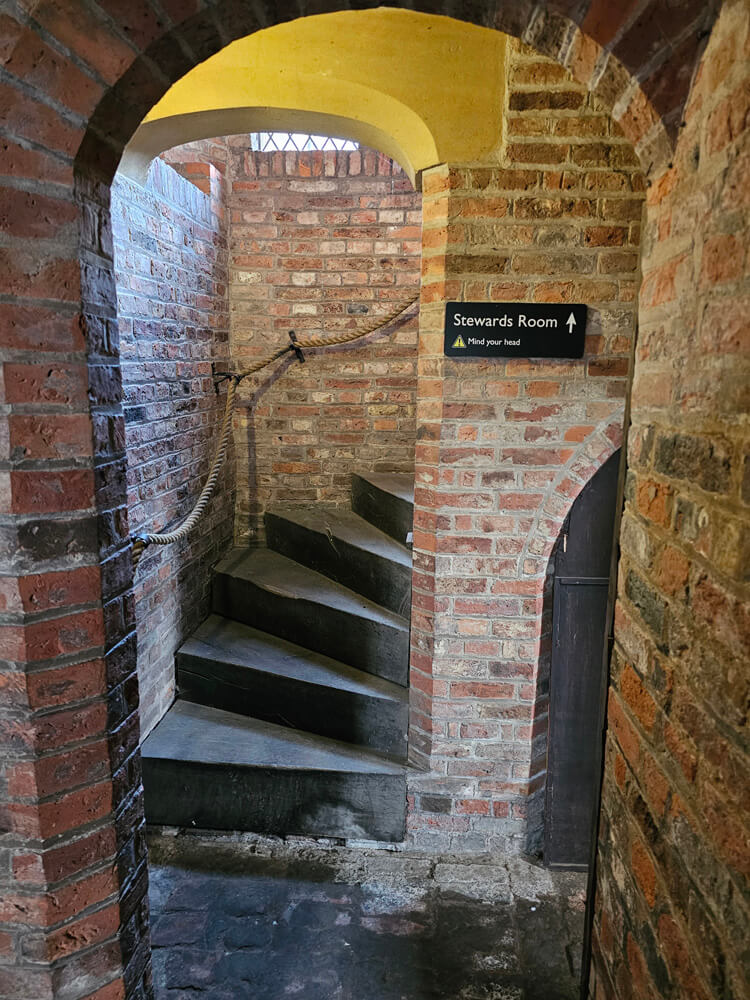
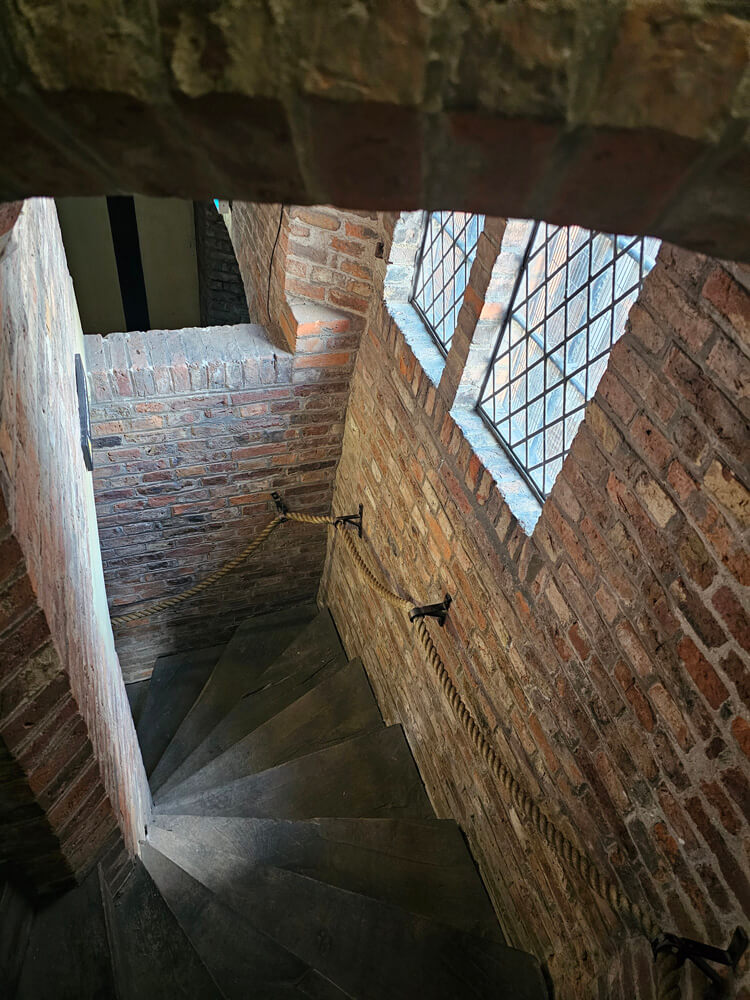
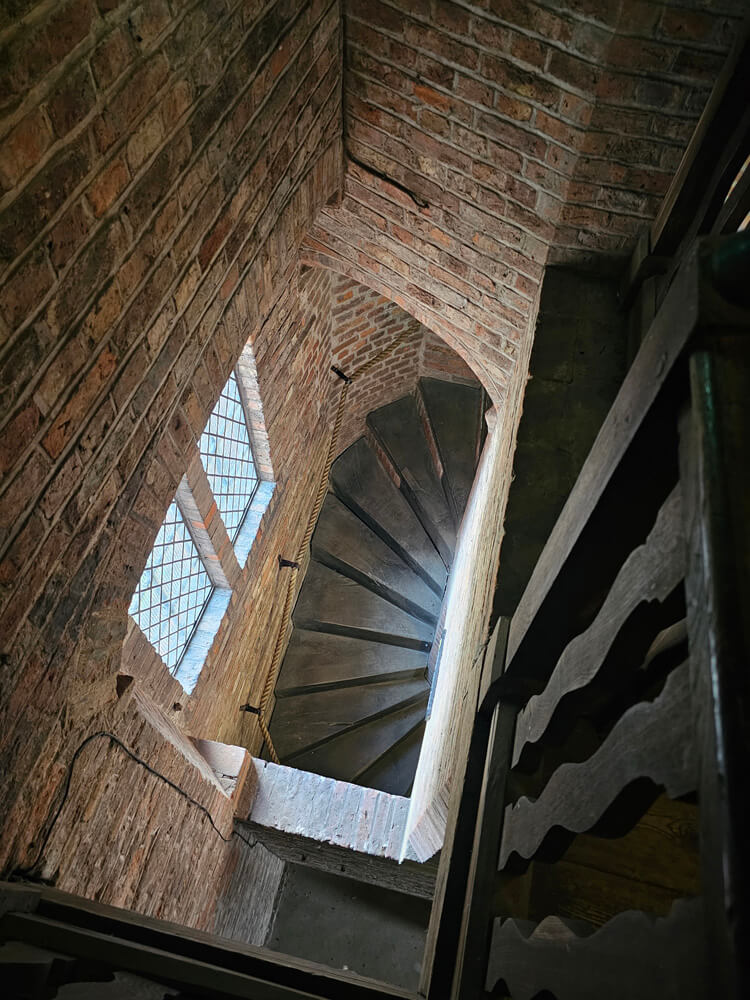
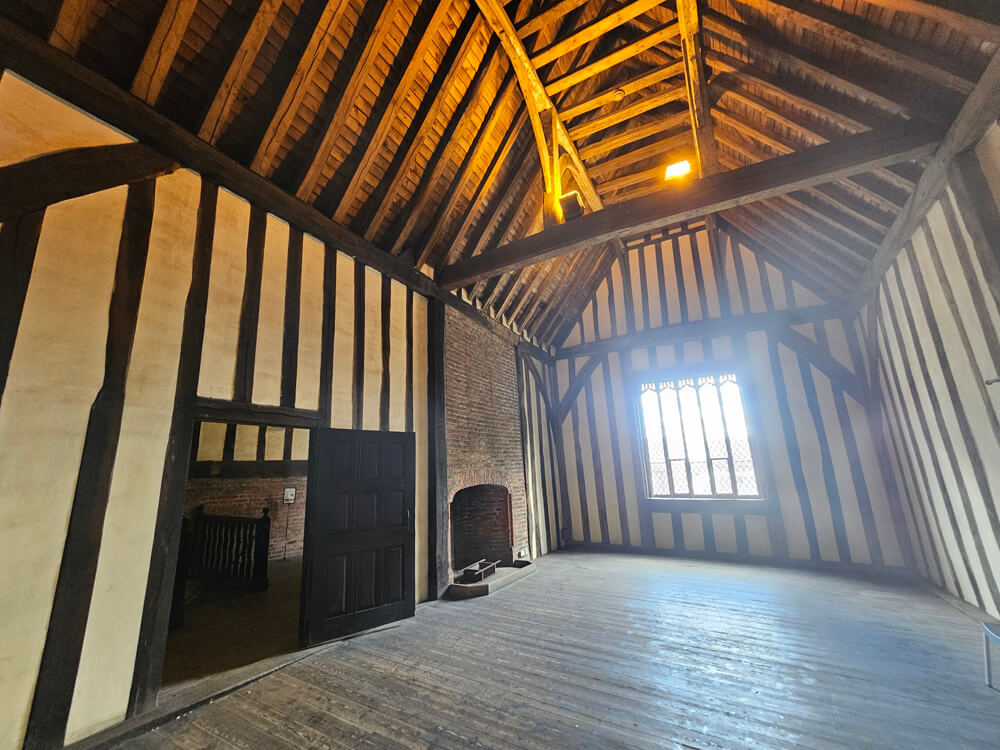
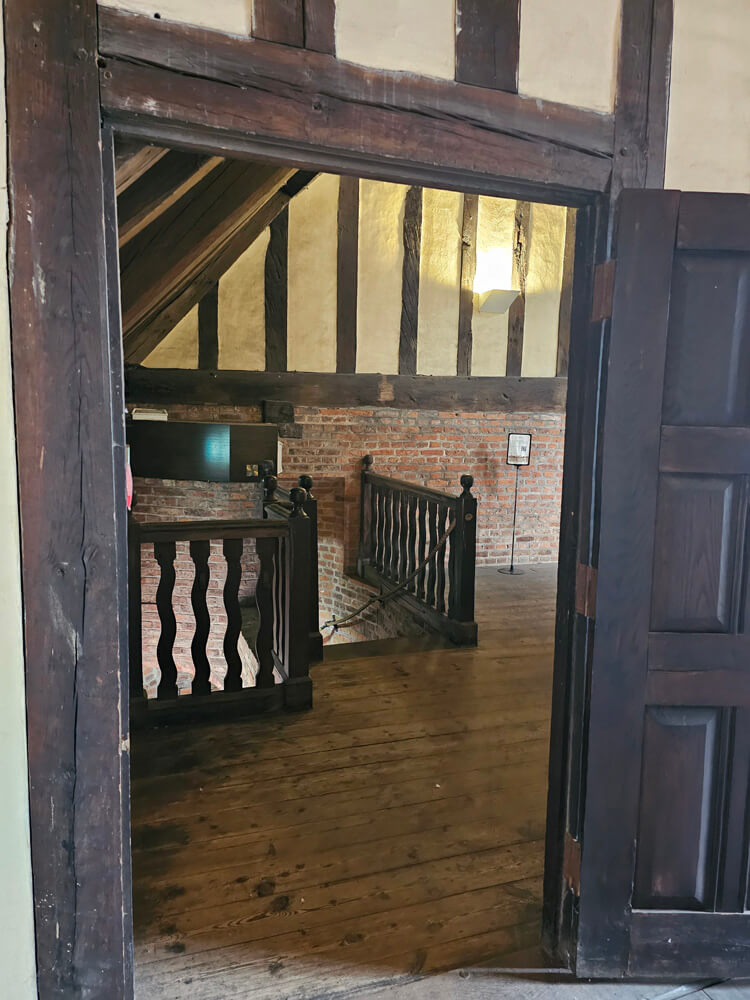
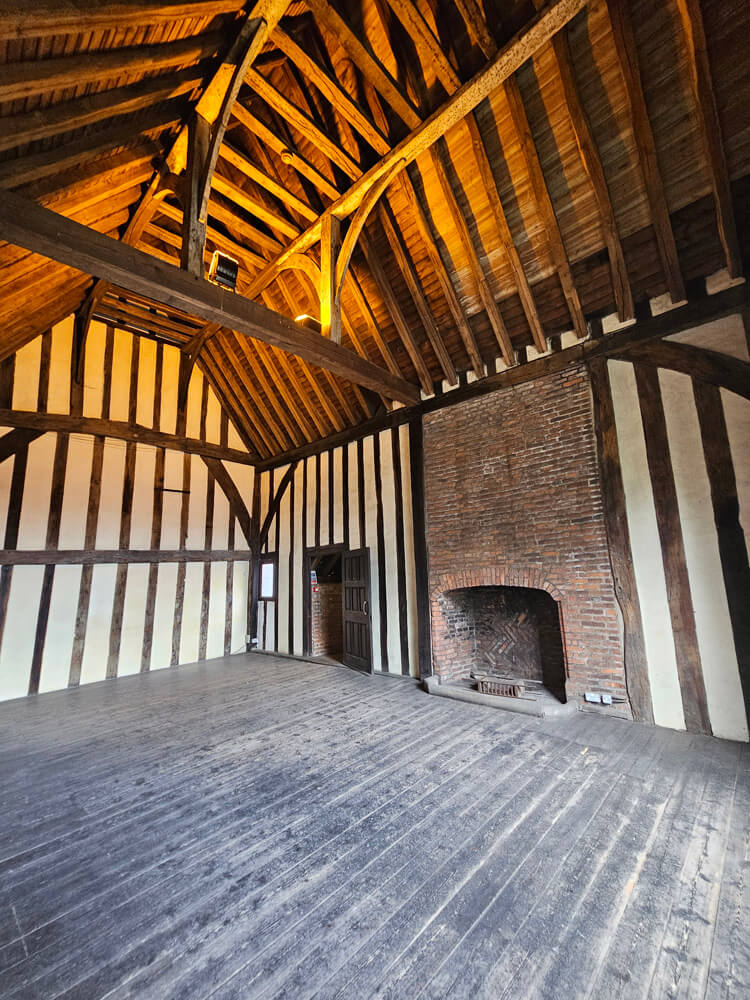
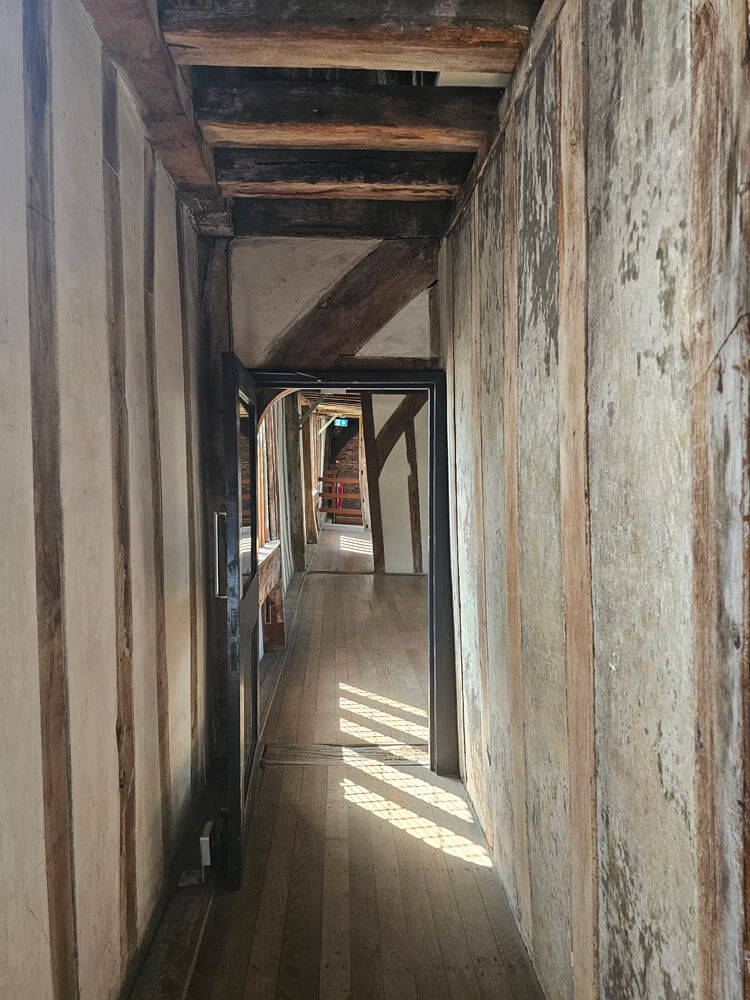
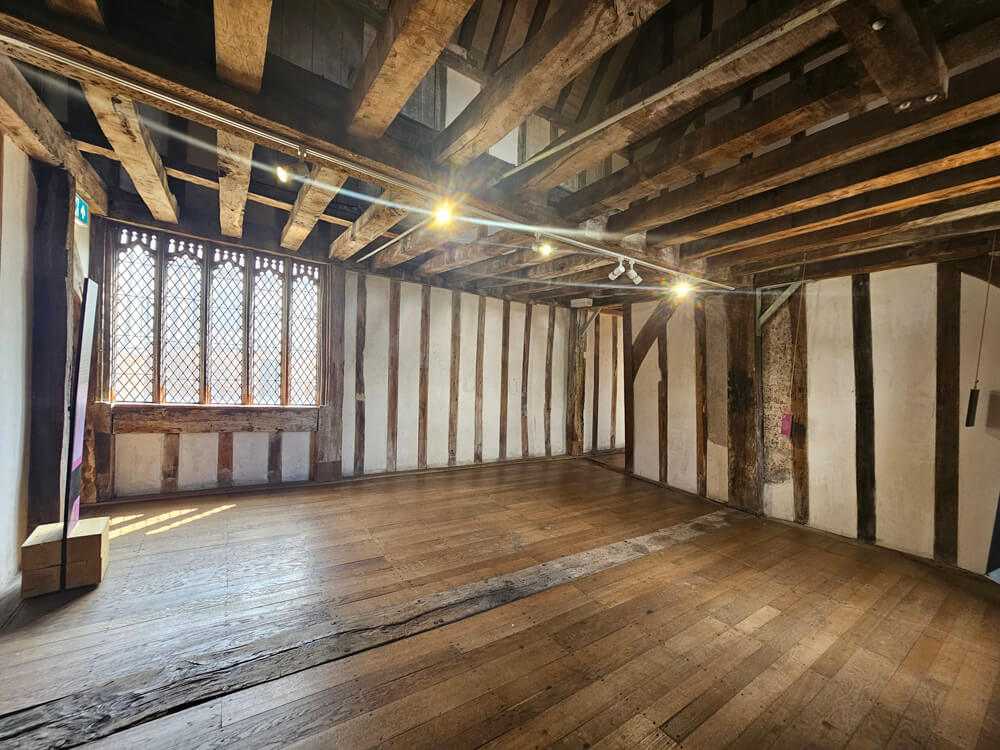
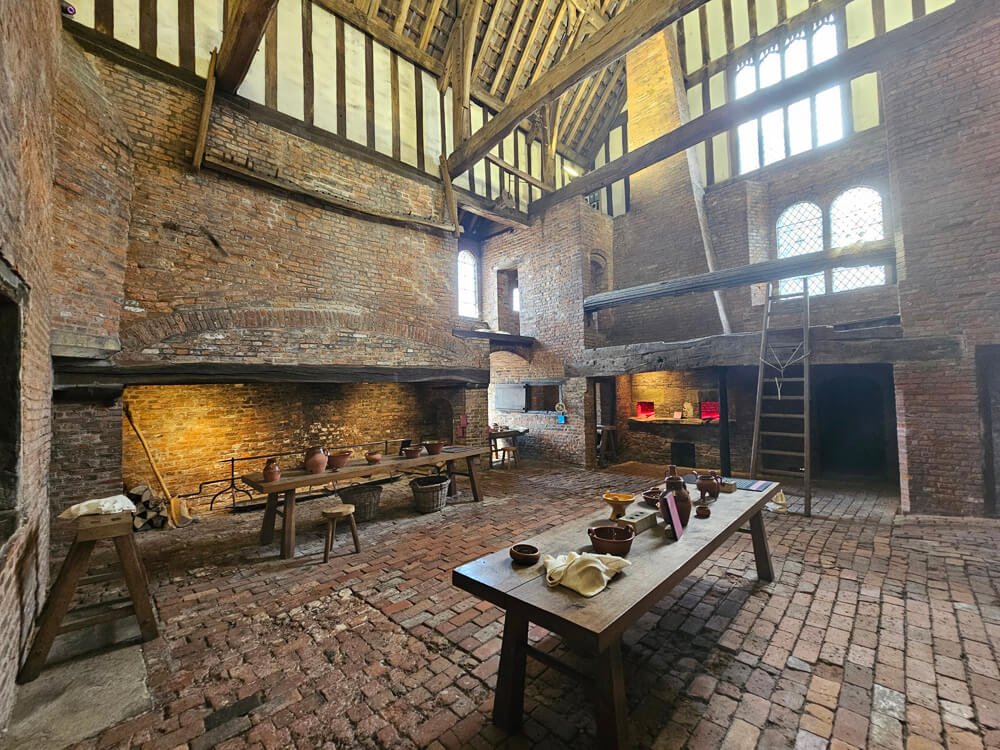
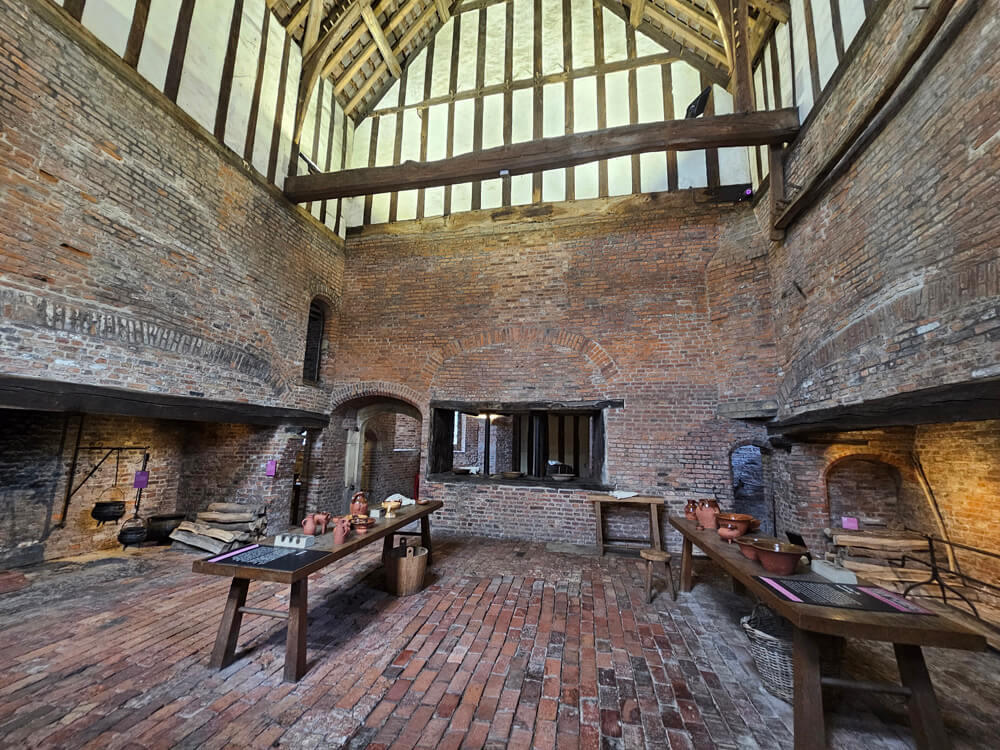
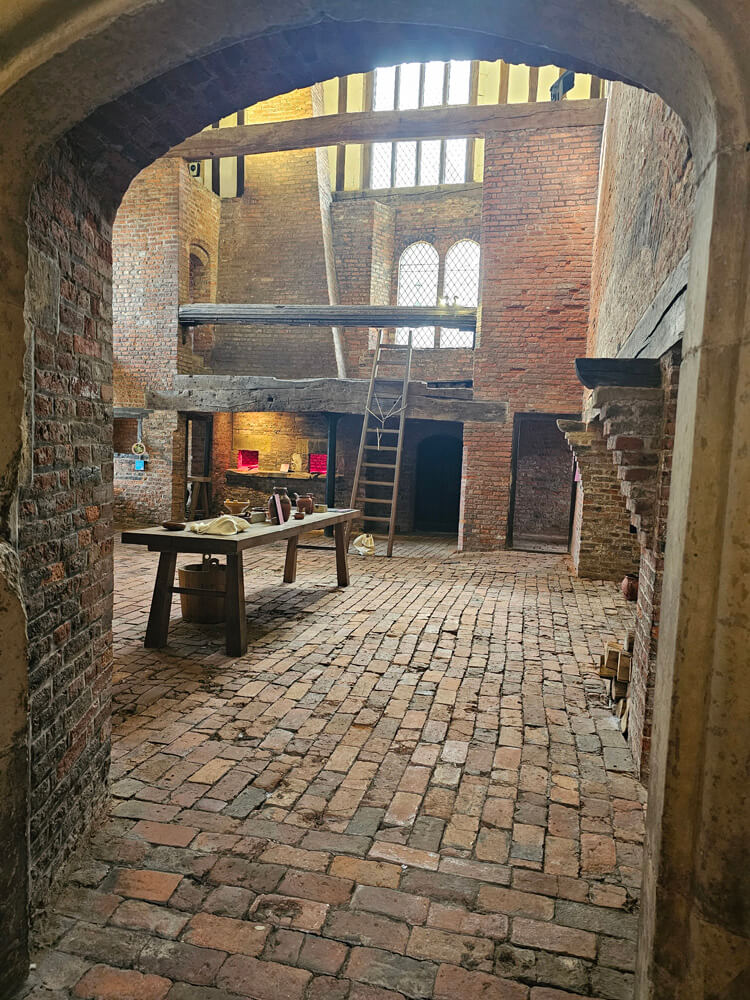
Burgh’s new residence was designed to demonstrate his importance. The principal range contained the magnificent Great Hall, while private apartments occupied the adjoining east range. A three-storey lodging range was subsequently constructed, followed by an imposing brick tower and a vast medieval kitchen. The kitchen is particularly remarkable and is regarded as one of the most complete surviving medieval kitchen complexes in England.
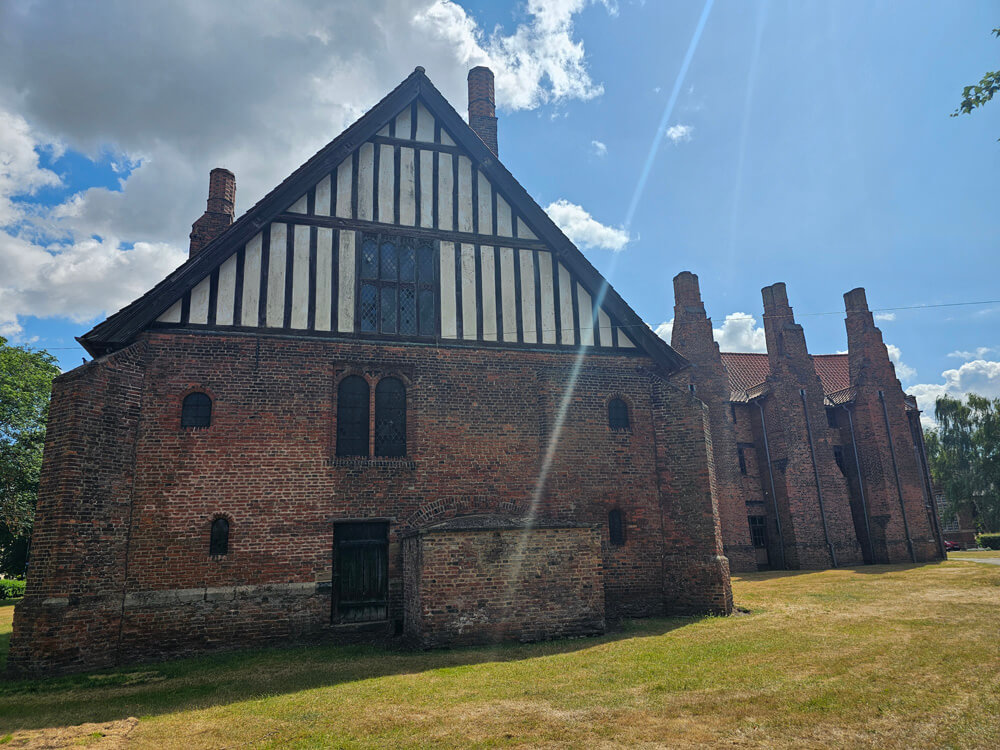
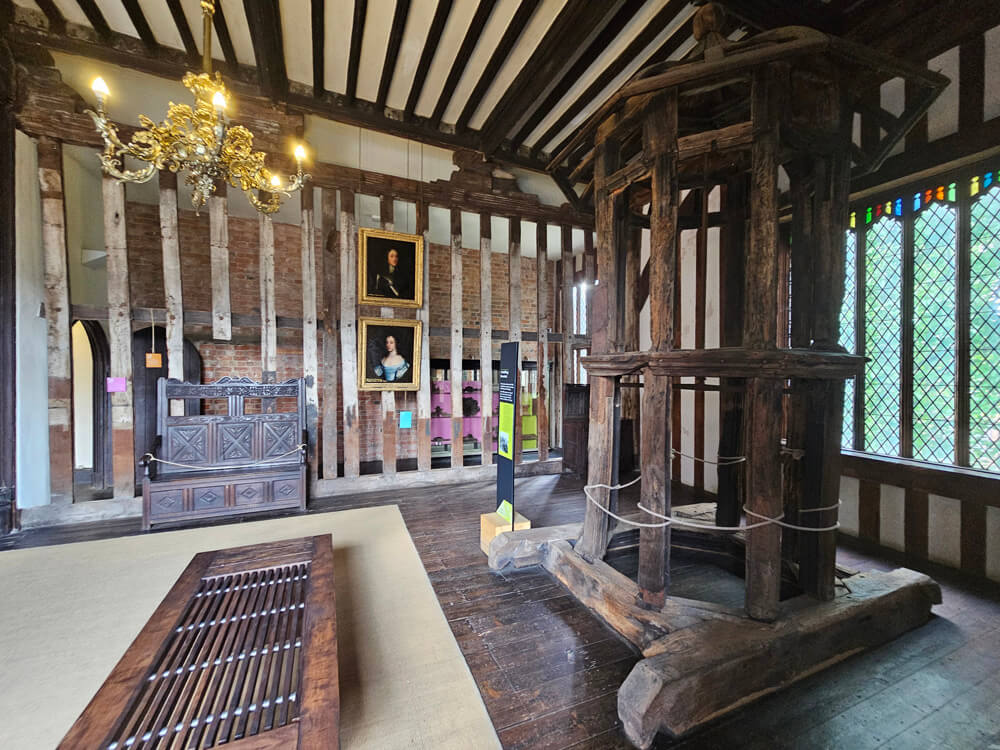
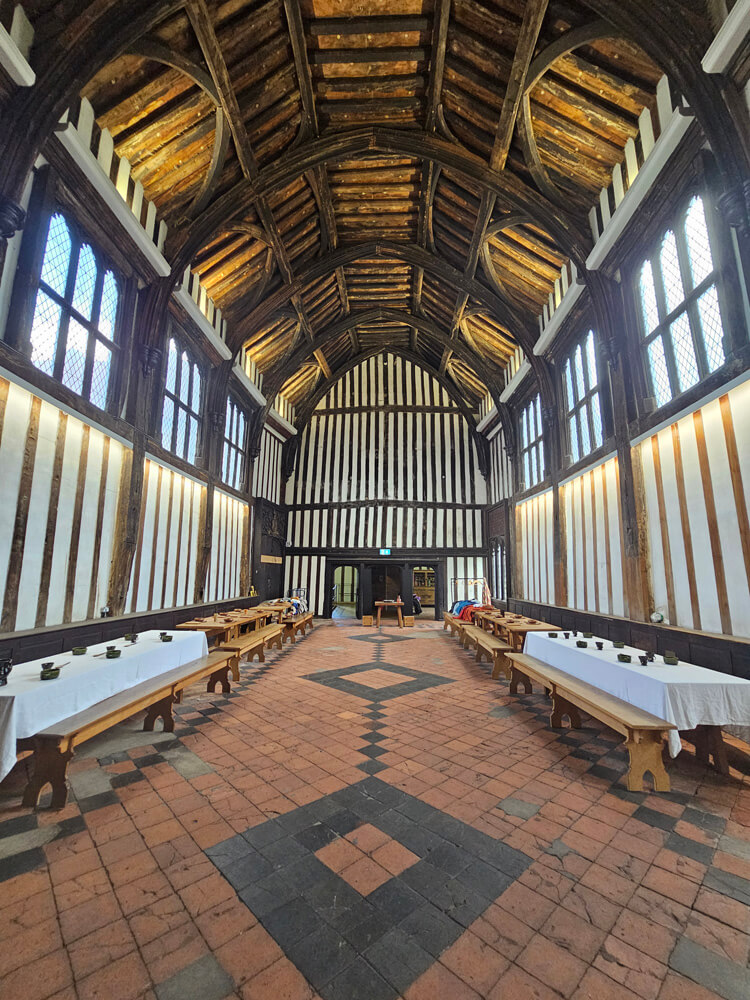
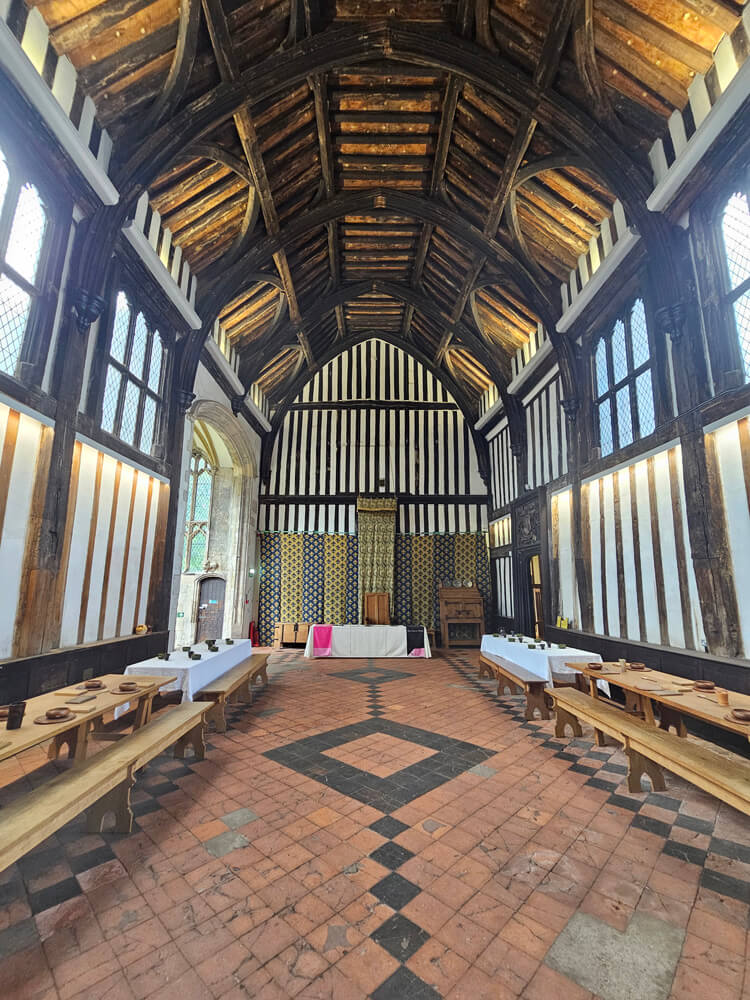
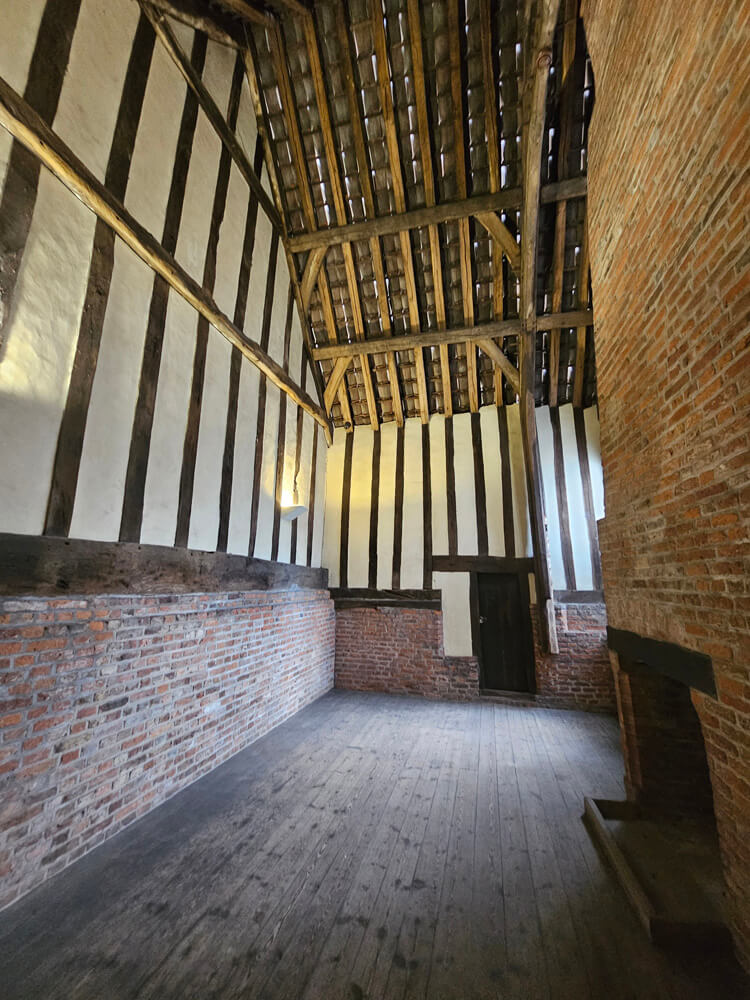
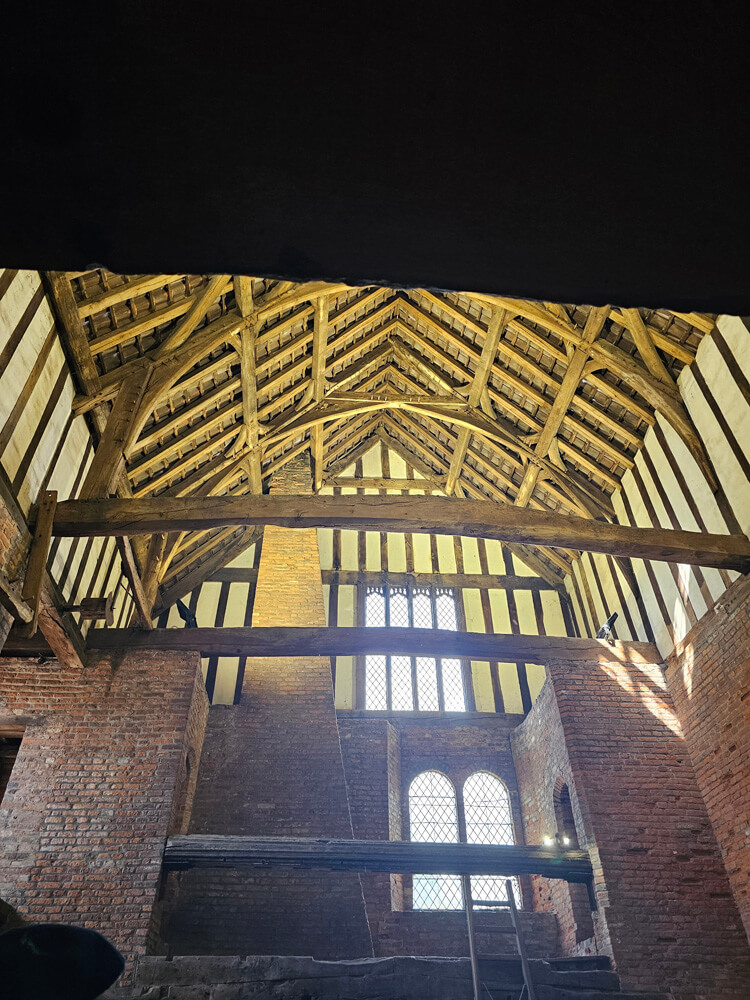
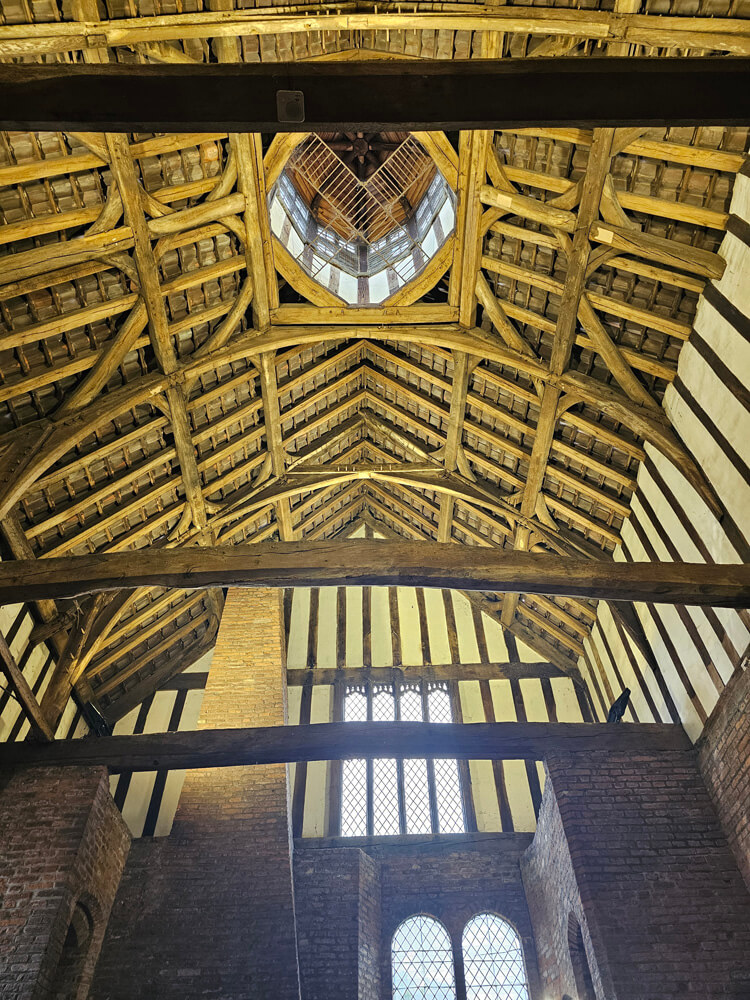
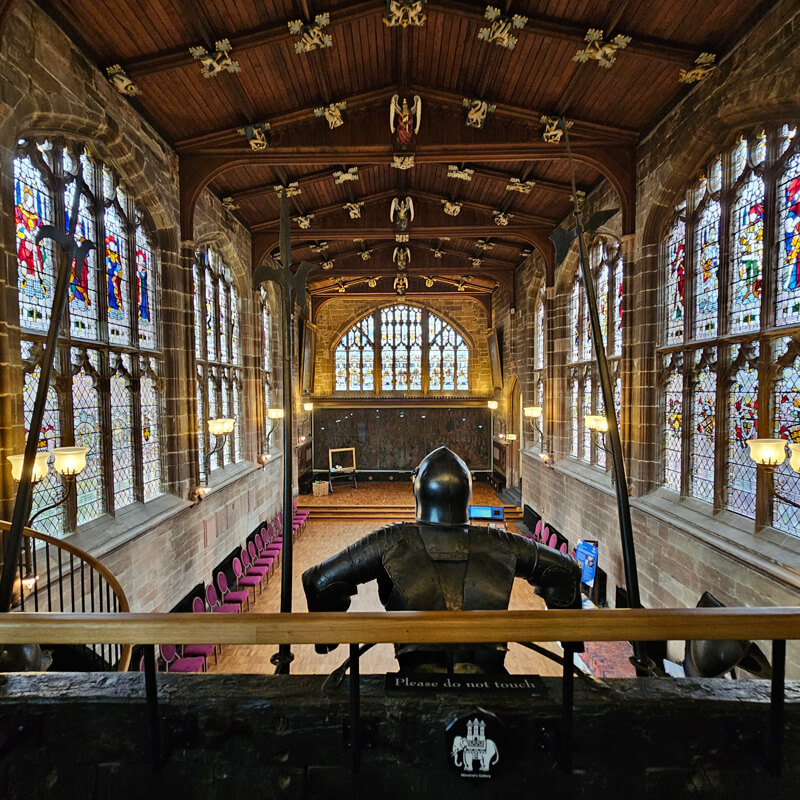
The Great Hall was the centre of medieval life at Gainsborough. Here, the Burgh family entertained guests, conducted business and demonstrated their wealth. The surviving timber roof and enormous fireplace provide an impression of the scale and grandeur of the original house.
The hall also has strong connections with the Tudor monarchy. Richard III visited Gainsborough in 1484, during the ownership of Sir Thomas Burgh. More famously, Henry VIII visited in 1541, accompanied by his fifth wife, Catherine Howard. The royal party stayed at the hall during their journey through the north, at a time when concerns were beginning to emerge about Catherine’s behaviour. She was subsequently arrested and executed for treason in 1542.
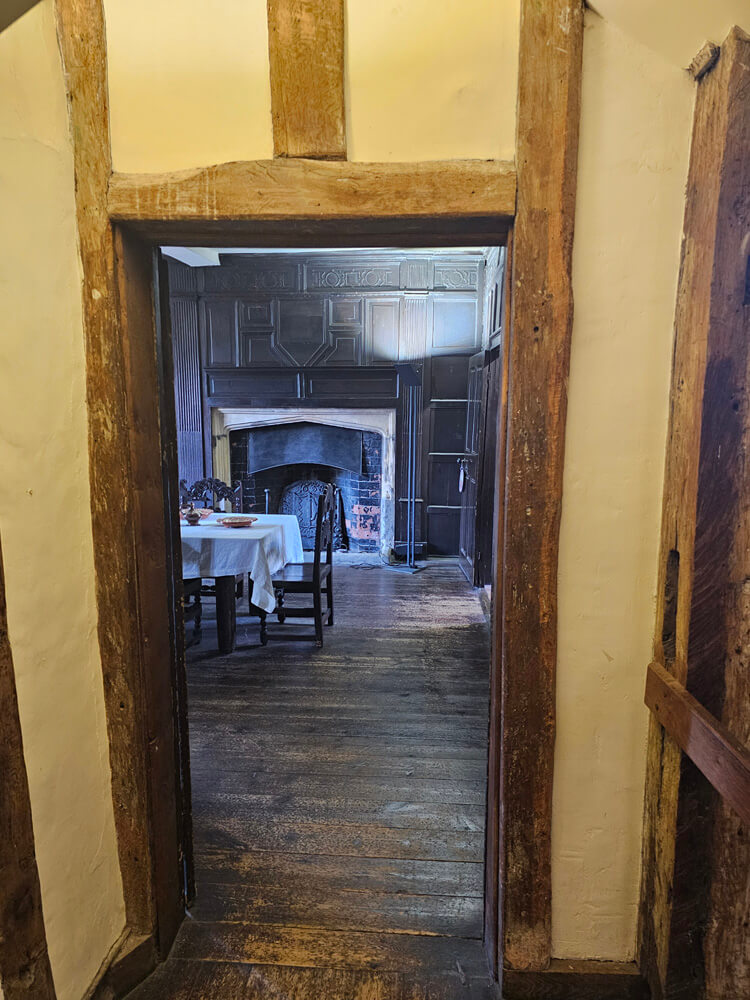
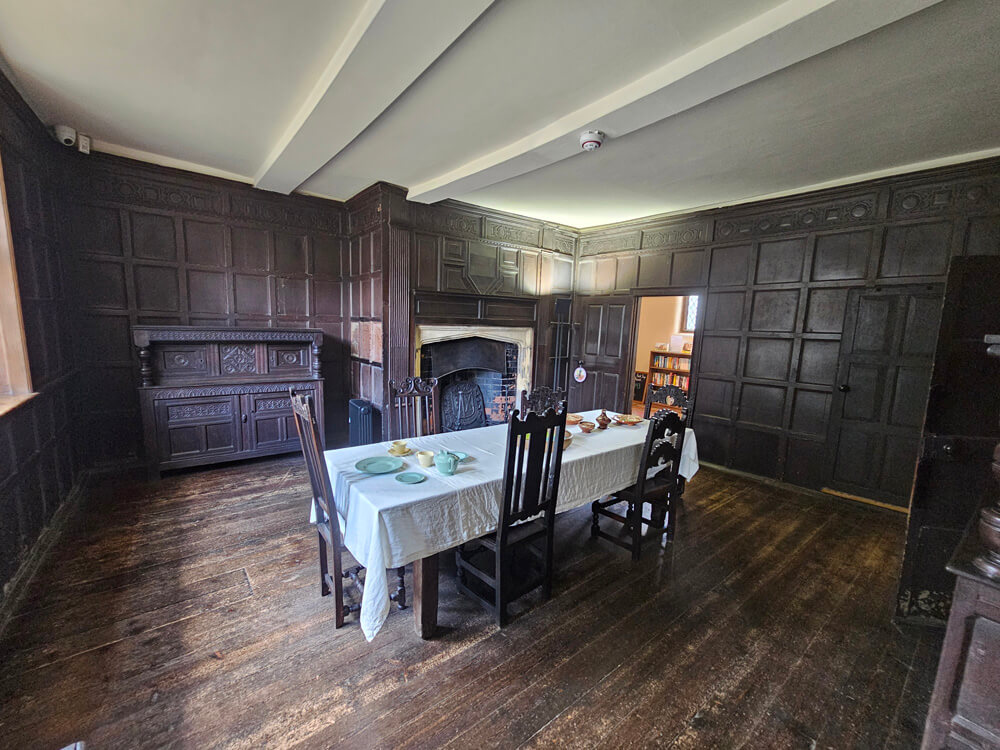
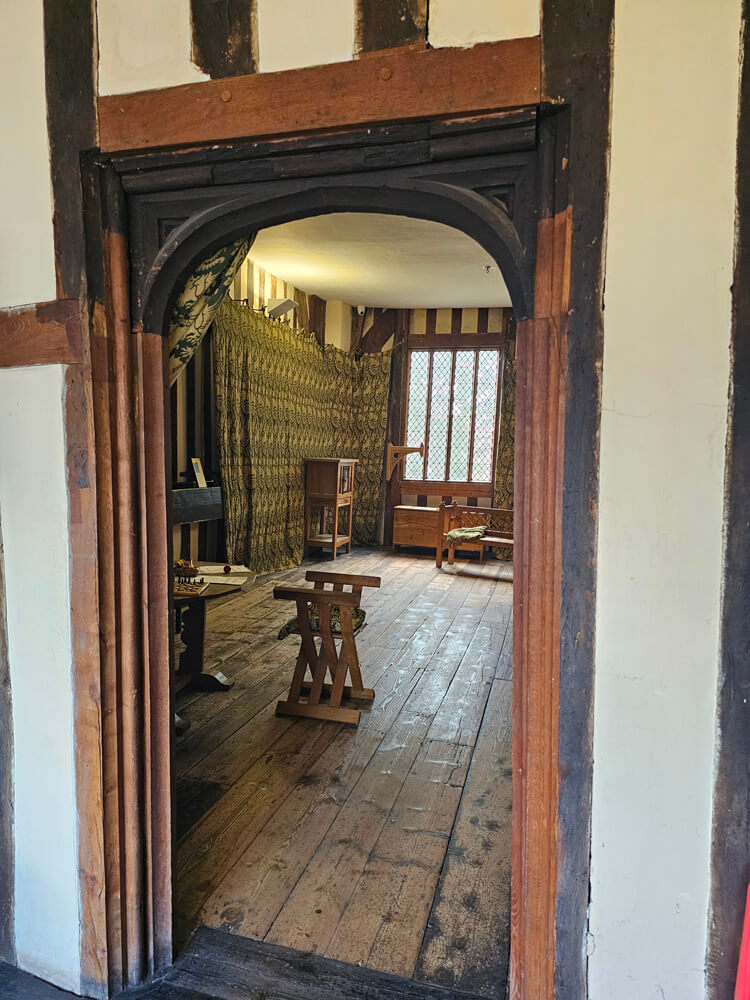
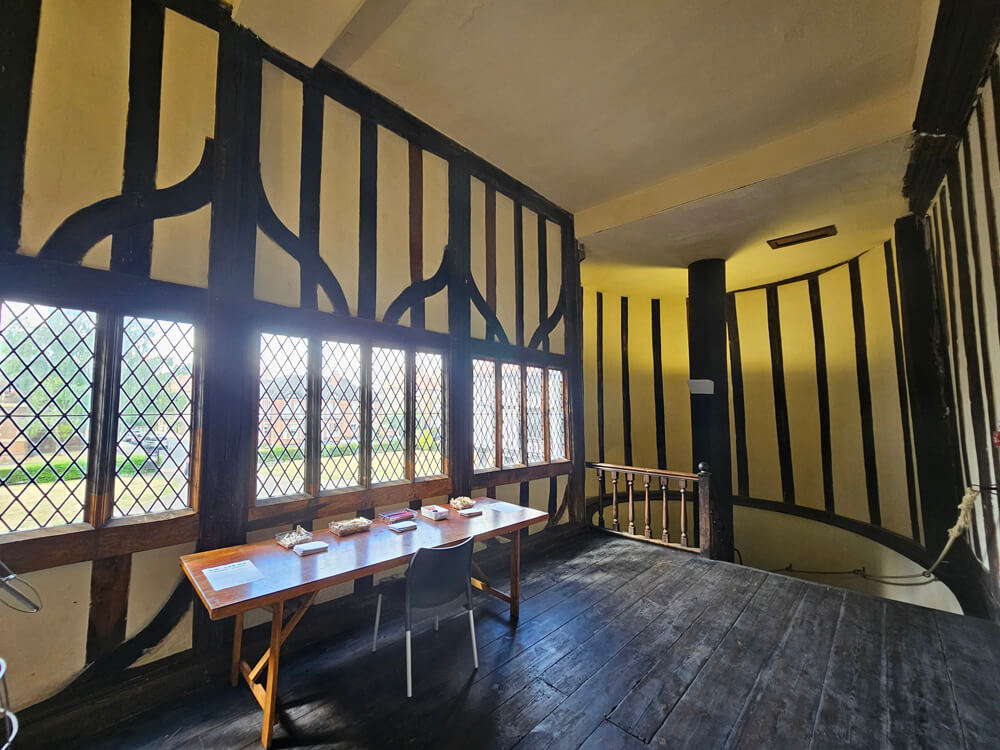
The Burgh family’s fortunes eventually declined, and in 1596 the hall was sold to William Hickman, a wealthy London merchant. Hickman transformed the property into a more fashionable Elizabethan and Jacobean residence. He modernised the east range, adding larger windows, fireplaces and fashionable oak panelling, while decorating the interiors with painted designs, tapestries and fine furnishings.
The Hickman family remained at Gainsborough for more than a century. By around 1730, however, the family had moved elsewhere, leaving the Old Hall to enter a very different chapter in its history. Instead of remaining an aristocratic residence, its various buildings were divided up and put to numerous commercial and community uses.
During the 18th and 19th centuries, parts of the building became workshops, shops, tenements and industrial premises. The Great Hall acquired an especially colourful history. John Wesley, founder of the Methodist movement, preached there on several occasions, beginning in 1759. In 1790 the Great Hall was converted into a theatre, with a stage, theatre boxes and a gallery. Performances included plays, musical entertainment, lectures and public events.
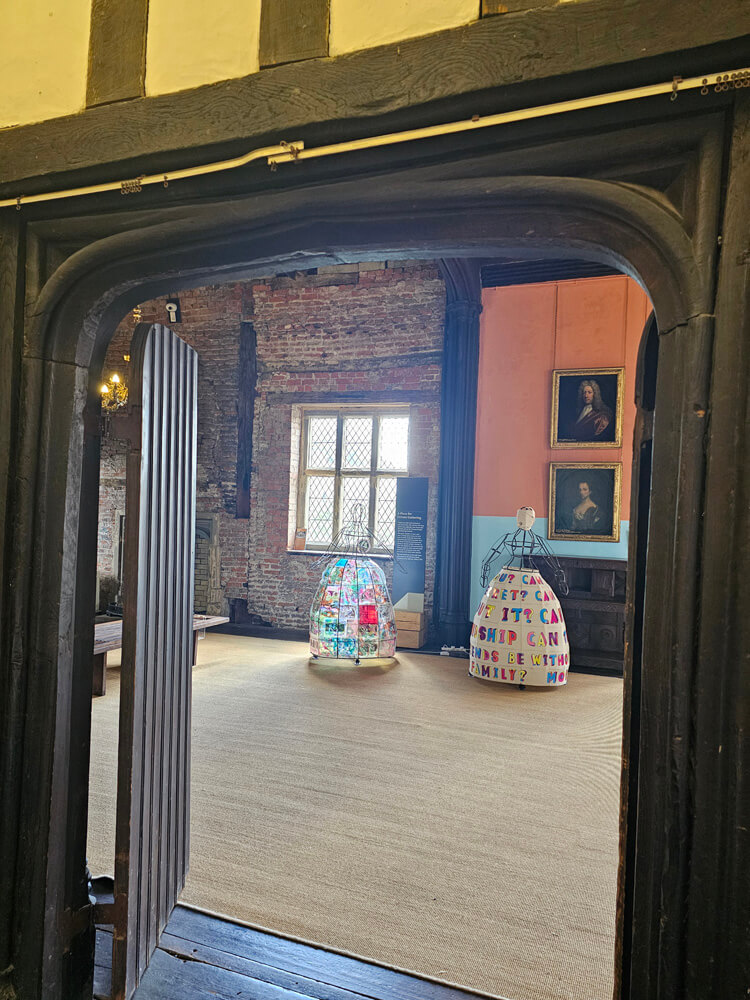
The hall was later adapted for civic purposes. In the 19th century, the Great Hall became a Corn Exchange, while other rooms served as assembly rooms and premises for the Literary Institute. Elsewhere in the complex there had been a linen factory, public house and other businesses. By this stage, the once-grand manor house had become closely intertwined with everyday life in Gainsborough.
By the early 20th century, however, the Old Hall had fallen into considerable disrepair. Its survival was eventually secured through the determination of local people. In 1949, responsibility for the building passed to the Friends of the Old Hall Association, a voluntary organisation that raised funds for extensive restoration and opened the hall as a visitor attraction and community resource. In 1969, the Old Hall was transferred into state care and is now managed by English Heritage.
Today, Gainsborough Old Hall provides a remarkable window into medieval and Tudor England. Its Great Hall, timber roof, domestic apartments, tower and exceptional kitchen reveal the ambitions of Sir Thomas Burgh, while its later alterations tell the story of how historic buildings can adapt to changing communities. From a powerful medieval family’s home to a theatre, factory and civic centre, the Old Hall has continually reinvented itself and remains one of Gainsborough’s most important landmarks.
Photo Gallery.
Did you enjoy this post?
I hope you found this post useful. I put a great deal of time and effort in to building, maintaining and populating the website. If you like, you could say a small thank you by buying me a coffee. You don't have to, but it would be nice :)
Buy me a coffee
Stay up to Date
Follow me on my journey and get notified whenever a new post is published by following Kings & Castles on Facebook.
Follow MeExplore The Map
Discover the hundreds of castles, churches, monasteries, cathedrals and other historic locations that I've personally visited across England and Wales. Search by location, explore nearby sites and plan your next historical adventure.
Share: