Pershore Abbey
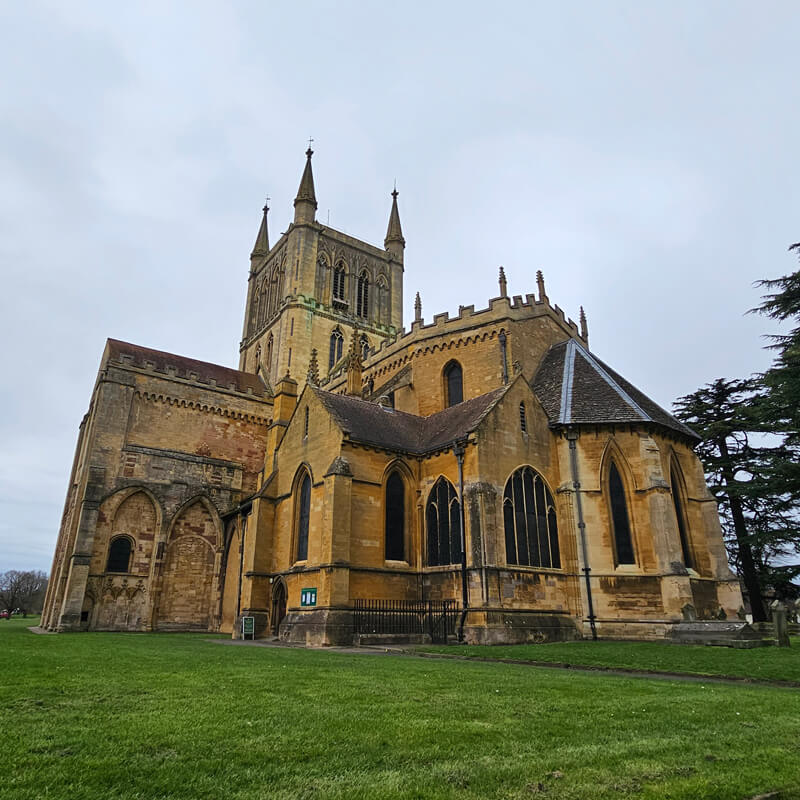
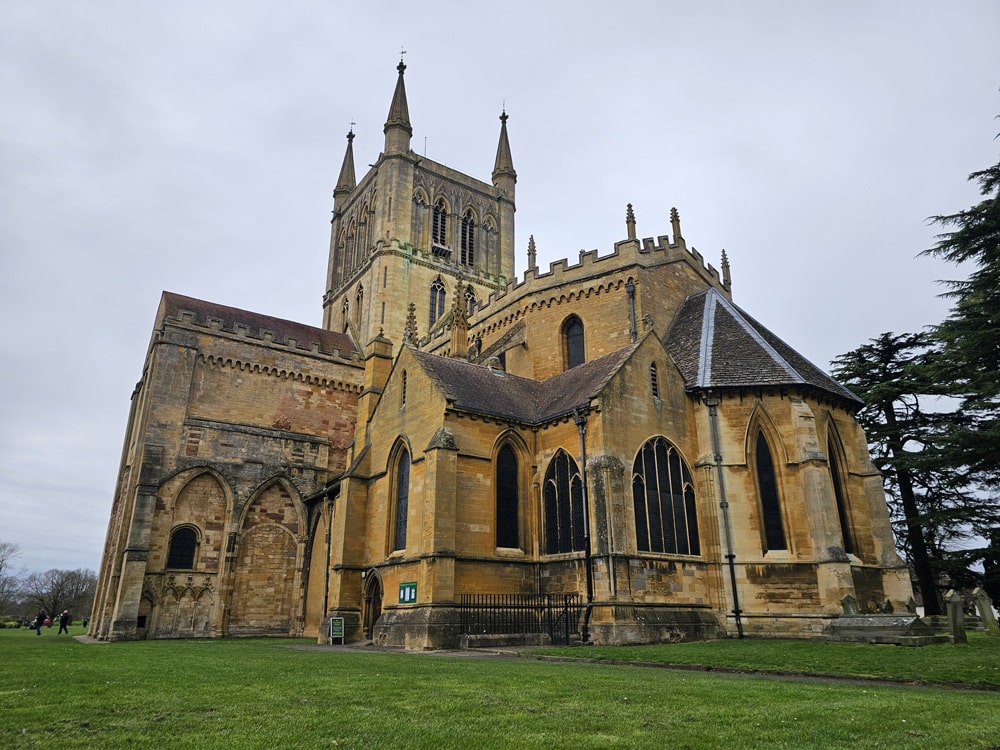
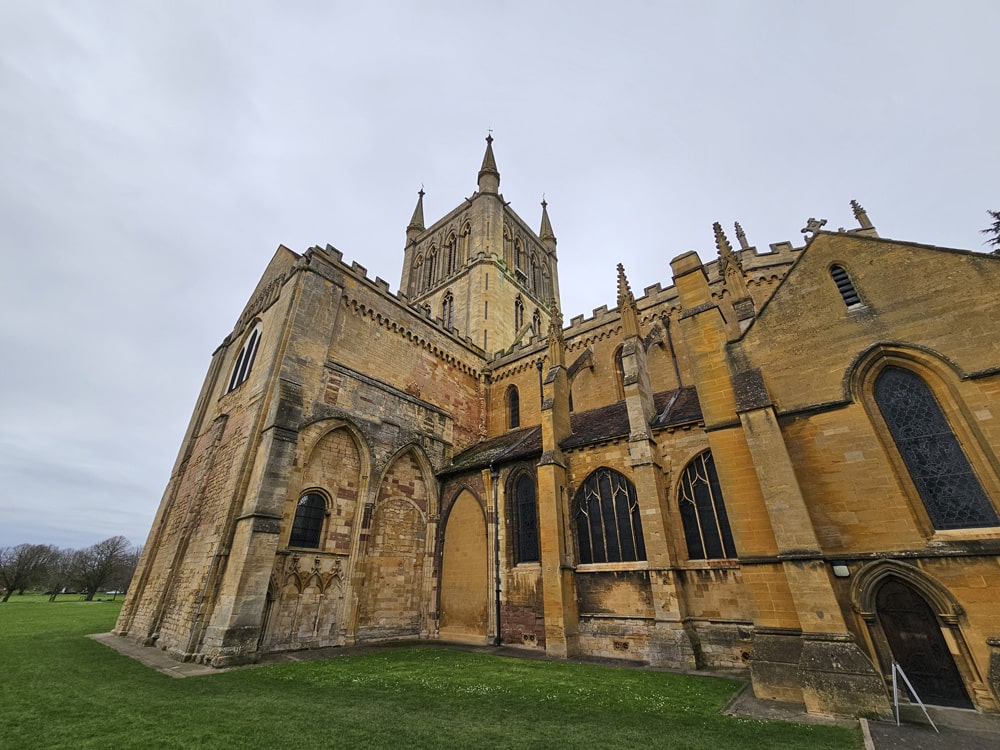
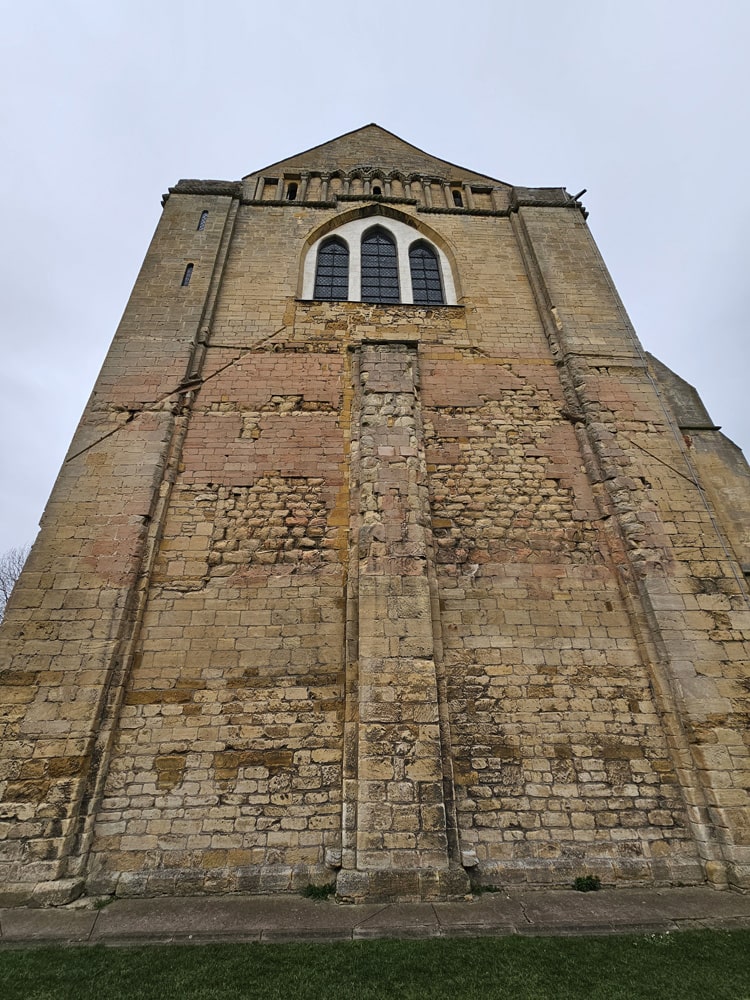
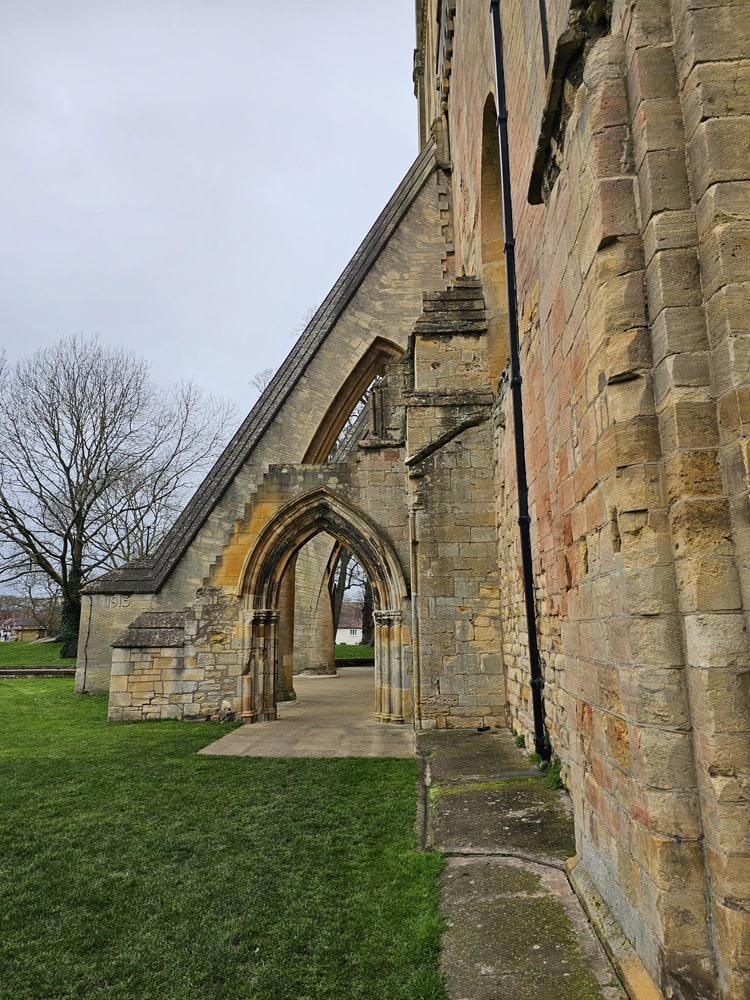
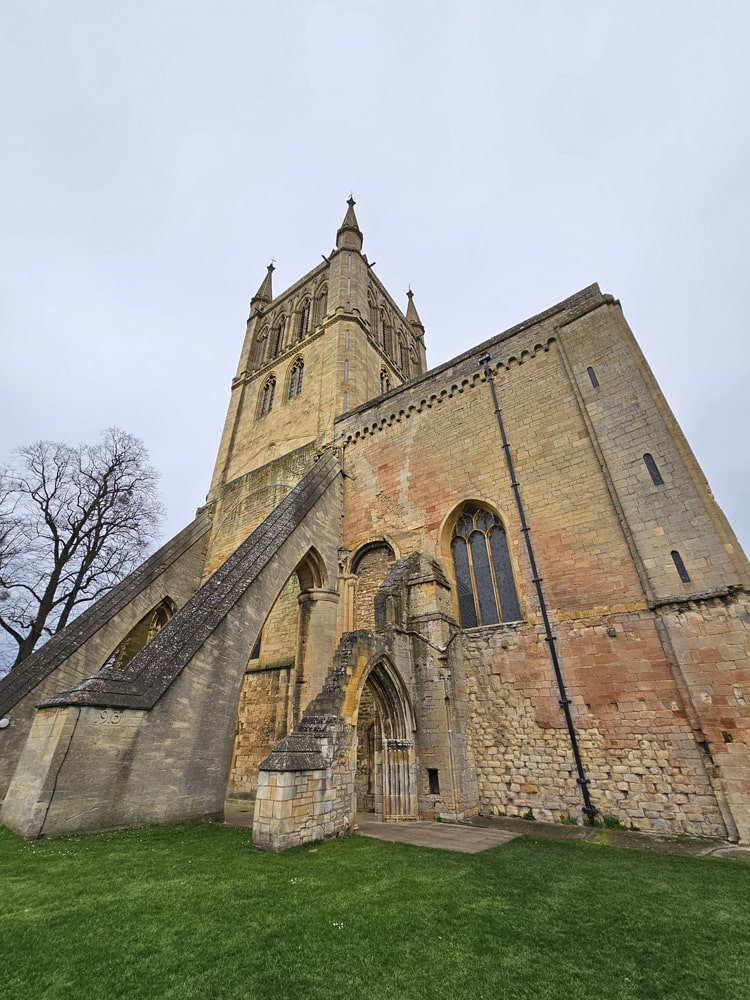
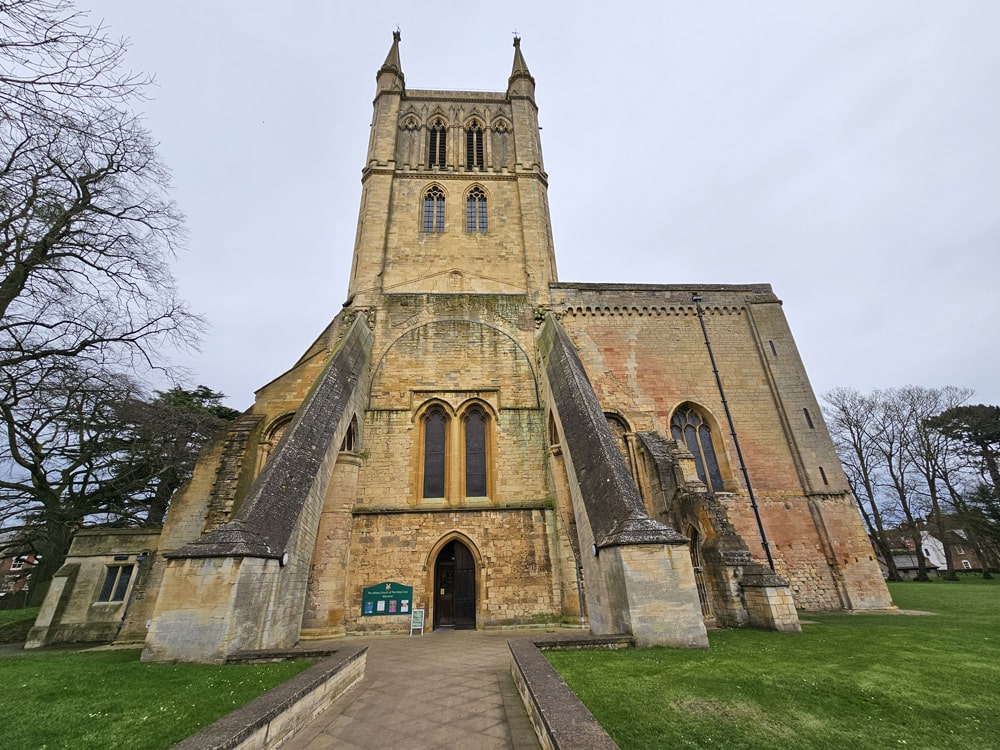
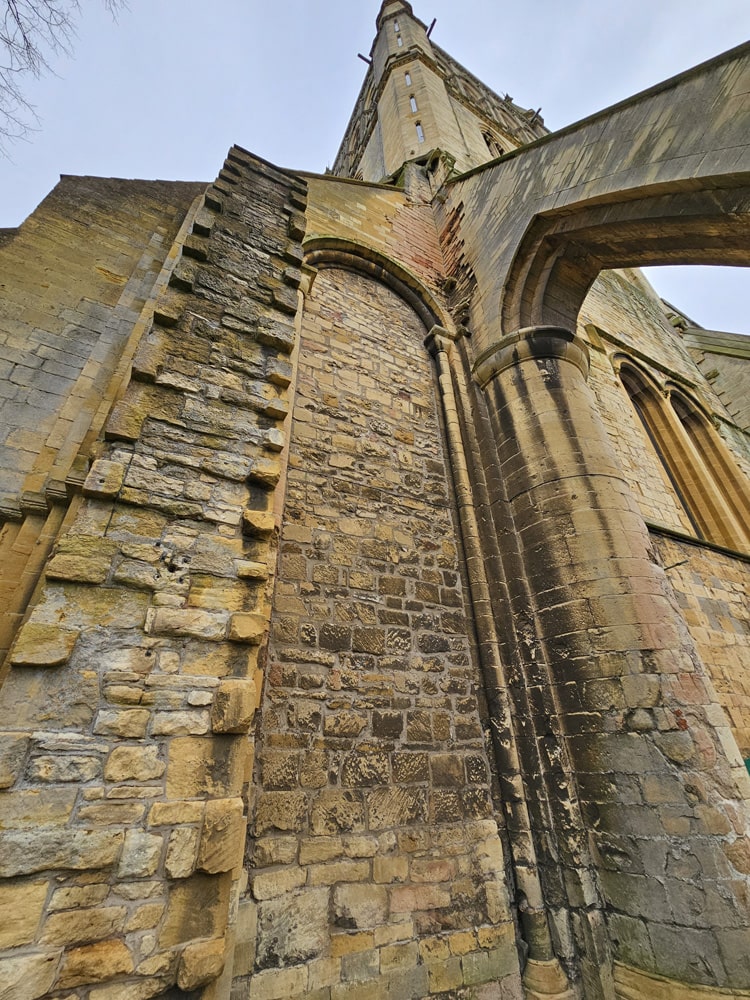
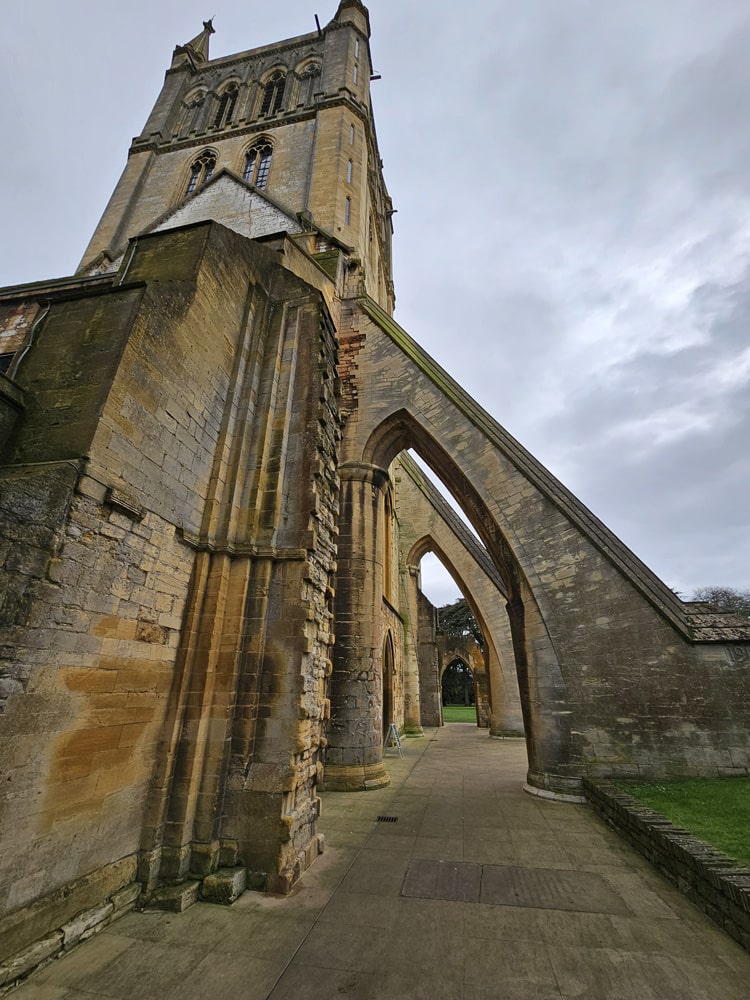
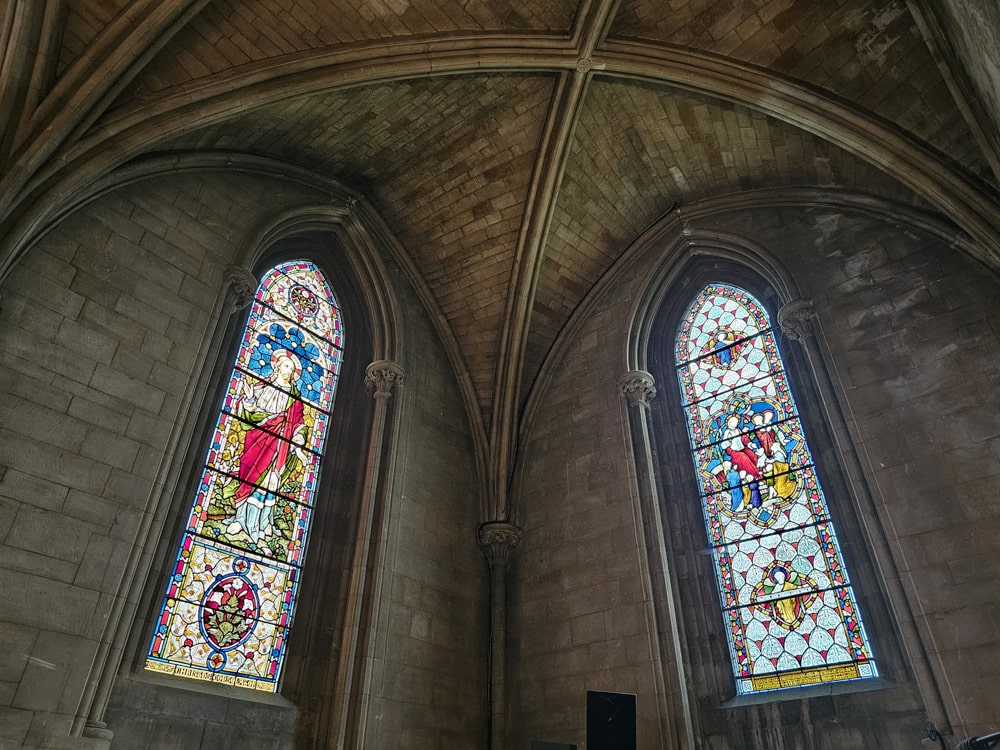
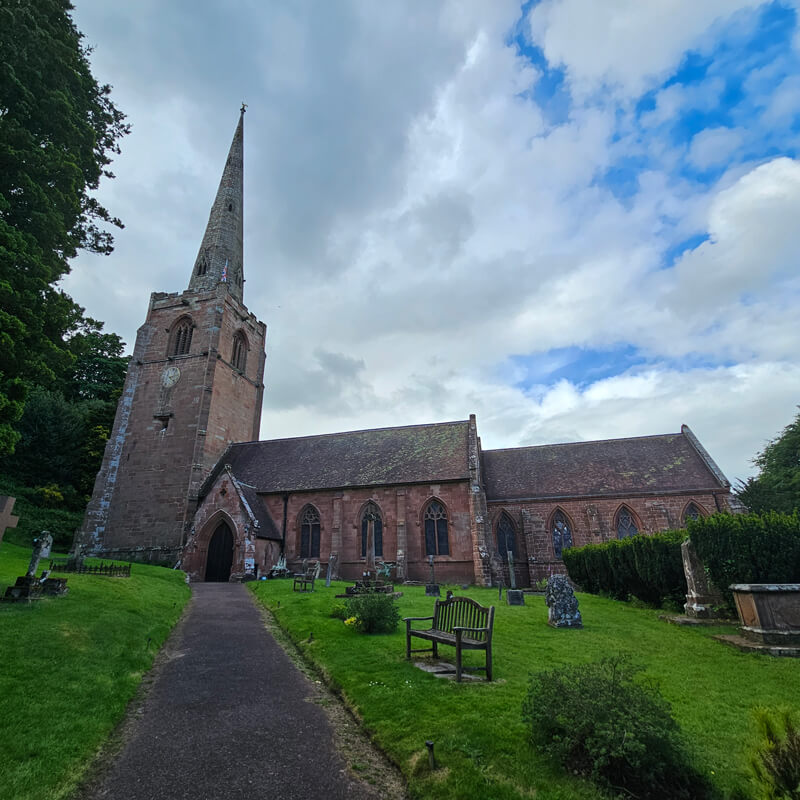
Pershore Abbey is an architectural treasure. Situated in the heart of Pershore, Worcestershire, it was once an Anglo-Saxon monastery and is now an Anglican parish church and has been a place of worship for over 1300 years. The abbey church that we see today is the triumphant survivor of what was once a much larger medieval Benedictine monastery, and was one of the largest medieval abbeys in Britain, even larger than Worcester Cathedral.
Quick
Facts.
- Location: Pershore, Worcestershire, England
- Founded: 7th century
- Religious order: Benedictine
- Dissolved: 1539
- Condition: Surviving church of a ruined abbey
A Bit of History…
Land was given to fund a monastery here in the year 681 by King Æthelred of Mercia, with a monastic community living at the monastery by 689. By 972 it was a large and very important monastery which had been confirmed by King Edgar, and shortly after it was re-established under the Benedictine order.
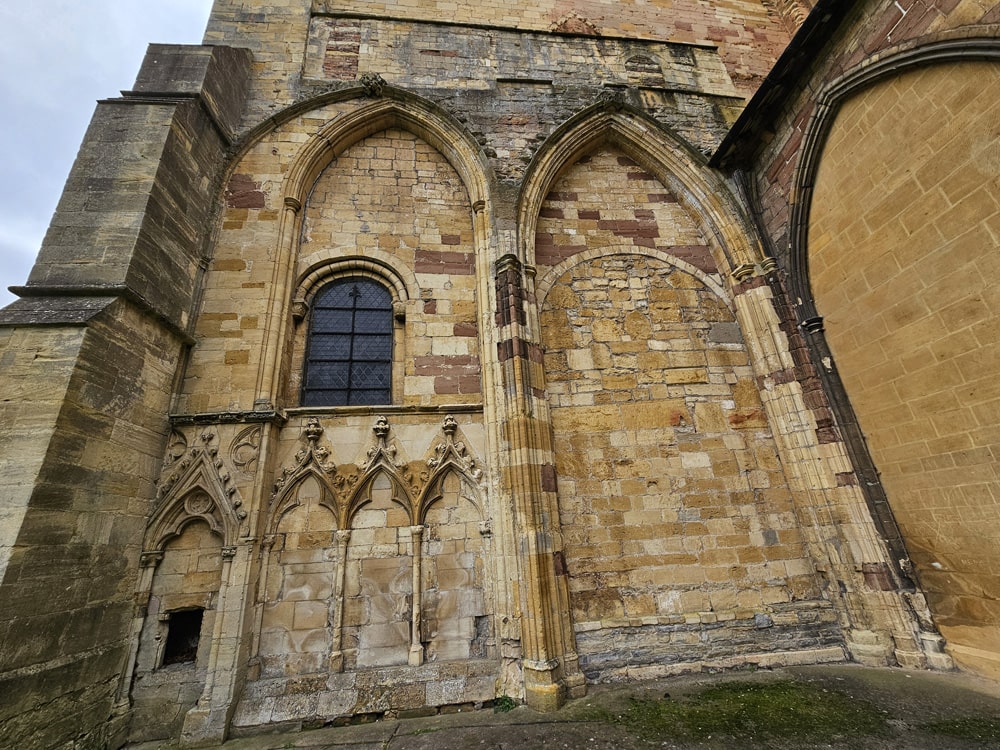
However, the abbey had a troubled history and over the centuries it was battered by fires, storms and an earthquake. The Anglo-Saxon buildings were replaced with a Norman abbey in the 11th century, which was completed by 1130, and further major rebuilding took place in the 13th century.
The abbey survived until the English Reformation and was one of the last major monasteries to be dissolved by Henry VIII during the Dissolution of the Monasteries. Most of the abbey buildings were demolished but the people of Pershore saved part of it to become their parish church, and this is what we see today.
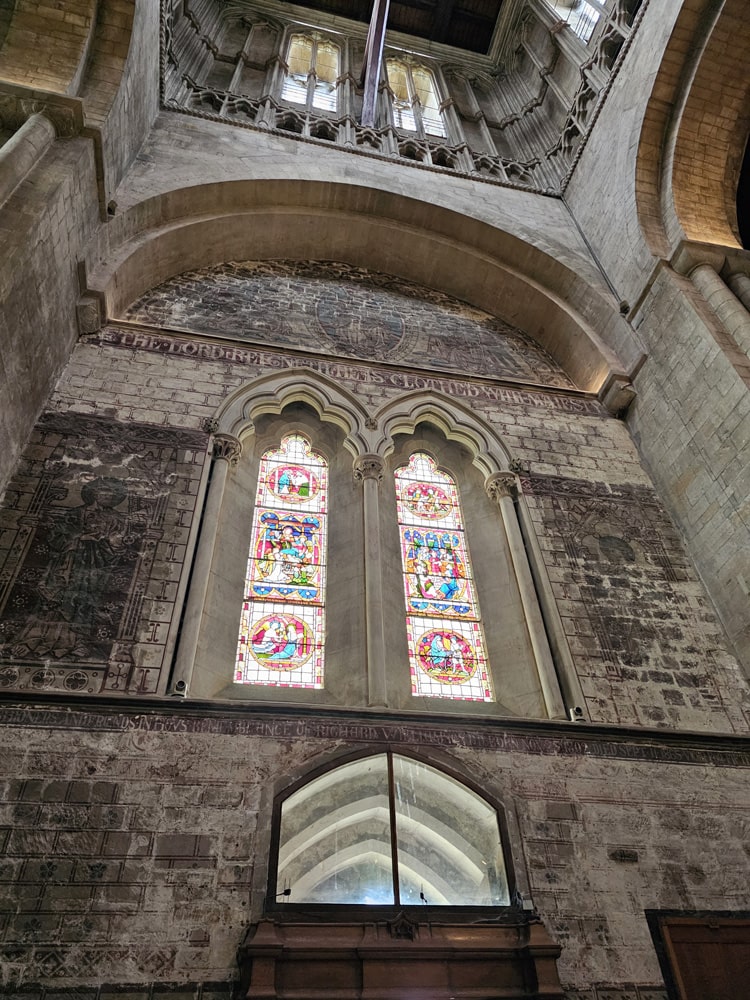
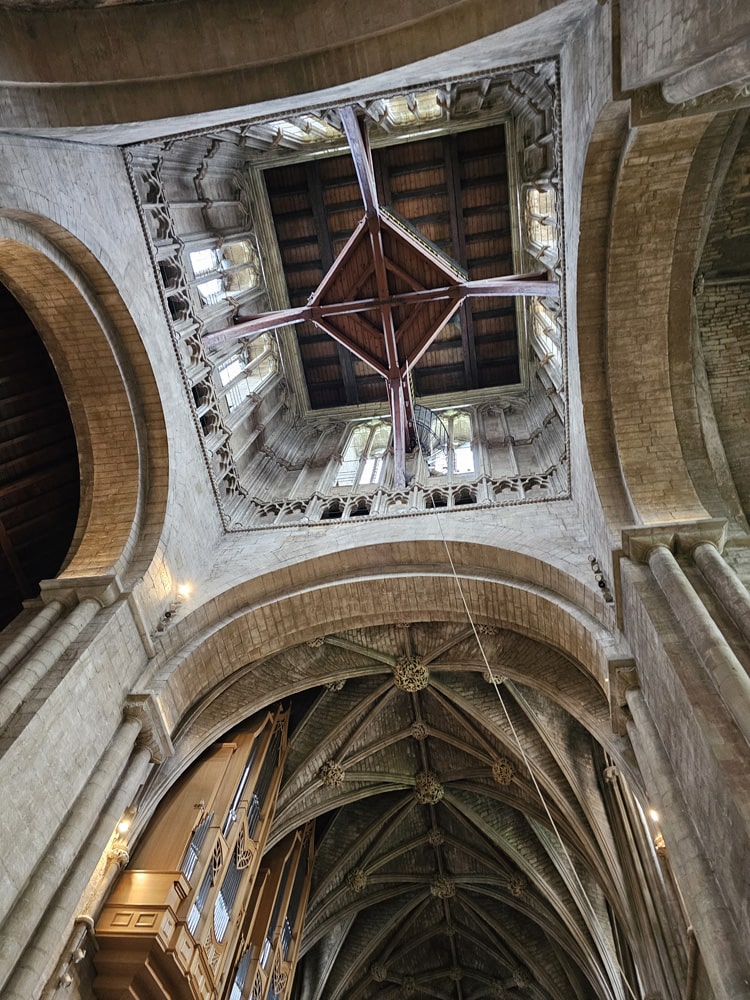
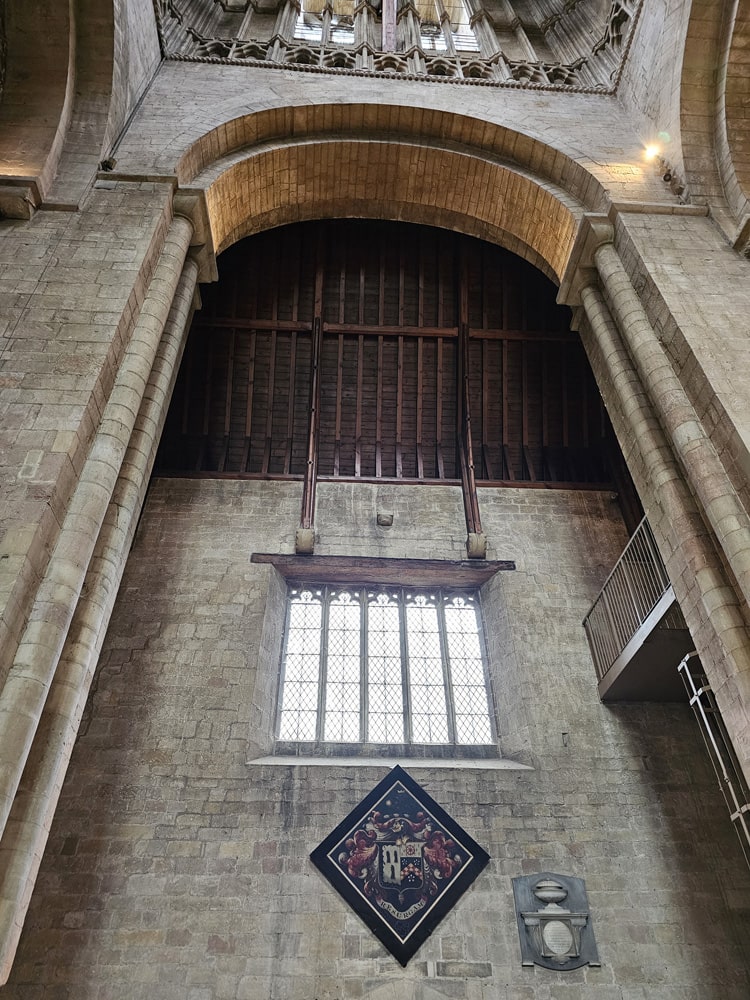
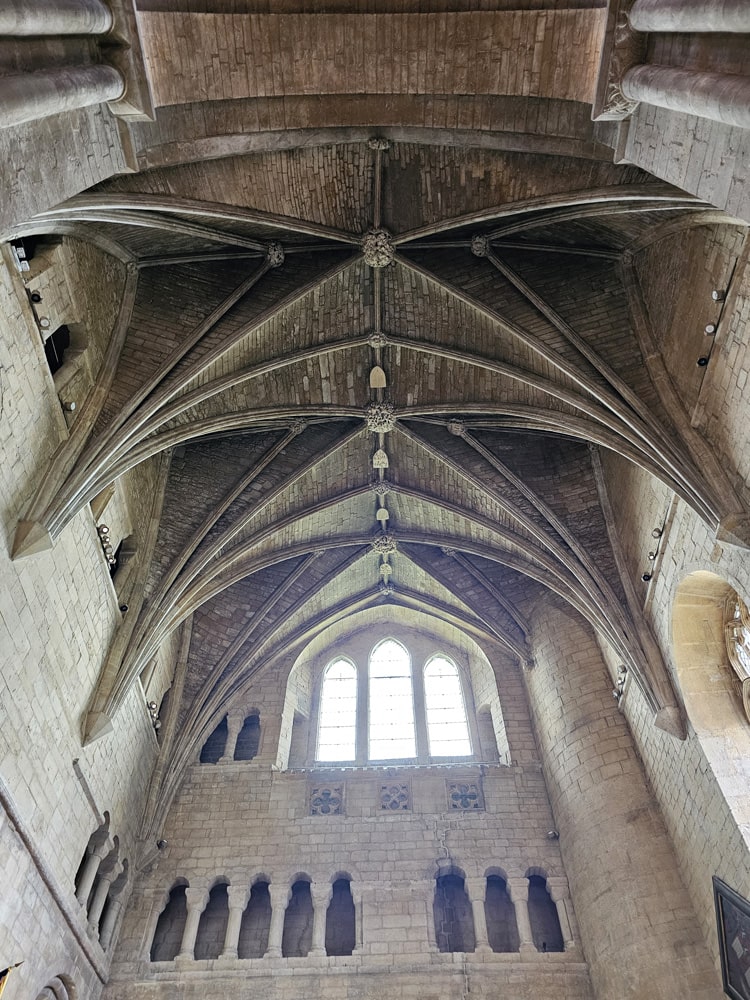
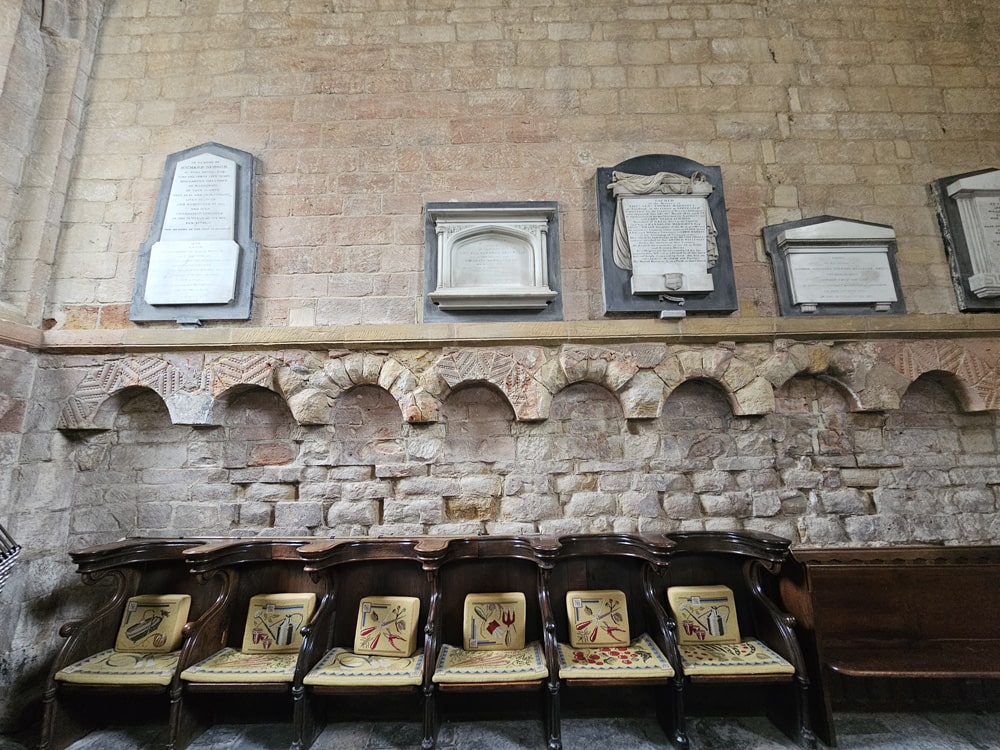
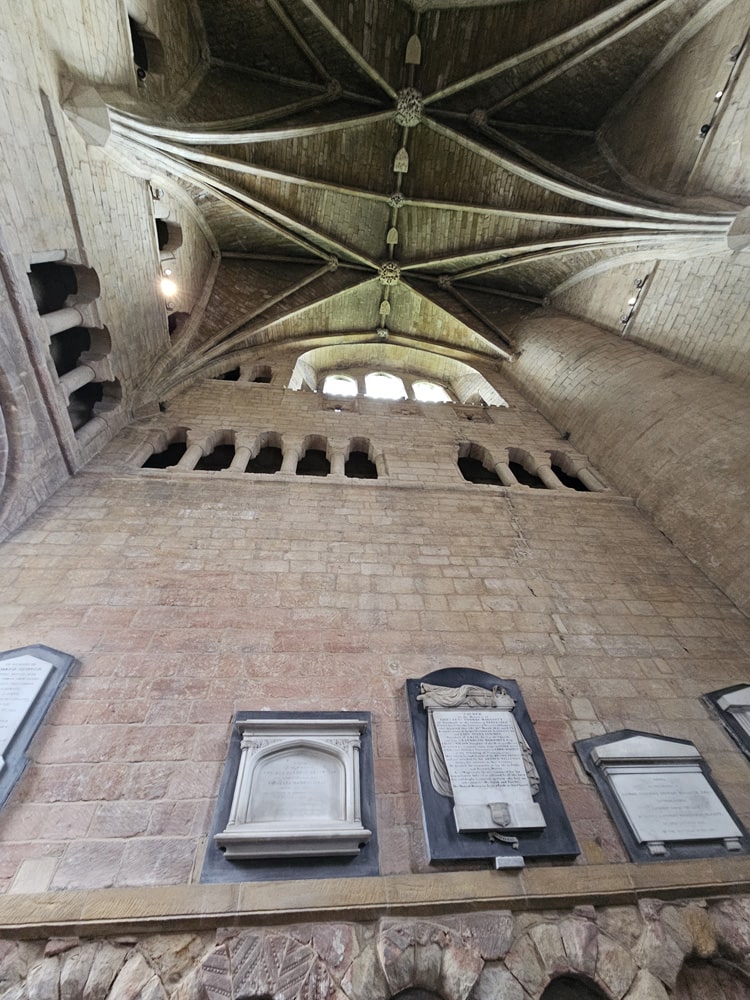
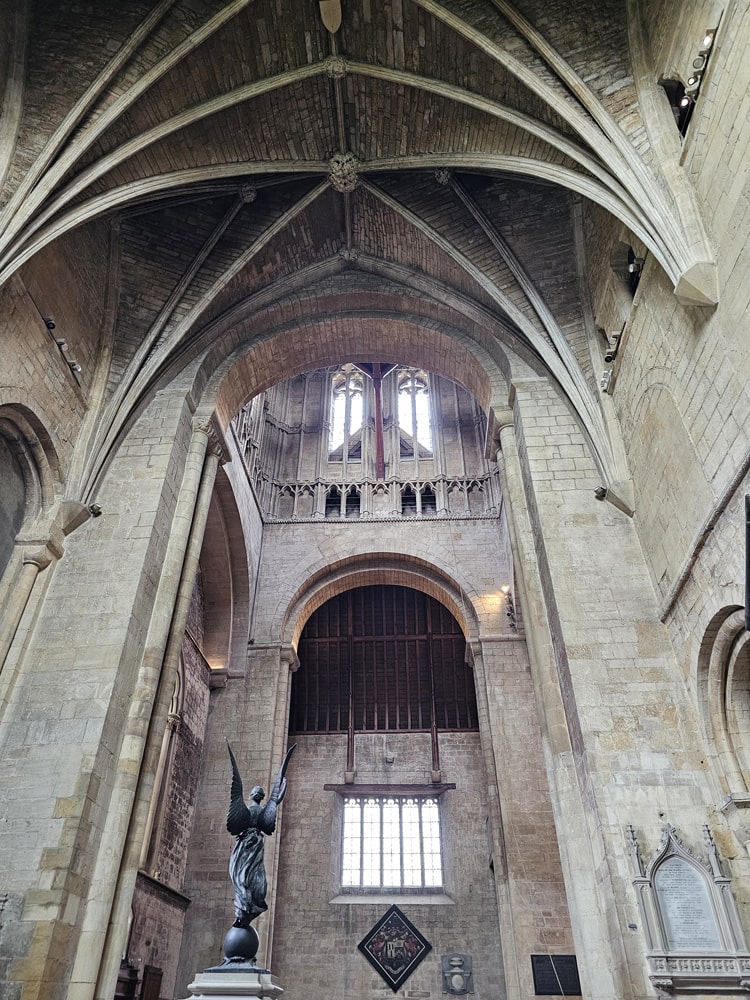
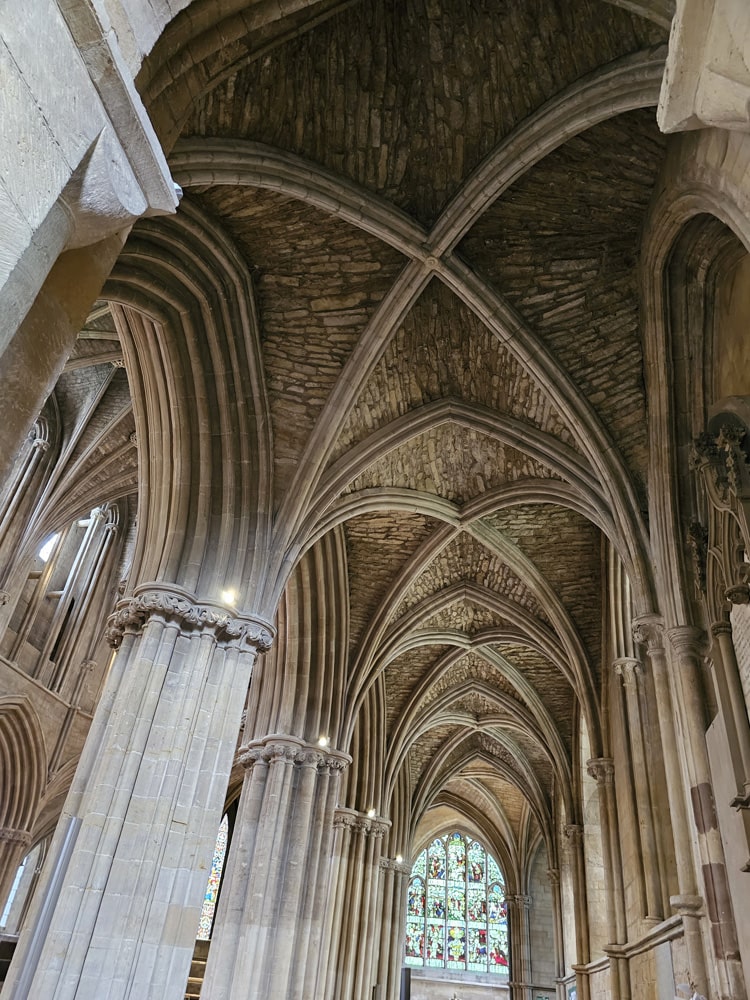
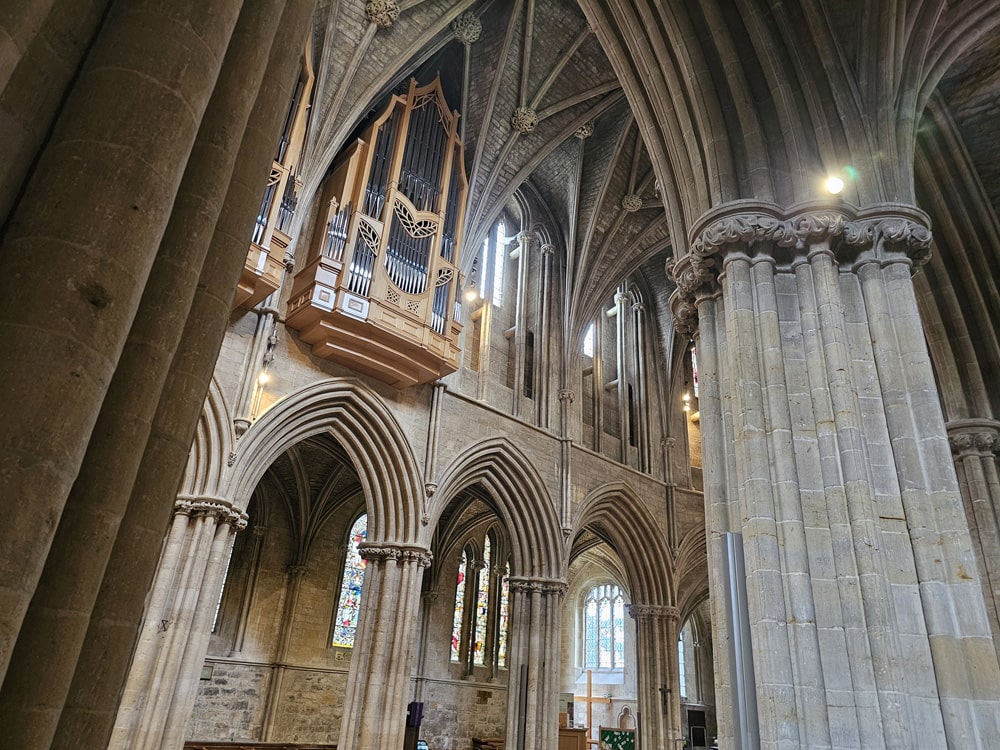
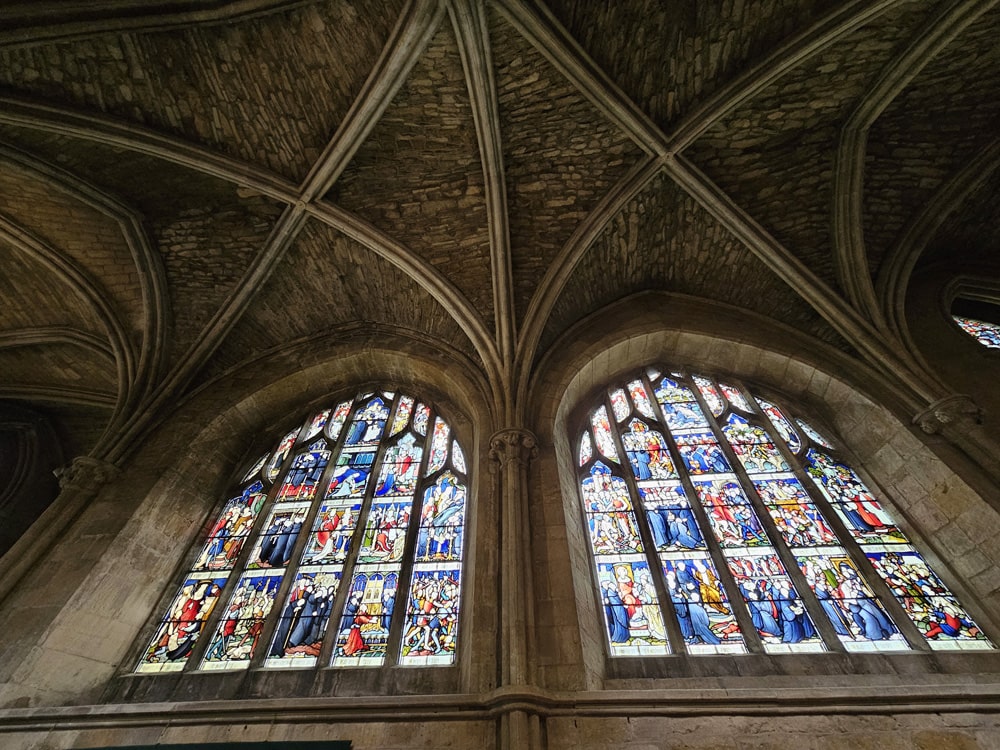
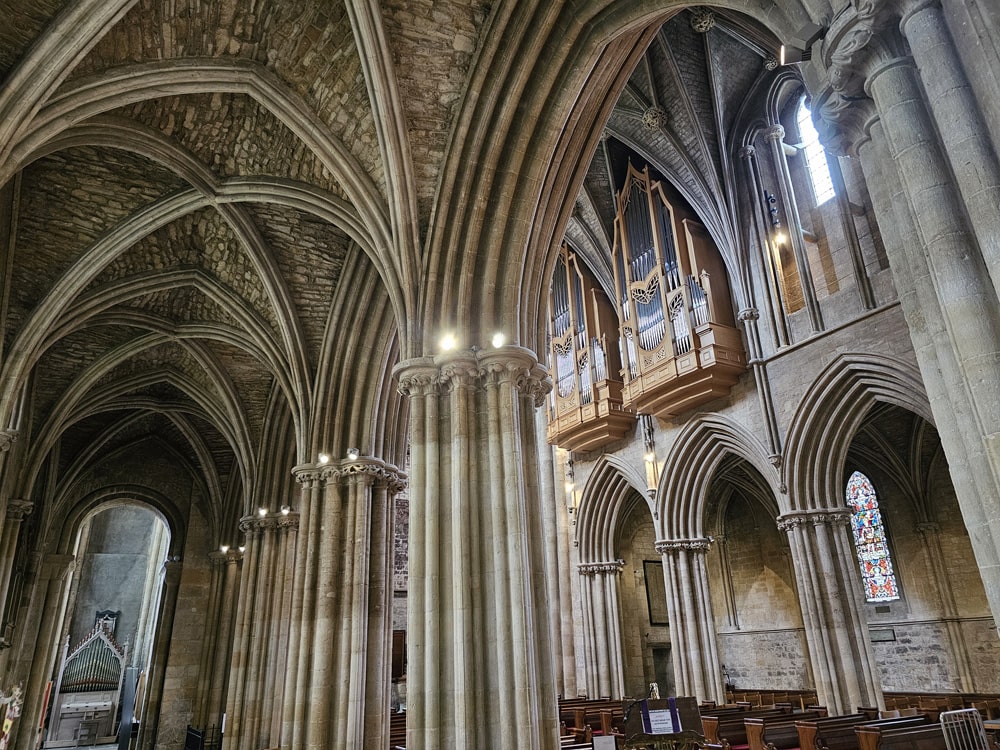
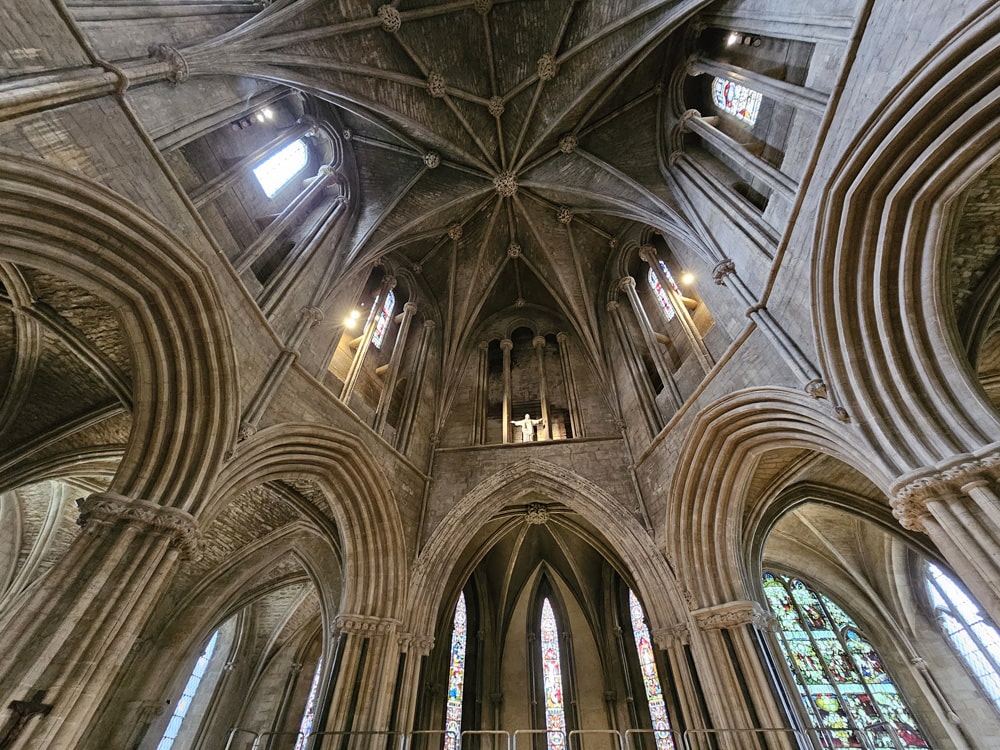
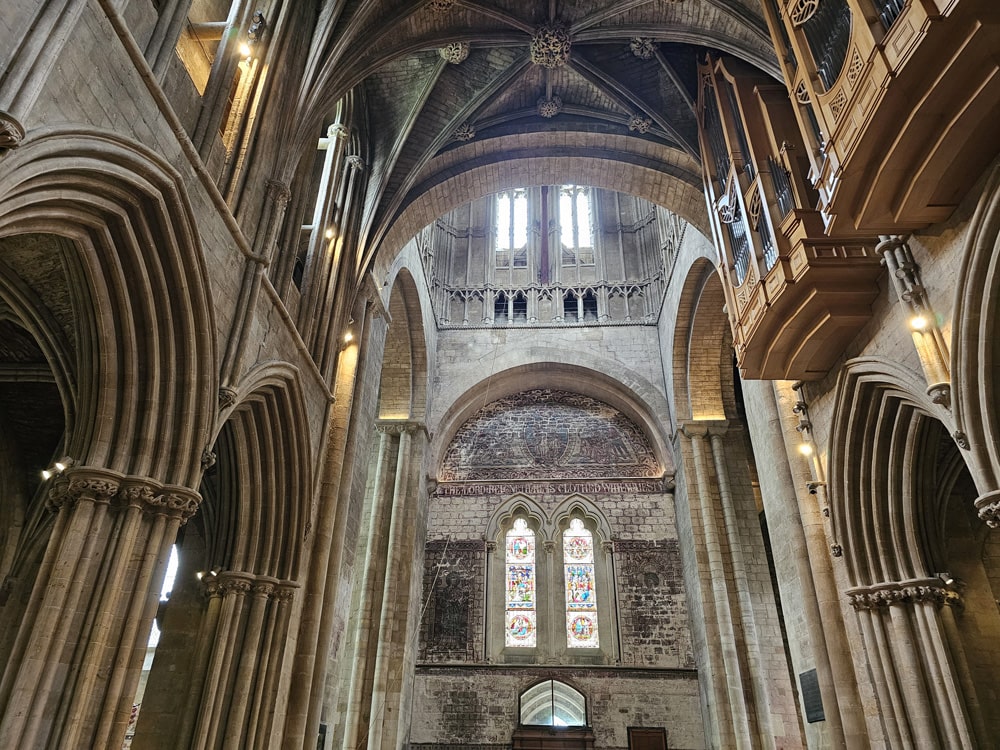
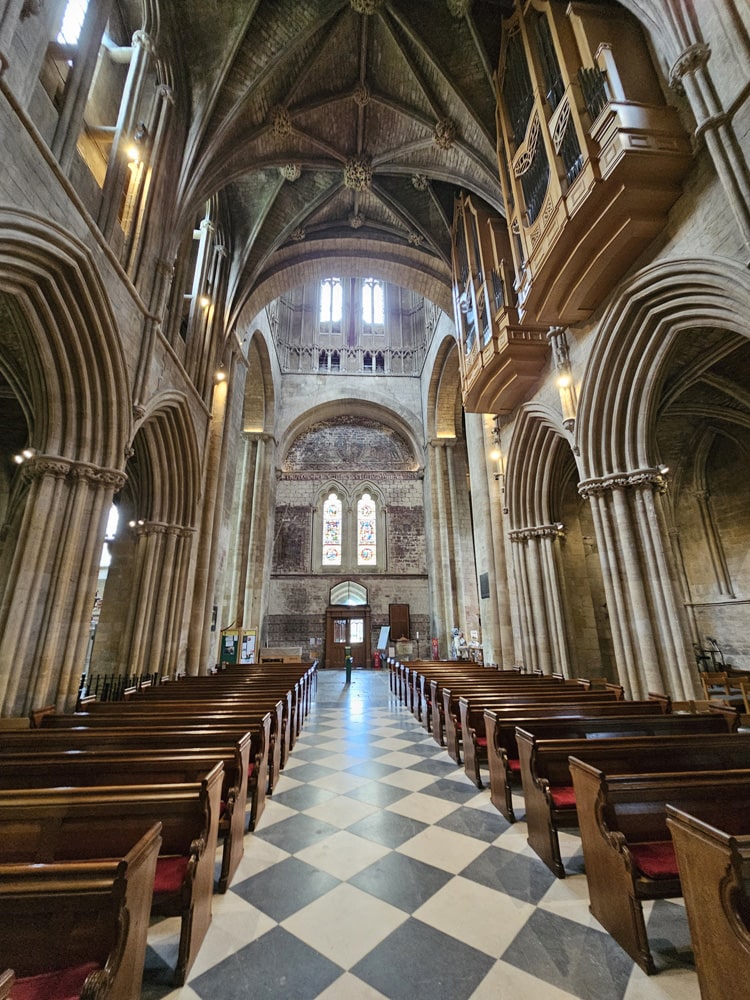
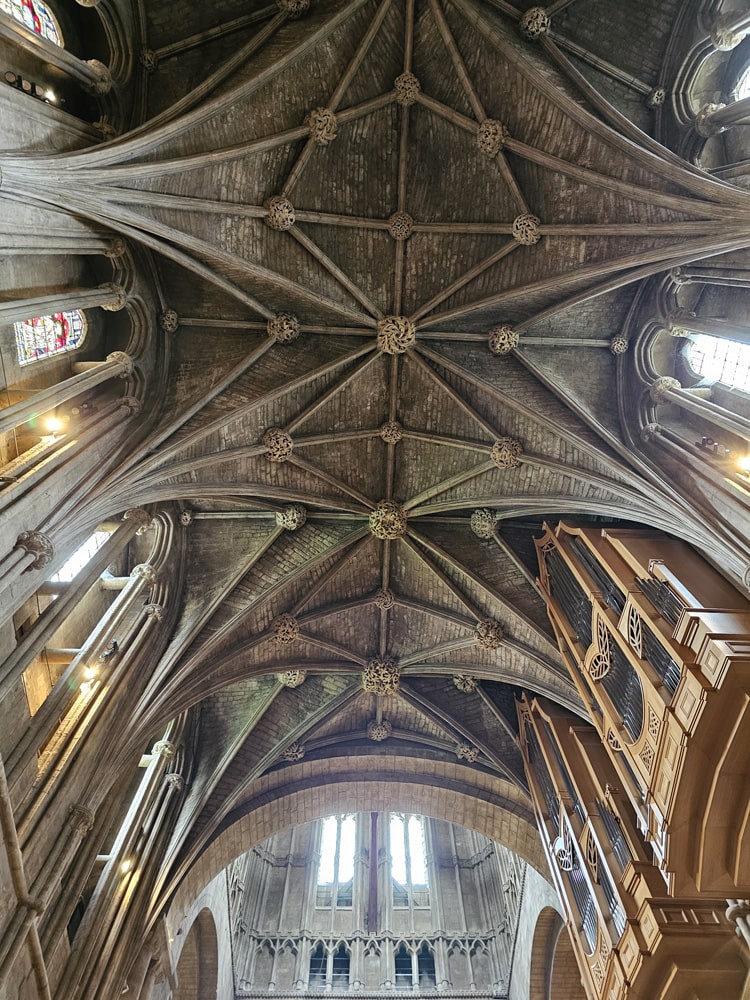
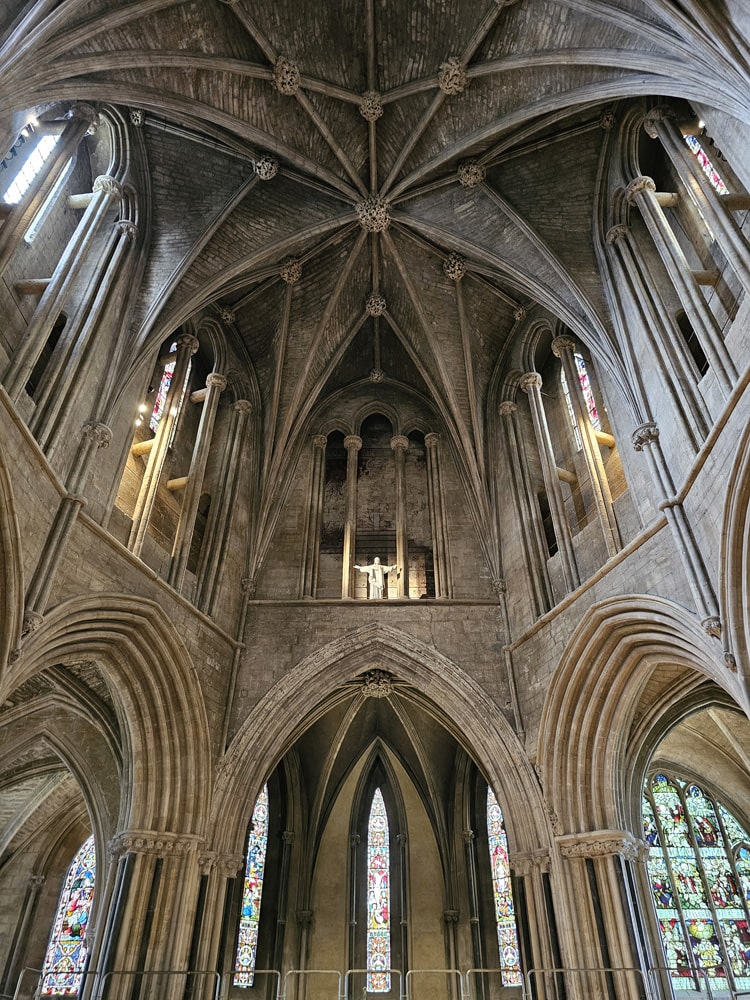
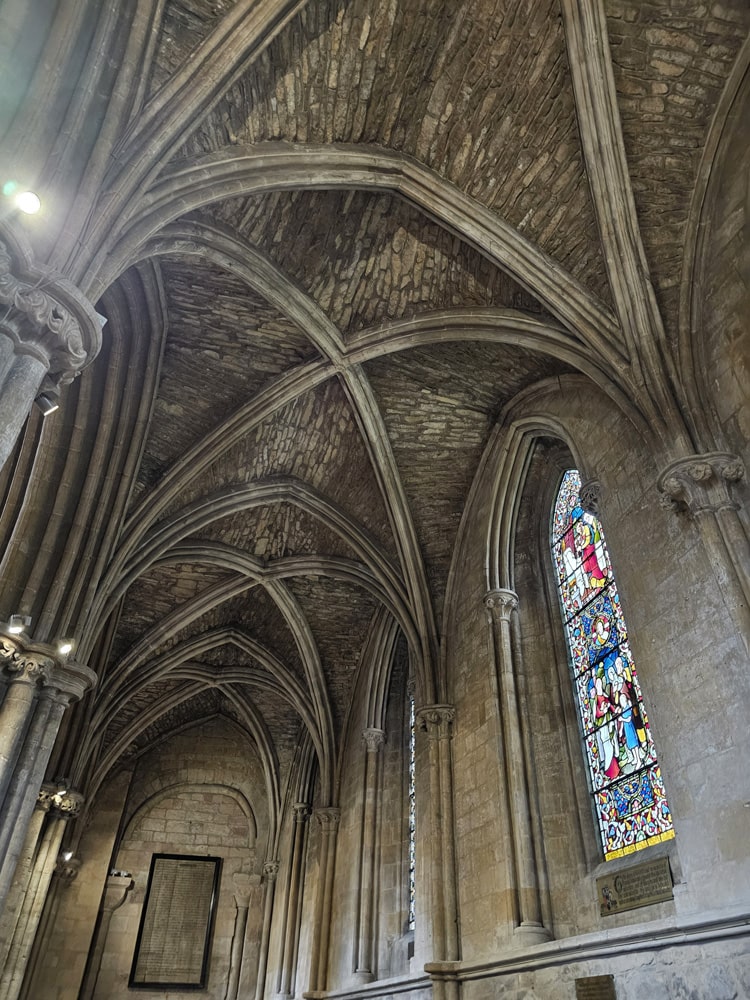
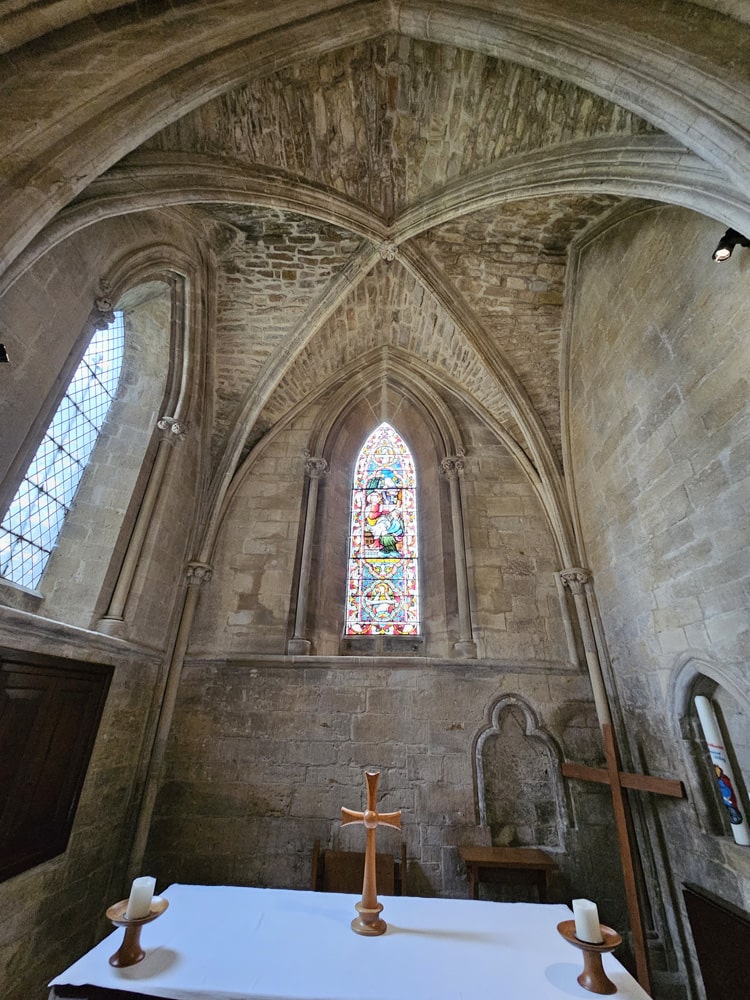
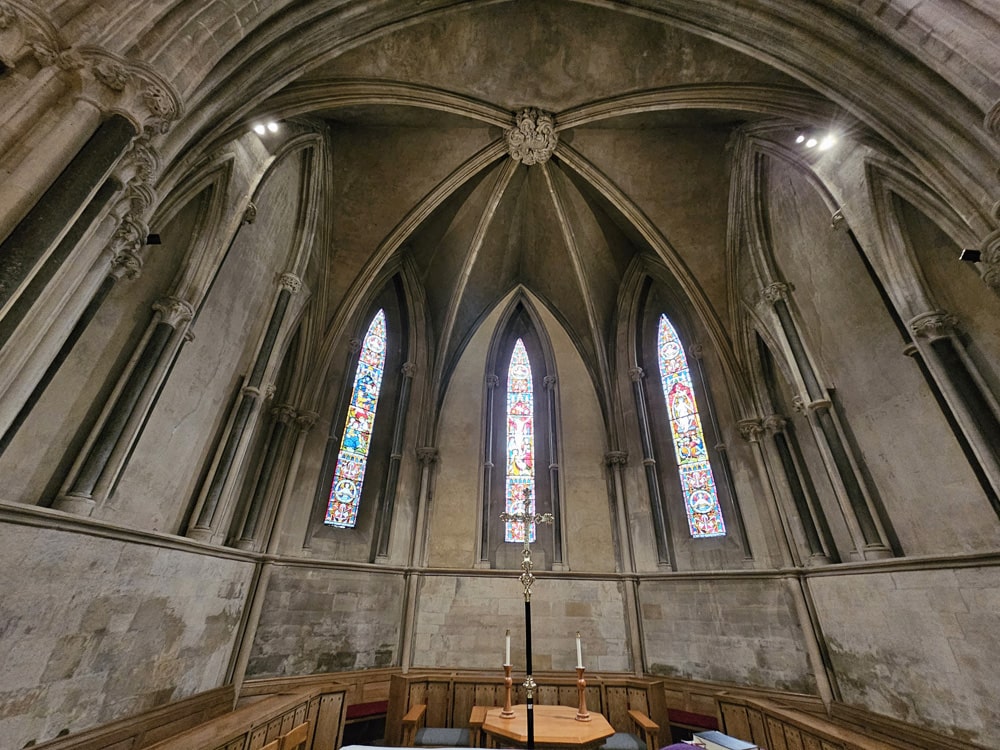
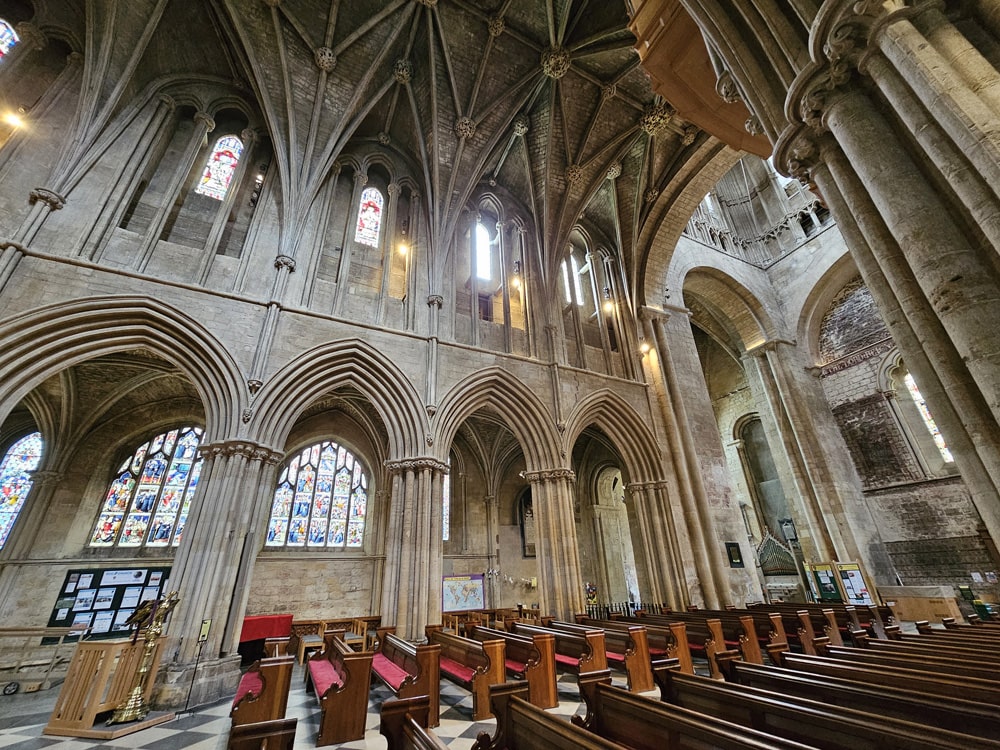
What remains of the abbey is the best part. It is blessed with a wonderful array of historic features, with its wonderful nave arcade, unique and exquisitely detailed ploughshare vaulting, the combined triforium and clerestory, and the magnificent 14th-century lantern tower.
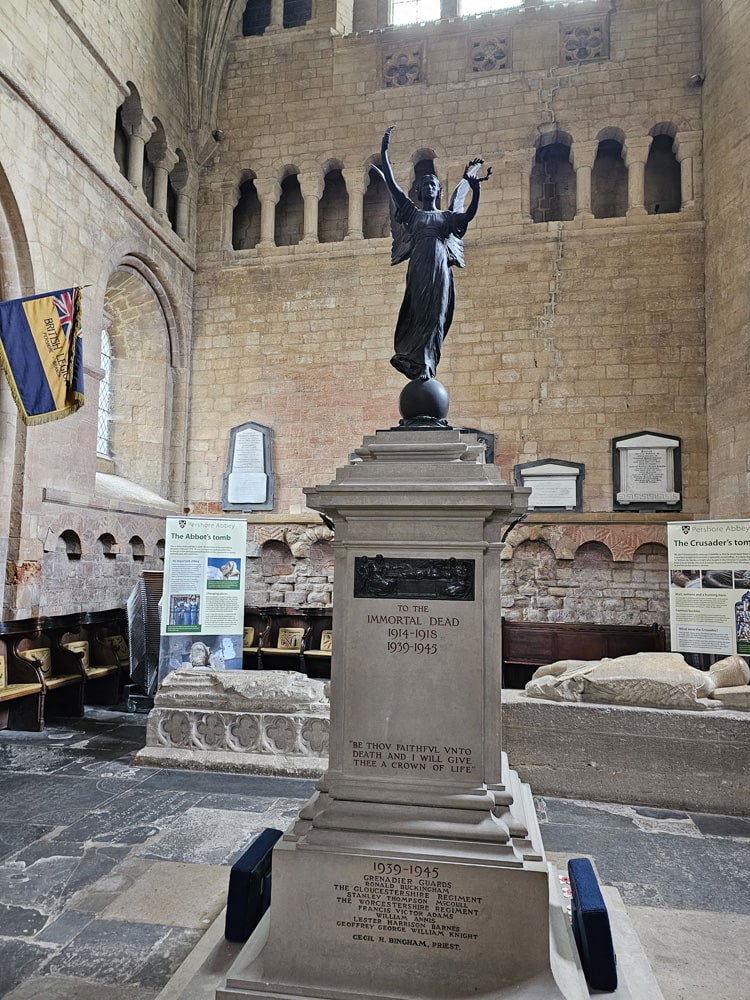
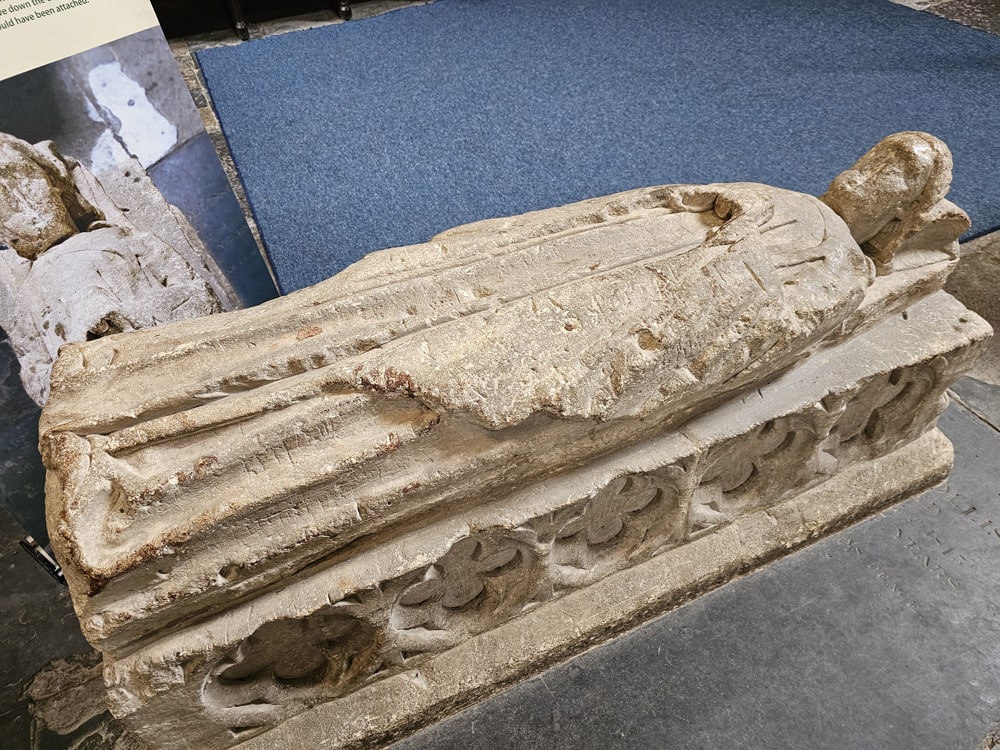
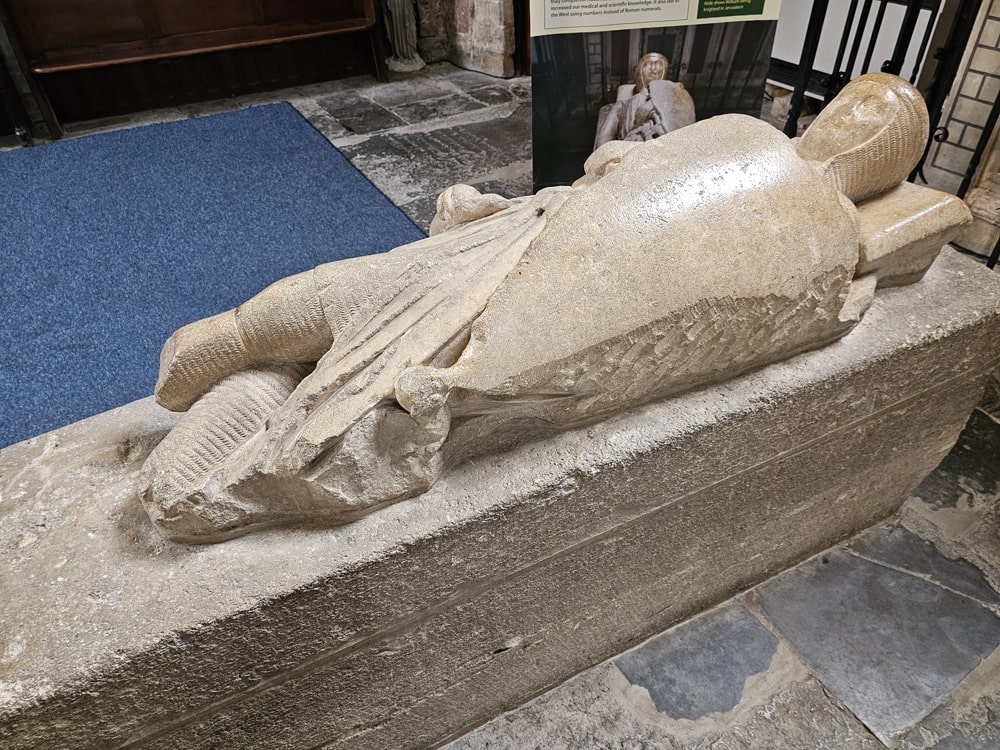
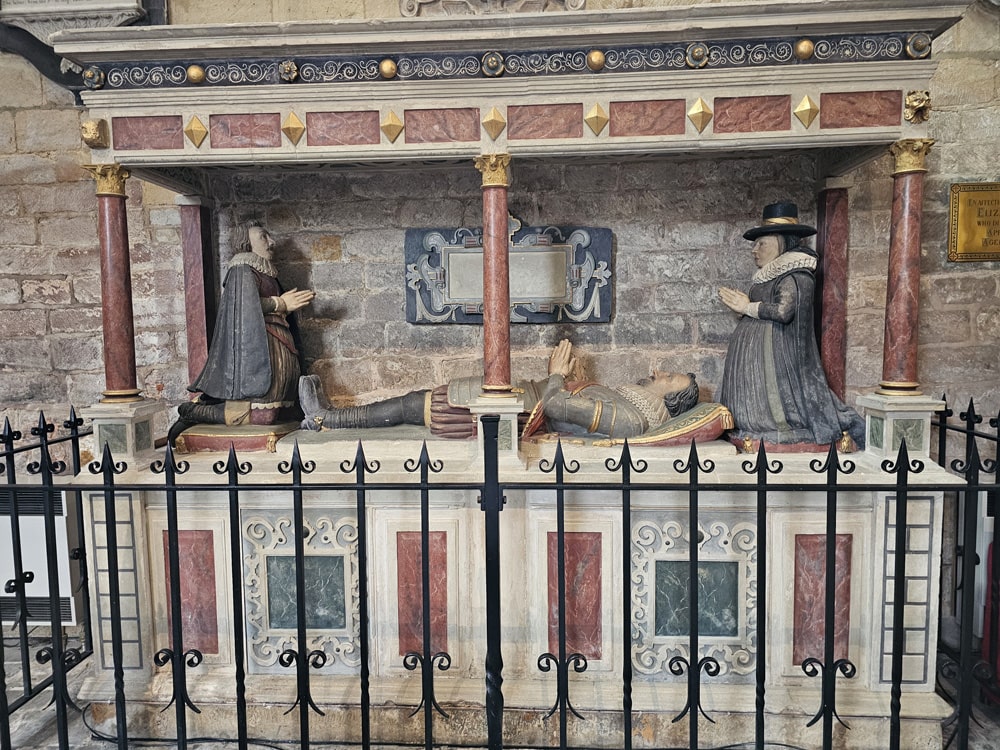
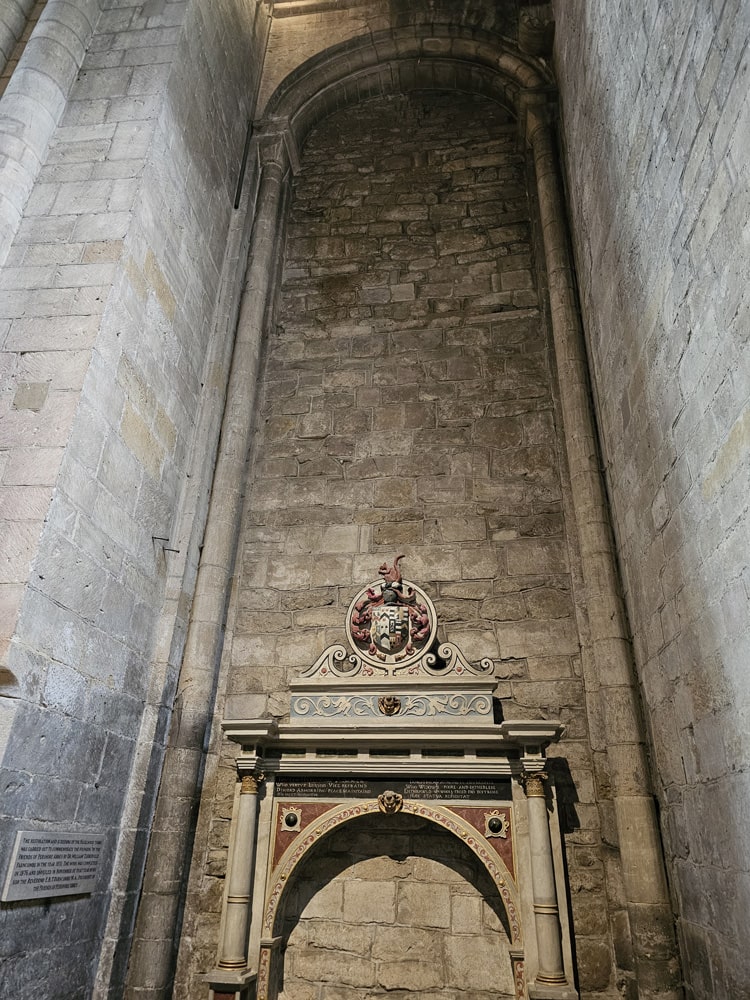
The abbey is home to several historic tombs, including two ornate 17th-century tombs dedicated to the wealthy Hazelwood family, and two much older tombs; the Crusader’s Tomb and the Abbot’s Tomb. The Crusader’s Tomb is an effigy of a late 13th-century knight in armour, thought to be that of Sir William de Harley, a local knight who fought in the Crusades. The Abbot’s Tomb is an altar tomb of an unknown priest, but is thought that it could possibly be that of Abbot Edmund Hert who was in charge of the abbey in the 1470s.
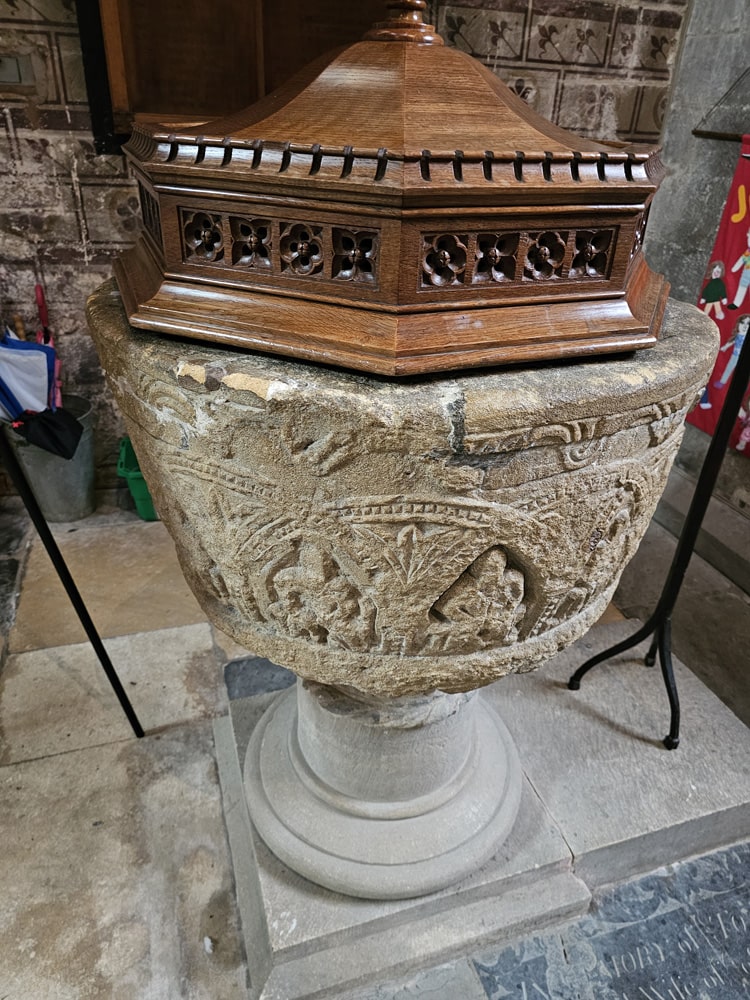
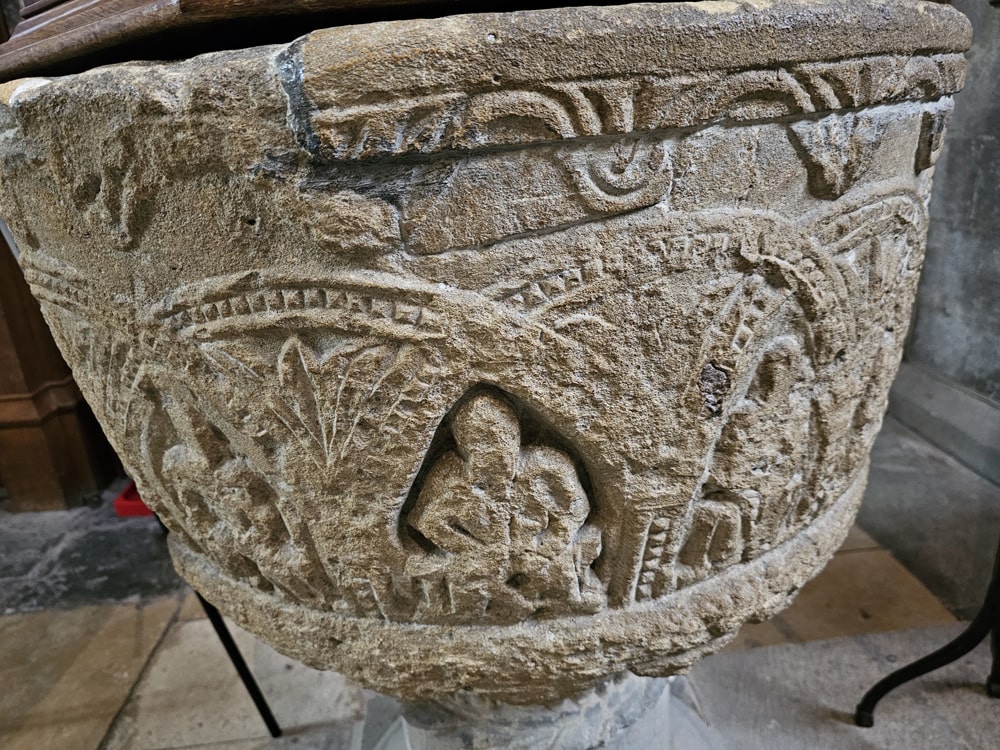
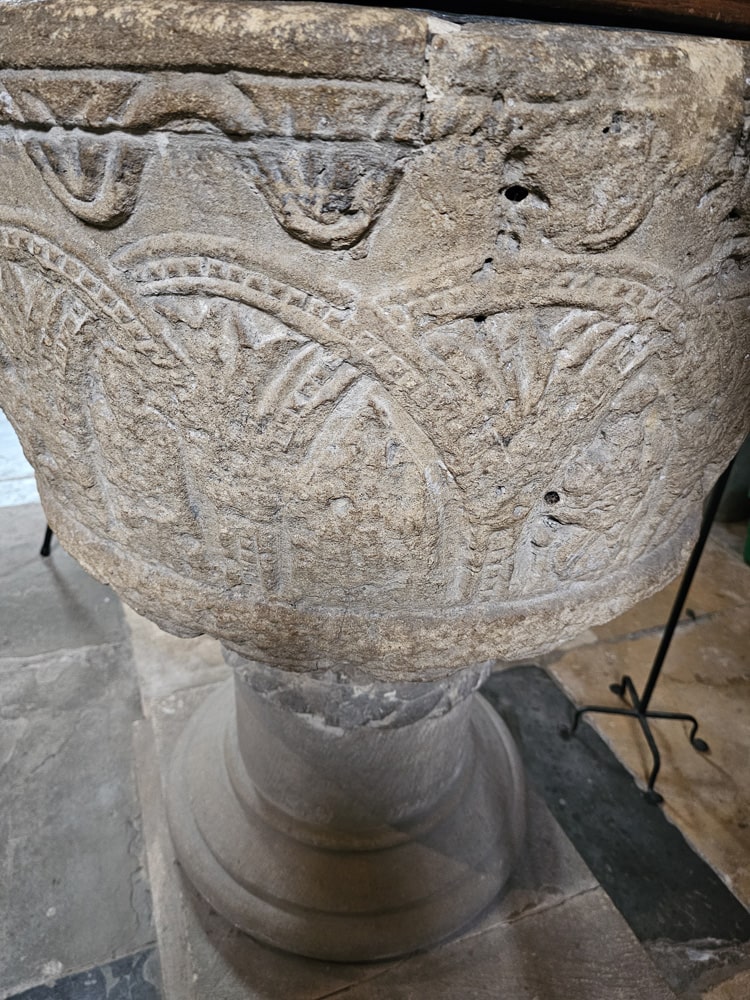
The abbey is also home to a beautifully carved Norman font, carved with the images of the twelve apostles.
Photo Gallery.
Did you enjoy this post?
I hope you found this post useful. I put a great deal of time and effort in to building, maintaining and populating the website. If you like, you could say a small thank you by buying me a coffee. You don't have to, but it would be nice :)
Buy me a coffee
Stay up to Date
Follow me on my journey and get notified whenever a new post is published by following Kings & Castles on Facebook.
Follow MeExplore The Map
Discover the hundreds of castles, churches, monasteries, cathedrals and other historic locations that I've personally visited across England and Wales. Search by location, explore nearby sites and plan your next historical adventure.
Share: