Priory Church of St Mary, Chepstow
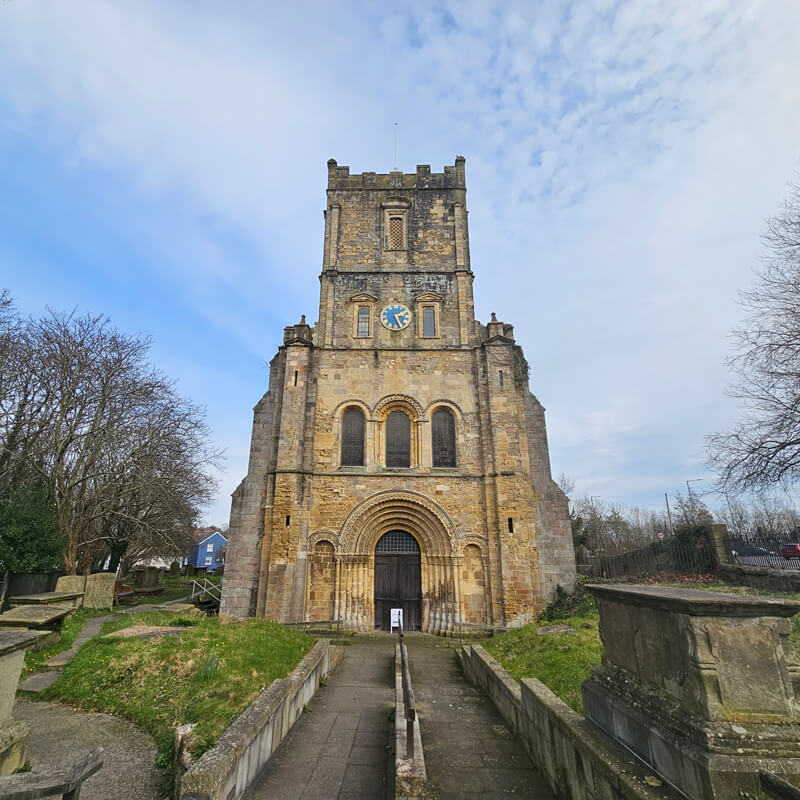
The Parish and Priory Church of St Mary, more commonly known as Chepstow Priory, was originally the church of a Benedictine Priory founded by the Normans in the late 11th century.
Quick
Facts.
- Location: Chepstow, Monmouthshire, Wales
- Founded: c. 1071/1072
- Founder: William FitzOsbern, 1st Earl of Hereford
- Religious order: Benedictine
- Dissolved: 1536
- Condition: Surviving church of a demolished priory
Historic
Highlights.
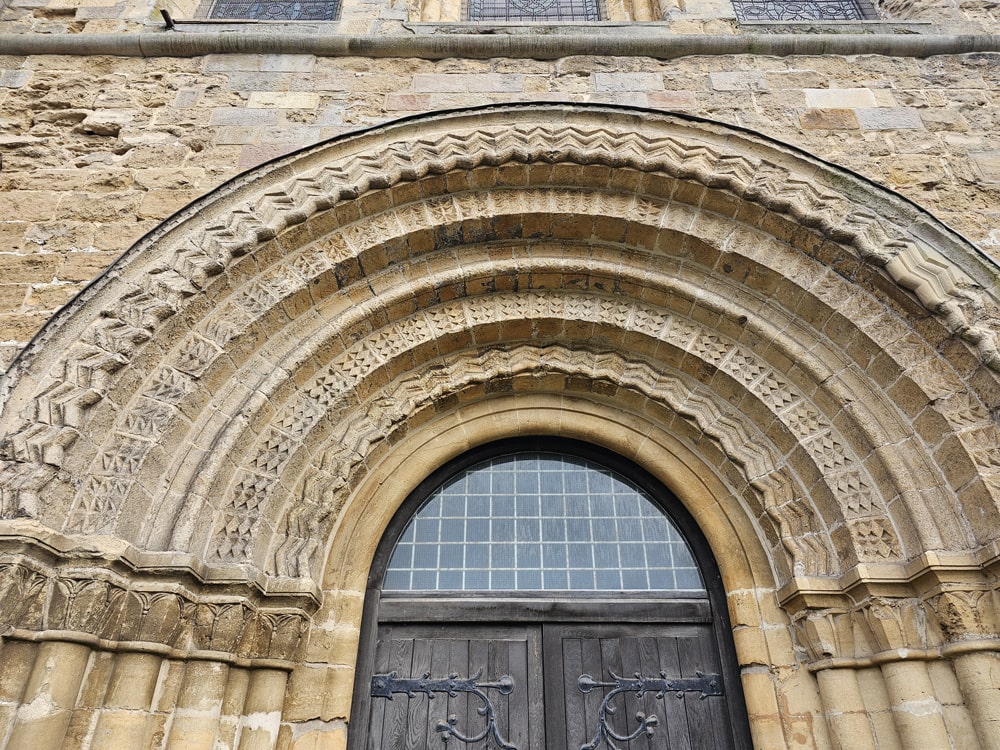
- Finely carved 12th-century west doorway
- Romanesque architecture
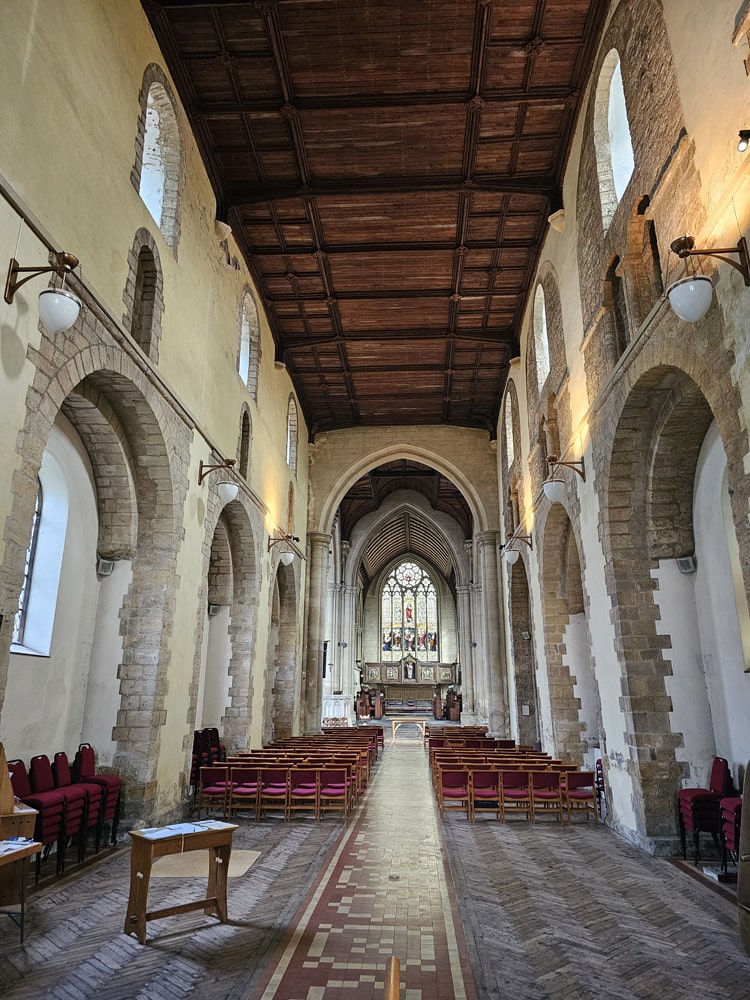
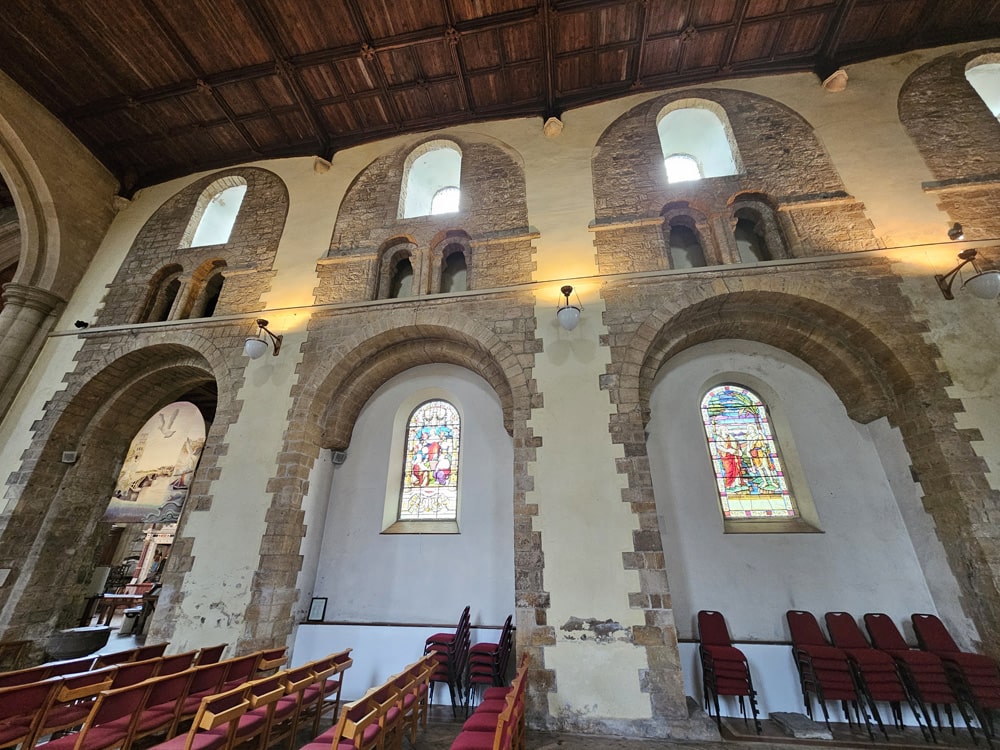
- Massive nave pillars
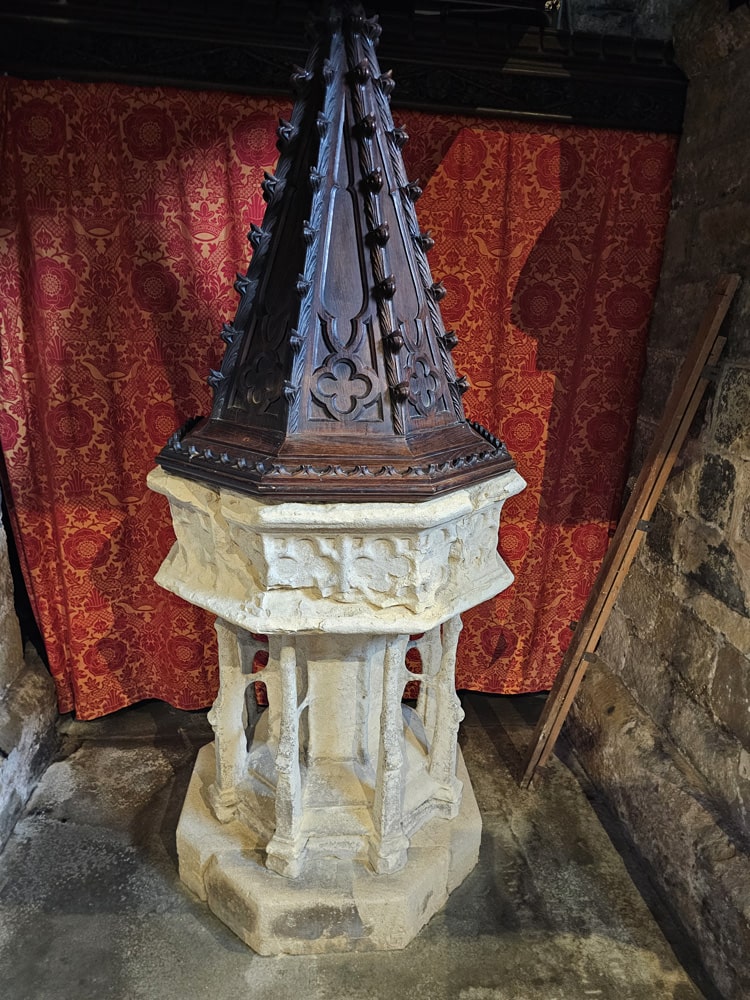
- Medieval fonts
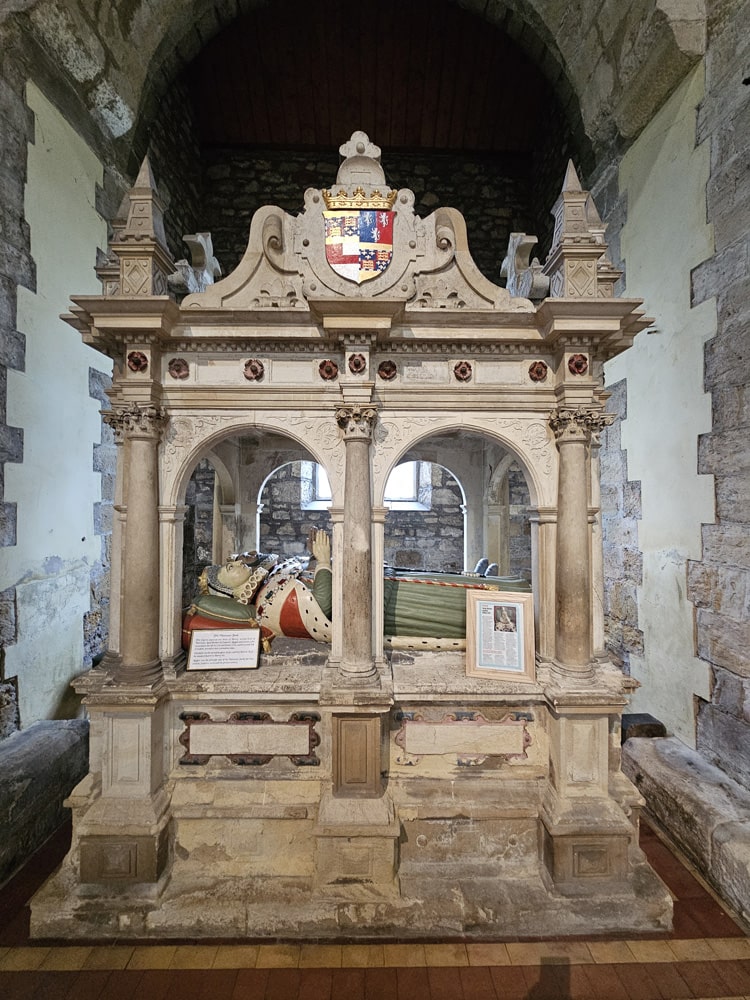
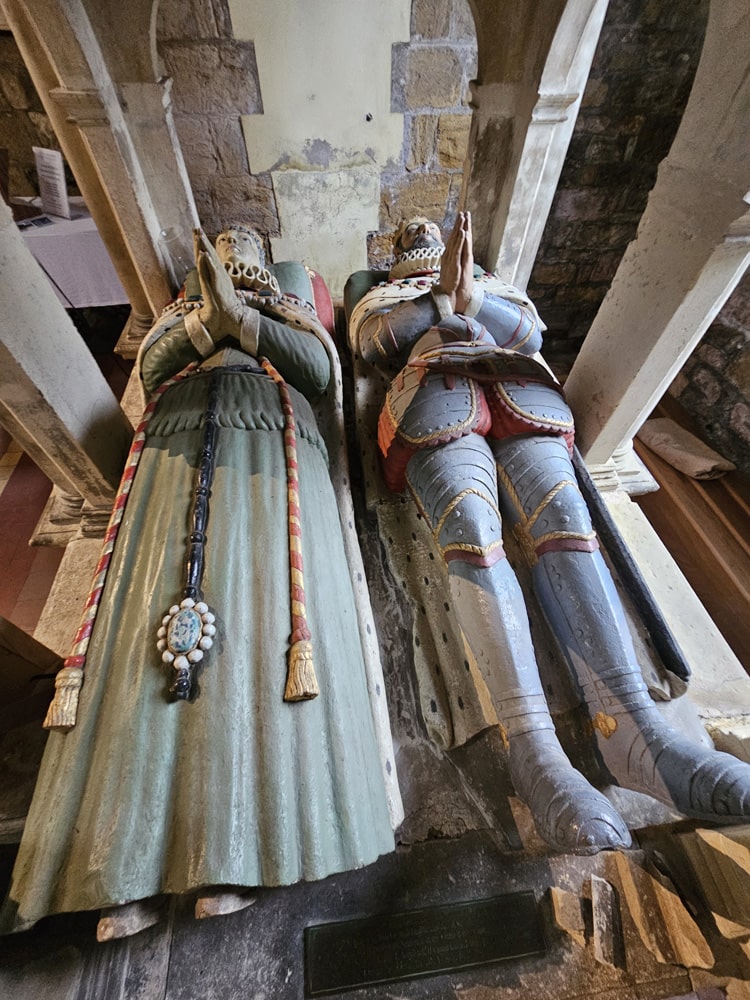
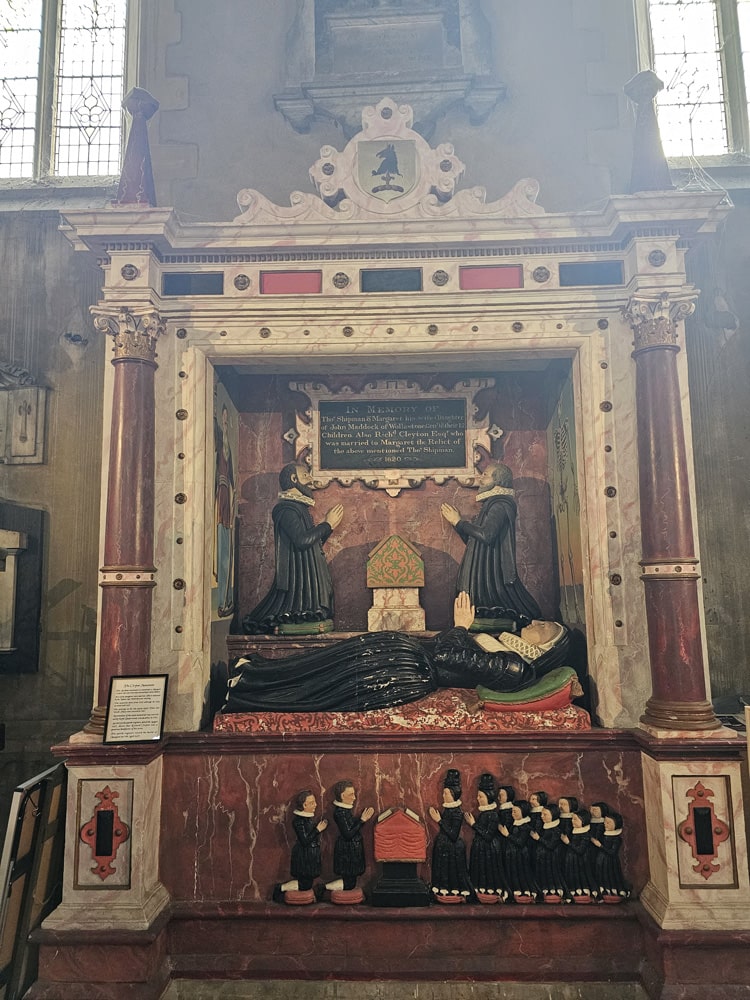
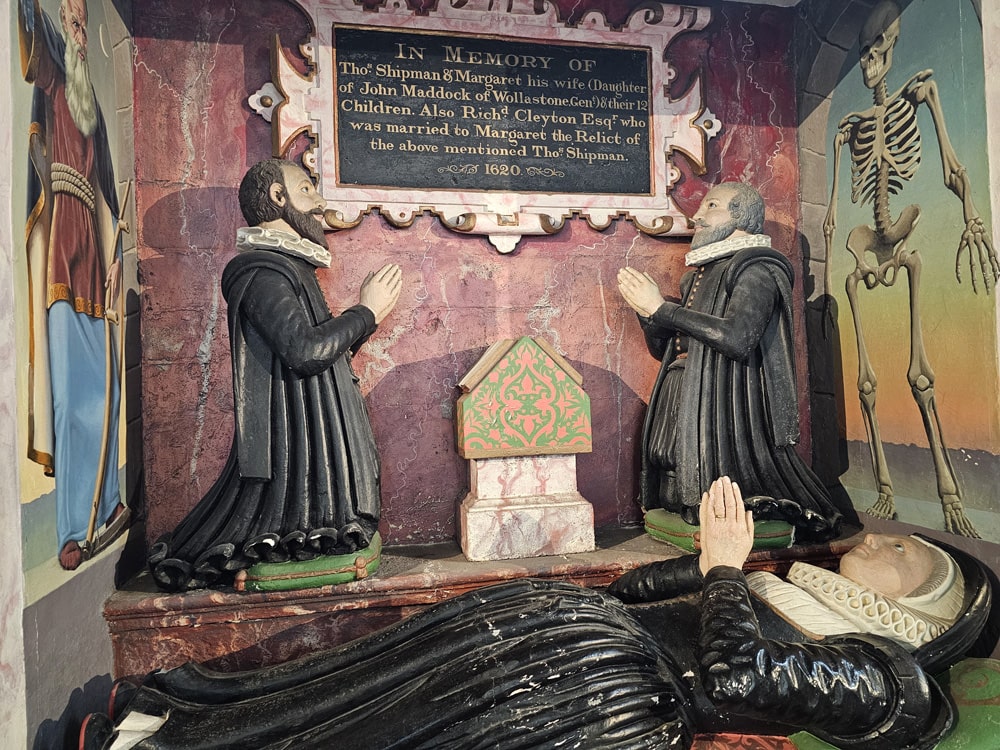
- Margaret Cleyton monument
- Henry Somerset monument
A Bit of History…
Chepstow Priory, in the historic town of Chepstow, Monmouthshire, south-east Wales, was founded by William FitzOsbern around 1071/1072 as a Benedictine priory and a dependency of Cormeilles Abbey in Normandy, France. FitzOsbern was a cousin of William the Conqueror and one of his most trusted barons, who fought beside him at the Battle of Hastings. He was rewarded with the earldom of Hereford as well as extensive lands in south Wales and the lordship of Striguil on the England-Wales border.
Striguil, or Strigoil, was the Norman name for the area, derived from the Welsh word ‘ystraigl’ meaning ‘river bend’. The associated market town and port of Chepstow developed over the next few centuries, and the priory, castle and associated Marcher lordship later took the name of the adjoining market town, Chepstow, in about the 14th century.
Chepstow Priory was the first Norman religious establishment in Wales, and its first monks were brought from Cormeilles Abbey in Normandy. The monks paid an annual fee to Cormeilles and celebrated mass each week in the chapel of Chepstow Castle. Chepstow Priory superseded an earlier Augustinian priory, Kingsmark Priory, located just over a mile away, which was dedicated to the Welsh saint Cynfarch (or Saint Kingsmark), a disciple of Saint Dyfrig.
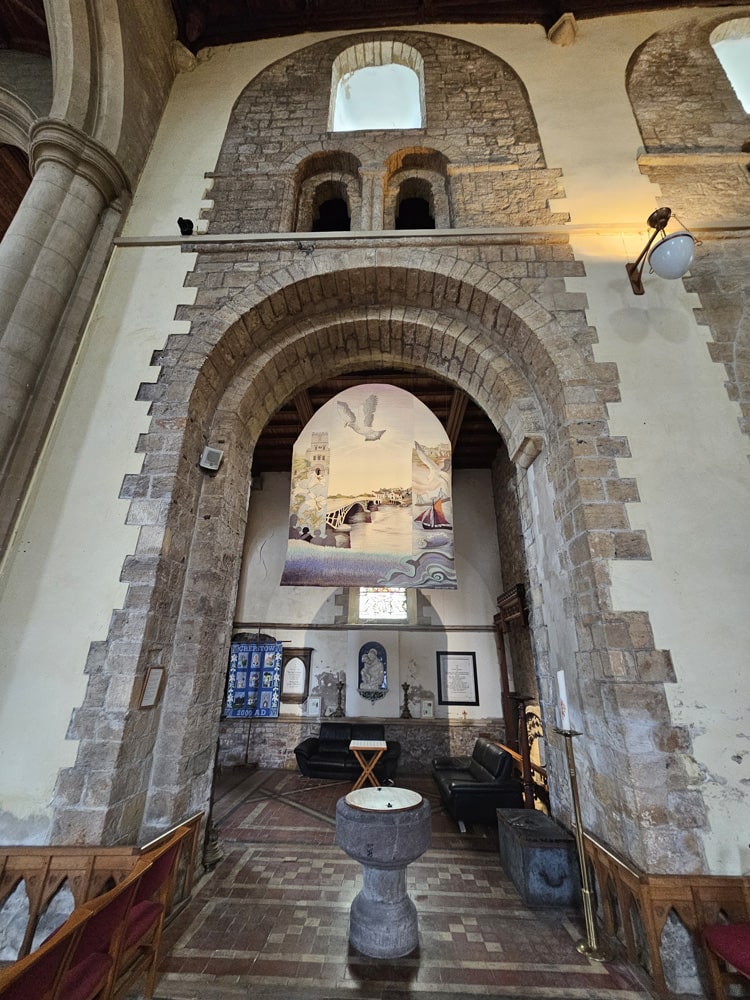
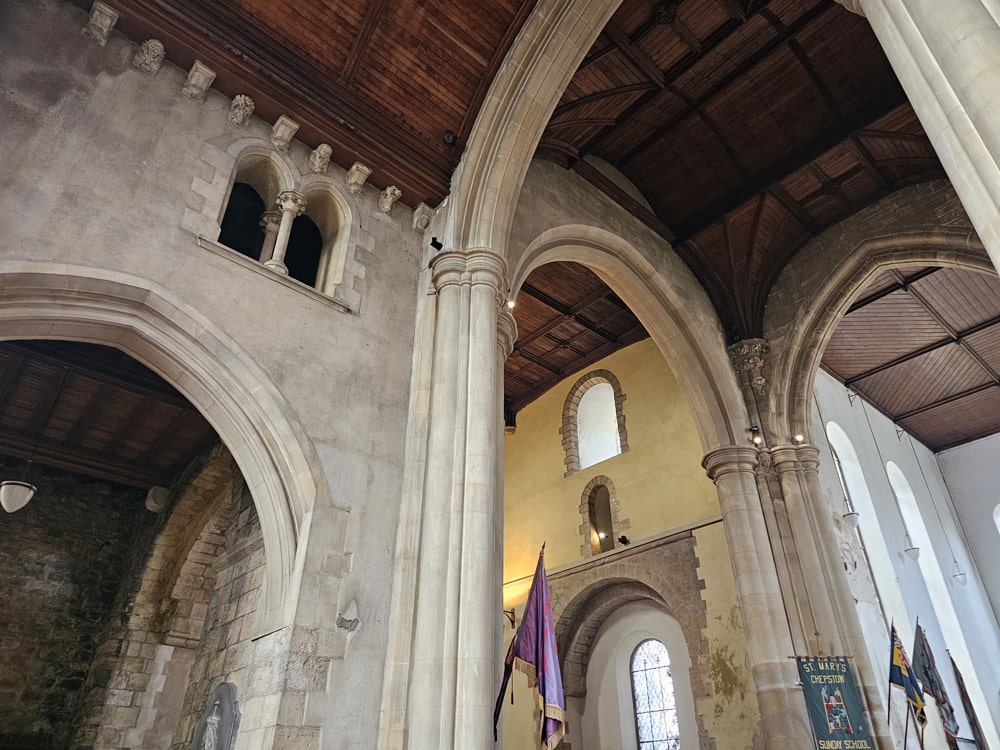
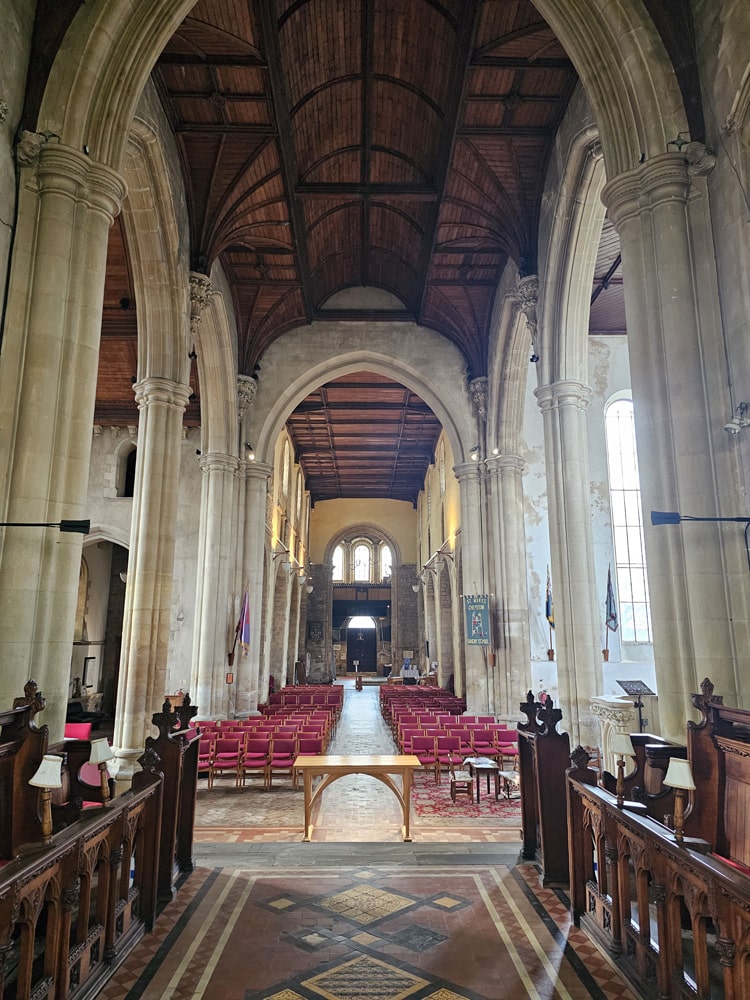
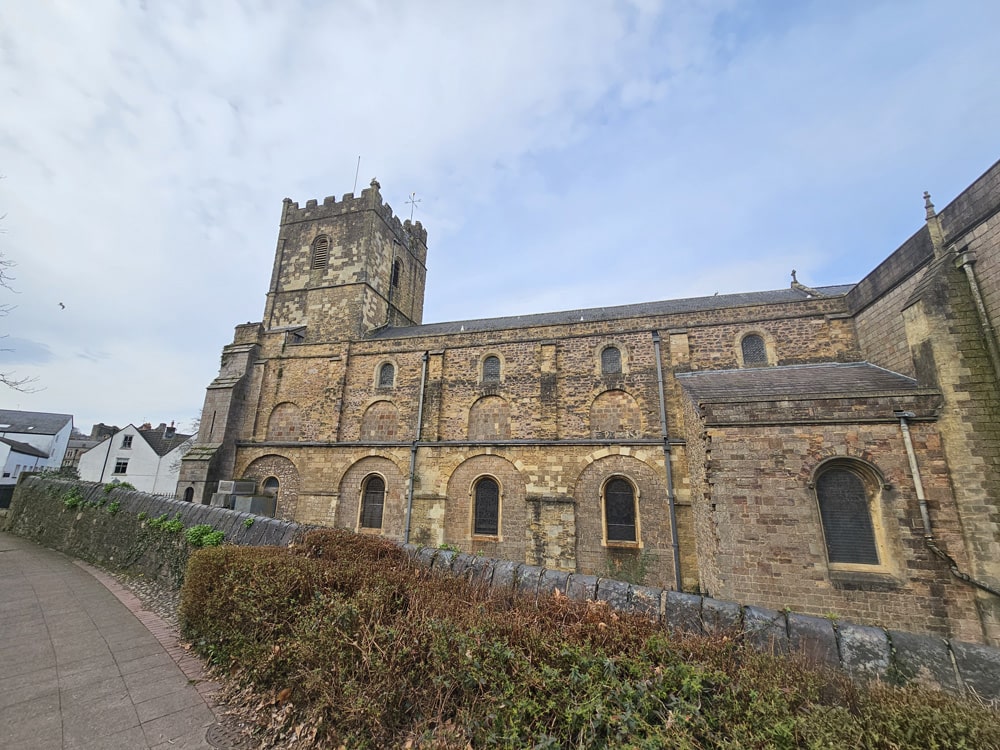
As Chepstow grew as a market town and port around the castle and priory, the nave of the priory began to be used as the parish church, while the chancel was reserved for the monks. The current nave of Chepstow Priory Church is of this age, forming part of the original priory, although it was originally vaulted.
The priory developed successfully throughout the Middle Ages and became independent in 1442. The priory had extensive grounds, probably including most of the land south of the church enclosed by Chepstow’s 13th-century town wall, known as the Port Wall.
Chepstow Priory was dissolved in 1536 as a result of Henry VIII‘s Dissolution of the Monasteries, ending the priory’s prosperity. Most of the monastic buildings were destroyed, including the choir part of the church, the cloister, chapter house, lodgings and kitchens, and the foundations now lie beneath the car park beside the current church. The priory church survived because of its role as a parish church so it continued under the Anglican regime.
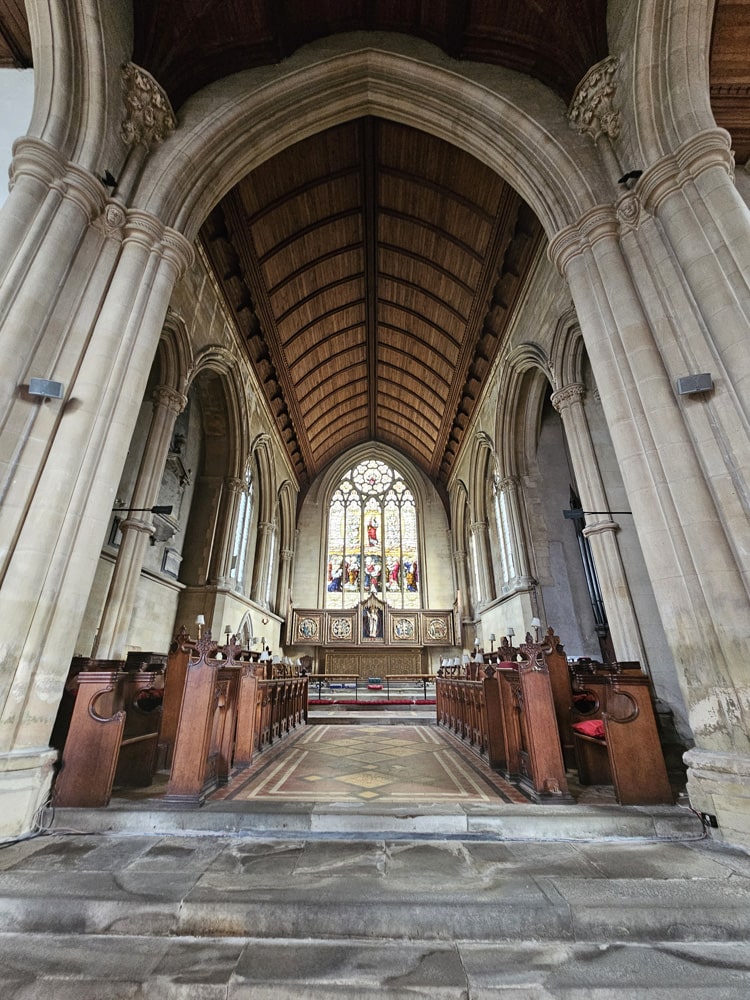
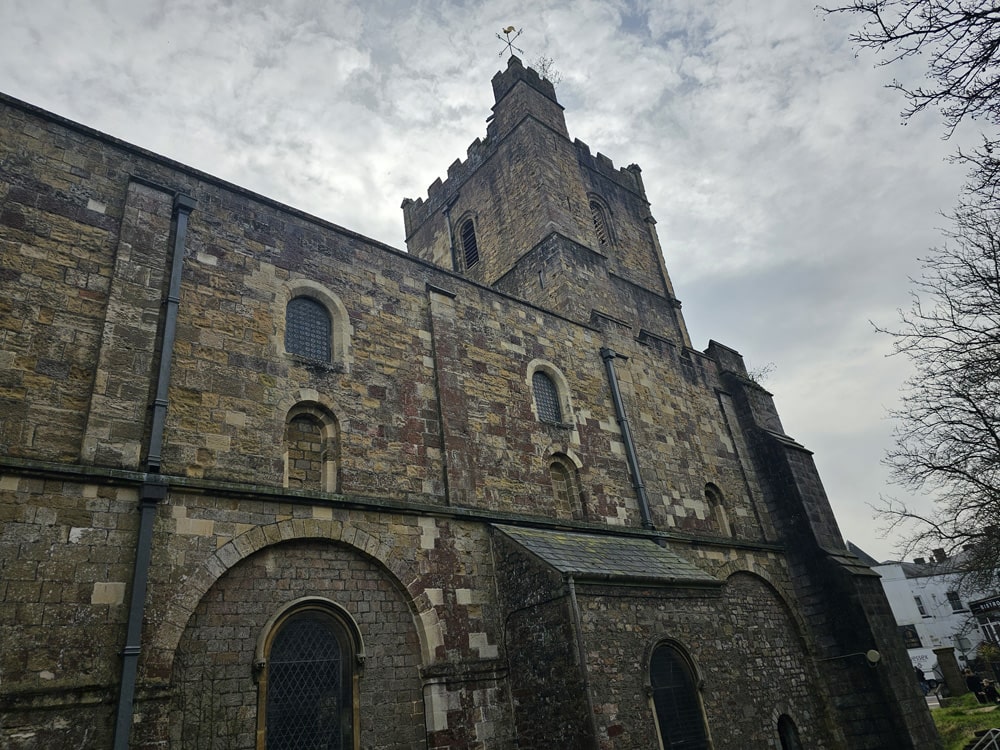
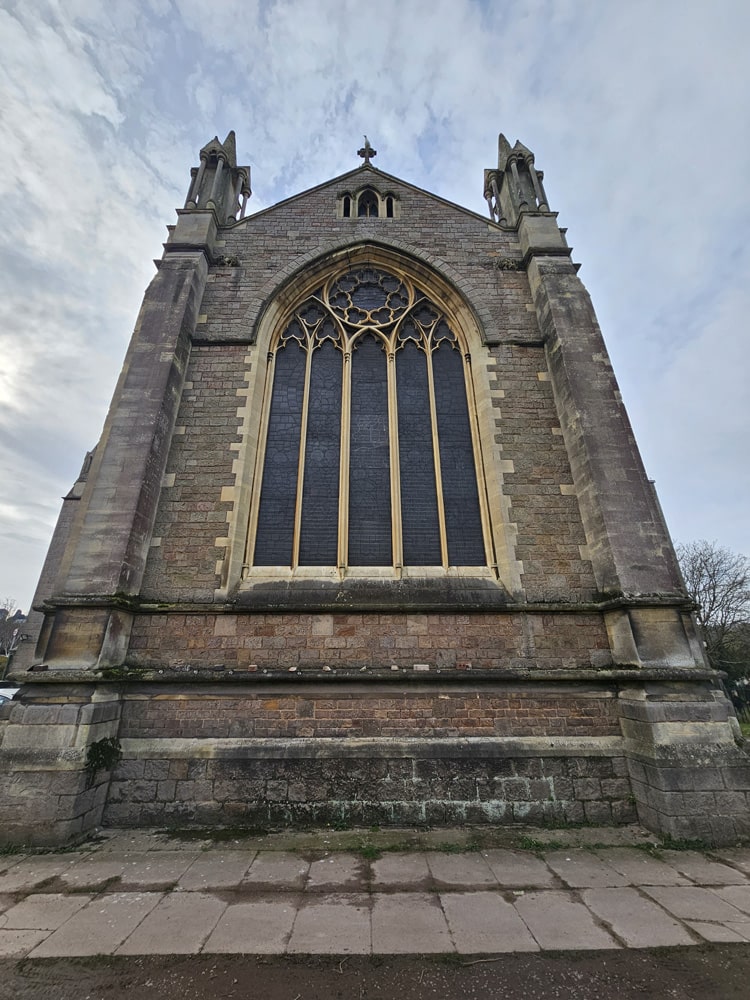
The central tower collapsed in 1701, destroying the transepts. As a result, the building of the new tower was built on the West end of the nave and the East end wall was bricked up. The Victorians then made substantial changes to the church before running out of money, rebuilding the side aisles and transepts, and leaving the church with a small chapel.
Chepstow Priory Today
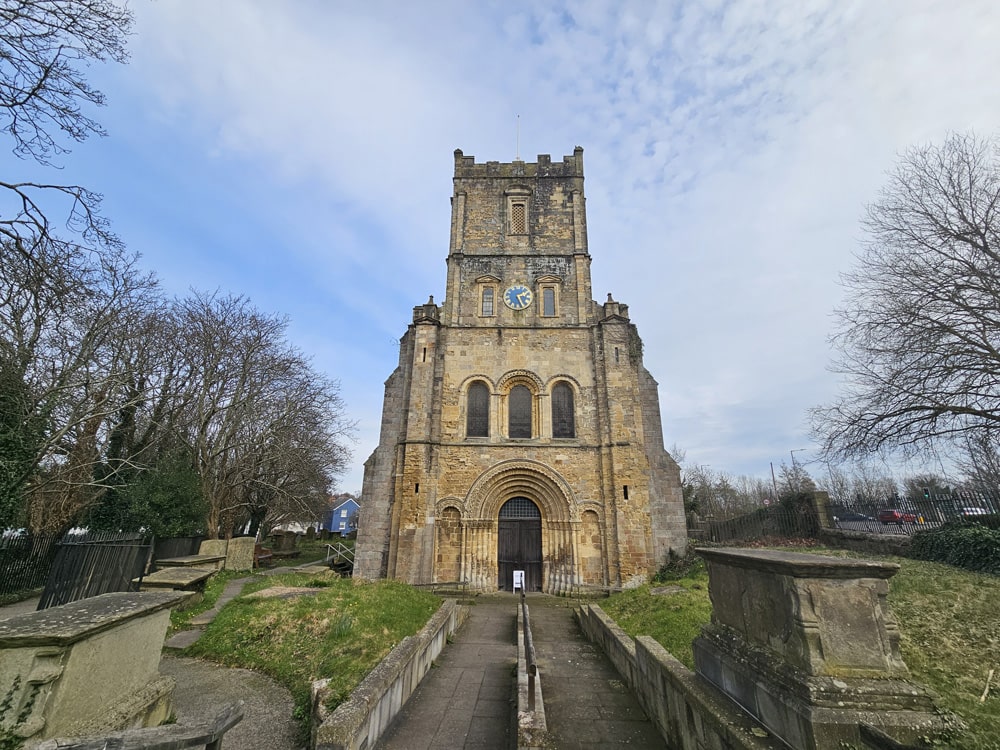
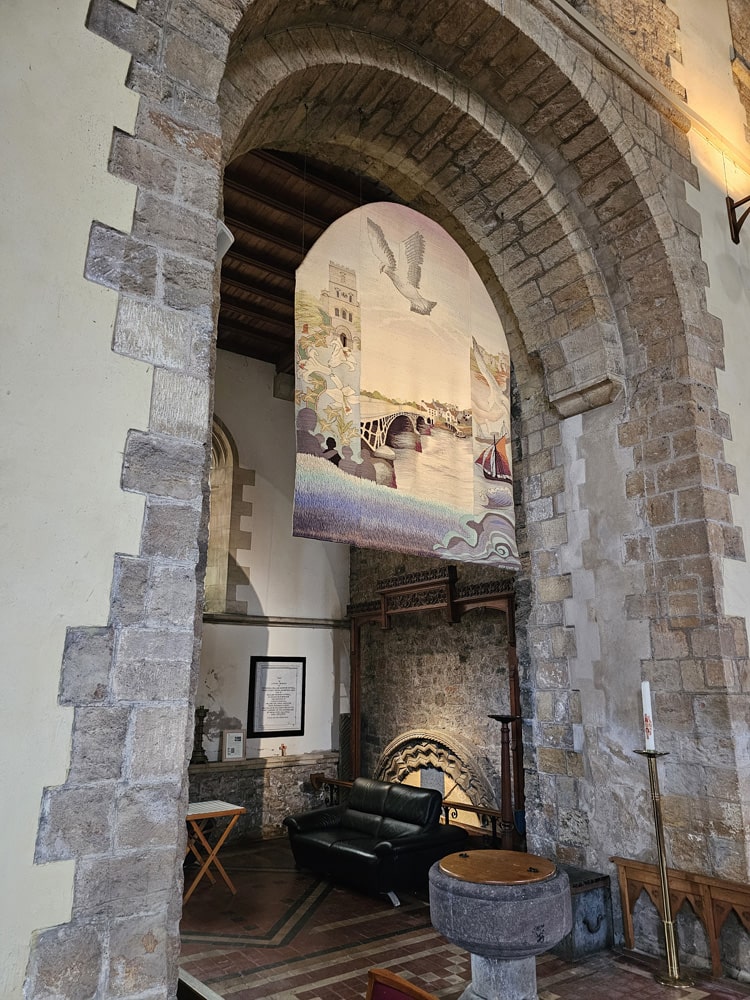
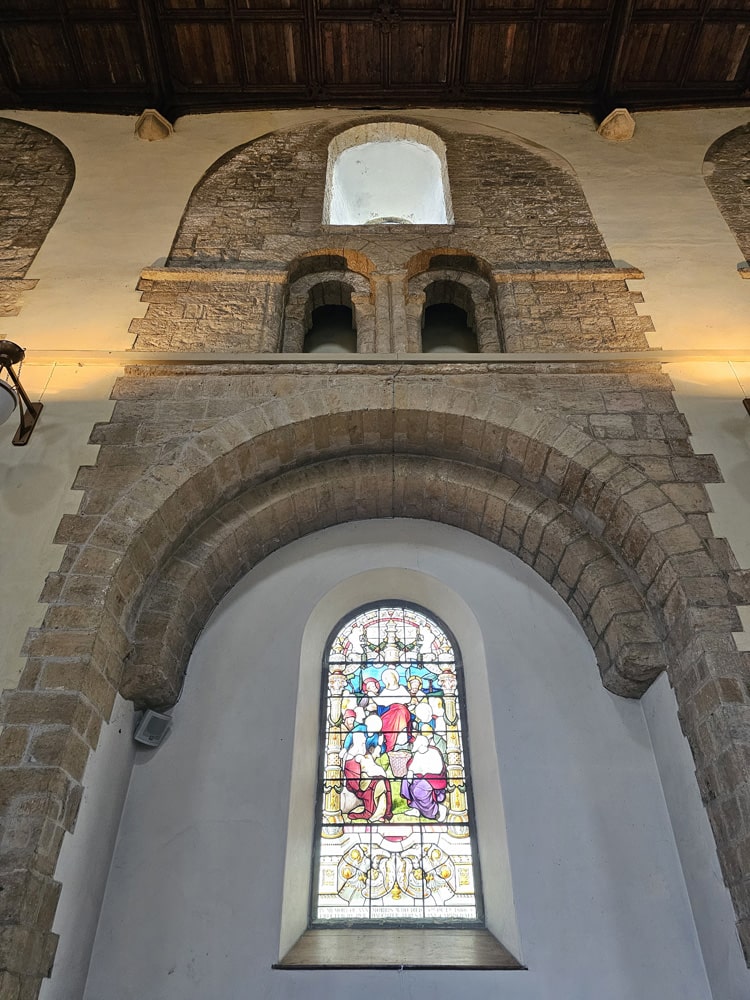
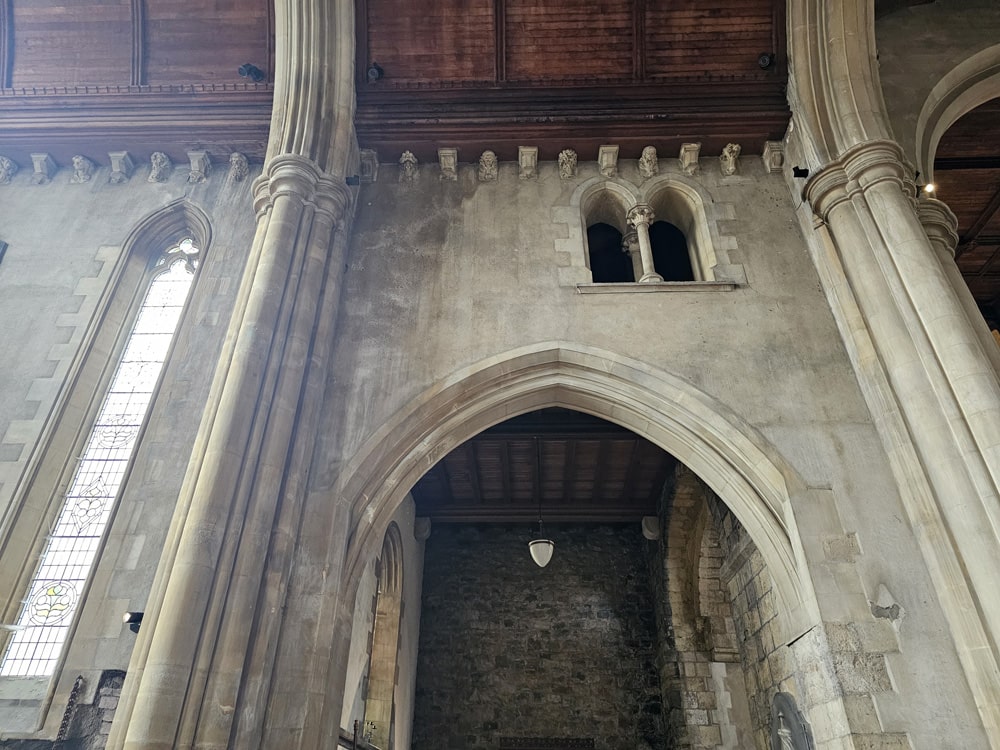
Though the church has been considerably altered over the centuries, several fine medieval features remain. The most substantial of these are the superb west front and its finely decorated 12th-century doorway, decorated with traditional zigzag and lozenge patterns, and the long vaulted Norman nave with its massive piers. Although it has survived only in a small part, it is still a valuable example of Romanesque architecture in Wales.
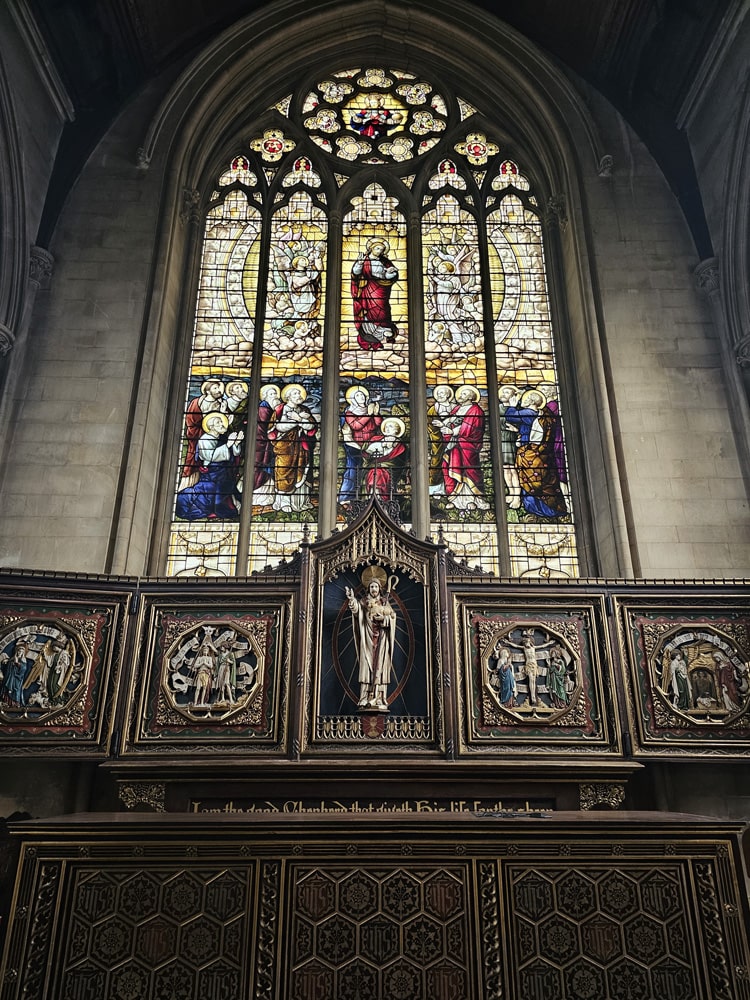
Historic highlights inside the church include a pair of medieval fonts, one of Norman origin and the other from the 15th century. There are also several notable tombs and memorials, including those of Henry Somerset, 2nd Earl of Worcester, and the elaborate Jacobean tomb of local benefactor Margaret Cleyton with her two husbands and 12 children. Another important historical tomb is that of Henry Marten, a close friend of Oliver Cromwell and one of the Commissioners who signed the death warrant of King Charles I. He was later imprisoned at Chepstow Castle for 20 years until his death in 1680.
Photo Gallery.
Did you enjoy this post?
I hope you found this post useful. I put a great deal of time and effort in to building, maintaining and populating the website. If you like, you could say a small thank you by buying me a coffee. You don't have to, but it would be nice :)
Buy me a coffee
Stay up to Date
Follow me on my journey and get notified whenever a new post is published by following Kings & Castles on Facebook.
Follow MeExplore The Map
Discover the hundreds of castles, churches, monasteries, cathedrals and other historic locations that I've personally visited across England and Wales. Search by location, explore nearby sites and plan your next historical adventure.
Share: