Croxden Abbey
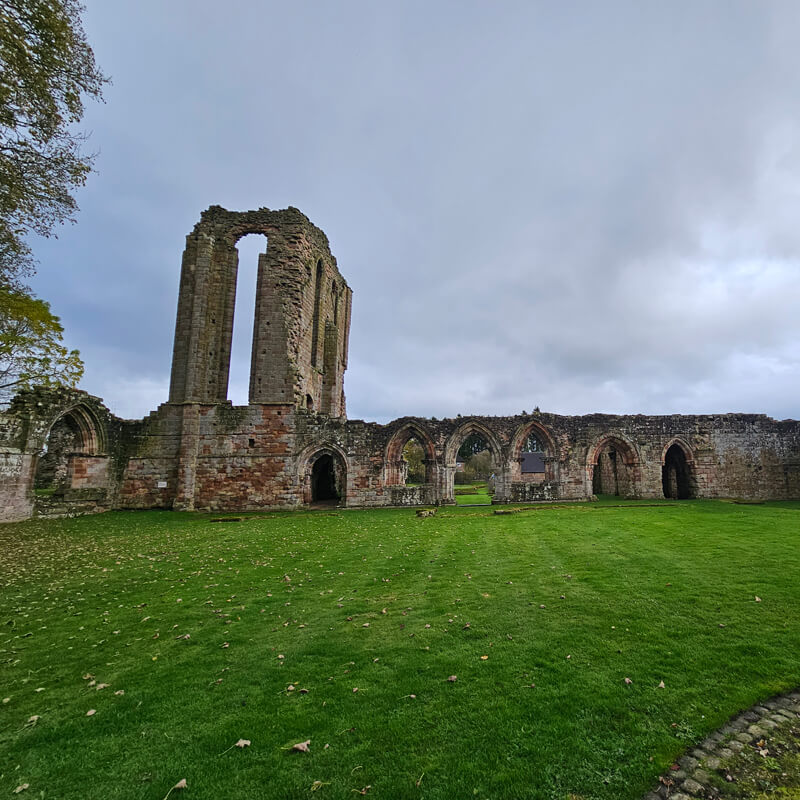
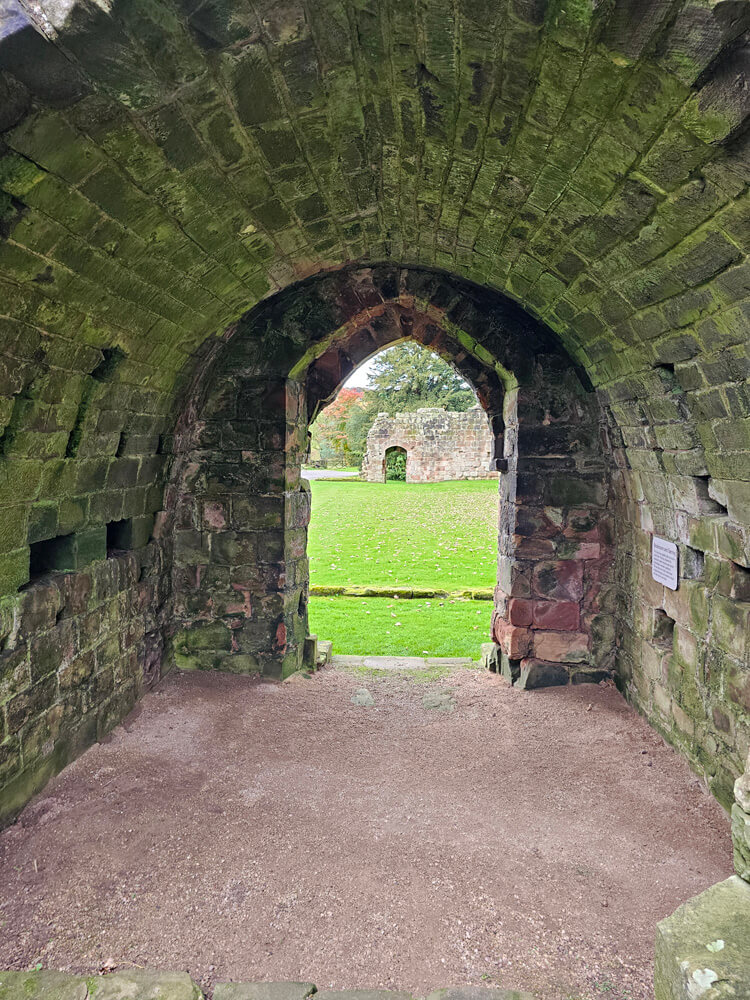
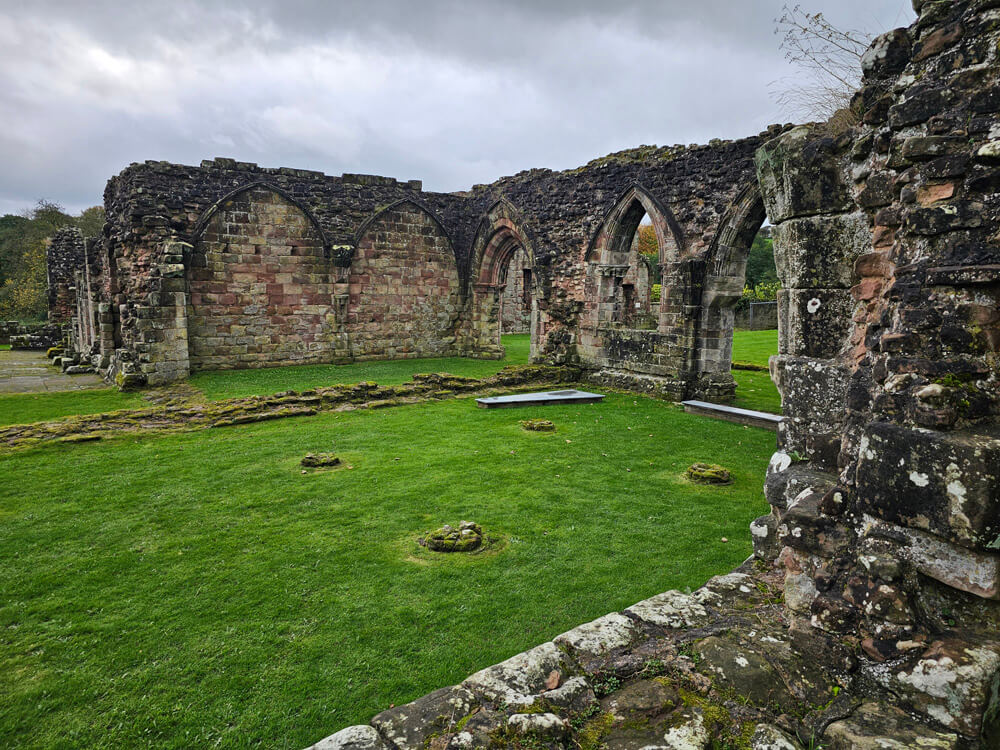
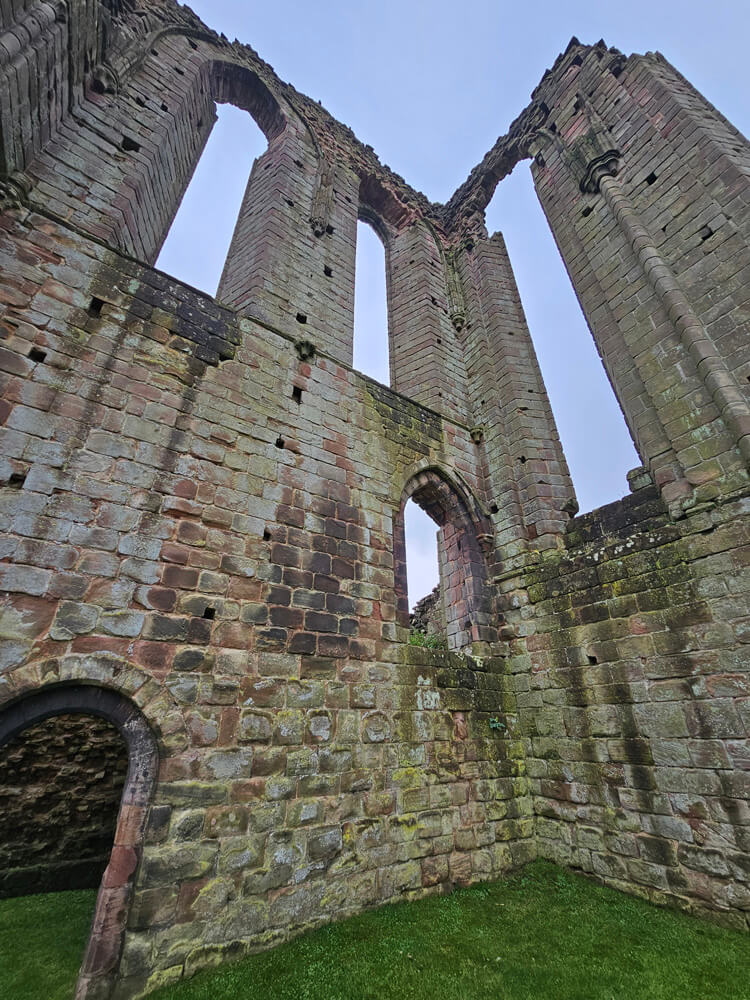
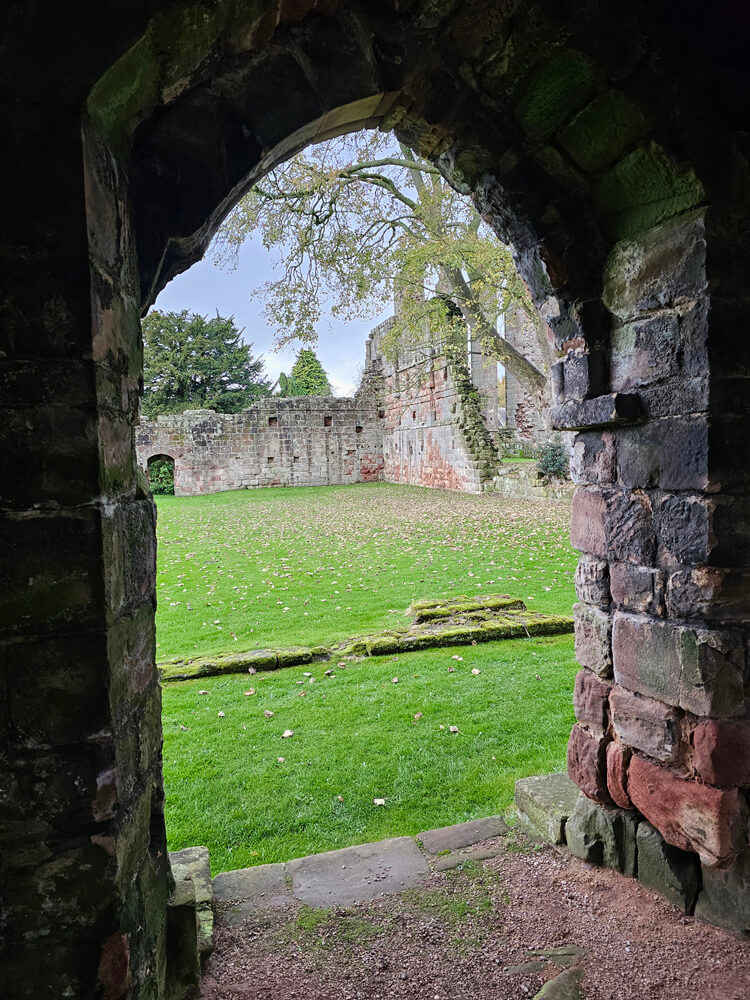
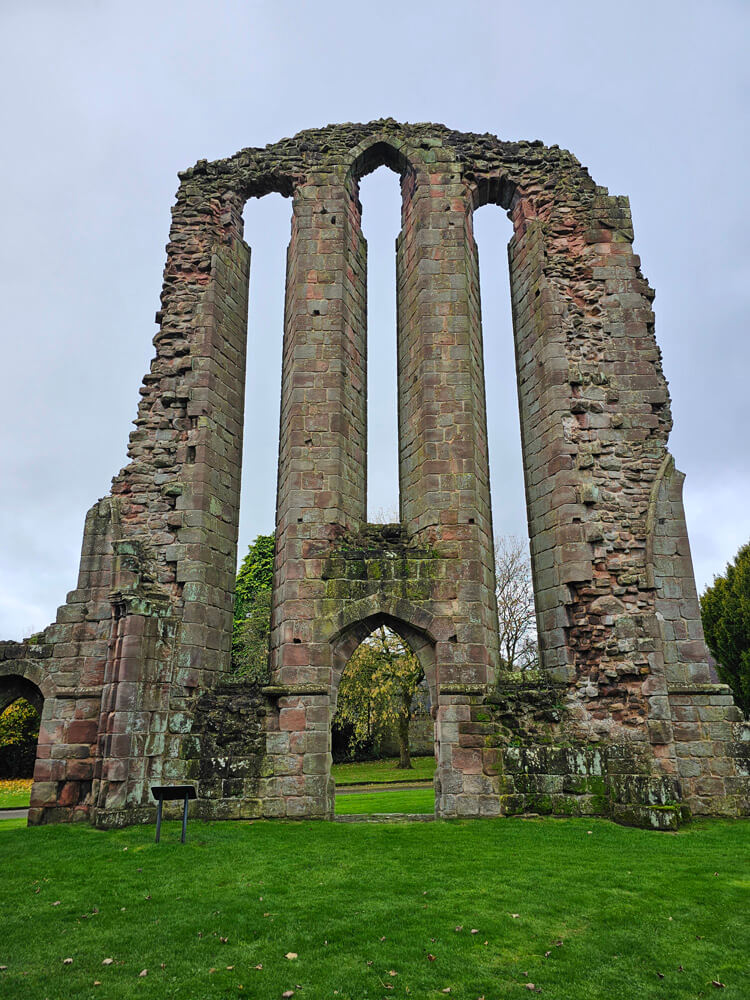
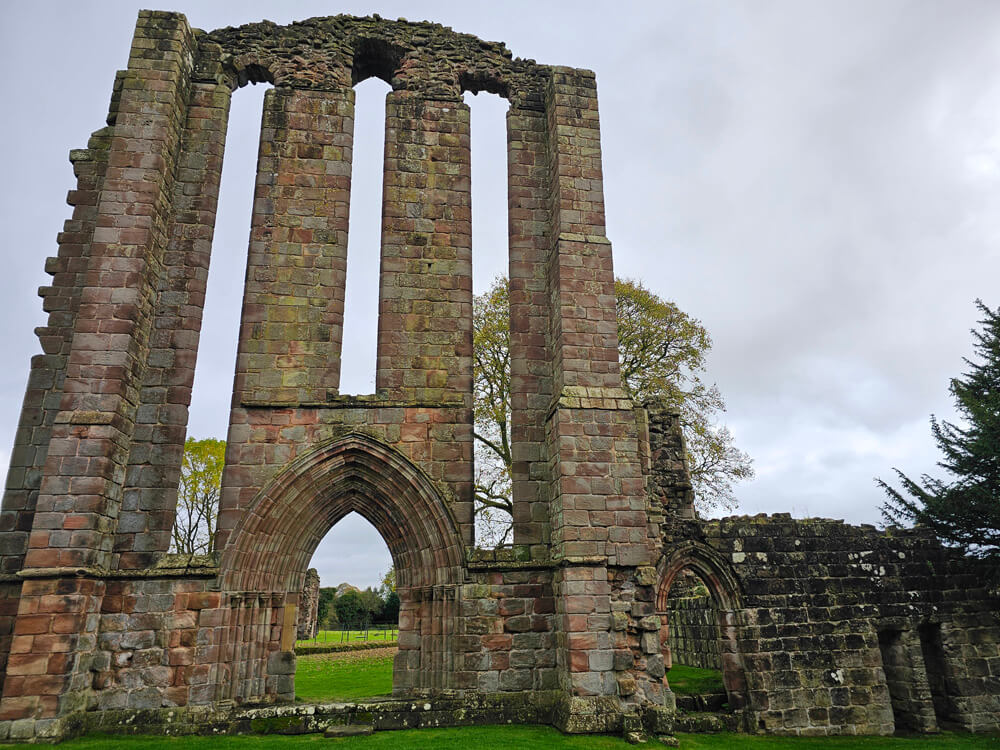
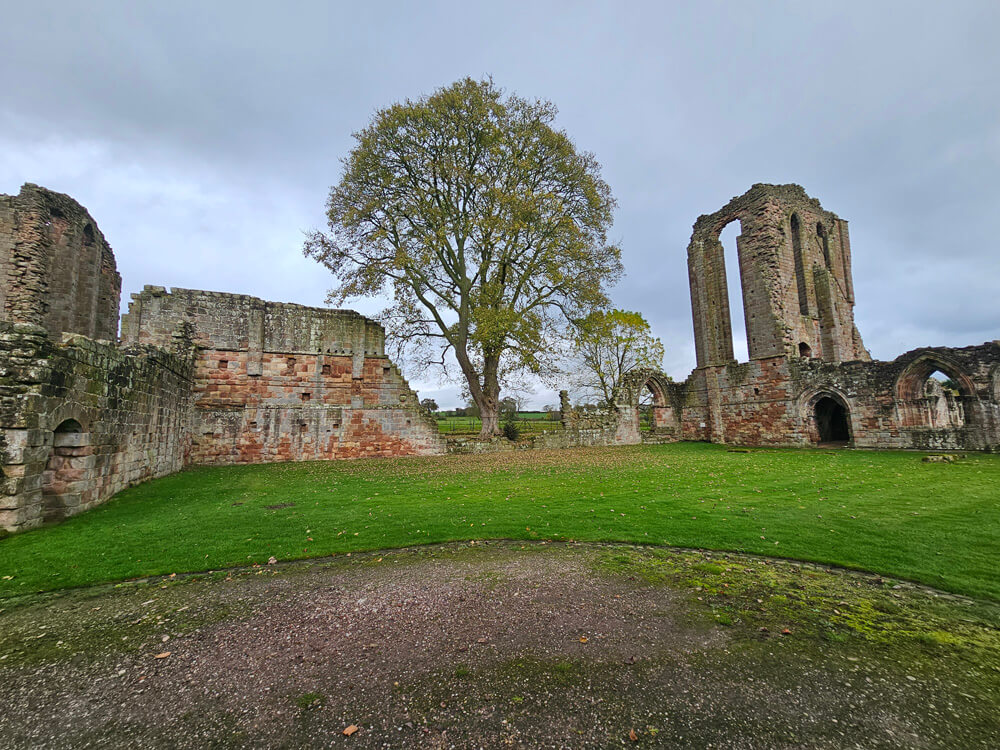
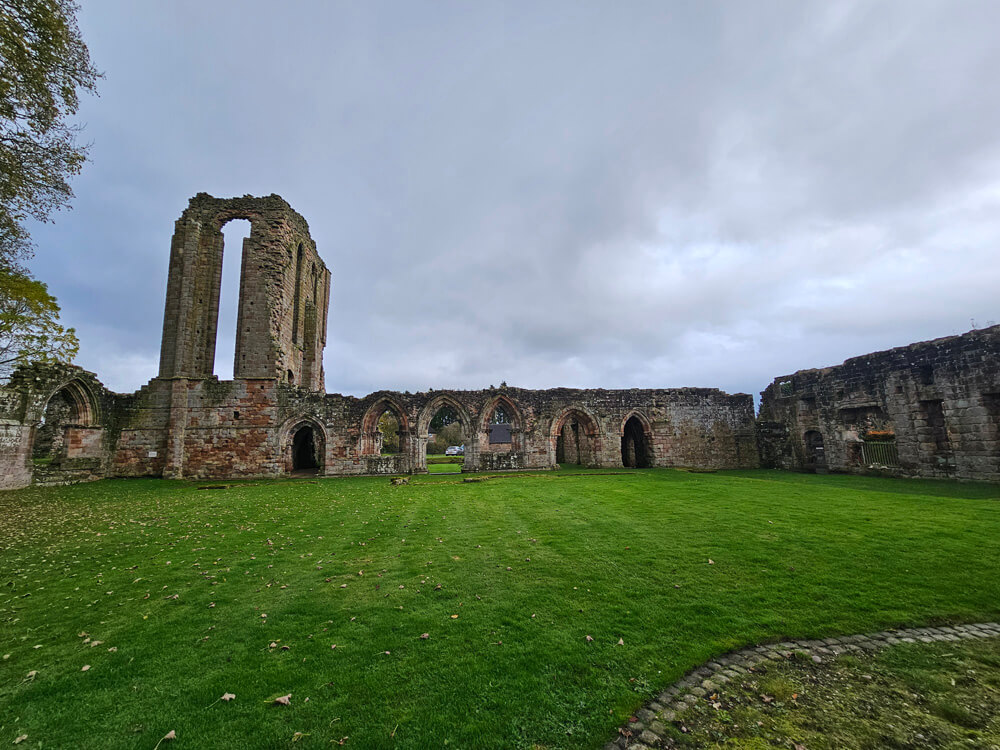
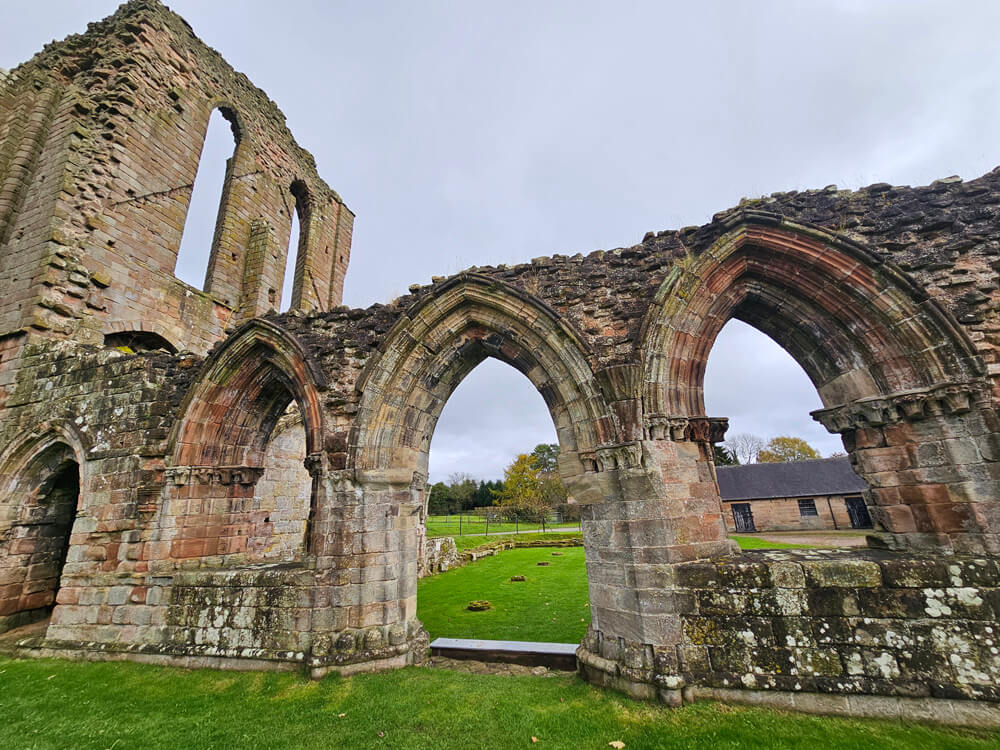
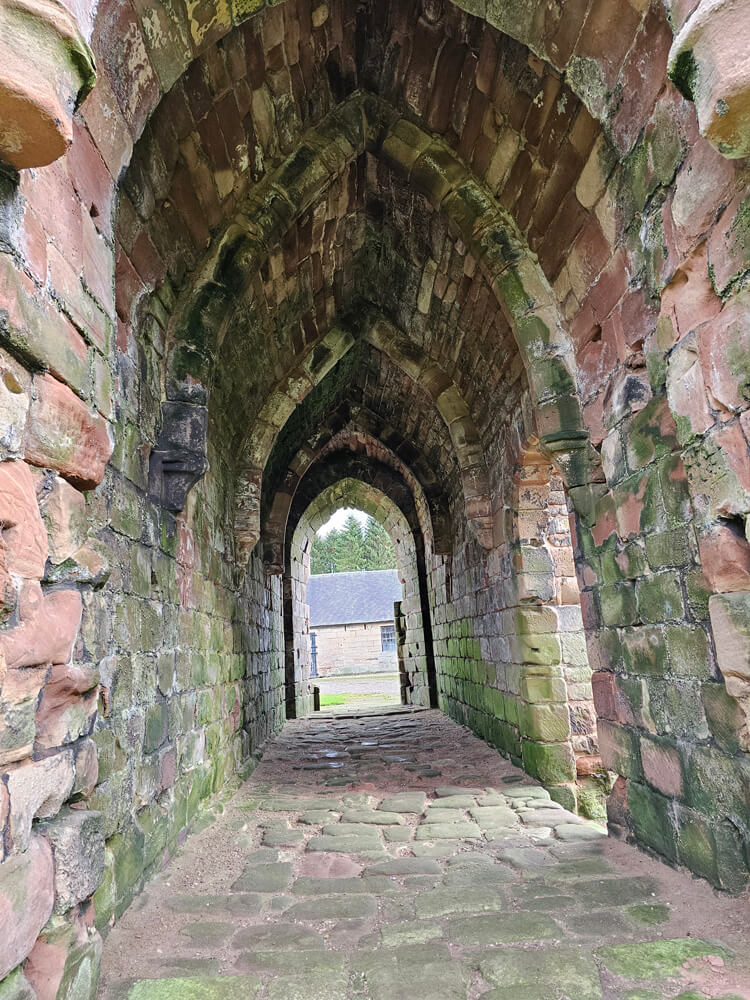
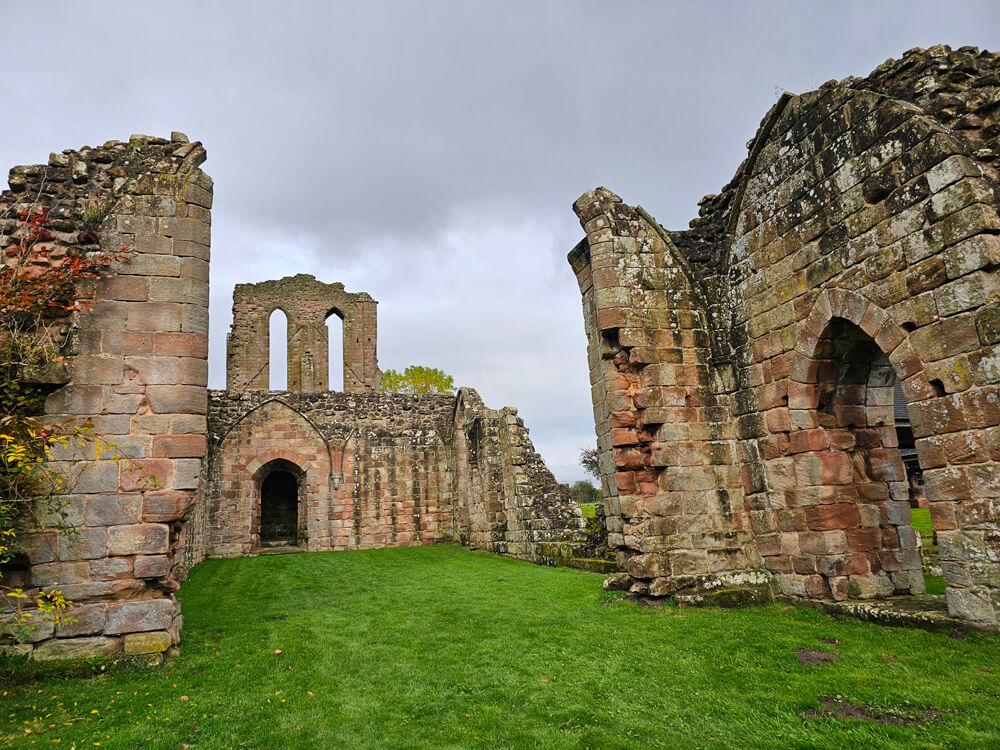
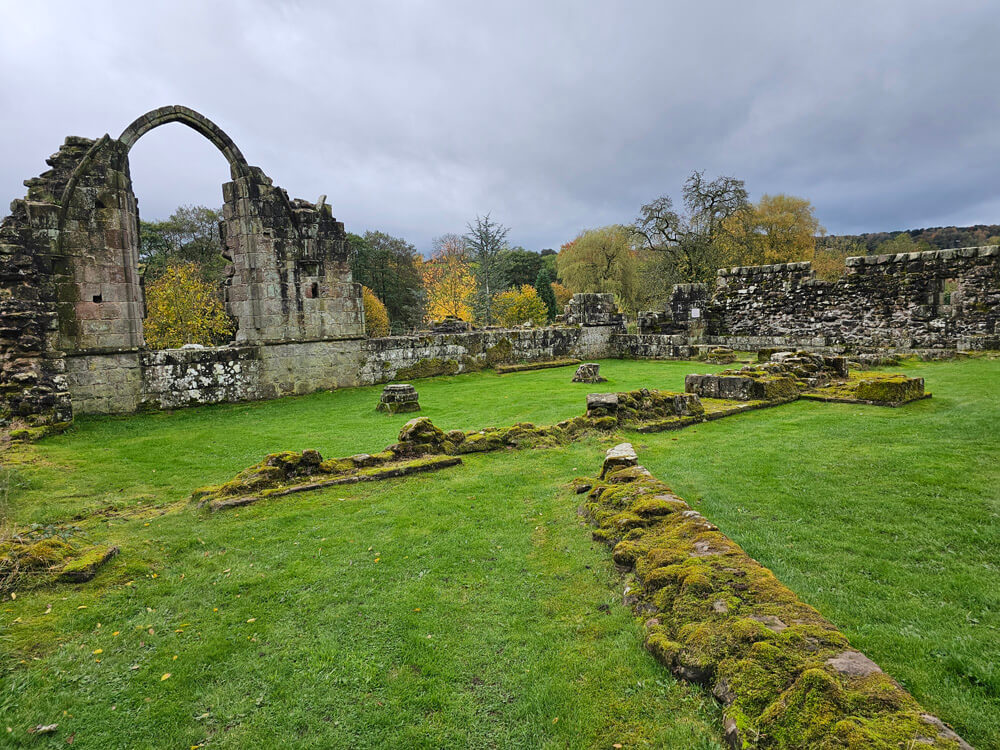
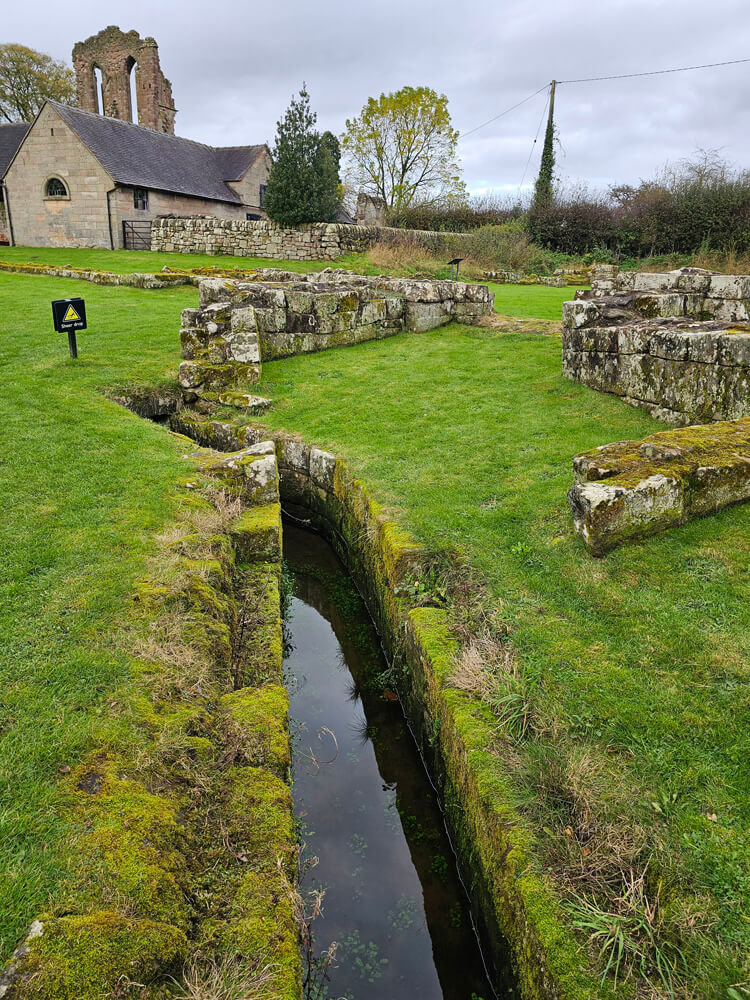
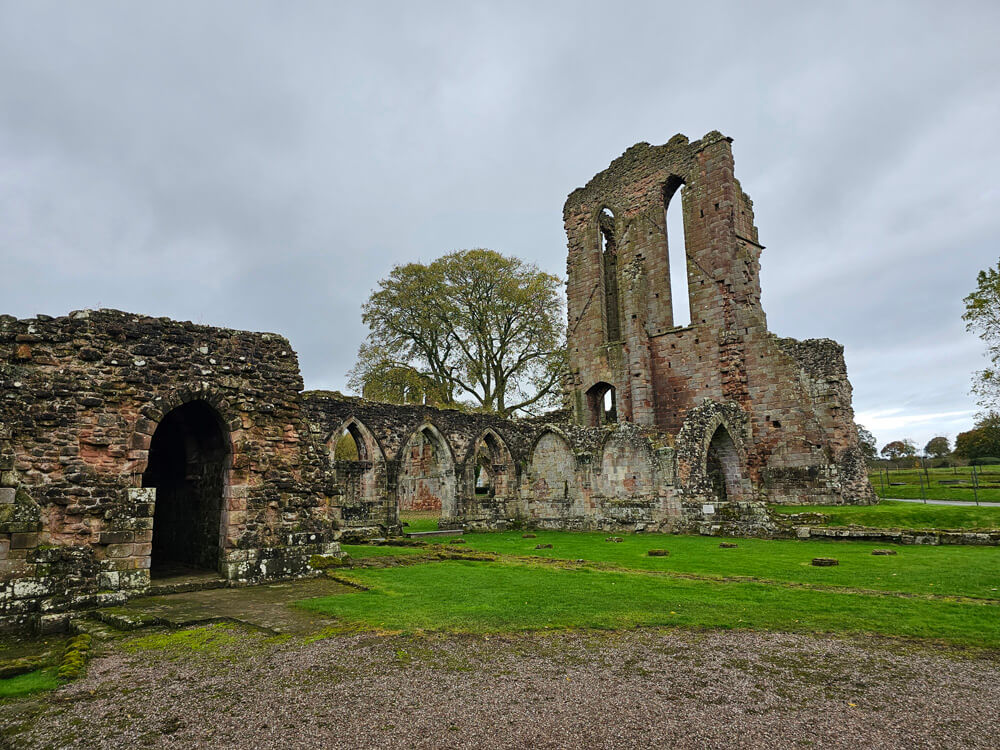
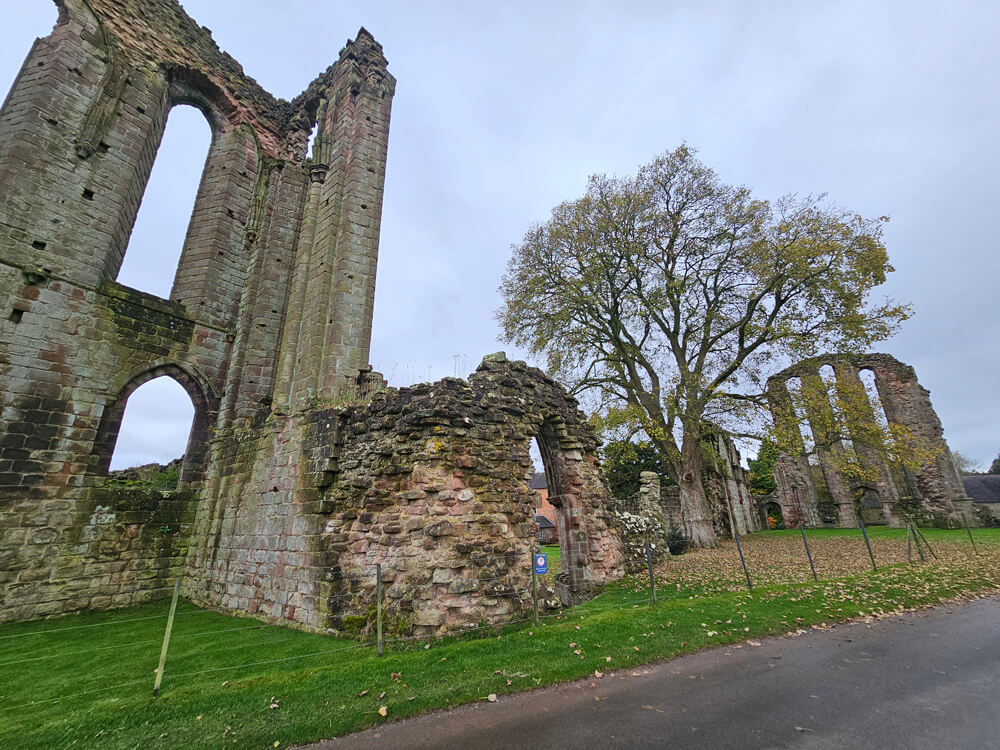
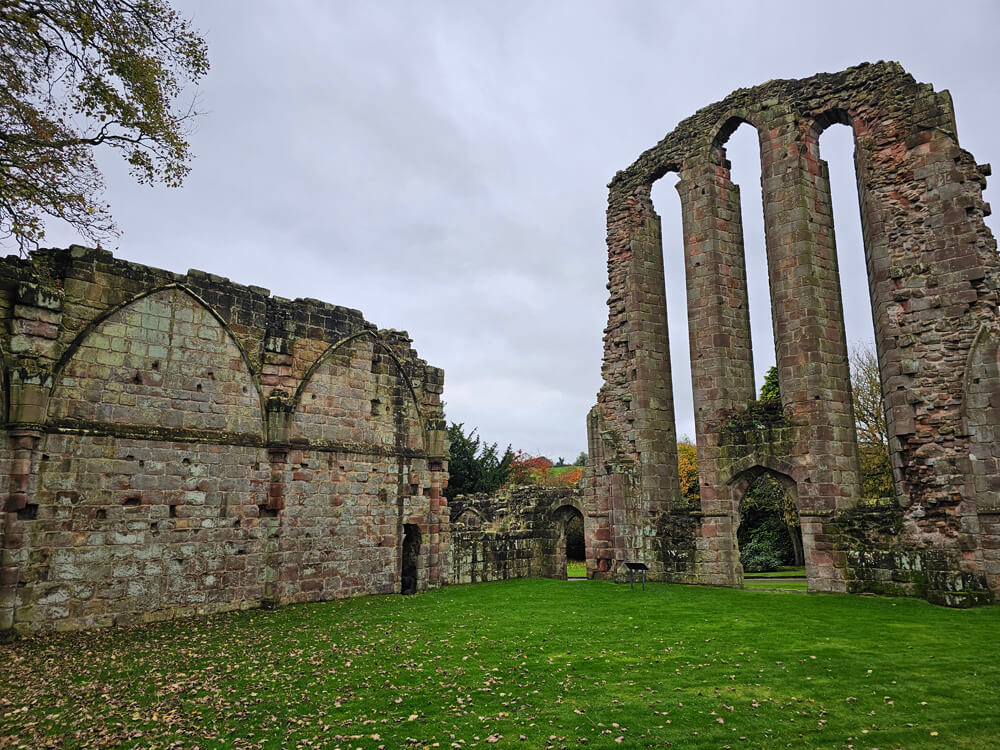
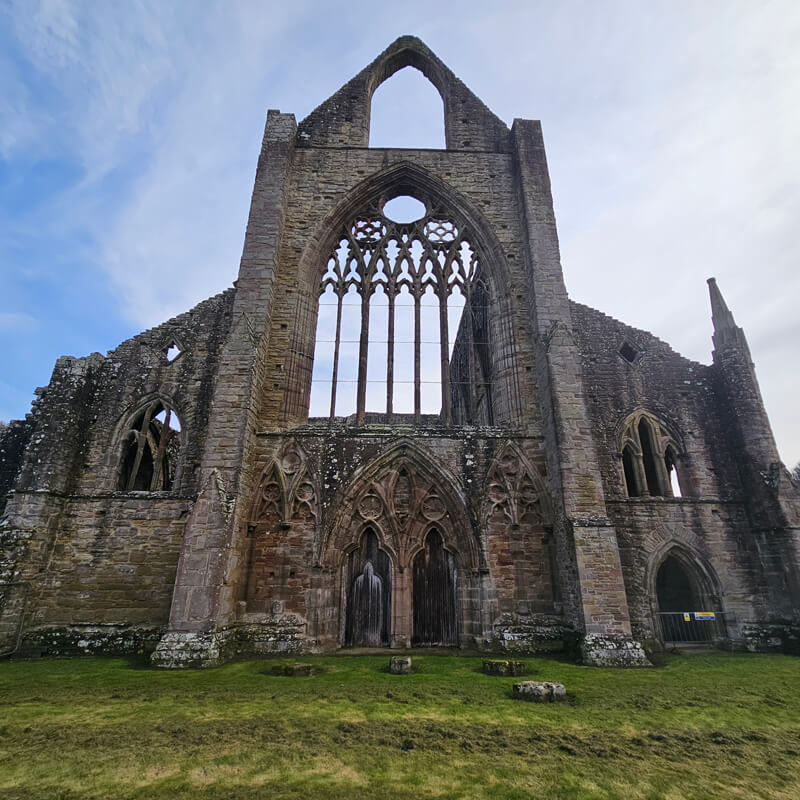
Founded in the 12th century, Croxden Abbey was a Cistercian monastery at Croxden in Staffordshire, and was home to 70 Cistercian monks at its peak until its suppression in 1538. The ruined remains are impressive, including towering fragments of its 13th-century church, infirmary and 14th-century abbot’s lodging.
Quick
Facts.
- Location: Croxden, Staffordshire, England
- Founded: 1176
- Founder: Bertram de Verdun
- Religious order: Cistercian
- Dissolved: 1538
- Condition: Ruined
A Bit of History…
Croxden Abbey was founded in 1176 by local nobleman Bertram de Verdun, the lord of Alton, when he granted land in Cotton and Croxden to a community of Cistercian monks from the Norman abbey of Aunay-sur-Odon in Normandy. The monks first moved to Cotton in 1176, but favouring remote, isolated sites, they moved to the more remote site of Croxden, a few miles to the south in 1179.
Initially the site was fairly compact, housing no more than 12 monks, but it eventually grew to house an increasing number of monks. The construction of permanent buildings was slow, but the plan of the abbey was copied from the mother-house of Aunay-sur-Odon and so was more elaborate in design than most Cistercian churches in England. The church was built first, taking several decades to complete, followed by the buildings around the cloister. Completion and further enlargement of the buildings followed under the leadership of Abbot Walter London during its most prosperous period in the 13th century, when it housed around 70 monks. Croxden was relatively prosperous at this time, drawing the majority of its wealth from sheep farming, and by 1315 the monks were supplying more wool to the continent than any other religious house in Staffordshire.
However, problems arose for the abbey during the 14th century when the community suffered from the affects of floods, crop failure, cattle disease and plague. This accumulation of disastrous events combined with the strains of royal taxation and the repayment of loans saw Croxden’s financial situation worsen. The abbey managed to survive until the 16th century, but it never recovered its former prosperity. Croxden Abbey was suppressed by Henry VIII in 1538 during the Dissolution of the Monasteries, also ordering the removal of the church roof to prevent the monks from using the site.
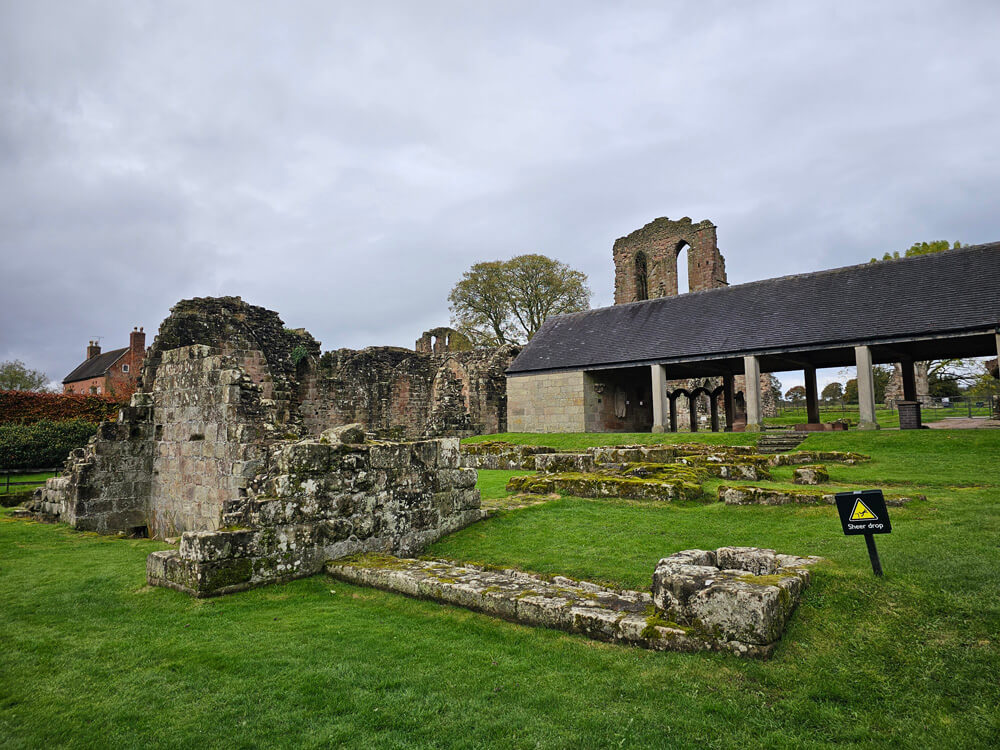
Following the monastery’s suppression in 1538 the abbey and its lands were converted into a farm. A Georgian farmhouse now occupies the site of the abbey kitchen, the cloister became a yard, and a track was cut across the church, bisecting the site.
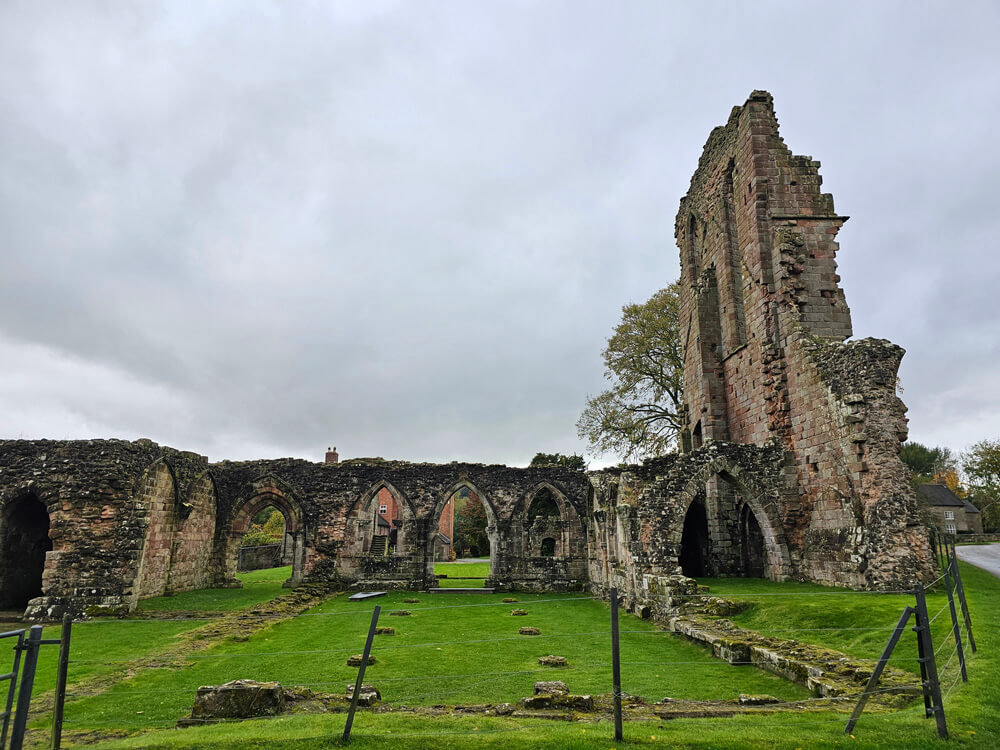
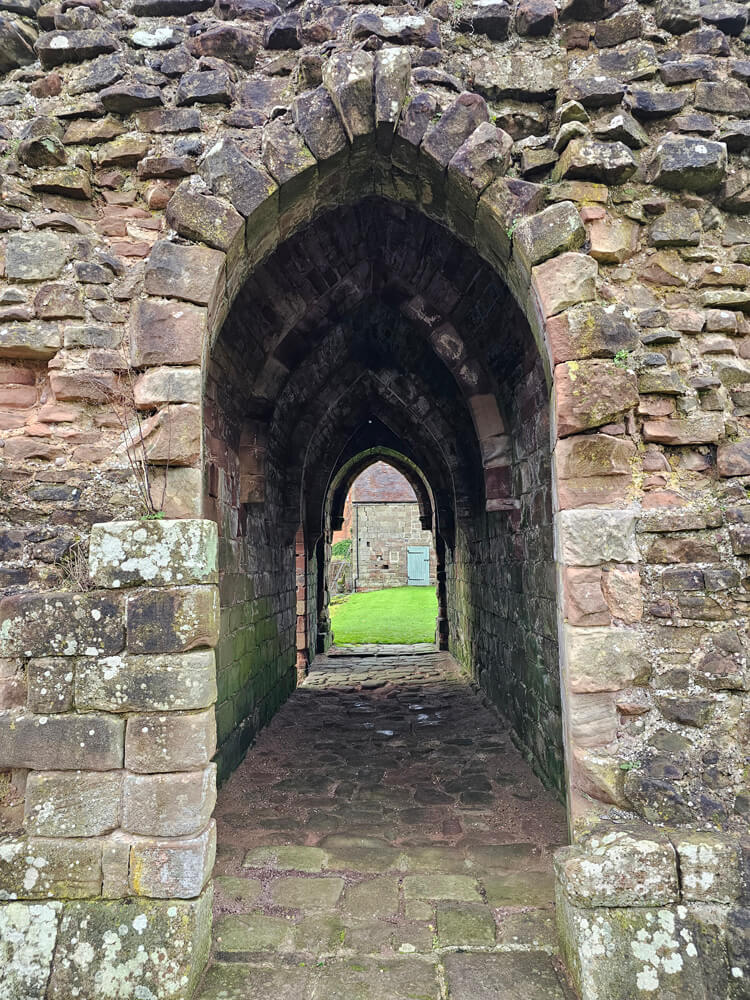
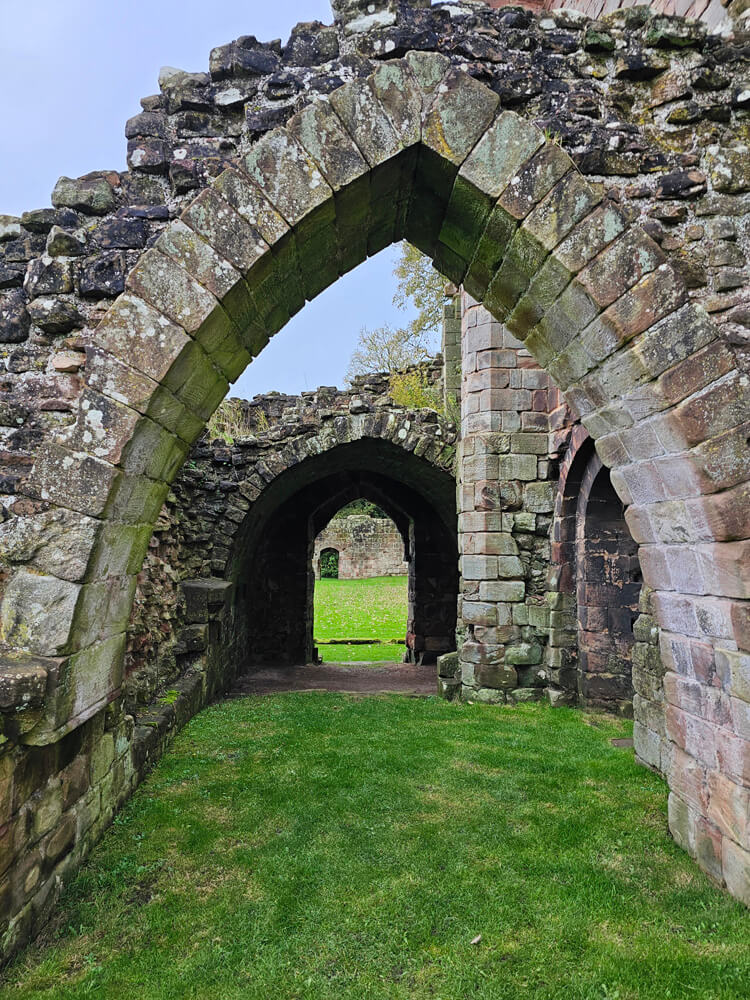
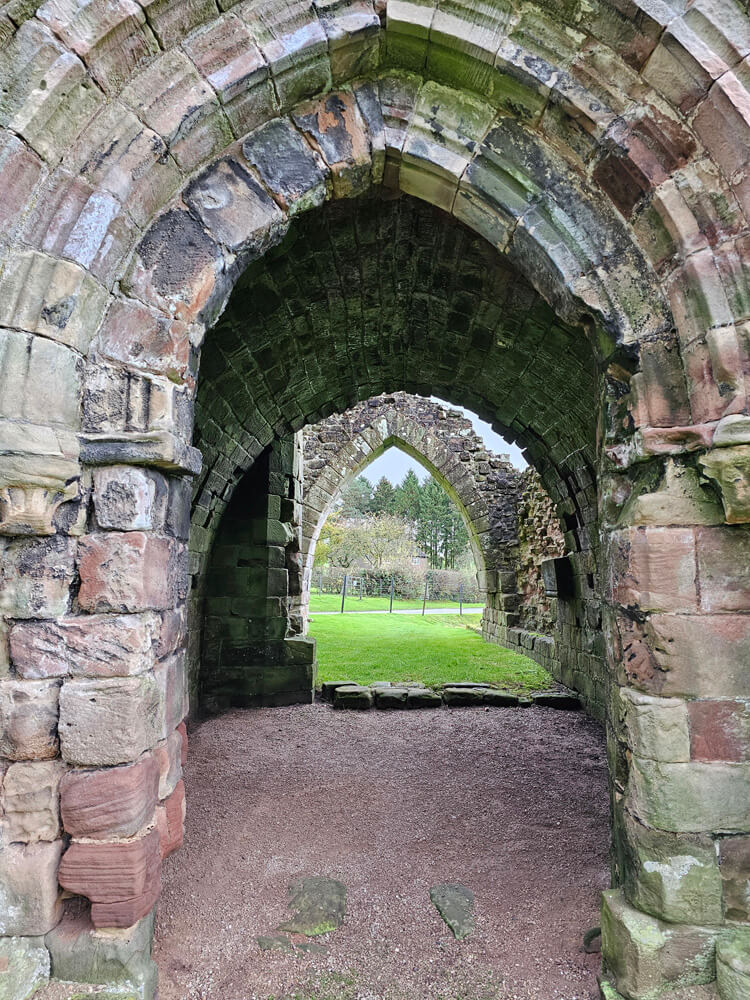
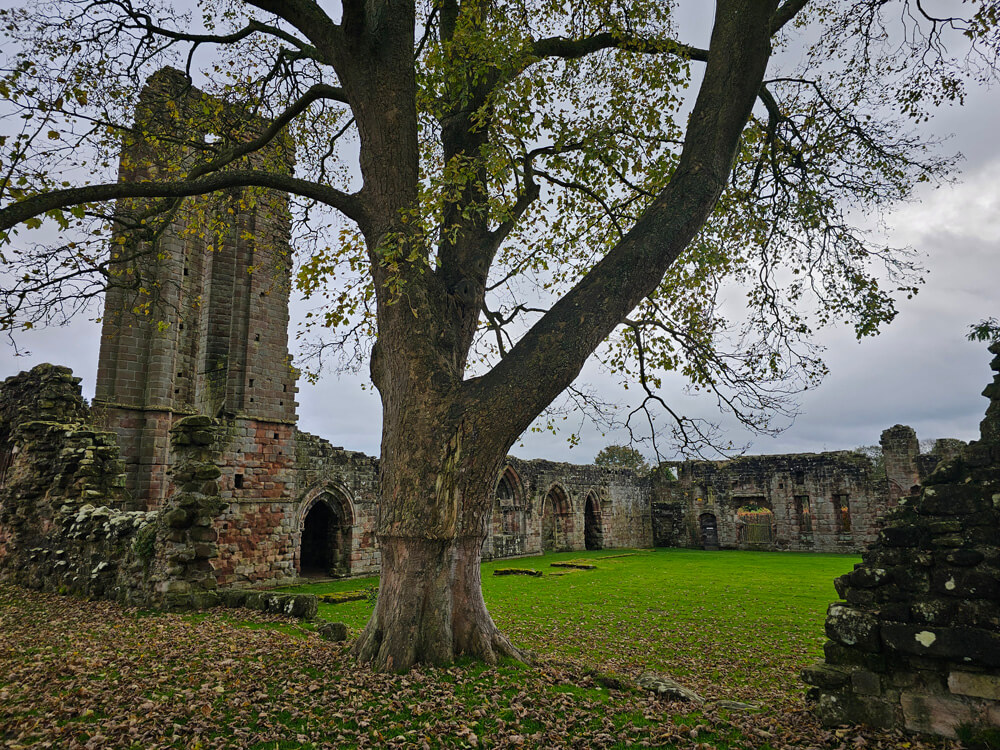
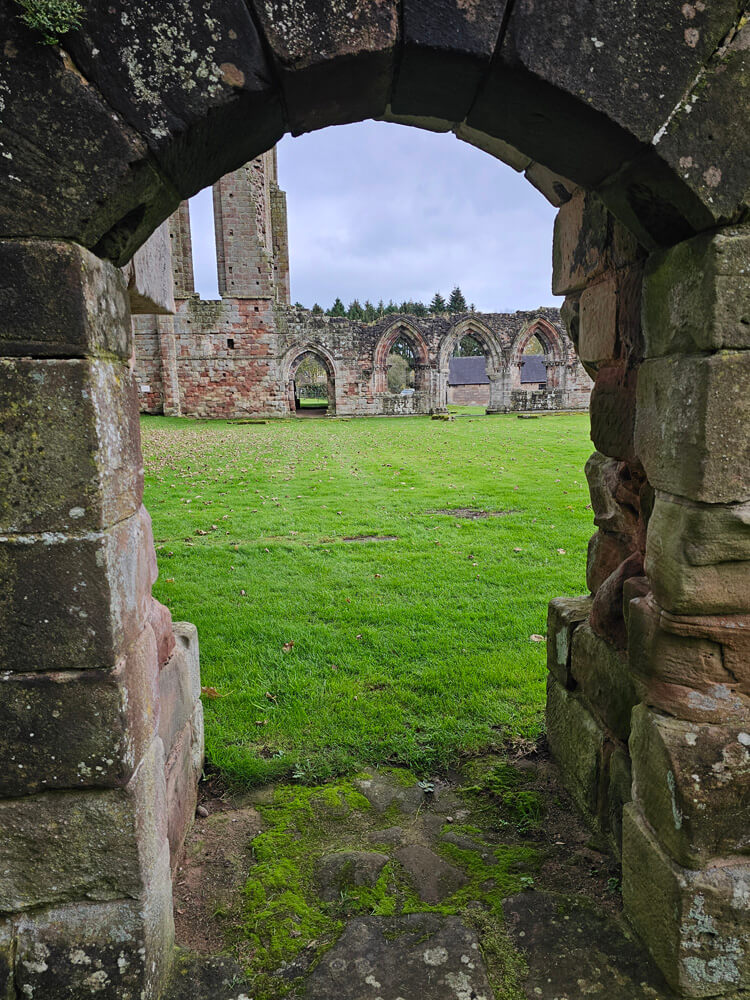
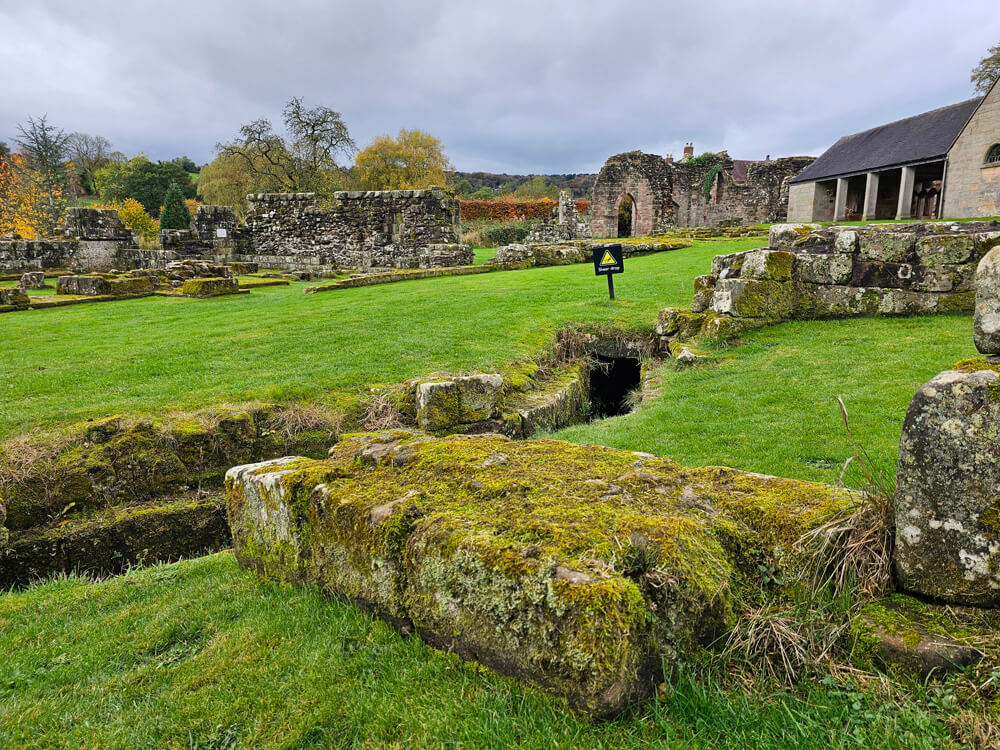
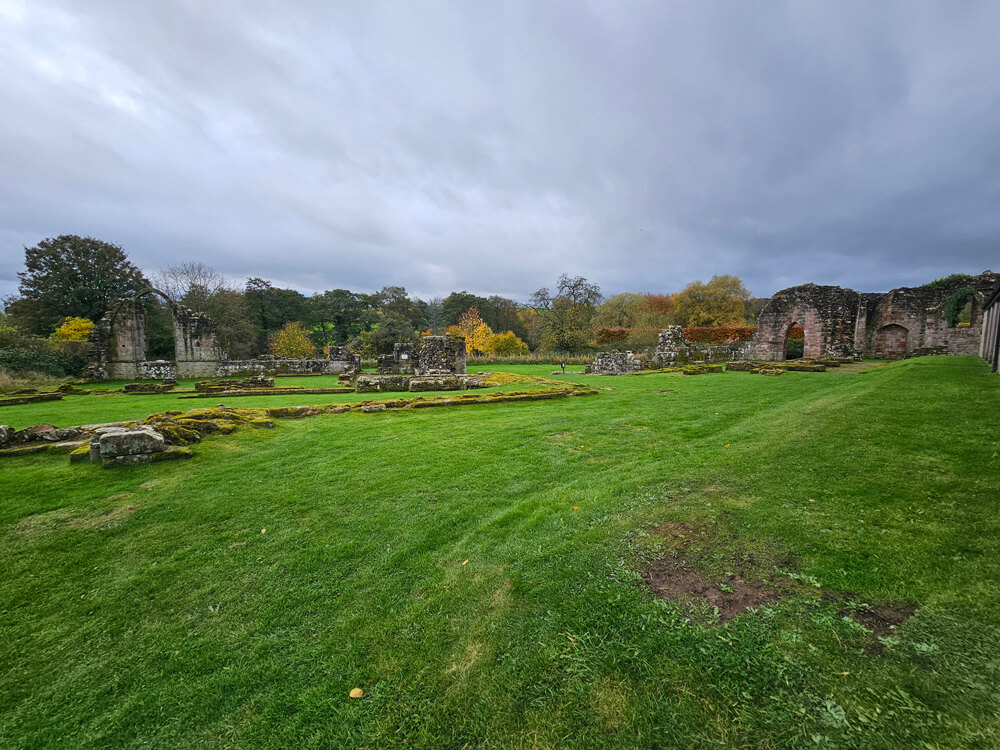
The visible remains of the abbey include substantial parts of the abbey church, which was one of the most elaborate churches of any Cistercian abbey in England, together with the infirmary and abbot’s lodging. The site is also clearly defined by earthworks, and retains a late-medieval barn which is still in agricultural use. Croxden Abbey is in the care of English Heritage, and contains more remains than any other monastic site in Staffordshire.
Photo Gallery.
Did you enjoy this post?
I hope you found this post useful. I put a great deal of time and effort in to building, maintaining and populating the website. If you like, you could say a small thank you by buying me a coffee. You don't have to, but it would be nice :)
Buy me a coffee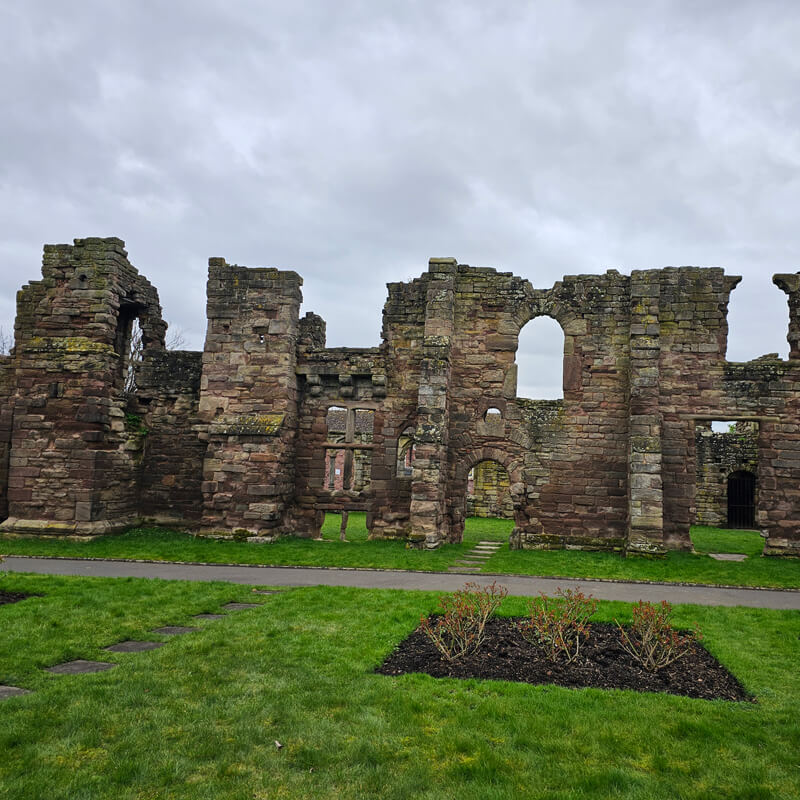
Stay up to Date
Follow me on my journey and get notified whenever a new post is published by following Kings & Castles on Facebook.
Follow MeExplore The Map
Discover the hundreds of castles, churches, monasteries, cathedrals and other historic locations that I've personally visited across England and Wales. Search by location, explore nearby sites and plan your next historical adventure.
Share: