The Roman Village of Ribchester
Long before Ribchester became a Lancashire village, it was one of Roman Britain’s most important military settlements. Known as Bremetennacum Veteranorum, the Roman fort and village occupied a strategic crossing of the River Ribble and remained in use for around 300 years, leaving behind some of the finest Roman remains in north-west England.
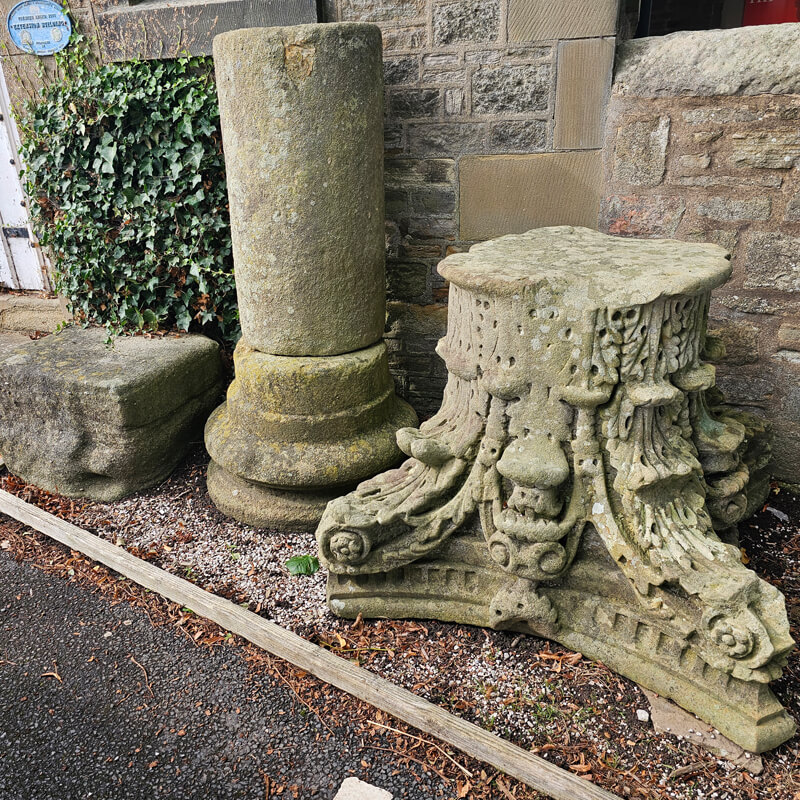
The Romans established Bremetennacum in the late 1st century, about 78 AD, probably during the governorship of Julius Agricola, as they expanded into northern Britain. The fort stood beside the River Ribble, controlling an important crossing and connecting roads that linked Chester, Lancaster and York.
Initially built from timber, the fort was later rebuilt in stone during the 2nd century AD. It became home to cavalry units, including the elite Sarmatian cavalry, warriors originally recruited from eastern Europe. Around the fort grew a civilian settlement, or vicus, where traders, craftsmen and soldiers’ families lived and worked.
The village outside the fort developed into a thriving community. Inns, workshops and homes lined the roads, while merchants supplied the garrison with food, clothing and equipment. Although Roman soldiers were officially forbidden from marrying during much of the empire’s history, many formed families who lived in the settlement.
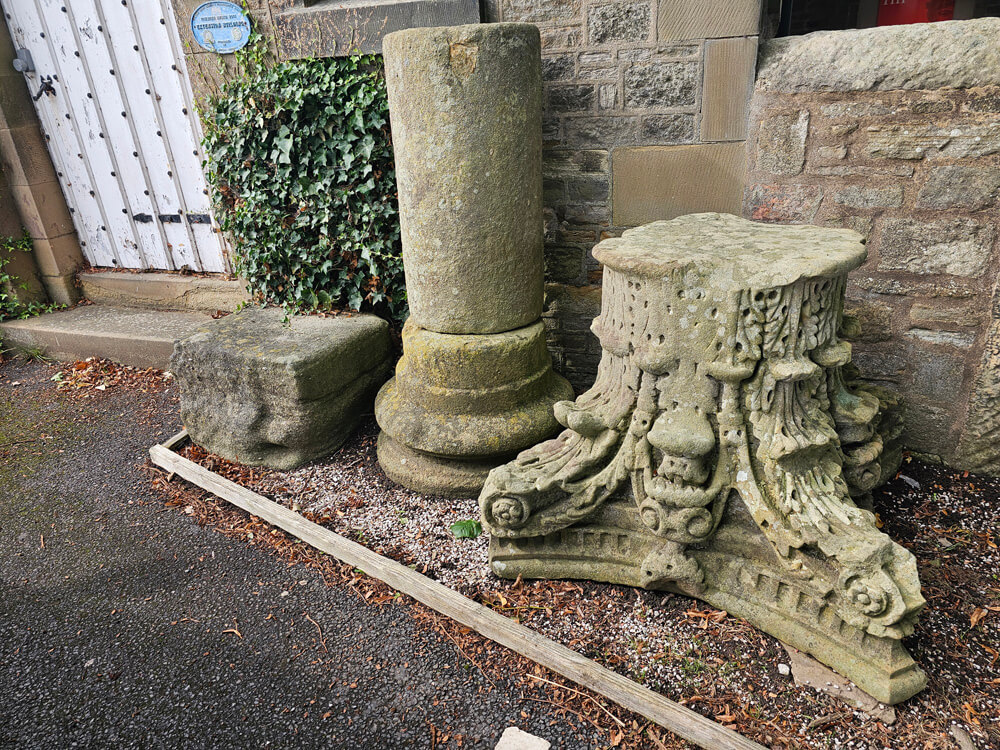
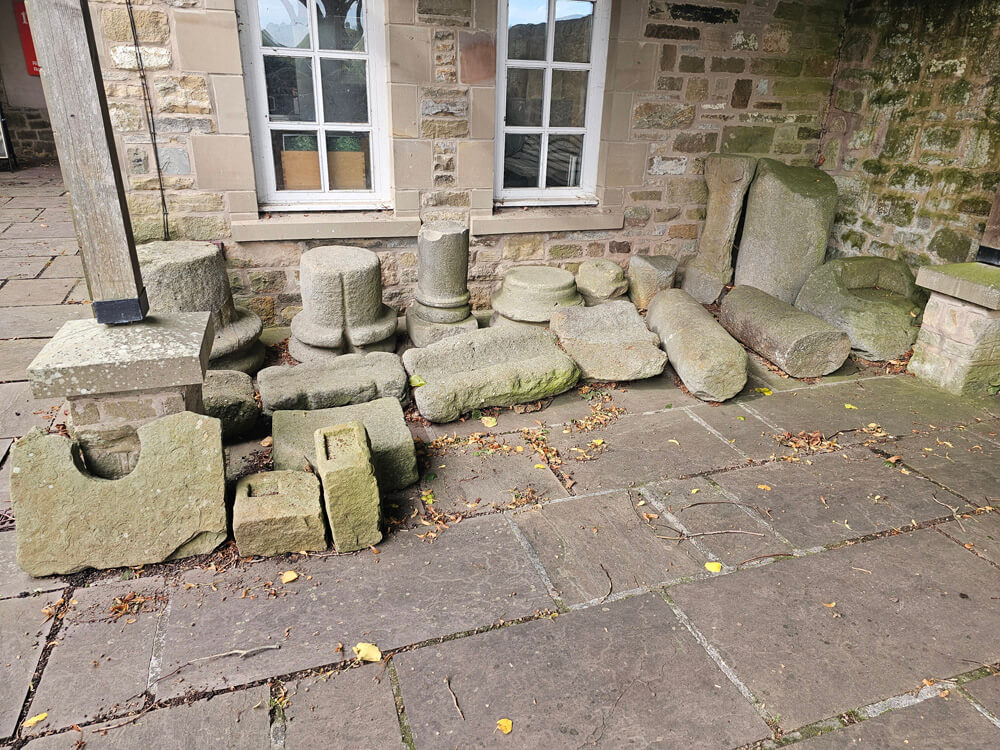
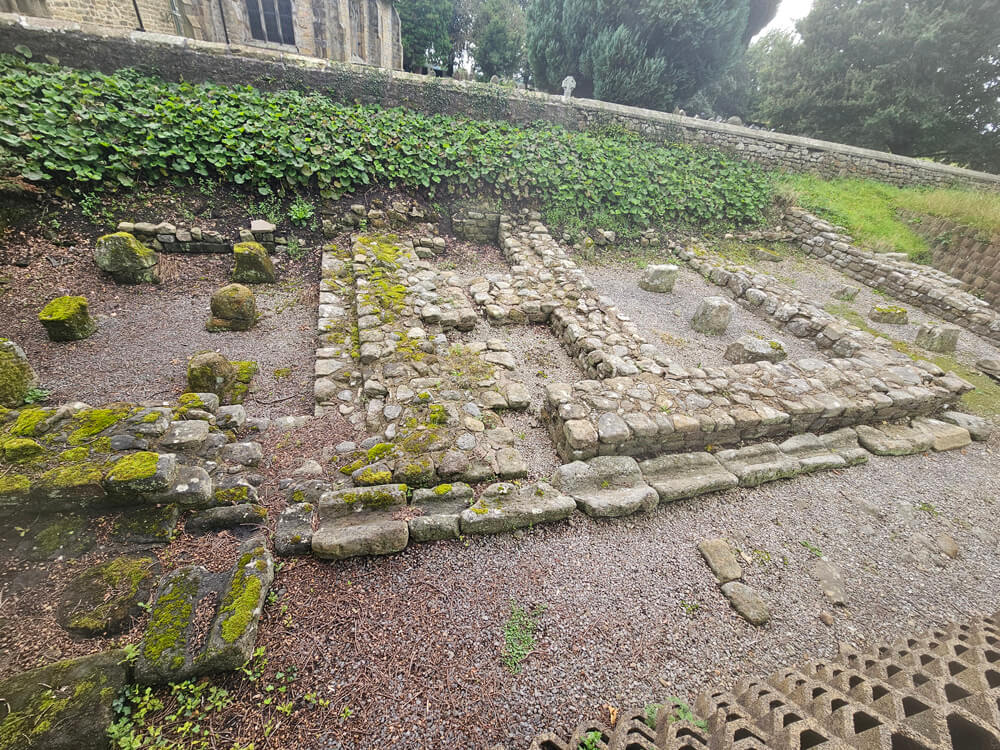
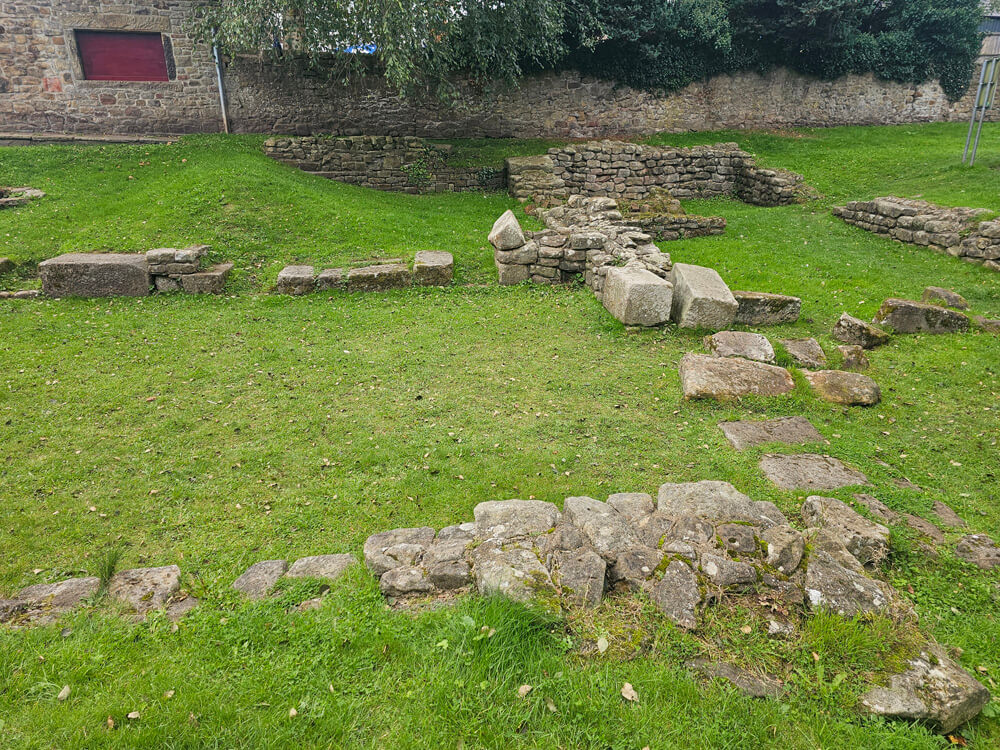
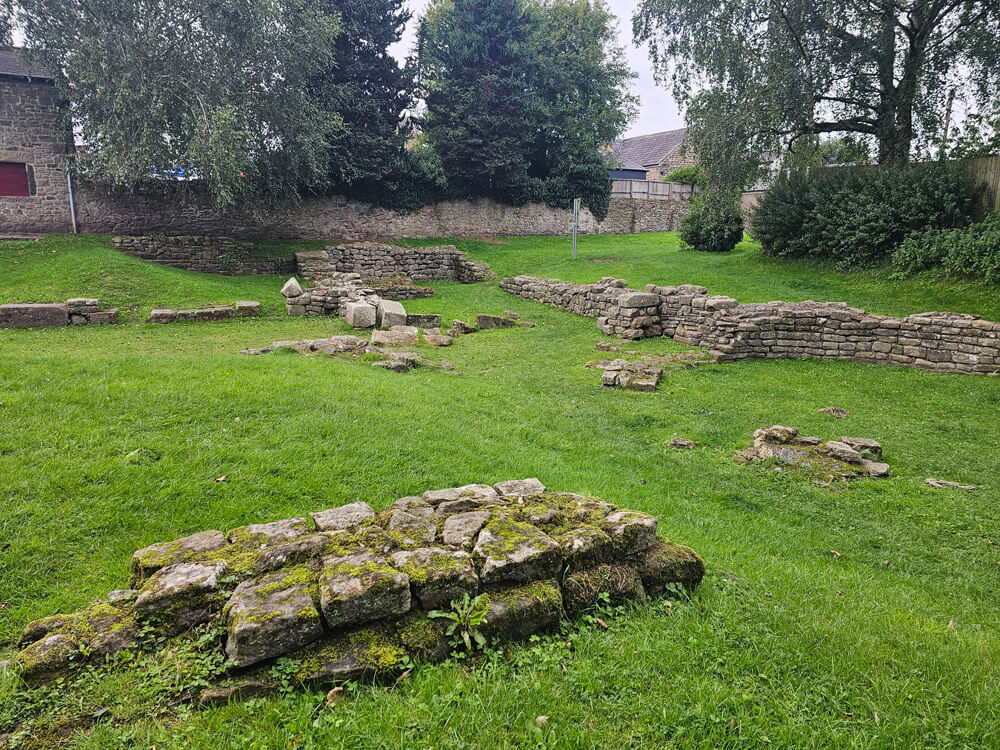
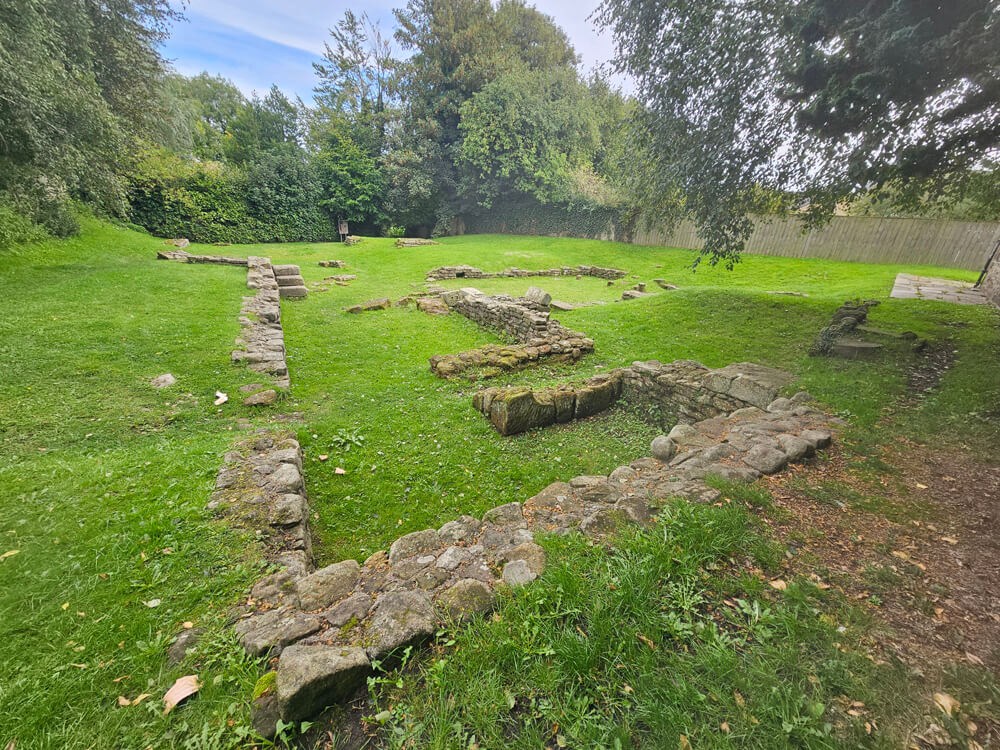
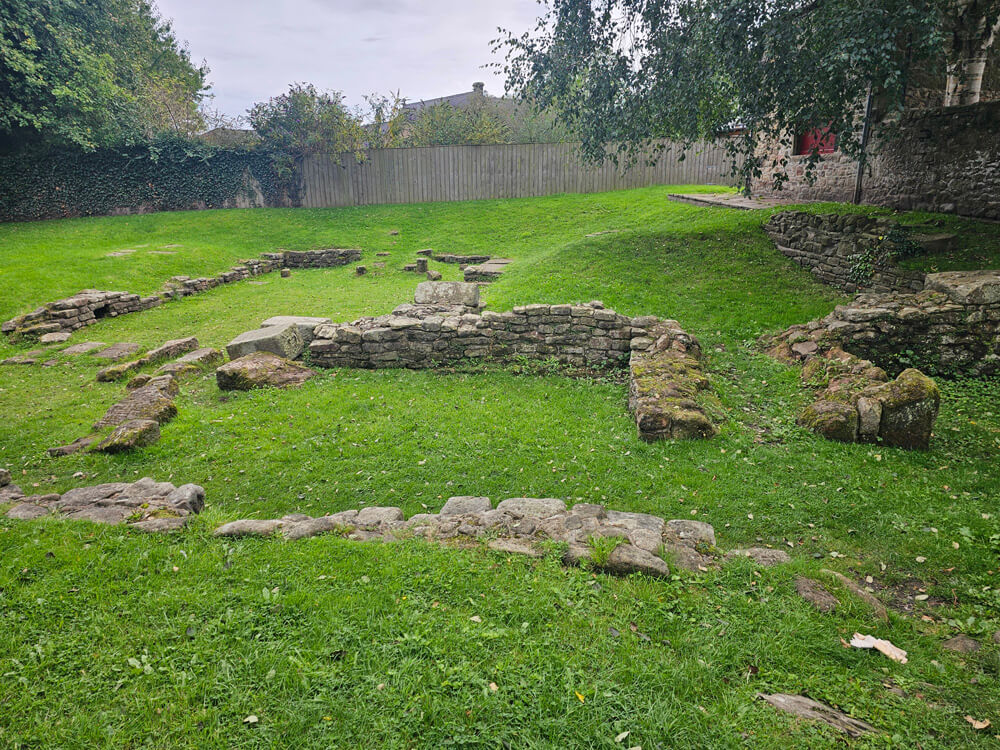
Public buildings reflected Roman culture. The impressive bathhouse allowed soldiers to bathe and socialise, while large granaries stored grain for both men and horses. Excavations have uncovered pottery, coins, jewellery and tools, providing a glimpse into everyday life nearly 2,000 years ago.
By the late 4th century AD, Roman rule in Britain was weakening. The fort was eventually abandoned as the Roman administration collapsed in the early 5th century, but the settlement did not disappear entirely. People continued to live among the surviving Roman buildings, reusing stone from the fort for new homes and churches. The Roman road network also continued to influence travel through the area.
By the Anglo-Saxon period, Ribchester had become a small rural community. Christianity spread across the region, and the site eventually became home to an early church, establishing Ribchester as a place of worship as well as settlement. Later generations built over parts of the Roman town, preserving much of it beneath today’s streets and buildings.
Ribchester became internationally famous in 1796 when labourers discovered an ornate Roman cavalry parade helmet buried beneath the village. Made from bronze with intricate decoration, the Ribchester Helmet is one of the finest Roman helmets ever found in Britain. Although the original is now displayed in the British Museum, a replica can be seen in the Ribchester Roman Museum.
Today, visitors can explore the surviving bathhouse and granary foundations, visit the Roman Museum, and stand on ground once occupied by cavalry soldiers who helped guard the northern frontier of the Roman Empire. There are also two lovely medieval churches to explore – St Wilfrid’s Church in the heart of the village, and St Saviour’s Church just half a mile away in the hamlet of Stydd.
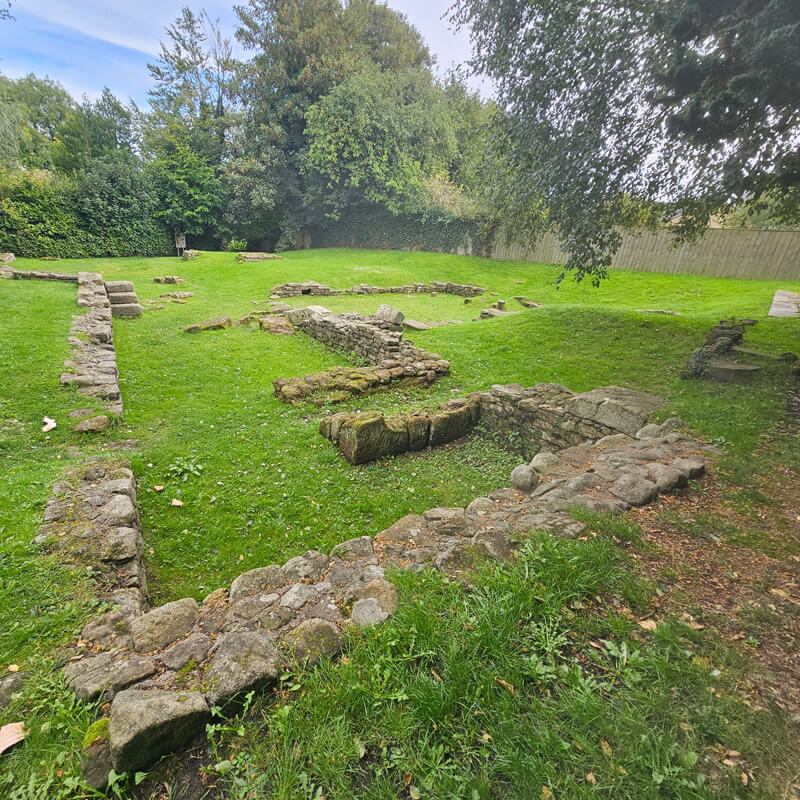
Ribchester Roman Remains
The Roman remains at Ribchetser are spread across two different sites; the bathhouse and the granary. The bathhouse reveals stone foundations of several rooms. The granary, located next to the village church and just a short distance from the bathhouse, reveals more stone foundations. Also next to the village church is the Roman Museum, which houses one of Lancashire’s finest collections of Roman artefacts.
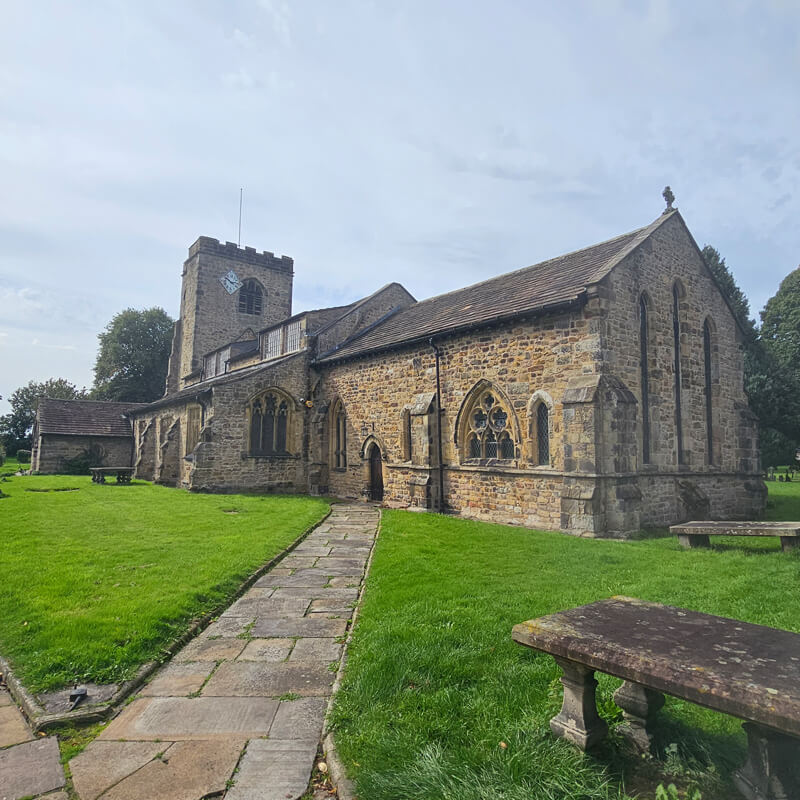
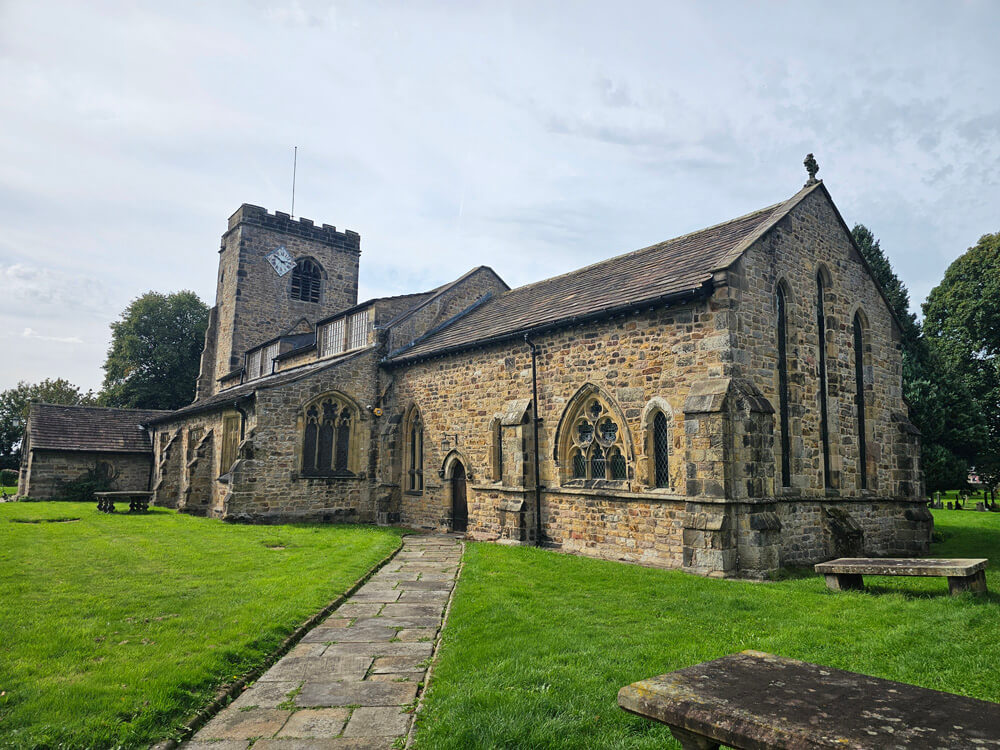
St Wilfrid’s Church
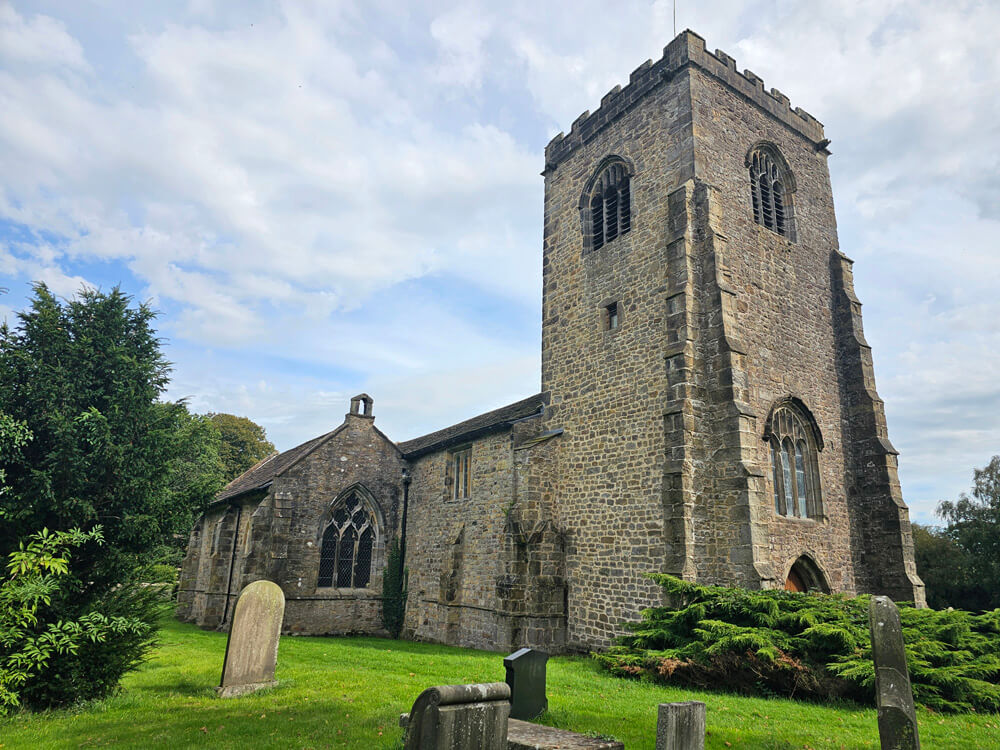
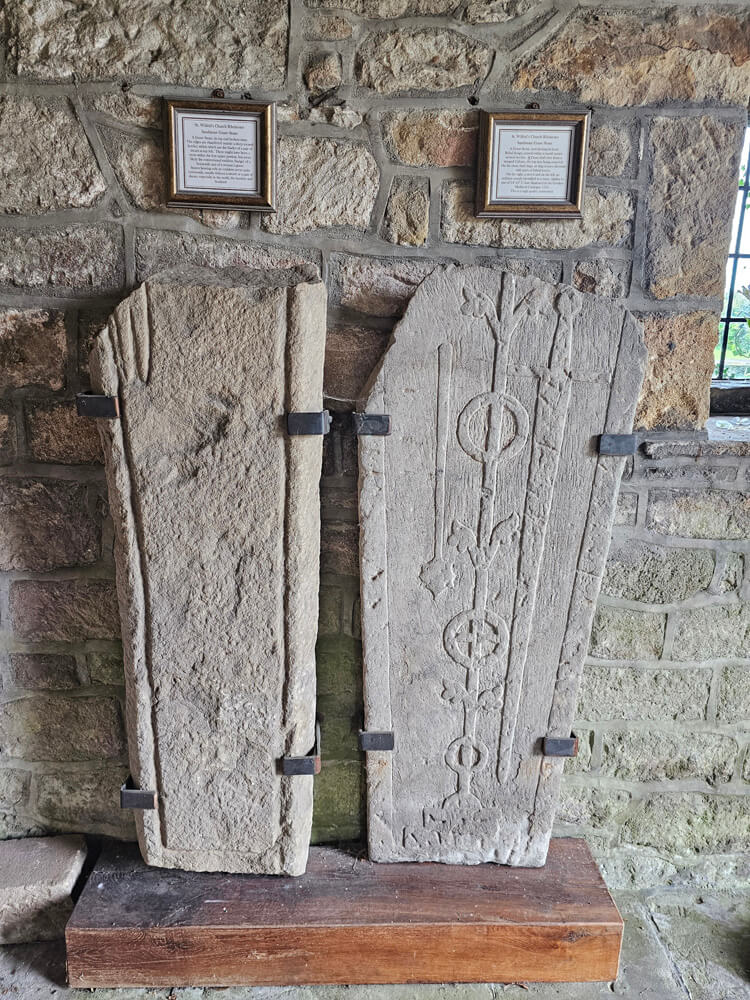
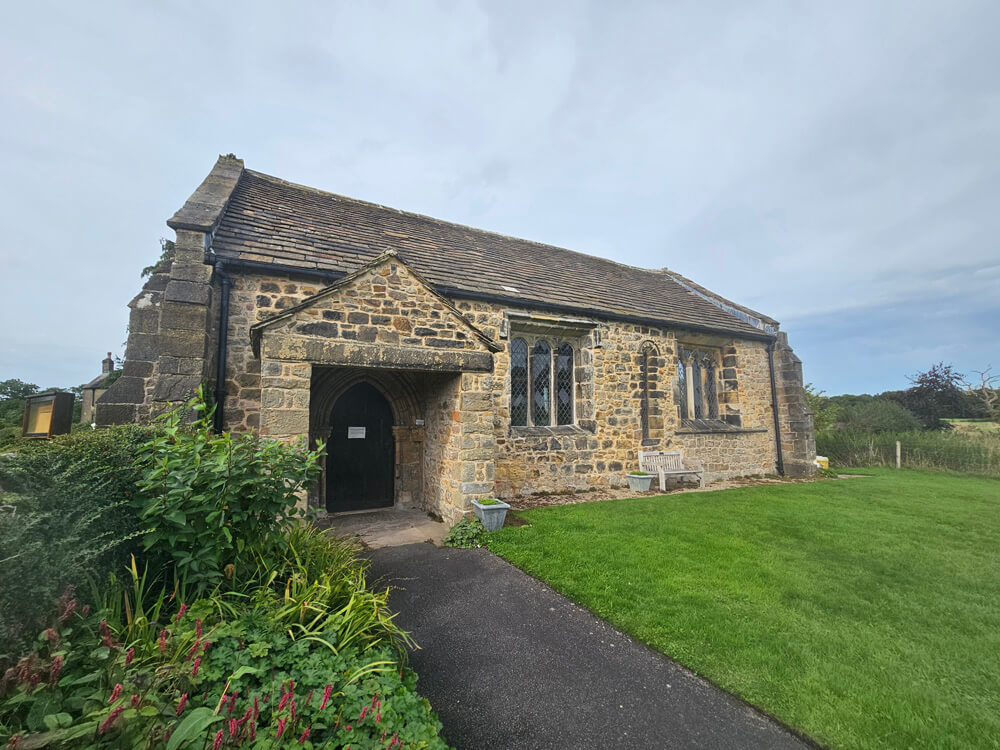
St Wilfrid’s Church stands in the heart of the village. The church is in the main part Medieval, in the Early English tradition, with much of it dating to the 13th and 14th centuries. One of its most interesting medieval features is the Norman doorway, incorporating reused Roman stone from the fort that once occupied the site.
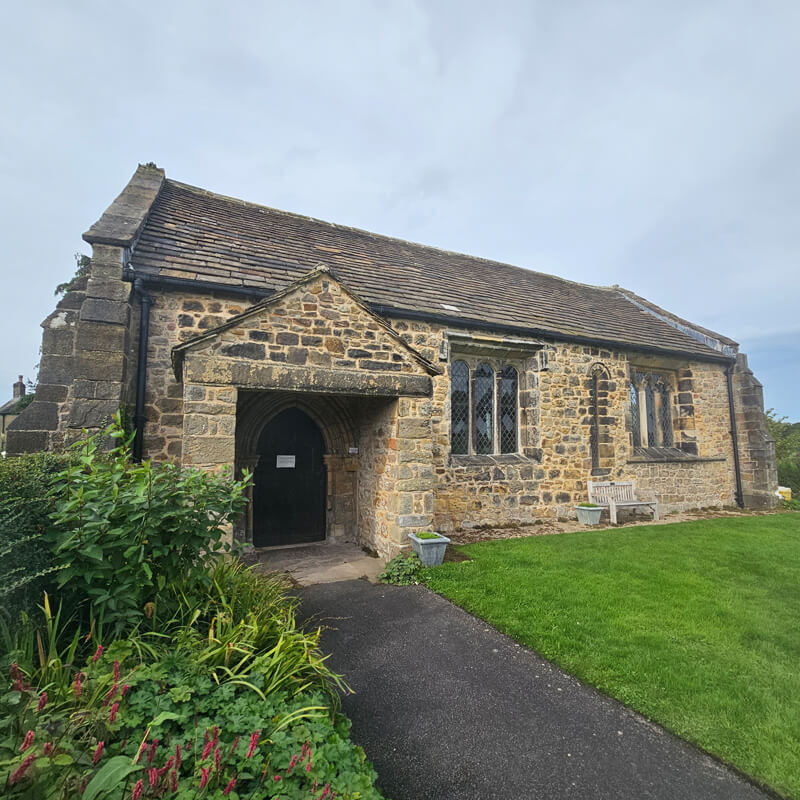
St Saviour’s Church
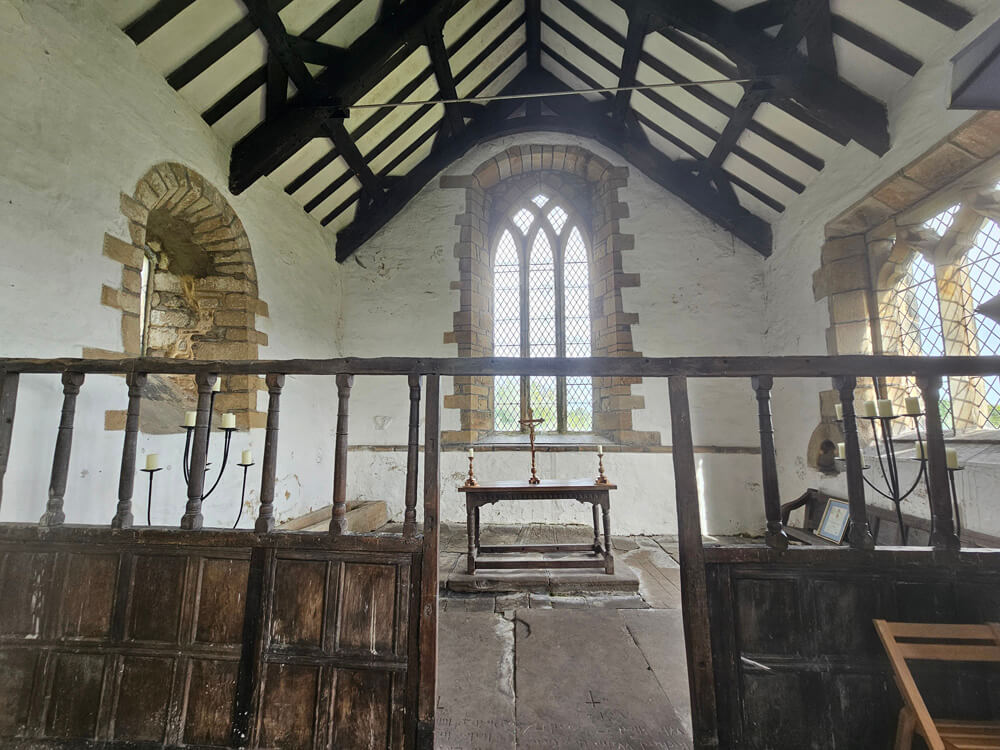
Tucked away in the hamlet of Stydd, just half a mile from Ribchester, St Saviour’s Church is a remarkable survivor from the Middle Ages. St Saviour’s was founded in the 13th century when the Knights Hospitaller established a preceptory at Stydd, probably during the early 1200s, and St Saviour’s served as their chapel.
Photo Gallery.
Did you enjoy this post?
I hope you found this post useful. I put a great deal of time and effort in to building, maintaining and populating the website. If you like, you could say a small thank you by buying me a coffee. You don't have to, but it would be nice :)
Buy me a coffee
Stay up to Date
Follow me on my journey and get notified whenever a new post is published by following Kings & Castles on Facebook.
Follow MeExplore The Map
Discover the hundreds of castles, churches, monasteries, cathedrals and other historic locations that I've personally visited across England and Wales. Search by location, explore nearby sites and plan your next historical adventure.
Share: