The Historic City of York
Few cities in Britain possess a history as rich as York, a place where nearly 2,000 years of Roman, Viking and medieval heritage remain visible in its streets and walls. From its beginnings as the Roman fortress of Eboracum to its rise as one of England’s greatest medieval cities, York has long been a centre of military power, religion and trade.
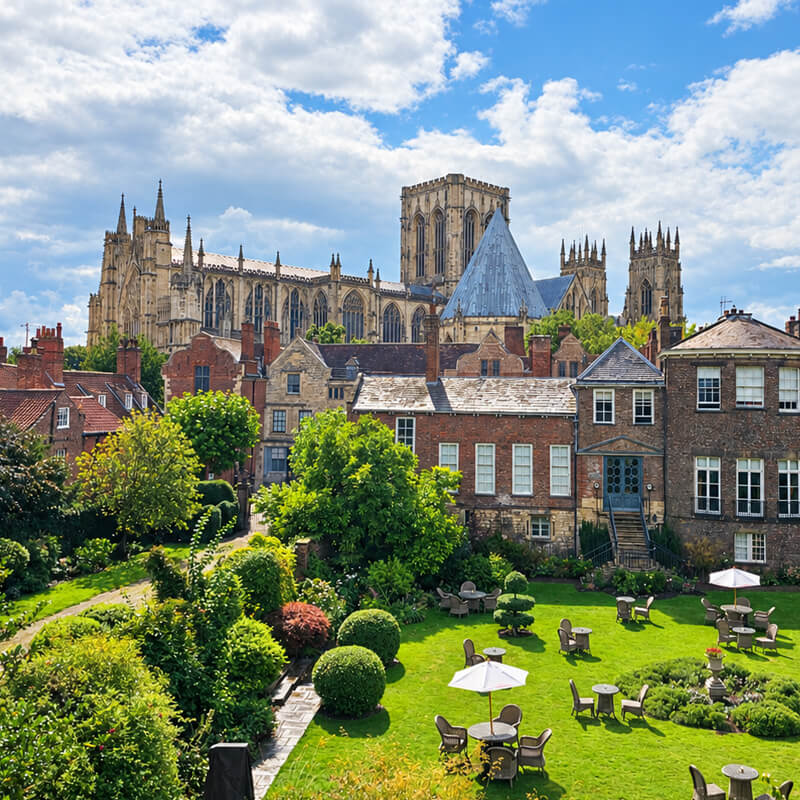
Roman York: The Birth of Eboracum
York’s recorded history began around AD 71, when the Roman Ninth Legion established a fortress on a bluff overlooking the Rivers Ouse and Foss. Known as Eboracum, the settlement became one of the most important military headquarters in Roman Britain.
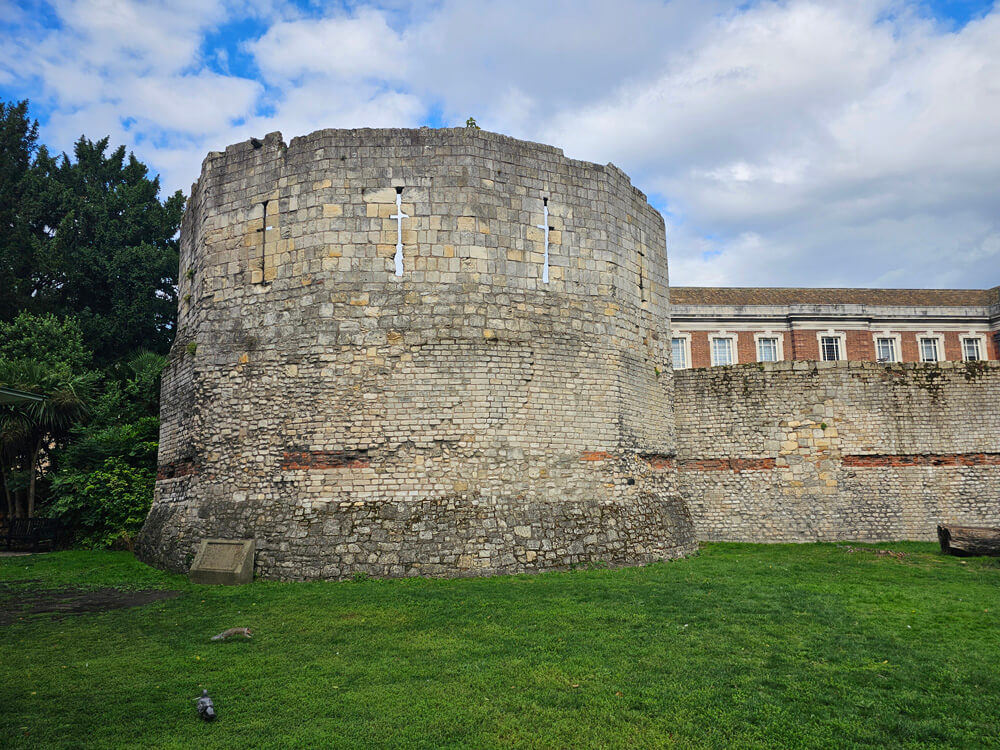
The Romans first built timber defences before replacing them with impressive stone walls, many sections of which survive today. One of the finest remains is the Multangular Tower, a sixteen-sided defensive tower built in the late 3rd century that still stands in York Museum Gardens.
Eboracum quickly grew beyond its fortress walls. Merchants, craftsmen and families settled nearby, creating a thriving civilian town connected to the wider Roman Empire through an extensive road network.
York also became a city of emperors. Septimius Severus ruled from Eboracum while campaigning in northern Britain and died here in AD 211. Nearly a century later, in AD 306, Constantine the Great was proclaimed emperor in York after the death of his father, Constantius Chlorus – an event that would ultimately influence the spread of Christianity across Europe.
From Romans to Vikings
After Roman rule ended in the early 5th century, York entered a less well-documented period before becoming an important Anglo-Saxon centre known as Eoforwic. Christianity flourished, and the city’s church became increasingly influential.
In 866, Viking forces captured York and transformed it into Jórvík, which became the capital of a powerful Norse-controlled region of England known as the Danelaw. The Vikings turned the city into one of northern Europe’s busiest trading centres, with goods arriving from Ireland, Scandinavia and even the Middle East. Archaeological discoveries at Coppergate have revealed remarkably preserved Viking homes, workshops and everyday objects, offering an extraordinary glimpse into life over a thousand years ago.
The Norman Conquest and Medieval York
York became a focal point after the Norman Conquest of 1066. Resistance in northern England led William the Conqueror to launch the devastating Harrying of the North between 1069 and 1070, destroying settlements and farmland across the region.
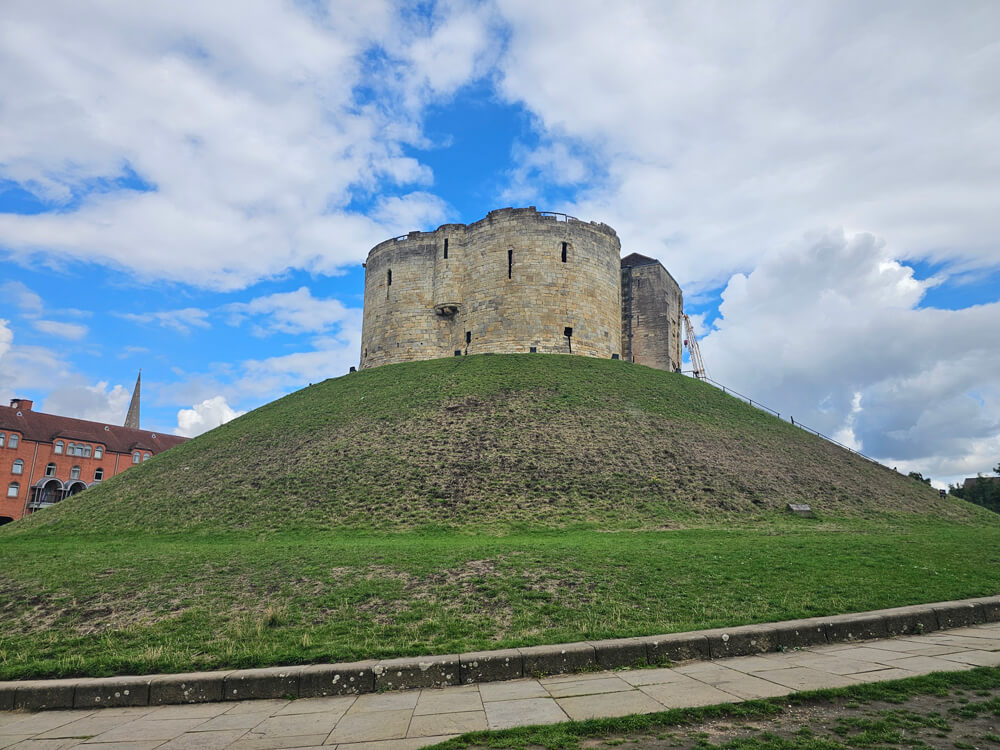
To secure control, the Normans built two castles in York, including what became Clifford’s Tower, the surviving keep of York Castle.
During the following centuries, York recovered and entered a period of remarkable prosperity. By the 13th and 14th centuries, it had become England’s second city after London, thanks to its thriving wool trade, skilled craftsmen and influential merchant guilds.
York Minster: A Symbol of Medieval Power
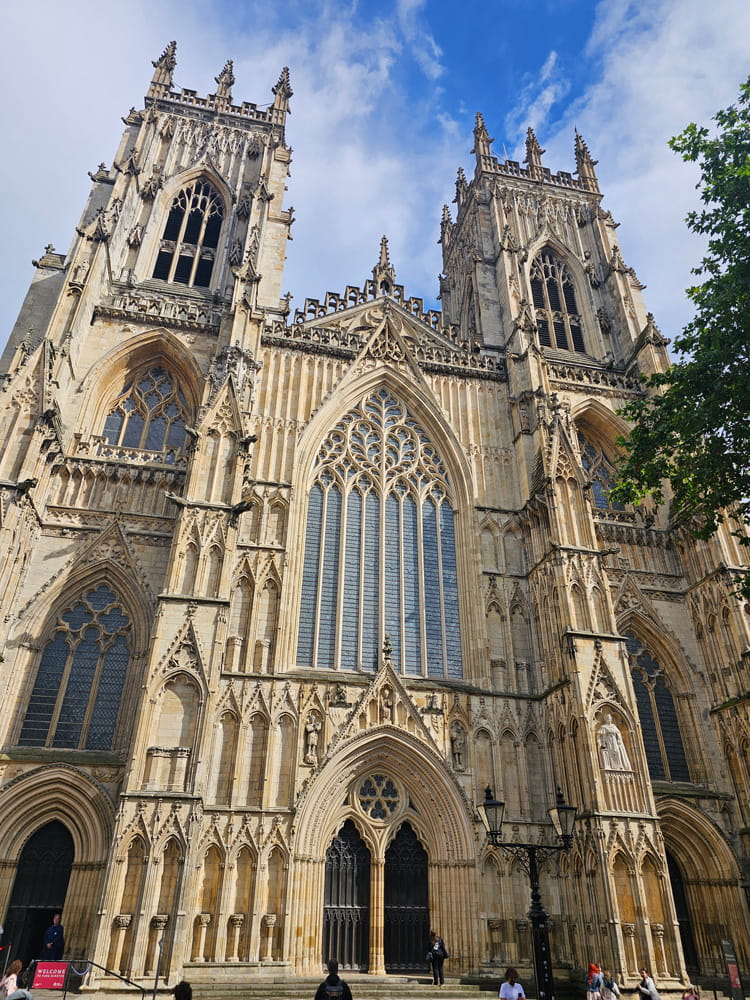
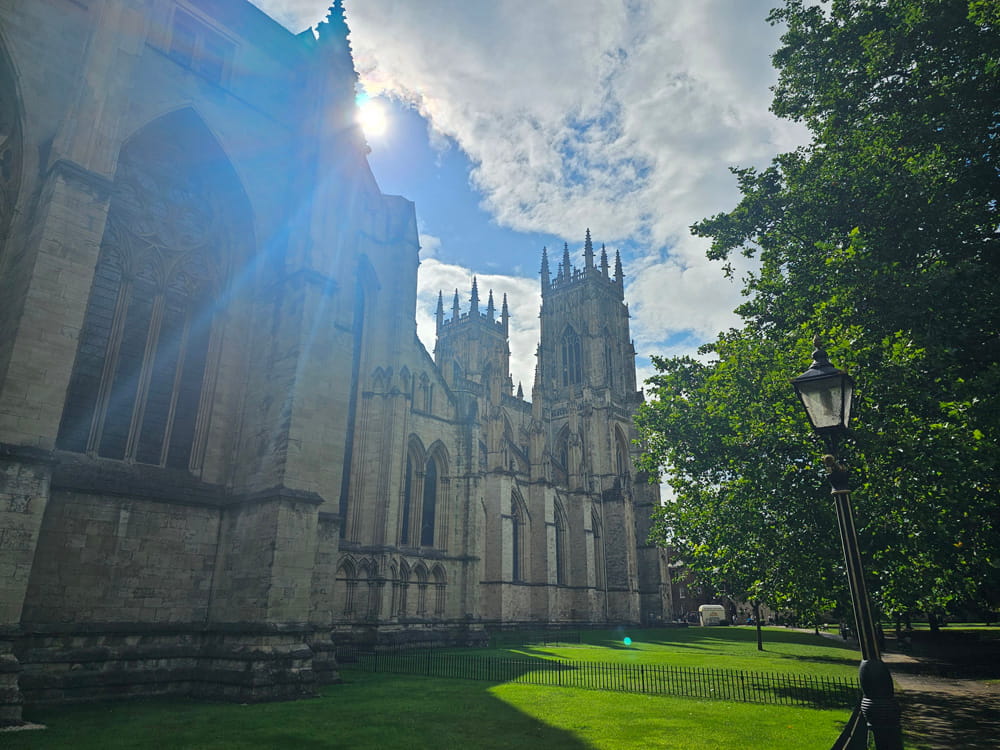
The greatest monument to medieval York is York Minster, one of Europe’s largest Gothic cathedrals.
Construction of the present building began in 1220 and continued for around 250 years, finally reaching completion in the 1470s. The cathedral’s soaring towers, magnificent stained glass and vast nave reflected both religious devotion and the city’s immense wealth.
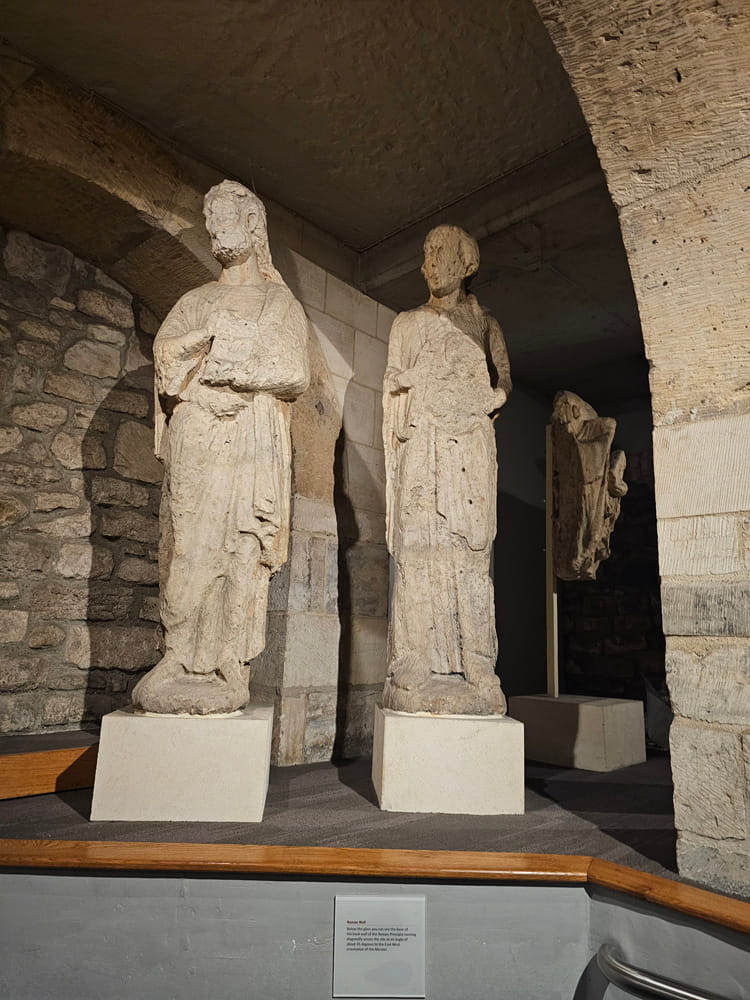
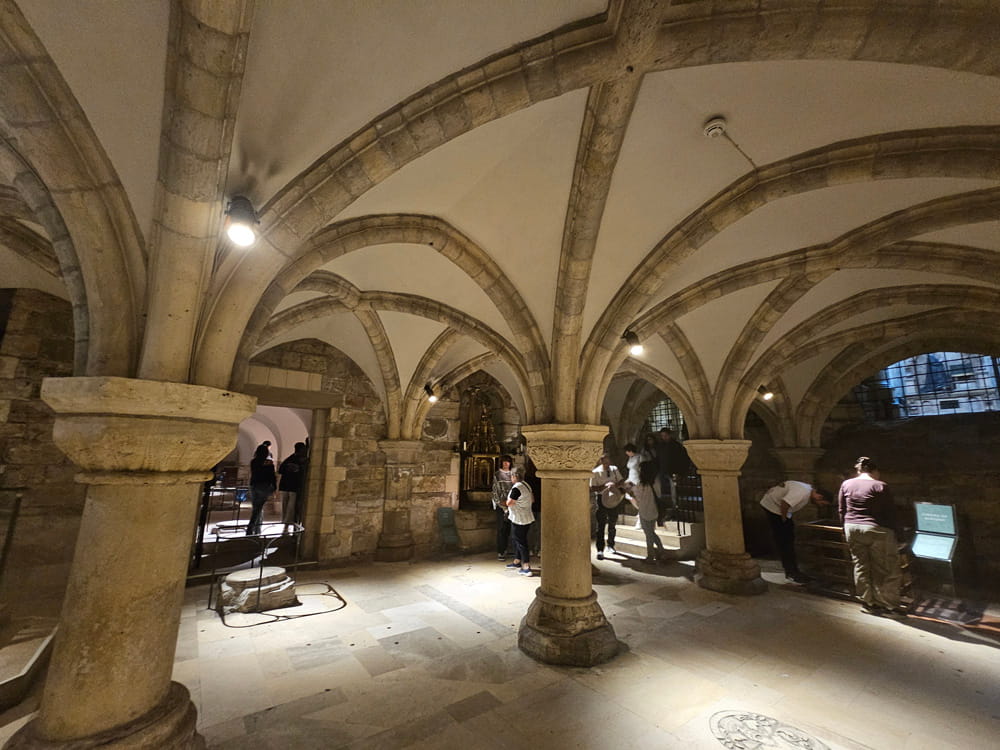
Beneath the cathedral lies the Undercroft, where visitors can still see Roman remains alongside the foundations of earlier churches, illustrating how York’s history was built layer upon layer.
Walls, Gates and Merchant Wealth
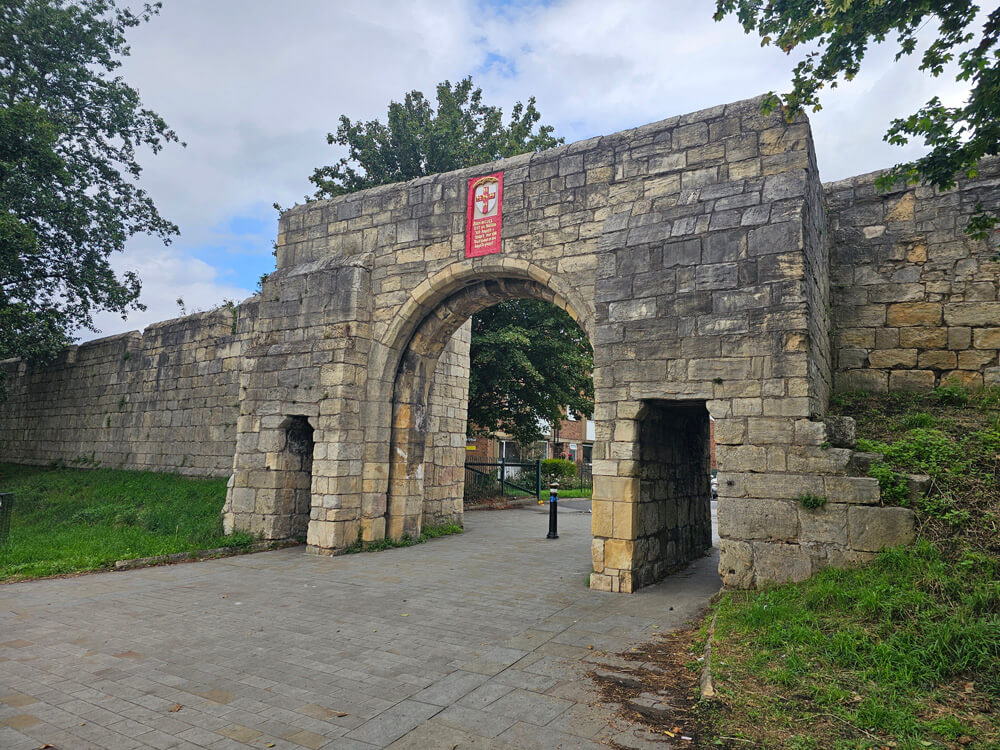
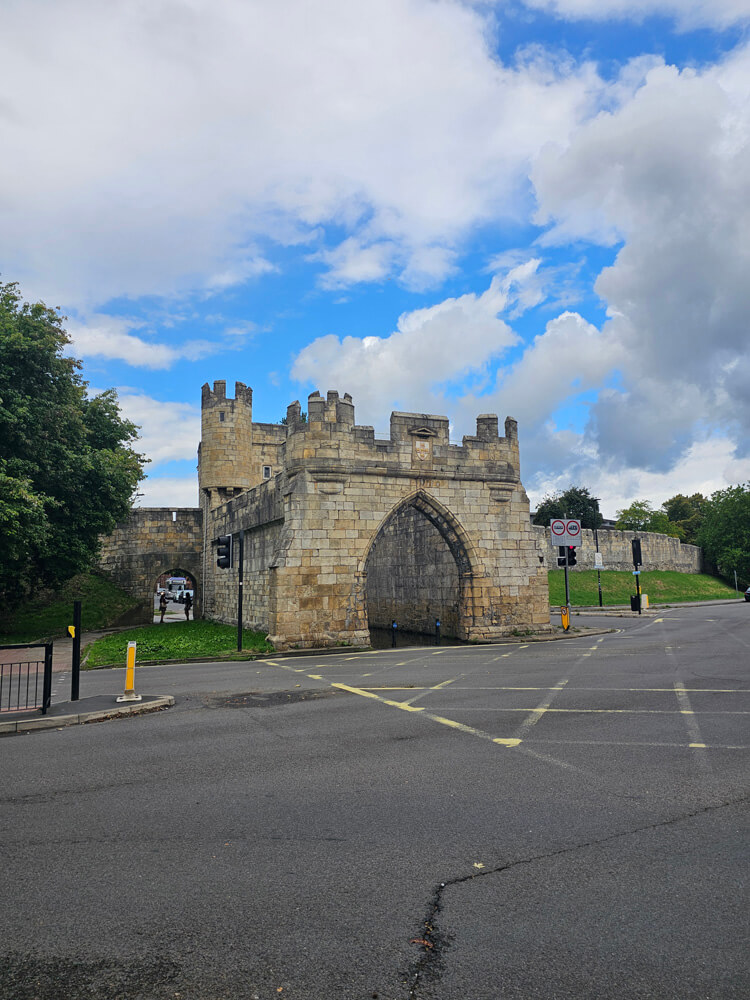
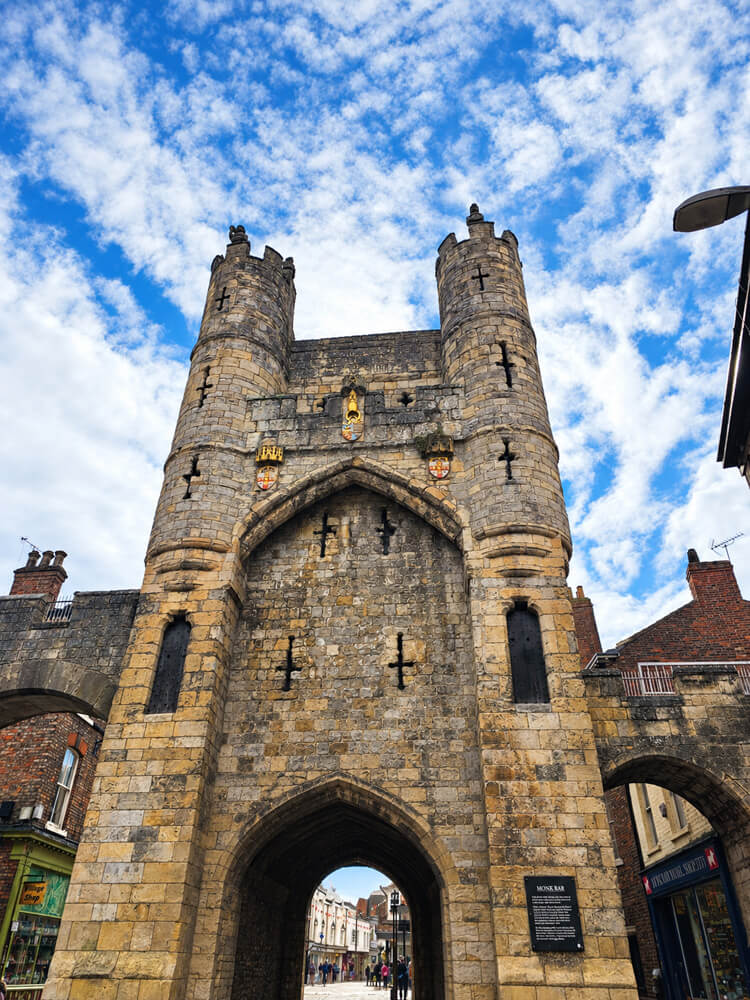
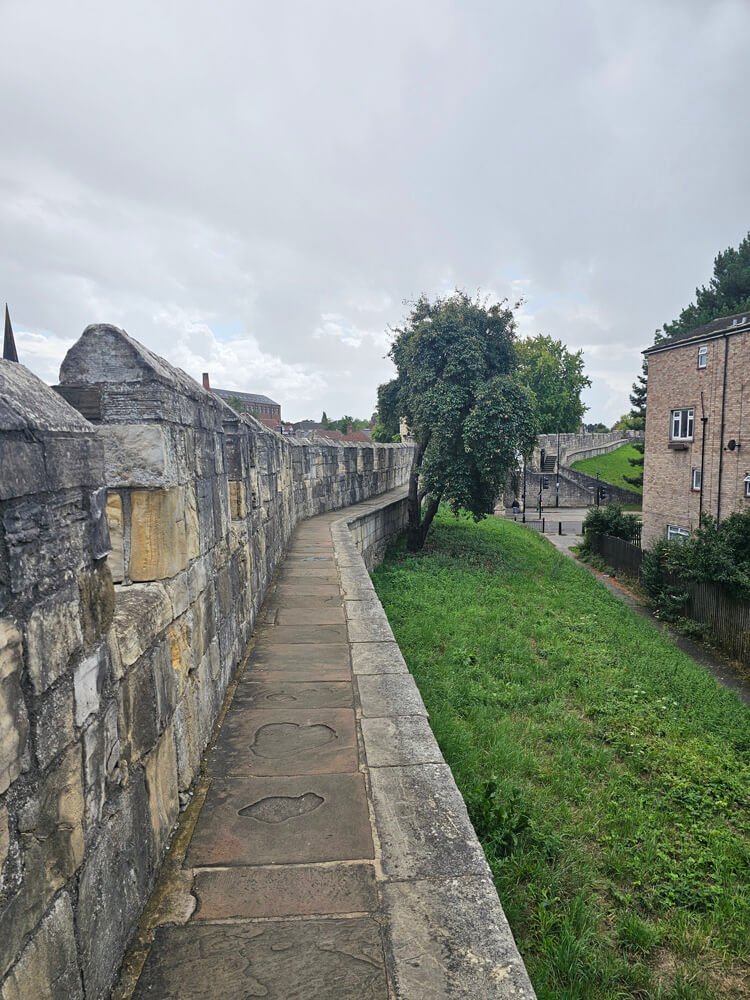
York’s famous City Walls, stretching for around 2 miles, were largely rebuilt between the 12th and 14th centuries. The four great gateways – Micklegate Bar, Monk Bar, Bootham Bar and Walmgate Bar – controlled access to the city, collected tolls and defended its streets.
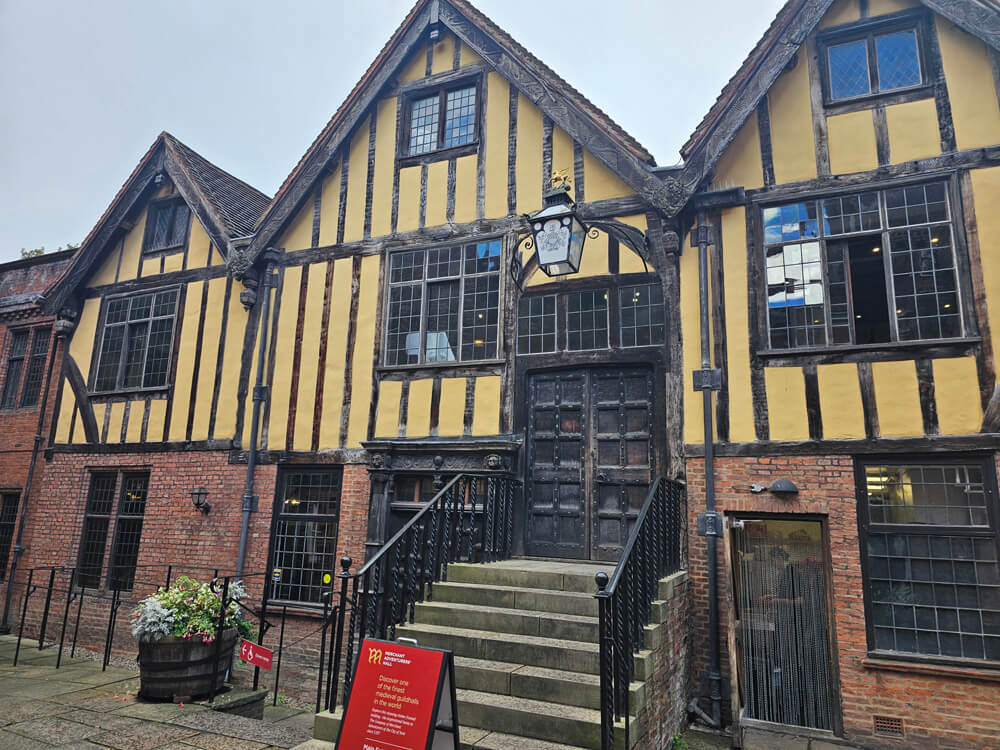
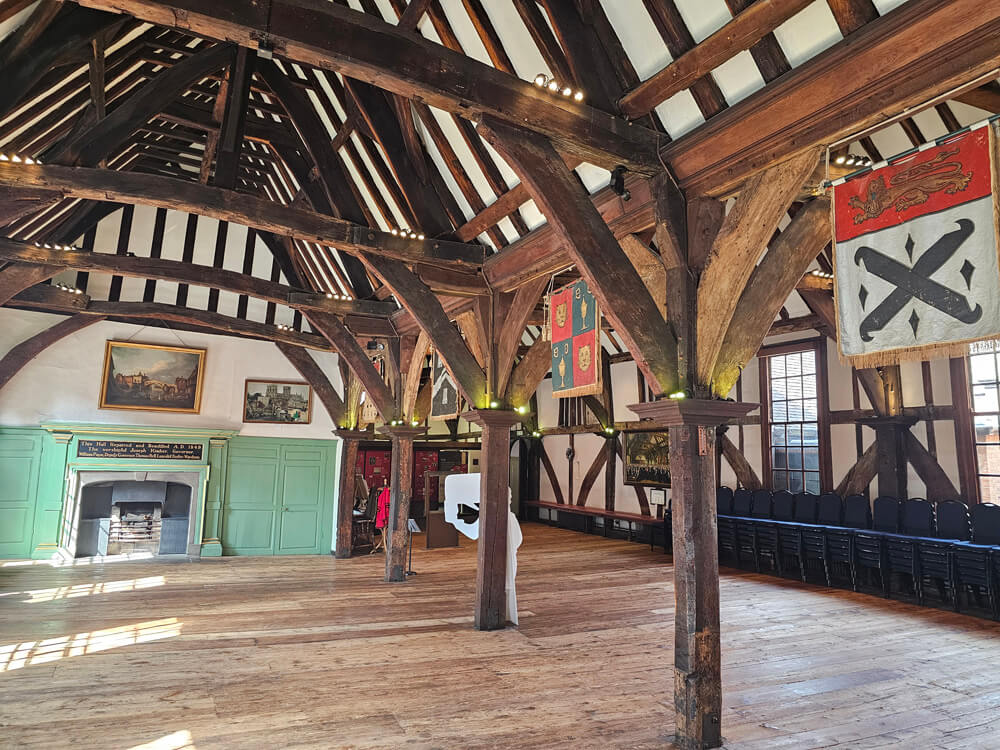
The city’s wealth was managed by powerful guilds, including the Merchant Adventurers, whose magnificent Merchant Adventurers’ Hall, built between 1357 and 1361, remains one of the best-preserved medieval guild halls in Europe.
Monasteries and Medieval Life
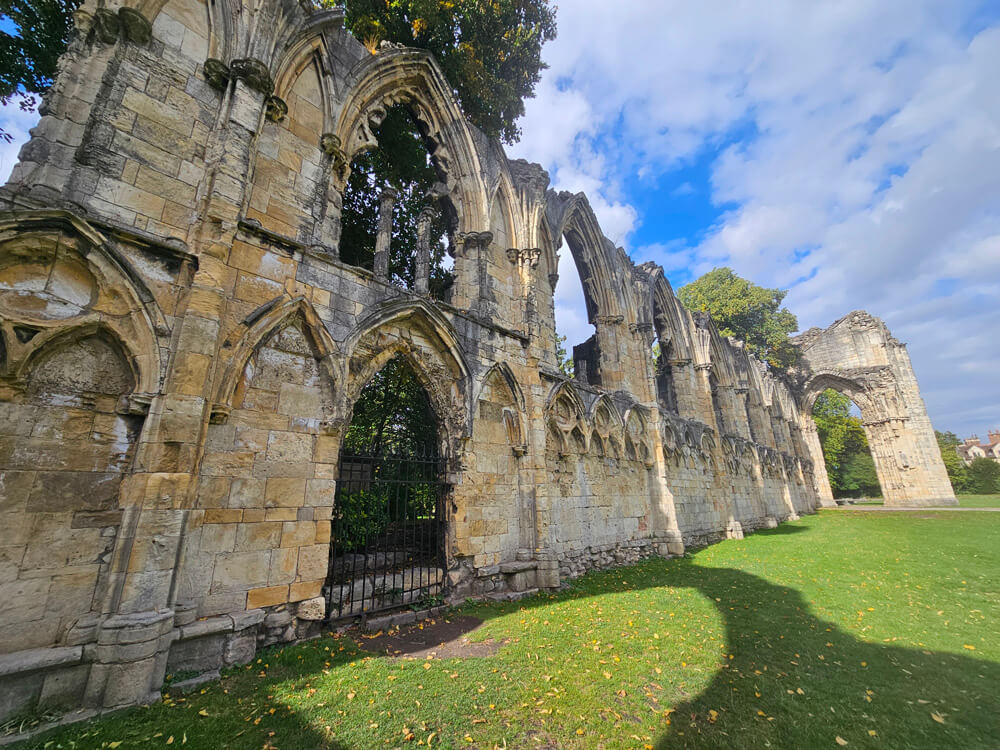
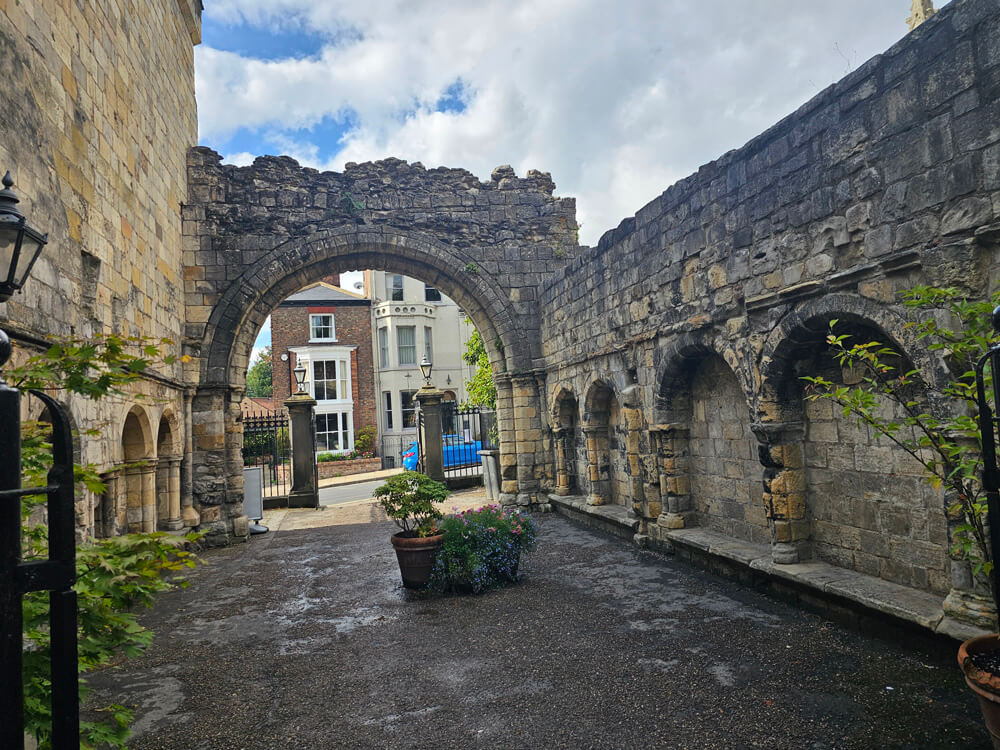
Medieval York was also shaped by great religious institutions. St Mary’s Abbey, founded in 1088, became one of England’s richest Benedictine monasteries before being dissolved by Henry VIII in 1539. Nearby, St Leonard’s Hospital cared for the poor, sick and travellers, making it one of medieval England’s largest charitable institutions.
These ruins, preserved within York Museum Gardens, reveal the scale and ambition of medieval York’s religious life.
York Today
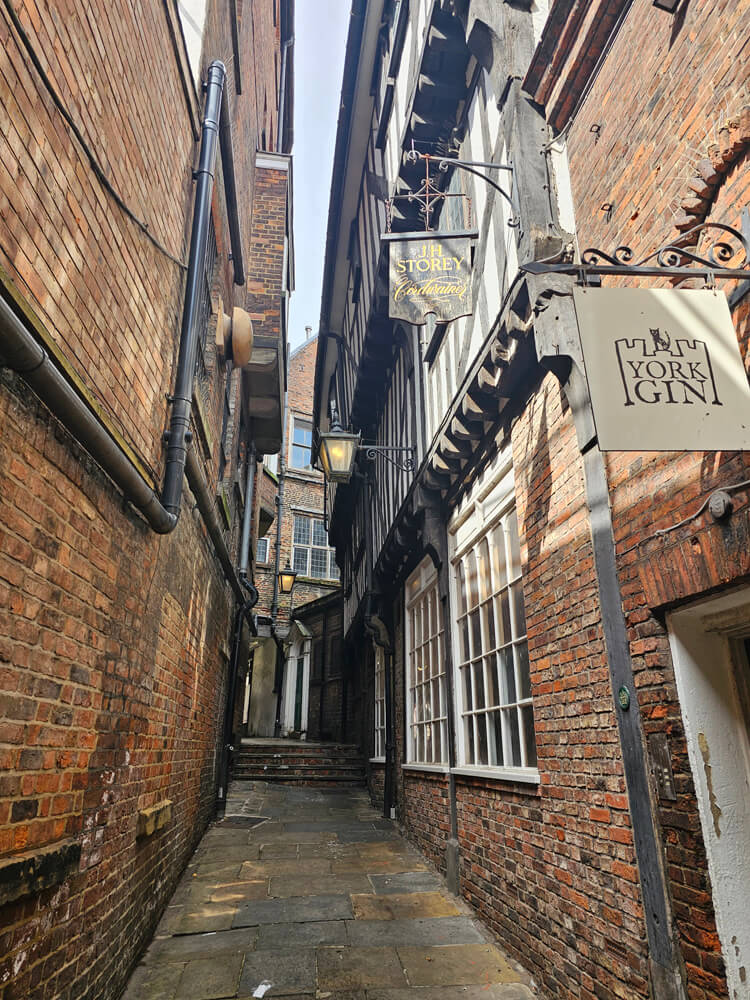
Although York continued to evolve after the Middle Ages, its Roman and medieval heritage remains its defining character. Ancient walls still encircle the city, Roman towers stand beside Gothic churches, and medieval streets such as The Shambles preserve the atmosphere of centuries past.
Few places in Britain allow visitors to walk through so many layers of history in a single day. From the Roman emperors of Eboracum to the merchants, monks and craftsmen of medieval York, the city remains one of England’s greatest historic treasures.
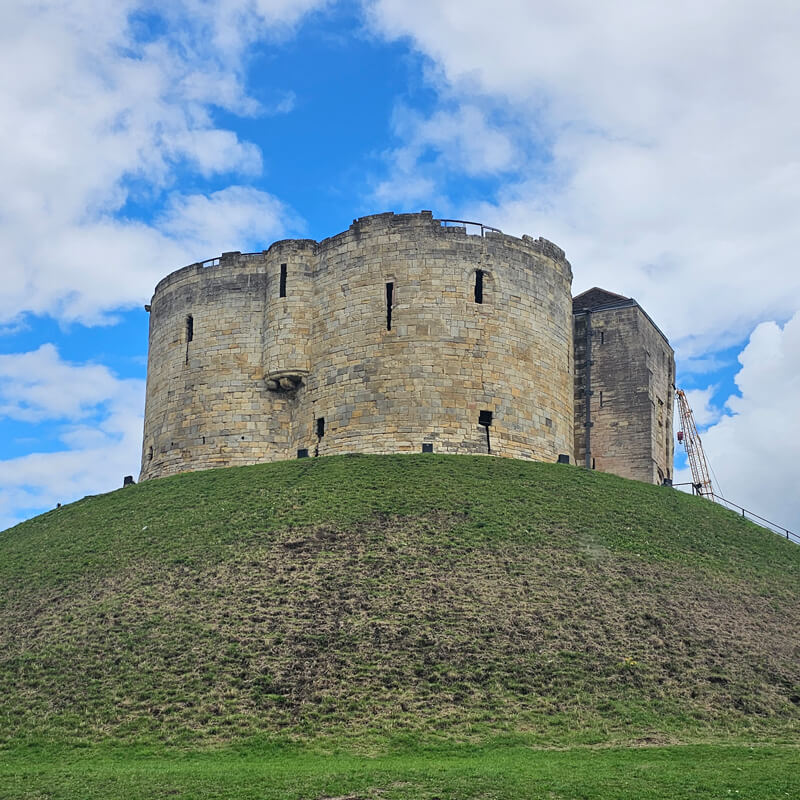
Clifford’s Tower
Clifford’s Tower is all that remains of what once was York Castle. Originally built as a timber tower on top of an earth mound, work began in 1068, but the stone tower we see today wasn’t built until 1245 by Henry III. The present 13th-century stone tower was probably used as a treasury and later as a prison.
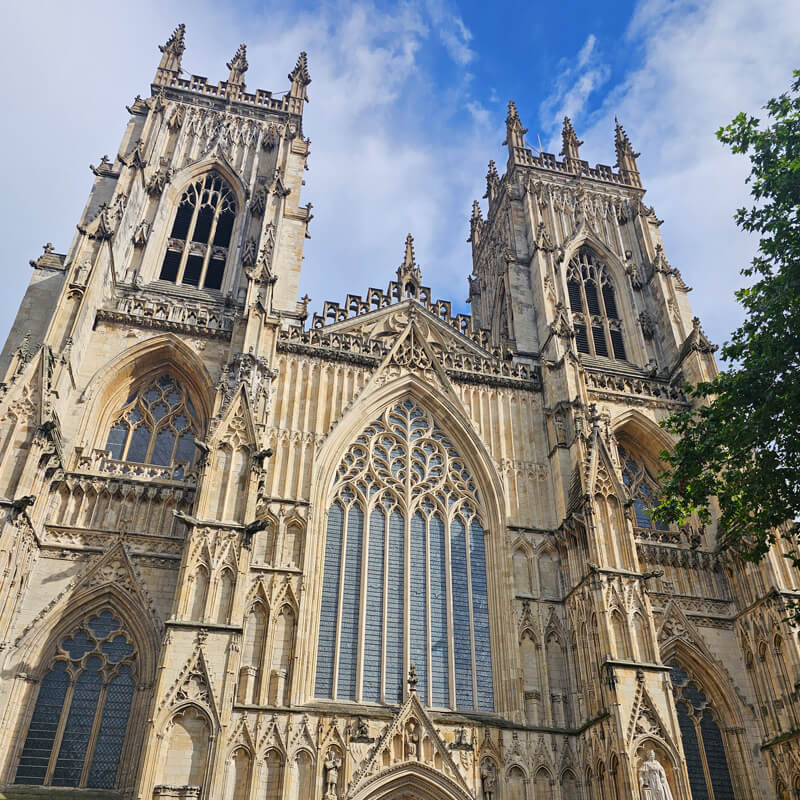
York Minster
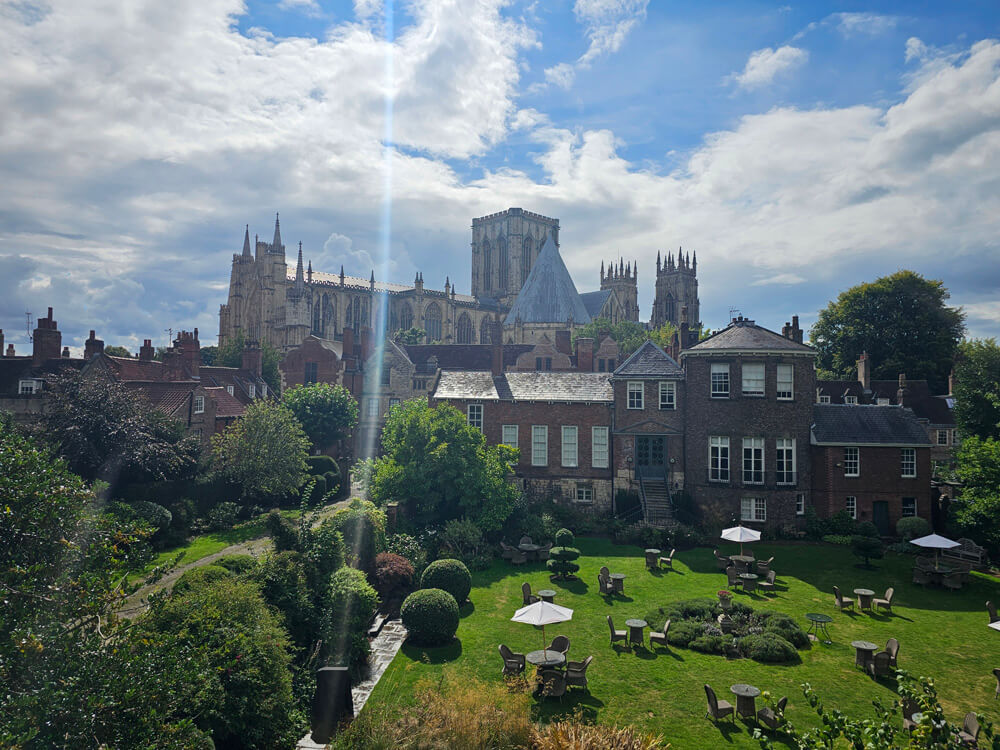
York Minster is one of Europe’s greatest Gothic cathedrals, towering above the ancient city with soaring stonework and magnificent stained glass. While the cathedral itself was built over 250 years during the Middle Ages, its foundations reveal an even older story. Beneath the Minster lies a remarkable crypt and undercroft, where visitors can explore nearly 2,000 years of history.
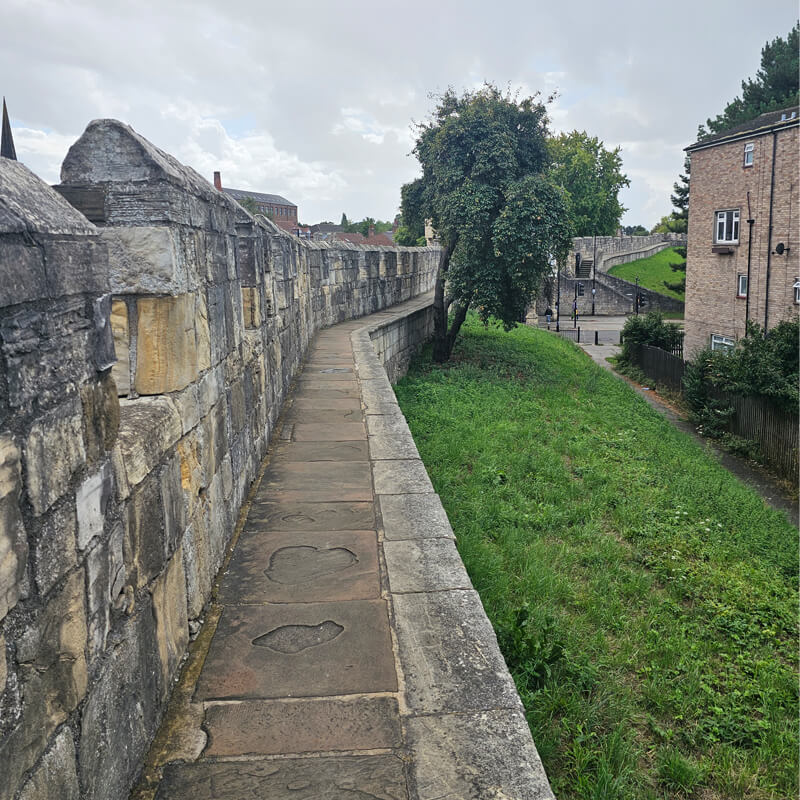
City Walls & Bars
York’s City Walls are the longest and best-preserved medieval town walls in England, stretching for around 2 miles around the historic centre. Built over centuries, they tell the story of Roman soldiers, Viking settlers and medieval kings, while the city’s four main gates – known as bars – once controlled access to one of England’s most important cities.
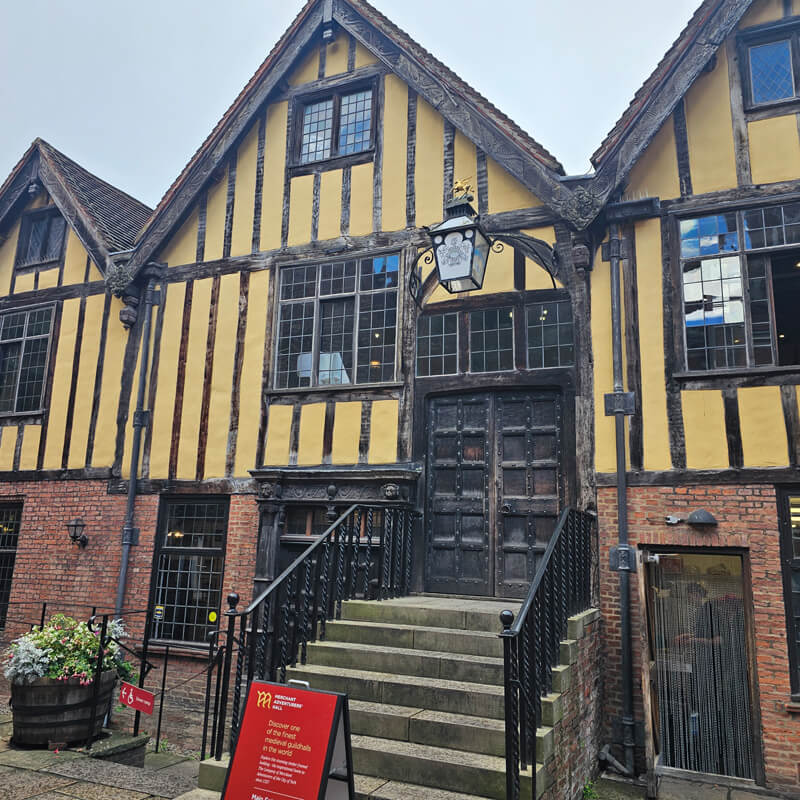
Merchant Adventurers’ Hall
The Merchant Adventurers’ Hall is one of York’s finest medieval buildings and one of the best-preserved guild halls in Europe. Built in the 14th century, it became the headquarters of the city’s wealthy merchants, whose trade helped make York one of England’s most prosperous medieval cities.
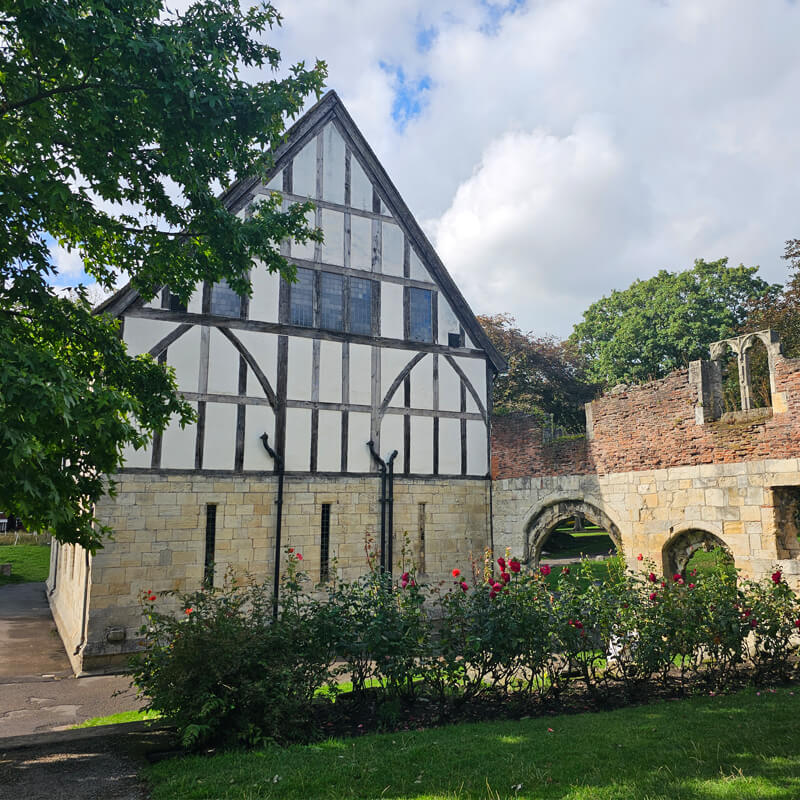
York Museum Gardens
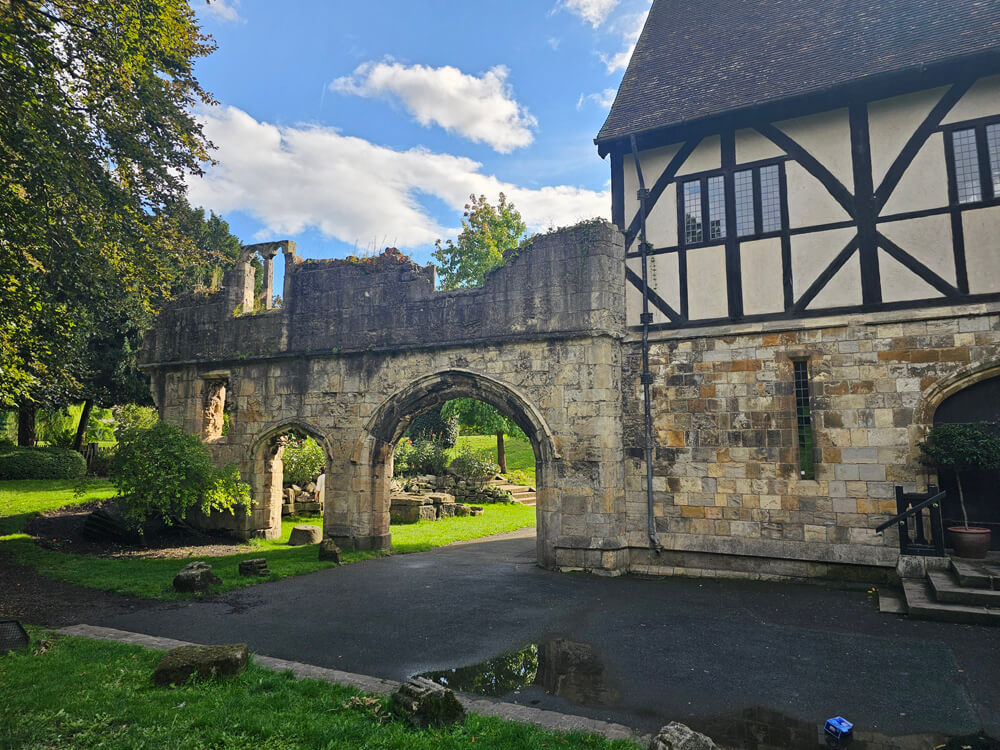
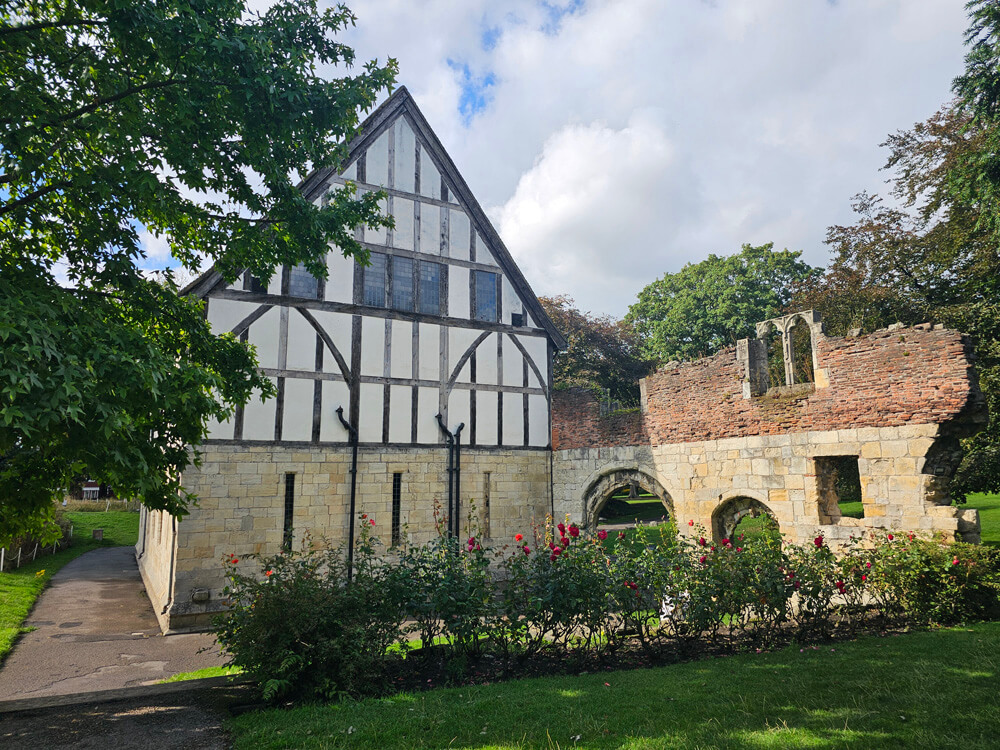
Beneath the lawns and flower beds of York Museum Gardens lies nearly 2,000 years of history. The gardens contain some of the city’s most important medieval and Roman landmarks, including the ruins of St Mary’s Abbey, the remains of St Leonard’s Hospital, the Roman Multangular Tower, and the beautifully preserved medieval Hospitium.
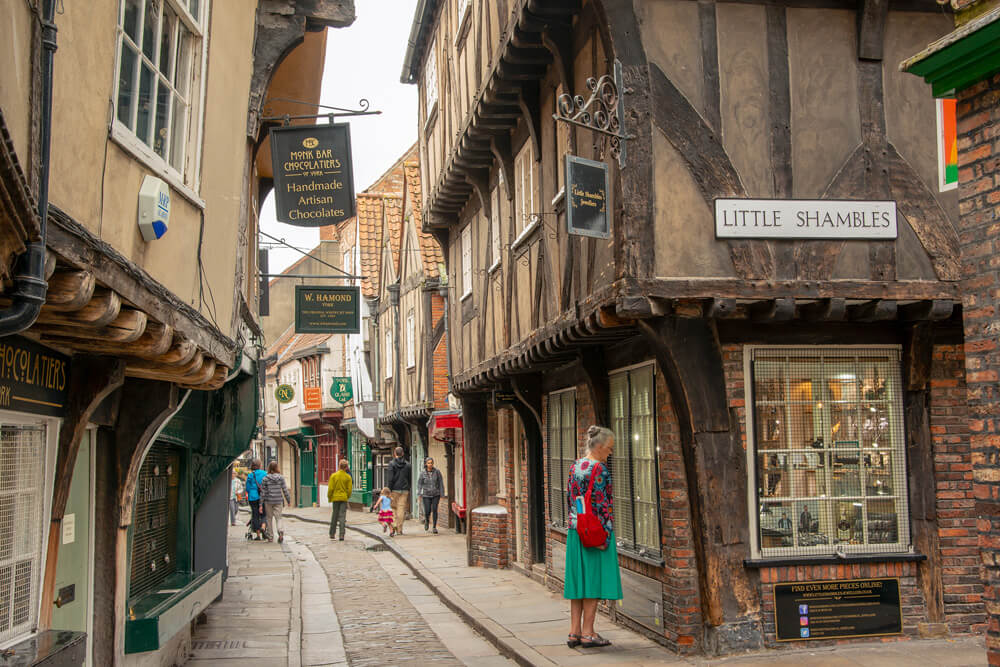
The Shambles
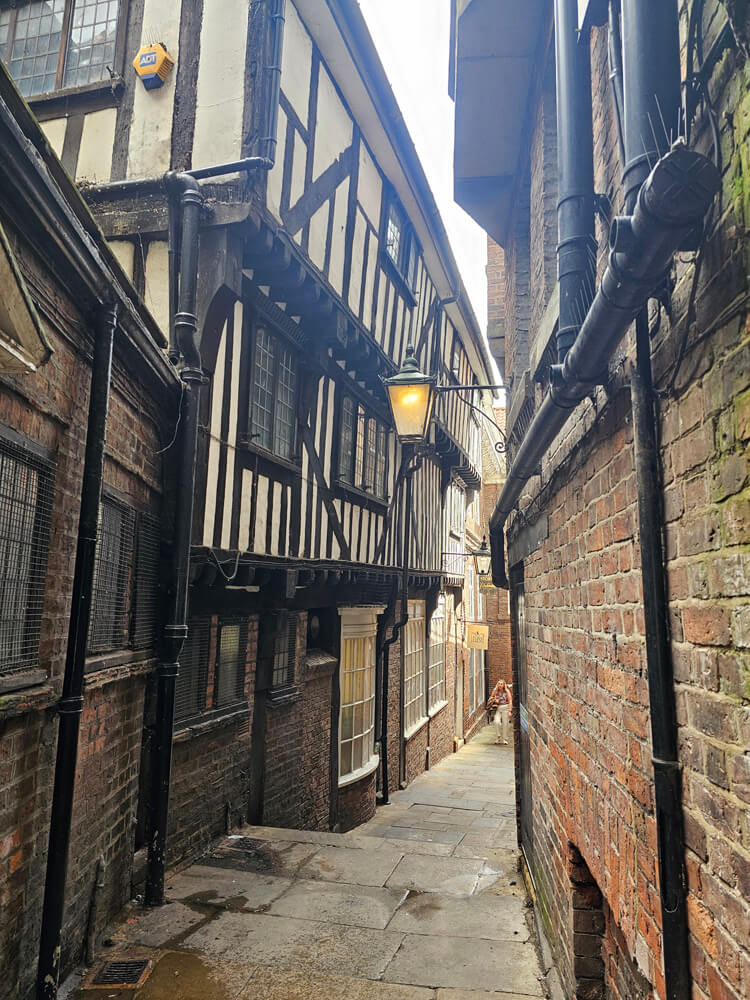
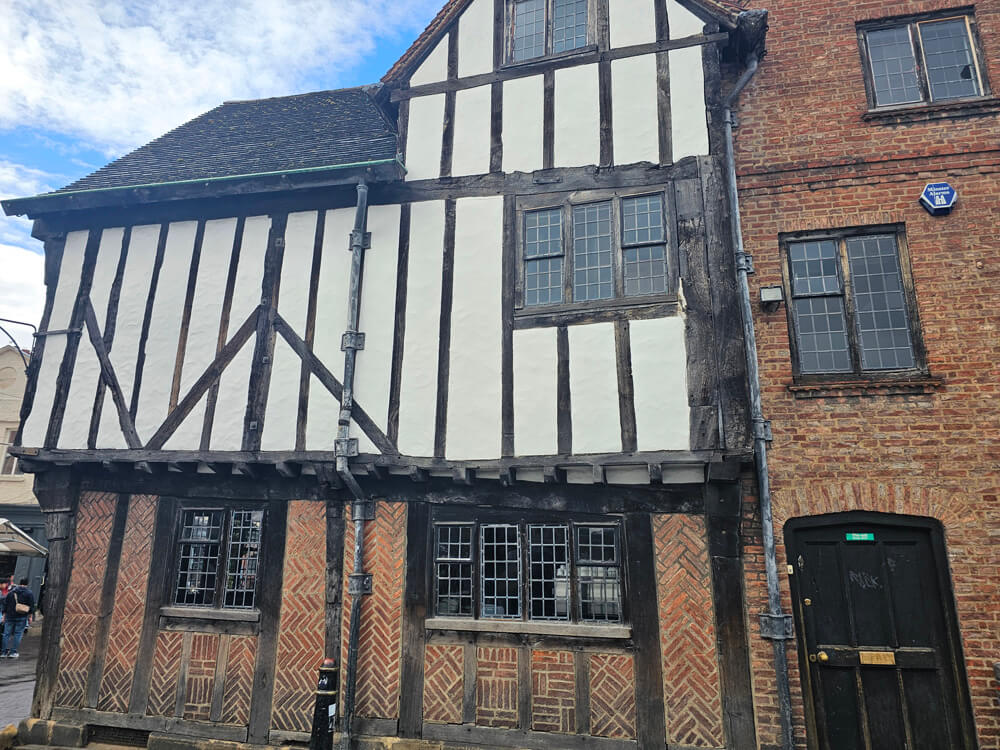
The Shambles is one of York’s best-preserved medieval streets, famous for its narrow cobbled lane and overhanging timber-framed buildings. Dating largely from the 14th and 15th centuries, it was once home to the city’s butchers, with stone shelves and meat hooks still visible today. Now filled with independent shops and cafés, it is one of York’s most popular historic attractions.
Photo Gallery.
Did you enjoy this post?
I hope you found this post useful. I put a great deal of time and effort in to building, maintaining and populating the website. If you like, you could say a small thank you by buying me a coffee. You don't have to, but it would be nice :)
Buy me a coffee
Stay up to Date
Follow me on my journey and get notified whenever a new post is published by following Kings & Castles on Facebook.
Follow MeExplore The Map
Discover the hundreds of castles, churches, monasteries, cathedrals and other historic locations that I've personally visited across England and Wales. Search by location, explore nearby sites and plan your next historical adventure.
Share: