St Mary’s Church, Lastingham
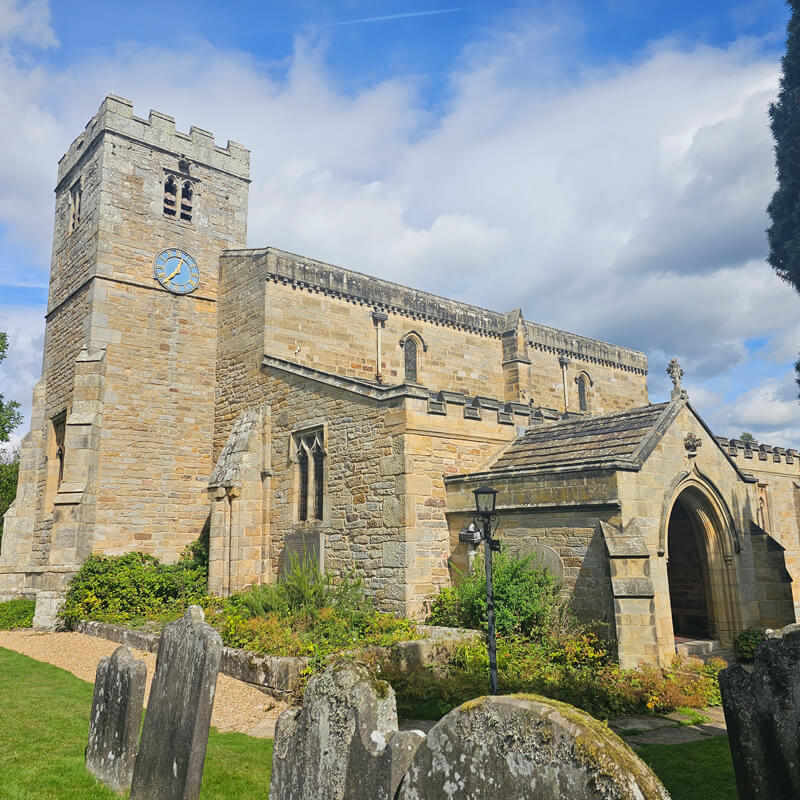
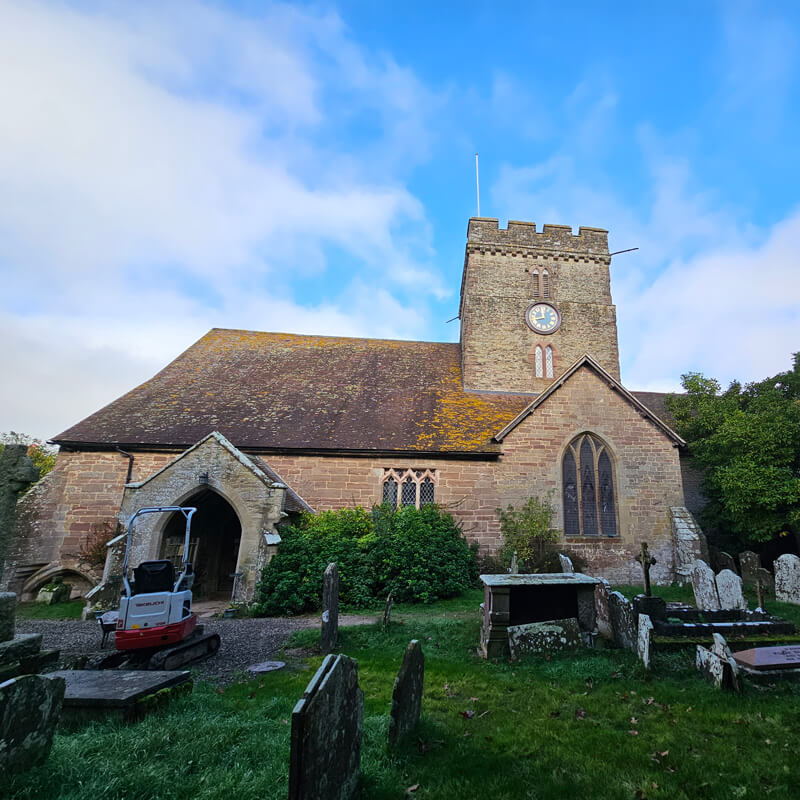
St Mary’s Church in Lastingham, North Yorkshire, is one of England’s most remarkable medieval churches. While its origins lie in an Anglo-Saxon monastery founded by Saint Cedd in AD 654, it is the church’s extraordinary Norman crypt that make it one of Yorkshire’s greatest architectural treasures.
Historic
Highlights.
- Incredible 11th-century Norman crypt
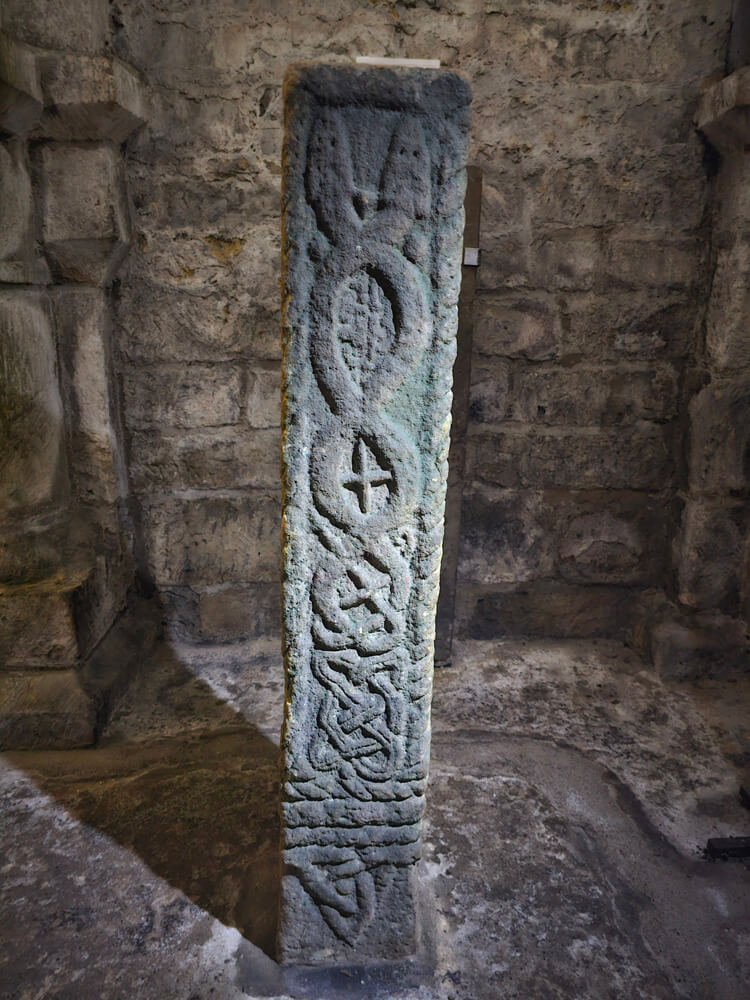
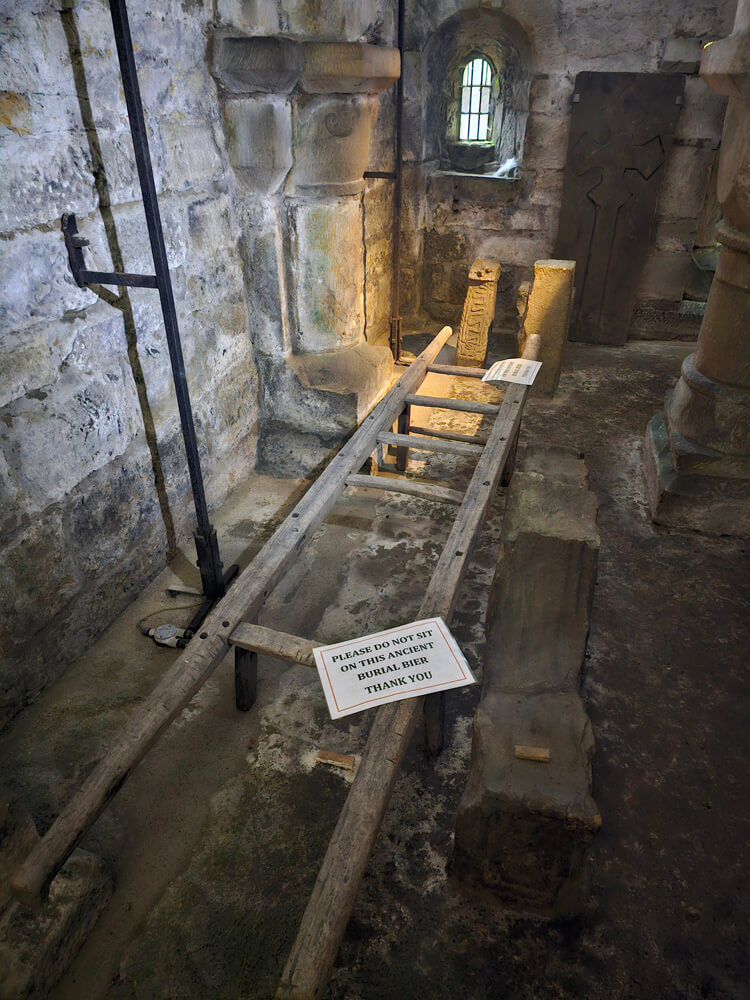
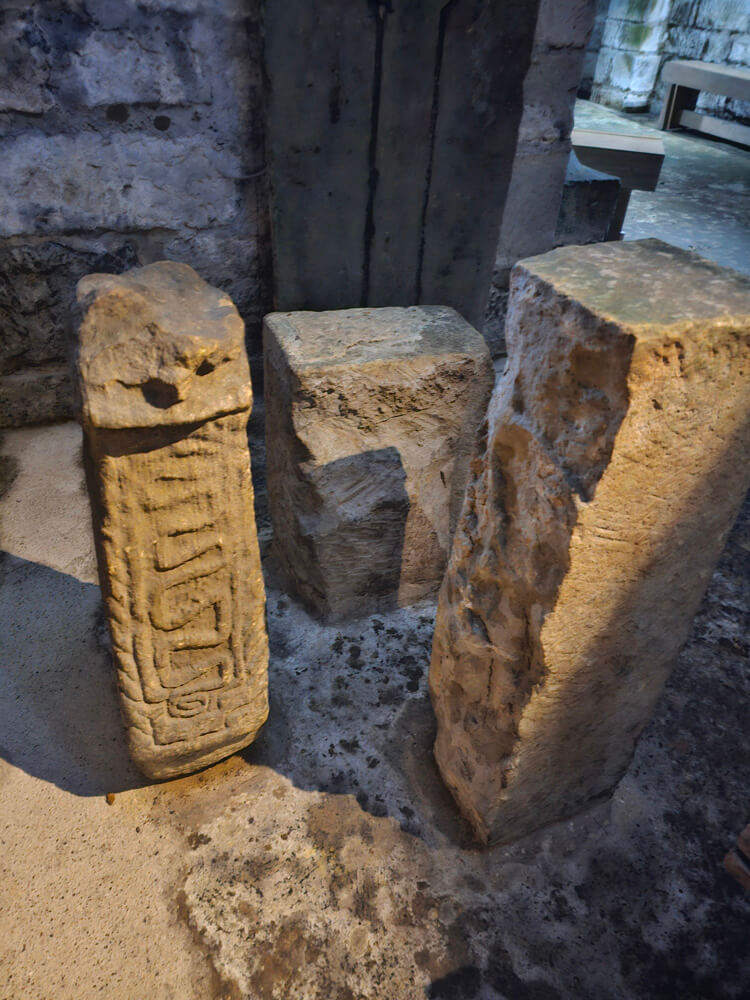
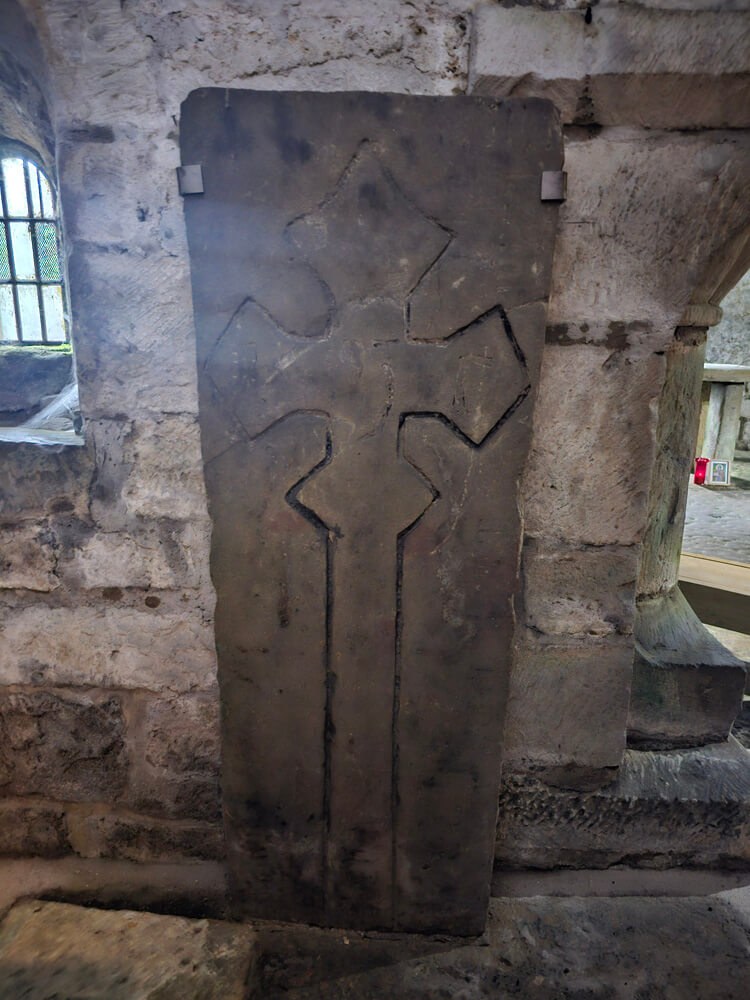
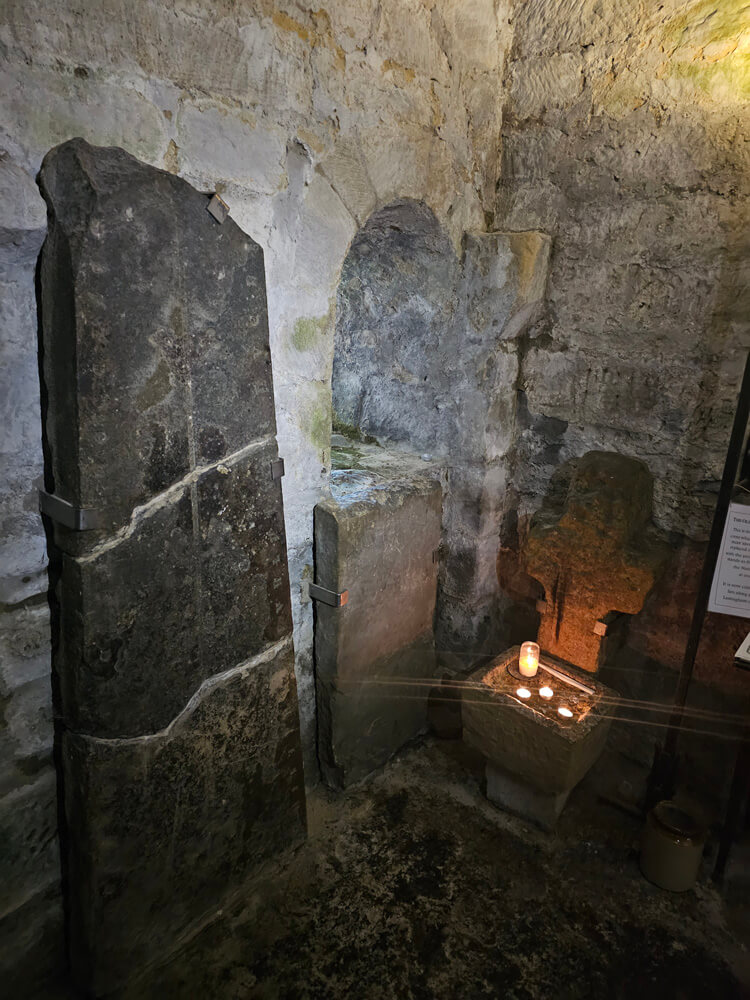
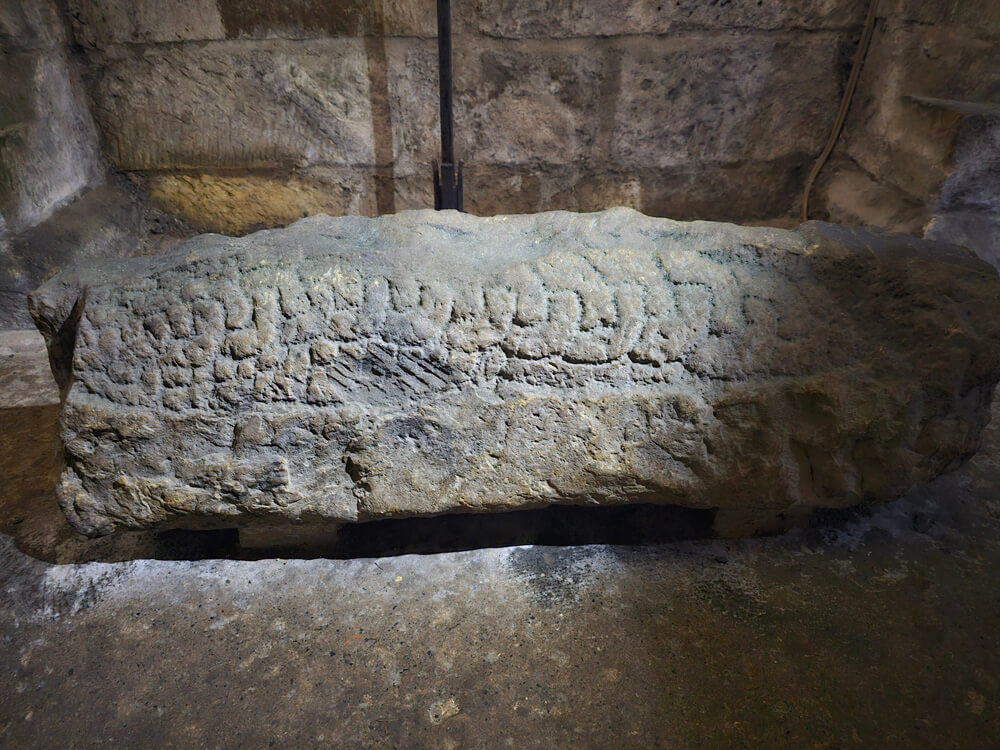
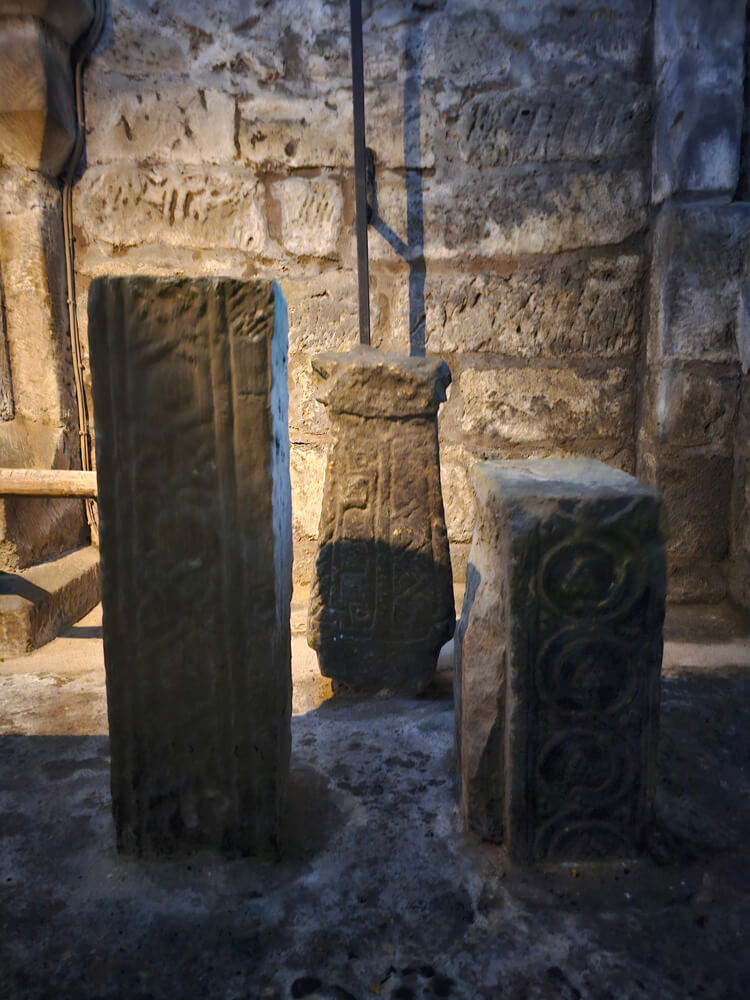
- Medieval grave slabs and ancient crosses
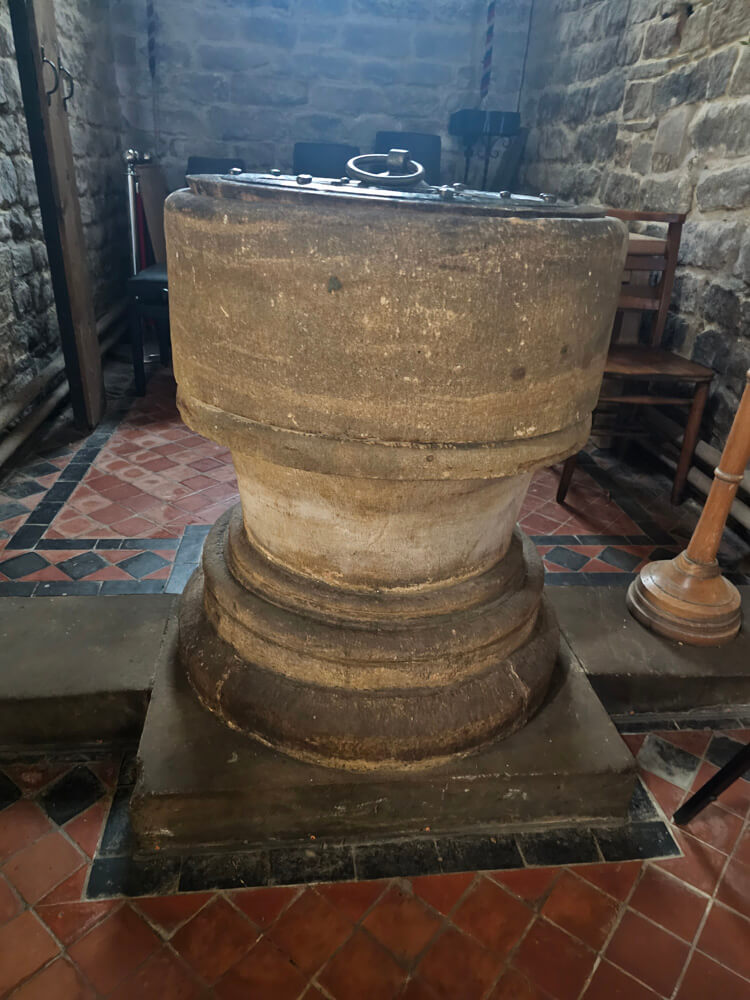
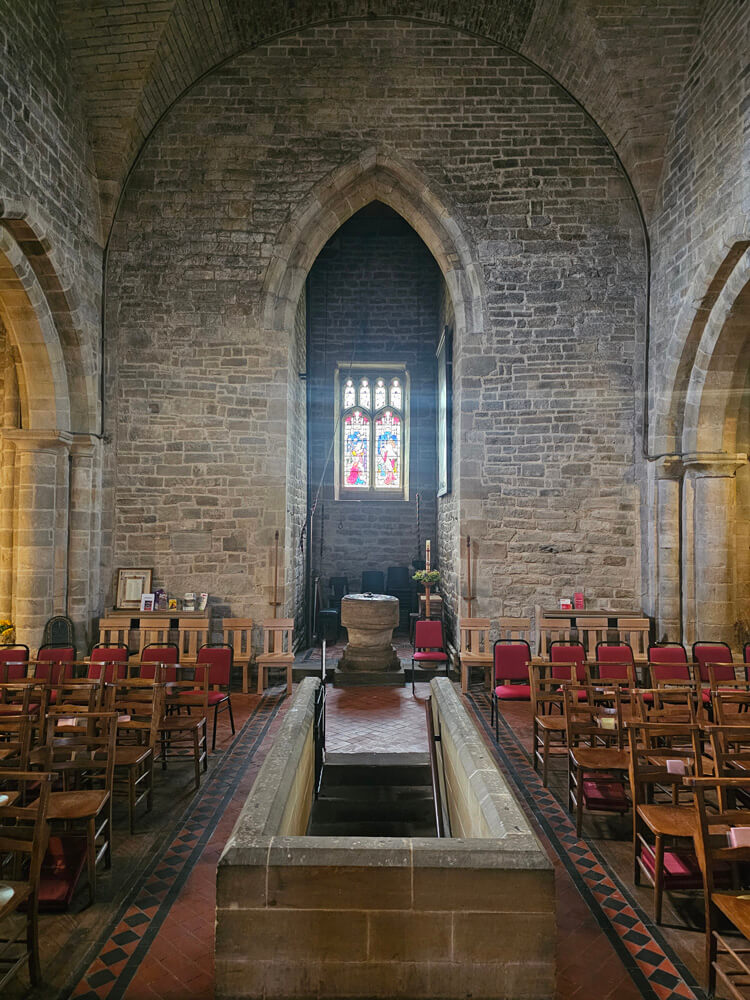
- 12th-century font
From Saxon Monastery to Norman Abbey
According to the Venerable Bede, Lastingham was chosen by Saint Cedd of Lindisfarne as the site of a monastery after King Æthelwald granted him land in a remote valley known as Lastingeau. Cedd established a wooden monastery that became an important centre of early Christianity in Northumbria. After his death during the plague in 664, he was buried there, and by around 726 a stone church had replaced the original timber building, preserving his shrine.
The Viking raids of the 9th century brought destruction to the monastery, but the site regained its importance after the Norman Conquest. In 1078, William the Conqueror authorised Stephen of Whitby to refound Lastingham as a Benedictine abbey. Although the ambitious monastery was abandoned within a decade, its greatest surviving achievement remains intact beneath today’s church.
England’s Most Remarkable Norman Crypt
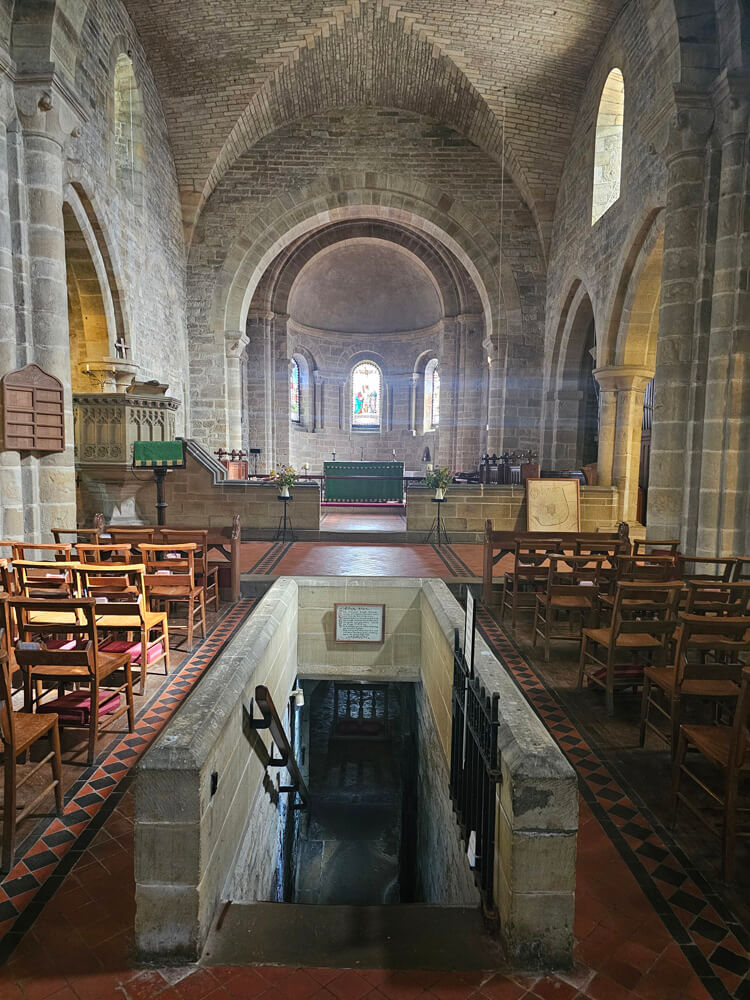
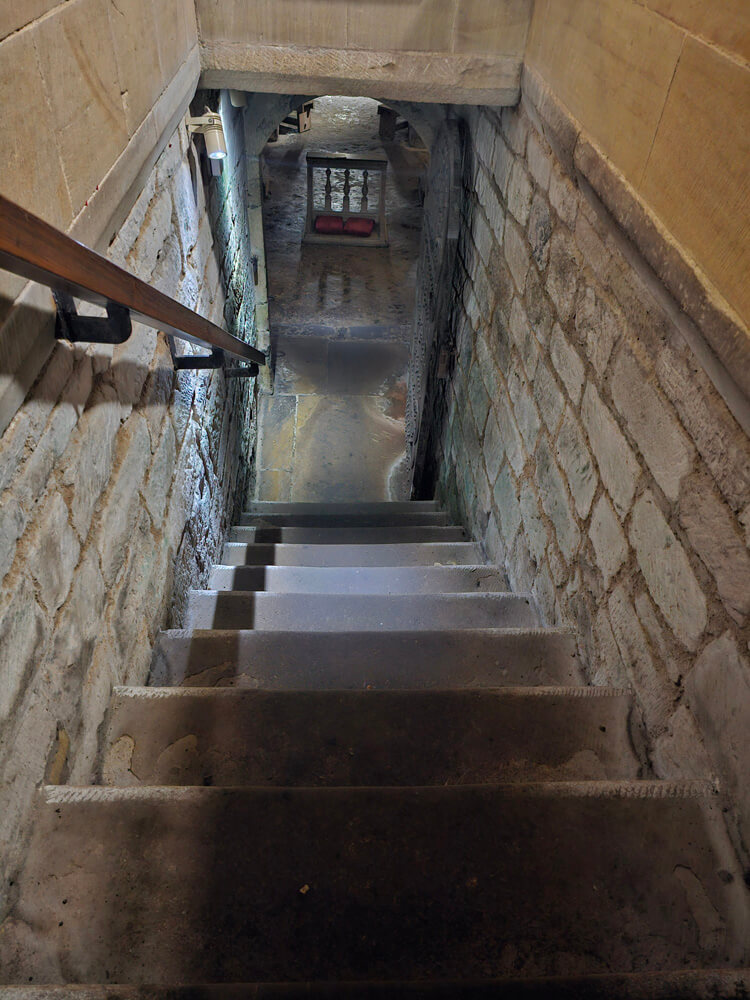
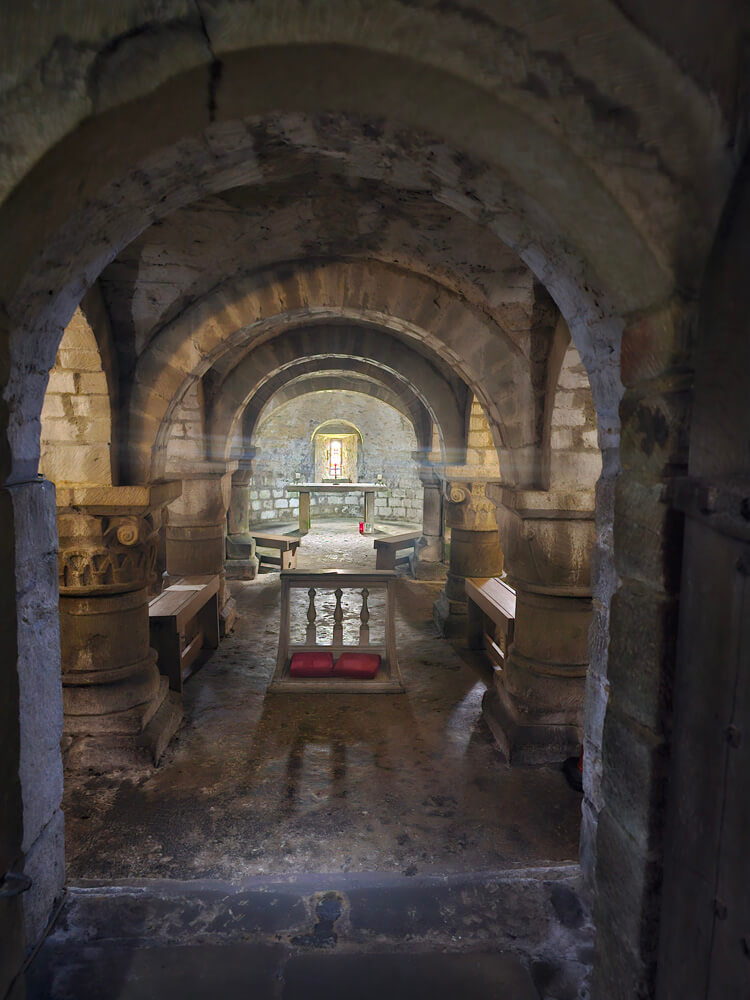
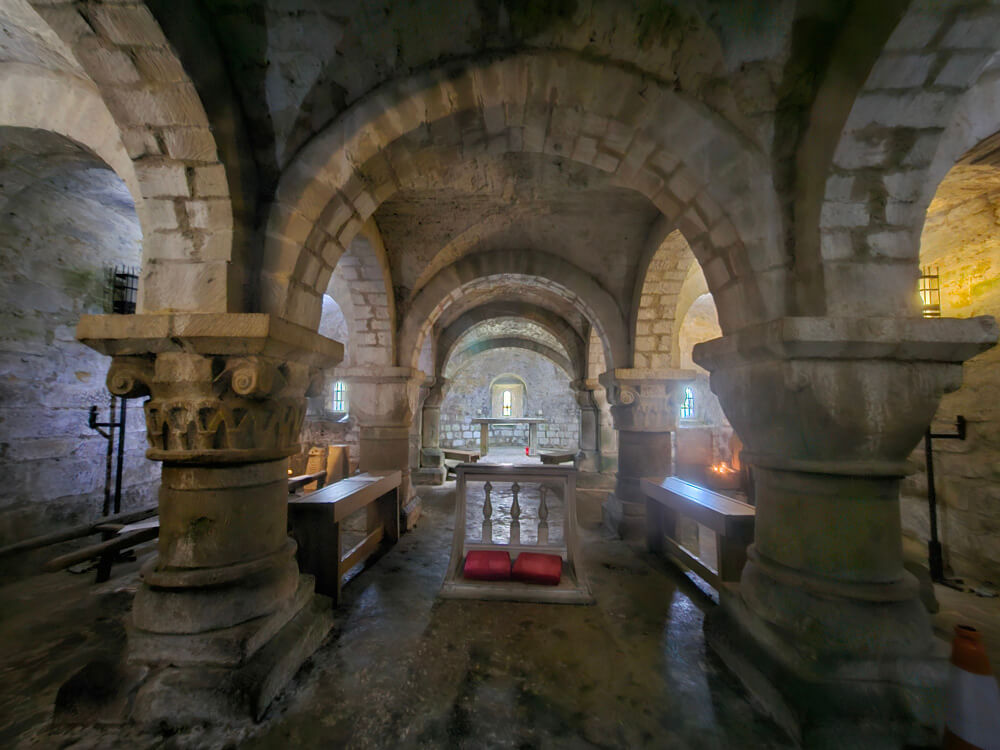
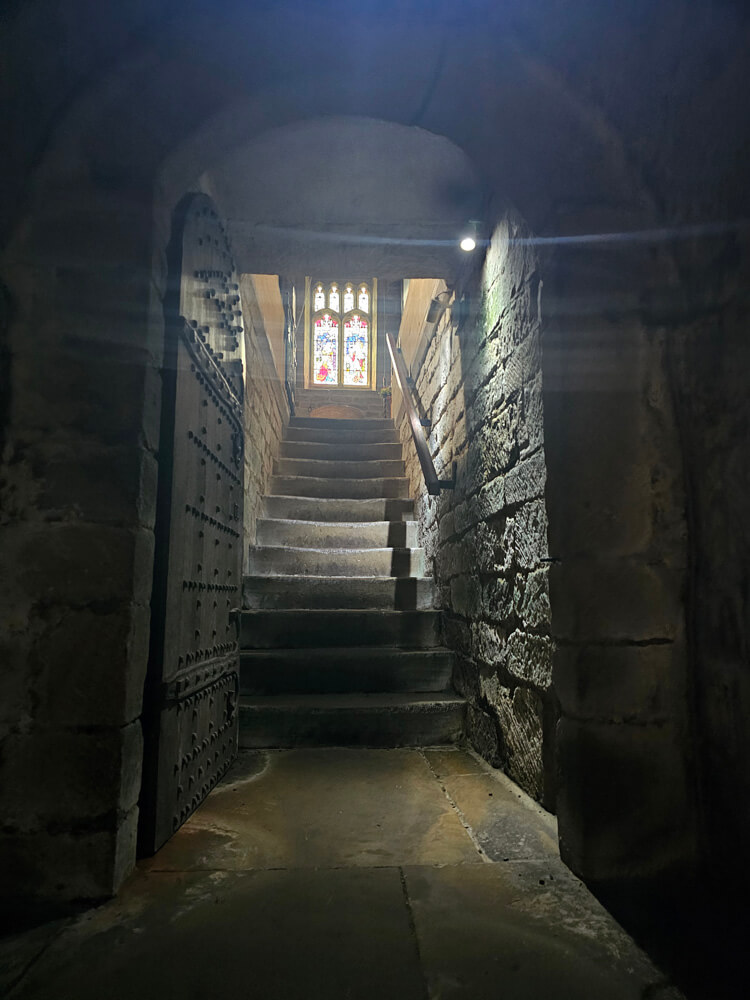
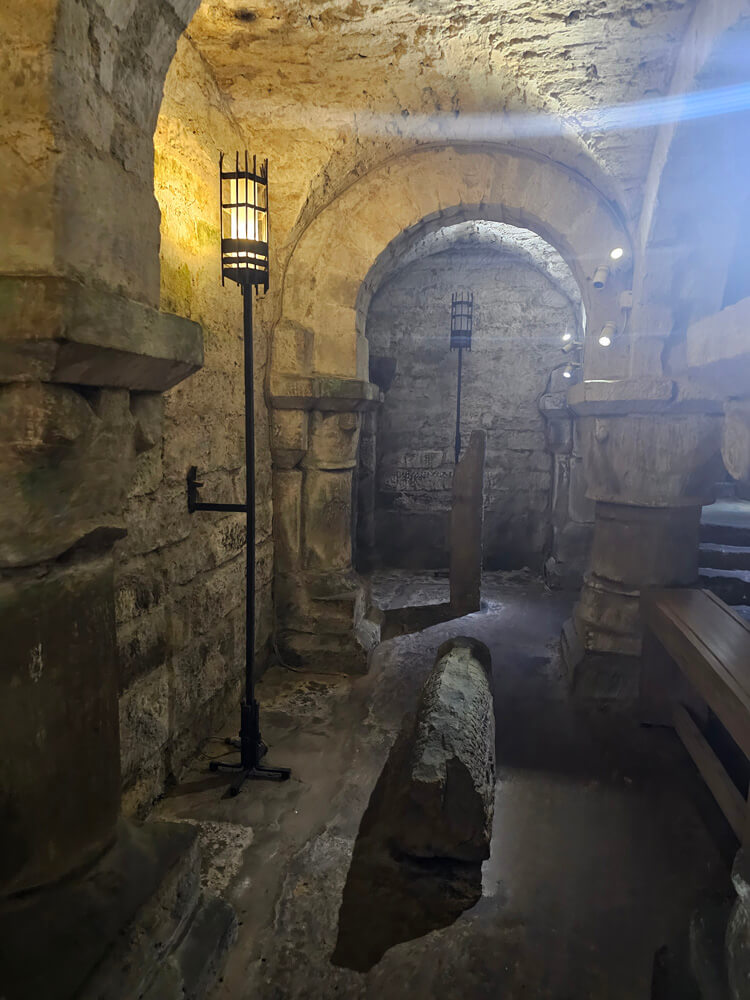
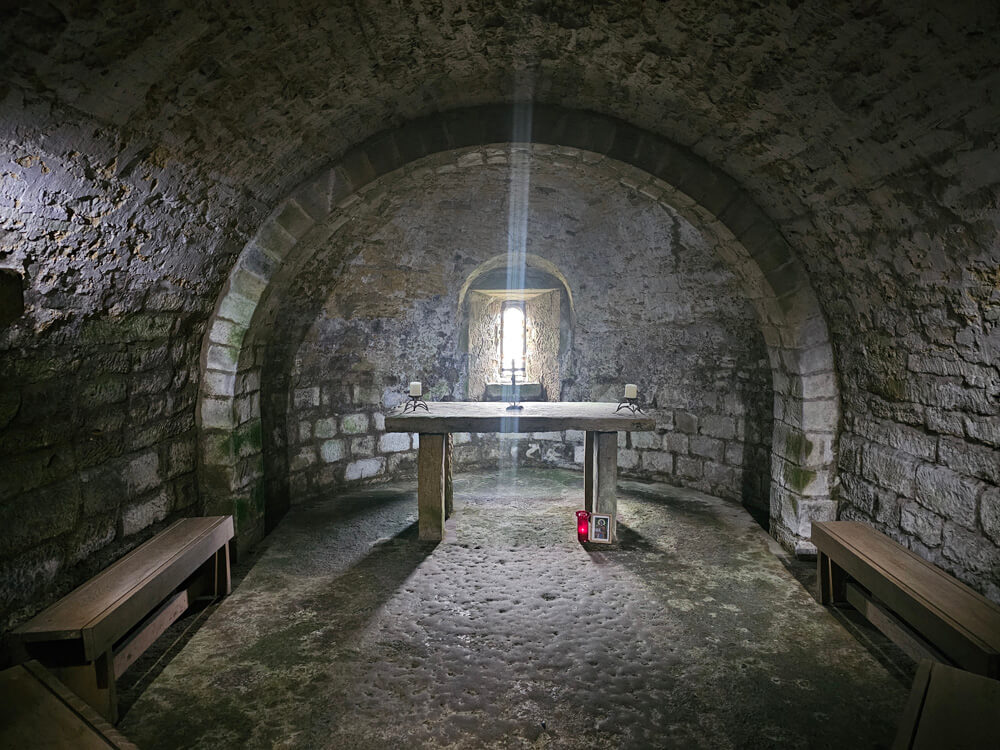
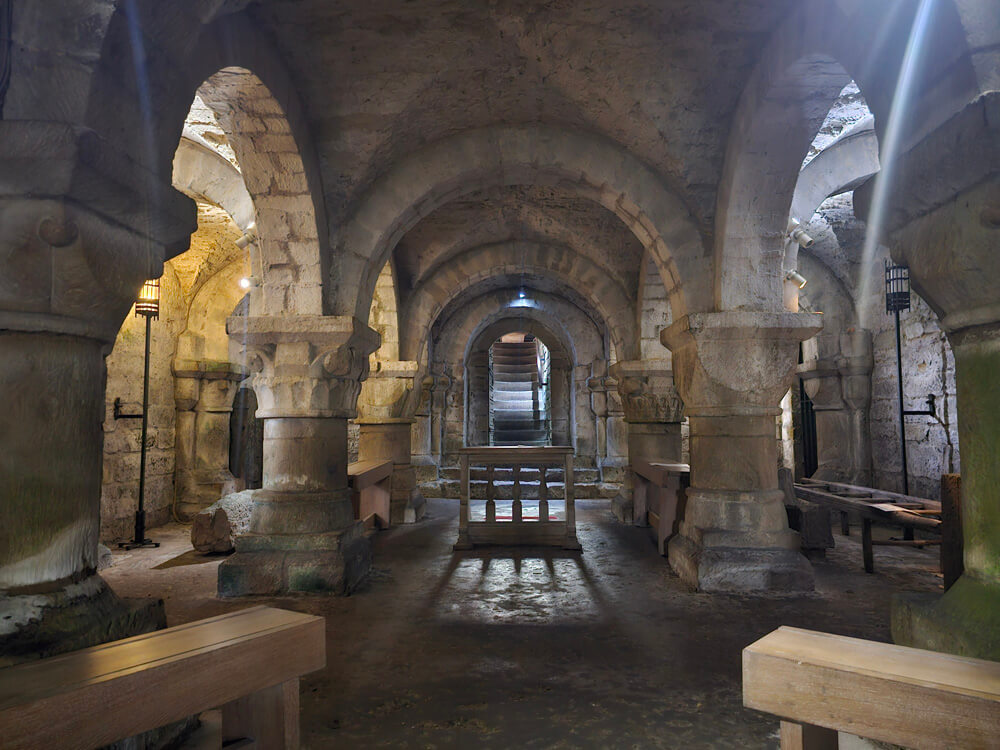
The crypt, built between 1078 and 1085, is among the oldest surviving Norman crypts in England and is unlike any other. Rather than serving as a simple underground chamber, it was designed as a complete miniature church, with its own nave, side aisles, apsidal chancel and vaulted stone roof.
Four massive circular columns support the groin-vaulted ceiling, their carved cushion capitals displaying classic Norman craftsmanship. Some historians believe the bulbous bases beneath these columns were reused from the earlier Anglo-Saxon church, creating a rare physical link between pre-Conquest and Norman England.
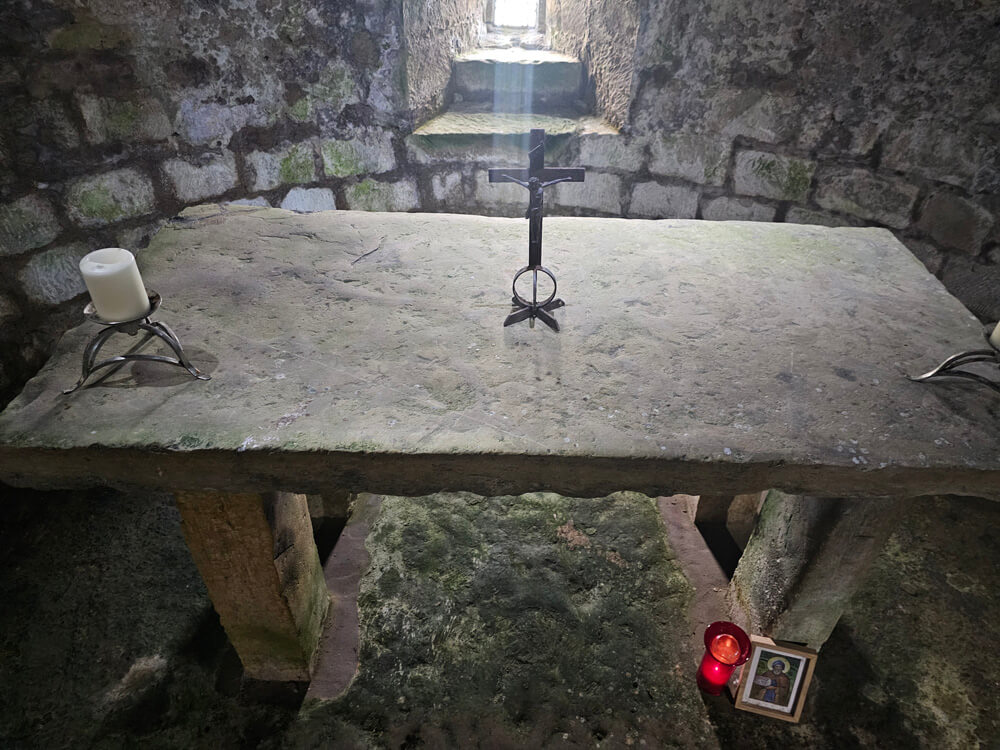
The crypt’s rounded apse marks the traditional location of Saint Cedd’s burial, making it both an architectural masterpiece and a medieval pilgrimage shrine. Thick stone walls, narrow round-headed windows and deeply splayed openings create an atmosphere that has changed remarkably little since the 11th century.
A Church Shaped by the Middle Ages
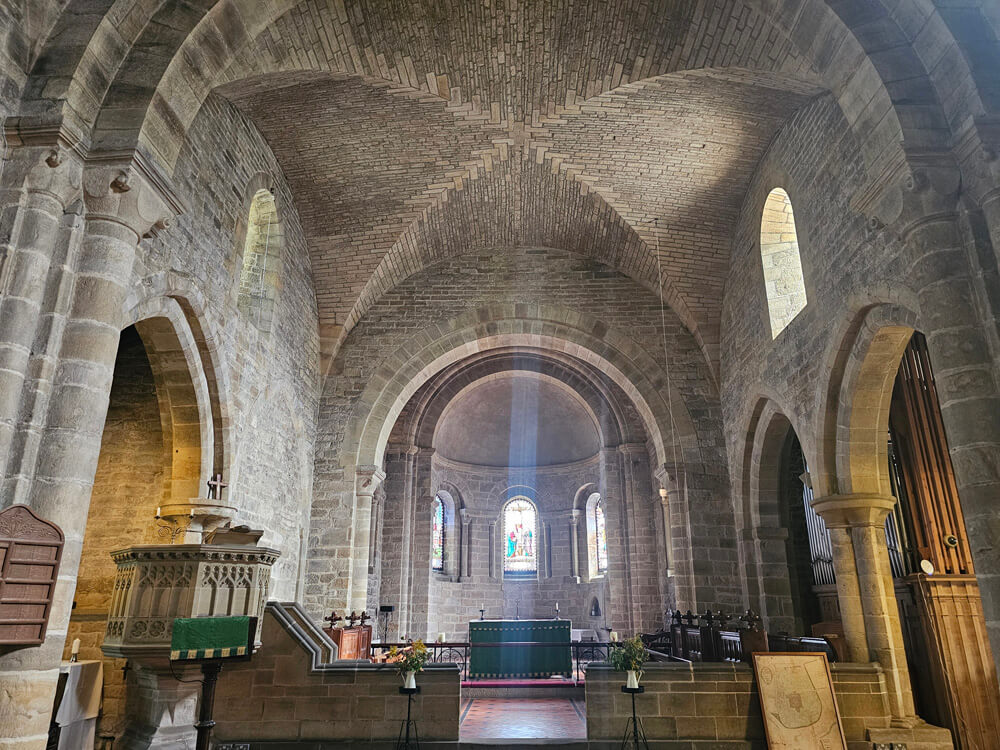
When Stephen’s monks left Lastingham around 1085, the unfinished abbey church stood abandoned for generations. Instead of being demolished, the surviving Norman fabric was adapted in 1228 to become the parish church for the village.
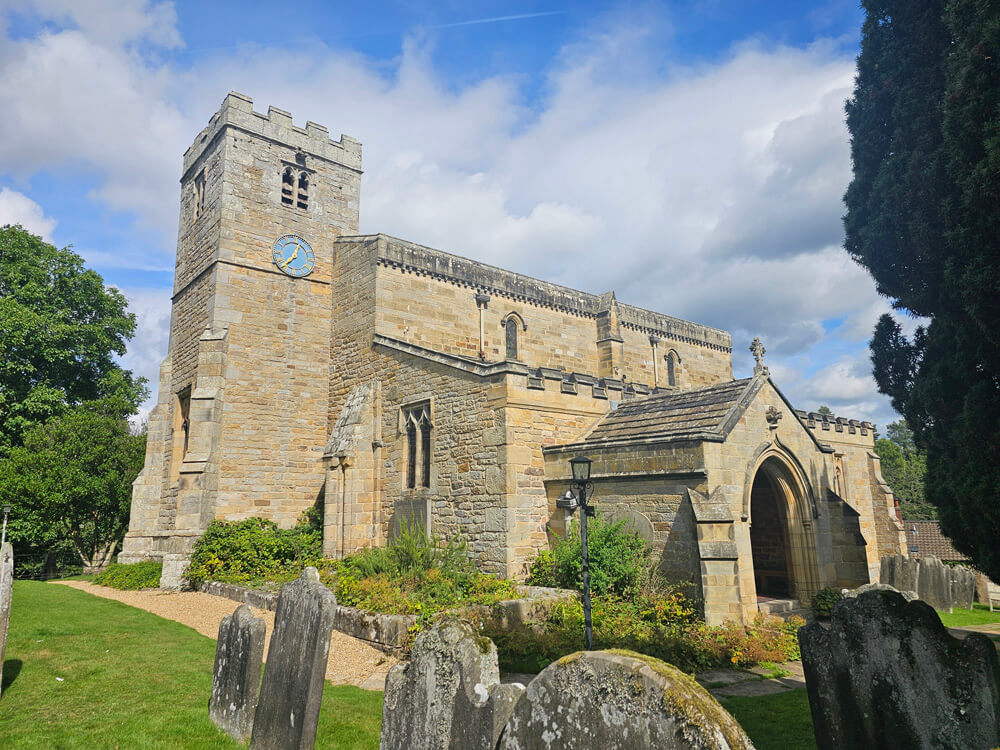
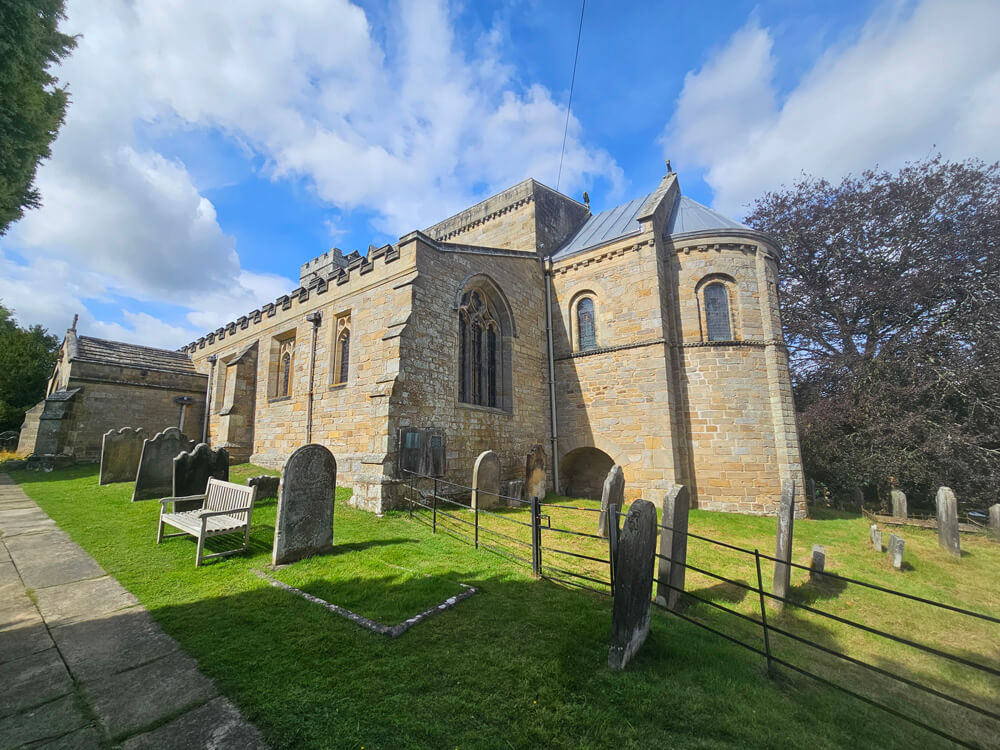
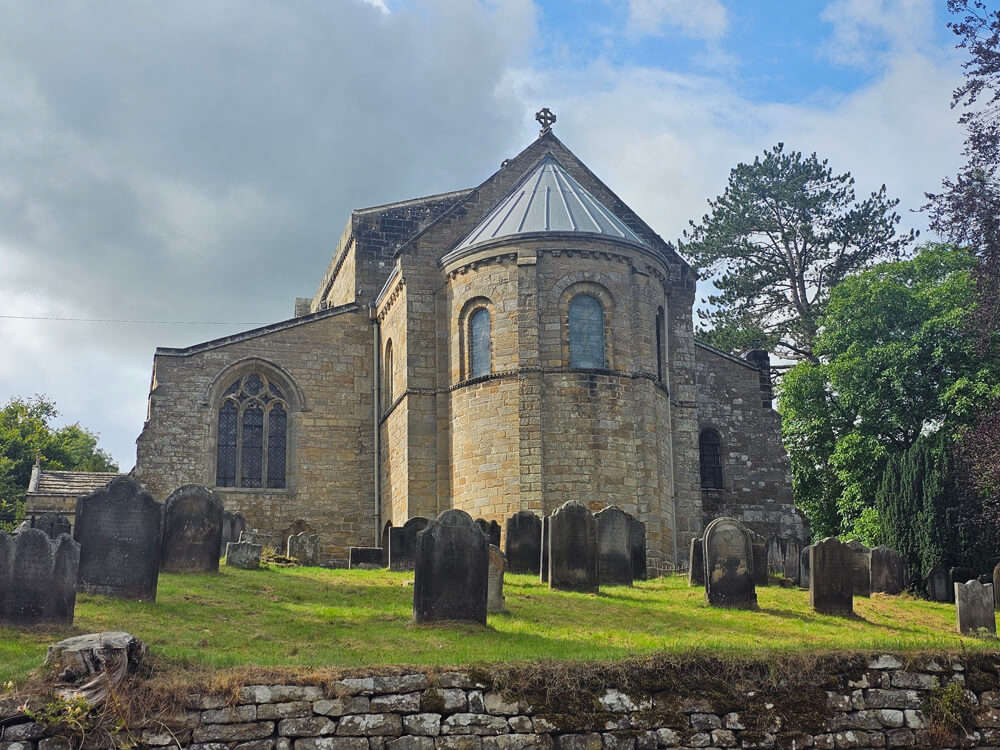
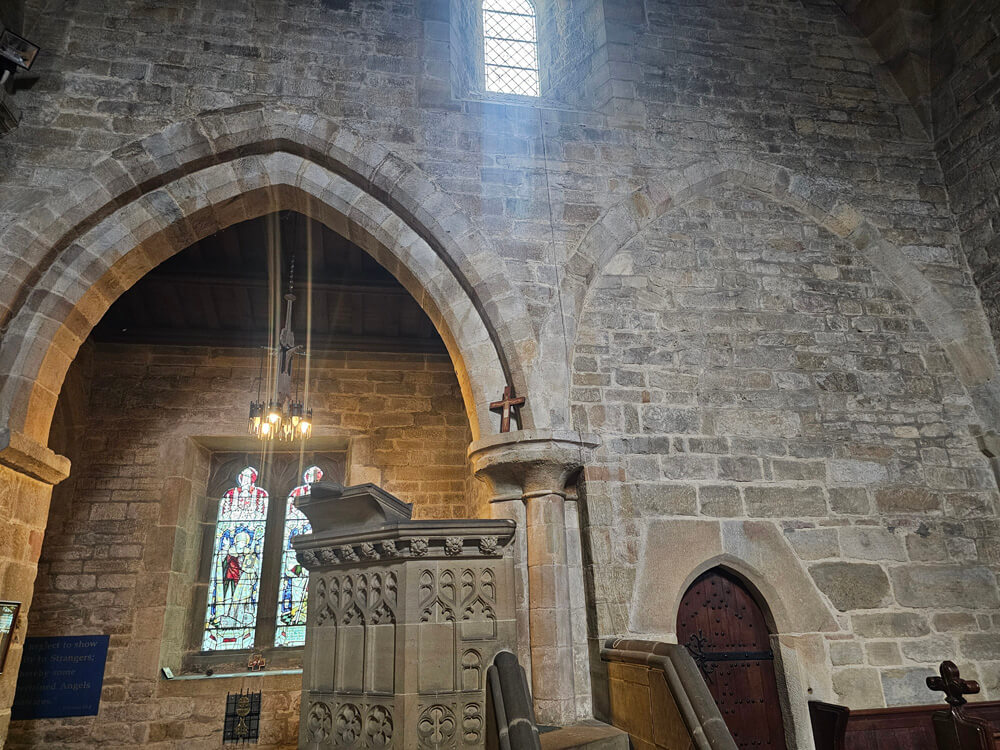
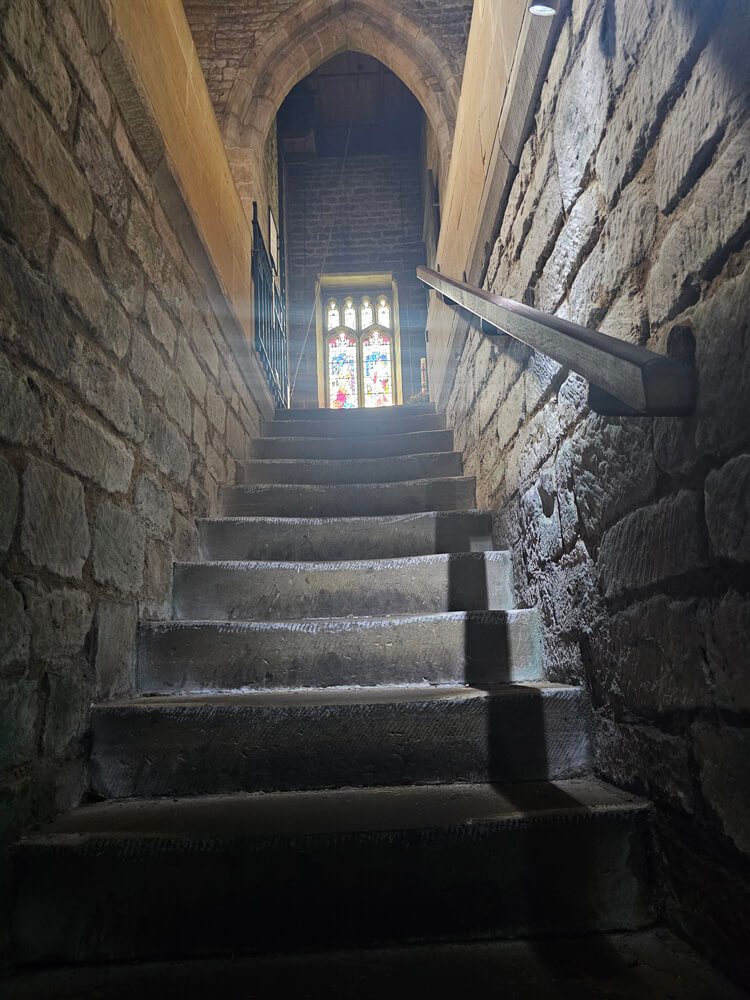
The medieval builders carefully incorporated the great crossing piers from the abandoned abbey into a new Early English church. A north aisle was added during the 13th century, followed by a south aisle in the 14th century and a west tower in the 15th century. These additions introduced Gothic arches and larger windows while preserving the Norman core, creating a building that tells the story of medieval architecture evolving over three centuries.
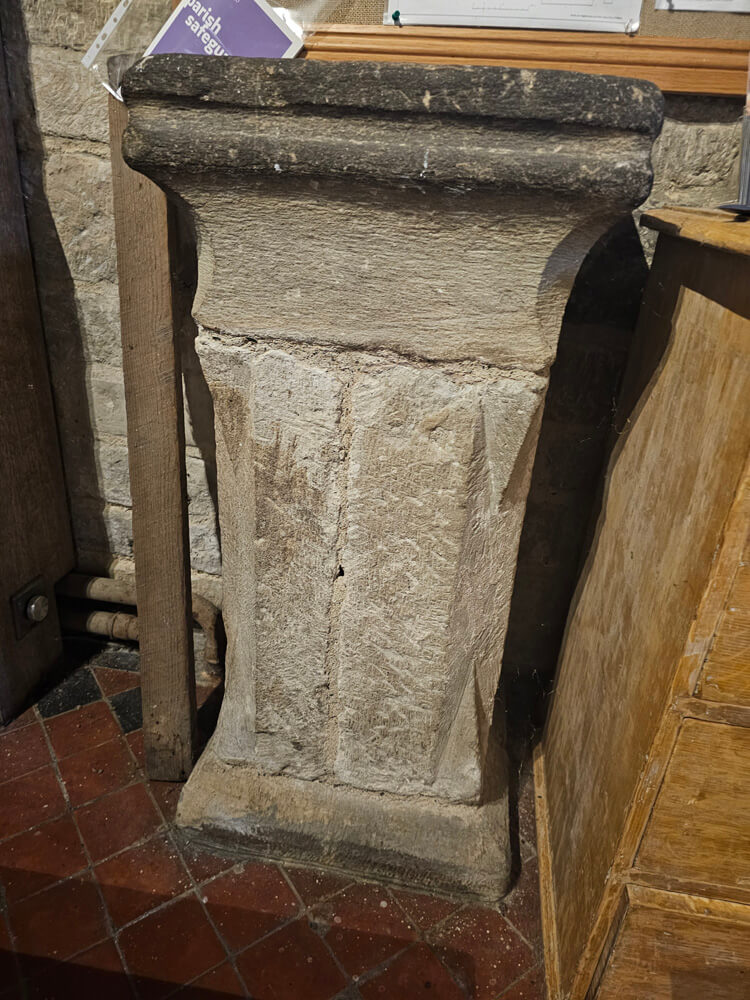
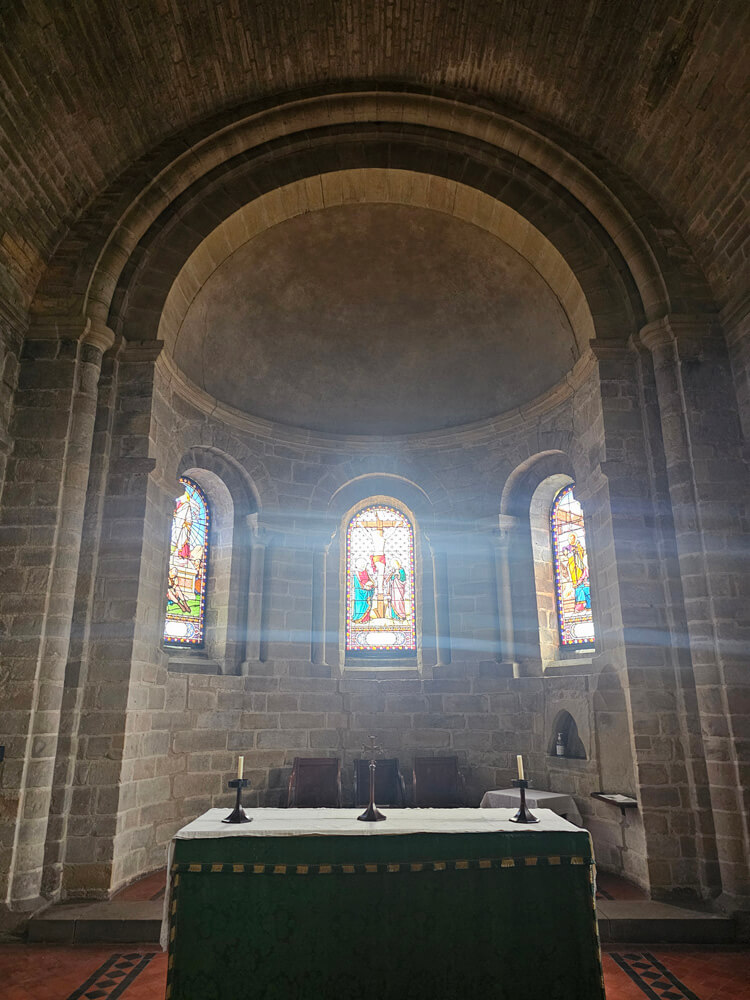
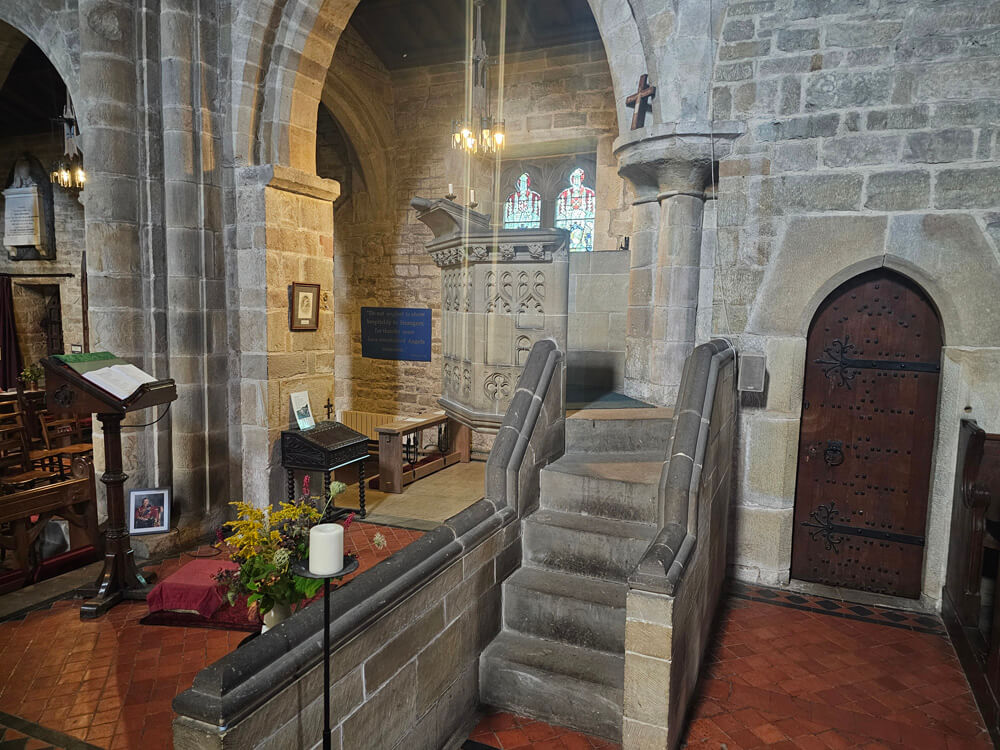
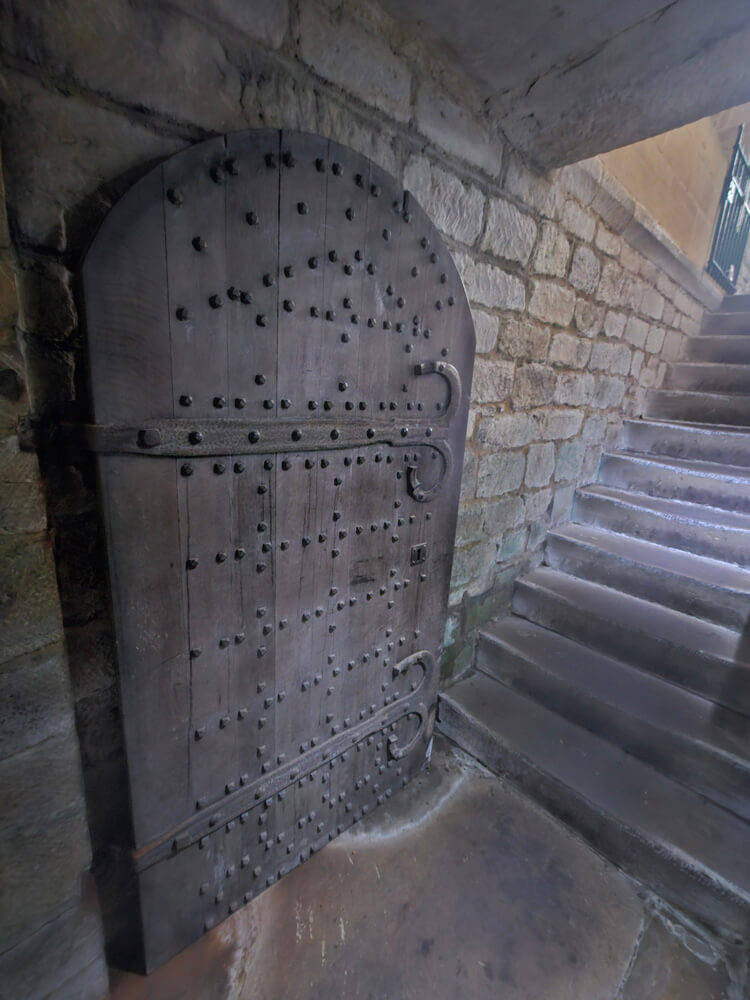
Inside, visitors can still find a 12th-century font, medieval grave slabs, carved stonework and ancient crosses that reflect the church’s long role as both monastery and parish church.
A Lasting Medieval Legacy
Celebrated by architectural historian Nikolaus Pevsner, who called the crypt “unforgettable,” and by John Betjeman, who described the church as “one of the most moving places in England,” St Mary’s remains one of the country’s finest medieval churches. Beneath its peaceful village setting lies an almost perfectly preserved Norman crypt — a sacred space that has endured for nearly a thousand years, preserving the legacy of both Saint Cedd’s Anglo-Saxon monastery and the ambitious Benedictine builders who followed him.
Photo Gallery.
Did you enjoy this post?
I hope you found this post useful. I put a great deal of time and effort in to building, maintaining and populating the website. If you like, you could say a small thank you by buying me a coffee. You don't have to, but it would be nice :)
Buy me a coffee
Stay up to Date
Follow me on my journey and get notified whenever a new post is published by following Kings & Castles on Facebook.
Follow MeExplore The Map
Discover the hundreds of castles, churches, monasteries, cathedrals and other historic locations that I've personally visited across England and Wales. Search by location, explore nearby sites and plan your next historical adventure.
Share: